Silk Screen Printing Planner and Pen Set Suppliers and Manufacturers
Compare 34 verified suppliers offering silk screen printing planner and pen sets with varying lead times, certifications, and response speeds. Review product attributes like binding and material to select the right factory for your order; review the available evidence before requesting comparable quotations from suitable candidates.
Updated
Suppliers List
Fuzhou Yintuan Printing Co., Ltd.
- Verified by TüVRheinland
- Manufacturer, Trading Company
- Lead time7 days
- Avg. response≤ 1h
Main productsBook Printing, Children Book, Coloring Book, Decor Book, Journal Notebook
Main marketsNorth America(45%), Southeast Asia(20%), Eastern Asia(15%)

Wenzhou Yanhe Technology Co., Ltd.
- Verified by BV
- Combined
- China Zhejiang
- Lead time30 days
- Avg. response≤ 6h
Main productsNotebook
Main marketsSouth America,Africa,Southeast Asia/ Mideast,East Asia(Japan/ South Korea),Europe,Australia,North America


Elegant Leather Planner for Efficient Office Management and Task Tracking
$0.50 - $3.00
MOQ: 300 pieces


TAIZHOU RONGYI IMPORT AND EXPORT CO., LTD.
- Trading Company
- China Zhejiang
- Lead time15 days
- Avg. response≤ 2h
Main productsNotebook, Diary, Organiser, Certificate Folder, Journal, Greeting Card, Notepad, Sticky Notes
Main marketsSouth America,Southeast Asia/ Mideast,East Asia(Japan/ South Korea),Europe,North America

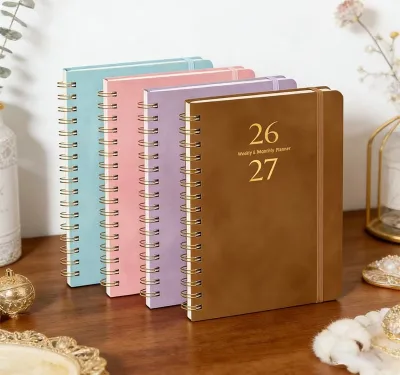
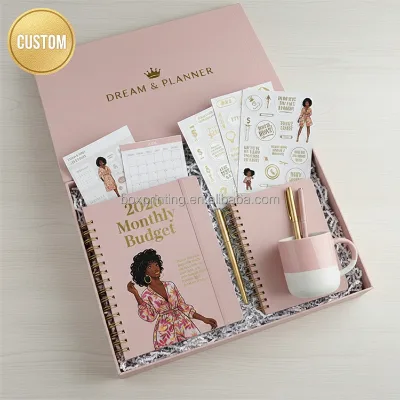
2026 Customized Hardcover Planner Diary Agenda Business Pen and Notebook Gift Set
$5.88
MOQ: 1000 Pieces

2024 Business Luxury Corporate Promotion Diary Planner Gift Set Notebook Keychain & Pen
$2.77 - $3.08
MOQ: 300 Pieces


$10.98 - $11.28
MOQ: 300 Pieces

Custom Hardcover Leather Sewing Binding Daily Planner Pen Gift Set Corporate Executive
$0.96 - $1.20
MOQ: 500 Pieces

Promotional Diary and Pen Set 2026 Custom Logo Printed Weekly Daily Planners in Business Notebook
$3.98 - $18.88
MOQ: 100 Pieces
Guangzhou Xinqicai Printing Co., Ltd.
- Verified by SGS
- Combined
- China Guangdong
- Lead time15 days
- Avg. response≤ 6h
Main productsPlanner, Journal, Notebook, Book, Calendar
Main marketsEurope,Australia,North America
- Trading Company
- Hong Kong S.A.R.
- Lead time20 days
- Avg. response≤ 5h
Main productsPromotional Gifts,Party Supplies,Luggage & Bags,Medals & Trophies,Apparel & Caps
Main marketsNorth America(21.00%), Oceania(13.00%), Southeast Asia(12.00%), Western Europe(10.00%), Mid East(9.00%), Eastern Europe(8.00%), Southern Europe(7.00%), Africa(5.00%), Northern Europe(5.00%), Eastern Asia(5.00%), Central America(2.00%), South America(2.00%), South Asia(1.00%)
$2.9376 - $8.0368
MOQ: 10 Minimum
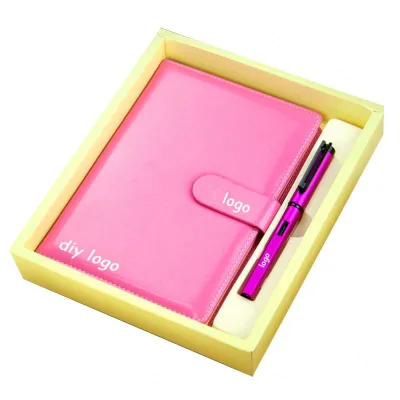
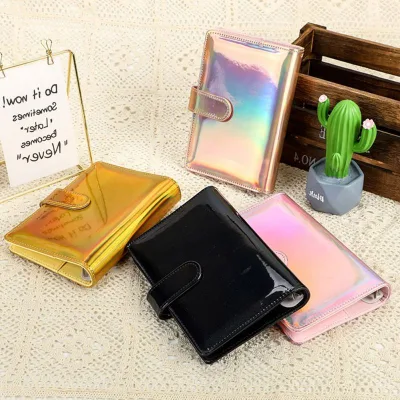
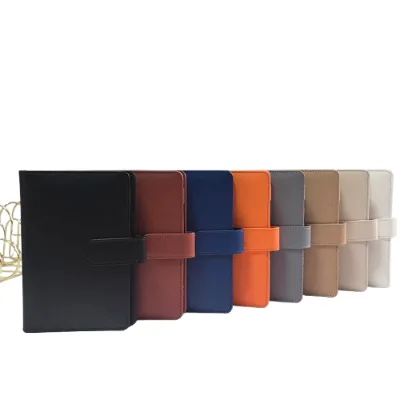
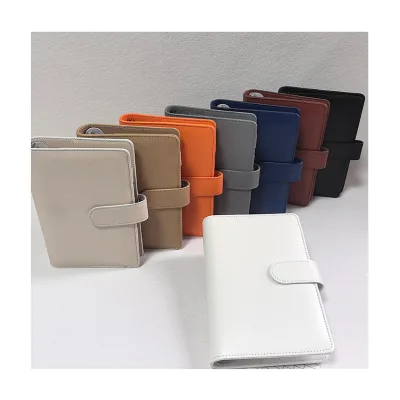
Custom A6 Holographic Pu, Planner With 6 Rings Office Supplies Cash Budget Binders With Envelopes/
$0.85 - $3.85
MOQ: 50 Minimum

Shenzhen Longyin Printing Packing Co., Ltd.
- Verified by SGS
- Trading Company
- China Guangdong
- Lead time15 days
- Avg. response≤ 4h
Main marketsSouth America,Africa,Southeast Asia/ Mideast,East Asia(Japan/ South Korea),Domestic,Europe,Australia,North America
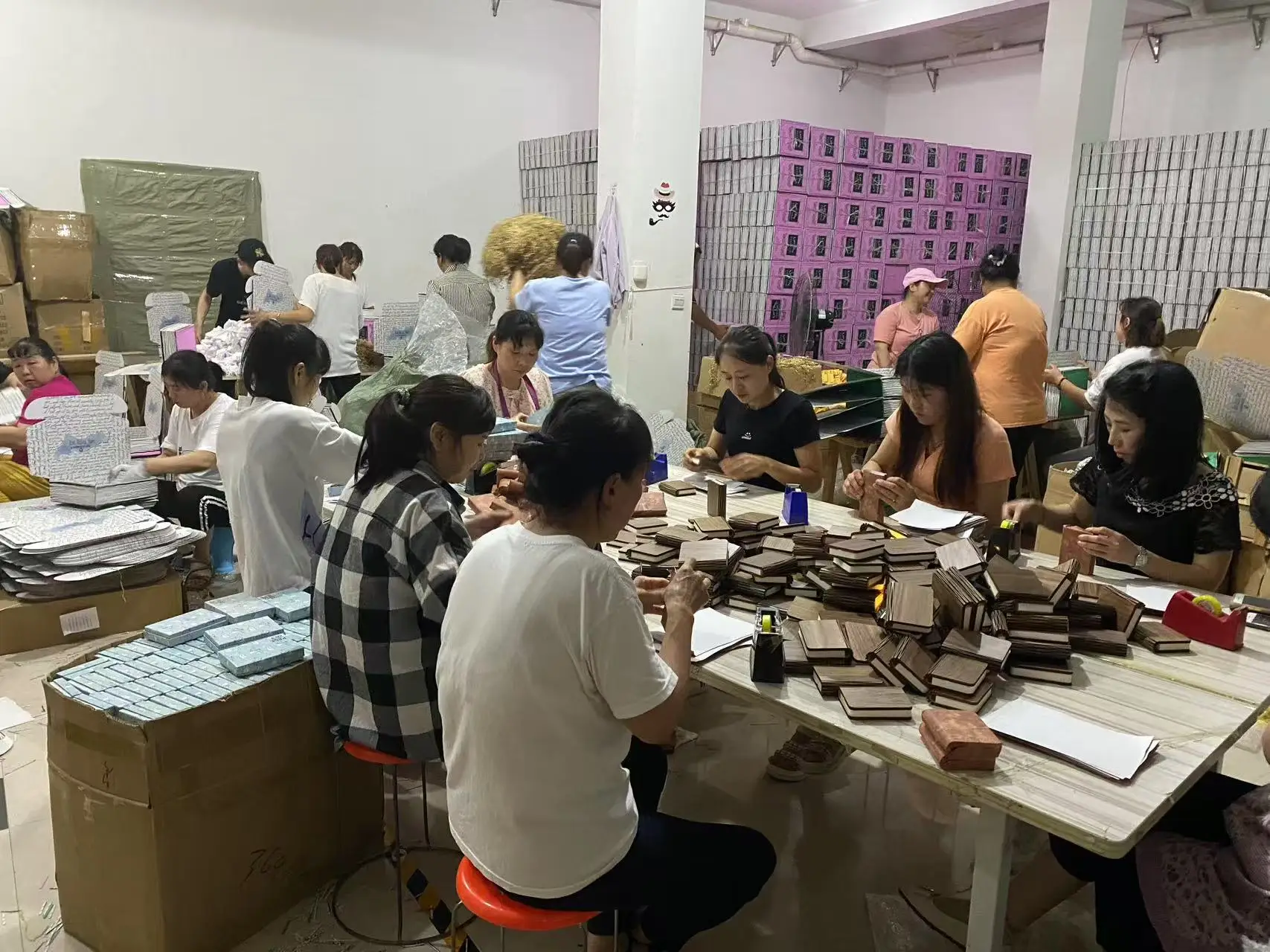
Yiwu Imaiwill Technology Co., Ltd.
- Manufacturer, Trading Company
- Zhejiang, China
- Lead time5 days
- Avg. response≤ 7h
Main productsPromo-Drinkware, Promo-Bags, Promo-Hats, Stationery, Promo-Gift
Main marketsNorth America(35.00%), Domestic Market(27.00%), Western Europe(25.00%), South America(10.00%), Mid East(3.00%)

Tianjin Caile Printing Co., Ltd
- Verified by TUVRHEINLAND
- Trading Company
- China Tianjin
- Lead time60 days
- Avg. response≤ 7h
Main productsPlanner, Journal, Notebook, Calendar, Box, Diary, PU Leather Binder, Pop up Book, First Aid Kit, Gift Set
Main marketsEurope,Australia,North America


Planner Stationery Set Journal Book Printing Create Your Own Spiral Bound Notebook
$1.98 - $7.55
MOQ: 300 Pieces


Ningbo Gusta Stationery Co., Ltd.
- Verified by BV
- Trading Company
- China Zhejiang
- Lead time30 days
- Avg. response≤ 6h
Main productsPencil Case, Stationery Set, Bag, Toys, Office Supplies, Arts & Crafts, Housewares, Silicone Product, School Bag, Travel Bag
Main marketsEast Asia(Japan/ South Korea),Europe,North America

PU Leather Notebook Set Hardcover Planner Pen Custom Logo Wholesale OEM Factory
$2.49 - $2.89
MOQ: 200 Pieces

A5 PU Leather Planner Notebook Pen Gift Set Graduation Corporate-Supply Edition
$7.90 - $8.60
MOQ: 1000 Sets

Leather Planner Notebook Pen Set Business Office Journal Gift Custom Logo OEM
$6.85 - $7.29
MOQ: 1000 Pieces
Xiamen Le Young Imp. & Exp. Co., Ltd.
- Verified by TüVRheinland
- Trading Company
- Lead time20 days
- Avg. response≤ 2h
Main productsLeather Folder, Leather Notebook, Leather Jewelry Box, Leather Desk Organizer, Leather Desk Pad
Main marketsNorth America(63%), Africa(22%), Oceania(5%)
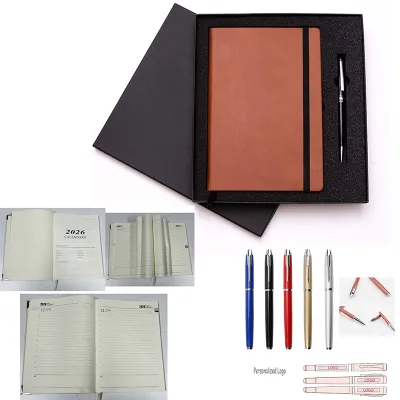
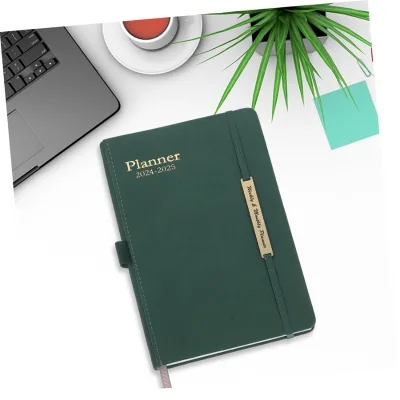
$1.85 - $2.45
MOQ: 300 pieces
- Verified by SGS Group
- Trading Company
- Lead time5 days
- Avg. response≤ 2h
Main productsNotebook Gift Set, Business Gift Set, Men Gift Sets, Women Gift Sets, Promotional Sets
Main marketsNorth America(30%), Mid East(30%), Africa(20%)
Ningbo Sentu Art And Craft Co., Ltd.
- Manufacturer, Trading Company
- Lead time旺季: "1 - 3000":20,"> 3000":"To be negotiated", 淡季: "1 - 3000":20,"> 3000":"To be negotiated"
- Avg. response≤ 8h
Main productsNotebooks, sticky notes, puzzle
LANGBIN TECHNOLOGY (HANGZHOU ) CO., LTD.
- Verified by SGS Group
- Manufacturer, Trading Company
- Lead time8 days
- Avg. response≤ 2h
Main productsPapar Bags, Notebooks, Garment Accessories, Papar Printing, Paper Box
Main marketsNorth America(30%), Domestic Market(30%), Western Europe(10%)

Yiwu Qian You Trading Co., Ltd.
- Manufacturer, Trading Company
- Zhejiang, China
- Lead time15 days
- Avg. response≤ 2h
Main productsNotebook,Pu card holder,luggage tag,pen,Portfolio
Main marketsDomestic Market(10.00%), South Asia(10.00%), Eastern Europe(10.00%), Southern Europe(10.00%), Northern Europe(10.00%), Central America(8.00%), South America(7.00%), Africa(5.00%), Southeast Asia(5.00%), Mid East(5.00%), North America(5.00%), Oceania(5.00%), Western Europe(5.00%), Eastern Asia(5.00%)
Shenzhen HBCInternational Trade Co., Ltd.
- Trading Company
- Guangdong, China
- Lead time0 days
- Avg. response≤ 2h
Main productsGift Sets, Business Gift Set, Promotional Bags&Travel, Promotional Apparel, Metal Crafts
Main marketsNorth America(50.00%), Domestic Market(30.00%), Northern Europe(20.00%)

Ningbo Hardwork Art & Craft Co., Ltd.
- Verified by BV
- Combined
- China Zhejiang
- Lead time15 days
- Avg. response≤ 14h
Main productsDIY Kit, Stamp, Wooden Craft, Book
Main marketsEurope
Guangzhou Bonroy Cultural Creativity Co., Ltd.
- Trading Company
- Lead time旺季: "1 - 200":15,"201 - 5000":18,"5001 - 10000":20,"> 10000":"To be negotiated", 淡季: "1 - 200":15,"201 - 5000":18,"5001 - 10000":20,"> 10000":"To be negotiated"
- Avg. response≤ 2h
Main productsNotebook Printing, Book Printing/Paper Box Printing/Card Set Printing/Paper Bag Printing
Xiamen Hongju Printing Industry & Trade Co., Ltd.
- Verified by SGS Group
- Manufacturer, Trading Company
- Lead time10 days
- Avg. response≤ 4h
Main productsCard Games, Planner, Notebook, Gift Box, Paper Box
Main marketsNorth America(50%), Western Europe(30%), Oceania(10%)

Taizhou EEGO Industry & Trade Co., Ltd.
- Verified by TUVRHEINLAND
- Trading Company
- China Zhejiang
- Lead time15 days
- Avg. response≤ 2h
Main productsNotebook, Stationery, Paper Gift, File Folders, Books Printing, Planner, Agenda, Journal, Spiral Notebook, Memo Pads
Main marketsSouth America,Africa,Southeast Asia/ Mideast,East Asia(Japan/ South Korea),Europe,Australia,North America


PU Leather Soft Cover Agenda Diary Planner for Students with Customized Logo
$1.15 - $2.15
MOQ: 300 Pieces
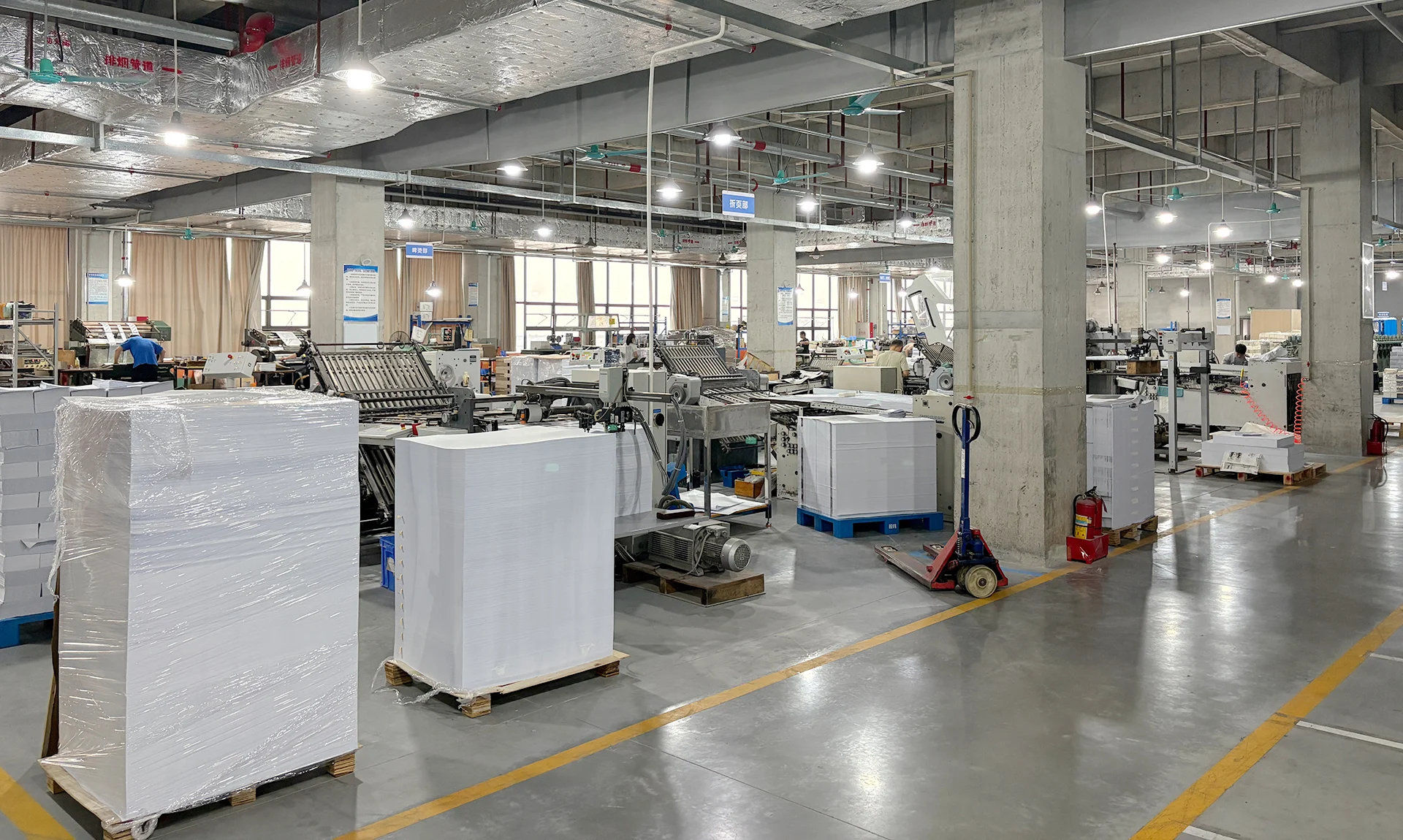
Dongguan Haicheng Paper Products Co., Ltd.
- Manufacturer, Trading Company
- Guangdong, China
- Lead time15 days
- Avg. response≤ 2h
Main productsHardcover Book,Sprayed Edge Book,Children Book,Paper Box,Notebook & Journal
Main marketsNorth America(35.00%), Western Europe(34.00%), Southern Europe(8.00%), Oceania(5.00%), Northern Europe(5.00%), Africa(3.00%), Mid East(3.00%), Eastern Europe(3.00%), Eastern Asia(1.00%), Domestic Market(1.00%), South America(1.00%), Southeast Asia(0.50%), South Asia(0.50%)

GUANGZHOU TIMI PRINTING CO., LTD
- Verified by SGS
- Combined
- China Guangdong
- Lead time15 days
- Avg. response≤ 5h
Main productsHardcover Book, Paperback Book, Jigsaw Puzzles, Board Book, Activity Book, Casebound Book, Stickers Book, Coloring Book, Planner, Notebook
Main marketsEurope,North America

Round Color Printing (Shenzhen) Co., Ltd.
- Verified by BV
- Trading Company
- China Guangdong
- Lead time23 days
- Avg. response≤ 8h
Main productsBook Printing, Catalog Printing, Calendar Printing, Notebook Printing
Main marketsEurope,Australia,North America

Planner Custom Printing Custom Planner Printing 2023 Planner Custom Printing
$0.79 - $2.30
MOQ: 500 pieces

Shanghai Tinghao Stationery Co., Ltd.
- Verified by Intertek
- Manufacturer, Trading Company
- Lead time15 days
- Avg. response≤ 1h
Main productsPU Notebook, PU Wallet, PU Card Holder
Main marketsDomestic Market(30%), Southeast Asia(20%), Oceania(10%)

- Verified by BV
- Manufacturer/Factory
- China Shandong
- Lead time0 days
- Avg. response≤ 15h
Main productsNotebook, Book Printing, Pacakging Boxes, Children Book, Diaries, Organizers, Calendars, Notepads, Note Book, Hardcover Book


2026 Calendar Planner, Work Assistant, Daily Planner, Time Management Notebook
$1.20 - $6.00
MOQ: 1000 Pieces

Guangzhou Mike Printing & Packaging Co., Ltd
- Verified by SGS
- Manufacturer
- China Guangdong
- Lead time15 days
- Avg. response≤ 12h
Main productsHardcover Book, Softcover Book, Children Book, Textbook, Dictionary, Notebook Printing, Magazine, Booklet, Paper Box
Main marketsSoutheast Asia/ Mideast,Europe,North America

Custom Printing 2024 Diary Agenda Planner Notebook Spiral Binding Year Planner
$0.19 - $1.24
MOQ: 500 Pieces

Planner Custom Logo Calendar Book Notebook PU Leather Agendas A5 Planner
$0.59 - $1.68
MOQ: 500 Pieces

Shanghai David International Trade Co., Ltd.
- Verified by TUVRHEINLAND
- Combined
- China Shanghai
- Lead time15 days
- Avg. response≤ 9h
Main productsPromotional Gifts, Gift Sets, Tshirts, Hats, Hot Packs, Hot Cold Packs, Ice Packs, Bags, Umbrellas, Water Bottles
Main marketsSouth America,Africa,Southeast Asia/ Mideast,East Asia(Japan/ South Korea),Domestic,Europe,Australia,North America
Taizhou Eego Industry And Trade Co., Ltd.
- Verified by TüVRheinland
- Manufacturer, Trading Company
- Lead time30 days
- Avg. response≤ 2h
Main productsNotebooks, Journals, Pens, Planner, Corporate Gift Sets
Main marketsNorth America(45%), South America(12%), Western Europe(10%)
Wenzhou Pinyange Stationery Co., Ltd.
- Trading Company
- Zhejiang, China
- Lead time0 days
- Avg. response≤ 5h
Main productsnotebook, journal notebook, notebooks for students, custom notebook, school notebook
Main marketsEastern Asia(30.00%), North America(30.00%), Eastern Europe(15.00%), South America(15.00%), Southeast Asia(5.00%)
HonorHope (Zhengzhou) Technology Industrial Co., Ltd.
- Manufacturer, Trading Company
- Henan, China
- Lead time15 days
- Avg. response≤ 14h
Main productsPaper Bag,Gift Box,Calendar,Nowoven bag,Notebook
Main marketsMid East(30.00%), North America(20.00%), Western Europe(15.00%), South America(10.00%), Eastern Europe(5.00%), Eastern Asia(5.00%), Southeast Asia(5.00%), Oceania(5.00%), Africa(5.00%)
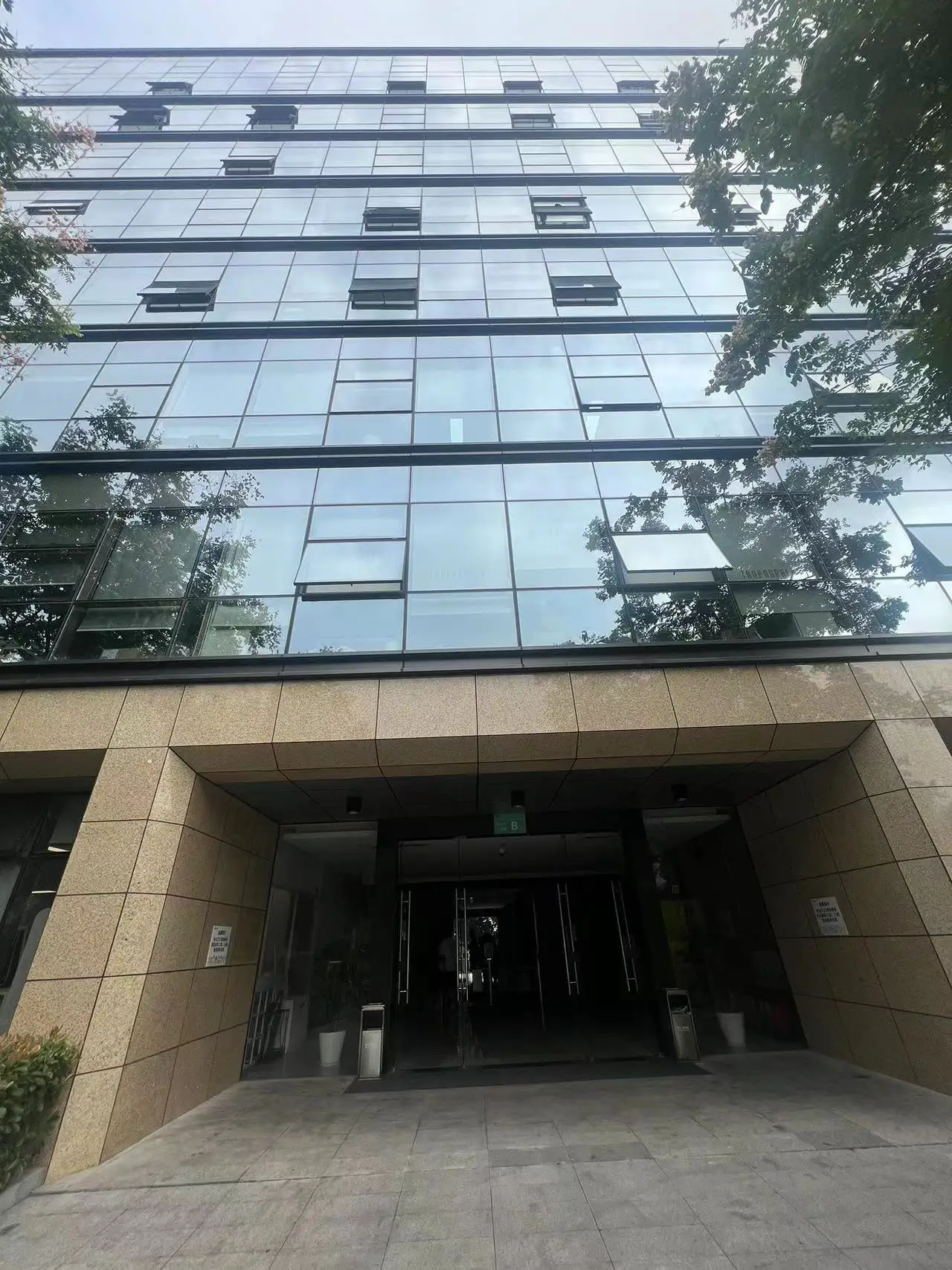
Yiwu Hemengyuan Import And Export Co., Ltd.
- Trading Company
- Zhejiang, China
- Lead time0 days
- Avg. response≤ 3h
Main productsbusiness gift sets,notebook,jewelry box,gift sets,planner
Main marketsNorth America(50.00%), South America(26.00%), Eastern Europe(16.00%), Oceania(2.00%), Africa(2.00%), Southeast Asia(2.00%), Eastern Asia(1.00%), Mid East(1.00%)

Xiamen Le Young Imp. & Exp. Co., Ltd
- Verified by BV
- Trading Company,Manufacturer/Factory
- China Fujian
- Lead time23 days
- Avg. response≤ 4h
Main productsLeather Folder, Trave Wallet, Leather Notebook, Leather Compendium, Leather Portfolio, Leather Diary, Leather Journal, Hotel Supply, Leather Card Holder, Leather Wallet
Main marketsSouth America,Eastern Europe,Mid East,North America,Southeast Asia,Eastern Asia,Oceania,Western Europe,Africa

Corporate Gift Dairy A5 Customized Agenda 2027 Daily Planner with Pen&Gift Box
$1.54 - $2.49
MOQ: 200 Pieces

Custom Hardcover Agenda 2027 Weekly Monthly Corporate Planner for Employee Gifts
$1.95 - $2.89
MOQ: 200 Pieces
- Verified by TüVRheinland
- Trading Company
- Lead time15 days
- Avg. response≤ 1h
Main productsPromotion Gifts, Planner, Portfolio, File Folder, Card Holder
Main marketsNorth America(45%), Western Europe(40%), Eastern Europe(5%)

Guangzhou Vitality Manufacturing&Export Co., Ltd
- Verified by CTI
- Trading Company
- China Guangdong
- Lead time15 days
- Avg. response≤ 4h
Main productsNotebook, Exercise Book, School Cloth, Textbook, School Bag, Pens, Stationery Set, Ruler Set, Calculator, Jigsaw Puzzle
Main marketsSouth America,Africa,Southeast Asia/ Mideast

Factory Custom Logo Yearly Planner 2027 Planner A5 Leather Cover Agenda
$1.99 - $2.99
MOQ: 1000 Pieces

Luxury Undated Planner Hard Bound Leather 2027 Diary A5 Customized Agenda 2027
$1.99 - $2.95
MOQ: 1000 Pieces
Hangzhou Keteng Trade Co., Ltd.
- Verified by SGS Group
- Trading Company
- Lead time12 days
- Avg. response≤ 2h
Main productsStationery, Paper Box, Paper Bags, Packaging Bags, Promotion Gifts
Main marketsNorth America(50%), Oceania(15%), Western Europe(15%)
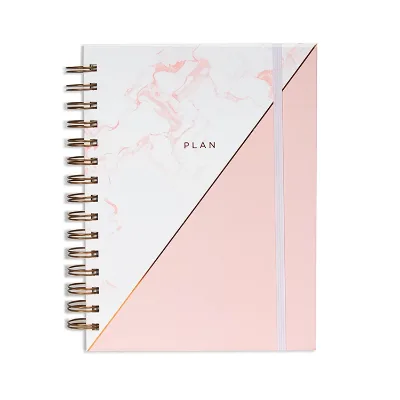
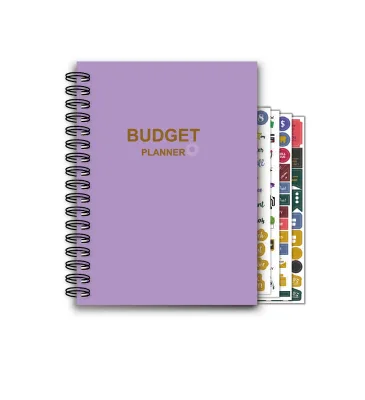
A5 Financial Budget Planner with Spiral Binding for Corporate Gifting - Custom Printed, 80 Sheets
$0.6516 - $1.0126
MOQ: 50 pieces
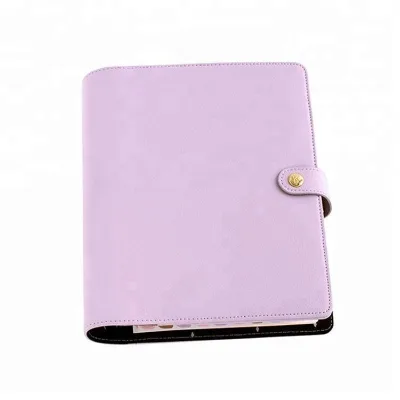
Luxury Leather Agenda Planner with Custom Logo for Business Gifts 100 Sheets Sewing Binding A5 Size
$1.0141 - $3.7016
MOQ: 300 pieces


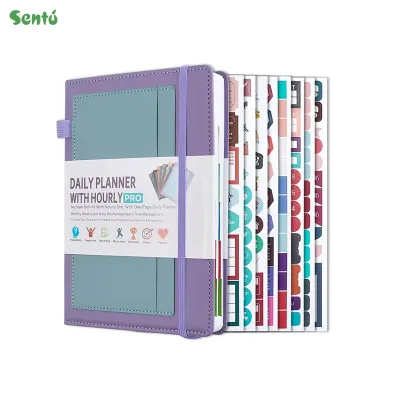
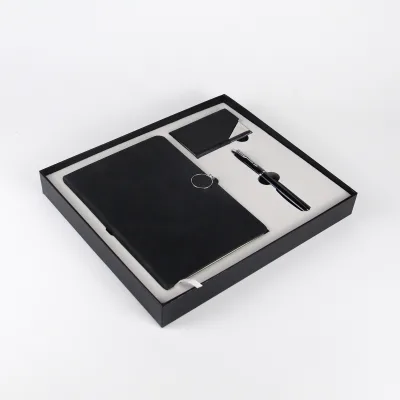
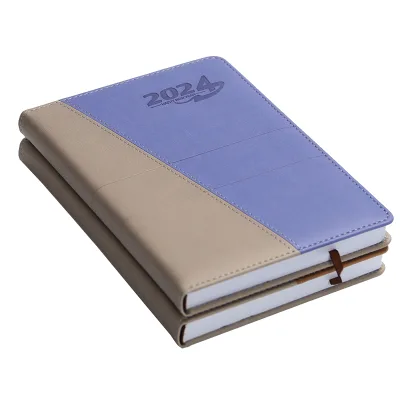
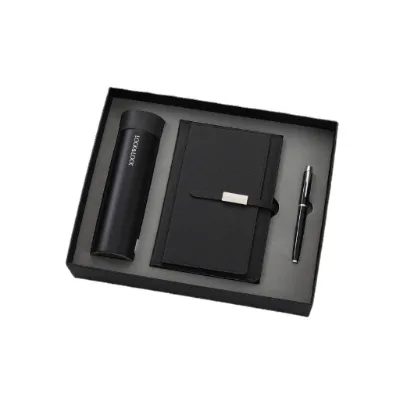
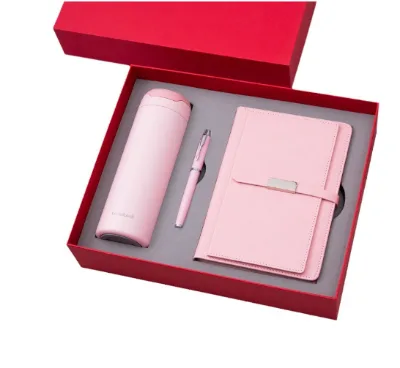
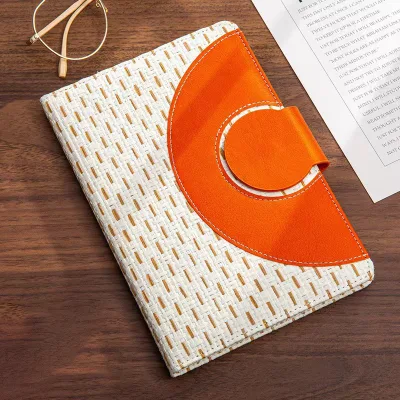
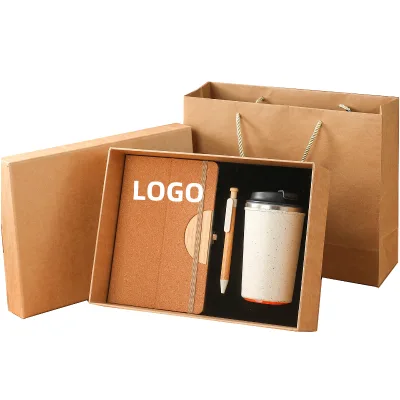
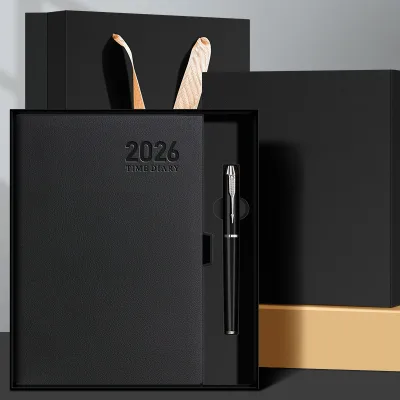


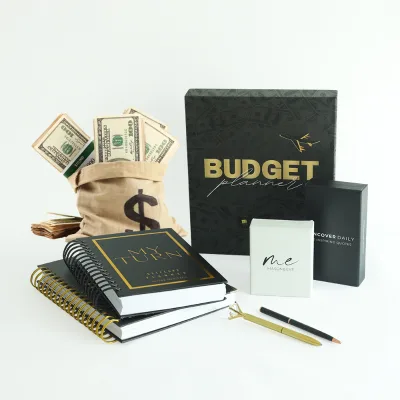
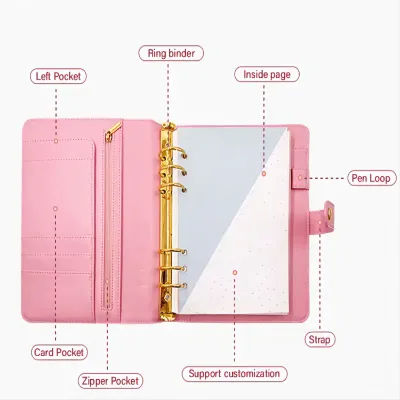
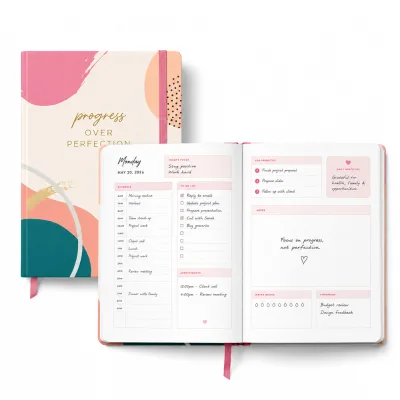
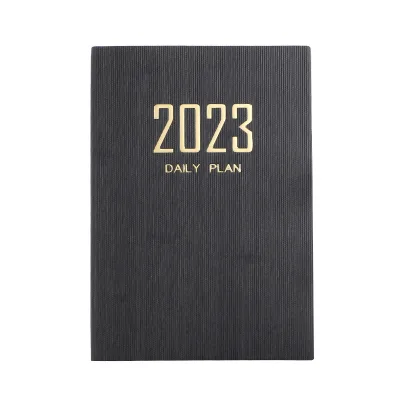




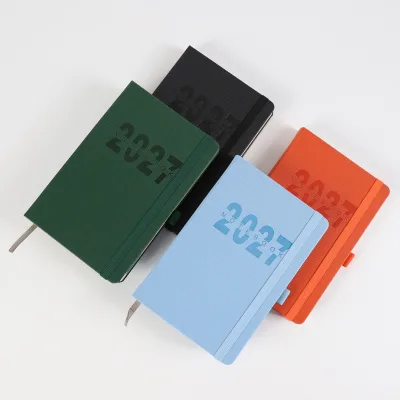
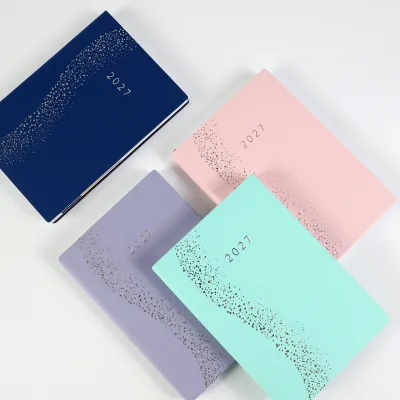
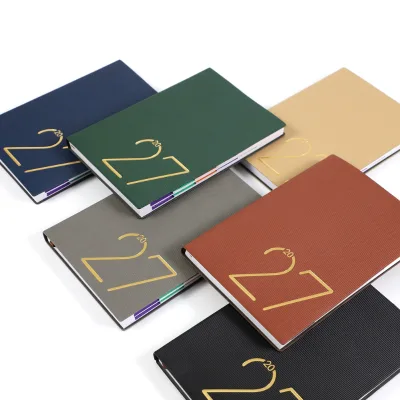
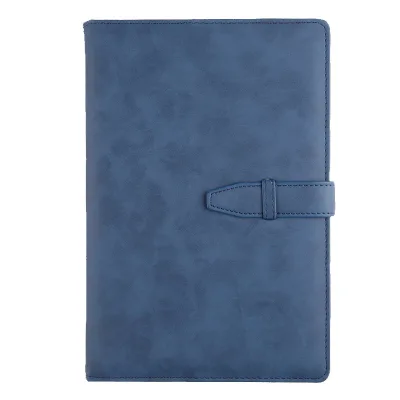
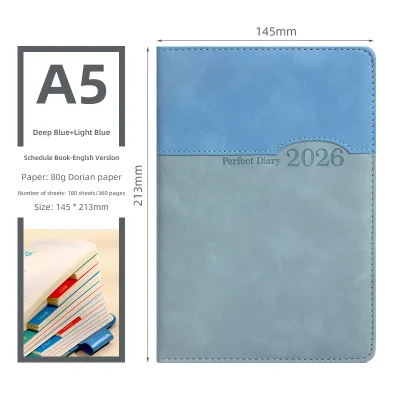

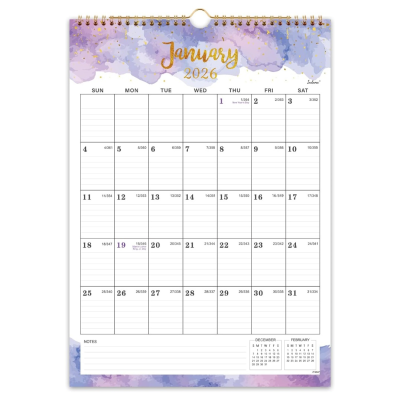
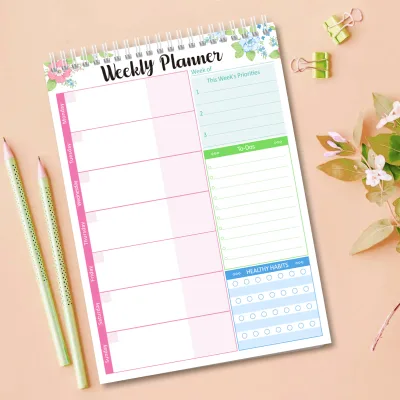
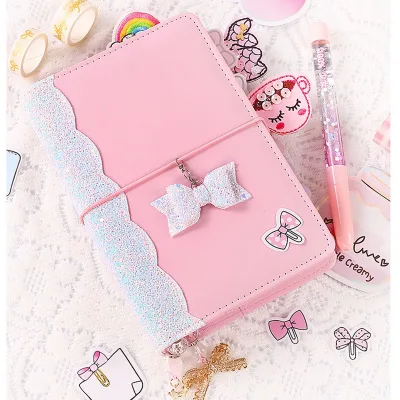
Comprehensive Sourcing Guide
Silk Screen Printing Planner and Pen Set Supplier Concentration and Factory Types
The sourcing landscape for custom planners and pen sets features a mix of manufacturing entities and trading companies, each offering distinct advantages for buyers seeking specific production capabilities. Current data indicates that suppliers in this category are primarily classified as manufacturers, trading companies, or combined entities, allowing buyers to select partners based on their preferred supply chain structure. Manufacturers typically provide direct control over the production process, which is crucial for complex customizations like silk screen printing on PU covers or hardbound notebooks. These facilities often possess the necessary machinery for offset printing, sewing binding, and surface finishing such as film lamination, ensuring high-quality output for luxury gift sets. Trading companies, on the other hand, may offer a broader range of product variations, including journals, diaries, and certificate folders, leveraging their network to source specific components like pens or specialized paper types. This diversity in company types means buyers must carefully evaluate whether they need the direct factory oversight of a manufacturer or the flexible sourcing options of a trading partner. The presence of combined entities suggests some suppliers bridge this gap, offering both production and trading services, which can simplify communication but requires verification of their actual operational capacity. Understanding these structural differences is the first step in identifying a supplier that aligns with your specific volume and customization needs.
Location plays a significant role in the availability and specialization of these suppliers, with certain regions emerging as hubs for paper and packaging production. Evidence points to suppliers located in Fujian and Zhejiang provinces in China, areas known for their robust manufacturing infrastructure and expertise in paper processing. Fujian-based suppliers often specialize in high-end book printing, including custom luxury monthly planners with Smythe sewn binding and hardcover options, utilizing materials like art paper, cardboard, and coated paper. Zhejiang-based entities may focus on a wider array of stationery products, including notebooks, diaries, and promotional gift sets, benefiting from the region's established logistics and supply chain networks. When evaluating suppliers, buyers should consider how these regional concentrations impact lead times and material availability. Proximity to raw material sources can reduce costs and improve consistency, while established industrial clusters often provide access to specialized services like graphic processing and sample production. Buyers should verify the specific location of their chosen supplier to understand the logistical implications and ensure that the supplier’s base aligns with their quality and delivery expectations. This geographical awareness helps in assessing the supplier’s ability to handle large orders and maintain consistent quality standards across production batches.
How to Verify Silk Screen Printing Planner and Pen Set Suppliers
Verifying the credibility and operational capacity of suppliers is essential to mitigate risks when sourcing custom printed planners and pen sets. Buyers should prioritize suppliers who have undergone third-party verification processes, as these provide an independent assessment of their business legitimacy and manufacturing capabilities. Current data shows that some suppliers are verified by recognized entities such as TüVRheinland and BV, which can offer confidence in their operational standards and financial stability. These verifications often include checks on the supplier’s physical premises, production equipment, and quality control systems, ensuring that they can deliver on their promises. Additionally, buyers should look for suppliers who display specific system certifications relevant to their products and industry standards. Certifications such as ISO 9001 for quality management, ISO 14001 for environmental management, and FSC for sustainable forestry practices indicate a commitment to quality and responsible sourcing. Other relevant certifications like REACH, RoHS, CPC, and CE may be important depending on the target market and material safety requirements. These credentials serve as tangible evidence of the supplier’s adherence to international standards and their ability to produce compliant products. Buyers should request copies of these certificates and verify their validity through the issuing bodies to ensure they are current and applicable to the specific products being ordered.
Beyond certifications, buyers should assess the supplier’s response time and communication efficiency, as these factors are critical for successful project management. Data indicates that response times can vary, with some suppliers responding within one hour and others taking several hours or days. A quick response time often reflects a well-organized customer service team and a proactive approach to client engagement, which is vital for resolving issues quickly and keeping projects on schedule. Buyers should also examine the supplier’s product portfolio to ensure they have experience with the specific type of planner or pen set they are sourcing. For instance, suppliers offering custom luxury monthly planners with sewing binding and hardcover options demonstrate expertise in high-end book printing, while those providing screen-printed notebook sets for business promotions show versatility in promotional product manufacturing. Evaluating the range of products, from journals and diaries to sticky notes and greeting cards, can help buyers gauge the supplier’s breadth of capabilities. Additionally, checking for evidence of past projects or case studies can provide insights into the supplier’s quality and reliability. Buyers should not rely solely on marketing claims but should seek concrete evidence of the supplier’s ability to deliver high-quality, customized products that meet their specific requirements.
What to Compare Across Silk Screen Printing Planner and Pen Set Suppliers
When evaluating multiple suppliers for silk screen printing planner and pen sets, buyers must compare key operational metrics to identify the best fit for their needs. Lead time is a critical factor, as it directly impacts inventory planning and market launch schedules. Current data shows significant variation in lead times, with some suppliers offering rapid turnaround times of seven days for samples or small orders, while others require up to thirty days for larger production runs. Understanding these differences is essential for aligning supplier capabilities with your project timeline. Buyers should also compare the minimum order quantities (MOQ) to ensure they align with their budget and storage capacity. MOQs can range from fifty pieces for promotional items to one thousand pieces for larger corporate orders, influencing the total cost per unit and the feasibility of small-batch testing. Response time is another important metric, as it affects the speed of communication and problem resolution. Suppliers with faster response times, such as those responding within one hour, can provide quicker updates and support, which is valuable for complex custom orders. Buyers should also consider the supplier’s main products and specialization, as those focusing on book printing may offer better quality for hardcover planners, while those specializing in promotional gifts may provide more competitive pricing for bulk orders.
Price and customization options are equally important factors in supplier comparison. The price range for custom planners and pen sets can vary widely, with some products priced between one and two dollars per unit, while others may cost up to five dollars or more depending on materials and complexity. Buyers should request detailed quotes that break down costs for materials, printing, binding, and packaging to understand the value proposition. Customization capabilities, such as the ability to use specific colors like CYMK and Pantone, offer various binding styles like sewing thread or hardcover Smythe sewn binding, and provide options for logo application via screen printing, embossing, or laser engraving, are crucial for brand differentiation. Suppliers offering OEM services and customized sizes, such as A5 or other standard dimensions, provide greater flexibility for unique requirements. Additionally, buyers should compare the quality of materials used, such as PU leather, art paper, or coated paper, and the finishing options like film lamination, which can affect the product’s durability and aesthetic appeal. By systematically comparing these factors, buyers can make informed decisions that balance cost, quality, and lead time, ensuring they select a supplier who can deliver products that meet their specific business needs and customer expectations.
Common Silk Screen Printing Planner and Pen Set Sourcing Risks
Sourcing custom printed planners and pen sets involves several potential risks that buyers must proactively manage to ensure successful outcomes. One significant risk is the variability in product quality, which can arise from differences in material sourcing, printing techniques, and binding methods. For instance, while some suppliers offer high-quality art paper and precise offset printing, others may use lower-grade materials that affect the final product’s durability and appearance. Buyers should be cautious of suppliers who do not provide clear specifications for materials like PU leather, cardboard, or coated paper, as these can significantly impact the product’s feel and longevity. Additionally, the complexity of customization, such as multi-color screen printing or intricate binding styles, increases the risk of errors during production. Miscommunication regarding color codes, Pantone matches, or logo placement can lead to costly rework or rejected shipments. To mitigate this risk, buyers should request physical samples before placing large orders and verify that the supplier has the necessary equipment and expertise to execute the desired customizations accurately. Establishing clear quality control checkpoints and agreeing on acceptable tolerance levels for color and alignment can help minimize discrepancies between the sample and the final production batch.
Another common risk is the reliability of lead times and delivery schedules, which can be affected by production bottlenecks, material shortages, or logistical delays. Suppliers with longer lead times, such as those requiring thirty days for production, may face challenges in meeting urgent deadlines, especially during peak seasons. Buyers should assess the supplier’s capacity and historical performance to gauge their ability to deliver on time. Additionally, the risk of non-compliance with international standards and regulations is a concern, particularly for products intended for export to markets with strict safety and environmental requirements. Suppliers lacking relevant certifications like ISO 9001, REACH, or FSC may struggle to meet these standards, leading to potential customs issues or product recalls. Buyers should verify that their chosen supplier has the necessary certifications and quality management systems in place to ensure compliance. Furthermore, the risk of intellectual property infringement is a concern when dealing with custom designs and logos. Buyers should ensure that their designs are protected and that the supplier has policies in place to prevent unauthorized use or duplication. By identifying and addressing these risks early in the sourcing process, buyers can establish a more secure and reliable supply chain for their custom planner and pen set orders.
Silk Screen Printing Planner and Pen Set Regional Sourcing and Logistics
Regional sourcing strategies play a crucial role in optimizing the logistics and cost-efficiency of sourcing silk screen printing planner and pen sets. Suppliers located in specific manufacturing hubs, such as Fujian and Zhejiang provinces in China, offer distinct advantages in terms of production capacity and supply chain integration. Fujian-based suppliers are often specialized in high-end book printing, leveraging their expertise in Smythe sewn binding and hardcover construction to produce luxury planners and diaries. This regional concentration allows for efficient sourcing of specialized materials like art paper and coated paper, which are essential for high-quality printing and finishing. Zhejiang-based suppliers, on the other hand, may offer a broader range of stationery products, including notebooks, journals, and promotional gift sets, benefiting from the region’s established logistics networks and proximity to major ports. This geographical advantage can reduce shipping times and costs, particularly for buyers targeting international markets. Buyers should consider the logistical implications of sourcing from these regions, including customs clearance procedures, freight forwarding options, and potential transit delays. Understanding the local infrastructure and supply chain dynamics can help buyers plan their inventory and delivery schedules more effectively, ensuring timely receipt of goods.
Logistics planning also involves considering the packaging and handling requirements of the products to minimize damage during transit. Custom planners and pen sets are often packaged in export cartons, with specific dimensions and weights that impact shipping costs and container utilization. For example, a single package size of 50x30x24 cm and a gross weight of 15 kg per unit can influence the number of units that can be shipped in a standard container. Buyers should work with their suppliers to optimize packaging designs to maximize space efficiency and protect the products from damage. Additionally, buyers should evaluate the supplier’s experience with international shipping and their ability to handle documentation and compliance requirements. Suppliers who are familiar with export procedures can streamline the logistics process, reducing the risk of delays and additional costs. Buyers should also consider the environmental impact of their shipping choices, opting for suppliers who use
FAQs
What is the price range for custom planner and pen sets?
Prices for these gift sets typically range from $1.00 to $5.88 per unit depending on customization levels. Basic paper-based options start near $1.00, while premium leather or hardcover versions with complex printing can reach higher price points. Buyers should request quotes based on specific material and quantity requirements to determine exact costs.
What certifications are available for these printing suppliers?
Manufacturers often hold ISO 9001, ISO 14001, REACH, FSC, RoHS, CPC, and CE certifications. These credentials ensure compliance with international quality and safety standards for paper products and packaging. Buyers should verify specific certificates relevant to their target market, as not all suppliers hold every listed certification.
What is the typical lead time for these orders?
Lead times vary significantly, ranging from 7 days for sample processing to 30 days for larger production runs. Some suppliers offer faster turnaround of 10-15 days for specific quantities. Buyers must confirm exact delivery schedules with suppliers, as production time depends heavily on order volume and customization complexity.
What is the minimum order quantity for custom sets?
MOQs generally start at 50 pieces for promotional items but often require 300 or 1000 units for standard custom printing. Higher quantities may secure better pricing. Buyers should check specific product listings for exact MOQ requirements, as thresholds vary by supplier and product type.
Where are these suppliers located?
Suppliers are primarily located in China, with specific manufacturing hubs in Fujian and Zhejiang provinces. These regions are known for strong printing and packaging industries. Buyers can filter results by location to find suppliers closer to their logistics preferences or those with specific regional expertise.
What customization options are available for these planners?
Options include custom sizes, colors using CYMK or Pantone, and various binding styles like sewing or hardcover. Printing methods such as offset, screen, or embossing are available. Buyers can request OEM services for unique designs, ensuring the final product matches their brand identity and functional requirements.