Silk Crepe De Chine Fabric Suppliers and Manufacturers
Compare 11 verified suppliers of Silk Crepe De Chine Fabric based on location, response time, lead time, and product specifications. Review pricing, certifications, and customization options to select the right partner for your garment or bedding needs; review the available evidence before requesting comparable quotations from suitable candidates.
Suppliers List

WEIFANG YIPPEE TEXTILE TECHNOLOGY CO., LTD.
- Trading Company
- China Shandong
- Lead time0 days
- Avg. response≤ 17h
Main productsMuslin Swaddle Blanket, Sweatpants, T-Shirt, Hoodies, Sweatshirt, Shorts, Spunlace Non Woven Fabric, Pajamas, Towels, Blanket
- Trading Company
- Jiangsu, China
- Lead time7 days
- Avg. response≤ 3h
Main productsSilk Scarf,Silk fabric,Silk Pillowcase,Silk eye mask,Silk Scrunchies
Main marketsNorthern Europe(15.00%), Western Europe(15.00%), Southern Europe(15.00%), North America(15.00%), Eastern Asia(10.00%), Southeast Asia(5.00%), Central America(5.00%), Eastern Europe(5.00%), South Asia(5.00%), South America(5.00%), Mid East(3.00%), Africa(2.00%)
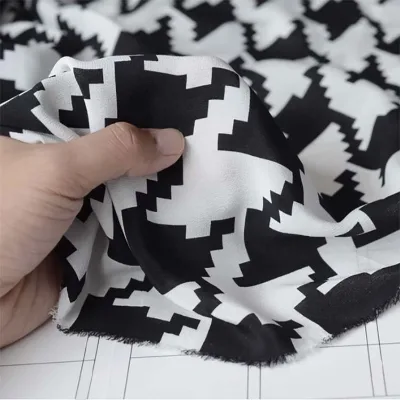
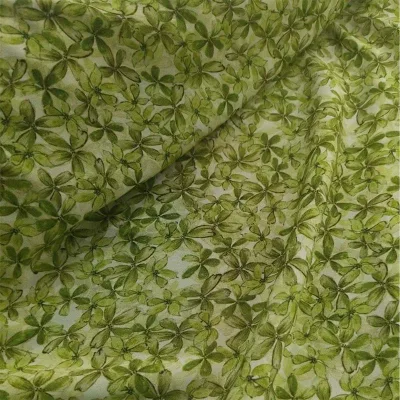
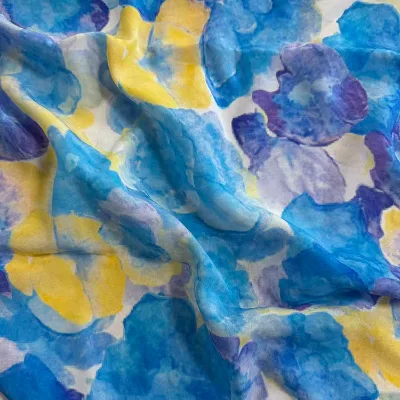
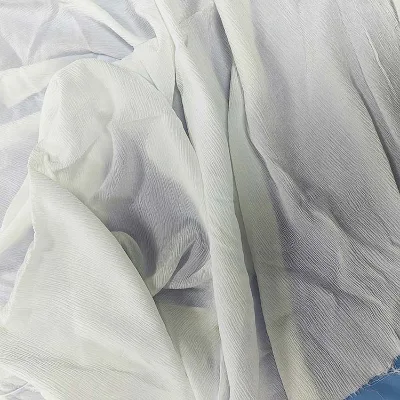
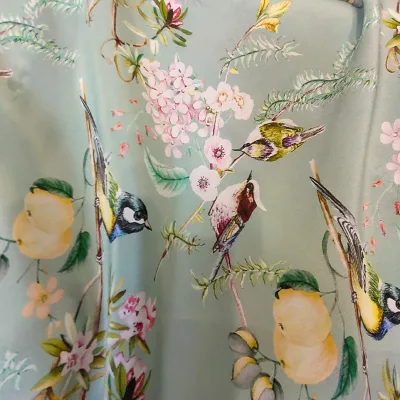
Silk Crepe De Chine 14 mm 140 cm Width Silk Fabric
$16.30 - $17.42

- Manufacturer/Factory
- China Zhejiang
- Lead time45 days
- Avg. response≤ 9h
Main productsSilk Scarf, Silk Eye Mask, Silk Pillowcase, Silk Sleepwear, Silk Fabric, Silk Tie
Main marketsSouth America,Eastern Europe,Mid East,North America,Southeast Asia,Eastern Asia,Oceania,Western Europe,Africa


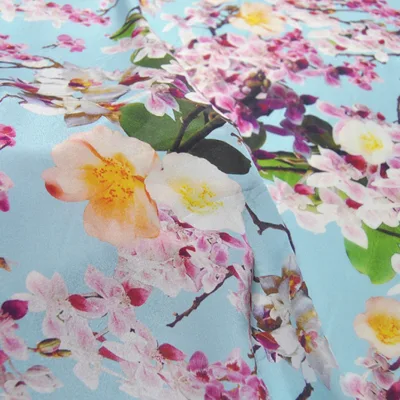
Custom Printed Wide Silk Crepe De Chine Stretch Satin Fabric Mulberry Silk Fashion Fabric
$16.00 - $25.00
MOQ: 50 Meters

Printed Crepe De Chine 100% Mulberry Silk Fabric Custom Design Digital Printing
$16.00 - $25.00
MOQ: 50 Meters

Digital Printed 100% Silk Stretch Satin Fabric Mulberry Silk Fabrics Custom Design
$16.00 - $25.00
MOQ: 50 Meters

Morandi Color 6A Wide 100% Silk Stretch Silk Satin Fabric Mulberry Silk Custom Design
$16.00 - $25.00
MOQ: 50 Meters

Whole Sale 100% Printed Silk Fabric for Clothing Custom Design 19mm 22mm Silk Satin
$16.00 - $25.00
MOQ: 50 Meters

Hangzhou Zhigeng Silk Co., Ltd.
- Verified by BV
- Trading Company,Manufacturer/Factory
- China Zhejiang
- Lead time45 days
- Avg. response≤ 13h
Main productsSilk Scarf, Silk Tie, Wool Scarf, Silk Sleepmask, Silk Pillowcase, Silk Scrunchies, Silk Sleepwear, Cotton Linen Tote Bag
Main marketsSouth America,Eastern Europe,North America,Western Europe


Real Silk 30mm Heavy Digital Printed Silk Crepe De Chine Fabric for Dress
$15.00 - $18.00
MOQ: 10 Meters

Wholesale Nature Real Silk Digital Printed Silk Crepe De Chine Fabric for Dress
$9.00 - $11.00
MOQ: 10 Meters

40mm Floral Custom Design Screen Printed High Quality Silk Crepe De Chine Fabric
$11.00 - $16.00
MOQ: 10 Meters

Wujiang First Textile Co., Ltd.
- Verified by CTI
- Combined
- China Jiangsu
- Lead time23 days
- Avg. response≤ 6h
Main productsSilk Pillow Silk Pillowcase Silk Bonnet, Silk Garment Silk Pajama Silk Dress, Silk Eye Mask Silk Mask Silk Sleeping Cap, Silk Scarf Silk Hair Band, Silk Fabric Silk Jacquard Fabric, Silk Knitted Silk Jersey Fabric, Viscose Rayon Fabric, Loycell Acetate Curpro Fabric, Polyester Fabric Recycled Fabric, Velvet Fabric Burnout Velour Fabric
Main marketsSouth America,Africa,Southeast Asia/ Mideast,Domestic,Europe,Australia,North America


Oeko Tex 100 Certificate Heavy 30mm Silk Stretch Crepe De Chine Fabric
$25.00 - $29.00
MOQ: 300 Meters

Hangzhou Fengyin Digital Textile Technology Co., Ltd.
- Manufacturer, Trading Company
- Zhejiang, China
- Lead time15 days
- Avg. response≤ 4h
Main productsDigital Printing Fabric,Digital Printing Silk Scarf,Digital printing,Digital Printing Scarf,Digital Printed Pillow
Main marketsOceania(35.00%), Domestic Market(30.00%), North America(20.00%), Eastern Asia(10.00%), Eastern Europe(5.00%)

Beijing Fabric Garden Textile Trade Center
- Verified by SGS
- Trading Company
- China Beijing
- Lead time30 days
- Avg. response≤ 19h
Main productsYarn Dye Jacquard Woven Fabric, Bamboo Tencel Modal Fabric, Flame Retardant Nano Functional Fabric, Knit Jersey Fabric, Wool Silk Fabric, Organic Cotton Fabric, Cotton Bamboo Viscose T/R T/C Yarn, Bonded Fabric Para-Aramid, Denim Fabric Modacrylic Yarn, Linen Ramie Hemp Fabric
Main marketsSouth America,Europe,North America

- Verified by SGS
- Trading Company
- China Jiangsu
- Lead time15 days
- Avg. response≤ 2h
Main productsSilk Fabric, Lyocell Fabric, Viscose Fabric, Linen Fabric, Polyester Fabric, Printed Fabric, Garment Fabric, Dress, Pillowcase, Fitted Sheet
Main marketsDomestic

Luxury Blend Crinkle Fabric 12 Momme Silk-Viscose Crepe De Chine Perfect for Dresses & Blouses
$7.90 - $8.50
MOQ: 300 Meters


Light Weight Silk Blend 16m/M Crepe De Chine Ideal for Polished Everyday Wear
$9.50 - $10.30
MOQ: 300 Meters

35%Silk 65%Acetate Crepe De Chine 19m/M 138cm Width for Women Dress Garments
$11.00 - $12.50
MOQ: 300 Meters

$15.20 - $15.90
MOQ: 300 Meters

14 Momme Mulberry Silk Viscose Crepe De Chine Luxury for Autumn Spring for Women Clothing
$8.70 - $9.40
MOQ: 300 Meters
Guangzhou Hengyun Silk Co., Ltd.
- Manufacturer, Trading Company
- Guangdong, China
- Lead time0 days
- Avg. response≤ 5h
Main productssilk pillowcase,100% silk satin fabrics,100% silk georgette Real fabrics,Silk fashion accessories,Printed silk fabrics
Main marketsEastern Asia(10.00%), Africa(10.00%), Southeast Asia(10.00%), Mid East(10.00%), South America(10.00%), North America(10.00%), Domestic Market(5.00%), South Asia(5.00%), Southern Europe(5.00%), Northern Europe(5.00%), Central America(5.00%), Western Europe(5.00%), Oceania(5.00%), Eastern Europe(5.00%)
Shaoxing Shaman Textile Co., Ltd.
- Trading Company
- Zhejiang, China
- Lead time0 days
- Avg. response≤ 1h
Main productsKnitting fabric,Woven fabrics,Printing and digital printing fabrics,Coating and composite fabrics,Functional fabrics
Main marketsSouth America(30.00%), Southeast Asia(30.00%), North America(20.00%), Eastern Europe(20.00%)

Shanghai Fartex Import and Export Company Limited
- Verified by TUVRHEINLAND
- Trading Company
- China Shanghai
- Lead time15 days
- Avg. response≤ 18h
Main productsfabric
Main marketsAfrica

100% Pure Silk Double Crepe 14 Momme (60.34 GSM) 43/44" for Garment, Clothing, Scarf, etc.
$4.70 - $9.80
MOQ: 50 Yards


100% Pure Silk Double Crepe 12 Momme (51.72 GSM) 43/44" for Garment, Clothing, Scarf, etc.
$4.70 - $9.80
MOQ: 50 Yards






Comprehensive Sourcing Guide
Silk Crepe De Chine Fabric Supplier Concentration and Factory Types
Current data indicates a concentration of suppliers in China, specifically within the Shandong and Jiangsu provinces. These regions host a mix of trading companies and manufacturers specializing in silk textiles. The observed supplier profiles list main products ranging from muslin swaddles and sweatpants to specialized silk fabrics like crepe de chine, satin, and chiffon. This diversity suggests that many entities operate as trading companies sourcing from various mills rather than owning dedicated silk production lines. Buyers should verify if a supplier is a direct factory or a trading intermediary by examining their company type designation and the breadth of their product catalog.
When assessing factory types, look for specific attributes like "Trading Company" in the supplier profile, which often implies a broader sourcing network but potentially less direct control over the production line. Some suppliers in the results list specific silk grades, such as 5A raw silk, and roll shapes like reeled silk, which are technical indicators of their supply chain depth. However, the presence of unrelated items like towels or pajamas alongside silk fabric suggests a generalist trading model. To identify true manufacturing clusters, buyers must request proof of factory ownership or direct mill partnerships, as the location data alone does not confirm on-site production capabilities for every listed entity.
How to Verify Silk Crepe De Chine Fabric Suppliers
Verification begins with scrutinizing product attributes that confirm material authenticity and quality standards. The available data shows specific product properties such as "100% Silk" material composition and "5A" raw silk grade, which are critical indicators of quality. Buyers should cross-reference these claims with third-party certification documents like SGS, ITS, CE, or OEKO TEX100, which appear in the product specifications for several listings. These standards provide a baseline for chemical safety and material integrity, but they must be validated against the specific batch being ordered. Do not assume all suppliers listed possess these certifications; verify the current validity of the certificates for the exact product model, such as SILK5 or CDC16MM, before proceeding.
Response time and lead time are also vital verification metrics for operational reliability. The observed data reveals significant variance, with response times ranging from 3 to 16.71 hours and lead times varying from 0 to 7 days. A supplier with a 3-hour response time may indicate a dedicated sales team, while a 16-hour delay could signal a larger, less agile operation. Buyers must confirm if the zero-day lead time represents an in-stock item or a theoretical minimum, as some listings explicitly state "In-Stock Items" while others imply production cycles. Always request a sample and a timeline confirmation before placing an order to ensure the supplier can meet your specific delivery requirements without relying on generic data points.
What to Compare Across Silk Crepe De Chine Fabric Suppliers
Comparing suppliers requires a detailed analysis of pricing structures, minimum order quantities, and product specifications. The data shows price points ranging from approximately $7.65 to $25.10 per unit, with corresponding variations in fabric thickness and width. For instance, a 16mm fabric is listed at $9.00, while a 30mm wholesale option reaches $25.10. Buyers must compare these prices against the specific width, such as 54/55 inches or 140cm, and the GSM weight to ensure an accurate cost-per-square-meter calculation. Additionally, minimum order quantities vary, with some listings requiring 10 units while others allow single-item purchases. This disparity significantly impacts the total cost of entry and inventory risk for small versus large buyers.
Beyond price and quantity, the customization options and product standards must be aligned with project needs. Several suppliers offer "Customization: Available" and "Plain Dyed" styles, while others provide digital printed patterns like thousand bird checks or floral sprays. The product attributes also include specific model numbers like CDC14MM or DW-240104, which help distinguish between standard and custom offerings. Buyers should compare the "Usage" field, noting whether the fabric is intended for garments, decoration, or bedding, as this affects the required durability and finish. Ensuring that the supplier's standard specifications match the intended application prevents costly mismatches in the final product quality and performance.
Common Silk Crepe De Chine Fabric Sourcing Risks
One primary risk involves the discrepancy between claimed material grades and actual delivery. While product attributes frequently list "5A" raw silk grade and "100% Silk" material, these claims require independent verification. Without physical testing or a trusted third-party inspection, there is a risk that the delivered fabric may not meet the specified grade or purity. The presence of certifications like SGS or OEKO TEX100 in the listing does not guarantee that every shipment adheres to these standards. Buyers should insist on pre-shipment inspection reports that specifically test the silk content and grade to mitigate the risk of receiving inferior or blended materials that fail to meet the project's quality expectations.
Another significant risk is the inconsistency in lead times and stock availability. The data shows lead times ranging from zero to seven days, with some items marked as "In-Stock Items" and others implying production cycles. Relying on a zero-day lead time without confirming physical stock can lead to severe delays if the inventory is depleted or the listing is outdated. Furthermore, the variation in response times suggests that communication bottlenecks may occur, especially with suppliers showing longer response windows. Buyers must establish clear communication protocols and confirm stock levels in writing before finalizing orders to avoid disruptions in the supply chain that could impact production schedules and delivery commitments.
Silk Crepe De Chine Fabric Regional Sourcing and Logistics
Sourcing from China, specifically the Shandong and Jiangsu provinces, offers access to established textile hubs but introduces specific logistical considerations. The location data confirms these regions as key production areas, yet the distance from ports and the complexity of inland transportation can affect shipping costs and transit times. Buyers should evaluate the supplier's proximity to major shipping ports to minimize inland freight expenses. Additionally, the specific origin of the fabric, whether from Shandong or Jiangsu, may influence the type of packaging and handling required, as different regions may have varying standards for roll and bale packing. Understanding the regional logistics network is essential for accurate freight cost estimation and delivery planning.
Logistics planning must also account for the specific packaging and dimensions of the silk fabric rolls. The product attributes indicate packaging formats like "Roll/Bale" and specific package sizes, such as 10x11x12 cm for single items. These dimensions directly impact container loading efficiency and shipping costs. Buyers should calculate the volume and weight of the order based on the supplier's stated packing details to optimize freight. Furthermore, the "Place of Origin" field, which lists Jiangsu or China, is crucial for determining customs duties and import regulations. Ensuring that the shipping documentation accurately reflects the regional origin helps prevent customs delays and ensures compliance with international trade regulations.
Silk Crepe De Chine Fabric Commercial Terms and Order Planning
Commercial terms regarding payment, escrow, and order planning are critical for managing financial risk. While the data does not explicitly detail escrow availability for every supplier, buyers should prioritize platforms or suppliers that offer secure payment protection. The observed price ranges and MOQs suggest that order planning must be flexible to accommodate different budget constraints. For instance, a supplier with a low MOQ of 1 unit allows for sample testing, while a higher MOQ of 10 units may be necessary for bulk pricing. Buyers should negotiate terms that align with their cash flow and inventory strategy, ensuring that the payment schedule matches the production and delivery milestones.
Order planning must also integrate the specific product attributes and customization requirements into the timeline. The availability of "Customization: Available" and specific model numbers like CDC18MM or CDC30114 indicates that lead times may vary based on the complexity of the order. Buyers should factor in the time required for design approval, sample production, and final manufacturing when creating their project schedule. Additionally, the response time of the supplier, ranging from 3 to 16 hours, should be considered when planning communication and decision-making cycles. A proactive approach to order planning, including buffer time for potential delays, ensures that the project stays on track and meets the required delivery dates without compromising on quality or cost.
FAQs
What is the price range for 100% Silk Crepe De Chine Fabric?
Prices for 100% Silk Crepe De Chine Fabric range from 7.65 to 25.10 per unit depending on the specific thickness and model. Thinner options like 10mm start near 7.65, while heavier 30mm varieties reach 25.10. Buyers should verify exact pricing based on the desired GSM and width specifications before ordering.
What are the minimum order quantities for silk fabric?
Minimum order quantities vary by supplier and product type, with some listings requiring as few as 10 units. Specific models like SILK5 have an MOQ of 10, while other printed options may allow single item purchases. Always confirm the specific MOQ for your selected thickness and pattern before finalizing the purchase.
Where are these silk crepe de chine fabrics manufactured?
Manufacturing locations for these fabrics include Shandong and Jiangsu provinces in China. Suppliers in these regions offer various grades of raw silk, including 5A grade reeled silk. Buyers should verify the specific place of origin listed on the product page to ensure it meets their regional sourcing requirements.
What certifications do the silk fabrics hold?
Many products carry certifications such as SGS, ITS, CE, and OEKO TEX100. These standards ensure the fabric meets specific quality and safety requirements for garment usage. Buyers should check the product attributes section to confirm which specific certifications apply to the selected model and thickness.
How fast do suppliers typically respond to inquiries?
Response times vary significantly among suppliers, ranging from 3 hours to over 16 hours. Some suppliers in Jiangsu respond within 3 hours, while others may take nearly 17 hours. Buyers seeking quick communication should prioritize suppliers with the lower response time metrics listed on their profiles.
What customization options are available for silk fabric?
Customization is available for many silk crepe de chine products, allowing for specific patterns and designs. Options include plain dyed styles or custom digital prints like thousand bird checks. Buyers should confirm the customization details and any associated costs directly with the supplier before placing an order.
What is the typical lead time for silk fabric orders?
Lead times vary by supplier, with some listing zero days while others indicate a seven-day production window. In-stock items may ship immediately, whereas custom orders require additional time. Buyers should verify the specific lead time for their selected product to ensure it aligns with their project timeline.