Silk Screen Printing Plastic Bottle with Pump Suppliers and Manufacturers
Source Silk Screen Printing Plastic Bottle with Pump from 28 verified suppliers in China. Compare ISO certifications, lead times, and MOQs to find the right partner. Request quotes today; review the available evidence before requesting comparable quotations from suitable candidates.
Updated
Suppliers List

Shaoxing Xinglong Packaging Technology Co., Ltd.
- Verified by SGS
- Trading Company,Manufacturer/Factory
- China Zhejiang
- Lead time150 days
- Avg. response≤ 6h
Main productsPlastic Bottle, Plastic Airless Bottle, Glass Bottle, Plastic Jar, Coametic Bottle, Foundation Bottle, Lotion Bottle, Glass Jar, Dropper Bottle, Spray Bottle
Main marketsSouth America,Eastern Europe,Mid East,North America,Southeast Asia,Eastern Asia,Western Europe,Africa
Guangzhou Bright Smart Enterprise Limited
- Verified by Intertek
- Manufacturer, Trading Company
- Lead time15 days
- Avg. response≤ 3h
Main productsPlastic Bottles, Plastic Jars, Plastic Lotion Pump, Plastic Sprayer, Plastic Caps
Main marketsDomestic Market(30%), North America(15%), Mid East(13%)
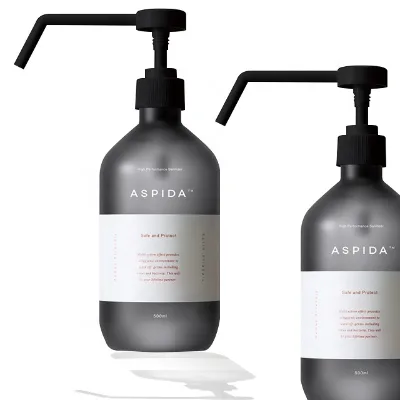
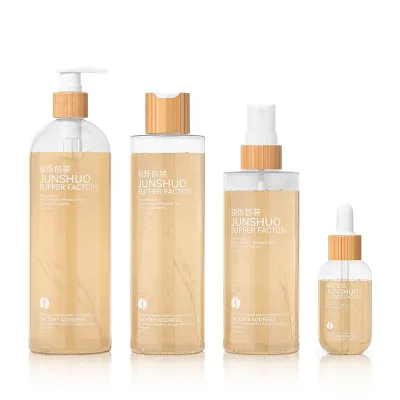
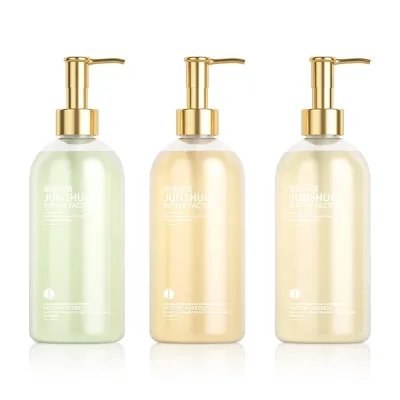
Factory Price Custom PET Plastic Washing Care Bottle with Water Transfer Printing Pump
$0.1873 - $0.2082
MOQ: 5000 pieces
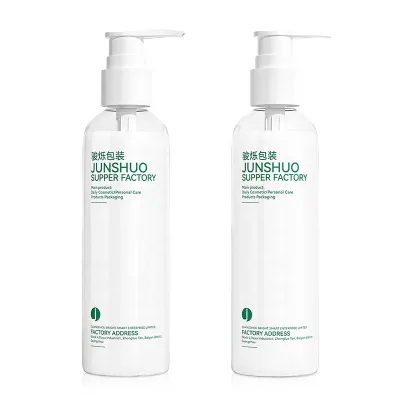
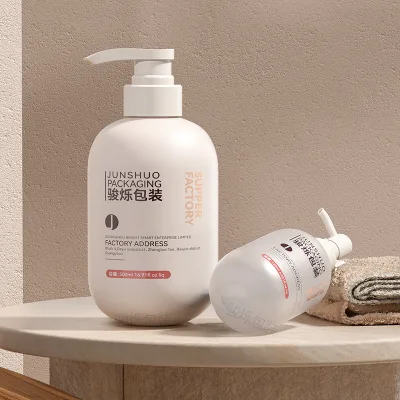
$0.2876 - $0.3086
MOQ: 5000 pieces
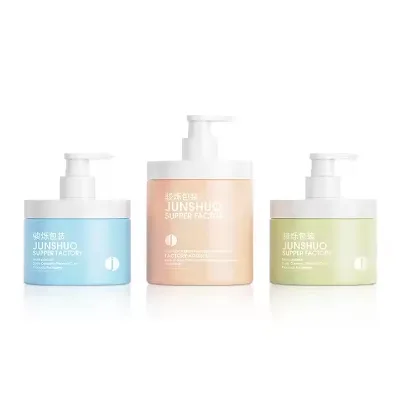
Custom Logo PET Plastic Bottle High Quality 300ml 500ml Loton Pump Bottle for Hand Sanitizer
$0.2397 - $0.2607
MOQ: 10000 pieces
Jiangmen Ruiyuan Technology Co., Ltd.
- Trading Company
- Guangdong, China
- Lead time7 days
- Avg. response≤ 2h
Main productsPlastic Bottle,Cosmetic Packaging,Shampoo Bottle,Glass Bottle,Perfume Glass Bottle
Main marketsNorth America(30.00%)
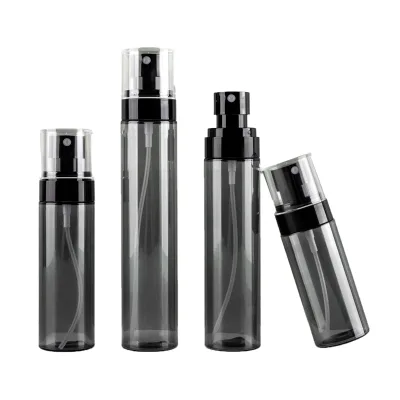
Customized Available Refillable Silk Screen Printing Empty Plastic Spray Bottle With Spray Pump
$0.40 - $0.5018
MOQ: 1 pieces
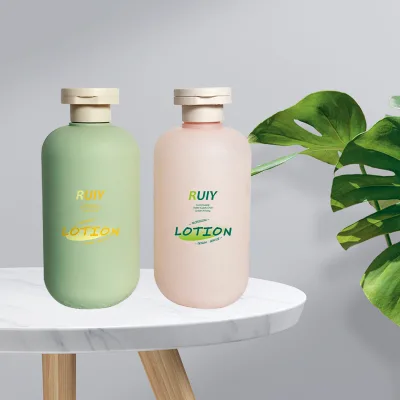
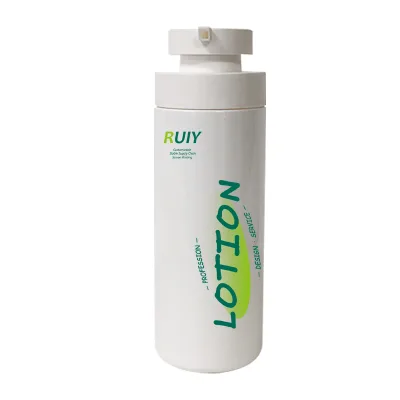
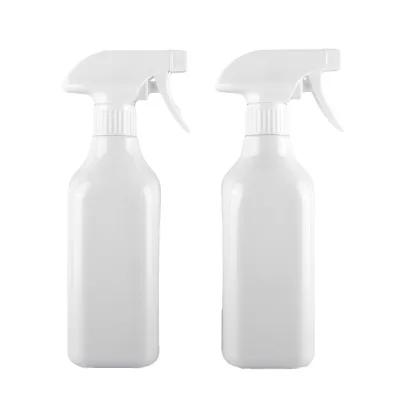
Oem Odm Recyclable Silk Screen Printing 500Ml Pet Pump Spray Bottle Plastic
$0.4045 - $0.5078
MOQ: 1000 pieces
Qiyue Industry (Guangzhou) Co., Ltd.
- Verified by SGS Group
- Manufacturer, Trading Company
- Lead time25 days
- Avg. response≤ 1h
Main productsPlastic Bottle, Plastic Jar, Plastic Tube
Main marketsOceania(20%), Mid East(15%), Eastern Asia(11%)

Ningbo Pack Imp. & Exp. Co., Ltd.
- Verified by SGS
- Trading Company,Manufacturer/Factory
- China Zhejiang
- Lead time30 days
- Avg. response≤ 9h
Main productsAluminum Jar, Aluminum Bottle, Tin Box, Glass Dropper Bottle, Glass Tube, Paper Box, Paper Tube, Plastic Pop Top Tube, Plastic Bottle, Silicone Gummy Mold
Main marketsSouth America,Eastern Europe,Mid East,North America,Southeast Asia,Eastern Asia,Oceania,Western Europe,Africa
Hangzhou Rainbow Packaging Co., Ltd.
- Verified by SGS Group
- Manufacturer, Trading Company
- Lead time30 days
- Avg. response≤ 7h
Main productsGlass Bottle, Plastic Bottle
Main marketsNorth America(33%), South America(15%), Western Europe(12%)
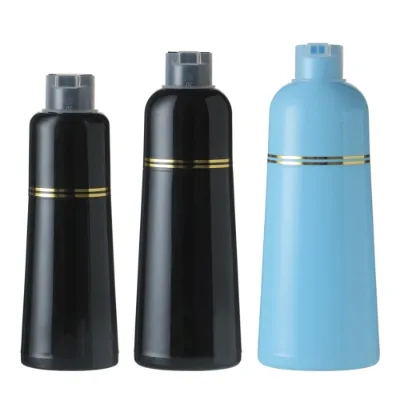
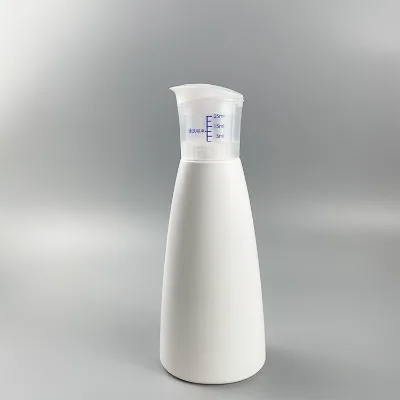
$0.201 - $0.533
MOQ: 10000 Minimum
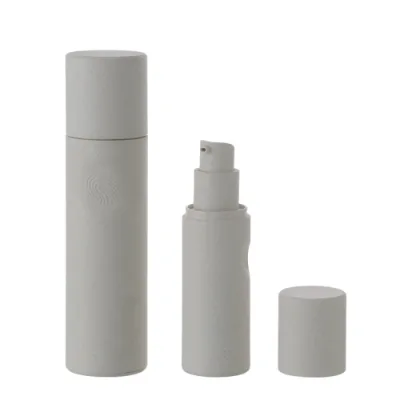

Ningbo Somewang Packaging Co., Ltd.
- Verified by SGS
- Combined
- China Zhejiang
- Lead time23 days
- Avg. response≤ 4h
Main productsCosmetic Packaging, Cosmetic Bottle, Plastic Bottle, Cosmetic Tube, Cream Jar, Lotion Pump, Mist Sprayer, Trigger Sprayer, Plastic Cap, Glass Bottle
Main marketsSoutheast Asia/ Mideast,Europe,North America


Wholesale PETG Plastic Bottle with Pump Sprayer Screen Printed Packaging
$0.13 - $0.15
MOQ: 10000 Pieces

Continuous Sprayer Pet Bottle for Skincare Packaging Plastic Bottles Silk Screen Printing
$0.09 - $0.11
MOQ: 10000 Pieces

10ml PETG Bottle with Pump Sprayer for Lotion Surface Handled for Screen Printing
$0.13 - $0.15
MOQ: 10000 Pieces

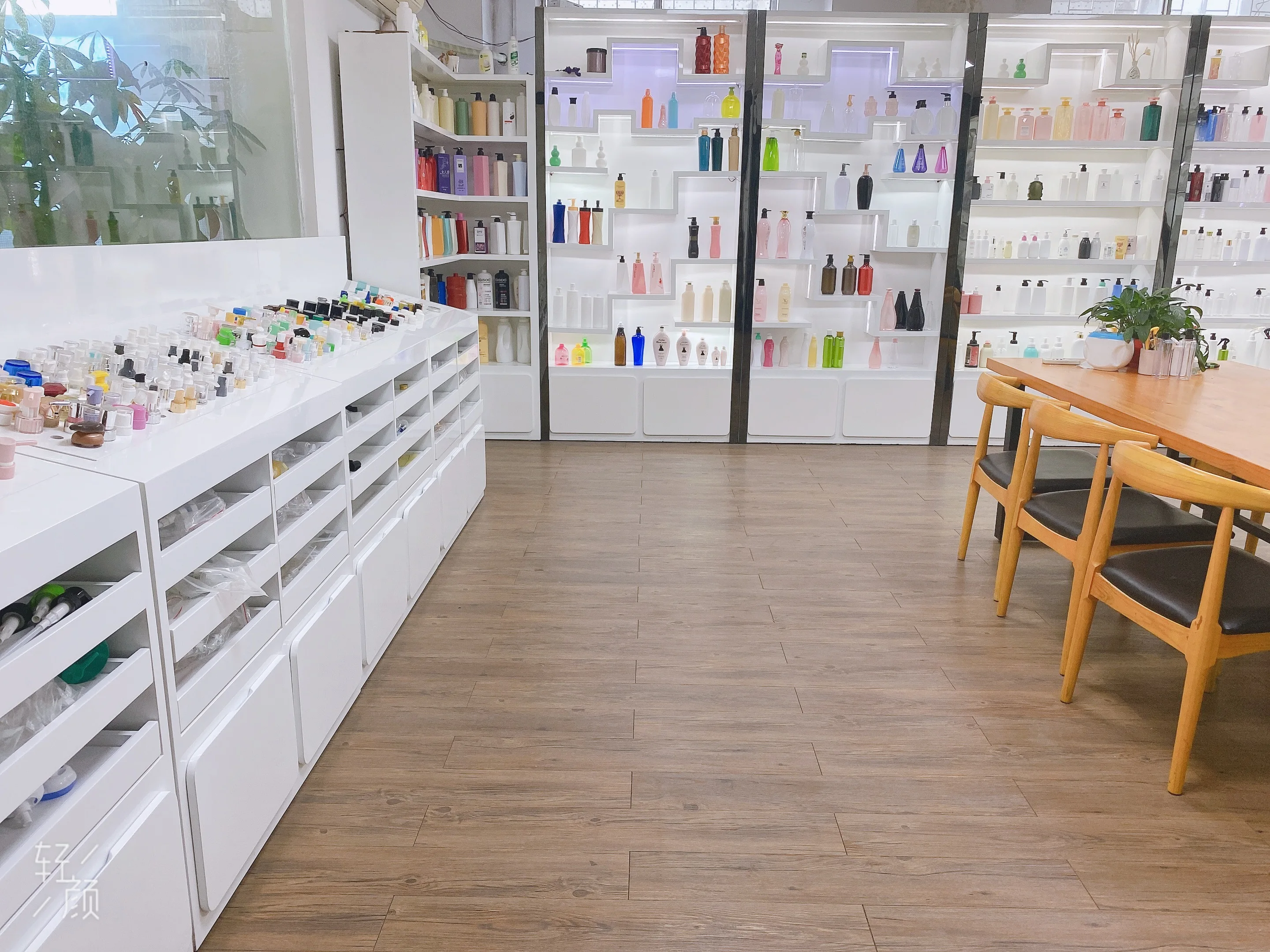
Guangzhou Kehua Plastic Products Co., Ltd.
- Manufacturer, Trading Company
- Guangdong, China
- Lead time40 days
- Avg. response≤ 5h
Main productsHot Stamping Bottles,Printed Bottles;,Electroplated Bottles,The Pump Head
Main marketsNorth America(40.00%), Southeast Asia(30.00%), Mid East(10.00%), South Asia(5.00%), Central America(5.00%), Domestic Market(2.00%), Africa(1.00%), Southern Europe(1.00%), Northern Europe(1.00%), Western Europe(1.00%), Eastern Asia(1.00%), Oceania(1.00%), Eastern Europe(1.00%), South America(1.00%)
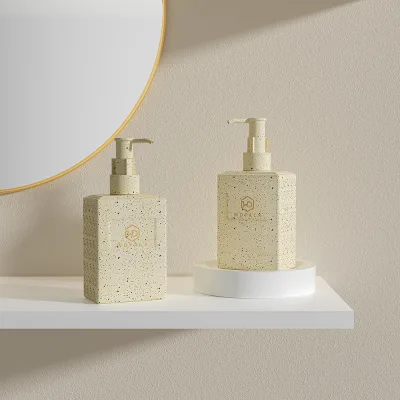
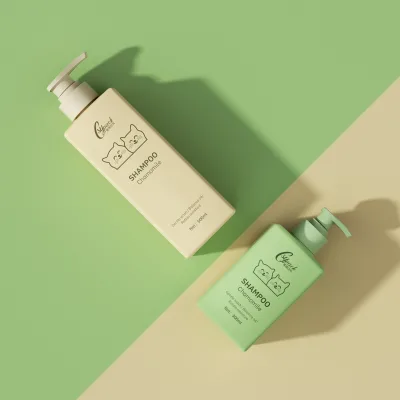
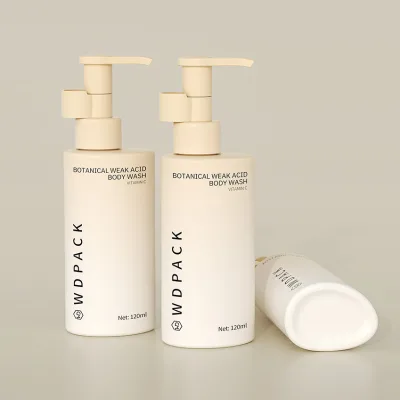
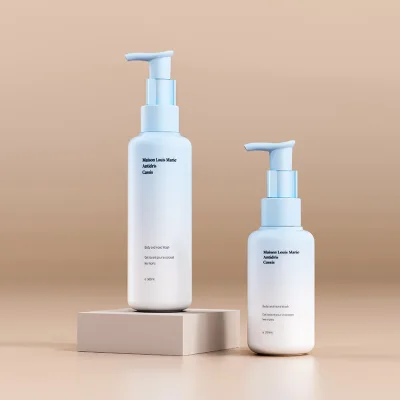
Custom Plastic PET Bottle with Pump for Oil Plastic-bottles-for-body-cleaner Plastic PET Oil Bottle
$0.26 - $0.30
MOQ: 5000 Minimum

Shangyu Shengruisi Packaging Co., Ltd.
- Verified by CTI
- Combined
- China Zhejiang
- Lead time60 days
- Avg. response≤ 9h
Main productsRoll on Bottle, Roller Bottle, Airless Bottle, Perfume Bottle, Essential Oil Bottle, Cosmetic Packaging, Plastic Bottle, Make up Series, Pet Bottle, Cosmetic Jar
Main marketsSouth America,Southeast Asia/ Mideast,East Asia(Japan/ South Korea),Europe,Australia,North America

guangzhou huaxin plastic product co.ltd
- Verified by CTI
- Combined
- China Guangdong
- Lead time30 days
- Avg. response≤ 4h
Main productsPlastic Tube, Cosmetic Tube, Soft Tube, Plastic Tube Packaging, PE Tube, Clear Plastic Tube, Hand Cream Tube, Eye Cream Tube, Pet Bottle, Cosmetic Jar
Main marketsSouth America,Africa,Southeast Asia/ Mideast,East Asia(Japan/ South Korea),Domestic,Europe,Australia,North America

100ml 175ml 200ml Pink Color Custom Printing Lotion Bottle with PP Pump
$0.12 - $0.32
MOQ: 5000 Pieces


Xiamen Finepack Industrial Co., Ltd.
- Verified by Intertek
- Trading Company
- Lead time25 days
- Avg. response≤ 2h
Main productsPET Bottle, HDPE Bottle, PET Jar, PP Jar, Plastic Cap
Main marketsNorth America(26%), Western Europe(25%), Oceania(15%)
Taizhou Chenran Packaging Technology Co., Ltd
- Verified by TüVRheinland
- Manufacturer, Trading Company
- Lead time30 days
- Avg. response≤ 4h
Main productsPlastic Bottle, Spray Bottle, Lotion Bottle, PET Plastic Can, Beverage Bottle
Main marketsDomestic Market(45%), North America(20%), Southeast Asia(15%)
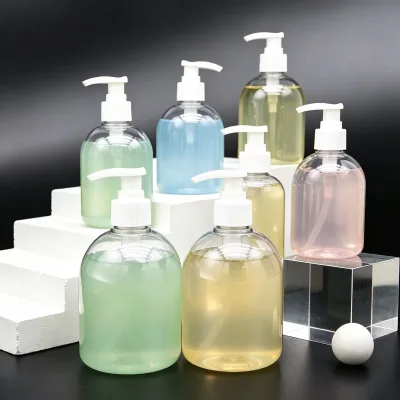
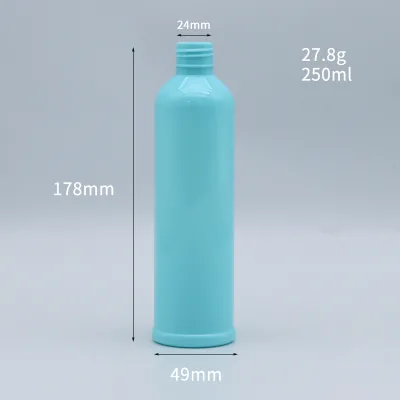
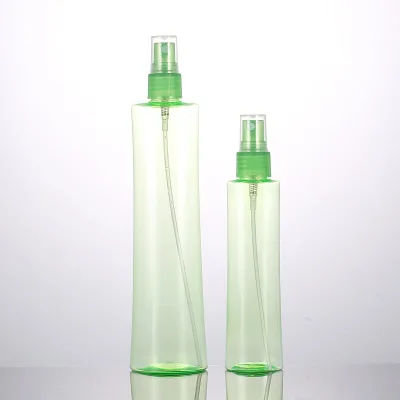
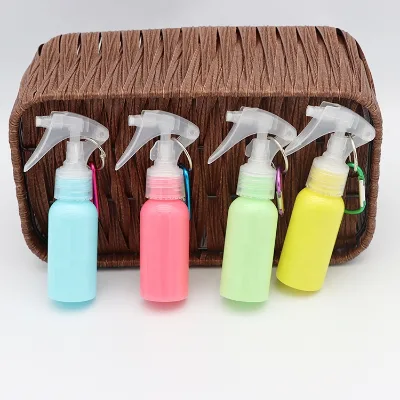
250ml PET Plastic Bottle with Pump Head for Liquid Products Shampoo, Body Wash, Etc
$0.2067
MOQ: 10 Minimum
$0.1439 - $0.1543
MOQ: 10 pieces

Guangzhou Yuheng Plastic Products Co., Ltd.
- Manufacturer, Trading Company
- Guangdong, China
- Lead time45 days
- Avg. response≤ 12h
Main productsPETG Bottle,HDPE Bottle,PET Bottle,PP Bottle,PS Bottle
Main marketsNorth America(60.00%), South Asia(30.00%), Southeast Asia(10.00%)

NINGBO UBPACK PACKAGING CO., LTD
- Verified by CTI
- Trading Company
- China Zhejiang
- Lead time30 days
- Avg. response≤ 4h
Main productsPlastic Packaging, Trigger Spray, Plastic Mold, Lotion Pump, Airless Bottla, Aluminum Bottle
Main marketsSoutheast Asia/ Mideast,Europe,North America

Ningbo Yufan Packaging Co., Ltd.
- Verified by CTI
- Manufacturer/Factory
- China Zhejiang
- Lead time23 days
- Avg. response≤ 5h
Main productsAluminum Bottle, Aluminum Jar, Aluminum Tin, Trigger Sprayer, Cream Pump, Sprayer Pump
Main marketsSouth America,Eastern Europe,Mid East,North America,Southeast Asia,Eastern Asia,Oceania,Western Europe,Africa

500ml Silk Screen Printed Aluminum Bottles Pantone Color Matching Thick Ink Layers Plastic Pump
$0.20 - $1.00
MOQ: 1000 Pieces


- Verified by SGS
- Manufacturer/Factory
- China Shanghai
- Lead time30 days
- Avg. response≤ 3h
Main productsCosmetic Packaging, Glass Dropper Bottle, Cosmetic Jar, Essential Oil Bottle, Glass Jar, Glass Bottle, Roll on Glass Bottle, Plastic Bottle, Airless Bottle and Jar, Personal Care
Main marketsSouth America,Eastern Europe,Mid East,North America,Southeast Asia,Eastern Asia,Oceania,Western Europe,Africa


Customizable Round Glass Bottle with Plastic Dropper Pump for Cosmetics
$0.23 - $0.24
MOQ: 10000 Pieces


Yuyao Lonshine Sprayer Co.,ltd
- Verified by SGS Group
- Manufacturer, Trading Company
- Lead time20 days
- Avg. response≤ 3h
Main productsTrigger Sprayer, Nail & Cleaning Pump, Fine Mist Sprayer, Lotion Pump, Airless Bottle
Main marketsSoutheast Asia(60%), North America(10%), South America(10%)

Guangzhou YELLO Packaging Co., Ltd.
- Trading Company,Manufacturer/Factory
- China Guangdong
- Lead time15 days
- Avg. response≤ 3h
Main productsCosmetic Packaging, Cosmetic Bottle, Plastic Bottle, Pet Bottle, Plastic Jar, Pet Jar, Cosmetic Jar, Lotion Tube, Cosmetic Tube, Plastic Tube
Main marketsSouth America,Eastern Europe,Mid East,North America,Southeast Asia,Eastern Asia,Oceania,Western Europe,Africa
Tinghui (Hebei) Packaging Products Co., Ltd.
- Verified by SGS Group
- Trading Company
- Lead time5 days
- Avg. response≤ 1h
Main productsPET Jar, Plastic Lotion Shampoo Bottle, Cuticle Oil Pen, Glass Cream Jar , Glass Dropper Bottle
Main marketsNorth America(50%), Western Europe(30%), South America(10%)
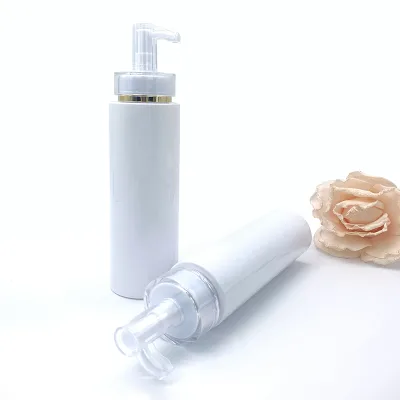
500ml White Pump Bottle with Gold Silver Line Cap Cosmetic Pump Bottle for Lotion Cream
$0.30 - $0.41
MOQ: 100 Minimum
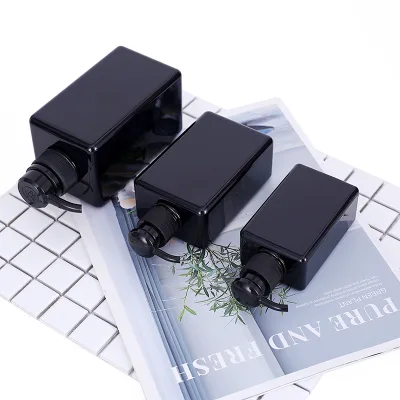
Plastic Lotion Pump Bottle PETG 250ml 450ml 650ml Hand Sanitizer Bottle Square Bottle
$0.23 - $0.36
MOQ: 100 Minimum
Hebei Kama Packaging Service Co., Ltd.
- Trading Company
- Hebei, China
- Lead time30 days
- Avg. response≤ 3h
Main productscosmetic bottle,cream jar,glass bottle,plastic bottle,essential oil bottle
Main marketsNorth America(30.00%), Domestic Market(20.00%), Northern Europe(20.00%), Eastern Europe(10.00%), Oceania(10.00%), Central America(2.00%), Africa(1.00%), South Asia(1.00%), South America(1.00%), Southern Europe(1.00%), Southeast Asia(1.00%), Western Europe(1.00%), Eastern Asia(1.00%), Mid East(1.00%)
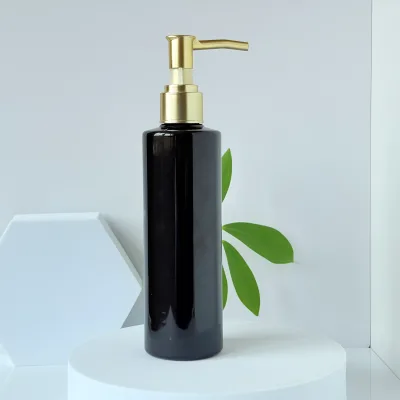
$0.2592 - $0.3625
MOQ: 1000 pieces
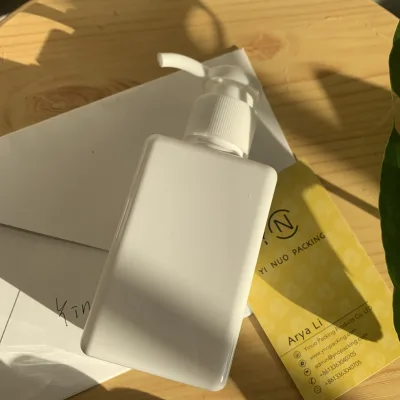
$0.10 - $0.16
MOQ: 1000 pieces
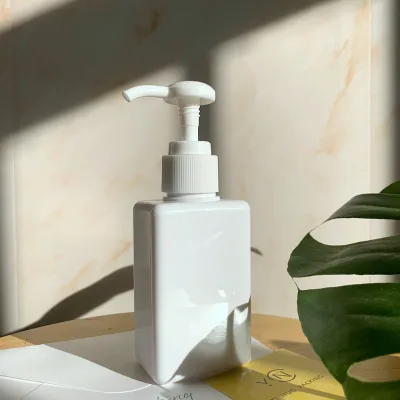
$0.1026 - $0.1648
MOQ: 1 pieces
Hangzhou Deve Packaging Co., Ltd.
- Manufacturer, Trading Company
- Zhejiang, China
- Lead time25 days
- Avg. response≤ 2h
Main productsplastic bottle,cosmetic glass bottle,perfume bottle,spray bottle,Foam Bottle
Main marketsEastern Europe(35.00%), North America(27.70%), South Asia(11.93%), South America(9.00%), Mid East(7.20%), Domestic Market(5.00%), Oceania(4.17%)
$0.4629 - $0.6681
MOQ: 5 pieces
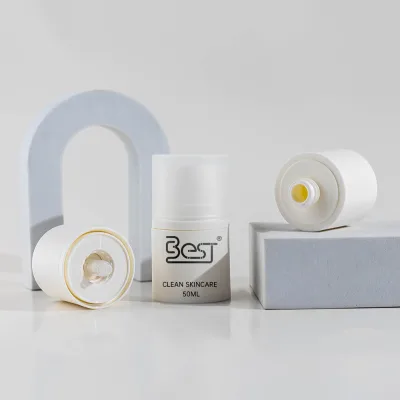
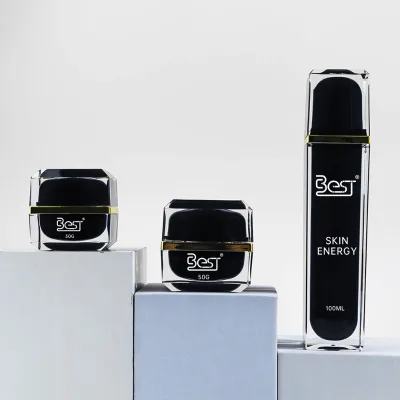
Shanghai Best China Industry Co., Ltd.
- Trading Company
- Lead time旺季: "1 - 5000":35,"5001 - 10000":45,"> 10000":"To be negotiated", 淡季: "1 - 5000":35,"5001 - 10000":45,"> 10000":"To be negotiated"
- Avg. response≤ 4h
Main productsGlass Bottle/Glass Jar, Plastic Bottle/Plastic Jar, Metal Bottle/Metal Jar, Bamboo Bottle/Bamboo Jar
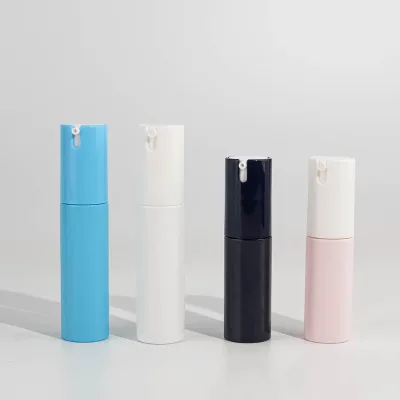
Colorful Pump Plastic Bottle 20ml 30ml Lotion Bottle Silk Printing Positioning Support
$0.30 - $1.50
MOQ: 100 Minimum

Shijiazhuang Su Kai Import and Export Trade Co., Ltd.
- Verified by SGS
- Trading Company
- China Hebei
- Lead time15 days
- Avg. response≤ 6h
Main productsPerfume Bottle, Glass Dropper Bottle, Glass Jar, Cosmetic Packaging Bottle, Paper Bag, Squeeze Tube, Plastic Jar, Paper Tube, Candle Jar, Paper Box
Main marketsSouth America,East Asia(Japan/ South Korea),Europe,North America
- Trading Company
- Shandong, China
- Lead time35 days
- Avg. response≤ 5h
Main productsAirless Bottle,Lotion Bottle,Cosmetic Jar,Plastic cap,Trigger Sprayer
Main marketsWestern Europe(44.00%), North America(20.00%), Eastern Europe(15.00%), Mid East(12.00%), Oceania(5.00%), Southeast Asia(3.00%), Eastern Asia(1.00%)

Guangzhou Winly Packaging Products Co., Ltd.
- Verified by CTI
- Trading Company
- China Guangdong
- Lead time15 days
- Avg. response≤ 4h
Main productsCosmetic Packaging Pet Bottle, HDPE LDPE Bottle, Glass Bottle, Paper Boxes, Airless Bottle, Make-up Tools
Main marketsSoutheast Asia/ Mideast,Europe,North America

500ml Silk Screen Printing Round Empty Plastic Body Lotion Bottle for Baby Care Products
$0.12 - $0.25
MOQ: 5000 Pieces

$0.20 - $0.50
MOQ: 10000 Pieces
- Trading Company
- Zhejiang, China
- Lead time20 days
- Avg. response≤ 3h
Main productsCosmetic Jar,Cosmetic Bottle,Airless Bottle,Nail Gel Bottle and Jar,Foam Pump Bottle
Main marketsNorth America(34.30%), Northern Europe(16.60%), Eastern Europe(15.60%), Western Europe(12.90%), Oceania(10.60%), Southern Europe(10.00%)
Guangzhou Boran Plastic Packaging Products Co., Ltd.
- Verified by Intertek
- Trading Company
- Lead time30 days
- Avg. response≤ 1h
Main productsCosmetic Tube, PET PE Bottle, Toothpaste Tube, Plastic Tube, Acrylic Bottle
Main marketsMid East(24%), North America(22%), Africa(16%)
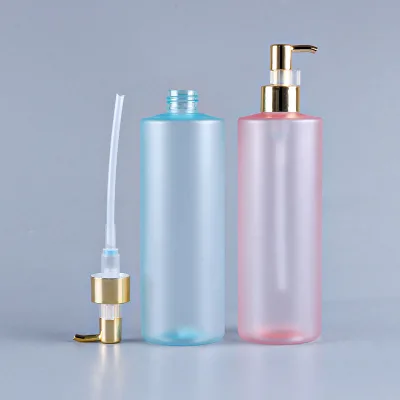
$0.2082 - $0.4149
MOQ: 10000 Minimum
Shijiazhuang Fujiu Packing Products Co., Ltd.
- Trading Company
- Hebei, China
- Lead time0 days
- Avg. response≤ 3h
Main productsGlass bottle,Plastic bottle,Cosmetic bottle,Paper box,Shrink film
Main marketsNorth America(40.00%), Eastern Europe(30.00%), Domestic Market(10.00%), South America(5.00%), Southeast Asia(5.00%), Central America(3.00%), Western Europe(2.00%), Northern Europe(2.00%), Africa(1.00%), Mid East(1.00%), Oceania(1.00%)








Comprehensive Sourcing Guide
Silk Screen Printing Plastic Bottle with Pump Supplier Concentration and Factory Types
The sourcing landscape for silk screen printing plastic bottles with pump is characterized by a mix of manufacturing factories and trading companies, offering buyers diverse engagement models. Evidence indicates that suppliers in this category often operate as either manufacturer/factory entities or trading companies, allowing purchasers to select partners based on their specific needs for direct factory access versus streamlined procurement services. This dual structure is prevalent in regions like China, where industrial clusters support both production and export logistics. Buyers should recognize that trading companies may offer broader product ranges and flexible order sizes, while manufacturers might provide deeper customization capabilities and stricter quality control over the printing process. Understanding this distinction is crucial for aligning supplier selection with project goals, whether prioritizing cost efficiency through direct manufacturing or convenience through consolidated sourcing.
Geographic concentration plays a significant role in the availability of these specialized packaging solutions. Current data points to Zhejiang, China, as a notable location for suppliers offering plastic bottles, including airless and sprayer types, alongside glass alternatives. This region’s industrial ecosystem supports the production of various packaging materials, including PP plastic and PET bottles, which are commonly used for cosmetic and personal care applications. Suppliers in this area often highlight their ability to provide custom branding through screen printing, a key requirement for many brands seeking distinct market positioning. Additionally, some suppliers are located in Guangdong, China, indicating a broader regional distribution of manufacturing capabilities. Buyers should leverage location data to assess logistical advantages, such as proximity to major ports, which can influence shipping costs and delivery times. Verifying the specific location of a supplier ensures that buyers can accurately calculate landed costs and manage supply chain risks associated with international trade.
How to Verify Silk Screen Printing Plastic Bottle with Pump Suppliers
Verifying the credibility of suppliers requires a multi-layered approach that goes beyond basic company profiles. One critical step is checking for third-party verification badges, such as SGS or Intertek, which indicate that an independent agency has assessed the supplier’s operations. These verifications provide a layer of trust regarding the supplier’s business legitimacy and operational capacity. Buyers should prioritize suppliers who display these badges, as they suggest a commitment to transparency and adherence to international standards. Additionally, examining system certifications is essential for ensuring quality management and environmental responsibility. Certifications like ISO 9001, ISO 45001, and ISO 14001 demonstrate that a supplier has implemented robust management systems for quality, safety, and environmental impact. Some suppliers may also hold specific material certifications, such as BPA-free or PFAS compliance, which are increasingly important for cosmetic and personal care packaging. These credentials serve as objective evidence of a supplier’s capability to meet regulatory and brand-specific requirements.
Beyond certifications, assessing the supplier’s responsiveness and product evidence is vital for gauging reliability. A quick response time, such as under five days, often correlates with efficient communication channels and a customer-centric approach. Buyers should evaluate how promptly a supplier replies to inquiries, as this can indicate their overall operational efficiency. Furthermore, reviewing detailed product attributes provides insight into the supplier’s technical expertise. For instance, checking if customization is available and what specific printing methods are offered, such as screen printing or hot stamping, helps determine if the supplier can meet design specifications. Evidence of past work, such as sample processing capabilities or graphic processing services, further validates a supplier’s ability to deliver customized solutions. Buyers should also look for clear product descriptions that include material specifications, such as PET or PP plastic, and volume options, ensuring that the supplier’s offerings align with their packaging needs. This thorough verification process minimizes the risk of partnering with unreliable vendors.
What to Compare Across Silk Screen Printing Plastic Bottle with Pump Suppliers
When evaluating multiple suppliers, comparing key operational metrics is essential for making an informed decision. Lead time is a critical factor, as it directly impacts inventory management and time-to-market. Suppliers may offer varying lead times, ranging from rapid turnaround options to longer production cycles depending on order complexity and volume. Buyers should compare these lead times against their project deadlines to ensure timely delivery. Additionally, minimum order quantity (MOQ) requirements vary significantly across suppliers, with some requiring as low as 5,000 pieces while others may demand 10,000 or more. Understanding these MOQs helps buyers assess whether a supplier can accommodate their order size without excessive inventory costs. Price is another crucial comparison point, with unit costs fluctuating based on material, customization, and volume. Buyers should request detailed quotes to compare pricing structures, keeping in mind that lower prices may come with higher MOQs or limited customization options.
Beyond operational metrics, comparing the range of main products and customization capabilities provides insight into a supplier’s versatility. Some suppliers specialize in specific types of bottles, such as airless pumps or sprayer bottles, while others offer a broader portfolio including jars and caps. Buyers should assess whether the supplier’s product range aligns with their current and future packaging needs. Customization options, such as logo printing, color matching, and shape variations, are also important differentiators. Suppliers that offer extensive customization services can help brands achieve unique market positioning. Additionally, comparing the supplier’s response time can indicate their level of customer service and support. A faster response time often suggests a more agile and responsive partner. By systematically comparing these factors, buyers can identify suppliers that offer the best balance of cost, quality, and service for their specific requirements.
Common Silk Screen Printing Plastic Bottle with Pump Sourcing Risks
Sourcing silk screen printing plastic bottles with pump involves several potential risks that buyers must proactively manage. One significant risk is the variability in print quality and durability. Screen printing can produce vibrant and detailed designs, but inconsistencies in ink adhesion or curing can lead to defects such as peeling or fading. Buyers should request samples to evaluate the print quality and ensure it meets their brand standards. Another risk is the misalignment between quoted prices and final costs, particularly when customization is involved. Hidden fees for setup, tooling, or additional printing colors can inflate the total cost. Buyers should clarify all cost components upfront to avoid unexpected expenses. Additionally, lead time delays can disrupt supply chains, especially if suppliers face production bottlenecks or material shortages. Buyers should establish clear communication channels and monitor production progress to mitigate these delays.
Quality control issues are another common risk, particularly when dealing with international suppliers. Inconsistent product dimensions, material defects, or packaging errors can lead to customer dissatisfaction and returns. Buyers should implement rigorous quality inspection protocols, including pre-shipment inspections, to ensure products meet specifications. Furthermore, intellectual property risks arise when suppliers handle custom designs. Buyers must ensure that their designs are protected and that suppliers adhere to confidentiality agreements. Data security is also a concern, as suppliers may have access to sensitive brand information. Buyers should verify that suppliers have robust data protection measures in place. Finally, logistical risks, such as shipping delays or damage during transit, can impact product availability. Buyers should work with reliable freight forwarders and consider insurance to protect against these risks. By identifying and addressing these risks early, buyers can safeguard their supply chain and maintain product quality.
Silk Screen Printing Plastic Bottle with Pump Regional Sourcing and Logistics
Regional sourcing strategies can significantly influence the efficiency and cost-effectiveness of procurement. Suppliers located in China, particularly in Zhejiang and Guangdong provinces, offer access to well-established manufacturing clusters with extensive supply chains. These regions benefit from proximity to raw material suppliers and specialized printing facilities, which can reduce production lead times and costs. Buyers should consider the logistical advantages of sourcing from these areas, such as access to major ports like Shanghai and Ningbo, which facilitate efficient export operations. Additionally, regional suppliers may have experience with international shipping regulations, helping to streamline customs clearance and reduce delays. However, buyers should also evaluate the environmental and social impact of their sourcing decisions, as regional regulations may vary. Understanding the local regulatory landscape can help buyers ensure compliance with international standards and ethical sourcing practices.
Logistics planning is crucial for managing the transportation of bulk orders. Buyers should work closely with suppliers to determine the most cost-effective shipping methods, whether by sea, air, or rail. Sea freight is often the most economical option for large volumes, while air freight may be necessary for urgent orders. Buyers should also consider the impact of packaging on shipping efficiency, as optimized packaging can reduce volumetric weight and shipping costs. Additionally, buyers should plan for potential delays due to seasonal peaks or global supply chain disruptions. Establishing buffer stock and diversifying suppliers can mitigate these risks. Furthermore, buyers should evaluate the supplier’s ability to handle export documentation and compliance requirements, ensuring a smooth transition from factory to destination. By carefully planning regional sourcing and logistics, buyers can optimize their supply chain and reduce overall procurement costs.
Silk Screen Printing Plastic Bottle with Pump Commercial Terms and Order Planning
Commercial terms and order planning are foundational to successful supplier relationships. Buyers should negotiate clear payment terms, such as deposits and balance payments upon shipment, to manage cash flow and risk. Escrow services can provide an additional layer of security by holding funds until goods are received and verified. Buyers should also establish clear delivery terms, such as Incoterms, to define responsibilities for shipping, insurance, and customs. Understanding these terms helps avoid disputes and ensures smooth transaction processing. Additionally, buyers should plan orders well in advance, considering lead times and production schedules. Early planning allows for better coordination with suppliers and reduces the risk of delays. Buyers should also consider the impact of order volume on pricing, as larger orders may qualify for discounts. By structuring commercial terms and order planning effectively, buyers can enhance operational efficiency and build stronger supplier partnerships.
Order planning also involves forecasting demand and managing inventory levels. Buyers should analyze sales data and market trends to predict future packaging needs, ensuring they have sufficient stock to meet customer demand. Collaborating with suppliers on demand forecasting can help optimize production schedules and reduce waste. Buyers should also establish quality acceptance criteria and inspection protocols to ensure products meet specifications before shipment. Regular communication with suppliers is essential for addressing any issues promptly and maintaining product quality. Additionally, buyers should review supplier performance metrics, such as on-time delivery and defect rates, to identify areas for improvement. By implementing robust commercial terms and order planning processes, buyers can minimize risks, reduce costs, and ensure a reliable supply of high-quality silk screen printing plastic bottles with pump. This strategic approach supports long-term business success and customer satisfaction.
FAQs
What is the typical lead time for custom silk screen printing plastic bottles?
Manufacturers in China generally require 15 to 150 days for production, depending on order volume and customization complexity. Some suppliers offer faster turnaround times of 7 to 15 days for standard plastic bottles with long nozzle pumps. Buyers should confirm specific timelines with the supplier before placing orders to ensure timely delivery.
What are the minimum order quantities for printed plastic bottles?
Minimum order quantities typically range from 5,000 to 10,000 pieces for plastic bottles with pump sprayers. Specific products like airless pump bottles may require 5,000 units, while standard sprayer bottles often start at 10,000 units. Buyers should verify the exact MOQ for their chosen bottle model and printing requirements with the supplier.
How much does it cost to buy silk screen printed plastic bottles?
Prices for plastic bottles with screen printing vary based on material and design. Plastic bottles with pumps can cost between $0.15 and $0.36 per unit. Glass bottles with similar printing services range from $0.40 to $0.48 per unit. Costs depend on volume, customization level, and specific material choices like PET or PP.
Are these suppliers verified for quality and safety standards?
Suppliers are verified by third-party agencies such as SGS and Intertek. Many hold ISO 9001 certification, with some also possessing ISO 45001, ISO 14001, and BPA compliance. These certifications indicate adherence to quality management and safety standards, providing buyers with confidence in the manufacturing processes and product reliability for cosmetic packaging.
What is the average response time from these suppliers?
Suppliers typically respond within 3 to 5.15 hours to initial inquiries. This rapid response facilitates efficient communication regarding custom printing, material selection, and order details. Buyers can expect timely updates on production status and shipping arrangements, ensuring a smoother sourcing experience for bulk orders of printed plastic bottles.
What customization options are available for plastic bottle printing?
Customization includes screen printing, hot stamping, and water transfer printing for logos and graphics. Suppliers offer various bottle shapes, colors, and cap materials like ABS or PP collars. Buyers can request specific volumes, such as 300ml or 500ml, and choose between matte or clear finishes to match their brand identity and product requirements.