Silicone Vacuum Food Storage Container Suppliers and Manufacturers
Source 28 verified suppliers for Silicone Vacuum Food Storage Container solutions. Compare key dimensions including ISO 9001 certification, OEM/ODM capabilities, lead times, and pricing. Review product specifications and request quotes directly from manufacturers in China; review the available evidence before requesting comparable quotations from suitable candidates.
Updated
Suppliers List

Jinjiang Jiaxing Import and Export Co., Ltd.
- Verified by CTI
- Manufacturer/Factory
- China Fujian
- Lead time120 days
- Avg. response≤ 2h
Main productsShoes, Slipper, Clothes, Promotion Gifts, Silicone Products, Outdoor Sports Products, Bags, Fashion Accessories, Consumer Electronics
Main marketsSouth America,Eastern Europe,Mid East,North America,Southeast Asia,Eastern Asia,Oceania,Western Europe,Africa

Linyi Mengfa Plastic Products Co., Ltd
- Verified by BV
- Combined
- China Shandong
- Lead time30 days
- Avg. response≤ 2h
Main productsPlastic Display Container, Plastic Shopping Basket, Industrial Pallet
Main marketsDomestic
Shanghai Authen Houseware Co., Ltd.
- Verified by Intertek
- Manufacturer, Trading Company
- Lead time60 days
- Avg. response≤ 3h
Main productsStorage box, Storage bags, Food containers, Food vacuum bags, Vacuum pumps
Main marketsWestern Europe(25%), North America(20%), Eastern Asia(20%)

TAIZHOU HARSOUL IMP. & EXP. CO., LTD.
- Trading Company
- China Zhejiang
- Lead time30 days
- Avg. response≤ 16h
Main productsPromotion Gifts, Promotional Bag, Promotional Jewelry, Promotional Toys, Promotional Stationery, Promotional Plastic Goods
Main marketsOthers(foreignTradeCapacity.exportBusinessCapacityMarketOther),Europe,North America


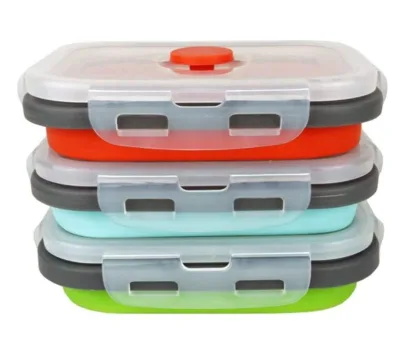
Hot Sale Silicone Foldable Lunch Box Silicone Food Container for Outdoor
$0.50 - $1.50
MOQ: 5000 Pieces


Home Storage Kitchen Silicone Food Container, Retractable Folding Lunch Box
$1.00 - $1.50
MOQ: 5000 Pieces


Xiamen Newtop Material Company
- Verified by TUVRHEINLAND
- Combined
- China Fujian
- Lead time15 days
- Avg. response≤ 3h
Main productsSilicone Pet Prodcuts, Silicone Housewares Product, Silicone Baby Product, Silicone Parts, Silicone Cap, Silicone Breast Pump, Slow Feeder, Silicone Pet Mat, Silicone Gasket, Silicone Hose
Main marketsEurope,North America

Zhong Xing Da (Hangzhou) Import & Export Co., Ltd.
- Verified by SGS
- Manufacturer/Factory
- China Zhejiang
- Lead time45 days
- Avg. response≤ 5h
Main productsCooking, Cookware, Waterfun, Fishing, Camping, RV
Main marketsSouth America,Eastern Europe,North America,Western Europe


2 Piecest Collapsible Silicone Food Containers Storage Lunchbox with Airtight Lid
$6.42 - $7.68
MOQ: 500 Sets

3 PCS Set Round Collapsible Silicone Food Containers Storage Box with Airtight Lid
$7.69 - $9.84
MOQ: 500 Sets

2 PCS Set Collapsible Silicone Food Containers Storage Box with Food Grade PP Airtight Lid
$6.42 - $7.68
MOQ: 500 Sets

3 PCS Set Collapsible Silicone Food Containers Storage Box with Food Grade PP Airtight Lid
$7.69 - $9.84
MOQ: 500 Sets

3 PCS Set Round Collapsible Silicone Food Containers Storage Box with PP Airtight Lid
$7.69 - $9.84
MOQ: 500 Sets

Shandong Consing Material Technology Co., Ltd.
- Verified by SGS
- Manufacturer
- China Shandong
- Lead time23 days
- Avg. response≤ 4h
Main productsGlass Container, Glass Baking Dish, Glass Mixing Bowl, Glass Measuring Cup, Glass Casserole, Glass Canister, Double Wall Glass Cup, Glass Drinkware
Main marketsSoutheast Asia/ Mideast,North America


800ml Leakproof Glass Food Storage Container with Silicone Framed Glass Lid
$1.18 - $2.15
MOQ: 2000 Pieces
Ningbo Toprank Imp. & Exp. Co., Ltd.
- Verified by Intertek
- Trading Company
- Lead time30 days
- Avg. response≤ 5h
Main productsPlastic Storage Box, Food Storage and Containers, Storage Rack, Cosmetics Storage, Coffee Table
Main marketsEastern Europe(35%), North America(30%), South America(20%)

Ningbo Happy Valley Household Co., Ltd.
- Verified by SGS
- Trading Company
- China Zhejiang
- Lead time30 days
- Avg. response≤ 18h
Main productsPot Lid, Glass Pot Lid, Kitchen Utensil Set, Kitchen Tool, Bento Box, Lunch Box, Plastic Lunch Box, Silicone Lunch Box, Collapsible Bucket, Plastic Bucket
Main marketsEurope
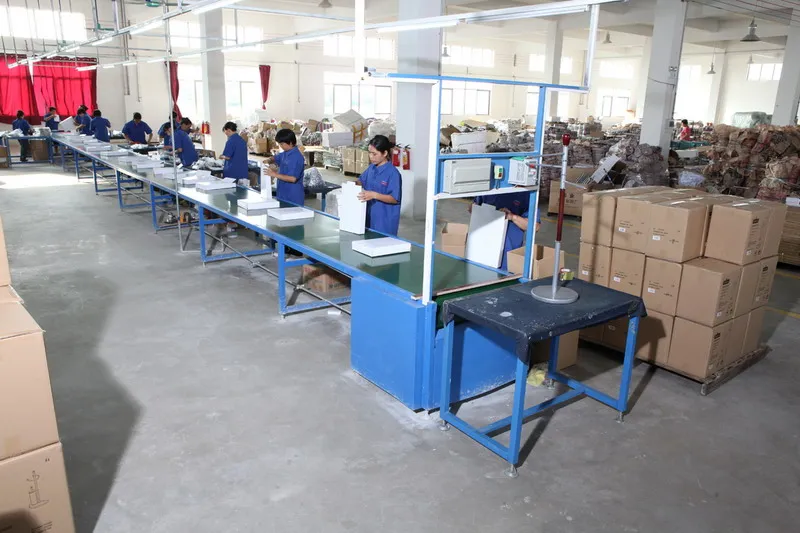
Guangzhou City EW Household Limited Company
- Manufacturer, Trading Company
- Guangdong, China
- Lead time35 days
- Avg. response≤ 10h
Main productsDish drying racks,Bread bins,kitchen and bathroom utensil dry racks,garbage can,bathroom storage
Main marketsWestern Europe(20.00%), Eastern Europe(20.00%), Southern Europe(20.00%), Northern Europe(20.00%), South America(10.00%), North America(10.00%)

Yangjiang C&B Consumer Product Limited
- Verified by CTI
- Trading Company
- China Guangdong
- Lead time15 days
- Avg. response≤ 7h
Main productsBarbecue Tongs, Grilling Brushes, Outdoor Shovel, Grilling Tools, Kitchen Ware, Outdoor Products, Pizza Tools, Knife Set
Main marketsSouth America,Africa,Southeast Asia/ Mideast,Europe,Australia,North America


500ml Round Silicone Lunch Box Collapsible Silicone Food Storage Containers Bowl
$1.20 - $1.31
MOQ: 1000 Pieces

350ml Round Silicone Lunch Box Collapsible Silicone Food Storage Containers Bowl
$0.97 - $1.05
MOQ: 1000 Pieces

5% off High Style 350ml Silicone Food Container, Household Portable Storage
$1.70 - $1.95
MOQ: 1000 Pieces
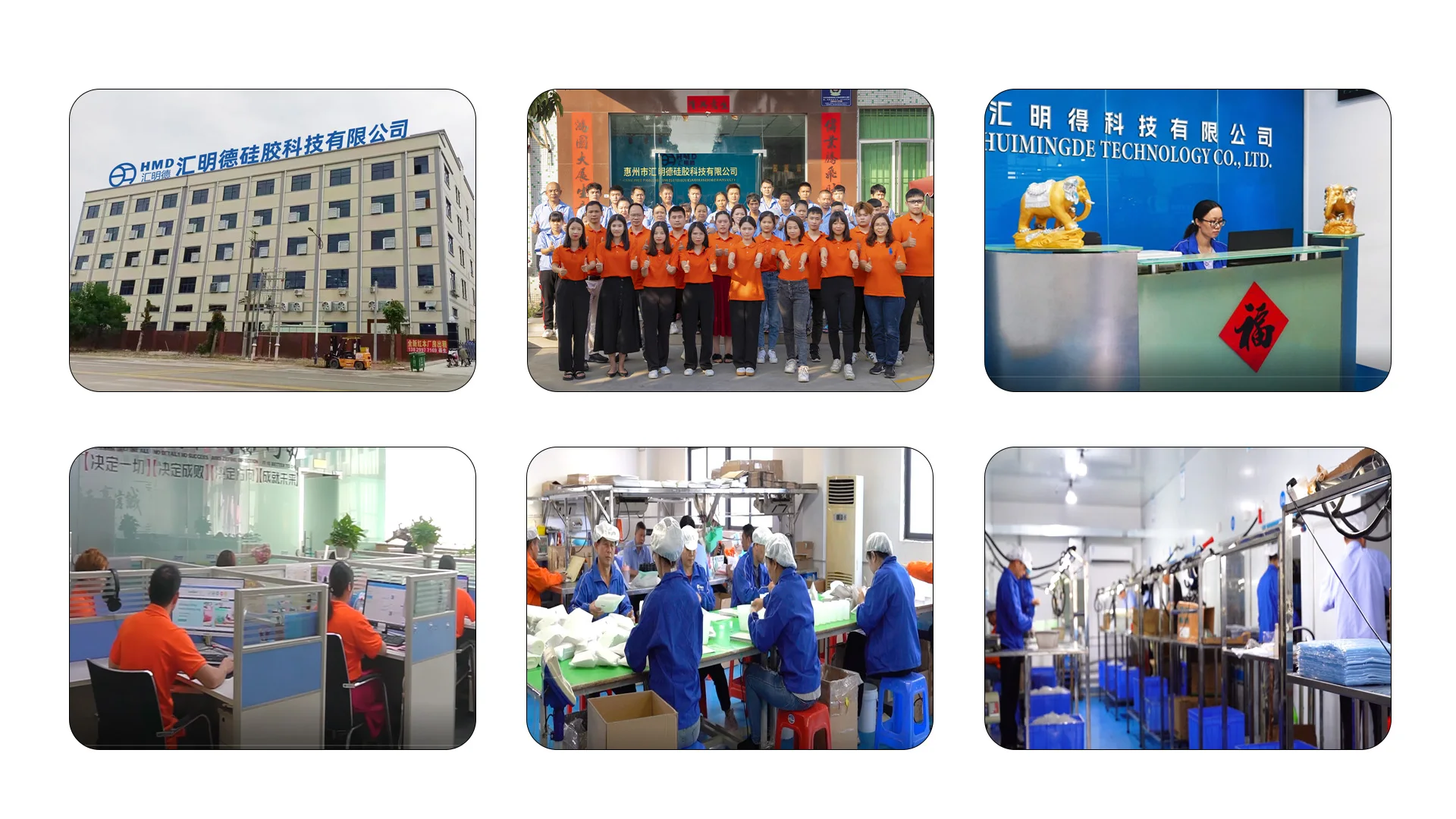
Huizhou Huimingde Silicone Technology Co., Ltd.
- Manufacturer, Trading Company
- Guangdong, China
- Lead time15 days
- Avg. response≤ 4h
Main productsSilicone Straw Brush,Silicone Bag,Silicone bottle brush,Silicone milk bags,Silicone Straws
Main marketsNorth America(40.00%), Eastern Europe(30.00%), South America(15.00%), South Asia(10.00%), Eastern Asia(5.00%)

Ningbo Better Life Houseware Co., Ltd
- Verified by CTI
- Trading Company
- China Zhejiang
- Lead time30 days
- Avg. response≤ 2h
Main productsHouseware Products.
Main marketsSouth America,Africa,Southeast Asia/ Mideast,Europe,Australia,North America
Shenzhen Helpcook Technology Co., Ltd.
- Verified by SGS Group
- Manufacturer, Trading Company
- Lead time5 days
- Avg. response≤ 3h
Main productsBaby Feeding Products, Baby Teether, Baby Pacifier, Baby Toys
Main marketsNorth America(45%), Western Europe(20%), Eastern Europe(5%)

Changsha Chengtong Technology Co., Ltd.
- Verified by SGS
- Trading Company
- China Hunan
- Lead time15 days
- Avg. response≤ 6h
Main productsCutting Board, Vegetable Chopper, Measuring Cup, Milk Frother, Measuring Spoon, Vegetable Peeler, Kitchen Scissors, Knife Sharpener
Main marketsSoutheast Asia/ Mideast

Yantai Bagmart Packaging Co., Ltd.
- Combined
- China Shandong
- Lead time60 days
- Avg. response≤ 19h
Main productsZipper Bag, Flat Poly Bag, Slider Bag, Medical Packaging Bag, Non-Woven Bag, Paper&Cardboard Box, Corrugated Bag, Laminated Bag, Biodegradable Tableware, Paper Bag
Main marketsEast Asia(Japan/ South Korea),Europe,North America

Endless (guangzhou) Import & Export Co.,ltd.
- Manufacturer, Trading Company
- Guangdong, China
- Lead time0 days
- Avg. response≤ 6h
Main productshousehold appliances,Household daily necessities,Consumer Electronics,Sports and entertainment products,Custom processing
Main marketsNorth America(45.00%), South America(13.00%), Southern Europe(5.00%), Northern Europe(5.00%), Oceania(5.00%), Central America(5.00%), Western Europe(5.00%), Eastern Europe(5.00%), Southeast Asia(4.00%), South Asia(2.00%), Eastern Asia(2.00%), Mid East(2.00%), Africa(2.00%)
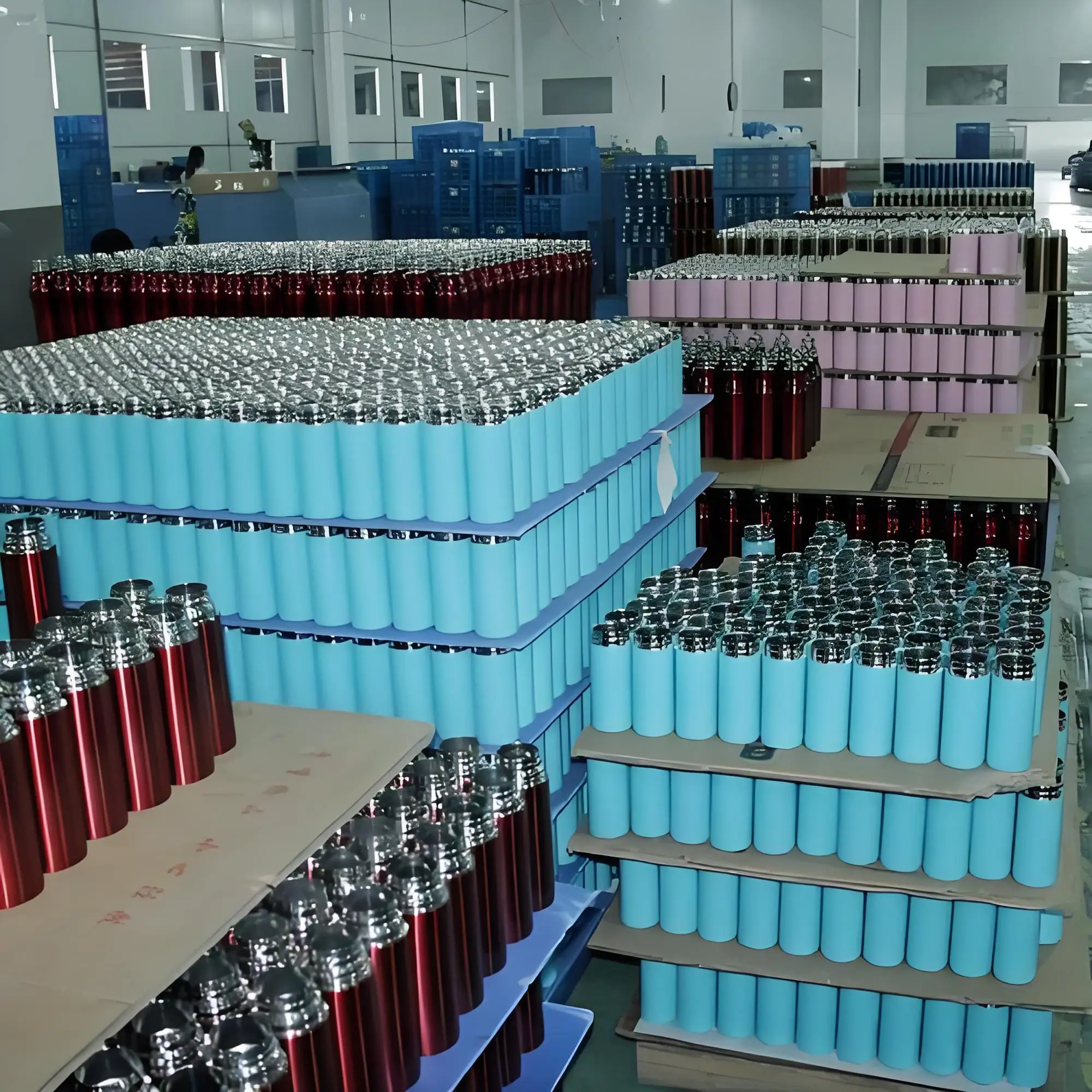
Yiwu Changhong Trading Co., Ltd.
- Trading Company
- Zhejiang, China
- Lead time7 days
- Avg. response≤ 3h
Main productsDrinking utensils,Drinking utensils accessories,Pickleball accessory products,Fitness and shaping
Main marketsNorth America(30.00%), Africa(15.00%), Western Europe(15.00%), Mid East(15.00%), Central America(10.00%), Southern Europe(10.00%), Eastern Asia(10.00%), Northern Europe(10.00%), South Asia(5.00%), Southeast Asia(5.00%), Eastern Europe(5.00%)
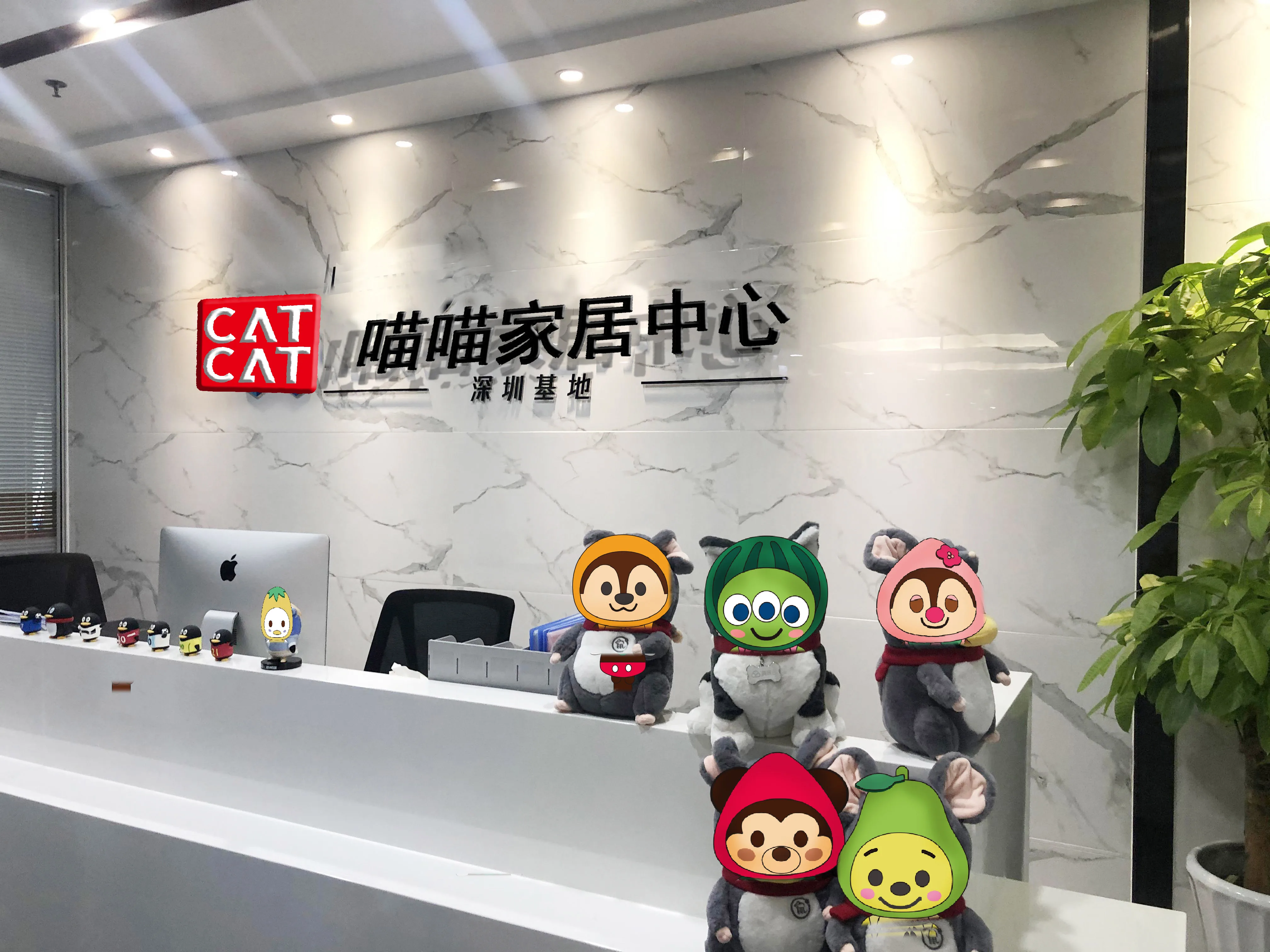
Shenzhen Miaomiao Household Products Co., Ltd.
- Manufacturer, Trading Company
- Guangdong, China
- Lead time15 days
- Avg. response≤ 3h
Main productsFood Spoon,Food Pick For Kids,Lunch Box,Food Picks,Water Bottles
Main marketsNorth America(20.00%), Eastern Europe(15.00%), South America(15.00%), South Asia(5.00%), Southern Europe(5.00%), Northern Europe(5.00%), Central America(5.00%), Western Europe(5.00%), Eastern Asia(5.00%), Mid East(5.00%), Oceania(5.00%), Africa(5.00%), Southeast Asia(5.00%)
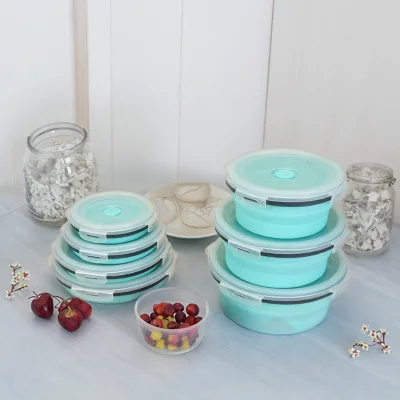
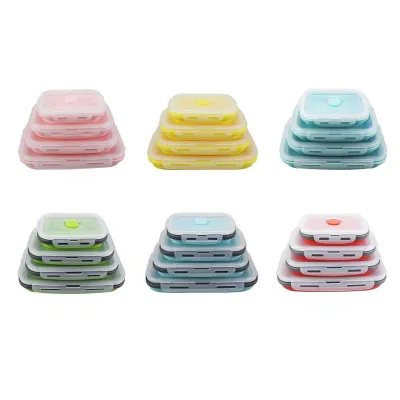
$1.0352 - $2.6345
MOQ: 50 Minimum
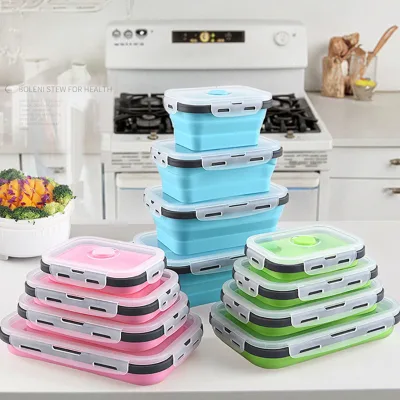

- Verified by BV
- Trading Company
- China Zhejiang
- Lead time30 days
- Avg. response≤ 12h
Main productsLunch Box
Main marketsSouth America,Africa,Southeast Asia/ Mideast,East Asia(Japan/ South Korea),Europe,Australia,North America
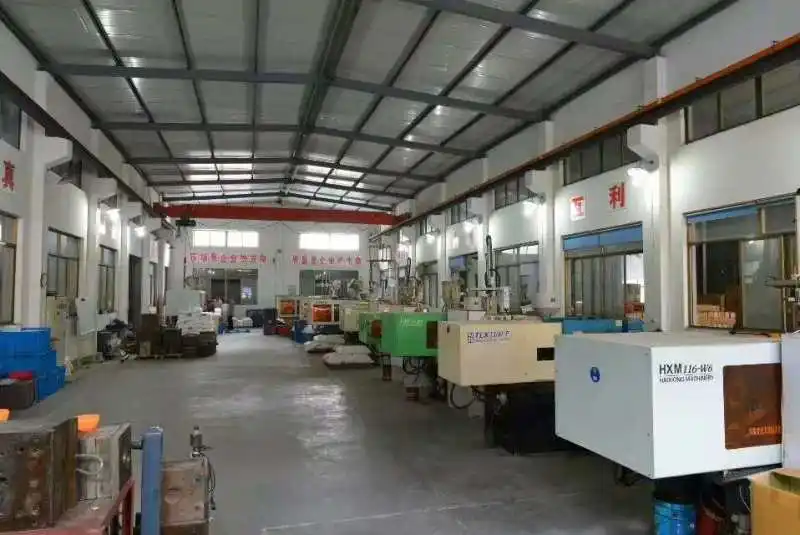
Guangzhou Kingpeak Household Product Co., Ltd.
- Manufacturer, Trading Company
- Guangdong, China
- Lead time25 days
- Avg. response≤ 3h
Main productsFood Container,tumbler,Vacuum Flasks & Thermoses,baby products,camping shovel
Main marketsNorth America(30.00%), Western Europe(27.00%), Oceania(10.00%), Central America(5.00%), South America(5.00%), Northern Europe(5.00%), Eastern Europe(5.00%), Southern Europe(5.00%), Southeast Asia(5.00%), Mid East(2.00%), Africa(1.00%)
Yiwu Lisheng Trading Co., Ltd.
- Trading Company
- Zhejiang, China
- Lead time3 days
- Avg. response≤ 4h
Main productsHousehold Storage,General Merchandise,Outdoor Goods,Festival & Decor,Pet Products
Main marketsNorthern Europe(15.00%), North America(15.00%), Mid East(10.00%), South Asia(10.00%), Western Europe(10.00%), Eastern Europe(10.00%), Oceania(5.00%), Southern Europe(5.00%), South America(5.00%), Central America(5.00%), Southeast Asia(5.00%), Eastern Asia(5.00%)

ANHUI IDEA TECHNOLOGY IMP AND EXP CO., LTD
- Verified by TUVRHEINLAND
- Trading Company
- China Anhui
- Lead time23 days
- Avg. response≤ 4h
Main productsGlass Jar, Glass Bottle, Pet Preform, Aluminum Cans, Glass Cup, Bottle Caps Jar Lids, Candle Jars, Perfume Bottle, Cosmetic Bottle
Main marketsSouth America,Africa,Southeast Asia/ Mideast,East Asia(Japan/ South Korea),Europe,Australia,North America

Airtight Vacuum New Lunch Box Glass Meal Food Containers with Silicon Lids
$0.80 - $2.00
MOQ: 1000 Pieces

Jinan Jinhui Dadi Trading Co., Ltd.
- Verified by TüVRheinland
- Trading Company
- Lead time15 days
- Avg. response≤ 2h
Main productsSalt And Pepper Grinder, Plastic Package Products, Spice Bottle
Main marketsNorth America(35%), South America(25%), Oceania(12%)

Ningbo Hongwei Plastic Co., Ltd
- Verified by SGS
- Combined
- China Zhejiang
- Lead time23 days
- Avg. response≤ 1h
Main marketsDomestic

Qingdao Rearun Industrial Co., Ltd.
- Verified by CTI
- Combined
- China Shandong
- Lead time30 days
- Avg. response≤ 4h
Main productsPlastic Injection, Plastic Pallet, Plastic Accessories for Household Appliances, Plastic Folding Box, Disposable Food Lunch Box, Logistics Breeding Turnover Box, Plastic Tiles for Parking Lot, Plastic Food Container, Plastic Tray, Livestock Products
Main marketsDomestic
Dongguan Hualili Silicone Products Co., Ltd.
- Manufacturer, Trading Company
- Guangdong, China
- Lead time15 days
- Avg. response≤ 4h
Main productsHome Storage & Organization,Storage Boxes & Bins,silicone pipe,Silicone Kitchenware
Main marketsSoutheast Asia(50.00%), North America(30.00%), South America(20.00%)

Chaozhou Nicety Technology Co., Ltd
- Verified by CTI
- Trading Company
- China Guangdong
- Lead time30 days
- Avg. response≤ 7h
Main productsLunch Box, Stainless Steel Lunch Box, Pet Product, Pet Bowl, Car Accessory, Bathroom Fitting
Main marketsSouth America,Southeast Asia/ Mideast,East Asia(Japan/ South Korea),Domestic,Europe,Australia,North America

Reusable Food Container Sealed Leakproof with Plastic Outside Stainless Steel Lunch Box
$3.20 - $3.49
MOQ: 24 Pieces

Reusable Food Jar Leakproof Food Container Multi-Layers Stainless Steel Lunch
$0.68 - $0.79
MOQ: 48 Pieces






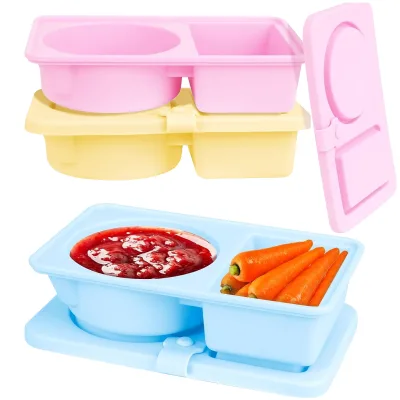


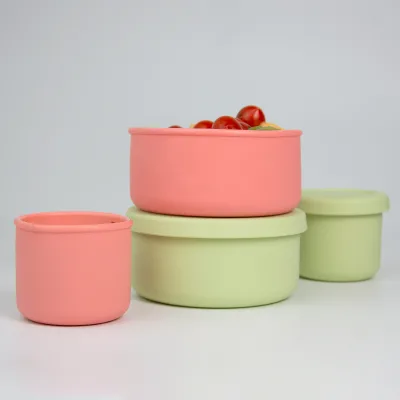
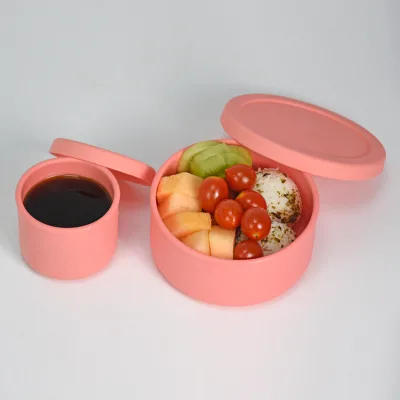
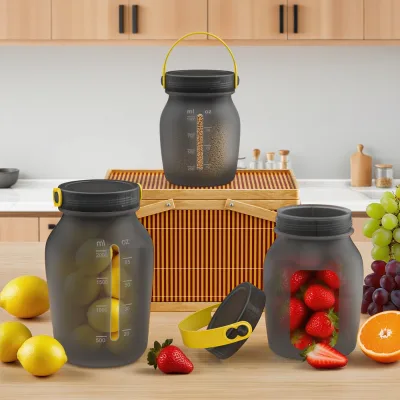


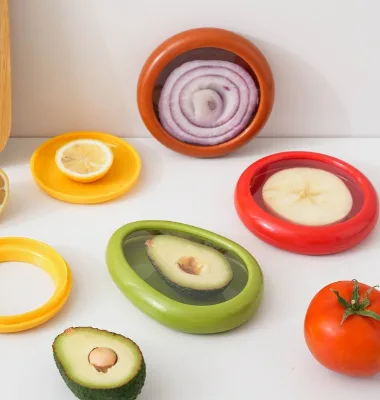
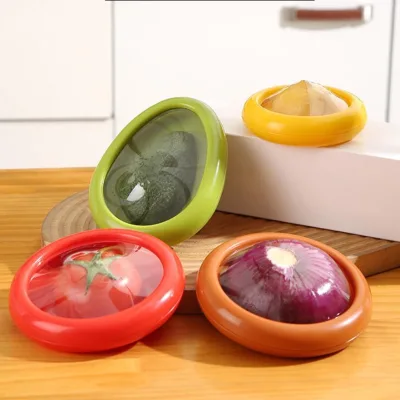
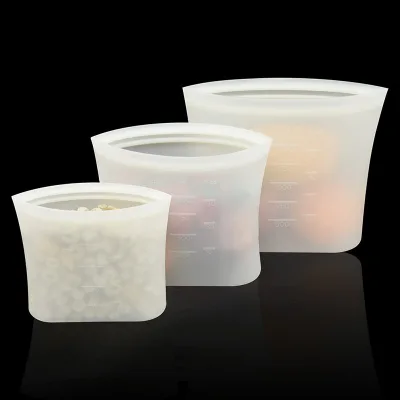


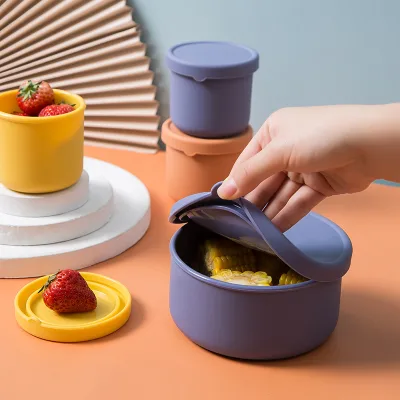
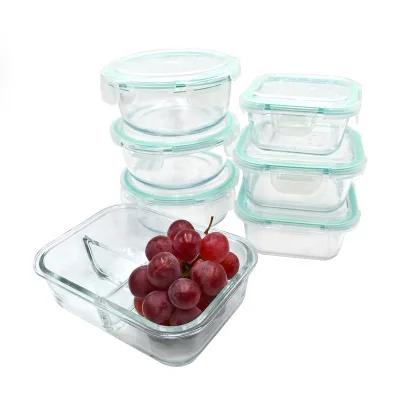
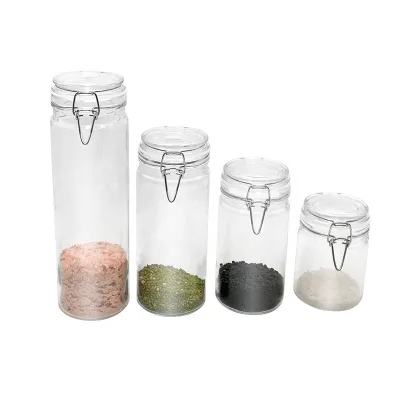
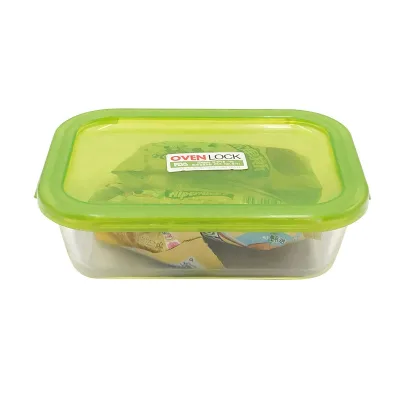



Comprehensive Sourcing Guide
Silicone Vacuum Food Storage Container Supplier Concentration and Factory Types
When evaluating the landscape for silicone vacuum food storage containers, buyers must first distinguish between pure manufacturing entities and hybrid trading operations. The available data indicates that suppliers in this sector are primarily categorized as manufacturers or factories, though some operate as combined entities that blend production with trading functions. This distinction is critical because it directly influences pricing structures, communication efficiency, and the ability to customize product designs. Manufacturers typically possess the direct control over raw material sourcing, specifically silicone rubber, and the molding processes required to create airtight seals. In contrast, trading companies may offer a broader array of related items, such as plastic display containers or industrial pallets, but might lack the specialized technical depth for complex vacuum sealing mechanisms. Understanding this structural difference allows buyers to align their procurement strategy with their specific needs for volume, customization, and technical support.
The geographic concentration of these suppliers provides further insight into the supply chain dynamics. Current results highlight specific manufacturing hubs, notably in China’s Fujian and Shandong provinces. Fujian-based suppliers often focus on a diverse range of consumer goods, including silicone products, fashion accessories, and outdoor sports items, suggesting a versatile manufacturing base that can adapt to various consumer electronics and home goods demands. Meanwhile, Shandong-based suppliers appear to specialize more heavily in plastic display containers, shopping baskets, and industrial pallets, indicating a strong capability in rigid plastic molding and bulk storage solutions. While both regions offer access to silicone and plastic materials, the specific expertise varies. Buyers should verify whether a supplier’s primary facility is equipped for silicone extrusion and molding or if they rely on subcontracting for certain components. This verification ensures that the supplier can meet the stringent quality requirements for food-grade silicone and reliable vacuum seal performance.
How to Verify Silicone Vacuum Food Storage Container Suppliers
Verification is the cornerstone of mitigating risk when sourcing silicone vacuum food storage containers from international markets. Buyers should prioritize suppliers who have undergone third-party verification processes, as these audits provide an independent assessment of the factory’s operational capabilities and compliance standards. For instance, some suppliers in the current results are verified by CTI, while others hold BV verification. These certifications offer a layer of assurance regarding the supplier’s legitimacy and operational stability. However, verification alone is not sufficient; buyers must also examine the specific scope of these verifications to ensure they cover the relevant production lines for silicone and plastic storage solutions. It is advisable to request detailed verification reports that outline the factory’s quality control procedures, particularly those related to food safety and material integrity. This due diligence helps confirm that the supplier’s claims about their manufacturing capabilities are substantiated by objective evidence.
Beyond third-party verification, buyers should scrutinize the supplier’s system certifications and product-specific compliance documents. The presence of ISO 9001 certification, as seen in some supplier profiles, indicates a standardized approach to quality management, which is crucial for maintaining consistency in vacuum seal performance and material durability. Additionally, for products intended for food contact, certifications such as CE or EU compliance are essential to ensure adherence to international safety standards. Buyers should request copies of these certificates and verify their validity with the issuing bodies. Furthermore, examining the supplier’s response time can provide indirect evidence of their operational efficiency and customer service quality. A rapid response time, such as 1.85 hours or 1.01 hours, suggests a well-organized team capable of addressing inquiries and resolving issues promptly. This responsiveness is particularly important during the negotiation and pre-production phases, where clear communication can prevent misunderstandings and delays.
What to Compare Across Silicone Vacuum Food Storage Container Suppliers
When comparing suppliers, buyers must evaluate a range of operational metrics to determine the best fit for their procurement goals. Key dimensions include lead time, minimum order quantity (MOQ), and response speed, all of which impact the overall efficiency of the supply chain. For example, some suppliers offer a lead time of 120 days, while others provide a significantly faster turnaround of 30 days. This variance can be decisive for buyers with tight inventory requirements or seasonal demand spikes. Similarly, MOQs vary widely, with some suppliers requiring orders of 10,000 units, while others accept orders as low as 100 units. Buyers should align these MOQs with their sales forecasts and storage capacity to avoid excessive inventory costs or stockouts. Additionally, comparing the range of main products offered by each supplier can reveal their specialization and versatility. Suppliers focusing on silicone products and food containers may offer better technical support for vacuum sealing features compared to those primarily dealing in plastic display bins or industrial pallets.
Price and customization options are also critical factors in supplier comparison. The current data shows price points ranging from $0.10 to $8.70 per unit, depending on the product model, material, and features. Buyers should analyze these prices in the context of the product’s specifications, such as the inclusion of silicone seals, flip-top lids, and stackability. Customization availability is another key differentiator, with many suppliers offering OEM and ODM services. This allows buyers to tailor product designs, packaging, and branding to their specific market needs. However, customization often comes with higher MOQs and longer lead times, so buyers must balance these trade-offs carefully. Additionally, comparing the packaging standards and materials used by each supplier can provide insights into their attention to detail and commitment to product protection during transit. Suppliers who offer customized packaging and clear labeling can enhance the buyer’s brand presentation and reduce the risk of damage during shipping.
Common Silicone Vacuum Food Storage Container Sourcing Risks
Sourcing silicone vacuum food storage containers involves several inherent risks that buyers must proactively manage to ensure a successful procurement process. One significant risk is the variability in material quality, particularly regarding the grade of silicone used. Not all silicone is created equal, and inferior materials may fail to provide the necessary airtight seal or may leach harmful substances into food. Buyers must verify that suppliers use food-grade silicone and request relevant test reports to confirm compliance with safety standards. Another risk is the inconsistency in manufacturing quality, which can lead to defects in the vacuum seal mechanism or lid fit. This is particularly relevant for suppliers with high MOQs, as larger production runs increase the likelihood of quality control lapses if not properly monitored. Buyers should implement strict quality inspection protocols, including pre-shipment inspections, to identify and rectify any defects before the goods are dispatched.
Logistical and communication risks also pose challenges in international sourcing. Differences in time zones and language barriers can lead to misunderstandings regarding product specifications, delivery schedules, and payment terms. Suppliers with slower response times may struggle to address urgent issues, potentially causing delays in the supply chain. Additionally, the complexity of international shipping, including customs clearance and freight costs, can impact the final landed cost of the products. Buyers must account for these variables when planning their budgets and delivery timelines. Furthermore, relying on suppliers who offer a wide range of unrelated products, such as plastic display containers or industrial pallets, may indicate a lack of specialization in silicone vacuum storage solutions. This lack of focus could result in suboptimal product designs or inadequate technical support. Buyers should prioritize suppliers with a proven track record in silicone and food storage products to mitigate these risks.
Silicone Vacuum Food Storage Container Regional Sourcing and Logistics
Regional sourcing decisions significantly influence the logistics and cost structure of procuring silicone vacuum food storage containers. Suppliers located in China’s Fujian province often benefit from established supply chains for silicone and consumer goods, offering a diverse range of products including fashion accessories and outdoor sports items. This regional concentration can facilitate efficient sourcing for buyers looking to consolidate orders across multiple product categories. However, buyers must consider the specific logistical advantages and disadvantages of each region. Fujian’s proximity to major ports may offer competitive shipping rates for ocean freight, but buyers should verify the actual transit times and carrier reliability. Additionally, the local infrastructure and labor costs in Fujian can impact the overall pricing of the products. Buyers should engage with suppliers in this region to understand their logistical capabilities and negotiate favorable shipping terms.
In contrast, suppliers in Shandong province may offer different logistical benefits, particularly for buyers interested in plastic display containers and industrial pallets. Shandong’s industrial base is strong in plastic molding and bulk storage solutions, which can be advantageous for buyers seeking complementary products. However, the distance from major coastal ports may result in higher inland transportation costs. Buyers must evaluate the total landed cost, including freight, insurance, and customs duties, when comparing suppliers from different regions. Additionally, regional trade agreements and tariffs can affect the final cost of imported goods. Buyers should consult with freight forwarders to obtain accurate shipping quotes and assess the reliability of different logistics routes. By understanding the logistical nuances of each sourcing region, buyers can optimize their supply chain for cost efficiency and delivery speed.
Silicone Vacuum Food Storage Container Commercial Terms and Order Planning
Effective order planning and negotiation of commercial terms are essential for managing the procurement of silicone vacuum food storage containers. Buyers must carefully review the payment terms, delivery schedules, and warranty policies offered by each supplier. Common payment terms include a deposit followed by the balance against the bill of lading, but buyers should negotiate for terms that protect their interests, such as using escrow services for the first transaction. Additionally, buyers should clarify the lead time for production and shipping, as variations in lead times can impact inventory management and sales planning. Suppliers with shorter lead times, such as 30 days, may offer greater flexibility for urgent orders, while those with longer lead times, such as 120 days, may require more advanced planning. Buyers should align their order quantities with their sales forecasts to avoid overstocking or stockouts.
Customization and branding options are also key commercial considerations. Many suppliers offer OEM and ODM services, allowing buyers to customize product designs, packaging, and logos. However, customization often involves additional costs and longer lead times, so buyers must factor these into their budget and timeline. Buyers should request detailed quotes that break down the costs of customization, including mold fees and setup charges. Additionally, buyers should negotiate for quality guarantees and return policies in case of defects or non-conformance. Clear communication of these terms in the purchase contract is crucial to avoid disputes. By establishing robust commercial terms and planning orders strategically, buyers can ensure a smooth and successful sourcing experience for silicone vacuum food storage containers.
FAQs
What is the typical lead time for silicone food storage containers?
Manufacturers in China Fujian report a lead time of 120 days for production. Buyers sourcing from China Shandong may find faster turnaround options with a 30-day lead time. These timelines depend on order volume and customization requirements. Always confirm the exact schedule with the supplier before placing a bulk order to ensure timely delivery.
What is the minimum order quantity for silicone storage boxes?
Minimum order quantities vary by supplier and product model. Some manufacturers require an MOQ of 10,000 units for customized silicone rubber boxes. Others offer lower thresholds, such as 500 or 1,000 pieces for standard plastic containers. Check the specific product attributes to determine the exact MOQ applicable to your order size.
Are silicone food storage containers customizable for branding?
Yes, customization is available for many silicone and plastic storage products. Suppliers offer OEM services with customized designs, logos, and packaging options. Materials like silicone rubber and plastic can be tailored to specific styles. Buyers should verify customization availability and associated costs directly with the manufacturer to ensure brand alignment.
What certifications do food storage container suppliers hold?
Certifications vary by supplier. Some manufacturers hold ISO 9001 system certification for quality management. Product-specific certifications like CE or EU compliance are also available for certain plastic containers. Verification services such as CTI and BV confirm supplier credentials. Buyers should request relevant certification documents to ensure regulatory compliance for their target markets.
How quickly do suppliers respond to sourcing inquiries?
Response times differ among suppliers. Some manufacturers respond within 1.01 hours, while others take approximately 1.85 hours. Faster response times indicate active customer service teams. Buyers should expect prompt replies when contacting verified suppliers. Quick communication helps clarify product details, pricing, and shipping terms efficiently during the sourcing process.
What is the price range for silicone food storage containers?
Prices vary based on material and design. Silicone rubber storage boxes typically range from $2.55 to $2.70 per unit. Plastic containers with lids can be priced as low as $0.10 per piece. Higher-end clear containers with silicone seals may cost between $4.50 and $8.70. Prices depend on order quantity and customization.