Skid Steer Loader Attachments Suppliers and Manufacturers
Compare 27 verified suppliers of Skid Steer Loader Attachments based on location, lead time, certifications, and response time. Review product specifications like weight and power to find the right fit. Contact suppliers directly to request quotes and verify details; review the available evidence before requesting comparable quotations from suitable candidates.
Updated
Suppliers List

Xuzhou Fushang Construction Machinery Co. ,Ltd.
- Manufacturer/Factory
- China Jiangsu
- Lead time23 days
- Avg. response≤ 1h
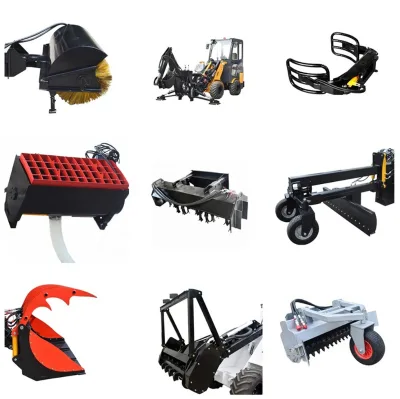
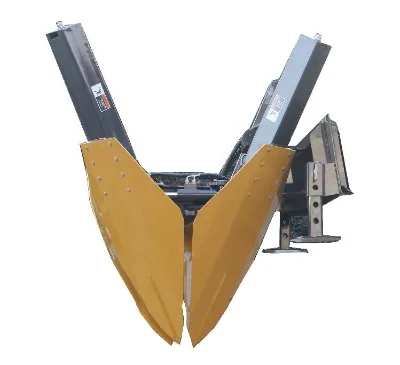
Main productsSkid Steer Loader Attachments, Skid Steer Loader, Compact Front Loader, Wheel Loader Attachments, Excavator Attachments, Tree Spade Transplanter, Manhole Saw Cutter, Forestry Mulcher, Grass Mower Cutter, Backhoe Digger Attachment
Main marketsSouth America,Eastern Europe,Mid East,North America,Southeast Asia,Eastern Asia,Oceania,Western Europe,Africa
Shandong Honest Machinery Co., Ltd.
- Manufacturer, Trading Company
- Shandong, China
- Lead time20 days
- Avg. response≤ 3h
Main productsTelehandler,Telescopic Loader,Attachments,Excavators
Main marketsSouth Asia(100.00%), Eastern Asia(100.00%), Domestic Market(100.00%), Eastern Europe(50.00%), North America(10.00%), South America(7.00%), Oceania(7.00%), Northern Europe(7.00%), Western Europe(7.00%), Southern Europe(3.00%), Central America(3.00%), Africa(2.00%), Southeast Asia(2.00%), Mid East(2.00%)
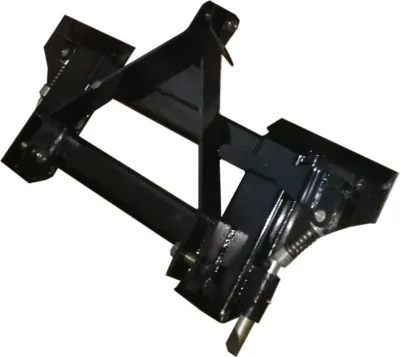
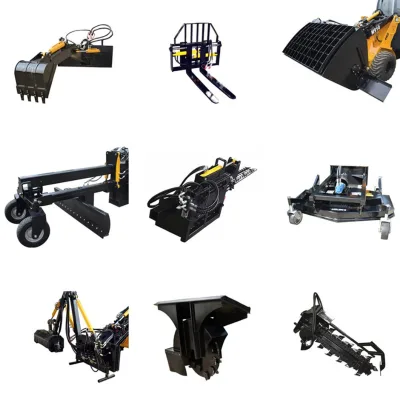
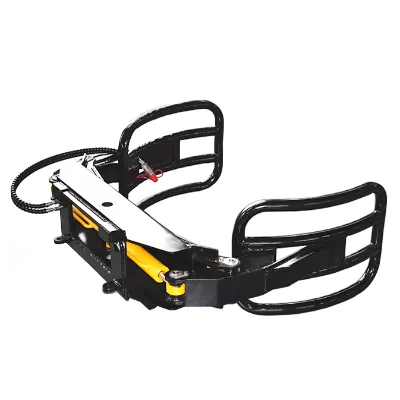
Good Price Factory Supply Construction Machinery Attachments Loader Skid Loader Attachments
$1200.00 - $1380.00
MOQ: 1 units
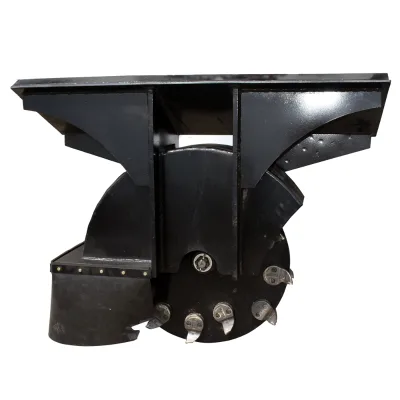
$600.00 - $800.00
MOQ: 1 sets
Jinan Zhishen Machinery Equipment Co., Ltd.
- Manufacturer, Trading Company
- Shandong, China
- Lead time15 days
- Avg. response≤ 13h
Main productsForklift,Loading excavator,Derrick,Excavator,Pile driver
Main marketsDomestic Market(22.00%), North America(10.00%), Southeast Asia(10.00%), Central America(10.00%), South Asia(10.00%), Mid East(6.00%), Northern Europe(5.00%), Eastern Europe(5.00%), Africa(4.00%), Eastern Asia(4.00%), Oceania(4.00%), Western Europe(4.00%), Southern Europe(3.00%), South America(3.00%)

Xiamen Winsum Machinery Co., Ltd.
- Verified by BV
- Manufacturer/Factory
- China Fujian
- Lead time0 days
- Avg. response≤ 7h
Main productsUndercarriage Part, Track Chain, Track Link, Track Roller, Bulldozer Parts, Excavator Parts, Excavator Bucket Teeth, Hydraulic Cylinder, Top Roller
Main marketsSouth America,Eastern Europe,Mid East,North America,Southeast Asia,Eastern Asia,Oceania,Western Europe,Africa

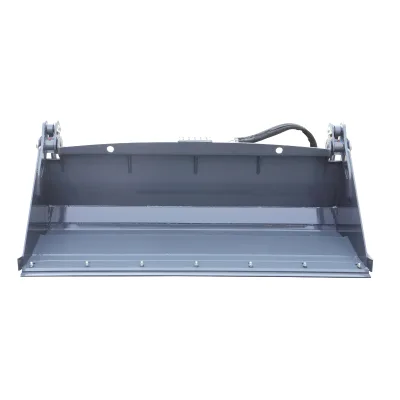
Hammer Enclosed Sweeper 4-in -1 Bucket Skid Steer Loader Attachments
$2000.00 - $4000.00
MOQ: 1 Pieces


Skid Steer Loader Type Skid Loader Attachment Skid Steer Attachments Forestry Mulcher
$2000.00 - $4000.00
MOQ: 1 Pieces

Skid Steer Loader Attachments Forestry Mulcher, , Forestry Slasher, Hydraulic Mulcher
$2000.00 - $4000.00
MOQ: 1 Pieces

Skid Steer Attachments 0512 Tree Cutter Tree Shear Tree Shear Attachments
$2000.00 - $4000.00
MOQ: 1 Pieces

Linyi Monashi Machinery Equipment Co., Ltd.
- Verified by SGS Group
- Trading Company
- Lead time14 days
- Avg. response≤ 2h
Main productsLoader, Excavator, Attachments, Forklift
Main marketsNorth America(55%), Oceania(28%), South America(3%)
Bolevite (jining) Machinery Co., Ltd.
- Verified by SGS Group
- Manufacturer, Trading Company
- Lead time0 days
- Avg. response≤ 1h
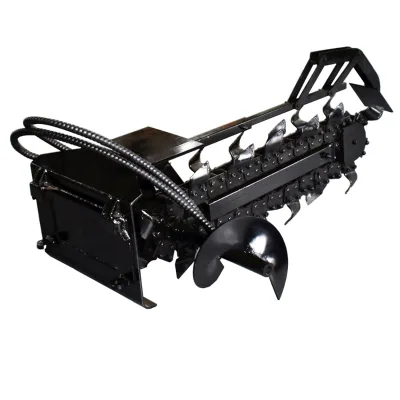
Main productsTrencher, Soil regulator, Lawn Mower, Sliding Loader Attachments, Excavator Accessories
Main marketsNorth America(45%), Oceania(25%), Western Europe(20%)
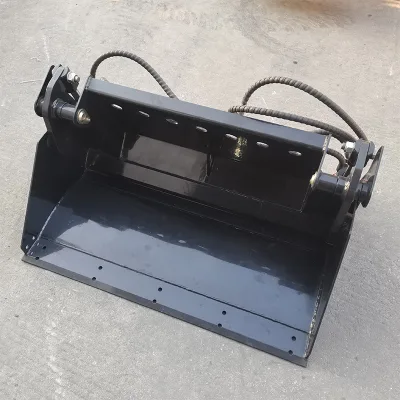
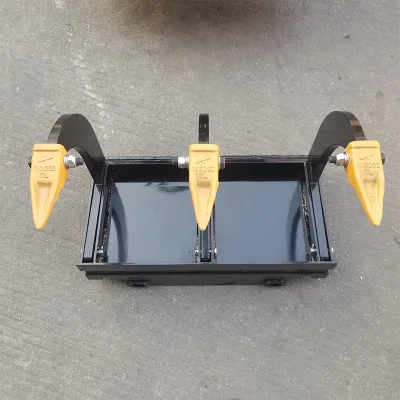
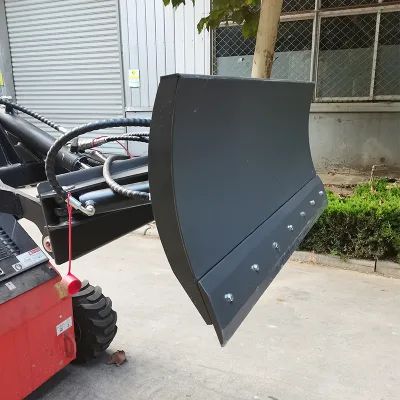
Fast Delivery V-Type Snow Blade/Angle Blade for Skid Steer Loader Attachment Best Sale
$360.3356
MOQ: 1 Minimum

Wuhan Fusen Machinery Co., Ltd.
- Trading Company,Manufacturer/Factory
- China Hubei
- Lead time38 days
- Avg. response≤ 10h
Main productsTractor & Implements, Forklift, Loader, Bulldozer, Motor Grader, Road Roller, Skid Steer Loader, Aspalt Paver
Main marketsSouth America,Eastern Europe,Mid East,Southeast Asia,Eastern Asia,Oceania,Western Europe,Africa


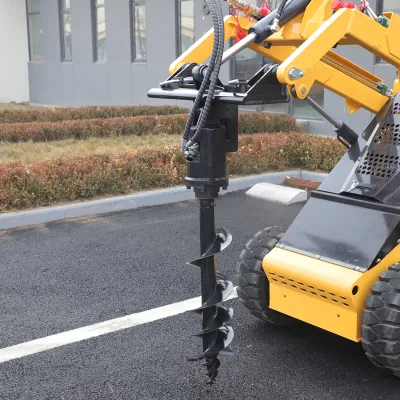
Auger for Skid Steer Loader, Skid Steer Loader with Auger Attachment
$1800.00 - $2500.00
MOQ: 1 Pieces

Hunan Hongda Global Machinery Trading Co., Ltd
- Verified by TUVRHEINLAND
- Combined
- China Hunan
- Lead time60 days
- Avg. response≤ 5h
Main productsBucket, Mechanical Quick Change, Hydraulic Quick Change
Main marketsSouth America,Southeast Asia/ Mideast,Europe

Xuzhou Bonovo Machinery & Equipment Co., Ltd.
- Verified by CTI
- Combined
- China Jiangsu
- Lead time30 days
- Avg. response≤ 2h
Main productsMini Excavator, Backhoe Loader, Skid Steer Loader, Wheel Loader, Electric Excavator, Excavator Bucket, Excavator, Amphibious Excavator, Excavator Attachment, Electric Loader
Main marketsSouth America,Africa,Southeast Asia/ Mideast,East Asia(Japan/ South Korea),Domestic,Europe,Australia,North America
Shandong Derette Machinery Co., Ltd.
- Verified by TüVRheinland
- Manufacturer, Trading Company
- Lead time7 days
- Avg. response≤ 4h
Main productsSkid Steer Loader
Main marketsNorth America(45%), Oceania(20%), Domestic Market(17%)
Linyi Million Heavy Industry Co., Ltd.
- Manufacturer
- Shandong, China
- Lead time14 days
- Avg. response≤ 3h
Main productsMini Skid Steer Loader and Attachments,Mini Loader,Attachment
Main marketsNorth America(30.00%), Domestic Market(29.00%), South America(15.00%), Oceania(14.00%), Eastern Europe(4.00%), South Asia(3.00%), Southeast Asia(3.00%), Africa(2.00%)
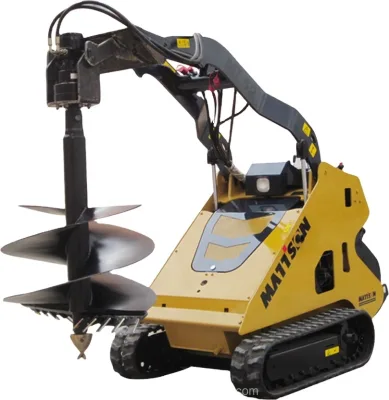
Skid Steer Loader Auger for Soil Drilling Earth Soil Auger Drill Attachment for Mini Front Loader
$1745.4071 - $3080.1302
MOQ: 1 Minimum
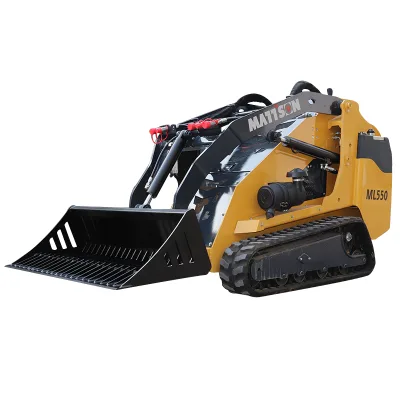
Shandong Chances Machinery Co., Ltd.
- Verified by TüVRheinland
- Manufacturer, Trading Company
- Lead time7 days
- Avg. response≤ 3h
Main productsMini Skid Steer Loader, Mini Excavator, Skid Steer Loader, Road Roller, Mower
Main marketsNorth America(40%), Oceania(30%), Southeast Asia(20%)
Jinkung Industrial (shandong) Corporation
- Verified by TüVRheinland
- Manufacturer, Trading Company
- Lead time7 days
- Avg. response≤ 2h
Main productsMini Excavator, Lawn Mower, Loader, Spraying Machine, Tractor
Main marketsNorth America(39%), Eastern Europe(15%), Western Europe(10%)
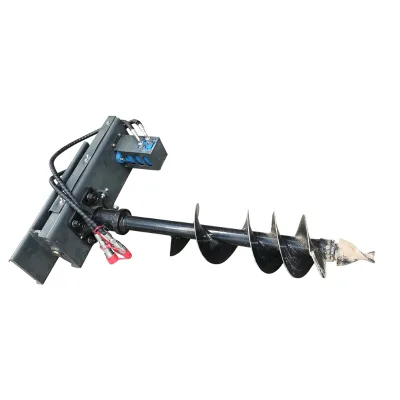
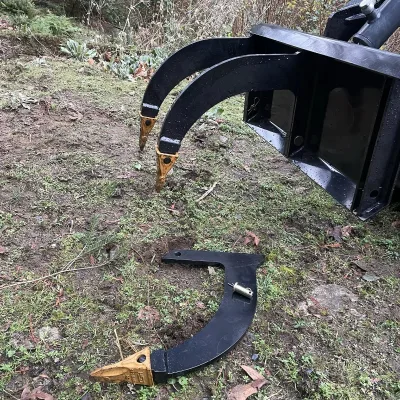
Professional 3 Shank Heavy Duty Ripper Attachment for Skid Steer Loaders and Compact Track Loaders
$512.3297 - $717.6717
MOQ: 1 units
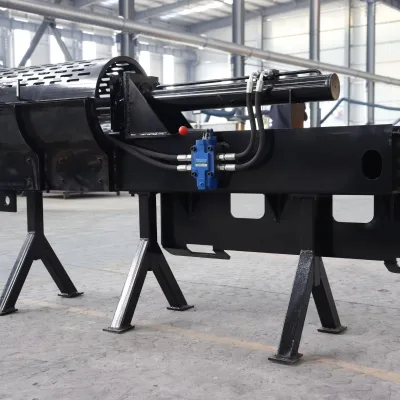
High Flow Powerful Hydraulic Wood Splitter Attachment for Skid Steer Loader Fast Cycle Log Processor
$512.3297 - $809.0478
MOQ: 1 units
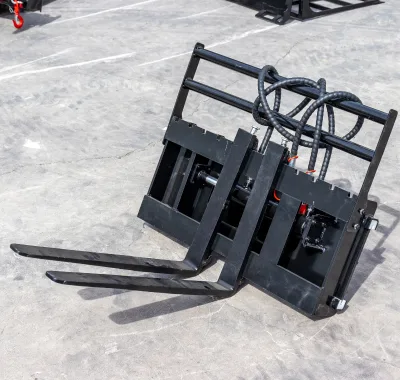
$104.0681 - $209.1869
MOQ: 1 units
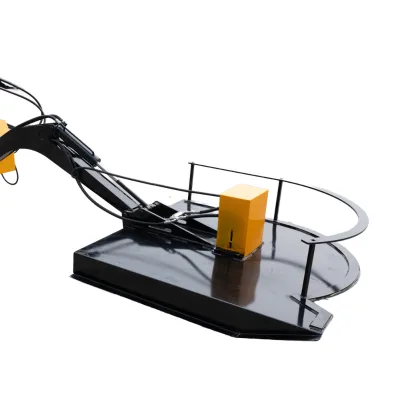
$310.1731 - $413.9099
MOQ: 1 units
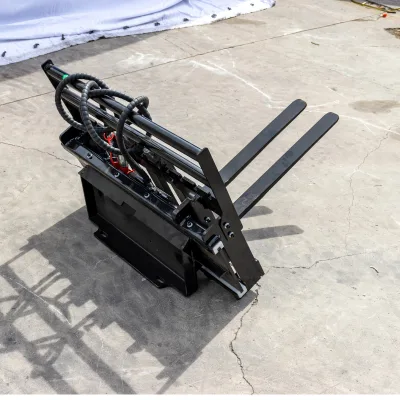
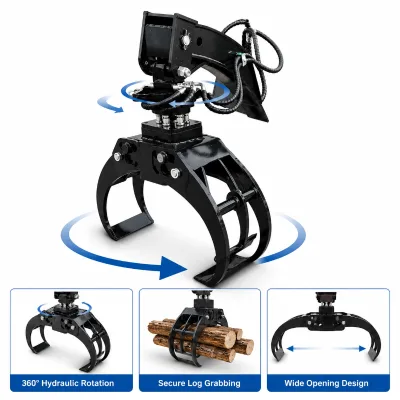
Professional OEM Skid Steer Grapple Attachment with Sideways Movement and 360 Rotation
$204.3167 - $409.6587
MOQ: 1 units
Xuzhou Hcn Machinery Technology Co., Ltd.
- Manufacturer, Trading Company
- Jiangsu Province, China
- Lead time20 days
- Avg. response≤ 3h
Main productsSkid Steer Loader, Skid Steer Skid Attachments, Wheel Loader Attachments, Telescopic Handler Attachments, Forklift Attachments
Main marketsDomestic Market(45.00%), Oceania(15.00%), South Asia(8.00%), North America(8.00%), South America(8.00%), Southeast Asia(5.00%), Eastern Europe(4.00%), Africa(3.00%), Western Europe(2.00%), Mid East(2.00%)

- Verified by CTI
- Trading Company,Manufacturer/Factory
- China Jiangsu
- Lead time15 days
- Avg. response≤ 7h
Main productsTruck Crane, Excavator, Wheel Loader, Road Roller, Concrete Pump Truck, Motor Grader, Dump Truck, Aerial Work Platform, Asphalt Plant, Forklift
Main marketsSouth America,Eastern Europe,Mid East,North America,Southeast Asia,Eastern Asia,Oceania,Western Europe,Africa

Jiangsu Origin Machinery Co., Ltd.
- Verified by BV
- Trading Company
- China Jiangsu
- Lead time45 days
- Avg. response≤ 1h
Main productsExcavator Undercarriage Parts, Bulldozer Undercarriage Parts, Excavator Attachments, Hydraulic Cylinder, Excavator Buckets, Loader Buckets, Track Assembly, Track Roller, Track Shoe, Hydraulic Parts
Main marketsSouth America,Southeast Asia/ Mideast,Europe,Australia,North America
Shandong Maytop Import & Export Co., Ltd.
- Verified by TüVRheinland
- Manufacturer, Trading Company
- Lead time3 days
- Avg. response≤ 3h
Main productsMini Excavator, Lawn Mower, Tractor, Loader, Spray Foam Machine
Main marketsNorth America(40%), Eastern Europe(15%), Western Europe(10%)
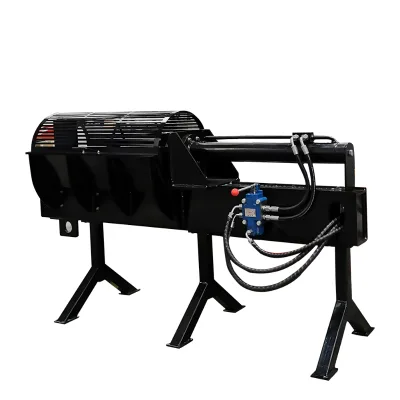
Horizontal Splitter Customized Wood Log Splitter Attachment for Skid Steer Loader
$700.00 - $800.00
MOQ: 5
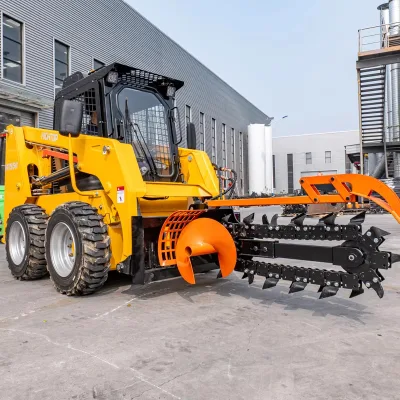
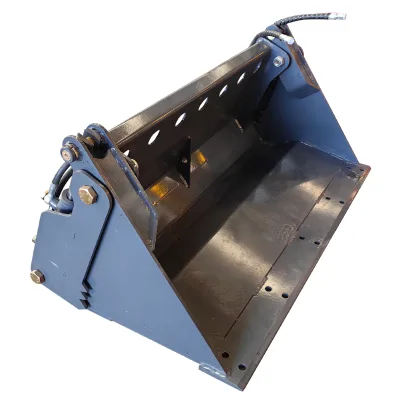
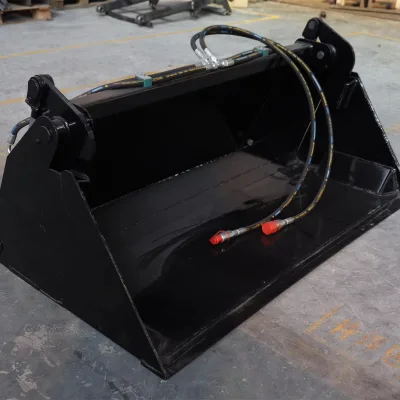
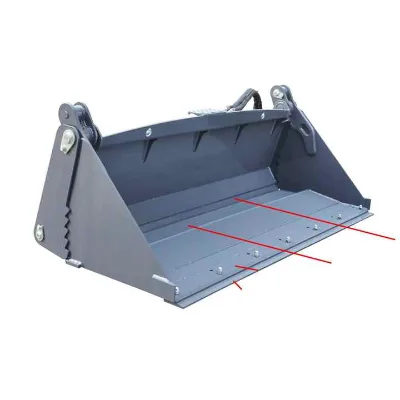
Skid Steer Loader Different Bucket Attachment Mixer Bucket Grid Bucket for sale
$400.00 - $600.00
MOQ: 5
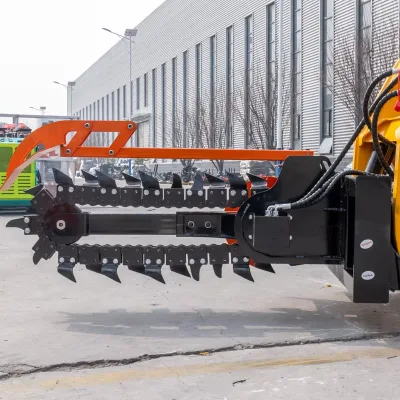

Shandong Derette Machinery Co., Ltd.
- Verified by SGS
- Trading Company
- China Shandong
- Lead time30 days
- Avg. response≤ 4h
Main marketsSoutheast Asia/ Mideast,Australia,North America

Shandong Topwin Machinery Co., Ltd.
- Verified by BV
- Manufacturer/Factory
- China Shandong
- Lead time23 days
- Avg. response≤ 3h
Main productsWheel Loaders, Forklifts, Excavators, Backhoe Loaders, Skid Steer Loaders, Agricutural Machinery, Semi Trailers, Diesel Generators, Diesel Engines, Dumping Trucks
Main marketsSouth America,Eastern Europe,Mid East,North America,Southeast Asia,Eastern Asia,Oceania,Western Europe,Africa

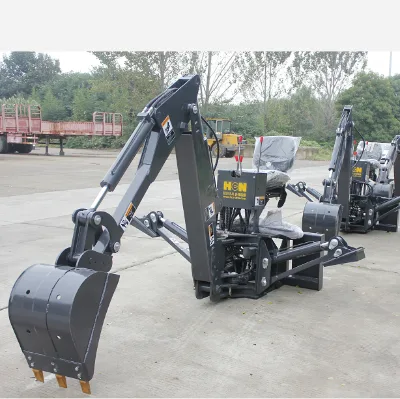
Manufacturer Sale Front End Loader Skid Steer Attachment with Backhoes Brush Cutters
$1200.00 - $2100.00
MOQ: 1 SET

China Best Skid Steer Attachments with Rock Saw Wheel Grapple Mulcher Price
$1200.00 - $2100.00
MOQ: 1 SET

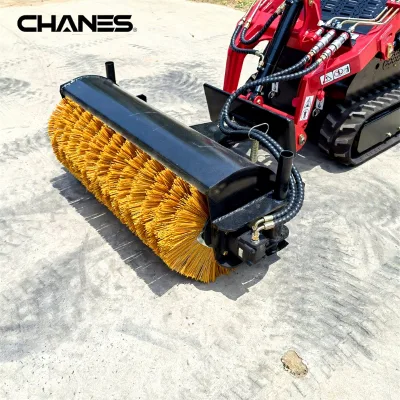
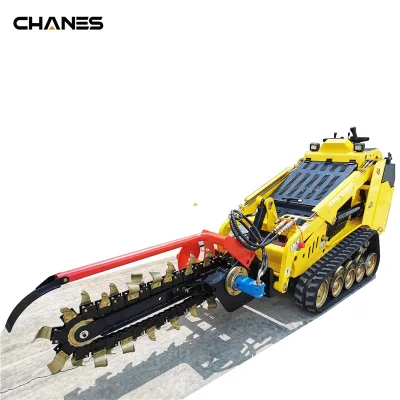
Manufacturers Wholesale Skid Steer Attachments with Augers Buckets Sweepers Tree Spades Trenchers
$1200.00 - $2100.00
MOQ: 1 SET
Jining Tovisen Intelligent Equipment Co., Ltd.
- Verified by TüVRheinland
- Manufacturer, Trading Company
- Shandong, China
- Lead time10 days
- Avg. response≤ 3h
Main productsMini Excavator, Skid Steer Loader, Mower
Main marketsNorth America(30%), Western Europe(20%), Eastern Europe(15%)

Taian Luyue Modern Agricultural Equipment Co., Ltd.
- Manufacturer
- China Shandong
- Lead time30 days
- Avg. response≤ 14h
Main productsSkid Loader, Skid Steer, Wheel Skid Steer Loader, Track Skid Steer Loader, Crawler Skid Steer Loader, Skid Steer Attachments
Main marketsSouth America,Africa,Southeast Asia/ Mideast,Domestic,Europe,Australia,North America

High Quality Cheap Skid Steer Attachment Skid Loader Attachment Tracked Skid Steer
$24500.00 - $25500.00
MOQ: 1 Pieces

$500.00 - $9000.00
MOQ: 1 unit
Shandong Infront Machinery Co., Ltd.
- Manufacturer, Trading Company
- Lead time旺季: "1 - 1":3,"> 1":"To be negotiated", 淡季: "1 - 1":3,"> 1":"To be negotiated"
- Avg. response≤ 2h
Main productsMini Excavator, Skid Steer Loader, Lawn Mower, Dump Truck, Forklift

- Verified by TUVRHEINLAND
- Combined
- China Shandong
- Lead time15 days
- Avg. response≤ 6h
Main productsMini Excavator, Skid Steer Losder, Lawn Mower, Crusher
Main marketsSouth America,Southeast Asia/ Mideast,North America

Yantai Huida Intelligent Equipment Co., Ltd
- Verified by TUVRHEINLAND
- Combined
- China Shandong
- Lead time15 days
- Avg. response≤ 9h
Main productsScrap Metal Shear, Scrap Metal Baler, Shread Machine, Excavator Shear, Excavator Graple, Excavator Quick Coupler, Crucher, Mulcher, Breaker, Bucket
Main marketsDomestic,North America

Shanghai Ransun Dingli Technology Co., Ltd.
- Verified by BV
- Trading Company
- China Jiangsu
- Lead time23 days
- Avg. response≤ 6h
Main productsExcavator Bucket
Main marketsSouth America,North America

- Verified by TUVRHEINLAND
- Combined
- China Shandong
- Lead time30 days
- Avg. response≤ 7h
Main productsFront End Loader, Backhoe, Log Trailer, Wood Chipper, Compost Turner, Grapevine Pruner, Tree Trimmer, Palm Grabber, Snow Removing Machineries, Grass Mower
Main marketsSouth America,Africa,Southeast Asia/ Mideast,East Asia(Japan/ South Korea),Europe,Australia,North America
Xiamen LTMG Machinery Co., Ltd.
- Verified by Intertek
- Manufacturer, Trading Company
- Lead time15 days
- Avg. response≤ 2h
Main productsLoader, Excavator, Road Roller, Skid steer loader, Forklift
Main marketsSouth America(13%), North America(10%), Central America(10%)








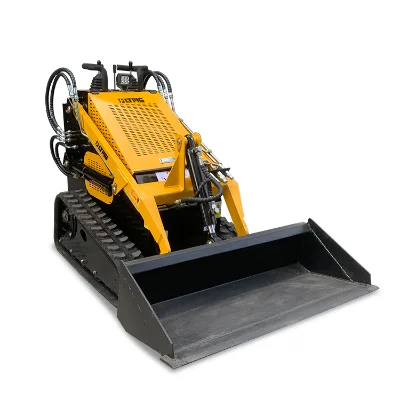
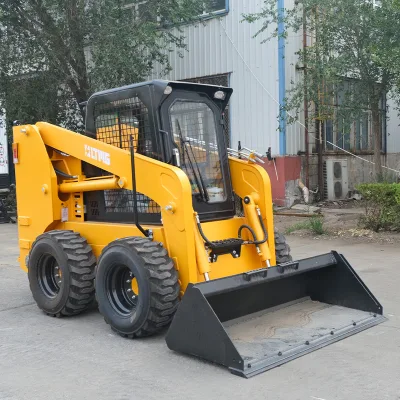
Comprehensive Sourcing Guide
Skid Steer Loader Attachments Supplier Concentration and Factory Types
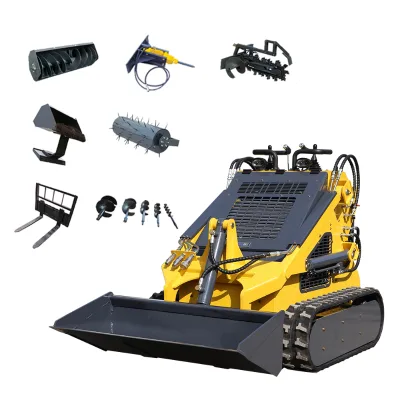
The current supplier landscape for Skid Steer Loader Attachments reveals a distinct geographic concentration in China, with specific manufacturing hubs identified in Jiangsu and Shandong provinces. Suppliers located in Jiangsu, particularly within Xuzhou City, often operate as dedicated manufacturers or factories, focusing heavily on a broad range of engineering and construction machinery attachments. These entities typically list main products that include skid steer loaders, compact front loaders, and various specialized attachments such as tree spade transplanters, forestry mulchers, and manhole saw cutters. This concentration suggests a mature industrial cluster where supply chains for heavy machinery components are well-established, allowing for efficient production of items like pallet forks, dozer blades, and concrete mixers. The presence of these specific product lines indicates that suppliers in this region have developed specialized tooling and assembly lines tailored to the rigorous demands of construction and agricultural equipment. Buyers evaluating suppliers in this cluster should note that the geographic proximity to component suppliers likely supports faster turnaround times for custom or high-volume orders, although this is an inference based on industrial clustering patterns rather than a guaranteed fact for every individual factory.
In contrast, suppliers based in Shandong province present a slightly different operational profile, often identifying as both manufacturers and trading companies. This dual role can impact the sourcing strategy, as trading companies may offer a wider variety of compatible parts from multiple sources, while manufacturers focus on their own branded output. The main products listed by Shandong-based suppliers include telehandlers, telescopic loaders, and excavators, alongside skid steer attachments, suggesting a broader portfolio of earth-moving machinery. This diversity can be advantageous for buyers seeking a single source for multiple types of heavy equipment attachments, but it requires careful verification to ensure that the specific skid steer attachment is produced in-house rather than sourced from third parties. The distinction between pure factories and hybrid manufacturer-trading entities is crucial for understanding quality control processes and communication channels. Buyers should assess whether the supplier’s primary focus aligns with their specific attachment needs, as a company specializing in telehandlers may have different engineering expertise compared to one dedicated solely to skid steer and loader attachments.
How to Verify Skid Steer Loader Attachments Suppliers
Verifying the legitimacy and capability of skid steer loader attachment suppliers requires a close examination of their stated certifications and system qualifications. Available data indicates that some manufacturers hold significant quality and social responsibility certifications, including ISO 9001, ISO 9000, ISO 20000, BSCI, HSE, and GMP standards. These certifications serve as critical indicators of a supplier’s commitment to standardized production processes, environmental management, and ethical labor practices. For instance, the presence of ISO 9001 certification on product listings for items like pallet forks or dozer blades suggests that the manufacturing facility adheres to internationally recognized quality management systems. Buyers should request copies of these certificates and verify their validity through the issuing bodies, as the display of certifications on a profile does not always guarantee current compliance. Additionally, the mention of specific product certifications, such as ISO9001: Condition:New on individual item pages, reinforces the supplier’s adherence to quality standards for new equipment. However, buyers must distinguish between company-wide system certifications and product-specific compliance, ensuring that the latter applies to the exact models and configurations they intend to purchase.
Beyond certifications, verifying the supplier’s operational capacity and technical specifications is essential for ensuring product compatibility and performance. Detailed product attributes provide insight into the supplier’s engineering precision, such as the working flow rates, pressure requirements, and dimensional specifications for hydraulic attachments like concrete mixers and snow blades. For example, a concrete mixer attachment may specify a flow requirement of 40-80 L/Min and a pressure range of 14-21MPa, which must match the buyer’s skid steer loader specifications. Buyers should cross-reference these technical details with their equipment manuals to avoid compatibility issues. Furthermore, the availability of video outgoing-inspections and machinery test reports, as noted for some products, offers a tangible way to verify the condition and functionality of the equipment before shipment. Suppliers that provide these visual and test evidence demonstrate a higher level of transparency and confidence in their manufacturing quality. Buyers should actively request these materials during the inquiry phase to assess the supplier’s willingness to provide proof of quality and their ability to conduct thorough pre-shipment checks.
What to Compare Across Skid Steer Loader Attachments Suppliers
When evaluating multiple suppliers, comparing key operational metrics such as response time, lead time, and minimum order quantity (MOQ) is vital for aligning supplier capabilities with project timelines and budget constraints. Data shows significant variation in these metrics, with some suppliers offering a response time of 0.07 hours, indicating near-instantaneous communication, while others may take up to 3 hours. This difference in responsiveness can impact the efficiency of negotiations and problem-solving during the sourcing process. Similarly, lead times vary, with some suppliers indicating a 20-day lead time and others suggesting 23 days. While these differences may seem minor, they can accumulate in larger orders or when dealing with complex customizations. Buyers should also note the MOQ, which is listed as 1 for certain products, allowing for flexible trial orders or small-scale procurement. This low MOQ reduces the financial risk for buyers testing new suppliers or requiring specific attachments for limited use cases. Comparing these operational factors helps buyers identify suppliers that best fit their logistical needs, whether they prioritize speed of communication, rapid production turnaround, or flexibility in order size.
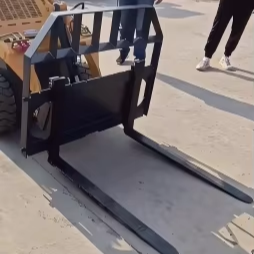
In addition to operational metrics, comparing the range of main products and customization options available from each supplier is crucial for finding a partner that can meet diverse attachment needs. Some suppliers offer a wide array of attachments, including pallet forks, manure pushers, dozer blades, and snow plows, all under one roof. This breadth of product range can simplify the sourcing process by allowing buyers to consolidate orders with a single supplier. The availability of customization options, such as adjustable widths for manure pushers or specific dimensions for dozer blades, adds another layer of value. Buyers should assess whether the supplier’s customization capabilities align with their specific requirements, such as unique mounting systems or specialized blade materials. Furthermore, comparing the brand offerings, such as OEM, ODM, or own brand options, can influence the buyer’s branding strategy. Suppliers that support OEM services allow buyers to brand the attachments with their own logo, which is beneficial for distributors and rental companies. By systematically comparing these product and service attributes, buyers can make informed decisions that balance cost, quality, and strategic alignment.
Common Skid Steer Loader Attachments Sourcing Risks
One of the primary risks in sourcing Skid Steer Loader Attachments is the potential mismatch between product specifications and the buyer’s existing machinery. Attachments such as hydraulic concrete mixers, dozer blades, and snow plows require precise compatibility with the skid steer loader’s hydraulic system, including flow rates and pressure ratings. If a supplier provides incorrect or ambiguous technical data, the attachment may not function correctly or could damage the host machine. For example, a mixer attachment specifying a flow of 40-80 L/Min must be matched with a loader that can deliver this range; otherwise, performance will be suboptimal. Buyers must rigorously verify these technical parameters against their equipment manuals before placing orders. Additionally, the risk of receiving products that do not meet the stated weight or dimension specifications is significant. Attachments like pallet forks or manure pushers have specific weight limits and dimensions that affect the loader’s stability and capacity. Buyers should request detailed product attributes, including overall weight and dimensions, to ensure the attachment fits within their operational constraints. Failure to verify these details can lead to safety hazards and operational inefficiencies on the job site.
Another common risk is the variability in product quality and durability, which can be influenced by the supplier’s manufacturing processes and quality control measures. While some suppliers display certifications like ISO 9001, the actual quality of the finished product may vary based on factors such as material grade, welding quality, and hydraulic component sourcing. For instance, the hydraulic pump brand, such as SAUER-DANFOSS, mentioned in some product listings, indicates a higher-quality component, but buyers must confirm that this brand is used in the specific attachment they are purchasing. There is also the risk of inconsistent packaging, which can lead to damage during transit. Products are often packed in iron frames or steel frames, but the robustness of this packaging can vary. Buyers should inquire about packaging details to ensure that the attachments are protected against corrosion and physical damage during shipping. Furthermore, the risk of delayed shipments or poor after-sales support can disrupt operations. Buyers should assess the supplier’s warranty terms, such as the one-year warranty offered for some products, and their ability to provide spare parts or technical support. Understanding these risks and taking proactive steps to mitigate them is essential for a successful sourcing experience.
Skid Steer Loader Attachments Regional Sourcing and Logistics
Sourcing Skid Steer Loader Attachments from China involves navigating specific logistical considerations related to port of dispatch and shipping methods. Suppliers located in Shandong province, for example, often list Qingdao as their port of dispatch, which is a major hub for international shipping. This geographic advantage can facilitate efficient export processes, but buyers must account for transit times and freight costs when planning their supply chain. The distance between the manufacturing facility and the port can impact lead times, especially if the supplier is located in a specific city like Xuzhou in Jiangsu province, which may require inland transportation to reach a coastal port. Buyers should clarify the exact port of loading with the supplier to accurately calculate shipping costs and delivery schedules. Additionally, the choice of shipping method, whether by sea or air, will depend on the urgency of the order and the weight of the attachments. Heavy items like dozer blades or concrete mixers are typically shipped by sea due to cost efficiency, while smaller items like pallet forks might be shipped by air for faster delivery. Understanding these logistical nuances helps buyers optimize their inventory management and reduce overall procurement costs.
The packaging and handling of Skid Steer Loader Attachments also play a critical role in regional sourcing and logistics. Suppliers often use iron frames or steel frames for packaging, which provides robust protection for the attachments during transit. However, the specific packaging details, such as the choice of packaging materials or the inclusion of protective coatings, can vary between suppliers. Buyers should request detailed packaging information to ensure that the attachments are adequately protected against moisture, corrosion, and physical damage. For example, some product listings mention "Chooseable" package options, indicating that suppliers may offer different packaging solutions based on the buyer’s preferences or destination requirements. Buyers should specify their packaging needs during the inquiry phase to avoid any misunderstandings. Furthermore, the weight and dimensions of the packaged attachments will impact shipping costs and container utilization. Buyers should calculate the total shipping volume and weight to determine the most cost-effective shipping method. By carefully managing these logistical aspects, buyers can ensure that their Skid Steer Loader Attachments arrive in good condition and on time, supporting their operational needs.
Skid Steer Loader Attachments Commercial Terms and Order Planning
Commercial terms and order planning are critical components of sourcing Skid Steer Loader Attachments, with pricing and minimum order quantities (MOQ) being key factors in budgeting and negotiation. The price range for these attachments can vary significantly depending on the type and complexity of the product. For instance, pallet forks may be priced between $359 and $600, while more complex attachments like manure pushers or dozer blades can range from $1,199 to $2,399. Buyers should use these price ranges as a baseline for
FAQs
What is the price range for Skid Steer Loader Attachments?
Prices for Skid Steer Loader Attachments typically range from $359 to $2,399 depending on the specific type and specifications. For instance, pallet forks start around $359, while dozer blades can cost up to $2,399. Buyers should verify exact pricing for their required model and quantity with the supplier before placing an order.
What certifications do these suppliers hold?
Manufacturers in this category commonly hold ISO 9001, ISO 9000, BSCI, HSE, and GMP certifications. Some suppliers also provide CE certification for specific machinery. These certifications indicate adherence to quality management and safety standards. Buyers should request valid certificates to ensure compliance with their local regulatory requirements and quality expectations.
What is the typical lead time for these attachments?
The typical lead time for manufacturing Skid Steer Loader Attachments is approximately 20 to 23 days. This timeframe allows for production and quality checks. Buyers should confirm the exact delivery schedule with the supplier, as lead times may vary based on order volume, customization requirements, and current production capacity availability.
What is the minimum order quantity for these products?
The minimum order quantity for many Skid Steer Loader Attachments is one unit. This low MOQ allows buyers to test product quality before committing to larger orders. However, specific suppliers may have different requirements for custom or specialized attachments. Buyers should always verify the MOQ directly with the supplier to ensure it meets their purchasing needs.
Where are these suppliers located?
Suppliers for Skid Steer Loader Attachments are primarily located in China, specifically in Jiangsu and Shandong provinces. Key manufacturing hubs include Xuzhou City in Jiangsu. This concentration allows for efficient supply chains and competitive pricing. Buyers can filter results by these locations to find suppliers closest to their preferred shipping ports or logistics routes.
What is the response time for supplier inquiries?
Supplier response times vary, with some manufacturers responding within 0.07 hours and others taking up to 3 hours. Faster response times indicate active customer service teams. Buyers should prioritize suppliers with quick response times to ensure efficient communication regarding quotes, specifications, and order status throughout the procurement process.