Source Skid Steer Loader Attachments for Paving, Grading, and Loading
Find 30 verified Skid Steer Loader Attachments including hydraulic and manual models from China. Compare specifications like weight, power, and dimensions for paving machinery and loader applications. Explore options such as iron frame packing, stainless steel materials, and various widths to suit different skid steer, wheel loader, and excavator needs effectively.
Updated
Key considerations
Products List


$359.00 - $600.00
MOQ: 1 Sets


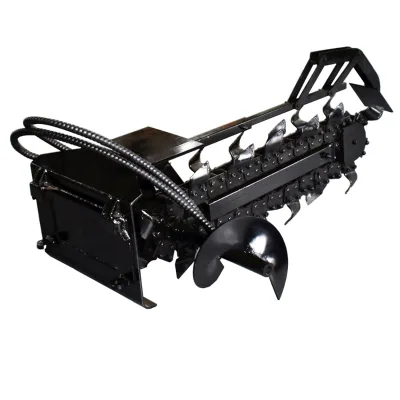
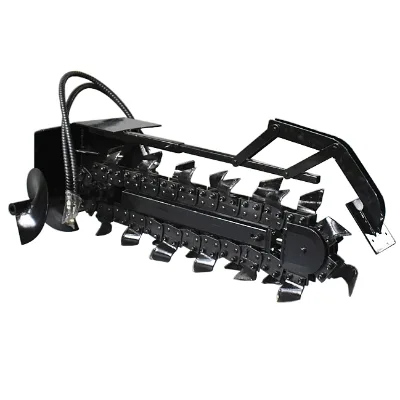
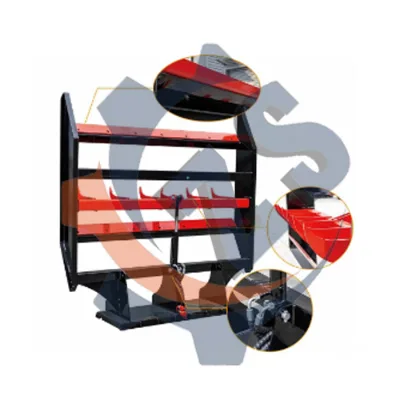
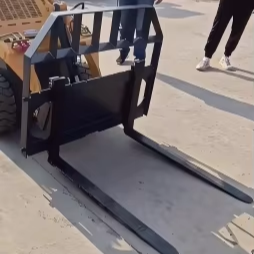
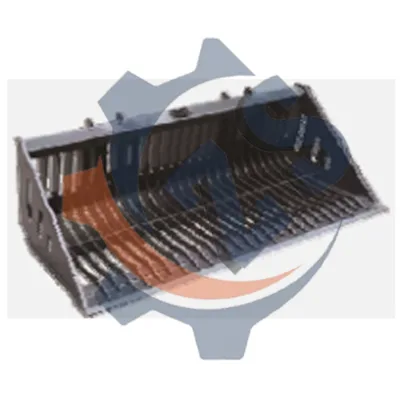
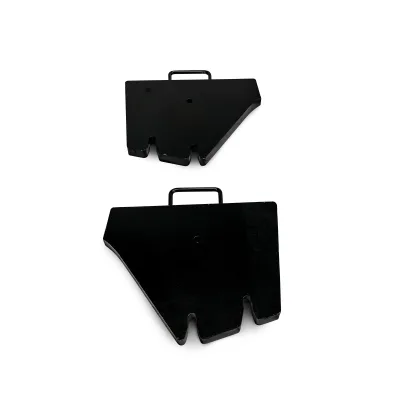
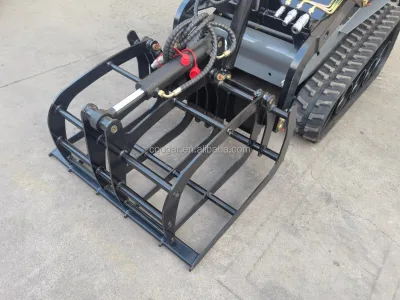

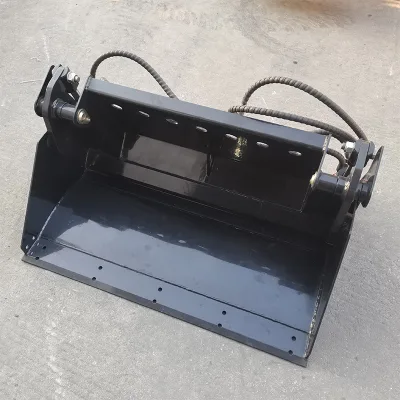
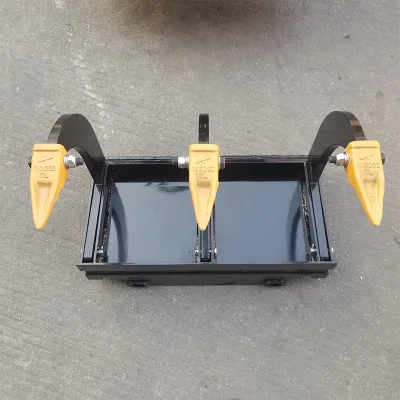
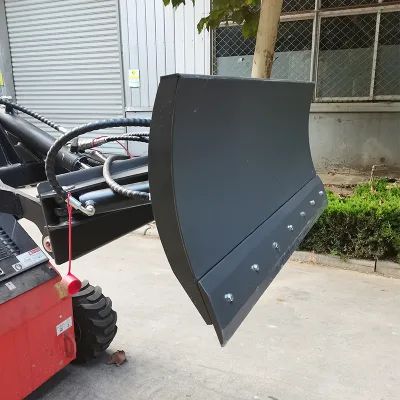
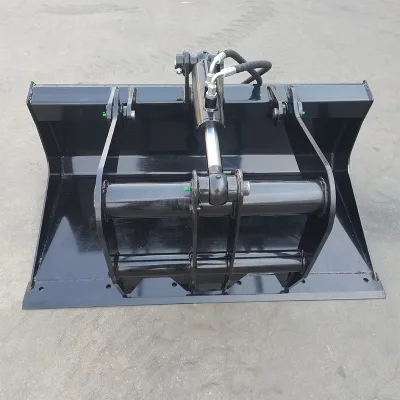


Comprehensive Sourcing Guide
Skid Steer Loader Attachments Sourcing Guide
Procuring attachments for skid steer loaders requires a disciplined approach to aligning machine compatibility with operational demands. Buyers must first identify the specific hydraulic and mechanical interfaces of their existing fleet, as attachments vary significantly in flow and pressure requirements. The observed market includes options for skid steers, wheel loaders, and excavators, indicating a broad ecosystem of interoperable tools. Understanding these interface constraints is the foundational step in preventing costly integration errors and ensuring immediate operational readiness upon delivery.
Beyond basic connectivity, the selection process must account for the intended application, such as paving machinery or general material handling. The available product range suggests a focus on heavy-duty construction and earthmoving tasks, where durability and precision are paramount. Buyers should evaluate whether the attachment’s design supports their specific workflow, considering factors like weight distribution and operational efficiency. This strategic alignment ensures that the purchased equipment enhances productivity rather than becoming a logistical burden, maximizing the return on investment for the machinery fleet.
Product Scope and Observed Listing Signals
The current market landscape for skid steer attachments reveals a diverse array of models, including specific designations like S104, S410, S205, and S103. These identifiers often correspond to distinct functional categories, ranging from grading tools to specialized lifting mechanisms. Listings indicate that customization is widely available, allowing buyers to tailor specifications to unique site conditions. This flexibility is crucial for specialized projects where off-the-shelf solutions may not meet precise dimensional or performance criteria, necessitating a clear definition of requirements before engaging with suppliers.
Observed product attributes highlight significant variations in weight and dimensions, with some units weighing around 230kg while others reach up to 470kg. The overall dimensions, such as a width of 2590mm or a length of 600mm, suggest that these attachments are substantial pieces of equipment requiring careful handling and transport planning. Buyers must verify these physical constraints against their site access limitations and storage capabilities. Additionally, the presence of iron frame packaging and shipping options indicates that robust protection is standard, but logistics costs must be factored into the total acquisition cost.
Technical Specifications to Verify
Hydraulic system compatibility is the most critical technical factor when sourcing attachments for skid steer loaders. Listings specify flow rates between 40-80 L/Min and pressures ranging from 14-21MPa, which must match the host machine’s hydraulic output. Mismatches in these parameters can lead to inefficient operation, overheating, or damage to both the attachment and the loader. Buyers should request detailed hydraulic schematics from suppliers to confirm that the attachment’s requirements fall within the safe operating envelope of their specific machine model, ensuring optimal performance and longevity.
Mechanical specifications, including weight and structural integrity, also demand rigorous verification. Some products list an operation weight of 1-10 tons, while individual attachment weights vary from 50kg to 207kg. These figures impact the loader’s stability and lifting capacity, requiring careful calculation to avoid overloading. Furthermore, the material composition, such as stainless steel components, influences durability and resistance to corrosion. Buyers must assess whether the specified materials align with the environmental conditions of their work sites, particularly in harsh or corrosive environments where standard steel might degrade prematurely.
Compliance and Safety Documentation
Certification standards play a vital role in ensuring the quality and reliability of skid steer attachments. Many suppliers provide ISO9001 certification, indicating adherence to international quality management systems. This certification serves as a baseline assurance that the manufacturing processes are consistent and controlled, reducing the risk of defects. Buyers should request copies of these certificates to verify their validity and scope, ensuring that the supplier maintains up-to-date compliance. Additionally, some listings mention ISO standards, though specific numbers may vary, highlighting the need for buyers to clarify which standards apply to their specific purchase.
Safety documentation and inspection reports are equally important for risk mitigation. Suppliers offering video outgoing inspections provide transparency into the final quality of the product before shipment. This visual verification allows buyers to confirm that the attachment meets agreed-upon specifications and is free from visible defects. Buyers should insist on these inspection videos as part of the pre-shipment process, particularly for high-value or complex attachments. This step adds a layer of confidence and accountability, ensuring that the product received matches the quality expected based on the supplier’s claims and certifications.
Cost Drivers and Commercial Terms
Pricing in the skid steer attachment market varies widely, with observed ranges from $120 to $29,000, reflecting differences in complexity, material, and capacity. Buyers must analyze these costs in the context of the attachment’s intended use and expected lifespan. Lower-priced items may be suitable for light-duty applications, while higher-cost units often feature advanced hydraulic systems or durable materials for heavy-duty tasks. Understanding the value proposition behind each price point helps buyers avoid under-specifying their equipment, which can lead to frequent replacements and higher long-term costs.
Minimum order quantities (MOQ) and supply ability are key commercial terms that influence procurement strategy. Listings indicate MOQs ranging from 1 to 10 units, offering flexibility for both single-unit purchases and bulk orders. Suppliers with a supply ability of 300 pieces per month, for instance, can support larger projects with consistent delivery schedules. Buyers should negotiate terms that align with their project timelines and budget constraints, considering factors like payment terms and shipping responsibilities. Clear commercial agreements help prevent delays and ensure that the supply chain remains stable throughout the procurement process.
Supplier Qualification and Quality Control
Evaluating supplier qualifications is essential for securing reliable skid steer attachments. Buyers should prioritize suppliers with established manufacturing capabilities, as indicated by their location in industrial hubs like Xuzhou City or Shandong, China. These regions are known for their concentration of heavy machinery manufacturers, offering access to a wide range of products and expertise. Verifying the supplier’s production capacity and history ensures that they can meet quality standards and delivery commitments. Buyers should also assess the supplier’s responsiveness and technical support capabilities, as these factors contribute to a smoother procurement experience.
Quality control measures, such as the use of steel frames for packaging and the provision of video inspections, are strong indicators of supplier professionalism. These practices demonstrate a commitment to product integrity and customer satisfaction. Buyers should inquire about the supplier’s internal quality control processes, including material testing and assembly checks. Additionally, the availability of customized options suggests that the supplier can adapt to specific buyer requirements, adding value beyond standard offerings. Engaging with suppliers who prioritize quality control reduces the risk of receiving defective products and enhances overall project success.
Long-Term Procurement Checks
Establishing long-term relationships with suppliers requires ongoing monitoring of product performance and supplier reliability. Buyers should track the durability and efficiency of purchased attachments over time, noting any issues related to hydraulic performance or structural integrity. This feedback loop helps identify suppliers who consistently deliver high-quality products and those who may need to improve their manufacturing processes. Regular communication with suppliers allows buyers to stay informed about new product developments and potential upgrades, ensuring that their fleet remains competitive and efficient.
Continuous improvement in procurement practices involves reviewing commercial terms and supplier performance periodically. Buyers should assess whether current pricing, MOQs, and delivery schedules remain aligned with their evolving needs. Negotiating better terms based on historical performance can lead to cost savings and improved service levels. Additionally, staying updated on industry standards and technological advancements ensures that buyers can make informed decisions about future purchases. By maintaining a proactive approach to supplier management, buyers can optimize their skid steer attachment procurement strategy for long-term success.
FAQs
What are the available specifications for Skid Steer Loader Attachments?
Specifications vary by model, with options including widths of 60, 72, 84, and 96 inches for certain models. Other models offer 40, 60, 72, and 84-inch widths. Standard dimensions include an overall length of 600mm and width of 2590mm. Customization is available to meet specific operational requirements and bucket sizes.
Can these attachments be customized for specific machinery?
Yes, customization is available for various Skid Steer Loader Attachments. Models are suitable for skid steers, wheel loaders, and excavators. Some products support customized configurations to fit specific operational needs. Buyers can choose packaging options and ensure compatibility with their existing fleet machinery for seamless integration and efficient operation.
What certifications do the Skid Steer Loader Attachments hold?
The attachments hold ISO9001 certification for quality management systems. Some products also display ISO certification marks. These certifications ensure that manufacturing processes meet international standards. Buyers can verify these credentials to ensure product reliability and compliance with industry requirements for heavy machinery components and attachments used in construction and paving applications.
What is the typical weight range for these attachments?
Weights vary significantly by model. One model weighs approximately 230kg, while another weighs 470kg. A third option has a machine weight of 50kg. Operation weights range from 1 to 10 tons for larger systems. Buyers should select the appropriate weight class based on their skid steer loader capacity and specific application requirements.
Where are these Skid Steer Loader Attachments manufactured?
These attachments are manufactured in China, with specific origins noted in Xuzhou City and Shandong Province. Products are shipped using iron frames or steel frames for protection. Buyers can expect consistent quality from these regions, which are known for producing heavy machinery components. Shipping details and packaging are chosenable to ensure safe delivery to global destinations.
What power systems are used in these attachments?
Attachments utilize both manual and hydraulic power systems. Hydraulic models feature fully hydraulic systems with flow rates of 40-80 L/Min and pressures of 14-21MPa. Some models operate with a 44.7 KW power output. Buyers should match the power system to their skid steer loader's hydraulic capacity for optimal performance and efficient operation in various tasks.