electric hand-propelled three-wheeled flatbed truck Suppliers and Manufacturers
Compare 23 verified suppliers offering electric hand-propelled three-wheeled flatbed trucks with varying lead times, response speeds, and locations in Jiangsu or Guangdong. Review product specifications like tire type and payload capacity before contacting vendors directly; review the available evidence before requesting comparable quotations from suitable candidates.
Updated
Suppliers List
Suzhou Leon Technology Co., Ltd.
- Trading Company
- Jiangsu, China
- Lead time10 days
- Avg. response≤ 7h
Main productsElectric Scooter,Citycoco,3 wheel Electric scooter,Electric Biycle,Bike
Main marketsWestern Europe(20.00%), Northern Europe(20.00%), North America(20.00%), Southern Europe(10.00%), South America(10.00%), Africa(10.00%), Southeast Asia(5.00%), Mid East(5.00%)
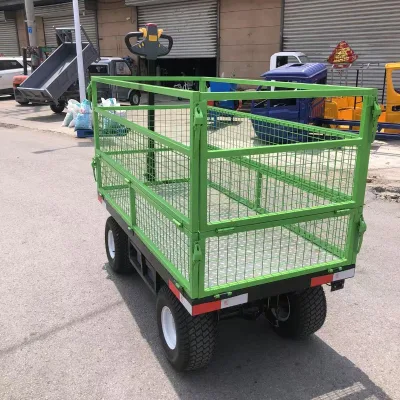
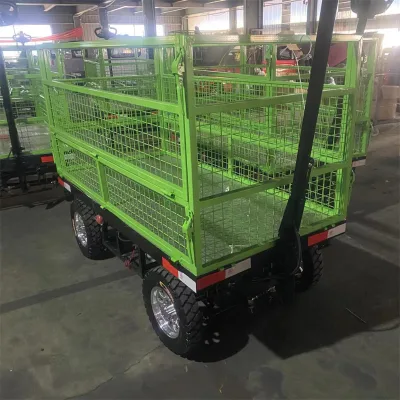
Portable Flatbed Dolly Four Wheeled Flatbed Truck Electric Four-wheel Flatbed Truck
$1543.2355 - $1851.8826
MOQ: 1 pieces
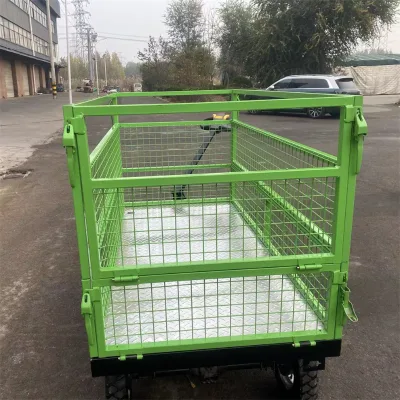
Hot Selling Electric Flatbed Truck Railroad Construction Flatbed Truck Four-wheeled Electric Truck
$1556.0519 - $1867.2623
MOQ: 1 pieces
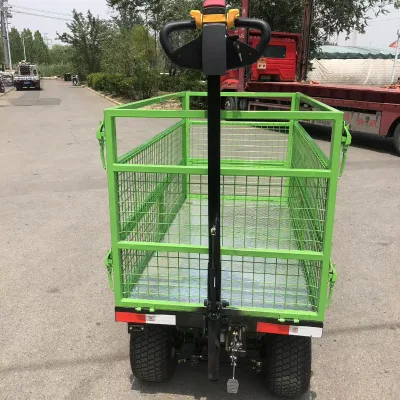
$1543.2355 - $1851.8826
MOQ: 1 pieces
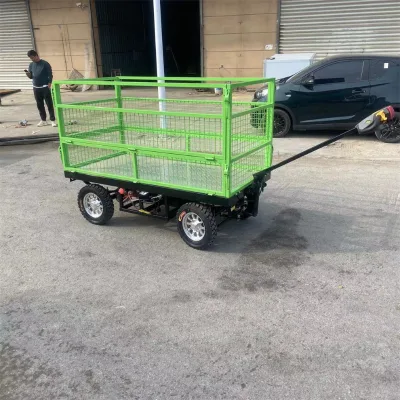
$1529.5871 - $1835.5045
MOQ: 1 pieces
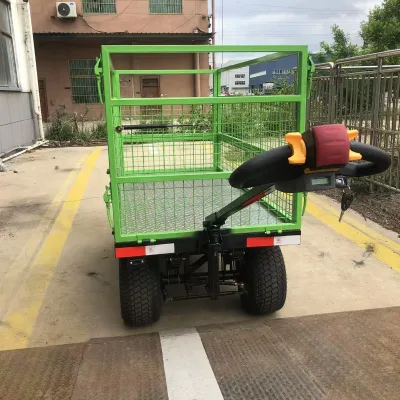
$1543.2355 - $1851.8826
MOQ: 1 pieces

Guangzhou Nanjie Machinery Manufacturing Co., Ltd.
- Verified by BV
- Combined
- China Guangdong
- Lead time15 days
- Avg. response≤ 12h
Main productsElectric Trolley, Electric Lifting Trolley, Standing or Sitting Electric Trolley, Electric Hotel Luggage Trolley, Electric Housekeeping Trolley, Electric Food Waste Collection Trolley, Electric Warehouse Trolley
Main marketsSouth America,Africa,Southeast Asia/ Mideast,East Asia(Japan/ South Korea),Europe,Australia,North America


Electric Flatbed Transporter Electro-Carriage Powered Pallet Truck Electric Four-Wheel
$3180.00 - $3200.00
MOQ: 1 pieces


Motorized Platform Carts Electric Power Drive Cart Trolley Electric Hand Truck
$950.00 - $990.00
MOQ: 1 pieces

Jinjiang Shenggong Machinery Co., Ltd.
- Verified by SGS
- Trading Company,Manufacturer/Factory
- China Fujian
- Lead time15 days
- Avg. response≤ 4h
Main productsMachinery for Building Industry
Main marketsSouth America,Eastern Europe,Mid East,North America,Southeast Asia,Eastern Asia,Oceania,Western Europe,Africa


Construction Sites Electric Three-Wheel Handcart Logistics Transportation Flatbed Cart
$300.00 - $350.00
MOQ: 1 Pieces

Compact Electric Flatbed Hand Truck for Efficient Warehouse Transport
$241.00 - $326.00
MOQ: 10 Pieces

Shandong Pinjia Machinery Technology Co., Ltd.
- Manufacturer, Trading Company
- Shandong, China
- Lead time3 days
- Avg. response≤ 4h
Main productsForklift,excavator,seed planting,spayer machine,construction machine
Main marketsSoutheast Asia(25.00%), Africa(21.00%), Eastern Europe(14.00%), North America(12.00%), Domestic Market(8.00%), South America(8.00%), Mid East(6.00%), Oceania(3.00%), Northern Europe(3.00%)
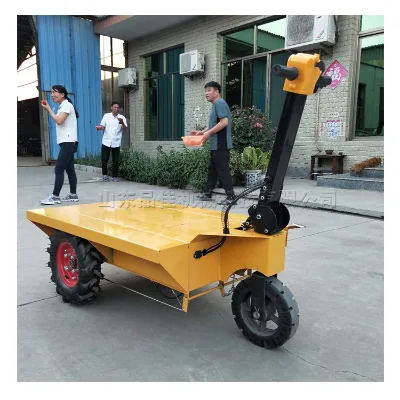
$678.9346 - $781.9593
MOQ: 1 sets
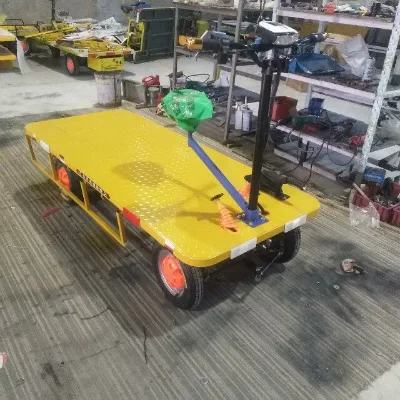
Jining Qingke Machinery Co., Ltd.
- Manufacturer, Trading Company
- Lead time旺季: "1 - 1":5,"> 1":"To be negotiated", 淡季: "1 - 1":5,"> 1":"To be negotiated"
- Avg. response≤ 4h
Main productsExcavator, Forklift, Skid Steer Loader, Tricycle, Road Roller
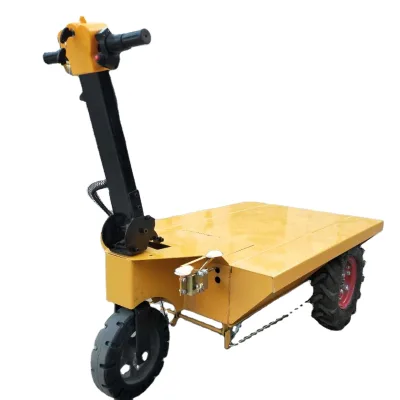
$632.4536 - $642.7217
MOQ: 1 cases
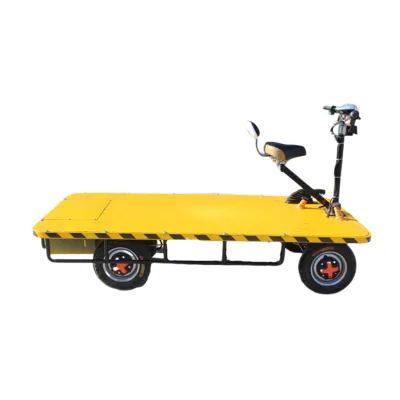
$828.00 - $848.00
MOQ: 1 cases
Henan kellen machinery equipment co., ltd.
- Verified by Intertek
- Manufacturer, Trading Company
- Lead time0 days
- Avg. response≤ 3h
Main productsRound Tube Polishing Machine, Small Desktop Polishing Machine, Vibrating Polishing Machine, Flat Polishing Machine, Deburring Machine
Main marketsNorth America(45%), South America(15%), Mid East(10%)
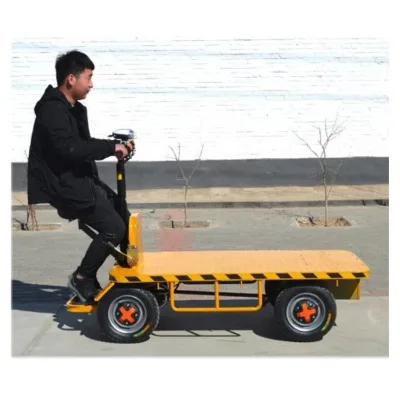
Four Wheels Workshop Turnaround Flatbed Trailer Flatbed Tow Truck for Sale
$1280.00 - $2280.00
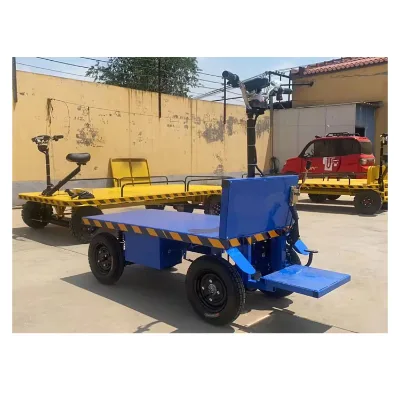
Electric Drive Mini Flatbed Truck Four-wheel Portable Platform Cart Transport Hand Truck Trolly
$615.1806 - $697.2059
MOQ: 1 sets
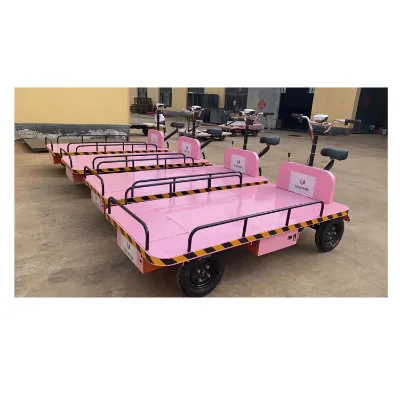
2022 Electric Hand Push Flatbed Truck Three Rounds Transport Pull Brick Car
$615.1806 - $697.2059
MOQ: 1 sets
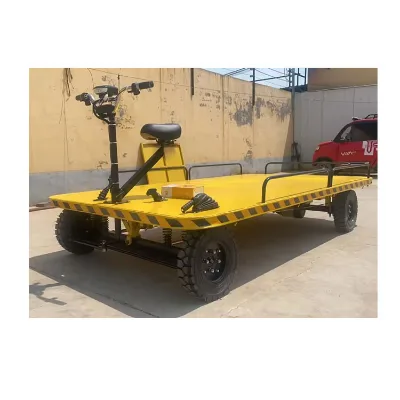

Changge Jinjian Construction Machinery Co., Ltd.
- Verified by SGS
- Combined
- China Henan
- Lead time15 days
- Avg. response≤ 1h
Main productsSteel Bar Bending Center, Rebar Cutting Machine, Rebar Straightening and Cutting Machine, Fully Automatic CNC Steel Bar Straightening and, Steel Wire Set Production Lin, Plate Compactor, Tamping Ramme, Concrete Cutter, Small Road Roller, Construction Tricycle
Main marketsDomestic


3 Wheel Electric Cargo Tricycle Portable Flatbed Hand Truck for Factory Transport
$199.00 - $699.00
MOQ: 1 Pieces
Taiyuan Jinchangsheng Hoisting Machinery Co., Ltd.
- Verified by SGS Group
- Manufacturer, Trading Company
- Lead time15 days
- Avg. response≤ 1h
Main productsElectric Tank Transporter, Crane Hoist, Hydraulic Lift Cargo Elevator, Electric Forklift, Crane Gantry
Main marketsDomestic Market(80%), Southeast Asia(10%), Western Europe(5%)
Henan Kellen Machinery Equipment Co., Ltd.
- Verified by Intertek
- Manufacturer, Trading Company
- Lead time10 days
- Avg. response≤ 2h
Main productsJaw Crusher , Hammer Crusher Machine , Sand Washing Machine, Screening Machine, Feeding Belt
Main marketsSouthern Europe(25%), North America(20%), South America(20%)
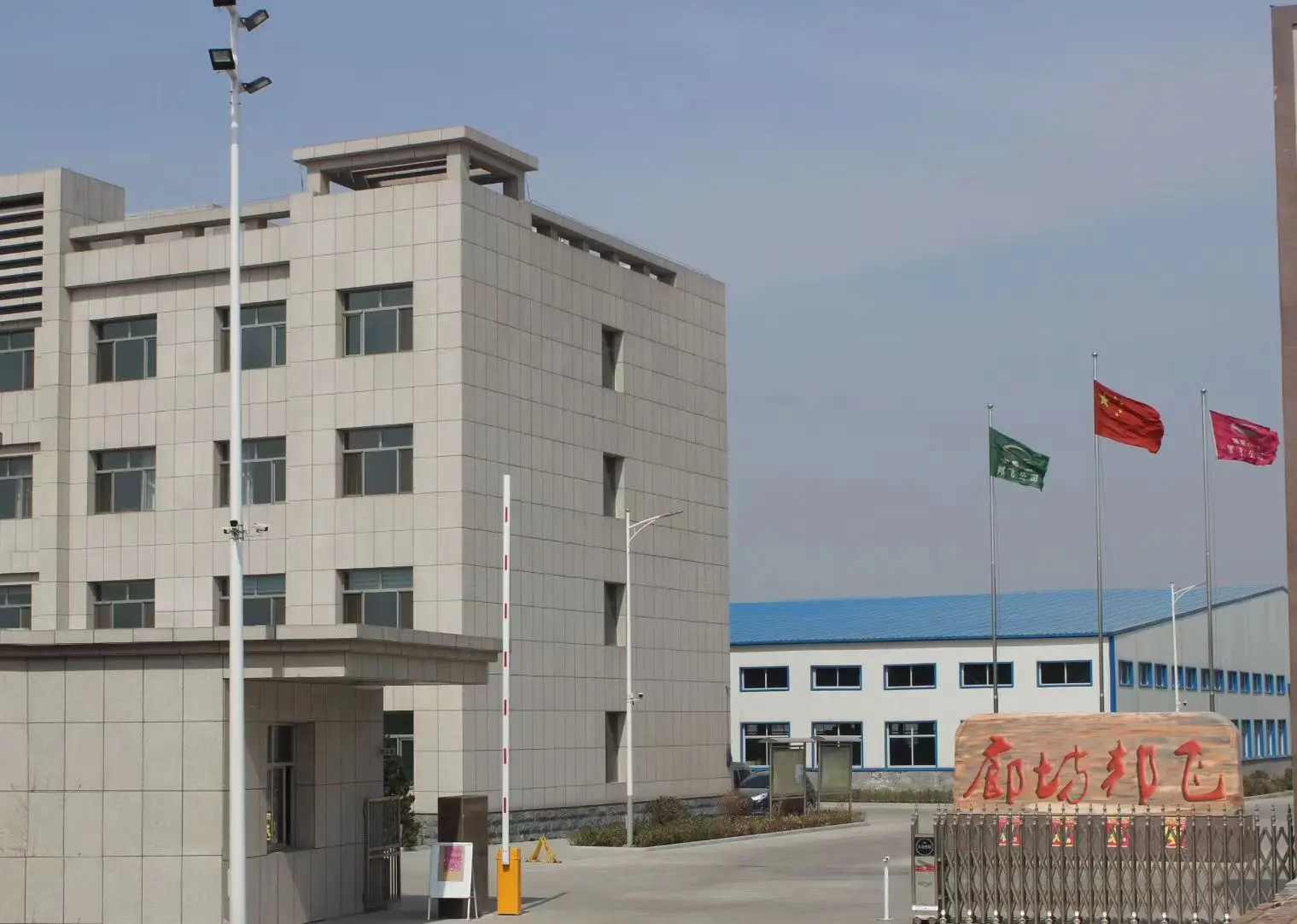
Langfang Bangfei Trading Co., Ltd.
- Trading Company
- Heibei, China
- Lead time15 days
- Avg. response≤ 4h
Main productsMotorcycle brake pads,auto part,car fan,brake pad,motorcycle part
Main marketsAfrica(30.00%), Mid East(30.00%), Eastern Asia(20.00%), South America(10.00%), North America(10.00%)

Kci (Henan) Machinery Co., Ltd
- Verified by SGS
- Combined
- China Henan
- Lead time15 days
- Avg. response≤ 3h
Main productsOverhead Cranes, Gantry Cranes, Jib Cranes, Electric Hoists, Crane Wheels, Crane End Carriages, Transfer Trolleys, Industrial Cranes, Crane Trolleys, Crane Spare Parts
Main marketsOthers(foreignTradeCapacity.exportBusinessCapacityMarketOther),Southeast Asia/ Mideast


Flatbed Trucks for Construction Material Handling Electric Transfer Cart
$2500.00 - $2800.00
MOQ: 1 Pieces
Yongkang XXM Industry And Trade Co., Ltd.
- Verified by Intertek
- Trading Company
- Lead time25 days
- Avg. response≤ 2h
Main productsWarehouse Electric Trolley, Electric Dumper Cart, Electric Flatbed Carrier, Lift Truck, Electro-tricycle
Main marketsNorth America(25%), South America(25%), Mid East(10%)
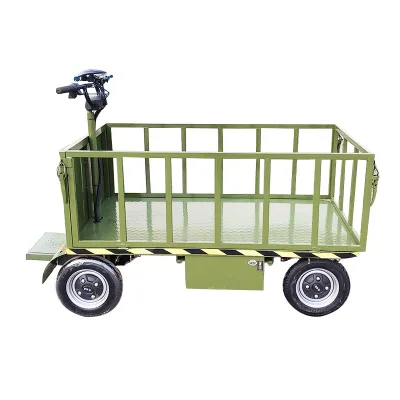
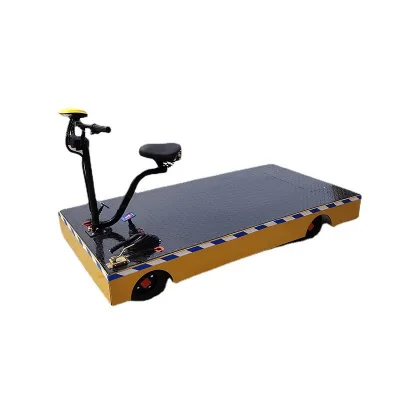
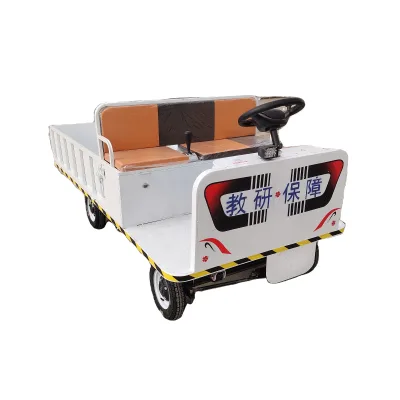
Beautiful Appearance and Simple Operation of the Direction Disk Type Four-wheel Electric Flat Car
$759.8446 - $824.9732
MOQ: 1 pieces
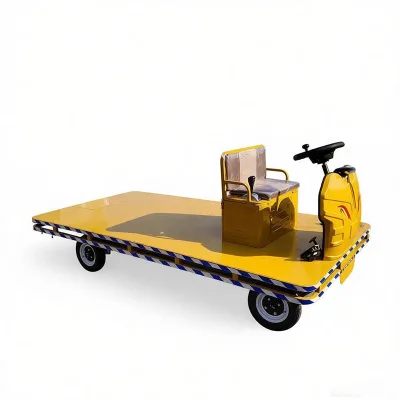
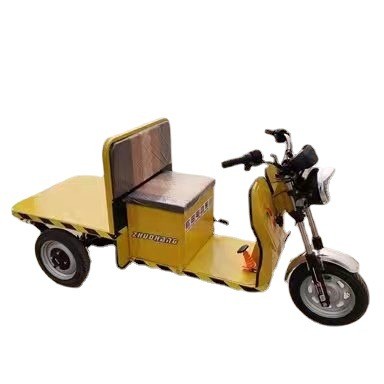
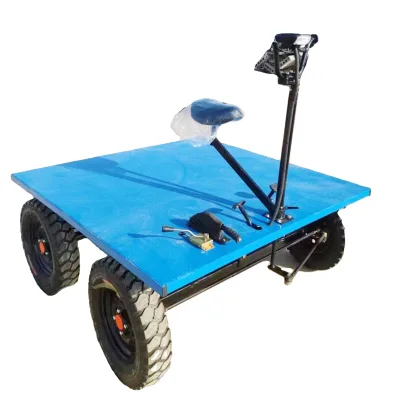
$513.0642 - $646.9969
MOQ: 1 pieces

Henan Peisa Machinery Co., Ltd.
- Verified by BV
- Combined
- China Henan
- Lead time15 days
- Avg. response≤ 4h
Main productsTransfer Cart, Coil Transfer Cart, Electric Transfer Trolley, Die Cars, Mold Cart, Mold Transfer Cart, Ladle Cart, Ladle Transfer Cart, Steerable Transfer Trolley, Rail Cart
Main marketsDomestic,Europe,North America


Battery Powered Platform Truck Electric Warehouse Flatbed Transport Truck
$4800.00 - $5000.00
MOQ: 1 Pieces


Battery Powered Platform Truck Electric Flatbed Transport Truck for Workshop Cargo Handling
$4800.00 - $5000.00
MOQ: 1 Pieces

Platform Truck Industrial Electric Flatbed Truck CE Certified Warehouse Cargo Trolley
$4800.00 - $5000.00
MOQ: 1 Pieces

Battery Powered Platform Truck Electric Flat Platform Truck for Factory Cargo Moving
$4800.00 - $5000.00
MOQ: 1 Pieces
Shandong keruide Heavy Machinery co.,ltd
- Verified by TüVRheinland
- Manufacturer, Trading Company
- Lead time3 days
- Avg. response≤ 4h
Main productsExcavator, Forklift, Skid Steer Loader, Tricycle, Road Roller
Main marketsDomestic Market(25%), North America(20%), Eastern Europe(20%)
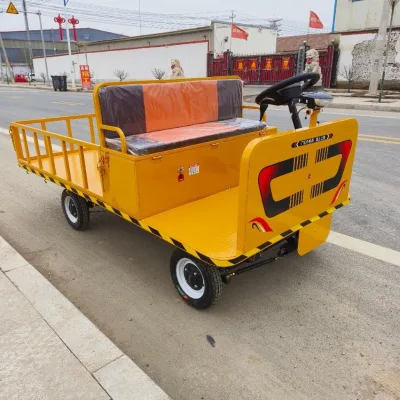
$736.2099 - $766.8854
MOQ: 1 sets
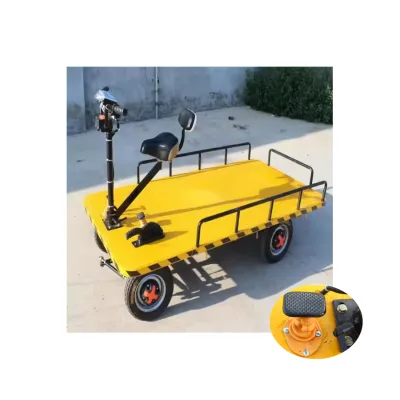
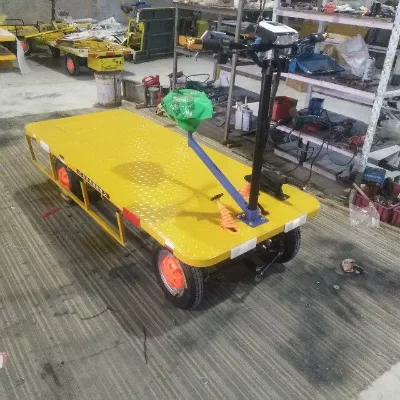
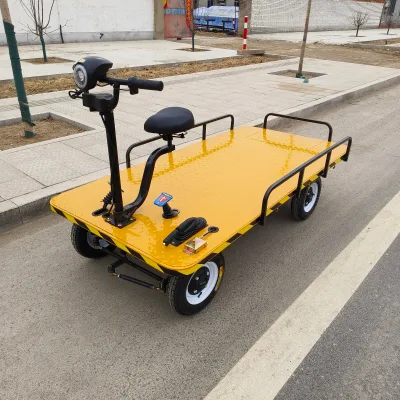
Heavy Duty 3 Wheels Electric Platform Truck Construction Equipment Electric Pallet Truck for Sale
$508.00 - $542.00
MOQ: 1 cases
Gongyi Xiaoyi Licheng Machinery Factory
- Manufacturer
- Henan, China
- Lead time5 days
- Avg. response≤ 7h
Main productselectric mini dumper truck,diesel mini dumper truck,electric garbage truck,electric tricycle,hammer crush
Main marketsSouth America(30.00%), Eastern Europe(10.00%), Central America(10.00%), North America(8.00%), South Asia(8.00%), Southeast Asia(8.00%), Mid East(5.00%), Africa(5.00%), Eastern Asia(5.00%), Western Europe(3.00%), Southern Europe(3.00%), Domestic Market(3.00%), Northern Europe(2.00%)

Changsha Yuce Intelligent Technology Co., Ltd.
- Verified by SGS
- Trading Company
- China Hunan
- Lead time15 days
- Avg. response≤ 2h
Main productsElectric Actuator / Rod, All-Terrain Electric Pallet Truck, Electric Tractor, All-Terrain Electric Platform Truck, Heavy-Duty Platform, Electric Hoist, Electric Tow Truck, Fork Lift Used, Electric Stair Climber, Parts for Pallet Truck
Main marketsDomestic

Electric Flatbed Truck with Robust Design and Long-Lasting Lead Acid Battery
$300.00 - $500.00
MOQ: 1 Pieces

48V 1300W Electric Flatbed Truck with Lithium Battery for Industrial Cargo Transport
$300.00 - $500.00
MOQ: 1 Pieces
Henan Xinxiangteng Construction Machinery Co., Ltd.
- Manufacturer, Trading Company
- Henan, China
- Lead time7 days
- Avg. response≤ 1h
Main productsTamping Rammer,Steel bar mchine,Concrete vibrated mortar,Electric handing truck,Power trowel
Main marketsSouth Asia(10.00%)
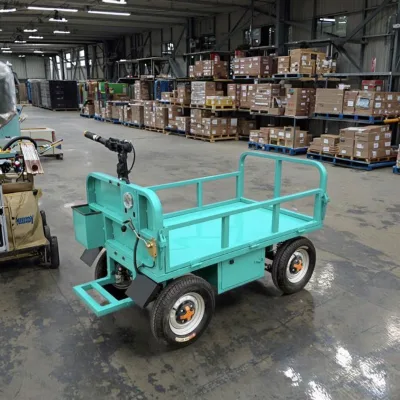
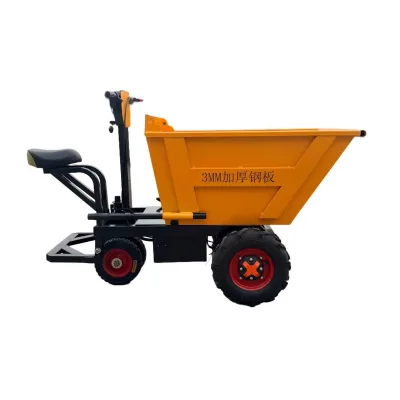
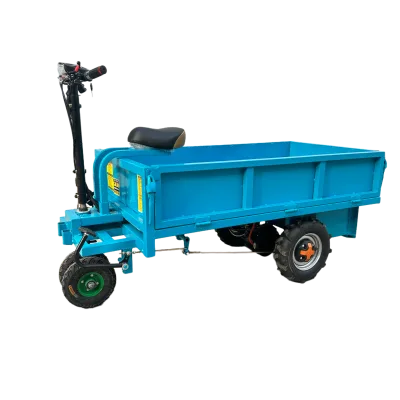
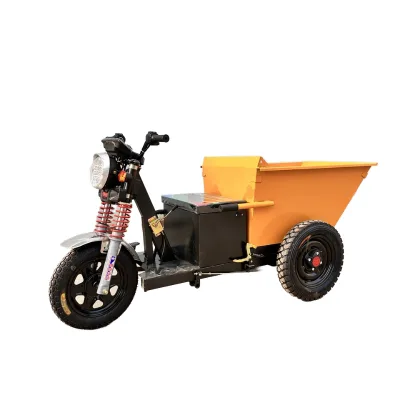
$554.2028 - $574.6536
MOQ: 1 cases

Taian Chuangdong New Material Technology Co., Ltd.
- Verified by TUVRHEINLAND
- Trading Company,Manufacturer/Factory
- China Shandong
- Lead time45 days
- Avg. response≤ 5h
Main productsHydraulic Winches, Slewing Drive Reducer, Final Drive Reducer, Electric Winches, Hydraulic Hoisting Winch, Hydraulic Motor
Main marketsSouth America,Eastern Europe,Mid East,North America,Southeast Asia,Eastern Asia,Oceania,Western Europe,Africa


Electric Remote-Controlled Flatbed Truck 1ton to 100ton Support Customization
$500.00 - $1000.00
MOQ: 1 Pieces

QINGDAO GUDAO ANDES MACHINERY CO., LTD.
- Manufacturer/Factory
- China Shandong
- Lead time15 days
- Avg. response≤ 3h
Main productsDiesel Tricycle, Electric Tricycle, Wheel Loader, Four Wheel Dump Truck, Site Dumper, Self Loading Concrete Mixer, Backhoe
Main marketsSouth America,Eastern Europe,Mid East,North America,Southeast Asia,Eastern Asia,Oceania,Western Europe,Africa
Beijing Erichman Technology Co., Ltd.
- Verified by Intertek
- Manufacturer, Trading Company
- Lead time20 days
Main productsElectric Tricycle
Main marketsSouth Asia(70%), South America(10%), Eastern Europe(10%)
Yiwu Junchi Machinery Co., Ltd.
- Manufacturer, Trading Company
- Zhejiang Province, China
- Lead time0 days
- Avg. response≤ 5h
Main productsElectric forklift,Electric stacker,Electric climbing machine,ectric platform truck flatbed car
Main marketsNorth America(8.00%), Southeast Asia(6.00%), Mid East(5.00%), South America(5.00%)
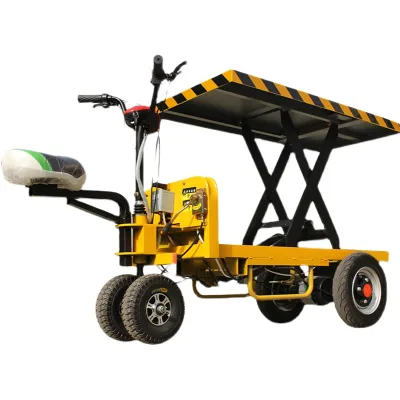
$640.00 - $680.00
MOQ: 1 pieces
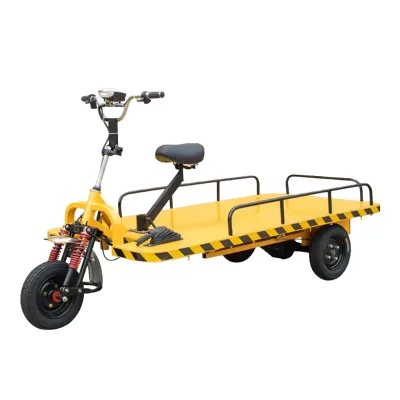
$515.00 - $521.00
MOQ: 1 pieces
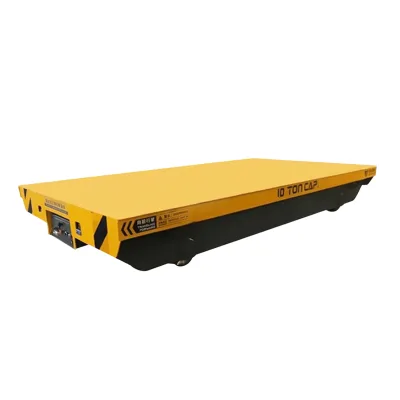
$52.45 - $314.6956
MOQ: 1 Minimum

Shandong Heavy Crane Co., Ltd.
- Manufacturer/Factory
- China Shandong
- Lead time0 days
- Avg. response≤ 3h
Main productsCrane, Electric Hoist, Jib Crane, Bridge Crane, Gantry Crane, Beam Crane, Wire Rope Electric Hoist, CD MD Hoist
Fuyang Zhugao Mechanical Equipment Co., Ltd.
- Verified by Intertek
- Trading Company
- Lead time15 days
- Avg. response≤ 3h
Main productsElevator, Solar Panel Lift, Glass Vacuum Suction Cup Crane, Hoop Motor, Roller Shutter Lift
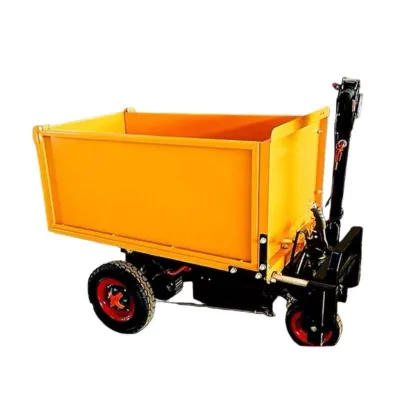
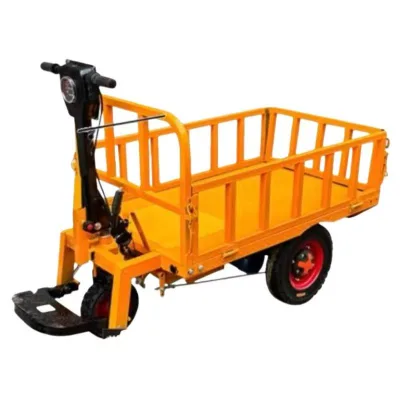
Powerful Electric Platform Tricycle Designed for Moving Heavy Loads Like Bricks, Cargo, and Feed
$205.342 - $220.7427
MOQ: 1 pieces
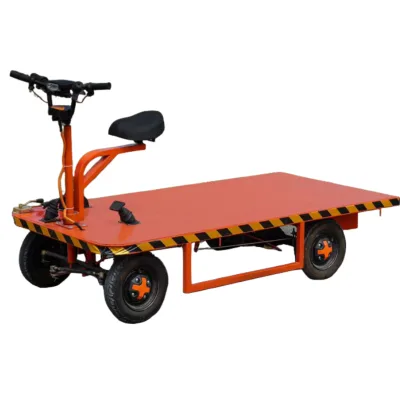
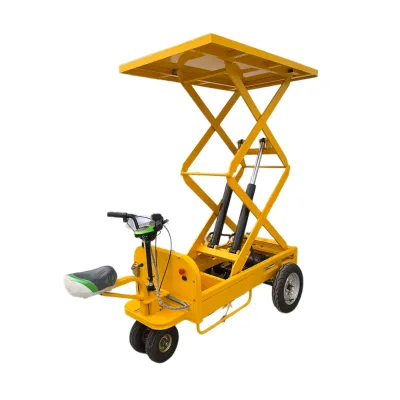
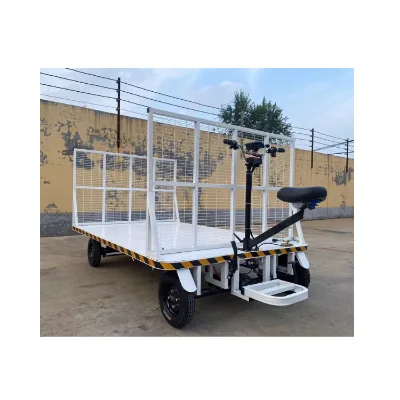
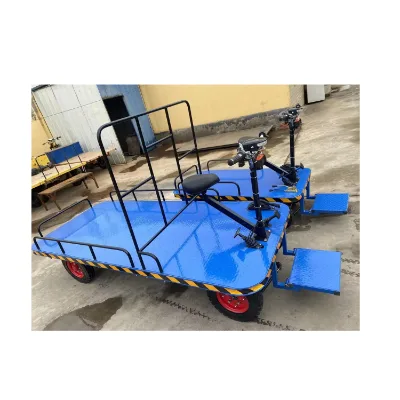
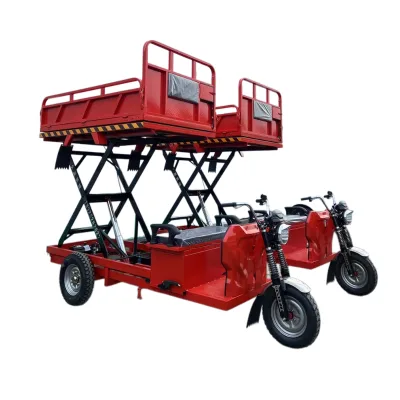
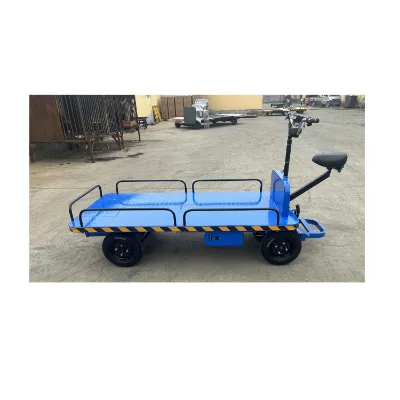
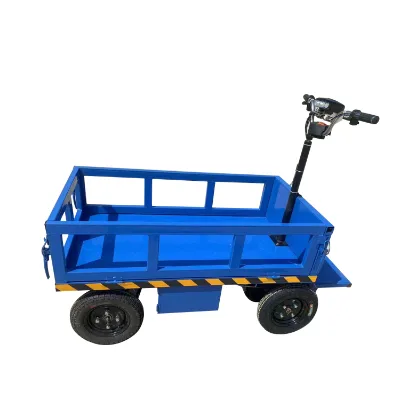
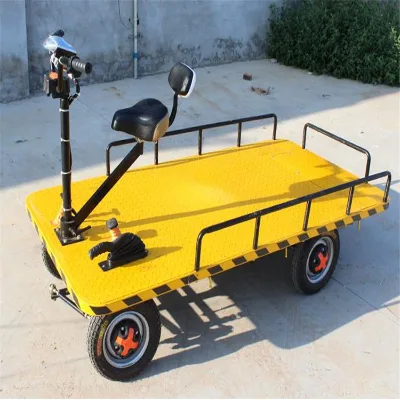
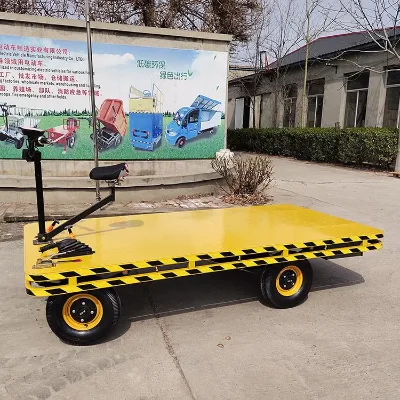
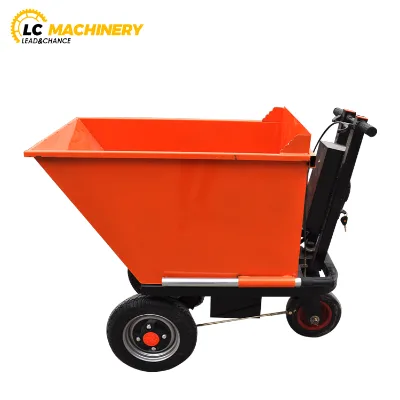
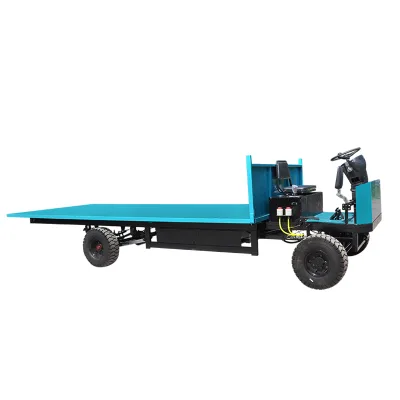


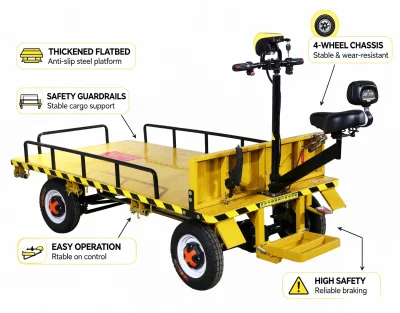


Comprehensive Sourcing Guide
Electric Hand-Propelled Three-Wheeled Flatbed Truck Supplier Concentration and Factory Types
The current supplier landscape for electric hand-propelled three-wheeled flatbed trucks reveals a distinct concentration in Jiangsu, China, where manufacturing capabilities are heavily clustered. This regional focus suggests a mature industrial ecosystem dedicated to the production of these specific material handling vehicles. Suppliers in this area often list main products that include electric scooters, citycoco models, and various three-wheeled electric scooters, indicating a broad capability in electric vehicle assembly that extends into industrial flatbed carts. The presence of trading companies within this cluster implies that buyers may encounter intermediaries who aggregate products from multiple smaller workshops, offering a wider selection but potentially less direct control over the manufacturing process. Understanding this geographic concentration is vital for assessing the reliability of supply chains and the potential for bulk production capacity.
In contrast to the Jiangsu cluster, other suppliers operate from Guangdong, China, with a company type described as combined, suggesting a hybrid model that may include both manufacturing and trading functions. These suppliers often specialize in electric trolleys, lifting trolleys, and warehouse trolleys, which are closely related to the flatbed truck category but may differ in specific design and application. The verification status of some suppliers in this region includes BV certification, which provides an additional layer of trust regarding their business legitimacy and operational standards. However, not all suppliers display system certifications, with some showing NIL status, which requires buyers to exercise caution and conduct deeper due diligence. The diversity in company types, from pure trading companies to combined entities, means that buyers must carefully evaluate the source of the product to ensure they are dealing with the actual manufacturer or a reputable agent.
How to Verify Electric Hand-Propelled Three-Wheeled Flatbed Truck Suppliers
Verifying suppliers requires a close examination of their response times and lead times, which serve as key indicators of operational efficiency and reliability. In the current results, response times vary significantly, with some suppliers responding within 7 hours, while others take up to 11.69 hours. This difference can impact the speed of negotiation and order placement, especially for urgent procurement needs. Lead times also show variation, with some suppliers offering a 10-day turnaround, while others require 15 days. Buyers should prioritize suppliers with faster response and lead times if they have tight delivery schedules, but also consider the consistency of these metrics over time. A supplier with a consistently fast response time is more likely to provide better communication and support throughout the order lifecycle.
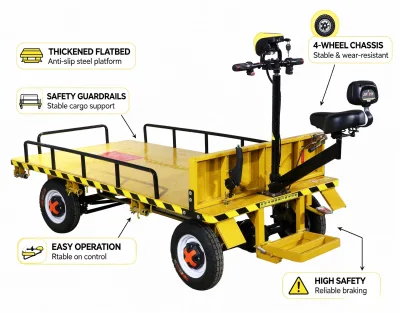
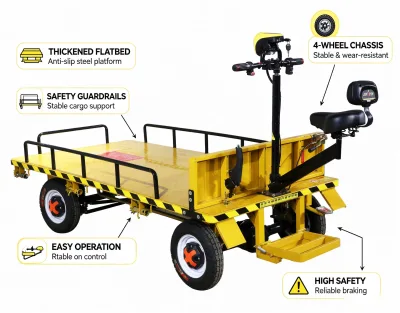
Beyond speed, buyers should verify the technical specifications and product attributes listed by suppliers to ensure they match their specific requirements. For instance, some suppliers offer flatbed trucks with a 1.2KW motor and a max payload of 100-1000 kg, while others provide models with a 300W or 400W motor and a max capacity of 300kg or 500kg. The tire type, such as 4.00-10 solid tires, and the brake system, whether electromagnetic or hydraulic, are critical details that affect performance and safety. Buyers should request detailed product datasheets and compare them against their operational needs. Additionally, checking for verification badges like BV can provide assurance of the supplier's legitimacy, while the absence of system certifications should prompt further inquiry into their quality control processes.
What to Compare Across Electric Hand-Propelled Three-Wheeled Flatbed Truck Suppliers
When comparing suppliers, price is a primary factor, but it must be evaluated in conjunction with other attributes to determine true value. The price range for electric flatbed trucks in the current results spans from approximately $768 to $1867, depending on the model and specifications. Suppliers offering lower prices, such as those around $768, may have different motor capacities or payload limits compared to those charging closer to $1867. Buyers should not solely rely on the lowest price but should assess the cost against the motor power, battery range, and overall build quality. For example, a truck with a 300W motor and a 30km battery range may be sufficient for light-duty tasks, while a 1.2KW motor might be necessary for heavier loads. Comparing these technical specifications alongside the price helps in making a more informed decision.
Another critical aspect to compare is the customization options and warranty terms offered by different suppliers. Some suppliers indicate that customization is available, allowing buyers to tailor the flatbed truck to their specific needs, such as custom sizes or colors. Warranty terms also vary, with some suppliers offering a 1-year warranty, which provides a safety net for potential defects. Buyers should also look at the single package size and gross weight, as these factors influence shipping costs and handling requirements. For instance, a truck with a single package size of 104X64X68 cm may be easier to ship and handle than one with larger dimensions. By comparing these logistical details alongside the technical and financial aspects, buyers can select a supplier that offers the best overall value for their specific procurement needs.
Common Electric Hand-Propelled Three-Wheeled Flatbed Truck Sourcing Risks
One significant risk in sourcing electric flatbed trucks is the variability in product quality and performance, which can be exacerbated by dealing with trading companies rather than direct manufacturers. Trading companies may not have direct oversight of the manufacturing process, leading to potential inconsistencies in build quality and component sourcing. Buyers may encounter products that do not meet the specified technical attributes, such as motor power or payload capacity, if the supplier does not rigorously control the production line. This risk is heightened when suppliers do not display system certifications or verification badges, as there is less assurance of their quality management systems. To mitigate this risk, buyers should request samples or conduct factory audits to verify the actual quality of the products before placing large orders.
Another risk is the potential for delays in delivery and communication, which can disrupt supply chain operations. Suppliers with longer response times and lead times may struggle to meet urgent deadlines, leading to production downtime or missed market opportunities. Additionally, the lack of clear information on escrow services or payment terms can expose buyers to financial risks, especially when dealing with new or unverified suppliers. Buyers should ensure that payment terms are secure and that there are clear mechanisms for dispute resolution. It is also important to verify the supplier's ability to handle after-sales support, including warranty claims and technical assistance. By identifying and addressing these risks early in the sourcing process, buyers can protect their interests and ensure a smoother procurement experience.
Electric Hand-Propelled Three-Wheeled Flatbed Truck Regional Sourcing and Logistics
Sourcing from Jiangsu, China, offers logistical advantages due to the region's well-developed infrastructure and proximity to major ports, which can facilitate efficient shipping and export processes. Suppliers in this area are often accustomed to international trade, making it easier to navigate customs and documentation requirements. However, buyers should still verify the specific shipping terms and costs associated with each supplier, as these can vary based on the order volume and destination. The single package size and gross weight of the flatbed trucks are critical factors in determining shipping costs, with larger or heavier units incurring higher freight charges. Buyers should work with suppliers who provide accurate packaging details to ensure precise cost estimation and efficient logistics planning.
For suppliers located in Guangdong, China, the logistical landscape may differ slightly, with access to different port facilities and shipping routes. Buyers should consider the impact of regional logistics on delivery times and costs, especially if they are sourcing from multiple regions. The verification status of suppliers, such as BV certification, can also influence logistics, as verified suppliers may have more established relationships with freight forwarders and customs brokers. Additionally, buyers should be aware of any regional trade regulations or tariffs that may affect the import of electric vehicles. By understanding the logistical nuances of each sourcing region, buyers can optimize their supply chain and reduce the overall cost of procurement.
Electric Hand-Propelled Three-Wheeled Flatbed Truck Commercial Terms and Order Planning
Commercial terms, including MOQ and payment conditions, play a crucial role in order planning and budgeting. In the current results, the MOQ for some suppliers is as low as 1 unit, which allows for flexibility in testing the product and supplier reliability before committing to larger orders. This low MOQ is particularly beneficial for buyers who are new to the category or who have small-scale operational needs. However, buyers should also consider the price implications of ordering in small quantities, as unit prices may be higher for lower volumes. Understanding the MOQ and price structure helps buyers plan their inventory and cash flow more effectively, ensuring that they can meet their operational demands without overstocking or underutilizing their budget.
Order planning should also account for the lead time and production capacity of the supplier, especially if the buyer has seasonal or peak demand periods. Suppliers with a 10-day lead time may be more suitable for urgent orders, while those with a 15-day lead time may require more advanced planning. Buyers should also consider the supplier's ability to handle custom orders, as this can impact production schedules and costs. By aligning their order planning with the supplier's capabilities and commercial terms, buyers can ensure a smooth and efficient procurement process. Additionally, buyers should establish clear communication channels with the supplier to monitor order progress and address any issues that may arise during production or shipping.
FAQs
What is the price range for electric flatbed trucks?
Prices for these electric flatbed trucks typically range from approximately $1,529 to $1,867 per unit. This cost covers various models including three-wheeled and four-wheeled options. Buyers should note that final pricing depends on specific customization needs and order volume. Always verify the exact quote with the supplier before placing an order.
What is the minimum order quantity for these trucks?
The minimum order quantity is generally one unit. This low MOQ allows buyers to test the product quality before committing to larger purchases. It is ideal for small businesses or individual workshops needing material handling solutions. Confirm the specific MOQ with the supplier, as some custom configurations might have different requirements.
How long does delivery take for these trucks?
Lead times for these electric flatbed trucks are typically around 10 to 15 days. This timeframe covers production and preparation for shipment. Delays may occur due to customization requests or high demand periods. Buyers should confirm the exact delivery schedule with the supplier to ensure it aligns with their operational needs.
Where are these electric flatbed trucks manufactured?
These trucks are manufactured in Jiangsu and Guangdong provinces in China. Jiangsu suppliers often offer steel-built carts with solid tires, while Guangdong suppliers provide various electric trolley models. The location impacts shipping costs and logistics. Buyers should verify the specific origin of their chosen model to understand shipping implications.
What payload capacity do these flatbed trucks support?
Payload capacities vary by model, ranging from 100 kg to 1,000 kg. Some specific models support up to 500 kg with a 400W motor. Others are designed for lighter loads with 300W motors. Buyers must select the appropriate model based on their specific material handling requirements to ensure safe and efficient operation.
What tire options are available for these trucks?
Many models feature 4.00-10 solid tires for durability and stability. These tires are suitable for various industrial environments and rough surfaces. Some models may offer different tire specifications based on customization. Buyers should confirm the tire type with the supplier to ensure it meets their specific floor or terrain requirements.
What is the response time for supplier inquiries?
Supplier response times vary, with some responding within 7 hours and others taking up to 11.69 hours. Faster response times indicate better customer service availability. Buyers should prioritize suppliers with quicker response times for urgent inquiries. This ensures timely communication regarding quotes, customization, and shipping details.