Source Sinotruk Howo Water Truck for Construction, Mining, and Agriculture
Compare 30 Sinotruk Howo Water Truck listings with varying tank capacities from 5,000 to 30,000 liters. Buyers can evaluate engine power, drive configurations, and customization options for municipal and industrial use; compare the available evidence and request quotations based on your requirements.
Updated
Key considerations
Products List


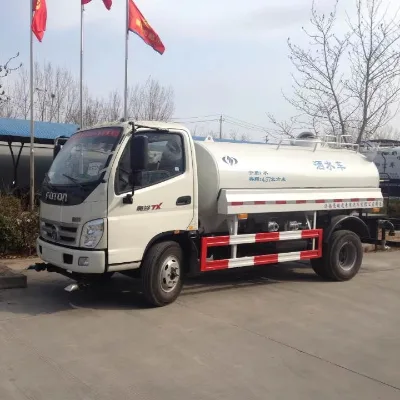
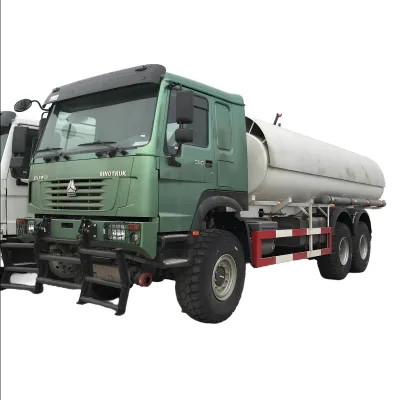
Used Africa Sinotruk Howo 6x4 15000 Gallon Vehicle Water Tank Truck for Sale
$5000.00 - $10000.00
MOQ: 1 units

Sinotruk HOWO Water Tank Truck 5tons Drinking Water Delivery Truck
$18890.00 - $22780.00
MOQ: 1 Pieces


Sinotruk HOWO 6X4 Sprinkler Truck Water Bowser Truck Sinotruk Water Truck
$8899.00 - $16888.00
MOQ: 1 Sets

6X4 Sinotruk HOWO Sprinkler Water Truck Tanker 20000L Water Tank Truck
$19800.00 - $40000.00
MOQ: 1 Sets

Sinotruk 6X4 HOWO Water Tank Truck with 14-22 Cubic Meter Sprinkler Truck
$8899.00 - $16888.00
MOQ: 1 Sets

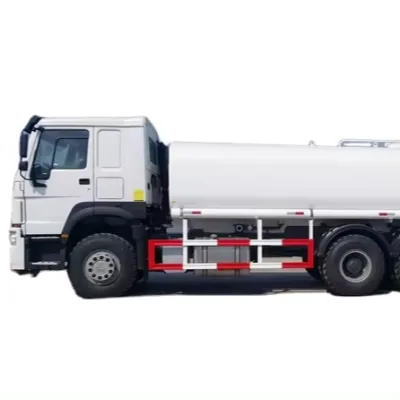
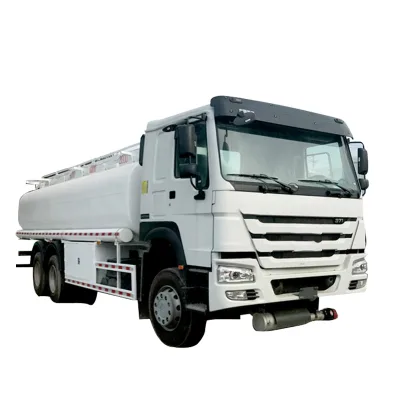


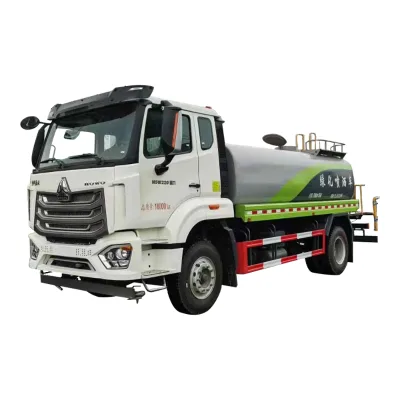
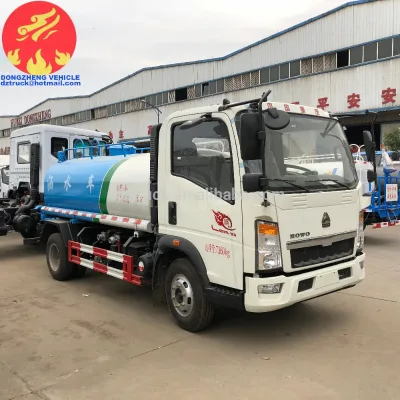
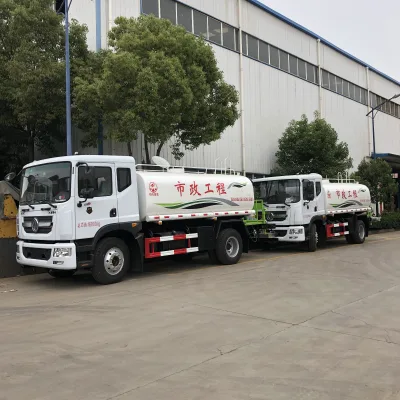
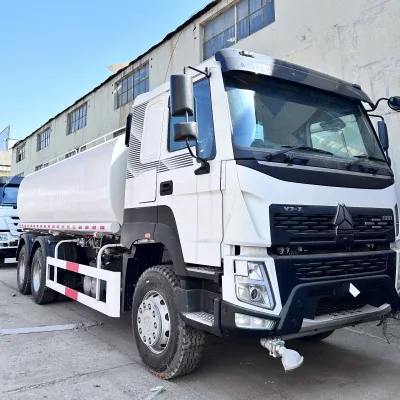


Comprehensive Sourcing Guide
Sinotruk Howo Water Truck Sourcing Guide
Procuring a Sinotruk Howo Water Truck requires careful alignment of chassis capabilities with tank volume and pumping performance. Buyers must first determine the operational environment, as the observed listings indicate a range of configurations from 5,000 to 30,000 liters. The choice between 4x2 and 6x4 drive wheels significantly impacts payload capacity and stability, especially when carrying heavy water loads over long distances. Understanding these mechanical distinctions is crucial for selecting a vehicle that meets specific route and load requirements without compromising safety or efficiency.
The customization options available in the current market allow for tailored solutions, including cab configurations with or without sleepers and air conditioning. Buyers should evaluate whether the standard Sinotruk engine outputs, ranging from 140HP to 371HP, match their terrain and duty cycle. Additionally, the drive mode, whether left-hand or right-hand drive, must align with local traffic regulations. Verifying these core attributes early in the sourcing process ensures that the selected unit is mechanically suited for its intended purpose, reducing the risk of operational mismatches later in the procurement lifecycle.
Product Scope and Observed Listing Signals
The current market listings reveal a diverse product scope, with prices ranging from approximately $4,548 to nearly $50,000 USD, reflecting significant variations in specifications and condition. Most observed units are listed as new, with a minimum order quantity of one, indicating a flexible procurement environment for individual buyers or small fleets. The observed volume ranges span from 5,001 to 30,000 liters, catering to different municipal and industrial needs. Buyers should note that the wide price disparity often correlates with engine power, tank material, and additional features like high-pressure pumps or specialized spraying systems.
Listing signals also highlight specific model identifiers such as CLW and ZZ3257M3247W, which serve as key reference points for technical verification. The observed dimensions, such as 992024903140 mm, provide a baseline for spatial planning in depots and on-site operations. Furthermore, the presence of customization options suggests that buyers can request modifications to meet unique operational demands. However, the variability in listed attributes means that buyers must rigorously cross-reference each listing’s specific details against their actual requirements, rather than assuming uniformity across all available units.
Technical Specifications to Verify
Technical verification begins with the chassis and engine configuration, where observed data points to Sinotruk engines with capacities between 4-6 liters and over 8 liters, producing power from 160HP to 371HP. Buyers must confirm the exact engine model and emission standard, as Euro compliance is critical for regulatory adherence in many markets. The drive wheel configuration, typically 4x2 or 6x4, directly influences the vehicle’s payload capacity, which is observed to be around 20 tons. Ensuring that the engine power matches the chassis load rating is essential for maintaining performance and longevity under heavy-duty conditions.
The tank and pumping system specifications require equally detailed scrutiny. Observed tank volumes range from 5,000 to 30,000 liters, with materials specified as Q235B Carbon Steel or Stainless Steel. Buyers should verify the tank’s structural integrity, including the top manhole size, which is noted as an API standard 500mm. The pumping system’s performance, characterized by high-pressure pumps and shot ranges exceeding 28 meters, must be validated against the required watering width of more than 14 meters. Confirming these parameters ensures that the truck can effectively cover the intended area without requiring excessive refilling or maneuvering.
Compliance and Safety Documentation
Compliance documentation is a critical component of the procurement process, with observed certifications including ISO, CCC, CE, RoHS, and EEC standards. Buyers must verify that the supplier provides valid certificates for each relevant market, as these documents are often required for customs clearance and local registration. The presence of ISO9001 certification indicates adherence to quality management systems, which can serve as a proxy for manufacturing consistency. However, buyers should not assume that all listed certifications apply to every unit; specific verification against the bill of materials and production batch is necessary to ensure regulatory compliance.
Safety features and operational standards also play a vital role in documentation review. The observed listings mention driver seats with air support and cabs with air conditioning, which contribute to operator comfort and safety during long hauls. Buyers should request detailed safety manuals and maintenance guides that outline procedures for checking the discharged valves, which range from 3 to 5 inches in size. Additionally, verifying the tire specifications, such as 9.00-20 or 12.00r20, ensures that the vehicle meets load and speed ratings appropriate for its intended use. Proper documentation of these safety elements reduces liability and enhances operational reliability.
Cost Drivers and Commercial Terms
Cost drivers for Sinotruk Howo water trucks include engine power, tank volume, and material quality, with observed prices varying widely based on these factors. Buyers should analyze the cost per liter of tank capacity to compare value across different listings. The inclusion of additional features, such as high-pressure pumps or specialized spraying systems, can significantly increase the base price. Understanding these cost components allows buyers to negotiate more effectively and identify listings that offer the best balance between performance and budget constraints.
Commercial terms also influence the total cost of ownership, with observed packing methods ranging from naked to waxed before on-board transport by Roro. Buyers should clarify who bears the cost of packing and loading, as this can impact the final delivered price. Warranty terms, such as the observed one-year coverage for key parts like the engine, gearbox, and axle, provide a safety net against early failures. However, buyers should verify the scope of this warranty and the availability of overseas third-party support, which is listed as available. Clear understanding of these terms helps in planning for maintenance and repair costs over the vehicle’s lifecycle.
Supplier Qualification and Quality Control
Supplier qualification involves verifying the manufacturer’s location and production capabilities, with observed origins in Suizhou, Hubei, China. Buyers should assess the supplier’s track record in exporting similar vehicles and their ability to provide consistent quality. The availability of customization options suggests a flexible manufacturing process, but buyers must ensure that the supplier has the technical expertise to implement these changes without compromising structural integrity. Requesting references or case studies from previous international clients can provide insights into the supplier’s reliability and service quality.
Quality control measures should be explicitly defined in the procurement contract, including pre-shipment inspections and testing protocols. Buyers should verify that the supplier conducts rigorous checks on the tank welding, pump performance, and chassis alignment. The observed use of Q235B Carbon Steel or Stainless Steel requires verification of material certificates to ensure compliance with specified grades. Additionally, buyers should confirm that the supplier provides a comprehensive inspection report before shipment, covering all critical components. Establishing clear quality control standards helps mitigate the risk of receiving defective or non-compliant vehicles.
Long-Term Procurement Checks
Long-term procurement success depends on establishing a robust after-sales support network, with observed services including overseas third-party support. Buyers should verify the availability of spare parts and the responsiveness of the support team in their region. The one-year warranty for key parts is a starting point, but buyers should explore extended warranty options or maintenance contracts to ensure long-term reliability. Understanding the lead times for spare parts delivery is crucial for minimizing downtime in operations, especially for fleets operating in remote or challenging environments.
Regular performance monitoring and feedback loops are essential for optimizing future procurement decisions. Buyers should track key performance indicators such as fuel efficiency, maintenance frequency, and operational uptime to evaluate the vehicle’s performance against expectations. Comparing these metrics across different suppliers and models can inform future purchasing strategies. Additionally, maintaining open communication with the supplier regarding any operational issues ensures that problems are addressed promptly. By focusing on long-term value rather than just initial cost, buyers can build a sustainable and efficient fleet of water trucks.
FAQs
What certifications do Sinotruk HOWO water trucks have?
Sinotruk HOWO water trucks typically hold ISO, CCC, EEC, RoHS, and CE certifications. These documents verify compliance with international safety and environmental standards. Buyers should verify specific model requirements with the supplier to ensure the listed certifications match the exact configuration and destination market regulations.
What is the tank volume capacity for these trucks?
Tank volumes range from 5,000 to 30,000 liters, covering capacities like 10,000L, 15,000L, and 20,000L. The payload capacity is generally around 20 tons. Specific volume options depend on the chassis model and intended application, allowing for flexible selection based on water distribution needs.
Which engine options are available for Sinotruk HOWO models?
Engine options include Sinotruk variants with horsepower ratings of 140HP, 160HP, 180HP, 266HP, 290HP, 336HP, and 371HP. Engine capacities typically range from 4 to 6 liters or exceed 8 liters for heavier models. These configurations support various emission standards and operational demands.
Can the water truck be customized for specific needs?
Yes, customization is available for Sinotruk HOWO water trucks. Buyers can select specific tank volumes, drive modes (LHD or RHD), and cab configurations including air conditioning and sleeper options. Customization allows adaptation to local road conditions and operational requirements for optimal performance.
What is the warranty coverage for key components?
The warranty typically covers one year for three key parts: the engine, gearbox, and axle. This standard coverage ensures reliability for major mechanical systems. Buyers should confirm specific warranty terms and conditions with the manufacturer or authorized dealer to understand the full scope of support provided.
What are the standard dimensions of the water truck?
Standard dimensions are approximately 9920mm in length, 2490mm in width, and 3140mm in height. These measurements apply to common chassis models like the ZZ3257M3247W. Actual dimensions may vary slightly based on the specific configuration, tank size, and additional equipment installed on the vehicle.