Source Bentonite Grout Mixer Agitator for Construction, Mining, Drilling
Compare 30 Bentonite Grout Mixer Agitator units from Henan, China. Buyers can review specifications like mixing volume, motor power, and output capacity to find the right equipment for construction, mining, and drilling applications; compare the available evidence and request quotations based on your requirements.
Updated
Key considerations
Products List


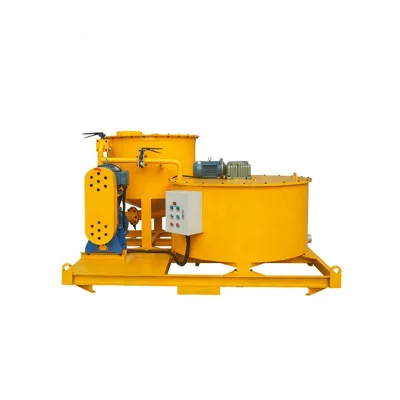
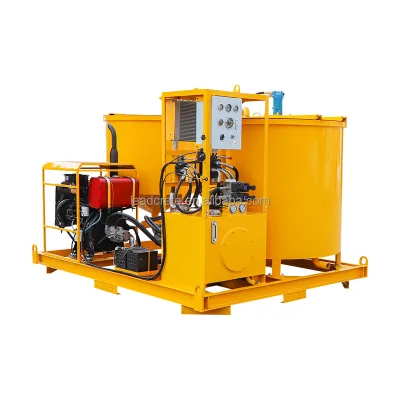
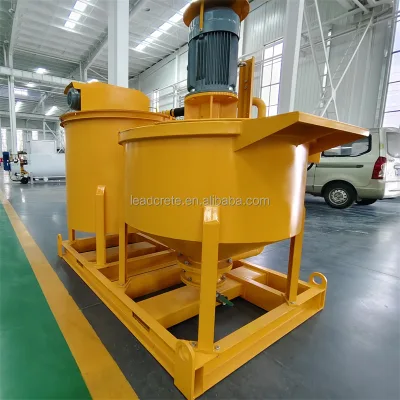
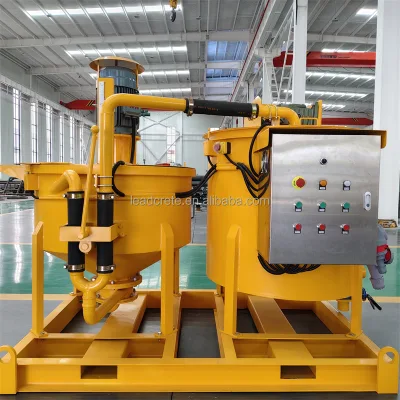
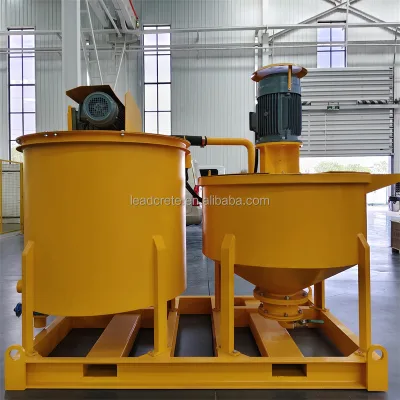
High Pressure Bentonite Slurry Grout Mixer Agitator for Soil Compaction
$8500.00 - $10000.00
MOQ: 1 Set
$9900.00 - $15200.00
MOQ: 1 Minimum
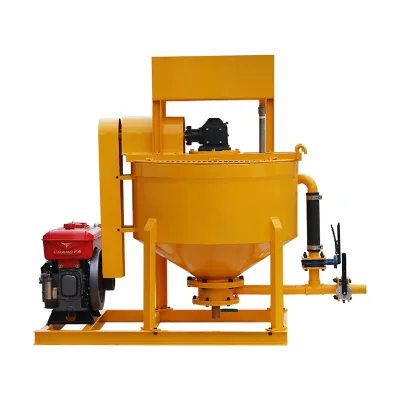
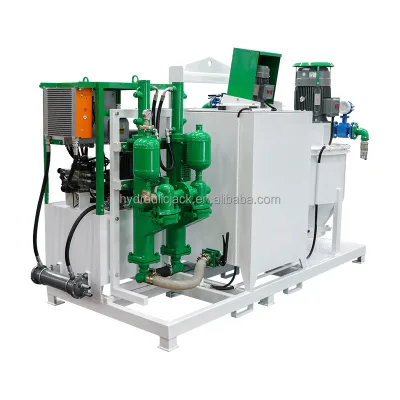
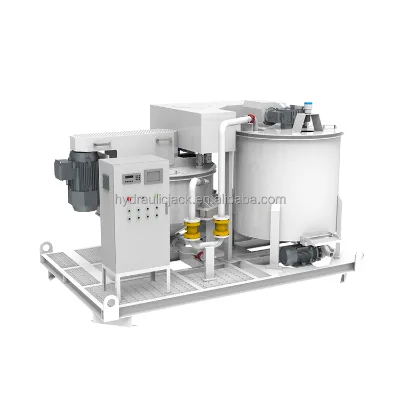
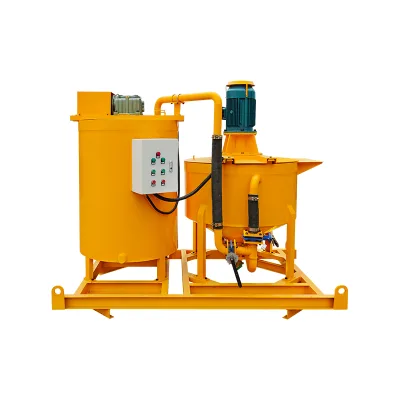
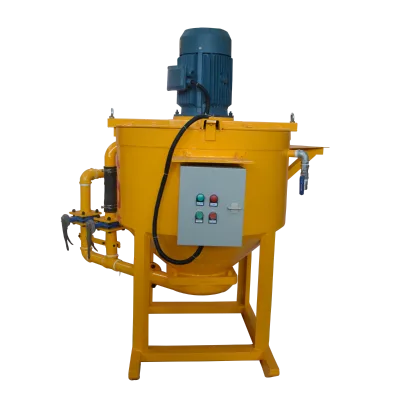


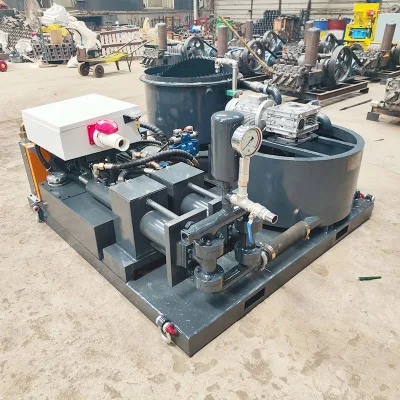
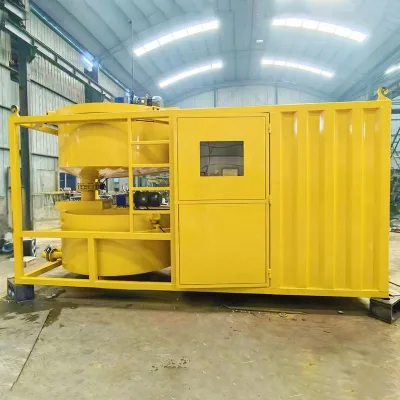
Best Price Mixing Grout Mobile Grout Cement Mixer Portability Grout Equipment for Sale
$15900.00 - $16900.00
MOQ: 1 sets
Comprehensive Sourcing Guide
Bentonite Grout Mixer Agitator Sourcing Guide
Procuring a Bentonite Grout Mixer Agitator requires careful alignment of mechanical capacity with specific slurry properties. The observed market data indicates a product count of thirty distinct listings, suggesting a mature supply chain for this specialized construction equipment. Buyers must distinguish between general-purpose mixing units and those engineered for high-viscosity bentonite applications. The core challenge lies in verifying that the agitator’s torque and speed settings can maintain suspension without causing excessive shear or settling. This guide focuses on interpreting technical signals from supplier listings to ensure operational reliability in demanding construction environments.
Understanding the variance in mixer volumes is critical for project planning. Listings show mixer volumes ranging from 400L to 850L, with corresponding agitator volumes up to 1500L. This disparity suggests that some units are designed for primary mixing while others serve as secondary agitation or storage. Procurement teams must map their required output, observed between 7m³/H and 14m³/H, against the physical dimensions of the tank. Selecting a unit with insufficient volume relative to the agitator’s power can lead to inefficient mixing cycles or mechanical overload. Accurate sizing prevents costly downtime and ensures consistent grout quality throughout the injection process.
Product Scope and Observed Listing Signals
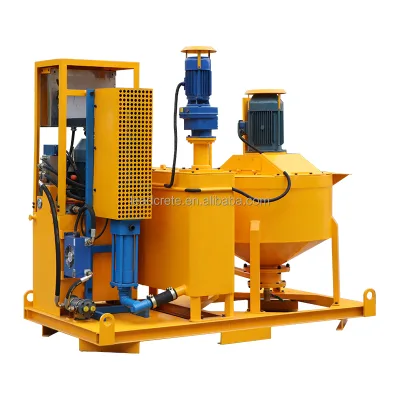
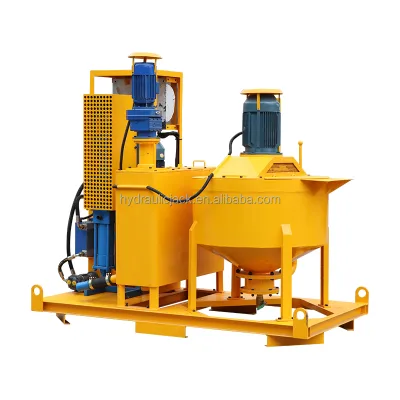
The current market presents a diverse array of models, primarily identified by codes such as HWMA850-1500D and HWMA400-700AW. These identifiers often correlate with specific volume configurations, where the first number typically denotes mixer capacity and the second indicates agitator volume. For instance, the HWMA850-1500D features an 850L mixer and a 1500L agitator, catering to high-volume operations. Conversely, the HWMA400-700AW offers a more compact 400L mixer with a 700L agitator, suitable for smaller sites or precise dosing requirements. Buyers should use these model codes as primary filters to narrow down options that match their site’s spatial and throughput constraints.
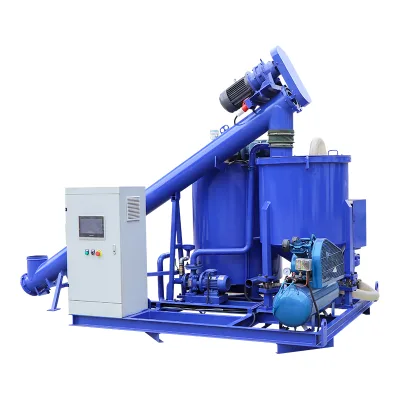
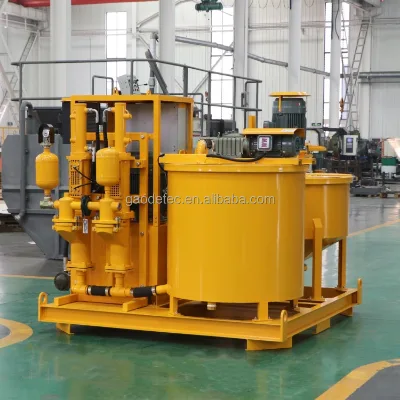
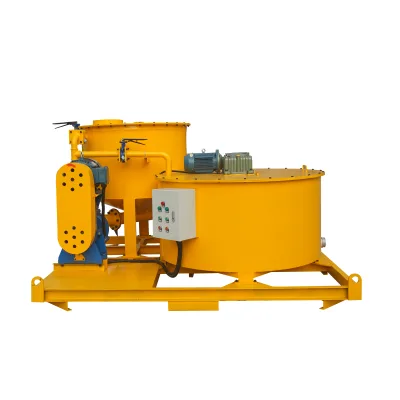
Color variations, such as orange and blue finishes, are observed across different listings but do not necessarily indicate functional differences. These aesthetic choices may reflect brand identity or specific regional market preferences rather than performance capabilities. However, the presence of customization options in several listings suggests that suppliers can adapt exterior features or minor structural elements to client specifications. Procurement specialists should verify whether color changes involve additional costs or lead time extensions. Focusing on functional attributes like motor power and mixing speed remains more critical than cosmetic variations when evaluating the suitability of a unit for bentonite grouting tasks.
Technical Specifications to Verify
Motor power and rotational speed are the most critical technical parameters for bentonite mixing efficiency. Listings reveal motor powers ranging from 2.2kw to 25.8kw, with specific configurations like 11+3 Kw or 11 kW for dedicated mixing units. The agitator rate speed varies significantly, with observations of 35rpm, 55rpm, and 1600rpm for different components. High-speed mixing drums, such as those operating at 1450rpm or 1600rpm, are likely intended for initial blending, while slower agitator speeds are essential for maintaining suspension without degrading the bentonite structure. Buyers must ensure the selected unit provides the appropriate balance between initial dispersion and sustained agitation.
Dimensional constraints and weight are vital for site logistics and foundation planning. Observed dimensions range from 2350x1830x1600mm to 3800x2100x2720mm, with weights between 1280kg and 1800kg. These figures directly impact transportation costs and the need for specialized lifting equipment on-site. The standard export packing method noted in listings helps protect the unit during transit but requires verification of crate dimensions for container loading efficiency. Additionally, the water-cement ratio of 0.5:1 and charging capacity of 850L provide benchmarks for slurry consistency. Procurement teams should cross-reference these specifications with their specific grout mix designs to avoid compatibility issues.
Compliance and Safety Documentation
Certification status is a primary indicator of manufacturing quality and regulatory compliance. Most observed listings explicitly state CE and ISO9001 certifications, which are essential for operating in many international markets. These certifications suggest that the manufacturing processes adhere to recognized quality management standards and safety directives. However, buyers should request copies of the actual certificates to verify their validity and scope. Relying solely on the presence of these marks in product descriptions is insufficient for rigorous procurement due diligence. Ensuring that the certifications are current and applicable to the specific model being purchased is a crucial step in risk mitigation.
Safety features and operational controls must be thoroughly documented before purchase. The automatic discharge way and water supply mode via water pump are standard features that enhance operational safety and efficiency. Buyers should verify the presence of emergency stop mechanisms, overload protection for motors, and secure guarding for rotating agitators. The provision of video outgoing-inspection is a positive signal, allowing remote verification of the unit’s condition before shipment. This visual evidence can help identify potential manufacturing defects or assembly errors. Procurement teams should integrate these safety checks into their pre-shipment inspection protocols to ensure worker safety on site.
Cost Drivers and Commercial Terms
Pricing in the observed market ranges from $1980 to $50,000, reflecting significant variation in capacity, power, and feature sets. The minimum order quantity (MOQ) is consistently listed as 1, indicating that suppliers are flexible for single-unit purchases. This flexibility is beneficial for small contractors or projects requiring replacement parts. However, buyers should be aware that lower-priced units may lack advanced features or robust construction materials. The cost difference between a 400L mixer and an 850L unit with a 1500L agitator can be substantial. Understanding the correlation between volume, power, and price helps in budgeting accurately for the required capacity.
Commercial terms such as lead time and payment conditions are not explicitly detailed in the provided data but are critical for project scheduling. Buyers should negotiate clear delivery timelines, especially given the standard export packing requirements which may add to transit time. Payment terms should be structured to protect against non-delivery or quality discrepancies, potentially using escrow services or letter of credit arrangements. The customization availability mentioned in listings may incur additional costs or extend lead times. Procurement specialists should clarify all potential extra charges upfront to avoid budget overruns. Transparent communication regarding these commercial terms ensures a smoother transaction process.
Supplier Qualification and Quality Control
Supplier origin is consistently identified as Henan, China, a region known for heavy machinery manufacturing. This concentration of suppliers offers competitive pricing but requires rigorous due diligence to ensure quality consistency. Buyers should assess the supplier’s production capacity, quality control processes, and after-sales support capabilities. The presence of core components like pumps and engines from reputable manufacturers can be a positive indicator. Verifying the source of these critical components adds an extra layer of assurance regarding the unit’s reliability. Procurement teams should request detailed bills of materials to understand the quality of internal parts.
Quality control measures should be verified through third-party inspections or factory audits. The video outgoing-inspection provided by some suppliers is a useful tool but should be supplemented with physical inspection reports. Buyers should define clear acceptance criteria based on the technical specifications observed, such as motor power output and mixing speed accuracy. The unique selling point of high operating efficiency should be validated through performance tests or customer references. Establishing a robust quality control framework helps mitigate the risks associated with international procurement. Regular communication with the supplier during production can also help identify and resolve issues early.
Long-Term Procurement Checks
Maintenance requirements and spare parts availability are key considerations for long-term operational success. The mixing type, identified as slurry pump in some listings, suggests specific maintenance needs for seals and impellers. Buyers should ensure that the supplier provides a comprehensive spare parts list and technical manuals. Access to genuine replacement parts reduces downtime and extends the lifespan of the equipment. The working cycle period of 2 minutes and speed of the mixing drum at 1450rpm indicate high-intensity usage patterns. Regular maintenance schedules should be established based on these operational parameters to prevent premature wear.
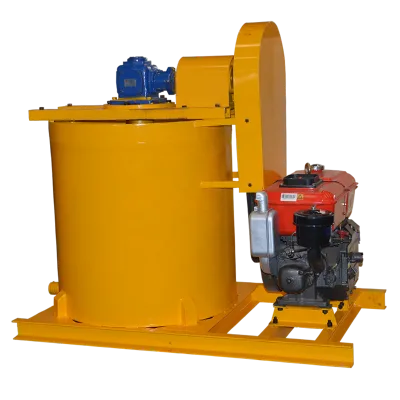
Application suitability in the construction industry requires ongoing evaluation of performance data. Buyers should monitor grout consistency and mixing efficiency over time to ensure the unit meets project requirements. The application in the construction industry implies exposure to harsh environmental conditions, necessitating robust corrosion protection. Regular inspections of the diesel engine power, noted as CF3b35g with 25.8kw@2400rpm, are essential for sustained performance. Procurement teams should maintain a record of operational hours and maintenance activities to track the unit’s health. Continuous feedback loops with the supplier can help address any emerging issues and optimize long-term procurement strategies.
FAQs
What is the output capacity of a Bentonite Grout Mixer Agitator?
The output capacity typically ranges from 7 to 14 cubic meters per hour depending on the specific model configuration. For instance, certain units achieve 13 cubic meters per hour while others operate between 11 and 14 cubic meters per hour. This variation allows buyers to select equipment that matches their specific production volume requirements for construction industry applications.
What certifications are available for these grout mixer agitators?
Manufacturers commonly provide CE and ISO9001 certifications for their bentonite grout mixer agitators. These certifications ensure that the equipment meets international safety and quality management standards. Buyers can verify these credentials to ensure compliance with regional regulatory requirements and to guarantee that the machinery adheres to established manufacturing protocols for reliable performance.
Can bentonite grout mixer agitators be customized for specific needs?
Yes, customization is available for many Bentonite Grout Mixer Agitator models. Buyers can often specify color options, such as orange or blue, to match site branding or safety standards. Additionally, the equipment supports various operational parameters, allowing for tailored solutions that integrate seamlessly into existing construction workflows and meet unique project specifications.
What is the typical weight and dimension of these mixers?
The weight of these units generally ranges from 1280 kg to 1800 kg, depending on the model and motor configuration. Dimensions vary accordingly, with some units measuring approximately 2350 by 1830 by 1600 mm, while larger models may reach 3300 by 2150 by 2200 mm. These specifications help buyers plan logistics and site installation requirements effectively.
What power sources are used for these grout mixer agitators?
These mixers utilize various power sources, including diesel engines and electric motors. Some models feature a diesel engine with a power output of 25.8 kW, while others use electric motors rated at 11 kW or 2.2 kW. This flexibility allows operators to choose the most suitable power source based on site availability and operational efficiency requirements.
Where are these bentonite grout mixer agitators manufactured?
These units are primarily manufactured in Henan, China. This region is a known hub for heavy machinery production, providing access to established supply chains and manufacturing expertise. Buyers sourcing from this location can benefit from standardized export packing and consistent quality control measures, ensuring reliable delivery and performance for international construction projects.