Source Imported Engine Forklift Hydraulic Filter for farms, construction, and mining
Find 30 Imported Engine Forklift Hydraulic Filter options from verified Chinese suppliers. Compare specifications like pressure ratings, flow rates, and model numbers for oil-water separation and impurity removal in machinery repair shops and energy sectors; compare the available evidence and request quotations based on your requirements.
Updated
Key considerations
Products List


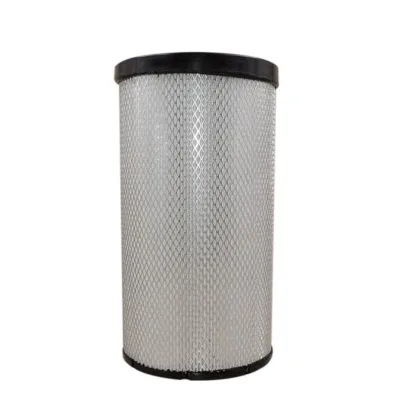
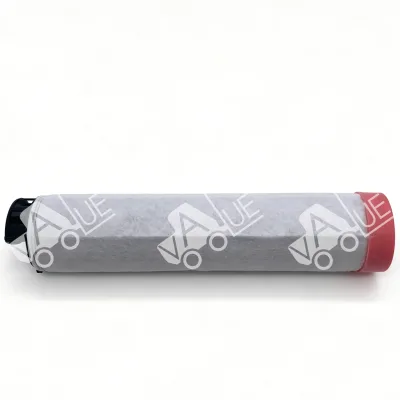
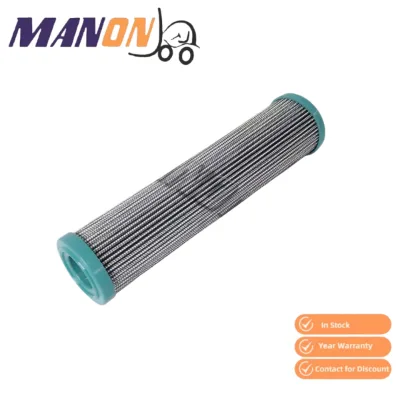

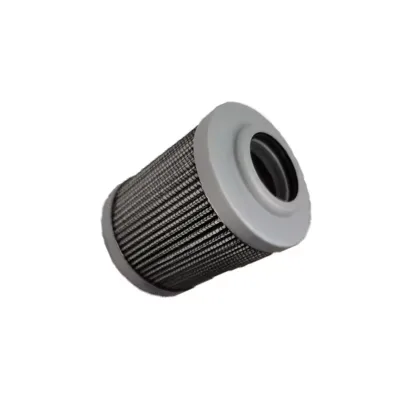
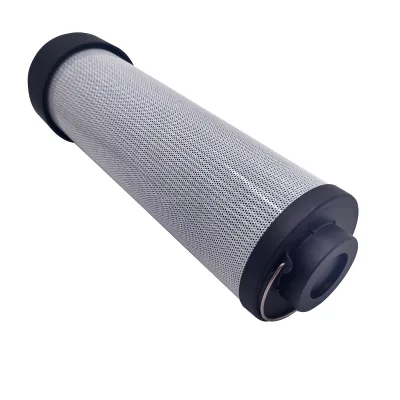
Ef-092c Hydraulic Oil Return Filter Fuel Filter for Excavators Forklifts
$0.99 - $2.99
MOQ: 200 Pieces

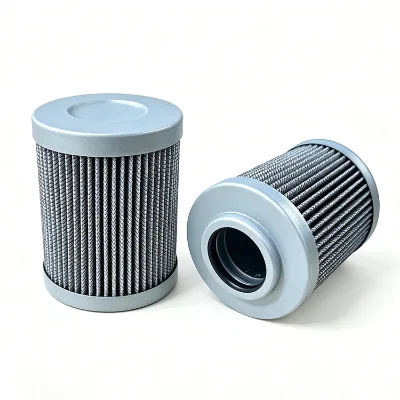
China Supply Truck Hydraulic Oil Filter H-41100 Forklift Machinery Filter
$0.99 - $2.99
MOQ: 200 Pieces


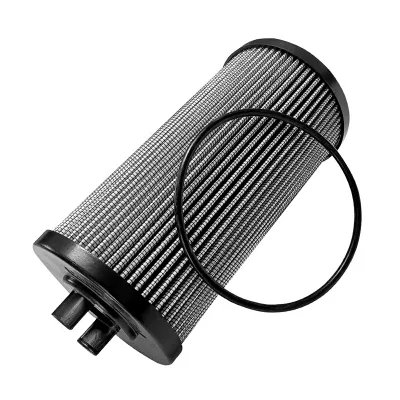



Comprehensive Sourcing Guide
Imported Engine Forklift Hydraulic Filter Sourcing Guide
Procuring imported engine forklift hydraulic filters requires a disciplined approach to technical verification and supplier qualification. Buyers must distinguish between general air filtration components and specialized hydraulic filtration units, as the supplied data indicates a mix of product types including air filter elements and oil-water separators. The observed listings reveal a wide variance in mechanical principles, with adsorption mechanisms noted alongside cartridge filter constructions. This diversity necessitates careful scrutiny of the specific filtration medium and structural design to ensure compatibility with the forklift’s hydraulic system.
The sourcing landscape presents products with varying operational parameters, such as maximum operating pressures up to 300psi and flow rates reaching 400CFM. These specifications suggest that some listed items may be air intake filters rather than pure hydraulic filters, highlighting the critical need for precise model matching. Buyers should prioritize filters that explicitly state their application for oil impurities or liquid separation to avoid installing incompatible components. Understanding the distinction between fixed and mobile structures is equally important for determining the correct installation method and maintenance schedule for the forklift fleet.
Product Scope and Observed Listing Signals
The current market listings for imported forklift components display a broad spectrum of product attributes that require careful interpretation. Observed price ranges span from 0.97 to 35 USD, with minimum order quantities varying significantly from 1 to 500 units. This variance suggests a mix of standard replacement parts and specialized industrial components. Buyers should note that the term "hydraulic filter" may be loosely applied to air filters or oil-water separators in some listings, necessitating a thorough review of the product description to confirm the actual filtration medium and intended use case.
Several listings highlight specific model numbers such as HF29117, 803436671, and 11210987, which serve as critical identifiers for compatibility checks. The presence of OEM quality claims and various warranty periods, including 3-month and 1-year options, indicates a competitive market with varying levels of supplier confidence. However, the absence of warranty information for some items and the mention of "Unavailable" warranty status for others require buyers to verify post-sale support terms explicitly. The origin of these products is consistently listed as China, with specific mentions of Fujian as a place of origin, providing insight into the manufacturing hubs involved.
Technical Specifications to Verify
Verifying technical specifications is paramount to ensuring the hydraulic filter meets the operational demands of the forklift engine. Key attributes to confirm include the construction type, with cartridge filters being a common design observed in the data. Buyers must also check the maximum operating temperature, which is listed as 150F for some items, and ensure this aligns with the thermal conditions of the forklift’s hydraulic system. The material composition, often cited as paper for air filters, differs significantly from hydraulic filter media, so confirming the exact material is essential for durability and filtration efficiency.
Additional critical specifications include the air inlet sizes, which range from 1/4 inch to 3 inches, and the number of sections, with some products featuring two sections. These dimensions directly impact the physical fit and airflow or fluid dynamics within the system. The gasket location, noted as being on two sides for certain models, is another vital detail for ensuring a leak-free seal during installation. Buyers should also verify the drain type, as some listings indicate "Not Available," which may affect maintenance procedures and fluid disposal protocols.
Compliance and Safety Documentation
Compliance and safety documentation are essential for ensuring that imported filters meet international and local regulatory standards. Buyers should request certificates of conformity and material safety data sheets to verify that the filter materials do not pose health risks or environmental hazards. Although specific certification standards are not detailed in the observed listings, the mention of OEM quality suggests that some products may adhere to original equipment manufacturer specifications. It is crucial to confirm that the filters comply with the safety regulations of the destination country, particularly regarding chemical resistance and fire safety.
The application industries listed, including farms, manufacturing plants, and construction works, imply that these filters are used in diverse and potentially harsh environments. Buyers must ensure that the filters are suitable for the specific operational conditions of their forklifts, such as exposure to dust, moisture, or extreme temperatures. The warranty terms, ranging from one year to three months or unavailable, also serve as an indicator of the supplier’s confidence in the product’s longevity and performance. Clear documentation of warranty coverage and return policies is necessary to mitigate risks associated with premature failure or defects.
Cost Drivers and Commercial Terms
Cost drivers for imported forklift hydraulic filters include the complexity of the filtration medium, the quality of materials used, and the level of customization available. The observed price range of 0.97 to 35 USD reflects these variations, with higher prices likely corresponding to more robust construction or specialized filtration capabilities. Minimum order quantities, ranging from 1 to 500 units, also influence the unit cost, with bulk purchases often benefiting from economies of scale. Buyers should consider the total cost of ownership, including shipping, tariffs, and potential downtime due to filter failure, rather than focusing solely on the initial purchase price.
Commercial terms such as payment methods, delivery times, and packaging standards are critical components of the procurement process. The listed packing methods, including standard boxes and export cartons, help protect the filters during transit and reduce the risk of damage. The single package sizes and gross weights, such as 30x10x10 cm and 0.5 kg, provide useful information for logistics planning and cost estimation. Buyers should negotiate clear terms regarding lead times and shipping responsibilities to avoid delays that could impact forklift availability and operational efficiency.
Supplier Qualification and Quality Control
Supplier qualification is a key step in ensuring the reliability and consistency of imported forklift hydraulic filters. Buyers should assess the supplier’s manufacturing capabilities, quality control processes, and track record in the industry. The mention of brands like MANON and specific truck types, such as stacker and counterbalance forklifts, suggests that some suppliers specialize in particular segments of the forklift market. Verifying the supplier’s ability to provide OEM quality products and their adherence to quality standards is essential for maintaining the performance and longevity of the forklift fleet.
Quality control measures should include regular inspections of the filters for defects, proper packaging, and accurate labeling. Buyers should request samples for testing before committing to large orders to verify the filter’s performance under actual operating conditions. The availability of customization options, as noted in some listings, indicates that suppliers may be able to tailor products to specific requirements. Establishing a strong relationship with a qualified supplier can lead to better pricing, improved service, and consistent product quality over time.
Long-Term Procurement Checks
Long-term procurement checks involve monitoring the performance of the filters and the reliability of the supplier over time. Buyers should track key performance indicators such as filter lifespan, replacement frequency, and any issues related to installation or compatibility. Regular feedback from maintenance teams can provide valuable insights into the practical performance of the filters in real-world conditions. This data can be used to refine procurement specifications and negotiate better terms with suppliers based on actual usage patterns.
Continuous evaluation of the supplier’s service quality, including responsiveness, technical support, and after-sales service, is also important. Buyers should maintain open communication with suppliers to address any emerging issues promptly and to stay informed about new product developments or improvements. The ability to customize products, as indicated in the listings, offers opportunities to optimize filter performance for specific forklift models. By maintaining a proactive approach to procurement, buyers can ensure a steady supply of high-quality filters that support the efficient operation of their forklift fleet.
FAQs
What is the mechanical principle of the Imported Engine Forklift Hydraulic Filter?
The mechanical principle is adsorption, which effectively captures oil impurities from the fluid stream. This design ensures high filtration efficiency for hydraulic systems. The filter operates as a fixed structure, providing stable performance during forklift operations. It is classified as an oil filter suitable for liquid applications, ensuring reliable separation of contaminants from the oil.
Can the Imported Engine Forklift Hydraulic Filter handle high operating pressures?
Yes, the filter supports a maximum operating pressure of 300psi. This robust construction allows it to withstand demanding hydraulic environments typical in forklift machinery. The cartridge filter design ensures durability under pressure. It is suitable for various truck types, including counterbalance forklifts, providing consistent performance without structural failure during high-pressure cycles.
What is the warranty period for the Imported Engine Forklift Hydraulic Filter?
The warranty period is 3 months for standard units. Some specific models may offer a 1-year warranty depending on the supplier. This coverage protects against manufacturing defects. Buyers should verify the specific warranty terms for their selected model number. The product is new and comes in standard box and export carton packing for safe delivery.
Which specifications are available for the Imported Engine Forklift Hydraulic Filter?
Available model numbers include yh0809, 803436671, HF29117, 803164329, and 11210987. The air inlet sizes vary, including 1/2 in, 2-1/2 in, 1/4 in, 3 in, 2 in, 3/4 in, and 1 in. These specifications cater to diverse forklift engine requirements. Buyers can select the exact model that matches their machinery's hydraulic system dimensions.
How is the Imported Engine Forklift Hydraulic Filter packaged for shipping?
The filter is packaged in a standard box and export carton packing. This ensures protection during transit and storage. The single package size is typically 30X10X10 cm or 30X10X8 cm. The single gross weight is approximately 0.5 kg or 0.260 kg. This packaging method is designed to prevent damage and maintain product quality upon arrival.
What is the origin of the Imported Engine Forklift Hydraulic Filter?
The product originates from China, specifically from Fujian province. This location is a known hub for manufacturing such industrial components. The origin indicates the supply chain source for buyers. Products from this region are often competitive in pricing and quality. Buyers should consider logistics and lead times associated with sourcing from this specific geographic location.