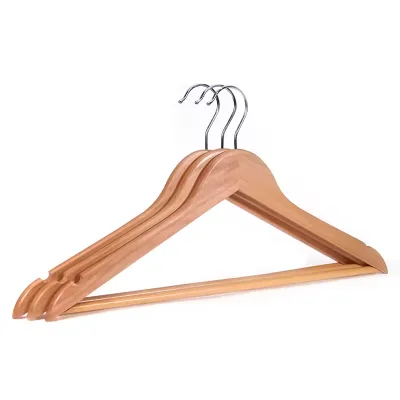
Slim Wooden Coat Hanger with Chrome Swivel Hook Suppliers and Manufacturers
Compare 27 verified suppliers offering Slim Wooden Coat Hanger with Chrome Swivel Hook options with customizable materials and dimensions. Review response times, lead times, and certifications before requesting samples; review the available evidence before requesting comparable quotations from suitable candidates.
Updated
Suppliers List

Guangxi Guilin Winsun Hanger Co., Ltd.
- Verified by BV
- Combined
- China Guangxi
- Lead time30 days
- Avg. response≤ 18h
Main productsWooden Hanger, Velvet Hanger, Plastic Hanger, Metal Hanger
Main marketsSouth America,Africa,Southeast Asia/ Mideast,East Asia(Japan/ South Korea),Europe,Australia,North America


$0.55 - $0.95
MOQ: 2000 Pieces


Guangxi Guilin Glory Hanger Co., Ltd.
- Verified by BV
- Trading Company,Manufacturer/Factory
- China Guangxi
- Lead time30 days
- Avg. response≤ 10h
Main productsHanger, Wood Hangers, Metal Hangers, Clothes Hangers, Garment Hangers, Deluxe Hanger, Hotel Product, Kid Hanger, Wooden Hanger, Suit Hanger
Main marketsSouth America,Eastern Europe,Mid East,North America,Western Europe
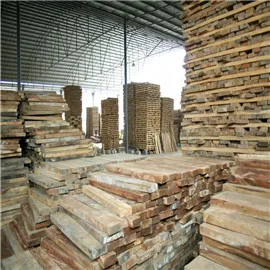
Guangxi Guilin Glory Hanger Co., Ltd.
- Manufacturer, Trading Company
- Guangxi, China
- Lead time30 days
- Avg. response≤ 10h
Main productsWooden Hanger, Metal Hanger, Plastic Hanger, Velvet Hanger, Clothes Rack
Main marketsNorth America(45.00%), Western Europe(30.00%), South America(6.00%), Eastern Europe(5.00%), Domestic Market(5.00%), Southeast Asia(5.00%), Oceania(4.00%)

- Manufacturer, Trading Company
- Guangxi, China
- Lead time45 days
- Avg. response≤ 1h
Main productsHanger,Wood hanger,Metal hanger,Plastic hanger,Storage
Main marketsWestern Europe(30.00%), North America(30.00%), South America(10.00%), Eastern Europe(6.00%), Oceania(6.00%), Southeast Asia(4.00%), Domestic Market(3.00%), Northern Europe(2.00%), Central America(2.00%), South Asia(2.00%), Southern Europe(2.00%), Mid East(1.00%), Africa(1.00%), Eastern Asia(1.00%)
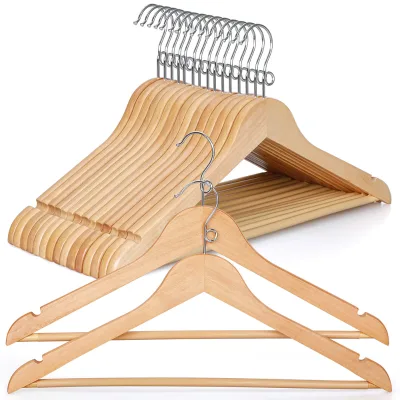
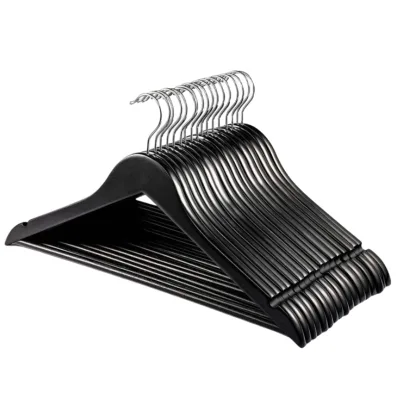
A-Grade Solid Wood Wooden Clothes Hangers With Swivel Cascading Ring Hook
$0.33 - $0.70
MOQ: 1000 pieces
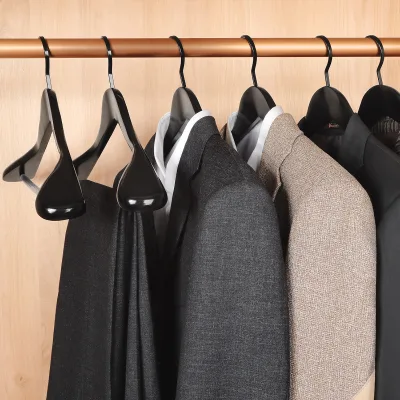
$1.0568 - $1.4705
MOQ: 1000 pieces
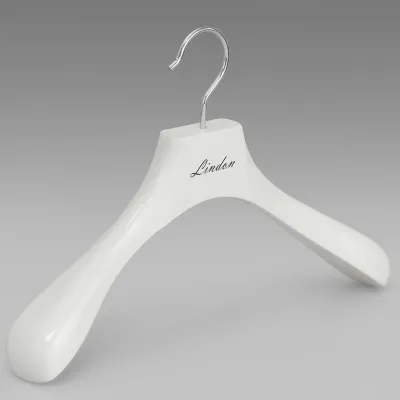
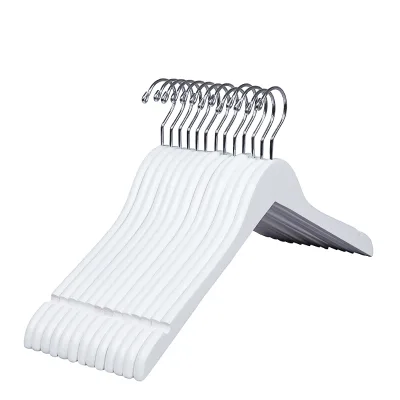
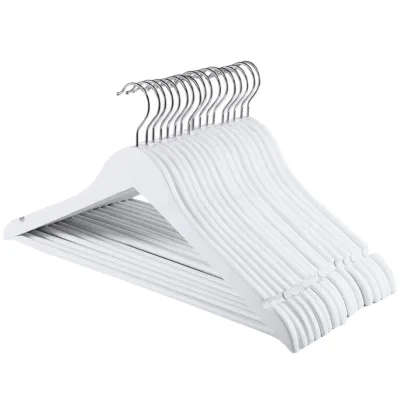
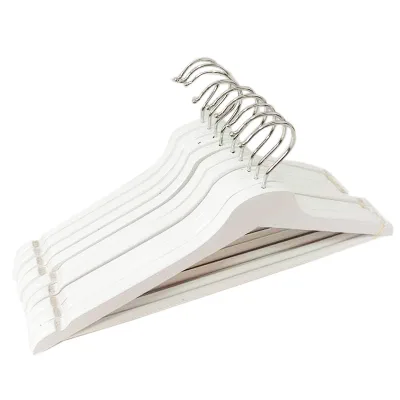
White Wood Coat Hanger Premium Customized Hanger With Silver Rotatable Hook
$0.75 - $0.85
MOQ: 1000 pieces
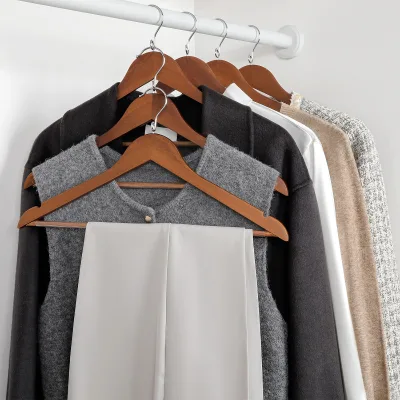
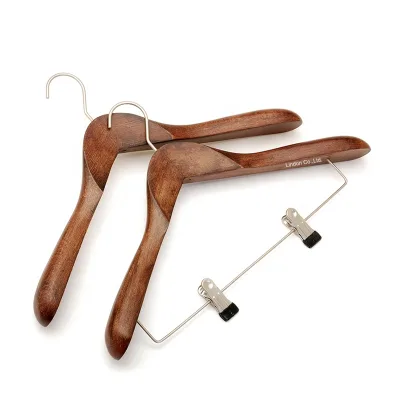

Guilin Jason Bamboo & Wooden Product Co., Ltd.
- Verified by TüVRheinland
- Manufacturer, Trading Company
- Lead time30 days
- Avg. response≤ 4h
Main productsMetal Hangers, Pant & Skirt Hangers, Plastic Hangers, Velvet & Fabric Hangers, Wood Hangers
Main marketsNorth America(25%), Western Europe(15%), Africa(10%)

Yiwu Lvya Import And Export Co., Ltd.
- Trading Company
- Zhejiang, China
- Lead time15 days
- Avg. response≤ 6h
Main productsEco products,Household products,Disposable products,Hot-sale products,Discounted products
Main marketsSouth America(30.00%), North America(30.00%), Eastern Europe(20.00%), Western Europe(10.00%), Mid East(10.00%)
Quanzhou Bestowal Trading Co., Ltd.
- Verified by Intertek
- Trading Company
- Lead time60 days
- Avg. response≤ 2h
Main productsBamboo Rack/Shelf, Bamboo Furniture, Bamboo Kitchenware Accessories
Main marketsMid East(35%), South Asia(30%), North America(25%)

Guangzhou Youde Hotel Supplies Co., Ltd.
- Manufacturer, Trading Company
- Guangdong, China
- Lead time35 days
- Avg. response≤ 5h
Main productsWooden hanger,Luggage rack,Pu products,Trash Bin,Storage basket
Main marketsOceania(10.00%), Mid East(10.00%), Southeast Asia(10.00%), Eastern Asia(10.00%), South America(10.00%), North America(10.00%), Western Europe(6.00%), South Asia(5.00%), Southern Europe(5.00%), Northern Europe(5.00%), Domestic Market(5.00%), Africa(5.00%), Eastern Europe(5.00%), Central America(4.00%)
Quanzhou Hexing Display Factory
- Verified by TüVRheinland
- Manufacturer, Trading Company
- Lead time8 days
- Avg. response≤ 3h
Main productsMannequins, Clothes Hanger, Shoe Tree
Main marketsSouthern Europe(15%), North America(10%), Eastern Europe(10%)
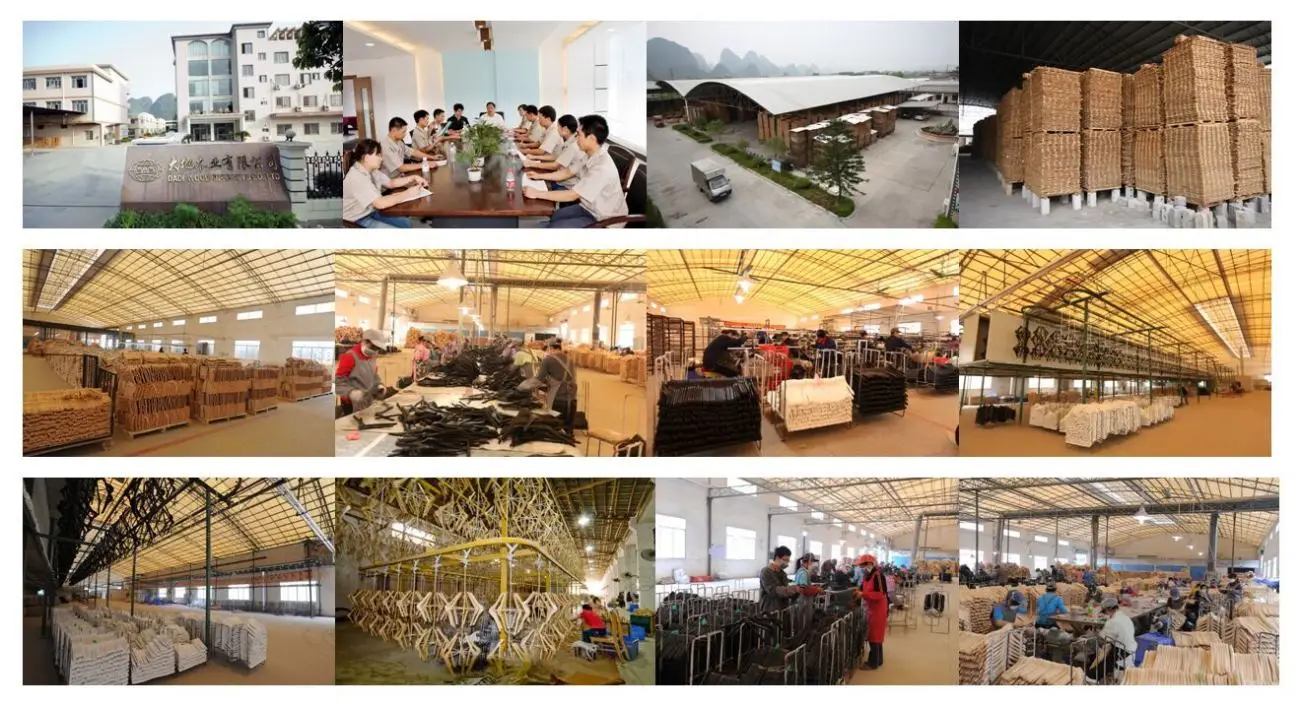
- Manufacturer, Trading Company
- Guangxi, China
- Lead time35 days
- Avg. response≤ 3h
Main productswooden hangers,metal hangers,plywood hanger,acrylic hanger,satin hanger
Main marketsWestern Europe(25.00%), Domestic Market(18.00%), Central America(11.00%), North America(10.00%), Eastern Asia(10.00%), Eastern Europe(9.00%), Southeast Asia(4.00%), Oceania(3.00%), Mid East(3.00%), South America(3.00%), Northern Europe(2.00%), Southern Europe(2.00%)
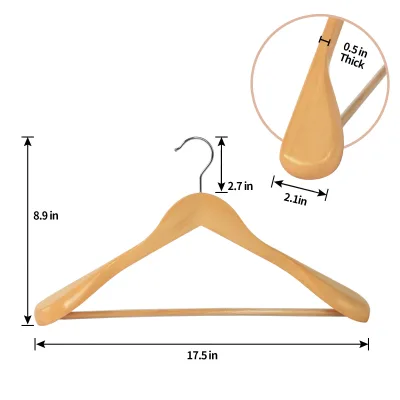
$1.0313 - $1.2367
MOQ: 1 pieces

- Verified by TUVRHEINLAND
- Trading Company
- China Guangxi
- Lead time30 days
- Avg. response≤ 5h
Main productsHanger, Leather Hanger, Wooden Hanger, Wooden Cloth Hangers, Satin Hanger, Bamboo Hanger, Metal Hanger, Plastic Hanger, Wood Hanger, Clothes Rack
Main marketsSouth America,Europe


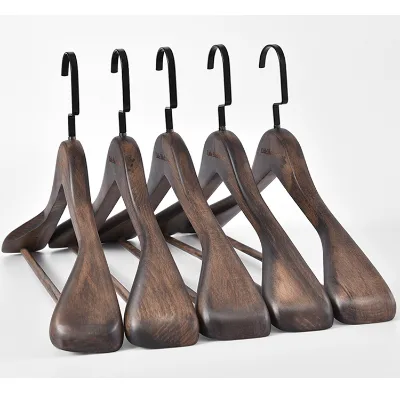
Wood Hangers with Logo Wooden Suit Hangers Natural Wood Wide Shoulder Coat Clothes Hangers
$0.90 - $2.99
MOQ: 3000 Pieces


Dongguan City Dahao Display Products Co., Ltd.
- Manufacturer, Trading Company
- Guangdong, China
- Lead time35 days
- Avg. response≤ 3h
Main productswooden hanger,laminated hanger,plastic hanger,metal hanger,acrylic hanger
Main marketsWestern Europe(30.00%), North America(30.00%), Domestic Market(20.00%), Southern Europe(10.00%), Eastern Asia(5.00%), South Asia(5.00%)
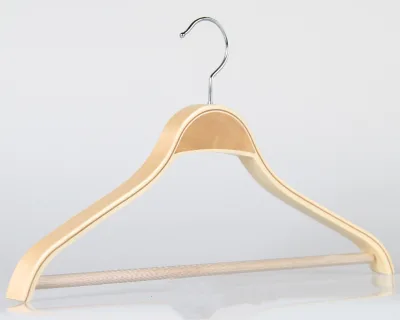
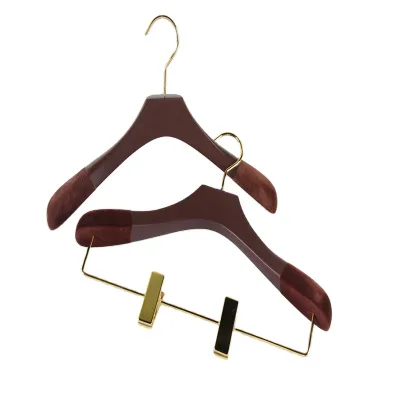
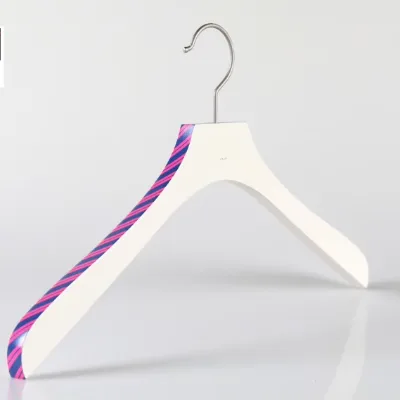
$3.10 - $3.50
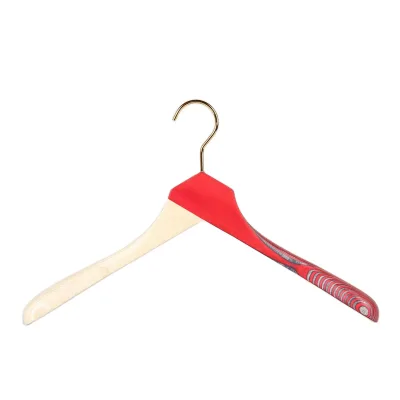
Yiwu Jinyi Daily Necessities Factory
- Manufacturer, Trading Company
- Zhejiang, China
- Lead time0 days
- Avg. response≤ 19h
Main productsHanger,Hook,Clip
Main marketsSouth Asia(10.00%), Southeast Asia(10.00%), North America(10.00%), Domestic Market(5.00%), Eastern Europe(5.00%), Southern Europe(5.00%), Northern Europe(5.00%), Central America(5.00%), Western Europe(5.00%), Eastern Asia(5.00%), Mid East(5.00%), South America(5.00%)

- Trading Company
- China Guangxi
- Lead time15 days
- Avg. response≤ 14h
Main productsHanger, Wooden Hanger, Clothes Hanger, Coat Hanger, Velvet Hanger, Plastic Hanger, Wood Hanger, Hotel Hanger, Metal Hanger, Luxurious Hanger
Main marketsSoutheast Asia/ Mideast,Europe,North America

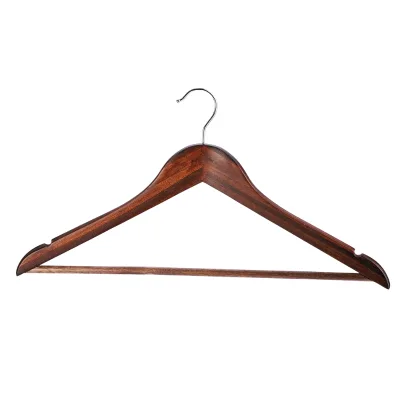
Vintage Dark Wooden Clothes Hangers for Coats/Suit/Jacket with Chrome Flat Hook
$0.68 - $1.47
MOQ: 2000 Pieces

Cherry Hotel Display Wooden Top Clothes Hangers with Chrome Hook for Suit/Coat/Shrit
$0.282 - $0.428
MOQ: 2000 Pieces

Hotel Wood Hangers: Colorful Satin Wooden Top Clothes Hangers with Chrome Hook for Coats/Shirts
$0.178 - $0.328
MOQ: 2000 Pieces

$0.335 - $0.371
MOQ: 2000 Pieces

$0.511 - $0.931
MOQ: 2000 Pieces

- Verified by SGS Group
- Manufacturer, Trading Company
- Lead time45 days
- Avg. response≤ 3h
Main productsHanger, Wood Hangers, Plastic Hangers, Metal Hangers, Storage
Main marketsNorth America(30%), Western Europe(30%), South America(10%)
Guilin ELATE Housewares Co., Ltd.
- Verified by SGS Group
- Trading Company
- Guangxi, China
- Lead time8 days
- Avg. response≤ 6h
Main productsHanger, Wooden Hanger, Metal Hanger, Plastic Hanger, Housewares
Main marketsNorth America(80%), Southeast Asia(10%), Eastern Europe(5%)
Nanning Boyin Industry & Trading Co., Ltd.
- Verified by Intertek
- Manufacturer, Trading Company
- Lead time30 days
- Avg. response≤ 5h
Main productsWood Hangers, Plastic Hangers, Metal Hangers, Bikini Hangers, Velvet Hangers
Main marketsMid East(35%), Domestic Market(15%), Western Europe(10%)
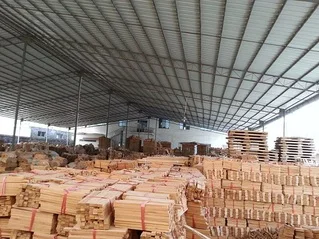
- Trading Company
- Guangxi, China
- Lead time30 days
- Avg. response≤ 3h
Main productsWOODEN HANGER,METAL HANGER,SATIN HANGER,METAL COOKWARE
Main marketsWestern Europe(25.00%), Northern Europe(20.00%), Eastern Europe(20.00%), North America(20.00%), South America(10.00%), Mid East(5.00%)
Guangzhou Sinfoo Plastic Co., Ltd.
- Verified by SGS Group
- Manufacturer, Trading Company
- Lead time20 days
- Avg. response≤ 3h
Main productsHanger, Loop Lock Tag Pin, Tag Gun, Hang Tag, Plastic Bags
Main marketsNorth America(33%), Domestic Market(28%), Southeast Asia(8%)
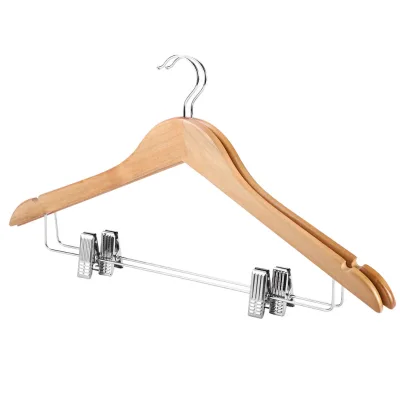
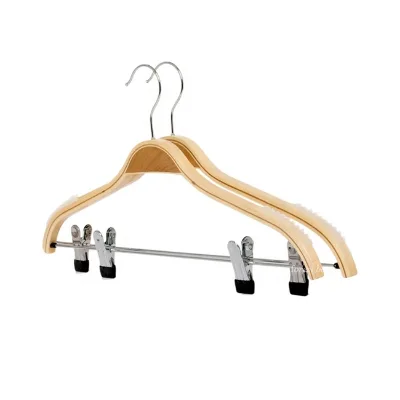
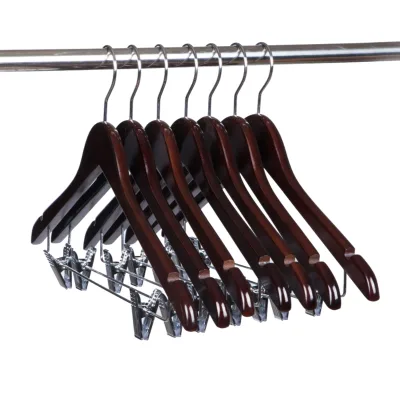
Wholesale Coat Dress Display Hangers Shirt Suit Pants Skirt Wooden Hanger With Clips
$0.59
MOQ: 1000 pieces
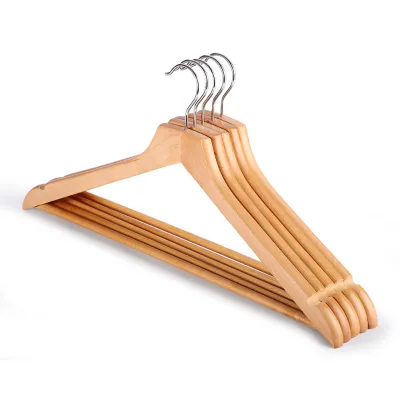
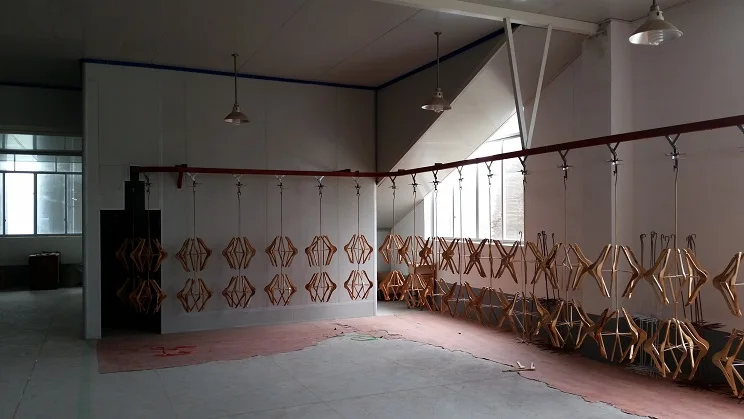
Wholesale Wood Hanger Custom Closet Wooden Scarf Pants Coat Hangers for Cloths
$0.4017 - $0.4317
MOQ: 3000 pieces
Lipu Huajia Housewares Co., Ltd.
- Manufacturer, Trading Company
- Guangxi, China
- Lead time25 days
- Avg. response≤ 3h
Main productsWOODEN HANGER,METAL HANGEAR,PLASTIC HANGER,VELVET HANGER,customized logo hanger
Main marketsWestern Europe(59.00%), Domestic Market(20.00%), Central America(11.00%), Mid East(10.00%)

YIWU SHIYONG Trading Co., Ltd.
- Verified by TUVRHEINLAND
- Trading Company
- China Zhejiang
- Lead time15 days
- Avg. response≤ 6h
Main productsHanger, Couple
Main marketsSoutheast Asia/ Mideast,East Asia(Japan/ South Korea),Europe

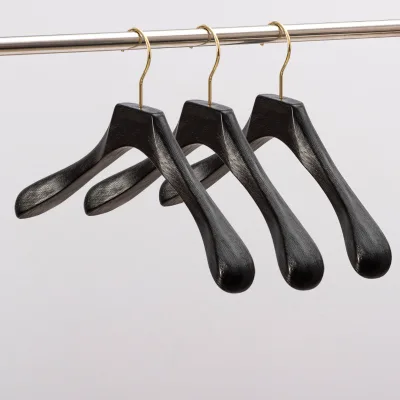
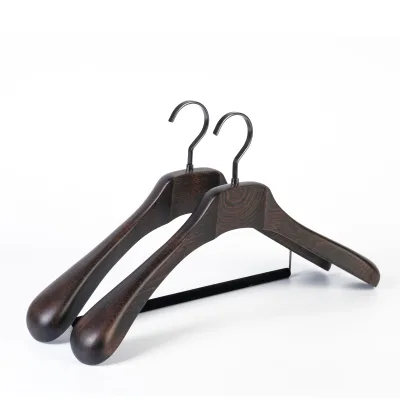
Solid Wood Thick Coat Hanger Wide Shoulder Suit Hanger Wooden Clothes Hanger
$0.72 - $1.68
MOQ: 10 pieces



- Trading Company
- Guangxi, China
- Lead time25 days
- Avg. response≤ 15h
Main productsWOODEN HANGERS,METAL HANGERS,VELVET HANGERS,WOODEN BROOM HANDLES,WOODEN STICKS
Main marketsWestern Europe(21.00%), Mid East(17.00%), Africa(15.00%), Central America(15.00%), Eastern Europe(7.00%), Southern Europe(7.00%), South America(7.00%), North America(5.00%), Domestic Market(4.00%)

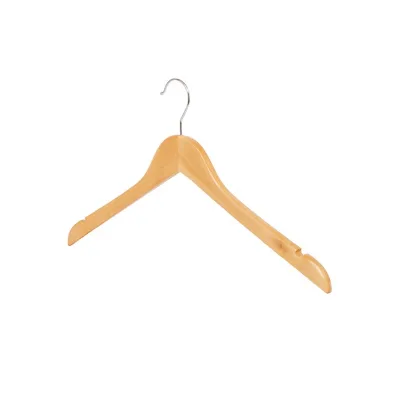
Custom Logo Wood Garment Hanger for Display High Quality Wooden Hanger for Coat
$0.18 - $0.30
MOQ: 1000 pieces


ASTRID DISPLAY & DECOR CO., LTD.
- Trading Company
- Taiwan, China
- Lead time30 days
- Avg. response≤ 6h
Main productsCosmetic Organizer,makeup organizer,Acrylic box,decor and fitting,cable systems
Main marketsWestern Europe(30.00%), Mid East(20.00%), North America(10.00%), Eastern Europe(10.00%), Southern Europe(10.00%), Northern Europe(10.00%), Oceania(5.00%), Africa(5.00%)
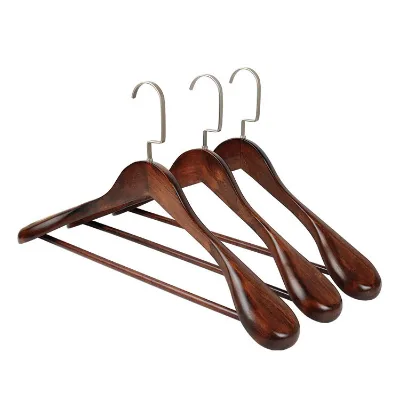
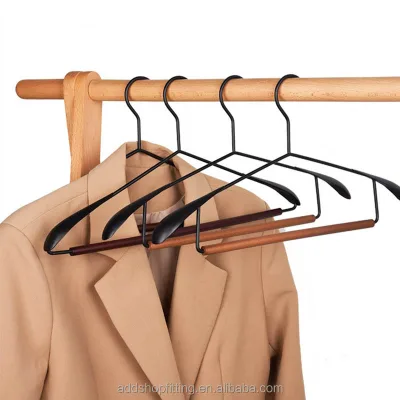
$0.5981 - $1.4121
MOQ: 200 Minimum
- Manufacturer, Trading Company
- Guangxi, China
- Lead time15 days
- Avg. response≤ 3h
Main productsWooden hanger,metal hanger,plastic hanger,velvet hangers,Storage organization
Main marketsNorth America(22.00%), Western Europe(18.00%), Southeast Asia(15.00%), South America(10.00%), Southern Europe(5.00%), Africa(5.00%), Eastern Asia(5.00%), Eastern Europe(4.00%), Northern Europe(3.00%), Mid East(3.00%), South Asia(3.00%), Oceania(3.00%), Central America(2.00%), Domestic Market(2.00%)
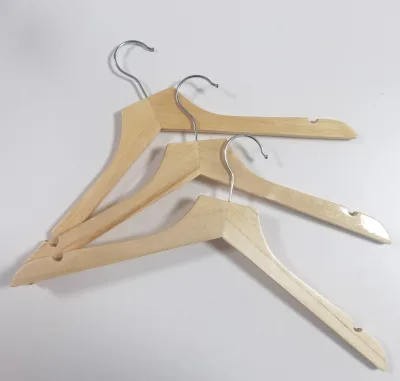
$0.3598 - $0.8215
MOQ: 1000 pieces
Lipu Dong Fang Wooden Articles Co., Ltd.
- Manufacturer
- Guangxi, China
- Lead time30 days
- Avg. response≤ 3h
Main productsWooden Hanger, metal hangers, velvet hanger, garment rack, shoe rack
Main marketsNorth America(25.00%), South America(25.00%), Western Europe(18.00%), Northern Europe(7.00%), Southern Europe(5.00%), Eastern Europe(5.00%), Oceania(3.00%), Mid East(3.00%), South Asia(2.00%), Eastern Asia(2.00%), Central America(2.00%), Africa(1.00%), Domestic Market(1.00%), Southeast Asia(1.00%)
$0.25 - $0.27
MOQ: 3000 pieces
- Manufacturer, Trading Company
- Shandong, China
- Lead time15 days
- Avg. response≤ 1h
Main productsWooden Craft,wooden box,Wooden Furniture,cat tree,wood decoration
Main marketsNorth America(40.00%), Southern Europe(10.00%), Northern Europe(10.00%), Mid East(10.00%), Western Europe(10.00%), Central America(5.00%), Southeast Asia(5.00%), Eastern Europe(5.00%), South America(5.00%)
- Trading Company
- Guangxi, China
- Lead time30 days
- Avg. response≤ 2h
Main productsWooden hanger,metal hanger,satin padded hanger,customized hanger
Main marketsNorth America(30.00%), Western Europe(17.00%), South America(12.00%), Southern Europe(12.00%), Mid East(8.00%), Northern Europe(6.00%), South Asia(5.00%), Africa(5.00%), Central America(5.00%)


Comprehensive Sourcing Guide
Slim Wooden Coat Hanger with Chrome Swivel Hook Supplier Concentration and Factory Types
The current supplier landscape for slim wooden coat hangers with chrome swivel hooks reveals a distinct concentration of manufacturing activity within China, specifically in the Guangxi region. This geographic clustering is significant because it indicates a mature industrial ecosystem where raw material sourcing, particularly for solid wood and plywood, is integrated with specialized finishing capabilities. Suppliers located in this area often benefit from established supply chains that reduce logistical friction for heavy or bulky items like wooden hangers. The presence of manufacturers in Guilin suggests that local forestry resources or proximity to timber processing hubs may influence production costs and material quality consistency. Buyers evaluating these suppliers should recognize that this regional concentration often correlates with a higher density of factories capable of handling both standard and custom orders efficiently. Understanding this geographic focus helps in assessing the reliability of supply chains, as regional clusters typically foster specialized knowledge in woodworking and metal hook attachment processes.
Supplier types in this category vary between pure manufacturers, trading companies, and combined entities that offer both production and sourcing services. Many suppliers identify as combined companies or trading firms that also operate factories, allowing them to offer broader product ranges including velvet, plastic, and metal hangers alongside wooden options. This hybrid model can provide buyers with flexibility, as a single supplier might manage multiple material types under one roof, simplifying vendor management for retailers needing diverse closet organization solutions. However, it is crucial to distinguish between pure factories and trading companies when evaluating direct cost advantages. Factories typically offer more control over production schedules and material specifications, while trading companies may provide better communication and consolidated shipping options. The verification status of these entities, such as BV certification, serves as a baseline indicator of operational legitimacy, though it does not guarantee the specific quality of the wooden hanger output. Buyers must carefully review the company type to align their procurement strategy with their need for direct factory access versus comprehensive sourcing support.
How to Verify Slim Wooden Coat Hanger with Chrome Swivel Hook Suppliers
Verification of suppliers requires a multi-layered approach that goes beyond basic platform badges to ensure the legitimacy and capability of the manufacturer. Buyers should prioritize suppliers with verified business licenses and third-party audit reports, such as BV certification, which confirm the existence of the physical factory and its operational scope. It is essential to cross-reference the supplier’s declared location, such as Guangxi or Guilin, with their actual factory address to prevent mismatches that often occur with trading companies posing as manufacturers. Additionally, checking for relevant system certifications like BSCI and ISO 9000 provides insight into the supplier’s commitment to social compliance and quality management systems. These certifications are particularly important for buyers in regulated markets who need to ensure their supply chain meets ethical and quality standards. The presence of these credentials suggests a structured approach to production, which is critical for maintaining consistency in product attributes like wood grain, finish durability, and hook strength.
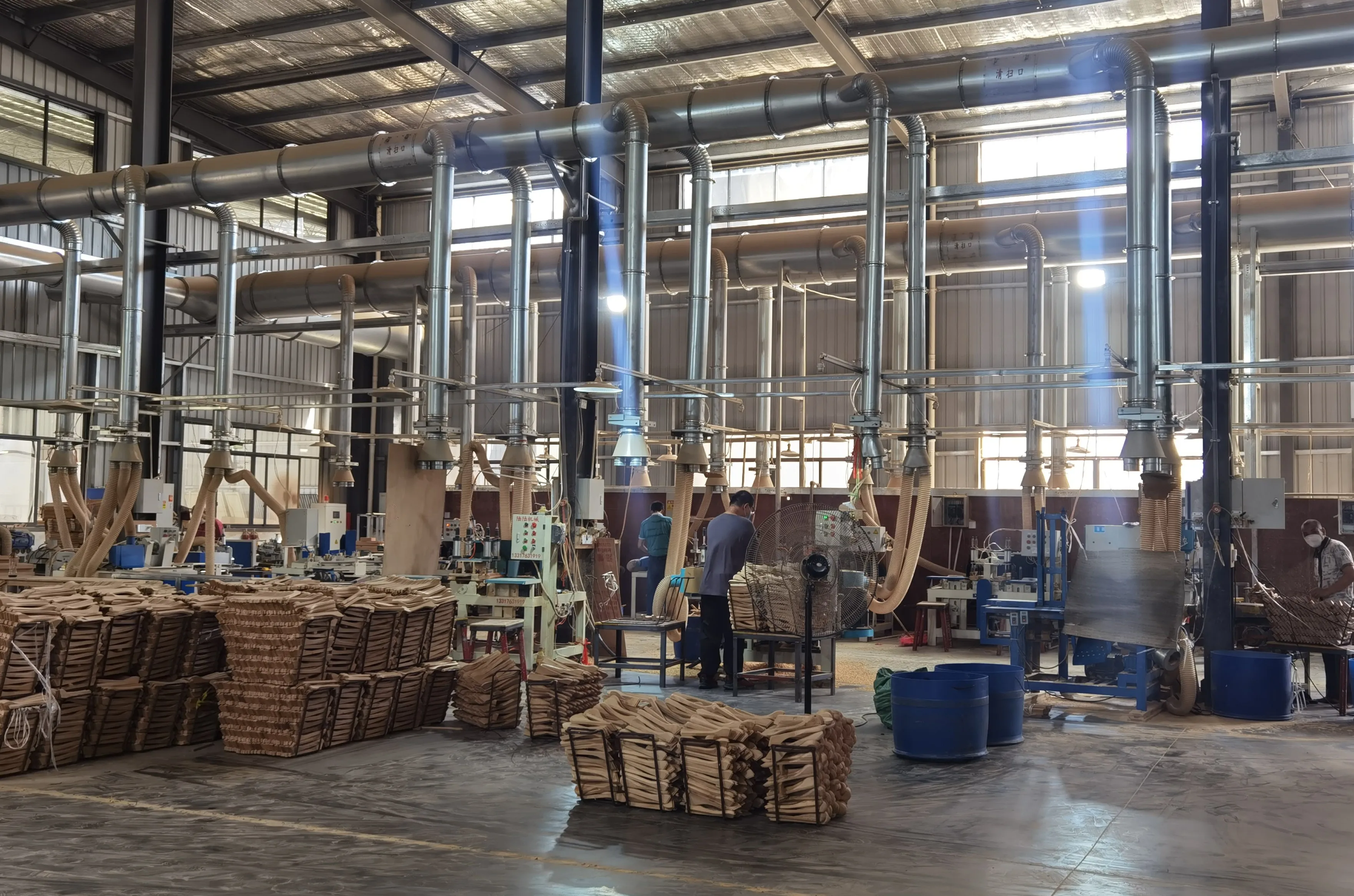
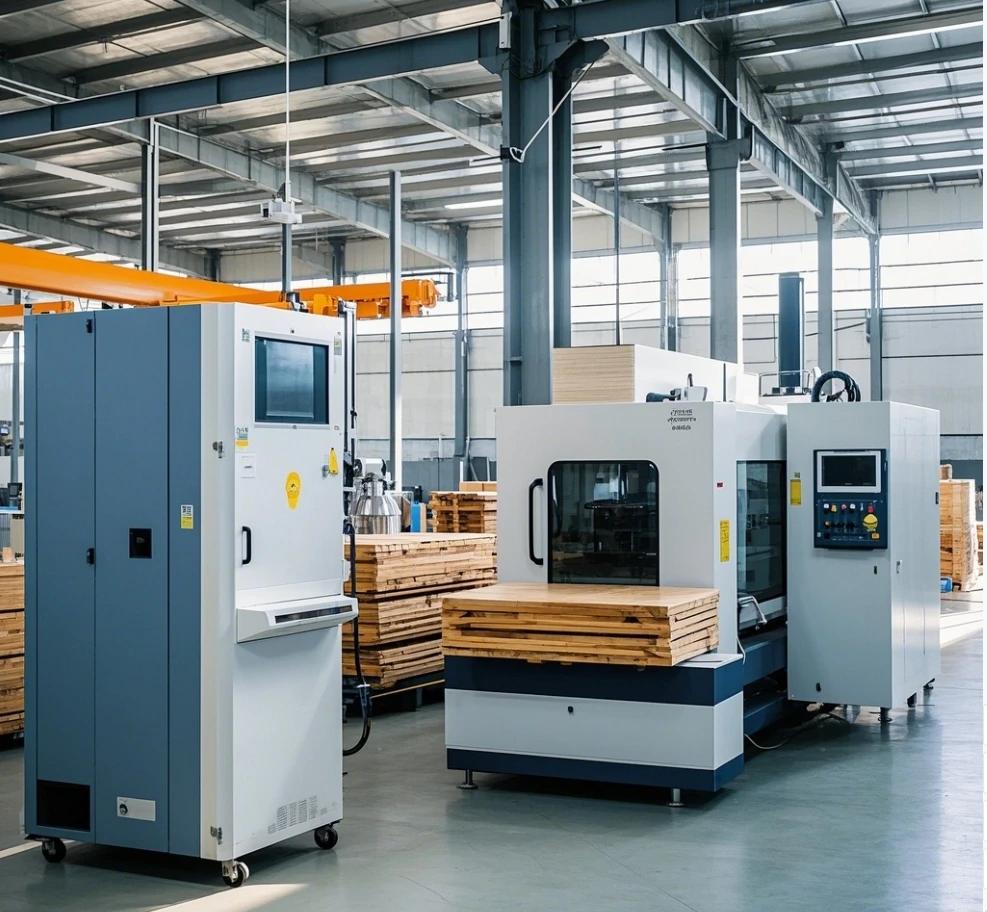
Beyond certifications, buyers must verify the supplier’s responsiveness and technical capability through direct engagement. A quick response time, such as under ten hours, often indicates a well-staffed sales team that can handle inquiries and customization requests efficiently. Buyers should request detailed product specifications, including material grades, hook plating thickness, and packaging methods, to assess the supplier’s attention to detail. For custom orders, verifying the supplier’s OEM and ODM capabilities is crucial; some suppliers may only offer standard products while others provide extensive customization options for logos, colors, and shapes. It is also advisable to ask for recent production samples or video tours of the factory floor to visually confirm the production process. This direct observation can reveal the quality of the woodworking machinery and the assembly line for attaching chrome swivel hooks. By combining documentary verification with active communication testing, buyers can build a more accurate profile of the supplier’s reliability and suitability for their specific sourcing needs.
What to Compare Across Slim Wooden Coat Hanger with Chrome Swivel Hook Suppliers
When evaluating multiple suppliers, buyers must compare key operational metrics such as lead times, minimum order quantities, and response speeds to determine the best fit for their inventory requirements. Lead times can vary significantly, with some suppliers offering thirty-day turnaround times for standard orders, while others may have longer schedules for customized designs. Understanding these timelines is vital for planning stock replenishment and avoiding stockouts, especially for seasonal retail peaks. Minimum order quantities also differ, ranging from one thousand units for certain wooden models to two thousand for velvet or specialized variants. Buyers should assess whether their order volume aligns with these MOQs to avoid excessive inventory costs or missed production opportunities. Additionally, comparing response times helps identify suppliers who are likely to provide better post-order support and quicker resolution of any issues that may arise during production or shipping.
Product attributes and pricing structures are another critical area for comparison. Buyers should examine the specific features of the slim wooden coat hangers, such as the type of wood used, the finish quality, and the durability of the chrome swivel hook. Some suppliers offer customizable colors and logos, which can be a significant advantage for branding purposes, while others may stick to standard natural or black finishes. Pricing should be analyzed in the context of these features, as higher prices may reflect superior materials or more complex customization options. It is also important to compare payment terms, such as T/T or L/C, and shipping methods, including sea, air, or express options, as these factors impact the total landed cost. By systematically comparing these dimensions, buyers can create a weighted scorecard that highlights the most competitive and suitable suppliers for their specific business model and quality expectations.
Common Slim Wooden Coat Hanger with Chrome Swivel Hook Sourcing Risks
One of the primary risks in sourcing wooden coat hangers is the inconsistency in material quality and finish durability. Wood is a natural material, and variations in grain, moisture content, and treatment can lead to defects such as cracking, warping, or uneven staining. Buyers must be vigilant about specifying clear quality standards in their contracts to mitigate these risks. Additionally, the chrome swivel hook, while aesthetically pleasing, can be prone to corrosion or mechanical failure if the plating quality is subpar. Suppliers may use different grades of metal or plating processes, which can significantly affect the hook’s longevity and load-bearing capacity. Without rigorous quality control measures, buyers may receive batches with high defect rates, leading to customer complaints and returns. It is essential to request detailed material specifications and conduct pre-shipment inspections to ensure that the hooks are securely attached and the wood is properly treated.
Another significant risk is the misalignment between supplier capabilities and buyer expectations regarding customization and lead times. Suppliers may overpromise on customization options or underestimate the time required for complex designs, leading to delays and additional costs. Trading companies, in particular, may add layers of communication that can obscure the actual production status, making it difficult for buyers to track progress. There is also the risk of intellectual property infringement if buyers provide proprietary designs to unverified suppliers. To mitigate these risks, buyers should establish clear communication protocols and require regular production updates. It is also advisable to use escrow services or secure payment terms to protect financial interests until the goods are received and inspected. By proactively identifying and addressing these potential pitfalls, buyers can safeguard their supply chain and ensure a smoother sourcing experience.
Slim Wooden Coat Hanger with Chrome Swivel Hook Regional Sourcing and Logistics
Sourcing from the Guangxi region in China offers distinct logistical advantages due to its proximity to major shipping ports and transportation networks. This geographic location facilitates efficient export operations, reducing transit times and costs for international buyers. However, buyers must carefully plan their logistics strategy to account for the bulkiness of wooden hangers, which can consume significant container space. Optimizing packaging designs, such as using flat or stackable configurations, can help maximize container utilization and reduce per-unit shipping costs. Suppliers often offer customizable packing options, including carton packaging, which can be tailored to meet specific logistical requirements. Understanding the supplier’s shipping capabilities, whether by sea, air, or express, is crucial for aligning delivery schedules with inventory needs. Buyers should also consider the impact of seasonal demand on shipping availability and rates, planning orders well in advance to secure favorable logistics terms.
In addition to transportation, buyers must navigate the complexities of import regulations and customs clearance in their destination markets. Wooden products are often subject to strict phytosanitary regulations to prevent the spread of pests and diseases. Suppliers should provide necessary documentation, such as fumigation certificates or FSC certification, to ensure compliance with international standards. Buyers should verify that their suppliers are familiar with these requirements and can provide the necessary paperwork promptly. Failure to comply with these regulations can result in customs delays, fines, or product seizures. By working with suppliers who have experience in exporting to their specific market, buyers can minimize these risks and ensure a smooth clearance process. Additionally, considering the environmental impact of wood sourcing and choosing suppliers with sustainable certifications can enhance brand reputation and meet growing consumer demand for eco-friendly products.
Slim Wooden Coat Hanger with Chrome Swivel Hook Commercial Terms and Order Planning
Effective order planning requires a thorough understanding of the commercial terms offered by suppliers, including payment structures, warranty policies, and after-sales support. Buyers should negotiate favorable payment terms, such as partial upfront payments with the balance due upon shipment, to balance cash flow with risk management. It is also important to clarify the supplier’s policy on defective goods and returns, ensuring that there is a clear mechanism for addressing quality issues. Some suppliers may offer sample delivery times of five to seven days, which can be useful for testing product quality before committing to large orders. Buyers should leverage these sample periods to conduct rigorous quality checks and provide feedback to the supplier. Establishing a strong relationship with the supplier through consistent communication and fair dealings can lead to better pricing and priority treatment for future orders.
Long-term order planning should also consider the supplier’s capacity for scaling production and handling peak demand periods. Suppliers with OEM and ODM capabilities can offer greater flexibility in adapting to changing market trends and customer preferences. Buyers should discuss their forecasted volume requirements with the supplier to ensure that production capacity is available when needed. Additionally, exploring opportunities for product diversification, such as adding velvet or metal hangers to the order, can help consolidate shipments and reduce administrative overhead. By maintaining a strategic approach to commercial terms and order planning, buyers can build a resilient supply chain that supports their business growth. Regularly reviewing supplier performance and adjusting sourcing strategies based on market conditions will help maintain competitiveness and profitability in the long run.
FAQs
What is the price range for slim wooden coat hangers?
Prices for slim wooden coat hangers range from 0.245 to 3.20 per unit depending on the specific model and customization options. The lowest cost items are basic green or white designs, while luxury versions with swivel hooks cost more. Buyers should check the exact model number to confirm the current price before ordering.
What are the minimum order quantities for wooden hangers?
Minimum order quantities vary by product type, typically starting at 1000 units for standard wooden hangers. Some velvet or specialized models require a higher minimum of 2000 units. Buyers must verify the specific MOQ for their chosen model number before finalizing the purchase agreement with the supplier.
How long does it take to receive these hangers?
Standard lead times for production and delivery are approximately 30 days from order confirmation. Sample delivery times are shorter, usually taking between 5 to 7 days for prototype approval. Buyers should confirm the exact timeline with the supplier based on their specific order volume and shipping method requirements.
Can I customize the logo and color of the hangers?
Yes, customization is available for both logo and color on most wooden hanger models. Buyers can request specific colors like pink, purple, or green, and have their logo printed on the product. The shape can also be selected as flat or curved to meet specific display needs.
What certifications do the suppliers hold for these products?
Suppliers offering these hangers hold BSCI and ISO 9000 system certifications to ensure quality and ethical standards. Some products also meet SGS and FSC standards for material safety and sustainability. Buyers should verify the specific certification documents for the model they intend to purchase.
Where are these wooden hangers manufactured?
These hangers are manufactured in Guilin, Guangxi, China. The production origin is consistently listed as Guilin for various wooden and velvet hanger models. Buyers can expect the shipping origin to be from this specific region in China when arranging logistics.
What payment terms are accepted for these orders?
Accepted payment terms include T/T and L/C for most transactions involving wooden hangers. Buyers should confirm the specific payment schedule and terms with the supplier before making any deposits. These terms ensure secure transactions for both parties during the manufacturing and shipping process.