Slip Resistant High Heel Pumps Suppliers and Manufacturers
Compare 25 verified suppliers offering Slip Resistant High Heel Pumps with varying lead times, MOQs, and response speeds. Review product specs like heel height and materials before contacting factories in China Sichuan or Taiwan for custom orders; review the available evidence before requesting comparable quotations from suitable candidates.
Updated
Suppliers List

Sichuan Jinyou Shoes Co., Ltd.
- Verified by CTI
- Combined
- China Sichuan
- Lead time60 days
- Avg. response≤ 5h
Main productsHeels, Boots, Sandals, Flats
Main marketsAfrica,Others(foreignTradeCapacity.exportBusinessCapacityMarketOther),Europe,Australia,North America
- Trading Company
- Taiwan, China
- Lead time90 days
- Avg. response≤ 6h
Main productshigh heels,loafers,wedding shoes,sandals,boots
Main marketsNorth America(50.00%), Southeast Asia(10.00%), Eastern Asia(10.00%), Western Europe(10.00%), Northern Europe(10.00%), Southern Europe(10.00%)
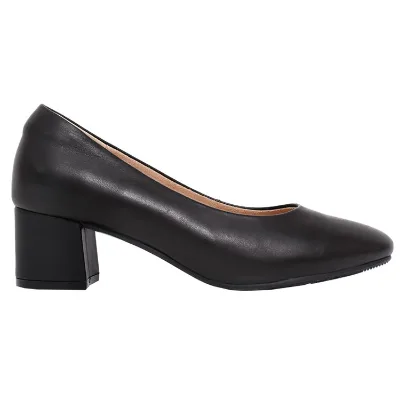
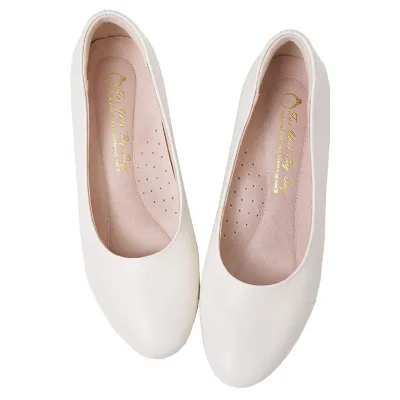
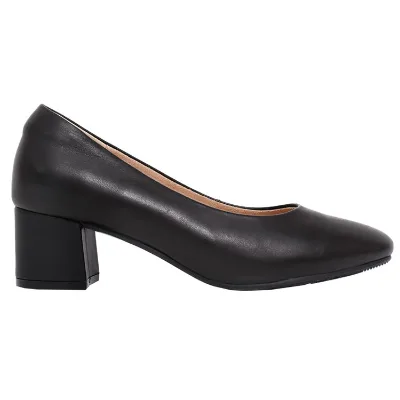
Genuine Sheepskin Low Heel Pumps with Round Toe 5cm Slip-On Formal Style Closur
$46.00 - $66.00
MOQ: 2 pairs
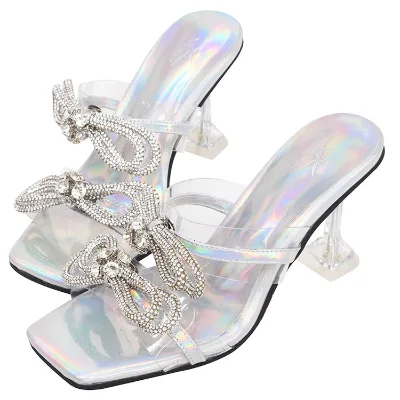
Silver High Heels for Summer Party
$46.00 - $66.00

Chengdu Amaron Footwear Co., Ltd.
- Trading Company
- Sichuan, China
- Lead time30 days
- Avg. response≤ 6h
Main productsShoes,Boots,Flats,Sandals,Pumps
Main marketsNorth America(20.00%), Mid East(15.00%), Western Europe(10.00%), South America(10.00%), Eastern Europe(10.00%), Northern Europe(8.00%), Africa(5.00%), Southern Europe(5.00%), Central America(5.00%), South Asia(3.00%), Eastern Asia(3.00%), Oceania(3.00%), Southeast Asia(3.00%)
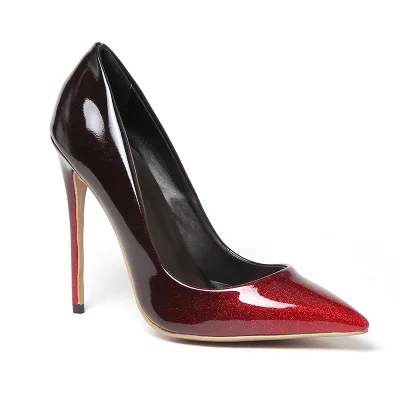
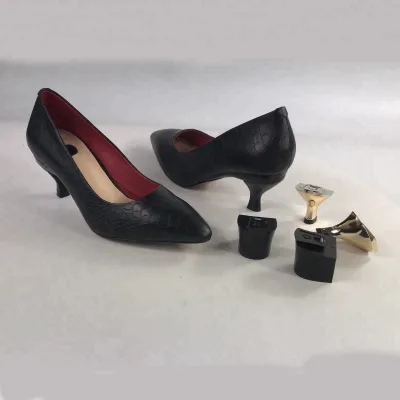
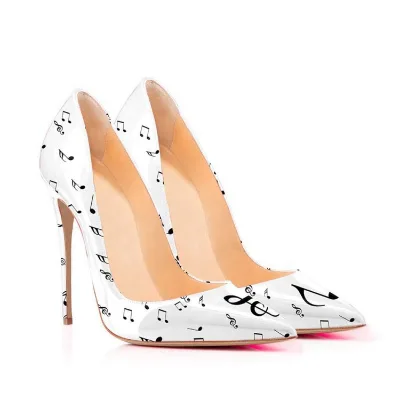
Hot Selling 3D Printing Office Pump Shoes Music Pattern Pointed Toe Women Shoes Pumps
$16.00 - $31.20
MOQ: 50 pairs
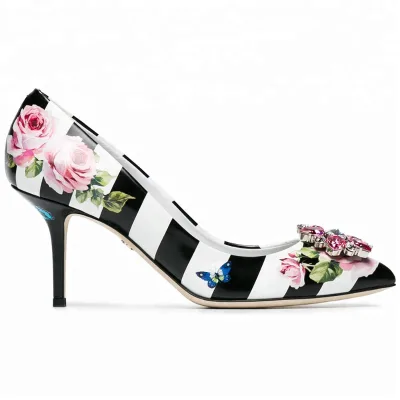
New Design Print White and Black Line PU Upper Colorful Diamonds Pointed Toe High Heels Ladies Pumps
$21.50 - $45.00
MOQ: 50 pairs
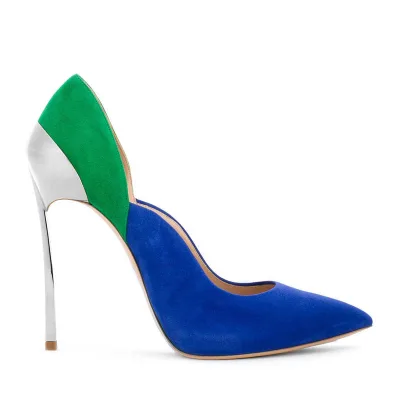
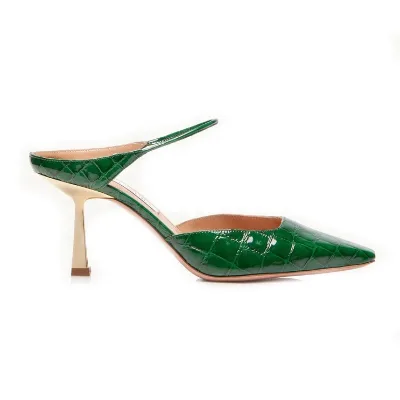
New Arrivals Custom Made Shiny Stone Press PU Pump Shoe Metal Gold Heel Ladies Pump Shoe
$17.50 - $25.00
MOQ: 50 pairs
Guangzhou Yamengsi Trading Co., Ltd.
- Trading Company
- Guangdong, China
- Lead time0 days
- Avg. response≤ 5h
Main productsshoes,women shoes,women pump,women heel shoes,women heel sandal
Main marketsSoutheast Asia(20.00%), Eastern Europe(20.00%), South America(20.00%), North America(20.00%)
Sichuan Aimaylen Technology Co., Ltd.
- Trading Company
- Sichuan, China
- Lead time7 days
- Avg. response≤ 4h
Main productsWomen shoes,customize shoes,genuine leather shoes,pu shoes,heels
Main marketsWestern Europe(30.00%), North America(30.00%), Mid East(10.00%), Eastern Europe(10.00%), Southern Europe(5.00%), Northern Europe(5.00%), South America(5.00%), Oceania(5.00%)
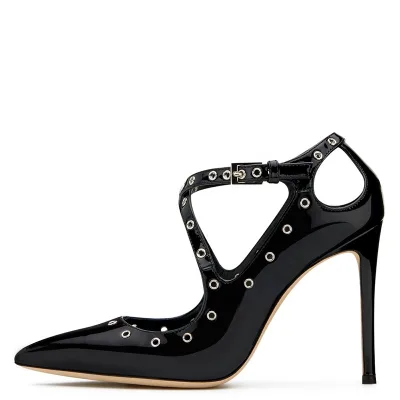
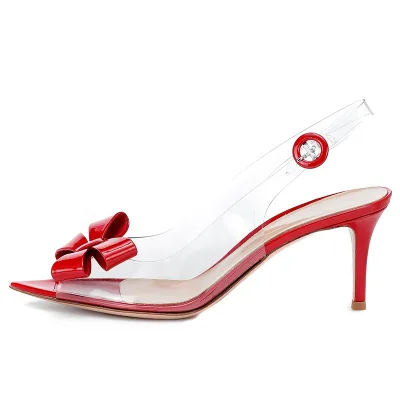
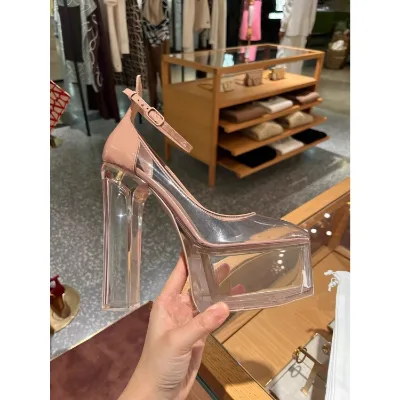
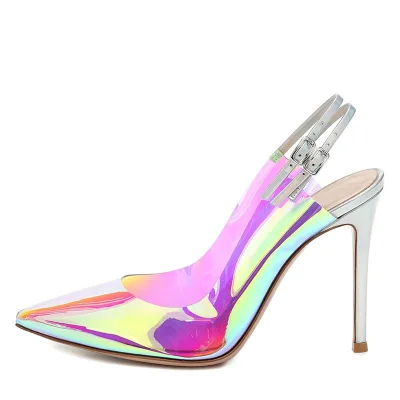
New Fashion Crystal Transparent Heels Buckle Strap Square High Heels Large Size Pumps Shoes Woman
$20.99 - $35.75
MOQ: 2 pairs
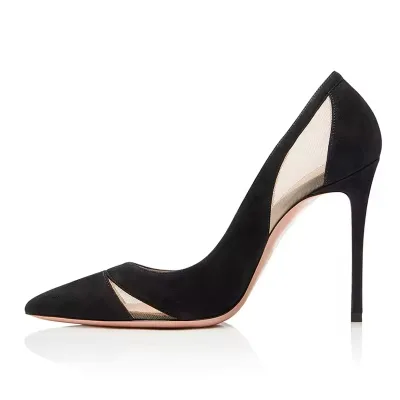
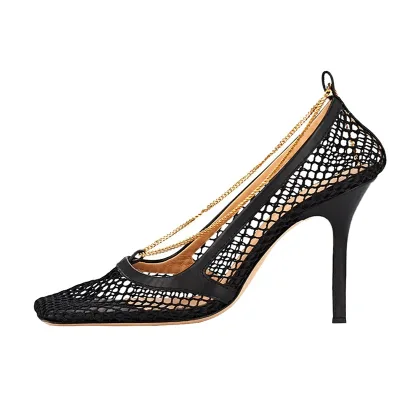
Stylish Woman High Heel Pumps Fishnet Square Toe High Heels
$18.00 - $28.00
Wenzhou Zhaoyang Trade Co., Ltd.
- Trading Company
- Zhejiang, China
- Lead time45 days
- Avg. response≤ 12h
Main productsSandals, Ankle Boot, Canvas Fashion Shoes
Main marketsWestern Europe(50.00%), South America(40.00%), Africa(10.00%)

Zhangzhou Xiangcheng Danxing Trading Co., Ltd
- Verified by SGS
- Trading Company
- China Fujian
- Lead time15 days
- Avg. response≤ 18h
Main productsDress Shoes, Sports Shoes, Heel Shoes, Kids Shoes, Outdoor Shoes, Basketball Shoes, Trainers, Casual Shoes, Clothes, Bags
Main marketsSouth America,Africa,Southeast Asia/ Mideast,East Asia(Japan/ South Korea),Europe,Australia,North America


$19.50 - $25.20
MOQ: 1 Pairs

$21.00 - $25.00
MOQ: 1 Pairs
Yiwu Zhongbu International Trade Co., Ltd.
- Verified by SGS Group
- Manufacturer, Trading Company
- Zhejiang, China
- Lead time30 days
- Avg. response≤ 3h
Main productsProfessional Chef Shoes / Clogs, Medical Nursing Shoes / Surgical Clogs, Industrial Safety Clogs with Composite Toe, ESD Anti-Static Work Footwear , Functional Leisure Footwear
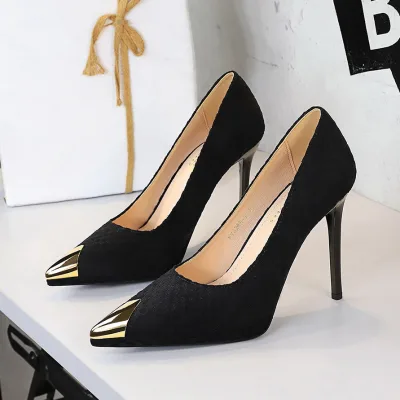
$9.4722 - $11.8406
MOQ: 1 units
$12.8254 - $15.9044
MOQ: 1 units
Chengdu Aishang Lili Trading Co., Ltd.
- Trading Company
- Sichuan, China
- Lead time10 days
- Avg. response≤ 5h
Main productsWomen's Shoes
Main marketsNorth America(70.00%), Africa(10.00%), Oceania(5.00%), Southern Europe(3.00%), Northern Europe(2.00%), Eastern Europe(2.00%), Western Europe(2.00%), South Asia(1.00%), Southeast Asia(1.00%), Mid East(1.00%), Central America(1.00%), South America(1.00%), Eastern Asia(1.00%)
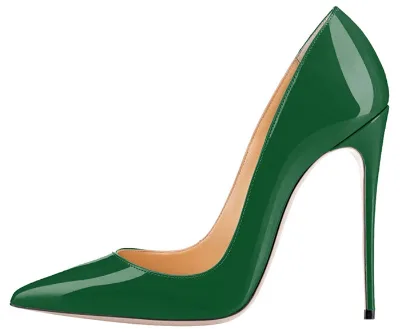
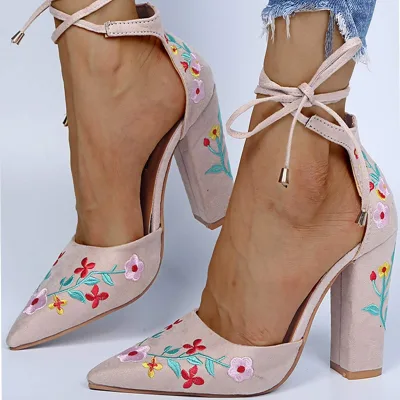
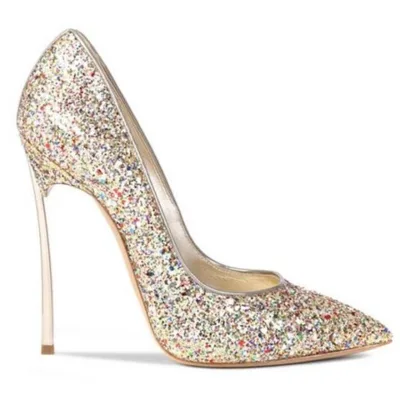
China Cheap Sexy Lady Sonia Leather Pumps High Heels Shinny Bridal Pumps Wholesale Pumps
$17.00 - $23.00
MOQ: 10
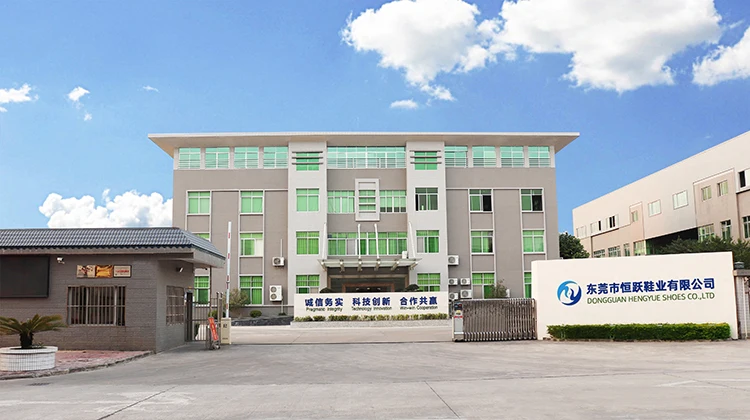
Dongguan Hengyue Shoes Co., Ltd.
- Manufacturer, Trading Company
- Guangdong, China
- Lead time40 days
- Avg. response≤ 5h
Main productsWomen Sandal,Women Pumps,Women Loafer,Women Boots,Children Shoes
Main marketsNorth America(40.00%), Oceania(20.00%), Eastern Asia(10.00%), South Asia(10.00%), Mid East(10.00%), Northern Europe(5.00%), Africa(5.00%)
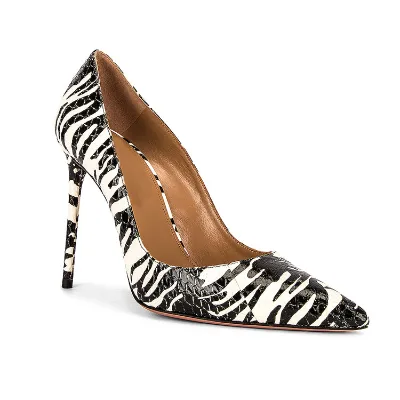
Custom Size Women Shoes Classic Fashion Animal Print Pointy Toe High Heel Dress Pumps Shoes
$18.00 - $20.00
MOQ: 300
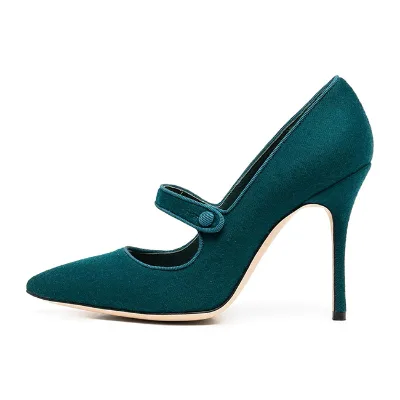
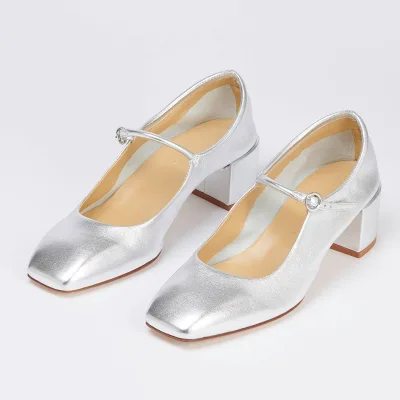
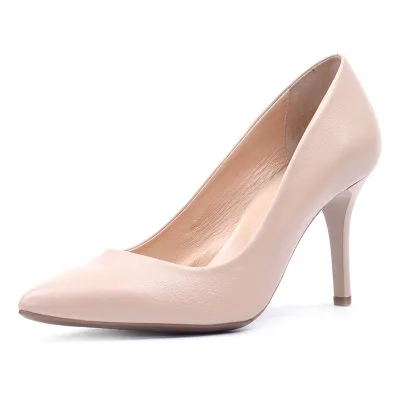
Classic Fashion Pointed Toe Thin Heel Lady Pumps Shoes Women Elegant Work Office Shoes
$20.00 - $22.00
MOQ: 300
Guangdong Mingda Shoes Co., Ltd.
- Verified by Intertek
- Manufacturer, Trading Company
- Lead time40 days
- Avg. response≤ 3h
Main productsLeisure Shoes, Sandal, Women's Shoes, Sports Shoes, Boots
Main marketsEastern Asia(65%), Northern Europe(15%), Domestic Market(10%)
Chengdu Wen Zhong Xiang Hao International Trade Co.,ltd
- Trading Company
- Sichuan, China
- Lead time30 days
- Avg. response≤ 3h
Main productsshoes,bags,clothes
Main marketsNorth America(30.00%), Southern Europe(20.00%), Western Europe(20.00%), Eastern Europe(20.00%), Domestic Market(1.00%), Southeast Asia(1.00%), South Asia(1.00%), Northern Europe(1.00%), Central America(1.00%), Eastern Asia(1.00%), Mid East(1.00%), South America(1.00%), Oceania(1.00%), Africa(1.00%)
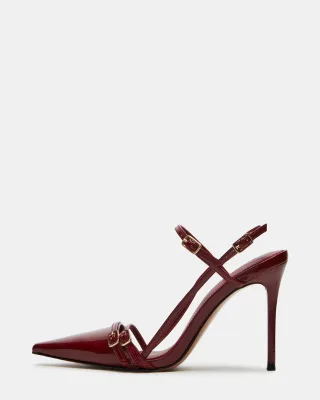
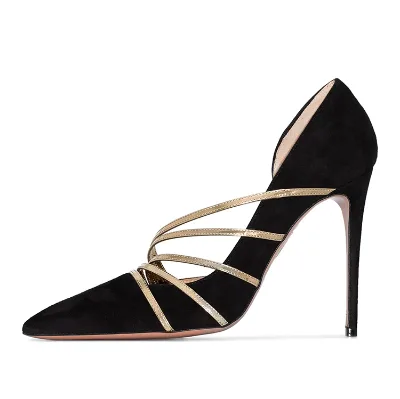
$9.99 - $19.99
MOQ: 30 pairs
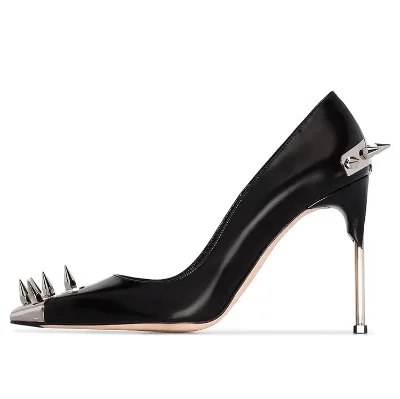

Shoes Women Heels Woman Heels Pumps for Women
$9.99 - $19.99
- Trading Company
- Sichuan, China
- Lead time20 days
- Avg. response≤ 2h
Main productsBoots,Casual Shoes,Sports Shoes,Baby Shoes,Sandals
Main marketsNorth America(45.00%), Western Europe(20.00%), Mid East(15.00%), Southeast Asia(10.00%), Eastern Europe(5.00%), Africa(5.00%)
Chengdu Meijiali Shoes Co, Ltd.
- Trading Company
- Sichuan, China
- Lead time20 days
- Avg. response≤ 10h
Main productsShoes,Clothes,Bags
Main marketsWestern Europe(45.00%), North America(30.00%), Oceania(10.00%), Africa(7.00%), Southern Europe(2.00%), Eastern Asia(2.00%), Mid East(2.00%), South America(1.00%), Northern Europe(1.00%)

- Manufacturer, Trading Company
- Zhejiang, China
- Lead time15 days
- Avg. response≤ 2h
Main productsshoes,Kids shoes,slippers
Main marketsEastern Europe(30.00%), Domestic Market(15.00%), North America(10.00%), Southeast Asia(5.00%), South Asia(5.00%), Southern Europe(5.00%), Northern Europe(5.00%), Western Europe(5.00%), Eastern Asia(5.00%), Mid East(5.00%)
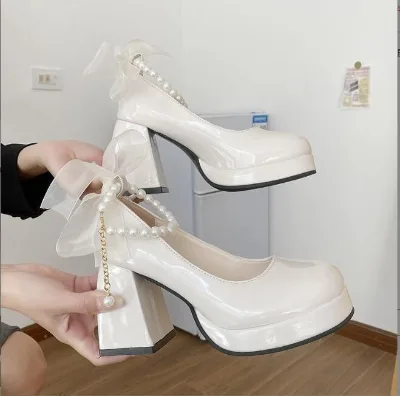
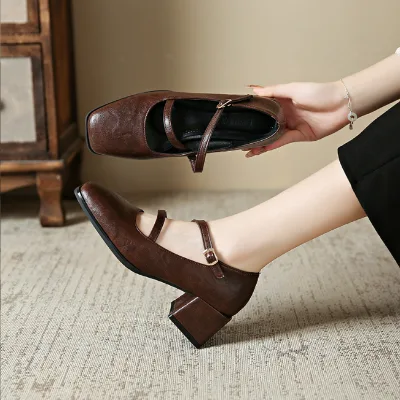
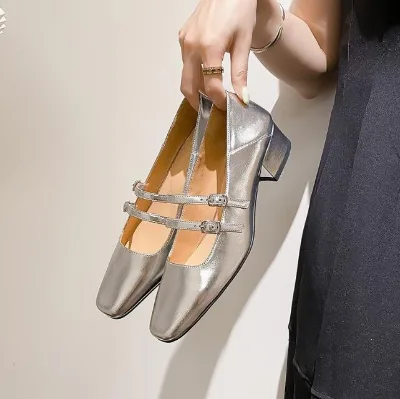
Soft Leather Square Toe Thick High Heels Modern Shoes Pumps Party Buckle Strap Maiden Brand Pumps
$1.6159 - $6.7725
MOQ: 2 pieces
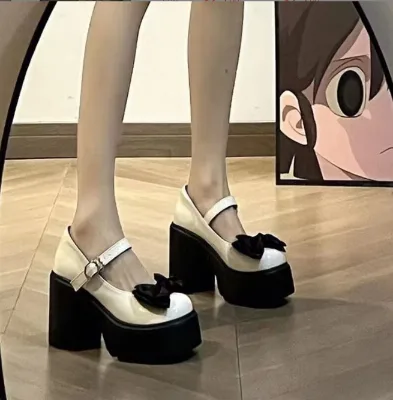
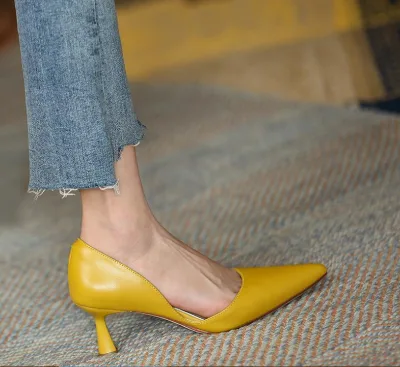
Fashion Women Pumps Simple Solid Color Shoes Side Hollow Out High Heel Pumps Ladies Working Sandals
$1.55 - $7.50
MOQ: 2 pieces
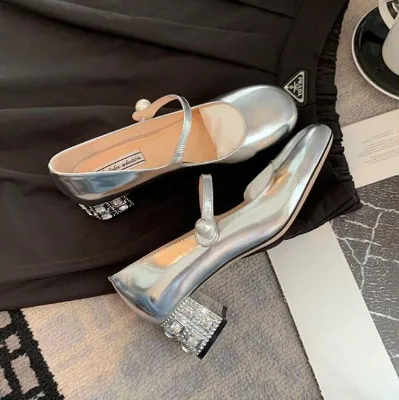
Elegant Summer Girl's Shoes Square Toe Crystal Chunky Diamond Mid Heels Versatile Women Pumps
$1.45 - $6.85
MOQ: 2 pieces
Sichuan Aedra Technology Co., Ltd.
- Trading Company
- Sichuan, China
- Lead time10 days
- Avg. response≤ 2h
Main productsWomen Boots, Women Pumps, Women Sandals
Main marketsNorth America(26.00%), South America(22.00%), Africa(18.00%), Eastern Europe(10.00%), Southeast Asia(8.00%), Western Europe(5.00%), Mid East(5.00%), Northern Europe(4.00%), Oceania(2.00%)
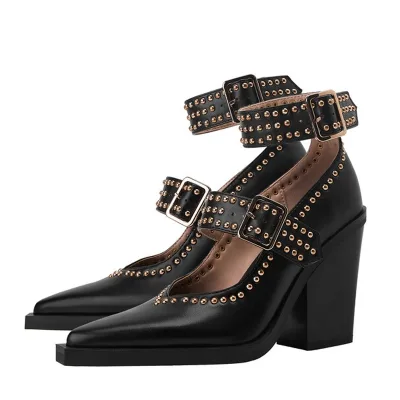
$29.9815 - $36.6116
MOQ: 1 pairs
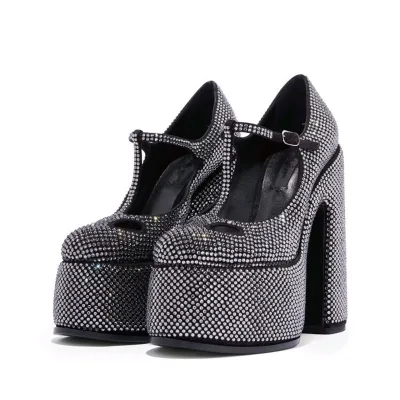
$30.94 - $40.34
MOQ: 1 pairs
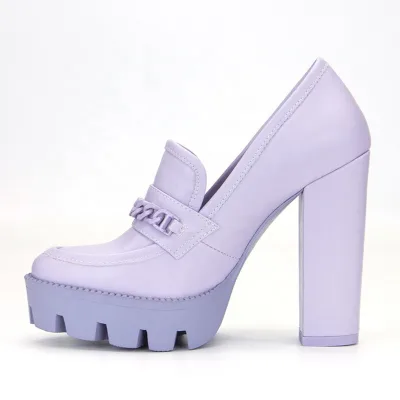

Shenzhen Fashion Industrial Co., Ltd.
- Trading Company,Manufacturer/Factory
- China Guangdong
- Lead time38 days
- Avg. response≤ 5h
Main productsShoes, Sneaker Shoes, Sports Shoes, Women Shoe, Casual Shoes, Ladies Shoes, Fashion Shoes, Slippers, Sandals, Boots
Main marketsSouth America,Eastern Europe,Mid East,North America,Southeast Asia,Eastern Asia,Oceania,Western Europe,Africa

Women Heel Dress Shoes Ladies Shoes High Heel Pumps Shoes for Formal Occasion
$9.69 - $10.18
MOQ: 150 Pairs

Women Heel Dress Shoes Ladies Shoes High Heel Pumps Shoes for Party or Official
$10.50 - $11.03
MOQ: 150 Pairs


Wholesale China Manufacturers Custom Women Shoes Pumps High Heel for Party or Official
$10.18 - $10.69
MOQ: 150 Pairs

Wholesale China Manufacturers Custom Women Dress Shoes Pumps High Heel for Party or Wedding
$10.18 - $10.69
MOQ: 150 Pairs

$9.69 - $10.18
MOQ: 150 Pairs

Guangzhou Baibini Import And Export Trade Co., Ltd.
- Trading Company
- Guangdong, China
- Lead time25 days
- Avg. response≤ 4h
Main productslady shoes,lady slippers,lady heels,lady boots,lady sports
Main marketsMid East(100.00%)
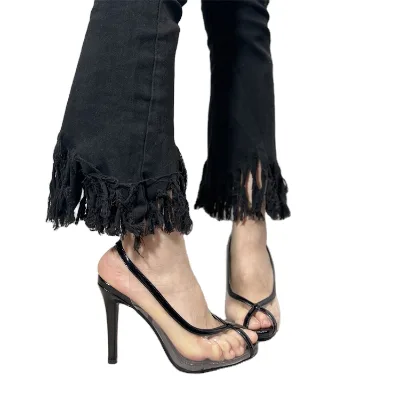
Heeled Female Shoes Luxury Pumpsed Pumps Women Shoes Thin Heels High Heel for Ladies
$10.20 - $13.05
MOQ: 36
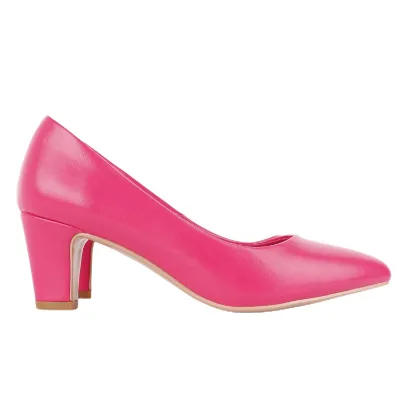
Low Heel Pumps Woman Professional Dress Heels for Office Lady Fashionable Mid Heel Shoes
$13.97 - $18.73
MOQ: 36

Chengdu Jofit Commerce Co., Ltd.
- Trading Company
- Sichuan, China
- Lead time5 days
- Avg. response≤ 4h
Main productswomen shoes,kids shoes,clothes,watches,sneakers
Main marketsNorth America(25.00%), Eastern Europe(20.00%), Africa(10.00%), South America(10.00%), Northern Europe(8.00%), Southeast Asia(5.00%), Central America(4.00%), Mid East(4.00%), Southern Europe(3.00%), Oceania(3.00%), Eastern Asia(3.00%), Western Europe(3.00%), Domestic Market(1.00%), South Asia(1.00%)
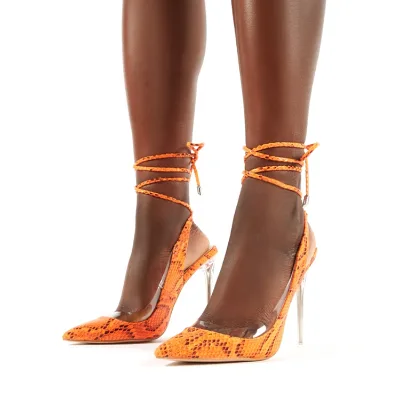
Jf031 Orange Snake Print Clear Heel Pumps Womens High Heels
$14.84 - $20.64
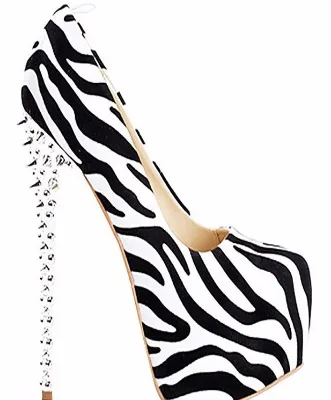
HMP69 super rivets high heel platform round toe pumps dress shoes party pumps for women and ladies
$13.97 - $22.86
MOQ: 2 pairs
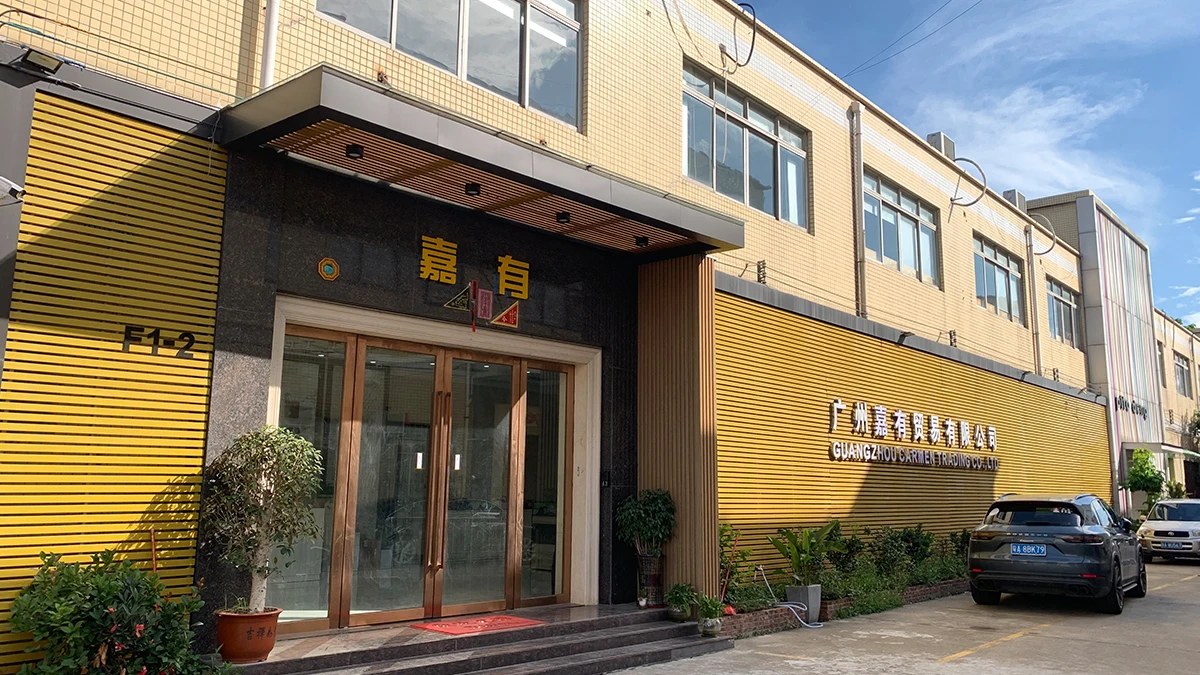
Guangzhou Carmen Trading Company Limited
- Manufacturer, Trading Company
- Guangdong, China
- Lead time30 days
- Avg. response≤ 10h
Main productsFocus on lady shoes / kid shoes / casual shoes more than 15 Years,kids shoes
Main marketsSouth America(20.00%), North America(20.00%), South Asia(10.00%), Central America(10.00%), Mid East(10.00%), Southeast Asia(10.00%), Eastern Europe(10.00%)
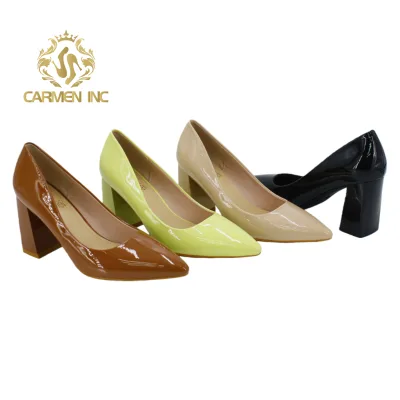
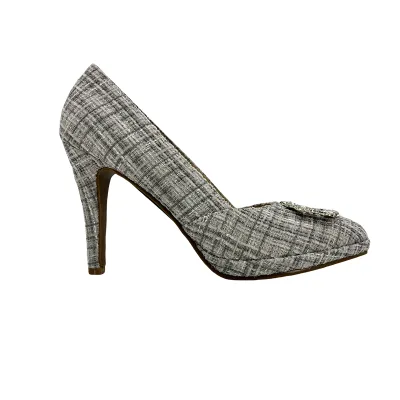
Ca400-5 Women's High Heel Pumps Fashioned Thin Heels High Heels Pump for Lady Shoes
$7.50 - $8.50
MOQ: 200 pairs
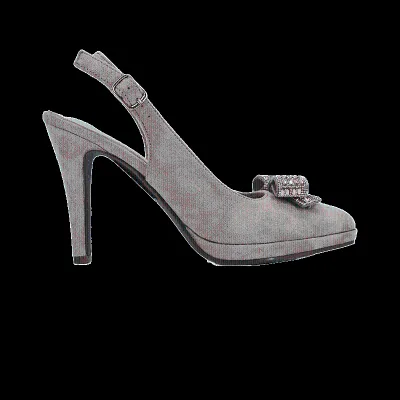
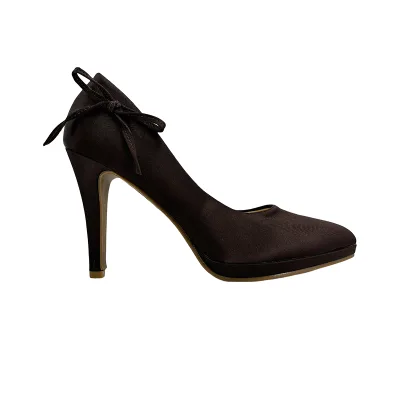
Ca400-1 10CM High Heel Pumps Black Pumps Hot Sale Party Ladies Shoes Platform Heel Shoes
$7.00 - $8.20
MOQ: 200 pairs
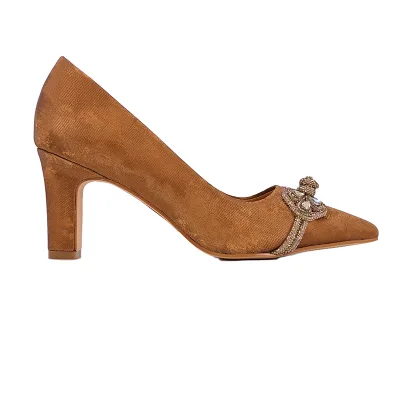
6733-1 Women's Fine Pumps Square Heels Sandal for Women and Ladies Fashion High Heel Pump
$8.00 - $9.80
MOQ: 200 pairs
Dongguan Ai Mei Cheng Shoes Co., Ltd.
- Manufacturer
- Guangdong, China
- Lead time60 days
- Avg. response≤ 5h
Main productsWomen Shoes, Men Shoes, Baby Shoes, Boot
Main marketsNorth America(57.00%), Domestic Market(10.00%), Southeast Asia(10.00%), Western Europe(5.00%), Southern Europe(5.00%), Northern Europe(5.00%), Eastern Europe(5.00%), Oceania(2.00%), Eastern Asia(1.00%)
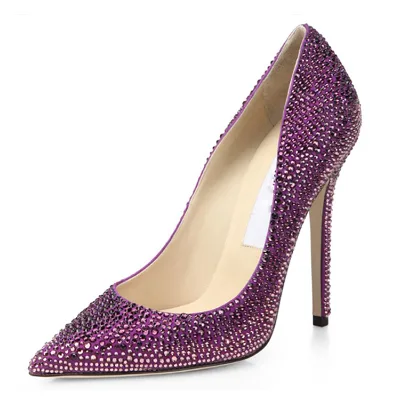
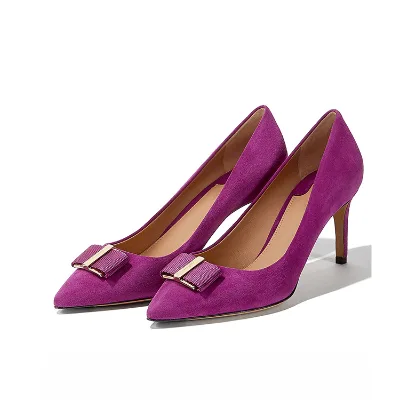
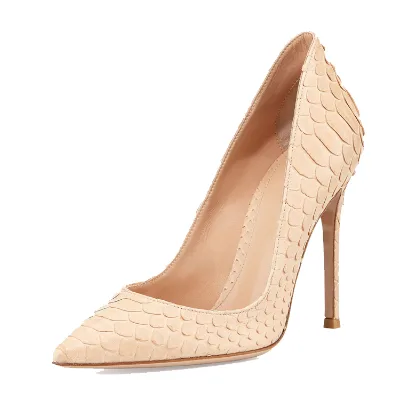
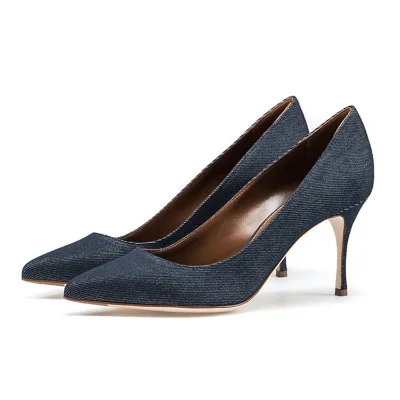
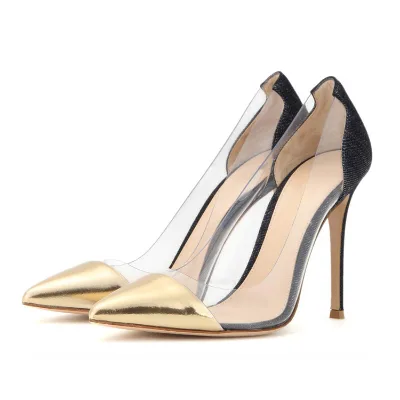
High Quality Thin High Heels Factory Customized Suede Canvas Metal Upper Transparent Women's Pumps
$16.90 - $22.90
MOQ: 500 pairs
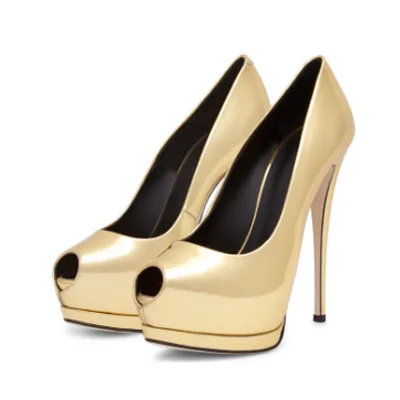
2021 New Arrivals Fashion Sexy Peep Toe Gold Leather Platform 14cm Thin High Heels Women Pumps Shoes
$16.90 - $23.90
MOQ: 500 pairs

Guangzhou Shengchengman Trading Co., Ltd.
- Verified by CTI
- Trading Company,Manufacturer/Factory
- China Guangdong
- Lead time45 days
- Avg. response≤ 3h
Main productsWomen Shoe, High Heels, Sandals, Slippers, Flat Shoes, Boots, Sports Shoes, Baby Shoes, Party Shoes, Brand Shoes
Main marketsSouth America,Mid East,North America,Western Europe,Africa


Wholesales Customized New Design Women Pumps Ladies Single Shoes High Quality
$6.03 - $6.64
MOQ: 120 Pairs


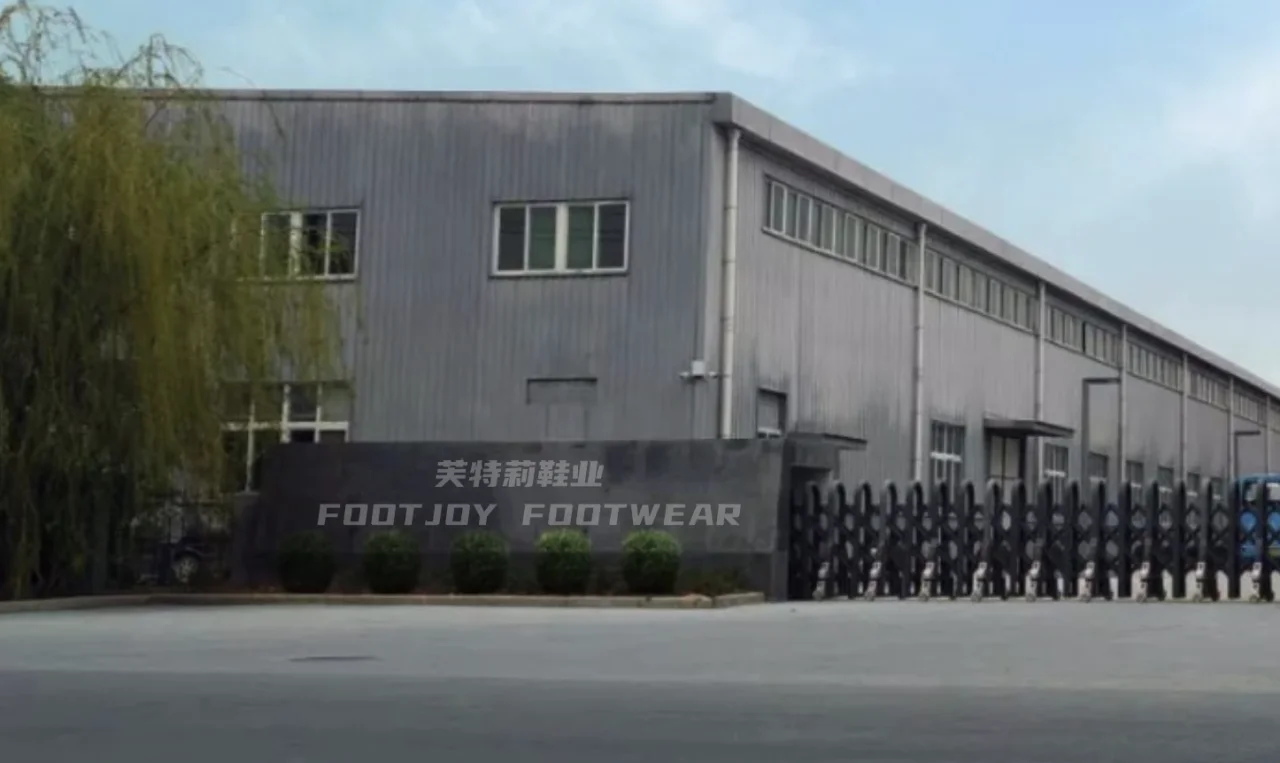
Jinjiang Longhu Futeli Footwear Firm
- Trading Company
- Fujian, China
- Lead time15 days
- Avg. response≤ 5h
Main productsSports Shoes,Fashion Sneakers,Lady Heels,Dress Shoes,Slippers
Main marketsAfrica(20.00%), Western Europe(20.00%), North America(20.00%), Southeast Asia(10.00%), Mid East(10.00%), Oceania(10.00%), Southern Europe(5.00%), Northern Europe(5.00%)

Guangzhou Weirui Shoes Co., Ltd.
- Verified by TUVRHEINLAND
- Manufacturer
- China Guangdong
- Lead time15 days
- Avg. response≤ 3h
Main products100% High Quality Genuine Leather Shoes, Genuine Leather Women's Shoes, Genuine Leather Men's Shoes, OEM ODM High End Genuine Leather Shoes, Custom Wholesale Dropshipping Genuine Leather Sh

$31.00 - $33.00
MOQ: 2 Pairs

OEM ODM Soft Leather Office Attendant Hotel Heels for Women Dress Pump in Black Block Heel Pumps
$32.00 - $34.00
MOQ: 2 Pairs


Cangnan Hongtu Trading Co., Ltd.
- Verified by CTI
- Trading Company,Manufacturer/Factory
- China Zhejiang
- Lead time45 days
- Avg. response≤ 5h
Main productsMen Shoe, Women Shoes, Children Shoes, School Shoes
Main marketsSouth America,Eastern Europe,Mid East,North America,Southeast Asia,Eastern Asia,Oceania,Western Europe,Africa

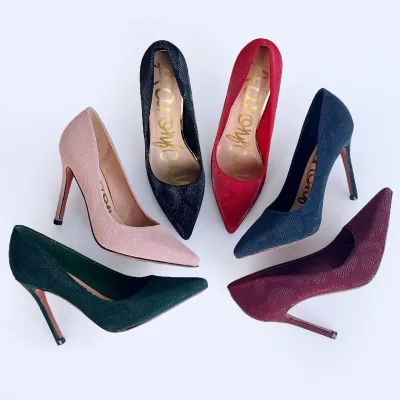
Bridal White Strap High Heels Ladies Block Heel Platform Shoes Wedding Pointed Toe Heel Pumps
Negotiable
MOQ: 300 Pairs


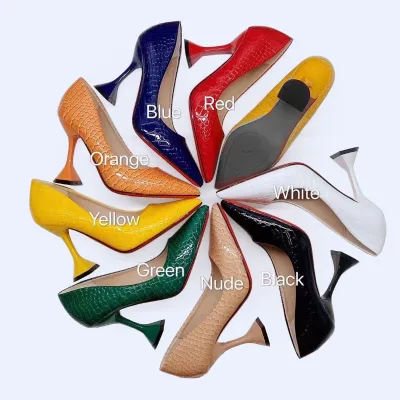
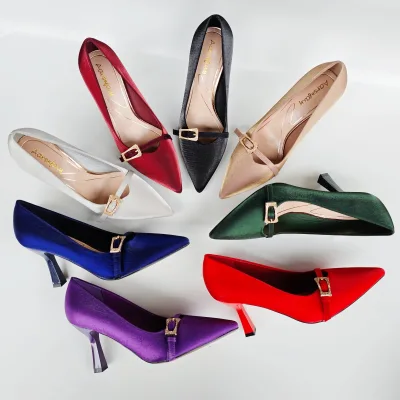
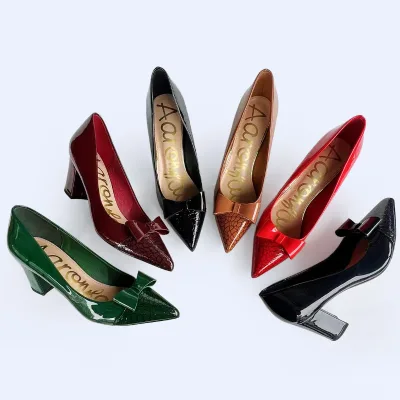
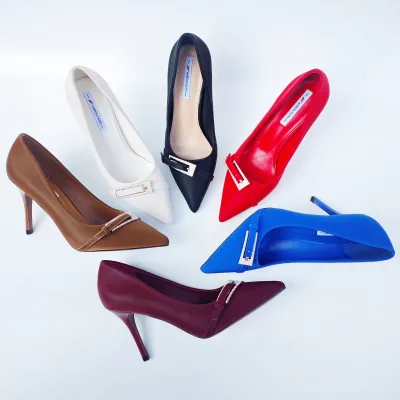
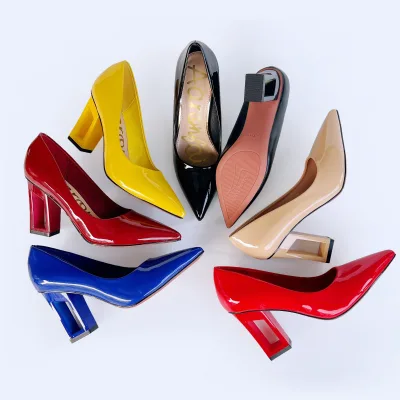
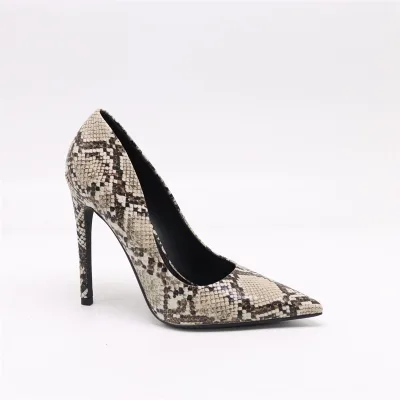
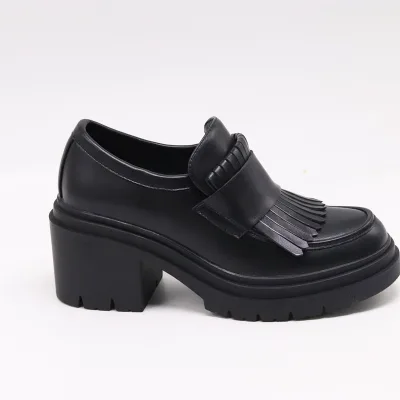
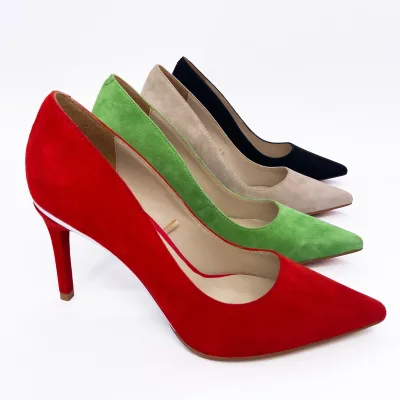
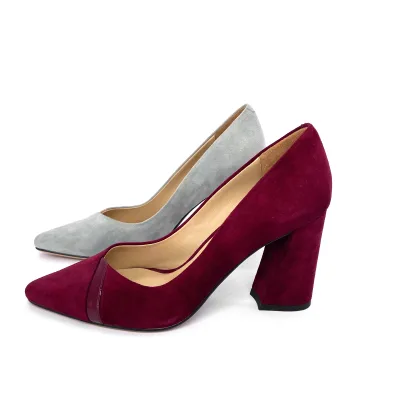
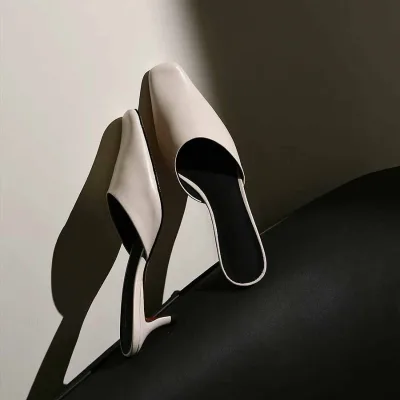
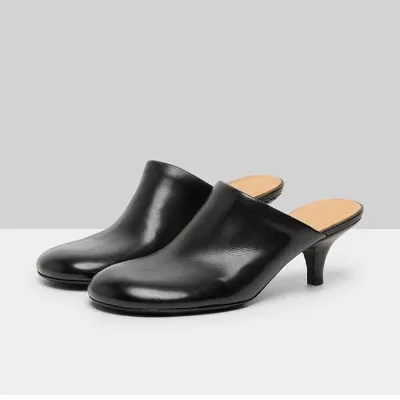
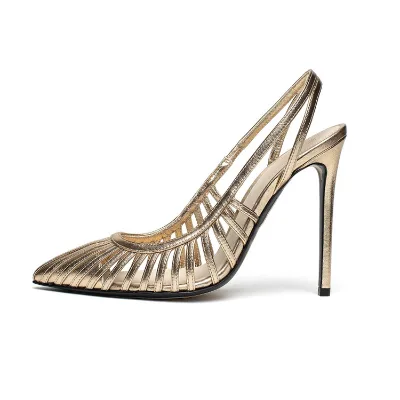
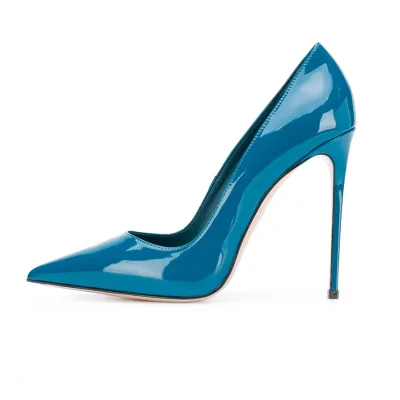
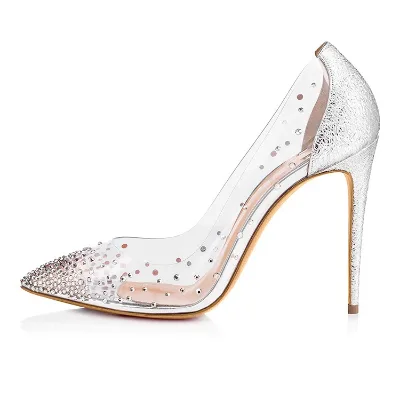
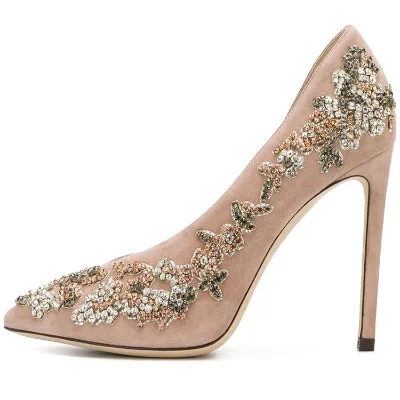
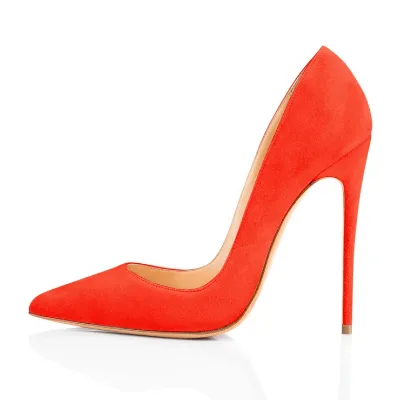
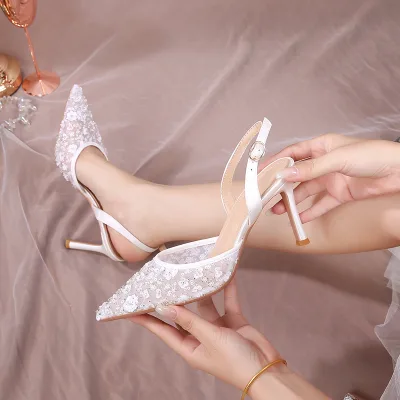
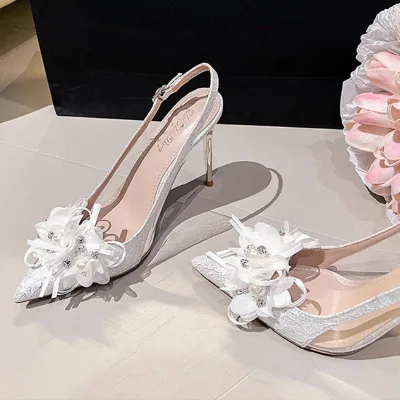
Comprehensive Sourcing Guide
Slip Resistant High Heel Pumps Supplier Concentration and Factory Types
The current supplier landscape for Slip Resistant High Heel Pumps reveals a distinct geographic and structural concentration that buyers must navigate carefully. Evidence indicates that a significant portion of available suppliers are located in China Sichuan, a region that has emerged as a notable hub for footwear manufacturing. These suppliers often operate as combined entities, blending manufacturing capabilities with trading functions to offer streamlined procurement experiences. This dual nature allows them to manage both production quality and international logistics, which is critical for buyers seeking reliable supply chains for specialized footwear. The presence of these combined companies suggests a mature local ecosystem where factories and trading arms work in tandem to serve global markets. Buyers should recognize that this concentration in Sichuan provides access to established industrial clusters, but it also requires due diligence to ensure that the supplier’s primary focus aligns with their specific volume and quality needs.
In contrast to the manufacturing-heavy profiles seen in Sichuan, other suppliers in the results are identified as trading companies based in Taiwan, China. These entities typically do not own factories but instead curate products from various manufacturers, offering a different value proposition focused on variety and customer service. The main products listed for these suppliers include high heels, loafers, wedding shoes, sandals, and boots, indicating a broad inventory rather than a specialized niche. This diversity can be advantageous for buyers looking to consolidate orders across multiple footwear styles, but it may also signal a lack of deep technical expertise in slip-resistant technologies. Understanding the distinction between combined manufacturing-trading firms and pure trading companies is essential for assessing the depth of product knowledge and the reliability of production timelines. Buyers must evaluate whether the supplier’s structure supports their specific requirements for customization, quality control, and supply chain transparency.
How to Verify Slip Resistant High Heel Pumps Suppliers
Verifying the credibility of suppliers requires a multi-layered approach that goes beyond basic company profiles. One critical step is to check for third-party verification badges, such as CTI, which indicate that an independent agency has audited the supplier’s business operations. This verification provides a baseline level of trust regarding the company’s legal existence and operational capacity. However, verification alone does not guarantee product quality, especially for technical features like slip resistance. Buyers should request detailed product specifications and material certifications to confirm that the shoes meet specific safety standards. For instance, examining the outsole material is crucial, as rubber is frequently cited in product attributes for its durability and grip potential. Buyers must ensure that the supplier can provide test reports or compliance documents that validate the slip-resistant claims, as these are not always standard in general footwear listings.
Another vital aspect of verification is assessing the supplier’s responsiveness and communication efficiency. Response times, such as the 4.30 hours observed for some suppliers, serve as an indicator of their operational readiness and customer service quality. A quick response often correlates with a more organized internal process, which is beneficial for resolving issues during production or shipping. Buyers should also scrutinize the customization options available, as many suppliers list "Customization: Available" or "Accept Customized Logo." This flexibility suggests that the supplier is accustomed to working with specific client requirements, which is a positive sign for long-term partnerships. However, buyers must verify that the customization process is clearly defined and that the supplier has the technical capability to implement changes without compromising the shoe’s structural integrity or slip-resistant properties.
What to Compare Across Slip Resistant High Heel Pumps Suppliers
When evaluating multiple suppliers, buyers should compare key operational metrics to determine the best fit for their business needs. Lead time is a significant differentiator, with some suppliers offering a 60-day turnaround while others require up to 90 days. This variance can impact inventory planning and market launch strategies, making it essential to align supplier capabilities with sales forecasts. Additionally, the minimum order quantity (MOQ) varies considerably, ranging from as low as 10 pairs to as high as 50 pairs. Lower MOQs are advantageous for testing new markets or launching limited editions, while higher MOQs may offer better unit economics for established brands. Buyers must weigh these factors against their capital constraints and storage capabilities to make an informed decision.
Price and product attributes are also critical comparison points. The price range for Slip Resistant High Heel Pumps spans from approximately $17 to $66 per pair, reflecting differences in materials, construction, and brand positioning. Suppliers offering prices in the lower range may use standard materials, while those in the higher range might incorporate premium features like specialized outsoles or enhanced comfort technologies. Buyers should also compare product details such as heel height, size ranges, and closure types. For example, some products feature 8-9cm heels with round toes, while others offer pointed toes with T-straps. These design elements affect both the aesthetic appeal and the functional performance of the shoes. By systematically comparing these attributes, buyers can identify suppliers that offer the best balance of cost, quality, and design for their target audience.
Common Slip Resistant High Heel Pumps Sourcing Risks
One of the primary risks in sourcing Slip Resistant High Heel Pumps is the potential discrepancy between marketing claims and actual product performance. Suppliers may highlight features like "Height Increasing" or "Elegant Stiletto Heel" without providing concrete evidence of slip resistance. Buyers must be cautious of vague descriptions and insist on specific technical data. For instance, while some products list rubber outsoles, the specific compound and tread pattern are not always detailed. Without this information, it is difficult to assess the true slip-resistant capability of the shoes. This lack of transparency can lead to product failures in the market, resulting in returns, negative reviews, and potential liability issues. Buyers should mitigate this risk by requesting samples and conducting their own testing before committing to large orders.
Another significant risk is the variability in quality control across different suppliers. The product attributes often mention "High Quality," but this is a subjective claim that varies widely between manufacturers. Inconsistent stitching, uneven heel attachment, or poor material finishing can compromise both the durability and the safety of the footwear. Additionally, the packaging and shipping processes can introduce risks, such as damage to the shoes during transit. Some suppliers use dust bags and carton packing, which helps protect the products, but the overall handling by logistics providers is outside the supplier’s direct control. Buyers should establish clear quality assurance protocols and consider using third-party inspection services to verify that the products meet their standards before shipment. This proactive approach can help prevent costly disputes and ensure customer satisfaction.
Slip Resistant High Heel Pumps Regional Sourcing and Logistics
The geographic location of suppliers plays a crucial role in determining logistics costs and delivery times. Suppliers located in China Sichuan offer access to a well-developed manufacturing infrastructure, which can facilitate efficient production and export processes. However, the inland location may result in longer transit times to major ports compared to coastal factories. Buyers should factor this into their logistics planning and consider the impact on overall lead times. On the other hand, suppliers in Taiwan, China, may offer different logistical advantages, such as proximity to international shipping routes. The response time and lead time metrics provided by these suppliers can help buyers estimate the total time from order placement to delivery. Understanding these regional nuances allows buyers to optimize their supply chain and minimize delays.
Logistics also involves considerations such as packaging and weight, which affect shipping costs. Product attributes often include single gross weight and package dimensions, such as 1.500kg per pair and package sizes like 32X21X12cm. These details are essential for calculating freight charges and determining the optimal shipping method. Buyers should work closely with their suppliers to ensure that packaging is robust enough to protect the shoes during transit while minimizing volumetric weight. Additionally, the origin of the products, whether listed as "Si Chuan" or "China," can impact customs clearance and tariff implications. Buyers must stay informed about trade regulations and ensure that all documentation is accurate to avoid delays at borders. By carefully managing these logistical aspects, buyers can reduce costs and improve the reliability of their supply chain.
Slip Resistant High Heel Pumps Commercial Terms and Order Planning
Commercial terms and order planning are critical for ensuring a smooth procurement process. Buyers should negotiate clear payment terms, such as escrow services, to protect their financial interests. Escrow provides a secure mechanism for transactions, ensuring that funds are only released when the buyer confirms receipt and quality of the goods. This is particularly important for new suppliers or large orders where trust has not yet been established. Additionally, buyers should clarify the warranty and return policies, as these terms can vary significantly between suppliers. Understanding these commercial aspects helps mitigate financial risks and ensures that both parties have a clear understanding of their obligations.
Order planning involves aligning production schedules with market demand. Buyers should consider the supplier’s capacity and lead times when placing orders to avoid stockouts or excess inventory. For example, a 60-day lead time requires earlier planning compared to a 90-day lead time. Buyers should also monitor the supplier’s response time to ensure that any issues are addressed promptly. Regular communication and updates from the supplier can help maintain visibility into the production process. By integrating these commercial and logistical considerations into their order planning, buyers can create a resilient supply chain that supports their business goals. This strategic approach ensures that the procurement process is efficient, cost-effective, and aligned with market needs.
FAQs
What is the typical lead time for these pumps?
Lead times vary by supplier, with some offering 60 days and others up to 90 days. Buyers should confirm specific production schedules before ordering to ensure timely delivery for their events or inventory needs.
What are the minimum order quantities for these shoes?
Minimum order quantities range from 2 pairs to 50 pairs depending on the specific style and supplier. Some listings require 30 pairs for standard items, while others accept orders as low as 2 pairs for unique designs.
Where are these high heel pumps manufactured?
Most suppliers listed are located in Sichuan, China, with some operations based in Taiwan. Products originate from these regions, ensuring specific manufacturing standards and logistics routes for international buyers seeking these footwear items.
What is the price range for these pumps?
Prices generally fall between 17 and 66 dollars per pair depending on materials and design. Basic styles start around 17 dollars, while specialized chunky heel or wide-foot options can reach up to 66 dollars per unit.
Do suppliers offer customization for these pumps?
Yes, many suppliers provide customization options including logos and specific design features. Buyers can request custom logos or specific materials like patent leather or faux suede to meet their unique branding or style requirements.
What response times can buyers expect from suppliers?
Response times vary, with some suppliers replying within 4.3 hours and others taking up to 6 hours. Buyers should check individual supplier profiles for current availability to ensure quick communication regarding their specific sourcing needs.
Are these pumps suitable for plus size customers?
Yes, several listings specifically mention plus size options with sizes extending up to US 14. These pumps are designed to accommodate wider feet and larger sizes while maintaining the high heel aesthetic required for formal occasions.