Small Animal Mouse Trap Suppliers and Manufacturers
Compare 25 verified suppliers offering small animal mouse traps with varying lead times, MOQs, and certifications like CE and FCC. Review response times and customization options to select the right partner for your pest control needs; review the available evidence before requesting comparable quotations from suitable candidates.
Updated
Suppliers List

Wenzhou Huanting Environmental Protection Technology Co., Ltd.
- Verified by BV
- Combined
- China Zhejiang
- Lead time23 days
- Avg. response≤ 4h
Main productsPlastic Mouse Trap, Wooden Mouse Trap, Rat Trap, Rat Cage
Main marketsDomestic,Europe,North America


Eco-Friendly Reusable Mouse Trap Small Plastic Mice Trap Indoor Outdoor Sensitive Rodent Traps
$0.30 - $0.35
MOQ: 1000 Pieces


Dongguan Shouxin Hardware Products Co., Ltd.
- Verified by SGS Group
- Manufacturer, Trading Company
- Lead time30 days
- Avg. response≤ 9h
Main productsMouse Trap
Main marketsNorth America(80%), Western Europe(11%), South America(2%)
Hebei Jinshi Industrial Metal Co., Ltd.
- Verified by SGS Group
- Manufacturer, Trading Company
- Lead time10 days
- Avg. response≤ 3h
Main productsFence Post, Garden Gate, Gabions, Razor Wire, Bird Spike
Main marketsOceania(53%), North America(15%), Western Europe(10%)
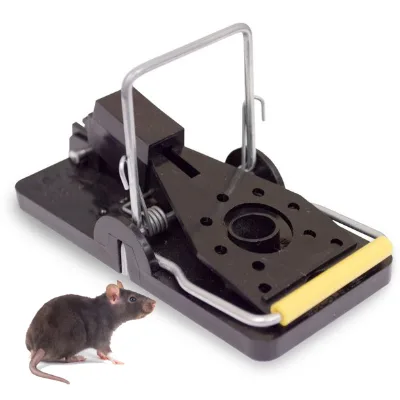
Solid Metal Mouse Trap Plastic Mouse Snap Traps for Small Rodents Efficient Mouse Repeller
$0.3298 - $0.5666
MOQ: 100 pieces
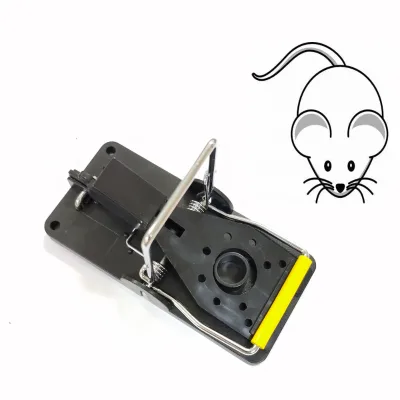
Indoor Sensitive Plastic Mouse Catcher Small Snap-E Mouse Trap Pest Control 14 cm X 7.6 cm X 6.7 cm
$1.1992 - $2.6577
MOQ: 5000 Minimum
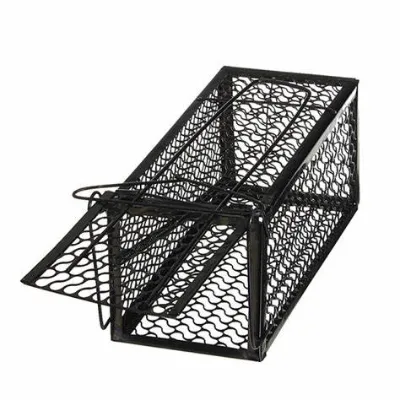
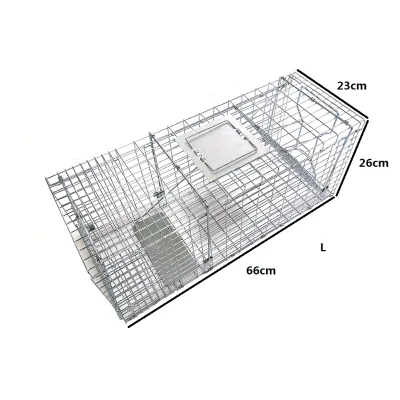
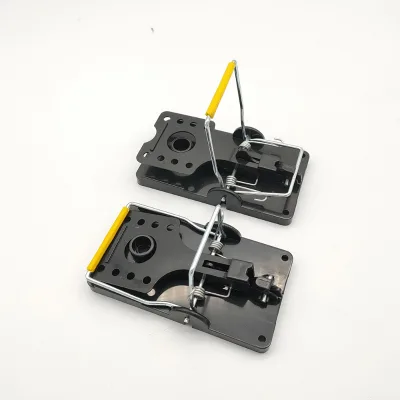
Shenzhen Zeerin Industry Development Co., Ltd.
- Manufacturer, Trading Company, Buying Office
- Guangdong, China
- Lead time15 days
- Avg. response≤ 1h
Main productspest repeller,Physiotherapy heating,insect repellant,Heating pad,rat repellent
Main marketsNorth America(30.00%), Eastern Europe(20.00%), South Asia(10.00%), Western Europe(10.00%), Southern Europe(10.00%), South America(5.00%), Oceania(5.00%), Central America(2.00%), Southeast Asia(2.00%), Mid East(2.00%), Domestic Market(1.00%), Africa(1.00%), Eastern Asia(1.00%), Northern Europe(1.00%)
Shenzhen IBN Technology Co., Ltd.
- Verified by SGS Group
- Trading Company
- Lead time7 days
- Avg. response≤ 4h
Main productsSmart Pest Control, Sleep Aid Devices, Small Household Electronic Products, Handheld Repair Tool Series, Outdoor Camping Products
Main marketsNorth America(50%), Western Europe(40%), Southeast Asia(5%)

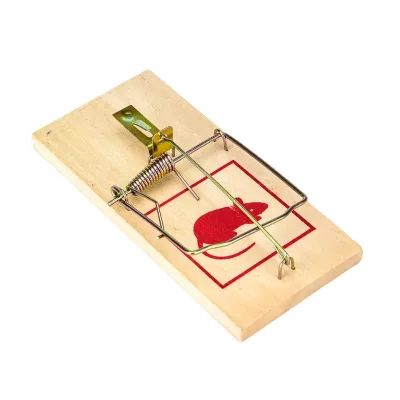
$0.30 - $0.59
MOQ: 100 pieces
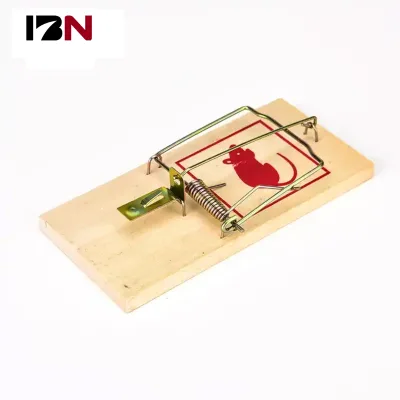
Quick Catch Wooden Mouse Killer Rat Trap Solid ABS Pest Control Rodent Trap
$0.32 - $1.05
MOQ: 500 pieces
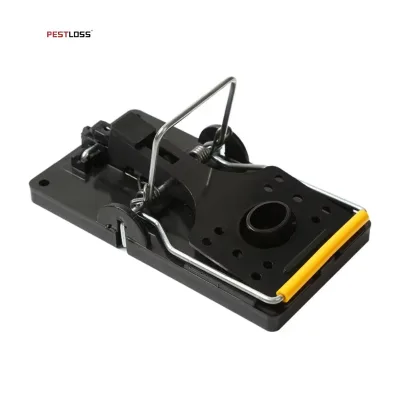

Luoyang Gaiqi Import And Export Trade Co., Ltd.
- Trading Company
- Henan, China
- Lead time15 days
- Avg. response≤ 3h
Main productsPet Supplies,Silicone Pet Products,Silicone Products,Lick Mat,Home & Garden Supplies
Main marketsNorth America(25.00%), Western Europe(15.00%), Mid East(10.00%), Northern Europe(10.00%), Domestic Market(5.00%), South America(5.00%), Southern Europe(5.00%), Southeast Asia(5.00%), Eastern Europe(5.00%), Oceania(5.00%), Eastern Asia(3.00%), South Asia(3.00%), Central America(2.00%), Africa(2.00%)
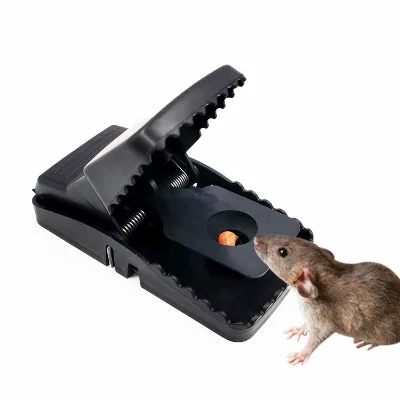
$0.7555 - $0.9114
MOQ: 10 pieces
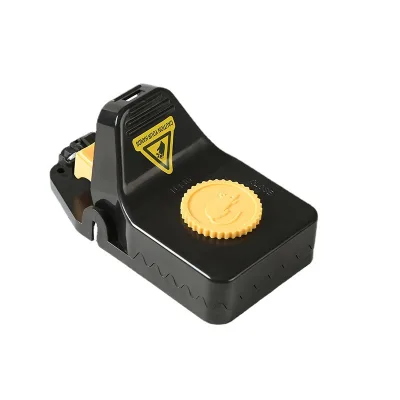

NINGER PESTICIDE INDUSTRIAL CO., LTD.
- Trading Company,Manufacturer/Factory
- China Zhejiang
- Lead time23 days
- Avg. response≤ 6h
Main productsGlue Trap, Mouse Trap, Cockroach Killer, Mosquito Killer Lamp, Pest Repeller, Live Mouse Trap, Cockroach Trap, Pesticide, Fly Trap, Mosquito Killer
Main marketsSouth America,Eastern Europe,Mid East,North America,Southeast Asia,Eastern Asia,Oceania,Western Europe,Africa
Tianjin Hc Hardware Products Co., Ltd.
- Verified by SGS Group
- Manufacturer, Trading Company
- Lead time30 days
- Avg. response≤ 2h
Main productsBird Spikes, Moth Traps, Fly Trap Bags and Bottles, Trap Cages, Rodent Bait Station
Main marketsNorth America(40%), South America(10%), Eastern Europe(10%)
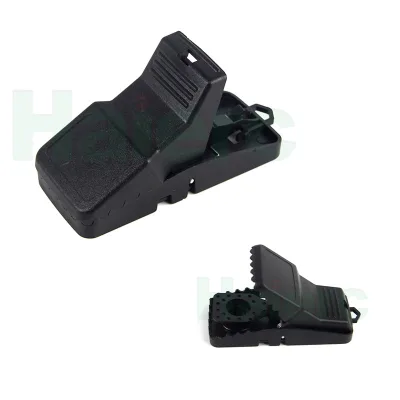
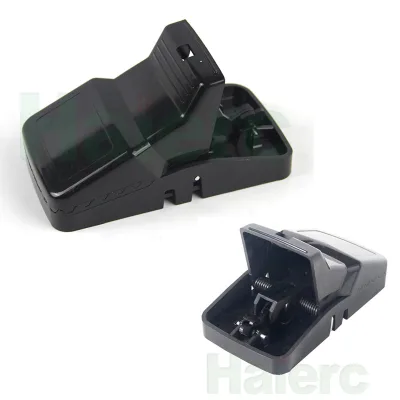
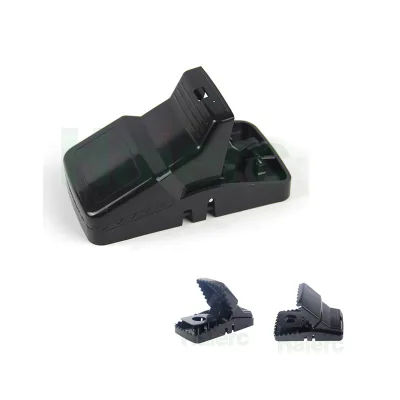
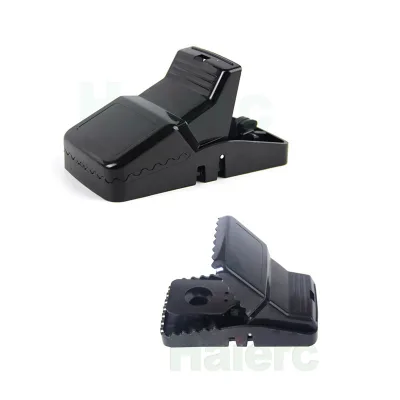
Mouse Traps Plastic Reusable Traps for Mice,Rats, Chipmunks & Other Rodents
$0.4632 - $0.814
MOQ: 100 pieces
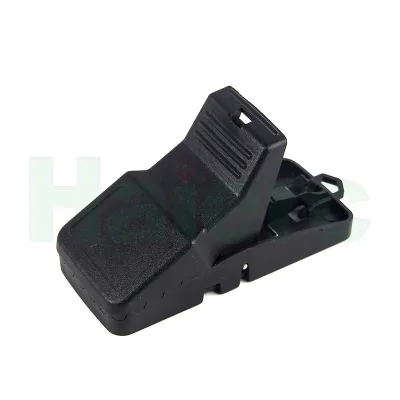
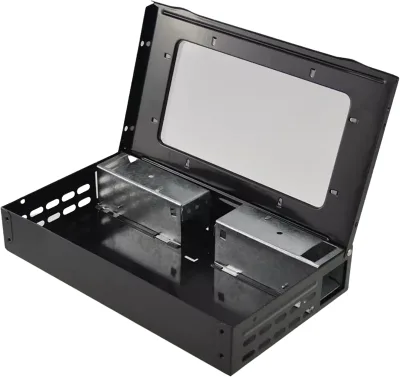
Strong Spring Snap Trap Pest Control Mouse Rat Rodent Trap for Indoor and Outdoor
$0.4632 - $0.8125
MOQ: 100 pieces

Hunan Hengshuangkang Technology Co., Ltd.
- Trading Company
- Hunan, China
- Lead time20 days
- Avg. response≤ 2h
Main productsfly trap,mouse trap,cockroach killer,hardware,cabinet handle
Main marketsMid East(30.00%), Africa(30.00%), Southeast Asia(20.00%), North America(20.00%)
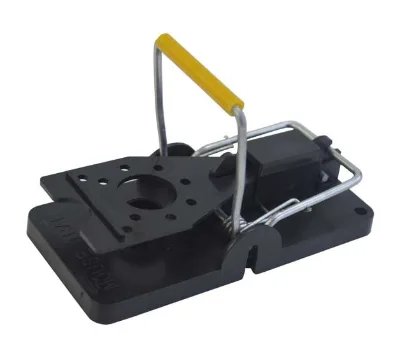
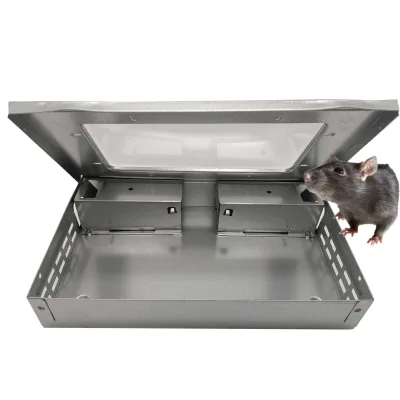
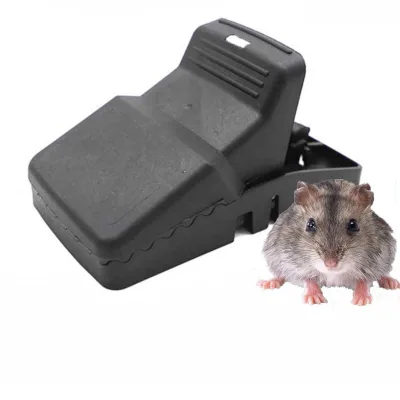
High quality sensitive plastic mouse traps mice catch spring trap plastic mouse killer
$0.2473 - $0.3088
MOQ: 200 pieces
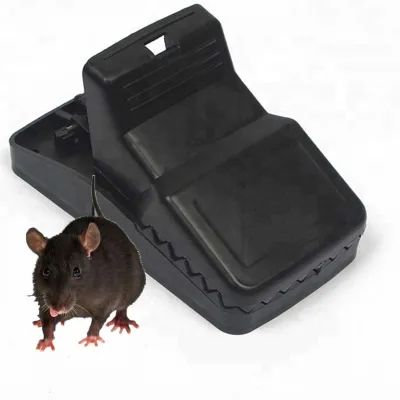
Mini sustianable safe easy mice catching plastic mouse trap for kitchen
$0.2488 - $0.3118
MOQ: 200 pieces

Shijiazhuang Awiner Biotech Co., Ltd.
- Verified by TUVRHEINLAND
- Trading Company
- China Hebei
- Lead time30 days
- Avg. response≤ 4h
Main productsInsecticides, Pesticides, Herbicides, Fungicides, Plant Growth Regulators, Lufenuron, Azoxystrobin, Pendimethalin, Abamectin, Lambda-Cyhalothrin
Main marketsSouth America,Africa,Southeast Asia/ Mideast,East Asia(Japan/ South Korea),Domestic,Europe,North America

Hangzhou Magicatch Pest Control Technology Co., Ltd.
- Trading Company
- Zhejiang, China
- Lead time0 days
- Avg. response≤ 3h
Main productsScientific Pest Solutions,Glue & Mechanical Traps,Ultrasonic & Electronic,Commercial & Garden Control,OEM / FBA Customization
Main marketsNorth America(35.00%), Western Europe(15.00%), Northern Europe(15.00%), Oceania(10.00%), Mid East(10.00%), Eastern Europe(10.00%), South America(5.00%)
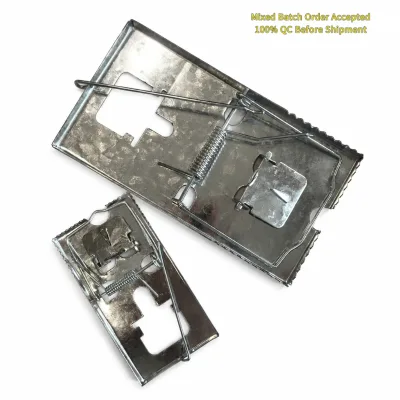
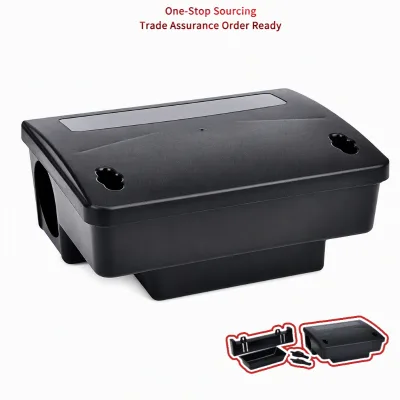
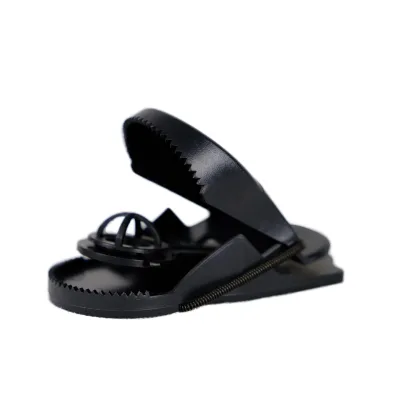
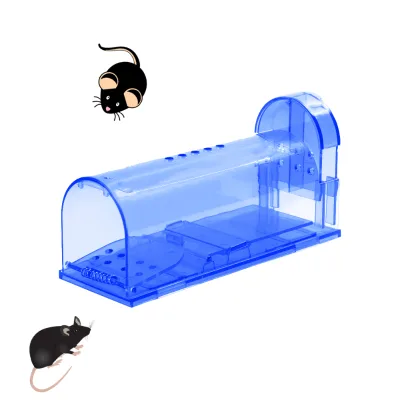
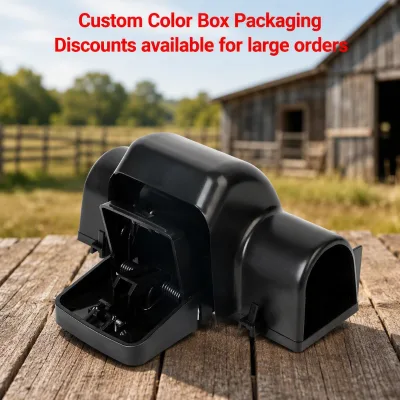
$0.28 - $0.30
MOQ: 2 pieces
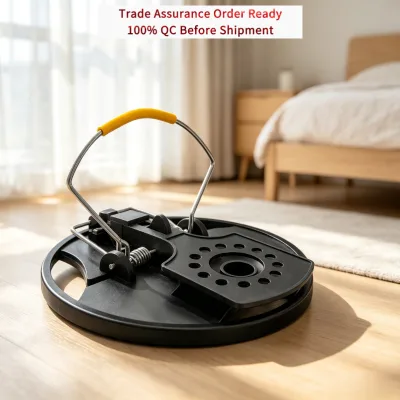
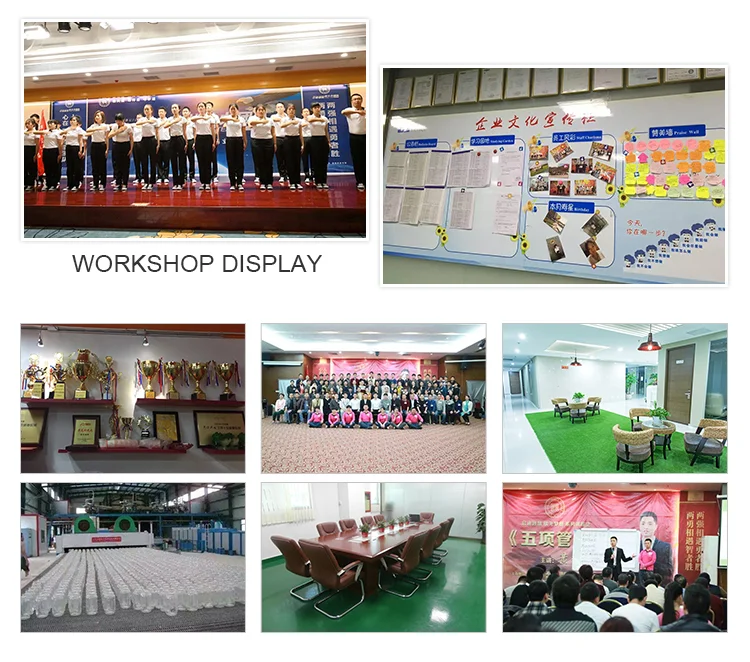
Shenzhen Lefeng Technology Company Limited
- Manufacturer, Trading Company
- Guangdong, China
- Lead time5 days
- Avg. response≤ 2h
Main productsGlass cup,Glass bottle,Sex sofa,Sex furniture,Mouse Traps
Main marketsEastern Europe(29.00%), North America(25.00%), Western Europe(15.00%), Southern Europe(10.00%), Northern Europe(10.00%), South Asia(2.00%), South America(2.00%), Domestic Market(1.00%), Mid East(1.00%), Africa(1.00%), Southeast Asia(1.00%), Central America(1.00%), Oceania(1.00%), Eastern Asia(1.00%)

- Trading Company
- China Jiangsu
- Lead time30 days
- Avg. response≤ 9h
Main productsElectric Pruning Shear, Sparkplug, Grass Timmmer, Trimmer Line, Trimmer Head, Brush Cutter Blade, Paint Brush, Paint Roller, Work Gloves, Safety Helmet
Main marketsDomestic,Europe
Ningbo Bestwin Commodity Co., Ltd.
- Verified by Intertek
- Manufacturer, Trading Company
- Lead time30 days
- Avg. response≤ 16h
Main productsFly Insects Control, Mouse Rat Animal Control, Cockroach Spider Ants Control, Birds Wasp Control, Lint Roller With Handle and Refills
Main marketsEastern Europe(37%), Central America(28%), Domestic Market(15%)
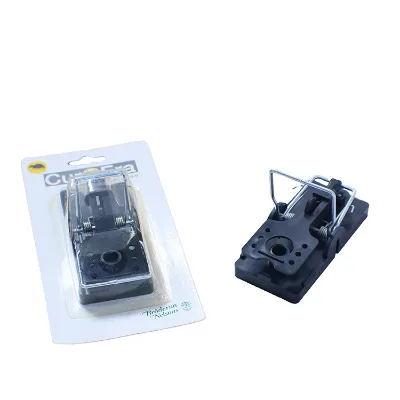
Indoor or Outdoor Pest Control Black Rat Traps Mousetrap Mice Traps Mouse Traps
$0.4002 - $0.4107
MOQ: 10080 pieces
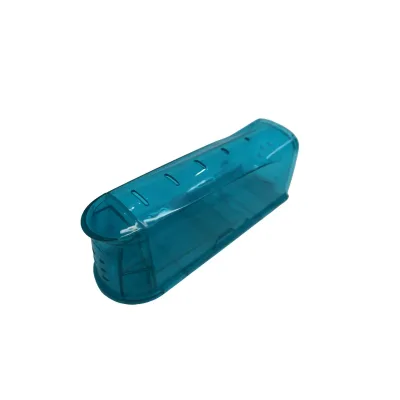
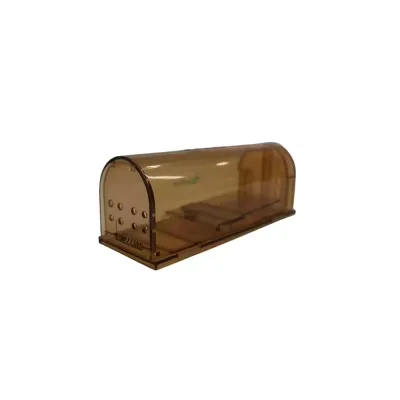
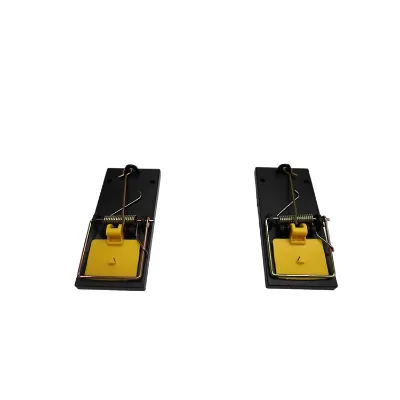
Solid Eco-Friendly Household Man-Made Spring Trap for Catcher Mouse and Rat Pest Control
$0.42 - $0.49
MOQ: 10000
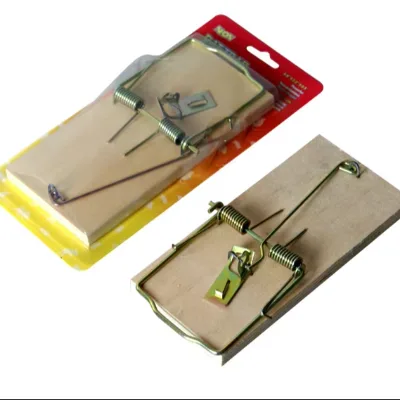
Hot Selling Mouse Catching Rodent Controller Rat Mouse Killer Wooden Mouse Trap for Indoor Outdoor
$0.31 - $0.37
MOQ: 14400 pieces
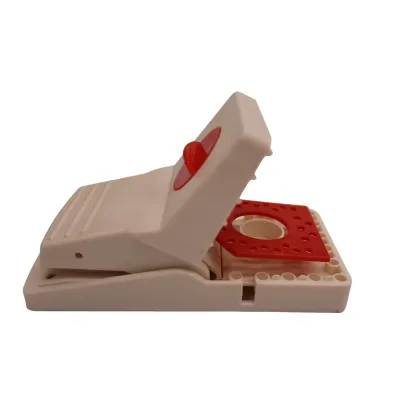
New Plastic Mouse Trap with Design Cross-Border Household Rodent Control Tool for Pest Control
$0.6521 - $0.6626
MOQ: 10000 pieces

Dezhou Hualude Hardware Products Co., Ltd.
- Verified by BV
- Trading Company
- China Shandong
- Lead time15 days
- Avg. response≤ 7h
Main productsIron Nail, Iron Wire, Fence Post, Fence Gate, Wire Mesh, Galvanized Corrugated Sheet, Galvanized Coil, Roll Forming Machine, Concrete Accessory, PPGI Coils
Main marketsSoutheast Asia/ Mideast,Europe,Australia,North America

Xiamen Lucky Pacific Industry Co., Ltd
- Combined
- China Fujian
- Lead time30 days
- Avg. response≤ 15h
Main productsMouse Trap
Main marketsSouth America,Southeast Asia/ Mideast,Europe,Australia,North America

Qingdao Eastern Dragon Pulp& Paper Co., Ltd.
- Verified by TUVRHEINLAND
- Trading Company
- China Shandong
- Lead time30 days
- Avg. response≤ 3h
Main productsAdhesive Paper, Woodfree Offset Paper, Thermal Paper, NCR Carbonless Paper, Art Coated Paper, Copy Paper, Folding Box Board Paper, Paper Card Board Paper, News Printing Paper, Notebook Paper
Main marketsSouth America,Europe
Anhui Sanmiyue Commodity Co., Ltd.
- Manufacturer, Trading Company
- Anhui, China
- Lead time0 days
- Avg. response≤ 2h
Main productsSticky mouse board,sticky coloured card,Rattrap,Insecticide,Mouse trap
Main marketsNorth America(50.00%), South America(20.00%), Eastern Europe(10.00%), Oceania(5.00%), Africa(5.00%), Southeast Asia(5.00%), Mid East(3.00%), Eastern Asia(2.00%)
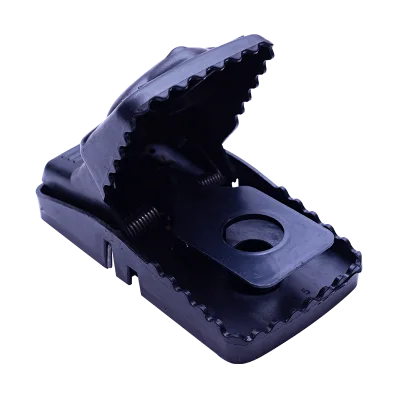
$0.2473 - $0.2788
MOQ: 50 sheets

Hangzhou Clean PCO Technology Co., Ltd.
- Manufacturer, Trading Company
- Zhejiang, China
- Lead time10 days
- Avg. response≤ 9h
Main productsPest Control Products
Main marketsNorth America(20.00%), Domestic Market(20.00%), Western Europe(15.00%), South Asia(5.00%), Central America(5.00%), Northern Europe(5.00%), Eastern Europe(5.00%), Mid East(5.00%), Africa(4.00%), Southeast Asia(3.00%), South America(2.00%), Eastern Asia(1.00%), Oceania(1.00%)
Ningbo Newland Imp. & Exp. Co., Ltd.
- Trading Company
- Zhejiang, China
- Lead time20 days
- Avg. response≤ 3h
Main productsPoultry Drinker,Poultry Feeder,Veterinary Syringe,Ear Tag,Water Bowl
Main marketsOceania(20.00%), Northern Europe(15.29%), Southern Europe(12.94%), Western Europe(11.77%), Africa(10.59%), South America(8.24%), North America(5.88%), Southeast Asia(4.71%), South Asia(2.35%), Eastern Europe(2.35%), Domestic Market(2.35%), Eastern Asia(2.35%), Mid East(1.18%)
Hangzhou Clean PCO Technology Co., Ltd.
- Manufacturer, Trading Company
- Lead time旺季: "1 - 500":30,"> 500":"To be negotiated", 淡季: "1 - 500":30,"> 500":"To be negotiated"
- Avg. response≤ 6h
Main productsPest Control Products
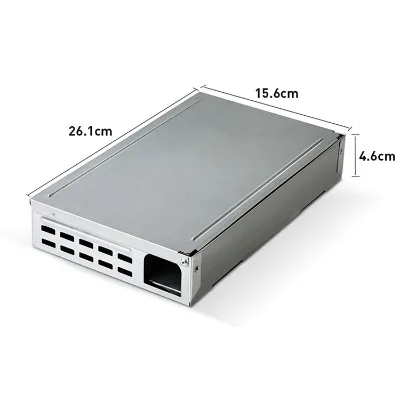
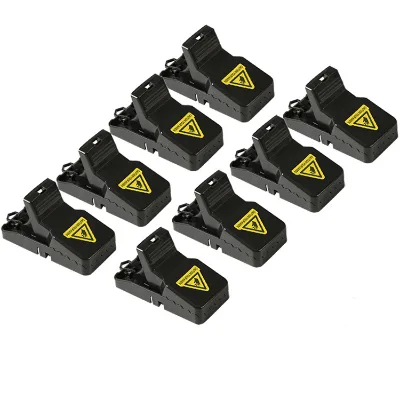
Hot Sell Highly Responsive Abs Plastic Effective Mousetraps Mouse Trap
$0.2803 - $0.3927
MOQ: 10 pieces

Ningbo Haishu Zhongqi Plastics Co., Ltd.
- Verified by SGS
- Trading Company
- China Zhejiang
- Lead time30 days
- Avg. response≤ 5h
Main productsRubber Duck, Fly Trap
Main marketsDomestic

Home Rat Catcher Rat Traps Mousetrap Plastic Mouse Trap for Mice Control
$0.45 - $0.60
MOQ: 1000 Pieces

Best Selling Plastic Mouse Trap, Rat Trap, Rat Snap Traps and Mice Trap
$0.55 - $0.68
MOQ: 1000 Pieces
Huizhou H.R.S Photoelectric Technology Co., Ltd.
- Manufacturer
- Guangdong, China
- Lead time20 days
- Avg. response≤ 7h
Main productsSolar Products (Solar Mosquito Killer Light,Solar Mole Repeller,Solar Street Light,Solar Lights,Solar Power System)
Main marketsWestern Europe(14.29%), Mid East(14.29%), Oceania(14.29%), Northern Europe(14.29%), Southeast Asia(14.29%), North America(14.29%), Africa(14.00%)
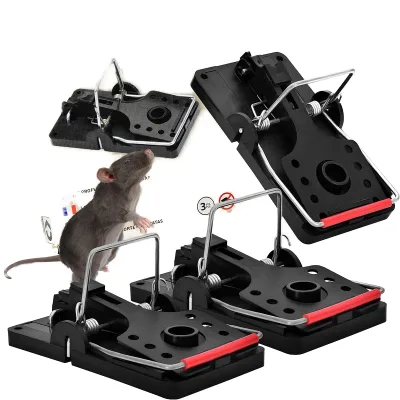
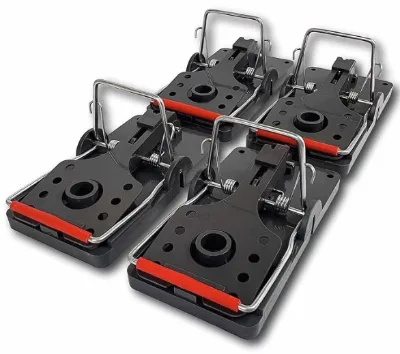
Efficient Rodent Trap - Easy to Use, High Performance, Cheap & Best Selling
$0.36 - $0.50
MOQ: 19200 Minimum

Tianjin Haicheng zhongxin Technology Co.,Ltd
- Trading Company
- Tianjin, China
- Lead time30 days
- Avg. response≤ 3h
Main productsRodenticide,Rat Poison,Insecticide,Raticide,Midbody
Main marketsSoutheast Asia(20.00%), Africa(20.00%), South America(20.00%), South Asia(10.00%), Mid East(10.00%), Eastern Europe(10.00%), Eastern Asia(5.00%), Central America(5.00%)

Aosion International (Shenzhen) Co., Ltd.
- Verified by TUVRHEINLAND
- Manufacturer/Factory
- China Guangdong
- Lead time45 days
- Avg. response≤ 2h
Main productsMole Repeller, Mosquito Killer, Snake Repeller, Bird Repeller, Solar Animal Repeller, Fly Repeller, Mouse Zapper, Rat Trap, Cat Repeller, Dog Repeller
Main marketsSouth America,Eastern Europe,North America,Oceania,Western Europe
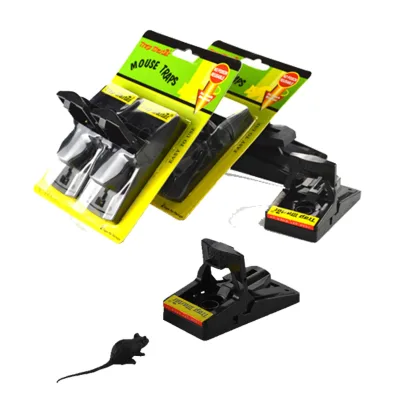
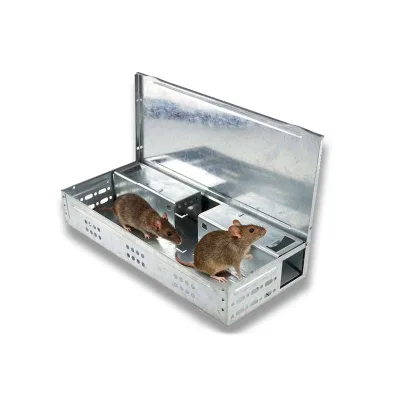
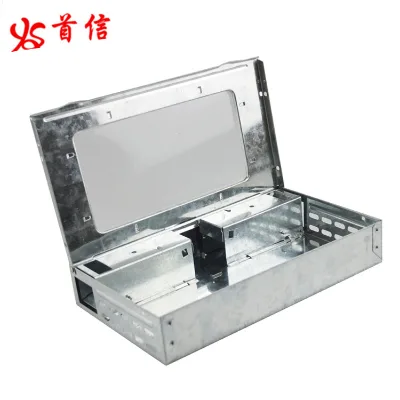
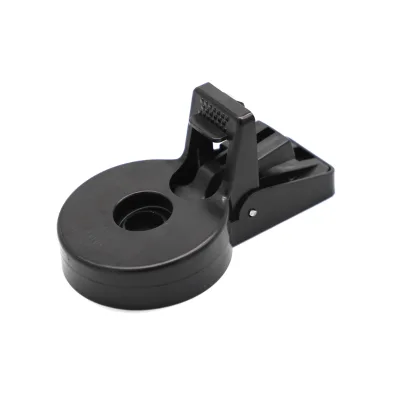


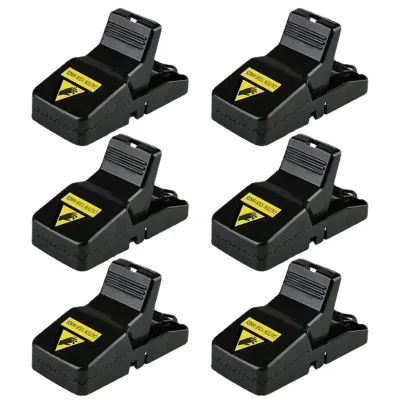


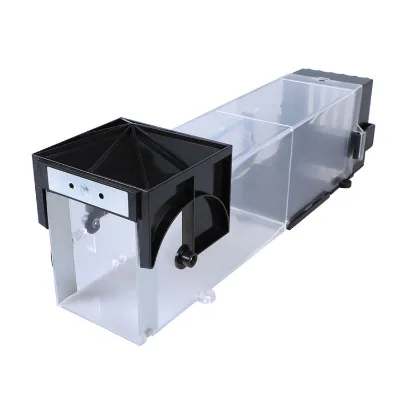
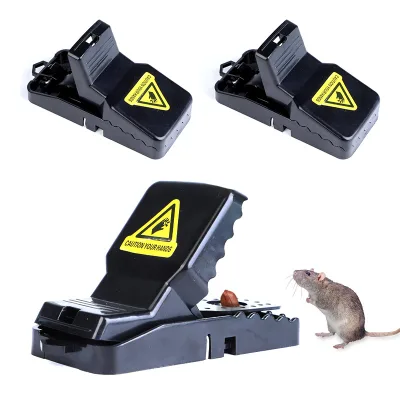
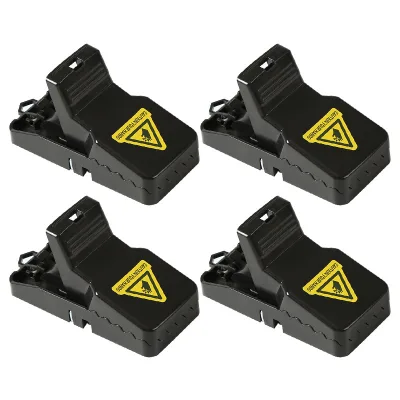
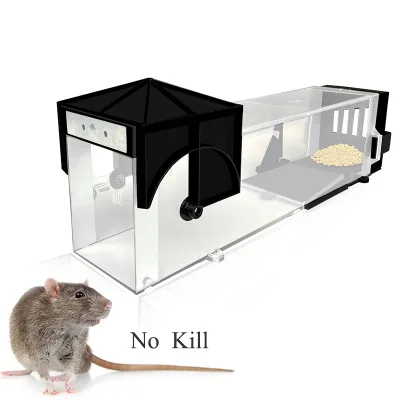
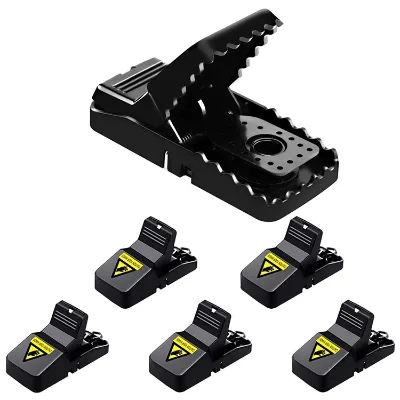
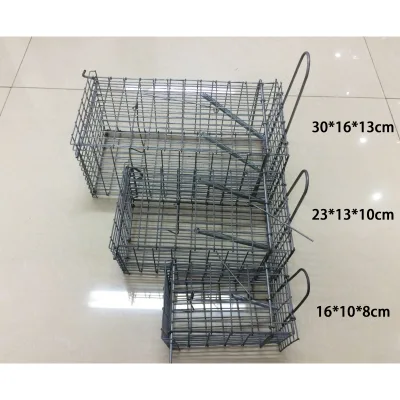
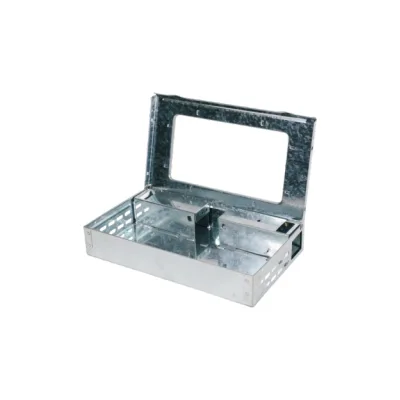
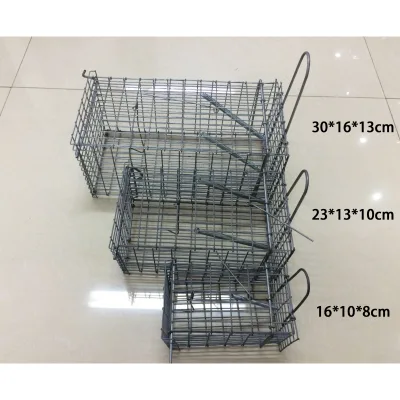
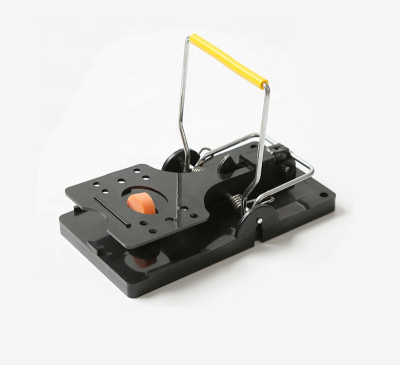
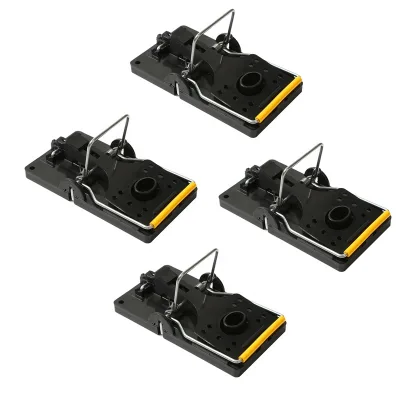


Comprehensive Sourcing Guide
Small Animal Mouse Trap Supplier Concentration and Factory Types
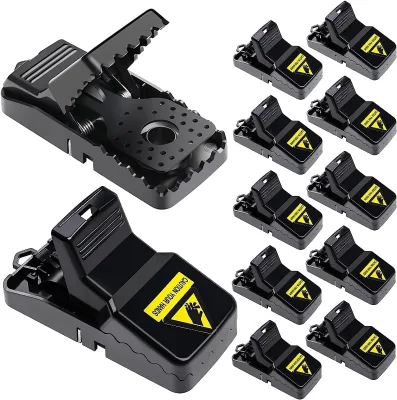
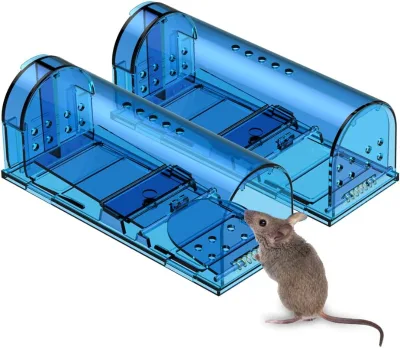
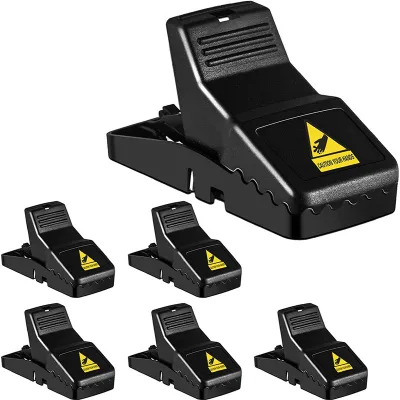
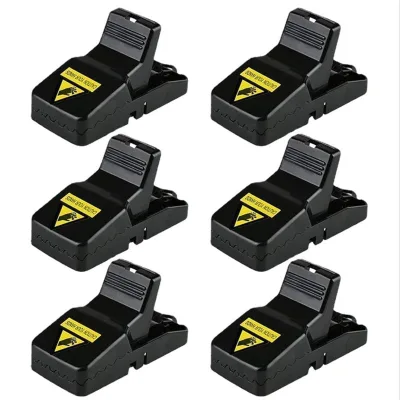
The current supplier landscape for small animal mouse traps reveals a diverse mix of manufacturing capabilities, primarily concentrated in specific industrial hubs within China. Evidence indicates that suppliers are located in regions such as Zhejiang and Guangdong, which are known for their robust manufacturing ecosystems for plastic and metal goods. These locations suggest a mature supply chain for both injection-molded plastic components and stamped metal parts, which are the primary materials used in snap traps and reusable catchers. The presence of suppliers in these areas allows for efficient sourcing of raw materials, reducing logistical friction for bulk orders. Buyers should recognize that geographic concentration often correlates with specialized expertise, meaning that suppliers in these hubs may offer more competitive pricing and faster turnaround times due to established local networks.
Company types vary significantly among the available suppliers, ranging from pure manufacturers to combined entities that function as both manufacturers and trading companies. This distinction is crucial for buyers who need to understand the source of their products. Combined companies may offer broader product ranges and flexible customization options, leveraging their trading capabilities to source complementary items. In contrast, pure manufacturers might provide deeper technical expertise in specific production processes, such as ODM or OEM services. The data shows that many suppliers offer both OEM and ODM capabilities, indicating a high level of adaptability to buyer specifications. Understanding whether a supplier is a manufacturer or a trading company helps buyers assess the potential for direct communication with production teams, which can be vital for resolving quality issues or implementing custom designs effectively.
How to Verify Small Animal Mouse Trap Suppliers
Verification is a critical step in ensuring the reliability and legitimacy of Small Animal Mouse Trap suppliers. Buyers should prioritize suppliers who have undergone third-party verification processes, as these provide an independent assessment of the company’s operational capabilities and business legitimacy. In the current market, some suppliers display verification badges from recognized agencies such as BV or SGS Group. These verifications often include on-site inspections that confirm the existence of the factory, the accuracy of the reported production capacity, and the compliance with basic business standards. Buyers should look for these verification marks as a primary indicator of trustworthiness, as they reduce the risk of engaging with fraudulent or non-existent entities. The presence of such verification adds a layer of security to the sourcing process, giving buyers confidence in the supplier’s ability to deliver on their promises.
Beyond verification badges, buyers should assess the supplier’s responsiveness and communication efficiency. Response time is a key metric that reflects the supplier’s operational readiness and customer service quality. Data indicates that response times can vary, with some suppliers responding within a few hours, while others may take longer. A quick response time often correlates with a well-organized sales team that is attentive to buyer inquiries and capable of providing timely updates on order status. Buyers should test the supplier’s responsiveness by sending detailed inquiries about product specifications, customization options, and shipping terms. The speed and quality of the response can provide valuable insights into the supplier’s professionalism and their commitment to maintaining strong buyer relationships. Additionally, buyers should verify the supplier’s certifications, such as CE or FCC, to ensure that their products meet international safety and quality standards.
What to Compare Across Small Animal Mouse Trap Suppliers
When evaluating multiple suppliers, buyers must compare key operational metrics to identify the best fit for their specific needs. Lead time is a critical factor that influences inventory management and market responsiveness. Suppliers may offer different lead times, ranging from standard production cycles to expedited options for urgent orders. Buyers should clearly define their required delivery schedules and compare how each supplier’s lead time aligns with these requirements. A shorter lead time can be advantageous for maintaining lean inventory levels, but it may come at a higher cost. Conversely, longer lead times might offer more competitive pricing but require more advanced planning. Understanding these trade-offs helps buyers make informed decisions that balance cost efficiency with supply chain reliability.
Minimum Order Quantity (MOQ) is another essential dimension for comparison, as it directly impacts the initial investment and risk exposure for buyers. Suppliers may set MOQs based on their production efficiency and cost structure, with some requiring large bulk orders while others accommodate smaller trial runs. Buyers should assess their own demand volume and financial capacity to determine which MOQ levels are feasible. For new buyers or those testing a new market, suppliers with lower MOQs may be preferable, allowing for smaller initial commitments. However, buyers should also consider the unit price implications, as higher MOQs often result in lower per-unit costs. Additionally, buyers should compare the customization options available, such as ODM and OEM services, to ensure that the supplier can meet specific branding or design requirements. This comprehensive comparison helps buyers select a supplier that offers the best overall value proposition.
Common Small Animal Mouse Trap Sourcing Risks
One of the primary risks in sourcing small animal mouse traps is the potential discrepancy between product samples and bulk production quality. Suppliers may provide high-quality samples that do not accurately represent the materials or craftsmanship of the mass-produced items. This risk is particularly relevant for traps that rely on precise mechanical components, such as snap mechanisms, which must function reliably to be effective. Buyers should mitigate this risk by requesting detailed product specifications and conducting rigorous quality checks upon receipt of bulk orders. It is advisable to engage third-party inspection services to verify that the production batch meets the agreed-upon standards before shipment. This proactive approach helps prevent costly returns and reputational damage associated with defective products.
Another significant risk is the lack of transparency regarding product materials and safety standards. Some traps may be made from materials that do not meet environmental or safety regulations, posing risks to both consumers and the environment. Buyers should verify that suppliers adhere to relevant certifications and standards, such as CE or FCC, which indicate compliance with international safety requirements. Additionally, buyers should be cautious of suppliers who do not provide clear information about the product’s origin or manufacturing process. Lack of transparency can be a red flag for potential quality or ethical issues. By demanding detailed documentation and verifying claims through independent sources, buyers can reduce the likelihood of encountering substandard or non-compliant products in their supply chain.
Small Animal Mouse Trap Regional Sourcing and Logistics
Sourcing small animal mouse traps from specific regions in China offers distinct logistical advantages due to the concentration of manufacturing capabilities in areas like Zhejiang and Guangdong. These regions are well-connected to major ports and shipping routes, facilitating efficient export processes. Buyers should consider the proximity of suppliers to these logistics hubs when planning their supply chain, as closer proximity can reduce inland transportation costs and lead times. Additionally, the local infrastructure in these regions is often optimized for handling high volumes of goods, ensuring smoother customs clearance and faster delivery to international destinations. Understanding the logistical landscape helps buyers estimate total landed costs more accurately and plan their inventory replenishment cycles effectively.
Logistics planning also involves considering the packaging and handling requirements of the products. Small animal mouse traps are often packaged in cartons or boxes, which must be designed to protect the items during transit. Buyers should verify that suppliers use appropriate packaging materials and methods to prevent damage during shipping. This is particularly important for traps made from fragile materials or those with delicate mechanical parts. Buyers should also discuss shipping terms with suppliers to determine who is responsible for freight costs and insurance. Clear communication about logistics responsibilities helps avoid unexpected expenses and ensures that products arrive in good condition. By integrating logistical considerations into their sourcing strategy, buyers can enhance the efficiency and reliability of their supply chain.
Small Animal Mouse Trap Commercial Terms and Order Planning
Commercial terms play a vital role in shaping the financial dynamics of Small Animal Mouse Trap sourcing. Buyers should carefully review pricing structures, which may vary based on order volume, customization requirements, and material choices. Some suppliers offer tiered pricing, where unit costs decrease as order quantities increase. Buyers should analyze these pricing models to identify the most cost-effective order size for their needs. Additionally, buyers should inquire about payment terms, such as deposits or escrow services, to ensure secure transactions. Understanding the financial implications of different commercial terms helps buyers manage cash flow and minimize financial risk. Clear agreement on pricing and payment terms prevents misunderstandings and fosters a stable business relationship.
Order planning requires a strategic approach to align production schedules with market demand. Buyers should consider factors such as seasonal fluctuations, promotional campaigns, and inventory turnover rates when planning their orders. By forecasting demand accurately, buyers can avoid overstocking or stockouts, ensuring that products are available when needed. Buyers should also establish clear communication channels with suppliers to stay informed about production progress and potential delays. Regular updates help buyers adjust their plans as necessary and maintain supply chain continuity. Additionally, buyers should consider the supplier’s capacity for handling rush orders or changes in specifications, as flexibility is crucial in responding to market dynamics. Effective order planning ensures that buyers can meet customer expectations while optimizing operational efficiency.
FAQs
What is the typical lead time for small mouse traps?
The typical lead time for small mouse traps ranges from 23 to 30 days depending on the supplier. Some manufacturers in Zhejiang offer faster delivery, while others in Guangdong may require up to a month for production and shipping. Buyers should confirm specific timelines before placing orders.
What are the minimum order quantities for plastic mouse traps?
Minimum order quantities for plastic mouse traps vary significantly between suppliers. Some vendors require orders as low as 1000 pieces, while others set the threshold at 10000 or 2004 units. Buyers must check individual product listings to determine the exact MOQ required for their specific needs.
Are these mouse traps suitable for both indoor and outdoor use?
Yes, many small mouse traps are designed for both indoor and outdoor environments. Product specifications indicate suitability for outdoor and indoor locations, with features like eco-friendly materials and solid physical forms. Buyers should verify specific product attributes to ensure the trap matches their intended usage area.
What certifications do suppliers of mouse traps typically hold?
Certifications for mouse trap suppliers vary, with some holding CE and FCC system certifications. Other suppliers may not list specific system certifications in their profiles. Buyers should verify the current certification status directly with the supplier to ensure compliance with their local safety and quality standards.
How quickly do suppliers typically respond to inquiries?
Supplier response times for mouse trap inquiries range from approximately 3 hours to 9 hours. Faster response times are observed in some Zhejiang-based suppliers, while others may take longer to reply. Buyers should expect a response within this window and follow up if necessary for urgent orders.
What is the price range for small plastic mouse traps?
The price range for small plastic mouse traps typically falls between 0.21 and 3.31 USD per unit. Lower prices are often associated with higher minimum order quantities, while specialized models may cost more. Buyers should compare specific product listings to find the best price for their volume requirements.
Can suppliers provide customization for mouse trap designs?
Yes, many suppliers offer customization options for mouse trap designs, including OEM and ODM services. Some vendors provide light customization, sample processing, and graphic processing capabilities. Buyers should discuss specific customization needs with the supplier to confirm availability and any additional costs involved.