FTTH Optical Cable Winding Reel Suppliers and Manufacturers
Source 12 verified suppliers for FTTH Optical Cable Winding Reel solutions. Compare key dimensions including lead times, certifications, and response speeds to identify the right partner. Review detailed product specifications and request quotes directly from the listed factories; review the available evidence before requesting comparable quotations from suitable candidates.
Updated
Suppliers List

Hunan Kemeida Electric Co., Ltd.
- Manufacturer/Factory
- China Hunan
- Lead time60 days
- Avg. response≤ 15h
Main productsLifting Magnet, Magnetic Separator, Electromagnetic Stirrer, Cable Reel, Mandrel, Slurry Magnetic Separator, High Gradient Vertical Ring Magnetic Separator, Electro Permanent Magnet, Tong Grabs, Magnetic Transporting Equipment for Rebar
Main marketsSouth America,Eastern Europe,Mid East,North America,Southeast Asia,Eastern Asia,Oceania,Western Europe,Africa
- Manufacturer
- Guangdong, China
- Lead time7 days
- Avg. response≤ 4h
Main productsFiber optic patch cord,FTTA,FTTH,MPO/MTP,Fiber optic cable
Main marketsNorth America(11.00%), Domestic Market(10.00%), South America(10.00%), Eastern Europe(8.00%), Oceania(8.00%), Africa(8.00%), Southeast Asia(8.00%), Eastern Asia(7.00%), Mid East(6.00%), Northern Europe(6.00%), Central America(6.00%), Western Europe(6.00%), Southern Europe(3.00%), South Asia(3.00%)

Yueyang Shengang Lifting Electromagnet Co., Ltd.
- Combined
- China Hunan
- Lead time23 days
- Avg. response≤ 2h
Main productsLifting Magnet, Lifting Electromagnet, Cable Reel, Permanent Magnetic Separator, Permanent Magnetic Lifter, Electromagnetic Separator, Nfeb Permanent Magnetic Lifter, Scraps Lifting Magnet, Magnetic Chuck, Crane Magnet
Main marketsSouth America,Africa,Southeast Asia/ Mideast,East Asia(Japan/ South Korea),Domestic,Europe,Australia,North America
- Manufacturer, Trading Company
- Lead time旺季: "1 - 100":5,"101 - 500":7,"> 500":"To be negotiated", 淡季: "1 - 100":5,"101 - 500":7,"> 500":"To be negotiated"
- Avg. response≤ 3h
Main productsFTTA Waterproof Connector, FTTH Wiring Solution, Fiber Optic Patch Cord, Adapters & Attenuators & Connectors, MPO Wiring Solution
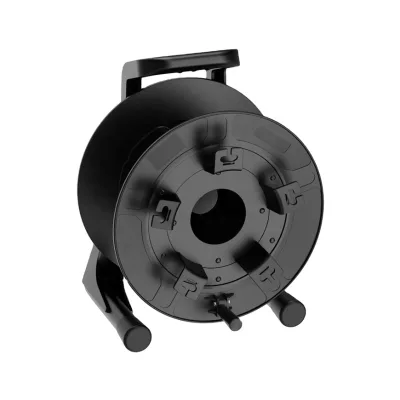
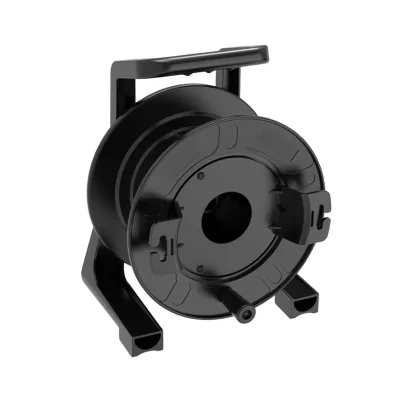
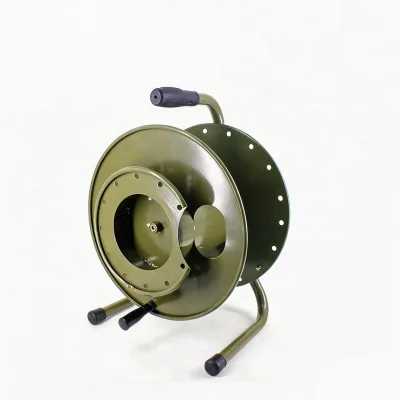
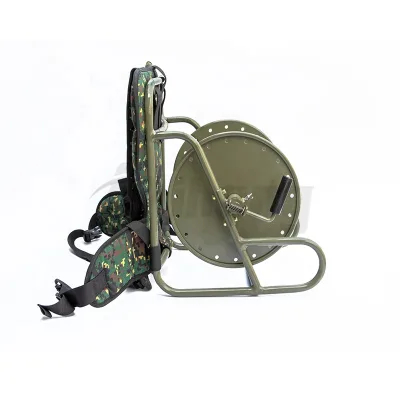
Telecom Mobile Extension harsh environment empty Fiber Optic Cable Reel reel
$10.2611 - $102.6062
MOQ: 1 Minimum

Ningbo Leap Electronics Technology Co., Ltd.
- Verified by TUVRHEINLAND
- Trading Company
- China Zhejiang
- Lead time23 days
- Avg. response≤ 21h
Main productsExtension Cord, Power Cords, Plug Insert, Power Cables, Plug Pins, Metal Spare Parts, NEMA USA Power Cords, SAA Extension Cord, Switch on Line, String Light
Main marketsDomestic
Shenzhen Jarch Electromechanical Technology Co., Ltd.
- Manufacturer
- Guangdong, China
- Lead time15 days
- Avg. response≤ 6h
Main productsslip ring,rotary joints,hose reel,cable reel,tethered drone system
Main marketsCentral America(20.00%), Northern Europe(15.00%), North America(10.00%), Western Europe(10.00%), Southern Europe(10.00%), South America(10.00%), Eastern Europe(10.00%), South Asia(5.00%), Eastern Asia(5.00%), Southeast Asia(5.00%)

Shaoxing Nante Crane Equipment Co., Ltd.
- Verified by BV
- Combined
- China Zhejiang
- Lead time45 days
- Avg. response≤ 5h
Main productsOverhead Crane, Gantry Crane, Jib Crane, Hoist, Winch, Launching Crane, End Carriage, Conductor Rail, Festoon System, Crane Rail
Main marketsSouth America,Africa,Southeast Asia/ Mideast,Domestic,Europe,Australia,North America
Shenzhen Angnet Technology Co., Ltd.,
- Verified by SGS Group
- Trading Company
- Lead time15 days
- Avg. response≤ 9h
Main productsIndoor/Outdoor Fiber Cable, MPO/MTP Patch Cord, Distribution Box, Splice Closure, Terminal Box
Main marketsNorth America(33%), South America(23%), Eastern Europe(8%)

NINGBO ONEREEL MACHINE CO., LTD.
- Manufacturer/Factory
- China Zhejiang
- Lead time15 days
- Avg. response≤ 2h
Main productsWire Spool, Warp Knitting Beam, Textile Knitting Warp Beam, Steel Cord Spool, Plastic Spool, Metal Bobbin, Water Pump, Hydraulic Cable Puller, Wire Coiler, Cable Reel Stand
Main marketsEastern Europe,Mid East,North America,Eastern Asia,Western Europe,Africa

- Trading Company
- Anhui, China
- Lead time120 days
- Avg. response≤ 6h
Main productspower cable making machine,optic fiber cable machine,data cable machine,lan cable equipment,cable material
Main marketsEastern Europe(20.00%), Mid East(20.00%), Southeast Asia(20.00%), South Asia(10.00%), South America(10.00%), Africa(10.00%), North America(10.00%)
Guangzhou Diwei Electronics Co., Ltd.
- Manufacturer, Trading Company
- Lead time旺季: "1 - 20":7,"21 - 100":10,"101 - 200":14,"> 200":"To be negotiated", 淡季: "1 - 20":7,"21 - 100":10,"101 - 200":14,"> 200":"To be negotiated"
- Avg. response≤ 3h
Main productsM12 Circular Waterproof Connector Cable, M8 Waterproof Connector Cable, Military Connector, Push Pull Connector, USB RJ45 Waterproof Connector

Shenzhen Jingwei Technology Co., Ltd.
- Verified by BV
- Trading Company
- China Guangdong
- Lead time15 days
- Avg. response≤ 4h
Main productsRF Power Amplifier, Rfpa, Drone Jammer, Jammer, Power Amplifier, Jammer Module, Power Amplifier Module, Module, Amplifier
Main marketsDomestic








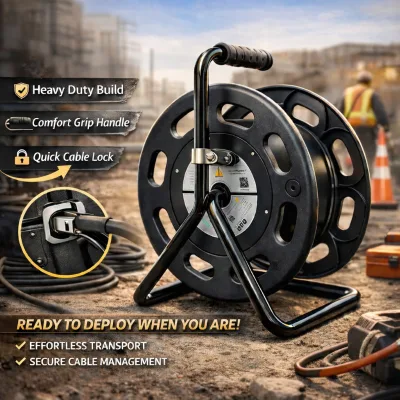
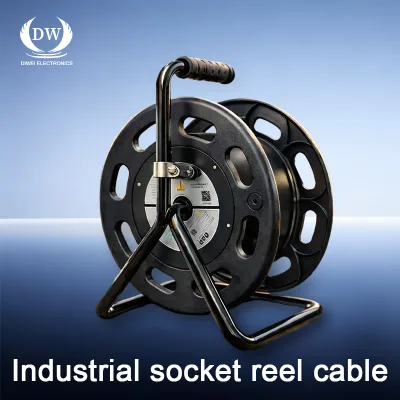


Comprehensive Sourcing Guide
FTTH Optical Cable Winding Reel Supplier Concentration and Factory Types
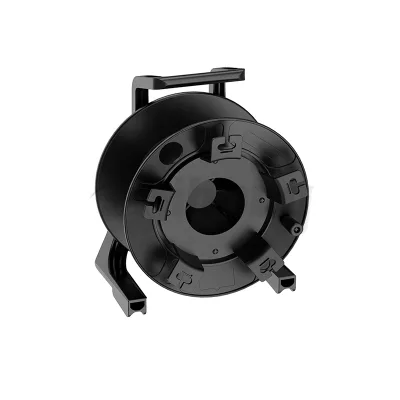
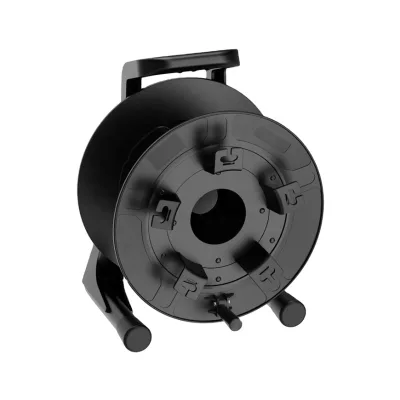
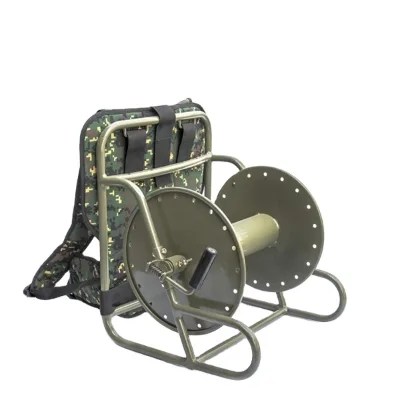
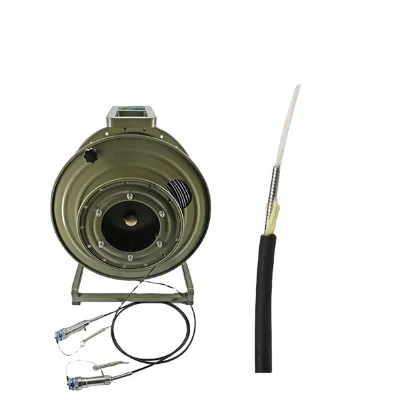
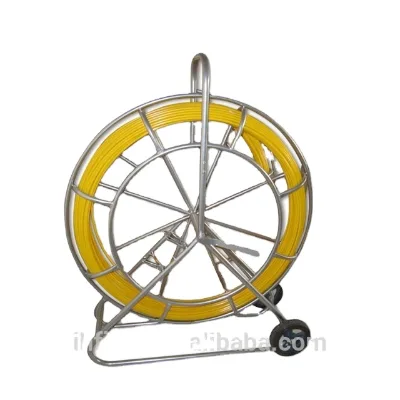
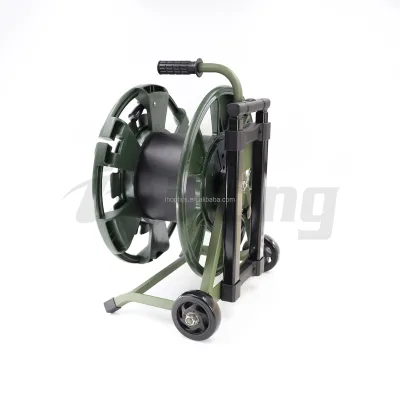
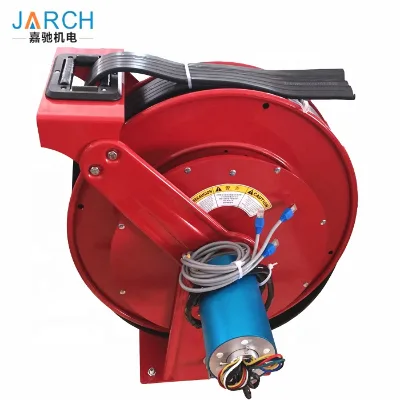
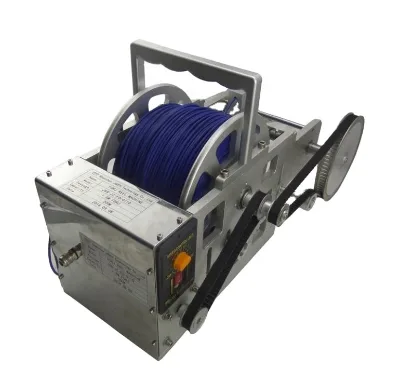
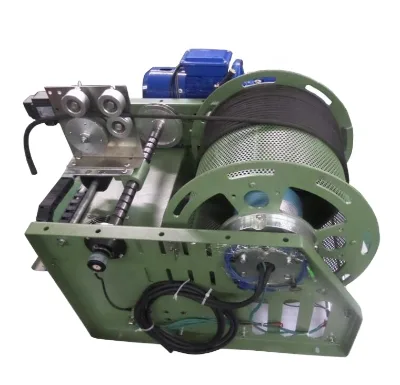
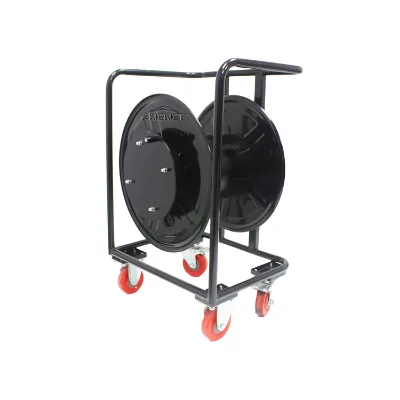
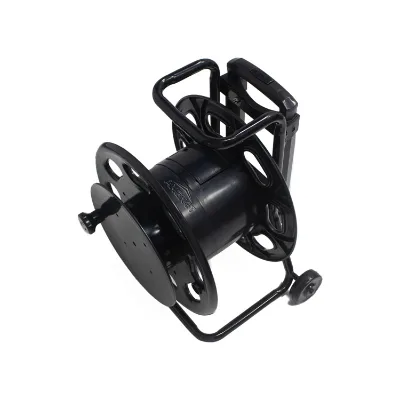
Search results for this category show supplier activity concentrated in two Chinese provinces with clearly distinct profiles. Suppliers based in Guangdong list fiber optic equipment as their main product line, including empty reels, cable wound onto portable reels, and man-pack style reels, and they identify themselves as manufacturers. Suppliers based in Hunan list heavy-duty cable reels — spring type, motor type, and slipring external installed type — among a broader electromechanical portfolio that includes lifting magnets, magnetic separators, and cable reels for industrial machinery. For a buyer, this split matters: the Guangdong cluster sits inside the telecom and fiber optic equipment supply chain, while the Hunan cluster approaches reels as industrial electrical equipment.
The company type label on these results is generally "Manufacturer" or "Manufacturer/Factory" rather than trading company, which suggests direct factory sourcing is realistic in this category. Buyers should still confirm that the factory actually produces the reel type they need rather than only the cable or the electromechanical equipment around it. When screening, note which suppliers show the category alignment between their listed main products and the specific reel — empty plastic or metal reels for telecom deployment differ substantially from spring-driven coiling reels for power cable. Suppliers whose main products skew toward unrelated machinery may still be legitimate manufacturers, but they warrant deeper verification before a first order, since category fit is one of the strongest predictors of consistent quality and after-sales support.
How to Verify FTTH Optical Cable Winding Reel Suppliers
Verification should begin with the credentials and labels visible on the supplier profile, then move to documentation the supplier provides on request. Several results display system certification claims: ISO 9001 appears on a Hunan manufacturer profile, and individual product listings reference CE and ISO certification, or ISO9001:2008 and RoHS for specific fiber optic reel items. Treat these as claims to be checked, not confirmed facts — ask for the certificate number and issuing body, and confirm the certificate covers the factory entity you are contracting with, not only a sister company. Suppliers who respond slowly to a straightforward certificate request reveal something important before any money is spent.
Company type, establishment year, and business scope should be verified through official business registration sources in the supplier's jurisdiction, cross-checked against the name on any quotation. Manufacturer labels should be tested with questions only a factory can answer quickly: which reel components are made in-house, what tooling exists for your reel diameter, and what the packaging process looks like. Note that response time varies widely across the results — from roughly four hours on some Guangdong profiles to over fourteen hours on a Hunan profile — so measure each supplier against its own stated norm. Finally, request the product-specific attributes that matter for reels: material (one listing shows metal construction, another plastic), load rating, drum dimensions, and any applicable test reports. A supplier unable to produce basic dimensional drawings for a standard catalog item is unlikely to handle customization reliably.
What to Compare Across FTTH Optical Cable Winding Reel Suppliers
Build a comparison matrix from the attributes actually displayed, recognizing that not every supplier shows every field. Lead time is the starkest differentiator in the current results: one Guangdong fiber optic supplier lists a general lead time of seven days and, for a specific empty reel item, three to five working days, while the Hunan electromechanical manufacturer lists sixty days. That gap reflects product complexity and stock position, not necessarily supplier quality, but it directly shapes which supplier fits your project timeline. Response time is the second operational metric — roughly four hours versus roughly fourteen hours across the observed profiles — and matters most during customization discussions.
Compare MOQ next: multiple listings in this category show a minimum order quantity of one unit or one piece, which is unusually favorable and allows low-risk sampling from several suppliers in parallel. Price ranges, where displayed, span widely — from around five hundred to eight thousand currency units on motor-type reels and one thousand to ten thousand on spring-type reels — so normalize quotes to the same specification before judging. Beyond these, compare customization capability (several listings state customization available), warranty terms (one to ten years appear across listings), packing (export wooden case, seaworthy case, or carton), and origin details such as Yueyang, Hunan or Guangdong. Weight and package dimensions also affect landed cost significantly for reels, which are bulky relative to value, so capture single gross weight and packing size in the same spreadsheet as unit price.
Common FTTH Optical Cable Winding Reel Sourcing Risks
The most common risk in this category is specification drift between the listing and the shipped product. Listings display attributes such as rated voltage DC220V, spiral spring drive structure, customizable coiling length, and cable outer diameters from 2.0 to 22mm or custom — any of these can be transcribed incorrectly into a purchase order. Mitigate by attaching the full attribute table to the contract and requiring a signed pre-production sample for customized reels. A second risk is certificate mismatch: certification labels like CE, ISO, or RoHS may attach to a product listing rather than the factory itself, so verify who holds the certificate and for what scope before relying on it for import compliance.
Third, watch lead-time assumptions. The observed range — three to five working days on one empty reel listing against sixty days on an industrial manufacturer profile — means a buyer who assumes telecom-style speed across all suppliers will miss deadlines, while one who assumes factory-style buffers everywhere will overpay for expediting. Confirm whether the quoted lead time covers stock items only or includes tooling for customization. Fourth, packaging and freight risk: reels shipping in export wooden or seaworthy cases versus paper cartons (one man-pack reel lists a carton at 290×370×640mm and 25kg gross) face very different damage exposure. Fifth, beware suppliers whose main products are unrelated electromechanical equipment — the reel may be a sideline with thin engineering support. Finally, beware of warranty terms (one year to five-to-ten years observed) that lack a defined claim process.
FTTH Optical Cable Winding Reel Regional Sourcing and Logistics
The two observed sourcing regions — Guangdong and Hunan — carry different logistics profiles. Guangdong suppliers, positioned within China's primary telecommunications export corridor, generally offer the fastest dispatch in the current results: seven days general lead time, three to five working days on a specific empty reel, and four-hour response. Packaging there skews toward cartons and single boxes (one listing specifies 1pc/box at 65×50×45cm, 25kg gross), which suits air freight and courier shipment for urgent telecom deployments. This makes Guangdong the natural first screen for buyers needing empty reels or cable-ready reels on short notice, or for repeat orders feeding field rollout schedules.
Hunan suppliers, centered on Yueyang in the observed listings, serve heavier industrial applications. Their spring-type and motor-type reels list export wooden cases and seaworthy cases, reflecting goods that are heavier, bulkier, and typically moved by sea freight. A sixty-day lead time on that profile means ocean shipping is viable and air freight is rarely necessary, but buyers must anchor project schedules to the longer cycle. Origin documentation should match exactly: one Hunan listing states Yueyang, Hunan as origin, which matters for customs declarations and any preferential tariff claims. When sourcing from both regions, consolidate decision criteria rather than comparing across them directly — a man-pack fiber optic reel and an industrial spring coiling reel share little beyond the word "reel." Confirm Incoterms, freight forwarder responsibilities, and whether the supplier supports export documentation for your destination market before placing either order.
FTTH Optical Cable Winding Reel Commercial Terms and Order Planning
Commercial terms in this category currently favor small initial commitments. Multiple listings across both regions show a minimum order quantity of one unit or piece, so plan a sampling round across two or three suppliers before consolidating volume. Quoted price ranges — 1,000 to 10,000 on spring-type reels and 500 to 8,000 on motor-type reels in the observed results — indicate that price depends heavily on drum size, drive mechanism, and customization level, so never compare list prices across different specifications. Ask each supplier whether the listed price includes the cable (one motor-type listing states the accessory is supplied with cable), as this materially changes effective cost. Payment structure is not displayed in the results, so negotiate explicitly: confirm deposit percentage, balance trigger, and whether trade protections such as escrow-style arrangements are offered through the channel you buy from, since no escrow status can be assumed from the listings.
For order planning, sequence milestones around the verified lead times: three-to-five-day dispatch for stocked Guangdong reels versus sixty days for Hunan industrial builds. Add pre-production sample approval time for customized items — coiling length, drum diameter, and mounting type are all listed as customizable — and budget for that iteration. Fix warranty terms in writing, since displayed warranties range from one year to five-to-ten years, and define what the warranty covers. Finally, agree on packing specification (export wooden case, seaworthy case, or carton) as a contractual line item, because packaging differences directly affect freight cost and damage claims.
Word count check
Approximate totals: 231, 232, 233, 234, 229, 230 — total ~1389 words. Within range.
FAQs
What is the typical lead time for manufacturing FTTH cable reels?
Manufacturers in China generally require 60 days for standard production runs of heavy-duty cable reels. However, specialized fiber optic reels can be produced much faster, with some suppliers offering a lead time of just 3 to 7 working days for smaller or customized orders.
Do suppliers offer customization for cable drum specifications?
Yes, customization is widely available for both spring and motor type cable reels. Buyers can request specific coiling lengths, rated voltages, and structural features. Manufacturers also support OEM and ODM services, allowing for tailored designs that meet unique project requirements and branding needs.
What certifications are standard for these cable winding reels?
Most suppliers hold ISO 9001 system certification to ensure quality management standards. Product-specific certifications often include CE and ISO marks for electrical equipment. Additionally, fiber optic cable reels may carry RoHS compliance, ensuring the materials used are safe and environmentally friendly for global markets.
What is the minimum order quantity for cable reels?
The minimum order quantity is typically very flexible, often set at just one unit. This low MOQ allows buyers to test product quality or order small batches for specific projects without committing to large volumes. It is suitable for both industrial and telecom applications.
Where are these cable reels primarily manufactured?
Production is concentrated in China, specifically in regions like Hunan and Guangdong. Suppliers in Yueyang, Hunan, specialize in heavy-duty lifting and electrical cable reels, while Guangdong manufacturers focus on fiber optic solutions. These locations offer robust supply chains for both metal and plastic reel components.
What is the price range for FTTH cable winding reels?
Prices vary significantly based on type and capacity. Spring type cable reels typically range from $1,000 to $10,000. Motor type reels are priced between $500 and $8,000. Fiber optic specific reels may have different pricing structures, often starting at lower thresholds for basic units.
How quickly do suppliers respond to sourcing inquiries?
Response times vary by supplier location and workload. Some manufacturers in Hunan report an average response time of approximately 14 hours. Others, particularly those in Guangdong focusing on fiber optics, can respond within 4 hours. Quick communication is essential for clarifying technical specifications early.