Indoor Solid Copper Cat6 Cable Suppliers and Manufacturers
Compare 32 verified suppliers of Indoor Solid Copper Cat6 Cable by location, lead time, and certifications. Review response times and customization options to select a partner for your project; review the available evidence before requesting comparable quotations from suitable candidates.
Updated
Suppliers List

Yangzhou Saige Wiring Technology Group Co., Ltd.
- Verified by TUVRHEINLAND
- Combined
- China Jiangsu
- Lead time15 days
- Avg. response≤ 1h
Main productsCable
Main marketsDomestic

Hangzhou Risun Cable Co., Ltd.
- Verified by TUVRHEINLAND
- Combined
- China Zhejiang
- Lead time30 days
- Avg. response≤ 8h
Main productsLAN Cable, Network Cable, Telephone Cable, UTP, FTP, Cat5e&6, Coaxial Cable, Alarm Cable
Main marketsEurope


Network LAN Wire Cable 4 Pair 23 AWG Solid Copper CAT6 Retardant Network UTP CAT6 Cable
$35.00 - $55.00
MOQ: 50 Boxes
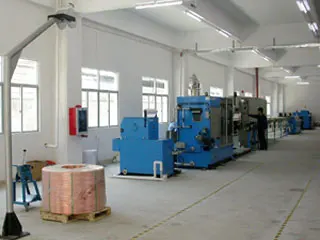
Shenzhen AMPXL Technology Co.,Ltd
- Manufacturer, Trading Company
- Guangdong, China
- Lead time15 days
- Avg. response≤ 8h
Main productsWire and Cable (LAN Cable,Coaxial Cable,Speaker Cable,Alarm Cable,Flexible Installation Cable)
Main marketsDomestic Market(50.00%), Southeast Asia(20.00%), Eastern Europe(15.00%), South America(5.00%), Africa(5.00%), Mid East(4.00%), Oceania(1.00%)

Shenzhen Zhongtai Supply Chain Technology Co., Ltd.
- Trading Company
- China Guangdong
- Lead time0 days
- Avg. response≤ 17h
Main productsCat5 Cable, CAT6 Cable, Cat5e Cable, CAT6A Cable, Cat7 Cable
- Verified by SGS Group
- Manufacturer, Trading Company
- Lead time20 days
- Avg. response≤ 17h
Main productsSolar Cable, Communication Cable , Welding Cable , Flexible Cable , Single Cable
Main marketsNorth America(20%), Mid East(20%), Western Europe(20%)
Guangdong Yilian Cables Co., Ltd.
- Verified by TüVRheinland
- Manufacturer, Trading Company
- Lead time30 days
- Avg. response≤ 2h
Main productsCat5e Network Cable, Cat6 Network Cable, Cat5e Rj45 Patch Cable, Cat6e Rj45 Patch Cable, Booster Cable
Main marketsSoutheast Asia(61%), Mid East(20%), Southern Europe(10%)
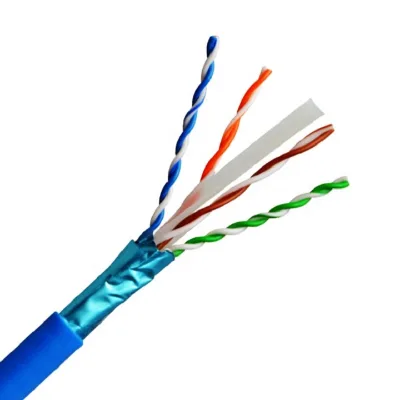
Indoor Cat6a Cat6 Network Lan Cable Solid Bare Copper CCA Twisted Pair 23awg Ftp Cable Cat6a 305m
$15.50 - $18.00
MOQ: 15000
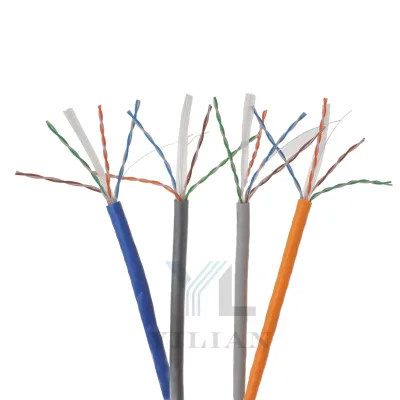
Function Low Voltage Indoor UTP Cable Cat6 Cat6a Cable 305m for Internet Systems
$0.06 - $0.08
MOQ: 15000 meters
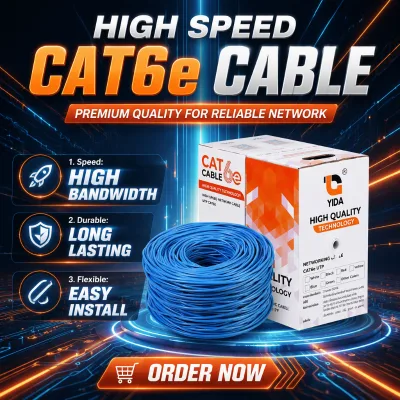
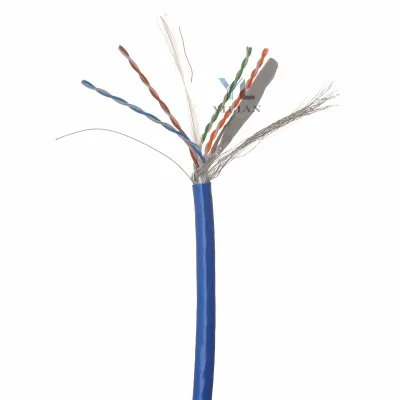
OEM Logo CAT6 305m Indoor Box SFTP CAT6 Wire Ethernet Cable AMPKIEM Cat6 Network Communication Cable
$0.4144 - $0.4338
MOQ: 15000 meters
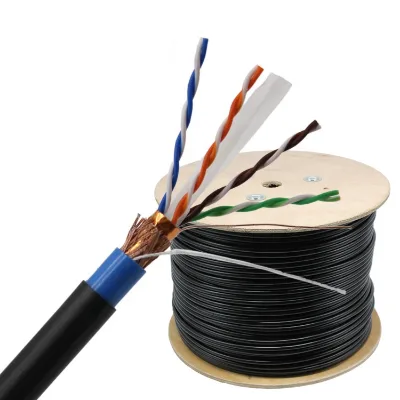
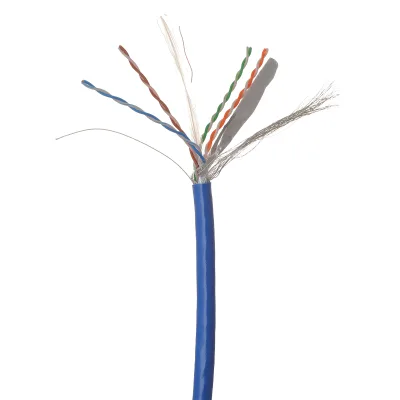
High Speed CAT 6 Indoor Ethernet Cable with Oxygen Free Copper for Low Latency SFTP Indoor
$0.1033 - $0.1556
MOQ: 15000 meters

Hangzhou Chuangxiang Cable Co., Ltd.
- Combined
- China Zhejiang
- Lead time30 days
- Avg. response≤ 3h
Main productsCat5e, CAT6, Cat7, RG6, Rg59, Patch Cord, Rg58, Rg11, Cat3, CAT6A
Main marketsDomestic,Europe

Communication Cable UTP CAT6 LAN Cable Indoor Solid Copper Computer Wire Copper Wire Network Cable
$0.05 - $0.20
MOQ: 30000 Meters


Cambo(shenzhen) Industrial Co., Ltd.
- Verified by TüVRheinland
- Trading Company
- Lead time15 days
- Avg. response≤ 1h
Main productsEthernet Cable, Fiber Optic Cable, Alarm Cable, Control Cable, Telephone Cable
Main marketsSouth America(20%), North America(15%), Western Europe(10%)
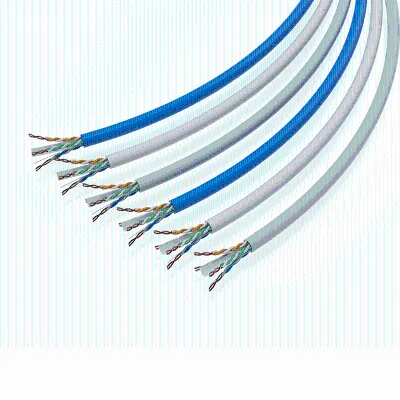
Cat 6 Cable With Standard Cable Shielded Cat6 Copper Ethernet Cat6 Communication Cables
$19.3672 - $22.44
MOQ: 50 boxes
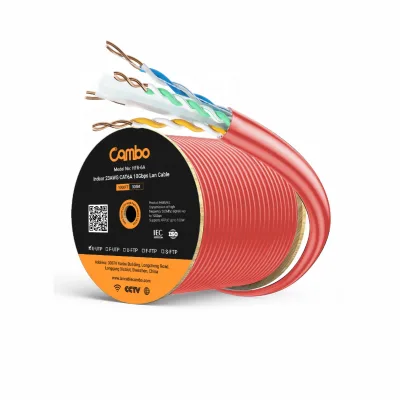
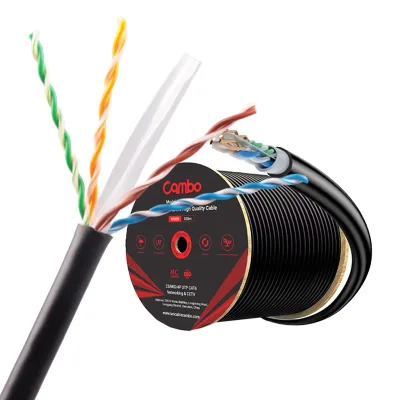
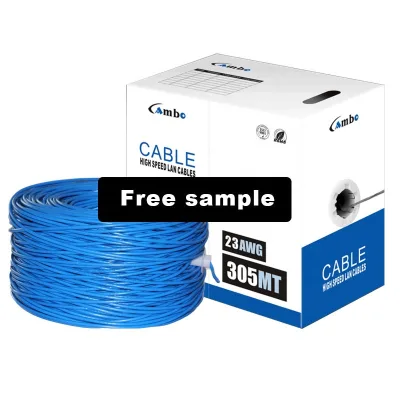
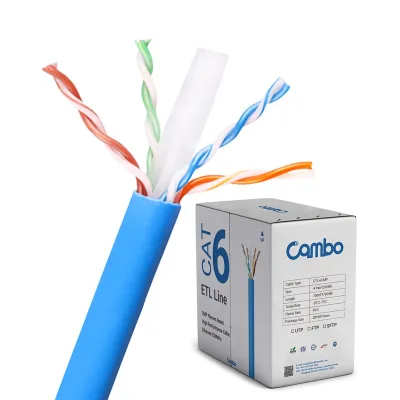
High Line 23AWG Cat6 Cable 100% Copper 100M Cat6 Cable
$73.00 - $85.00
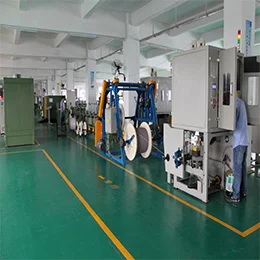
Shenzhen Idealink Network Technology Co., Ltd.
- Manufacturer, Trading Company
- Guangdong, China
- Lead time15 days
- Avg. response≤ 2h
Main productsNetwork Cable,USB data cable,server rack,Network Accessories,patch cord
Main marketsNorth America(25.00%), Northern Europe(15.00%), South Asia(10.00%), South America(10.00%), Domestic Market(5.00%), Africa(5.00%), Eastern Europe(5.00%), Southern Europe(5.00%), Central America(5.00%), Western Europe(5.00%), Eastern Asia(5.00%), Mid East(5.00%)
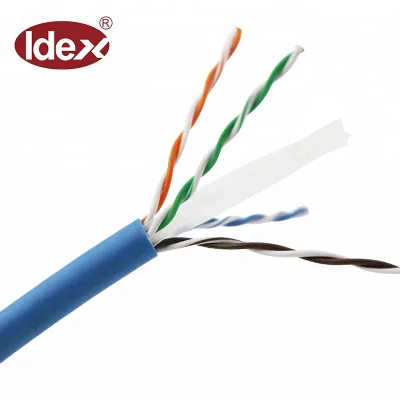
Cat6 UTP 4 pairs 305m copper straight through lan cable cat6 utp cable
$30.00 - $60.00
MOQ: 30 Minimum
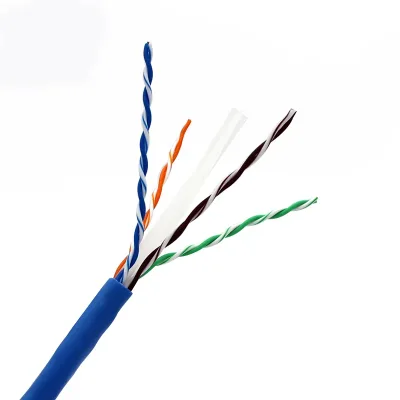
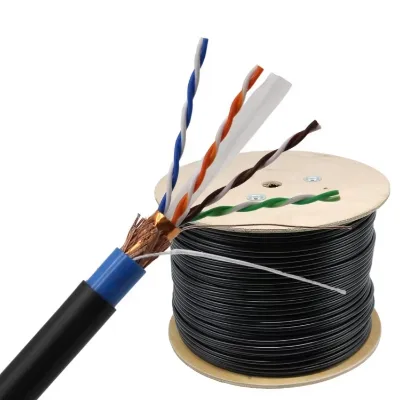
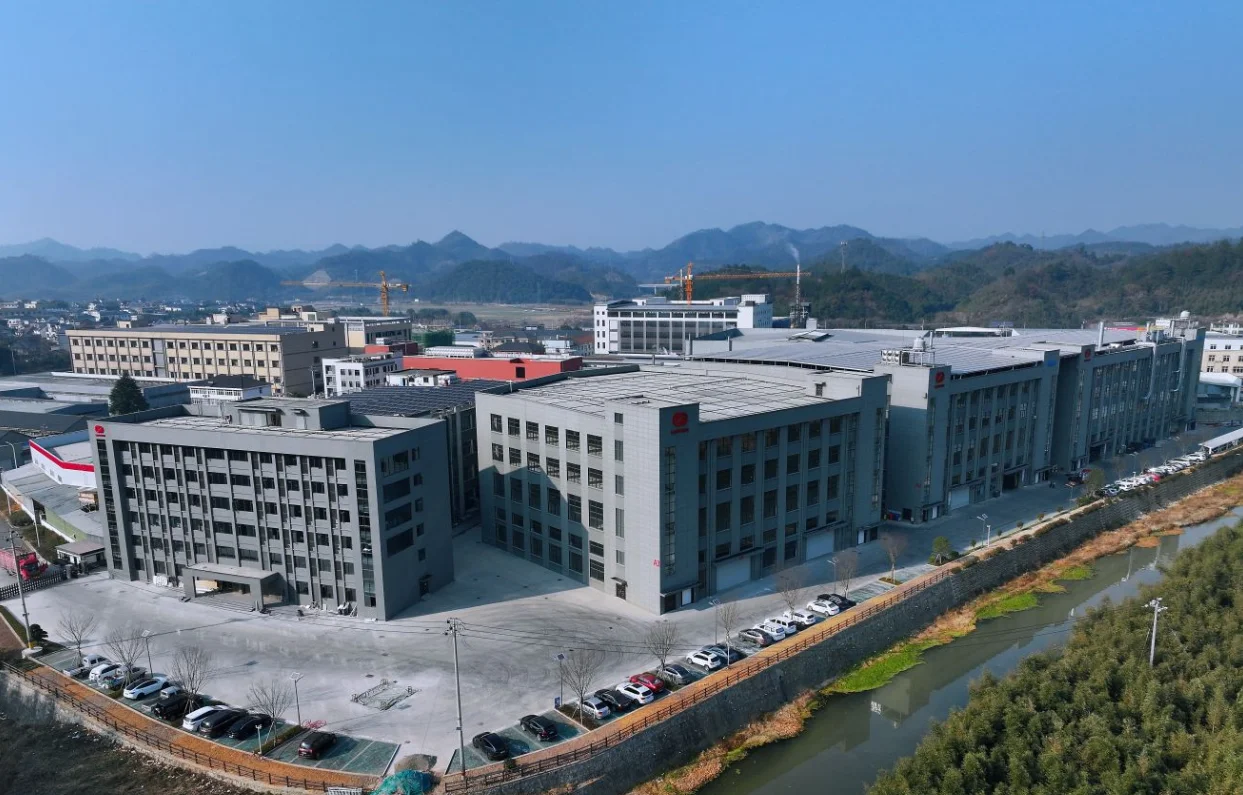
Hangzhou Sanyuan Cable Co., Ltd.
- Manufacturer, Trading Company
- Zhejiang, China
- Lead time21 days
- Avg. response≤ 6h
Main productsIndustrial Cable,Fire Resistant Cable,Alarm Cable,Control Cable,Data Cable
Main marketsSouth America(30.00%), Southern Europe(25.00%), North America(20.00%), Southeast Asia(10.00%), Eastern Europe(5.00%), Western Europe(5.00%), Mid East(5.00%)
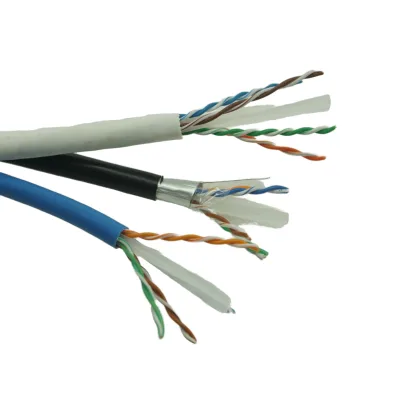
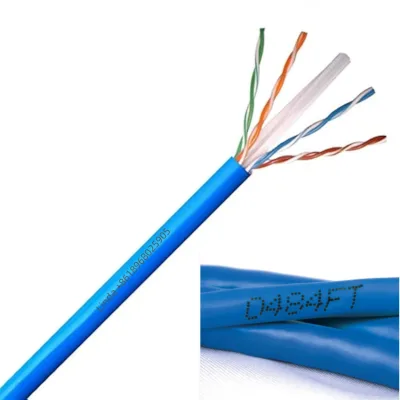
$17.6124 - $18.1315
MOQ: 50 cartons
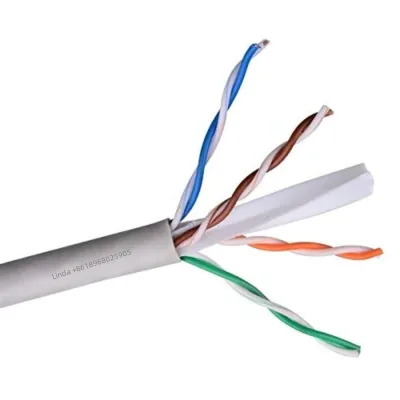
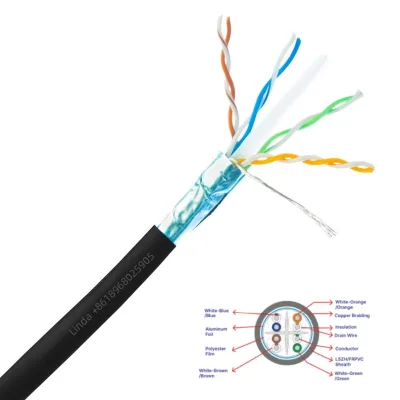
CCTV Camera Cat6 FTP Ethercon Cable Copper Strand LAN Internet Cable with Drum Network
$17.50 - $18.00
MOQ: 50
Hangzhou Jukings Tech Co., Ltd.
- Verified by TüVRheinland
- Trading Company
- Lead time25 days
- Avg. response≤ 6h
Main productsPower Cords, Electric Cords With Connectors, RV & Marine & Trailer Cords, Power Strip & Adapter, Building Wire And Electrical Box
Main marketsNorth America(70%), South America(10%), Oceania(5%)

Hongan Group Corporation Limited
- Group Corporation
- China Shandong
- Lead time15 days
- Avg. response≤ 11h
Main productsOptical Fiber Cable, FTTH FTTX, Fiber Cable, Fiber Optic Cable, Data LAN Cable, Internet Cable, Fiber Jumper, Multi Pair Telephone Cable, Epon Gpon, Joint Closure ODF
Main marketsAfrica,Southeast Asia/ Mideast,Domestic
Kunlian Cable Technology (guangdong) Co., Ltd.
- Manufacturer, Trading Company
- Guangdong, China
- Lead time15 days
- Avg. response≤ 6h
Main productsCat5 Cable,Cat6 Cable,Cat7 Cable,Television Cable,Lan Cable
Main marketsMid East(20.00%), Southeast Asia(10.00%), Africa(10.00%), Domestic Market(10.00%), North America(5.00%), South America(5.00%), Eastern Europe(5.00%), Oceania(5.00%), Eastern Asia(5.00%), Western Europe(5.00%), Central America(5.00%), Northern Europe(5.00%), Southern Europe(5.00%), South Asia(5.00%)
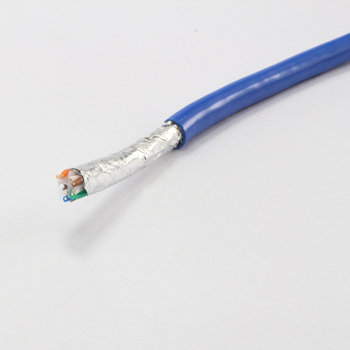
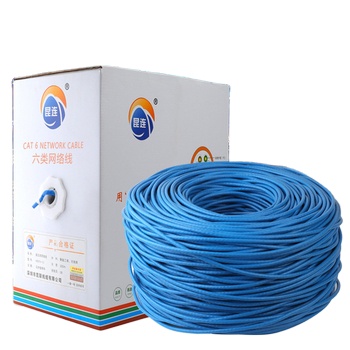
Lan Ethernet Network Cat 6 Cat6a Cat6e Blue Cable Cat6 De 305m 100% Pure Copper Quality Cat6 Cable
$0.07 - $0.23
MOQ: 10000 Minimum
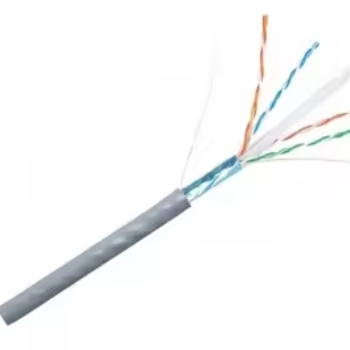
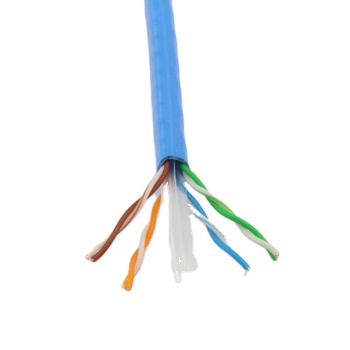
High Quality UTP 23AWG Telecommunication 4 Pair Shield Internet Cat6 Lan Cable 305m Cat 6
$0.07 - $0.23
MOQ: 10000 Minimum
$0.07 - $0.23
MOQ: 10000 Minimum

Zhuhai Surelink Communication Cable Co., Ltd.
- Verified by BV
- Manufacturer/Factory
- China Guangdong
- Lead time30 days
- Avg. response≤ 7h
Main productsLAN Cable, Optical Fiber Cable, PLC Splitter, Fast Connector, Fiber Terminal Box, FTTH Clamp, Microduct and Microduct Connector, ADSS, Fibra Optica Patch Cord, Nap Box
Main marketsSouth America,Eastern Europe,Mid East,North America,Southeast Asia,Eastern Asia,Oceania,Western Europe,Africa


Outdoor CAT6 High Speed Solid Copper or CCA Conductor LAN Network Cable Outdoor UTP CAT6
$30.00 - $85.00
MOQ: 30 Rolls
Shenzhen Brother Young Development Co., Ltd.
- Manufacturer, Trading Company
- Guangdong, China
- Lead time20 days
- Avg. response≤ 7h
Main productsNetwork Cable,Coaxial Cable,Electrical Wire,Patch Cord Cable,Fiber Optic Cable
Main marketsSouth America(18.00%), Eastern Europe(15.00%), Southeast Asia(10.00%), Mid East(10.00%), Africa(8.00%), North America(7.00%), South Asia(7.00%), Central America(5.00%), Western Europe(5.00%), Southern Europe(5.00%), Eastern Asia(3.00%), Northern Europe(3.00%), Domestic Market(2.00%), Oceania(2.00%)
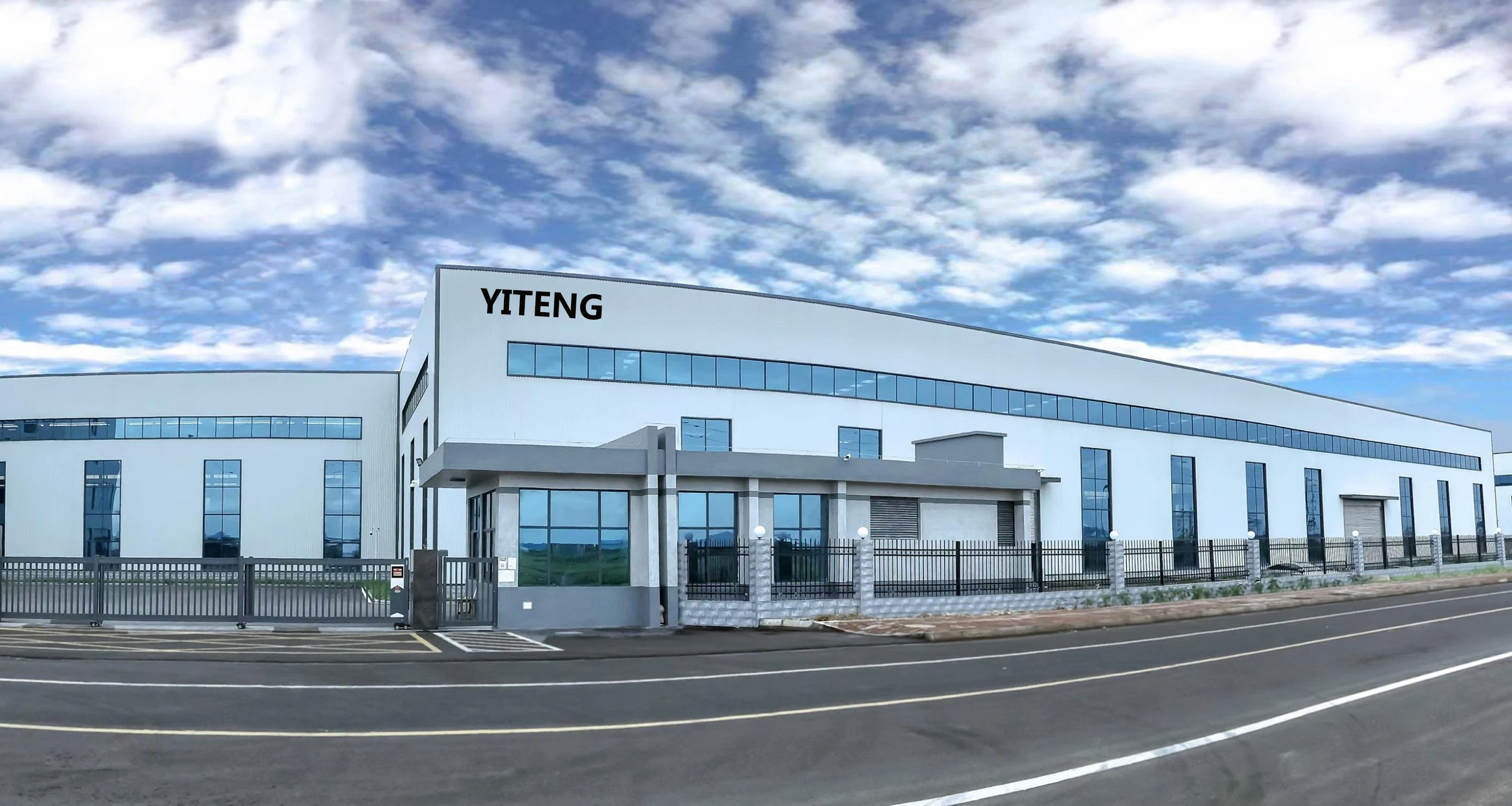
Jiexi Mianhu Yiteng Wire And Cable Factory
- Manufacturer
- Guangdong, China
- Lead time0 days
- Avg. response≤ 3h
Main productscable,wire,materials,fittings,connector
Main marketsSouth Asia(12.00%), North America(10.00%), Central America(10.00%), Mid East(10.00%), Northern Europe(10.00%), Southeast Asia(10.00%), Domestic Market(10.00%), South America(10.00%), Eastern Asia(8.00%), Africa(5.00%), Western Europe(2.00%), Southern Europe(2.00%), Eastern Europe(1.00%)
- Manufacturer, Trading Company
- Lead time旺季: , 淡季:
- Avg. response≤ 17h
Main productscable,wire,Cable Parts

Tri Wire Scientific Co., Ltd (Dongguan)
- Verified by SGS
- Combined
- China Guangdong
- Lead time15 days
- Avg. response≤ 5h
Main marketsSoutheast Asia/ Mideast,Domestic,Australia,North America

- Verified by SGS
- Manufacturer/Factory
- China Zhejiang
- Lead time30 days
- Avg. response≤ 6h
Main productsNetwork Cable, Telephone Cable, Coaxial Cable, Alarm Cable, Speaker Wire, Microphone Cable, Power Cable, Electric Wire, Patch Cord, Non Woven
Main marketsSouth America,Eastern Europe,Mid East,North America,Southeast Asia,Eastern Asia,Oceania,Western Europe,Africa
Exc Industry (shenzhen) Co.. Ltd.
- Manufacturer
- Guangdong, China
- Lead time15 days
- Avg. response≤ 2h
Main productsLan Cable,Network Accessories,Network Rack Cabinet,Fiber Optic Cable,Fiber Optic Patch Cord
Main marketsSoutheast Asia(20.00%), South America(20.00%), Mid East(20.00%), Central America(10.00%), Eastern Asia(10.00%), North America(10.00%), Oceania(10.00%)
Shenzhen Lilutong Technology Industry Co., Ltd.
- Manufacturer, Trading Company
- Lead time旺季: "1 - 30000":7,"30001 - 100000":10,"> 100000":"To be negotiated", 淡季: "1 - 30000":7,"30001 - 100000":10,"> 100000":"To be negotiated"
- Avg. response≤ 7h
Main productsFire Alarm Cable, Flexible Power Cable, Floating Cable, Communication Cable, Solar Cable
Guangxi Jiayou Power Technology Co., Ltd.
- Verified by TüVRheinland
- Manufacturer, Trading Company
- Lead time15 days
- Avg. response≤ 3h
Main productsElectric Wire, Power Cable, Control Cable, Solar Cable, Communication Cable
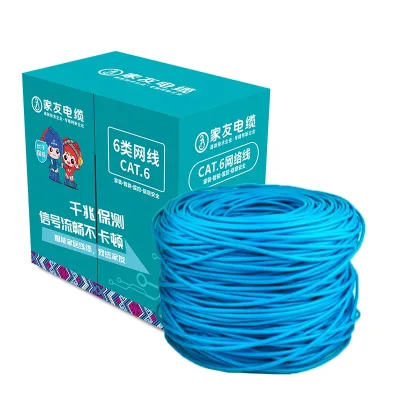
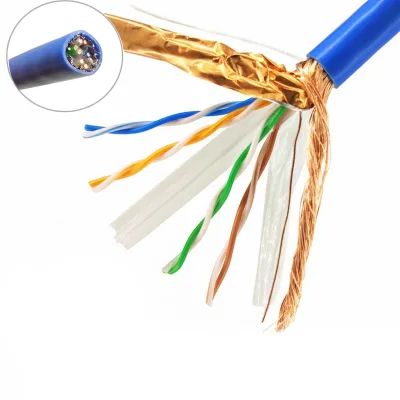
Indoor 0.5mm 24AWG Cat 5e Copper Twisted Pairs Cable UTP CCA Cat5e CAT6 LAN CABLE Network Cable
$2.38 - $3.00
MOQ: 1000 meters
Jieyang Huisheng Cables Company Ltd.
- Verified by Intertek
- Manufacturer, Trading Company
- Lead time20 days
- Avg. response≤ 4h
Main productsNetwork Cable, Patch Cord Cable, Power Cable
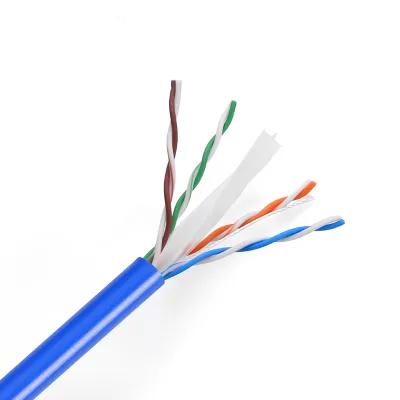
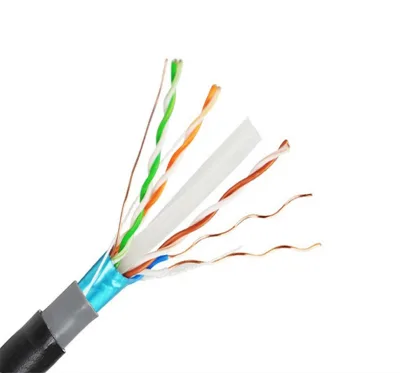
$0.09 - $0.11
MOQ: 15000 meters
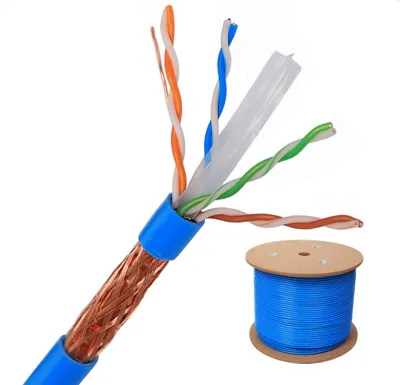
Ningbo Exact Cables & Wire Co., Ltd.
- Verified by Intertek
- Manufacturer, Trading Company
- Lead time16 days
- Avg. response≤ 2h
Main productsFire Alarm Cable , Alarm Cable , Optical Cable , Coaxial Cable , Speaker Cable

Guangzhou Shenmao Hardware Electrical Appliance Co., Ltd
- Verified by BV
- Trading Company
- China Guangdong
- Lead time15 days
- Avg. response≤ 5h
Main productsSmart Switch, WiFi Switch, Smart Socket, WiFi Socket, Wall Switch, Wall Socket, Electrical Switch, Electrical Scoket, Cable Wire, Switch and Socket
Main marketsSouth America,Africa,Southeast Asia/ Mideast,East Asia(Japan/ South Korea),Europe,Australia,North America


Ethernet Cable Solid Copper Communication Cable CAT6 UTP Outdoor Network LAN Cable
$1.21 - $1.65
MOQ: 100 Meters
Chang Bao Technology Co., Ltd.
- Verified by Intertek
- Manufacturer, Trading Company
- Lead time20 days
- Avg. response≤ 4h
Main productsNetworking Cables , Security & Alarm Cables, Speaker & Audio Cables, Telephone Cables, Control Cables
Main marketsNorth America(30%), Eastern Europe(10%), Western Europe(10%)
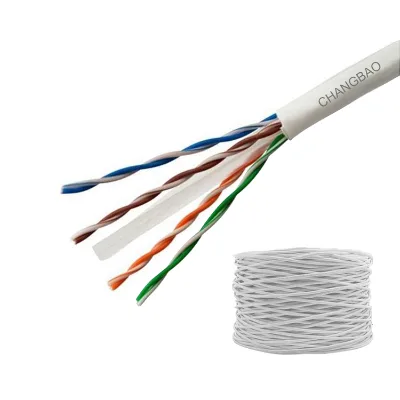
Changbao Cat6 23awg 4 Pair Indoor Utp Lszh Copper Cable White cat 6 Kablo
$51.3382 - $102.6765
MOQ: 20 Minimum
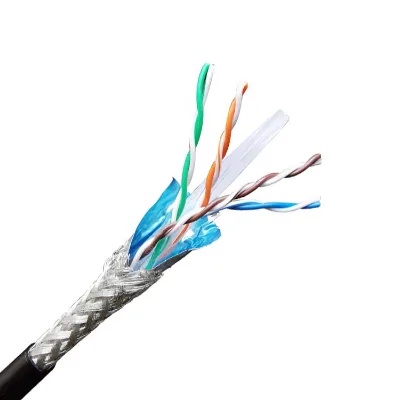

Hunan Feibo Guangtong Communication Equipment Co., Ltd.
- Verified by BV
- Trading Company
- China Hunan
- Lead time15 days
- Avg. response≤ 2h
Main productsFiber Optic Cable, FTTH Drop Cable, Outdoor Fiber Cable ADSS/Asu/GYXTW/GYFTY/GYTA, Fiber Cable Patch Cord, Fiber Distribution Box Splice Closure, Netwrok Cable Cat5/CAT6, Optical Splitter, Fiber Optic Connector, Fiber Optic Adapter
Main marketsSouth America,Africa,Southeast Asia/ Mideast

$25.00 - $50.00
MOQ: 50 Rolls

Pure Copper/CCA Cat5/Cat5e/CAT6 23AWG 0.57mm 4pairs UTP Indoor/Outdoor Network Cable 305m
$20.00 - $30.00
MOQ: 50 Rolls

High Quality CAT6 Exterior Shielded Ethernet Cable 0.56mm Outdoor Pure Copper
$0.067 - $0.074
MOQ: 305 Meters

Hangzhou Xingfa Technology Co., Ltd.
- Verified by BV
- Combined
- China Zhejiang
- Lead time15 days
- Avg. response≤ 10h
Main productsCoaxial Cable, LAN Cable, UTP Cat5e, CAT6, FTP Cat5e, Trunk Cable, Telephone Cable, Speaker Cable, Alarm Cable, Fiber Optic Cable
Main marketsSouth America,Africa,Southeast Asia/ Mideast,East Asia(Japan/ South Korea),Europe,Australia,North America
Jiangsu Dmis Optoelectronic Communication Co., Ltd.
- Manufacturer, Trading Company
- Jiangsu, China
- Lead time0 days
- Avg. response≤ 2h
Main productsButterfly Drop Optical Fiber Cable GJXFH,Butterfly Drop Optical Fiber Cable GJXH,Self-supporting Butterfly Drop Optical Fiber Cable GJYXFCH,Self-supporting Butterfly Drop Optical Fiber Cable GJYXCH,Optical Fiber Patch Cord
Main marketsEastern Asia(5.00%)
Changhe Optical Technology Co., Ltd.
- Manufacturer, Trading Company
- Shandong, China
- Lead time0 days
- Avg. response≤ 3h
Main productsg652d optical fiber,g657a optical fiber,g657a1 optical fiber,g657a2 optical fiber
Main marketsDomestic Market(50.00%), Mid East(30.00%), Western Europe(20.00%)
Liaoning Huayuan Wire& Cable Manufacture Co., Ltd.
- Manufacturer
- Liaoning, China
- Lead time0 days
- Avg. response≤ 6h
Main productsWire,Cable,Insulation Material,Electronics Production Machinery
Main marketsDomestic Market(100.00%)
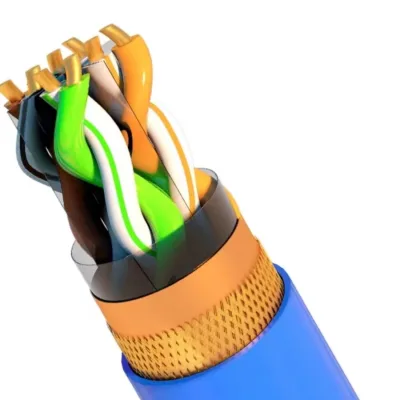
Elevator Traveling Cable Cat6 High Flexible Network Cable Cat7/8/5E Dual Shielding
$70.00 - $80.00
MOQ: 305
Hunan Feibo Guangtong Communication Equipment Co., Ltd.
- Verified by Intertek
- Manufacturer, Trading Company
- Lead time10 days
- Avg. response≤ 2h
Main productsOutdoor Fiber Optic Cable, Indoor Fiber Optic Cable, ADSS OPGW, Fiber Optic Cable Equipment, Communication Cables
Main marketsSoutheast Asia(30%), South America(25%), Domestic Market(20%)






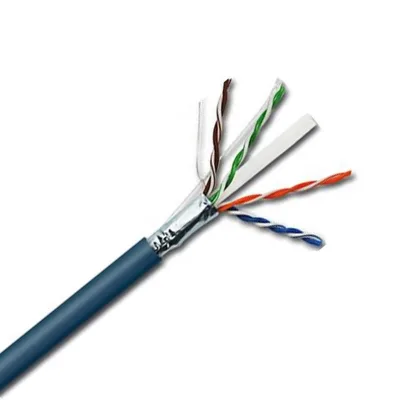
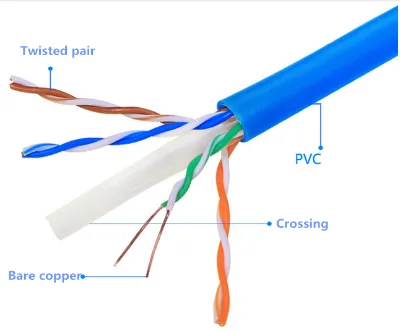
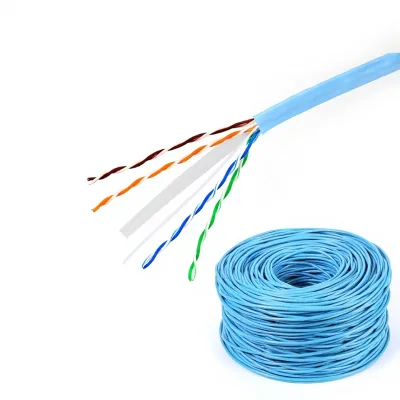
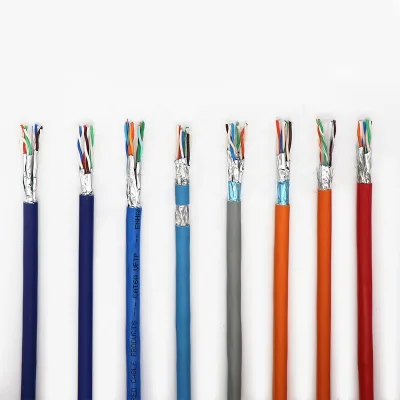
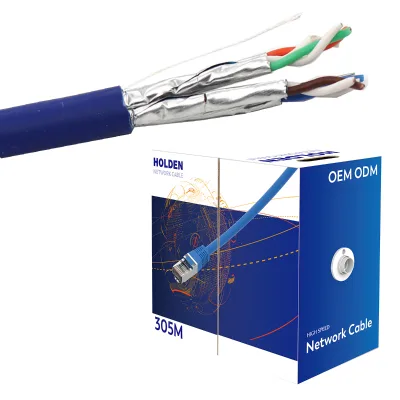


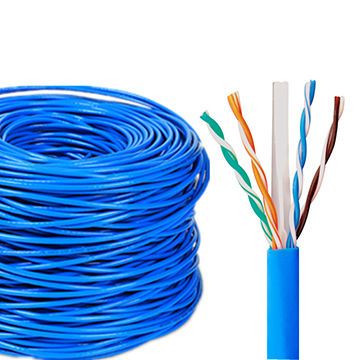
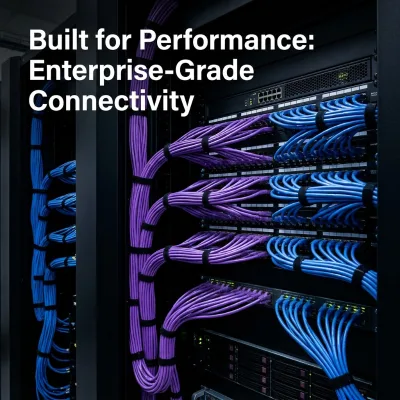
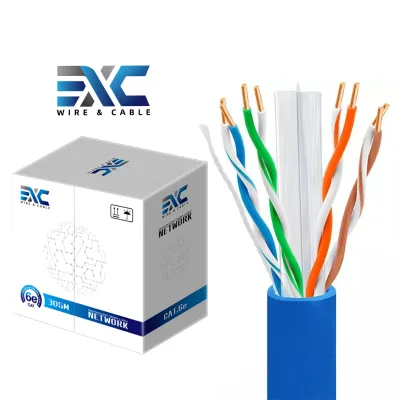


Comprehensive Sourcing Guide
Indoor Solid Copper Cat6 Cable Supplier Concentration and Factory Types
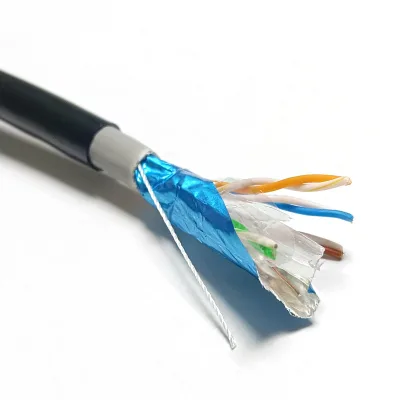
The current supplier landscape for indoor solid copper CAT6 cables reveals a distinct geographic concentration within China, specifically highlighting Jiangsu and Zhejiang provinces as primary manufacturing hubs. Suppliers located in Jiangsu often operate as combined entities, blending manufacturing capabilities with trading functions, which allows them to offer a diverse range of electronic components and telecommunications accessories. These facilities frequently emphasize their ability to handle both Original Design Manufacturing (ODM) and Original Equipment Manufacturing (OEM) orders, alongside maintaining their own brand identities. This structural flexibility is crucial for buyers seeking customized solutions, as it indicates that the factory has the internal engineering resources to adapt product specifications, such as conductor materials or jacket compounds, to meet specific project requirements. The presence of ISO9001:2015 and ISO14001:2015 certifications among these Jiangsu-based suppliers suggests a mature quality management system that supports consistent production standards for high-volume orders.
In contrast, suppliers based in Zhejiang and Guangdong provinces present a different operational profile, with some explicitly identifying as manufacturers while others function as trading companies. The Zhejiang cluster, particularly around Hangzhou, often focuses on a broader portfolio that includes LAN cables, network cables, telephone cables, and coaxial options, indicating a specialized infrastructure for telecommunications wiring. These suppliers may offer varying conductor material options, ranging from bare copper to copper-clad steel or aluminum, which requires careful verification when the specific requirement is solid bare copper. The Guangdong suppliers similarly display a wide array of cable types, including FTP and shielded variants, suggesting a robust supply chain for both unshielded and shielded indoor applications. Buyers must distinguish between pure manufacturers and trading companies, as the latter may add layers of markup or communication delays, whereas manufacturers typically offer more direct control over production schedules and material sourcing. Understanding this distinction helps in selecting a partner that aligns with the desired balance of cost efficiency and supply chain transparency.
How to Verify Indoor Solid Copper Cat6 Cable Suppliers
Verifying the authenticity and capability of suppliers requires a multi-layered approach that goes beyond surface-level product listings. One critical step is to examine third-party verification badges, such as those provided by TÜV Rheinland, which indicate that an independent body has assessed the supplier’s business legitimacy and operational capabilities. However, verification alone does not guarantee product quality, so buyers must cross-reference these badges with specific product certifications. For indoor solid copper CAT6 cables, look for explicit mentions of RoHS, CE, and ISO certifications on the product attributes. These certifications confirm that the materials used, particularly the PVC or PE jackets and the copper conductors, meet international environmental and safety standards. It is essential to request copies of these certificates and verify their validity with the issuing body, as some suppliers may display outdated or generic certification logos that do not apply to the specific cable model being ordered.
Another vital verification step involves assessing the supplier’s response time and communication efficiency, which serves as a proxy for their operational responsiveness. Suppliers with rapid response times, such as those under one hour, often indicate a dedicated sales team that is actively monitoring inquiries and ready to provide technical support. This is particularly important for custom orders where specifications like conductor elongation ratios, jacket thickness, or rip cord materials need precise confirmation. Buyers should also scrutinize the detailed product attributes provided, such as the conductor type (solid vs. stranded), material shape (round wire), and insulation material (HDPE or PVC). Discrepancies between the advertised "solid bare copper" and actual product specifications, such as the use of copper-clad aluminum, can lead to significant performance issues. Requesting sample units for independent laboratory testing is the most reliable method to verify that the physical product matches the claimed specifications, ensuring that the cable meets the required bandwidth and attenuation standards for indoor network installations.
What to Compare Across Indoor Solid Copper Cat6 Cable Suppliers
When evaluating multiple suppliers, comparing key operational metrics is essential to determine the best fit for your procurement needs. Lead time is a primary differentiator, with some suppliers offering production cycles as short as fifteen days, while others may require up to thirty days. This variance often correlates with the supplier’s production capacity and current order backlog. Buyers should also compare the Minimum Order Quantity (MOQ), which can range significantly from small batches of thirty-five units to large industrial orders of ten thousand units. A lower MOQ is advantageous for testing new suppliers or fulfilling small-scale projects, whereas higher MOQs often unlock better pricing tiers for bulk purchases. Additionally, response time serves as a critical indicator of supplier reliability; faster responses suggest a more agile customer service team capable of addressing urgent queries or custom requests efficiently.
Price and packaging standards are another crucial area for comparison. Unit prices for indoor solid copper CAT6 cables can vary based on the copper market fluctuations and the specific construction of the cable, such as the gauge of the conductor or the thickness of the jacket. Some suppliers may offer prices starting at very low thresholds, but these often come with strict MOQs or limited customization options. Packaging details, such as whether the cable is supplied in boxes, spools, or wooden reels, and the number of units per master carton, impact logistics costs and handling efficiency. Buyers should also compare the range of main products offered; suppliers with a broad portfolio may have more diversified supply chains, reducing the risk of stockouts for specific cable types. Finally, assessing the supplier’s capacity for customization, including available colors, labeling, and specific performance attributes, ensures that the final product aligns perfectly with the project’s technical requirements and branding needs.
Common Indoor Solid Copper Cat6 Cable Sourcing Risks
One of the most significant risks in sourcing indoor solid copper CAT6 cables is the potential for material substitution, where suppliers may deliver copper-clad steel or copper-clad aluminum instead of the specified solid bare copper. This discrepancy can severely impact the cable’s conductivity, signal integrity, and overall network performance, leading to costly rework and project delays. Buyers must be vigilant in verifying the conductor material through detailed product attributes and independent testing. Another risk involves the accuracy of certification claims; some suppliers may display generic certification logos without providing valid, up-to-date certificates for the specific product batch. This can lead to compliance issues, especially in regions with strict environmental or safety regulations, such as the European Union or North America. Ensuring that the certifications are specific to the cable model and issued by recognized bodies is crucial to mitigate this risk.
Packaging and logistics damage is another common risk, particularly when cables are shipped in bulk without adequate protection. Poor packaging can lead to crushed reels, tangled wires, or damaged jackets, which can compromise the cable’s integrity and usability. Buyers should review the supplier’s packaging standards, such as the use of wooden drums, pull boxes, or reinforced cartons, to ensure that the products are protected during transit. Additionally, there is a risk of inconsistent quality across different production batches, which can occur if the supplier lacks robust quality control processes. This inconsistency can manifest as variations in conductor diameter, insulation thickness, or jacket color, affecting the ease of installation and the aesthetic uniformity of the network infrastructure. To mitigate these risks, buyers should establish clear quality assurance protocols, including pre-shipment inspections and sample approvals, to ensure that every batch meets the agreed-upon specifications and standards.
Indoor Solid Copper Cat6 Cable Regional Sourcing and Logistics
Sourcing indoor solid copper CAT6 cables from China offers access to established manufacturing clusters in Jiangsu, Zhejiang, and Guangdong provinces, each with distinct logistical advantages. Jiangsu suppliers, often located in industrial zones, benefit from proximity to major ports like Shanghai, facilitating efficient export operations for large container shipments. This region’s focus on combined manufacturing and trading models can streamline the procurement process for buyers who need both product customization and logistical support. Zhejiang suppliers, particularly those in Hangzhou, leverage the region’s strong telecommunications infrastructure and supply chain networks, which can reduce lead times for standard products. The concentration of suppliers in these areas creates a competitive environment that drives innovation and cost efficiency, making it easier for buyers to find partners who can meet specific technical requirements.
Logistics planning must account for the varying shipping methods and transit times associated with different regions. Suppliers in Guangdong, with access to ports like Shenzhen and Guangzhou, may offer faster shipping routes to certain international destinations, particularly in Southeast Asia and North America. Buyers should consider the total landed cost, including freight, insurance, and customs duties, when comparing suppliers from different provinces. Additionally, the packaging format, such as wooden reels or pull boxes, can impact shipping volume and handling requirements. Wooden reels are robust but heavy, potentially increasing freight costs, while pull boxes are lighter and easier to handle but may require more packaging material. Coordinating with freight forwarders early in the sourcing process can help optimize shipping routes and reduce transit times, ensuring that the cables arrive on site ready for installation. Understanding these regional logistics nuances allows buyers to make informed decisions that balance cost, speed, and reliability.
Indoor Solid Copper Cat6 Cable Commercial Terms and Order Planning
Effective order planning for indoor solid copper CAT6 cables requires a clear understanding of commercial terms, including payment structures, delivery schedules, and after-sales support. Suppliers may offer various payment terms, such as partial upfront payments with the balance due upon shipment, or full payment via secure escrow services to protect both parties. It is crucial to negotiate clear delivery terms, specifying the lead time from order confirmation to shipment, and to include penalties for delays if the project timeline is critical. Buyers should also clarify the Incoterms, such as FOB or CIF, to determine who is responsible for shipping costs and insurance. Understanding these terms helps in budgeting accurately and avoiding unexpected expenses that can erode profit margins.
Customization options and minimum order quantities play a significant role in order planning, as they directly impact the total cost and feasibility of the project. Suppliers with low MOQs may charge higher unit prices, while those with high MOQs offer better pricing but require larger capital outlays. Buyers should assess their inventory needs and project timelines to determine the optimal order size. Additionally, considering the supplier’s capacity for ongoing support, such as technical assistance or replacement of defective units, is essential for long-term partnerships. Establishing a clear communication channel for post-order inquiries ensures that any issues are resolved promptly, minimizing downtime. By carefully evaluating these commercial aspects, buyers can secure favorable terms that align with their financial and operational goals, ensuring a smooth procurement process from order placement to final delivery.
FAQs
What is the price range for indoor solid copper CAT6 cables?
Prices for indoor solid copper CAT6 cables typically range from $0.25 to $70 per unit depending on packaging and specifications. Some suppliers offer bulk pricing starting at $0.25 with a minimum order of 10,000 units. Other options range between $25 and $70 for smaller quantities, reflecting variations in conductor material and certification standards.
What certifications are available for these cables?
Common certifications include RoHS, ISO, CE, CCC, VDE, and CPR. Many manufacturers hold ISO9001:2015 and ISO14001:2015 system certifications. Some products also feature RCM approval. Buyers should verify specific certification requirements with suppliers to ensure compliance with local regulations and industry standards for indoor communication cables.
What is the typical lead time for manufacturing?
Lead times generally range from 15 to 30 days depending on the supplier and order volume. Some manufacturers in Jiangsu offer a 15-day turnaround, while others in Zhejiang may require up to 30 days. Buyers should confirm exact delivery schedules with their chosen supplier to align with project timelines and inventory needs.
What is the minimum order quantity for these cables?
Minimum order quantities vary significantly, ranging from 35 units to 10,000 units. Some suppliers accept orders as low as 35 units, while others require a minimum of 50 or 10,000 units. Buyers should check specific MOQ requirements with suppliers to determine the best fit for their procurement volume and budget constraints.
Where are these cables manufactured?
Manufacturing locations include Jiangsu, Zhejiang, and Guangdong provinces in China. Suppliers in these regions offer various cable types, including solid bare copper and pure copper options. Buyers can filter results by location to prioritize suppliers based on geographic preferences or logistical considerations for their specific sourcing requirements.
What response times can buyers expect from suppliers?
Response times vary, with some suppliers responding within 0.28 hours and others taking up to 8 hours. Faster response times may indicate higher availability or dedicated support teams. Buyers should consider response speed when evaluating suppliers to ensure timely communication and efficient resolution of any inquiries or order-related issues.