Soccer Shin Guard Suppliers and Manufacturers in China
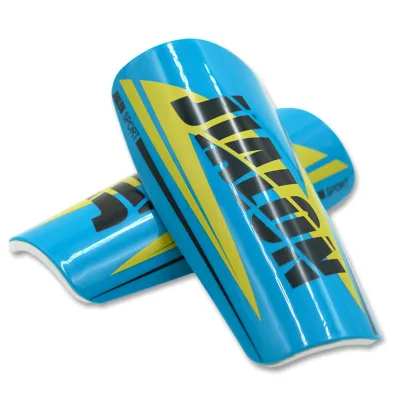
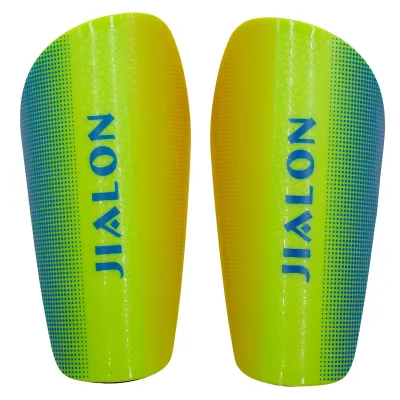
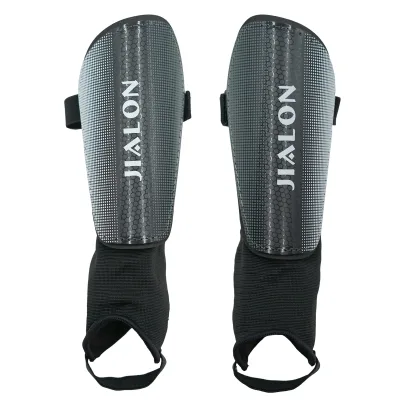
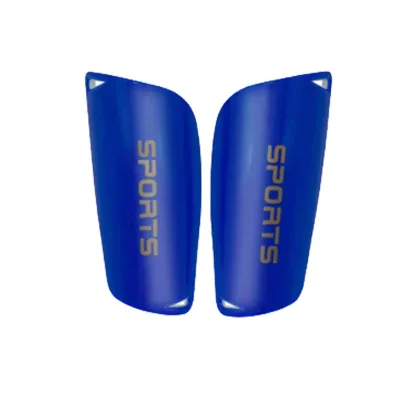
Explore 26 verified options for Soccer Shin Guard suppliers and manufacturers located in Jiangsu and Guangdong. Buyers can compare lead times, certifications like ISO 9001, and pricing ranges from 0.40 to 2.15 USD before requesting samples or custom quotes.
Suppliers List

- Verified by TUVRHEINLAND
- Trading Company,Manufacturer/Factory
- China Jiangsu
- Lead time23 days
- Avg. response≤ 3h
Main productsMedal, Coin, Lapel Pin, PVC Patch, Embroidery Patch, Keychain, Button Badge, Silicone Wristband, Lanyards, Gift
Main marketsSouth America,Eastern Europe,Mid East,North America,Oceania,Western Europe
Yangzhou Changqingshu Sports Goods Co., Ltd.
- Verified by Intertek
- Manufacturer, Trading Company
- Lead time25 days
Main productsSport supports, Rehabilitation brace
Main marketsNorth America(30%), Western Europe(30%), South America(10%)

Shenzhen Villsun Sports Technology Co., Ltd
- Verified by SGS
- Trading Company
- China Guangdong
- Lead time23 days
- Avg. response≤ 2h
Main productsFitness Equipment, Yoga Mats, Resistance Bands, Yoga Ball, Shin Guards, Knee Pads, Elbow Pads, Strength Fitness Equipment, Hand Grip, Yoga Wear
Main marketsSouth America,Southeast Asia/ Mideast,Europe,Australia,North America
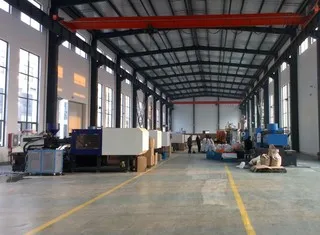
Nantong Jinruite Technology Development Co., Ltd.
- Manufacturer, Trading Company
- Jiangsu, China
- Lead time30 days
- Avg. response≤ 13h
Main productsAerobic Step/Agility Ladder/AB Wheel/Yoga Strap/Massage Stick/Yoga Pilates/Strength Training/Fitness Sets
Main marketsNorth America(30.0%), Domestic Market(11.0%), Western Europe(10.0%), Eastern Asia(6.0%), Southern Europe(6.0%), Northern Europe(6.0%), Eastern Europe(6.0%), South Asia(5.0%), South America(5.0%), Oceania(5.0%), Southeast Asia(5.0%), Mid East(3.0%), Africa(2.0%)
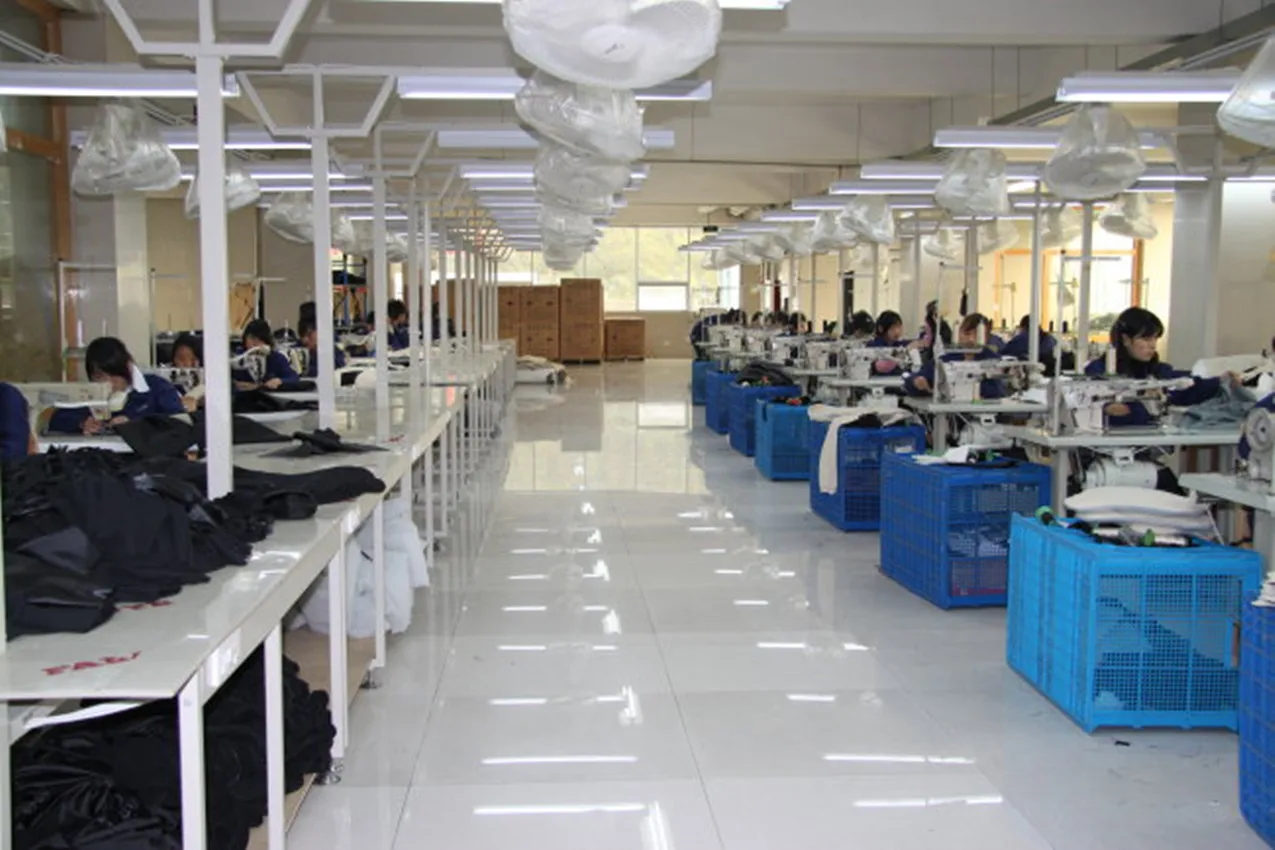
Hebei Zeyong Technology Co., Ltd.
- Trading Company
- Hebei, China
- Lead time15 days
- Avg. response≤ 2h
Main productsSports Protection,Sports clothes,Sports Shoes,Sports bags,outdoor products
Main marketsNorth America(30.0%), Eastern Europe(20.0%), Southern Europe(15.0%), Western Europe(10.0%), Eastern Asia(5.0%), Oceania(5.0%), South America(5.0%), Southeast Asia(5.0%), Northern Europe(3.0%), Mid East(1.0%), Africa(1.0%)

Yiwu Huidong Industrial & Trade Co., Ltd.
- Verified by TUVRHEINLAND
- Trading Company
- China Zhejiang
- Lead time15 days
- Avg. response≤ 5h
Main productsSoccer Ball, Basketball, Volleyball, Badminton, Teble Tennis, Tennis, Whistle, Skipping Rope, Flag, Beach Bat
Main marketsSouth America,North America


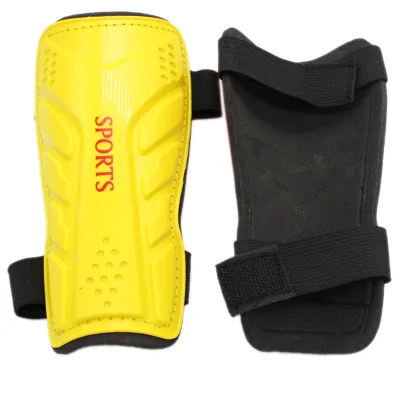
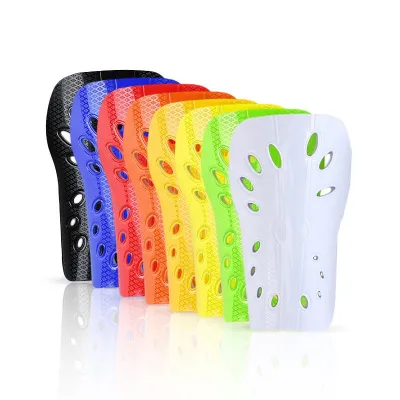
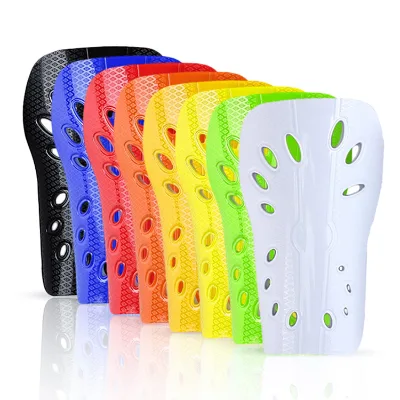
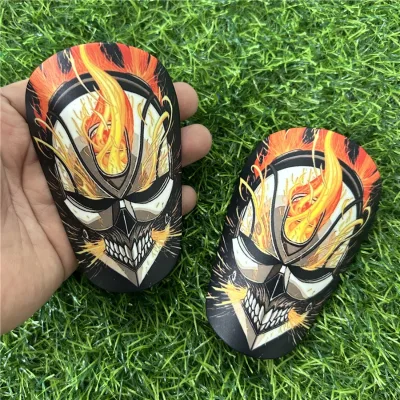
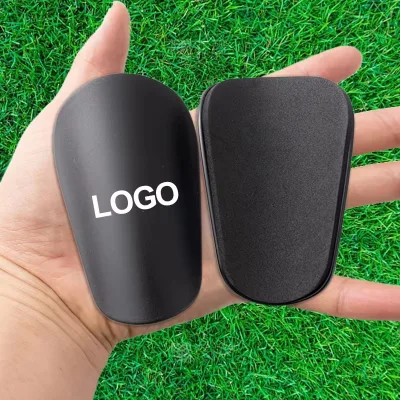
Factory Price Custom Size Logo Protection Soccer Shin Guards for Football Training
$0.62 - $1.32
Moq: 200


Anhui Xianwei E-Commerce Co., Ltd
- Verified by TUVRHEINLAND
- Manufacturer/Factory
- China Anhui
- Lead time0 days
- Avg. response≤ 5h
Main productsLamp, Cup, Tent
Main marketsSouth America,Eastern Europe,Mid East,North America,Southeast Asia,Eastern Asia,Oceania,Western Europe,Africa
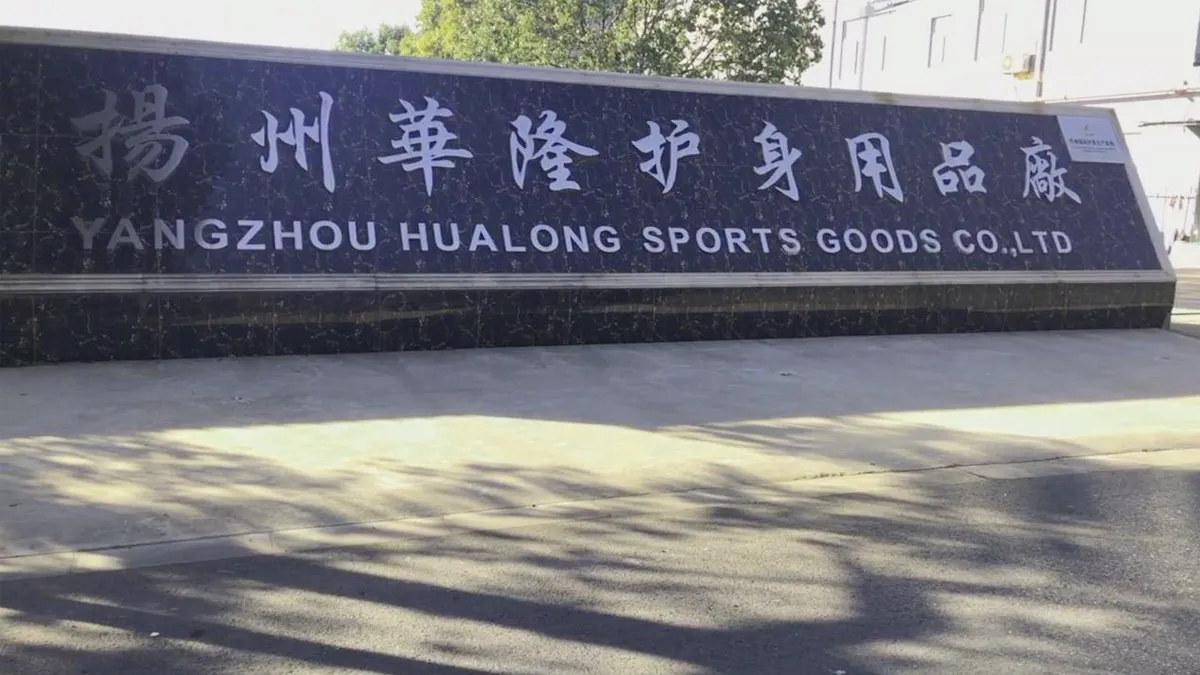
Yangzhou Hualong Body Protection Supplies Factory
- Manufacturer
- Jiangsu, China
- Lead time0 days
- Avg. response≤ 12h
Main productsKnee Brace, Elbow Sleeve, Hand Brace, Waist Trainer, Ankle Brace
Main marketsNorth America(20.0%), Eastern Europe(20.0%), South America(10.0%), Oceania(10.0%), Western Europe(10.0%), Southern Europe(10.0%), Domestic Market(10.0%)
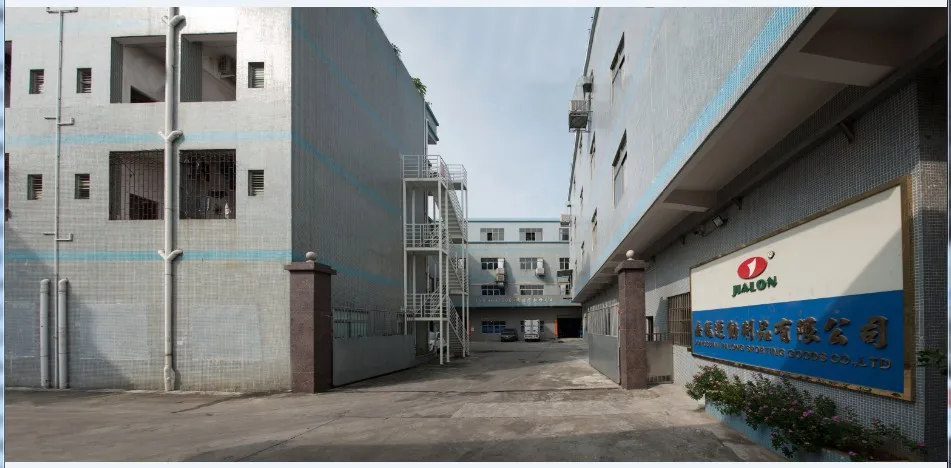
Dongguan Jialong Sporting Goods Co., Ltd.
- Trading Company
- Guangdong, China
- Lead time45 days
- Avg. response≤ 9h
Main productsSports Gloves,Shin Guards
Main marketsEastern Europe(15.0%), North America(15.0%), Domestic Market(10.0%), Northern Europe(10.0%), Central America(10.0%), Southern Europe(5.0%), Southeast Asia(5.0%), South America(5.0%), Western Europe(5.0%), Eastern Asia(5.0%), Mid East(5.0%), Oceania(5.0%), Africa(3.0%), South Asia(2.0%)

FUZHOU SHOO-IN IMP & EXP CO., LTD.
- Verified by SGS
- Trading Company
- China Fujian
- Lead time15 days
- Avg. response≤ 3h
Main productsPadel Ball, Tennis Ball, Hat, Pet Leash, Pickleball, Yoga Mat, Sports Towel
Main marketsEast Asia(Japan/ South Korea),North America

Ningbo Victeam Sporting Goods Co., Ltd.
- Verified by BV
- Trading Company
- China Zhejiang
- Lead time30 days
- Avg. response≤ 11h
Main productsLeather Soccer Ball, Official Soccer Ball, Custom Soccer Ball, Laminated Soccer Ball, Machine Stitched Soccer Ball, Leather Basketball, Custom Basketball Ball, Volleyball, Basketball, Others
Main marketsSouth America,Africa,Southeast Asia/ Mideast,Europe,Australia,North America
Yiwu Huidong Industrial & Trade Co., Ltd.
- Trading Company
- Lead time旺季: "1 - 200":14,"201 - 400":14,"> 400":"To be negotiated", 淡季: "1 - 200":14,"201 - 400":14,"> 400":"To be negotiated"
- Avg. response≤ 5h
Main productsFootball,Basketball,Volleyball,Badminton,Table tennis

Nantong Get-Fit Sports Co., Ltd.
- Verified by TUVRHEINLAND
- Combined
- China Jiangsu
- Lead time30 days
- Avg. response≤ 5h
Main productsDumbbell, Weight Plate, Barbell, Power Rack, Weightlifting Bar, Yoga Pilates, Kettlebell, Gym Equipment, Fitness Equipment, Outdoor Exercise
Main marketsSouth America,Southeast Asia/ Mideast,East Asia(Japan/ South Korea),Europe,Australia,North America
Nantong Get Power Fitness Equipment Co., Ltd.
- Verified by TüVRheinland
- Trading Company
- Lead time30 days
Main productsDumbbell, Barbell, Weight Plate, Power Rack, Bench
Main marketsNorthern Europe(40%), North America(20%), Southeast Asia(20%)

Yiwu Binsen Sports Goods Co., Ltd.
- Trading Company
- Zhejiang, China
- Lead time15 days
- Avg. response≤ 5h
Main productsBasketball; Soccer Ball; Volleyball; Ping Pong Racket; Sport Bag Jump Rope; Badminton Racket
Main marketsEastern Europe(28.999999999999996%), Central America(13.0%), South America(11.0%), Western Europe(11.0%), Southern Europe(8.0%), North America(7.000000000000001%), Southeast Asia(6.0%), Mid East(4.0%), South Asia(3.0%), Eastern Asia(2.0%), Oceania(2.0%), Northern Europe(2.0%), Africa(1.0%), Domestic Market(1.0%)

Nanjing Allshing Trade Company Limited
- Verified by BV
- Trading Company
- China Jiangsu
- Lead time23 days
- Avg. response≤ 11h
Main productsTraffic Cone, Football Cones, Agility Ladder, Soccer Cone, Agility Hurdle, Agility Training Set, Training Equipment Set, Tactics Board, Scoreboard, Table Tennis Set
Main marketsSouth America,Eastern Europe,Mid East,North America,Southeast Asia,Eastern Asia,Oceania,Western Europe,Africa

Yangzhou Weller Sports Goods Co., Ltd
- Verified by SGS
- Trading Company,Manufacturer/Factory
- China Jiangsu
- Lead time23 days
- Avg. response≤ 9h
Main productsKnee Brace, Posture Corrector, Sports Protection, Shin Guards, Knee Pad, Knee Support, Waist Trainer, Elbow Brace, Orthopedic Products, Kinesiology Tape
Main marketsSouth America,Eastern Europe,Mid East,North America,Southeast Asia,Eastern Asia,Oceania,Western Europe,Africa

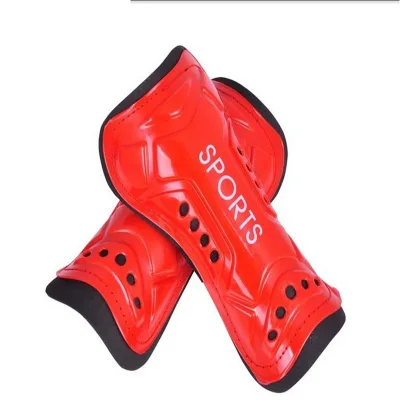
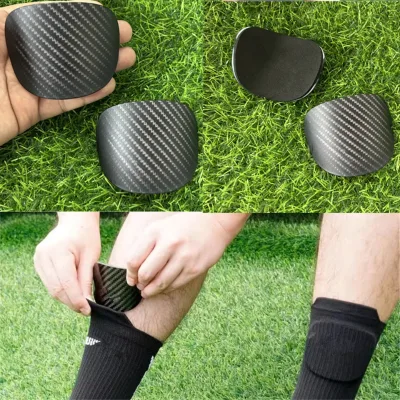
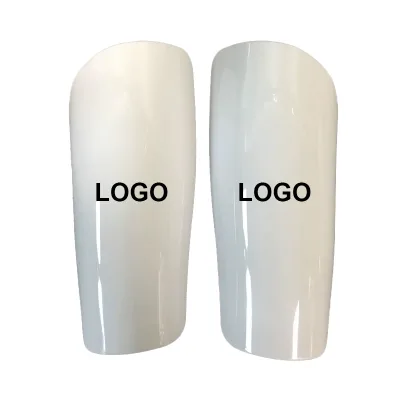
Professional Soccer Shin Guard Leg Protective Guard for Training Kids and Adults
$0.25 - $0.28
Moq: 100

Shijiazhuang Aofeite Imp & Exp Co., Ltd.
- Verified by SGS Group
- Manufacturer, Trading Company
- Lead time10 days
- Avg. response≤ 1h
Main productsKnee Brace, Lumbar Support Belt
Main marketsNorth America(27%), Western Europe(22%), Eastern Europe(15%)

Telamon Sports Goods (Shanghai) Co., Ltd.
- Verified by BV
- Trading Company
- China Shanghai
- Lead time15 days
- Avg. response≤ 9h
Main marketsNorth America

HEFEI MERRYBODY SPORTS CO., LTD.
- Verified by TUVRHEINLAND
- Trading Company
- China Anhui
- Lead time30 days
- Avg. response≤ 8h
Main productsDumbbell, Gym Ball, Exercise Mat, Boules Set, Bench, Foam Roller, Barbell, Pilate Ring, Pilate Products
Main marketsSouth America,Southeast Asia/ Mideast,East Asia(Japan/ South Korea),Europe,Australia,North America


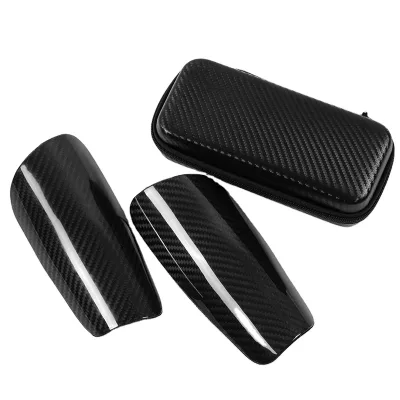
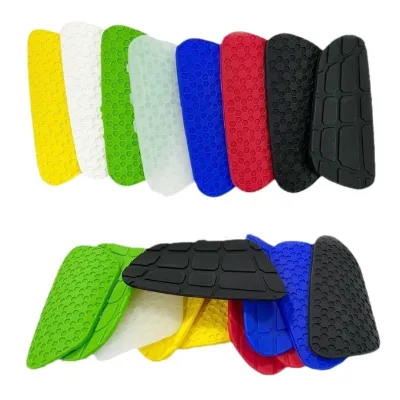
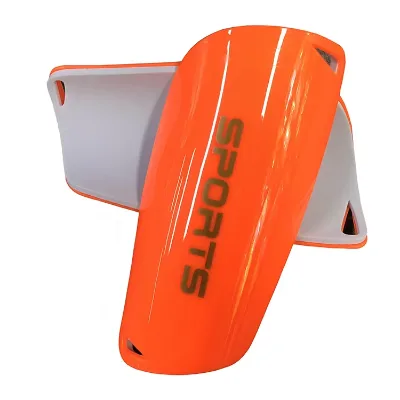
High Quality Football Shin Pads/Leg Protector Soccer Shin Guards for Kids Adults
$1.25 - $3.00
Moq: 500


Yangzhou Boli Sporting Goods Co., Ltd.
- Verified by SGS Group
- Manufacturer, Trading Company
- Lead time25 days
Main productsKnee Brace, Wrist Supports, Back Supports, Elbow Sleeve, Table Tennis Racket
Main marketsDomestic Market(40%), North America(25%), Eastern Asia(15%)
Hengshui Hareselection Trading Co., Ltd.
- Trading Company
- Hebei, China
- Lead time0 days
- Avg. response≤ 1h
Main productsMen's Clothes,Sports Safety Goods,Yoga Wear,Sports Shoes
Main marketsNorthern Europe(20.0%), Africa(20.0%), North America(20.0%), South Asia(5.0%), Southern Europe(5.0%), Eastern Europe(5.0%), Central America(5.0%), Western Europe(5.0%), Mid East(5.0%), South America(5.0%), Southeast Asia(5.0%)
- Trading Company
- Fujian, China
- Lead time0 days
- Avg. response≤ 1h
Main productsskiing jackets,skiing pants,sports knee pads,sports protective gear,sports helmet
Main marketsNorth America(35.0%), Western Europe(15.0%), Domestic Market(10.0%), Southeast Asia(10.0%)
Shijiazhuang Aofeite Imp & Exp Co., Ltd.
- Manufacturer, Trading Company
- Lead time旺季: "1 - 10000":35,"> 10000":"To be negotiated", 淡季: "1 - 10000":35,"> 10000":"To be negotiated"
Main productsKnee Brace, Lumbar Support Belt
Yiwu Huidong Industrial & Trade Co., Ltd.
- Trading Company
- Zhejiang, China
- Lead time20 days
- Avg. response≤ 2h
Main productsSoccer Ball,Basketball,Volleyball,Yoga Products,Badminton
Main marketsNorth America(25.0%), Western Europe(20.0%), South America(20.0%), Mid East(10.0%), Oceania(10.0%), Southeast Asia(10.0%), Eastern Europe(5.0%)

Nc Isa Industry and Trade Company
- Verified by TUVRHEINLAND
- Combined
- China Jiangxi
- Lead time23 days
- Avg. response≤ 6h
Main productsT Shirt, Polo Shirt, Cap, Sweatshirt, Baseball Shirt, Tank Top, Shorts, Tote Bag, Hoodies, Sportswear
Main marketsEurope,North America




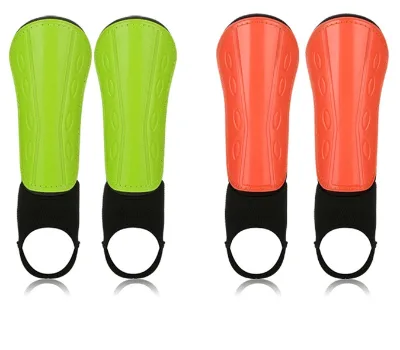
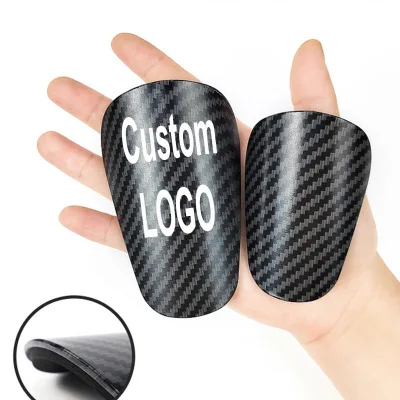
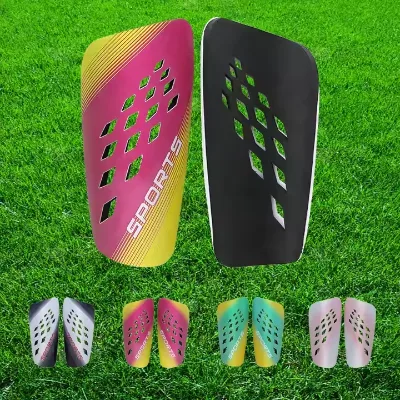
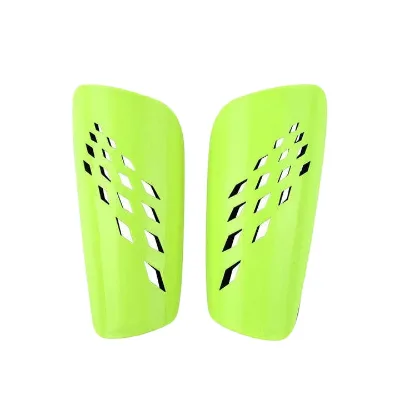
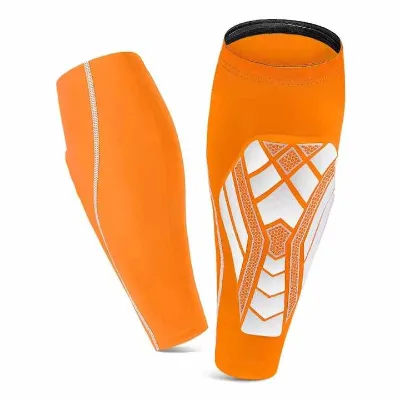


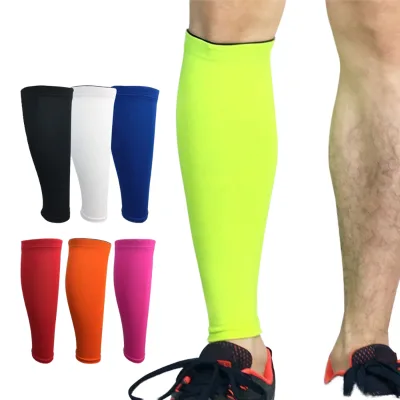
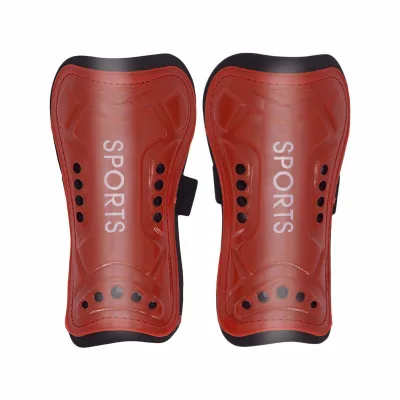
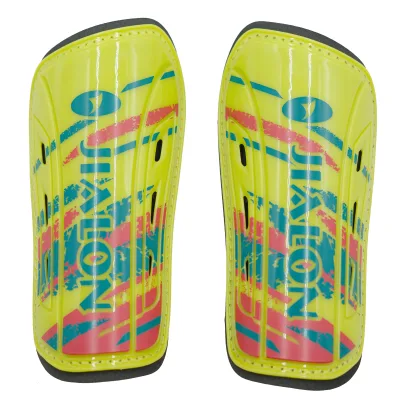


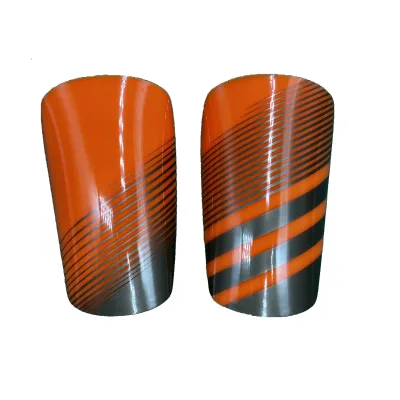
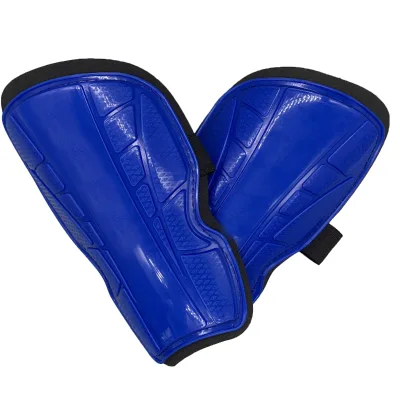
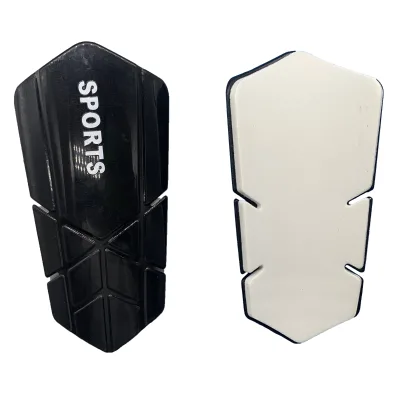


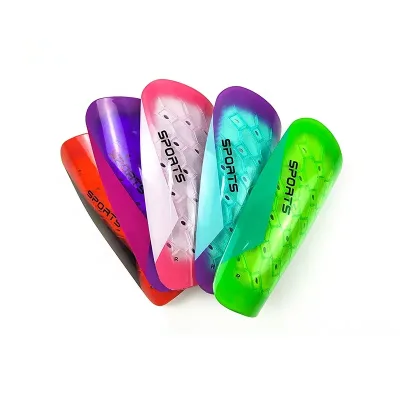
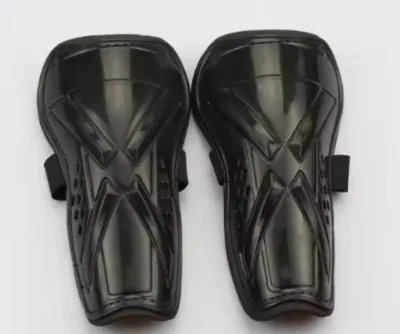
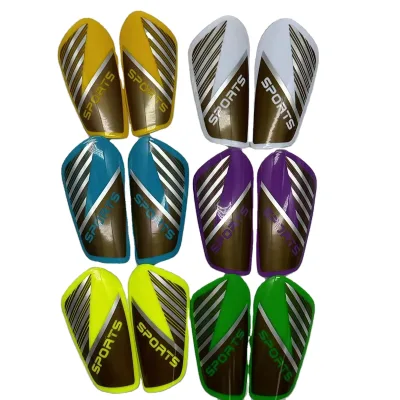
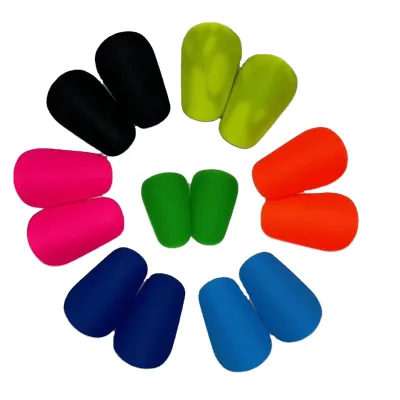
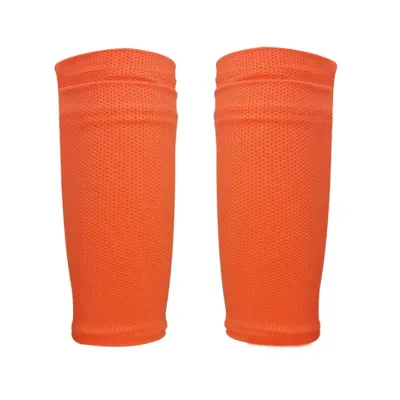


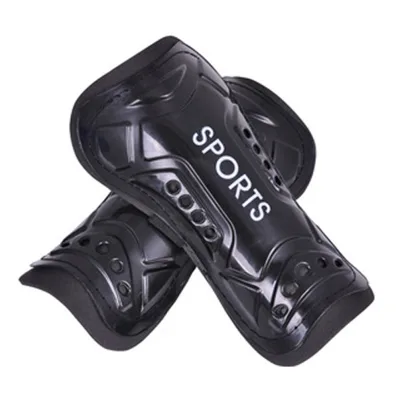
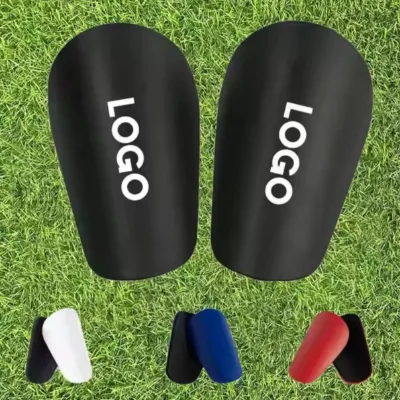
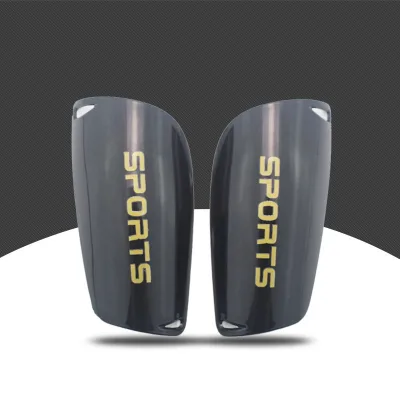
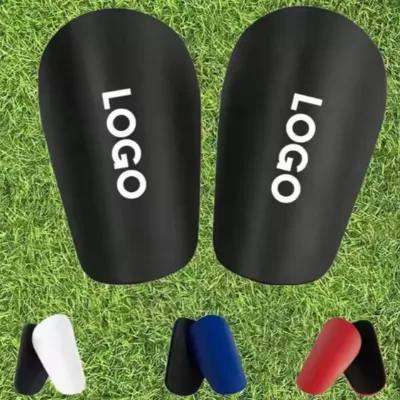




Comprehensive Sourcing Guide
Soccer Shin Guard Supplier Concentration and Factory Types
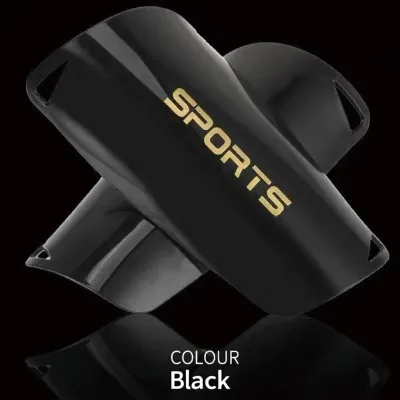
The current supplier landscape for soccer shin guards reveals a distinct concentration of manufacturing activity within China, specifically in the Jiangsu province. This region hosts a mix of trading companies and manufacturers that produce a wide array of related items, including medals, coins, lapel pins, and various sports protective gear. The presence of these diverse product lines suggests that many facilities in this cluster possess the versatility to handle custom orders for shin guards alongside other promotional or sporting goods. Buyers should note that the primary production hubs are identified in Jiangsu, while some trading entities operate from Guangdong, indicating a secondary sourcing node for fitness and yoga equipment that may also include shin guards.
When evaluating the factory types available, it is essential to distinguish between pure manufacturers and trading companies. The data indicates that many suppliers operate as a hybrid, functioning as both a manufacturer and a trading company. This dual role can offer buyers flexibility in terms of direct factory pricing while maintaining the service layer of a trader. However, the specific capabilities vary; some facilities list ODM capacity for custom designs, while others focus on light customization, sample processing, and graphic processing. Buyers must verify whether a supplier's primary identity is rooted in actual production lines or if they act primarily as an intermediary, as this distinction impacts control over quality and lead times for specialized protective equipment like EVA padded leg guards.
How to Verify Soccer Shin Guard Suppliers
Verification of Soccer Shin Guard suppliers relies heavily on third-party audit reports and specific system certifications that validate operational standards. Several suppliers in the current results have undergone verification by recognized bodies such as TÜV Rheinland and Intertek, providing a baseline of trust regarding their business legitimacy. Furthermore, the presence of certifications like ISO 9001, ISO 14001, and BSCI indicates adherence to quality management and social compliance standards. For medical-grade or high-safety protective gear, certifications such as ISO 13485 and OHSAS 18001 are critical indicators that the facility maintains rigorous safety protocols. Buyers should prioritize suppliers displaying these specific credentials rather than assuming general compliance without evidence.
Beyond certifications, the response time and verification status serve as immediate indicators of supplier reliability. The observed response times for active suppliers range from approximately 1.5 to 3 hours, suggesting a generally responsive market. A supplier with a verified status from a major agency like SGS or TÜV Rheinland often demonstrates a commitment to transparency. However, buyers must not assume that all suppliers possess these attributes; some listings may show no system certifications or verification marks. In such cases, the buyer should explicitly request proof of these credentials before proceeding. It is also vital to check if the supplier offers sample processing capabilities, as the ability to produce a prototype is a practical test of their manufacturing readiness and customization flexibility.
What to Compare Across Soccer Shin Guard Suppliers
Comparing suppliers requires a detailed analysis of lead times, minimum order quantities, and pricing structures to ensure alignment with project needs. The data shows lead times varying between 23 and 25 days, which is a critical factor for inventory planning. Minimum order quantities (MOQ) also differ significantly, with some suppliers accepting orders as low as 10 units, while others require a minimum of 500 pieces. Pricing ranges from approximately $0.40 to $2.15 per unit depending on the specific model, material composition, and protection class. Buyers must weigh these variables against their budget and volume requirements, noting that lower MOQs often come with higher per-unit costs, whereas bulk orders may unlock more competitive pricing tiers.
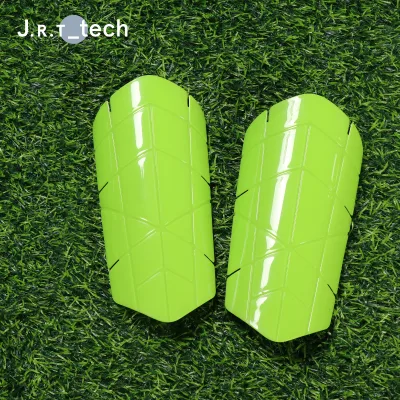
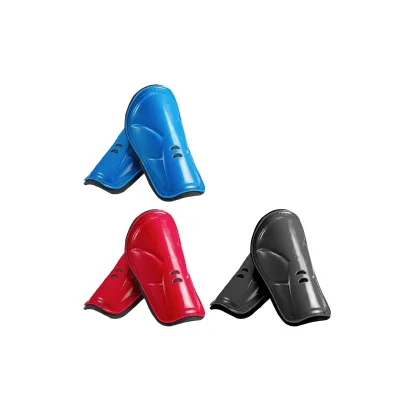
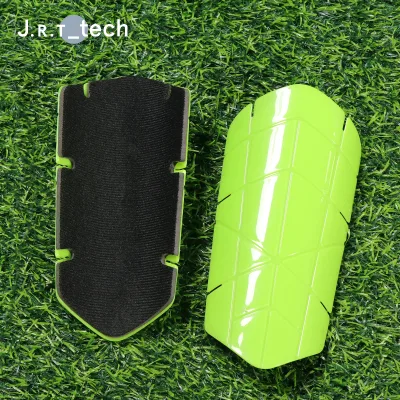
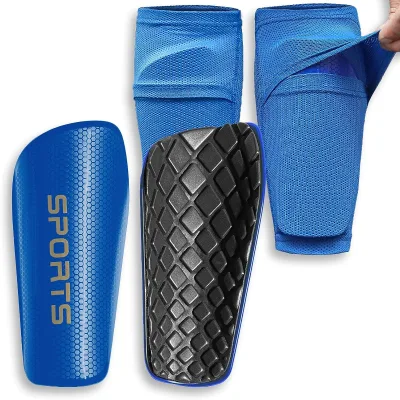
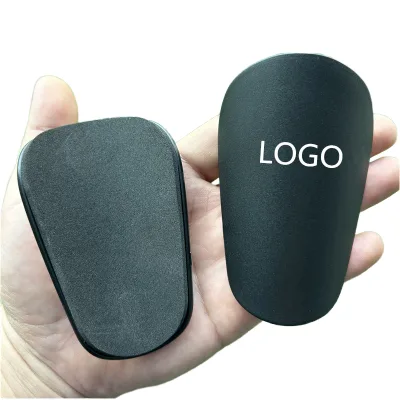
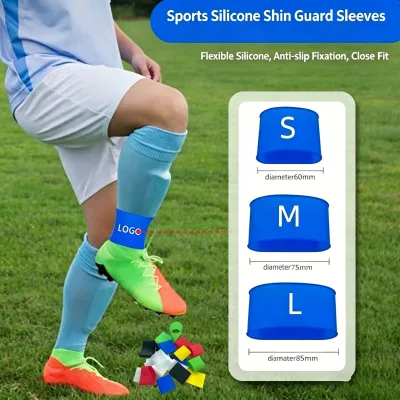
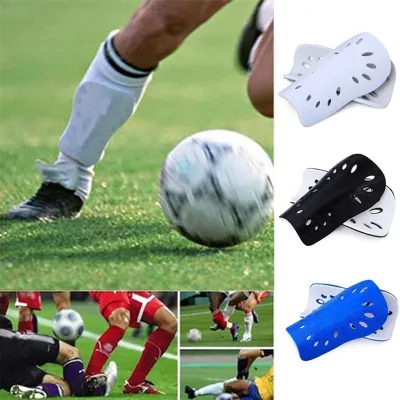
In addition to cost and volume, the product attributes and customization options must be compared across different vendors. Some suppliers offer standard sizes like 7.5 x 18 cm, while others provide adjustable models or specific dimensions like 19.0 x 10.0 cm. The material composition is another key differentiator, with options ranging from basic EVA to combinations of EVA and PP shells. Customization availability is a common feature, but the extent of this service varies; some suppliers offer full ODM services, while others limit customization to graphic processing or specific model numbers. Buyers should also compare packaging standards, such as OPP bags versus cartons, and verify if the supplier can accommodate specific branding requests or unique design requirements to ensure the final product meets their market expectations.
Common Soccer Shin Guard Sourcing Risks
One significant risk in sourcing soccer shin guards involves the variability in protection classes and material quality, which can directly impact athlete safety. Products are categorized into basic protection and professional protection classes, with materials ranging from simple EVA to reinforced PP shells. Without rigorous quality checks, a buyer might inadvertently source basic protection gear intended for casual training when professional-grade equipment is required for competitive matches. The risk is compounded if the supplier does not clearly define the protection class or material specifications in their product attributes. Buyers must demand detailed technical data sheets that explicitly state the material composition and the specific protection standards met by the shin guards to avoid liability issues.
Another critical risk is the inconsistency in lead times and the potential for supply chain disruptions. While current data indicates lead times around 23 to 25 days, these figures can fluctuate based on order volume, raw material availability, and factory capacity. Relying on a single supplier without a backup plan can lead to stockouts if production delays occur. Additionally, the lack of standardized packaging across suppliers, with some using OPP bags and others using cartons, can lead to damage during transit if the packaging is not robust enough for the specific product weight and shape. Buyers should verify the supplier's capacity to handle rush orders and ensure that their packaging solutions meet international shipping standards to mitigate the risk of product damage upon arrival.
Soccer Shin Guard Regional Sourcing and Logistics
The primary sourcing region for soccer shin guards is identified as Jiangsu, China, where a significant number of manufacturers and trading companies are concentrated. This region offers a robust ecosystem for sports protective equipment, supported by established logistics networks that facilitate efficient shipping. Buyers sourcing from this area should anticipate a supply chain that is well-integrated with local manufacturing capabilities, potentially reducing lead times for custom orders. However, the presence of trading companies in Guangdong suggests an alternative sourcing route for those seeking fitness-related accessories. Understanding the geographic distribution of suppliers helps buyers optimize their logistics strategy, as shipping from different provinces may incur varying freight costs and transit times depending on the destination port.
Logistics planning must also account for the specific packaging requirements of the products to ensure safe delivery. The data indicates that products are packed in various formats, including OPP bags, poly bags, and cartons, with some items having specific single package sizes like 20x10x3 cm. These dimensions and weights, such as a single gross weight of 0.100 kg or 0.300 kg, influence the total shipping volume and cost. Buyers should calculate the cubic meterage of their orders based on the supplier's packaging standards to avoid unexpected freight charges. Furthermore, verifying the origin of the goods is essential, as all observed products originate from China. Ensuring that the supplier's logistics partners are experienced in handling sports equipment can prevent delays and damage, ensuring that the shin guards arrive in perfect condition for distribution.
Soccer Shin Guard Commercial Terms and Order Planning
Commercial terms for Soccer Shin Guard orders are heavily influenced by the supplier's minimum order quantity and pricing structure. With MOQs ranging from 10 to 500 units, buyers must carefully plan their initial orders to balance inventory costs with cash flow. The price range of $0.40 to $2.15 per unit suggests that buyers should negotiate based on volume tiers, as higher quantities often yield better rates. Additionally, the availability of customization services, such as graphic processing or ODM, may incur additional costs that need to be factored into the total budget. Buyers should clarify whether the quoted price includes packaging, branding, and any other value-added services to avoid hidden expenses that could erode profit margins.
Order planning also requires a clear understanding of the supplier's response time and production capacity. With response times averaging around 2 to 3 hours, communication is generally efficient, but buyers should confirm the timeline for sample approval and mass production. The lead time of 23 to 25 days is a standard benchmark, but buyers should verify if this timeline includes the time required for sample development and approval. For urgent orders, it is crucial to discuss expedited production options and any associated costs. Furthermore, buyers should establish clear terms regarding payment, delivery, and quality assurance, ensuring that the supplier can meet the specific requirements of the order. By aligning commercial terms with realistic production schedules, buyers can minimize risks and ensure a smooth procurement process for their Soccer Shin Guard inventory.
FAQs
Where are soccer shin guards manufactured?
Most listed suppliers manufacture these items in China, specifically in Jiangsu and Guangdong provinces. Buyers should verify the specific factory location for each product listing to ensure it matches their sourcing requirements and logistics plans.
What is the typical lead time for orders?
Current supplier data indicates lead times ranging from 23 to 25 days for production and delivery. Buyers need to confirm the exact timeline with the specific vendor before placing an order to align with their project schedules.
What are the minimum order quantities?
Minimum order quantities vary by product, with some listings requiring 10 units while others demand 100 or 500 units. Buyers must check the specific MOQ for each item to ensure it fits their budget and inventory strategy.
Are customization options available for shin guards?
Yes, customization is available for many products, including custom designs and specific packing requirements. Suppliers offer ODM capabilities and graphic processing, allowing buyers to tailor products to their brand needs and specific market demands.
What certifications do the suppliers hold?
Suppliers hold various certifications such as ISO 9001, BSCI, and ISO 13485 depending on the manufacturer. Some are verified by third parties like TÜV Rheinland or Intertek, ensuring compliance with international safety and quality standards for sports equipment.
What is the price range for soccer shin guards?
Prices range from approximately 0.40 to 2.15 USD per unit based on material and protection class. Buyers should compare specific listings to find the best value, as costs depend on features like EVA backing or PP shells.
How quickly do suppliers respond to inquiries?
Response times vary, with some suppliers responding within 1.52 hours and others taking around 2.97 hours. Buyers should expect prompt communication but should verify current response speeds directly with the supplier to ensure timely project updates.