Soft Bullet Foam Toy Gun Suppliers and Manufacturers
Explore 17 verified suppliers offering soft bullet foam toy guns with ODM and OEM capabilities. Compare response times, lead times, certifications like ASTM and EN71, and pricing to find the right partner. Contact suppliers directly to request samples and confirm MOQs.
Suppliers List

Shantou Chenghai Xaqi Toys Industrial Co., Limited
- Verified by BV
- Combined
- China Guangdong
- Lead time23 days
- Avg. response≤ 4h
Main productsRemote Control Car, Educational Toy, Sport Toy, Pretend Play Toys, Remote Contro Toy, Baby Toy, Summer Toy, B/O Toy
Main marketsSoutheast Asia/ Mideast,Domestic,Europe


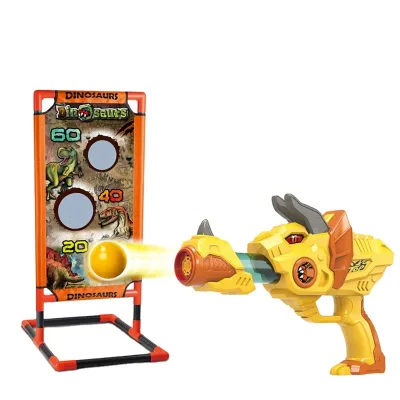
Dinosaur Gun Toy Shooting Game EVA Soft Foam Ball Bullet Gun for Children
$2.71 - $12.71
MOQ: 270 Pieces


Shantou Kaixin Trading Co., Ltd
- Verified by BV
- Manufacturer
- China Guangdong
- Lead time23 days
- Avg. response≤ 7h
Main productsToy, Educational Toy, Remote Control Toy, Pretend Play Toy Set, Summer Toy, Vehicle Toy, Doll, Promotion Toy, Baby Toy, Game Toy


Manual Loading Soft Bullet Gun Children's Toy Boy Fighting Shooting Toy Gun
$6.48 - $6.88
MOQ: 1188 Pieces


Safe Kids Outdoor Shooting Game Soft Foam Bullet Blaster Toy Gun Hand Pistol Kids Toy
$1.33 - $2.00
MOQ: 360 Pieces

Luoyang Haoyuan Imp & Exp Co., Ltd
- Verified by BV
- Trading Company
- China Henan
- Lead time15 days
- Avg. response≤ 6h
Main productsToys
Main marketsSoutheast Asia/ Mideast,Europe


Soft Gun Toy Set with Soft Bullets with Safe Soft Bullets for Kids Toys Gun
$6.32 - $6.65
MOQ: 100 Pieces


Shantou Huayuan Trading Company Limited
- Trading Company
- Guangdong, China
- Lead time5 days
- Avg. response≤ 6h
Main productsPlastic Toys,Baby Toys,Educuation Toys,Outdoor Toys,Die Cast Toys
Main marketsEastern Europe(17.00%), Oceania(13.00%), Mid East(12.00%), North America(9.00%), South Asia(8.00%), Domestic Market(6.00%), Africa(5.00%), Northern Europe(5.00%), South America(5.00%), Western Europe(4.00%), Eastern Asia(4.00%), Southern Europe(4.00%), Southeast Asia(4.00%), Central America(4.00%)
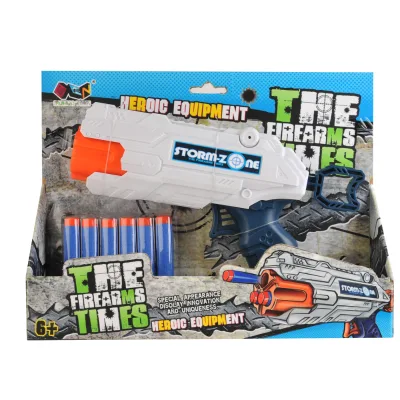
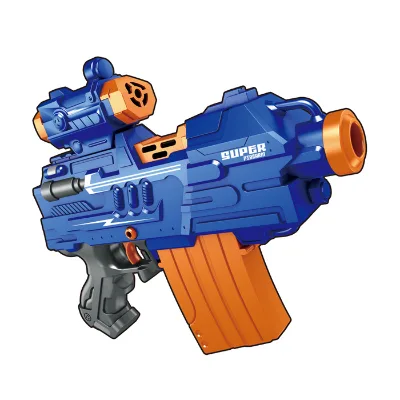
Play Toy Electric Soft Bullet Gun Battery Operated Soft Bullet Gun With 16 PCS EVA Bullet for Kids
$4.57 - $4.88
MOQ: 72 pieces

- Verified by BV
- Trading Company
- China Guangdong
- Lead time15 days
- Avg. response≤ 3h
Main productsPlastic Toys, Baby Toys, Educational Toys, Plush Toys, Pretend Play Toys, RC Toys, Doll Toys, Bubble Toys, DIY Toys, B/O Toys
Main marketsSouth America,Southeast Asia/ Mideast,East Asia(Japan/ South Korea),Europe,Australia,North America


Hot Sale Wholesale Kids Air Pressure Plastic Cartoon Shooting Foam Soft Ball Gun Toys
$1.41 - $1.43
MOQ: 360 Pieces


High Quality Newly Wholesale Kids Plastic Toy Soft Bullet Gun Soft Bullet Launcher Toys
$3.40 - $3.60
MOQ: 180 Pieces

Shantou Xinxin Technology Co., Ltd
- Verified by CTI
- Trading Company
- China Guangdong
- Lead time15 days
- Avg. response≤ 3h
Main productsToys, RC Toys, Children's Cosmetics, Drone, Remote Control Toy, Plasticene, Superlight Clay, Electrical Toys, Remote-Control-Toys, Toy
Main marketsSouth America,Southeast Asia/ Mideast,Europe,North America
Shantou Chenghai Zhuochen Trading Firm
- Verified by SGS Group
- Manufacturer, Trading Company
- Lead time30 days
- Avg. response≤ 3h
Main productsPlay Mat, Baby & Toddler Toys, Educational Toys, Baby Suppliers & Products, Dolls & Doll clothes Accessories
Main marketsNorth America(50%), South America(20%), Western Europe(20%)
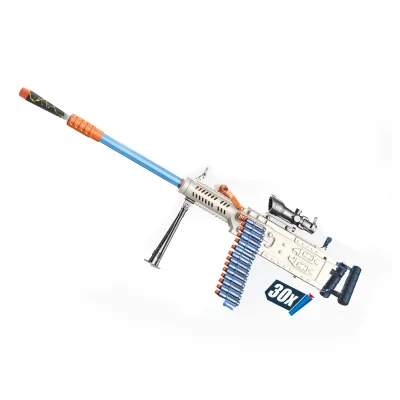
Joysun Toys Soft Bullet Gun Toy Gun Soft Bullet Shotgun Soft Bullet Toy Guns and Weapons Army
$16.99 - $17.99
MOQ: 3 boxes
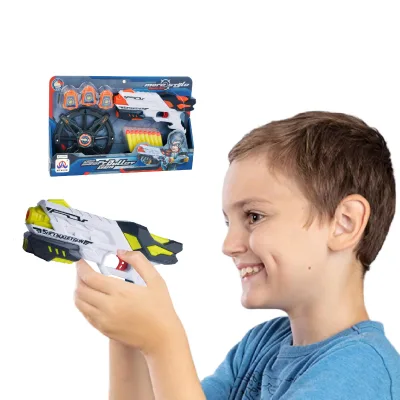
OEM Toy Foam Soft Bullet Gun ,Education Toy Model for Kids Birthday Party for Boys
$3.59 - $3.79
MOQ: 3 boxes
Shantou Maxland Trading Co., Ltd.
- Verified by SGS Group
- Trading Company
- Lead time15 days
- Avg. response≤ 4h
Main productsPlayhouse Toys, Remote Control Toys, Baby Toys, Educational Toys, Sport Toys
Main marketsMid East(30%), South America(10%), Eastern Europe(10%)
Shantou Chenghai Hua Nuo Intelligent Technology Co., Ltd.
- Verified by SGS Group
- Manufacturer, Trading Company
- Lead time20 days
- Avg. response≤ 3h
Main productsKid Makeup Toy, Educational Toy, Water Gun, RC Toy-RC Car, Bubble Toys
Main marketsNorth America(40%), Eastern Europe(20%), South America(10%)
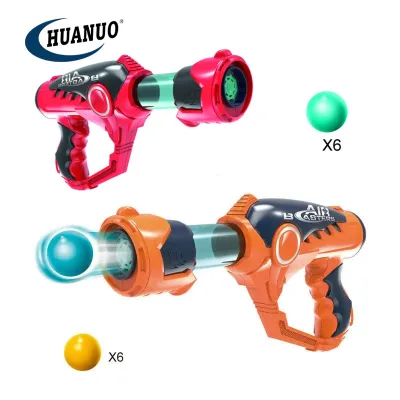
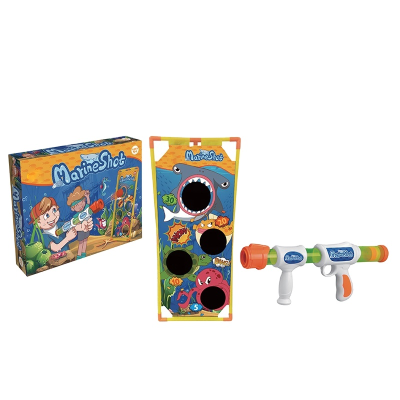
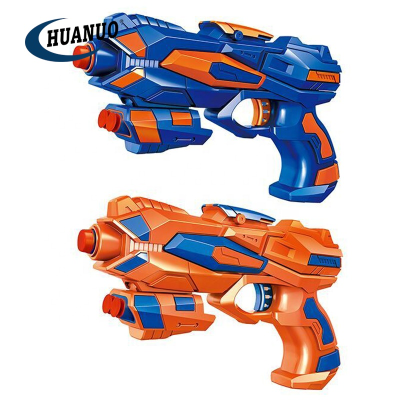
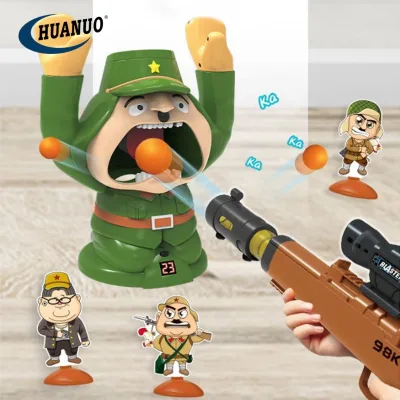
$2.14 - $2.40
MOQ: 240 pieces
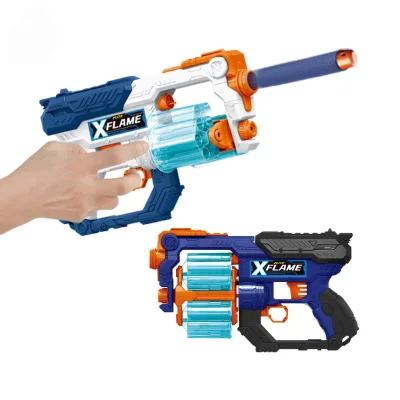

Shantou Baishuntong Trading Co., Ltd.
- Verified by CTI
- Trading Company
- China Guangdong
- Lead time15 days
- Avg. response≤ 4h
Main marketsDomestic

- Verified by TUVRHEINLAND
- Combined
- China Guangdong
- Lead time15 days
- Avg. response≤ 18h
Main productsGun Toys, Child Toy, Baby Toy, Sport Toy, Outdoor Toys, Educational Toy, RC Toy, Plastic Toy
Main marketsDomestic,Europe,North America

$12.20 - $13.50
MOQ: 60 Pieces


Factory Wholesale Kids Toy Gun Shooting Blaster Set Soft Bullet Gun with Target&Bullets
$5.28 - $5.85
MOQ: 120 Pieces
Shantou Chengji Toys & Gifts Co., Ltd.
- Verified by TüVRheinland
- Manufacturer, Trading Company
- Guangdong, China
- Lead time5 days
- Avg. response≤ 4h
Main productsPretend Play Toys, Outdoor Toys, Baby Toys, Educational Toys, Gun Toys
Main marketsNorth America(12%), Southeast Asia(12%), Mid East(12%)
Shenzhen Aurora Solar Technology Co., Ltd.
- Manufacturer, Trading Company
- Guangdong, China
- Lead time0 days
- Avg. response≤ 4h
Main productstoy gun,toy products
Main marketsNorth America(40.00%), South Asia(10.00%), Southern Europe(10.00%), Western Europe(10.00%), Mid East(10.00%), Eastern Europe(10.00%), South America(10.00%)
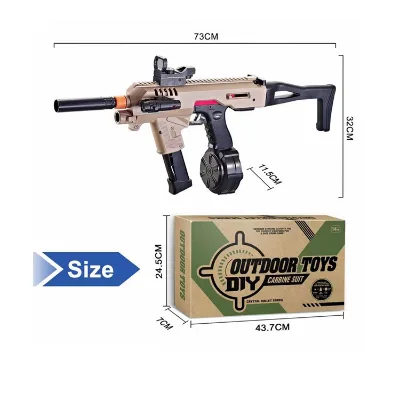
Hot DIY Set Soft-shot Model Bullet Toy Gun Boy Outdoor Battle Hydrogel Bullet Gun
$17.25 - $17.74
MOQ: 5 cartons
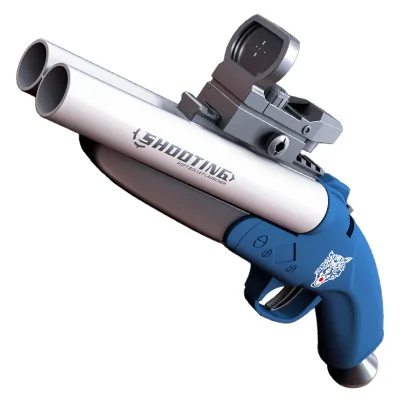
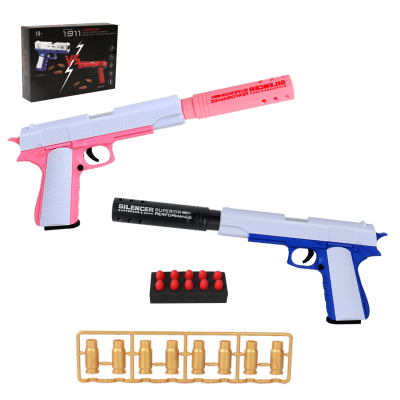
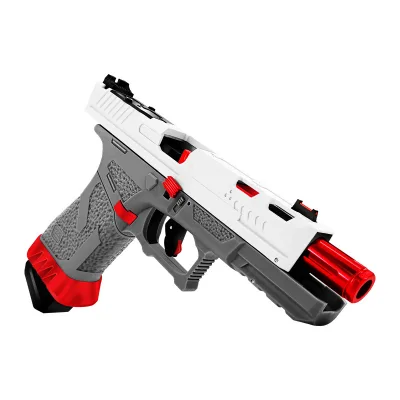
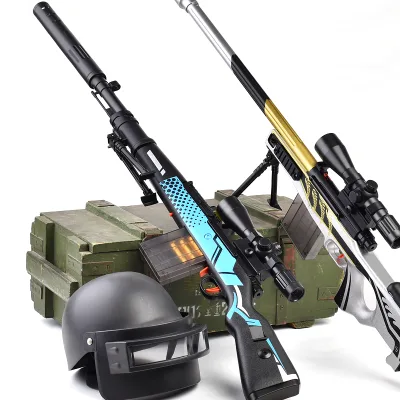
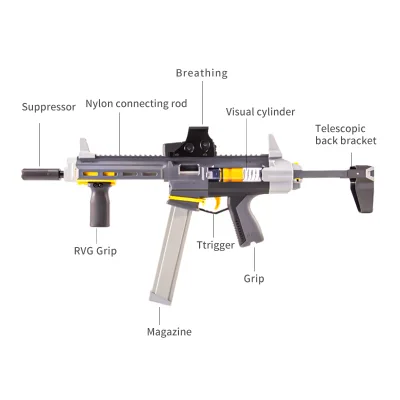
2023 Hot Selling Children Toy Gun Soft Bullet for Boys
$11.89 - $12.99

Jinjiang Zhengzheng Technology Co., Ltd.
- Trading Company
- China Fujian
- Lead time0 days
- Avg. response≤ 2h


Electric Continuous Shooting Rechargeable Shell Throwing Soft Bullet Gun
$0.50 - $40.00
MOQ: 200 Pieces
Shantou Jinyu Trading Co., Ltd.
- Verified by SGS Group
- Manufacturer, Trading Company
- Lead time7 days
- Avg. response≤ 4h
Main productsEducational Toys, Baby Toys, Toy Car, Outdoor Toys, Pretend Play
Main marketsNorth America(40%), Eastern Europe(20%), Southeast Asia(20%)

Ruijin Baibaole E-Commerce Co., Ltd.
- Verified by BV
- Trading Company
- China Jiangxi
- Lead time15 days
- Avg. response≤ 8h
Main productsToy, Educational Toy, Bubble Toy, Radio Control Toy, Building Block Toy, Children Toy, Plastic Toy, Outdoor Toy, Drawing Toy, DIY Toys
Main marketsNorth America

$3.47 - $3.76
MOQ: 72 Boxes

Multi Styles Soft Bullet Blaster Gun Set Plastic Spielzeug Jouets Toy Guns for Kids
$3.09 - $3.34
MOQ: 420 Boxes

Qike Qike Chao Play Technology Co., Ltd., Chenghai District, Shantou City
- Verified by SGS
- Manufacturer
- China Guangdong
- Lead time15 days
- Avg. response≤ 12h
Main productsGel Blaster Toy Gun, Foam Blaster Toy Gun, Water Toy Gun, Bubble Toy Gun, Laser Tag Guns


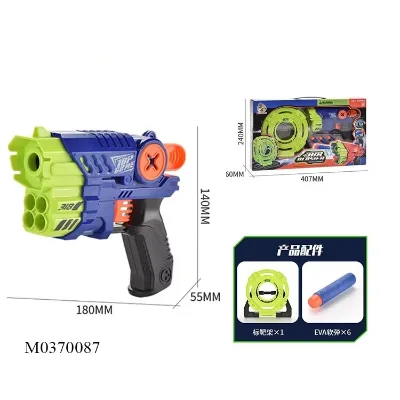
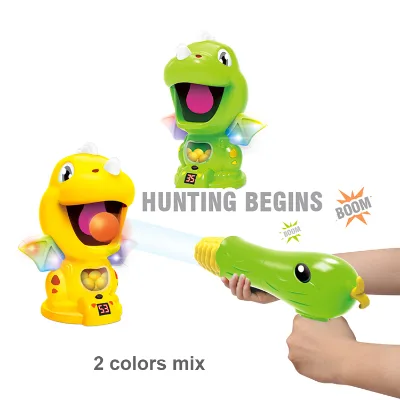
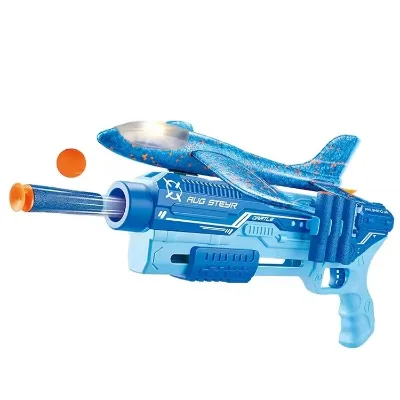


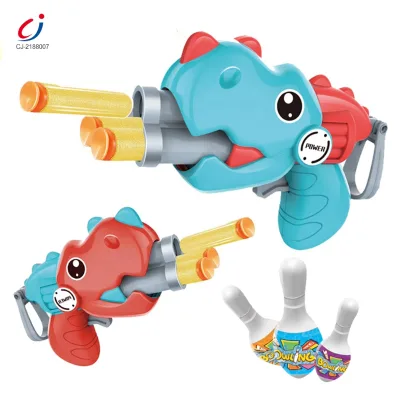


Comprehensive Sourcing Guide
Soft Bullet Foam Toy Gun Supplier Concentration and Factory Types
When you begin sourcing soft bullet foam toy guns, the first structural question is where the production capacity actually sits. In this category, supplier results frequently point to Guangdong province in China, and within that region toy manufacturing is known to concentrate around Shantou, which appears repeatedly as the origin of listed toy gun products. This clustering matters because a concentrated base typically means deeper availability of tooling, foam bullet materials, plastics injection, and packaging suppliers within short distances, which can shorten sampling cycles and reduce component logistics costs. Buyers should treat location data on supplier listings as a starting signal rather than a guarantee, and confirm that the factory genuinely operates in the stated cluster rather than merely registering an office there.
Factory types in this category generally split into combined trading-and-manufacturing entities and dedicated manufacturers. Combined companies often list broad toy portfolios—remote control cars, educational toys, pretend play sets, summer toys, baby toys—alongside toy weapons, which signals trading flexibility but possibly outsourced production. Dedicated manufacturers may show narrower catalogues but deeper control over molding and assembly. Neither structure is inherently better: combined suppliers can consolidate mixed-container orders, while manufacturers may offer tighter process control. Verify which structure applies by requesting a business license, asking which production steps occur in-house, and checking whether ODM/OEM capability is claimed, since several listings in this category do advertise both.
How to Verify Soft Bullet Foam Toy Gun Suppliers
Verification starts with documentation. Ask any candidate for a business license and cross-check the registered scope against toy manufacturing or toy trading. Several suppliers in this category carry third-party verification badges such as BV assessment, which indicates an on-site or documentary audit by an external body, but a badge is not a substitute for your own checks. Request the factory's physical address and compare it with the location shown on the platform profile; a mismatch between a registered office and production site is common in Guangdong's toy trade. For soft bullet toy guns specifically, ask for test reports matching the certifications claimed on listings—some products reference ASTM and EN-family standards—then confirm report authenticity directly with the issuing laboratory using report numbers.
Product-level verification matters as much as company-level checks. Listings in this category show products originating from Shantou with attributes such as plastic construction, window-box packing, and model numbers; use these attributes as an audit checklist. Order a sample from current production, not a showroom piece, and inspect foam projectiles for density and tip integrity, trigger mechanisms for safety compliance, and packaging markings for age grading. Ask whether customization is genuinely available—many listings state it is—and request evidence of previous custom projects. Finally, run a small trial order before committing to volume, and consider a third-party inspection during the trial production run to verify workmanship matches the approved sample.
What to Compare Across Soft Bullet Foam Toy Gun Suppliers
Build a comparison matrix using the attributes that supplier listings actually display, while remembering that not every supplier shows every field. Core dimensions include location, company type (manufacturer versus combined), main product categories, response time, lead time, MOQ, and third-party verification status. In this category, displayed response times range from under four hours to above six, which is a meaningful difference when you are iterating samples or resolving a production issue. Displayed lead times cluster around roughly three weeks for at least one verified supplier, but lead time varies by product complexity and order size, so always confirm in writing for your specific SKU rather than assuming a listing value applies.
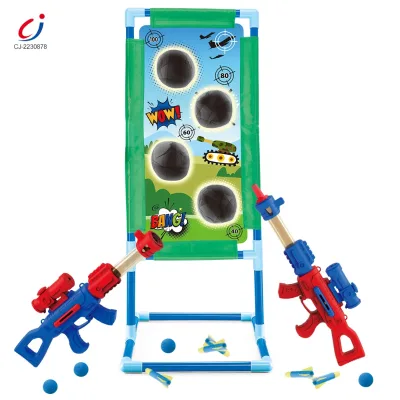
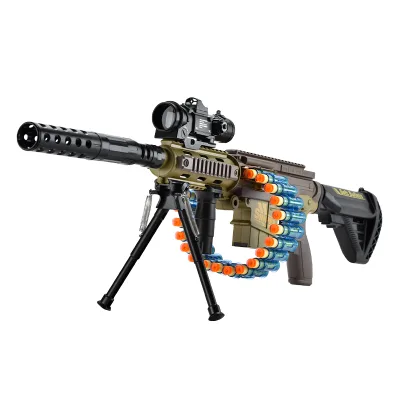
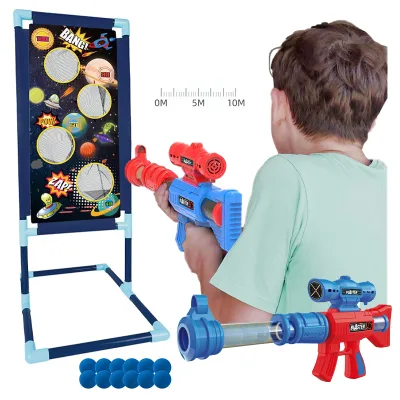
Compare product-level data too, since supplier capability shows in product detail quality. Listings in this category show soft bullet guns priced from under one dollar to more than twelve dollars depending on type—from simple foam bullet guns to electric floating-ball shooting sets—with MOQs ranging from as low as 80 pieces to 720 pieces. Note certification claims per product (some cite ASTM, EN, RoHS, or CE references), packing formats, carton dimensions, and whether electric or battery operation is involved, since battery-powered models add compliance and QC complexity. Also weigh main-product breadth: a supplier whose catalogue is dominated by toy guns may offer deeper category expertise, while a diversified toy supplier may be more resilient if one product line weakens.
Common Soft Bullet Foam Toy Gun Sourcing Risks
The most category-specific risk is projectile and impact safety. Soft bullet guns shoot foam or EVA projectiles, and inconsistent foam density, brittle tips, or oversized rounds can create injury hazards and customs rejections. Listings cite standards such as ASTM and EN71 on some products, but claims on a listing page are not proof—always obtain current test reports for the exact model and material batch you are buying. A second risk is certification drift: some listings show EN-family references, others ASTM plus RoHS or CE, and a supplier strong in one market's compliance may be weak in another's. Match the certification requirement to your destination market before sampling, not after production.
Operational risks follow familiar toy-trade patterns. Misdeclared age grading is common; several listings state suitability for ages three to eight or above eight, and the marking must match your market's actual safety rules. Electric or battery-powered models add battery transport, quality, and compliance considerations that non-electric models avoid. MOQ surprises are frequent—displayed MOQs in this category range widely—so confirm whether the quoted MOQ covers color assortment or applies per variant. Other risks include sample-versus-production divergence, packaging errors on multilingual window boxes, and capacity bottlenecks in peak season. Mitigate with a signed specification sheet covering materials, packing size, projectile count, and colors, plus pre-shipment inspection tied to an AQL level you define.
Soft Bullet Foam Toy Gun Regional Sourcing and Logistics
The supplier evidence for this category points clearly to Guangdong, China, with Shantou appearing as the product origin on multiple listings. Shantou and the surrounding Chenghai district form one of the world's densest toy manufacturing clusters, which benefits buyers in concrete ways: foam bullet material suppliers, injection molding shops, and packaging printers are all nearby, and freight forwarders familiar with toy exports operate throughout the area. Being close to Shenzhen and Hong Kong also simplifies container consolidation and onward shipping. When shortlisting, prioritize suppliers whose factory address you can confirm sits within this cluster if cluster depth matters to your order, and validate the address through an audit or video walkthrough.
Logistics planning should account for how these products ship. Soft bullet guns are largely plastic, so volume weight matters—carton dimensions shown in listings range widely, and bulky shooting-game sets with targets consume container space quickly. Confirm carton size, pieces per carton, and gross weight before quoting freight; one listing shows 36 pieces per carton for a camouflage electric model, illustrating the granularity you need. Sea freight suits most volume orders from Guangdong ports, while air freight is rarely economic for plastic toys except urgent samples. Check whether battery-powered models trigger dangerous-goods handling for air shipment. Plan around Chinese holiday shutdowns, especially the extended New Year period, which can freeze production and bump quoted lead times of roughly three weeks substantially.
Soft Bullet Foam Toy Gun Commercial Terms and Order Planning
Commercial terms in this category vary enough to demand line-by-line comparison. Displayed prices for soft bullet guns span a wide band—from roughly one to two dollars for basic foam bullet models up to eight or nine dollars for electric shooting-game sets—so benchmark against product type, not category average. MOQs are equally varied, with listings showing anything from 80 pieces to 720 pieces, and at least one manufacturer advertising ODM and OEM capability, which matters if you plan custom molds or branding. Negotiate price tiers against volume breaks, and clarify what the quoted price includes: packaging, projectile quantity, battery inclusion for electric models, and customization charges.
Order planning should protect you against the category's variability. Place a pilot order sized near but not far above the stated MOQ to test the supplier's real output quality, then scale. Put lead time, quality acceptance criteria, projectile safety specifications, and certification responsibilities in the contract, and align payment terms with risk—for example, a deposit with balance after pre-shipment inspection. Check whether the platform offers escrow-style payment protection for your supplier, since some marketplaces provide it and it materially reduces counterparty risk on first orders. Finally, build a reorder calendar: with displayed lead times around three weeks plus inspection and shipping, reorder points for seasonal toy demand must be set months ahead of retail windows, especially ahead of holiday peaks.
Word count check: sections of ~229, ~228, ~231, ~230, ~230, ~229 ≈ 1377 total. Within range.
FAQs
What certifications do the soft bullet toy guns have?
Many listed products carry ASTM and EN certifications to ensure safety standards. Some items also include RoHS and CE marks for broader compliance. Verify specific certification details for each model before ordering to confirm they meet your regional requirements.
What is the minimum order quantity for these toys?
Minimum order quantities vary significantly by product, ranging from 80 pieces to 720 pieces. Smaller batches like 80 units are available for specific electric models, while bulk orders often start at 360 or 648 units. Check the specific listing for the exact MOQ.
How long does it take to receive an order?
The standard lead time observed for these suppliers is 23 days. This duration applies to the production and preparation phase before shipping. Actual delivery time will depend on your location and the chosen shipping method after the goods leave the factory.
Are these toy guns electric or manual?
The product range includes both non-electric and electric soft bullet guns. Some models operate without batteries, while others require battery power for shooting functions. Review the product attributes to confirm the power source for the specific toy gun you intend to purchase.
Where are these toy guns manufactured?
The suppliers are located in Guangdong, China, with specific origins noted as Shantou. This region is a known hub for toy manufacturing. All listed products originate from this area, ensuring consistent supply chain logistics for international buyers.
Can I customize the design of these toy guns?
Customization is available for many of the listed soft bullet gun models. Suppliers offer options to tailor designs, packaging, or branding according to your specifications. Confirm the customization scope and any additional costs directly with the supplier before finalizing your order.
What is the price range for these toys?
Prices for soft bullet toy guns range from approximately 0.68 to 12.71 per unit. The cost depends on the model complexity, material, and order quantity. Lower prices apply to basic foam bullet guns, while more complex electric or themed models cost more.