Rotating Cube Storage Basket Suppliers and Manufacturers
Compare 33 verified Rotating Cube Storage Basket suppliers by response time, lead time, and MOQ. Review product features like material and dimensions before contacting vendors for samples or quotes; review the available evidence before requesting comparable quotations from suitable candidates.
Updated
Suppliers List
Meizhou Meta San Metal Product Industries Co., Ltd.
- Verified by SGS Group
- Trading Company
- Lead time20 days
- Avg. response≤ 3h
Main productsKitchen Storage Rack, Bathroom Accessories, Metal Bracket, Buffet Stove, Garden Bicycle Shed
Main marketsNorth America(20%), Southeast Asia(15%), Eastern Europe(10%)

Xuzhou Risen Industry and Supply Co., Ltd
- Verified by TUVRHEINLAND
- Trading Company
- China Jiangsu
- Lead time30 days
- Avg. response≤ 4h
Main productsHousehold Adornment, Household Supplies, Home Decoration, Compressed Sofa, Dining Furniture, Bothroom Organizer, Kitchen Storage, Glass Ornaments, Ceramic Tableware, Home Fragrance
Main marketsSouth America
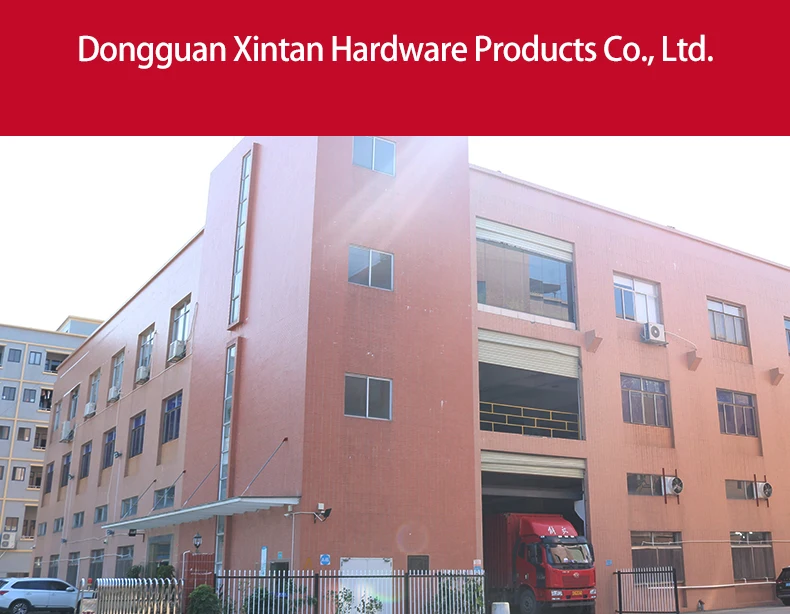
Dongguan Xintan Hardware Products Co., Ltd.
- Manufacturer, Trading Company
- Guangdong, China
- Lead time15 days
- Avg. response≤ 11h
Main productsTripod Stand,Photographic Lighting,LED Ring Light,Grow Tent,Hardware Accessories
Main marketsNorth America(40.00%), South America(15.00%), Western Europe(10.00%), Mid East(10.00%), Africa(10.00%), South Asia(5.00%), Southern Europe(5.00%), Northern Europe(5.00%)

Zhejiang Yongkang Suyuan Industry & Trade Co., Ltd.
- Combined
- China Zhejiang
- Lead time15 days
- Avg. response≤ 5h
Main productsMop, Magic Mop, Spin Mop, Flat Mop, Sponge Mop, Spray Mop, Twist Mop, Window Wiper, PVA Mop, Floor Mop
Main marketsSouth America,Africa,Southeast Asia/ Mideast,East Asia(Japan/ South Korea),Domestic,Europe,Australia,North America

Shandong Rope Technology Co., Ltd.
- Combined
- China Shandong
- Lead time30 days
- Avg. response≤ 2h
Main productsRope
Main marketsSoutheast Asia/ Mideast,Europe,North America
Bobai County Lovely Home Furnishing Co., Ltd.
- Verified by Intertek
- Trading Company
- Lead time0 days
- Avg. response≤ 4h
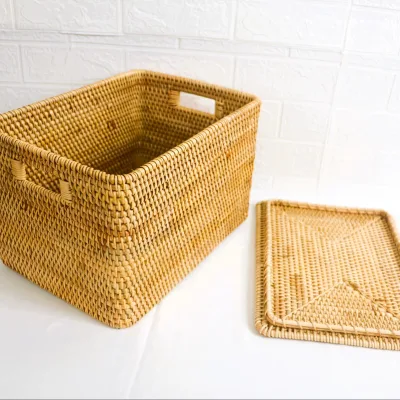
Main productsHome storage weaving
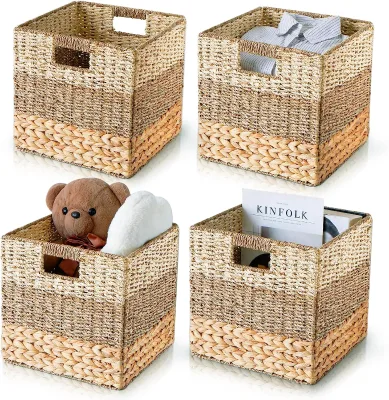
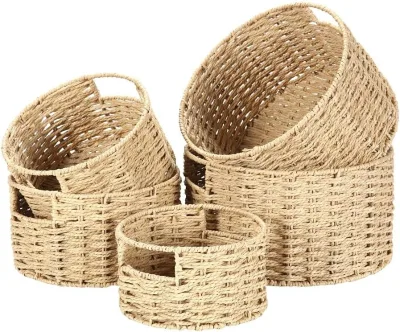
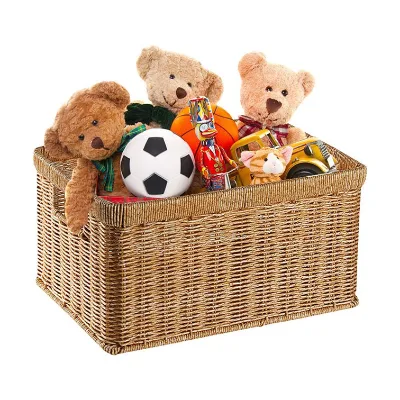
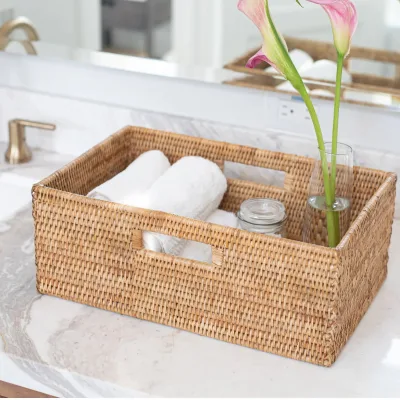
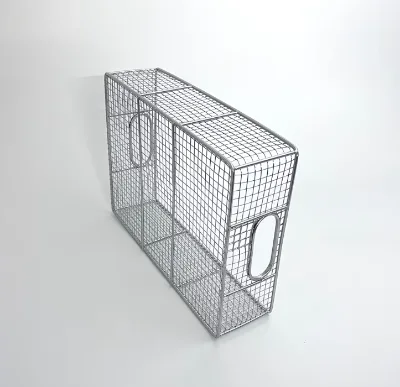
Rectangular Shelf Storage Basket With Side Handles
$11.99 - $12.99

Ningbo General Union Co., Ltd.
- Verified by BV
- Trading Company
- China Zhejiang
- Lead time30 days
- Avg. response≤ 9h
Main productsCleaning Brush, Bottle, Kitchenware, Storage Box, Outdoor, Pet, Fitness Equipment, Digital Devices, Camping, Pet Bottle
Main marketsSouth America,Africa,Southeast Asia/ Mideast,East Asia(Japan/ South Korea),Europe,Australia,North America

Suzhou Shunhong Metallic Products Co., Ltd.
- Trading Company,Manufacturer/Factory
- China Jiangsu
- Lead time23 days
- Avg. response≤ 8h
Main productsShopping Cart, Roll Container, Warehouse Trolley, Storage Cage, Shopping Basket, Shopping Trolley, Supermarket Cart, Hand Push Cart, Wire Mesh Cages, Checkout Counter
Main marketsSouth America,Eastern Europe,Mid East,North America,Southeast Asia,Eastern Asia,Oceania,Western Europe,Africa
Nanning Lanshige Home Furnishing Technology Co., Ltd.
- Trading Company
- Guangxi, China
- Lead time7 days
- Avg. response≤ 3h
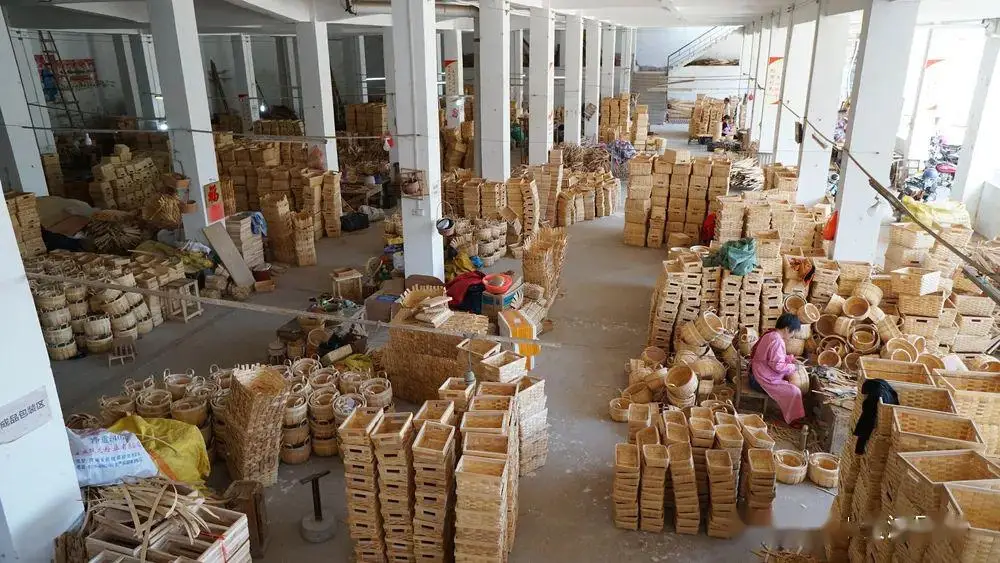
Main productsStorage Box,seaweed basket,woodchip basket,bamboo basket,storage basket
Main marketsNorth America(35.00%), Western Europe(30.00%), Eastern Europe(20.00%), Domestic Market(5.00%), Mid East(5.00%), South America(2.00%), Southeast Asia(2.00%), Africa(1.00%)
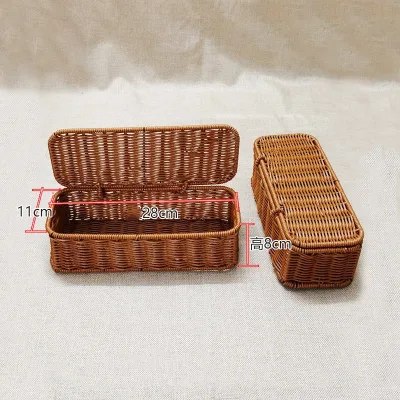
New Rattan Storage Basket, Kitchen Utensil Holder Woven Rectangular Storage Baskets
$2.5851 - $2.6883
MOQ: 200 pieces
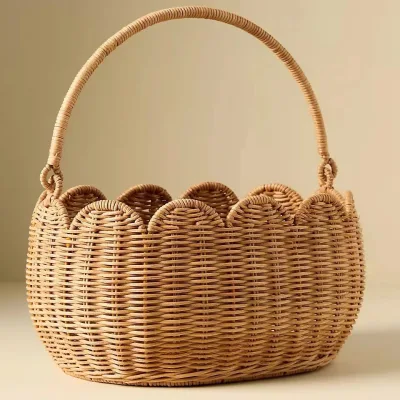

Guangdong Victory Industry Limited
- Trading Company
- China Guangdong
- Lead time15 days
- Avg. response≤ 2h
Main productsTrash Can, Dustbin, Waste Bin, Toilet Brush, Paper Holder, Compost Bin, Kitchen Paper Towel Holder, Makeup Mirror, Towel Rack, Bathroom Accessories
Main marketsEurope,North America

Taizhou Shangyi Plastic Co., Ltd.
- Verified by TUVRHEINLAND
- Trading Company
- China Zhejiang
- Lead time23 days
- Avg. response≤ 19h
Main productsFood Container, Storage Container, Lunch Box, Bento Box, Plastic Laundry Basket, Plastic Storage Container, Plastic Cutting Board
Main marketsSouth America,Southeast Asia/ Mideast

Changshu Jiabo Metal Products Factory
- Manufacturer
- Jiangsu, China
- Lead time10 days
- Avg. response≤ 1h
Main productselectronic checkout counter,convienence checkout counter,promotion talbe
Main marketsDomestic Market(45.60%), Mid East(20.00%), Eastern Asia(15.00%), Southeast Asia(10.00%), Africa(5.00%), Oceania(3.00%), South Asia(0.50%), Southern Europe(0.32%), Western Europe(0.25%), South America(0.18%), Eastern Europe(0.15%)
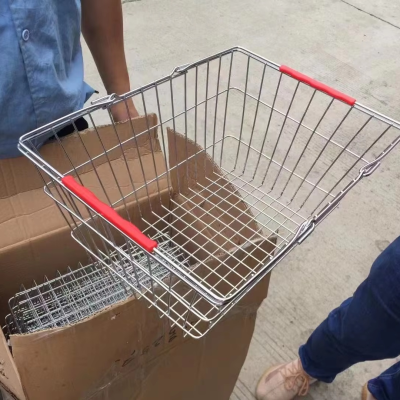
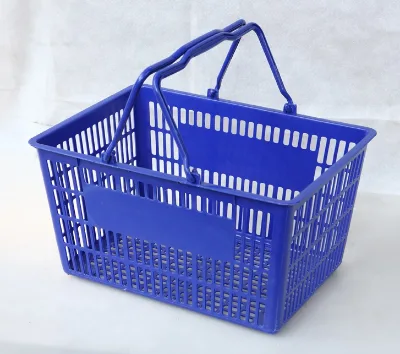
$2.00

Suzhou Yuanda Commercial Products Co., Ltd.
- Verified by SGS
- Combined
- China Jiangsu
- Lead time15 days
- Avg. response≤ 7h
Main productsShelf, Warehouse Duty Rack, Shopping Trolley, Shopping Basket, Logistic Cart, Stacking Storage Cage, Cashier, Locker, Vegetable Rack, Promotion Table
Main marketsNorth America

ANPING HUANSI WIRE MESH PRODUCTS CO., LTD.
- Verified by SGS
- Combined
- China Hebei
- Lead time15 days
- Avg. response≤ 3h
Main productsStainless Steel Wire Mesh, Decorative Metal Mesh, Conveyor Belt, Chain Conveyor, Wire Mesh Fence, Perforated Metal, Water Ripple Sheet, Steel Grating, Copper Wire Mesh, Stainless Steel Wire Rope Mesh
Main marketsNorth America
Quanzhou Bestowal Trading Co., Ltd.
- Verified by Intertek
- Trading Company
- Lead time60 days
- Avg. response≤ 2h
Main productsBamboo Rack/Shelf, Bamboo Furniture, Bamboo Kitchenware Accessories
Main marketsMid East(35%), South Asia(30%), North America(25%)
$4.50 - $5.36
MOQ: 200 units

Ningbo Better Life Houseware Co., Ltd
- Verified by CTI
- Trading Company
- China Zhejiang
- Lead time30 days
- Avg. response≤ 2h
Main productsHouseware Products.
Main marketsSouth America,Africa,Southeast Asia/ Mideast,Europe,Australia,North America
Siyang Deshang Home Furnishing Technology Co., Ltd.
- Verified by SGS Group
- Manufacturer, Trading Company
- Lead time30 days
- Avg. response≤ 12h
Main productsMetal Storage Basket, Metal Storage Shelf, Storage Trolley Cart, Metal Hanger
Main marketsNorth America(50%), Eastern Asia(30%), Domestic Market(10%)
Anping Hengchang Wire Mesh Products Co., Ltd.
- Trading Company
- Hebei, China
- Lead time15 days
- Avg. response≤ 1h
Main productsStainless steel wire mesh,Stainless steel mesh disinfection basket,Stainless steel filter disc,Sintered mesh,Stainless steel gloves
Main marketsSouth Asia(20.00%), Eastern Asia(20.00%), North America(20.00%), Northern Europe(10.00%), South America(10.00%), Oceania(10.00%), Domestic Market(5.00%), Africa(5.00%)

Jinjiang Jiaxing Import and Export Co., Ltd.
- Verified by CTI
- Manufacturer/Factory
- China Fujian
- Lead time120 days
- Avg. response≤ 2h
Main productsShoes, Slipper, Clothes, Promotion Gifts, Silicone Products, Outdoor Sports Products, Bags, Fashion Accessories, Consumer Electronics
Main marketsSouth America,Eastern Europe,Mid East,North America,Southeast Asia,Eastern Asia,Oceania,Western Europe,Africa
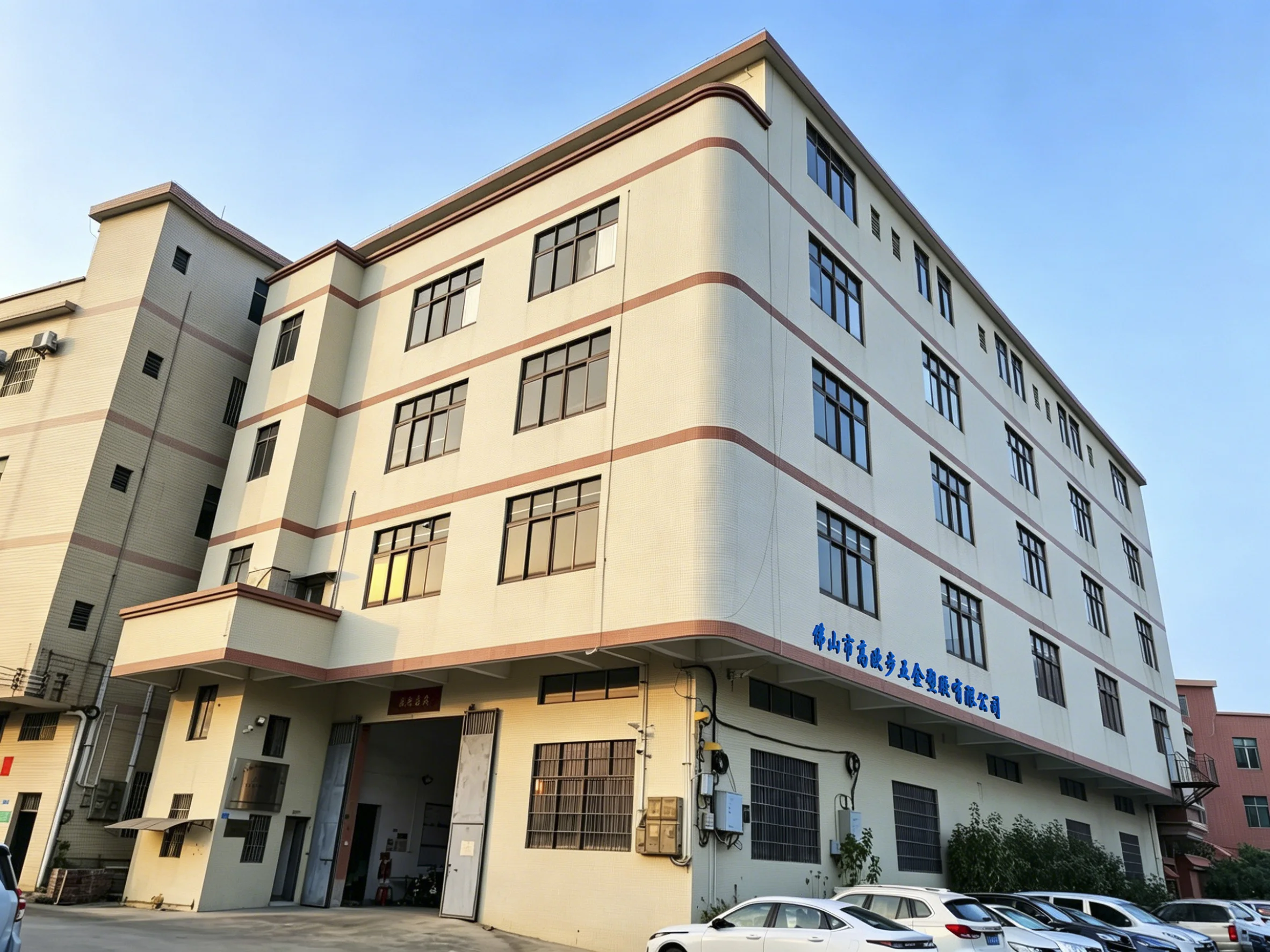
Foshan Global Industries Technology Co., Ltd.
- Manufacturer
- Guangdong, China
- Lead time25 days
- Avg. response≤ 5h
Main productsshopping basket,storage basket,racks,shelf,hooks
Main marketsNorth America(40.00%), Domestic Market(15.00%), Africa(9.00%), Western Europe(6.00%), South America(5.00%), Oceania(5.00%), Northern Europe(5.00%), Southeast Asia(3.00%), Mid East(3.00%), Eastern Asia(3.00%), Eastern Europe(2.00%), Central America(2.00%), Southern Europe(1.00%), South Asia(1.00%)

Anping County Jineng Metal Wire Mesh Products Co., Ltd.
- Manufacturer, Trading Company
- Hebei, China
- Lead time3 days
- Avg. response≤ 1h
Main productsSS Filter,Filter cartridge,Metal Basket,Filter element,Wire Mesh
Main marketsNorth America(25.00%), Southern Europe(10.00%), Central America(10.00%), Southeast Asia(10.00%), Eastern Europe(10.00%), South America(10.00%), Northern Europe(5.00%), Western Europe(5.00%), Eastern Asia(5.00%), South Asia(5.00%), Oceania(3.00%), Mid East(2.00%)
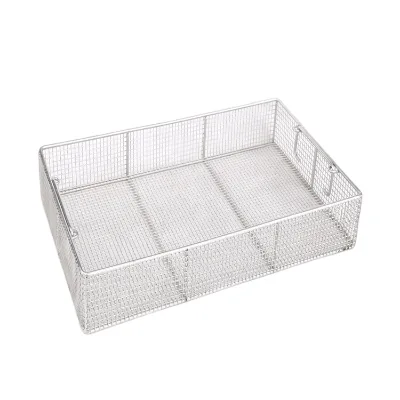
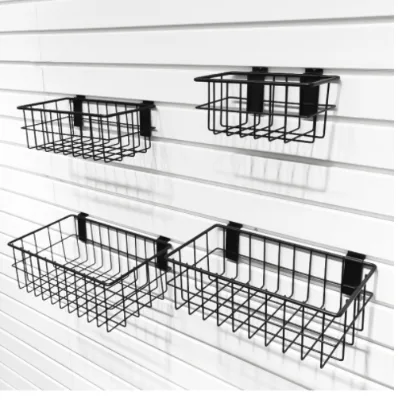
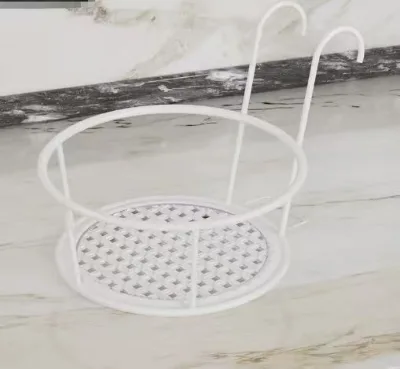
Portable and Detachable Hanging Hanging Baskets Versatile for Various Situations
$3.1147 - $3.6338
MOQ: 1 pieces
- Verified by SGS
- Trading Company
- China Guangdong
- Lead time23 days
- Avg. response≤ 9h
Main productsShower Caddy
Main marketsNorth America

Hangzhou Chosen Textile Co., Ltd
- Verified by CTI
- Trading Company
- China Zhejiang
- Lead time45 days
- Avg. response≤ 7h
Main productsOutdoor Products, Textile Products, Home Textile, Weighted Products, Promotional Products, Gift Products
Main marketsAfrica,Southeast Asia/ Mideast,East Asia(Japan/ South Korea),Europe,Australia,North America

Guangxi Guilin Winsun Hanger Co., Ltd.
- Verified by BV
- Combined
- China Guangxi
- Lead time30 days
- Avg. response≤ 19h
Main productsWooden Hanger, Velvet Hanger, Plastic Hanger, Metal Hanger
Main marketsSouth America,Africa,Southeast Asia/ Mideast,East Asia(Japan/ South Korea),Europe,Australia,North America


$1.35 - $1.80
MOQ: 500 Pieces

- Verified by BV
- Trading Company
- China Hebei
- Lead time30 days
- Avg. response≤ 1h
Main productsPrivacy Fence, Steel Wire Mesh, Metal Stamping Parts, Metal Fence Gate, Eurofence PVC Welded Wire Mesh, Welded Wire Mesh, Chain Link Fence, Metal Fabrication, Chicken Mesh, Garden Trellis
Main marketsEurope
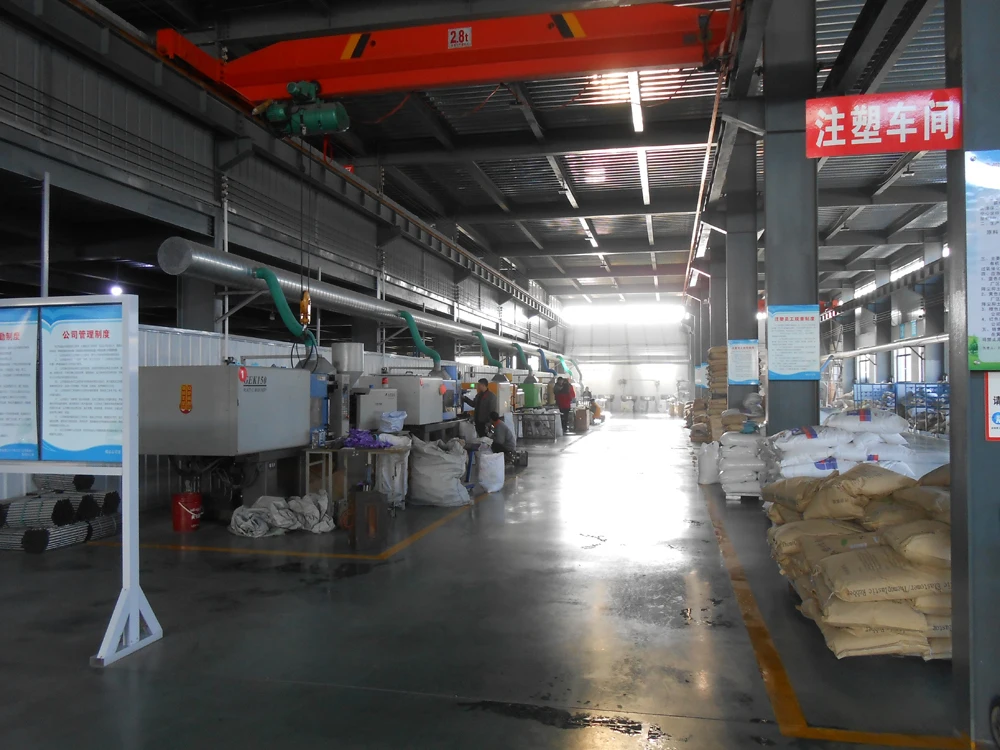
Langfang Yiwu Trading Co., Ltd.
- Trading Company
- Hebei, China
- Lead time15 days
- Avg. response≤ 1h
Main productsKitchen storage solution,Living room storage solution,Bathroom storage solution,bedroom storage solution,mop
Main marketsSouth Asia(30.00%), North America(10.00%), Africa(10.00%), Eastern Asia(10.00%), South America(10.00%), Southeast Asia(5.00%), Southern Europe(5.00%), Northern Europe(5.00%), Western Europe(5.00%), Eastern Europe(5.00%), Mid East(5.00%)

TAIAN TOPPOUND INTERNATIONAL TRADING CO., LTD.
- Verified by TUVRHEINLAND
- Combined
- China Shandong
- Lead time45 days
- Avg. response≤ 3h
Main productsChair, Side Table, Flower Planter Stand, Home Decoration, Candle Holders and Lantern, Shelves, Mirror, Planter Pot, Christmas Decoration, Natural Baskets and Storage
Main marketsSouth America,Europe,North America
Cao County Grandview Arts & Crafts Co., Ltd.
- Manufacturer, Trading Company
- Shandong, China
- Lead time20 days
- Avg. response≤ 4h
Main productskitchen knife rack,wooden trash bin,wooden frames,kitchen wall shelf,bathroom storage rack
Main marketsNorth America(35.00%), Western Europe(13.00%), South Asia(10.00%), Eastern Europe(7.00%), Mid East(7.00%), Southern Europe(5.00%), Domestic Market(5.00%), Eastern Asia(5.00%), Southeast Asia(5.00%), Northern Europe(4.00%), Oceania(2.00%), Africa(2.00%)

Tai Cang Auke Storage Equipment Co., Ltd.
- Verified by SGS
- Combined
- China Jiangsu
- Lead time23 days
- Avg. response≤ 2h
Main productsIndustrial Metal Cleaning Basket, Stainless Steel Basket Industrial, Custom Wire Mesh Basket, Perforated Metal Basket, Custom Wire Basket, Expanded Metal Basket, Steel Mesh Basket, Folding Storage Cage
Main marketsOthers(foreignTradeCapacity.exportBusinessCapacityMarketOther),Southeast Asia/ Mideast,Domestic,Europe,North America


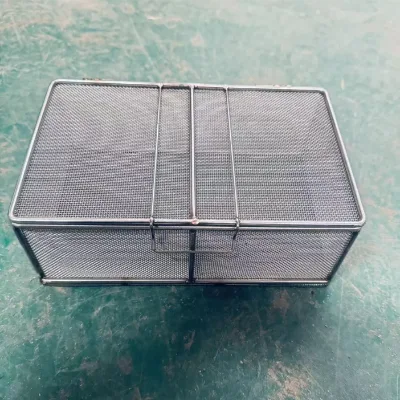
Stackable Custom Stainless Baskets for High Efficiency Industrial Storage
$20.00 - $40.00
MOQ: 1 Pieces

Custom Stackable Stainless Wire Baskets for Streamlined Industrial Storage
$20.00 - $40.00
MOQ: 1 Pieces
Hangzhou Good Industry Co., Ltd.
- Verified by SGS Group
- Manufacturer, Trading Company
- Lead time30 days
- Avg. response≤ 12h
Main productsDIY Hand Tools, Household Tools, Hardware Tools, Automotive Tool, Hardware Storage Boxes
Main marketsWestern Europe(45%), North America(20%), Eastern Europe(5%)
Shenzhen Chengtaijie Technology Co., Ltd.
- Manufacturer
- Guangdong, China
- Lead time45 days
- Avg. response≤ 3h
Main productsCurtain rod,Kitchen Organizer,Bathroom componets,Bathroom shelf/kits,Iron with wood
Main marketsSouth America(30.00%), North America(30.00%), Southern Europe(20.00%), Western Europe(20.00%)
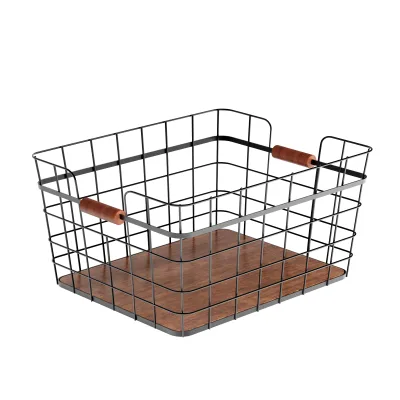
$3.99 - $4.99
MOQ: 500 pieces
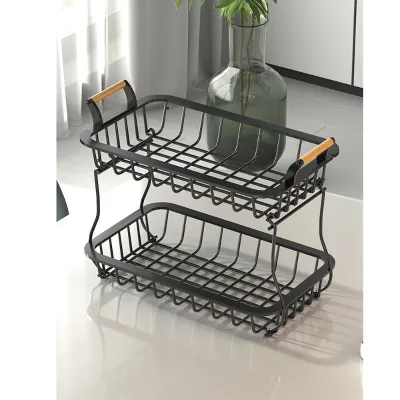
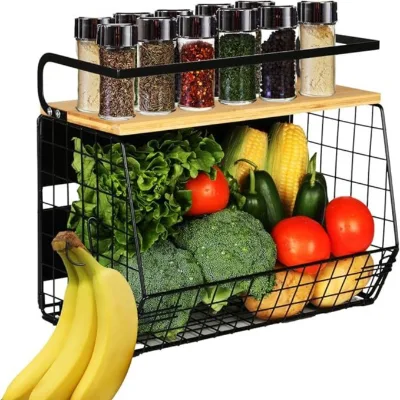
Metal Wire Storage Basket for Fruits Stand Holder Organizer for Utensils
$5.3048 - $5.61
MOQ: 1000 pieces
Ningbo Aggpo Import And Export Co., Ltd.
- Verified by SGS Group
- Trading Company
- Lead time5 days
- Avg. response≤ 5h
Main productsHousehold daily goods, Consumer goods, Pet goods, Sports goods, Hardware goods
Main marketsNorth America(30%), South America(30%), Western Europe(25%)

Ningbo Sv Plastic Hardware Co., Ltd.
- Verified by SGS
- Manufacturer/Factory
- China Zhejiang
- Lead time30 days
- Avg. response≤ 17h
Main productsInjection Molding, Mould, Plastic Injection, Plastic Tooling, OEM Plastic, Injection Mold, Peek Injection, Medical Injection, Ts16949 Injection, OEM Injection
Main marketsSouth America,Eastern Europe,Mid East,North America,Southeast Asia,Eastern Asia,Oceania,Western Europe,Africa
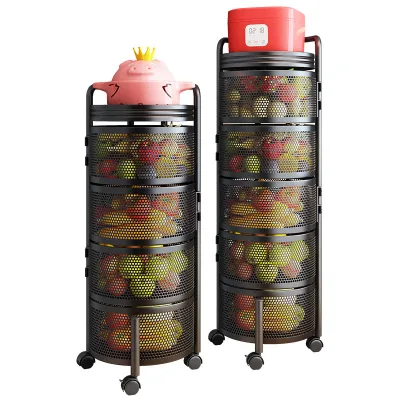




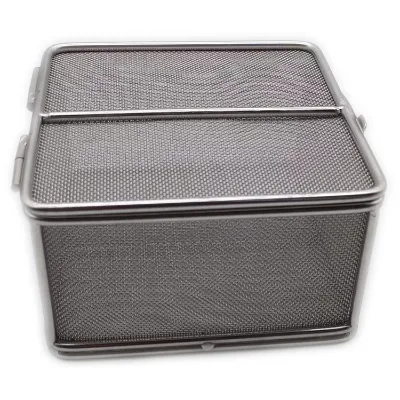


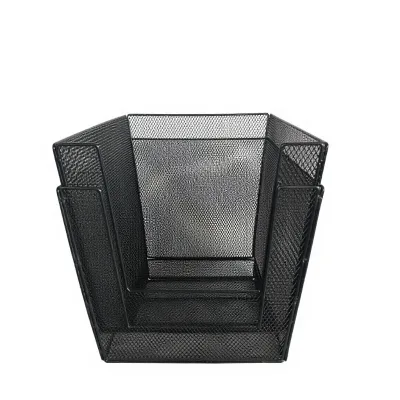
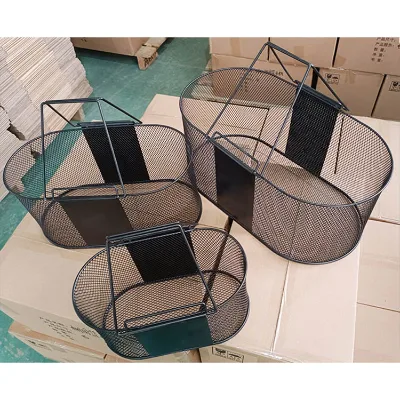
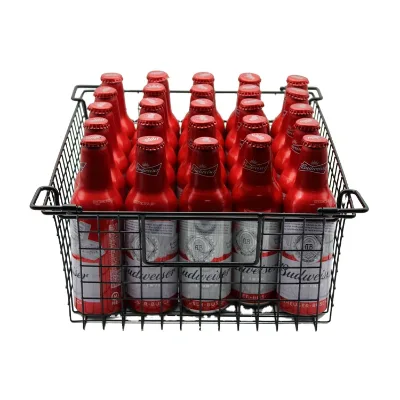






Comprehensive Sourcing Guide
Rotating Cube Storage Basket Supplier Concentration and Factory Types
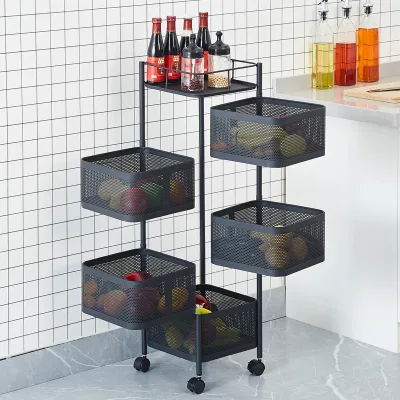
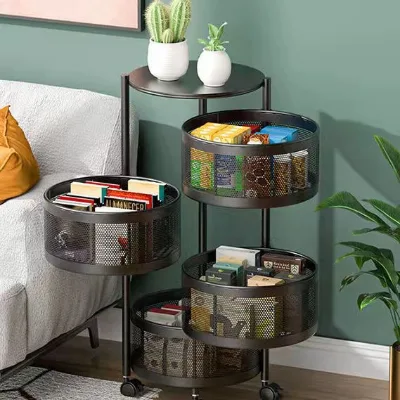
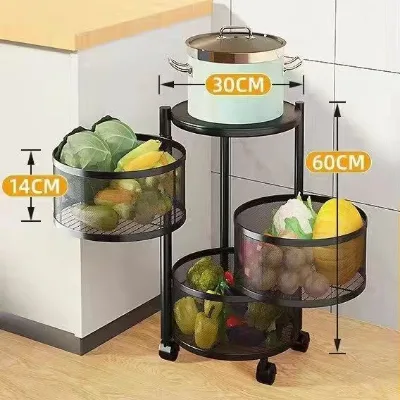
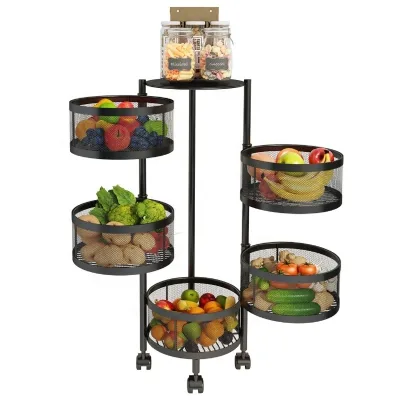
The current supplier landscape for rotating cube storage baskets reveals a mix of manufacturing capabilities and trading operations, with specific geographic concentrations that buyers must navigate carefully. Evidence indicates that some suppliers are located in Guangdong, China, while others are based in Jiangsu, China, suggesting that regional specialization may influence product availability and logistics. Guangdong is often associated with metal fabrication and hardware accessories, which aligns with the metal-based rotating baskets observed in the results, such as those made from metal wire mesh. In contrast, Jiangsu-based suppliers appear to offer a broader range of materials, including fabric and plastic options, indicating a diversification in product offerings within that region. Buyers should recognize that these locations are not exhaustive, as search results can fluctuate, but they provide a starting point for identifying clusters. It is crucial to verify the actual factory location rather than relying solely on the registered address, as trading companies may list their headquarters in one province while sourcing from factories in another. This distinction is vital for understanding the true cost structure and quality control processes.
Company types vary significantly among the available suppliers, with some operating as pure trading companies and others as manufacturers or hybrid entities. Trading companies often provide a wider variety of products, such as kitchen storage racks, bathroom accessories, and even unrelated items like garden bicycle sheds, which suggests a broad sourcing network. This diversity can be advantageous for buyers seeking a one-stop shop for multiple home organization products. However, manufacturers typically offer more specialized expertise in specific materials, such as the metal brackets and rotating mechanisms seen in the Guangdong-based results. The presence of suppliers with both manufacturing and trading capabilities allows for greater flexibility in customization and order volume. Buyers should assess whether the supplier’s primary business model aligns with their needs, as manufacturers may offer better pricing for large orders, while trading companies might provide faster access to diverse SKUs. Understanding this dynamic helps in selecting a partner that can scale with your business requirements without compromising on product integrity or delivery timelines.
How to Verify Rotating Cube Storage Basket Suppliers
Verification is a critical step in ensuring that the suppliers you engage with are legitimate and capable of meeting your quality standards. One key indicator of reliability is the presence of third-party verification badges, such as those from SGS Group or TÜV Rheinland, which signal that the supplier has undergone rigorous audits. These certifications provide a layer of assurance regarding the supplier’s business operations and product quality, although they do not guarantee every single item will meet your specific requirements. Buyers should look for these verification marks prominently displayed on the supplier’s profile, as they indicate a commitment to transparency and compliance. Additionally, checking the supplier’s response time can offer insights into their operational efficiency. A response time of around three hours suggests a responsive customer service team, which is essential for resolving issues quickly during the sourcing process. However, a fast response does not necessarily equate to high-quality production, so it should be considered alongside other verification metrics.
Beyond verification badges and response times, buyers should scrutinize the detailed product attributes and specifications provided by the supplier. For instance, the presence of specific model numbers, such as mn-8526 or mn-708, indicates a standardized production process, which can be a positive sign of professionalism. Buyers should also verify the material composition, such as whether the basket is made of metal, fabric, or plastic, and ensure it matches their product requirements. Dimensional tolerances, such as <±1mm, and weight tolerances, such as <±1%, are critical for ensuring consistency in bulk orders. If a supplier provides these precise specifications, it suggests a higher level of quality control. Conversely, vague descriptions or lack of technical details may indicate a less mature manufacturing process. Buyers should request samples to physically verify these attributes, as online descriptions can sometimes be misleading. This hands-on verification is the most reliable way to assess the true quality of the rotating cube storage baskets before committing to a large order.
What to Compare Across Rotating Cube Storage Basket Suppliers
When evaluating multiple suppliers, it is essential to compare key operational metrics such as minimum order quantities (MOQ), lead times, and pricing structures to find the best fit for your business. The MOQs observed in the results vary significantly, with some suppliers requiring as few as 10 pieces, while others demand 100 pieces or more. This variation allows buyers with different volume needs to find suitable partners, whether they are testing the market with small batches or planning large-scale distribution. Lead times also differ, with some suppliers offering production times of 15 to 20 days, while others may take up to 30 days. Understanding these timelines is crucial for inventory planning and ensuring that products arrive in time for seasonal demand. Buyers should also compare the customization options available, such as the ability to customize size, color, or material, as this can impact the final product’s suitability for your target market. Suppliers that offer flexible customization may be more valuable for brands looking to differentiate their offerings.
Pricing is another critical factor that requires careful comparison across suppliers. The price ranges for rotating cube storage baskets can vary based on material, size, and customization level. For example, metal wire baskets may have different price points compared to fabric or plastic options. Buyers should request detailed quotes that include all costs, such as packaging and shipping, to avoid hidden fees. Additionally, comparing the supplier’s main products can provide insights into their expertise. A supplier whose main products include kitchen storage racks and bathroom accessories may have more experience in metal fabrication, while a supplier focusing on home decoration and furniture may excel in fabric or plastic products. This alignment between the supplier’s core competencies and your product requirements can lead to better quality and more competitive pricing. Buyers should also consider the supplier’s response speed, as a quicker response can facilitate smoother communication and faster issue resolution, ultimately contributing to a more efficient sourcing process.
Common Rotating Cube Storage Basket Sourcing Risks
One of the primary risks in sourcing rotating cube storage baskets is the potential discrepancy between the advertised product specifications and the actual delivered goods. This is particularly relevant when dealing with suppliers who offer a wide range of products, as they may not have specialized expertise in every item they list. For instance, a supplier listing both kitchen storage racks and garden bicycle sheds may lack the specific manufacturing capabilities for high-quality rotating mechanisms. Buyers should be cautious of suppliers who do not provide detailed technical specifications, such as dimensional tolerances or material grades, as this can lead to quality issues. Another risk is the variability in lead times, which can impact inventory management and customer satisfaction. If a supplier consistently misses their stated delivery dates, it can disrupt your supply chain and damage your brand reputation. Buyers should establish clear communication channels and set realistic expectations regarding production and shipping times to mitigate this risk.
Another significant risk is the lack of transparency in pricing and additional costs. Some suppliers may quote low initial prices but add hidden fees for packaging, customization, or shipping, which can significantly increase the total cost. Buyers should request comprehensive quotes that break down all costs to ensure accurate budgeting. Additionally, there is a risk of intellectual property infringement if the supplier uses copyrighted designs or logos without permission. Buyers should ensure that the supplier has the necessary rights to produce and sell the products, especially if they are customizing designs. Furthermore, the reliability of the supplier’s verification status should be double-checked, as some badges may be outdated or not fully representative of the supplier’s current operations. Buyers should conduct due diligence by reviewing the supplier’s history, customer reviews, and any available audit reports to ensure they are a trustworthy partner. This proactive approach helps in identifying and avoiding potential pitfalls before they impact your business.
Rotating Cube Storage Basket Regional Sourcing and Logistics
Sourcing rotating cube storage baskets from different regions in China offers distinct advantages and challenges related to logistics and supply chain efficiency. Suppliers located in Guangdong, China, are often associated with metal fabrication and hardware manufacturing, which can be beneficial for buyers seeking durable metal wire baskets. The proximity to major ports in Guangdong can facilitate faster shipping times and lower logistics costs for international buyers. On the other hand, suppliers in Jiangsu, China, may offer a broader range of materials, including fabric and plastic, catering to diverse product needs. The logistics infrastructure in Jiangsu is also well-developed, providing reliable shipping options. However, buyers should consider the specific shipping routes and transit times associated with each region, as these can impact the overall delivery schedule. Understanding the logistical advantages of each region helps in selecting a supplier that aligns with your distribution strategy and cost objectives.
Logistics planning should also account for the packaging and handling requirements of the rotating cube storage baskets, as these can affect shipping costs and product integrity. For example, metal baskets may require more robust packaging to prevent damage during transit, while fabric baskets may be more compact and easier to ship. Buyers should discuss packaging options with the supplier to ensure that the products are protected adequately. Additionally, the size and weight of the single package, such as 95X32X32 cm for some metal baskets, can influence shipping volume and costs. Buyers should calculate the total shipping volume based on the order quantity and package dimensions to estimate freight costs accurately. Working with suppliers who have experience in international shipping can help streamline the logistics process and reduce the risk of delays or damage. By carefully considering regional logistics and packaging requirements, buyers can optimize their supply chain and ensure timely delivery of high-quality rotating cube storage baskets.
Rotating Cube Storage Basket Commercial Terms and Order Planning
Effective order planning for rotating cube storage baskets requires a clear understanding of the commercial terms offered by suppliers, including payment terms, customization policies, and after-sales support. Many suppliers offer customization options, such as adjusting the size, color, or material of the baskets, which can be crucial for meeting specific market demands. Buyers should confirm the customization process and any associated costs or minimum order requirements before placing an order. Additionally, understanding the supplier’s return and warranty policies is essential for managing risk. Some suppliers may offer guarantees on product quality or replacement for defective items, which can provide peace of mind for buyers. Buyers should also consider the supplier’s flexibility in handling order changes or cancellations, as this can impact your ability to adapt to market fluctuations. Clear communication of these commercial terms helps in establishing a transparent and mutually beneficial business relationship.
Order planning should also involve strategic inventory management to balance stock levels with demand forecasts. Given the varying lead times and MOQs, buyers should plan their orders to avoid stockouts or excess inventory. For instance, if a supplier has a lead time of 30 days and an MOQ of 100 pieces, buyers should time their orders to align with sales cycles and replenishment needs. Additionally, buyers should consider the seasonal demand for rotating cube storage baskets, as certain periods may see higher sales volumes. By analyzing historical sales data and market trends, buyers can make informed decisions about order quantities and timing. Furthermore, maintaining a diversified supplier base can mitigate the risk of supply chain disruptions. By working with multiple suppliers in different regions, buyers can ensure continuity of supply and negotiate better terms. This strategic approach to order planning and supplier management helps in building a resilient and efficient sourcing operation for rotating cube storage baskets.
FAQs
What is the typical lead time for rotating storage baskets?
Manufacturers generally require 15 to 30 days to produce and ship orders. Specific timelines depend on order volume and customization needs. Some suppliers offer faster turnaround for stocked items, while others with longer production cycles may take up to 30 days to fulfill requests.
What is the minimum order quantity for these products?
Minimum order quantities vary significantly by supplier and product type. Some metal rotating racks have a low MOQ of 10 pieces, making them suitable for small trials. Conversely, fabric or plastic cube baskets often require a minimum of 100 pieces per order for production.
Are rotating storage baskets available with customization options?
Yes, many suppliers offer customization for size, color, and material. Buyers can request specific dimensions or modern styles for plastic and fabric baskets. Metal rotating racks may also allow for custom branding or structural adjustments, though availability depends on the specific manufacturer's capabilities.
What materials are commonly used for rotating storage baskets?
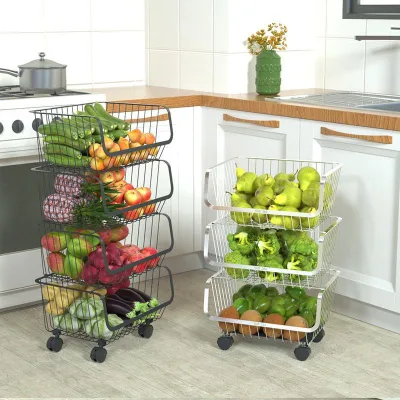
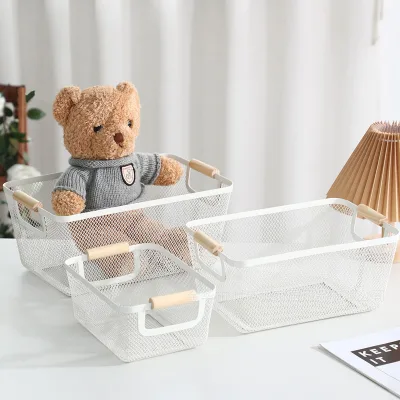
Common materials include metal, plastic, and fabric. Metal baskets are often used for kitchen or fruit storage due to durability. Plastic options provide lightweight versatility, while fabric cubes offer soft storage for closets. The choice depends on the intended use and aesthetic requirements.
How quickly do suppliers typically respond to inquiries?
Response times vary, with some suppliers replying within three hours. Others may take up to 11 hours to address initial questions. Faster response rates often indicate active trading companies or manufacturers with dedicated sales teams ready to assist buyers with immediate sourcing needs.
Where are these storage baskets typically manufactured?
Most rotating storage baskets are manufactured in China, specifically in regions like Guangdong and Jiangsu. These areas are known for their robust manufacturing infrastructure for home organization products. Buyers should verify the exact place of origin to ensure alignment with their sourcing preferences.