Special-Shaped Glass Edge Grinding Machine Suppliers and Manufacturers
Compare 24 verified suppliers of special-shaped glass edge grinding machines based on location, lead times, certifications, and pricing. Review product specifications like grinding angles and power ratings to select the right factory for your needs; review the available evidence before requesting comparable quotations from suitable candidates.
Updated
Suppliers List

Shandong Zhengke Automation Co., Ltd.
- Verified by BV
- Trading Company,Manufacturer/Factory
- China Shandong
- Lead time30 days
- Avg. response≤ 5h
Main productsInsulating Glass Machine Ig Line, Glass Cutting Machine, Glass Cutting Table, Double Glazing Machine, Aluminum Spacer Bending Machine, Butyl Extruder, Glass Washing Machine, Insulating Glass Sealing Robot, Aluminum Window Machine, Desiccant Filling Machine
Main marketsSouth America,Eastern Europe,Mid East,North America,Southeast Asia,Eastern Asia,Oceania,Western Europe,Africa


$32000.00 - $36000.00
MOQ: 1 set

Jinan Senke CNC Machine Co., Ltd.
- Verified by BV
- Combined
- China Shandong
- Lead time30 days
- Avg. response≤ 6h
Main productsPlasma Cutting Machine, Plasma Cutter, CNC Router, CO2 Laser Engraving Cutting Machine, Fiber Laserg Cutting Machine, CNC Glass Cutting Machine, Fiber Laser Marking Machine, CNC Glass Grinding Machine, CNC Router Machine, Metal Cutting Machine
Main marketsSouth America,Africa,Southeast Asia/ Mideast,East Asia(Japan/ South Korea),Europe,Australia,North America

Gaomi Feixuan Machinery Technology Co., Ltd
- Verified by TUVRHEINLAND
- Manufacturer/Factory
- China Shandong
- Lead time23 days
- Avg. response≤ 4h
Main productsGlass CNC Machining Centers, Glass Machine, Glass
Main marketsSouth America,Eastern Europe,Mid East,North America,Southeast Asia,Eastern Asia,Oceania,Western Europe,Africa

- Verified by TUVRHEINLAND
- Manufacturer/Factory
- China Beijing
- Lead time60 days
- Avg. response≤ 5h
Main productsGlass Processing Machine, Glass Polishing Machine, Laminated Glass Machine, Glass Edging Machine, Glass Beveling Machine, Glass Washing Machine, Glass Drilling Machine, Glass Sandblasting Machine, Glass Laminating Machine, Glass Grinding Machine
Main marketsSouth America,Eastern Europe,Mid East,North America,Southeast Asia,Eastern Asia,Oceania,Western Europe,Africa


Automatic Edge 45 Degree Grinding Machine Fast Glass Edge Grinding Machine
$9000.00 - $50000.00
MOQ: 1 Sets


- Manufacturer, Trading Company
- Lead time旺季: "1 - 1":30,"> 1":"To be negotiated", 淡季: "1 - 1":30,"> 1":"To be negotiated"
- Avg. response≤ 2h
Main productsHot melt glue machine,Pasting machine,Box Sealing Machine,Glue gun,Glue hose

Shandong Tenv Intelligent Technology Co., Ltd.
- Verified by TUVRHEINLAND
- Manufacturer/Factory
- China Shandong
- Lead time23 days
- Avg. response≤ 7h
Main productsGlass Cutting Machine, Glass Edging Machine, Insulating Glass Machine, Glass Laminating Machine, Glass Drilling Machine, Glass Sandblasting Machine, PVC Window Machine, Aluminum Window Machine
Main marketsWestern Europe

Factory Supply Glass Shape Edging Machine Glass Shaped Edge Grinding Machine
$3350.00 - $3550.00
MOQ: 1 SET


$2500.00 - $3000.00
MOQ: 1 Pieces

Henan Share M&E Equipment Co., Ltd
- Verified by TUVRHEINLAND
- Trading Company
- China Henan
- Lead time15 days
- Avg. response≤ 4h
Main productsBag Printing Machine, Brick Making Machine, Quilting Machine, Water Well Drilling Rig, Roll Forming Machine
Main marketsSouth America,Africa,Others(foreignTradeCapacity.exportBusinessCapacityMarketOther),Southeast Asia/ Mideast,East Asia(Japan/ South Korea),Domestic,Europe,Australia,North America
Shandong keruide Heavy Machinery co.,ltd
- Verified by TüVRheinland
- Manufacturer, Trading Company
- Lead time3 days
- Avg. response≤ 4h
Main productsExcavator, Forklift, Skid Steer Loader, Tricycle, Road Roller
Main marketsDomestic Market(25%), North America(20%), Eastern Europe(20%)
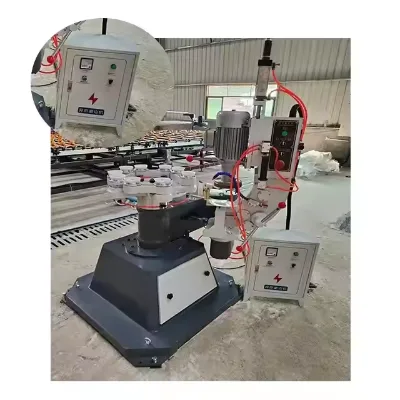
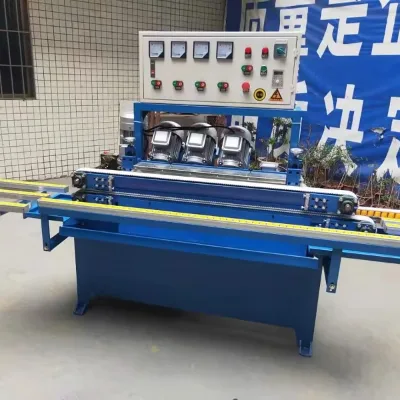
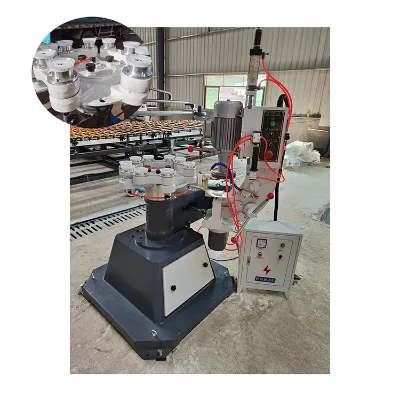
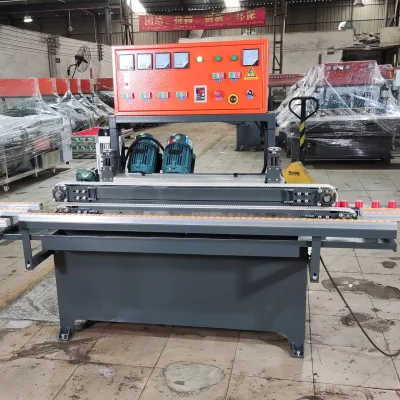
Competitive Price Glass Stone Edge Grinder Machine High Efficiency Horizontal Glass Beveling Machine
$3104.7233 - $3622.3498
MOQ: 1 sets
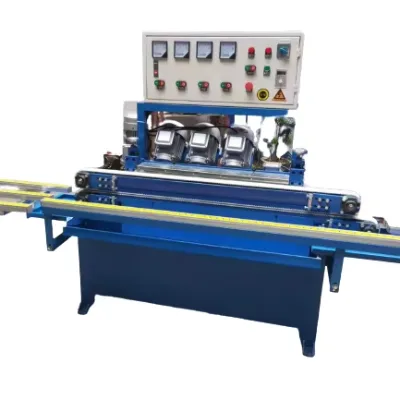
Four-head Glass Edge Grinding Machine Glass Deep Processing Equipment
$4750.00 - $4800.00
MOQ: 1 cases
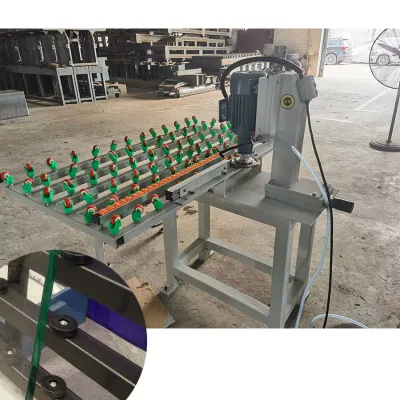
$850.1644 - $987.0891
MOQ: 1 sets
Jinan Glasino Glass Technology Co., Ltd.
- Verified by SGS Group
- Manufacturer, Trading Company
- Lead time30 days
- Avg. response≤ 1h
Main productsGlass Cutting Machine, Glass Tempered Furnace, Insulating Glass Production Line, Glass Washing Machine, Glass Edging Machine
Main marketsNorth America(26%), Eastern Asia(20%), Africa(11%)
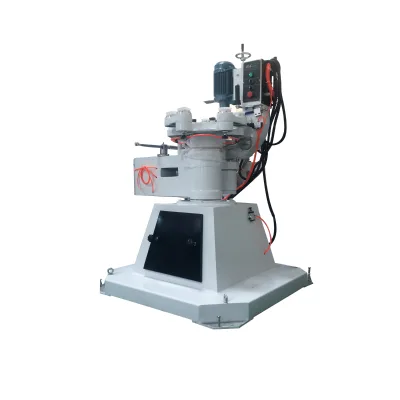
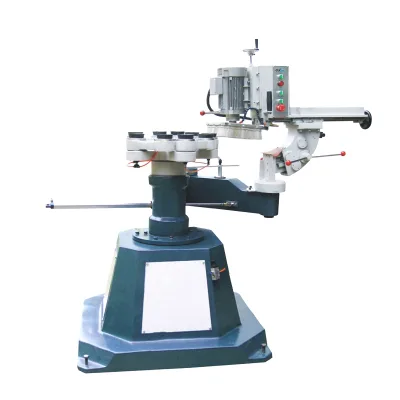
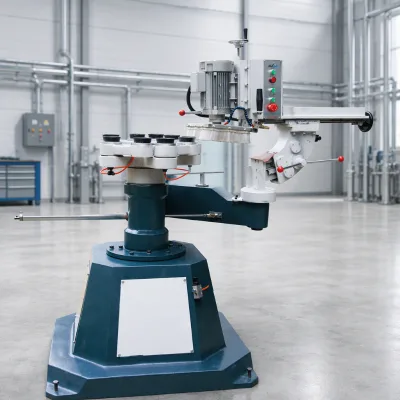
Portable Glass Grinder Beveling Polishing Machine
$4000.00 - $5000.00
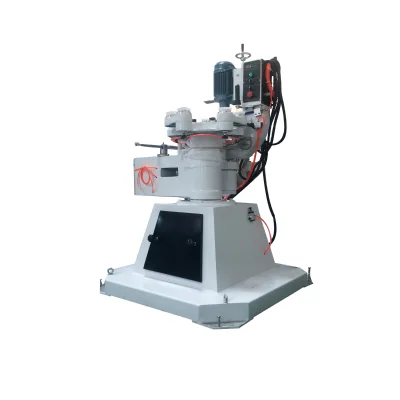
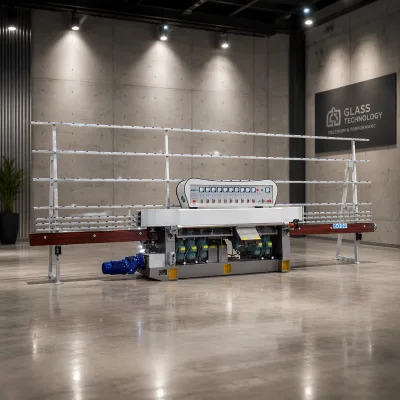
Edge Grinding Machinery Glass Beveling Machine Motor-Driven 380V 17.6kw
$10000.00 - $12000.00

Qingdao Toyo Industry Co., Ltd.
- Verified by BV
- Trading Company
- China Shandong
- Lead time15 days
- Avg. response≤ 2h
Main productsGlass Cutting Machine, Glass Storage Equipment, Glass Racks, Glass Grinding and Polishing Machine, Glass Vacuum Lifter, Glass Handing Equipment, Glass Laminating Machine, Insulating Glass Production Line, Glass Slings, Glass Machinery Consumables and Tools
Main marketsSouth America,Africa,Southeast Asia/ Mideast,East Asia(Japan/ South Korea),Europe,Australia,North America
- Trading Company
- Lead time旺季: "1 - 1":31,"> 1":"To be negotiated", 淡季: "1 - 1":31,"> 1":"To be negotiated"
- Avg. response≤ 1h
Main productsPaper Machine, Hot Melt Glue Machine, Glass Machine, Auto Repair Machine, Metal Processing Machine
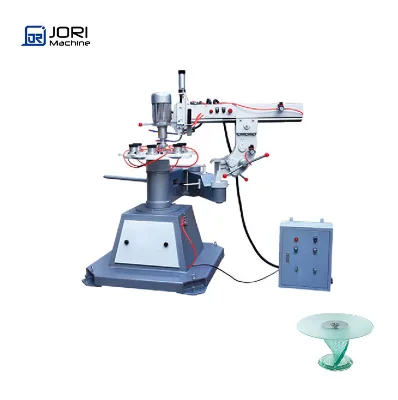
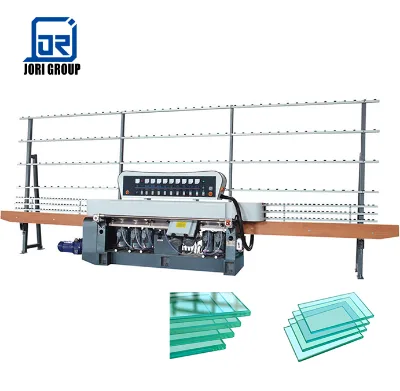
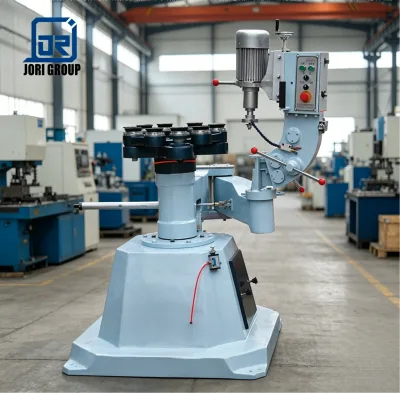
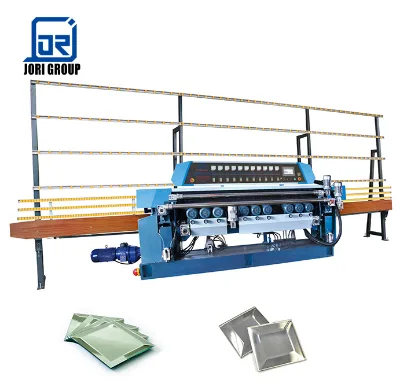
National Standard Glass Edging Machine Motor-Driven 380V 24kw Easy to Operate
$5000.00 - $10000.00
MOQ: 1 units

QINGDAO DINGANDA MACHINERY CO., LTD
- Verified by SGS
- Combined
- China Shandong
- Lead time23 days
- Avg. response≤ 14h
Main productsGlass Machine, Glass Laminating Machine, Glass Processing Machine, Glass Storage Rack, Glass Vacuum Lifter, Glass Edging Machine, Glass Moving Tools
Main marketsSouth America,Southeast Asia/ Mideast,East Asia(Japan/ South Korea),Europe,North America


Glass Belt Grinder Edge Machine Glass Belt Manual Glass Edge Grinding Machine
$1900.00 - $2900.00
MOQ: 1 set

Luoyang Swank Glass Technology Co., Ltd.
- Trading Company,Manufacturer/Factory
- China Henan
- Lead time60 days
- Avg. response≤ 7h
Main productsGlass Tempering Furnace, Glass Machine, Glass Cutting Machine, Glass Edging Machine, Tempered Glass Machine, Tempered Glass, Laminated Glass Production Line, Insulated Glass, Glass Washing
Main marketsSouth America,Eastern Europe,Mid East,Eastern Asia,Africa


Grinding Straight Edge of Different Size and Thickness Flat Glass Glass Grinding Machine
$8000.00 - $10000.00
MOQ: 1 Pieces

Zhengzhou Jieyuan Machinery Manufacturing Co., Ltd.
- Trading Company
- Henan, China
- Lead time7 days
- Avg. response≤ 2h
Main productsCurtain machine,quilt machine,cotton fiber machine,Aluminum cutting machine,Pipe bending machine
Main marketsSouthern Europe(20.00%), Western Europe(20.00%), South Asia(10.00%), Africa(10.00%), Central America(10.00%), Mid East(5.00%), South America(5.00%), Northern Europe(5.00%), Southeast Asia(5.00%), North America(5.00%), Eastern Asia(5.00%)
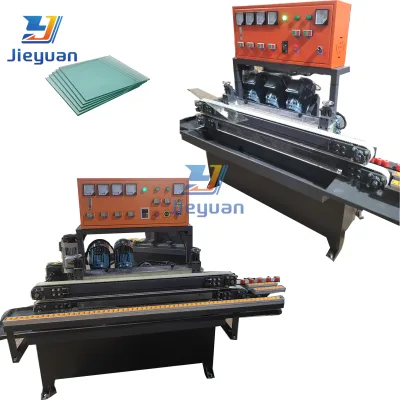
Portable Glass Edge Grinding Machine Straight Glass Edging Machine Glass Edge Polishing Machine
$2876.8131 - $2979.5565
MOQ: 1 sets
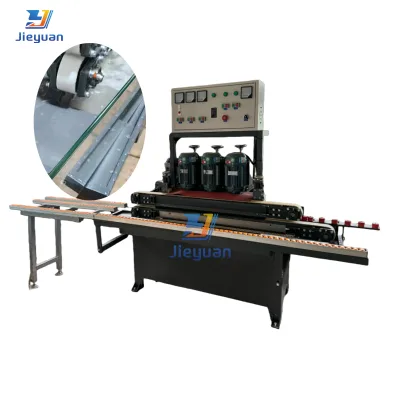
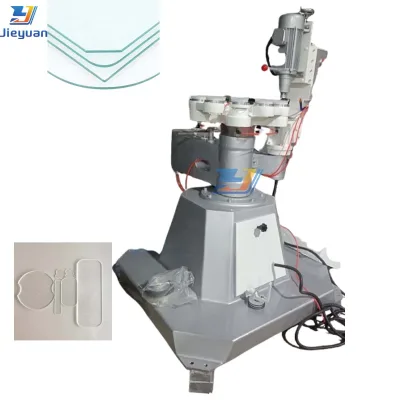
Automatic Rock Plate Glass Marble Table Chamfering Machine for Irregular Shape Edging
$2899.00 - $3199.00
MOQ: 1
Shandong Care Machinery Technology Co., Ltd.
- Verified by TüVRheinland
- Trading Company
- Lead time15 days
- Avg. response≤ 2h
Main productsPVC Window Making Machine, Aluminum Window Making Machine, Insulating Glass Production Line, Glass Processing Machine, Glass Handling Equipment
Main marketsNorth America(25%), South America(25%), Southeast Asia(15%)

JINAN GLASINO GLASS TECHNOLOGY CO., LTD.
- Verified by BV
- Trading Company,Manufacturer/Factory
- China Shandong
- Lead time0 days
- Avg. response≤ 5h
Main productsGlass Tempering Machine, Insulating Glass Machine, Glass Cutting Machine, Glass Adging Machine
Main marketsSouth America,Eastern Europe,Mid East,North America,Southeast Asia,Eastern Asia,Oceania,Western Europe,Africa
Rizhao Kailai Glass Machinery Co., Ltd.
- Trading Company
- Shandong, China
- Lead time30 days
- Avg. response≤ 7h
Main productsglass laminating machine,glass transfer arm,glass hot bending machine,eva film,glass grinding machine
Main marketsDomestic Market(20.00%), Eastern Asia(20.00%), South America(20.00%), Oceania(10.00%), Central America(10.00%), Africa(10.00%), Mid East(10.00%)
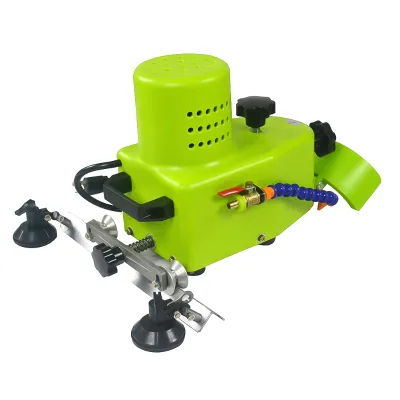
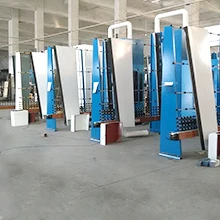
Small Size Glass Grinding Machine for Special-shaped Glass
$220.00 - $280.00
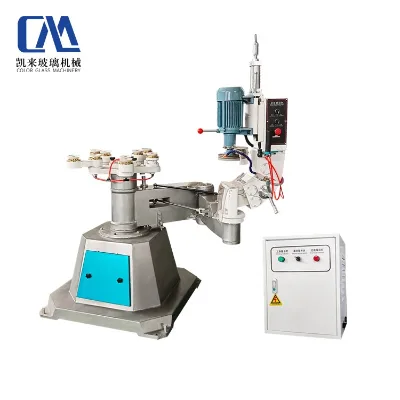
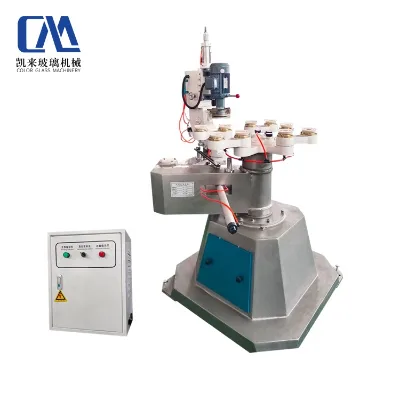
$4500.00 - $4800.00
MOQ: 1 sets
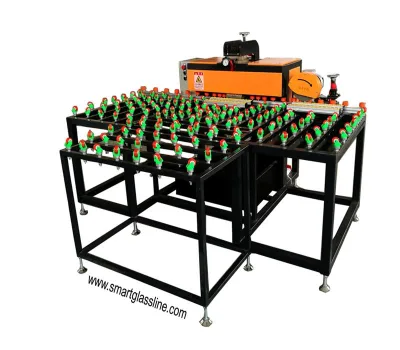
Favourable Price Glass Edging Machine (including Coated Glass)
$3100.00 - $3150.00
Foshan Shunde Jugang Shengong Glass Machinery Co., Ltd.
- Manufacturer, Trading Company
- Guangdong, China
- Lead time15 days
- Avg. response≤ 4h
Main productsGlass Edging Machine,Stone Edging Machine,Glass Washing Machine,Glass Shape Machine,Glass Sandblasting Machine
Main marketsDomestic Market(30.00%), Africa(20.00%), Mid East(15.00%), Eastern Asia(10.00%), South Asia(5.00%), South America(3.00%), North America(3.00%), Oceania(3.00%), Southeast Asia(2.00%), Eastern Europe(2.00%), Southern Europe(2.00%), Northern Europe(2.00%), Central America(2.00%), Western Europe(1.00%)

Liaoda (LAD) Glass Machinery Co., Ltd.
- Verified by CTI
- Combined
- China Guangdong
- Lead time30 days
- Avg. response≤ 25h
Main productsGlass Edging Machine, Glass Machine, Glass Machinery, Glass Tempering Machine, Glass Washing Machine, Glass Edging Polishing Machine, Glass Drilling Machine, Glass Washer, Glass Tempering Furnace, Glass Bending Machine
Main marketsSouth America,Africa,Southeast Asia/ Mideast,East Asia(Japan/ South Korea),Domestic,Europe,Australia,North America
Jining Qingke Machinery Co., Ltd.
- Manufacturer, Trading Company
- Lead time旺季: "1 - 1":7,"> 1":"To be negotiated", 淡季: "1 - 1":7,"> 1":"To be negotiated"
- Avg. response≤ 4h
Main productsExcavator, Forklift, Skid Steer Loader, Tricycle, Road Roller
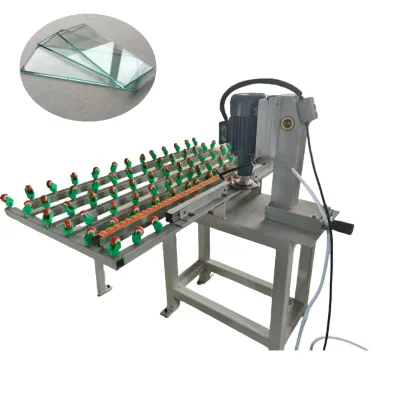
$952.1528 - $1026.0251
MOQ: 1 cases
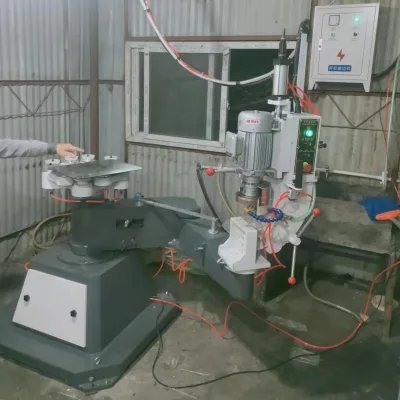
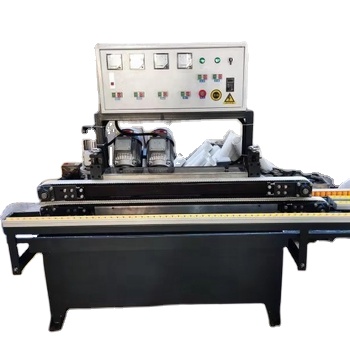
$2369.6083 - $2575.6612
MOQ: 1 cases
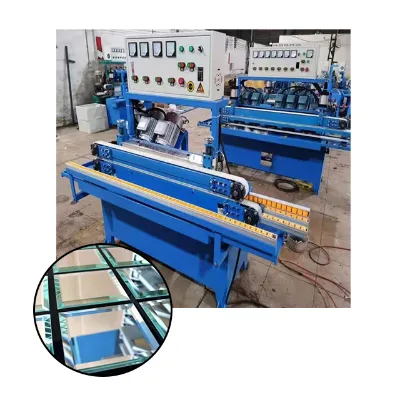
$2571.00 - $2590.00
MOQ: 1 cases
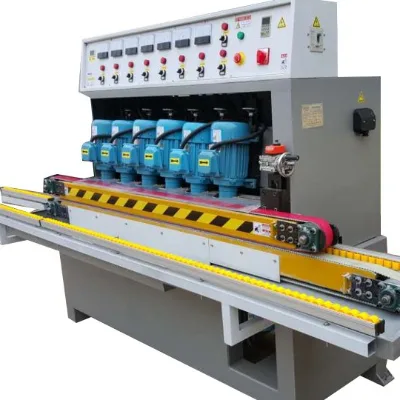
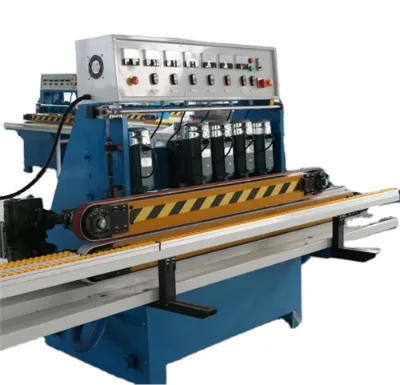
Shandong Pinjia Machinery Technology Co., Ltd.
- Manufacturer, Trading Company
- Shandong, China
- Lead time3 days
- Avg. response≤ 4h
Main productsForklift,excavator,seed planting,spayer machine,construction machine
Main marketsSoutheast Asia(25.00%), Africa(21.00%), Eastern Europe(14.00%), North America(12.00%), Domestic Market(8.00%), South America(8.00%), Mid East(6.00%), Oceania(3.00%), Northern Europe(3.00%)

Qingdao Dinganda Glass Technology Co., Ltd.
- Trading Company
- Shandong, China
- Lead time14 days
- Avg. response≤ 10h
Main productsglass storage racks,EVA laminating furnace,glass loading device,grinding machine,glass lifter sucker
Main marketsDomestic Market(30.00%), Southeast Asia(25.00%), North America(15.00%), South Asia(6.00%), South America(6.00%), Central America(5.00%), Oceania(5.00%), Africa(3.00%), Eastern Asia(2.00%), Mid East(2.00%), Eastern Europe(1.00%)

Foshan Singip Intelligent Equipment Co., Ltd.
- Verified by SGS
- Trading Company,Manufacturer/Factory
- China Guangdong
- Lead time30 days
- Avg. response≤ 12h
Main productsGlass Machine, Stone Machine, Glass, Ceramic Machine
Main marketsSouth America,Eastern Europe,Mid East,North America,Southeast Asia,Eastern Asia,Oceania,Western Europe
Henan Zonelion Heavy Industry Co., Ltd.
- Verified by TüVRheinland
- Trading Company
- Lead time7 days
- Avg. response≤ 4h
Main productsCutting Machine, Polishing Machine, Grinding Wheel Manufacturing Machine, Pressure Machine, Fixed Machine
Main marketsNorth America(8%), South America(8%), Eastern Europe(8%)


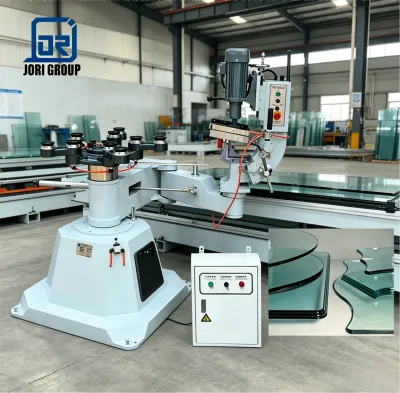
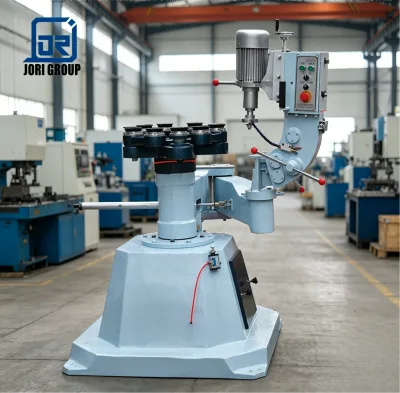
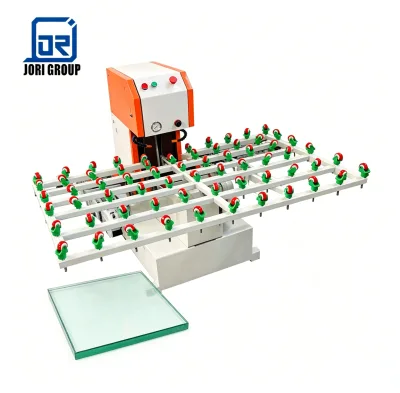


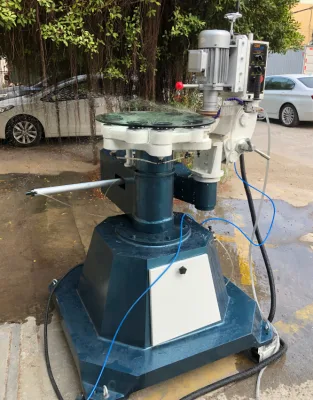


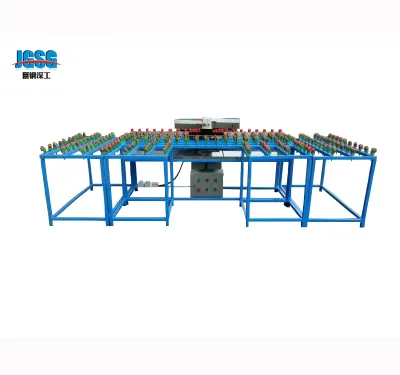
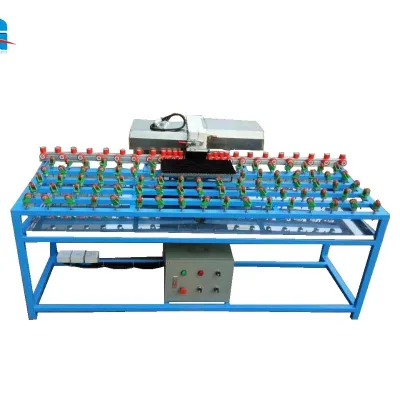
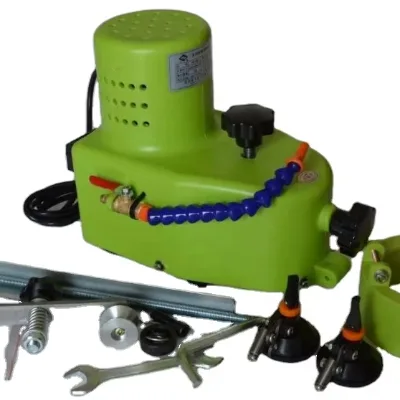


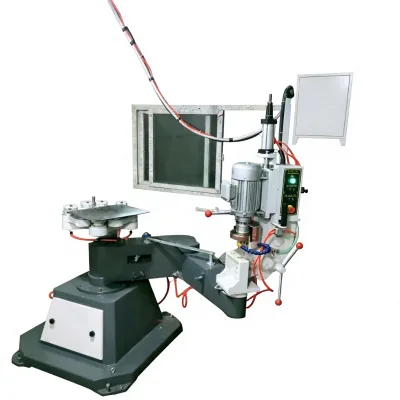
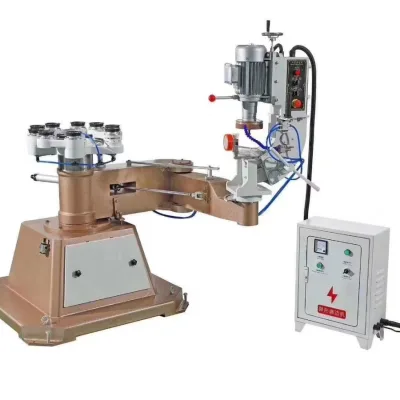
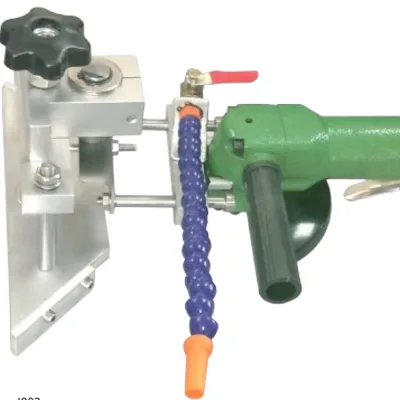
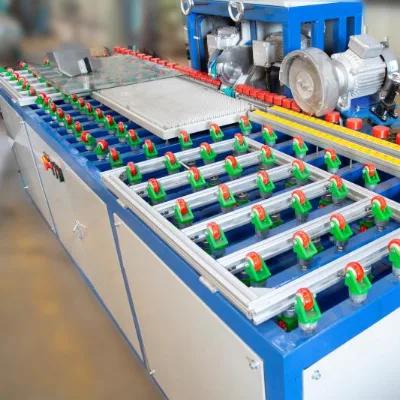
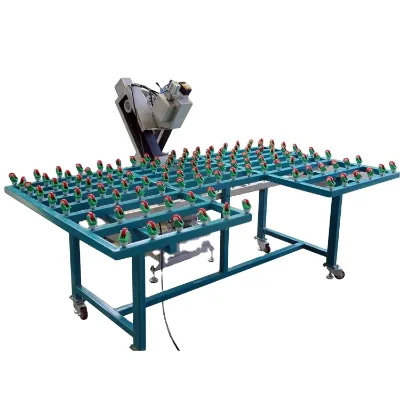


Comprehensive Sourcing Guide
Special-Shaped Glass Edge Grinding Machine Supplier Concentration and Factory Types
The current supplier landscape for special-shaped glass edge grinding machines reveals a distinct geographic concentration in China, specifically within the Shandong province. This regional clustering suggests a mature industrial ecosystem where manufacturers and trading companies coexist to serve global demand for glass processing equipment. Buyers evaluating this market should note that the primary hubs are located in Shandong, which serves as a central point for both production and distribution of these specialized machines. The presence of multiple suppliers in this single province indicates a competitive environment where economies of scale and specialized supply chains have developed over time. This concentration allows for easier comparison of technical specifications and pricing structures, as many vendors operate within close proximity, facilitating potential site visits or local logistics coordination.
In terms of business models, the available suppliers represent a mix of trading companies and manufacturer/factory entities. This dual structure offers buyers flexibility in how they engage with the supply chain. Trading companies may provide broader product ranges and streamlined communication, while manufacturer/factory types often offer direct access to production capabilities and customization options. Some suppliers are classified as combined entities, indicating they may handle both manufacturing and trading functions under one roof. This variety in company types means that buyers must carefully distinguish between the actual source of the machinery and the intermediary. Understanding whether a supplier is primarily a trader or a factory is crucial for negotiating prices, lead times, and after-sales support terms. The diversity in supplier types also reflects the complexity of the glass machinery industry, where specialized components may be sourced from different factories before final assembly.
How to Verify Special-Shaped Glass Edge Grinding Machine Suppliers
Verification of suppliers requires a multi-layered approach that goes beyond basic company profiles. One critical step is checking for third-party verification badges, such as BV (Bureau Veritas), which indicates that an independent agency has assessed the supplier’s business legitimacy. This verification provides a baseline level of trust regarding the company’s existence and operational status. Additionally, buyers should scrutinize system certifications like ISO 9000, which signal adherence to international quality management standards. While not all suppliers display these certifications, their presence is a strong indicator of a structured manufacturing process. It is important to note that some suppliers may have NIL certification status, which requires further due diligence to ensure they meet specific quality requirements. Buyers should request copies of these certificates and verify their validity through the issuing bodies to avoid relying solely on self-reported claims.
Product-level certifications are equally important for ensuring safety and compliance in the target market. Many special-shaped glass edge grinding machines listed in the current results display certifications such as CE, ISO, FDA, UR, PDA, and PCI. The CE mark, in particular, is essential for selling into the European market, indicating conformity with health, safety, and environmental protection standards. Buyers must confirm that the specific machine model they intend to purchase carries the relevant certifications for their region. It is also advisable to verify the authenticity of these certifications by checking the certificate numbers against official databases. Furthermore, buyers should inquire about the testing procedures used to validate these certifications. Understanding the scope of the certification is crucial, as some may cover only certain components or aspects of the machine rather than the entire system. This detailed verification process helps mitigate the risk of purchasing non-compliant equipment that could face regulatory hurdles or safety issues during operation.
What to Compare Across Special-Shaped Glass Edge Grinding Machine Suppliers
When comparing suppliers, technical specifications and customization capabilities are paramount. The current results show a range of models, such as the ZK1323, ZK-3030, and SKG-1625, each with distinct features. Buyers should compare key parameters like grinding range, glass thickness compatibility, and feeding speeds. For instance, some machines support a grinding range of 130-2100mm, while others are designed for specific irregular shapes with a glass rotation diameter of 0-600mm. Customization availability is another critical differentiator; many suppliers offer OEM and ODM services, allowing buyers to tailor machines to their specific production needs. Comparing the power consumption, voltage requirements, and floor space dimensions is also essential to ensure compatibility with existing factory infrastructure. Buyers should create a detailed matrix of these technical attributes to identify the most suitable machine for their operational requirements.
Beyond technical specs, commercial terms and supplier responsiveness play a significant role in the selection process. Lead times vary, with some suppliers indicating a standard lead time of 30 days, which impacts production planning. Minimum Order Quantities (MOQ) are another factor; some suppliers have an MOQ of just 1 unit, offering flexibility for smaller operations, while others may have higher thresholds. Response times, measured in hours, indicate how quickly a supplier can address inquiries and provide quotations. A faster response time, such as 4.27 hours, suggests a more agile and customer-focused service approach. Buyers should also compare pricing structures, noting that prices can range significantly based on machine complexity and features. For example, basic edge grinding machines may start around $3,599, while more advanced four-sided polishing machines can exceed $32,000. Evaluating these commercial factors alongside technical capabilities ensures a holistic assessment of each supplier’s value proposition.
Common Special-Shaped Glass Edge Grinding Machine Sourcing Risks
One significant risk in sourcing special-shaped glass edge grinding machines is the potential mismatch between advertised specifications and actual performance. Buyers must be cautious of vague descriptions or incomplete technical data. For example, while some listings provide detailed grinding angles and speeds, others may lack critical information about motor quality or component brands. This ambiguity can lead to unexpected maintenance costs or reduced efficiency in production. Additionally, the risk of receiving substandard materials or components is heightened when dealing with suppliers who do not provide transparent supply chain information. Buyers should insist on detailed bills of materials and component specifications to ensure that the machine is built with durable, high-quality parts. Verifying the origin of key components, such as the engine or control systems, can help mitigate this risk.
Another common risk is the variability in after-sales support and warranty terms. While some suppliers offer video technical support, the extent of this support can vary widely. Buyers need to clarify whether the support includes remote diagnostics, on-site installation assistance, or spare parts availability. The absence of clear warranty terms can leave buyers vulnerable to costly repairs if the machine fails shortly after installation. Furthermore, the risk of logistical delays is inherent in international shipping, especially for heavy machinery. Buyers should assess the supplier’s experience in exporting and their ability to handle complex logistics. Understanding the packaging standards, such as wooden boxes or steel frames, is crucial to prevent damage during transit. Buyers should also consider the potential for currency fluctuations and import duties, which can impact the total cost of ownership. Mitigating these risks requires thorough due diligence and clear contractual agreements.
Special-Shaped Glass Edge Grinding Machine Regional Sourcing and Logistics
Sourcing from the Shandong region in China offers logistical advantages due to its established infrastructure for heavy machinery export. The proximity to major ports facilitates efficient shipping of large and heavy equipment, such as glass edge grinding machines. Buyers should consider the impact of transportation costs on the final price, as these machines often require specialized packaging to protect them during transit. The standard export plywood cases or wooden boxes mentioned in the product details are designed to withstand long-distance shipping. However, buyers must also account for the time required for customs clearance and inland transportation. Understanding the Incoterms used by the supplier is essential to determine who is responsible for shipping, insurance, and customs duties. Clear communication regarding logistics responsibilities can prevent unexpected delays and additional costs.
The regional concentration of suppliers in Shandong also means that buyers may benefit from consolidated shipping if they are purchasing multiple items. This can reduce overall freight costs and simplify the logistics process. However, buyers should be aware of the potential for congestion at peak shipping seasons, which can extend lead times. It is advisable to plan shipments well in advance and maintain open communication with the supplier regarding production status. Additionally, buyers should consider the environmental and regulatory requirements of their destination country, which may affect the choice of shipping method. For instance, some regions have strict regulations on the import of used or refurbished machinery, so ensuring that the equipment is brand new and compliant is crucial. Leveraging the logistical expertise of the supplier can help navigate these complexities and ensure timely delivery.
Special-Shaped Glass Edge Grinding Machine Commercial Terms and Order Planning
Effective order planning requires a clear understanding of the commercial terms offered by suppliers. Payment terms are a critical aspect of this planning, as they impact cash flow and risk management. Buyers should negotiate favorable payment structures, such as a deposit followed by payment upon shipment or against copies of shipping documents. Escrow services can provide an additional layer of security by holding funds until the buyer confirms receipt and satisfaction with the goods. Understanding the currency of the transaction is also important, as fluctuations can affect the final cost. Buyers should also consider the total cost of ownership, including installation, training, and maintenance, when evaluating the initial price. A lower upfront cost may be offset by higher long-term expenses if the machine requires frequent repairs or specialized parts.
Lead time management is another vital component of order planning. With some suppliers indicating a lead time of 30 days, buyers must align their production schedules accordingly. Delays in production or shipping can disrupt the entire manufacturing process, so it is essential to have contingency plans in place. Buyers should also consider the impact of holidays and seasonal variations on production capacity. Clear communication with the supplier regarding production milestones can help track progress and identify potential bottlenecks early. Additionally, buyers should plan for the installation and commissioning of the machine, which may require technical support from the supplier. Ensuring that the necessary infrastructure, such as power supply and floor space, is ready before the machine arrives can prevent delays. By carefully managing these commercial and logistical aspects, buyers can ensure a smooth and successful procurement process.
FAQs
What is the price range for special-shaped glass edge grinding machines?
Prices typically range from $3,599 to $36,000 depending on the machine type and capabilities. Basic models start around $3,599, while advanced four-sided units can reach $36,000. Buyers should verify specific pricing for their required glass thickness and processing speed needs.
What certifications do these machines usually have?
Most machines feature ISO, CE, FDA, UR, PDA, and PCI certifications. These credentials ensure compliance with international safety and quality standards. Buyers should request valid certificates to verify that the equipment meets their local regulatory requirements and operational safety protocols.
What is the typical lead time for delivery?
The standard lead time is approximately 30 days. This duration allows for manufacturing, quality control, and preparation for shipment. Buyers should confirm exact timelines with suppliers, as complex customizations or high demand may extend the delivery schedule beyond the standard period.
Where are these machines manufactured?
These machines are primarily manufactured in Shandong, China. This region is a known hub for glass processing equipment production. Buyers should verify the specific factory location to assess logistics costs and ensure the supplier has the necessary infrastructure for reliable production and shipping.
What is the minimum order quantity for these machines?
The minimum order quantity is typically one unit. This allows buyers to purchase single machines for testing or small-scale operations. Buyers should confirm if bulk discounts are available for larger orders, as pricing may vary based on the total quantity purchased.
What glass thickness can these machines process?
Most machines handle glass thicknesses between 3mm and 25mm. Some models support specific ranges like 130-2100mm grinding ranges. Buyers should check the technical specifications to ensure the machine matches their specific glass thickness requirements for optimal performance and edge quality.