Chemical Linebox Suppliers and Manufacturers in China
Compare 17 verified Chemical Linebox suppliers by location, lead time, and certifications. Review product specs like lining material and warranty terms before contacting factories for quotes to ensure compliance with your specific industrial requirements and budget constraints; review the available evidence before requesting comparable quotations from suitable candidates.
Updated
Suppliers List

Hubei Huate Special Equipment Co., Ltd.
- Verified by SGS
- Combined
- China Hubei
- Lead time30 days
- Avg. response≤ 5h
Main productsTank Container, Chemical Tank Truck, Tank Semi-Trailer Truck, Road Suction Truck, Electric Water Cannon, Oil Tanker Discharge Valve, Fuel Hose Reel, Manhole Cover, Mobile Fueling Machine, Fuel Truck
Main marketsSouth America,Africa,Others(foreignTradeCapacity.exportBusinessCapacityMarketOther),Southeast Asia/ Mideast,East Asia(Japan/ South Korea),Europe,Australia,North America

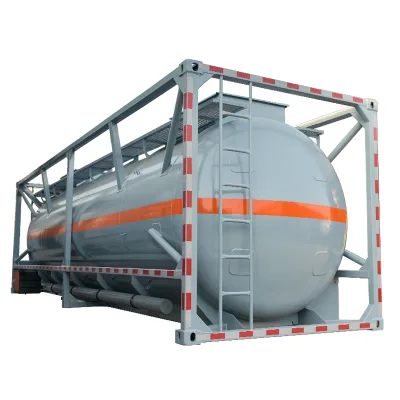
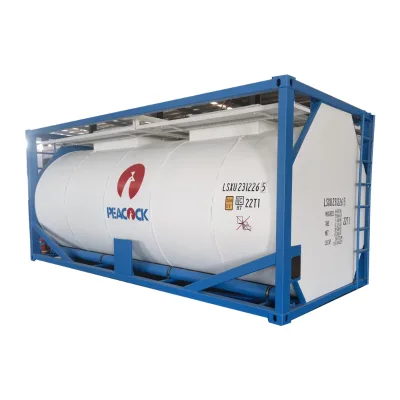
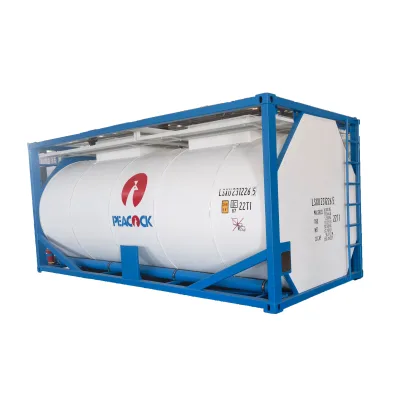
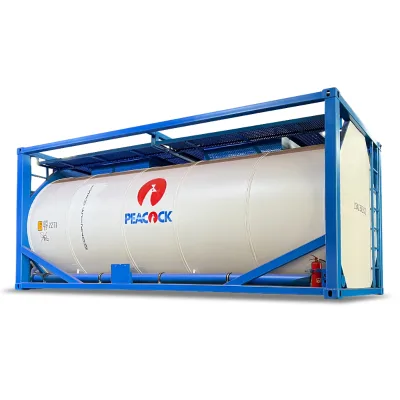
Steel Lined Plastic Anti-Corrosion Tank Type Container Chemical Tank Container
$23500.00 - $27000.00
MOQ: 1 pieces


Factory Direct Sale High Quality Liquid and Solid Powder Storage Tank Box
$165800.00 - $173000.00
MOQ: 1 Sets


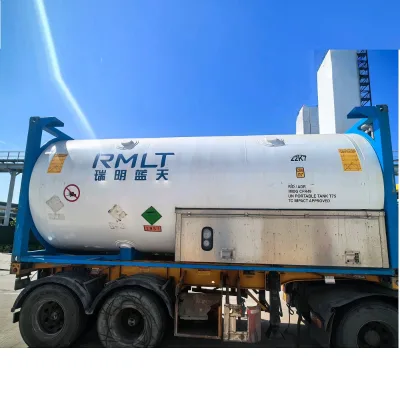
Qingdao Ruiming Blue Sky Energy Co., Ltd.
- Verified by SGS Group
- Trading Company
- Lead time40 days
- Avg. response≤ 3h
Main productsCream Charger, Argon Gas, Helium Gas , Carbon Dioxide , Ethylene
Main marketsWestern Europe(20%), Southeast Asia(20%), Mid East(20%)
Hubei Huate Special Equipment Co., Ltd.
- Verified by TüVRheinland
- Manufacturer, Trading Company
- Lead time30 days
- Avg. response≤ 4h
Main productsFuel Tanker Manhole Cover, Fuel Dispenser, Refueling Truck, API Adaptor Valve, Emergency Shut Off Valve
Main marketsDomestic Market(70%), Mid East(10%), South America(7%)
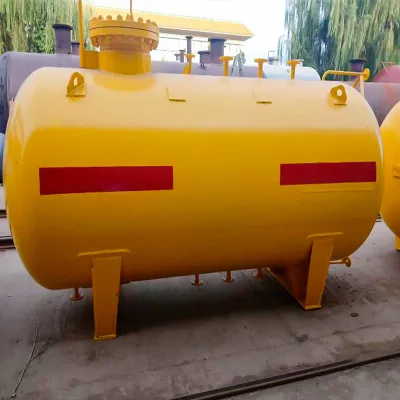
10ft Carbon Steel Lined Storage Tank for Corrosive Liquid Chemical Liquid Storage
$3120.00 - $4560.00
MOQ: 1
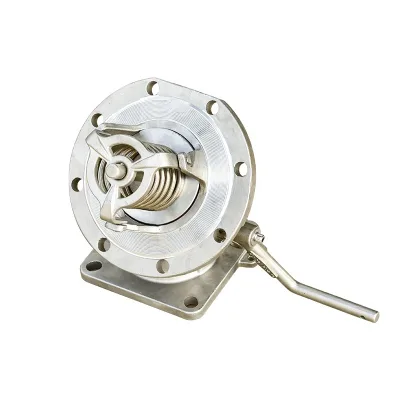
High Standard ISO Tank Container 3 Inch Emergency Shut-off Bottom Valve for Sale
$599.00 - $620.00
MOQ: 1

Dalian Huamao Logistics Equipment Group Co., Ltd.
- Verified by BV
- Trading Company
- China Liaoning
- Lead time30 days
- Avg. response≤ 3h
Main productsWire Mesh Container, Post Pallet, Roll Container, Tire Rack, Wire Decking, Cage Pallet, Pet Preform Container, IBC, Stillage, Metal Pallet
Main marketsSouth America,Southeast Asia/ Mideast,East Asia(Japan/ South Korea),Europe,Australia,North America


Customized Chemical Industrial Storage Steel Collapsible Metal Box for Sale
$385.00 - $390.00
MOQ: 144 Pieces
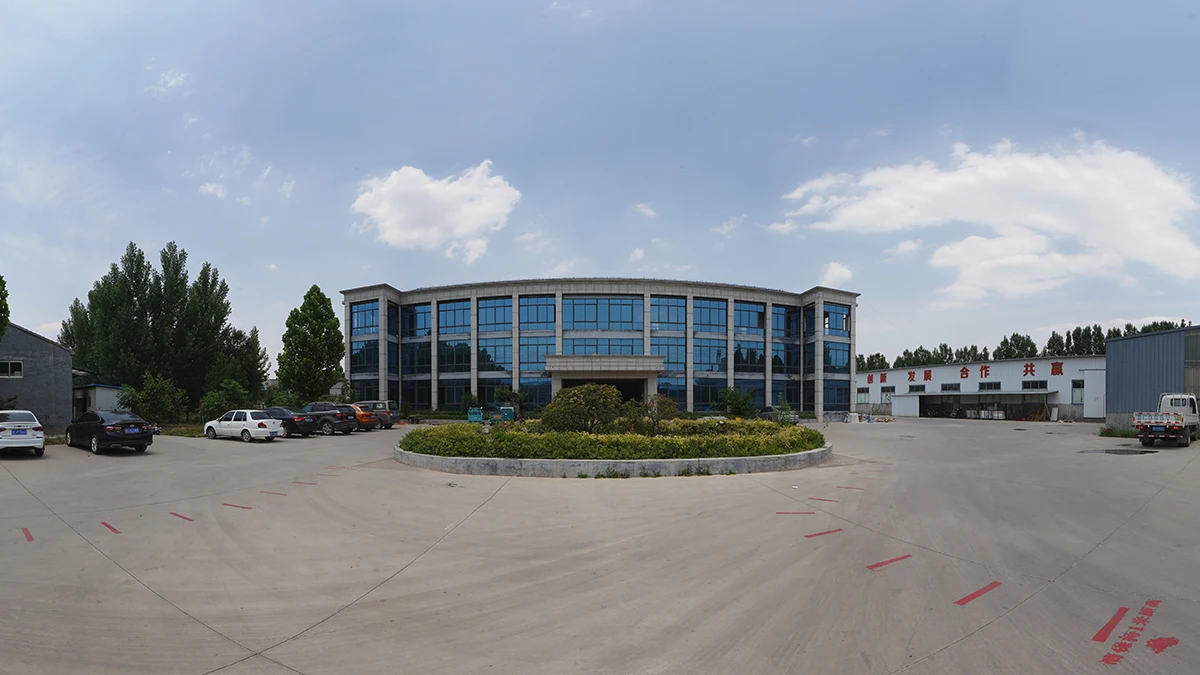
Shandong Tanglian Chemical Equipment Co., Ltd
- Manufacturer
- Shandong, China
- Lead time35 days
- Avg. response≤ 7h
Main productsGlass Lined Reactor,Stainless Steel Reactor,Chemical Equipment,Pharmaceutical Equipment,Heat Exchanger
Main marketsDomestic Market(45.00%), Southeast Asia(17.00%), Mid East(15.00%), South Asia(5.00%), Africa(5.00%), Eastern Asia(5.00%), North America(1.00%), Oceania(1.00%), Southern Europe(1.00%), Northern Europe(1.00%), Central America(1.00%), Western Europe(1.00%), Eastern Europe(1.00%), South America(1.00%)
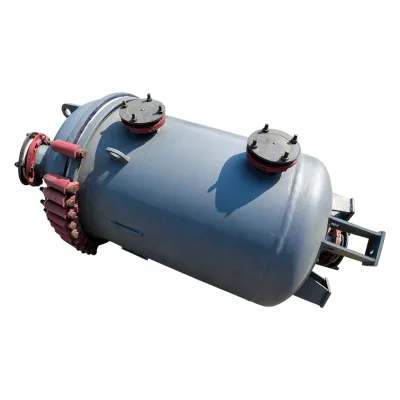
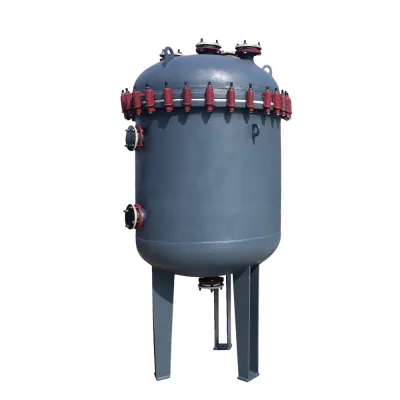
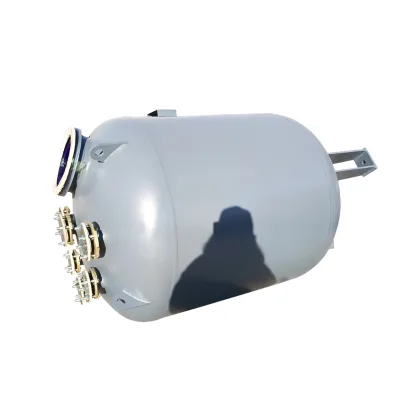
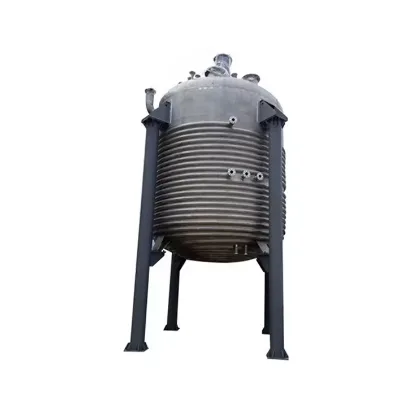
6300L Chemical Reacting Tank Equipment/Chemical Buffer Tank From Tanglian
$7000.00 - $7500.00
$4604.5075 - $5116.1194
MOQ: 1 pieces
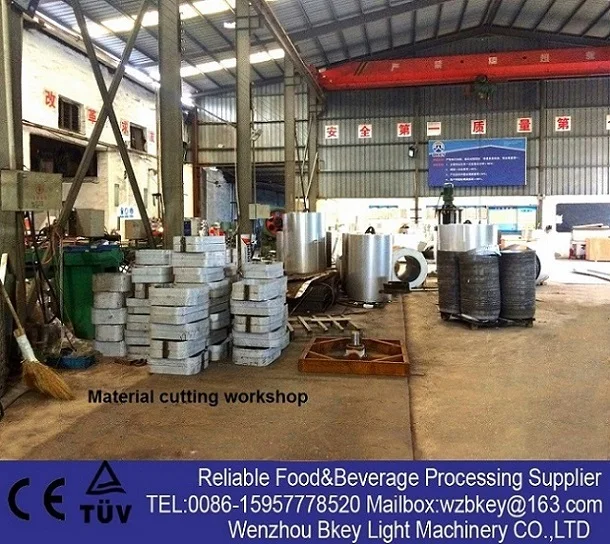
Wenzhou Bkey Light Machinery Co., Ltd.
- Manufacturer, Trading Company
- Zhejiang, China
- Lead time30 days
- Avg. response≤ 9h
Main productsFluid Processing Equipment,milk processing machine,Pasteurization machine,CIP cleaning system,food processing machine
Main marketsDomestic Market(78.00%), Southern Europe(3.00%), Northern Europe(3.00%), Eastern Europe(3.00%), Western Europe(3.00%), Africa(2.00%), North America(1.00%), South Asia(1.00%), Oceania(1.00%), Southeast Asia(1.00%), Central America(1.00%), South America(1.00%), Eastern Asia(1.00%), Mid East(1.00%)
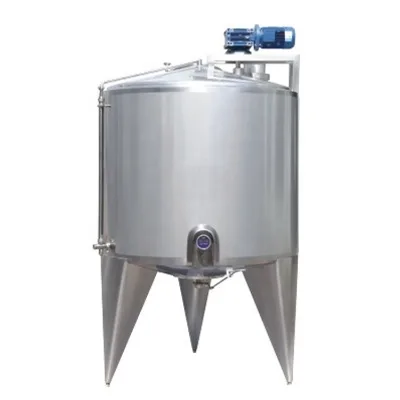
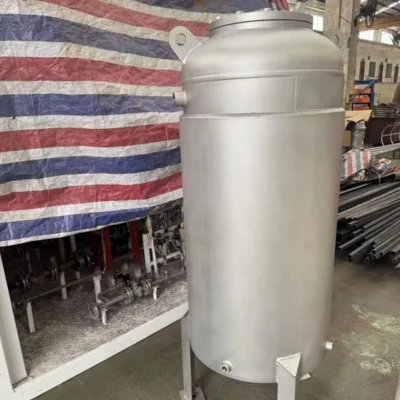
Hot Sale Jacketed Stainless Steel Tank Chemical Storage Equipment
$1250.00 - $1280.00
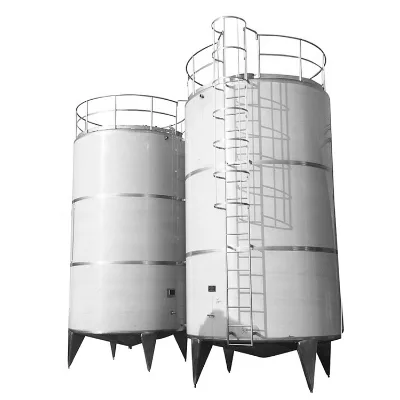
Chemical Storage Tanks Large Tight Lining Equipment Diesel Fuel Storage Tank
$1650.00 - $1680.00

Qingdao Double Friend Logistic Equipment Co., Ltd.
- Verified by TUVRHEINLAND
- Combined
- China Shandong
- Lead time15 days
- Avg. response≤ 6h
Main productsShipping Container
Main marketsAustralia


Container Storage Environmental Protection Multi-Specifications Can Be Customized
$1000.00 - $6000.00
MOQ: 5 unit


Taizhou Shangyi Plastic Co., Ltd.
- Verified by TUVRHEINLAND
- Trading Company
- China Zhejiang
- Lead time23 days
- Avg. response≤ 20h
Main productsFood Container, Storage Container, Lunch Box, Bento Box, Plastic Laundry Basket, Plastic Storage Container, Plastic Cutting Board
Main marketsSouth America,Southeast Asia/ Mideast

Taian Yongnuo Machinery Co., Ltd.
- Verified by SGS
- Combined
- China Shandong
- Lead time23 days
- Avg. response≤ 2h
Main productsOil Storage Tank, Water Storage Tank, Transportation Equipment, Skid-Mounted Fuel Station, Chemical Storage Tank, Ellipsoidal Head, Aluminum Alloy Explosion Resistant Materials, ISO Container Tank, Carbon Steel Tank, Stainless Steel Tank
Main marketsAfrica,Southeast Asia/ Mideast,Australia,North America

Shenzhen Hengrong Water Treatment Equipment Co., Ltd
- Verified by CTI
- Trading Company
- China Guangdong
- Lead time15 days
- Avg. response≤ 5h
Main productsWater Treatment Equipment Filter Water Puri, Water Purification Equipment, Reverse Osmosis Equipment, Integrated Sewage Equipment, Filter, Sanitary Storage Tanks, UV Sterilizer, Stirring The Can, Radiator, Mixing and Dosing Equipment
Main marketsAfrica,Domestic

Li&Li Mechanical (Guangzhou) Corporation
- Verified by TUVRHEINLAND
- Combined
- China Guangdong
- Lead time30 days
- Avg. response≤ 14h
Main productsMixing Tank, Reactor, IBC Tank, Filling Machine, Vacuum Emulsifying Mixer, Heat Exchanger, Storage Tank, Tail Gas Recovery Tower, Planetary Stirrer, Stainless Steel Barrel Drum
Main marketsNorth America
- Manufacturer, Trading Company
- Hubei, China
- Lead time0 days
- Avg. response≤ 2h
Main productsTanker Truck, Sewage Suction Truck, Chemical Tanker Truck, Water Sprinkler Truck, Garbage Truck
Main marketsEastern Asia(30.00%), Eastern Europe(30.00%), South America(30.00%), Domestic Market(10.00%)
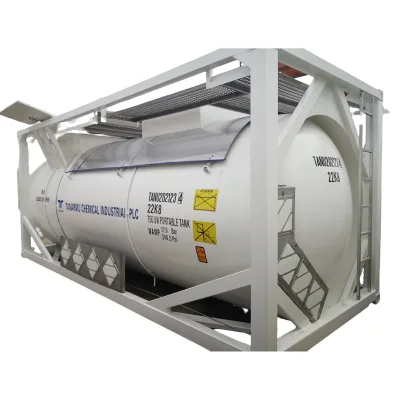
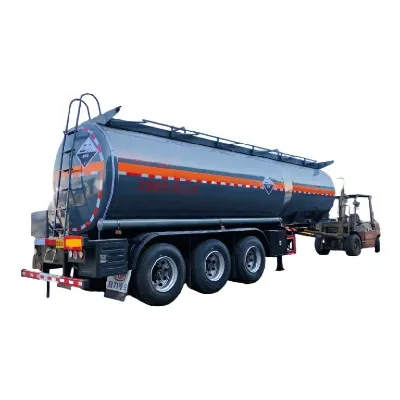
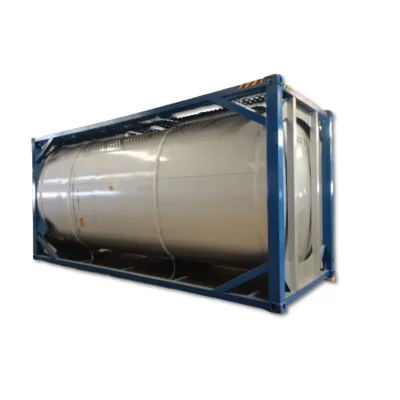
Chemical Liquid Gas Storage Tank From Manufacturer
$10000.00 - $13000.00
Hubei Chuanchu Import And Export Co., Ltd.
- Verified by SGS Group
- Trading Company
- Lead time20 days
- Avg. response≤ 3h
Main productsFuel Tanker Truck, Iso Tank Container, Chemical Tanker Truck, Environmental Sanitation Vehicle, Refrigerated Truck
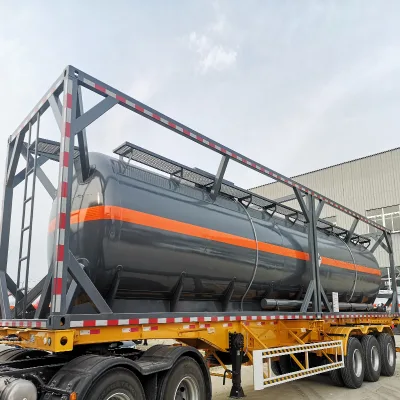
40ft ISO Tank Container Miscellaneous Tank Container Class 9 Tank for Chemical Liquid Storage
$12140.00 - $12240.00
MOQ: 1
Foshan Tenghui Boiler Manufacturing Co., Ltd.
- Verified by Intertek
- Manufacturer, Trading Company
- Lead time0 days
Main productsBoiler, Pressure Vessel
Shanghai Shengyu Technology Co., Ltd.
- Verified by BV
- Trading Company
- China Shanghai
- Lead time30 days
- Avg. response≤ 3h
Main marketsDomestic
Henan Lishixin Logistics Equipment Co., Ltd.
- Trading Company
- Henan, China
- Lead time30 days
- Avg. response≤ 1h
Main productsTank Container,ISO Tank,iso tank container,40 lpg tank container,iso lng container tank
Main marketsEastern Europe(40.00%), Western Europe(12.00%), Southeast Asia(10.00%), Central America(8.00%), Eastern Asia(5.00%), Mid East(5.00%), Northern Europe(5.00%), South America(5.00%), North America(3.00%), Africa(3.00%), Domestic Market(1.00%), South Asia(1.00%), Southern Europe(1.00%), Oceania(1.00%)
Henan Jushixin Transportation Equipment Co., Ltd.
- Trading Company
- Lead time旺季: "1 - 1":30,"2 - 5":45,"> 5":"To be negotiated", 淡季: "1 - 1":30,"2 - 5":45,"> 5":"To be negotiated"
- Avg. response≤ 1h
Main productsTank Container, Container Trailer, Tank Semi Trailer, Concrete Mixer Truck, Special Truck




Comprehensive Sourcing Guide
Chemical Linebox Supplier Concentration and Factory Types
The current supplier landscape for Chemical Linebox solutions reveals a distinct concentration of manufacturing activity within China, specifically in the Hubei region. This geographic clustering suggests a mature industrial ecosystem where specialized fabrication capabilities for tank containers and chemical storage equipment are readily available. Buyers evaluating these suppliers will encounter a mix of combined manufacturing entities and dedicated trading companies, each offering different value propositions. The presence of combined companies indicates that some suppliers manage both production and sales, potentially streamlining communication and quality control for complex custom orders. Meanwhile, trading companies often provide broader access to diverse product lines, such as gas tanks and liquid nitrogen containers, which may complement a buyer’s broader procurement strategy. Understanding this mix is crucial for determining whether a direct factory relationship or a trading partner is more suitable for specific project requirements.
Factory types also vary significantly in their operational focus and certification standards. Many suppliers in this sector hold ISO9001:2015 and ISO14001:2015 certifications, signaling adherence to international quality and environmental management systems. Some entities further specialize in specific materials, such as carbon steel or aluminum, and offer lining options like PE or epoxy resin to handle corrosive chemicals. The diversity in company types extends to their capacity for customization, with many offering ODM services and own brand development. This flexibility allows buyers to source non-standard or specialized Chemical Linebox configurations that meet precise regulatory or operational needs. However, the variation in company structure means that buyers must carefully assess whether a supplier’s primary focus aligns with their specific technical demands, whether they require heavy-duty tank containers or more versatile liquid and solid powder storage solutions.
How to Verify Chemical Linebox Suppliers
Verifying the credibility of Chemical Linebox suppliers requires a multi-layered approach that goes beyond basic company profiles. One critical step is to confirm third-party verification status, as many reputable suppliers in this sector have undergone rigorous audits by organizations like SGS. This verification provides an independent assessment of the supplier’s business legitimacy and operational capabilities, reducing the risk of engaging with fraudulent or unqualified entities. Buyers should prioritize suppliers who display clear verification badges, as this indicates a higher level of transparency and accountability. Additionally, checking for specific industry certifications is essential, particularly those related to pressure vessels and chemical storage, such as ASME, TPED, CE, ISO1496, IMDG, ADR, RID, and US-DOT. These certifications ensure that the Chemical Linebox products meet stringent safety and regulatory standards required for international transport and storage of hazardous materials.
Beyond certifications, buyers should scrutinize the supplier’s response time and historical performance metrics. A quick response time, such as those averaging under five hours, often correlates with efficient internal processes and dedicated customer support teams. It is also important to verify the supplier’s experience in the industry, with many established manufacturers boasting over ten or fifteen years of operational history. This longevity can be a strong indicator of reliability and technical expertise. Furthermore, buyers should request detailed product evidence, including specifications for lining materials, valve types, and customization options. Ensuring that the supplier can provide comprehensive documentation, such as machinery test reports and warranty terms, adds another layer of security. By combining verification checks with an analysis of response efficiency and technical documentation, buyers can significantly mitigate the risks associated with sourcing complex chemical storage equipment from international suppliers.
What to Compare Across Chemical Linebox Suppliers
When evaluating multiple suppliers for Chemical Linebox solutions, several key dimensions must be compared to identify the most suitable partner. Lead time is a critical factor, with some suppliers offering production periods of around thirty days, while others may require up to forty days or less than twenty days for specific models. Buyers must align these timelines with their project schedules to avoid delays. Minimum Order Quantity (MOQ) is another vital consideration, as many suppliers offer an MOQ of just one unit, which is ideal for testing or small-scale projects. However, for larger orders, buyers should negotiate pricing tiers and delivery terms. Response speed also plays a significant role in the sourcing process, with faster response times facilitating quicker negotiations and problem resolution. Comparing these operational metrics helps buyers select suppliers who can meet their logistical and financial requirements.
Product specifications and customization capabilities are equally important to compare across suppliers. Buyers should assess the available materials, such as carbon steel or aluminum, and lining options like PE or epoxy resin, to ensure compatibility with their specific chemical products. The ability to customize internal and external dimensions, length, and color is often available, but the extent of this flexibility varies by supplier. Additionally, warranty terms and after-sales service offerings should be closely examined. Some suppliers provide a one-year warranty with lifelong technical support, while others may offer different coverage periods. Price ranges also vary significantly, with some tank containers priced between twenty-three thousand and twenty-seven thousand dollars, while larger specialized units can exceed one hundred seventy thousand dollars. By systematically comparing lead times, MOQs, response speeds, customization options, warranties, and prices, buyers can make informed decisions that balance cost, quality, and delivery efficiency.
Common Chemical Linebox Sourcing Risks
Sourcing Chemical Linebox solutions from international suppliers involves several inherent risks that buyers must proactively manage. One significant risk is the potential mismatch between product specifications and actual delivery, particularly when dealing with customized or non-standard designs. Suppliers may offer extensive customization options, but without clear and detailed technical agreements, there is a risk of receiving units that do not meet precise operational requirements. This is especially critical for chemical storage equipment where material compatibility and structural integrity are paramount. Buyers must ensure that all customization requests are explicitly documented and verified before production begins. Additionally, the variability in lead times can disrupt supply chains, with some suppliers taking up to forty days to complete orders. Delays can result in increased storage costs or production stoppages, making it essential to establish clear delivery milestones and penalties for non-compliance in contracts.
Another major risk is the reliability of after-sales service and warranty claims. While many suppliers advertise comprehensive support, including lifelong technical assistance, the actual execution of these services can vary. Buyers may face challenges in obtaining timely support or spare parts, particularly if the supplier is located in a different region. Furthermore, the complexity of certifications and standards compliance can pose risks if not thoroughly verified. Suppliers may claim adherence to multiple international standards, but without proper documentation or third-party validation, these claims may not hold up during regulatory inspections. Buyers should also be cautious of price fluctuations and hidden costs, such as shipping and insurance, which can significantly impact the total cost of ownership. By identifying and mitigating these risks through rigorous due diligence, clear contractual terms, and continuous monitoring, buyers can protect their investments and ensure the successful procurement of Chemical Linebox solutions.
Chemical Linebox Regional Sourcing and Logistics
Regional sourcing strategies play a crucial role in optimizing the procurement of Chemical Linebox solutions, with China emerging as a primary manufacturing hub. The concentration of suppliers in regions like Hubei and Shandong offers buyers access to a dense network of specialized manufacturers and trading companies. This geographic clustering facilitates efficient logistics and reduces transportation costs, particularly for heavy items like tank containers and chemical storage units. Buyers sourcing from these regions should consider the implications of international shipping, including customs clearance, import duties, and compliance with local regulations. The availability of various transportation modes, such as road and sea freight, allows for flexible logistics planning. However, buyers must also account for the potential delays associated with cross-border shipping, which can impact overall project timelines. Understanding the regional strengths and logistical capabilities of these manufacturing hubs is essential for developing a robust sourcing strategy.
Logistics planning also involves coordinating with suppliers to ensure proper packaging and handling of Chemical Linebox products. Many suppliers offer specialized packing solutions, such as nude and wax packaging or road-ready configurations, to protect the units during transit. Buyers should verify that the packaging meets international standards for safe transportation, particularly for hazardous materials. Additionally, the choice of supplier location can influence the availability of local support and maintenance services. Suppliers in China may offer different levels of on-site support compared to regional providers, which can affect long-term operational efficiency. Buyers should also consider the environmental impact of their sourcing decisions, as many suppliers hold ISO14001:2015 certifications, indicating a commitment to sustainable practices. By carefully evaluating regional sourcing options and logistics capabilities, buyers can optimize their supply chain, reduce costs, and ensure the timely delivery of high-quality Chemical Linebox solutions.
Chemical Linebox Commercial Terms and Order Planning
Effective order planning for Chemical Linebox solutions requires a thorough understanding of commercial terms and financial structures. Buyers should carefully review pricing models, which can range from twenty-three thousand to over one hundred seventy thousand dollars depending on the product type and specifications. It is essential to clarify whether prices include taxes, shipping, and insurance, as these costs can significantly impact the total expenditure. Additionally, buyers should negotiate payment terms that align with their cash flow requirements, such as partial upfront payments and balance upon delivery. Understanding the warranty terms is also crucial, as most suppliers offer one to two years of coverage, with some providing lifelong technical support. Buyers should ensure that warranty conditions are clearly defined, including what is covered and the process for claiming repairs or replacements. This clarity helps avoid disputes and ensures long-term operational reliability.
Order planning also involves coordinating with suppliers to manage production schedules and delivery timelines. Buyers should establish clear communication channels to monitor progress and address any issues promptly. Given the variability in lead times, it is advisable to place orders well in advance to accommodate potential delays. Additionally, buyers should consider the scalability of their orders, as many suppliers offer flexible MOQs and customization options. This flexibility allows buyers to adjust their procurement strategies based on market demand and operational needs. Furthermore, buyers should evaluate the supplier’s capacity for handling large volumes, particularly if they plan to scale up their operations. By integrating commercial terms, payment structures, warranty conditions, and production schedules into a comprehensive order plan, buyers can minimize risks, optimize costs, and ensure the successful acquisition of Chemical Linebox solutions that meet their specific requirements.
FAQs
What materials are commonly used for a Chemical Linebox?
Chemical Linebox units listed here typically use carbon steel construction with a PE lining for corrosion resistance. Some models instead use aluminum with an epoxy resin lining and polyurethane insulation. Buyers should confirm the lining material matches the chemicals they plan to transport, since compatibility varies significantly between PE, epoxy, and bare steel surfaces under different working temperatures.
What is the minimum order quantity for Chemical Linebox containers?
The minimum order quantity for the lined chemical tank container shown is one unit, so buyers can order a single piece for testing or small projects. Customization is available, with internal and external dimensions tailored to requirements. Because these are large industrial items, confirm packaging, such as nude and wax packing, and shipping terms before placing a trial order.
How long does production take for a Chemical Linebox order?
The steel lined plastic anti-corrosion tank container lists a producing period of more than 20 days, and the supplier reports a lead time of about 30 days. Non-standard corrosive container tanks advertise a producing period under 20 days. Actual schedules depend on customization level, order volume, and shipping arrangements, so confirm the exact timeline in writing before contracting.
What certifications should I check when sourcing a Chemical Linebox?
Relevant certifications include ISO Tank conformity for containers, plus standards such as ISO1496, IMDG, ADR, RID, ASME, and US-DOT for pressure and transport applications. On the supplier side, look for ISO9001:2015 and ISO14001:2015 quality and environmental management certificates. Always request copies of current certificates and verify scope covers the exact product you intend to purchase.
Can a Chemical Linebox be customized for specific cargo?
Yes, customization is available on the listed models. Buyers can specify lining material, valve type such as ball valve, internal and external dimensions, length in feet, and color. Some units support capacity choices like 20-foot or 40-foot configurations. Share your chemical type, concentration, temperature range, and handling method so the supplier can propose a suitable lining and valve package.
What warranty and after-sales support do these tank containers include?
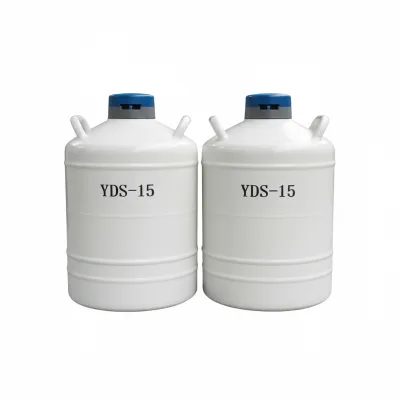
The steel lined plastic container lists a one-year warranty with lifelong technical service support, while the aluminum storage tank box lists a 12-month warranty. A low-pressure cryogenic storage tank offers a two-year warranty and a provided machinery test report. Warranty terms differ by product, so compare coverage, spare parts availability, and response commitments across suppliers before ordering.
What price range should buyers expect for a Chemical Linebox?
Listed prices vary widely by construction and capacity. A steel lined plastic anti-corrosion tank container is quoted at roughly 23,500 to 27,000 US dollars, a 40-foot carbon steel corrosive container tank at about 17,400 to 22,172 US dollars, and a 20-foot aluminum insulated unit at 165,800 to 173,000 US dollars. Confirm current quotations directly with suppliers.
Which supplier locations and verification matter for Chemical Linebox sourcing?
Suppliers of these containers are based in China, with product origins in Hubei and Shandong provinces. Verification badges such as SGS appear on listed companies, and many are combined manufacturers or trading companies with in-house design capabilities. Shortlist suppliers whose main products cover tank containers and chemical transport equipment, then verify business licenses and factory audits independently before payment.