Automated Prefabricated Block Production Equipment Suppliers and Manufacturers
Source 26 Automated Prefabricated Block Production Equipment suppliers from China. Compare ISO certifications, lead times, and MOQs to find the right factory. Contact verified suppliers directly to request quotes; review the available evidence before requesting comparable quotations from suitable candidates.
Updated
Suppliers List

- Verified by BV
- Combined
- China Fujian
- Lead time60 days
- Avg. response≤ 1h
Main productsAutomatic Concrete Block Making Machine, Concrete Products Forming Machine, Rotary Table Static Press Machine, Static Press Machine, Baking-Free Brick Production Line, Intelligent Palletizer, Block Molding Machine, Mobile Block Making Machine, Construction Waste Processing Equipment, Batching Machine / Mixer
Main marketsSoutheast Asia/ Mideast


Durable Cement Block Production Equipment for Efficient Manufacturing
$135000.00 - $280000.00
MOQ: 1 Sets


Jiangsu Runding Intelligent Equipment Technology Co., Ltd.
- Verified by SGS
- Combined
- China Jiangsu
- Lead time30 days
- Avg. response≤ 6h
Main productsAAC Block Machine, AAC Plant, AAC Block Making Machine, Concrete Block Making Plant, Concrete Block Making Machine
Main marketsSoutheast Asia/ Mideast,Domestic

Advanced AAC Block Manufacturing Equipment for Intelligent Production Efficiency
$1.00 - $10000000.00
MOQ: 1 Sets

Advanced AAC Block Manufacturing Equipment for Efficient Production Line Solutions
$1.00 - $10000000.00
MOQ: 1 Sets

High-Speed Automatic Alc Block Production Equipment for Large Capacity
$1.00 - $10000000.00
MOQ: 1 Pieces

High-Tech Automated AAC Blocks Machine for Premium Production Efficiency
$1.00 - $10000000.00
MOQ: 1 Sets

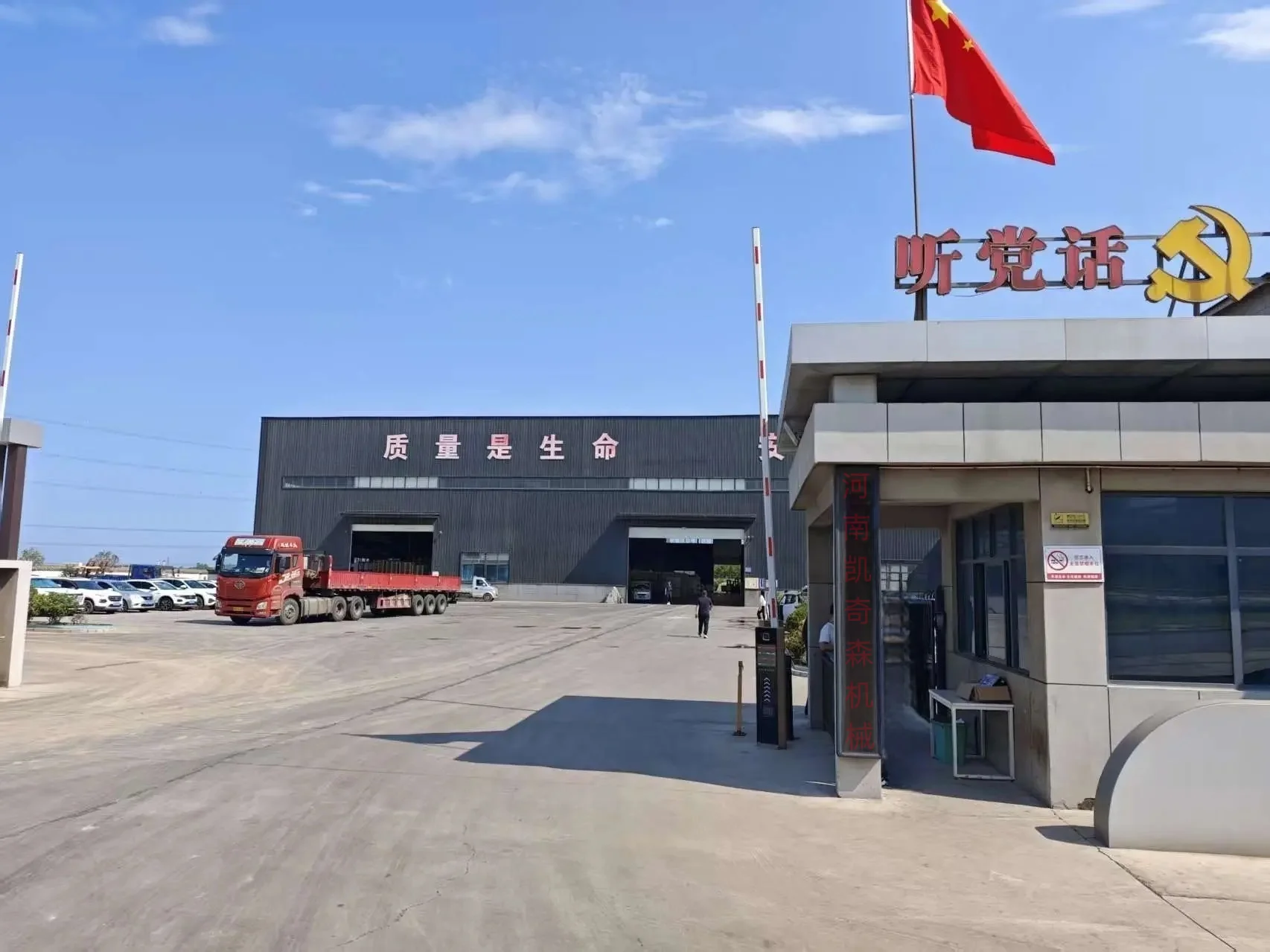
Henan Kaiqisen Machinery Equipment Co., Ltd.
- Trading Company
- Henan, China
- Lead time7 days
- Avg. response≤ 2h
Main productsJaw crusher,Hammer crusher,Drying machinery,Ball mill,Brick making machine
Main marketsNorthern Europe(15.00%), North America(15.00%), Southeast Asia(13.00%), Eastern Asia(13.00%), South America(12.00%), Africa(11.00%), Eastern Europe(11.00%), Mid East(10.00%), Central America(10.00%), South Asia(10.00%), Domestic Market(10.00%), Oceania(9.00%), Western Europe(8.00%), Southern Europe(5.00%)
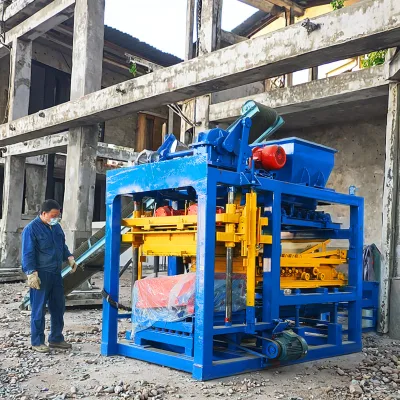
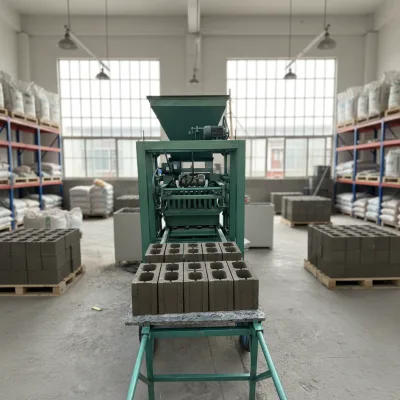
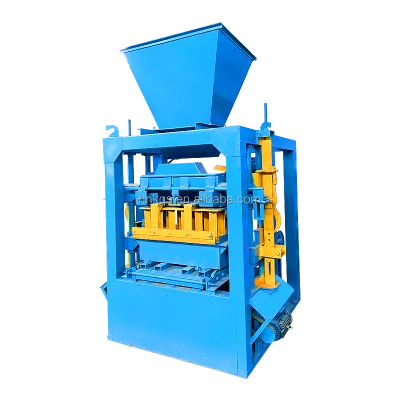
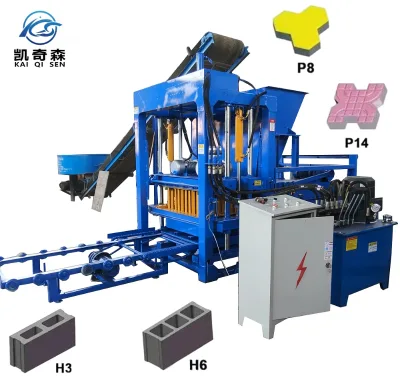
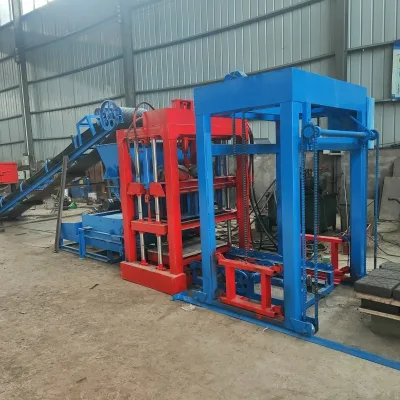
Export of 4-26 Semi-automatic Block Brick Production Equipment to Spain
$3100.00 - $3650.00
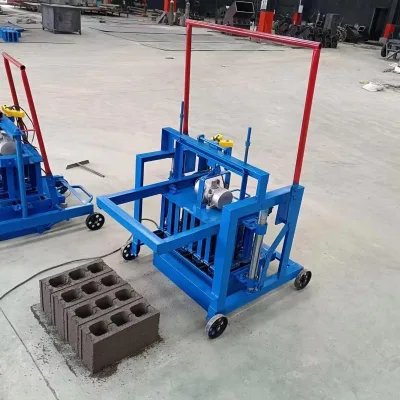
Fujian Qunfeng Machinery Co., Ltd.
- Verified by TüVRheinland
- Manufacturer, Trading Company
- Lead time60 days
Main productsBlock Making Machine, Block Making Production Line, AAC Block Production Line, Light Weight Wall Panel Making Machine, Concrete Batching Plant
Main marketsDomestic Market(50%), Southeast Asia(20%), Mid East(15%)
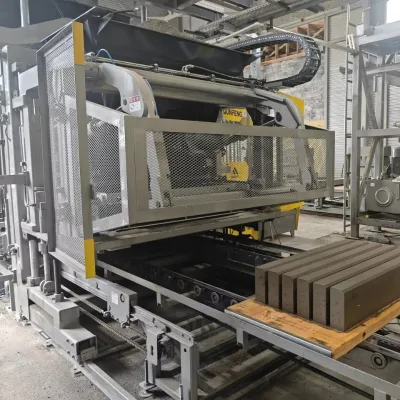
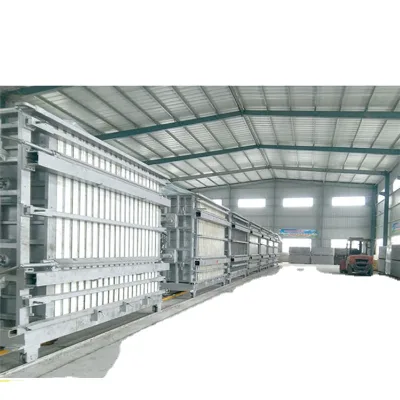
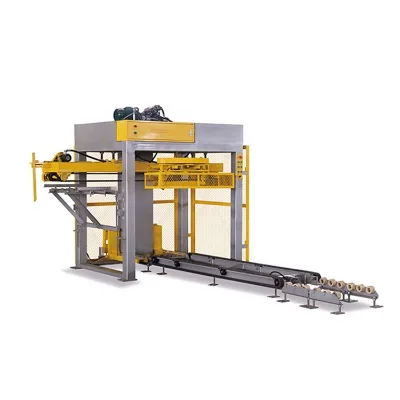
New Technology Block Production Line for Recycling Use Automatic Block Pallet Provider
$8739.5796
MOQ: 1 Minimum
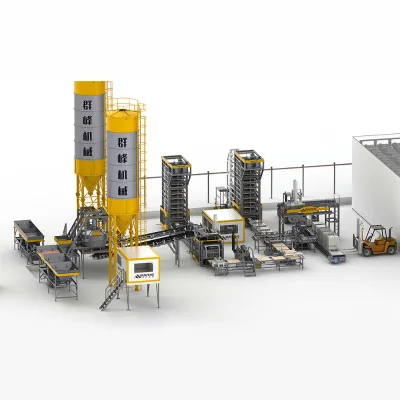
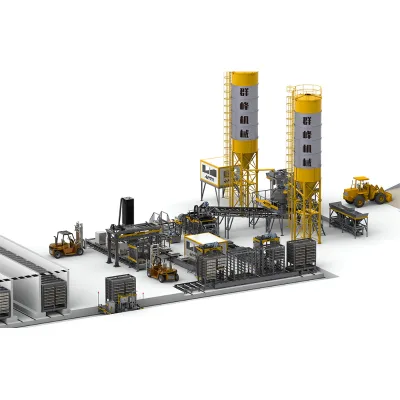

Guangxi Hongfa Heavy Machinery Co., Ltd.
- Verified by CTI
- Combined
- China Guangxi
- Lead time30 days
- Avg. response≤ 18h
Main productsConcrete Block Making Machine, EPS Concrete Wall Panel Making Machine, AAC Block Production Line, Concrete Tile Making Machine, Cement Pile Making Machine, Concrete Batching Plant, Artificial Quartz Plate Machine, Brick Machine, Concrete Mixer, Cement Brick Machine
Main marketsSouth America,Africa,Southeast Asia/ Mideast,Domestic


Hollow Block Making Machine Hollow Block Machine Building Block Production Line
$36000.00
MOQ: 1 Pieces


Jiangsu Teeyer Intelligent Equipment Co., Ltd.
- Verified by TUVRHEINLAND
- Combined
- China Jiangsu
- Lead time60 days
- Avg. response≤ 1h
Main productsAAC Plant, AAC Production Line, AAC Block Making Machine, Concrete Block Making Machine, Concrete Brick Making Machine
Main marketsOthers(foreignTradeCapacity.exportBusinessCapacityMarketOther),Southeast Asia/ Mideast,Domestic

Automatic Concrete Block Equipment for Optimal AAC Block Production
$2000000.00 - $10000000.00
MOQ: 1 Sets


Advanced Lightweight Concrete Block Production Equipment for High Efficiency
$2000000.00 - $10000000.00
MOQ: 1 Sets

High-Performance AAC Block Making Equipment for Efficient Production
$2000000.00 - $10000000.00
MOQ: 1 Pieces

Advanced AAC Brick Production Equipment for Efficient Manufacturing
$2000000.00 - $10000000.00
MOQ: 1 Sets

Automatic AAC Brick Plant Equipment for Efficient Production Lines
$2000000.00 - $10000000.00
MOQ: 1 Sets

Langfang Nianpeng International Trade Co., Ltd.
- Verified by BV
- Combined
- China Hebei
- Lead time23 days
- Avg. response≤ 1h
Main productsBlock Machine, Brick Machine, Brick Making Machine, Block Making Machine
Main marketsAfrica,Others(foreignTradeCapacity.exportBusinessCapacityMarketOther)

Advanced Fully Automatic Concrete Block Production Equipment for Efficient Manufacturing
$6000.00 - $85000.00
MOQ: 1 Sets


Concrete Block Machine\Automatic Block Making Machine\Brick Machine\Block Machine
$5600.00 - $46000.00
MOQ: 1 Pieces

Gongyi Xiaoyi Hongying Machinery Factory
- Verified by SGS
- Combined
- China Henan
- Lead time15 days
- Avg. response≤ 5h
Main productsBrick Machine, Crusher Machine
Main marketsSouth America,Africa,Others(foreignTradeCapacity.exportBusinessCapacityMarketOther),Southeast Asia/ Mideast,Australia,North America

Shandong Gaotang Huatong Hydraulic Pressure Machinery Co., Ltd.
- Verified by BV
- Combined
- China Shandong
- Lead time23 days
- Avg. response≤ 7h
Main productsBrick Making Machine, Block Making Machine, Concrete Mixing Plant, Concrete Mixer
Main marketsSouth America,Africa,Southeast Asia/ Mideast,Domestic,Europe,Australia


Qt5-15 Automatic Hollow and Solid Brick Production Equipment with High Production
$29500.00
MOQ: 1 Pieces

Guangxi Hongfa Heavy Machinery Co., Ltd.
- Manufacturer, Trading Company
- Lead time旺季: "1 - 100":35,"> 100":"To be negotiated", 淡季: "1 - 100":35,"> 100":"To be negotiated"
Main productsConcrete Block Machine, EPS Cement Wall Panel Machine, AAC Block Production Line, Fiber cement board production line, Roof Tile Making Machine
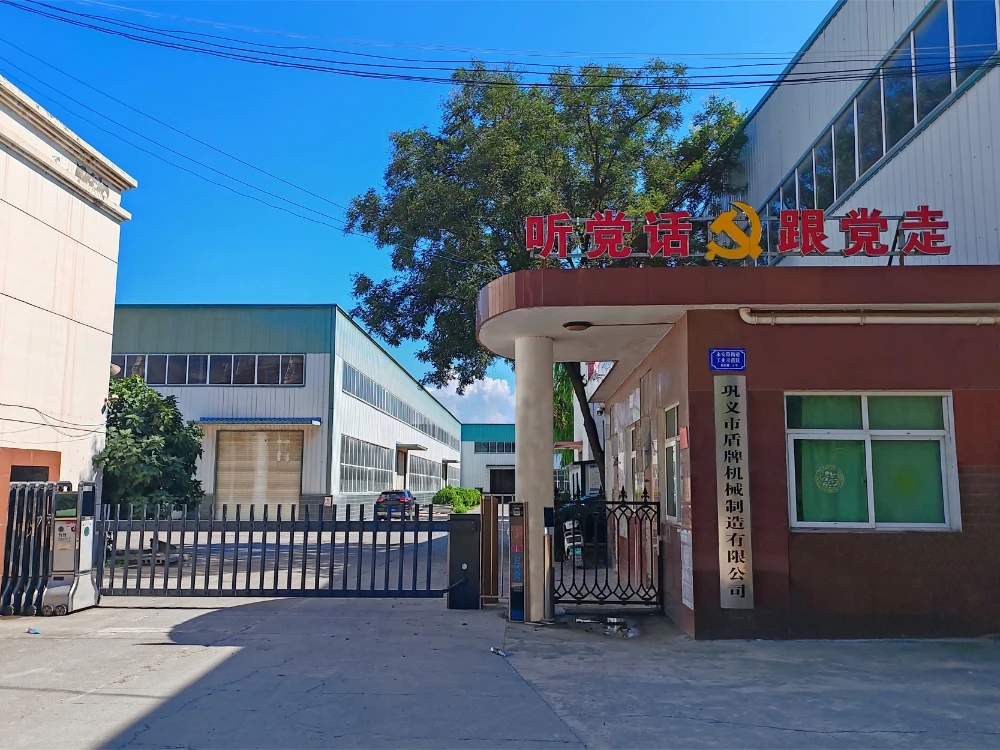
Gongyi Shield Machinery Manufacturing Co., Ltd
- Manufacturer, Trading Company
- Henan, China
- Lead time30 days
- Avg. response≤ 4h
Main productsSolar panel recycling equipment,Lithium battery recycling equipment,PCB board recycling equipment,AAC/CLC brick making machine,Hollow brick making machine
Main marketsSouthern Europe(50.00%), Domestic Market(20.00%), Southeast Asia(10.00%), Africa(5.00%), Eastern Asia(5.00%), Mid East(5.00%), South America(5.00%)
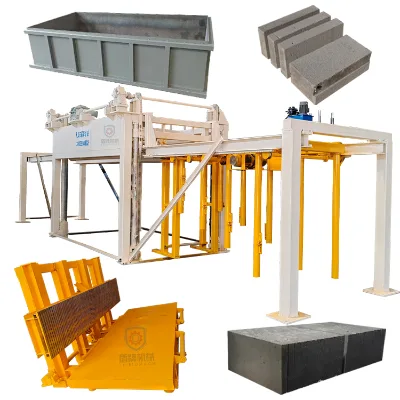
Self Insulated Block Machine Concrete Brick Machinery Full Automation Brick Production Line
$154014.696 - $159148.5192
MOQ: 1 sets
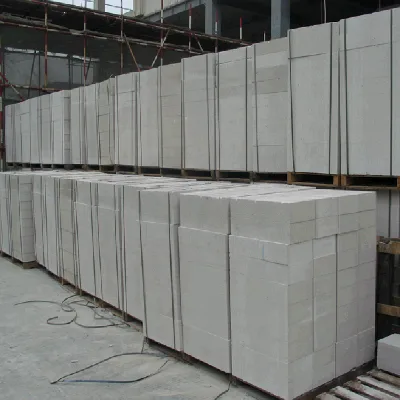
$154014.696 - $159148.5192
MOQ: 1 sets

Anhui KEDA Industrial Co., Ltd.
- Verified by TUVRHEINLAND
- Trading Company,Manufacturer/Factory
- China Anhui
- Lead time60 days
- Avg. response≤ 7h
Main productsBlock Machine, Block Making Machine, Brick Machine, Brick Making Machine, Concrete Block Machine, Autoclaved Aerated Concrete, AAC Plant Solution, AAC Block Machine
Main marketsSouth America,Eastern Europe,Mid East,North America,Southeast Asia,Eastern Asia,Oceania,Western Europe,Africa


Automatic Lightweight AAC Concrete Block Production Equipment
$2000000.00 - $10000000.00
MOQ: 1 Pieces

Automatic Concrete Block Production Equipment for Building Material Making
$2000000.00 - $10000000.00
MOQ: 1 Pieces

Autoclaved Aerated Concrete Block Production Equipment for Building Material Making
$2000000.00 - $10000000.00
MOQ: 1 Pieces

Concrete Block Production Equipment for Building Material Making
$2000000.00 - $10000000.00
MOQ: 1 Pieces

Automatic Concrete Hollow Block Production Equipment for Building Material Making
$2000000.00 - $10000000.00
MOQ: 1 Pieces
Henan Haotai Machinery Equipment Co., Ltd.
- Verified by Intertek
- Trading Company
- Lead time0 days
- Avg. response≤ 2h
Main productsConcrete Equipment, Rebar Equipment, Crushing Equipment, Road Machinery, Cutting Equipment
Main marketsNorth America(25%), Northern Europe(20%), South America(15%)
Henan Zhongke Engineering & Technology Co., Ltd.
- Manufacturer, Trading Company
- Lead time旺季: "1 - 5":35,"> 5":"To be negotiated", 淡季: "1 - 5":35,"> 5":"To be negotiated"
- Avg. response≤ 3h
Main productsJaw Crusher, Rotary Kiln, Rotary Dryer, Ball Mill, AAC Production Line
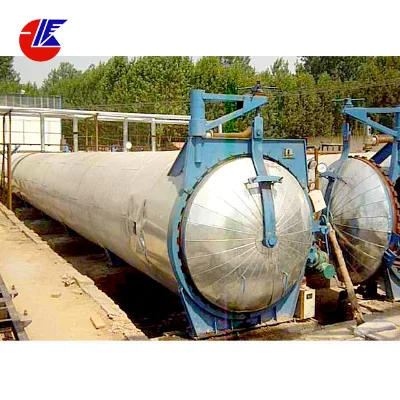
New Block Production Line Full Automatic Block Making Equipments From China Manufacturers
$98500.00
MOQ: 1 pallets
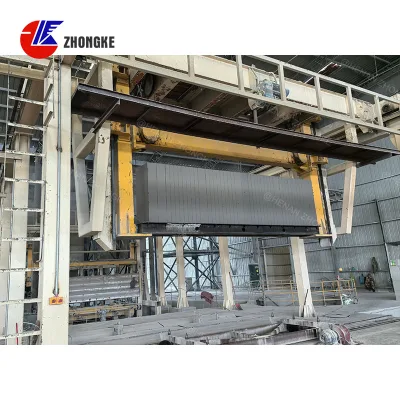
AAC Brick Manufacturing Plant Sale Fireproof Brick Production Equipment with Low Price
$97900.00 - $98700.00
MOQ: 1 plants
Henan Zhongke Engineering & Technology Co., Ltd.
- Manufacturer, Trading Company
- Lead time旺季: "1 - 1":45,"2 - 10":60,"11 - 20":100,"> 20":"To be negotiated", 淡季: "1 - 1":45,"2 - 10":60,"11 - 20":100,"> 20":"To be negotiated"
- Avg. response≤ 4h
Main productsCrusher,Rotary Dryer,Ball Mill,Rotary Kiln
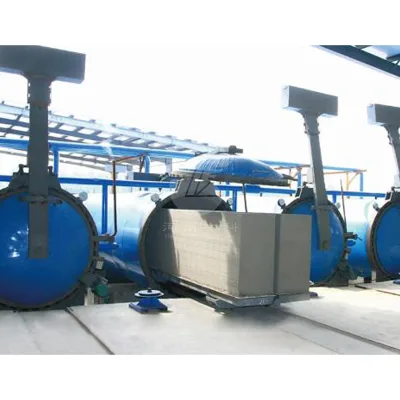
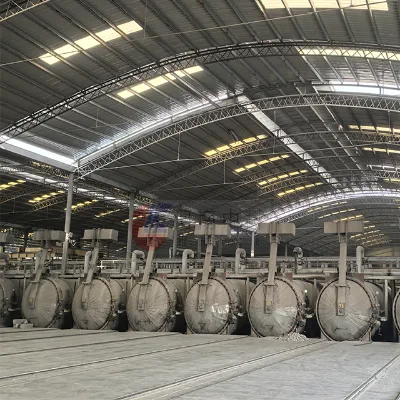
Highly Automated AAC Block Plant Machinery From China Supplier with Good Price
$393683.7696
MOQ: 1 Minimum
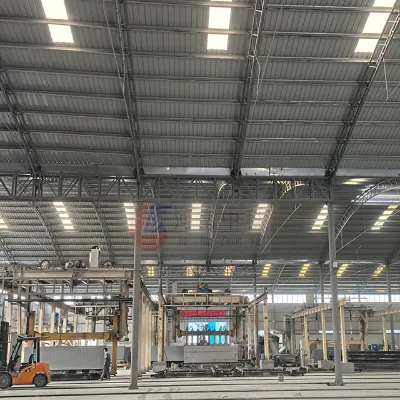
ISO Certified China Factory Direct Sell AAC Plant Equipment - Preferred by Global Buyers
$393683.7696
MOQ: 1 Minimum
Henan Zhongke Engineering & Technology Co., Ltd.
- Verified by Intertek
- Manufacturer, Trading Company
- Lead time0 days
Main productsJaw Crusher, Rotary Kiln, Rotary Dryer, Ball Mill, Ore Dressing Production Line
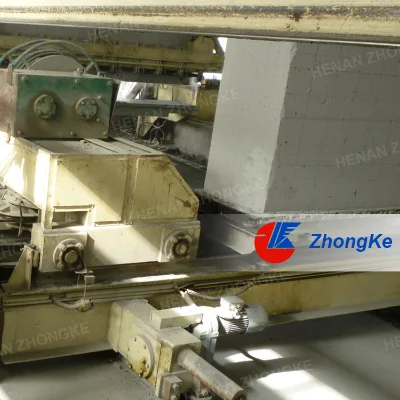
$102046.648 - $128578.7765
MOQ: 1 sets
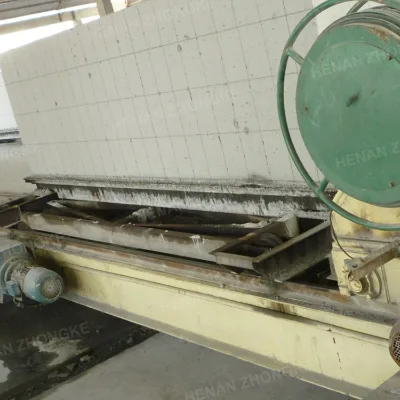
AAC Small Plant - Reliable AAC Machine Manufacturer | Equipment ACC Block Technology
$100000.00 - $126000.00
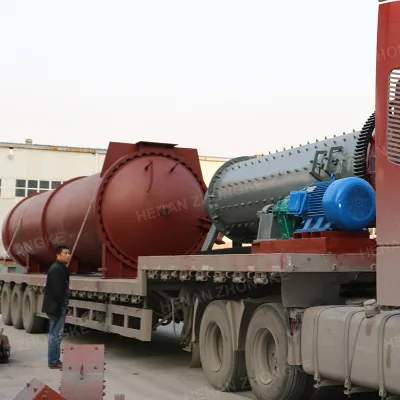
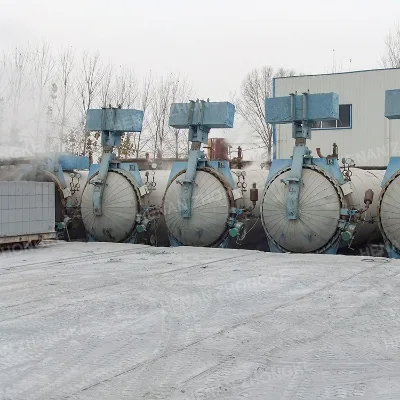
$103031.016 - $129819.0802
MOQ: 1 sets
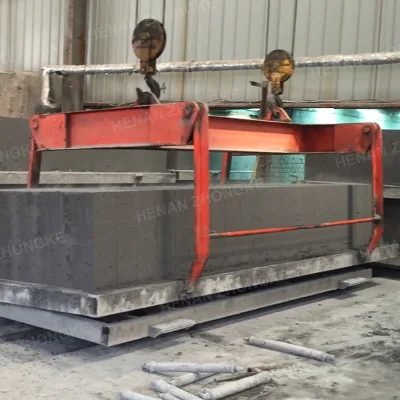
AAC Light Weight Block Making Machine - High-Performance AAC Equipment | Small AAC Plant
$100000.00 - $126000.00
MOQ: 1 sets
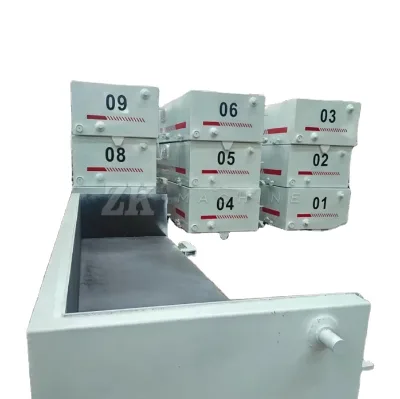
Henan Kexuan Brick Machinery Equipment Co., Ltd.
- Verified by TüVRheinland
- Manufacturer, Trading Company
- Lead time15 days
- Avg. response≤ 2h
Main productsBrick Making Machinery, Block Making Machine, Block Making Machine Production Line, Mining Machinery, Oil Pressing Machinery
Main marketsDomestic Market(60%), Africa(13%), South America(12%)

Xi'an Brictec Engineering Co., Ltd.
- Manufacturer, Trading Company
- Shaanxi, China
- Lead time30 days
- Avg. response≤ 3h
Main productsautomatic brick machinery,clay brick making machinery,red brick machine,ceramic brick tunnel kiln,brick packing machine
Main marketsMid East(40.00%), Africa(20.00%), South Asia(20.00%), Eastern Europe(10.00%), Domestic Market(10.00%)
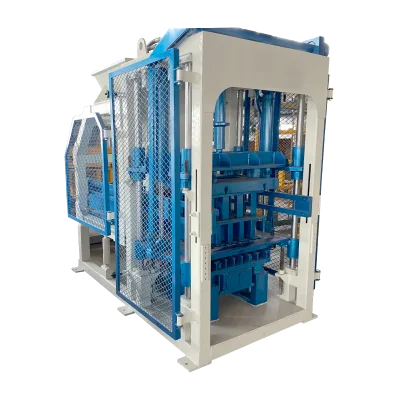
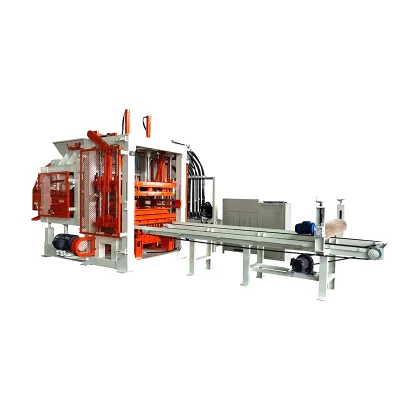
Full Automatic Concrete Block Production Machine for Building Material
$150000.00 - $250000.00
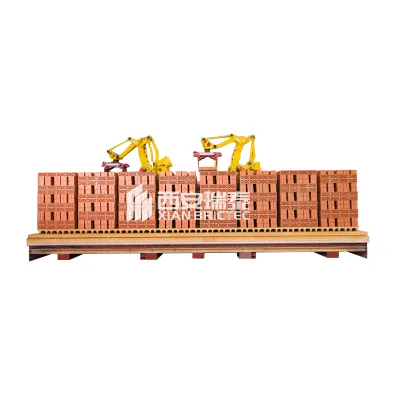
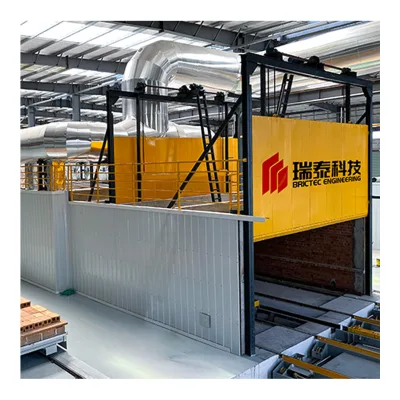
XI'AN BRICTEC EPC Turnkey Fired Brick Making Plant Production Line Demonstration Project
$3000000.00 - $5000000.00
MOQ: 1 sets
Gongyi Houde Machinery Equipment Co., Ltd
- Manufacturer, Trading Company
- Henan, China
- Lead time15 days
- Avg. response≤ 2h
Main productsBrick Making Machine,Diesel Motorized Tricycle,Mining Mini Dumper,Electric Trolley,Electric Forklift
Main marketsAfrica(50.00%), South America(50.00%)
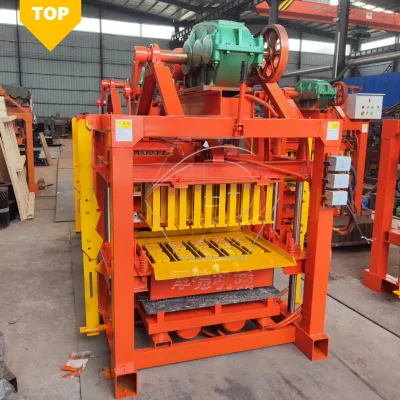
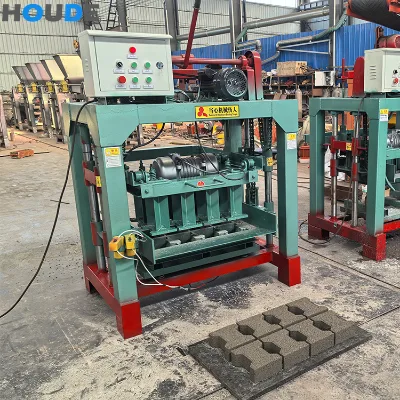
$482.5797 - $1521.1732
MOQ: 1 Minimum
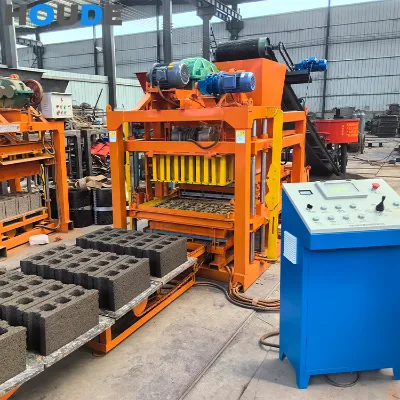
$3090.9305 - $6954.5943
MOQ: 1 Minimum
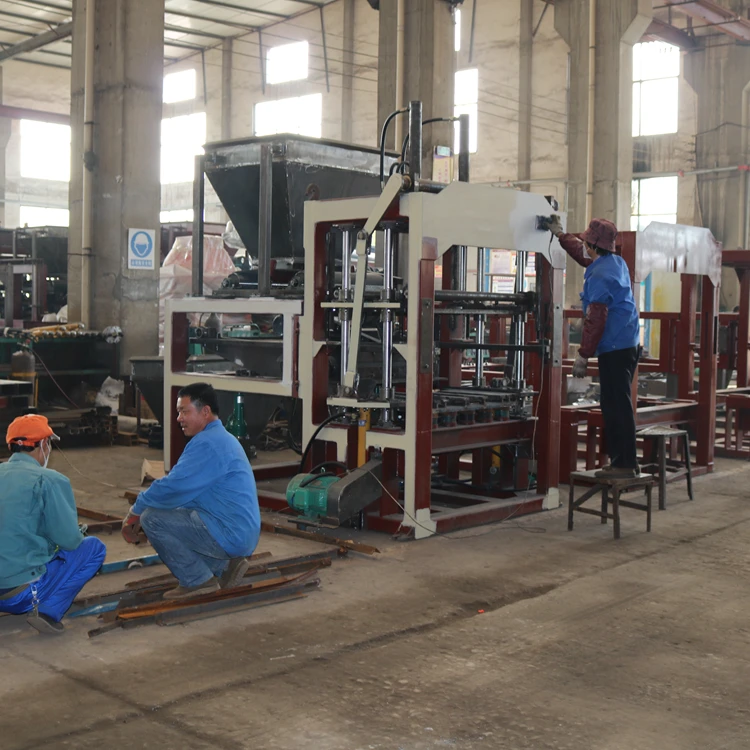
Shandong Ali-Fitow Machinery Manufacturing Co., Ltd.
- Trading Company
- Shandong, China
- Lead time15 days
- Avg. response≤ 2h
Main productsblock making machine,brick making machine,hollow block machine,clay brick machine,interlock brick machine
Main marketsAfrica(23.00%), South America(18.00%), Mid East(15.00%), South Asia(12.00%), Southeast Asia(8.00%), Eastern Asia(5.00%), Eastern Europe(4.00%), Northern Europe(3.00%), Southern Europe(3.00%), Domestic Market(2.00%), North America(2.00%), Oceania(2.00%)
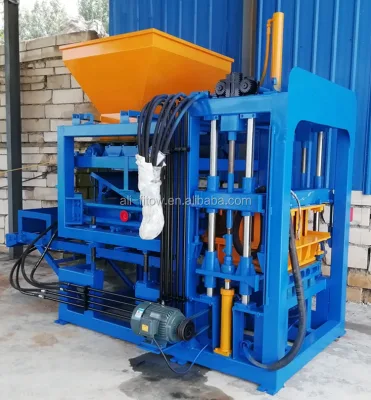
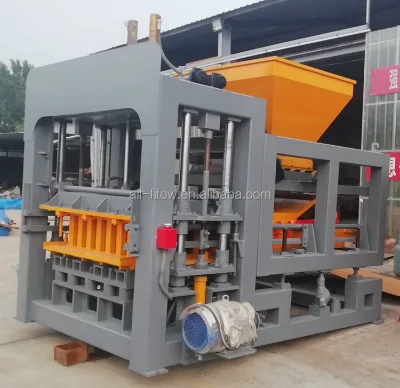
Fully Automatic Concrete Interlocking Pavements Brick Blocks Plant for Sale
$33000.00 - $36000.00
MOQ: 1 sets
Henan Yuandong Machinery Equipment Co., Ltd.
- Verified by TüVRheinland
- Manufacturer, Trading Company
- Lead time7 days
- Avg. response≤ 3h
Main productsConcrete Mixer, Road Roller, Floor Grinder, Concrete Power Trowel, Plate Compactor
Main marketsNorth America(55%), Western Europe(12%), South America(10%)
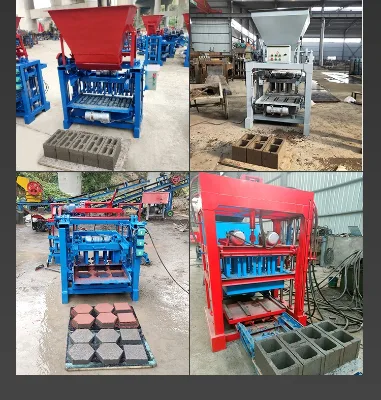
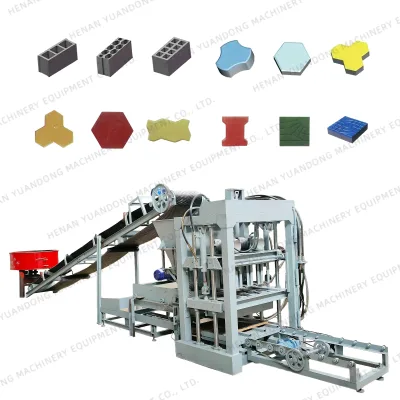
Automatic Block Making Production Line for Hollow Solid Bricks & Pave Bricks
$631.5289 - $641.8812
MOQ: 1 sets
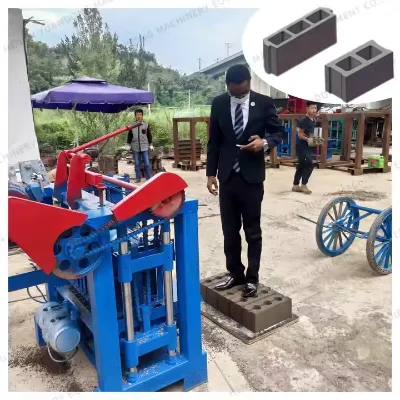
$516.2172 - $536.8665
MOQ: 1 sets
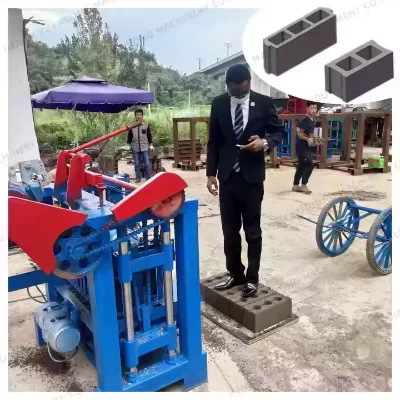
Gongyi Wanlong Machinery Manufacturing Co., Ltd.
- Verified by Intertek
- Manufacturer, Trading Company
- Lead time7 days
- Avg. response≤ 2h
Main productsBrick Making Machine, Brick Making Machine Production Line, Crusher, Crusher Production Line, Shredder
Main marketsAfrica(38%), South America(21%), North America(17%)
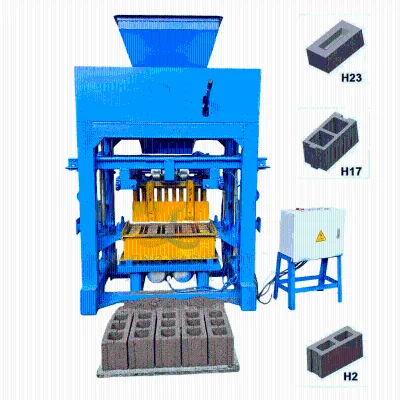
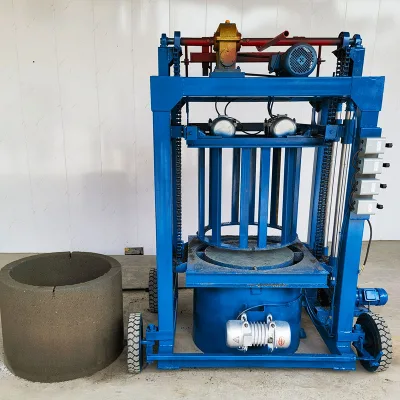
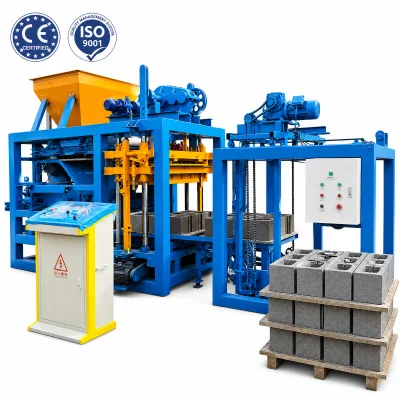
Full Automatic Clay Brick Production Line, Brick Kiln Production Plant
$3500.00 - $6500.00

Linyi Aiwei Machinery Manufacturing Co., Ltd.
- Verified by TUVRHEINLAND
- Trading Company
- China Shandong
- Lead time15 days
- Avg. response≤ 3h
Main productsBrick Making Machine, Block Making Machine, Block Machine, Brick Machine, Concrete Block Machine, Cement Brick Machine, Clay Brick Making Machine, Hydraulic Brick Machine, Paver Brick Making Machine, Automatic Brick Machinery
Main marketsAfrica,Europe


Fully Automatic Concrete Brick Production Equipment Equipped with Qt4-15 Molding System
$14000.00 - $14500.00
MOQ: 1 Pieces

Shandong Sunite Machinery Co., Ltd.
- Verified by TUVRHEINLAND
- Combined
- China Shandong
- Lead time30 days
- Avg. response≤ 3h
Main productsAAC Production Line, AAC Machine, Brick Machine, Brick Making Machine, Block Machine, Block Making Machine, AAC Block Machine, AAC Brick Machine, Composite Lightweight Wall Production Line, Concrete Block Making Machine
Main marketsOthers(foreignTradeCapacity.exportBusinessCapacityMarketOther)


Factory Sale Automatic Block Making Machine AAC Block/Brick Manufacturing Machine
$4000000.00
MOQ: 1 Pieces


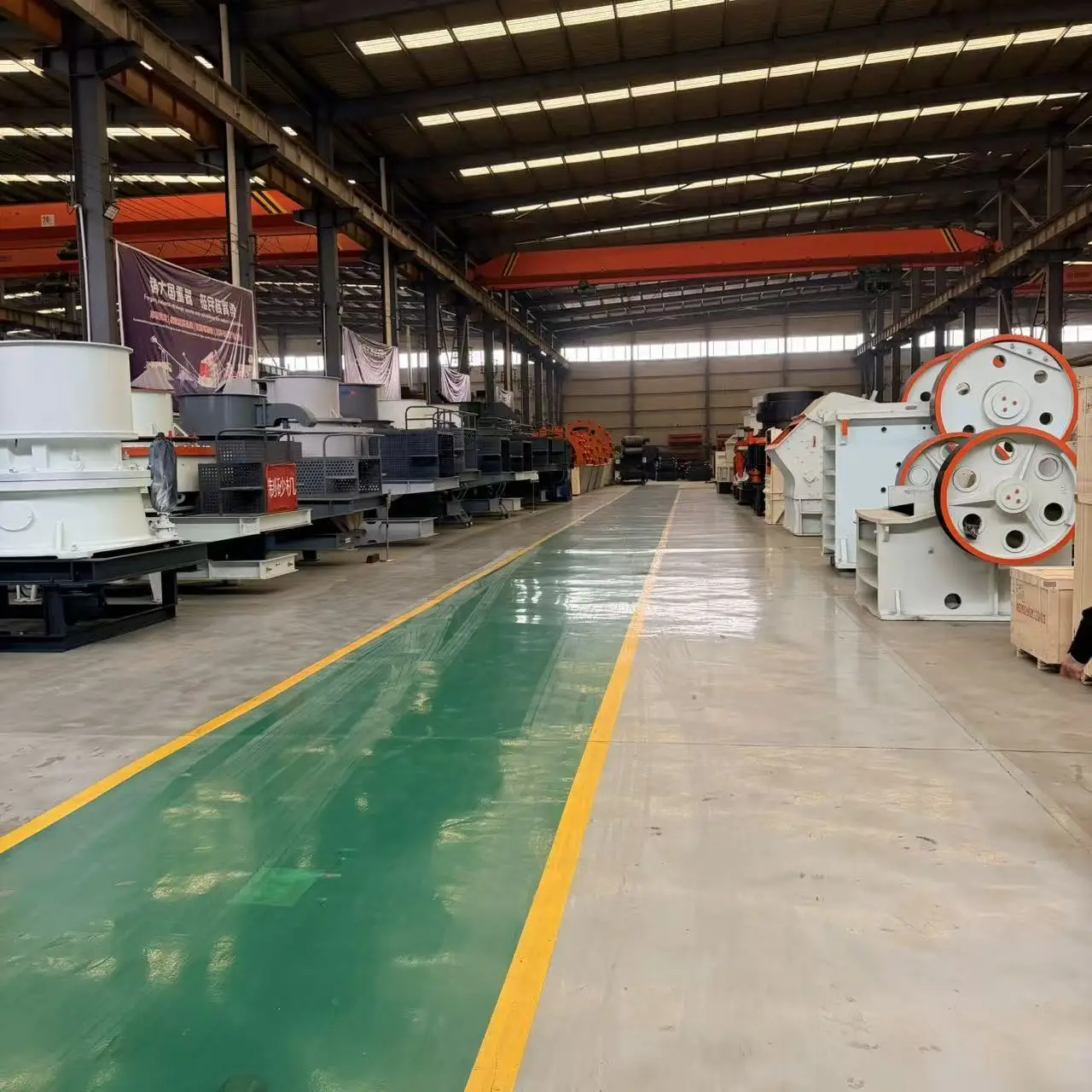
Zhengzhou Haotuo Machinery Equipment Co., Ltd.
- Trading Company
- Henan, China
- Lead time5 days
- Avg. response≤ 1h
Main productsCrusher,Cone crusher,Industrial dryer,roll sand making machine,Ball mill
Main marketsEastern Europe(30.00%), Southeast Asia(20.00%), North America(20.00%), Africa(20.00%), South America(10.00%)

ZCJK Intelligent Machinery Wuhan Co., Ltd.
- Combined
- China Hubei
- Lead time23 days
- Avg. response≤ 7h
Main productsBlock Making Machine, Brick Making Machine, Brick Machine, Block Machine, Block Machine Supplier, Brick Machine Supplier, Cement Block Making Machine, Cement Brick Making Machine, Cement Brick Machine, Roof Tile Machine
Main marketsSouth America,Africa,Southeast Asia/ Mideast,Domestic

Block Making Machinery Automatic Block Making Machine Concrete Block Making Machine
$2700.00 - $3000.00
MOQ: 1 Pieces

$2700.00 - $3000.00
MOQ: 1 Pieces


Comprehensive Sourcing Guide
Automated Prefabricated Block Production Equipment Supplier Concentration and Factory Types
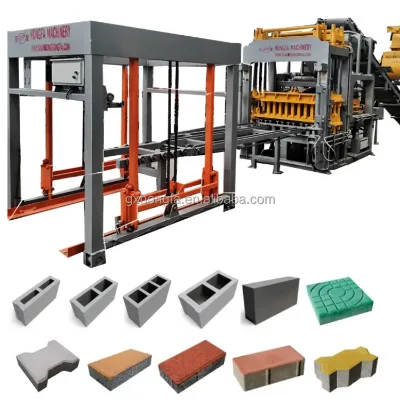
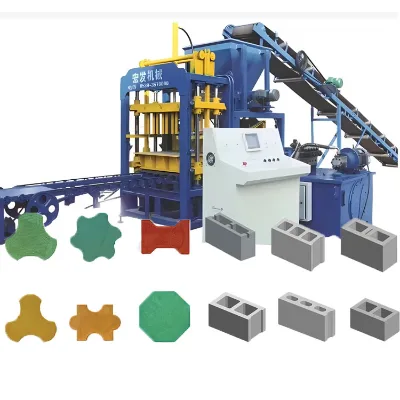
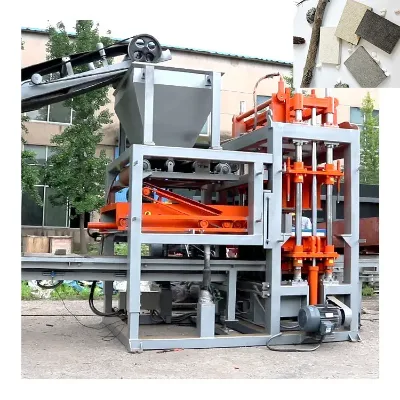
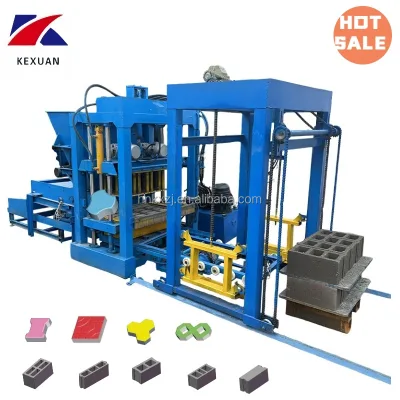
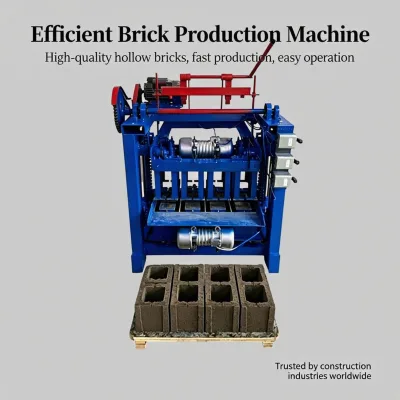
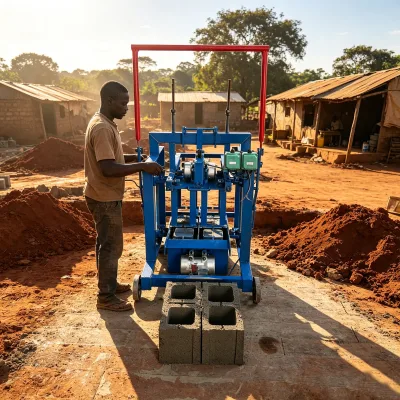
Current data indicates a concentration of Automated Prefabricated Block Production Equipment manufacturers in China, specifically within the Fujian and Jiangsu provinces. Suppliers in Fujian are identified as combined entities offering a diverse range of machinery including automatic concrete block making machines, rotary table static press machines, and intelligent palletizers. These facilities often operate with their own brands and focus on hydroforming or vibration molding technologies for producing hollow blocks, solid bricks, and interlocking pavers. The presence of these specific product lines suggests a specialized industrial cluster dedicated to heavy construction machinery manufacturing in this region.
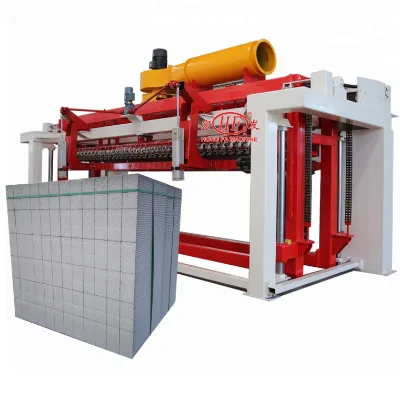
In contrast, suppliers located in Jiangsu province appear to specialize in AAC block manufacturing equipment and complete production lines. These entities are frequently verified by third-party agencies like SGS and offer ODM and OEM capabilities alongside their own brands. Their product portfolios include AAC block packaging lines and high-speed automatic production equipment capable of utilizing materials such as fly ash and building waste. Additionally, a separate cluster in Henan, China, features trading companies and manufacturers focusing on jaw crushers, ball mills, and fully automated precast concrete paving block equipment. Buyers should verify the specific factory type, whether it is a combined manufacturer, trading company, or dedicated OEM, to ensure alignment with their production needs.
How to Verify Automated Prefabricated Block Production Equipment Suppliers
Verification of Automated Prefabricated Block Production Equipment suppliers relies heavily on third-party audit results and system certifications. Available data shows that some suppliers hold BV verification status, while others are verified by SGS, indicating a baseline of operational legitimacy. System certifications such as ISO9001:2015 and ISO14001:2015 are present among manufacturers in Fujian, ensuring quality management and environmental compliance. Other suppliers may display ISO certifications for specific product lines, such as AAC block packaging lines, which serve as a proxy for adherence to international manufacturing standards. Buyers must confirm that these certifications are current and applicable to the specific machinery being purchased.
Response times and verification badges provide further insight into supplier reliability and operational readiness. Data indicates response times can vary significantly, with some suppliers responding in 0.01 units while others take up to 5.89 units, suggesting differences in customer service infrastructure. A supplier with a rapid response time may indicate a more active sales team, whereas a slower response might require more patience or alternative communication channels. Buyers should also look for video outgoing-inspection provisions, which allow for remote verification of machine condition and assembly quality before shipment. Confirming the presence of these verification markers helps mitigate the risk of engaging with unverified entities in the global marketplace.
What to Compare Across Automated Prefabricated Block Production Equipment Suppliers
When evaluating Automated Prefabricated Block Production Equipment, lead times and minimum order quantities are critical comparison metrics. Suppliers in the dataset show lead times ranging from 7 days to 60 days, reflecting differences in production capacity and supply chain maturity. For instance, some manufacturers in Henan offer a 7-day lead time, while others in Fujian may require up to 60 days for complex automated lines. Minimum order quantities are generally flexible, with some suppliers accepting orders as low as one unit, which is advantageous for small-scale operations or pilot projects. Buyers must align their project timelines with these lead times to avoid production delays.
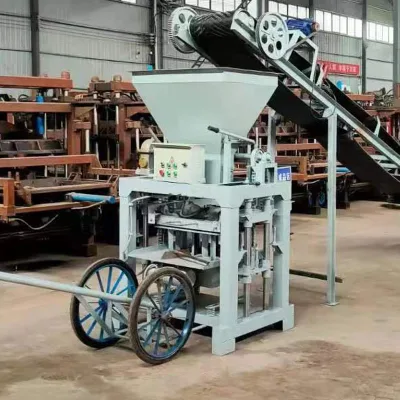
Product specifications and pricing structures also require careful comparison across different supplier profiles. Prices for automated block machines vary widely, with some equipment listed between $65,000 and $150,000, while larger production lines or specialized AAC equipment can range from $290,000 to over $1,000,000. The type of molding technology, such as hydroforming versus vibration molding, influences both the price and the final product quality. Additionally, suppliers may offer customization options for machine dimensions, voltage requirements, and automation levels. Buyers should compare the core functions, such as the ability to produce hollow blocks versus solid bricks, to ensure the selected equipment matches their specific output requirements.
Common Automated Prefabricated Block Production Equipment Sourcing Risks
One significant risk in sourcing Automated Prefabricated Block Production Equipment involves the discrepancy between advertised capabilities and actual factory output. While some suppliers claim to have extensive experience with hundreds of plants, buyers must verify these claims through independent audits or video inspections. The presence of a "China Plants" claim does not guarantee the supplier's direct involvement in those installations, and the actual capacity of the factory may differ from the stated figures. Relying solely on marketing keywords like "high-performance" or "advanced" without concrete evidence of past projects can lead to procurement failures.
Another risk pertains to the variability in after-sales support and training services. Some suppliers explicitly offer on-site training for operation and maintenance, which is crucial for complex automated systems. However, other listings may lack clear details regarding warranty periods or technical support availability. A supplier offering a one-year warranty on AAC block packaging lines provides a specific commitment, but buyers must ensure similar terms apply to the core machinery. Without clear agreements on training and support, operational downtime can occur if the equipment requires specialized maintenance that the local team cannot perform.
Automated Prefabricated Block Production Equipment Regional Sourcing and Logistics
Regional sourcing decisions are heavily influenced by the specific manufacturing clusters identified in the data, such as Fujian, Jiangsu, and Henan. Each region offers distinct advantages based on the type of machinery produced. Fujian suppliers are well-positioned for concrete block making machines and static press equipment, while Jiangsu focuses on AAC block production lines and packaging solutions. Buyers should consider the proximity of these clusters to major shipping ports to optimize logistics costs and transit times. The origin of the equipment, consistently listed as China, implies that international shipping and customs clearance will be necessary components of the procurement process.
Logistics planning must also account for the specific packing requirements of heavy machinery. Equipment is typically shipped in wooden cases, containers, or flat-rack containers depending on the dimensions and weight of the unit. For instance, AAC block packaging lines may require bulk cargo or flat-rack containers due to their large size, whereas smaller block making machines might fit in standard containers. Buyers need to verify the exact packing dimensions and weight to calculate freight costs accurately. Additionally, the lead time for shipping should be factored into the overall project schedule, as delays in logistics can impact the installation and commissioning of the production line.
Automated Prefabricated Block Production Equipment Commercial Terms and Order Planning
Commercial terms for Automated Prefabricated Block Production Equipment often include specific details on supply types and customization support. Many suppliers offer factory direct wholesale options alongside customization services, allowing buyers to tailor machines to their specific production needs. The supply type is a critical factor in determining the final cost and delivery schedule, as factory direct sales may offer more competitive pricing than intermediaries. Buyers should clarify whether the quoted price includes installation, training, and spare parts, as these elements can significantly affect the total cost of ownership.
Order planning requires a clear understanding of the pricing structure and payment terms associated with the equipment. Prices for automated block machines can range from $65,000 to over $1,000,000, depending on the complexity and capacity of the line. Buyers must ensure that the quoted price aligns with the specified product attributes, such as automatic grade, certification, and core functions. It is also essential to verify the minimum order quantity and any volume discounts that may apply. By carefully reviewing these commercial terms, buyers can develop a robust order plan that minimizes financial risk and ensures the timely delivery of high-quality automated block production equipment.
FAQs
What is the price range for automated block production equipment?
Prices for automated block production equipment typically range from $65,000 to $500,000 depending on the model and automation level. Basic units start around $65,000, while advanced fully automated lines can reach up to $500,000. Buyers should verify specific pricing for their required production capacity and customization needs.
What certifications do these machines usually have?
Most automated block production machines carry ISO and CE certifications to ensure safety and quality standards. Some suppliers also hold ISO9001:2015 and ISO14001:2015 system certifications. Buyers should request valid certificates to verify compliance with international manufacturing and environmental regulations before placing orders.
What is the typical lead time for delivery?
Lead times for automated block production equipment generally range from 7 to 60 days. Faster delivery options are available from some suppliers, while more complex custom configurations may require up to two months. Buyers should confirm exact timelines with suppliers based on their specific order requirements.
What types of blocks can these machines produce?
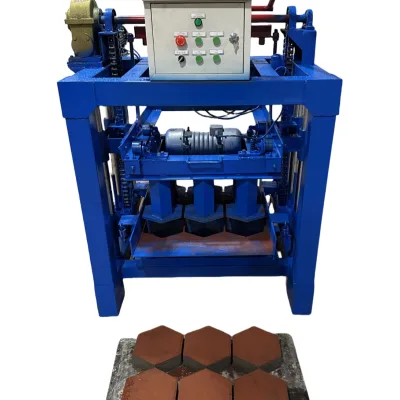
These machines can produce hollow blocks, solid bricks, interlocking pavers, and paving blocks. The core functions include manufacturing various concrete products using hydroforming or vibration molding technologies. Buyers can choose equipment tailored to their specific product mix and market demands.
Are customization options available for these machines?
Yes, customization is widely supported for automated block production equipment. Suppliers offer customized molds, automatic grades, and specific production capacities to match buyer requirements. Buyers should discuss their unique production needs with suppliers to ensure the machine meets their operational goals.
What is the minimum order quantity for these machines?
The minimum order quantity for automated block production equipment is typically one unit. Buyers can purchase single machines for small-scale operations or expand their fleet later. This flexibility allows businesses to start with a single unit and scale up as demand increases.