engine side-hung mower Suppliers and Manufacturers
Compare 28 verified suppliers offering engine side-hung mowers with details on lead times, response times, and warranty terms. Review product specifications like voltage and power to source the right equipment for your needs; review the available evidence before requesting comparable quotations from suitable candidates.
Updated
Suppliers List
Henan Best Machinery Co., Ltd.
- Trading Company
- Henan, China
- Lead time7 days
- Avg. response≤ 7h
Main productsbrush cutter,farm cultivator,mini weeder,walking tractor,farm spraying machine
Main marketsEastern Asia(21.00%), Southeast Asia(19.00%), South America(10.00%), Africa(9.00%), Western Europe(7.00%), South Asia(7.00%), North America(6.00%), Oceania(5.00%), Mid East(5.00%), Eastern Europe(3.00%), Southern Europe(3.00%), Northern Europe(2.00%), Central America(2.00%), Domestic Market(1.00%)
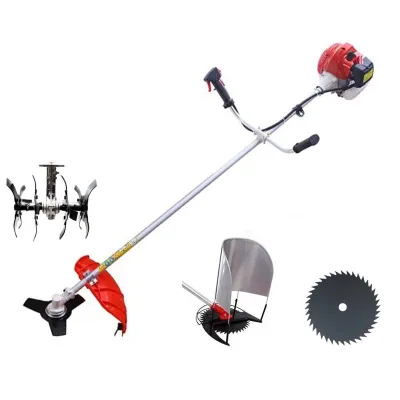
High-Performance 1.5kw Engine Side-Hung Mower with 1 Year Warranty-Cut Faster & Smoother
$55.00 - $65.00
MOQ: 1 kilograms
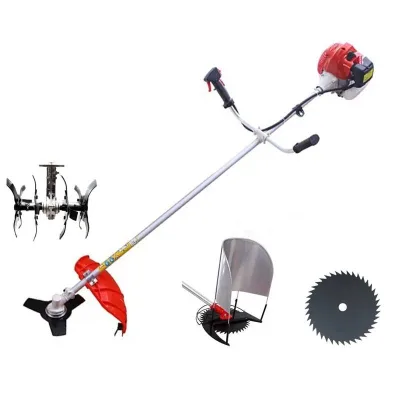
Powerful Side -Mount Mower with High-Torque Engine for Thick Grass Trimming
$55.00 - $65.00
MOQ: 1 kilograms
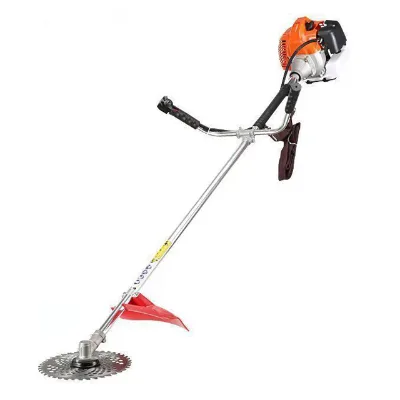
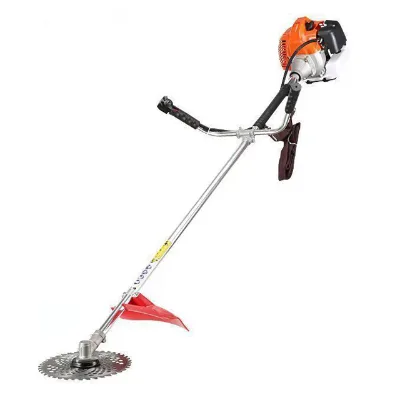
Side-Mount Mower Engine-Powered 1.5kW 1 Year Warranty-Tackle Large Yards Without the Hassle
$55.00 - $65.00
MOQ: 1 kilograms

Changzhou Kaideli Machinery Co., Ltd.
- Combined
- China Jiangsu
- Lead time30 days
- Avg. response≤ 6h
Main productsFlail Mower, Wood Chipper, Rotary Tiller, Snow Machinery, Tractor Implements, ATV Implements, Slasher, Backhoe, Front End Loader, Spare Parts
Main marketsDomestic,Europe,Australia

Lawn Mower with Hydraulic Side Shift 1220mm Working Width (EFGCH125M)
$599.00 - $1199.00
MOQ: 5 Pieces

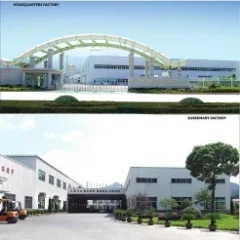
Zhejiang Changjiang Machinery Co., Ltd.
- Manufacturer
- Zhejiang, China
- Lead time30 days
- Avg. response≤ 4h
Main productsGasoline Lawnmower,RIDE ON MOWER,LAWN EDGER,FIELD TRIMMER
Main marketsOceania(37.00%), Western Europe(17.00%), Southeast Asia(12.00%), Eastern Europe(10.00%), North America(5.00%), Northern Europe(4.00%), South Asia(3.00%), Southern Europe(3.00%), Eastern Asia(3.00%), Mid East(3.00%), South America(2.00%), Africa(1.00%)

Jinan Hongzhi Machinery Co., Ltd.
- Verified by SGS
- Manufacturer
- China Shandong
- Lead time15 days
- Avg. response≤ 4h
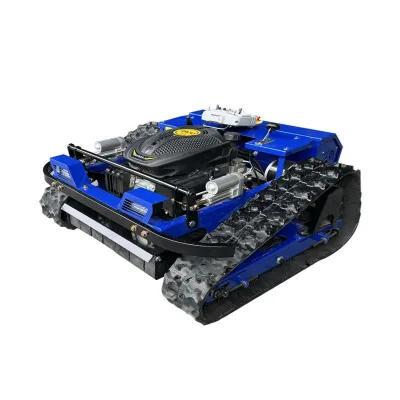
Main productsRemote Controlled Lawn Mower, Lawn Mower, Crawler Lawn Mower, Tracked Lawn Mower, Grass Cutter, Gasoline Lawn Mower


Garden Lawn Mower Mower Lawn Grass Mower Machine 4 Wheel Remote Controlled Lawn Mower
$600.00 - $700.00
MOQ: 5 Sets


Remote Control New Mower Remote Control Lawn Mower for Sale Gasoline Remote Control Lawn Mower
$2000.00 - $3500.00
MOQ: 2 set

Lawn Mowing Machine Lawn Mower Machine Durable for Long Term Outdoor Use
$899.00 - $1880.00
MOQ: 3 Sets
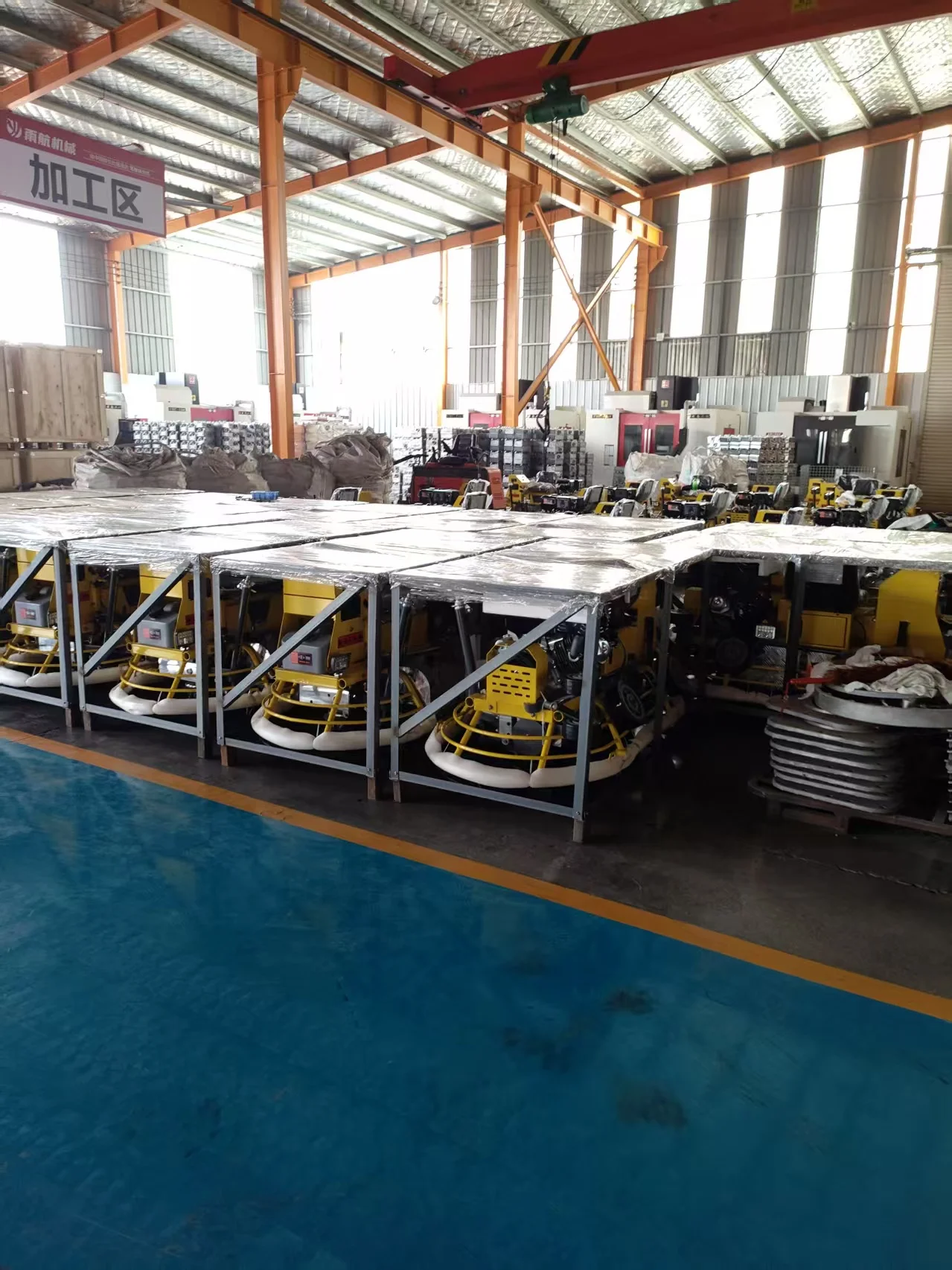
Luohe Ao Jianqing Intelligent Equipment Co., Ltd.
- Trading Company
- Henan, China
- Lead time15 days
- Avg. response≤ 3h
Main productstrowel,trephine,Cutting machine,backhoe,vibrators
Main marketsDomestic Market(40.00%), North America(10.00%), Africa(10.00%), South Asia(10.00%), Eastern Asia(10.00%), Oceania(5.00%), Southern Europe(5.00%), Southeast Asia(5.00%), South America(5.00%)

Taizhou Bozhou Machinery Co., Ltd.
- Verified by BV
- Combined
- China Zhejiang
- Lead time30 days
- Avg. response≤ 11h
Main productsPower Tiller, Brush Cutter, Tracked Lawn Mower, Chainsaws, Wood Chipper, Gasoline Water Pump, Gasoline Generator, Centrifugal Priming Pump, Gasoline Engine, Gasoline Lawn Mower
Main marketsDomestic

Changzhou LEFA Industry and Trade Co., Ltd.
- Verified by TUVRHEINLAND
- Combined
- China Jiangsu
- Lead time30 days
- Avg. response≤ 4h
Main productsRotary Tiller, Flail Mower, Heavy Rotavator, Reverse Plow, Potato Planter, Potato Harvester, Potato Digger, Grader Blade, Chassis Cultivator, Hole Digger
Main marketsEurope,North America
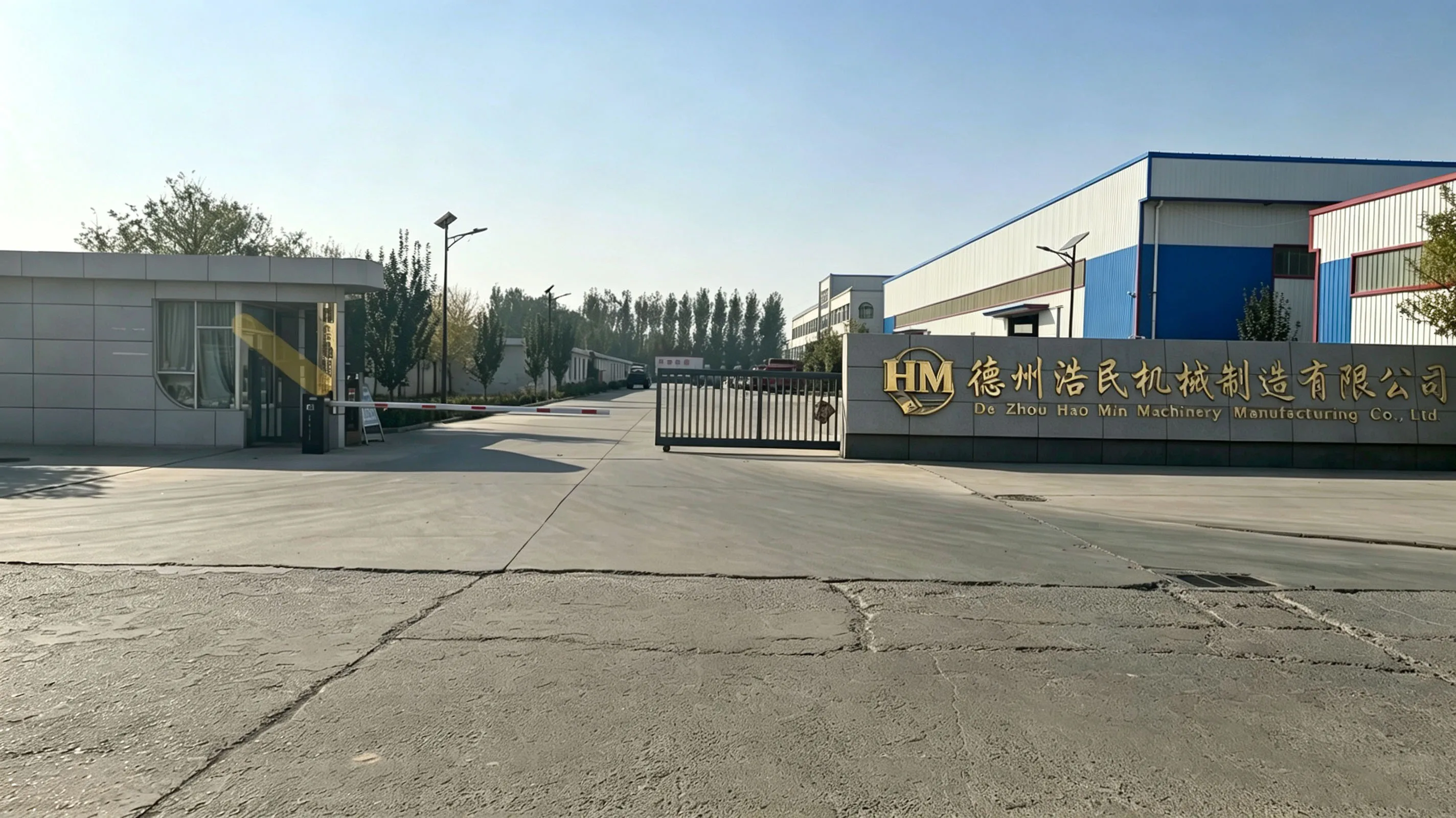
Dezhou Haomin Machinery Equipment Co., Ltd.
- Trading Company
- Shandong Province, China
- Lead time10 days
- Avg. response≤ 1h
Main productsTillage machinery,Harvesting machinery,Fertilizer,Sowing machinery,Spraying machinery
Main marketsDomestic Market(46.00%), Africa(20.00%), Southeast Asia(15.00%), South America(8.00%), Eastern Asia(3.00%), Central America(2.00%), North America(2.00%), South Asia(2.00%), Oceania(1.00%), Mid East(1.00%)
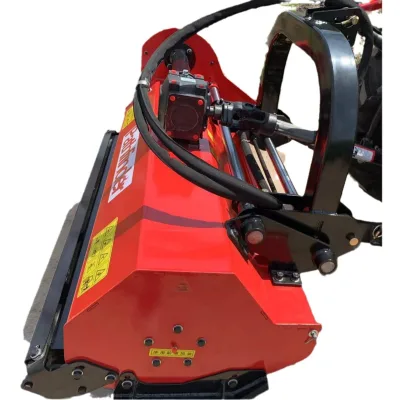
$986.67 - $2159.80
MOQ: 1 Minimum
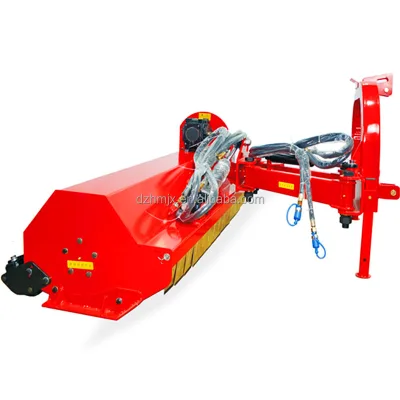
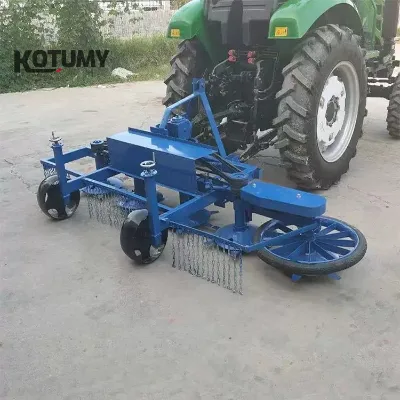
Tractor Front Single Plate Lawn Mower New Hot Sale
$463.77 - $507.24

Gaomi Guanriyu Machinery Co., Ltd.
- Combined
- China Shandong
- Lead time30 days
- Avg. response≤ 12h
Main productsGrass Mower, Chipper Shredder, Ginger Harvester, Hay Baler, Cultivator Tiller, Mini 4wheels Tractor, Harrow, Exhause Fan
Main marketsDomestic,Europe

Yucheng Yijia Machinery Co., Ltd.
- Verified by BV
- Combined
- China Shandong
- Lead time30 days
- Avg. response≤ 7h
Main productsDisc Harrow, Disc Plough, Disc Blade, Mower
Main marketsSouth America,Africa,Southeast Asia/ Mideast,Europe,North America
Foshan Shunde Maoduoyu Trading Co., Ltd.
- Manufacturer, Trading Company, Distributor/Wholesaler
- Guangdong, China
- Lead time0 days
- Avg. response≤ 1h
Main productsIndustrial machinery,Commercial machinery,Packaging machinery,Filling machinery,Food machinery
Main marketsNorth America(50.00%), Southeast Asia(10.00%), Mid East(10.00%), Central America(10.00%), Domestic Market(5.00%), Western Europe(5.00%), Northern Europe(3.00%), South Asia(2.00%), Oceania(1.00%), Eastern Asia(1.00%), Eastern Europe(1.00%), South America(1.00%), Africa(1.00%)
Yancheng Harriston Int'l Co., Ltd.
- Verified by TüVRheinland
- Manufacturer, Trading Company
- Lead time20 days
- Avg. response≤ 11h
Main productsAgricultural Harvester, Agricultural Tractor, Rotary Tiller, Agricultural Attachment, Agricultural Spare Parts
Main marketsSoutheast Asia(30%), Africa(20%), South America(15%)

Shandong Platinum Dylan Machinery Co., Ltd.
- Verified by TUVRHEINLAND
- Combined
- China Shandong
- Lead time15 days
- Avg. response≤ 1h
Main productsMower, Earth Leveler, Turnover Plow
Main marketsSoutheast Asia/ Mideast

Weifang Sichuang Machinery Co., Ltd.
- Verified by SGS
- Trading Company,Manufacturer/Factory
- China Shandong
- Lead time23 days
- Avg. response≤ 2h
Main productsMower, Green Roller, Turf Brush, Aerator, Top Dresser, Grass Seeder, Turf Sweeper, Big Roll Harvester, Turf Sprayer, Line Marker
Main marketsSouth America,Eastern Europe,Mid East,North America,Southeast Asia,Eastern Asia,Oceania,Western Europe,Africa
Henan Shanpu Machinery Equipment Co., Ltd.
- Trading Company
- Henan, China
- Lead time0 days
- Avg. response≤ 2h
Main productsoil press machine,package machine,juicer machine,Woodworking machinery,Rubber and plastic machinery
Main marketsNorth America(15.00%), Mid East(10.00%), Northern Europe(10.00%), Western Europe(10.00%), Southeast Asia(10.00%), Eastern Europe(10.00%), Southern Europe(10.00%), Oceania(5.00%), South Asia(5.00%), Africa(5.00%), South America(5.00%), Central America(2.00%), Eastern Asia(2.00%), Domestic Market(1.00%)
Lincoln John Intelligent Equipment (Shandong) Co., Ltd.
- Verified by TüVRheinland
- Trading Company
- Lead time25 days
- Avg. response≤ 3h
Main productsLawn Mower, Wood Chipper, Log Conveyor, Mini Dumper Truck, Trailer
Main marketsWestern Europe(30%), Eastern Europe(25%), North America(22%)
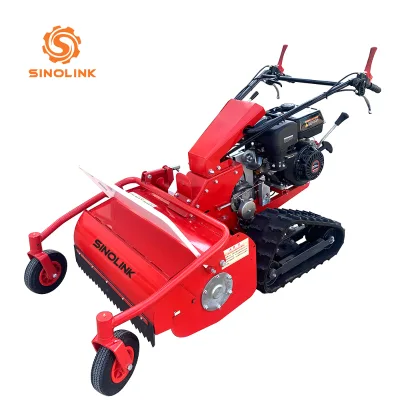
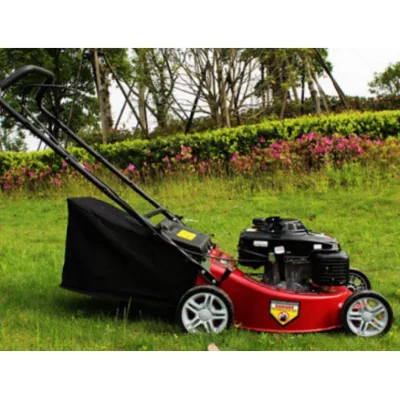
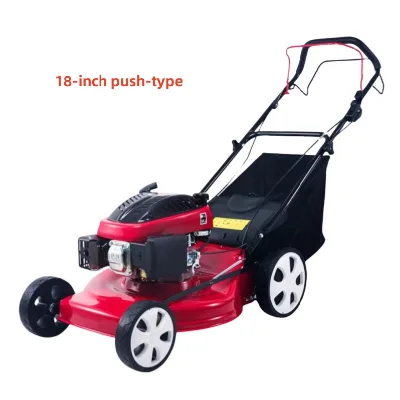
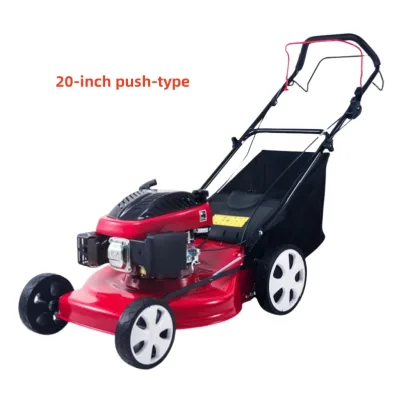
Self Propelled Lawn Mower, Integrated Lawn Mower, Gasoline Lawn Mower Behind the Lawn Mower
$1150.00 - $1400.00
MOQ: 1 units
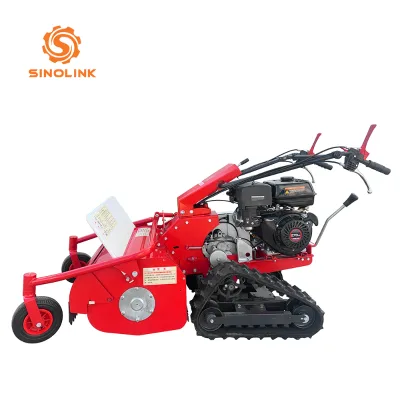
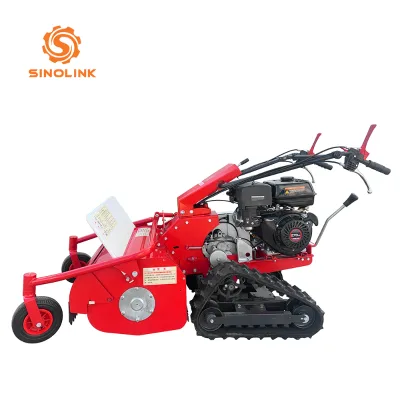
Walking Behind a Professional Lawn Mower a Gasoline Lawn Mower Used for Mowing Lawn Mowers
$1150.00 - $1400.00
MOQ: 1 units
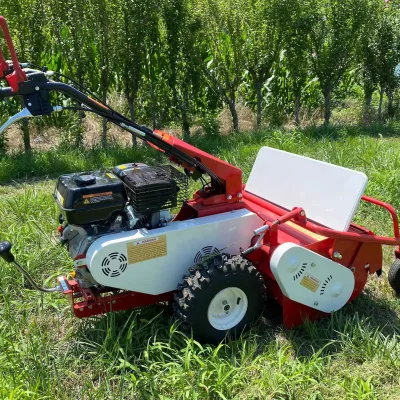
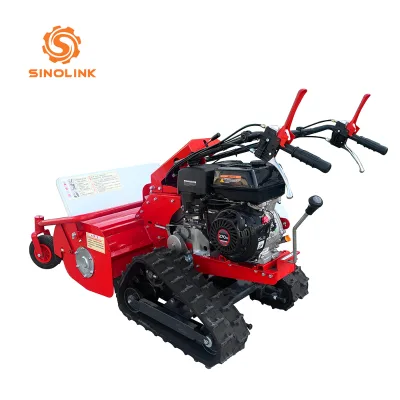
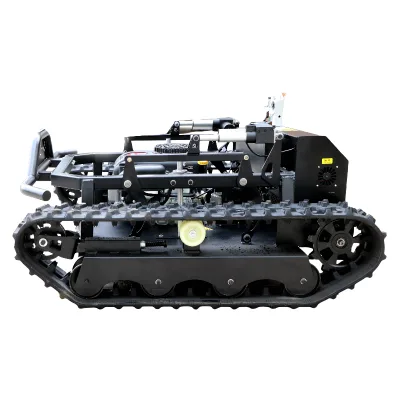
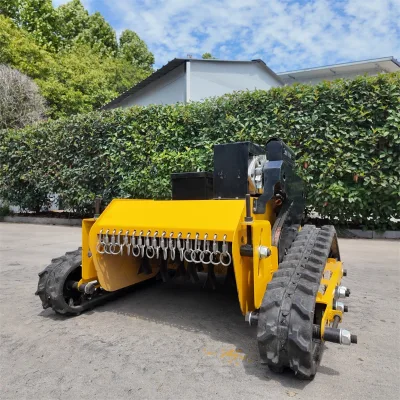
Lawn Construction Lawn Mower Track Type All Terrain Lawn Mower for Sale
$1150.00 - $1400.00
MOQ: 1 units

Zhejiang Youwe Electrical Appliances Co., Ltd.
- Verified by SGS
- Combined
- China Zhejiang
- Lead time30 days
- Avg. response≤ 2h
Main productsCordless Drill, Cordless Hammer Screwdriver, Electric Drill, Power Tools, Lithium Cordless Drill, Li-ion Electric Power Tools
Main marketsSoutheast Asia/ Mideast,East Asia(Japan/ South Korea),Europe
YUCHENG LIANSHENG MACHINERY CO., LTD.
- Manufacturer, Trading Company
- Shandong, China
- Lead time15 days
- Avg. response≤ 4h
Main productsfarm machines,seeder,plough and harrow,mower slasher,Cultivator/subsoiler
Main marketsAfrica(20.00%), North America(15.00%), Oceania(13.00%), Eastern Europe(8.00%), Southern Europe(5.00%), Southeast Asia(5.00%), Northern Europe(5.00%), Central America(5.00%), Western Europe(5.00%), Mid East(5.00%), South Asia(5.00%), South America(4.00%), Domestic Market(3.00%), Eastern Asia(2.00%)
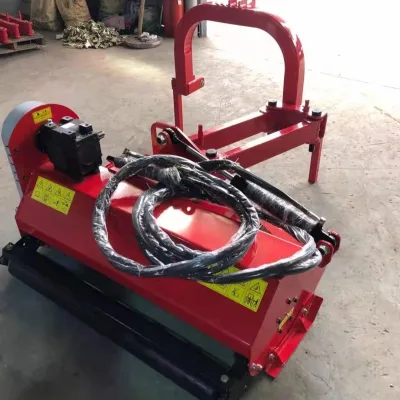
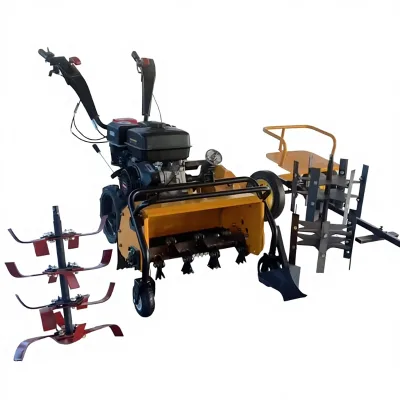
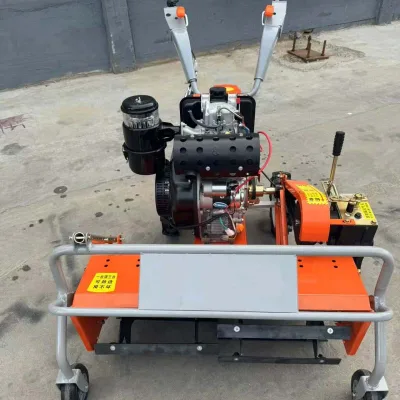
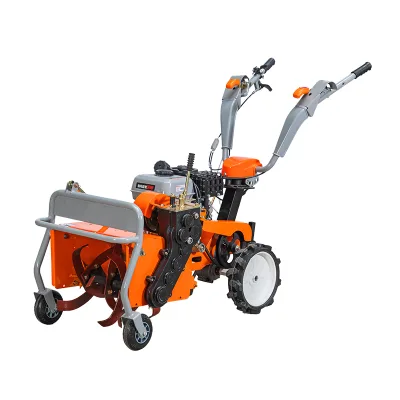
Hot-selling Self-propelled Lawn Mower, Lawn Mower, Gasoline/gasoline Lawn Mower
$465.8813
MOQ: 1 Minimum
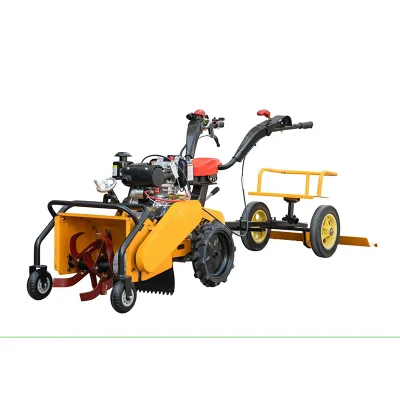
$362.3521 - $465.8813
MOQ: 1 pieces

Shandong Zhongmei Construction Engineering Co., Ltd.
- Verified by SGS
- Combined
- China Shandong
- Lead time30 days
- Avg. response≤ 2h
Main productsSteel Structure, Net Rack
Main marketsDomestic

Petrol Lawn Mower Machine Riding Lawn Mower Garden Lawn Mower Remote Control Lawn Mower Tractor
$950.00 - $1100.00
MOQ: 1 Pieces

$950.00 - $1100.00
MOQ: 1 Pieces

Luoyang Raymon Engineering Technology Co., Ltd.
- Verified by SGS Group
- Trading Company
- Henan, China
- Lead time20 days
- Avg. response≤ 2h
Main productsCargo lift, Fire duct lifting platform, Electronic scaffolding, Spider crane, Solar Panel Lift
Main marketsEastern Europe(50%), Southeast Asia(30%), Africa(20%)

Liaocheng Jade Outdoor Power Equipment Co. Ltd
- Verified by TUVRHEINLAND
- Combined
- China Shandong
- Lead time30 days
- Avg. response≤ 5h
Main productsGolf Equipment, Walk Behind Lawn Comber, Leaf Blower, Mower, Lawn Aerator, Lawn Edger, Wood Chipper, Concrete Floor System
Main marketsSouth America,Africa,Southeast Asia/ Mideast,East Asia(Japan/ South Korea),Europe,Australia,North America
Shandong Logway Construction Machinery Co., Ltd.
- Verified by TüVRheinland
- Trading Company
- Lead time7 days
- Avg. response≤ 2h
Main productsSkid Steer Loader, Excavator, Forklift, Loader, Lawn Mower
Main marketsNorth America(30%), Western Europe(25%), Oceania(10%)
Liaocheng JADE Outdoor Power Equipment Co., Ltd
- Verified by TüVRheinland
- Manufacturer, Trading Company
- Lead time14 days
- Avg. response≤ 3h
Main productsCommercial Lawn Mower, Zero Turn Lawn Mower, Tractor Lawn Mower, Leaf Blower, Concrete Floor Grinder
Main marketsWestern Europe(30%), North America(26%), Oceania(20%)
Jinkung Industrial (shandong) Corporation
- Verified by TüVRheinland
- Manufacturer, Trading Company
- Lead time7 days
- Avg. response≤ 2h
Main productsMini Excavator, Lawn Mower, Loader, Spraying Machine, Tractor
Main marketsNorth America(39%), Eastern Europe(15%), Western Europe(10%)
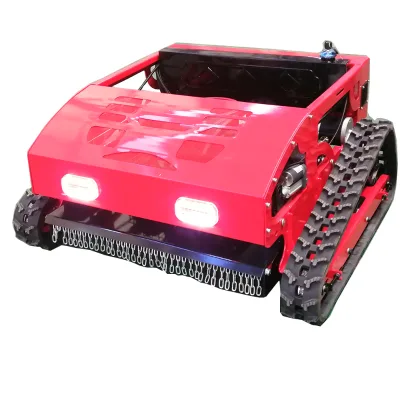
Mounted Lawn Mower /Heavy Duty 16 HP Cordless Lawn Mower
$2200.00 - $2800.00
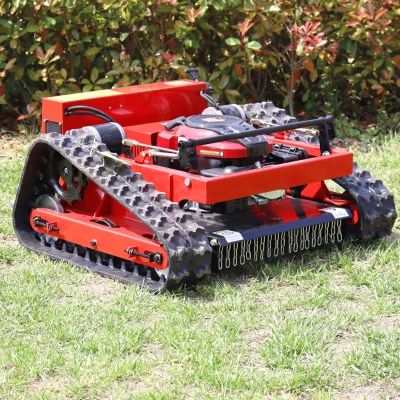
High-Efficiency Lawn Mower - a Great Helper That Saves Time and Effort
$922.1898 - $1024.6553
MOQ: 1 sets

Bolang Robot Technology Co., Ltd.
- Verified by SGS
- Combined
- China Fujian
- Lead time30 days
- Avg. response≤ 2h
Main marketsDomestic,Australia
Yucheng Restone Machinery And Equipment Co., Ltd.
- Trading Company
- Shandong, China
- Lead time10 days
- Avg. response≤ 2h
Main productsagricultural machinery,forestry machinery,food processing machinery,feed machinery,spare parts and other products
Main marketsAfrica(40.00%), South America(20.00%), Eastern Europe(10.00%), North America(5.00%), Domestic Market(5.00%), South Asia(4.00%), Eastern Asia(3.00%), Northern Europe(3.00%), Southern Europe(2.00%), Mid East(2.00%), Central America(2.00%), Southeast Asia(2.00%), Western Europe(1.00%), Oceania(1.00%)
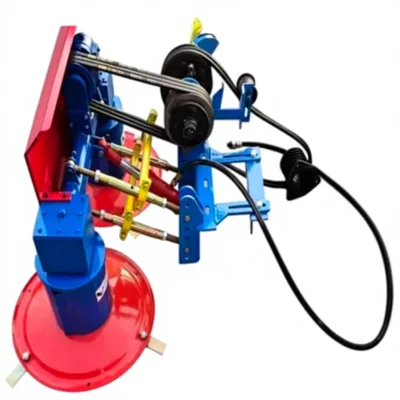
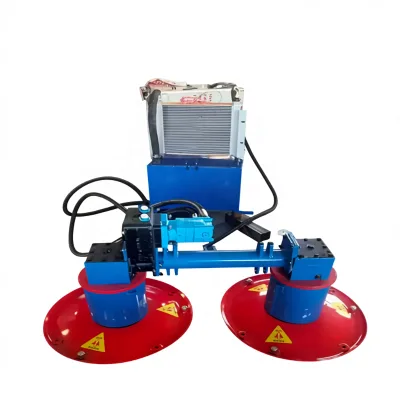
Double-disc Front-mounted Lawnmower, Specially Designed for Orchards and Greenhouses.
$1571.4283
MOQ: 1 Minimum
Jining Shengheng Heavy Industry Machinery Co., Ltd.
- Manufacturer
- Shandong, China
- Lead time3 days
- Avg. response≤ 2h
Main productsDismantling equipment,Mowing and logging,Road maintenance,Drilling machine,Loading and unloading screening
Main marketsSouth America(20.00%), Mid East(15.00%), Western Europe(15.00%), Eastern Europe(15.00%), North America(15.00%), Africa(12.00%), Domestic Market(8.00%)

Shandong Yuntai Machinery Co., Ltd.
- Verified by BV
- Combined
- China Shandong
- Lead time30 days
- Avg. response≤ 16h
Main productsDisc Plough, Disc Harrow, Disc Blade, Trailer, Cultivator, Agricultural Spare Parts, Plough Disc, Harrow Disc, Tractor Trailer, Ox Plough
Main marketsSouth America,Africa,Southeast Asia/ Mideast,Europe,Australia,North America










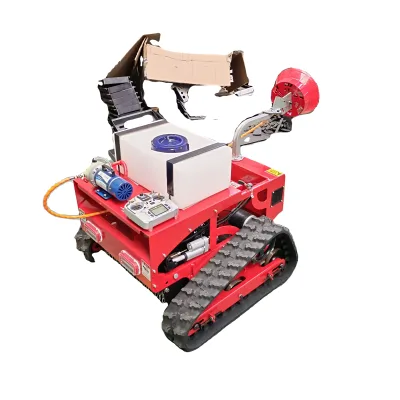


Comprehensive Sourcing Guide
Engine Side-Hung Mower Supplier Concentration and Factory Types
The current supplier landscape for engine side-hung mowers reveals a distinct concentration of manufacturing and trading entities within specific Chinese provinces, primarily Henan and Zhejiang. Suppliers located in Henan, China, often operate as trading companies that aggregate products from local industrial bases, offering a streamlined interface for international buyers seeking diverse inventory without managing multiple factory relationships. These entities typically list main products that include brush cutters, farm cultivators, mini weeders, and walking tractors, indicating a broad capability in small agricultural machinery rather than specialized single-product focus. In contrast, suppliers based in Zhejiang, China, are frequently identified as manufacturers with direct control over production lines, specializing in gasoline lawn mowers, ride-on mowers, and lawn edgers. This geographic split suggests that buyers can choose between the flexibility and breadth of trading companies in Henan or the direct manufacturing oversight and potentially lower base costs associated with manufacturers in Zhejiang. Understanding this regional and structural distinction is crucial for aligning procurement strategy with business needs, whether prioritizing product variety and trading support or direct factory engagement and specialized production capabilities.
Supplier types also vary significantly in their operational models, ranging from pure trading companies to combined entities that offer both OEM and ODM services. Some suppliers in the results are classified as combined companies, indicating they may have their own brand presence while also accepting custom orders from other businesses. This hybrid model can be advantageous for buyers looking to establish their own brand identity without the overhead of setting up a full manufacturing operation. Meanwhile, trading companies may offer faster response times and more flexible communication channels, which can be beneficial for smaller orders or initial market testing. Manufacturers, on the other hand, might provide more detailed technical specifications and customization options but could have longer lead times due to production scheduling. The presence of suppliers with different company types allows buyers to tailor their sourcing approach based on their volume requirements, brand strategy, and need for technical support. It is essential to evaluate each supplier’s specific classification to determine if their operational model aligns with the buyer’s long-term sourcing goals and risk tolerance.
How to Verify Engine Side-Hung Mower Suppliers
Verifying the legitimacy and capability of engine side-hung mower suppliers requires a careful examination of the product evidence and technical documentation provided in their listings. Buyers should prioritize suppliers who offer detailed machinery test reports and video outgoing inspections, as these serve as tangible proof of quality control processes. For instance, specific product listings for high-performance side-hung mowers explicitly state that machinery test reports are provided, which is a strong indicator of a supplier’s commitment to quality assurance. Additionally, the availability of video inspections allows buyers to visually verify the assembly and functionality of the equipment before shipment, reducing the risk of receiving defective or non-compliant products. This level of transparency is particularly important for mechanical products like mowers, where engine performance and structural integrity are critical. Buyers should actively request these documents during the inquiry phase and treat their absence as a potential red flag, indicating a lack of rigorous quality control or an attempt to obscure product deficiencies.
Beyond technical documentation, verifying a supplier’s responsiveness and operational efficiency is key to assessing their reliability. The response time metric provides a quantitative measure of how quickly a supplier engages with potential buyers, with some suppliers demonstrating response times of around four to seven days. While a faster response time does not guarantee product quality, it often correlates with a more active and customer-focused sales team. Buyers should also look for suppliers who provide comprehensive product attributes, such as voltage specifications, core components, and warranty terms. For example, listings that clearly specify a 1-year warranty and 220V voltage indicate a standardized product offering with clear after-sales support policies. Suppliers that fail to provide these details may be less organized or may be selling generic, unverified products. By cross-referencing technical evidence with operational metrics, buyers can build a more accurate profile of each supplier’s reliability and suitability for their specific sourcing needs.
What to Compare Across Engine Side-Hung Mower Suppliers
When evaluating multiple suppliers for engine side-hung mowers, buyers must compare key commercial and logistical dimensions to identify the most suitable partner. Lead time is a critical factor, with some suppliers indicating a lead time of seven days, while others may have longer production cycles. A shorter lead time can be advantageous for buyers needing quick replenishment or those operating in markets with high demand volatility. However, buyers should also consider the minimum order quantity (MOQ) requirements, which can vary significantly. Some suppliers offer an MOQ of just one unit, making them ideal for small-scale testing or niche market entry, while others may require higher volumes to achieve economies of scale. Comparing these two metrics helps buyers determine which suppliers align with their inventory strategy and cash flow constraints. Additionally, the price range for similar products can differ, with some side-hung mowers priced between $55 and $65, reflecting variations in brand, component quality, and supplier type.
Another important aspect of comparison is the supplier’s main product focus and customization capabilities. Suppliers that list a wide range of agricultural machinery, such as brush cutters and farm cultivators, may offer better bundle pricing or integrated logistics solutions. In contrast, suppliers specializing in specific types of mowers might provide more specialized technical support and higher quality control for those specific models. Buyers should also assess the supplier’s ability to provide customization, such as OEM or ODM services, which can be crucial for brands looking to differentiate their products. The presence of certifications, such as CE, is another differentiator, indicating compliance with international safety and quality standards. By systematically comparing lead times, MOQs, prices, product ranges, and customization options, buyers can create a weighted scoring matrix to objectively rank suppliers. This data-driven approach reduces bias and ensures that the final selection is based on concrete, comparable facts rather than subjective impressions.
Common Engine Side-Hung Mower Sourcing Risks
One of the primary risks in sourcing engine side-hung mowers is the potential mismatch between product specifications and actual performance, particularly regarding engine power and durability. Listings may advertise high-performance engines, but without independent verification or detailed test reports, buyers cannot be certain of the actual output or longevity. For example, a product described as having a 1.5kw engine might perform differently under load than advertised, leading to customer dissatisfaction and returns. This risk is exacerbated when dealing with trading companies that may not have direct oversight of the manufacturing process. Buyers must be vigilant in requesting detailed technical specifications and, if possible, third-party testing results to validate the claims made in product listings. Failure to do so can result in receiving products that do not meet the required performance standards, damaging the buyer’s reputation in their local market.
Another significant risk is the variability in warranty and after-sales support. While some suppliers explicitly offer a 1-year warranty, the practical implementation of this warranty can vary widely. Buyers need to clarify the terms of the warranty, including what components are covered, the process for claiming repairs or replacements, and who bears the cost of shipping defective parts. In some cases, suppliers may offer a warranty on paper but lack the infrastructure to support it effectively, leaving buyers with non-functional equipment and no recourse. Additionally, the risk of intellectual property infringement exists, especially when dealing with suppliers that offer OEM services. Buyers must ensure that their brand designs and specifications are protected and that the supplier is not producing identical products for competitors. Mitigating these risks requires thorough due diligence, clear contractual agreements, and ongoing monitoring of supplier performance throughout the relationship.
Engine Side-Hung Mower Regional Sourcing and Logistics
Sourcing engine side-hung mowers from different regions in China involves distinct logistical considerations that can impact cost and delivery speed. Suppliers located in Henan, China, may benefit from established industrial clusters for agricultural machinery, potentially offering competitive pricing and efficient local supply chains. However, buyers should verify the specific port of shipment and associated freight costs, as inland locations may incur additional transportation fees to reach major seaports. On the other hand, suppliers in Zhejiang, China, are often situated in coastal provinces with direct access to major shipping hubs, which can simplify logistics and reduce transit times for international shipments. The choice of region can also influence the type of packaging used, with some suppliers providing steel crates for heavy-duty equipment, which offers superior protection during transit but adds to the overall weight and shipping cost.
Logistical planning must also account for the physical dimensions and weight of the products, as these factors directly affect freight charges. For instance, a side-hung mower with a single package size of 60x40x55 cm and a gross weight of 50 kg will have different shipping requirements compared to a larger model with dimensions of 120x50x80 cm and a weight of 80 kg. Buyers should request detailed packing information from suppliers to accurately calculate freight costs and determine the most efficient shipping method, whether by sea or air. Additionally, the lead time for production and the time required for customs clearance should be factored into the overall delivery timeline. Suppliers with shorter lead times and efficient logistics networks can help buyers maintain consistent inventory levels and respond quickly to market demands. By carefully evaluating regional advantages and logistical details, buyers can optimize their supply chain for cost-efficiency and reliability.
Engine Side-Hung Mower Commercial Terms and Order Planning
Effective order planning for engine side-hung mowers requires a clear understanding of commercial terms, including payment structures, pricing tiers, and inventory management strategies. Buyers should negotiate payment terms that balance risk and cash flow, such as using escrow services for initial orders to ensure product quality before releasing full payment. The price range for side-hung mowers can vary based on order volume, with some suppliers offering discounts for larger quantities. Understanding these pricing tiers allows buyers to plan their budgets more accurately and identify opportunities for cost savings through bulk purchasing. Additionally, buyers should consider the total cost of ownership, including shipping, insurance, and potential tariffs, to determine the true profitability of each supplier option. This holistic view of costs helps in making informed decisions that align with the buyer’s financial goals and market positioning.
Inventory planning should also take into account the supplier’s production capacity and lead times to avoid stockouts or excess inventory. Suppliers with a lead time of seven days may allow for more frequent, smaller orders, reducing the need for large safety stocks. In contrast, suppliers with longer lead times may require buyers to maintain higher inventory levels to buffer against production delays. Buyers should establish a reorder point based on historical sales data and supplier reliability to ensure continuous product availability. Furthermore, buyers should plan for product lifecycle management, including the introduction of new models and the phase-out of older ones. By maintaining open communication with suppliers and staying informed about product updates, buyers can optimize their inventory mix and respond to changing market trends. This proactive approach to order planning minimizes risks and maximizes operational efficiency in the sourcing of engine side-hung mowers.
FAQs
What is the price range for engine side-hung mowers?
Engine side-hung mowers are available from $55 to $65 for basic models and up to $1,199 for heavy-duty tractor-mounted units. Prices vary based on power, cutting width, and whether the unit is a standalone engine mower or a PTO-driven implement. Buyers should check specific product listings for exact pricing tiers.
What is the minimum order quantity for these mowers?
Minimum order quantities vary by supplier and product type. Some suppliers offer a minimum order of just one unit for standalone engine mowers, while others require a minimum of five units for larger tractor-mounted flail or disc mowers. Always verify the MOQ on the specific product page before placing an order.
How long does delivery take for these machines?
Lead times depend on the supplier and location. Some suppliers in Henan offer a lead time of seven days, while manufacturers in Jiangsu may require up to thirty days for production. Response times also vary, with some suppliers replying within four hours and others taking up to seven days.
Are these mowers certified for international markets?
Certification availability varies by manufacturer. Some tractor-mounted mowers from Jiangsu suppliers carry CE certification and meet CE standards. Other standalone engine mowers may not list specific certifications in their basic product attributes. Buyers should request test reports or certification documents directly from the supplier to ensure compliance with local regulations.
What warranty is provided for engine side-hung mowers?
Many engine-powered side-hung mowers come with a one-year warranty covering core components like the engine. Ride-on mowers may also offer a twelve-month warranty. Warranty terms can vary, so buyers should confirm the specific coverage period and conditions for the engine and chassis with the supplier before purchasing.
Where are these mowers manufactured?
Engine side-hung mowers are primarily manufactured in China, with key production hubs in Henan and Jiangsu provinces. Some suppliers are located in Zhejiang. The place of origin is clearly stated in product attributes, helping buyers assess logistics costs and supply chain reliability for their specific sourcing needs.