Source Engine Side-Hung Mower for Golf Courses, Farms, and Forests
Find 30 engine side-hung mower options from verified Chinese suppliers. Compare specifications like cutting width, engine displacement, and certifications to select the right equipment for golf courses, farms, and forest lawns; compare the available evidence and request quotations based on your requirements.
Updated
Key considerations
Products List

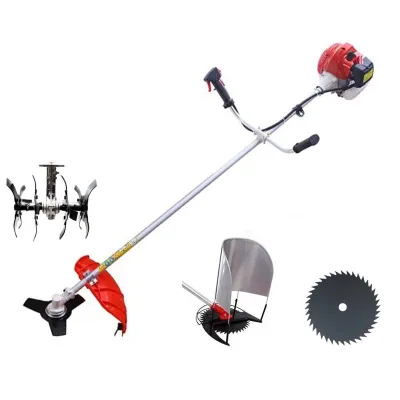
High-Performance 1.5kw Engine Side-Hung Mower with 1 Year Warranty-Cut Faster & Smoother
$55.00 - $65.00
MOQ: 1 kilograms
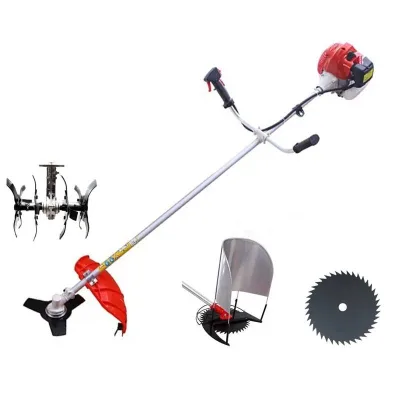
Powerful Side -Mount Mower with High-Torque Engine for Thick Grass Trimming
$55.00 - $65.00
MOQ: 1 kilograms
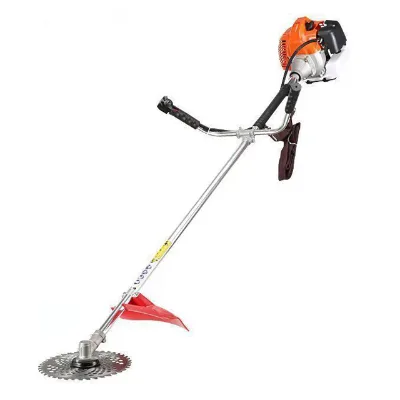
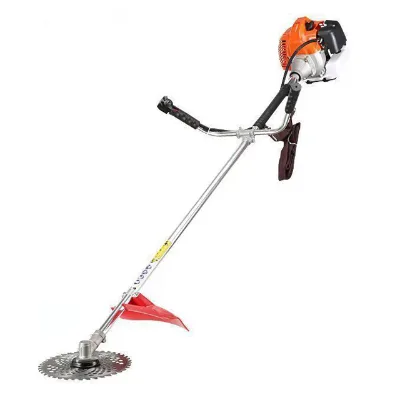
Side-Mount Mower Engine-Powered 1.5kW 1 Year Warranty-Tackle Large Yards Without the Hassle
$55.00 - $65.00
MOQ: 1 kilograms
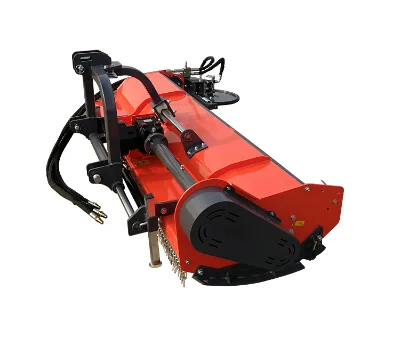
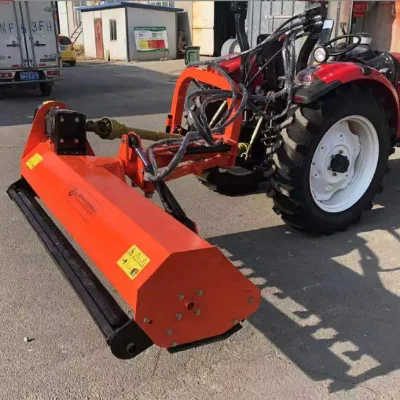
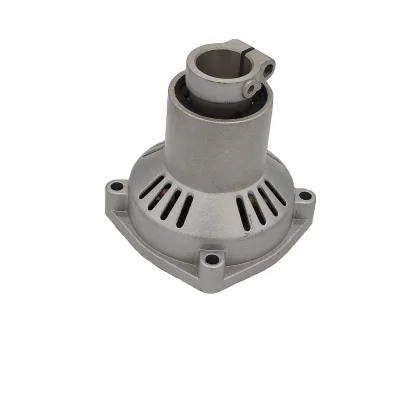

Lawn Mower with Hydraulic Side Shift 1220mm Working Width (EFGCH125M)
$599.00 - $1199.00
MOQ: 5 Pieces

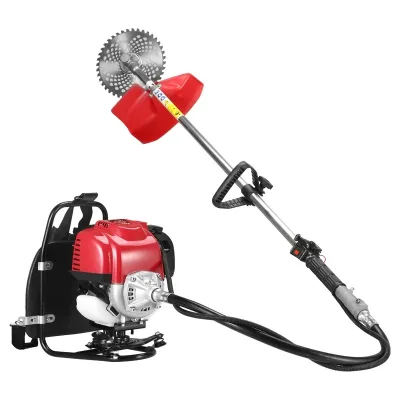

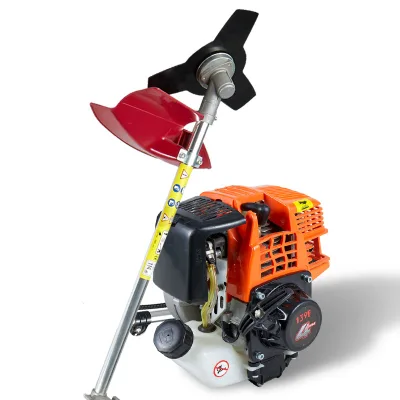
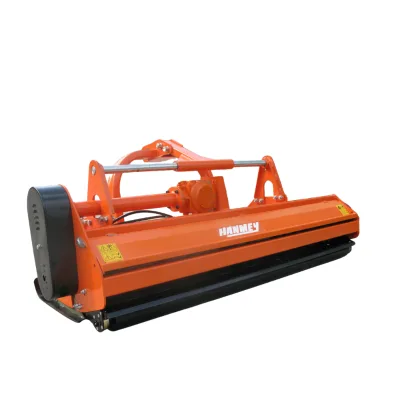


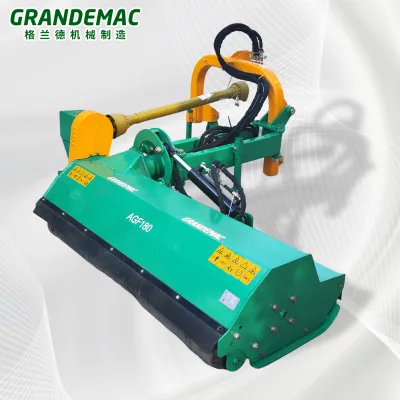
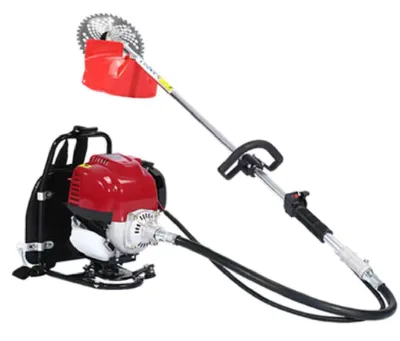

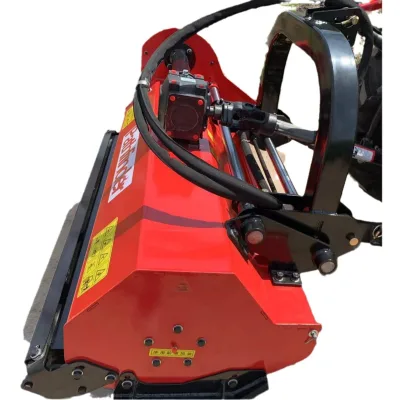
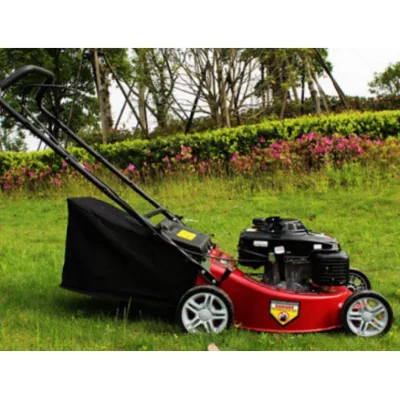
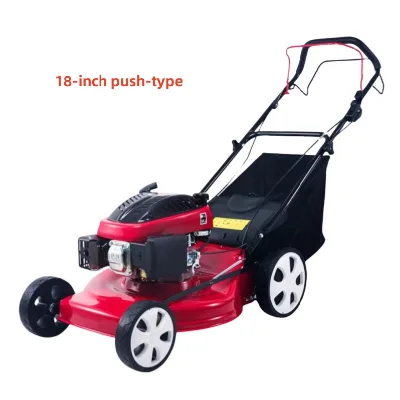
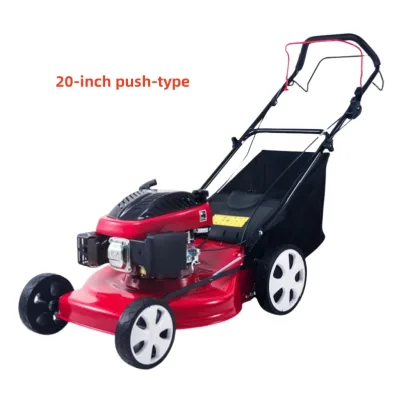
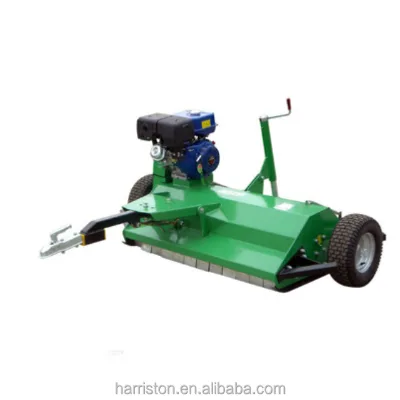
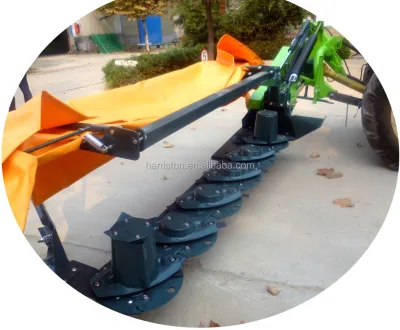
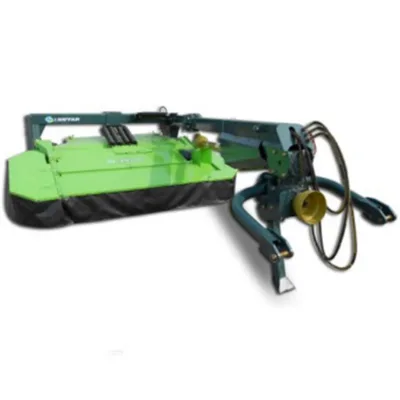

Field Mower Agruiculture Machine
$800.00 - $1000.00
MOQ: 1 Pieces
Shandong Liying Agricultural Technology Development Co., Ltd.
Comprehensive Sourcing Guide
Engine Side-Hung Mower Sourcing Guide
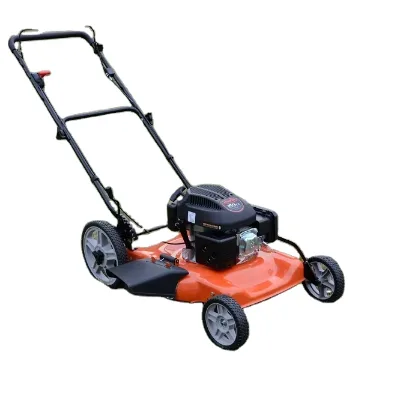
Procuring an engine side-hung mower requires careful evaluation of mechanical configurations and operational suitability for large-scale turf management. Buyers must distinguish between rotary and reel cutting mechanisms, as the observed market data indicates a prevalence of rotary lawn mowers with swing straight metal blades. These machines are typically designed for truncated type mowing requirements, making them suitable for maintaining golf courses, soccer fields, rugby fields, common lawns, and forest lawns. The distinction between single-unit purchases and fleet acquisitions significantly impacts the total cost of ownership and logistical planning.
The power source remains a critical decision point, with petrol and gas engines dominating the current supplier listings. These internal combustion engines provide the necessary torque for self-propelled operation across varied terrains, including agricultural use cases. Buyers should verify the specific engine model, such as the Loncin LC2p83f, and confirm displacement metrics like 803cc to ensure adequate power delivery. Understanding the relationship between engine power, chassis weight, and cutting width is essential for matching the equipment to the specific acreage and terrain challenges of the intended application site.
Product Scope and Observed Listing Signals
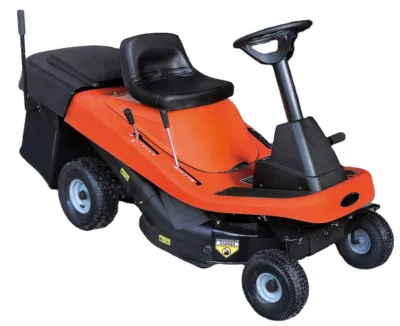
The current market presents a diverse range of riding mowers with cutting widths extending up to 106cm, often marketed under specific model designations like 42inch. These machines feature steel chassis and single-cylinder engines equipped with forced air cooling systems, ensuring durability and thermal management during extended operational periods. The inclusion of a grass box and side discharge mechanisms facilitates efficient debris removal, which is vital for maintaining high-quality turf aesthetics. Buyers should note that customization is available, allowing for tailored solutions that meet specific operational preferences or regional regulatory requirements.
Pricing signals indicate a wide variance, with observed ranges spanning from 2.54 USD to 8000 USD, reflecting differences in build quality, engine specifications, and included accessories. Minimum order quantities typically range from 1 to 100 units, offering flexibility for both individual facility managers and large-scale agricultural enterprises. The gross weight of these units varies significantly, with some models weighing around 50kg while others, particularly those with larger footprints, can exceed 480kg. This weight disparity directly influences shipping costs, handling equipment requirements, and the overall logistical complexity of the procurement process.
Technical Specifications to Verify
Verification of the cutting height adjustment mechanism is crucial, as observed specifications indicate a range of 2.5-9cm with a 12-gear setting. This adjustability allows operators to maintain optimal turf health across different seasons and grass types. The number of blades, often listed as two for certain models, impacts the uniformity of the cut and the frequency of maintenance required. Buyers must confirm the voltage requirements, with 220V systems being common for auxiliary components, and ensure that the power output, such as 1.5kw, aligns with the machine’s operational demands.
The single package size and gross weight are critical for logistics planning, with dimensions ranging from 60X40X55 cm for lighter units to 180X80X80 cm for heavier commercial models. Buyers should verify the core components, particularly the engine, as it is the primary driver of performance and longevity. The machinery test report is provided by suppliers, offering insight into factory-level quality assurance. Understanding the single gross weight, which can be 50kg or 80kg for specific configurations, helps in calculating accurate freight costs and warehouse storage requirements.
Compliance and Safety Documentation
Certification status is a non-negotiable aspect of procurement, with CE and EPA certifications frequently listed for these engine side-hung mowers. These certifications indicate compliance with European and American environmental and safety standards, which is essential for importing machinery into regulated markets. Buyers must request valid certification documents to verify that the specific model meets local emissions and noise regulations. The absence of these certifications can lead to customs delays, fines, or the inability to operate the equipment legally in certain jurisdictions.
Warranty terms and after-sales support structures are equally important for long-term operational continuity. A standard one-year warranty is commonly offered, covering defects in materials and workmanship. Buyers should clarify the scope of coverage, including whether it extends to the engine and other core components. After warranty service options, such as video technical support and online support, provide a safety net for troubleshooting. Understanding the availability of spare parts and the responsiveness of technical support teams is vital for minimizing downtime during critical mowing seasons.
Cost Drivers and Commercial Terms
The supply ability of manufacturers, often cited as 300 units per month, influences lead times and pricing stability. Delivery times can extend up to 45 days, requiring buyers to plan their procurement cycles well in advance of the mowing season. The marketing type, such as new product releases from 2020, may affect pricing strategies and the availability of the latest technological features. Buyers should negotiate clear terms regarding payment schedules, shipping responsibilities, and risk transfer points to mitigate financial exposure.
Key selling points like high productivity and long service life justify the initial investment but require verification through independent testing or user reviews. The place of origin, primarily Henan and Jiangsu in China, offers competitive manufacturing costs but necessitates rigorous quality control checks. Buyers should consider the total cost of ownership, including fuel consumption, maintenance, and potential repair costs. Understanding the economic implications of different engine brands and chassis constructions helps in making informed decisions that balance upfront costs with long-term operational efficiency.
Supplier Qualification and Quality Control
Supplier qualification involves assessing the manufacturer’s production capacity, quality management systems, and track record in the global market. Buyers should request machinery test reports and verify the authenticity of provided certifications. The brand name, such as BSM or Kavan, may indicate different tiers of quality and service support. Conducting due diligence on the supplier’s financial stability and reputation ensures a reliable partnership. Engaging with suppliers who offer comprehensive technical documentation and transparent communication channels reduces the risk of procurement errors.
Quality control measures should be implemented at various stages of the manufacturing and shipping process. Buyers may consider third-party inspections to verify that the delivered units match the agreed specifications, including cutting width, engine displacement, and package dimensions. The wooden box package provides protection during transit, but buyers should inspect for damage upon arrival. Establishing clear acceptance criteria and inspection protocols helps in identifying defects early and holding suppliers accountable for product quality.
Long-Term Procurement Checks
Long-term success depends on the availability of spare parts and the supplier’s commitment to ongoing support. Buyers should verify the lead time for critical components like blades, belts, and engine parts to ensure minimal downtime. The warranty period is just the beginning; understanding the cost and availability of post-warranty services is crucial. Suppliers offering video technical support and online assistance provide valuable resources for troubleshooting and maintenance guidance. Building a strong relationship with the supplier can lead to better pricing and priority service during peak seasons.
Continuous evaluation of the mower’s performance in real-world conditions is essential for future procurement decisions. Buyers should monitor fuel efficiency, cutting quality, and mechanical reliability over time. Feedback from operators on ease of use, maneuverability, and maintenance requirements provides valuable insights for selecting subsequent models. Staying informed about industry trends and technological advancements ensures that the procurement strategy remains aligned with operational goals. Regularly reviewing supplier performance and market offerings helps in maintaining a competitive edge in turf management operations.
FAQs
What is the cutting width of the BSM riding mower?
The BSM riding mower features a cutting width of 106cm, which is equivalent to a 42-inch model. This wide cutting path is designed for efficient coverage of large areas exceeding 5000 square meters. It utilizes a swing straight metal blade to ensure consistent trimming performance across various terrain types.
Can the engine side-hung mower be customized for specific needs?
Yes, customization is available for this engine side-hung mower to meet specific operational requirements. Buyers can tailor certain attributes to suit their particular mowing applications. This flexibility allows for adjustments that align with unique landscape management needs, ensuring the equipment integrates seamlessly into existing workflows.
What certifications does the BSM mower hold for safety?
The BSM mower holds CE and EPA certifications, ensuring compliance with international safety and environmental standards. These certifications verify that the machinery meets rigorous regulatory requirements for operation in various markets. Buyers can rely on these documented standards for peace of mind regarding equipment safety and emissions compliance.
What is the warranty period for the engine side-hung mower?
The engine side-hung mower comes with a 1-year warranty covering core components and general functionality. This warranty provides assurance for the initial period of operation. After the warranty expires, buyers can access video technical support and online assistance to maintain the equipment effectively and address any operational queries.
How is the mower packaged for international shipping?
The mower is packaged in a wooden box to ensure safe transit. The single package size varies, with dimensions such as 60x40x55 cm or 120x50x80 cm depending on the specific configuration. This robust packaging protects the machinery from damage during logistics, ensuring it arrives in optimal condition for immediate deployment.
What is the minimum order quantity for the Kavan mower?
The minimum order quantity for the Kavan mower is 2 units. This MOQ allows buyers to procure multiple units for larger projects or fleet expansion. The supplier offers a supply ability of 300 units per month, ensuring that bulk orders can be fulfilled within a reasonable timeframe for commercial operations.