Automatic Weighing and Packaging Machine Suppliers and Manufacturers
Source 37 Automatic Weighing and Packaging Machine suppliers from China. Compare key dimensions including location, lead time, MOQ, response time, and certifications. Verify capabilities and request quotes directly to streamline your procurement process effectively; review the available evidence before requesting comparable quotations from suitable candidates.
Updated
Suppliers List

Qingdao Tune Machinery Co., Ltd.
- Manufacturer/Factory
- China Shandong
- Lead time23 days
- Avg. response≤ 8h
Main productsFrozen French Fries Production Line, Potato Chips Production Line, Fruit and Vegetable Processing Equipment, Meat Food Processing Equipment, Frying Machine
Main marketsSouth America,Eastern Europe,Mid East,North America,Southeast Asia,Eastern Asia,Oceania,Western Europe,Africa


Good Quality Weighing and Packaging Automatic Vertical Packing Machine
$3500.00 - $25000.00
MOQ: 1 Sets


Ningbo D & R Machinery Co., Ltd.
- Verified by BV
- Combined
- China Zhejiang
- Lead time120 days
- Avg. response≤ 22h
Main productsCandy Machine, Candy Making Machine, Chocolate Machine, Layer Cake and Swiss Roll Plant, Starch Mogul Plant, Lollipop Machine, Hard Candy Machine, Candy Packing Machine, Candy Bar Production Line, Jelly Candy Depositing Machine
Main marketsAfrica,Southeast Asia/ Mideast,Europe,North America
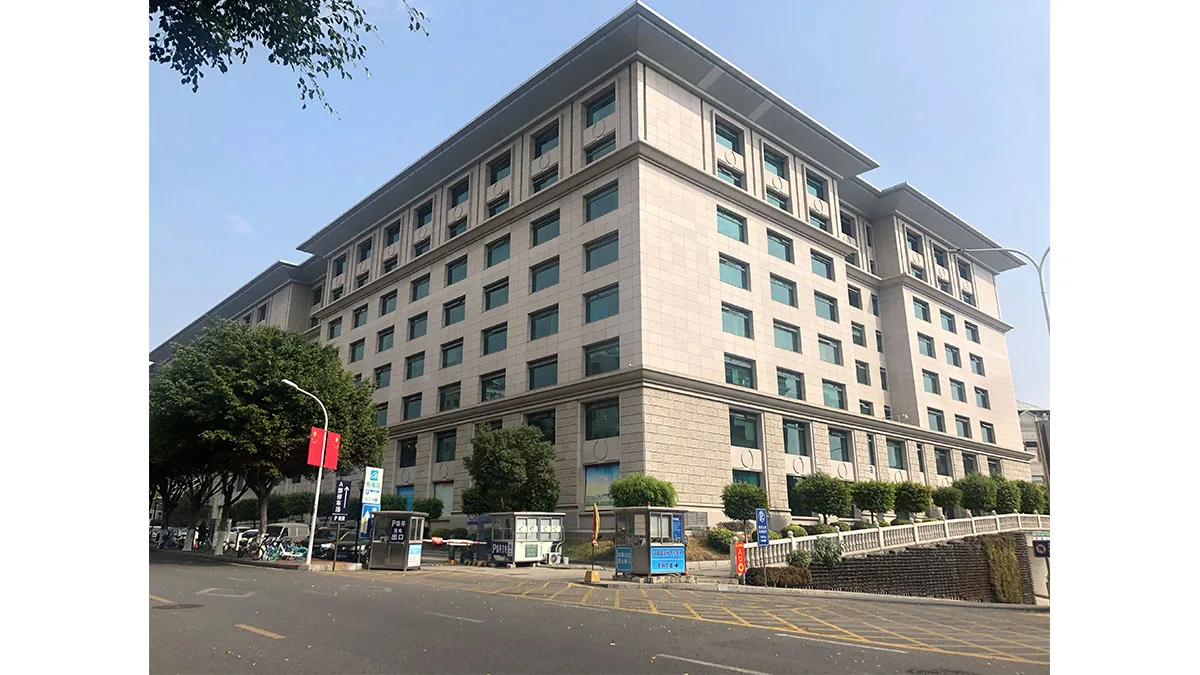
Xiamen Buyfook Machinery Co., Ltd.
- Manufacturer, Trading Company, Distributor/Wholesaler
- Fujian, China
- Lead time7 days
- Avg. response≤ 2h
Main productsPackaging machine,Quarrying tools,Mining machine,Flling machine,DTH drill bits
Main marketsAfrica(15.00%), Northern Europe(10.00%), Southern Europe(10.00%), Domestic Market(10.00%), Eastern Asia(10.00%), South America(10.00%), South Asia(5.00%), Southeast Asia(5.00%), Western Europe(5.00%), Eastern Europe(5.00%), Mid East(5.00%), Oceania(4.00%), Central America(4.00%), North America(2.00%)
Jastec (Shanghai) Technology Co.,Ltd.
- Trading Company
- Shanghai, China
- Lead time45 days
- Avg. response≤ 5h
Main productsSpray Dryer,Vacuum freeze dryer,Fluid bed dryer,Mixer,Grinder
Main marketsEastern Europe(20.00%), Southern Europe(10.00%), Southeast Asia(10.00%), Western Europe(10.00%), North America(10.00%), South Asia(5.00%), Northern Europe(5.00%), Central America(5.00%), Eastern Asia(5.00%), Domestic Market(5.00%), Mid East(5.00%), Oceania(5.00%), Africa(3.00%), South America(2.00%)

SHANGHAI GUANBO MACHINERY EQUIPMENT CO., LTD.
- Combined
- China Shanghai
- Lead time30 days
- Avg. response≤ 19h
Main productsGrab Buckets, Container Spreader, Hopper, Deck Crane, Hydraulic Crane, Bagging Machine Unit
Main marketsSouth America,Africa,Southeast Asia/ Mideast,East Asia(Japan/ South Korea),Domestic,Europe,Australia,North America
Foshan City Excellent Guan Can Electromechanical Co., Ltd.
- Manufacturer
- Guangdong, China
- Lead time15 days
- Avg. response≤ 7h
Main productsIndustrial weighing equipment,Batching and weighing equipment,Automatic packaging and weighing equipment,Robot palletizer,Large bag ton bag packaging equipment
Main marketsSouthern Europe(15.00%), Domestic Market(10.00%), Northern Europe(10.00%), Western Europe(10.00%), Oceania(10.00%), Africa(5.00%), South Asia(5.00%), North America(5.00%), Central America(5.00%), Southeast Asia(5.00%), Eastern Europe(5.00%), Eastern Asia(5.00%), Mid East(5.00%), South America(5.00%)

Guangdong Coretamp Packaging Technology Co., Ltd
- Verified by TUVRHEINLAND
- Combined
- China Guangdong
- Lead time23 days
- Avg. response≤ 5h
Main productsMulti Lane Sachet Packaging Machine, Sachet Packaging Machine, Vertical Form Fill Seal Machine, Premade Doypack Packing Machine, Cartoning. Case Packing & Palletizing Lines
Main marketsSoutheast Asia/ Mideast,North America
Henan Cyril Machinery Equipment Co., Ltd
- Trading Company
- He'nan, China
- Lead time10 days
- Avg. response≤ 4h
Main productsFilling Machine, Labeling Machine, Capping Machine, Packaging Machine, Coding Machine
Main marketsDomestic Market(40.00%), South America(15.00%), Mid East(10.00%), North America(5.00%), Western Europe(5.00%), Central America(5.00%), Southeast Asia(5.00%), South Asia(3.00%), Eastern Asia(2.00%), Oceania(2.00%), Southern Europe(2.00%), Northern Europe(2.00%), Africa(2.00%), Eastern Europe(2.00%)
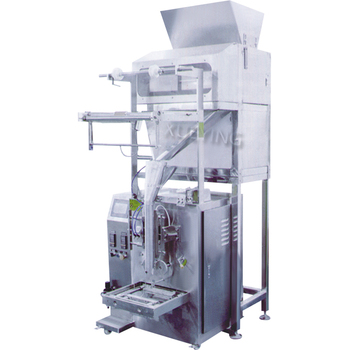
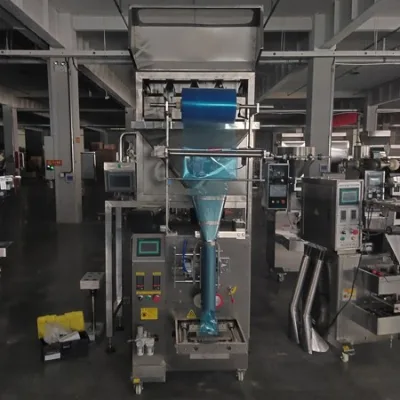
complete equipment Four-head Weighing Automatic Quantitative Sub-packaging Machine Packaging
$8900.00 - $9000.00
MOQ: 1 bags
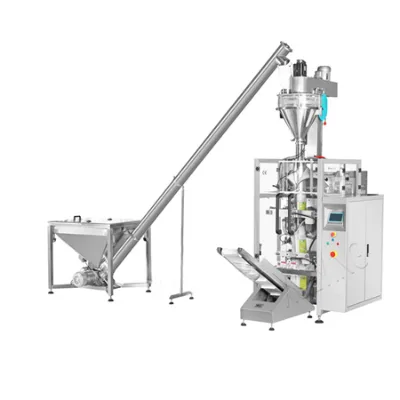
Small Open Bag Quantitative Automatic Weighing Scale Packaging Machine
$6200.00 - $6500.00
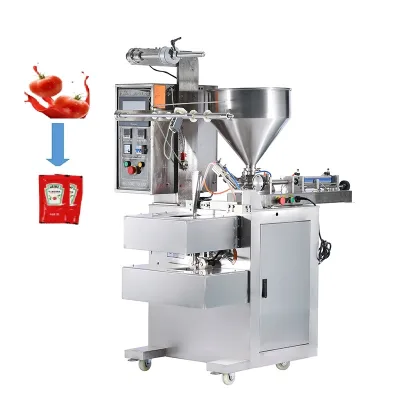
- Verified by SGS Group
- Manufacturer, Trading Company
- Jiangsu, China
- Lead time30 days
- Avg. response≤ 2h
Main productsLabeling Machine, Filling Machine, Capping Machine, Sealing Machine, Coding Machine
Main marketsNorth America(30%), Eastern Europe(10%), Mid East(10%)

Shanghai Glzon Equipment Co., Ltd.
- Verified by BV
- Combined
- China Shanghai
- Lead time30 days
- Avg. response≤ 3h
Main productsFilling Machine
Main marketsDomestic

Taizhou Macgo Machinery Co., Ltd.
- Trading Company,Manufacturer/Factory
- China Zhejiang
- Lead time60 days
- Avg. response≤ 25h
Main productsChocolate Machine, Mulifunction Packing Machine, Food Processing and Packing Line, Candy Machine, Cereal Bar Line, Snack Food Production Line, Biscuit Packing Line, Flow Packing Machine, Vertical Form Fill Seal Machine, Soup Cubes Processing Line
Main marketsSouth America,Mid East,North America,Southeast Asia,Eastern Asia,Western Europe,Africa

Quanzhou Shunkai Automation Equipment Co., Ltd
- Verified by CTI
- Combined
- China Fujian
- Lead time15 days
- Avg. response≤ 2h
Main productsPackaging Machinery
Main marketsDomestic


High-Precision Automatic Weighing and Filling Machine for Bulk Materials
$200.00 - $1000.00
MOQ: 1 Pieces
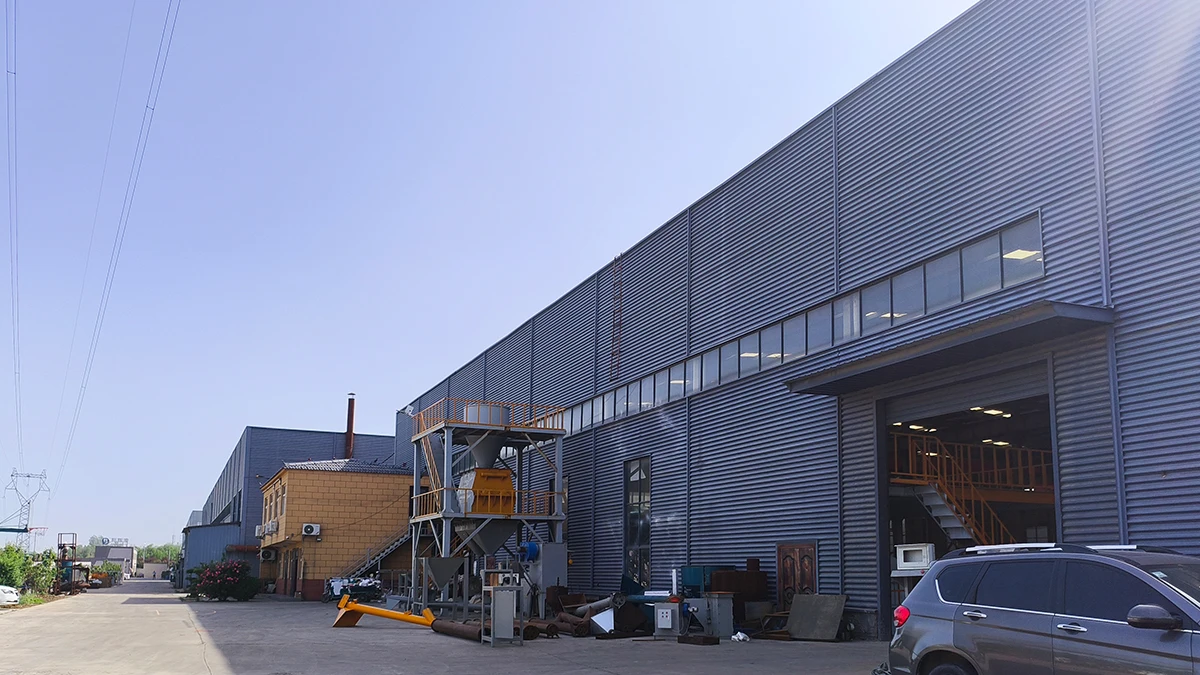
Luohe Ruihao Intelligent Equipment Co., Ltd.
- Trading Company
- Henan, China
- Lead time20 days
- Avg. response≤ 1h
Main productsMixing Equipment,Packing Machine,Dry Mortar Production Line,Feed Machinery,Food Machinery
Main marketsEastern Asia(10.00%), Mid East(10.00%), Western Europe(10.00%), Southeast Asia(10.00%), Eastern Europe(10.00%), South America(10.00%), North America(10.00%), Domestic Market(5.00%), South Asia(5.00%), Southern Europe(5.00%), Northern Europe(5.00%), Central America(5.00%), Africa(5.00%)
Bremetz (shandong) Machinery Co., Ltd.
- Manufacturer, Trading Company
- Shandong, China
- Lead time15 days
- Avg. response≤ 6h
Main productsPalletizer,depalletizer,truck bag loader,filling machine,Large production line
Main marketsNorth America(20.00%), Southeast Asia(15.00%), Africa(11.00%), Eastern Europe(11.00%), Mid East(9.00%), Southern Europe(8.00%), Western Europe(5.00%), Central America(5.00%), South America(5.00%), Oceania(4.00%), Eastern Asia(3.00%), Northern Europe(3.00%), South Asia(1.00%)

HEBEI BEIBU MACHINERY TECHNOLOGY CO., LTD.
- Verified by SGS
- Trading Company
- China Hebei
- Lead time15 days
- Avg. response≤ 4h
Main productsGrain Cleaning Machine, Agro Cleaning Machine, Sesame Cleaning Machine, Soybean Cleaning Machine, Oil Making Machine, Soybean Oil Machine, Sesame Oil Machine, Peanut Shelling Machine, Peanut Butter Making Machine, Sesame Peeling Machine
Main marketsSouth America,Africa,Southeast Asia/ Mideast,Europe,North America

Guangdong Kenwei Intellectualized Machinery Co., Ltd.
- Verified by BV
- Combined
- China Guangdong
- Lead time60 days
- Avg. response≤ 3h
Main productsMultihead Weigher, Multi Heads Weigher, Multi Function Packaging Machine, Packaging Machinery, Vffs, Food Packing Machine, Check Weigher, Metal Detector, Linear Weigher, Weighing and Packing System
Main marketsSouth America,Others(foreignTradeCapacity.exportBusinessCapacityMarketOther),Southeast Asia/ Mideast,East Asia(Japan/ South Korea),Europe,Australia,North America


Automatic Multi-Function Packing Machine Multihead Weigher for Food Packaging Machine
$20720.00 - $90000.00
MOQ: 1 Sets


Automatic Multi Function Packing Machine for Weighing Granule Filling Machine
$19620.00 - $24820.00
MOQ: 1 Pieces


ANHUI IAPACK MACHINERY CO., LTD.
- Verified by SGS
- Combined
- China Anhui
- Lead time30 days
- Avg. response≤ 3h
Main productsPacking Machine
Main marketsSoutheast Asia/ Mideast,Europe,North America
Jinan Guoqiang Machinery Co., Ltd.
- Verified by TüVRheinland
- Manufacturer, Trading Company
- Lead time20 days
- Avg. response≤ 2h
Main productsPackaging Machine
Main marketsNorth America(30%), Domestic Market(30%), Africa(20%)
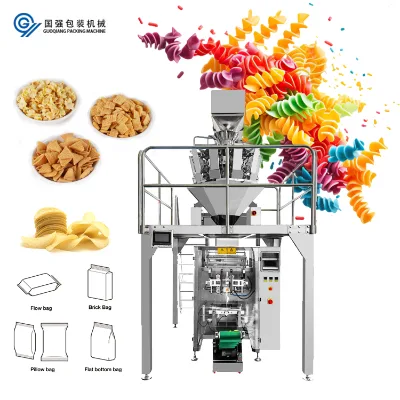
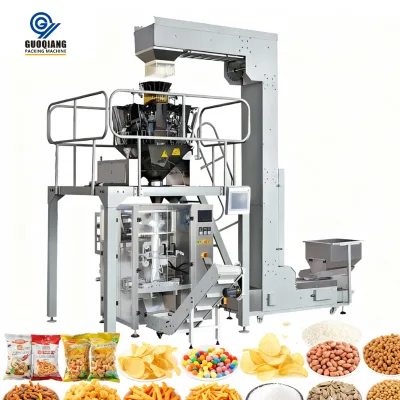
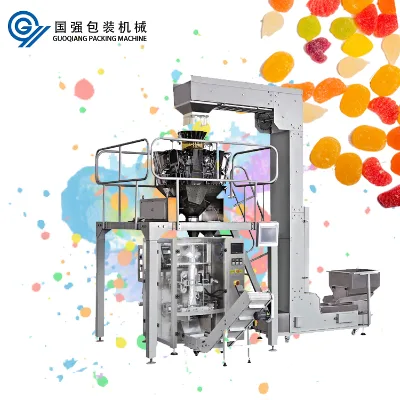
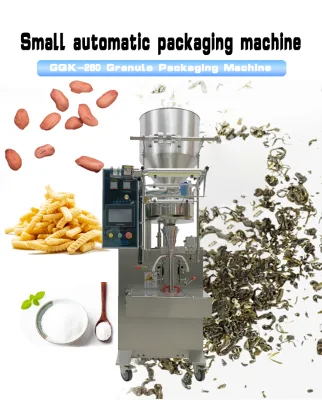
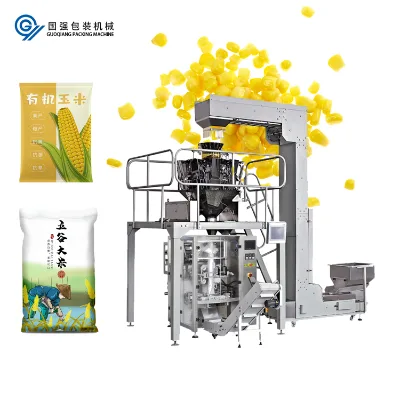
Automatic Weighing Counting Repacking Machine for Coffee Powder
$6000.00 - $6500.00
Foshan Jintian Packing Machinery Co., Ltd.
- Verified by TüVRheinland
- Manufacturer, Trading Company
- Lead time25 days
- Avg. response≤ 2h
Main productsPackaging Machine
Main marketsNorth America(20%), South America(10%), Western Europe(10%)
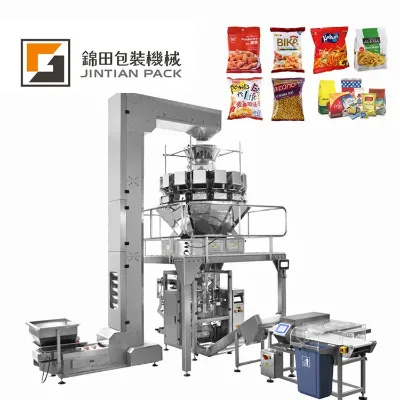
Fully Automatic Granular Packing 50g-1kg Pouch High Speed Avocado Weighing and Packaging Machine
$10000.00 - $14000.00
MOQ: 1 sets
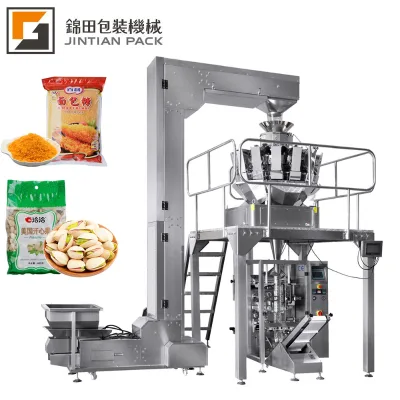
Ly Sinobiz Machinery Co., Ltd.
- Verified by TüVRheinland
- Trading Company
- Lead time15 days
- Avg. response≤ 4h
Main productsClean Room, Packing Machine, Liquid Filling Machine, Counting Machine, Cartoning Machine
Main marketsNorth America(40%), Western Europe(40%), Eastern Europe(5%)
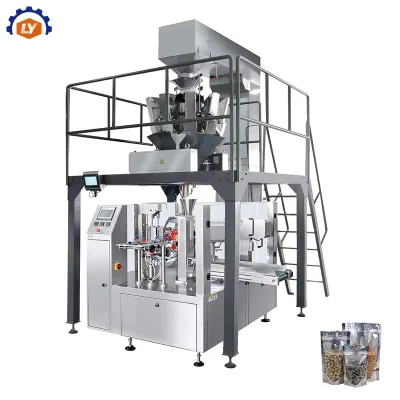
Weighing Filling Machines,granule Filling Packing Machine,Automatic Packaging Machine
$24111.5908 - $25650.6285
MOQ: 1 sets
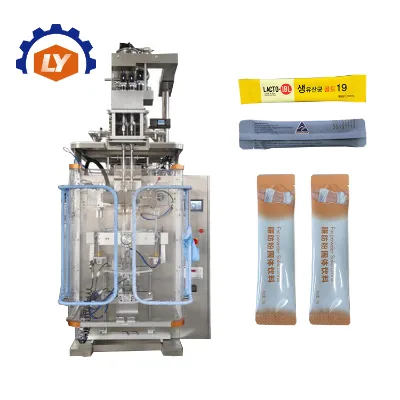

Jiangsu Qunshuo Heavy Industry Equipment Co., Ltd.
- Trading Company,Manufacturer/Factory
- China Jiangsu
- Lead time30 days
- Avg. response≤ 6h
Main productsContainer Spreader, Marine Offshore Crane, Port Pedestal Crane, Port Eco-Hopper, Bulk Grab Buckets
Main marketsSouth America,North America,Southeast Asia,Western Europe

Zhongshan Xianbang Intelligent Machinery Co., Ltd.
- Verified by TUVRHEINLAND
- Combined
- China Guangdong
- Lead time30 days
- Avg. response≤ 6h
Main productsZ-Type Bucket Elevator, Inclined Elevator, Fastback Horizontal Conveyor, Screw Conveyor, Belt Turning Machine, Single-Bucket Elevator, Vibratory Feeder, Horizontal Conveyor, Bowl-Type Elevator, Supporting Platform
Main marketsEurope

Toptic Tech (Zhongshan) Co.,Ltd.
- Trading Company,Manufacturer/Factory
- China Guangdong
- Lead time45 days
- Avg. response≤ 3h
Main productsMetal Detector, X-ray Inspection System, Inclined Conveyor, Vision Inspection System, Weight Sorting Machine, Check Weigher, Bowl-Type Elevator, Z-Type Bucket Elevator, Bowl Hopper Conveyor, Screw Conveyor
Main marketsSouth America,Eastern Europe,Mid East,North America,Southeast Asia,Eastern Asia,Oceania,Western Europe,Africa

Packing Machine Packaging Equipment Sealing Automatic Packaging Machine
$6000.00 - $8000.00
MOQ: 1 Pieces

Various Bag Type Packing Machine Fully Automatic with Multihead Weigher
$3280.00 - $7000.00
MOQ: 1 Pieces

Henan Xiwang Machinery Equipment Co., Ltd.
- Verified by SGS
- Trading Company
- China Henan
- Lead time23 days
- Avg. response≤ 4h
Main productsFood Machinery, Industrial Machinery, Commerical Equipment, Packaging Machinery, Agricultural Machinery, Snacks Machinery, Biscuit Machinery, Water/Beverage Production Line, Dairy Production Line, Packing Machine
Main marketsAfrica,Southeast Asia/ Mideast,Europe
- Verified by TüVRheinland
- Trading Company
- Lead time5 days
- Avg. response≤ 4h
Main productsFilling Machine, Packing Machine, Gummy Machine, Beverage Machine, Labeling Machine
Main marketsNorth America(50%), Western Europe(20%), South Asia(10%)
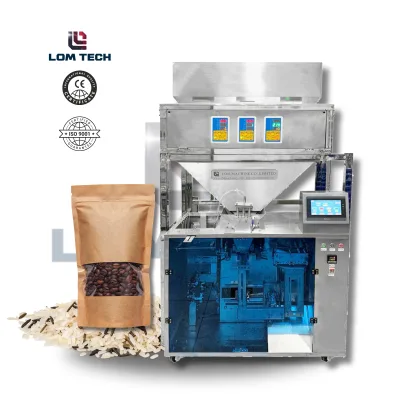
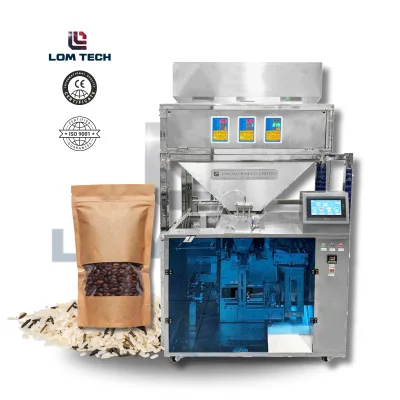
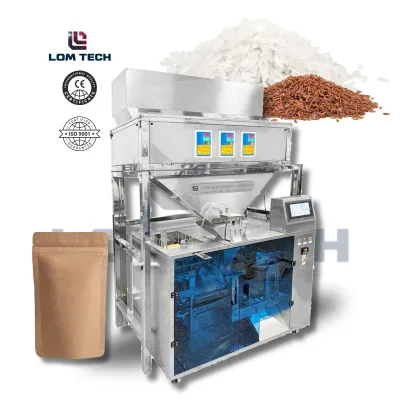
Automatic Weighing and Packing Machine for Rice Lentils Nuts and Other Granule Products
$6119.5936 - $7053.2491
MOQ: 1 sets
Zhengzhou Hento Machinery Co., Ltd.
- Verified by SGS Group
- Trading Company
- Lead time5 days
- Avg. response≤ 2h
Main productsMeat Processing Machinery, Egg Processing Machinery, Dairy Processing Machinery, Fruit and Vegetable Processing Machinery, Grain Product Making Machines
Main marketsSoutheast Asia(14%), Western Europe(12%), North America(10%)
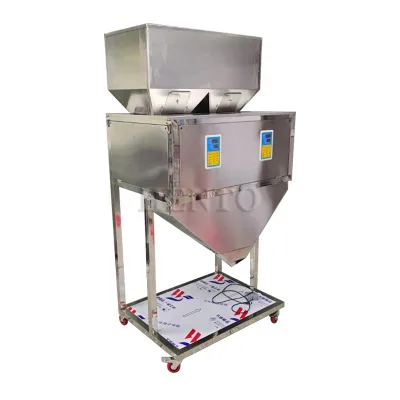
Good Quality Packing and Filling Machine / Weighing and Packing Machine / Food Packing Machinery
$686.8824 - $892.2283
MOQ: 1 sets
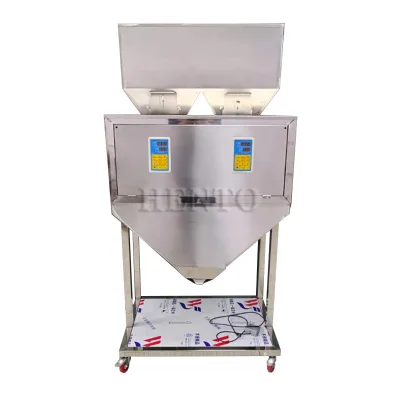
$686.4121 - $891.6171
MOQ: 1

Kaifeng Lecheng Machinery Co., Ltd.
- Verified by BV
- Trading Company,Manufacturer/Factory
- China Henan
- Lead time23 days
- Avg. response≤ 4h
Main productsSeed Cleaner, Vibration Cleaner, Gravity Separator, Gravity Table, Seed Treater, Packing Scale, Air Screen Seed Cleaner, De-Stoner, Soybean Cleaner, Bucket Elevator
Main marketsSouth America,Eastern Europe,Mid East,North America,Southeast Asia,Eastern Asia,Oceania,Western Europe,Africa
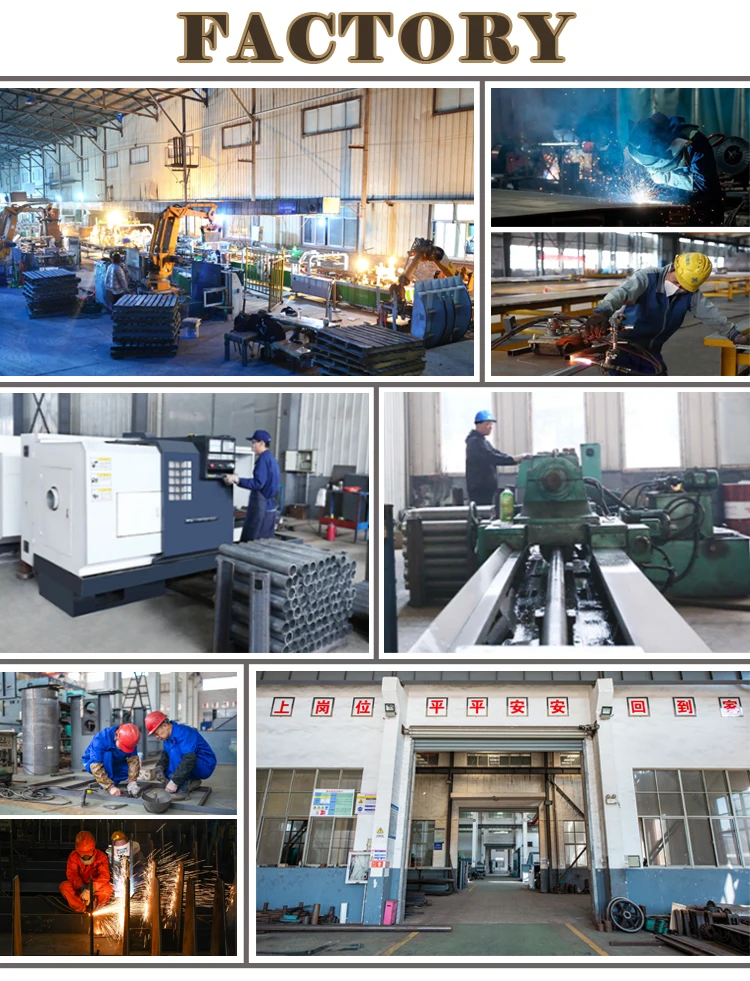
Zhengzhou Aden Machinery Equipment Co., Ltd.
- Trading Company
- Henan, China
- Lead time5 days
- Avg. response≤ 3h
Main productsSpider Crane,Coring Drilling Machine,spraying machine,Packing machine,Pile Driver
Main marketsMid East(30.00%), South America(20.00%), Africa(10.00%), Southeast Asia(10.00%), Southern Europe(9.00%), Eastern Europe(8.00%), Western Europe(8.00%), Northern Europe(3.00%), Central America(2.00%)
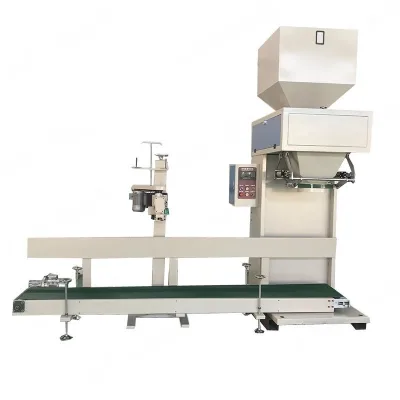
25 Kg Automatic Weighing and Packing Machine Miscellaneous Grain Metering Bagging Machine
$2188.00 - $3998.00
MOQ: 1 Minimum
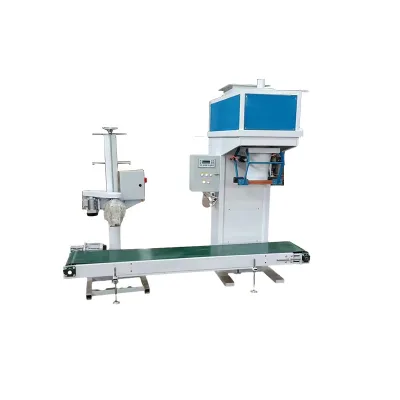
$2188.00 - $3998.00
MOQ: 1 Minimum

Shanghai Universal Pharmaceutical Machinery Co., Ltd.
- Trading Company,Manufacturer/Factory
- China Shanghai
- Lead time23 days
- Avg. response≤ 3h
Main productsPharmaceutical Machinery, Tablet Press, Tablet Coating Machine, Capsule Filling Machine, Blister Packing Machine, Pharmaceutical Machine, Horizontal Packing Machine, Drying Equipment, Packing Machine, Cartoning Machine
Main marketsSouth America,Eastern Europe,Mid East,North America,Southeast Asia,Eastern Asia,Oceania,Western Europe,Africa
Foshan Jike Bee Automation Equipment Co., Ltd.
- Verified by SGS Group
- Trading Company
- Lead time30 days
- Avg. response≤ 2h
Main productsPacking Machine, Filling Machine, Capping Machine, Labeling Machine, Cartoning Machine
Main marketsNorth America(30%), Southeast Asia(30%), Eastern Europe(20%)
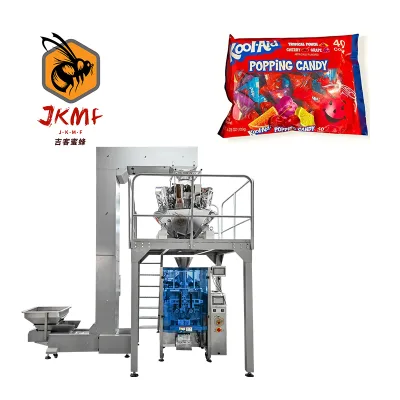
$13400.00 - $18500.00
MOQ: 1 sets
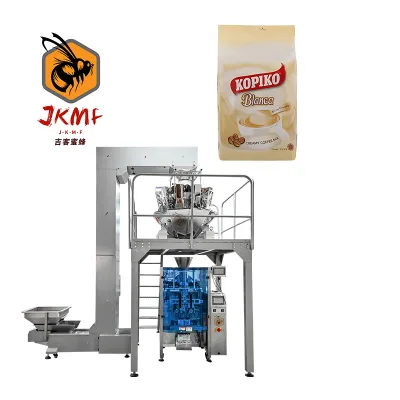
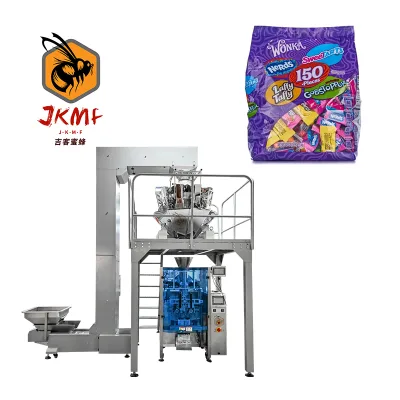
$13400.00 - $18500.00
MOQ: 1 sets

Anhui Peiyu Packaging Technology Co.,Ltd.
- Verified by TUVRHEINLAND
- Combined
- China Anhui
- Lead time60 days
- Avg. response≤ 2h
Main productsWrap Around Case Packer, Label Shrink Sleeve Machine, PE Film Shrink Wrapping Machine, Pet Food Machine, Sleeve Labeling Machine, Retort, Palletizer, OPP Labeller, Air Conveyor, Robot Palletizer
Main marketsSoutheast Asia/ Mideast,Domestic
Henan Jinfuda Trading Co., Ltd.
- Trading Company
- Lead time旺季: "1 - 1":7,"> 1":"To be negotiated", 淡季: "1 - 1":7,"> 1":"To be negotiated"
- Avg. response≤ 3h
Main productsFruit Vegetables Processing Machines, Meat Processing Machines, Bakery Pastry Processing Machines, Snack Processing Machines, Packaging Machines
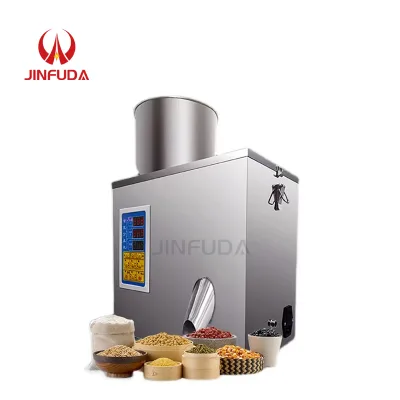
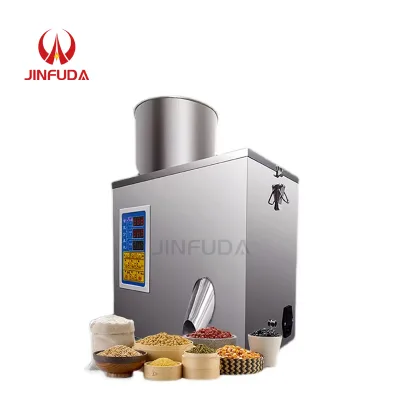
Automatic Weigh Machines Tea Granules Powders Small Sachet Weighing Filling Machine Packing Machine
$150.00 - $200.00
MOQ: 1 pieces

Zhuhai Ruichuang Technology Development Co., Ltd
- Verified by SGS
- Combined
- China Guangdong
- Lead time30 days
- Avg. response≤ 3h
Main productsAutomatic Packing for Granule, Automatic Packing Machine for Powder, Automatic Packing Machine for Liquid, Automatic Packing Machine for, Power Filling Machine, Printer/Laser Marking Machine, Check Weigher, Automatic Production Line
Main marketsSoutheast Asia/ Mideast,Domestic
Shanghai Junqi Machinery Co., Ltd.
- Trading Company
- Shanghai, China
- Lead time40 days
- Avg. response≤ 1h
Main productsvalve bag packing machine,High level palletizing system,ton bag packing machine,automatic bag filling and filling machine,pillow packing machine
Main marketsEastern Europe(20.00%), Africa(20.00%), Mid East(15.00%), Southern Europe(10.00%), Western Europe(10.00%), South America(10.00%), North America(10.00%), South Asia(5.00%)
Longyan Yifeng Mechanical Science And Technology Co., Ltd.
- Manufacturer, Trading Company
- Fujian, China
- Lead time0 days
- Avg. response≤ 9h
Main productsGrinding Mill,Coating Machine,Vertical Mill,Raymond Mill
Main marketsDomestic Market(60.00%), Southeast Asia(20.00%), Africa(8.00%), Southern Europe(5.00%), Eastern Europe(2.00%), Mid East(2.00%), South America(1.00%), Eastern Asia(1.00%), Western Europe(1.00%)
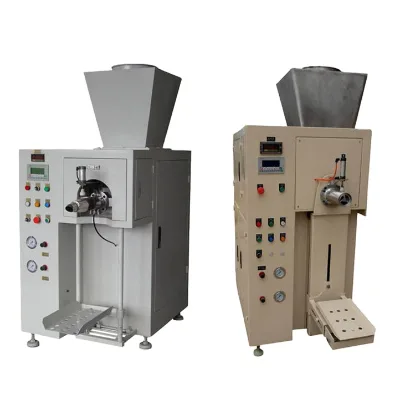
$4500.00 - $4800.00
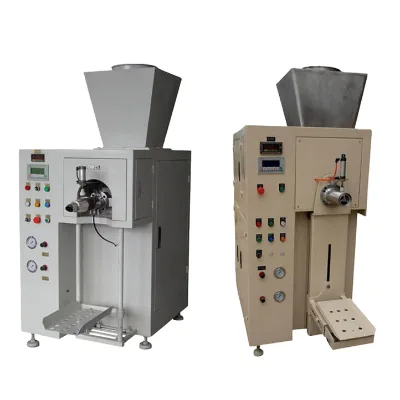

Ganar Technology Hebei Co., Ltd.
- Verified by TUVRHEINLAND
- Trading Company
- China Hebei
- Lead time30 days
- Avg. response≤ 1h
Main productsPackaging Machine, Cartoning Machine, Case Packer, Labelling Machine, Conveyor System, Cosmetic/Food/Pharmaceuticals Equipment, Vertical Lift, Processing Machine, Filling and Sealing Machine, Robot Palletizer
Main marketsSoutheast Asia/ Mideast,Europe
Dongguan Rainbow Pack Machine Co., Ltd.
- Manufacturer
- Guangdong, China
- Lead time5 days
- Avg. response≤ 6h
Main productsFilling machine,Sealing machine,Capping machine,Labeling machine,Packing machine
Main marketsSoutheast Asia(15.00%), Africa(10.00%), North America(10.00%), South Asia(10.00%), South America(10.00%), Domestic Market(5.00%), Eastern Europe(5.00%), Southern Europe(5.00%), Northern Europe(5.00%), Central America(5.00%), Western Europe(5.00%), Eastern Asia(5.00%), Mid East(5.00%), Oceania(5.00%)
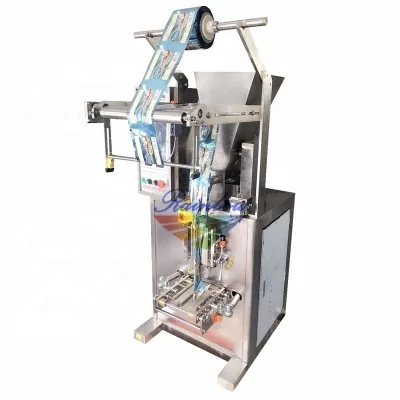
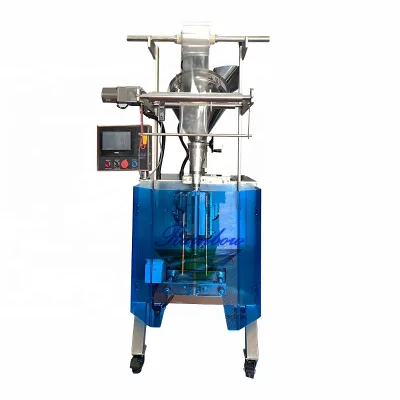
Multifunction Automatic Small Food High Accuracy Weighing Packing Machine
$2257.2553 - $2647.1458
MOQ: 1 sets


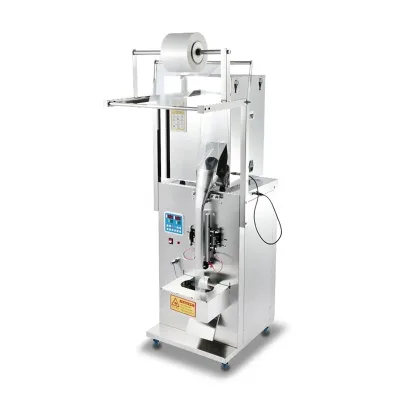
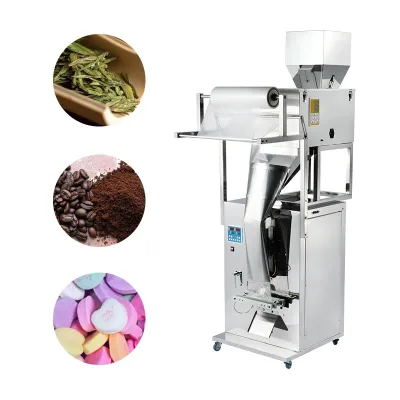
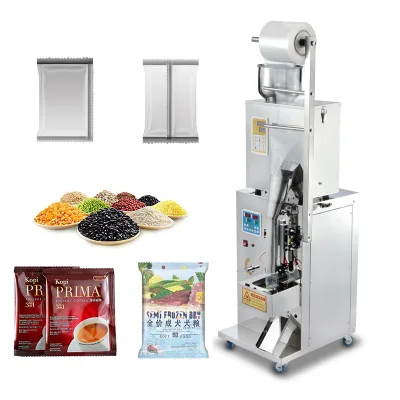
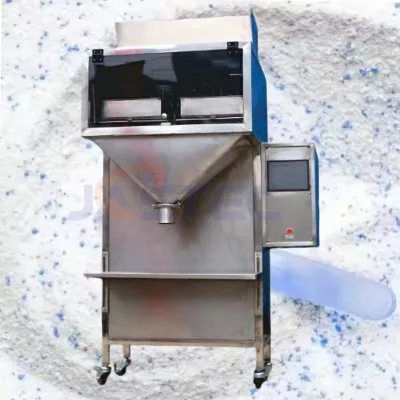
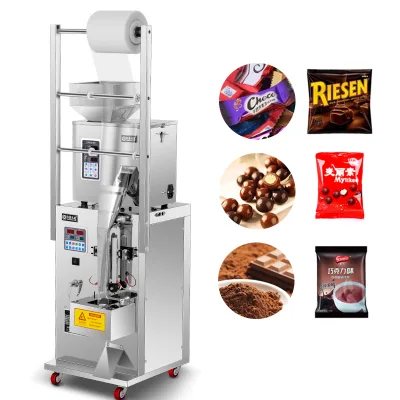


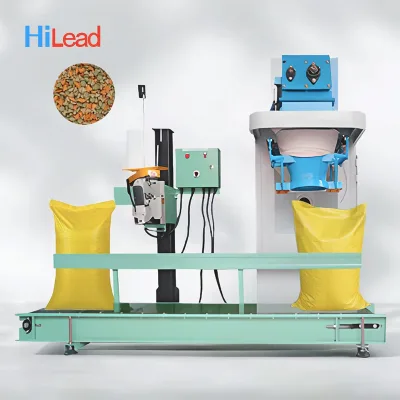
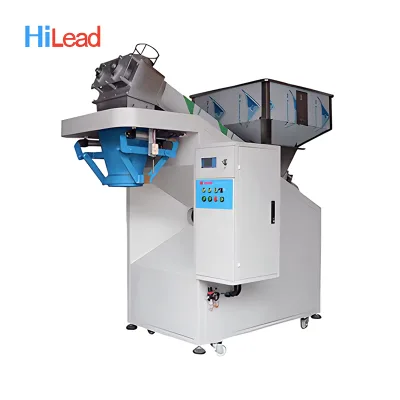


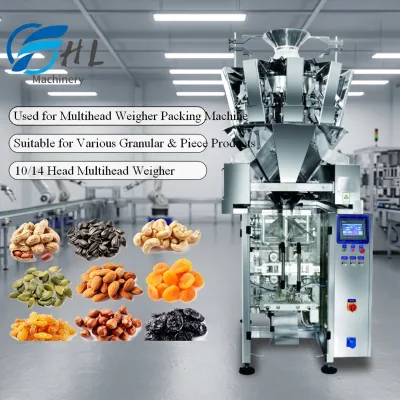
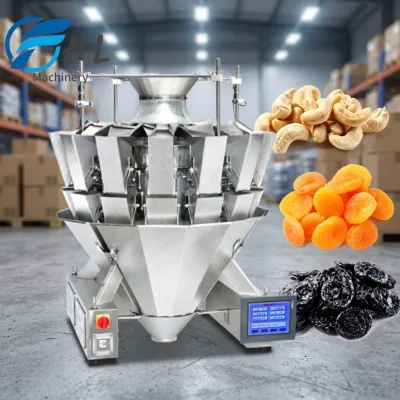


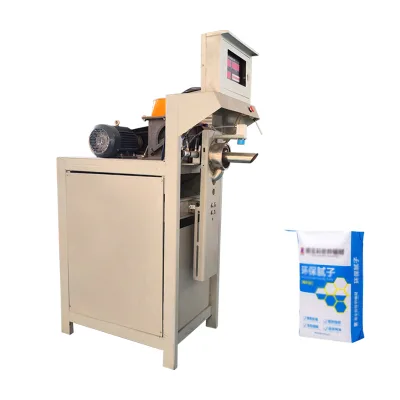
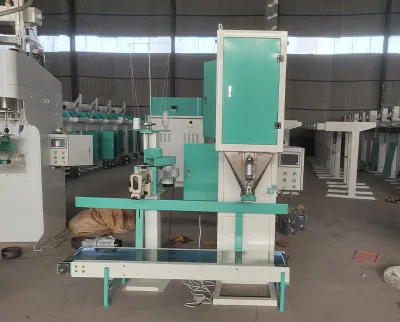
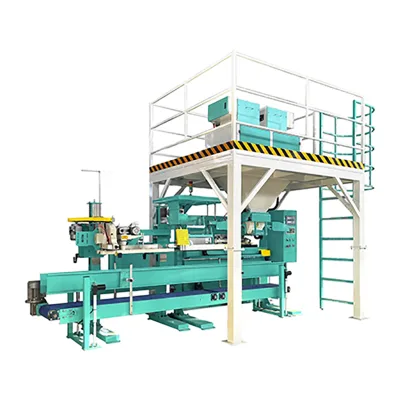
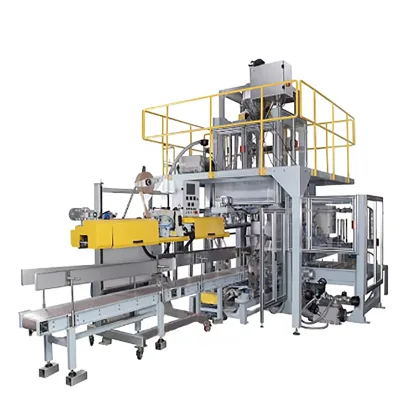
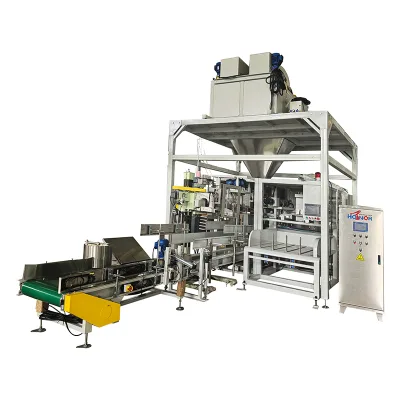
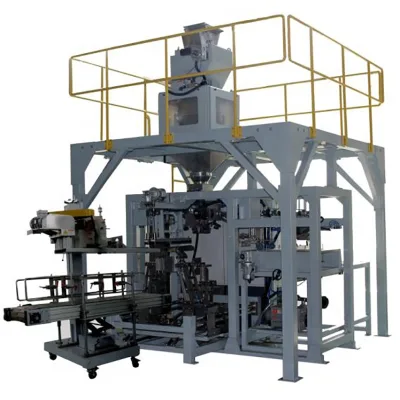
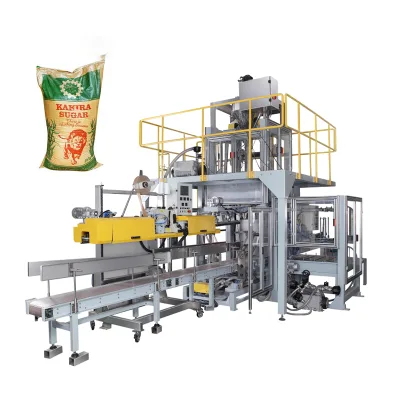


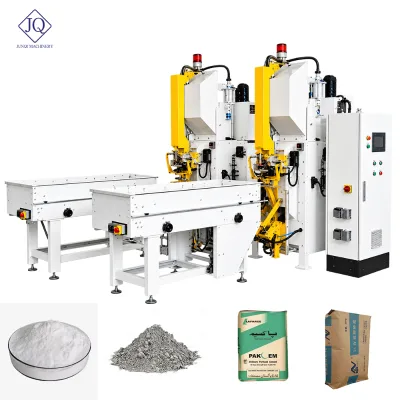
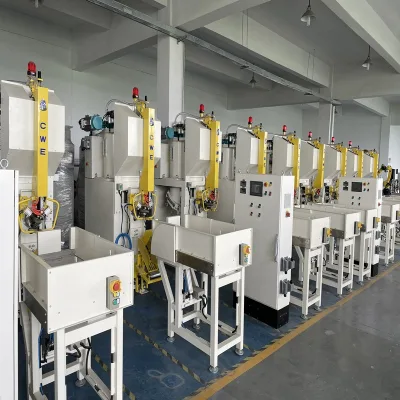


Comprehensive Sourcing Guide
Automatic Weighing and Packaging Machine Supplier Concentration and Factory Types
The landscape of suppliers for automatic weighing and packaging machines reveals distinct manufacturing clusters primarily located in China, with specific concentrations in Shandong and Zhejiang provinces. Factories in Shandong often specialize in broader food processing equipment, including frozen french fries production lines and potato chips processing, suggesting a strong industrial base for heavy-duty machinery integration. These manufacturers frequently hold ISO 9001 system certifications, indicating a standardized approach to quality management systems that may benefit buyers seeking reliable production environments. In contrast, suppliers in Zhejiang, particularly around Ningbo, often present as combined entities that may include trading companies alongside manufacturers, offering a different service model that blends direct factory access with broader product sourcing capabilities. This regional distinction is critical for buyers to understand, as the local industrial ecosystem influences the types of machinery available, from candy making lines to specialized vertical packing units.
Company types vary significantly across these regions, ranging from pure manufacturers and factories to combined entities that operate as both manufacturers and trading companies. Some suppliers in Fujian also appear, offering a mix of packaging machines alongside quarrying and mining tools, which suggests a diverse industrial portfolio that may impact their focus on food packaging precision. Buyers should note that while some suppliers are verified by third-party inspection bodies like BV, others may rely on their own brand capabilities or offer OEM and ODM services. The presence of own brands like TUNE in Shandong highlights a tier of suppliers that develop proprietary technology, whereas others may focus on generic or customizable solutions. Understanding whether a supplier is a pure factory or a combined entity helps buyers assess the depth of technical support and the flexibility of production lines, as trading companies might offer faster communication but less direct control over manufacturing nuances.
How to Verify Automatic Weighing and Packaging Machine Suppliers
Verification begins with examining the supplier’s response time and lead time metrics, which serve as immediate indicators of operational efficiency and reliability. A supplier with a response time of approximately 7.32 hours and a lead time of 23 days suggests a streamlined process capable of quick engagement and relatively fast production cycles. Conversely, suppliers with response times exceeding 20 hours and lead times up to 120 days may indicate larger batch processing or less agile operations, which could impact project timelines. Buyers should also look for verification badges such as BV verification, which provides an additional layer of trust regarding the supplier’s business legitimacy and operational history. These metrics are not just numbers but reflections of the supplier’s internal workflow, inventory management, and customer service capacity, all of which are crucial for maintaining supply chain stability.
Beyond metrics, buyers must scrutinize product evidence and certification details to ensure compliance with international standards. Products often list specific certifications like CE, which is essential for machinery operating in many global markets, ensuring safety and regulatory compliance. Buyers should verify that the machinery test reports and video outgoing inspections are provided, as these documents offer tangible proof of the machine’s performance before shipment. Additionally, checking the automatic grade and driven type, such as electric motors, helps confirm the machine’s suitability for specific production environments. It is also important to review the warranty terms, which may range from one year to longer periods, and to confirm the availability of after-sales services like video technical support. These verification steps reduce the risk of receiving non-compliant or poorly performing equipment, ensuring that the investment aligns with operational requirements.
What to Compare Across Automatic Weighing and Packaging Machine Suppliers
When comparing suppliers, buyers should focus on key selling points such as multifunctionality, packaging types, and application versatility. Some machines are designed for specific materials like powder, granule, or liquid, while others offer broader applications across food, beverage, and commodity sectors. The production capacity, measured in packages per minute, varies significantly, with some units handling 5-18 packages per minute and others achieving higher speeds up to 60 bags per minute. Buyers must align these capacities with their production volume needs to avoid bottlenecks or underutilization. Additionally, the forming species and function, such as bag moulding with filling and sealing capabilities, determine the machine’s ability to handle different packaging formats like pillow seals, gusset bags, or block bottom bags. This technical specificity is crucial for ensuring the machine integrates seamlessly with existing packaging materials and workflows.
Price ranges and minimum order quantities (MOQ) are also critical comparison factors, as they directly impact procurement costs and inventory management. Prices for automatic weighing and packaging machines can range from a few hundred dollars for basic units to tens of thousands of dollars for fully automatic, high-speed systems. Some suppliers offer an MOQ of just one unit, which is ideal for small businesses or testing phases, while others may require larger orders. Buyers should also consider the power consumption, voltage requirements, and physical dimensions of the machine, as these factors influence installation costs and facility planning. For instance, machines with a power rating of 2.5 Kw and a voltage of AC220V may require specific electrical infrastructure, while heavier units with a net weight of 550kg need robust flooring and handling equipment. Comparing these technical and commercial details ensures a holistic evaluation of each supplier’s offering.
Common Automatic Weighing and Packaging Machine Sourcing Risks
One significant risk in sourcing automatic weighing and packaging machines is the potential mismatch between advertised specifications and actual performance. Buyers may encounter discrepancies in packing speed, film width, or bag size capabilities, which can lead to production inefficiencies if not verified beforehand. For example, a machine advertised with a packing speed of 5-60 bags per minute may only achieve lower speeds when handling complex materials or specific packaging types. Additionally, the thickness of the film roll, ranging from 0.04 to 0.09mm, must be compatible with the machine’s pulling film type, such as double belt pull film, to prevent jams or misalignment. Buyers should request detailed technical drawings and performance videos to validate these specifications, ensuring that the machine can handle their specific product characteristics without modification.
Another risk involves the reliability of after-sales support and warranty claims. While some suppliers offer video technical support and a one-year warranty, the effectiveness of these services can vary. Buyers may face challenges in obtaining timely assistance for troubleshooting or spare parts, especially if the supplier is located in a different time zone or lacks a local service network. The absence of a machinery test report or video outgoing inspection increases the risk of receiving a machine with hidden defects or substandard components. Furthermore, the customization availability, while advertised as available, may incur additional costs or extended lead times if not clearly defined in the contract. Buyers should establish clear communication channels and request detailed service level agreements to mitigate these risks, ensuring that they have recourse in case of performance issues or maintenance needs.
Automatic Weighing and Packaging Machine Regional Sourcing and Logistics
Sourcing from China offers access to a mature manufacturing ecosystem, but logistics and regional differences play a crucial role in the overall procurement strategy. Suppliers in Shandong Province, for instance, may benefit from proximity to major ports and industrial hubs, potentially reducing shipping times and costs for heavy machinery. The standard export packaging, often involving free fumigation packaging boxes, helps protect the equipment during transit, but buyers must still consider the dimensions and weight of the machine, which can be substantial. For example, a machine with dimensions of 150011401540mm and a net weight of 550kg requires careful planning for loading and unloading at the destination port. Buyers should work with freight forwarders experienced in handling industrial machinery to ensure safe and efficient transportation, minimizing the risk of damage during transit.
Regional sourcing also impacts the availability of spare parts and technical support. Suppliers in Zhejiang and Fujian may have different logistical networks, affecting the speed of part delivery and service response. Buyers should assess the supplier’s location relative to their own operations to determine the feasibility of on-site installation and training. Additionally, the voltage and power supply requirements, such as AC220V at 50/60Hz, must be compatible with the local electrical infrastructure to avoid the need for expensive transformers or converters. Understanding these logistical and technical nuances helps buyers plan their supply chain more effectively, ensuring that the machinery integrates smoothly into their production environment without unexpected delays or additional costs.
Automatic Weighing and Packaging Machine Commercial Terms and Order Planning
Commercial terms such as payment methods, delivery schedules, and warranty conditions are essential components of order planning. Buyers should negotiate clear terms regarding the deposit and balance payment, ensuring that they align with their cash flow management strategies. The lead time, which can range from 7 to 120 days depending on the supplier and machine complexity, must be factored into production schedules to avoid delays. Buyers should also clarify the packaging details, such as safe packing or standard export packaging, to ensure the machine arrives in optimal condition. Additionally, the warranty period, typically one year, should be clearly defined, including the scope of coverage and the process for claiming repairs or replacements. These commercial terms provide the framework for a successful transaction, protecting both parties and ensuring mutual satisfaction.
Order planning also involves considering the scalability and future expansion needs of the production line. Buyers should evaluate whether the supplier offers OEM or ODM services, which can provide customized solutions tailored to specific product requirements. The availability of customization, such as different sealing types or bag sizes, allows for flexibility in packaging formats, adapting to market changes or new product launches. Furthermore, buyers should assess the supplier’s capacity for handling large orders, ensuring that they can meet peak demand periods without compromising quality or delivery times. By carefully planning these commercial and operational aspects, buyers can build a resilient supply chain that supports long-term growth and operational efficiency, leveraging the supplier’s capabilities to maximize return on investment.
FAQs
What is the price range for automatic weighing and packaging machines?
Prices typically range from $488 to $25,000 depending on the model and complexity. Basic units start near $488, while advanced multi-function systems can reach $25,000. Buyers should verify specific costs based on required features like bag moulding or specific filling capacities.
What is the minimum order quantity for these machines?
The minimum order quantity is generally one unit, allowing for single-machine purchases. This low MOQ supports small businesses testing equipment before scaling up. Buyers should confirm if bulk discounts apply when ordering multiple units for larger production lines.
How long does delivery take for these machines?
Lead times vary significantly, ranging from 7 to 120 days depending on the supplier and machine type. Faster options exist with seven-day turnaround, while complex lines may require up to 120 days. Buyers should confirm exact schedules with suppliers before placing orders.
Where are these machines manufactured?
Manufacturing locations include Shandong, Zhejiang, and Fujian provinces in China. Specific origins like Ningbo are also noted for certain models. Buyers should verify the exact production site to ensure alignment with logistics preferences and regional quality standards.
What certifications do these machines have?
Common certifications include ISO 9001 for quality management and CE for safety compliance. Some suppliers also offer BV verification. Buyers should request valid certificates to ensure the equipment meets international safety and quality standards for their specific market.
What types of products can these machines package?
These machines handle diverse materials including powders, granules, liquids, and snacks like chips or nuts. Applications cover food, beverage, and chemical sectors. Buyers should verify specific compatibility with their product's viscosity, weight, and packaging material requirements before purchasing.