Steel Common Rail Nozzle Suppliers and Manufacturers
Compare 23 verified suppliers of Steel Common Rail Nozzle based on location, lead time, and certifications like ISO 9001. Review product specifications and pricing to source the right components for your diesel engine needs; review the available evidence before requesting comparable quotations from suitable candidates.
Updated
Suppliers List

Fuzhou Ruida Machinery Co., Ltd.
- Verified by TUVRHEINLAND
- Trading Company,Manufacturer/Factory
- China Fujian
- Lead time120 days
- Avg. response≤ 4h
Main productsDiesel Fuel Injector, Fuel Injector Nozzle, Head Rotor, Control Valve, Plunger Element, Common Rail Valve, Delivery Valve, Fuel Injector Pumps, Repair Kit, Pressure Sensor
Main marketsSouth America,North America,Southeast Asia,Oceania,Africa


Diesel Engine Nozzle Dlla154p988+ Fuel Injector Nozzle Common Rail Nozzle
$8.50 - $9.35
MOQ: 12 Pieces

Diesel Engine Nozzle Dlla149p2216 Fuel Injector Nozzle Common Rail Nozzle
$8.50 - $9.35
MOQ: 12 Pieces


Shandong LZY Nozzle & Fuel Pumps Co., Ltd.
- Manufacturer/Factory
- China Shandong
- Lead time15 days
- Avg. response≤ 5h
Main productsNozzle, Fuel Injector, Plunger, Common Rail Valve, Common Rail Nozzle, Repair Kit, Cat Cummins, Bosch, Denso, Delphi Perkins
Main marketsSouth America,Eastern Europe,Mid East,North America,Southeast Asia,Eastern Asia,Oceania,Africa

WUXI OTTO AUTO PARTS CO., LTD.
- Verified by CTI
- Trading Company,Manufacturer/Factory
- China Jiangsu
- Lead time15 days
- Avg. response≤ 6h
Main productsDiesel Nozzle, Common Rail Nozzle, Common Rail Injector Valve, Injector Nozzle, Fuel Injector Nozzle, Diesel Control Valve, Control Valve, Fuel Injector
Main marketsSouth America,Eastern Europe,Mid East,North America,Southeast Asia,Eastern Asia,Oceania,Western Europe,Africa
Liaocheng Wuxing Import And Export Co., Ltd.
- Verified by TüVRheinland
- Trading Company
- Lead time15 days
- Avg. response≤ 3h
Main productsFuel Injector Nozzle, Fuel Injector, Plunger, Head Rotor, Repair Kit
Main marketsSoutheast Asia(30%), Mid East(30%), Africa(20%)
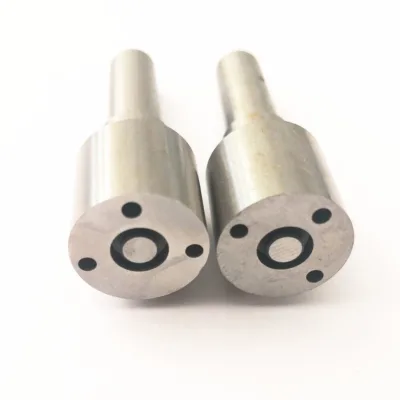
Factory Price Common Rail Nozzle 0433171889 DLLA150P1437 Common Rail Injector Nozzle
$12.4243
MOQ: 48 Minimum
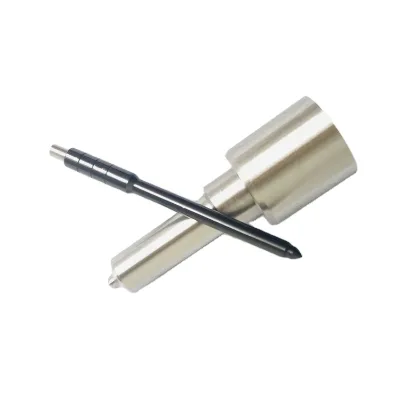
High-quality P-type Nozzle DLLA143P2155 Common Rail Oil Nozzle DLLA143P2155 143P2155 for 0445120047
$15.00 - $16.50
MOQ: 12 pieces
$11.0001 - $12.5724
MOQ: 12 pieces

Shijiazhuang Standards Rubber Products Trading Co., Ltd.
- Verified by SGS
- Trading Company,Manufacturer/Factory
- China Hebei
- Lead time23 days
- Avg. response≤ 15h
Main productsFuel Line, Fuel Return Line, Fuel Line Connectors, Silicone Hose, Rubber Hose, PVC Hose, Hydraulic Hose, Pneumatic Coupling, Crankcase Breather Hose, Hydraulic Fittings
Main marketsSouth America,Eastern Europe,Mid East,North America,Southeast Asia,Eastern Asia,Oceania,Western Europe,Africa


$50.00 - $200.00
MOQ: 3 Pieces
Shandong Zhongxin Precision Technology Co., Ltd.
- Trading Company
- Shandong, China
- Lead time1665 days
- Avg. response≤ 2h
Main productsDiesel Fuel Injector,Common Rail System Parts,Diesel Engine Parts,Fuel Injection Components,Fuel System Spare Parts
Main marketsSouth America(30.00%), Mid East(20.00%), Eastern Asia(15.00%), Domestic Market(6.00%), Eastern Europe(5.00%), Southeast Asia(5.00%), Africa(5.00%), Western Europe(4.00%), North America(3.00%), South Asia(2.00%), Oceania(2.00%), Northern Europe(2.00%), Southern Europe(1.00%)
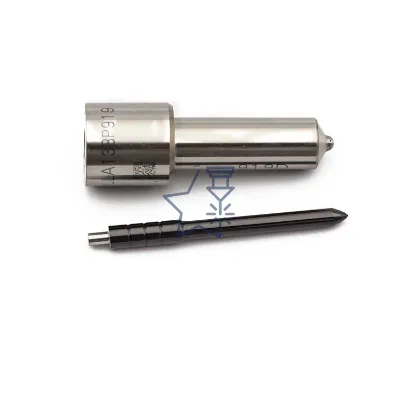
Diesel Injection Nozzle 0433172342 Common Rail Nozzle DLLA145P2342 for Honda Engine
$9.00 - $10.00
MOQ: 4 pieces
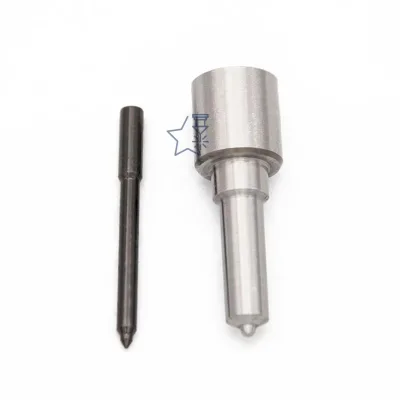
High Speed Steel Common Rail Nozzle DLLA147P2705 for JMC Fuel Injector 0445111134
$9.00 - $10.00
MOQ: 4 pieces
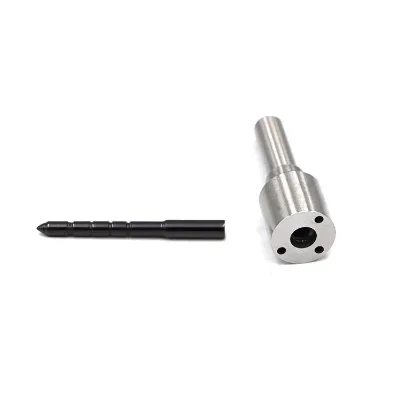
DLLA147P2405 Common Rail Nozzle for Injector 0445120352 0445120364 for CAMC HANMA H6 H3
$15.80 - $16.20
MOQ: 4 pieces
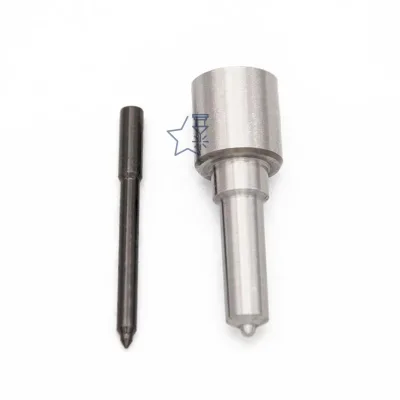
Durable Common Rail Nozzle DLLA149P2602 for Injector 0445110868 Used for JXIE
$9.00 - $10.00
MOQ: 4 pieces
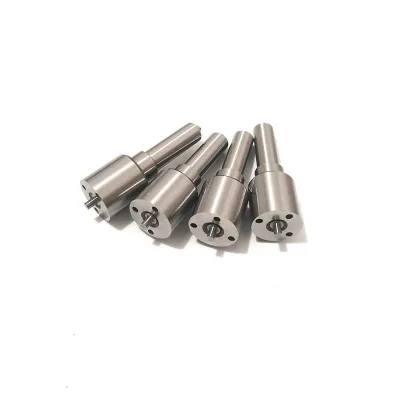
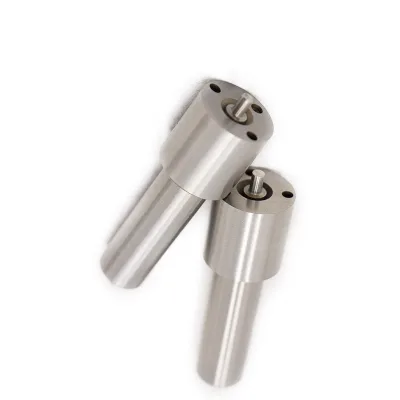
New Common Rail Nozzle G3S25 for Engine Fuel Injector 295050-0430 295050-4180
$29.0598 - $29.6747
MOQ: 1 pieces

Foshan Bolhote Import and Export Co., Ltd.
- Verified by TUVRHEINLAND
- Trading Company
- China Guangdong
- Lead time15 days
- Avg. response≤ 2h
Main productsFuel Pump, Auto Parts, Injector, Injector Nozzle, Control Valve, Plunger, Aftertreatment Parts, Filtres
Main marketsOthers(foreignTradeCapacity.exportBusinessCapacityMarketOther)


Nozzle Dlla155p 965 Injector Nozzle Tip Dlla146p1339 Crin Common Rail Nozzle 093400-9650
$11.50 - $13.00
MOQ: 12 pieces

Made in China New Common Rail Injector Nozzle Dlla157p691 P Common Rail Nozzle 157p691
$4.20 - $5.30
MOQ: 12 pieces

High Quality Common Rail Nozzle Dlla150p1026 Diesel Fuel Injector Engine Auto Parts
$7.00 - $9.00
MOQ: 1 pieces
Taian Dongtai Machine Manufacturing Co., Ltd.
- Manufacturer, Trading Company
- Lead time旺季: "1 - 100":15,"> 100":"To be negotiated", 淡季: "1 - 100":15,"> 100":"To be negotiated"
- Avg. response≤ 3h
Main productsDiesel test bench,injectors,pumps,nozzle,diesel tester
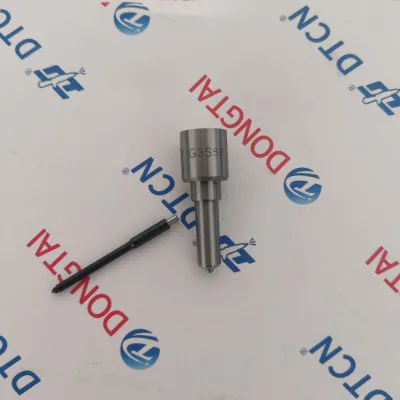
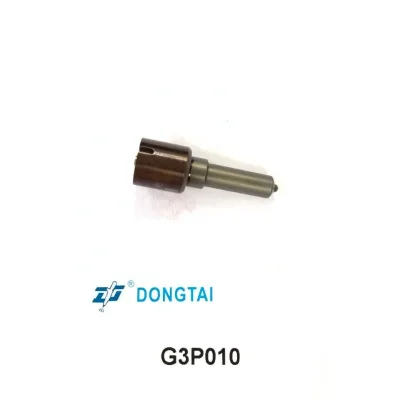
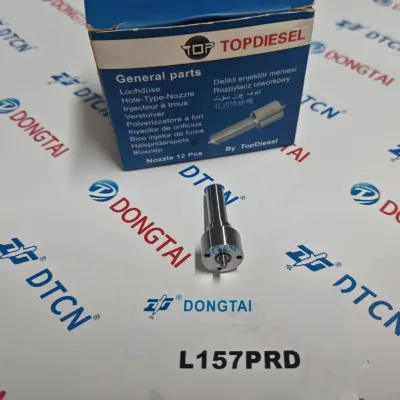
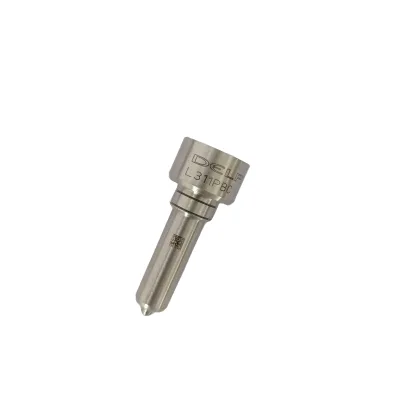
NO.591(10-5) TOPDIESEL Piezo Common Rail Injector Nozzle G3P010 for injector 295900-0260
$22.00 - $25.00
MOQ: 12
Shandong Hengtai Fuel Power Technology Co., Ltd.
- Manufacturer, Trading Company
- Shandong, China
- Lead time1 days
- Avg. response≤ 6h
Main productsNozzle,Plunger,Valve,Fuel Injector nozzle,Spacer
Main marketsAfrica(30.00%), Eastern Asia(20.00%), Southeast Asia(20.00%), Mid East(10.00%), Western Europe(5.00%), Eastern Europe(5.00%), South America(5.00%), North America(5.00%)
Taian Dongtai Machine Manufacturing Co., Ltd.
- Verified by SGS Group
- Manufacturer, Trading Company
- Lead time3 days
- Avg. response≤ 6h
Main productsDiesel Injection Pump Test Bench, Balance Machine, Diesel Spare Parts, Diesel Tools
Main marketsDomestic Market(34%), Eastern Europe(10%), Mid East(10%)

Taian Dongtai Machine Manufacturing Co., Ltd.
- Verified by BV
- Combined
- China Shandong
- Lead time15 days
- Avg. response≤ 13h
Main productsSimulator, Test Bench, Engine Parts, Tools
Main marketsSouth America,Africa,Southeast Asia/ Mideast,North America


Injector 0445120090 0445120090 Common Rail Nozzle Dlla150p1746 0433172068
$18.00 - $19.00
MOQ: 1 Pieces
Shandong Messi Power Co., Ltd.
- Trading Company
- Shandong, China
- Lead time15 days
- Avg. response≤ 2h
Main productstest bench,diesel injector,diesel injection pump,engine part
Main marketsSouth America(50.00%), Africa(15.00%), Mid East(10.00%), North America(5.00%), Western Europe(3.00%), South Asia(2.00%), Southern Europe(2.00%), Northern Europe(2.00%), Central America(2.00%), Domestic Market(2.00%), Eastern Asia(2.00%), Eastern Europe(2.00%), Oceania(2.00%), Southeast Asia(1.00%)
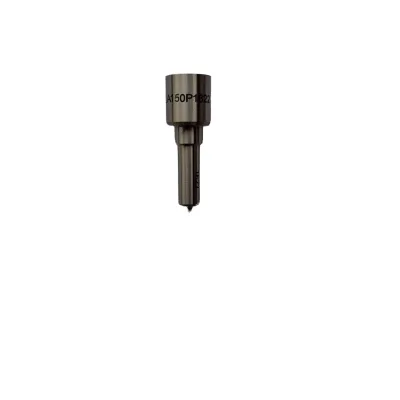
Common Rail Injector Nozzle DLLA150P1622 0433171991 for Golden Dragon XML 0445120393
$8.50 - $9.50
MOQ: 24 sets
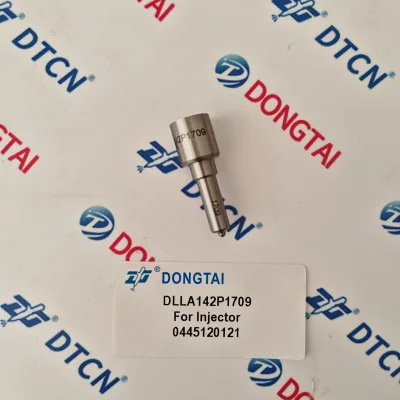
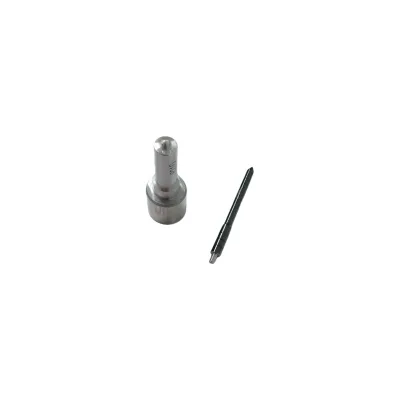
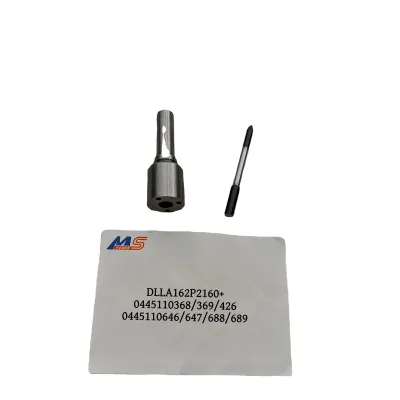
Common Rail Nozzle DLLA 162P 2160+ for Injector 0 445 110 368/369/429 0 445 110 646/647/688/689
$11.50 - $15.00
MOQ: 12 sets
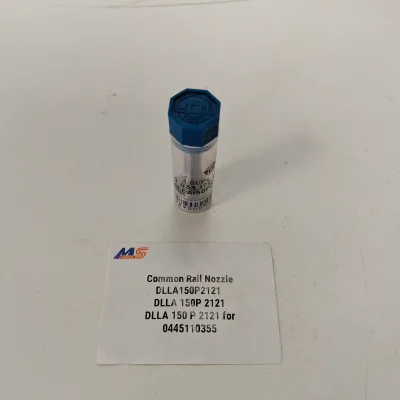
Common Rail Nozzle DLLA150P2121 DLLA 150P 2121 DLLA 150 P 2121 for 0445110355
$8.50 - $9.50
MOQ: 36 sets
Taian Dongtai Machine Manufacturing Co., Ltd.
- Manufacturer, Trading Company
- Lead time旺季: "1 - 100":32,"> 100":"To be negotiated", 淡季: "1 - 100":32,"> 100":"To be negotiated"
- Avg. response≤ 3h
Main productsinjection pump,injector,nozzle,plungr,air compressor
Kingstar (zhangjiagang Ftz) Trading Co., Ltd.
- Manufacturer, Trading Company
- Jiangsu, China
- Lead time35 days
- Avg. response≤ 12h
Main productsCommon Rail Parts,Diesel Nozzle,Diesel Plunger,injector,Delivery Valve
Main marketsNorth America(16.50%), South America(14.50%), Western Europe(14.20%), Eastern Europe(12.10%), Mid East(12.00%), Oceania(8.60%), Africa(7.00%), Southeast Asia(5.80%), Northern Europe(4.50%), Eastern Asia(3.00%), Southern Europe(1.00%)
- Verified by TüVRheinland
- Manufacturer, Trading Company
- Lead time30 days
- Avg. response≤ 2h
Main productsCommon Rail Injector, Fuel Injection Parts, Common Rail Nozzle, Turbocharger & Parts, Fuel Pump& Parts
Main marketsSouth America(20%), North America(15%), Western Europe(10%)

Jinan CAMEL Technology Co., Ltd.
- Trading Company
- Shandong, China
- Lead time15 days
- Avg. response≤ 3h
Main productsDiesel Fuel Injector,Common Rail System Parts,Diesel Engine Parts,Fuel Injection Components,Fuel System Spare Parts
Main marketsMid East(15.00%), Northern Europe(10.00%), Central America(10.00%), South Asia(10.00%), North America(10.00%), Africa(10.00%), Southeast Asia(10.00%), Eastern Europe(10.00%), South America(10.00%), Eastern Asia(5.00%)
Evergain Diesel Technology (jiangsu) Co., Ltd.
- Manufacturer
- Jiangsu, China
- Lead time15 days
- Avg. response≤ 13h
Main productsCommon Rail Parts,Diesel Nozzle,Diesel common rail pump,diesel injector,diesel Valve
Main marketsSouth America(20.00%), Western Europe(18.00%), North America(18.00%), Eastern Europe(15.00%), Oceania(7.00%), Domestic Market(5.00%), Africa(5.00%), Southern Europe(3.00%), South Asia(2.00%), Central America(2.00%), Southeast Asia(2.00%), Mid East(1.00%), Northern Europe(1.00%), Eastern Asia(1.00%)
Guangzhou Derun Mechanical And Electrical Fittings Co., Ltd.
- Verified by SGS Group
- Trading Company
- Lead time30 days
- Avg. response≤ 4h
Main productsControl Valve, Nozzle, Sensor, Injector, Pressure Pin
Main marketsDomestic Market(63%), South America(20%), North America(5%)
Henan Jinhuotong Import And Export Trade Co., Ltd.
- Trading Company
- Henan, China
- Lead time0 days
- Avg. response≤ 3h
Main productsValve Assembly,Control vavle,Nozzle,Control rail fuel injector,Fuel injector solenoid
Main marketsEastern Europe(30.00%), North America(20.00%), Mid East(15.00%), South America(10.00%), Africa(8.00%), Southern Europe(5.00%), Northern Europe(5.00%), Southeast Asia(5.00%), Domestic Market(2.00%)
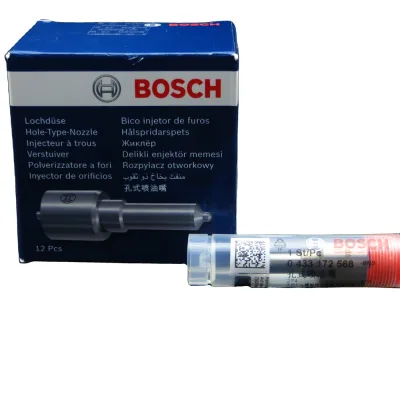
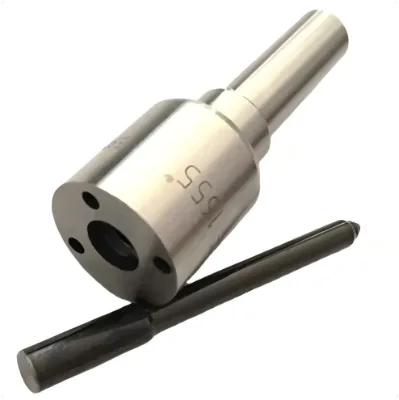
Brand New Common Rail Nozzle DLLA133P888 for Fuel Injector 095000-6460 JOHN DEER DAN-S0
$10.3508 - $13.458
MOQ: 6 pieces

Putian China-Lutong Machinery Works Co., Ltd.
- Manufacturer, Trading Company
- Fujian, China
- Lead time20 days
- Avg. response≤ 8h
Main productsInjector Nozzles, Diesel Pump Head Rotor, Fuel Pump Elements
Main marketsDomestic Market(42.00%), South America(15.00%), Africa(11.00%), Mid East(11.00%), Eastern Europe(10.00%), North America(4.00%), Western Europe(2.00%), Southern Europe(2.00%), Southeast Asia(2.00%), Northern Europe(1.00%)

Henan Perfect Auto Parts Co., Ltd.
- Manufacturer, Trading Company
- Henan, China
- Lead time2 days
- Avg. response≤ 9h
Main productsInjector,Nozzle,Valve,Injector nozzle,Common rail injector
Main marketsDomestic Market(19.00%), Southeast Asia(16.00%), North America(11.00%), Eastern Europe(10.00%), Northern Europe(9.00%), South America(8.00%), Western Europe(6.00%), South Asia(6.00%), Oceania(5.00%), Eastern Asia(2.00%), Southern Europe(2.00%), Africa(2.00%), Central America(2.00%), Mid East(2.00%)
Yantai Jinhaihao Auto Part Co., Ltd.
- Trading Company
- Shandong, China
- Lead time7 days
- Avg. response≤ 4h
Main productsauto parts,nozzle,plunger,fuel pump,injector
Main marketsMid East(20.00%), South Asia(10.00%), Eastern Asia(10.00%), North America(10.00%), Southeast Asia(10.00%), Central America(5.00%)

Chongqing Longshine Import And Export Co., Ltd.
- Verified by SGS
- Trading Company
- China Chongqing
- Lead time23 days
- Avg. response≤ 8h
Main productsEngine Part
Main marketsSouth America,Africa,Southeast Asia/ Mideast,East Asia(Japan/ South Korea),Domestic,Europe,North America


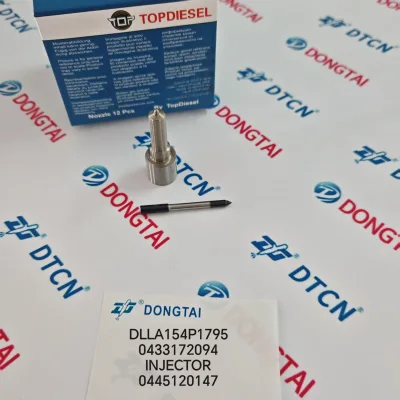
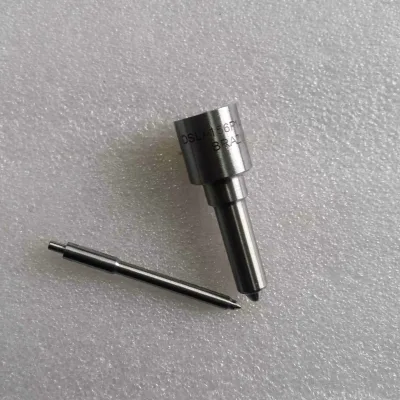
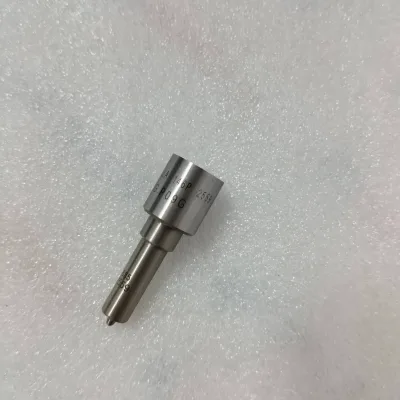
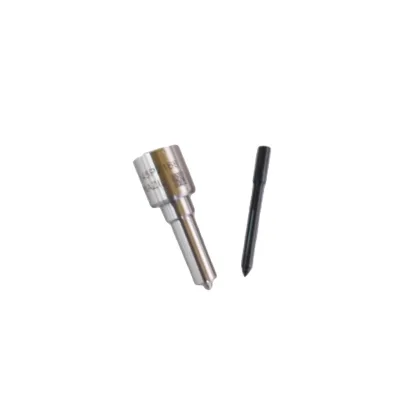


Comprehensive Sourcing Guide
Steel Common Rail Nozzle Supplier Concentration and Factory Types
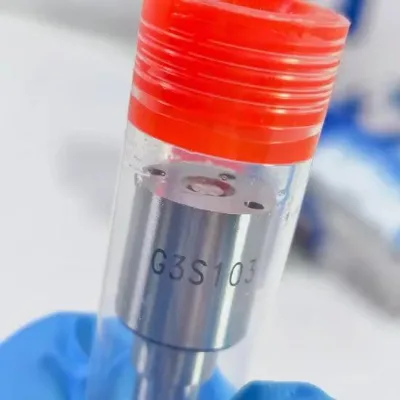
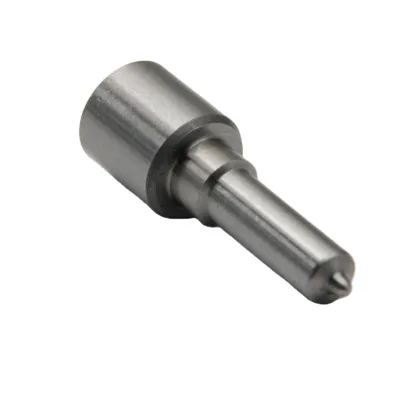
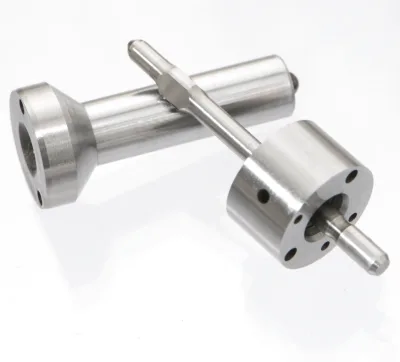
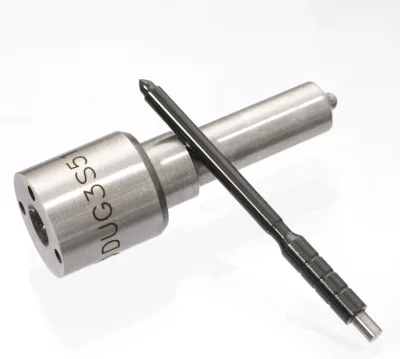
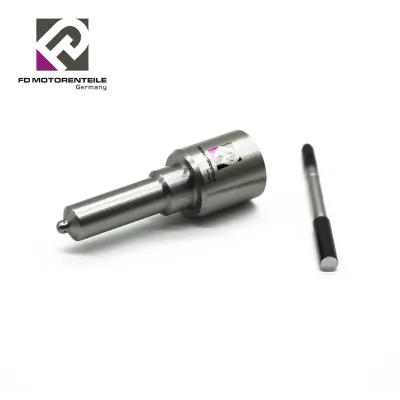
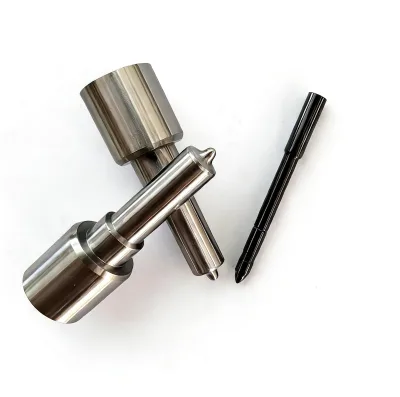
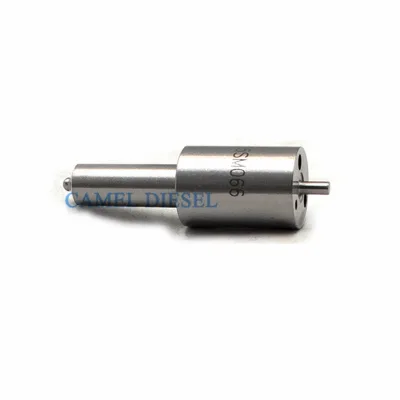
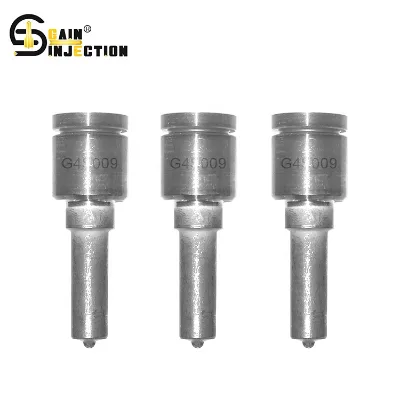
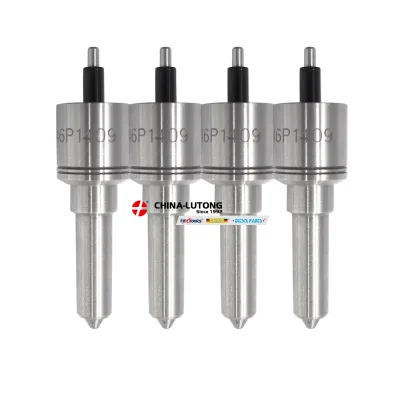
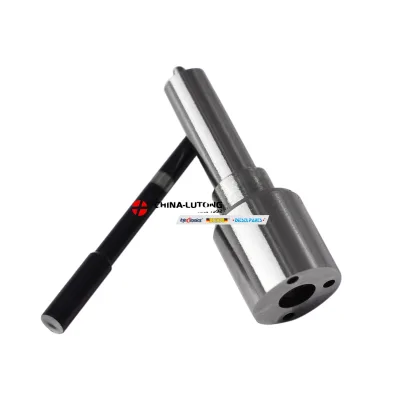
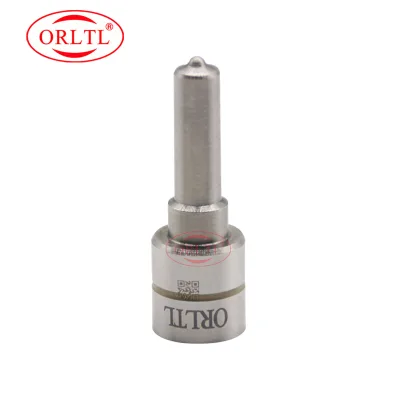
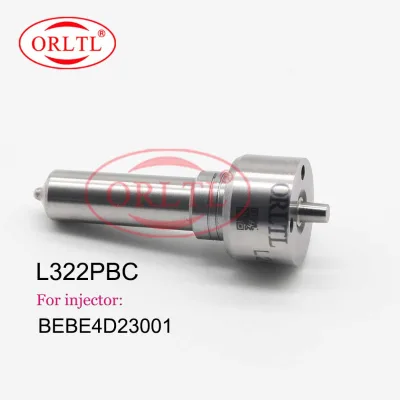
The current supplier landscape for steel common rail nozzles reveals a distinct geographic concentration in China, with specific manufacturing hubs identified in Fujian and Shandong provinces. These regions serve as primary centers for the production of critical fuel injection components, including diesel fuel injectors, nozzle assemblies, and related repair kits. The presence of suppliers in these locations indicates a mature industrial ecosystem capable of supporting high-volume production runs for automotive and industrial diesel applications. Buyers evaluating potential partners should note that these geographic clusters often correlate with established supply chains for raw steel materials and precision machining tools, which are essential for maintaining the tight tolerances required for common rail systems. Understanding this concentration helps in assessing the logistical feasibility of sourcing from these areas, as local infrastructure may offer advantages in material availability and specialized labor pools.
Within these regions, the supplier base is composed of both trading companies and manufacturer/factory entities, each offering different value propositions for procurement teams. Trading companies often provide a broader catalog of compatible parts, such as control valves, plunger elements, and pressure sensors, acting as a single point of contact for diverse component needs. In contrast, manufacturer/factories typically focus on direct production capabilities, offering OEM, ODM, and own-brand services with specific model numbers like DLLA118P2203 or L421PRD. This distinction is crucial for buyers who need to decide between the convenience of a consolidated supplier and the potential cost or customization benefits of dealing directly with a production facility. The mix of company types suggests that buyers can find partners ranging from general distributors to specialized engineering firms, depending on their specific volume requirements and technical specifications.
How to Verify Steel Common Rail Nozzle Suppliers
Verification of Steel Common Rail Nozzle suppliers requires a rigorous examination of their operational credentials and quality management systems. Buyers should prioritize suppliers who hold recognized international certifications, such as ISO 9001, which indicates a standardized approach to quality management in manufacturing processes. Some suppliers may also display additional certifications like BSCI, ISO 22000, or TS 16949, which can signal adherence to broader social compliance, food safety (if applicable to packaging), or automotive industry-specific quality standards. These certifications are not merely decorative; they represent a framework for consistent product quality and process control, which is vital for components that operate under high pressure and extreme temperatures. Verifying the validity of these certificates through independent bodies or requesting recent audit reports can provide assurance that the supplier’s claims are substantiated by third-party evaluations.
Beyond certifications, the verification process should include checking for independent verification badges and response metrics that reflect the supplier’s operational reliability. For instance, some suppliers may display verification from reputable organizations like TÜV Rheinland, which adds a layer of trust regarding their business legitimacy and product safety. Additionally, monitoring the supplier’s response time, such as an average of 3.22 or 4.91 hours, can serve as an indicator of their customer service efficiency and organizational responsiveness. A quick response time often correlates with a well-structured internal communication system, which is beneficial for resolving technical queries or order discrepancies promptly. Buyers should also examine the supplier’s main product focus to ensure they specialize in relevant areas like fuel injection devices rather than maintaining a generic inventory, as specialization often leads to deeper technical expertise and better quality control in steel common rail nozzles.
What to Compare Across Steel Common Rail Nozzle Suppliers
When comparing suppliers, lead time is a critical metric that directly impacts inventory management and production scheduling. Available data shows significant variation, with some suppliers indicating a lead time of 120 days, while others offer a much faster turnaround of 15 days. This disparity suggests that buyers must align their order timing with the supplier’s production capacity and current workload. A shorter lead time may be advantageous for urgent replenishment needs, whereas a longer lead time might be acceptable for planned, large-scale procurement cycles. Understanding these differences allows buyers to negotiate more effectively and plan their supply chain resilience, ensuring that production lines are not halted due to component shortages. It is also important to verify if the lead time includes shipping duration or if it refers solely to manufacturing time, as this distinction affects the total time to receipt.
Minimum Order Quantity (MOQ) and pricing structures are another vital area for comparison, as they influence the economic viability of the partnership. Suppliers may set MOQs as low as 1 unit for certain high-performance or specialized nozzles, while others might require a minimum of 6 or 12 units for standard models. This flexibility can be beneficial for small-scale testing or maintenance orders, whereas higher MOQs may be necessary to achieve competitive unit pricing. Price ranges also vary, with some nozzles listed between $7.50 and $8.50, while others may cost between $22.86 and $25.15, reflecting differences in OE codes, material quality, and performance specifications. Buyers should compare these costs against their budget constraints and volume requirements, keeping in mind that lower prices might come with stricter MOQs or longer lead times. Additionally, evaluating the customization options available, such as logo printing or outer packaging adjustments, can add value for brands seeking to differentiate their products in the market.
Common Steel Common Rail Nozzle Sourcing Risks
One significant risk in sourcing steel common rail nozzles is the potential mismatch between product specifications and actual performance requirements. The market offers a wide array of OE codes, such as DLLA154P988+ or F00VX40039, and buyers must ensure that the selected nozzle is compatible with their specific engine models. Incorrect specifications can lead to engine failure, reduced fuel efficiency, or increased emissions, resulting in costly returns and reputational damage. Furthermore, some suppliers may list products as "New/Remanufacture," which introduces ambiguity regarding the quality and lifespan of the component. Buyers need to clarify whether the product is brand new or remanufactured, as remanufactured parts may have different durability characteristics and warranty terms. This distinction is crucial for applications where reliability is paramount, such as in commercial vehicles or heavy machinery.
Another risk involves the variability in product certifications and standards across different suppliers. While some products list certifications like ISO9001 or TS standards, others may lack clear documentation or use non-standard labels. This inconsistency can make it difficult to assess the true quality and compliance of the nozzles, especially when importing into regions with strict regulatory requirements. Buyers must verify that the certifications provided are valid and relevant to the specific product type, as generic certifications may not guarantee compliance with automotive industry standards. Additionally, the absence of detailed product attributes, such as stroke type or body material, can obscure potential compatibility issues. For example, a nozzle designed for a 4-stroke engine may not function correctly in a 6-stroke application, leading to operational failures. Therefore, thorough due diligence is required to mitigate these risks and ensure that the sourced components meet all necessary technical and regulatory criteria.
Steel Common Rail Nozzle Regional Sourcing and Logistics
Sourcing steel common rail nozzles from China, particularly from provinces like Fujian and Shandong, offers logistical advantages due to the region’s robust manufacturing infrastructure and export capabilities. These areas are well-connected to major shipping ports, facilitating efficient transportation of goods to global markets. Buyers should consider the implications of shipping from these specific locations, as transit times and freight costs can vary depending on the destination country and the chosen shipping method. Understanding the local logistics landscape can help in optimizing supply chain efficiency and reducing overall procurement costs. Additionally, the concentration of suppliers in these regions may lead to economies of scale, potentially lowering production costs and improving availability for high-demand components. However, buyers must also account for potential delays due to seasonal factors or global shipping disruptions, which can impact delivery schedules.
The packaging and handling of steel common rail nozzles are also influenced by regional practices, which can affect product safety during transit. Suppliers may use various packaging methods, such as cartons or specialized boxes labeled with codes like Dcec/Ccec/Xcec, to protect the delicate components from damage. Buyers should verify that the packaging is suitable for long-distance shipping and provides adequate protection against moisture, impact, and vibration. Proper packaging not only ensures that the nozzles arrive in pristine condition but also simplifies inventory management and storage at the destination. Furthermore, understanding the origin of the products, which is consistently listed as China, helps in assessing any potential tariffs or trade restrictions that may apply. By aligning logistics strategies with the supplier’s regional capabilities, buyers can enhance the reliability and cost-effectiveness of their sourcing operations.
Steel Common Rail Nozzle Commercial Terms and Order Planning
Effective order planning for steel common rail nozzles requires a clear understanding of the commercial terms offered by suppliers, including payment methods and warranty policies. While specific payment terms are not detailed in the available data, buyers should negotiate favorable conditions that align with their cash flow requirements and risk tolerance. It is advisable to establish clear agreements on delivery schedules, ensuring that the supplier commits to the agreed-upon lead times, whether it is 15 days or 120 days. Additionally, buyers should inquire about warranty coverage for the nozzles, as this can provide protection against defects and ensure long-term reliability. Understanding these commercial terms helps in building a stable and predictable supply chain, reducing the likelihood of disputes and ensuring that both parties are aligned on expectations.
Customization services and branding options are another important aspect of order planning, particularly for buyers seeking to differentiate their products in the market. Some suppliers offer customization services such as logo printing, outer packaging adjustments, and pattern customization, which can enhance brand visibility and customer recognition. Buyers should evaluate the feasibility and cost of these services, as they may impact the overall unit price and lead time. Furthermore, considering the availability of OEM and ODM services can provide opportunities for developing unique product offerings tailored to specific market needs. By integrating these commercial and customization considerations into their order planning, buyers can create a more strategic and competitive sourcing approach, ensuring that they meet both functional and branding objectives while maintaining cost efficiency.
FAQs
What is the price range for steel common rail nozzles?
Steel common rail nozzles typically cost between $1.00 and $25.15 per unit. Prices vary significantly based on the specific OE code, such as DLLA118P2203 or F00VX40039. Buyers should expect higher costs for specialized high-performance parts compared to standard replacement nozzles.
What is the minimum order quantity for these nozzles?
The minimum order quantity usually ranges from 1 to 12 pieces. Some suppliers accept single-unit orders for testing, while others require a minimum of 6 or 12 units. This depends on the specific manufacturer and whether the item is a standard or custom part.
Where are these suppliers located?
Suppliers for steel common rail nozzles are primarily located in China, specifically in Fujian and Shandong provinces. These regions host both trading companies and manufacturing factories that specialize in diesel engine fuel injection components and common rail system parts.
What certifications do these suppliers hold?
Many suppliers hold ISO 9001 certification, with some also possessing TS 16949, BSCI, or ISO 22000. Products may carry ISOTS or ISO9001 labels. Verification services like TÜV Rheinland are also used to confirm supplier reliability and product quality standards.
How long does production take?
Lead times vary widely, ranging from 15 days to 120 days. Faster production is often available for standard models, while custom or high-volume orders may require longer processing. Buyers should confirm specific timelines with the supplier before placing an order.
Can suppliers provide customization services?
Yes, customization is available for logo, outer packaging, and patterns. Suppliers offer OEM, ODM, and own brand services. This allows buyers to tailor products to specific branding requirements or unique engine specifications while maintaining the core steel nozzle functionality.