Class II IV Drip Chamber Suppliers and Manufacturers
Explore 18 verified options for Class II IV Drip Chamber from factories in China Jiangsu and Shandong. Compare response times, lead times, certifications like ISO 13485, and pricing to find the right partner. Contact suppliers directly to request samples or quotes.
Suppliers List

Jiangsu Era Medical Products Co., Ltd
- Verified by TUVRHEINLAND
- Manufacturer
- China Jiangsu
- Lead time15 days
- Avg. response≤ 3h
Main productsRubber Bulb, Latex Bulb, Rubber Stopper, Rubber Gasket, Rubber Plug, Rubber Pad, Rubber Piston, Rubber Floater Valve, Syringe Gasket, Tube Stopper

Zibo Eastmed Healthcare Products Co., Ltd.
- Verified by SGS
- Trading Company,Manufacturer/Factory
- China Shandong
- Lead time38 days
- Avg. response≤ 15h
Main productsSyringe, Infusion Set, Disposable Syringe, Burette Set, Hypodermic Needle, Surgical Gloves, Surgical Blade, Blood Transfusion Set, Uringe Bag, Scalp Vein Set
Main marketsSouth America,Eastern Europe,Mid East,Southeast Asia,Eastern Asia,Western Europe,Africa
Rizhao Bigway Medical Device Co., Ltd.
- Verified by SGS Group
- Manufacturer, Trading Company
- Lead time0 days
- Avg. response≤ 3h
Main productsInfusion Sets, Extension Tubes, Medical Accessories, Transfer Spikes, Laparoscope Tubes
Main marketsMid East(15%), South America(10%), South Asia(10%)
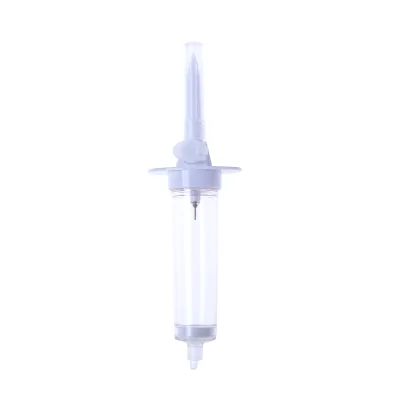
Medical Supplies Drip Chamber With Automatic Flow Stop Solution Autostop Drip Chamber
$0.10 - $0.51
MOQ: 10 Minimum
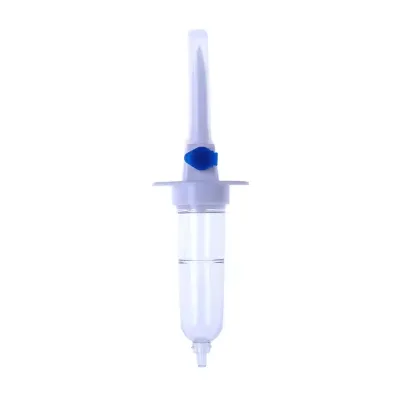
$0.02 - $0.11
MOQ: 1000 Minimum
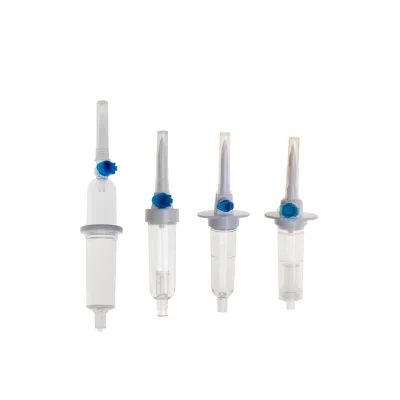
Medical Use Vented PVC Drip Chamber With Spike for 3.0mm IV Set Tubing Medical Consumables
$0.10 - $0.50
MOQ: 10000 Minimum
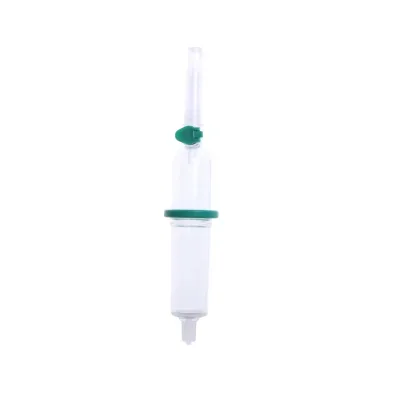
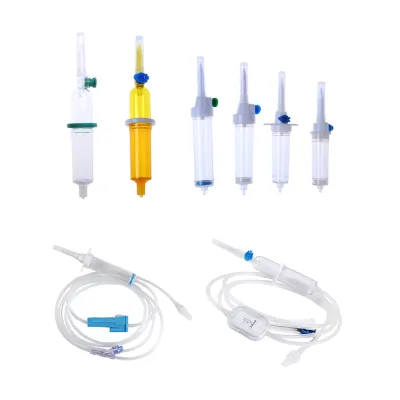
Medical Disposable Lightproof Double Drip Chamber Rehabilitation Therapy Supplies Blood Drip Chamber
$0.10 - $0.21
MOQ: 10000 Minimum
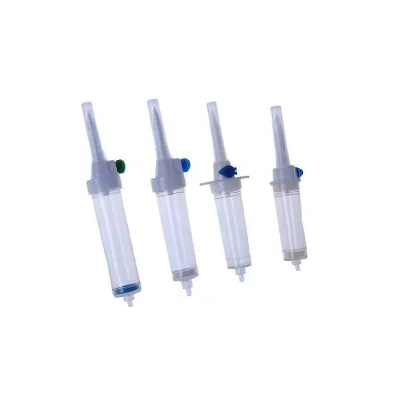
$0.02 - $0.20
MOQ: 5000 Minimum

Nanchang Yili Medical Instrument Co., Ltd.
- Verified by BV
- Trading Company,Manufacturer/Factory
- China Jiangxi
- Lead time45 days
- Avg. response≤ 9h
Main productsFoley Catheter, Laryngeal Mask, Suction Catheter, Closed Suction Catheter, Endotracheal Tube, Insulin Pen Needle, Medical Teaching Model, Male External Catheter, Oxygen Mask, Suture Practice Kit
Main marketsSouth America,Eastern Europe,Mid East,North America,Southeast Asia,Eastern Asia,Oceania,Western Europe,Africa


Drip Chamber Top Part Assembly Infusion Set Drip Chamber with Plastic Spike and Air Vented
$0.04 - $0.07
MOQ: 100000 Pieces

Shanghai Goldenwell Medical Technology Co., Ltd.
- Verified by CTI
- Trading Company
- China Shanghai
- Lead time15 days
- Avg. response≤ 6h
Main productsMedical Devices, Sports Support, Medical Dressings
Main marketsSoutheast Asia/ Mideast,Europe

Best Hope Precision Device Co., Ltd.
- Manufacturer/Factory
- China Zhejiang
- Lead time23 days
- Avg. response≤ 15h
Main productsPlastic Injection Mould, Plastic Mold Manufacturing, Medical Plastic Mold, Precision Tooling, Medical Plastic Molding, Plastic Injection Molding, Tooling and Molding, Laboratory Plastic Injection Mould
Main marketsSouth America,Eastern Europe,Mid East,North America,Eastern Asia,Oceania,Western Europe,Africa

Weifang Huaxing Medical Instruments Co., Ltd.
- Verified by BV
- Combined
- China Shandong
- Lead time30 days
- Avg. response≤ 25h
Main productsDisposable Infusion Set, Sterile Syringe, Blood Transfusion Set
Main marketsSoutheast Asia/ Mideast

Factory IV Set Medical Infusion Set Drip Chamber with Spike with Airvent
$0.00 - $0.01
MOQ: 100000 Pieces

Sterile Disposable Infusion IV Set with Blowing-Model Drip Chamber (new)
$0.05 - $0.07
MOQ: 100000 Pieces

Sheenrise Medical Trade Co., Ltd.
- Verified by SGS
- Trading Company
- China Jiangsu
- Lead time45 days
- Avg. response≤ 11h
Main productsGloves, Face Mask, Syringe, Needle, Infusion Set, Cotton Roll, Cotton Ball, Gauze Roll, Gauze Ball, Tubes
Main marketsSoutheast Asia/ Mideast

Disposable Infusion Set for Medical Use with Needle and Catheter 62mm Drip Chamber
$0.07 - $0.08
MOQ: 50000 Pieces

Hot Sale Wholesale Single-Use Medical-Use Infusion Set with 62mm Drip Chamber
$0.07 - $0.08
MOQ: 50000 Pieces

Changzhou Health Import and Export Company Ltd.
- Verified by TUVRHEINLAND
- Trading Company
- China Jiangsu
- Lead time30 days
- Avg. response≤ 17h
Main productsDisposable Syringe, Hypodermic Needle, Scale Vein Needle, Infusion Set, Transfusion Set, Insulin Syringe, Auto Destruct Syringe, Enfit Syringe, Oral Syringe, Irrigation Syringe
Main marketsSouth America,Africa,Southeast Asia/ Mideast,Europe,Australia,North America


Medical Disposable Sterile Infusion Set Drip Chamber Dropper for IV Set
$0.07 - $0.09
MOQ: 50000 Pieces

Dispensing Medical Sterile Disposable IV Basic Infusion Set with Drip Chamber Dropper for IV Set
$0.07 - $0.09
MOQ: 50000 Pieces

Medical Products Sterile Disposable PP PVC IV Infusion Set with Drip Champer
$0.07 - $0.09
MOQ: 50000 Pieces

Changzhou Holinx Industries Co., Ltd.
- Verified by SGS
- Combined
- China Jiangsu
- Lead time30 days
- Avg. response≤ 15h
Main productsSyringe, Infusion Set, Scalp Vein Set, Nebulizer Mask, Disposable Vaginal Dilator, Disposable Needles, Infusion Bags, Urine Bag, Latex Gloves, Zinc Oxide Adhesive Tape
Main marketsAfrica,Southeast Asia/ Mideast,Europe


$0.05 - $0.12
MOQ: 50000 Pieces

Shenzhen X-Way Medical Technology Co., Ltd
- Verified by SGS
- Trading Company,Manufacturer/Factory,Group Corporation
- China Guangdong
- Lead time23 days
- Avg. response≤ 6h
Main productsPTFE Nitinol Hydrophilic Guide Wire Guidewire, Hemodialysis Catheter, Torque Device Torquer, Femoral Radial Introducer Sheath, CT MRI Dsa Angiographic Syringes, Spiral Extension Tube, Y CT MRI High Pressure Coiled Connecting Tubing, Medrad Stellant Envision Accutron Syringes, Central Venous Catheter, Ulrich Pump Hose Patient Tube Xd 2040 Xd8003
Main marketsSouth America,Eastern Europe,Mid East,North America,Southeast Asia,Eastern Asia,Oceania,Western Europe,Africa
Changzhou Careu Medical Instruments Co., Ltd.
- Verified by TUVRHEINLAND
- Combined
- China Jiangsu
- Lead time30 days
- Avg. response≤ 20h
Main productsUrine Bag, Enteral Feeding Bag, Dialysis Drainage Bag, Dialysis Bag, Urine Meter, Disposable Surgical Scrub Brush, Disposable Gynecological Examination Set, Disposable Components Used on Medical Products, Vaginal Speculum, Disposable Urine Leg Bag
Main marketsEast Asia(Japan/ South Korea),Domestic

Jiangyin Mywell Safety Equipment Co., Ltd.
- Trading Company
- China Jiangsu
- Lead time23 days
- Avg. response≤ 5h
Main productsChair Lift, Emergency Blanket, Rescue Tripod, Stretcher, Spine Board, Leg Traction Splint, Rescue Tube, Space Blanket, Ring Buoy, Lifesaving Buoy Ring
Main marketsSouth America,Africa,Southeast Asia/ Mideast,East Asia(Japan/ South Korea),Europe,Australia,North America

Changzhou Sunton Medical Technology Co., Ltd.
- Verified by SGS
- Trading Company
- China Jiangsu
- Lead time30 days
- Avg. response≤ 5h
Main productsDisposable Syringe Infusion Set Urine Bag
Main marketsSouth America,Africa,Southeast Asia/ Mideast,Europe
Xiamen Vida Healthcare Products Co., Ltd.
- Trading Company,Manufacturer/Factory,Group Corporation
- China Fujian
- Lead time38 days
- Avg. response≤ 3h
Main productsMedical Injection Mould, Disposable Infusion Sets, Disposable Syringe Pre-Filled Flush Syringe, I. V. Catheter I. V. Cannula, Disposable Blood Collection Tube & Needles, Angiography Syringes CT Syringes MRI Syringes, Anesthesia Needles Spinal and Epidural Kit, Silicone Nasal Cannula Oxygen Tubing & Mask, Anesthesia Mask CPAP Mask CPR Mask, Silicone Nasal Prongs
Main marketsSouth America,Eastern Europe,Mid East,North America,Southeast Asia,Eastern Asia,Oceania,Western Europe,Africa

Infsuion Sets Macro Drip Set IV Drip Set Disposable Sterile Administration IV Set
$0.10 - $0.12
MOQ: 100000 Pieces

$0.10 - $0.12
MOQ: 100000 Pieces

Zhejiang Top Cloud-Agri Technology Co., Ltd.
- Combined
- China Zhejiang
- Lead time15 days
- Avg. response≤ 5h
Main productsSoil Nutrient Analyzer, Seed Tester Meter, Chlorophyll Meter, Leaf Area Meter, Fat Analyzer, Fruit Hardness Tester, Incubator, Grain Testing Meter Tester, Plant Physical Tester, Flour and Oil Testing Instrument
Main marketsAfrica,Southeast Asia/ Mideast,Europe

Sailham Equipment (Dongguan) Co., Ltd.
- Verified by TUVRHEINLAND
- Trading Company,Manufacturer/Factory
- China Guangdong
- Lead time23 days
- Avg. response≤ 6h
Main productsClimatic Test Chamber, Temperature Humidity Test Chamber, Wak-in Climatic Chamber, Salt Spray Test Chamber, Rain Spray Test Chamber, Universal Testing Machine, Thermal Shock Chamber, Heat Damp Changing Test Chamber, Vibration Table, Drop Test Machine
Main marketsSouth America,Eastern Europe,Mid East,North America,Southeast Asia,Eastern Asia,Oceania,Western Europe,Africa

Suzhou HJ Clean Tech Co., Ltd.
- Verified by BV
- Combined
- China Jiangsu
- Lead time15 days
- Avg. response≤ 1h
Main productsAirborne Particle Counter, Air Sampler, Clean Room, Vhpsterilizer/Vhp  Generator, Pass Box, Sterility Test Isolator, Glove Integrity Tester, Air Flow Capture Hood, Dispensing Booth/Sampling Booth, Biological Safety Cabinet
Main marketsSouth America,Africa,Southeast Asia/ Mideast,East Asia(Japan/ South Korea),Domestic,Europe,North America


Comprehensive Sourcing Guide
Class II IV Drip Chamber Supplier Concentration and Factory Types
Current data indicates a concentration of manufacturing activity in specific Chinese provinces, with Jiangsu and Shandong emerging as key locations for Class II IV Drip Chamber production. Suppliers in Jiangsu are identified as manufacturers specializing in rubber components like bulb stoppers and gaskets, while Shandong-based entities often operate as a hybrid of trading companies and factories producing infusion sets and syringes. This geographic clustering suggests that buyers seeking direct factory access should prioritize regions where manufacturer status is explicitly confirmed rather than relying on general marketplace listings. The presence of both pure manufacturers and trading companies in these regions means that a single search result may represent different supply chain tiers, requiring careful distinction between the entity selling the goods and the entity actually producing them.
Factory types vary significantly across the available supplier pool, with some entities holding dual roles as both manufacturers and trading companies. In Shandong, for instance, suppliers list themselves as manufacturers or factories while also functioning as trading companies, which can complicate the verification of direct production capabilities. Conversely, suppliers in Jiangsu are explicitly categorized as manufacturers, potentially offering more direct control over the production process for rubber-based components. Buyers must scrutinize the company type field to determine if a supplier is a pure manufacturer or a hybrid entity, as this distinction impacts the ability to customize products like drip chambers and the transparency of the manufacturing process. Understanding these structural differences is essential for aligning procurement goals with the appropriate supplier model.
How to Verify Class II IV Drip Chamber Suppliers
Verification of supplier credentials relies heavily on third-party audit reports and specific certification data provided in the supplier profile. Some suppliers in the current dataset display verification from major bodies like TÜV Rheinland or SGS, which serves as a tangible indicator of operational compliance and quality management systems. For example, a supplier in Jiangsu holds a TÜV Rheinland verification status, while a Shandong-based entity is verified by SGS. These external validations are critical for establishing trust, as they confirm that the supplier has undergone independent assessment of their facilities and processes. Buyers should prioritize suppliers with these specific verification badges over those without, as the absence of such data leaves the quality of the Class II IV drip chambers open to question.
Beyond physical verification, the presence of specific system certifications provides further assurance of a supplier's capability to meet medical device standards. The Shandong supplier group explicitly lists QHSE, ISO 13485, and ISO 9001 certifications, which are directly relevant to the production of medical consumables like infusion sets and drip chambers. In contrast, some other suppliers in the dataset show a certification status of NIL, indicating a lack of documented quality management systems. Buyers must treat the absence of ISO 13485 or similar medical-specific certifications as a significant risk factor, as these standards are fundamental for ensuring the safety and efficacy of Class II medical devices. Verifying that a supplier holds these specific credentials is a non-negotiable step in the selection process for medical components.
What to Compare Across Class II IV Drip Chamber Suppliers
When evaluating potential partners, buyers should compare response times and lead times to gauge operational efficiency and reliability. The data shows a wide variance in response capabilities, with some suppliers responding in approximately 2.26 hours while others take over 14 hours. Similarly, lead times for production range from 15 days to 38 days, a difference that can significantly impact inventory planning and project timelines. A supplier with a 15-day lead time offers a distinct advantage for urgent orders compared to one requiring 38 days, but this speed must be weighed against other factors like capacity and quality. Buyers should not assume that faster response times correlate with better product quality, but rather use these metrics to filter suppliers based on their specific urgency requirements and supply chain flexibility.
Minimum Order Quantities (MOQ) and pricing structures also vary considerably across the supplier landscape, requiring careful financial analysis. Some suppliers list an MOQ of 200,000 units with prices ranging from $0.02 to $0.03 per unit, while others offer lower MOQs of 10,000 units but with higher unit costs or different pricing tiers. The Shandong supplier group, for instance, shows an MOQ of 10,000 units with prices between $0.08 and $0.10, whereas other entries suggest an MOQ of 500,000 units at a lower price point of $0.0022 to $0.0026. These discrepancies highlight the importance of matching order volume with supplier capacity and cost structure. Buyers must calculate the total cost of ownership, including the impact of high MOQs on cash flow, rather than focusing solely on the per-unit price to ensure a viable commercial agreement.
Common Class II IV Drip Chamber Sourcing Risks
One primary risk involves the inconsistency of sterilization methods and material specifications across different suppliers. The dataset reveals that some products are listed as "Without Ethylene Oxide Sterilization," while others explicitly state "Ethylene Oxide Sterilization" is available. This variation is critical for Class II medical devices, as the sterilization method directly affects the product's readiness for clinical use and regulatory compliance. A supplier offering non-sterile components may require the buyer to arrange secondary sterilization, adding cost and complexity to the supply chain. Buyers must explicitly verify the sterilization status for every batch to ensure it matches the intended application, as assuming a standard based on a single product listing can lead to significant compliance failures.
Another significant risk is the potential mismatch between product categorization and actual medical device classification. Some product listings appear under broad categories like "Home & Garden" or "Other Hospital Furniture," which may indicate a lack of specialized medical manufacturing focus. While the product name might be "IV Drip Chamber," the categorization suggests the supplier might not fully understand the regulatory nuances of Class II devices. Additionally, the presence of "OEM" or "Own Brand" capabilities varies, with some suppliers offering customization while others do not. Buyers must ensure that the supplier's stated capabilities align with the specific regulatory requirements of their target market, as a supplier categorized under general garden supplies may lack the necessary quality controls for medical-grade infusion components.
Class II IV Drip Chamber Regional Sourcing and Logistics
Sourcing from Jiangsu and Shandong offers distinct logistical advantages due to the established manufacturing clusters in these regions. Jiangsu suppliers are noted for their focus on rubber components, which may provide specialized expertise for specific parts of the infusion set, while Shandong suppliers often handle a broader range of medical consumables including syringes and transfusion sets. This regional specialization allows buyers to source different components from the most capable location, potentially optimizing the supply chain for specific product needs. However, the distance between these provinces and major ports can influence shipping costs and transit times, requiring buyers to factor in regional logistics when calculating the total landed cost of the Class II IV drip chambers.
Logistics planning must also account for the specific packaging and shipping standards indicated by the suppliers. The data shows variations in packaging, with some suppliers offering "Double Packing" while others use "Bulk" or "in Bulk/PE" packaging. These differences impact the efficiency of loading containers and the protection of the medical devices during transit. For instance, double packing may offer superior protection for fragile components but could increase the volume and weight of the shipment, affecting freight costs. Buyers should request detailed packaging specifications before finalizing orders to ensure that the chosen method meets both the supplier's operational capabilities and the buyer's requirements for safe delivery. Understanding these regional and logistical nuances is essential for maintaining the integrity of the supply chain.
Class II IV Drip Chamber Commercial Terms and Order Planning
Commercial terms regarding customization and branding are a key differentiator among suppliers, with some offering logo printing and others restricting it. The dataset indicates that certain suppliers allow "With Logo Printing" while others specify "Without Logo Printing," which directly impacts the buyer's ability to brand the final product. Additionally, customization availability is listed as "Available" for many entries, but the extent of this customization, such as size variations like 48mm, 54mm, or 62mm, must be confirmed. Buyers should clarify the scope of customization early in the negotiation process to avoid misunderstandings, as the ability to modify product dimensions or branding can be a critical factor in meeting specific market demands.
Order planning must also consider the specific product standards and certifications required for the target market. While some suppliers list standards like "CE, ISO, GMP" or "ISOCE," others provide generic standards like "all" or "OEM." This inconsistency requires buyers to verify that the specific product batch meets the regulatory standards of their destination country. Furthermore, the availability of free samples is noted for some suppliers, which can be a valuable tool for quality verification before committing to a large order. Buyers should leverage sample availability to test the product against their internal quality benchmarks, ensuring that the commercial terms and product specifications align with their operational requirements before scaling up production.
FAQs
What is the typical lead time for IV drip chambers?
The typical lead time for IV drip chambers is 15 days based on current supplier data. Some manufacturers in Shandong offer a longer lead time of 38 days. Buyers should verify specific delivery schedules with each supplier before placing orders.
What are the minimum order quantities for these products?
Minimum order quantities vary significantly among suppliers. Some listings require 200,000 units while others accept orders starting at 10,000 units. Buyers must check the specific MOQ for each product listing to ensure it matches their procurement volume needs.
Are these drip chambers sterilized with ethylene oxide?
Sterilization methods differ across available products. Some items are explicitly marked as without ethylene oxide sterilization, while others include this process. Buyers should review the product attributes to confirm the sterilization status required for their specific medical applications.
What certifications do the suppliers hold?
Certifications vary by supplier location and type. Some manufacturers hold ISO 13485 and ISO 9001 certifications, while others may have QHSE standards. Verification bodies like SGS and TÜV Rheinland are also noted for certain suppliers in the current results.
Where are the manufacturers of these chambers located?
Manufacturers are primarily located in China, specifically in Jiangsu and Shandong provinces. Buyers can find suppliers in these regions offering various sizes and customization options. The origin of the products is consistently listed as China in the provided data.
What is the price range for Class II IV drip chambers?
Prices range from 0.0022 to 0.10 per unit depending on the specific product and supplier. Some listings show prices as low as 0.02 while others go up to 1.00. Buyers should compare multiple listings to find the best value for their budget.
Do suppliers offer customization for these medical devices?
Customization is available for many of the listed IV drip chambers. Buyers can request specific sizes, logo printing, and material adjustments. However, some products may have limited customization options, so verifying details with the supplier is essential.