CE NIOSH N95 Respirator Suppliers and Manufacturers
Source 16 verified suppliers for CE NIOSH N95 Respirator products. Compare key dimensions including location, lead time, MOQ, and response time to identify suitable partners. Review available certifications and pricing details to streamline your procurement process; review the available evidence before requesting comparable quotations from suitable candidates.
Suppliers List

Wellmien Healthcare Tech. (Suzhou) Co., Ltd.
- Verified by BV
- Trading Company
- China Jiangsu
- Lead time15 days
- Avg. response≤ 2h
Main productsUnderpads, Surgical Pack, Wound Care, Emergency Blanket, Face Masks, Surgical Masks, Shoe Cover, First Aid Product, Emergency Transfer Sheet, Body Bag
Main marketsSouth America,Southeast Asia/ Mideast,Europe

Jining Dingye Heavy Industry Co., Ltd.
- Manufacturer
- Shandong, China
- Lead time7 days
- Avg. response≤ 2h
Main productsgas mask,road roller,excavator,tamping rammer,concrete screed
Main marketsSoutheast Asia(20.00%), North America(20.00%), South Asia(10.00%), Central America(10.00%), Western Europe(10.00%), Mid East(10.00%), South America(10.00%), Eastern Europe(10.00%)
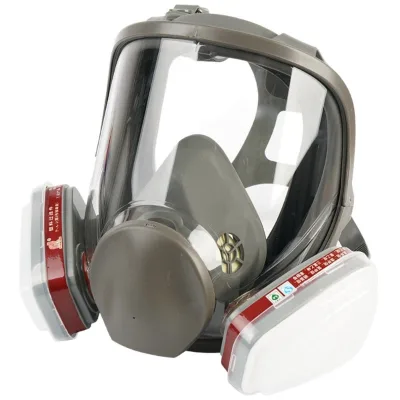
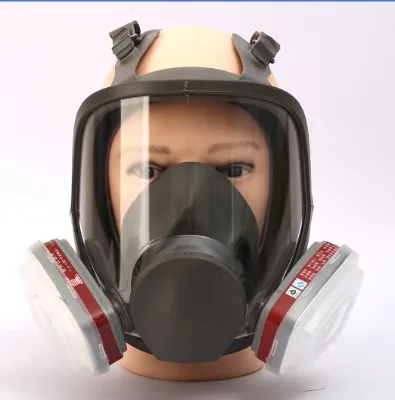
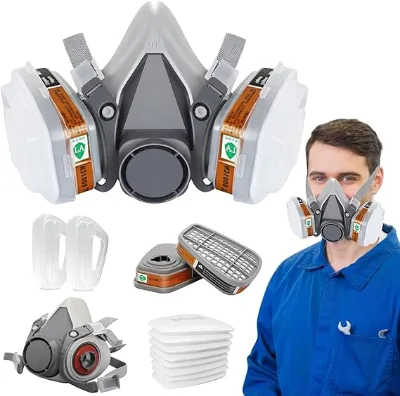
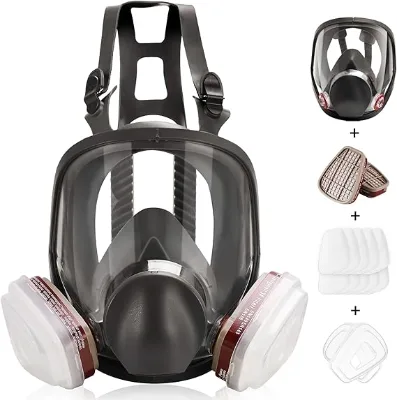
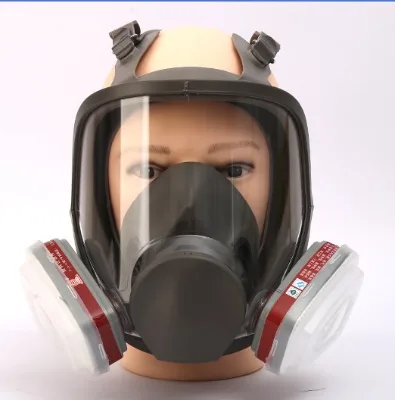
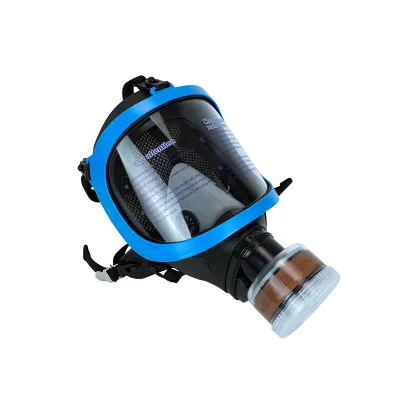
Full Face Respirator Industrial Antigas Chemical Respirator Mask With CE Certification
$6.00 - $7.00
MOQ: 12 pieces
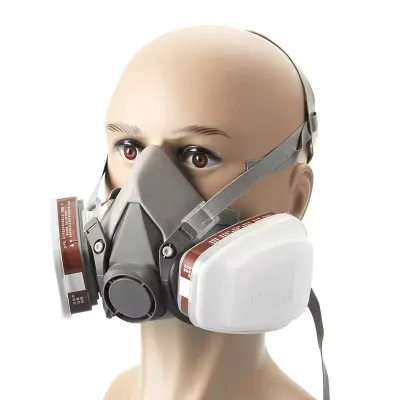
Factory Direct Hot Selling Half Face Gas Mask Chemical Dust protection Respirator
$3.08 - $3.60
MOQ: 40 pieces

Ammex-Weida (Hubei) Health and Safety Products Co., Ltd.
- Verified by SGS
- Combined
- China Hubei
- Lead time23 days
- Avg. response≤ 9h
Main productsMedical Face Mask, Isoaltion Gown, CPE Gown, Cap, Shoe/Boot Covers, Lab Coat, Scrub Suit, Oversleevs, Apron, Bed Sheet
Main marketsSouth America,Africa,Southeast Asia/ Mideast,East Asia(Japan/ South Korea),Europe,Australia,North America

Niosh Approved Disposable Use Molded Cup White N95 Respirator with Exhalation Valve
$0.29 - $0.31
MOQ: 4800 Pieces

$0.19 - $0.20
MOQ: 4800 Pieces

Anqing Topeak Medical Co., Ltd.
- Trading Company
- China Anhui
- Lead time15 days
- Avg. response≤ 5h
Main productsDental Bibs, Non Woven SMS, Mirco Applicator, Face Mask, Saliva Ejector, Dental Needle, Sterilization Pouch, Sterilization Reel, Isolation Gown, Coverall
Main marketsSouth America,Others(foreignTradeCapacity.exportBusinessCapacityMarketOther),Southeast Asia/ Mideast,East Asia(Japan/ South Korea),Europe
Hangzhou Xinrui Medical Device Co., Ltd.
- Verified by TUVRHEINLAND
- Trading Company
- China Zhejiang
- Lead time15 days
- Avg. response≤ 2h
Main productsDisposable Gloves, Face Masks, Isolation Gown, Surgical Gown, Face Shield, Goggles, Manual Resuscitator, CPAP Mask, CPR Mask, Oxygen Mask
Main marketsSoutheast Asia/ Mideast

- Combined
- China Anhui
- Lead time30 days
- Avg. response≤ 5h
Main productsNitrile Gloves, Vinyl Glove, Disposable Gloves, Examination Glove, Medical Gloves, Food Gloves, Dental Consumables, Specimen Transportation Bag, Sterilisation Pouch, Absorbent Pouches
Main marketsSouth America,Africa,Southeast Asia/ Mideast,East Asia(Japan/ South Korea),Domestic,Europe,Australia,North America

Wuhan Raytex Protection Co., Ltd.
- Verified by SGS
- Manufacturer/Factory
- China Hubei
- Lead time90 days
- Avg. response≤ 3h
Main productsShoe Cover, Disposable Coverall, Face Mask, Bouffant Cap, Lab Coat, Surgical Gown, Overshoes, Mob Cap, Hood, Respirator
Main marketsSouth America,Eastern Europe,Mid East,North America,Southeast Asia,Eastern Asia,Oceania,Western Europe,Africa
Anqing Sankang Protection Technology Co., Ltd.
- Verified by BV
- Trading Company,Manufacturer/Factory
- China Anhui
- Lead time23 days
- Avg. response≤ 1h
Main productsIndustrial Face Mask, Civilian Face Mask, Medical Mask, Transparent Mask, Disposable Mask, FFP2 Face Mask, FFP3 Face Mask, N95 Mask, KN95 Mask, Respirator
Main marketsSouth America,Eastern Europe,Mid East,North America,Southeast Asia,Eastern Asia,Oceania,Western Europe,Africa


Half Mask Respirator with Square Breathing Valve KN95 Standard Acid Gas Protection
$0.11 - $0.16
MOQ: 1000 Pieces

Premium KN95 Respirator Mask with Valved Design for Enhanced Protection
$0.05 - $0.07
MOQ: 1000 pieces

KEYFUN SAFETY EQUIPMENT GROUP LIMITED
- Verified by SGS
- Manufacturer/Factory,Group Corporation
- China Zhejiang
- Lead time23 days
- Avg. response≤ 20h
Main productsAgro Sprayer, Ear Muffs, Safety Helmet, Face Shield, Respirator, Gas Mask, Solo Port 423 Mist Blower Power Sprayer, Capacitor, Knapsack Sprayer, Cooper Pegler Matabi Jacto Bp Sprayer
Main marketsSouth America,Eastern Europe,Mid East,North America,Southeast Asia,Eastern Asia,Oceania,Western Europe,Africa

China Factory Dust Masks Respirator N95 Particulate Respirator N95 Face Mask Cup Mask
$0.28
MOQ: 10000 Pieces

Full Face Mask Respirator 6800 Protective Gas Mask Full Facepiece Reusable Respirator
$9.98 - $15.00
MOQ: 100 Pieces


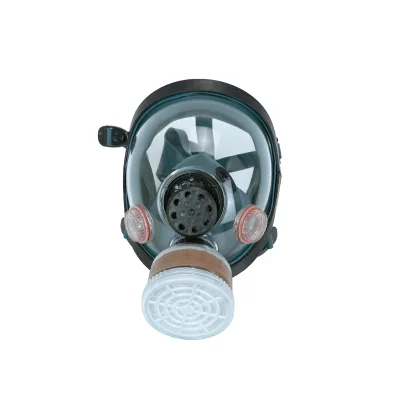
Gas Protection Mask Full Face Gas Mask Reusable Full Facepiece Respirator
$24.80 - $25.00
MOQ: 1000 Pieces


Yangzhou Super Union Medical Material Co., Ltd.
- Combined
- China Jiangsu
- Lead time15 days
- Avg. response≤ 11h
Main productsGauze Swab, Sterile Gauze Sponge, Lap Sponge, Non Woven Sponge, Gauze Roll, Sterile Non Woven Swab, Paraffin Gauze, Gauze Bandage, Triangel Bandage, Cotton Wool
Main marketsSouth America,Africa,Others(foreignTradeCapacity.exportBusinessCapacityMarketOther),Southeast Asia/ Mideast,East Asia(Japan/ South Korea),Domestic,Europe,Australia,North America


Disposable Respirator Resuscitation Filtration Efficiency 95% KN95 Mask
$0.60 - $1.05
MOQ: 10000 Pieces


Guangzhou 247 International Co., Ltd.
- Trading Company,Manufacturer/Factory
- China Guangdong
- Lead time15 days
- Avg. response≤ 7h
Main productsSafety Cloth, Safety Boot, Safety Mask, Safety Rain Boot, Rain Boot, Rain Coat, Safety Helmet, Safety Vest, Face Mask, Safety Glasses
Main marketsSouth America,Eastern Europe,Mid East,North America,Southeast Asia,Eastern Asia,Oceania,Western Europe,Africa

Xiamen Safety Plus Group Co., Ltd
- Verified by TUVRHEINLAND
- Combined
- China Fujian
- Lead time23 days
- Avg. response≤ 10h
Main productsMask Respirator, Coverall, Other PPE
Main marketsSouth America,Southeast Asia/ Mideast,Europe


Nose Clip Design KN95 Filter Rating Foldable Face Protective Respirator Safety Mask
$0.26 - $0.28
MOQ: 10000 Pieces
Ningbo Zhengfiltration Products Co., Ltd.
- Verified by BV
- Combined
- China Zhejiang
- Lead time15 days
- Avg. response≤ 11h
Main productsFilter Paper
Main marketsDomestic

Respirator Filter KN95 or kN90 Accessories Match 3200 Series Half Mask Respirator White Filter
$0.15 - $0.20
MOQ: 1000 Pieces

Respirator Filter KN95 or kN90 Accessories Match Half Facepiece 3200 Series Respirator White Filter
$0.15 - $0.20
MOQ: 1000 Pieces

Hubei Mingerkang Health & Safety Appliances Co., Ltd.
- Verified by SGS
- Trading Company,Manufacturer/Factory
- China Hubei
- Lead time23 days
- Avg. response≤ 5h
Main productsFace Mask, Shoe Cover, Protective Clothing, Isolation Gown, Bouffant Cap, Surgical Gown, Lab Coat, Disposable Coverall, Disposable Face Mask, Medical Face Mask
Main marketsSouth America,Eastern Europe,Mid East,North America,Southeast Asia,Eastern Asia,Oceania,Western Europe,Africa

High Grade Filters P3 Chemical Mask Respirator Factory Particulate Respirator
$0.16 - $0.22
MOQ: 5000 Pieces

Ce En 149 Disposable Dust Particulate Respirator Face Mask
Contact supplier
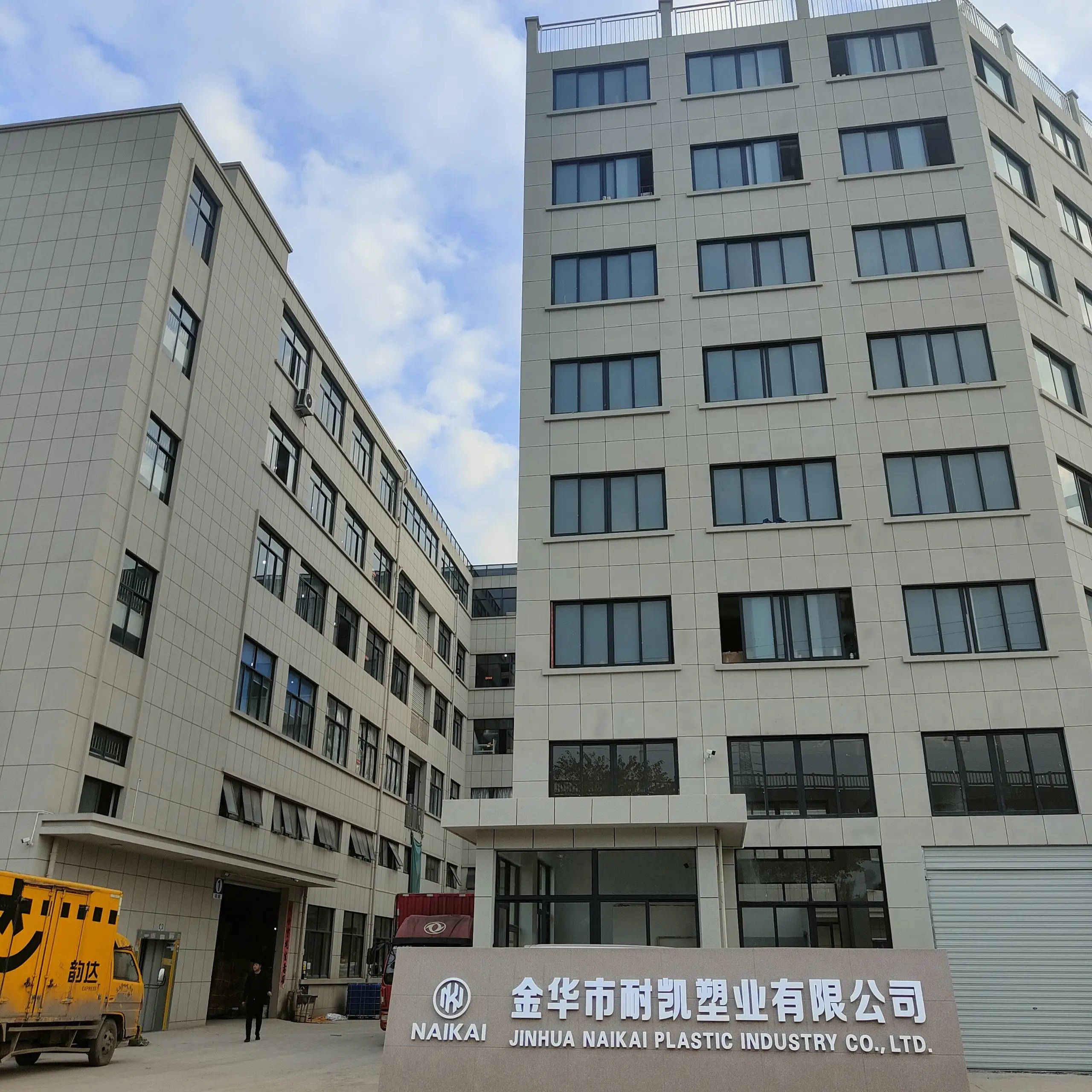
Jinhua Naikai Plastic Industry Co., Ltd.
- Manufacturer, Trading Company
- Zhejiang, China
- Lead time20 days
- Avg. response≤ 3h
Main productsSafety boots,rain boots,boots,safety belts,safety clothes
Main marketsAfrica(30.00%), North America(20.00%), Southeast Asia(20.00%), Mid East(20.00%), Eastern Europe(10.00%)
Fujian Angel Nonwoven Fabric Tech Co., Ltd.
- Verified by SGS
- Manufacturer
- China Fujian
- Lead time15 days
- Avg. response≤ 7h
Main productsNonwoven Fabric, Disposable Bed Sheet, Meltblown, Nonwoven Bag, Mattress Cover, Earloop/Nose Wire for Mask, PLA/Pet Nonwoven Fabric, Landscape Cover, Weed Control, TNT Table Cloth
Main marketsSoutheast Asia/ Mideast,Europe




Comprehensive Sourcing Guide
CE NIOSH N95 Respirator Supplier Concentration and Factory Types
Current data indicates a concentration of suppliers in Jiangsu, China, offering a mix of trading companies and manufacturers. These entities list diverse product portfolios including underpads, surgical packs, and various respiratory protection items like N95 masks and chemical respirators. Some suppliers in this region specialize in ODM and OEM capabilities, allowing for customization of mask styles such as cone, duckbill, or cup shapes. The presence of trading companies suggests a supply chain that aggregates products from multiple factories, while manufacturer listings imply direct production control over items like silicone full-face respirators. Buyers should note that main products vary significantly, with some vendors focusing on medical-grade disposables and others on industrial gas masks or heavy-duty safety equipment.
In contrast, other verified locations like Shandong, China, host manufacturers producing specialized equipment such as road rollers and excavators alongside gas masks. This suggests that respiratory protection might be a secondary product line for some industrial manufacturers in this region. The distinction between trading companies and manufacturers is critical for understanding supply chain depth. Trading companies often facilitate access to a broader range of products but may have less direct control over production timelines. Manufacturers, conversely, typically offer more direct communication regarding production capacity and customization. Buyers must verify the specific company type for each supplier to ensure alignment with their sourcing strategy, whether they prioritize product variety or direct factory engagement.
How to Verify CE NIOSH N95 Respirator Suppliers
Verification processes should prioritize checking for BV verification status and specific system certifications like CE. The available data shows that some suppliers hold BV verification, which serves as a third-party validation of their business operations. However, certification details vary, with some listing "Others" while others explicitly state CE compliance. Buyers must confirm that the specific respirator models, such as the N95 or KN95 variants, carry the necessary approvals for their target market. It is essential to request current certification documents rather than relying on general claims, as standards for respiratory protection are strict and region-specific. The presence of a certification does not automatically guarantee that every product in a supplier's catalog meets the same rigorous standards.
Response time and lead time data provide additional layers of verification regarding supplier reliability. A response time of 1.55 hours or 2 hours indicates a level of operational readiness, but this metric should be cross-referenced with actual communication during the inquiry phase. Lead times ranging from 7 to 15 days suggest varying production capacities and logistical efficiencies. Buyers should test these metrics by initiating a small inquiry to gauge actual responsiveness before committing to large orders. Furthermore, checking the "Available Times" attribute, such as disposable or single-use classifications, helps confirm that the supplier understands the specific product lifecycle requirements. Verification is not a one-time check but an ongoing process of validating claims against observed performance and documented evidence.
What to Compare Across CE NIOSH N95 Respirator Suppliers
When comparing suppliers, focus on the specific attributes of the respirator models, including filter ratings, valve options, and material composition. Data shows variations in filter ratings like N95, KN95, and FFP, as well as styles with or without valves. Some models are designed for construction and mining, while others target hospital and medical applications. Buyers must align these product attributes with their end-use requirements, ensuring that the mask type, such as a safe-type or gas mask, matches the intended environment. The availability of customization is another key differentiator, with some suppliers offering logo printing and specific packing configurations like 10 or 20 pieces per box.
Price and minimum order quantity (MOQ) are critical financial factors that vary significantly across the supplier base. Price ranges observed span from approximately $0.24 to $0.45 per unit, with MOQs starting as low as 12 pieces for some industrial masks and reaching 5,000 pieces for standard N95 respirators. These figures highlight the importance of volume planning in the sourcing decision. A supplier with a low MOQ might be suitable for testing or small-scale distribution, whereas high-volume buyers should prioritize suppliers with competitive pricing at scale. Additionally, packing standards, such as 20 boxes per carton, affect shipping costs and storage efficiency. Buyers should create a comparison matrix that weighs these product and commercial variables against their specific budget and volume needs.
Common CE NIOSH N95 Respirator Sourcing Risks
One significant risk involves the discrepancy between claimed certifications and actual product compliance. While some listings mention NIOSH approval or CE standards, the data also includes generic terms like "Others" for system certification. This ambiguity creates a risk that the product may not meet the regulatory requirements of the destination country. Buyers must demand specific test reports for the exact model number, such as WELLMIEN-N95 0023, rather than accepting general category claims. The risk is compounded if the supplier is a trading company that sources from multiple factories, potentially introducing inconsistencies in quality control and certification validity.
Another risk relates to the mismatch between product application and the actual protective capabilities of the respirator. Some products are listed for construction and mining, while others are designated for medical use. Using a mask intended for industrial dust in a medical setting, or vice versa, can lead to safety failures. The data indicates features like "Anti-ultraviolet" or "Gas Defense," which must be verified against the specific hazards present in the buyer's environment. Additionally, the storage requirements, such as keeping items in a cool, dry, well-ventilated warehouse, are critical for maintaining product integrity. Failure to adhere to these storage conditions during transit or warehousing can degrade the filtration efficiency of the respirator, rendering it ineffective when needed most.
CE NIOSH N95 Respirator Regional Sourcing and Logistics
Sourcing from Jiangsu, China, offers access to a dense network of suppliers specializing in disposable respiratory protection and medical supplies. The region's concentration of manufacturers and trading companies facilitates efficient logistics for high-volume orders. However, buyers must account for the specific origin details listed, such as Jiangsu or Shandong, as these impact shipping routes and transit times. The lead time data of 7 to 15 days suggests that production is generally localized, but international shipping adds variable transit durations. Understanding the specific port of origin is essential for calculating total landed costs and delivery schedules accurately.
Logistics planning must also consider the packaging specifications provided by suppliers, which vary from 12 pieces per box to 20 pieces per box. These packing standards directly influence container loading efficiency and freight costs. For instance, a supplier offering 20 boxes per carton may optimize space differently than one offering 15 pieces per box. Buyers should verify the weight and dimensions of the cartons, as seen in the 11kg/box specification for certain gas masks, to ensure compatibility with their shipping arrangements. Additionally, the requirement for storage in cool, dry environments necessitates careful selection of shipping methods to prevent moisture damage during transit. Proper logistics planning ensures that the product arrives in optimal condition, ready for immediate distribution or use.
CE NIOSH N95 Respirator Commercial Terms and Order Planning
Commercial terms should be negotiated based on the observed MOQ and price ranges, which can vary from $0.24 to $0.45 per unit. Buyers must clarify whether the quoted price includes packaging, labeling, and any customization fees, as these are often listed as separate attributes. The availability of customization, such as logo printing or specific strap attachments, should be confirmed in the initial contract to avoid unexpected costs later. Payment terms and escrow options should be discussed to mitigate financial risk, especially when dealing with new suppliers or large order volumes. Understanding the full scope of the commercial agreement is vital for maintaining budget control and ensuring product specifications are met.
Order planning requires a strategic approach to lead times and production capacity. With lead times ranging from 7 to 15 days, buyers should factor in buffer time for quality inspections and potential delays. The response time of 1.55 to 2 hours indicates a generally responsive supply chain, but this should be validated during the actual ordering process. Buyers should plan their inventory levels based on the specific production capacity of the chosen supplier, ensuring that stockouts do not occur during peak demand periods. Additionally, the classification of the product, whether as a disposable respirator or a reusable gas mask, affects reorder frequency and storage requirements. Effective order planning aligns production schedules with market demand to optimize cash flow and operational efficiency.
FAQs
What is the typical lead time for N95 respirators from these suppliers?
The typical lead time for N95 respirators from these suppliers is 15 days for some and 7 days for others. Buyers should verify specific delivery schedules based on order volume and current production capacity before finalizing purchase agreements.
What are the minimum order quantities for N95 masks?
Minimum order quantities vary significantly, with some products requiring 5000 units while others accept orders as low as 12 pieces. Buyers must check the specific product listing to confirm the exact MOQ applicable to their intended purchase volume.
Where are these N95 respirator manufacturers located?
Manufacturers are located in Jiangsu and Shandong provinces in China. These regions are known for producing various protective equipment including surgical packs and respiratory masks, ensuring a concentrated supply chain for industrial and medical safety gear.
Do these suppliers offer customization for N95 respirators?
Yes, customization is available for many N95 respirator models listed. Buyers can request specific features like valve options, logo printing, or packaging variations, provided they meet the supplier's minimum order quantity requirements for custom production runs.
What certifications do these respirators hold?
Products are described as NIOSH approved or CE certified, with some listings mentioning EN149 standards. Buyers should verify specific certification documents for each product model to ensure compliance with their local regulatory requirements before placing large orders.
What is the price range for disposable N95 masks?
Prices range from approximately 0.245 to 0.450 USD per unit depending on the model and features. Factors influencing cost include valve presence, strap type, and specific filtration ratings, so buyers should compare multiple listings for accurate budgeting.
How quickly do suppliers respond to inquiries?
Response times vary, with some suppliers responding within 1.55 hours and others taking up to 2 hours. Fast response times indicate active sales teams ready to assist with technical questions and order processing for urgent procurement needs.