Class II Bone Reduction Forceps Suppliers and Manufacturers
Source Class II Bone Reduction Forceps from 21 verified suppliers in Anhui, China. Compare key dimensions including MOQ, lead times, and pricing for surgical instruments. Review product specifications and request quotes directly to streamline your procurement process; review the available evidence before requesting comparable quotations from suitable candidates.
Suppliers List
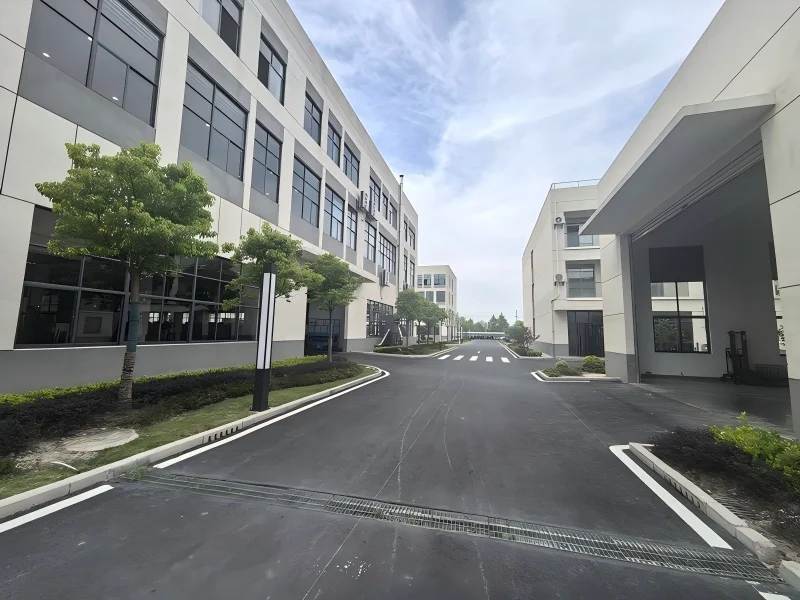
Wuhu Kaimao Tools & Equipment Co., Ltd.
- Trading Company
- Anhui, China
- Lead time3 days
- Avg. response≤ 3h
Main productsveterinary instrument,orthopedics accessories,basis tools,power tools,screw
Main marketsSouth America(20.00%), South Asia(20.00%), Africa(10.00%), Domestic Market(10.00%), Eastern Europe(10.00%), Mid East(9.00%), Western Europe(8.00%), Eastern Asia(5.00%), Southeast Asia(5.00%), Oceania(2.00%), North America(1.00%)
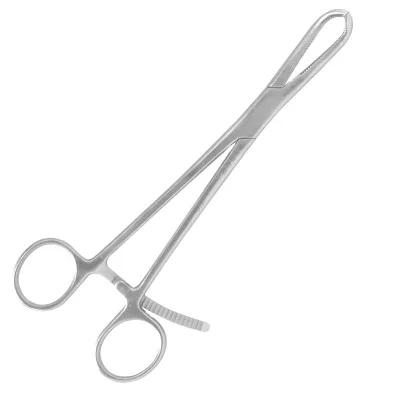
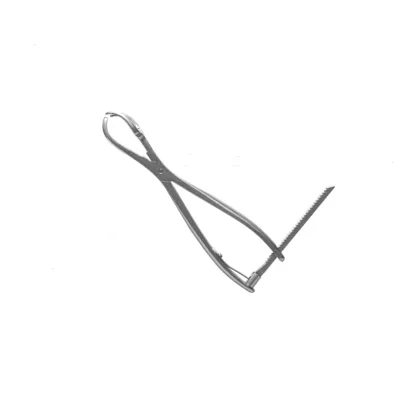
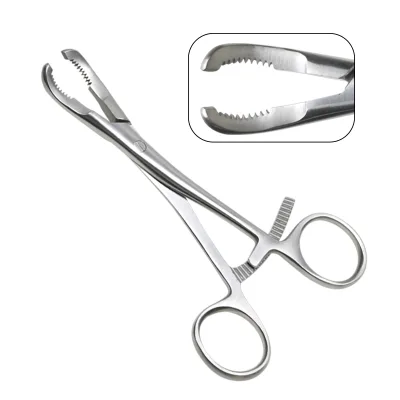
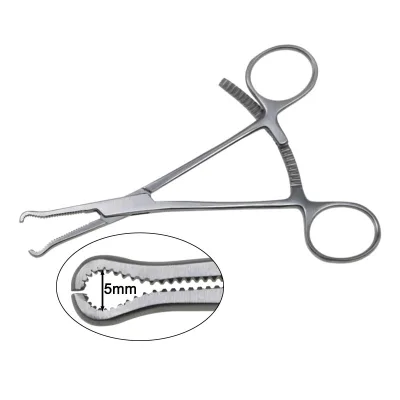
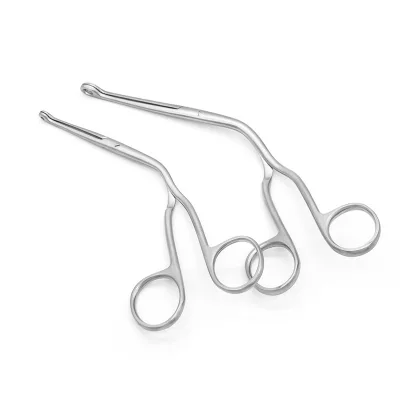
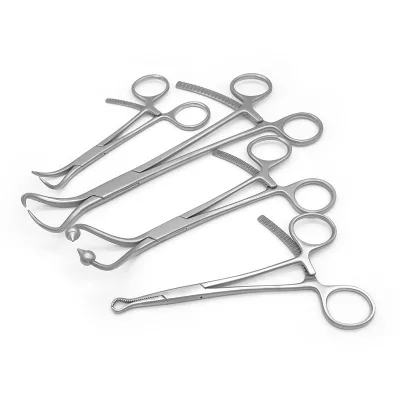
Bone Pointed 3-claw Medical Stainless Steel Orthopedic Mini Reduction Forceps
$30.00 - $50.00
MOQ: 1 Minimum
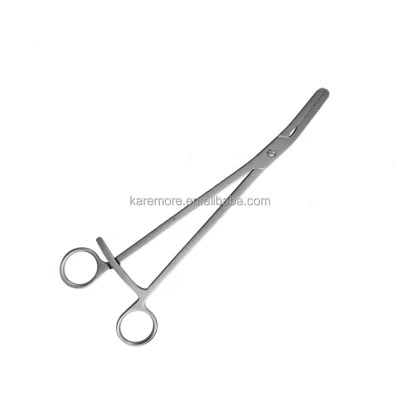
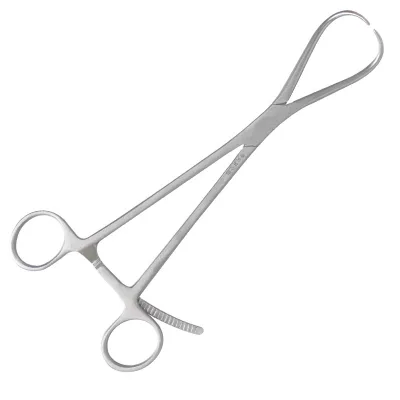
Bone Surgical Instruments Cusp Reduction Forceps with Essential Properties
$25.64 - $35.89
MOQ: 1 Minimum
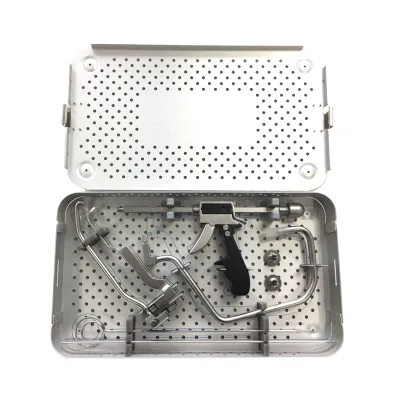
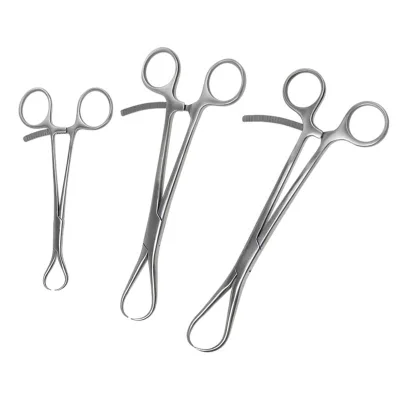
$700.00 - $900.00
MOQ: 1 Minimum

CHANGZHOU XIETONG INDUSTRIES CO., LTD.
- Trading Company
- China Jiangsu
- Lead time15 days
- Avg. response≤ 11h
Main productsMedical Bone Drill Bit, Orthopedic Instrument Set, Orthopedic Implants, Spare Medical Instrument, Orthopedic Plates, Orthopedic Screws, Locking Nails, Dental Tools, Ppek Carbon Medical Products, Surgical Reamers
Main marketsSoutheast Asia/ Mideast,Europe,North America

Bone Holding Forceps Orthopedic Instrument Bone Holding Reduction Forceps
$20.00 - $50.00
MOQ: 10 Pieces


Self-Centering Bone Holding Reduction Forceps Orthopedic Instruments Bone Holding Forceps
$100.00 - $150.00
MOQ: 10 Pieces


Chengdu Great Long Hua Trade Co., Ltd.
- Trading Company
- Sichuan, China
- Lead time0 days
- Avg. response≤ 3h
Main productsMedical Electronic Drill, Medical Electronic Saw, Cosmetic Plastic Surgery Instrument, Dental Supplies, Ophthalmic Instrument
Main marketsSouth America(15.00%), Western Europe(10.00%), Southern Europe(10.00%), Eastern Europe(10.00%), Mid East(10.00%), Oceania(5.00%), Central America(5.00%), Northern Europe(5.00%), Africa(5.00%), Domestic Market(5.00%), Southeast Asia(5.00%), South Asia(5.00%), Eastern Asia(5.00%), North America(5.00%)
Shanghai CareFix Medical Instrument Co., Ltd.
- Manufacturer, Trading Company
- Shanghai, China
- Lead time45 days
- Avg. response≤ 1h
Main productsExternal Fixator, Internal Fixation Product, Metallic Intramedullary Nail, Spinal Fixation, Surgical Instruments
Main marketsSouth America(57.00%), Western Europe(14.00%), Southeast Asia(9.00%), Mid East(8.00%), Eastern Europe(7.00%), Northern Europe(2.00%), South Asia(1.00%), Southern Europe(1.00%), Central America(1.00%)
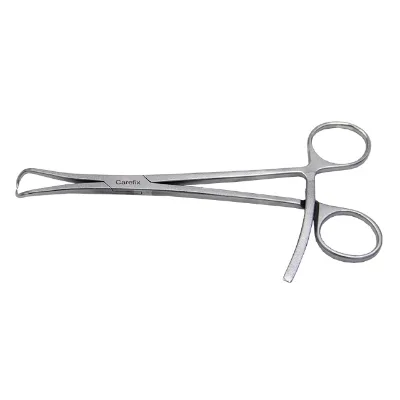
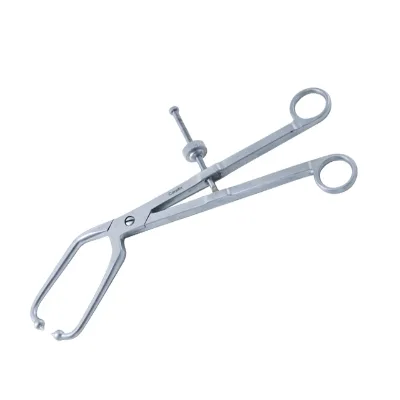
$863.79 - $1233.98
MOQ: 2 Minimum
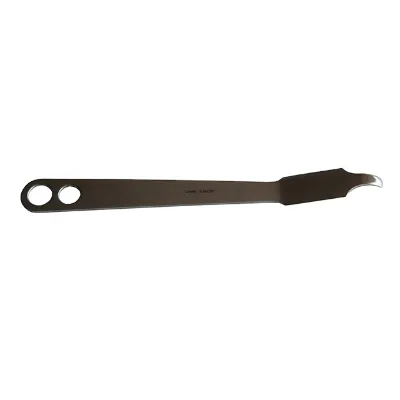
Orthopedics Instruments Pelvic Hohmann Retractor Furst Hohmann Bone Lever Retractor
$168.00 - $240.00
MOQ: 2 Minimum
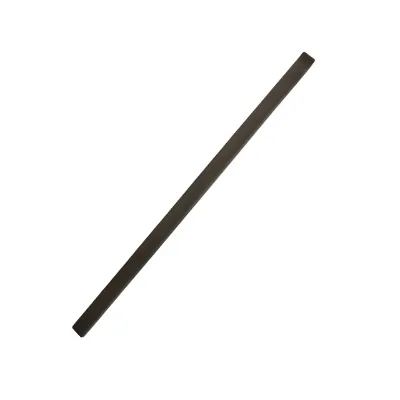
High Quality Orthopedic Surgical Instruments Professional Bone Cutting Knife
$171.34 - $244.77
MOQ: 1 Minimum
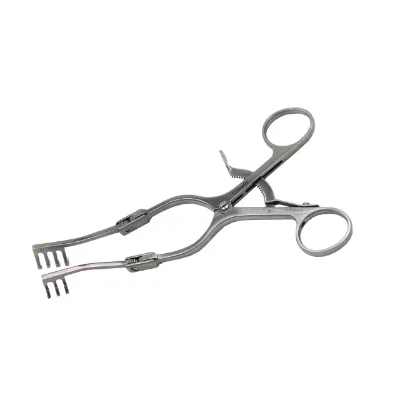
Orthopedic Retractor Surgical Retractor Instruments Reusable Stainless Steel
$50.99 - $101.99
MOQ: 1 Minimum

Shanghai A-Orth Medical Co., Ltd.
- Trading Company
- China Shanghai
- Lead time23 days
- Avg. response≤ 3h
Main productsOrthopeadic Implants and Instruments, Spine Fixation Systems, Medical Instruments, Power Tools and Accessories, Locking Plates, Interlocking Nails, Pedicle Screws, Locking Screws, Cervical Plates, Interbody Fusion Cages
Main marketsSouth America,Africa,Southeast Asia/ Mideast,East Asia(Japan/ South Korea),Domestic,Europe,Australia,North America

Jiangsu Jinlu Group Medical Device Co., Ltd.
- Verified by TUVRHEINLAND
- Combined
- China Jiangsu
- Lead time15 days
- Avg. response≤ 8h
Main productsOrthopedic Implants, Interlocking Nails, Spine Pedical Screws, Locking Plates, Truma Bone Plates Screws, External Fixtors, Maxillo-Facia Plates, Surgical Instruments, Hip and Knee Prothesis, Cannulated Screws
Main marketsSouth America,Africa,Southeast Asia/ Mideast,Europe,North America


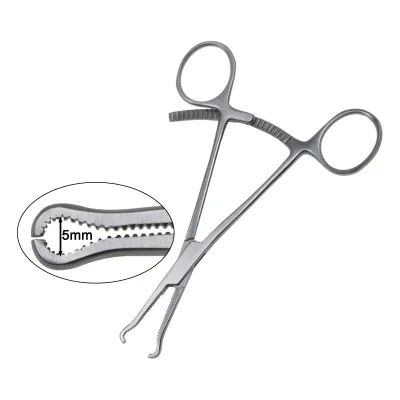
Bone Surgical Instrument Reduction Forceps with Points Orthopedic Instrument
$20.00 - $30.00
MOQ: 1 Pieces

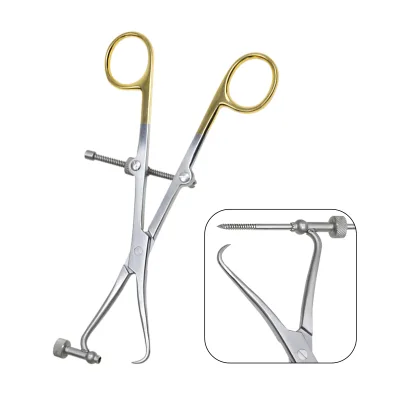
High Quality Surgical Instruments Rod Reduction Forceps with CE/ISO Certificates
$181.00 - $184.00
MOQ: 1 Pieces

High Quality Surgical Instruments Self-Centering Bone Holding Forceps with CE/ISO Certificates
$30.00 - $33.00
MOQ: 1 Pieces


CHANGZHOU MEDITECH TECHNOLOGY CO., LTD.
- Verified by BV
- Trading Company,Manufacturer/Factory
- China Jiangsu
- Lead time23 days
- Avg. response≤ 6h
Main productsOrthopedic Implants, Orthopedic Instruments, External Fixators, Veterinary Implants and Instruments, Spine Implant, Intramedullary Nail, Surgical Plate, Orthopedic Locking Plate, Orthopedic Power Tools, Joint Prosthesis
Main marketsSouth America,Eastern Europe,Mid East,North America,Southeast Asia,Eastern Asia,Oceania,Western Europe,Africa

- Verified by CTI
- Manufacturer/Factory
- China Jiangsu
- Lead time23 days
- Avg. response≤ 4h
Main productsOrthopedic Implant, Orthopedic Wound, Orthopeadic Trauma Products, Orthopedic Locking Plate, Orthopedic Spinal Products, Orthopedic Instruments, Orthopedic Power Tools, Trauma Implant, Fusion Cage in Spine
Main marketsSouth America,Eastern Europe,Mid East,Southeast Asia,Eastern Asia,Oceania,Western Europe,Africa

Jiangsu Gather Biotech Co., Ltd.
- Verified by BV
- Trading Company
- China Jiangsu
- Lead time15 days
- Avg. response≤ 12h
Main productsOrthopedic Implant, Orthopedic Instrument, Medical Power Tool, External Fixator, Locking Plate, Spinal Screw, Artificial Hip Joint, Artificial Knee Joint
Main marketsSoutheast Asia/ Mideast,Europe


Orthopedic Veterinary Self Lockable Multi-Functional Bone Holding Forceps
$55.00 - $62.00
MOQ: 2 Pieces
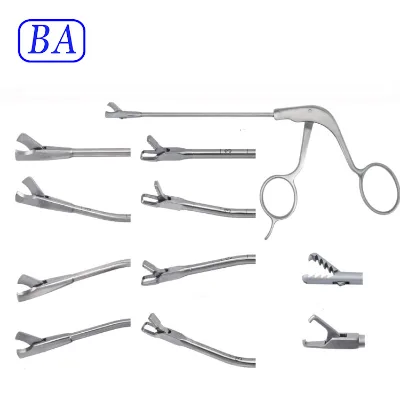
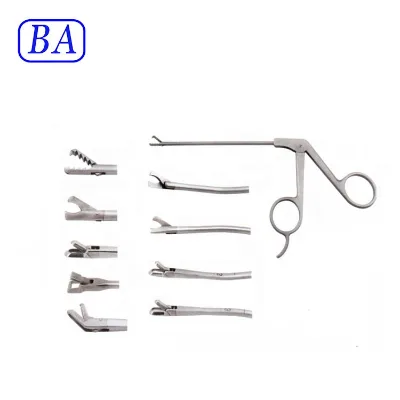
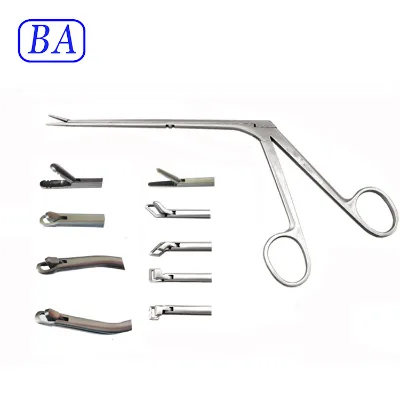
Tonglu BA Medical Devices Co., Ltd.
- Verified by TüVRheinland
- Trading Company
- Lead time30 days
- Avg. response≤ 4h
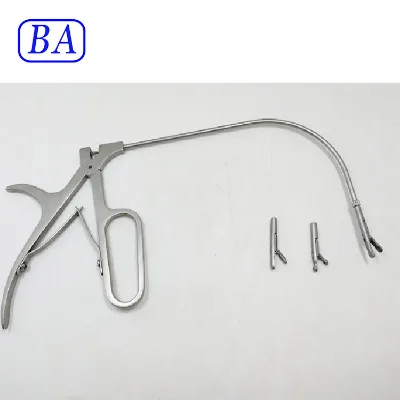
Main productsEndoscope, Forceps, Ureth Cystoscope
Main marketsAfrica(23%), South America(20%), Eastern Europe(13%)
Beijing Eaven Medical Instrument Co., Ltd.
- Verified by Intertek
- Trading Company
- Lead time15 days
- Avg. response≤ 5h
Main productsJoint Orthopedic Replacement Instruments, Spinal Internal Fixation Orthopedic Instruments, Trauma Orthopedic Surgical Instruments, Veterinary Orthopedic Implants and Surgical Instruments, Sports Medicine Orthopedic Surgery Instruments
Main marketsNorth America(22%), Southeast Asia(20%), South America(15%)

Changzhou XC Medico Technology Co., Ltd.
- Trading Company
- China Jiangsu
- Lead time15 days
- Avg. response≤ 9h
Main productsOrthopedic Implant
Main marketsAfrica,Europe,North America

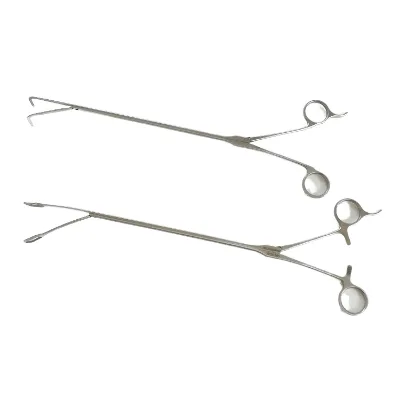
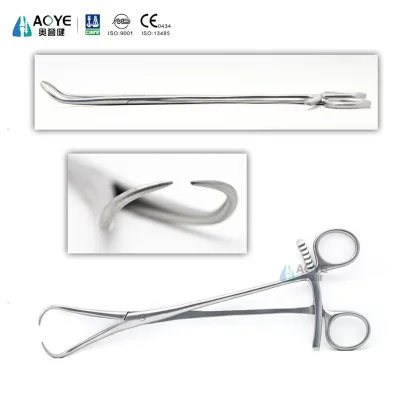
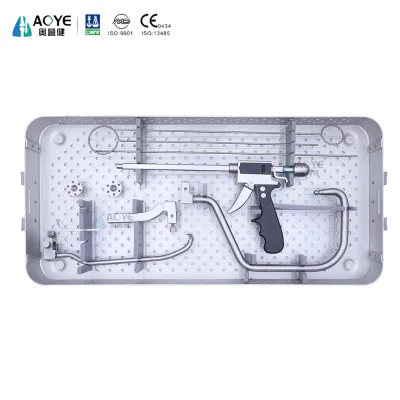
Orthopedic Surgical Instruments Collinear Reduction Clamp Gun Type Reduction Forceps
$550.00 - $600.00
MOQ: 1 Sets


Changzhou Toolmed Medical Instruments Co., Ltd.
- Verified by TUVRHEINLAND
- Combined
- China Jiangsu
- Lead time15 days
- Avg. response≤ 5h
Main productsOrthopedic Implants, Orthopedic Instruments, Veterinary Orthopedics, Intramedullary Nail, Orthopedic Power Tools, Arthroscopy System, Spinal System, Kyphoplasty Balloon, Hip & Knee Prosthesis, Locking Screws and Locking Plates
Main marketsSouth America,Africa,Others(foreignTradeCapacity.exportBusinessCapacityMarketOther),Southeast Asia/ Mideast,East Asia(Japan/ South Korea),Domestic,Europe,North America
Anqing Changfan Medical Instrument Co., Ltd.
- Verified by TüVRheinland
- Manufacturer, Trading Company
- Lead time7 days
- Avg. response≤ 2h
Main productsLaparoscopic Instruments, Arthroscopy Instruments, Rigid Endoscope, Urology Instruments, Medical Image System
Main marketsSouth America(30%), Southeast Asia(30%), Western Europe(10%)

- Verified by SGS
- Trading Company
- China Jiangsu
- Lead time15 days
- Avg. response≤ 11h
Main productsorthopedic instrument
Main marketsSouth America,Others(foreignTradeCapacity.exportBusinessCapacityMarketOther)


Veterinary Orthodontic Surgical Vet External Fixation Instrument Set Vet Bone Surgery Set
$805.00 - $809.00
MOQ: 1 Pieces


Biocompatible Veterinary Orthopedic Tta Implant for Canine Orthopedic Surgery
$60.00 - $70.00
MOQ: 1 Pieces

Suzhou Youbetter Medical Apparatus Co., Ltd.
- Verified by BV
- Trading Company,Manufacturer/Factory
- China Jiangsu
- Lead time15 days
- Avg. response≤ 8h
Main productsOrthopedic Implants, Orthopedic Instruments, External Fixators, Orthopedic Power Tools, General Instruments, Trauma Implants, Metal Bone Plate and Screw, Spine Implants, Interlocking Nail, Cannulated Screw
Main marketsSouth America,Eastern Europe,Mid East,North America,Southeast Asia,Eastern Asia,Oceania,Western Europe,Africa
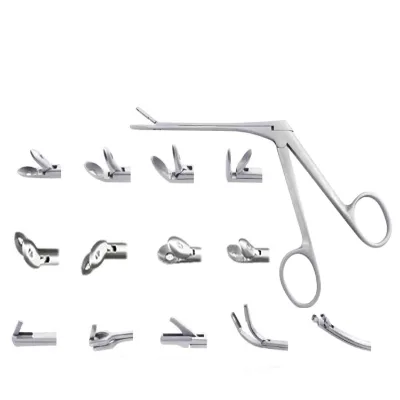
Tonglu Ba Medical Devices Co., Ltd.
- Trading Company
- Zhejiang, China
- Lead time10 days
- Avg. response≤ 2h
Main productsUrology instruments,Laparoscopy instruments,Gynecology instruments,ENT instruments,Arthroscopy instruments
Main marketsMid East(32.00%), Southeast Asia(15.00%), Eastern Europe(12.00%), South Asia(10.00%), Africa(10.00%), Southern Europe(8.00%), Western Europe(5.00%), North America(4.00%), Eastern Asia(4.00%)
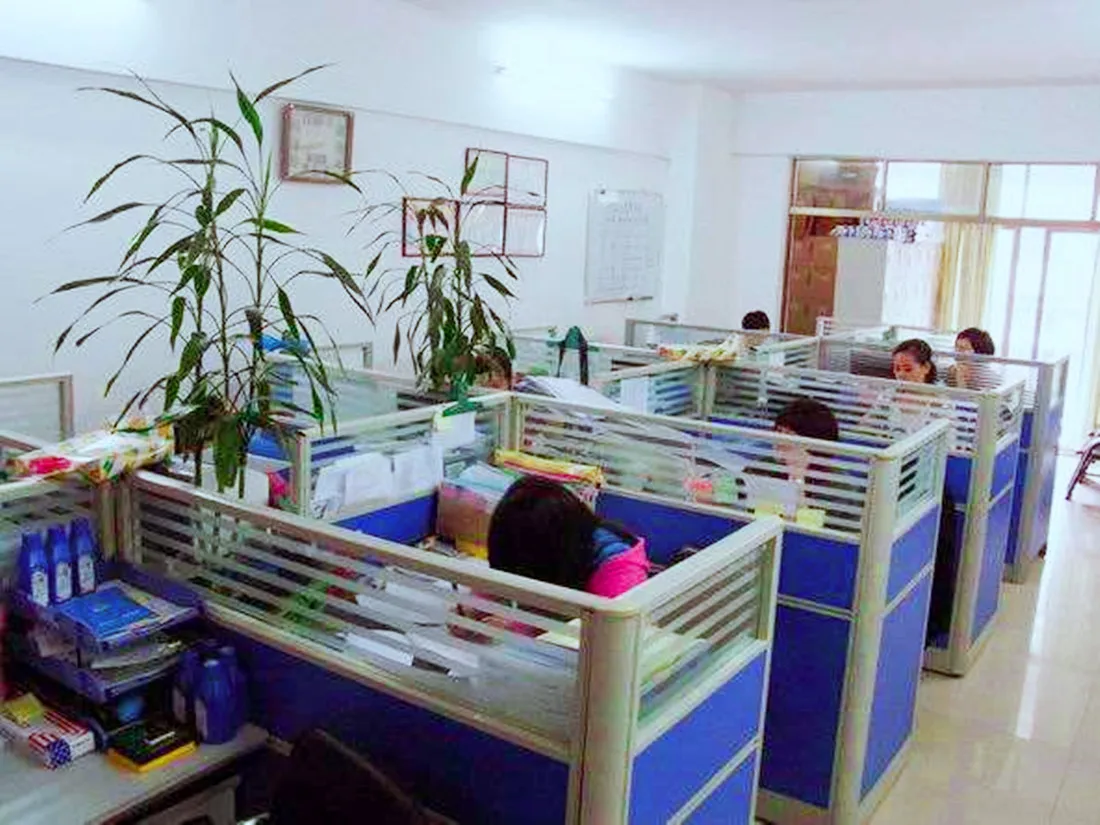
Elidental Technology Co., Ltd.
- Trading Company, Distributor/Wholesaler, Other
- Guangdong, China
- Lead time0 days
- Avg. response≤ 3h
Main productsteeth whitening unit,dental handpiece,intraoral camera,curing light,dental x-ray unit
Main marketsSouth America(25.00%), Mid East(25.00%), North America(10.00%), Africa(10.00%), Eastern Asia(5.00%), Southeast Asia(5.00%), South Asia(5.00%), Southern Europe(5.00%), Eastern Europe(2.00%), Northern Europe(2.00%), Central America(2.00%), Western Europe(2.00%), Domestic Market(1.00%), Oceania(1.00%)
Aoyujian Medical Technology (Changzhou) Co., Ltd.
- Verified by SGS Group
- Manufacturer, Trading Company
- Jiangsu, China
- Lead time10 days
- Avg. response≤ 2h
Main productsOrthopedic Instrument Set, External Fixator, Intramedullary Nails And Screws, Impant Plates, Drills
Main marketsMid East(30%), Eastern Europe(20%), South Asia(15%)

Tonglu Wanhe Medical Instrument Co., Ltd.
- Combined
- China Zhejiang
- Lead time15 days
- Avg. response≤ 22h
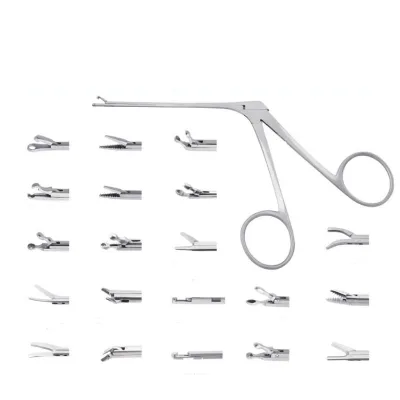
Main productsEndoscope, Endoscopy Instrument, Surgical Instrument, Surgical Supplies, Surgical Equipment, 3mm/5mm/10mm Forceps, Trocar/Needle Holder/Clip Applier, Gynecology Instruments/Morcellator, Cystoscopy Instruments, Arthroscopy Instruments
Main marketsSoutheast Asia/ Mideast,North America
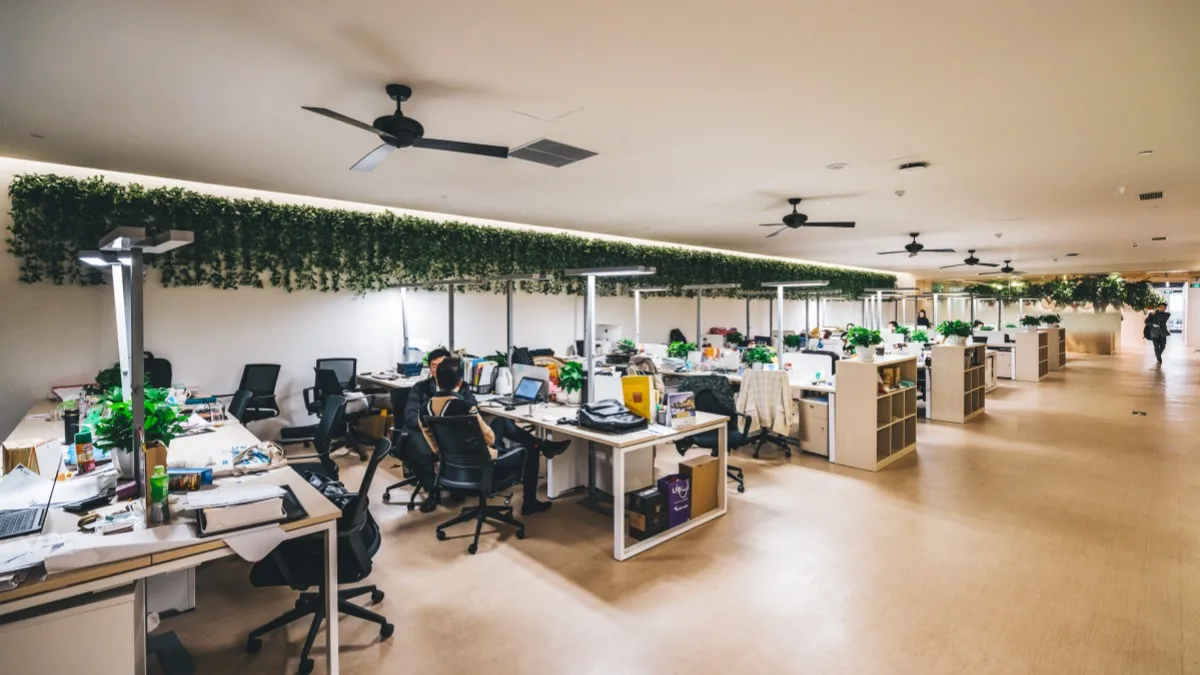
Suzhou Engin Medical Technology Co., Ltd.
- Trading Company
- Jiangsu, China
- Lead time7 days
- Avg. response≤ 3h
Main productsSurgical instruments,Medical equipment
Main marketsAfrica(20.00%), Southeast Asia(20.00%), Eastern Europe(20.00%), South America(20.00%), North America(20.00%)








Comprehensive Sourcing Guide
Class II Bone Reduction Forceps Supplier Concentration and Factory Types
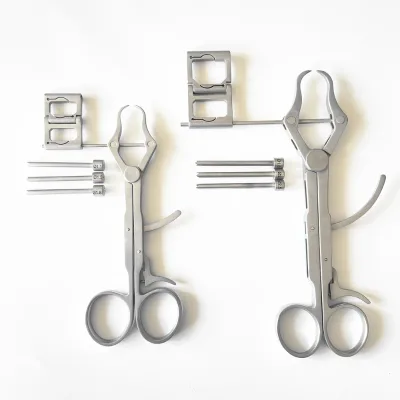
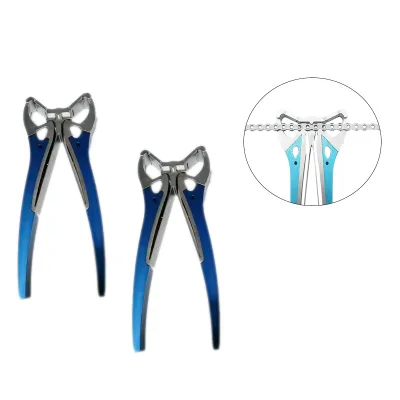
The current search results indicate a specific concentration of suppliers located in Anhui, China, specializing in veterinary instruments, orthopedics accessories, and various surgical tools. These entities are predominantly identified as Trading Companies rather than direct manufacturing factories, which influences the supply chain structure for bone reduction forceps. The available data shows that these suppliers offer a range of products including straight reduction forceps, pointed 3-claw forceps, and collinear reduction instrument sets, all originating from this single region. This clustering suggests that buyers seeking Class II Bone Reduction Forceps should expect to engage with intermediaries who aggregate products from various manufacturers within the Anhui province.
When evaluating the factory types in this cluster, it is critical to distinguish between the trading company model and direct production capabilities. The observed supplier profiles list main products such as power tools and screw mechanisms alongside medical devices, indicating a diversified portfolio rather than a specialized surgical instrument factory. Buyers must verify if the trading company has direct access to the manufacturing floor or if they are reselling goods from third-party factories. The presence of OEM and KAIMAO branding on specific items suggests that these trading companies manage private label arrangements, but the actual production location remains within the Anhui region. This distinction is vital for understanding quality control protocols and the ability to customize specific Class II Bone Reduction Forceps designs.
How to Verify Class II Bone Reduction Forceps Suppliers
Verification of suppliers in this category requires a rigorous check of product attributes and classification standards against the specific needs for Class II Bone Reduction Forceps. The available data lists several products with an "Instrument classification" of Class I, which presents a potential discrepancy for buyers specifically seeking Class Ii devices. Buyers must explicitly request documentation confirming the regulatory classification of the specific forceps model, as the current search results predominantly feature Class I items like straight reduction forceps and bone holding forceps sets. Relying on the visible product keywords without verifying the official medical device classification could lead to sourcing non-compliant equipment for intended surgical procedures.
Beyond classification, buyers should validate the response time and delivery capabilities of the trading companies to ensure operational reliability. The observed response time of 3 days and lead time of 3 days provide a baseline for communication and initial shipment expectations, but these figures may vary for custom orders or specific Class Ii configurations. It is essential to confirm if the "stock" delivery status applies to the specific Class Ii models or if they are made-to-order items with longer lead times. Additionally, verifying the "After-sale Service" terms, such as the "Return and Replacement" policy mentioned for several items, is crucial for mitigating risks associated with defective instruments. Buyers should not assume that the warranty periods or service terms observed on Class I products automatically extend to Class Ii devices without explicit confirmation from the supplier.
What to Compare Across Class II Bone Reduction Forceps Suppliers
When comparing suppliers, the primary dimensions to evaluate include the minimum order quantity (MOQ), pricing structures, and the specific material composition of the instruments. The data shows a wide range of MOQs, with some items available for a single piece or set, while others may have different requirements for bulk orders. Pricing varies significantly, with some forceps listed between 30 and 50 units of currency, while specialized sets like the collinear reduction clamp set range from 700 to 900 units. Buyers must compare these price points against the material specifications, such as "Medical Stainless Steel" or "Stainless Steel," to determine value and durability. It is important to note that not every supplier offers the same price range or material quality, and the lowest price may not correlate with the highest quality for Class Ii applications.
Another critical comparison factor is the product features and customization options available from different trading companies. The observed products include features like "Reusable Surgery Instruments," "Customized Logo," and specific dimensions such as a length of 185mm or a single package size of 25x15x10 cm. Buyers should compare these attributes to ensure the instruments meet the ergonomic and functional requirements of their surgical procedures. The availability of OEM services, as indicated by "OEM & KAIMAO" or "OEM & Karemore" branding, allows for brand customization, but the extent of this customization must be verified. Comparing the sterilization temperature ratings, such as 135-137 degrees, and the specific usage applications, like "reduction the bone" or "orthopedic surgery," helps in selecting the most suitable supplier for specific Class II Bone Reduction Forceps needs.
Common Class II Bone Reduction Forceps Sourcing Risks
One significant risk in sourcing Class II Bone Reduction Forceps is the potential mismatch between the advertised product classification and the actual regulatory status of the instrument. The search results heavily feature Class I instruments, which are generally lower risk and less regulated than Class Ii devices. If a buyer specifically requires Class Ii forceps for more complex orthopedic procedures, sourcing from a supplier whose catalog is dominated by Class I items could result in regulatory non-compliance or inadequate performance for the intended surgical application. Buyers must carefully scrutinize the "Instrument classification" field for every product listing and request official certification documents to confirm the device class before placing an order.
Another risk involves the reliability of the trading company model regarding quality control and after-sales support. Since the majority of observed suppliers are trading companies rather than manufacturers, the direct oversight of the production process may be limited. The "Return and Replacement" service is mentioned for several items, but the specific conditions and timelines for these claims must be clearly defined in the contract. There is also a risk regarding the consistency of the "Medical Stainless Steel" material quality across different batches or suppliers. Without direct factory audits, buyers may face challenges in ensuring that the instruments meet the strict durability and biocompatibility standards required for Class Ii medical devices. Verifying the "Warranty" terms, such as the 1-year warranty observed on some items, is essential to mitigate these risks.
Class II Bone Reduction Forceps Regional Sourcing and Logistics
The regional sourcing landscape for these instruments is currently centered in Anhui, China, where the majority of the observed suppliers and their product origins are located. This concentration simplifies the logistics process for buyers targeting this specific region, as shipping routes and customs procedures are likely standardized for exports from Anhui. The available data indicates that transport options include major carriers such as FedEx, DHL, TNT, and EMS, which are standard for international medical device shipments. However, buyers should verify if these carriers are available for the specific Class Ii models they intend to purchase, as some specialized instruments may require different handling or packaging requirements.
Logistics planning must also account for the packaging specifications and weight of the instruments to ensure safe transit. The observed products have varying single package sizes, ranging from 20x15x10 cm to 30x20x20 cm, and single gross weights from 0.300 kg to 0.500 kg. These dimensions and weights will impact shipping costs and the choice of freight forwarder. Buyers should confirm if the "Carton Box" or "Orthopedic Instrument Packing" mentioned in the product attributes is sufficient for protecting the delicate Class II Bone Reduction Forceps during long-distance shipping. Additionally, the "Delivery: stock" status for some items suggests immediate availability, but buyers must confirm if this applies to the specific Class Ii models or if there are delays for custom orders. Understanding these logistical details is crucial for accurate cost estimation and delivery timeline planning.
Class II Bone Reduction Forceps Commercial Terms and Order Planning
Commercial terms for Class II Bone Reduction Forceps vary significantly based on the supplier's MOQ and pricing structure. The data shows that some suppliers offer a minimum order quantity of just one piece or one set, which is advantageous for small clinics or trial orders. However, pricing can fluctuate based on the specific model and material, with ranges from 10 to 900 units of currency depending on the complexity of the instrument. Buyers should plan their orders by comparing the price per unit against the total volume to optimize costs, especially when dealing with trading companies that may have different pricing tiers for bulk purchases. It is essential to clarify if the quoted prices include shipping, taxes, or other duties to avoid unexpected costs.
Order planning should also incorporate the response time and lead time to ensure timely delivery for surgical schedules. The observed response time of 3 days and lead time of 3 days provide a baseline, but buyers must confirm if these timelines apply to Class Ii devices or if they are specific to the Class I items listed. For custom orders involving OEM branding or specific modifications, the lead time may extend beyond the standard 3 days. Buyers should also review the "After-sale Service" terms, such as the "Return and Replacement" policy, to understand the recourse available if the instruments do not meet expectations. Planning for potential delays and ensuring clear communication channels with the trading company is vital for successful procurement of Class II Bone Reduction Forceps.
FAQs
What is the price range for bone reduction forceps?
Prices for bone reduction forceps typically range from $10 to $900 depending on the set complexity. Single instruments like straight reduction forceps cost between $30 and $51. Collinear reduction sets are priced higher, ranging from $700 to $900. Buyers should verify specific model pricing for accurate quotes.
What is the minimum order quantity for these instruments?
The minimum order quantity is generally 1 piece or 1 set for most bone reduction forceps. Suppliers accept small trial orders, allowing buyers to test quality before committing to larger volumes. This low MOQ supports flexible procurement strategies for clinics and distributors seeking specific surgical tools.
Where are these surgical instruments manufactured?
These bone reduction forceps are manufactured in Anhui, China. The production facilities specialize in medical stainless steel instruments, ensuring consistent quality for orthopedic and veterinary applications. Buyers sourcing from this region benefit from established supply chains for Class I surgical instruments and reliable delivery options.
What material are these reduction forceps made from?
These instruments are primarily made from medical stainless steel. This material ensures durability, corrosion resistance, and suitability for sterilization at temperatures between 135-137 degrees Celsius. The high-quality standard supports reusable surgical applications, meeting the rigorous demands of orthopedic and veterinary surgical procedures.
What after-sales service is provided for these instruments?
Suppliers offer return and replacement services for bone reduction forceps. This warranty covers defects and ensures buyer confidence in the product quality. Additionally, a one-year warranty is available for certain sets, providing long-term support for surgical instrument investments and reducing operational risks for medical facilities.
Can I customize the logo on these instruments?
Yes, customized logos are available for bone reduction forceps. Suppliers accept OEM orders, allowing buyers to brand instruments with their own identity. This service supports private labeling strategies for distributors and medical device companies seeking to establish a unique market presence with high-quality surgical tools.