Class I Dental Examination Instruments Suppliers and Manufacturers
Explore 20 verified suppliers offering Class I Dental Examination Instruments from China Anhui, Henan, and Hebei. Compare response times, lead times, certifications like CE, and MOQs to find the right partner for your dental needs today; review the available evidence before requesting comparable quotations from suitable candidates.
Suppliers List

Anhui Mingde Medical Care Products Co., Ltd.
- Trading Company
- China Anhui
- Lead time15 days
- Avg. response≤ 7h
Main productsSterilization Pouch, Dental Bibs, Examination Paper Couch Roll, Protective Bed Sheet, Dental Accessories, Disposable Underpad, Sterilized Packaging, Dental Appliance, Disposable Medical Consumables, Disposable Beauty Items
Main marketsSouth America,Africa,Southeast Asia/ Mideast,East Asia(Japan/ South Korea),Europe,Australia,North America
Anyang Yingpai Dental Materials Co., Ltd.
- Verified by CTI
- Combined
- China Henan
- Lead time15 days
- Avg. response≤ 10h
Main productsAcrylic Resin Teeth, Dental Zirconia Block, Dental Milling Machine, Dental X Ray Unit, Intraoral Scanner, Dental Lab Equipment, Dental Base Powder, Dental Equipment, Dental Lab Materials, Dental Materials
Main marketsSouth America,Others(foreignTradeCapacity.exportBusinessCapacityMarketOther),Southeast Asia/ Mideast

Tangshan UMG Medical Instrument Co., Ltd.
- Verified by BV
- Combined
- China Hebei
- Lead time23 days
- Avg. response≤ 2h
Main productsDental Handpiece, Dental Material, Dental Equipment, Dental Disposable Instrument, Dental Orthodontic, Dental Teach Simulation, Dental Prophy Angles, Latex Free Disposable Prophy Cups, Disposable Prophy Brush, Dental Unit
Main marketsSouth America,Africa,Southeast Asia/ Mideast,East Asia(Japan/ South Korea),Domestic,Europe,Australia,North America


Oral Examination Tools Dental Surgical Instruments Dental Stainless Steel Wire
$2.07 - $2.88
MOQ: 10 Pieces


NINGBO CAREST MEDICAL INSTRUMENT CO., LTD.
- Trading Company,Manufacturer/Factory
- China Zhejiang
- Lead time15 days
- Avg. response≤ 24h
Main productsMicro Applicator, Dental Bib, Saliva Ejector, Prophy Brush, Barrier Film, Dental Burs, Gutta Percha Points, Dental Irrigation Needle, Dental Needle, Dental Impression Material
Main marketsSouth America,Eastern Europe,Mid East,North America,Southeast Asia,Eastern Asia,Oceania,Western Europe,Africa


8 PCS Dental Elevator Surgical Instruments Luxating Tooth Extraction Tools Set
$32.00 - $36.00
MOQ: 1 Sets


Zhucheng Binfei Medi-Tek Co., Ltd.
- Manufacturer/Factory
- China Shandong
- Lead time23 days
- Avg. response≤ 6h
Main productsDental Bibs, Sterilization Pouch, Shoe Cover, Clip Cap, Saliva Ejector, Dental Consumables, Oral Swab, Alcohol Pad, Disposable Face Masks, Dental Needle
Main marketsSouth America,Eastern Europe,Mid East,North America,Southeast Asia,Eastern Asia,Oceania,Western Europe,Africa

Shanghai Alwings Medical Instrument Co., Ltd.
- Manufacturer/Factory
- China Shanghai
- Lead time23 days
- Avg. response≤ 2h
Main productsSterilization Pouch, Saliva Ejector, Isolation Gowns, Face Mask, Face Shields, Bouffant Cap, Shoe Covers, Dental Needles, Non-Woven Sponge, Disposable Impression Tray
Main marketsSouth America,Eastern Europe,Mid East,North America,Southeast Asia,Eastern Asia,Oceania,Western Europe,Africa

Changzhou Shengkang Medical Instrument Co., Ltd.
- Verified by SGS
- Trading Company,Manufacturer/Factory
- China Jiangsu
- Lead time23 days
- Avg. response≤ 9h
Main productsDental Bib, Saliva Ejector, Micro Applicator, Disposable Dental Kit, Cotton Roll, Cheek Retractors, Disposable Impression Tray, Self-Sealing Sterilization Pouch, Disposable Ded Sheet, Cotton Gauze
Main marketsSouth America,Eastern Europe,Mid East,North America,Southeast Asia,Eastern Asia,Oceania,Western Europe,Africa

Foshan SCS Medical Instrument Co., Ltd.
- Verified by BV
- Manufacturer/Factory
- China Guangdong
- Lead time15 days
- Avg. response≤ 5h
Main productsDental Unit / Dental Chair, Ent Unit, Dental Handpiece, Curing Light, Autoclave, Air Compressor, Scaler, Oral Camera / Monitor, X-ray Equipment, Diamond Burs / Files
Main marketsSouth America,Eastern Europe,Mid East,North America,Southeast Asia,Eastern Asia,Oceania,Western Europe,Africa

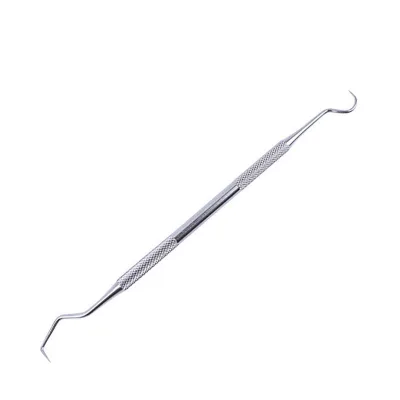
Dental Instruments Dental Examination Tweezers Teeth Dental Instruments for Sale
$0.99 - $3.99
MOQ: 1 Pieces

Surgical Instruments Tools Disposable Dental Laboratory Resin Polishing Discs
$1.50 - $2.50
MOQ: 1 Sets

Dental Instrument High Definition Purple Single Double Sided Hospital Dental Oral Mouth Mirror
$6.00 - $9.00
MOQ: 1 Pieces

Reliable Clinic Oral Instrument Quality Tool for Dental Composite Procedures
$3.00 - $4.00
MOQ: 1 Pieces


- Verified by TUVRHEINLAND
- Combined
- China Hebei
- Lead time15 days
- Avg. response≤ 6h
Main productsEndodontic Instruments, Orthodontic, Dental Photography, Denture Box, Dental Micro Applicator, Dental Instrument Container, Hygiene and Protection, Cheek Retractor Mouth Prop, Dental Impressions, Acrylic
Main marketsNorth America

Changzhou Toolmed Medical Instruments Co., Ltd.
- Verified by TUVRHEINLAND
- Combined
- China Jiangsu
- Lead time15 days
- Avg. response≤ 5h
Main productsOrthopedic Implants, Orthopedic Instruments, Veterinary Orthopedics, Intramedullary Nail, Orthopedic Power Tools, Arthroscopy System, Spinal System, Kyphoplasty Balloon, Hip & Knee Prosthesis, Locking Screws and Locking Plates
Main marketsSouth America,Africa,Others(foreignTradeCapacity.exportBusinessCapacityMarketOther),Southeast Asia/ Mideast,East Asia(Japan/ South Korea),Domestic,Europe,North America


$310.00 - $350.00
MOQ: 1 Pieces

Anqing Topeak Medical Co., Ltd.
- Trading Company
- China Anhui
- Lead time15 days
- Avg. response≤ 5h
Main productsDental Bibs, Non Woven SMS, Mirco Applicator, Face Mask, Saliva Ejector, Dental Needle, Sterilization Pouch, Sterilization Reel, Isolation Gown, Coverall
Main marketsSouth America,Others(foreignTradeCapacity.exportBusinessCapacityMarketOther),Southeast Asia/ Mideast,East Asia(Japan/ South Korea),Europe


Dental Materials Instruments Disinfection Identification Ring
MOQ: 1000 Pieces

Stardent Equipment Co., Limited
- Verified by SGS
- Trading Company
- China Guangdong
- Lead time15 days
- Avg. response≤ 11h
Main productsDental Equipment/Medical Equipment, Dental Instrument/Lab Equipment, Hospital Equipment/Surgical Instrument, Dental Unit/Medical Supply/Diagnostic Equipment, Dental Handpiece/Dental Supply, Dental Chair/Dental Chair Unit/Medical Supply, Dental Material/Medical Products, Dental Product/Ultrasonic Cleaner, Dental Burs/Diamond Burs/Lab Equipment, Teeth Whitening Machine/Surgical Equipment
Main marketsSoutheast Asia/ Mideast,Europe,North America

$36.00 - $40.00
MOQ: 10 Pieces

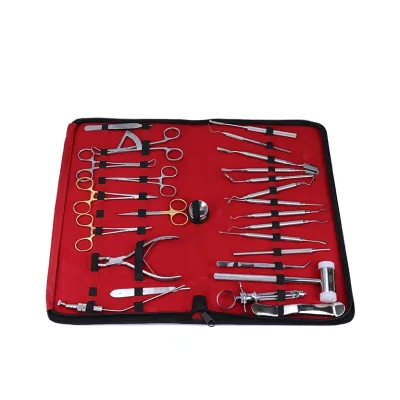
Hot Sale Dental Surgical Instrument Periodontal Instruments Set Dental Periodontal Tools Supply
$36.00 - $40.00
MOQ: 10 Pieces

Medical Supply Dental Tools Instrument Stainless Steel Dental Instrument Kit
$110.00 - $120.00
MOQ: 2 Sets
- Verified by SGS
- Trading Company
- China Jiangsu
- Lead time15 days
- Avg. response≤ 11h
Main productsorthopedic instrument
Main marketsSouth America,Others(foreignTradeCapacity.exportBusinessCapacityMarketOther)

Veterinary Orthopedic Dental Instrument Medical Surgical Instruments Veterinary Instrument
$290.00 - $299.00
MOQ: 1 Pieces

Veterinary Orthopedic Dental Instruments High Quality Medical Surgical Instruments Vet Instrument
$290.00 - $299.00
MOQ: 1 Pieces

Veterinary Equipment Veterinary Dental Instrument Surgical Instrument Set
$290.00 - $299.00
MOQ: 1 Pieces


$290.00 - $299.00
MOQ: 1 Pieces

- Verified by SGS
- Trading Company
- China Guangdong
- Lead time15 days
- Avg. response≤ 10h
Main productsDental Equipment, Dental Materials, Dental Intrument, Dental Files/Burs, Dental Unit, Dental Camera, Dental Disposable Products, Auticlace System
Main marketsOthers(foreignTradeCapacity.exportBusinessCapacityMarketOther),Southeast Asia/ Mideast,North America

Dental Instrument Veterinary Dental Instruments with Tray Periodontal Instrument Kit 7PCS
$6.00 - $7.00
MOQ: 20 set

Surgical Instruments Kit Dental Instrument Kit Dental Student Practise Tool
$7.00 - $8.00
MOQ: 5 Pieces

High Quality 6 Size Dental Instrument Stainless Steel Impression Trays Set Dentist Tools
$7.00 - $8.50
MOQ: 20 Pieces

- Verified by TUVRHEINLAND
- Trading Company,Manufacturer/Factory
- China Hubei
- Lead time23 days
- Avg. response≤ 19h
Main productsDental Equipment, Dental Supply, Dental Instrument, Dental Material, Dental, Dental Consumable, Dental Products, Dental Orthodontic, Dental Burs, Medical Supply
Main marketsSouth America,Eastern Europe,North America,Southeast Asia,Eastern Asia,Oceania,Western Europe
Foshan Duoyimei Medical Instrument Co., Ltd.
- Combined
- China Guangdong
- Lead time15 days
- Avg. response≤ 10h
Main productsDental Equipment, Dental Chair Equipment, Dental Chair, Dental Comprehensive Chair, Dental Trocar Needle, Diamond Dental Needle, Intraoral Camera System
Main marketsSouth America,Africa,Southeast Asia/ Mideast


Dental Instrument Handpiece Oil Suitable for All Kinds of Dental Handpiece
$110.00 - $160.00
MOQ: 1 Boxes
Guangzhou E-Luck Medical Technology Co., Ltd.
- Trading Company
- Guangdong, China
- Lead time10 days
- Avg. response≤ 7h
Main productsDental unit,Dental High Speed Handpiece,Dental Orthodontic,Dental Endomotor,Diamond Burs
Main marketsSoutheast Asia(40.00%), Mid East(30.00%), Domestic Market(5.00%), South America(5.00%), Africa(5.00%), North America(5.00%)

CHANGZHOU XIETONG INDUSTRIES CO., LTD.
- Trading Company
- China Jiangsu
- Lead time15 days
- Avg. response≤ 11h
Main productsMedical Bone Drill Bit, Orthopedic Instrument Set, Orthopedic Implants, Spare Medical Instrument, Orthopedic Plates, Orthopedic Screws, Locking Nails, Dental Tools, Ppek Carbon Medical Products, Surgical Reamers
Main marketsSoutheast Asia/ Mideast,Europe,North America

Yangzhou Goldenwell Import&Export Co., Ltd.
- Verified by BV
- Trading Company,Manufacturer/Factory
- China Jiangsu
- Lead time23 days
- Avg. response≤ 6h
Main productsMedical Devices, Syringe, Medical Tape, Medical Bandage
Main marketsSouth America,Eastern Europe,Mid East,North America,Southeast Asia,Eastern Asia,Oceania,Western Europe,Africa

Foshan M&Y Medical Instrument Co., Ltd.
- Verified by BV
- Combined
- China Guangdong
- Lead time15 days
- Avg. response≤ 10h
Main productsDental Air Polisher, Dental Handpiece, Handpiece Spare Parts, Low Speed Handpiece, Dental Air Arbrasion, Dental Air Scaler, Dental Ar Heater, Ultrasonic Scaler, Dental Dust Collector, Apex Locator
Main marketsSouth America,Africa,Southeast Asia/ Mideast,Europe




Comprehensive Sourcing Guide
Class I Dental Examination Instruments Supplier Concentration and Factory Types
Current data indicates a concentration of suppliers in specific Chinese provinces, with Anhui, Henan, and Hebei emerging as notable hubs for this category. In Anhui, trading companies dominate the landscape, offering a broad range of disposable medical consumables alongside specialized dental accessories. These entities often bridge the gap between manufacturing and global distribution, providing flexibility for buyers seeking varied product lines. The presence of trading companies suggests a market structure where sourcing efficiency is prioritized over direct factory ownership, allowing for consolidated orders across different product types.
In contrast, suppliers in Henan and Hebei display a mix of combined company types and specialized manufacturers. Some entities in these regions hold verification status from third-party agencies like CTI or BV, indicating a higher level of operational scrutiny. These suppliers often focus on specific niches such as acrylic resin teeth, dental milling machines, or surgical instruments, suggesting a more specialized manufacturing base compared to the general trading approach seen elsewhere. Buyers should note that while some suppliers offer OEM and ODM capabilities, others may be limited to trading existing stock. Understanding this distinction is crucial for determining whether a supplier can meet custom design requirements or if they are better suited for standard catalog items.
How to Verify Class I Dental Examination Instruments Suppliers
Verification of supplier credentials requires a careful examination of third-party audit reports and system certifications. While some suppliers in the dataset display verification status from agencies like CTI or BV, others may list certifications as "NIL" or "Others," necessitating further inquiry. Buyers must request current audit reports to confirm the validity of these claims, as the presence of a badge does not guarantee ongoing compliance. It is essential to distinguish between general company verification and specific product certifications, such as CE marks, which are critical for medical devices entering regulated markets.
Beyond external audits, buyers should scrutinize the specific product attributes listed in supplier catalogs to ensure alignment with regulatory standards. For instance, some products explicitly state CE certification and are designated for the Dental Department or Oral Health Department, while others may lack clear certification details. The nature of the equipment, whether classified as shared or specialized instrument equipment, also impacts the verification process. Buyers must confirm that the supplier can provide documentation for the specific model numbers and production standards listed, such as the IK0422 or MDMM20220409 models, to ensure the goods meet the necessary safety and quality benchmarks for Class I instruments.
What to Compare Across Class I Dental Examination Instruments Suppliers
When evaluating potential partners, response time serves as a critical metric for assessing communication efficiency and operational readiness. Data shows significant variance in response speeds, with some suppliers responding in under two hours while others take over nine hours. This difference can impact the speed of negotiation and the ability to resolve urgent issues during the procurement cycle. Buyers should prioritize suppliers with faster response times to ensure smoother interactions, especially when dealing with complex orders or last-minute changes. However, a fast response does not automatically equate to better product quality, so it must be weighed against other factors.
Minimum Order Quantity (MOQ) and lead times are equally vital comparison points that directly affect inventory planning and cash flow. The observed MOQs range widely, from as low as 100 units for certain surgical tools to 100,000 units for disposable kits, reflecting different production scales and business models. Lead times also vary, with some suppliers offering 15-day delivery windows while others require up to 23 days. Buyers must align these constraints with their own demand forecasts and storage capabilities. Comparing these metrics across multiple suppliers helps identify those that offer the most favorable terms for the specific volume and urgency of the buyer's requirements.
Common Class I Dental Examination Instruments Sourcing Risks
One significant risk involves the discrepancy between claimed product attributes and actual manufacturing capabilities. While some suppliers list products as disposable and sterile, others may offer reusable instruments or items with unclear sterilization methods. The dataset includes products with Ethylene Oxide Sterilization, but not all items carry this specific guarantee. Buyers must verify the sterilization process for every batch to ensure patient safety, as relying on general product descriptions without specific proof can lead to regulatory non-compliance. This risk is particularly acute when dealing with trading companies that may not have direct control over the manufacturing process.
Another risk stems from the variability in product standards and packaging specifications. Suppliers may list different packing configurations, such as 200 pieces per carton or 100 pieces per bag, which can complicate logistics and inventory management. Inconsistent standard dimensions, like 624234cm versus 160*20mm, further highlight the need for precise specification matching. If a buyer assumes a standard packing method without confirming it, they may face unexpected shipping costs or storage issues. Additionally, the lack of a unified quality guarantee period across different product lines means that warranty terms must be negotiated individually for each order to protect against defects.
Class I Dental Examination Instruments Regional Sourcing and Logistics
Sourcing from Chinese provinces like Anhui, Henan, and Hebei offers distinct logistical advantages and challenges depending on the specific region. Suppliers in Anhui often operate as trading companies, which can streamline the consolidation of diverse products but may add layers to the supply chain. In contrast, suppliers in Hebei and Henan may offer more direct manufacturing access, potentially reducing transit times for heavy or specialized equipment. Buyers should consider the proximity of these hubs to major ports to estimate shipping costs and delivery schedules accurately. The regional concentration allows for efficient clustering of orders, but it requires careful coordination to manage multiple shipments from different locations.
Logistics planning must also account for the specific lead times associated with each region. With lead times ranging from 15 to 23 days, the distance from the factory to the port and the efficiency of local freight forwarders play a crucial role in the total delivery timeline. Buyers should verify the actual shipping routes and transit times for each supplier to avoid delays. Furthermore, the nature of the products, such as disposable instruments versus heavy dental equipment, influences packaging and handling requirements. Understanding these regional nuances helps in selecting the most efficient logistics partner and ensures that the supply chain remains resilient against potential disruptions.
Class I Dental Examination Instruments Commercial Terms and Order Planning
Commercial terms regarding pricing and payment structures vary significantly across the supplier base, requiring careful negotiation to secure favorable conditions. Price ranges observed in the data span from $0.039 to $2.00 per unit, depending on the product complexity and material quality. Buyers must analyze these ranges to determine if the quoted prices align with market standards and their budget constraints. It is essential to clarify whether the quoted price includes packaging, sterilization, and shipping costs, as these factors can substantially alter the final landed cost. Transparent pricing discussions help prevent hidden fees and ensure that the total cost of ownership is accurately calculated.
Order planning must also consider the flexibility of customization and sample availability. Many suppliers offer OEM services and accept custom orders, but the lead time for these customized items may differ from standard products. The availability of samples is another critical factor, as it allows buyers to verify product quality before committing to large orders. Buyers should confirm the sample policy, including costs and delivery times, to ensure they can evaluate the product effectively. Additionally, understanding the customization capabilities, such as logo printing or specific model modifications, helps in tailoring the order to meet specific brand and regulatory requirements, ensuring a successful procurement outcome.
FAQs
What certifications do these dental instruments hold?
Many available kits carry CE certification for compliance. Some products are marked as sterile and clean for immediate use. Always verify specific certification documents before finalizing orders to ensure they meet your regional regulatory requirements.
What is the typical minimum order quantity for kits?
Minimum order quantities vary significantly by product type. Some disposable kits require orders of 10,000 units, while surgical sets may start at 100 units. Check specific product listings for exact thresholds to plan your inventory effectively.
How long does shipping usually take from China?
Lead times generally range from 15 to 23 days depending on the supplier location. Suppliers in Anhui and Henan often report specific transit windows. Confirm the exact delivery schedule with the vendor before placing your purchase order.
Are samples available for these dental examination kits?
Samples are offered for many disposable instrument sets and examination kits. Suppliers indicate that trial units can be requested to verify quality. Contact the seller directly to arrange sample requests and check associated shipping costs.
Do suppliers accept custom branding or OEM requests?
Most manufacturers accept OEM customization for logos and packaging. Some products allow for specific model customization to match your brand identity. Inquire about customization options and any additional fees when discussing your specific requirements with the supplier.
What is the price range for basic dental kits?
Unit prices typically range from 0.039 to 0.39 dollars depending on the kit contents. Disposable sets often fall at the lower end while specialized surgical instruments cost more. Prices are subject to change based on order volume and specific product features.
Where are these dental instrument suppliers located?
Suppliers are primarily located in Chinese provinces including Anhui, Henan, and Hebei. These regions host trading companies and manufacturers specializing in dental consumables. Verify the specific factory location to assess logistics and potential shipping costs for your order.