Super Sticky Excavator Grease Suppliers and Manufacturers
Find 19 verified sources for Super Sticky Excavator Grease with details on location, lead times, and certifications. Compare response times, MOQs, and product specs like NLGI grades before requesting samples or quotes; review the available evidence before requesting comparable quotations from suitable candidates.
Updated
Suppliers List

Dongguan Yixin New Material Technology Co., Ltd.
- Trading Company
- Guangdong, China
- Lead time2 days
- Avg. response≤ 1h
Main productscutting oil,cleaning agent,hydraulic oil,diesel engine oil,anti-rust oil
Main marketsEastern Asia(30.00%), Mid East(20.00%), Southeast Asia(20.00%), Eastern Europe(10.00%), Northern Europe(10.00%), South Asia(10.00%)

PUYANG XINYE SPECIAL LUBRICATING OIL AND GREASE CO.,LTD.
- Verified by TUVRHEINLAND
- Combined
- China Henan
- Lead time15 days
- Avg. response≤ 6h
Main productsGrease, Lubricating Oil, Construction Machinery Grease, Automobile Lubricating Grease, Industrial Lubricant, Calcium Grease, Lithium Grease, Special Grease, Hydraulic Oil, Engine Oil
Main marketsAfrica,Southeast Asia/ Mideast,Domestic
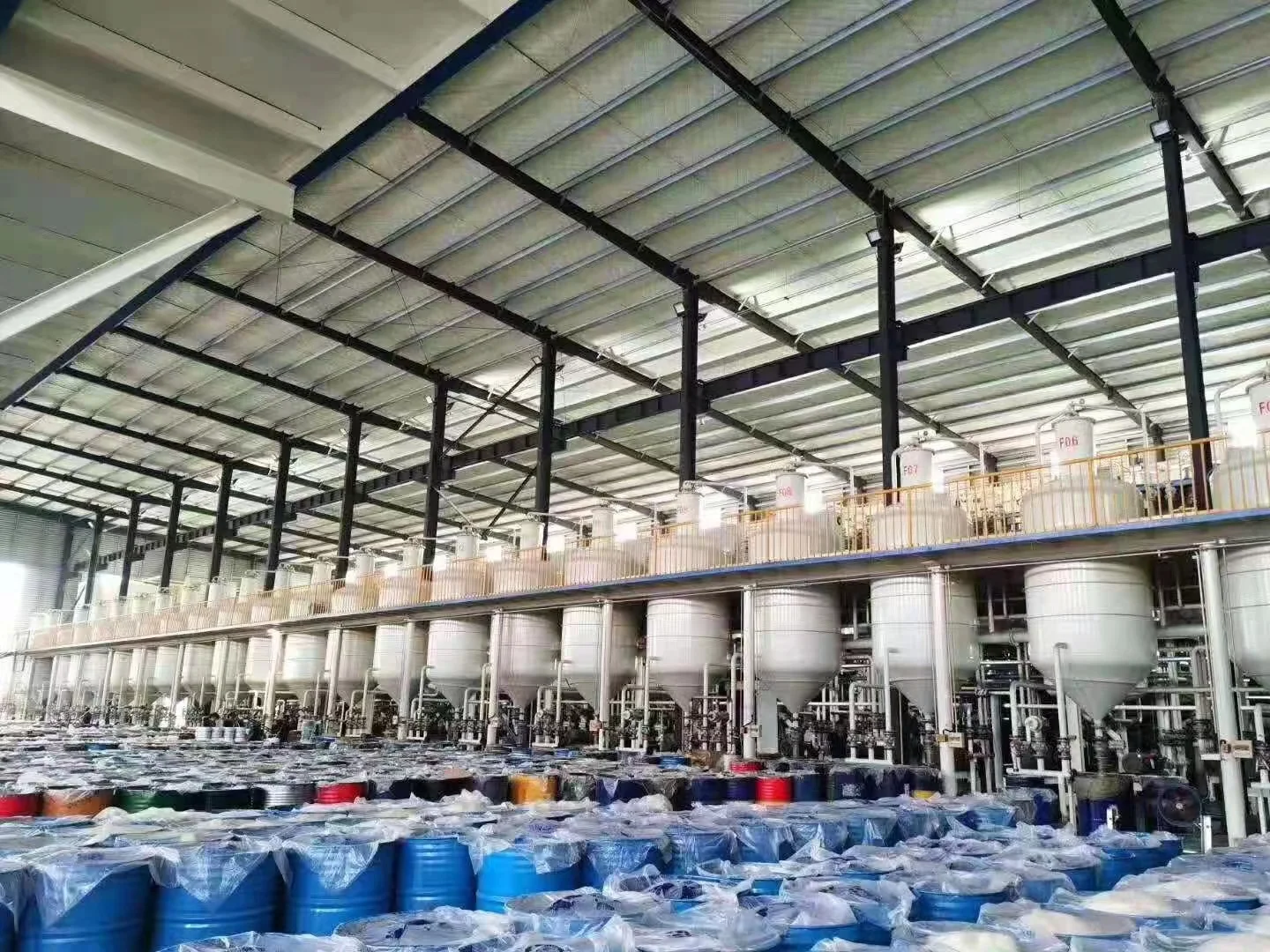
Henan Jiangtai Lubricant Co., Ltd.
- Trading Company
- Henan, China
- Lead time21 days
- Avg. response≤ 7h
Main productsSales: Auto Parts,Construction Machinery Equipment And Accessories,Lubricating Oil,Grease,Grease Guns
Main marketsDomestic Market(40.00%), Southeast Asia(20.00%), South Asia(10.00%), North America(5.00%), Eastern Europe(5.00%), Southern Europe(5.00%), Eastern Asia(5.00%), South America(5.00%), Mid East(5.00%)
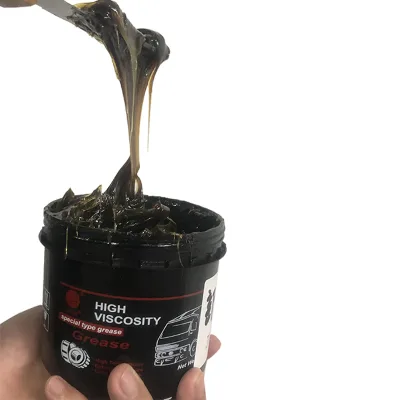

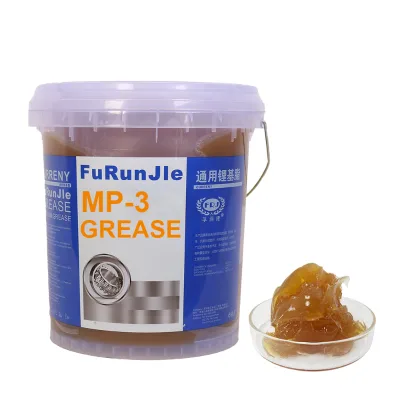
$0.8808 - $1.14
MOQ: 2000 Minimum
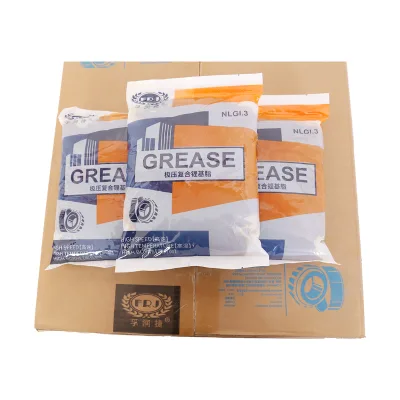
$0.85 - $1.18
MOQ: 2000 Minimum
Henan Luwei Lubrication Technology Co., Ltd.
- Trading Company
- Henan, China
- Lead time15 days
- Avg. response≤ 5h
Main productslubricating oil,lubricating grease,brake fluid,hydraulic oil,engine oil
Main marketsSouth Asia(12.00%), Africa(12.00%), South America(11.00%), Eastern Asia(10.00%), Southeast Asia(10.00%), Domestic Market(5.00%), Eastern Europe(5.00%), Southern Europe(5.00%), Northern Europe(5.00%), Central America(5.00%), Western Europe(5.00%), North America(5.00%), Mid East(5.00%), Oceania(5.00%)

Handan Tengfa Oil Chemical Co., Ltd
- Verified by CTI
- Combined
- China Hebei
- Lead time15 days
- Avg. response≤ 3h
Main productsGrease
Main marketsDomestic
- Manufacturer, Trading Company
- Anhui, China
- Lead time15 days
- Avg. response≤ 1h
Main productsLubricating Oils And Greases,Grease
Main marketsAfrica(30.00%), Southeast Asia(20.00%), South America(15.00%), Mid East(15.00%), Eastern Asia(5.00%), Oceania(2.00%), Western Europe(2.00%), Southern Europe(2.00%), Central America(2.00%), Northern Europe(2.00%), Eastern Europe(2.00%), South Asia(1.00%), North America(1.00%), Domestic Market(1.00%)
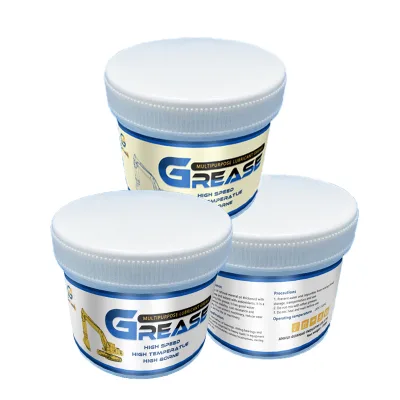
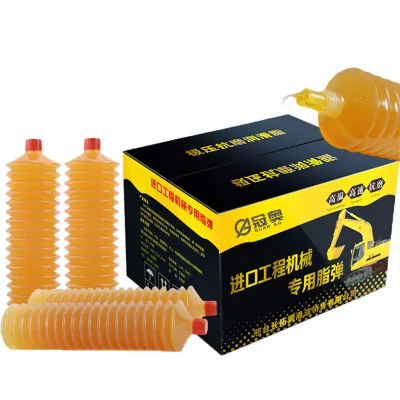
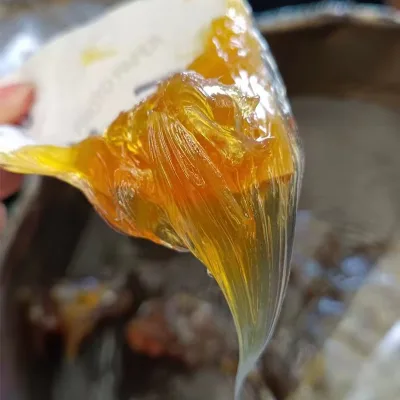
Super Quality Multi-purpose Yellow Grease 500g Package Construction Machinery Grease for Excavators
$0.7101 - $2.7563
MOQ: 1 Minimum
$0.59 - $3.59
MOQ: 1000 Minimum


Cheap Calcium Grease for Excavator Truck Bearing Auto Grease Universal Grease
$0.6247 - $0.9363
MOQ: 3000 kilograms
$2.1601 - $2.3653
MOQ: 1 kilograms

Petroking Petroleum Hebei Co., Ltd.
- Verified by CTI
- Trading Company
- China Hebei
- Lead time30 days
- Avg. response≤ 6h
Main productshydraulic oil
Main marketsSouth America,Southeast Asia/ Mideast

High Performance Lithium Grease for Industrial Machinery Use Excavator Grease
$1.38 - $1.98
MOQ: 1440 kg

Premium Lithium Grease Ep Grease Anti Wear Bearing Grease Lubricant Excavator Grease
$1.38 - $1.98
MOQ: 1440 kg

Cheap Ep Grease Lithium Grease Bearing Grease Excavator Grease Automotive Grease
$1.38 - $1.98
MOQ: 1440 kg


High-Performance Lithium Grease Ep Grease Factory Price Lubricant Yellow Grease
$1.38 - $1.98
MOQ: 1440 kg

Henan Winall New Material Technology Co., Ltd.
- Trading Company
- Henan, China
- Lead time15 days
- Avg. response≤ 4h
Main productsengine oil,EP grease,brake oil,MP grease,hydraulic oil
Main marketsMid East(13.00%), Eastern Asia(12.00%), Africa(10.00%), Southeast Asia(10.00%), South Asia(10.00%), Domestic Market(5.00%), Eastern Europe(5.00%), Southern Europe(5.00%), Northern Europe(5.00%), Central America(5.00%), Western Europe(5.00%), South America(5.00%), North America(5.00%), Oceania(5.00%)
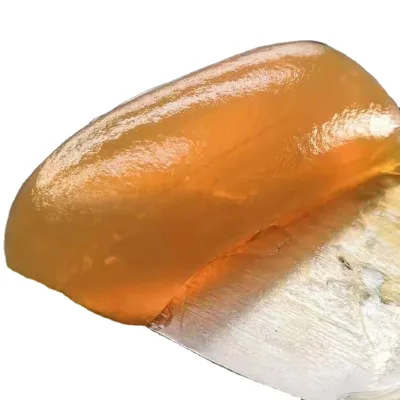

Grease Excavator Special High Temperature Resistant Lithium Base Grease HEP 15 kg Grease
$1.0366 - $5.1771
MOQ: 10 Minimum
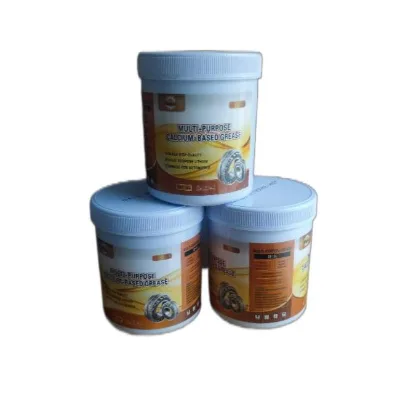
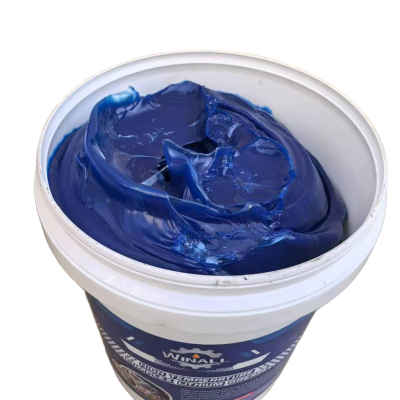
Multipurpose Base Grease Steel Machinery Heavy-duty Bearing Gear Grease
$1.0336 - $5.1621
MOQ: 10 Minimum



Hebei Fanghe New Material Co.,LTD
- Verified by TUVRHEINLAND
- Trading Company,Manufacturer/Factory
- China Hebei
- Lead time45 days
- Avg. response≤ 4h
Main productsCalcined Petroleum Coke, Graphite Electrode, Graphite Petroleum Coke, Engine Oil, Grease
Main marketsSouth America,Eastern Europe,Mid East,North America,Southeast Asia,Eastern Asia,Oceania,Western Europe,Africa


$1000.00 - $2000.00
MOQ: 1 Tons


Guangzhou Sheri Auto Parts Co., Ltd.
- Manufacturer, Trading Company, Distributor/Wholesaler
- Guangdong, China
- Lead time10 days
- Avg. response≤ 10h
Main productsSCANIA TRUCK PARTS,VOLVO TRUCK PARTS,TRUCK PARTS,BENZ TRUCK PARTS,DAF TRUCK PARTS
Main marketsAfrica(50.00%), South America(10.00%), South Asia(7.00%), Southeast Asia(7.00%), Eastern Asia(7.00%), Domestic Market(5.00%), Central America(5.00%), Mid East(2.00%), Northern Europe(2.00%), Western Europe(1.00%), North America(1.00%), Southern Europe(1.00%), Eastern Europe(1.00%), Oceania(1.00%)
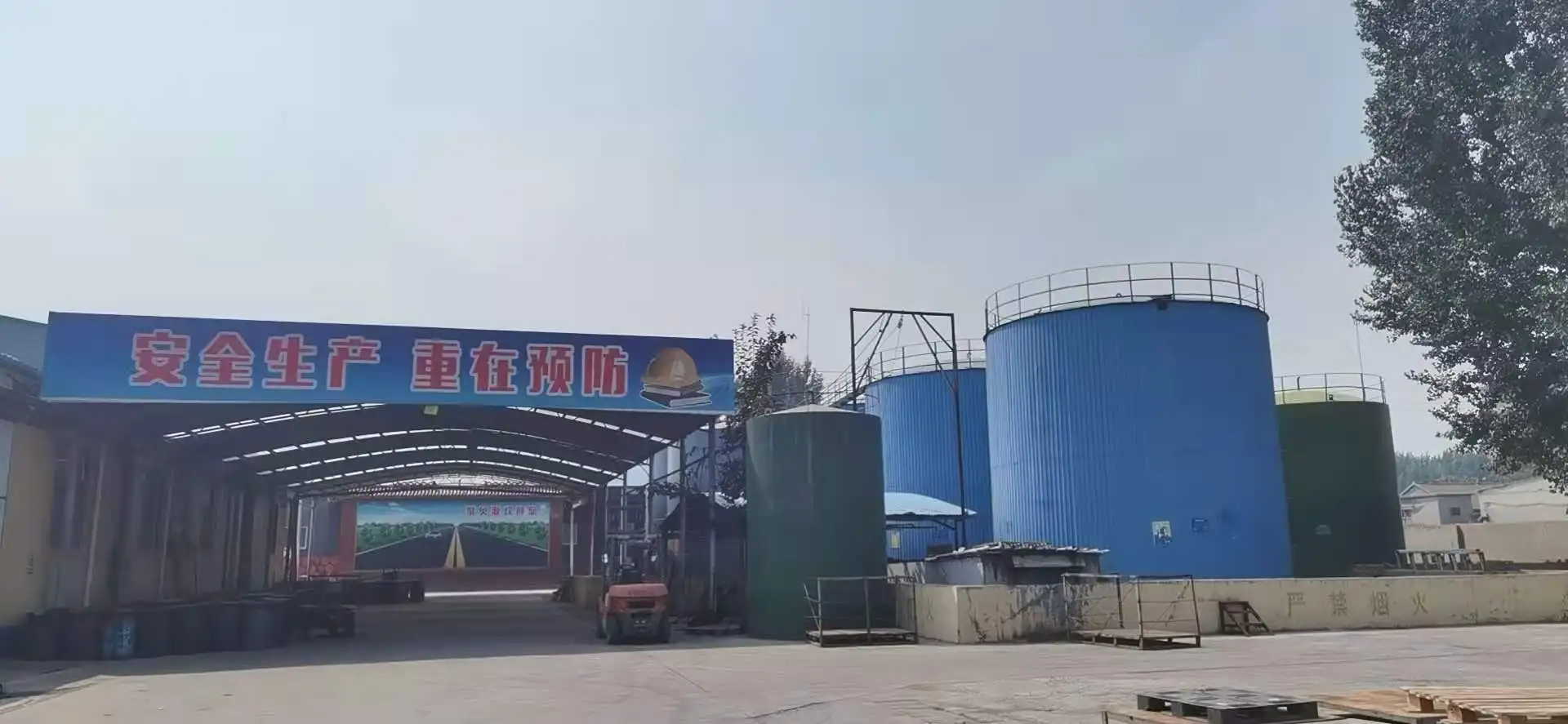
Qingdao Huichangyuan International Trading Co., Ltd.
- Manufacturer, Trading Company
- Shandong, China
- Lead time7 days
- Avg. response≤ 4h
Main productsgrease,tube,motor tire
Main marketsDomestic Market(45.00%), Southeast Asia(40.00%), South Asia(10.00%), Eastern Europe(5.00%)
Anhui Zhongtian Petrochemical Co., Ltd.
- Verified by TüVRheinland
- Manufacturer, Trading Company
- Lead time15 days
- Avg. response≤ 3h
Main productsLubricating Grease, Industrial Lubricating Oil, Automotive Lubricating Grease, Automotive Lubricating Oil
Main marketsSoutheast Asia(60%), North America(20%), Eastern Europe(20%)
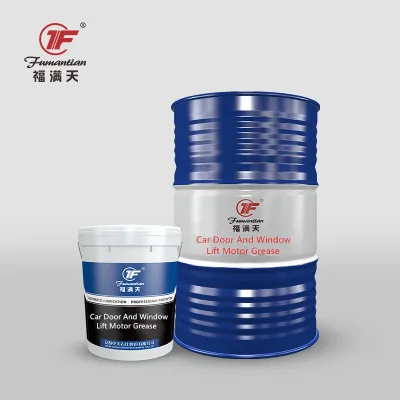
$2.10 - $3.40
MOQ: 15 Minimum
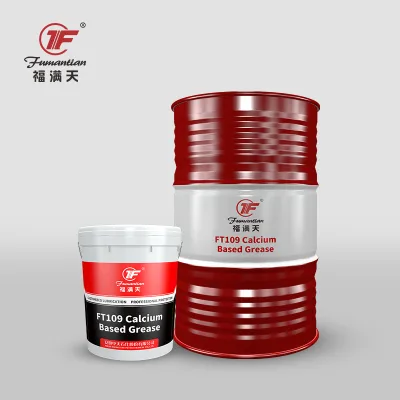
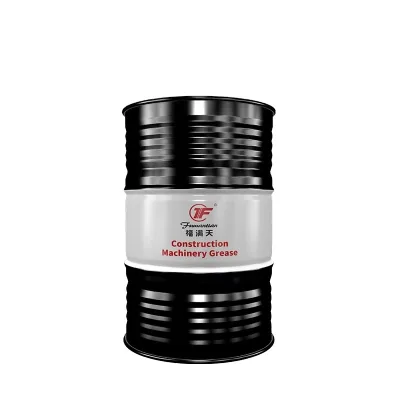

Handan Jiashiduo Trading Co., Ltd.
- Verified by BV
- Trading Company
- China Hebei
- Lead time15 days
- Avg. response≤ 3h
Main marketsAfrica


Mechanical Engineering Lubricating Grease High Performance Excavator Lithium Grease
$1.40 - $1.60
MOQ: 1000 kg

High Temperature Grease for Industrial Bearings Heavy Duty Lubricating Grease
$1.80 - $1.90
MOQ: 3000 Pieces

High Performance Extreme Pressure High Temperature Grease for Bearings and Machinery
$1.80 - $1.90
MOQ: 3000 Tons
Hangzhou Xingang Lubrication Technology Co., Ltd.
- Manufacturer, Trading Company
- Zhejiang, China
- Lead time15 days
- Avg. response≤ 6h
Main productsLubricating Grease,Grease,Lubricant Grease,Lubricant oils,Lubricants
Main marketsDomestic Market(90.00%), Mid East(4.00%), Southeast Asia(2.00%), South Asia(2.00%), Africa(1.00%), Oceania(1.00%)
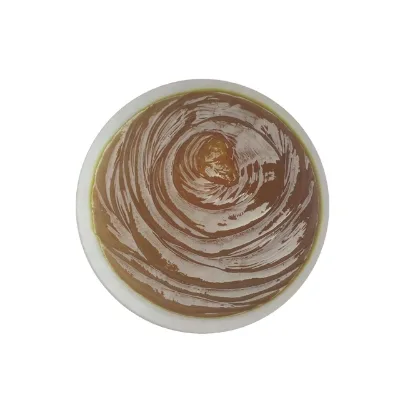
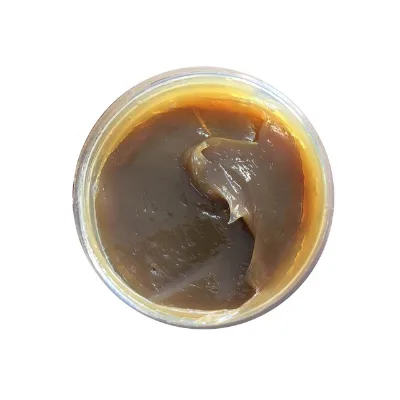
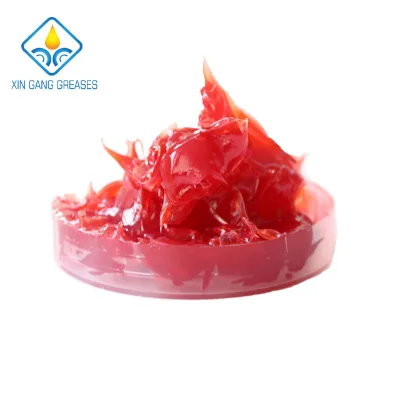
High Rank Red Calcium Grease Excellent Bearing Lubricant Grease for Excavators
$1.1415 - $4.148
MOQ: 10 Minimum

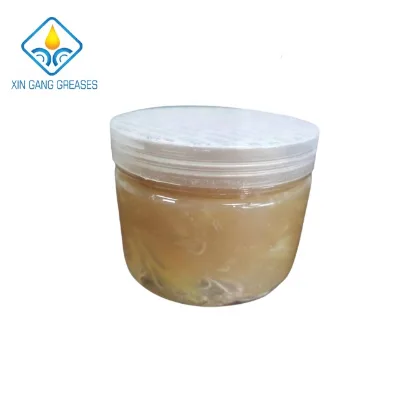
Multipurpose Lubricant Grease: Resistant to Extreme Conditions, Ensuring Longevity and Stability
$2.50 - $5.00
MOQ: 1800 Minimum
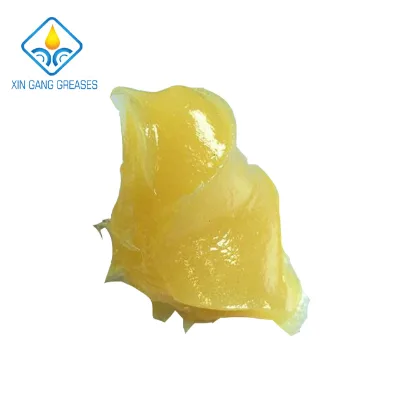
$2.00 - $5.00
MOQ: 1800 Minimum

- Trading Company
- China Hebei
- Lead time0 days
- Avg. response≤ 8h
Main productsEngine Oil, Coolant, Grease, Transmission Oil, Brake Fluid


High Performance Bearing Grease with Superior Oxidation Stability Features
$4.00 - $5.00
MOQ: 1 Pieces

High Performance Heavy Duty Grease with Excellent Mechanical Stability Features
$4.00 - $5.00
MOQ: 1 Pieces

Shijiazhuang Fanao Lubricant Oil and Grease Co., Ltd.
- Verified by SGS
- Trading Company
- China Hebei
- Lead time15 days
- Avg. response≤ 7h
Main productsEngine Oil 5W30 5W40 0W30 0W20 0W40 10W30 10W40, Diesel Oil 15W40 20W50, Transmission Fluid at Fluid Ws T-IV Tc CVT, Anti-Wear Hydraulic Oil 32 46 68 100, Gear Oil, Compressor Oil, Refrigeration Oil, Turbine Oil, High Temperature Lithium Grease, Cutting Fluid
Main marketsSouth America,Eastern Europe,Mid East,North America,Southeast Asia,Eastern Asia,Oceania,Western Europe,Africa

Hot Selling 15kg Special Grease for Excavator High Pressure Crystal Grease
$50.00 - $100.00
MOQ: 100 Pieces


Hangzhou Xingang Lubrication Technology Co., Ltd.
- Verified by SGS
- Combined
- China Zhejiang
- Lead time15 days
- Avg. response≤ 7h
Main productsGrease, Lubricant, Lithium Based Grease, Lubricant Oil, Lubricating Grease, High Temperature Grease, MP3 Grease
Main marketsAfrica,Southeast Asia/ Mideast,Domestic

G-Young International Trade (Tianjin) Co., Ltd.
- Verified by BV
- Manufacturer/Factory
- China Tianjin
- Lead time45 days
- Avg. response≤ 4h
Main productsTarpaulin, Diesel Engine Oil, Grease, Epoxy Resin, Motocycles
Main marketsSouth America,Eastern Europe,Mid East,North America,Southeast Asia,Eastern Asia,Oceania,Western Europe,Africa

Tieyunda Pure Lubricating Oil and Grease for Hot Selling Heavy Machinery Excavators
$1.76 - $21.83
MOQ: 100 liters

$1.76 - $21.83
MOQ: 100 liters

SHANDONG SEAWELL INDUSTRIAL ENGINEERING CO., LTD.
- Verified by TUVRHEINLAND
- Trading Company
- China Shandong
- Lead time15 days
- Avg. response≤ 3h
Main productsExcavator, Bulldozer, Forklift, Mini Crawler Crane, Aerial Working Platform, Marine Product, Spare Parts, Building Material
Main marketsOthers(foreignTradeCapacity.exportBusinessCapacityMarketOther),Southeast Asia/ Mideast








Comprehensive Sourcing Guide
Super Sticky Excavator Grease Supplier Concentration and Factory Types
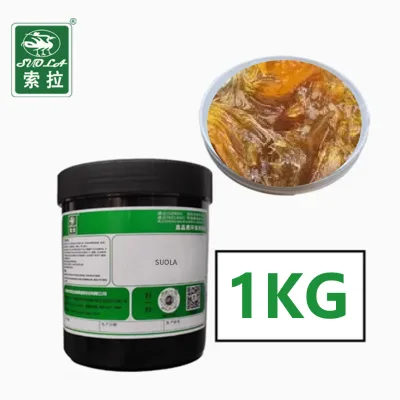
The current supplier landscape for Super Sticky Excavator Grease reveals a distinct concentration of manufacturing and trading entities within specific industrial regions of China. Evidence indicates that a significant portion of available suppliers are located in Guangdong, a province known for its robust chemical and petrochemical infrastructure. These Guangdong-based entities often operate as trading companies, which suggests they may source products from various factories rather than manufacturing the grease in-house themselves. This trading model can offer buyers access to a wider variety of brands and formulations, such as those under the SUO LA brand, which appears frequently in product listings from this region. The presence of these trading companies implies that buyers might encounter intermediaries who facilitate logistics and communication but do not directly control the production process. Consequently, understanding whether a supplier is a direct manufacturer or a trading company is crucial for assessing price flexibility and technical support capabilities.
In contrast to the Guangdong cluster, other suppliers are identified in locations such as Henan, specifically in areas like Puyang. These suppliers often present themselves as combined entities or direct manufacturers with substantial production capacities, such as claims of 100,000 tons per year. The main products listed for these suppliers include a broad range of lubricants, including hydraulic oil, diesel engine oil, and various types of grease, indicating a diversified industrial focus. The company types observed range from pure trading companies to combined manufacturing and trading operations. This diversity in supplier types means that buyers must carefully distinguish between those who own the production facilities and those who act as resellers. The geographical spread across different provinces suggests that while there are established clusters, the supply chain for Super Sticky Excavator Grease is not limited to a single region, offering buyers multiple potential sourcing avenues depending on their specific logistical and quality requirements.
How to Verify Super Sticky Excavator Grease Suppliers
Verifying the legitimacy and capability of Super Sticky Excavator Grease suppliers requires a multi-layered approach that goes beyond simple product listings. One critical step is to check for third-party verification badges, such as those from TÜV Rheinland, which indicate that a supplier has undergone rigorous audits of their business operations and manufacturing capabilities. Suppliers displaying such certifications provide a higher level of assurance regarding their business stability and compliance with international standards. Additionally, buyers should scrutinize the system certifications listed, such as ISO9001:2015 and ISO14001:2015, which demonstrate a commitment to quality management and environmental responsibility. These certifications are not merely decorative; they reflect a structured approach to production that is essential for maintaining consistent product quality in industrial lubricants. Buyers should request copies of these certificates and verify their validity through the issuing bodies to ensure they are current and applicable to the specific products being sourced.
Beyond certifications, buyers must verify the technical specifications and product attributes provided by the supplier. For Super Sticky Excavator Grease, key indicators include the NLGI grade, dropping point, and base oil composition. Evidence shows that products are often described with specific attributes such as "Excellent water resistance and adhesion" or "High temperature butter general lithium grease." Buyers should cross-reference these claims with independent test reports or material safety data sheets (MSDS) to confirm the product's performance characteristics. Furthermore, checking the supplier's response time and lead time can provide insights into their operational efficiency. A supplier with a rapid response time, such as one hour, may indicate a dedicated sales team, while longer lead times, such as 15 days, might reflect a more traditional manufacturing schedule. Buyers should also inquire about sample availability, as most suppliers indicate they support samples, allowing for physical testing before committing to large orders. This due diligence helps mitigate the risk of sourcing substandard products that could fail in demanding excavator applications.
What to Compare Across Super Sticky Excavator Grease Suppliers
When evaluating multiple suppliers for Super Sticky Excavator Grease, buyers should systematically compare key commercial and operational metrics to identify the most suitable partner. One of the primary factors is the minimum order quantity (MOQ), which can vary significantly across different suppliers. For instance, some suppliers may require an MOQ of 3000kg, while others might have lower thresholds or different packaging requirements. Understanding these MOQs is essential for aligning supplier capabilities with the buyer's inventory management strategy and cash flow constraints. Additionally, buyers should compare the pricing structures, noting that prices can range from approximately $1.68 to $2.60 per unit, depending on the product specifications and order volume. It is crucial to determine whether these prices are FOB, EXW, or include other logistics costs to ensure accurate total cost of ownership calculations. Comparing these financial terms helps buyers identify suppliers that offer the best value proposition without compromising on quality.
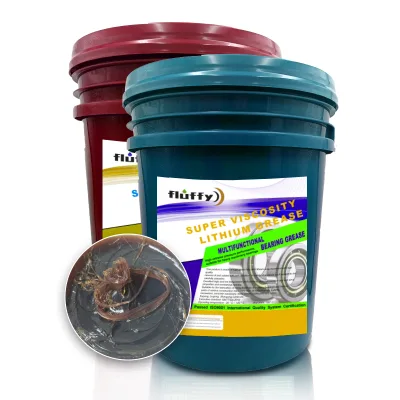
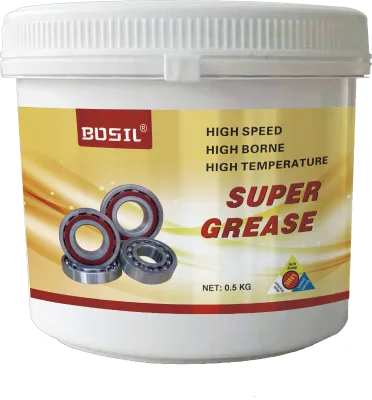
Another critical aspect of comparison is the range of services and customization options offered by suppliers. Many suppliers provide OEM and ODM services, allowing buyers to brand the grease with their own logos and packaging. This is particularly important for buyers who wish to establish their own brand identity in the market. Buyers should also compare the packaging options available, such as 5L, 18L, 20L, 25L, 100L, 200L, and 1000L containers, or custom packaging solutions. The flexibility in packaging can impact storage efficiency and ease of use in the field. Furthermore, comparing the lead times is vital for supply chain planning. Suppliers with shorter lead times, such as 10 days, may be preferable for buyers with urgent needs, while those with longer lead times might offer more competitive pricing. Buyers should also assess the supplier's main product focus; those specializing in a wide range of lubricants may offer better technical support and product consistency across different applications. By systematically comparing these dimensions, buyers can make informed decisions that balance cost, quality, and service.
Common Super Sticky Excavator Grease Sourcing Risks
Sourcing Super Sticky Excavator Grease from international suppliers involves several inherent risks that buyers must proactively manage to ensure supply chain integrity. One significant risk is the potential discrepancy between product claims and actual performance. Suppliers may advertise products with attributes like "super sticky" or "extreme pressure" capabilities, but without rigorous testing, these claims may not hold up under real-world operating conditions. Excavators operate in harsh environments with high loads, extreme temperatures, and exposure to water and dirt, requiring grease that can withstand these stresses. If the grease fails to provide adequate lubrication or water resistance, it can lead to premature bearing failure, increased maintenance costs, and operational downtime. Buyers must therefore prioritize suppliers who provide verifiable test data and certifications, such as ISO standards, to validate their product claims. Relying solely on marketing descriptions without independent verification can result in costly procurement errors.
Another common risk is the variability in supplier reliability and communication. Trading companies, in particular, may act as intermediaries, which can introduce delays and miscommunication regarding product specifications and shipping details. If a trading company does not have direct control over the manufacturing process, they may be less able to address quality issues or expedite orders when problems arise. Additionally, buyers should be cautious of suppliers with inconsistent response times or unclear lead times, as these can disrupt production schedules. There is also the risk of intellectual property infringement if buyers engage in OEM arrangements with suppliers who do not adhere to strict confidentiality agreements. To mitigate these risks, buyers should conduct thorough due diligence, including site visits or third-party audits, to verify the supplier's manufacturing capabilities and business practices. Establishing clear contracts with defined quality standards and penalties for non-compliance can also help protect the buyer's interests. By anticipating these risks, buyers can implement strategies to safeguard their supply chain and ensure the consistent supply of high-quality Super Sticky Excavator Grease.
Super Sticky Excavator Grease Regional Sourcing and Logistics
The geographical location of suppliers plays a crucial role in determining logistics costs and delivery times for Super Sticky Excavator Grease. Suppliers located in Guangdong, China, benefit from proximity to major ports and established logistics networks, which can facilitate efficient export operations. This region's industrial infrastructure supports the production and distribution of chemical products, including lubricants, making it a convenient sourcing hub for international buyers. However, buyers must also consider the logistics implications of sourcing from other regions, such as Henan, which is located inland. While inland suppliers may offer competitive pricing or specialized products, the additional transportation costs and longer transit times to coastal ports can impact the overall delivery schedule. Buyers should evaluate the total logistics cost, including inland freight, port handling, and ocean shipping, to determine the most cost-effective sourcing strategy. Understanding the logistical advantages and disadvantages of different regions helps buyers optimize their supply chain and reduce lead times.
Furthermore, the choice of supplier location can influence the availability of specific product formulations and packaging options. Suppliers in different regions may have access to different raw materials or production technologies, leading to variations in product quality and characteristics. For example, some suppliers may specialize in lithium-based greases, while others may offer calcium-based or complex soap formulations. Buyers should align their sourcing decisions with their specific technical requirements and logistical constraints. Additionally, buyers should consider the impact of regional trade policies and tariffs on the cost of imported grease. Fluctuations in shipping rates and availability of container space can also affect logistics planning. By carefully assessing the regional sourcing options and their associated logistical implications, buyers can make informed decisions that balance cost, quality, and delivery reliability. This strategic approach ensures that the supply of Super Sticky Excavator Grease remains stable and efficient, supporting the buyer's operational needs.
Super Sticky Excavator Grease Commercial Terms and Order Planning
Effective order planning for Super Sticky Excavator Grease requires a thorough understanding of the commercial terms offered by suppliers. Buyers should carefully review the pricing structures, including any volume discounts or tiered pricing models, to maximize cost savings. It is also essential to clarify the Incoterms, such as FOB, CIF, or DDP, to determine who is responsible for shipping, insurance, and customs clearance. Misunderstanding these terms can lead to unexpected costs and delays. Additionally, buyers should negotiate payment terms that align with their cash flow, such as letters of credit or partial payments, to mitigate financial risk. Suppliers may offer different payment options based on the order size and the buyer's creditworthiness. Establishing clear commercial terms in the contract helps prevent disputes and ensures a smooth transaction process. Buyers should also consider the currency of payment and exchange rate risks, especially when dealing with international suppliers.
In addition to pricing and payment terms, buyers should plan for the long-term supply of Super Sticky Excavator Grease by establishing a reliable relationship with their chosen supplier. This includes agreeing on reorder procedures, lead times, and quality assurance protocols. Buyers should also consider the supplier's capacity to handle peak demand periods and their ability to provide consistent product quality over time. Regular communication and performance reviews can help identify potential issues early and foster a collaborative partnership. Furthermore, buyers should plan for inventory management by determining optimal reorder points and safety stock levels based on consumption rates and lead times. This proactive approach ensures that the supply of grease remains uninterrupted, supporting continuous operations. By carefully planning the commercial aspects of their procurement, buyers can secure a stable and cost-effective supply of Super Sticky Excavator Grease, enhancing their operational efficiency and competitiveness.
FAQs
What is the price range for Super Sticky Excavator Grease?
Prices for Super Sticky Excavator Grease typically range from $1.68 to $2.60 per unit. Specific costs depend on the viscosity grade and packaging size selected. Buyers should verify current quotes as prices fluctuate based on raw material costs and order volume.
What certifications are available for these lubricants?
Suppliers offer products certified under ISO 9001, ISO 14001, MSDS, ROHS, and SDS standards. Some manufacturers also hold ISO9001:2015 and ISO14001:2015 certificates. Buyers should request valid documentation to ensure compliance with international safety and quality regulations for industrial use.
What is the minimum order quantity for bulk purchases?
Minimum order quantities vary by supplier, with some requiring 1000 units while others set the threshold at 2000kg or 3000kg. Buyers must check specific product listings for exact MOQs. Smaller sample orders may be available for quality testing before committing to large volumes.
Where are these grease manufacturers located?
Manufacturers are primarily located in Guangdong and Henan provinces in China. Guangdong suppliers often specialize in trading and OEM services. Henan-based producers may offer combined manufacturing capabilities. Buyers should verify exact factory locations to assess logistics costs and supply chain reliability.
How long does delivery take after ordering?
Lead times generally range from 2 to 15 days depending on the supplier and order size. Some providers offer delivery within 10 days for standard quantities. Buyers should confirm specific production schedules and shipping methods to ensure timely arrival for their construction machinery maintenance needs.
Can suppliers provide custom branding and packaging?
Yes, many suppliers offer OEM and ODM services with custom logo design and packaging options. Buyers can choose from standard packages like drums or custom sizes. This service allows companies to maintain brand identity while sourcing high-quality super sticky grease for their specific operational requirements.