China Mainland Copper Sulphate Suppliers and Manufacturers
Source 28 verified China Mainland Copper Sulphate suppliers from Shandong and Hebei. Compare ISO certifications, 90-99% purity grades, and pricing from $240 to $1880. Contact manufacturers directly to request samples and confirm lead times; review the available evidence before requesting comparable quotations from suitable candidates.
Updated
Suppliers List

Shandong Yurun Chemical Co., Ltd.
- Manufacturer/Factory
- China Shandong
- Lead time15 days
- Avg. response≤ 21h
Main productsAdblue Urea, Sodium Bicarbonate, Calcium Chloride, Magnesium Chloride, Urea Ammonium Nitrate, Ammonium Chloride, Sodium Metabisulphite, Magnesium Sulphate, Urea Formaldehyde, Magnesium Silicate
Main marketsSouth America,Eastern Europe,Mid East,North America,Southeast Asia,Eastern Asia,Oceania,Western Europe,Africa

Hebei Rongxintong Industrial Co., Ltd.
- Verified by SGS
- Trading Company
- China Hebei
- Lead time15 days
- Avg. response≤ 3h
Main productsChemical, Rutile Titanium Dioxide, Kunlun Wax, Zinc Oxide, Pppvc, Paraffin, Ruitai Titanium Dioxide, Resin, Stearic Acid Octadecanoic Acid, Semi-Refined Paraffin Wax
Main marketsSoutheast Asia/ Mideast

Qingdao Sincere Chemical Co., Ltd.
- Verified by SGS
- Manufacturer/Factory
- China Shandong
- Lead time15 days
- Avg. response≤ 7h
Main productsSulfuric Acid, Hydrochloric Acid, Glacial Acetic Acid, Sodium Hypochlorite, Caustic Soda, Formaldehyde/Formalin, Ammonium Hydroxide, Formic Acid, Acetic Anhy Dride, Hy Dro Gen PE RO Xide
Main marketsSouth America,Eastern Europe,Mid East,North America,Southeast Asia,Eastern Asia,Oceania,Western Europe,Africa
Hebei Linyi New Material Technology Co., Ltd.
- Trading Company
- Hebei, China
- Lead time0 days
- Avg. response≤ 1h
Main productsPVC resin,Titanium Dioxide,Paraffin Wax,Plastic Raw Materials,Rubber raw materials
Main marketsSouth Asia(10.00%), Northern Europe(10.00%), Central America(10.00%), Eastern Asia(10.00%), Mid East(10.00%), Africa(10.00%), Southeast Asia(10.00%), Eastern Europe(10.00%), South America(10.00%), North America(10.00%)
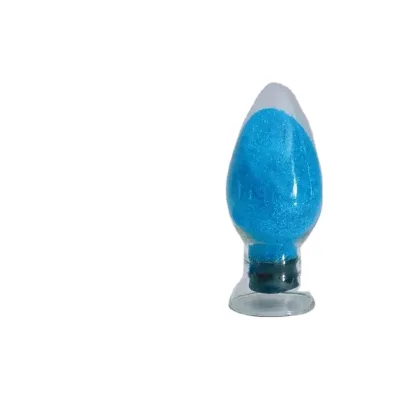
Feed/Industry Grade 99% CuSo4 Powder Copper Sulphate
$1450.00 - $1500.00
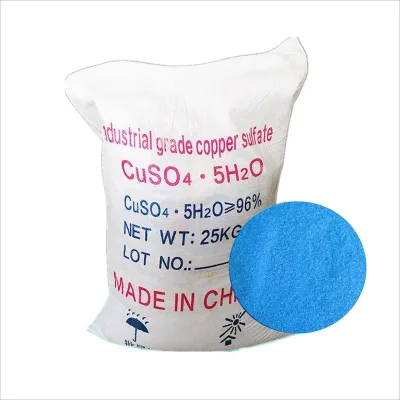
Copper Sulfate CuSO4.5H2O Copper Sulphate Pentahydrate Crystal With Best Price
$1500.00 - $1750.00
MOQ: 25 tons
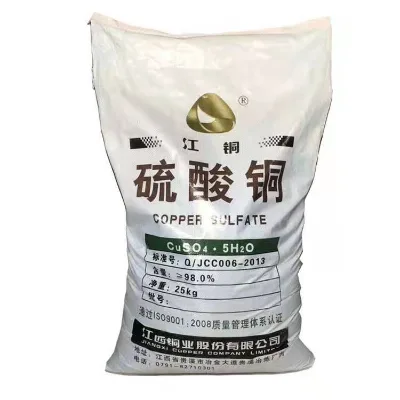
Factory Supply Copper Sulfate 98/Pentahydrate Cooper Sulphate Price
$802.36 - $803.69
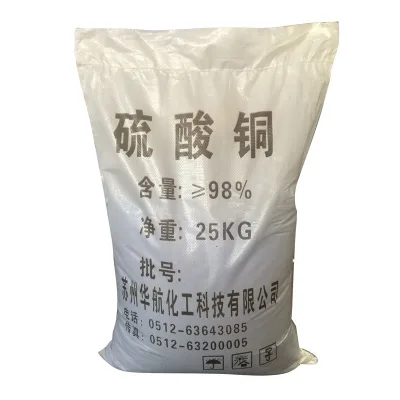
$1487.7372 - $1539.0377
MOQ: 1 tons
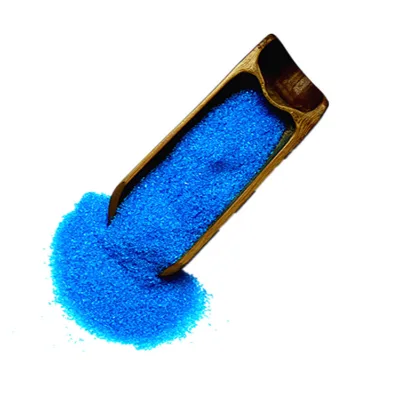
China Factory Supply High Quality Electroplated Grade Blue Copper Sulfate
$1450.00 - $1500.00
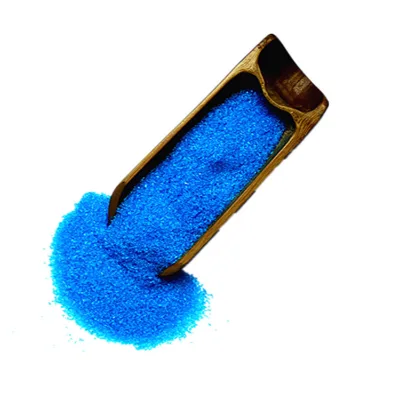
$0.9243 - $1.2314
MOQ: 1 kilograms
Henan Realtop Machinery Co., Ltd.
- Trading Company
- Henan, China
- Lead time7 days
- Avg. response≤ 4h
Main productsNew energy equipment,Waste recovery equipment,pyrolysis plant,distillation plant,waste copper recycle to copper sulfate plant alcohol production line
Main marketsEastern Europe(23.00%), Southeast Asia(12.00%), Africa(11.00%), Southern Europe(10.00%), Mid East(10.00%), South America(8.00%), Domestic Market(6.00%), North America(6.00%), Northern Europe(5.00%), South Asia(4.00%), Eastern Asia(3.00%), Western Europe(2.00%)

Hebei Chuanghai Biotechnology Co., Ltd
- Verified by SGS
- Trading Company
- China Hebei
- Lead time15 days
- Avg. response≤ 5h
Main productsStearyl Alcohol, Phenolphthalein, Ethyl Oleate, AMP-95, Sodium Oleate, Poloxamer, Chemical, DMSO, Butylparaben, Sodium Pyruvate
Main marketsSouth America,Europe
Anqing Haida Chemical Co., Ltd.
- Manufacturer, Trading Company
- Anhui, China
- Lead time5 days
- Avg. response≤ 5h
Main productsFerrous Sulfate,Zinc Sulfate,Manganese Sulfate,Cobalt Carbonate,Polymeric Ferric Sulfate
Main marketsSoutheast Asia(40.00%), Oceania(20.00%), Southern Europe(10.00%), Northern Europe(10.00%), Western Europe(10.00%), Eastern Europe(10.00%)
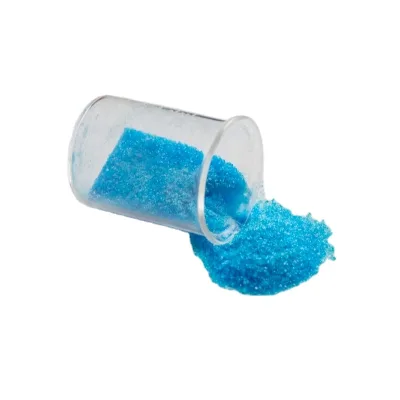
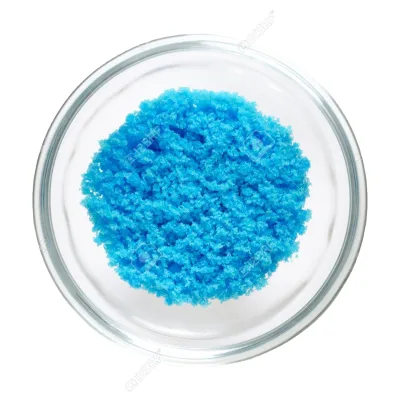
Copper Sulphate for Poultry Feed Additive Copper Sulphate Cattle Feed Additive
$1.0351 - $1.6343
MOQ: 1000 Minimum
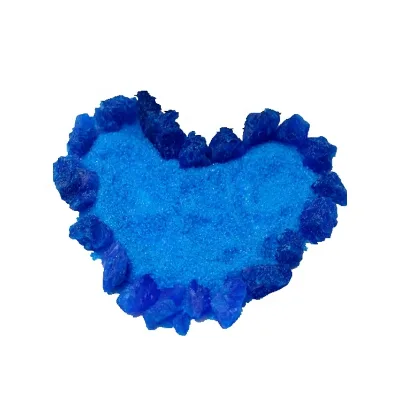
$100.00 - $200.00
MOQ: 1 Minimum
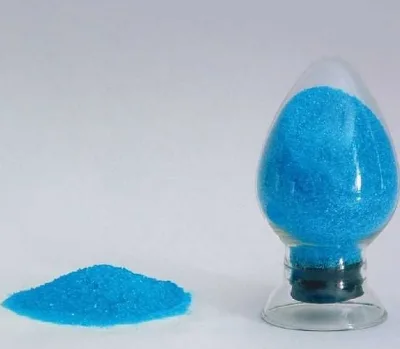
Factory Direct Sale High Quality Low Price Copper Sulfate CuSO4.5H2O, CuSO4
$1.4486 - $1.9654
MOQ: 1 Minimum

Hebei Kenbin Technology Co., Ltd.
- Verified by SGS
- Trading Company
- China Hebei
- Lead time15 days
- Avg. response≤ 3h
Main productsTiO2, SLES, K12, Stearic Acid, LABSA, Glycerin
Main marketsAfrica

Hebei Jinchangsheng Chemical Technology Co., Ltd.
- Trading Company,Manufacturer/Factory
- China Hebei
- Lead time23 days
- Avg. response≤ 6h
Main productsCopper Sulfate, Acetic Acid, Formic Acid, Ethanol, Isopropyl Alcohol, Methyl Acetate, Ethyl Acetate, Propionic Acid
Main marketsSouth America,Eastern Europe,Mid East,North America,Southeast Asia,Eastern Asia,Oceania,Western Europe,Africa


Factory Price Copper Sulphate/Cupric Sulfate 98% in China Cheaper Bulk Price
$2500.00 - $3000.00
MOQ: 25 Tons

Premium Industrial Grade Copper Sulphate 98%/99% Purity Direct From China Manufacturer
$2500.00 - $2900.00
MOQ: 10 Tons

Blue Stone Copper Sulphate Price High Purity 99%Min Copper Sulphate High Purity
$2500.00 - $3000.00
MOQ: 25 Tons


W&Q FINE CHEMICALS CO., LIMITED
- Verified by SGS
- Trading Company,Manufacturer/Factory,Group Corporation
- China Tianjin
- Lead time15 days
- Avg. response≤ 11h
Main productsCobalt Products, Nickel Products, Copper Products, Feed Additives, Fluoride Products, Molybdenum Products, Tungsten Products
Main marketsSouth America,Eastern Europe,Mid East,North America,Southeast Asia,Eastern Asia,Oceania,Western Europe,Africa
Maanshan Easfun New Material Technology Co., Ltd.
- Trading Company
- Anhui, China
- Lead time30 days
- Avg. response≤ 7h
Main productsWater Treatment,Refining Chemicals,Leaching Chemicals,Flotation Reagents,Mining Chemicals
Main marketsMid East(30.00%), Africa(20.00%), Southeast Asia(20.00%), South America(20.00%), North America(10.00%)
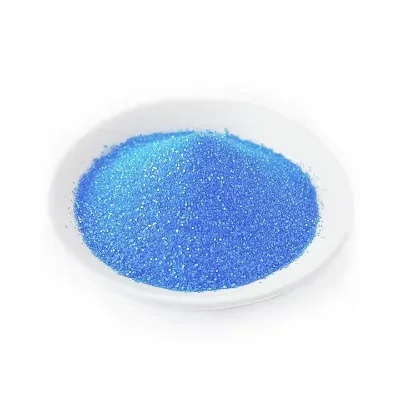
Mineral Premix Top Quality Copper Sulfate China Manufacturer Copper Sulphate Powder CuSo4 5H2O
$252.1179 - $294.1368
MOQ: 20 metric
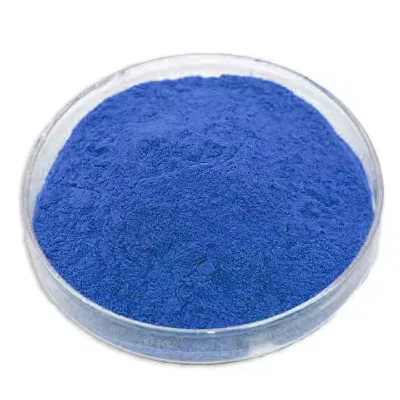
Water Treatment High Purity Copper Sulphate Best Price CuSO4 Free Sample
$240.00 - $280.00
MOQ: 20 metric
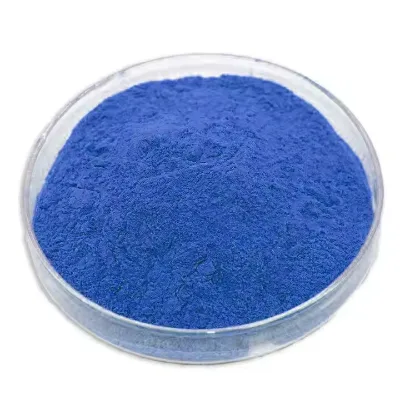
98% High Purity Copper Sulfate Pentahydrate for Electroplating Industry Blue Crystal
$247.0951 - $288.2781
MOQ: 20 metric

Qingdao Sincere Chemical Co., Ltd.
- Trading Company
- Shandong, China
- Lead time10 days
- Avg. response≤ 3h
Main productsGlacial Acetic Acid,Formic Acid,Phosphoric Acid,Formalin,Paraformaldehyde
Main marketsAfrica(20.00%), Oceania(15.00%), South America(15.00%), Eastern Asia(10.00%), Mid East(10.00%), Southeast Asia(10.00%), Central America(10.00%), Domestic Market(5.00%), North America(5.00%)
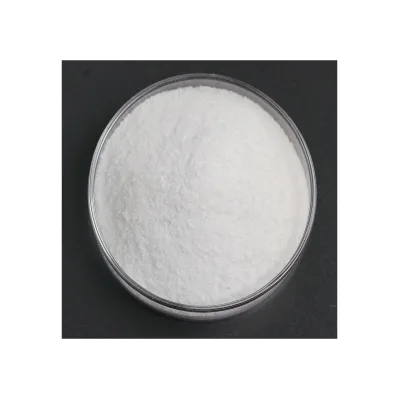
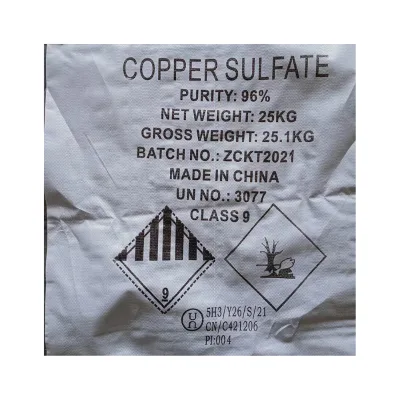
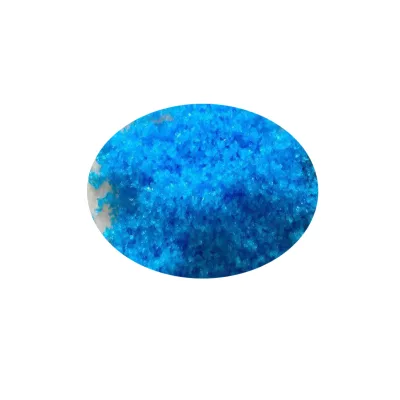
Best Price Copper (II) Sulfate CAS 7758-98-7 98% CuSo4 Copper Sulphate
$950.00 - $1200.00
MOQ: 1 Minimum
$1128.6277 - $1262.0111
MOQ: 10 Minimum
Shandong Jinqi Chemical Co., Ltd.
- Verified by SGS Group
- Trading Company
- Lead time10 days
- Avg. response≤ 7h
Main productsPVC Resin, MDI, Caustic Soda, Paraffin Wax, Calcium Carbide
Hebei Xinmengmiao Chemical Technology Co., Ltd.
- Trading Company
- Hebei, China
- Lead time20 days
- Avg. response≤ 2h
Main productsAcid,Alkali,Alcohol,Organic,Inorganic
Main marketsMid East(20.00%), South Asia(20.00%), South America(10.00%), Africa(10.00%), Southeast Asia(10.00%), Domestic Market(10.00%), Eastern Asia(10.00%), North America(5.00%), Central America(3.00%), Northern Europe(1.00%), Oceania(0.50%), Eastern Europe(0.20%), Southern Europe(0.20%), Western Europe(0.10%)
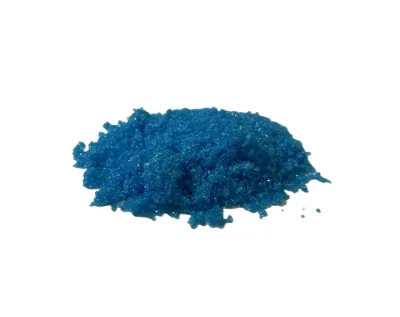
Electroplating Grade Chemical Raw Materials Copper Sulfate (CuSO4.5H2O) Sulphate
$2069.4705 - $2588.1321
MOQ: 1 kilograms
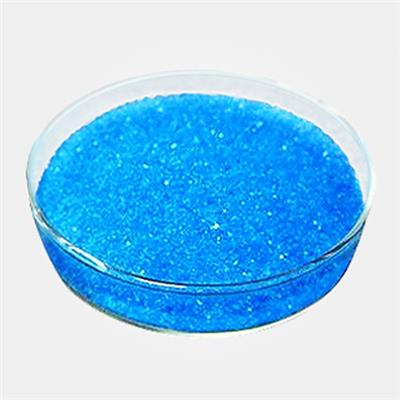
$1500.00 - $2000.00
MOQ: 5 tons
Henan Yeedok Industry Co., Ltd.
- Trading Company
- Henan, China
- Lead time5 days
- Avg. response≤ 9h
Main productssles 70%,labsa 96%,pvc resin,STPP 94%,iron oxide
Main marketsMid East(20.00%), South Asia(20.00%), Southeast Asia(20.00%), South America(20.00%), Africa(10.00%), Eastern Asia(7.00%), Central America(2.00%), Northern Europe(1.00%)
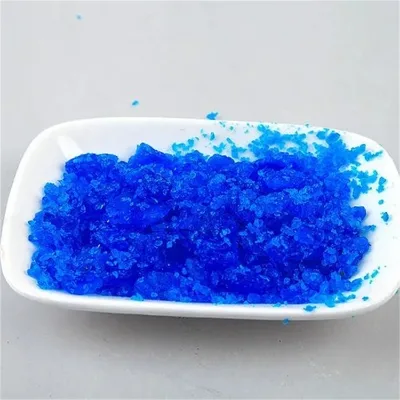
Factory Supply High Quality Algae Removal Copper Sulfate CuSo4 Copper Sulphate for Swimming Pool
$1026.0251 - $2257.2553
MOQ: 1 Minimum
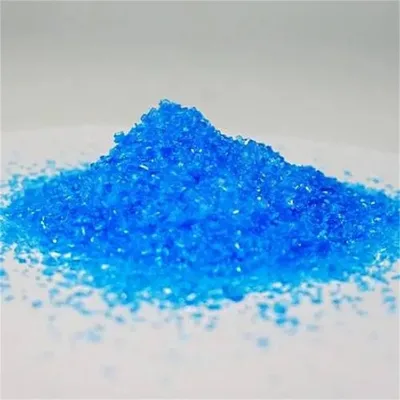
High Quality Blue Power CuSo4 Copper Sulfate CAS 7758-98-7 Copper Sulfate Fungicide
$1539.0377 - $2257.2553
MOQ: 5 Minimum
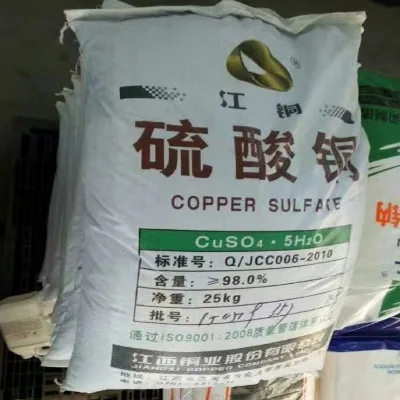
Industrial Grade Chemical Material 98% Copper Sulphate Pentahydrate
$1030.2645 - $2266.5819
MOQ: 1 Minimum

Zhucheng Kangtai Chemical Co., Ltd.
- Trading Company
- Shandong, China
- Lead time15 days
- Avg. response≤ 4h
Main productsCopper sulfate,Zinc Sulfate,Manganese Sulfate,Ferrous Sulfate,Magnesium Sulfate
Main marketsDomestic Market(40.00%), Southeast Asia(20.00%), Oceania(10.00%), North America(10.00%), Central America(10.00%), Africa(5.00%), Eastern Europe(5.00%)
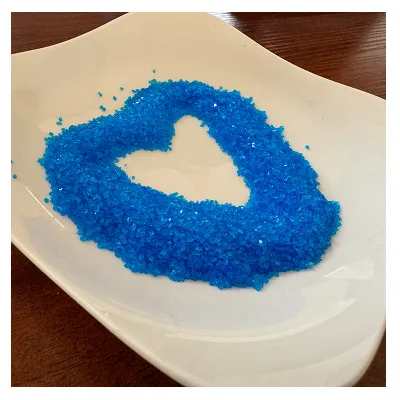
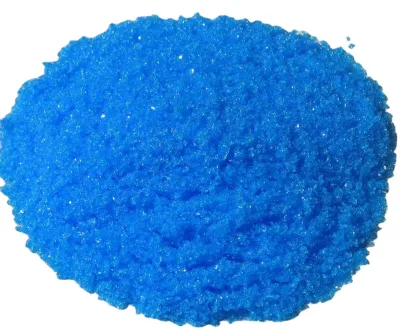
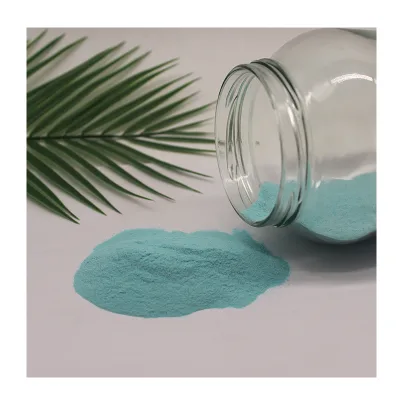
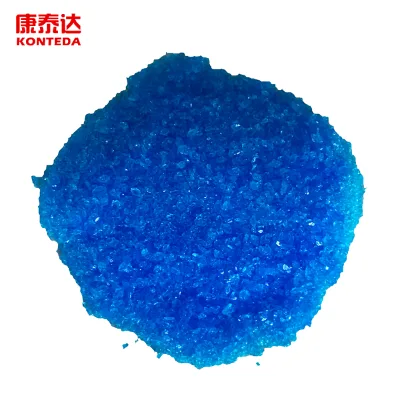
Wholesale [copper Sulfate] Gold Sulfite Copper Sulfate Electroplated Copper Sulfate CAS 7758-98-7
$1342.1091 - $1858.305
MOQ: 10 Minimum
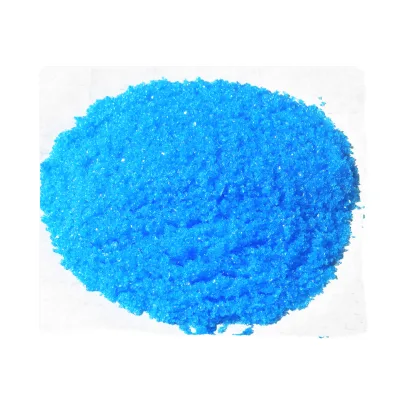
High Quality Copper Sulfate Pentahydrate 96% for Mining Flotation Use
$2381.0815 - $2412.1395
MOQ: 20 metric
Ginte Materials Industry Company Limited
- Manufacturer, Trading Company
- Jiangsu, China
- Lead time5 days
- Avg. response≤ 9h
Main productsTrimethylol propane,Trimethylolethane,DI-TMP,Tris(2-Hydroxyethyl)Isocyanurate,Neopentyl Glycol
Main marketsDomestic Market(30.00%), Mid East(25.00%), Eastern Asia(10.00%), South America(10.00%), South Asia(10.00%), Southeast Asia(5.00%), Africa(5.00%), Central America(5.00%)
- Trading Company
- Guangxi, China
- Lead time7 days
- Avg. response≤ 6h
Main productsZinc Chemical,Tin Chemical,Cuprous Chemical,Reclaimed Rubber,Metal Products
Main marketsSoutheast Asia(30.00%), Africa(20.00%), Eastern Asia(10.00%), Mid East(10.00%), Eastern Europe(10.00%), South America(5.00%), Western Europe(5.00%), North America(1.00%)
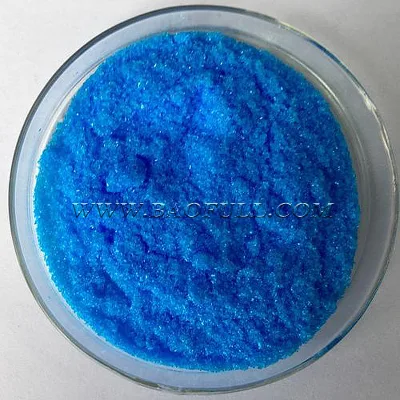
Copper Sulfate CuSO4.5H2O Crystal Copper Sulphate Pentahydrate Powder 25kg
$2.50 - $2.90
MOQ: 10000 Minimum
$1798.009 - $2075.4161
MOQ: 20 Minimum
China Factory Supplier High Purity Copper Sulfate Pentahydrate Feed Grade Used for Animal Feeds
$1806.6854 - $2085.4317
MOQ: 20 Minimum

Dalian Eastland International Trading Co., Ltd.
- Verified by BV
- Trading Company,Manufacturer/Factory,Group Corporation
- China Liaoning
- Lead time23 days
- Avg. response≤ 10h
Main productsLactic Acid, L-Lactic Acid, Buffered Lactic Acid, Sodium Lactate, Chemical Product, Calcium Lactate, Chemical
Main marketsSouth America,Eastern Europe,Mid East,North America,Southeast Asia,Eastern Asia,Oceania,Western Europe,Africa

- Verified by BV
- Trading Company
- China Shandong
- Lead time15 days
- Avg. response≤ 11h
Main productsPVC Resin, Paraffin Wax, Calcium Carbide, Urea, SLES, LABSA, Ethanol, Ipa Isopropyl Alcohol, Potassiun Sulphate, Caustic Soda
Main marketsSoutheast Asia/ Mideast

Best Price Industry Grade CuSo4 Blue Crystal Copper Sulphate Efficient Copper Sulphate
$1700.00 - $2000.00
MOQ: 1 Tons

Shandong Lichen Chemical Co., Ltd.
- Trading Company
- Shandong, China
- Lead time0 days
- Avg. response≤ 7h
Main productsTCCA,SDIC,ClO2,PAM,PAC
Main marketsAfrica(20.00%), South America(20.00%), North America(20.00%), Eastern Europe(10.00%), Southeast Asia(10.00%), Northern Europe(5.00%), Eastern Asia(5.00%), South Asia(5.00%), Western Europe(3.00%), Oceania(2.00%)
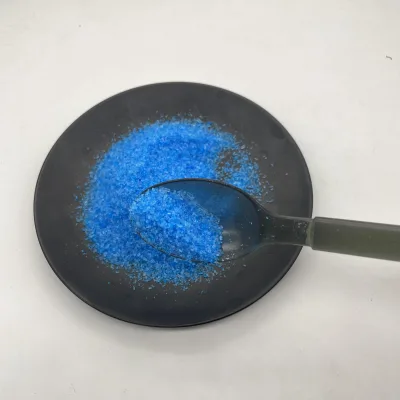
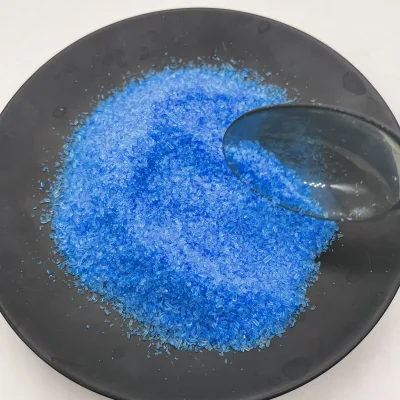
Copper Sulfate CuSO4.5H2O Crystal Copper Sulphate Pentahydrate Powder Price
$1.3842 - $1.6193
MOQ: 1 kilograms
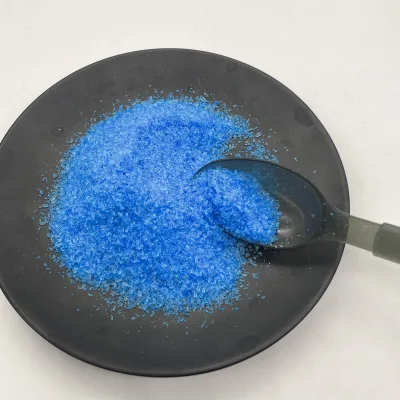
$1.3857 - $1.6223
MOQ: 1 kilograms
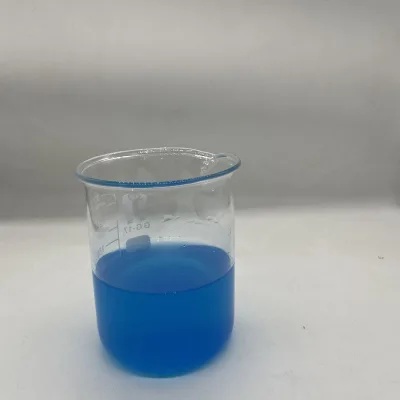
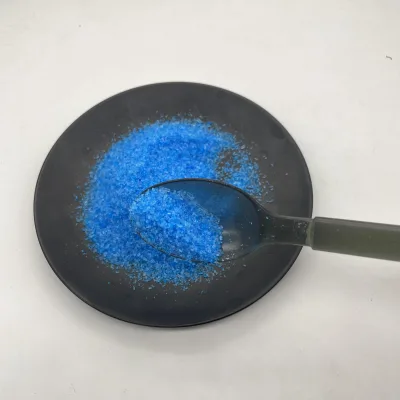
Industrial Grade Copper-sulfate-fertilizer Bulk Copper Sulfate Crystals for Sale
$1.35 - $1.58
MOQ: 1000 kilograms
Best Price Supplied by Chinese Manufacturers Top Quality CuO4S 7758-98-7 Copper(II) Sulfate
$1.35 - $1.58
MOQ: 1000 kilograms

Hebei Longtongyi Technology Co., Ltd.
- Verified by SGS
- Manufacturer/Factory
- China Hebei
- Lead time15 days
- Avg. response≤ 5h
Main productsSLES70%, LABSA96%, Cdea, SLS, Cab35, Aos98%, Aos35%, HPMC, CMC, Glycerin
Main marketsSouth America,Eastern Europe,Mid East,Southeast Asia,Eastern Asia,Oceania,Africa


Best Selling Quality Copper (II) Sulfate with Best Price CAS: 7758-98-7
$800.00 - $1300.00
MOQ: 1 Tons
Guiyang Zhuoyi Chemical Building Materials Co., Ltd. Changsha Branch
- Trading Company
- Hunan, China
- Lead time15 days
- Avg. response≤ 4h
Main productsPigment,Water Treatment Chemicals,Building material,Chemical Raw Material,Cleaning and Disinfectant Products
Main marketsSoutheast Asia(20.00%), North America(20.00%), South America(10.00%), South Asia(10.00%), Northern Europe(5.00%), Eastern Asia(5.00%), Eastern Europe(5.00%), Mid East(5.00%), Africa(5.00%), Domestic Market(3.00%), Central America(3.00%), Western Europe(2.00%), Oceania(2.00%), Southern Europe(2.00%)
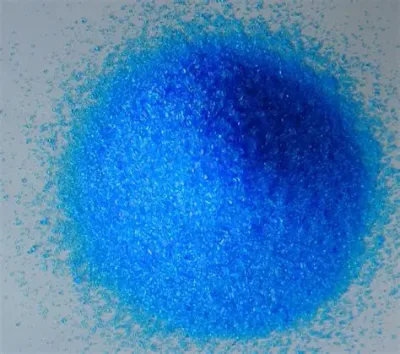
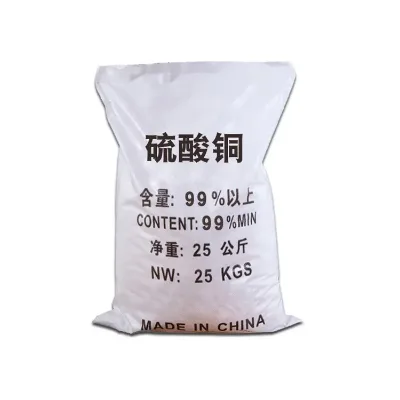
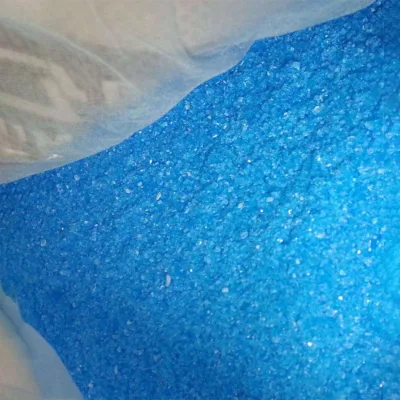
High Quality Industrial Grade CuSO4 Copper Sulfate Mining Chemicals CAS 7758-98-7
$99.8687 - $102.956
MOQ: 1 metric
Shanghai Epoch Material Co., Ltd.
- Trading Company
- Shanghai, China
- Lead time5 days
- Avg. response≤ 9h
Main productsRare Earth Materials, Nano Materials, Metal And Its Alloy, Food Ingredients, Iron Oxide
Main marketsDomestic Market(30.00%), Western Europe(15.00%), Eastern Europe(13.00%), Eastern Asia(12.00%), North America(10.00%), Southern Europe(10.00%), Southeast Asia(10.00%)

Zhengzhou Langkou Chemical Products Co., Ltd
- Verified by SGS
- Trading Company
- China Henan
- Lead time15 days
- Avg. response≤ 10h
Main productsSodium Lauryl Ether Sulphate/SLES, PVC Resin, Dioctyl Phthalate DOP, TCCA Trichloroisocyanuric Acid, Monosodium Glutamate Msg, LABSA 96%, SLS K12, Aos Powder
Main marketsAfrica


Wholesale 98% Purity Copper (II) Sulfate, Copper Sulfate CAS 7758-98-7
$1800.00 - $2400.00
MOQ: 1 Tons

Zhengzhou Mct International Co., Ltd.
- Trading Company
- China Henan
- Lead time30 days
- Avg. response≤ 21h
Main productsInjection, Oral Liquid, Veterinary Medicine, Feed Additive, Herb Medicine
Main marketsSoutheast Asia/ Mideast,East Asia(Japan/ South Korea),Domestic

Hebei Dechuang Chemical Equipment Co., Ltd.
- Trading Company,Manufacturer/Factory
- China Hebei
- Lead time90 days
- Avg. response≤ 10h
Main productsChemical Equipment, Slurry Pump, Hydraulic Cylinder, Wire Mesh Machinery, The Casting, Forgings, Stamping Parts, Hardware and Fittings
Main marketsSouth America,Eastern Europe,Mid East,North America,Southeast Asia,Eastern Asia,Oceania,Western Europe,Africa
Jinan Yudong Trading Co., Ltd.
- Verified by SGS Group
- Manufacturer, Trading Company
- Lead time7 days
- Avg. response≤ 6h
Main productsOrganic Intermediate, Lithium Battery Electrolyte Additives, Cosmetic Product Intermediates and Functional Monomer
Main marketsSoutheast Asia(30%), Eastern Asia(30%), North America(10%)
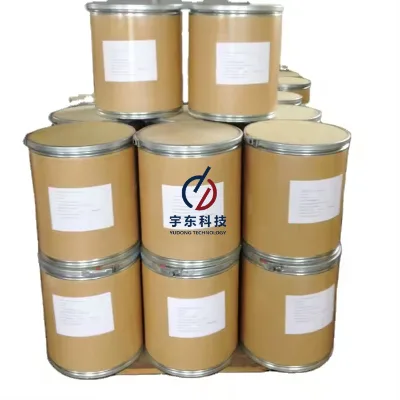
Low Price Copper Sulfate Monohydrate Citric Acid Citric Acid Monohydrate With Best Quality
$10.5055 - $105.0487
MOQ: 1 Minimum








Comprehensive Sourcing Guide
China Mainland Copper Sulphate Supplier Concentration and Factory Types
The current supplier landscape for China Mainland Copper Sulphate reveals a distinct split between manufacturing entities and trading companies, each offering different operational advantages for buyers seeking bulk inorganic salts. Manufacturer and factory profiles are prominently featured, with specific results indicating origins in regions such as Shandong. These facilities typically list comprehensive main products that include Adblue Urea, Sodium Bicarbonate, Calcium Chloride, and various other chemical compounds alongside Copper Sulphate. This diversification suggests that established factories often operate within broader chemical production ecosystems, leveraging shared infrastructure for raw material processing and quality control. The presence of OEM and ODM capabilities in their reported capacity indicates that these suppliers are equipped to handle customized packaging or specific purity requirements, which is critical for buyers needing tailored industrial specifications rather than standard off-the-shelf inventory.
In contrast, trading companies appear in the results with origins in areas like Hebei, often positioning themselves as intermediaries with rapid response capabilities. One observed trading entity reported a response time of just 2.27, significantly faster than the average of 20.61 seen among manufacturers. These trading firms may not produce the Copper Sulphate themselves but instead aggregate supply from multiple sources, offering flexibility in sourcing different grades such as industrial, feed, or agricultural variants. Their main product lists often include a wide array of chemicals like Titanium Dioxide, Zinc Oxide, and Paraffin Wax, suggesting a broad inventory management strategy. Buyers must carefully distinguish between these two types to understand whether they are dealing with the source of production or a reseller, as this distinction directly impacts pricing structures, communication channels, and the ability to conduct direct factory audits or verify production lines for quality assurance purposes.
How to Verify China Mainland Copper Sulphate Suppliers
Verifying the legitimacy and capability of China Mainland Copper Sulphate suppliers requires a multi-layered approach that goes beyond basic company profiles. Buyers should prioritize suppliers who display specific system certifications, as these provide a baseline for operational standards. For instance, some manufacturers in the results hold ISO 9001 and ISO 14001 certifications, indicating adherence to quality management and environmental protection standards. Others may display product-specific certifications such as RoHS, CIQ, or CCIC, which are crucial for ensuring the chemical meets international safety and export requirements. Additionally, verification badges like SGS for trading companies offer an external layer of trust, confirming that the entity has undergone third-party assessment. Buyers must actively request and validate these certificates, ensuring they are current and relevant to the specific grade of Copper Sulphate being purchased, whether it is for industrial water treatment or agricultural feed applications.
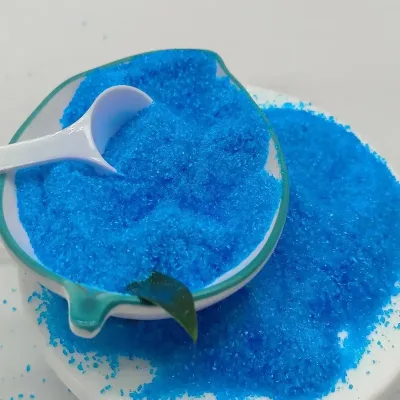
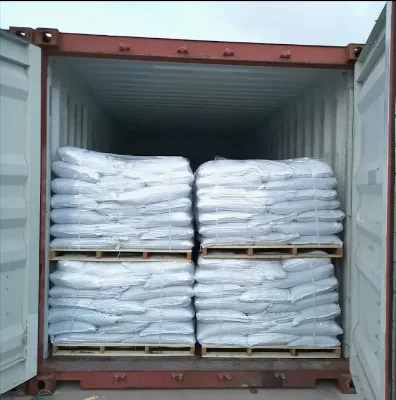
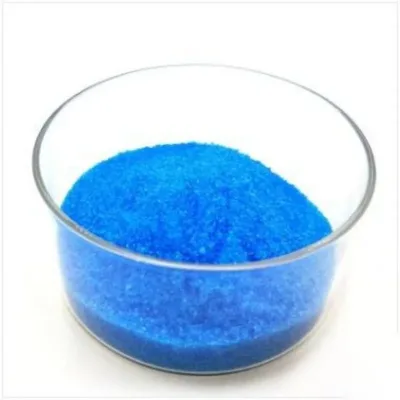
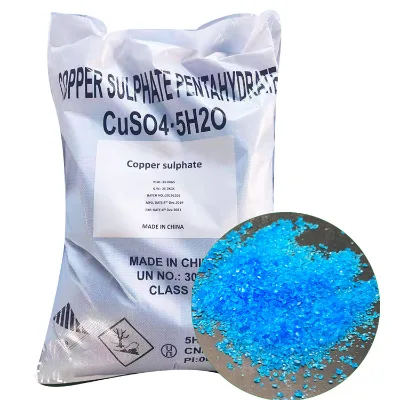
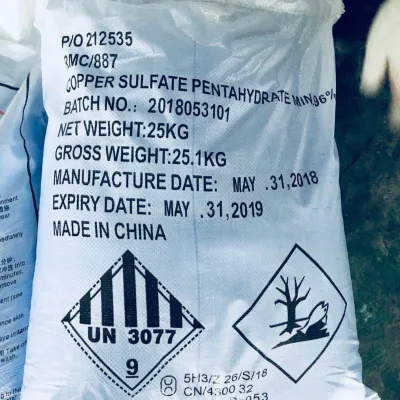
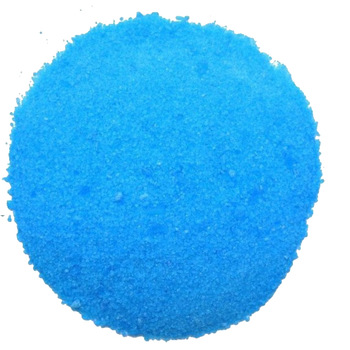
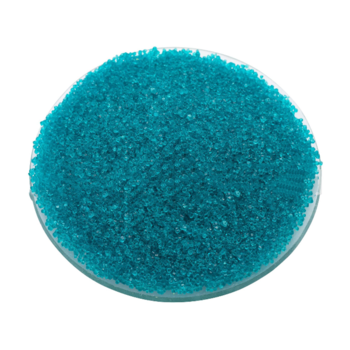
Beyond certifications, buyers should scrutinize the detailed product attributes and specifications provided in supplier listings to assess technical competence. The results show varying purity levels, ranging from 90% to 99%, with specific models like YR-030 or YY indicating different production lines or quality tiers. Attributes such as appearance (granular vs. powder), color (blue), and density (2.286g/cm3) serve as technical fingerprints that buyers can use to verify if the supplier’s offerings match their precise engineering or formulation needs. Furthermore, checking the response time is a practical method for gauging operational efficiency; a supplier with a response time under three hours, as seen with some trading companies, may offer more agile support for urgent orders or complex queries. Buyers should also look for evidence of customization availability, as this indicates a supplier’s willingness to adapt packaging, such as 25kg woven bags with plastic lining, to meet specific logistical or storage requirements, thereby reducing the risk of receiving non-compliant or poorly packaged goods.
What to Compare Across China Mainland Copper Sulphate Suppliers
When evaluating multiple sources for China Mainland Copper Sulphate, buyers must systematically compare key commercial and operational metrics to identify the most suitable partner for their specific volume and timeline needs. Lead time is a critical factor, with some manufacturers reporting a standard lead time of 15 days, which allows for predictable supply chain planning. However, buyers should also consider the minimum order quantity (MOQ), which varies significantly across the market. One supplier lists an MOQ of 20 units, while another accepts orders as low as 1 unit, catering to different scales of operation from large industrial plants to smaller specialized users. Comparing these thresholds helps buyers determine which suppliers can accommodate their initial trial orders or long-term bulk commitments without imposing excessive inventory costs or production delays that could disrupt their own manufacturing schedules.
Price and packaging options are equally vital dimensions for comparison, as they directly impact the total landed cost and handling efficiency. The results indicate a wide price range, with some products listed between $240 and $350, while others range from $1000 to $1880, reflecting differences in purity, grade, and packaging specifications. Buyers must analyze whether the price difference correlates with higher purity levels, such as 99% versus 96%, or specialized packaging like 1200kg bags versus standard 25kg bags. Additionally, the availability of customization for packaging and labeling should be weighed against the supplier’s base pricing. By creating a comparison matrix that includes lead time, MOQ, price per unit, packaging flexibility, and response speed, buyers can objectively rank suppliers based on their specific operational priorities, ensuring they select a partner that offers the best balance of cost, reliability, and service quality for their China Mainland Copper Sulphate procurement needs.
Common China Mainland Copper Sulphate Sourcing Risks
Sourcing Copper Sulphate from China Mainland introduces several risks that buyers must proactively manage to ensure product integrity and supply continuity. One significant risk is the variability in product purity and grade, as the market offers a spectrum from 90% to 99% purity. Without rigorous quality control, buyers may receive material that does not meet their specific industrial or agricultural standards, leading to production inefficiencies or regulatory non-compliance. The presence of different certifications like ISO, RoHS, CIQ, and CCIC suggests that quality standards can vary between suppliers, and buyers must verify that the specific batch they receive matches the certified specifications. Additionally, the distinction between industrial grade and feed grade is critical, as contamination or incorrect labeling can have severe consequences for end-use applications, making it essential for buyers to demand detailed test reports and certificates of analysis for every shipment.
Another major risk involves the reliability of communication and order fulfillment, particularly when dealing with trading companies versus manufacturers. While trading companies may offer faster response times, they might lack direct control over production schedules, leading to potential delays or miscommunication regarding lead times. The observed response times vary widely, from under three hours to over twenty hours, indicating that slower suppliers may struggle with urgent requests or complex technical queries. Furthermore, the risk of packaging inconsistencies cannot be overlooked, as improper packaging, such as inadequate lining in woven bags, can lead to moisture absorption or contamination of the Copper Sulphate during transit. Buyers should also be cautious of suppliers who do not clearly specify their production standards or origins, as this lack of transparency can obscure the true source of the material and complicate traceability efforts in the event of a quality issue or supply chain disruption.
China Mainland Copper Sulphate Regional Sourcing and Logistics
The geographic distribution of China Mainland Copper Sulphate suppliers influences logistics strategies and supply chain resilience for international buyers. Results indicate that manufacturing facilities are concentrated in regions such as Shandong, a province known for its robust chemical industry infrastructure. Sourcing from Shandong-based manufacturers may offer advantages in terms of access to raw materials and established industrial clusters, potentially reducing production costs and improving supply stability. However, buyers must also consider the logistical implications of shipping from this region, including port accessibility and transit times to their destination markets. Understanding the specific location of the supplier allows buyers to better estimate freight costs and plan for potential customs clearance delays, ensuring that their inventory levels are maintained without interruption.
In addition to manufacturing hubs, trading companies located in other regions like Hebei provide alternative sourcing options that may offer different logistical benefits. These trading entities often have established networks with multiple factories, allowing them to aggregate products from various locations to meet specific buyer requirements. While this can provide greater flexibility in sourcing different grades or quantities, it may also introduce complexity in tracking the origin of the material and coordinating shipments from multiple sources. Buyers should evaluate the logistical capabilities of both manufacturers and traders, considering factors such as their experience with international shipping, documentation accuracy, and ability to handle customs clearance. By aligning their sourcing strategy with the geographic strengths of their chosen suppliers, buyers can optimize their supply chain for efficiency, cost-effectiveness, and reliability, ensuring that their China Mainland Copper Sulphate orders arrive on time and in perfect condition.
China Mainland Copper Sulphate Commercial Terms and Order Planning
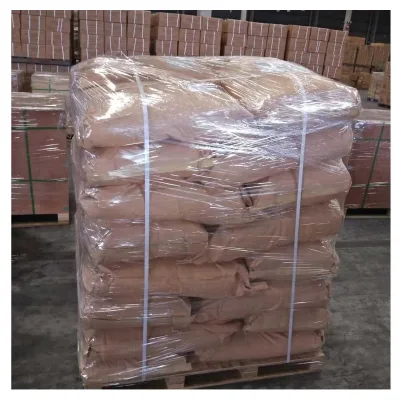
Effective order planning for China Mainland Copper Sulphate requires a thorough understanding of the commercial terms and logistical details provided by suppliers. Buyers should carefully review the packaging specifications, which often include 25kg woven bags with plastic lining or larger 1200kg bags, to ensure compatibility with their storage and handling facilities. The availability of customization for packaging and labeling is a valuable feature that can streamline the receiving process and reduce the risk of damage during transit. Additionally, buyers must consider the minimum order quantities and pricing structures, which can vary significantly based on the purity level and grade of the product. By aligning their order volumes with the supplier’s MOQ and lead time commitments, buyers can optimize their inventory management and reduce the risk of stockouts or excess inventory, ensuring a smooth and efficient procurement process.
Furthermore, buyers should establish clear communication channels and verification protocols to mitigate risks associated with international trade. This includes confirming the supplier’s response time and ensuring that they can provide timely updates on order status and shipment tracking. Buyers should also verify the supplier’s certifications and quality control processes, requesting detailed test reports and certificates of analysis to ensure that the product meets their specific requirements. By maintaining a proactive approach to supplier management and order planning, buyers can build a reliable supply chain for China Mainland Copper Sulphate, minimizing disruptions and ensuring consistent access to high-quality materials for their industrial or agricultural applications. This disciplined approach to commercial terms and logistics is essential for long-term success in sourcing from the Chinese market.
FAQs
What is the price range for copper sulphate from China?
Prices for copper sulphate from China typically range from $240 to $1880 per metric ton depending on purity and grade. Industrial grade options often start around $240, while higher purity feed or specialized industrial grades can reach up to $1880. Buyers should verify specific pricing based on order volume and current market conditions.
What is the minimum order quantity for copper sulphate?
The minimum order quantity for copper sulphate varies by supplier, with some requiring as few as 1 unit while others set the bar at 20 units. Most standard industrial offerings list an MOQ of 20, ensuring efficient logistics. Buyers should confirm the exact MOQ with the supplier before finalizing purchase agreements.
What certifications are available for copper sulphate suppliers?
Suppliers often provide ISO 9001 and ISO 14001 system certifications, along with product-specific certifications like RoHS, CIQ, and CCIC. These credentials ensure quality management and environmental compliance. Buyers should request valid certificates to verify that the supplier meets international standards for chemical manufacturing and export.
Where are copper sulphate manufacturers located in China?
Major copper sulphate suppliers are located in regions such as Shandong and Hebei provinces in China. These areas host both manufacturers and trading companies specializing in inorganic chemicals. Buyers can filter search results by these specific locations to find suppliers with established production capabilities and logistical advantages.
How fast do suppliers respond to inquiries?
Response times for copper sulphate inquiries vary, with some suppliers responding within 2.27 hours and others taking up to 20.61 hours. Faster response times often indicate higher availability and active sales teams. Buyers should prioritize suppliers with quicker response rates to ensure efficient communication during the sourcing process.
What is the typical lead time for copper sulphate orders?
The typical lead time for copper sulphate orders is approximately 15 days from the confirmation of the purchase order. This timeframe allows for production, quality control, and packaging preparation. Buyers should plan their inventory accordingly and confirm the exact lead time with the supplier based on current production schedules.
What purity levels are available for copper sulphate?
Copper sulphate is available in various purity levels, ranging from 90% to 99%. Common grades include 96%, 98%, and 99% purity, suitable for industrial, agricultural, and feed applications. Buyers should specify the required purity level to ensure the product meets their specific technical and regulatory requirements.