432Hz Quartz Crystal Singing Bowl Suppliers and Manufacturers
Explore 21 verified suppliers offering 432hz quartz crystal singing bowls with varying lead times, response speeds, and certifications. Compare locations in China, MOQs, and product specifications to source the right instrument for your needs today; review the available evidence before requesting comparable quotations from suitable candidates.
Updated
Suppliers List

Hubei Fotma Machinery Co., Ltd.
- Verified by BV
- Trading Company
- China Hubei
- Lead time23 days
- Avg. response≤ 14h
Main productsTractor, Agricultural Implements, Rice Milling Machines, Oil Press Machines, Flour Mill Machines, Construction Equipment, Wheel Loader, Bulldozer, Truck Crane, Excavator
Main marketsSouth America,Africa,Southeast Asia/ Mideast,Europe,Australia,North America


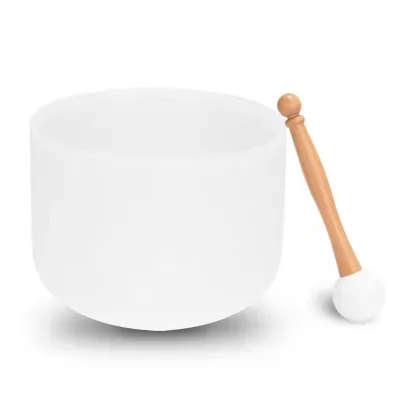
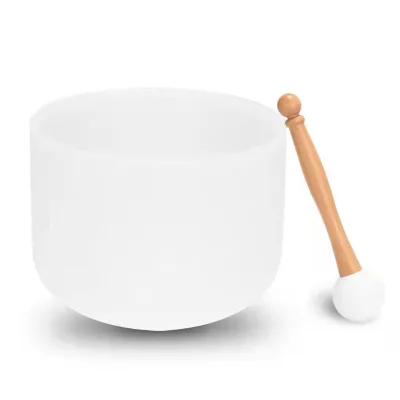
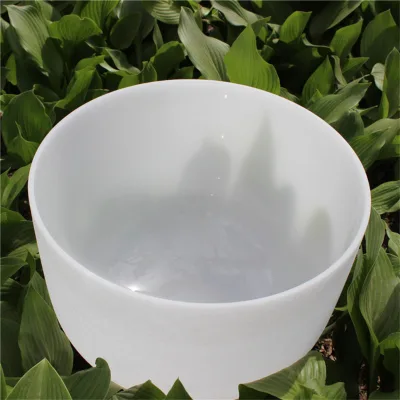
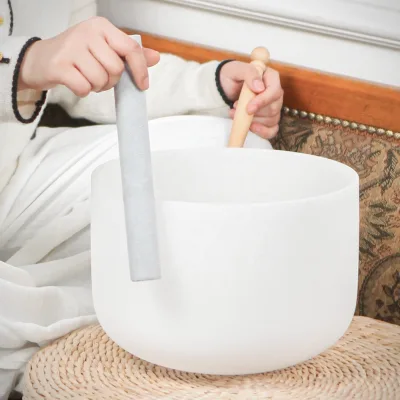
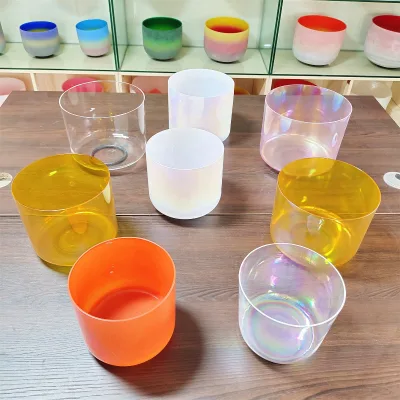
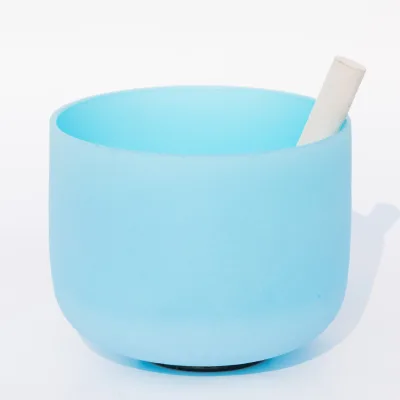
Quartz Clear Crystal Meditation Healing Singing Bowl Color Frosted Sound Bowls with Prefect Pitch
$22.00 - $200.00
MOQ: 10 Pieces
Zunyi Jumpo Technology Co., Ltd.
- Trading Company
- Guizhou, China
- Lead time0 days
- Avg. response≤ 2h
Main productsHandpan,Stteel tongue drum,Guitar acceessories,Klimba,Winchime
Main marketsNorth America(30.00%), Western Europe(20.00%), Domestic Market(10.00%), South America(10.00%), Southeast Asia(5.00%), Eastern Europe(5.00%), Eastern Asia(5.00%), Mid East(5.00%), Oceania(5.00%), Africa(5.00%)
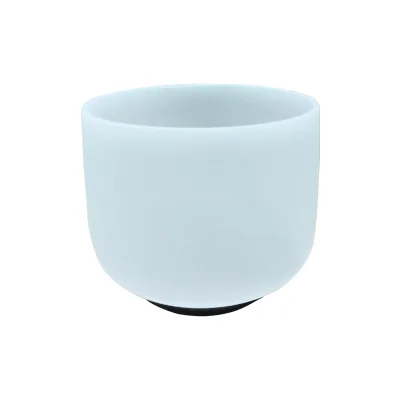
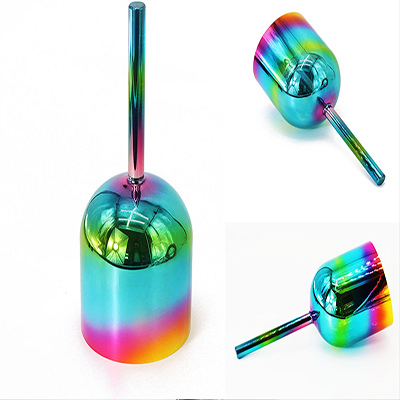
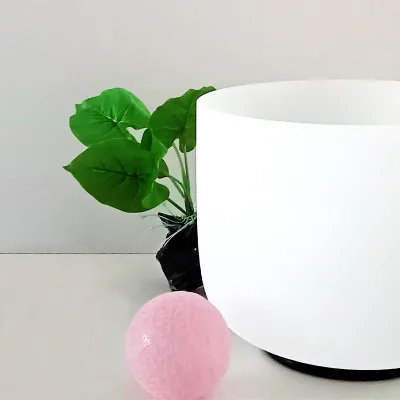
$34.8854 - $455.5553
MOQ: 10 Minimum
Jinzhou Success Quartz Glass Co., Ltd.
- Verified by SGS Group
- Manufacturer, Trading Company
- Liaoning, China
- Lead time3 days
- Avg. response≤ 4h
Main productsQuartz Crucible, Quartz Crystal Singing Bowl, Quartz Plate, Quartz Tube, Quartz Instrument
Main marketsNorth America(28%), Southern Europe(23%), South America(15%)

Lianyungang Highborn Technology Co., Ltd.
- Verified by TUVRHEINLAND
- Combined
- China Jiangsu
- Lead time15 days
- Avg. response≤ 5h
Main productsQuartz Glass, Alumina Ceramics, Zirconia Ceramics, Cordierite Ceramics, Porous Ceramics, Silicon Carbide Ceramics, Steatite Ceramics, Silicon Nitride Ceramics, Aluminium Nitride Ceramics, Ozone Generator
Main marketsSouth America,Southeast Asia/ Mideast,East Asia(Japan/ South Korea),Europe,North America

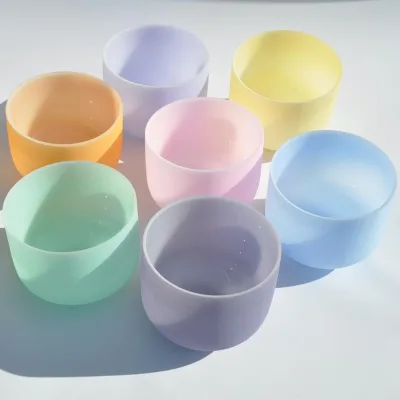
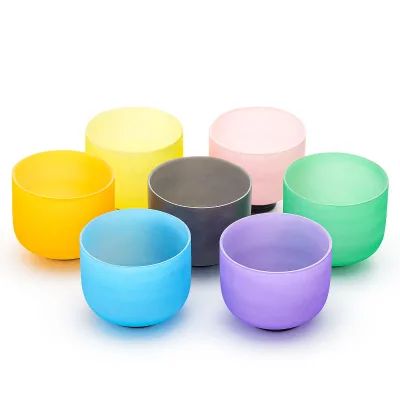
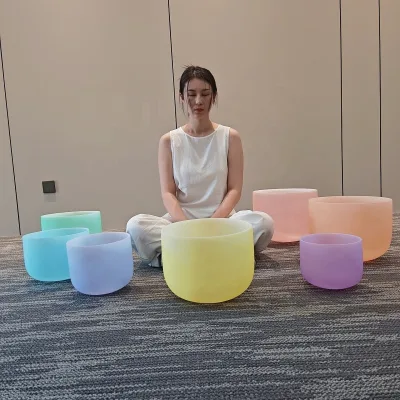
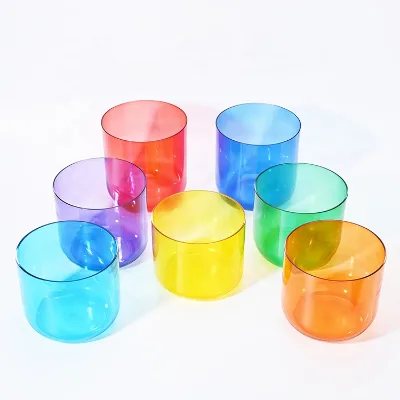
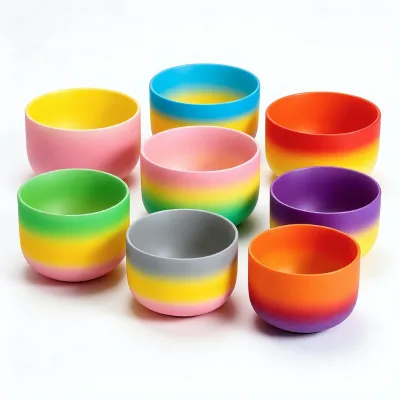
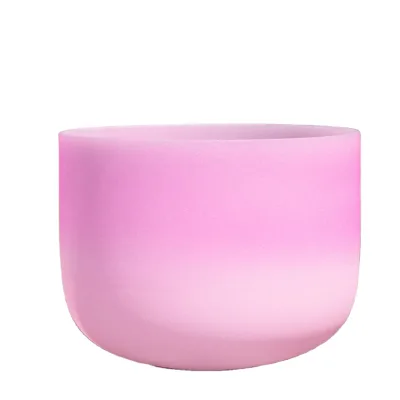
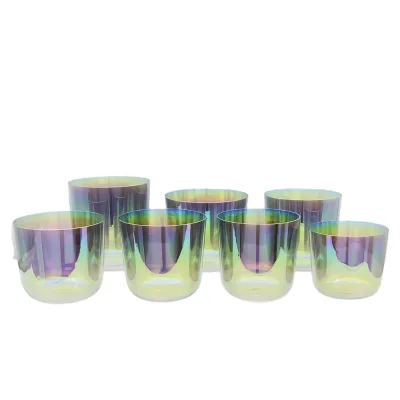
432Hz Sound Healing Meditation Balance Chakra Colorful Quartz Crystal Singing Bowl
$28.00 - $35.00
MOQ: 10 Pieces


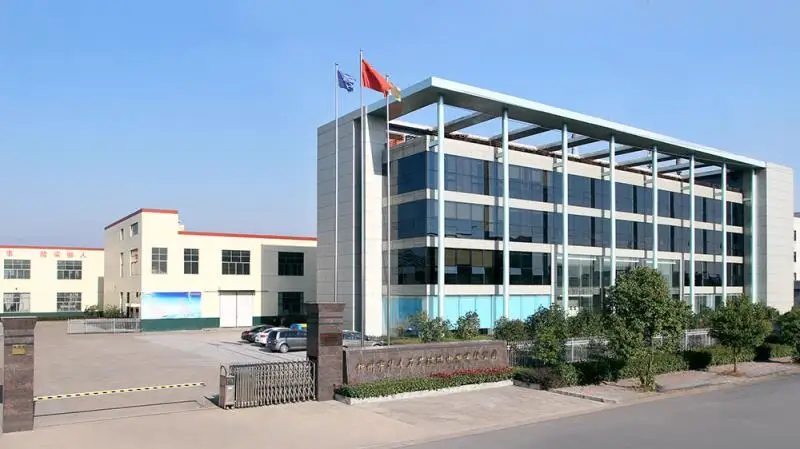
Jinzhou Huafeng Quartz Electrical Appliance Co., Ltd.
- Manufacturer, Trading Company
- Liaoning, China
- Lead time3 days
- Avg. response≤ 4h
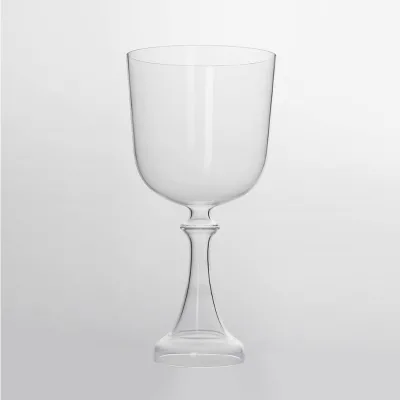
Main productsCrystal Singing Bowls,Crystal Holy Grail,Crystal Harp,Crystal Tuning Fork,Quartz Instruments
Main marketsNorth America(15.00%), Oceania(12.00%), Western Europe(12.00%), Southern Europe(11.00%), Northern Europe(11.00%), Eastern Europe(10.00%), South America(5.00%), Domestic Market(5.00%), Southeast Asia(5.00%), Central America(4.00%), South Asia(3.00%), Eastern Asia(3.00%), Mid East(3.00%), Africa(1.00%)
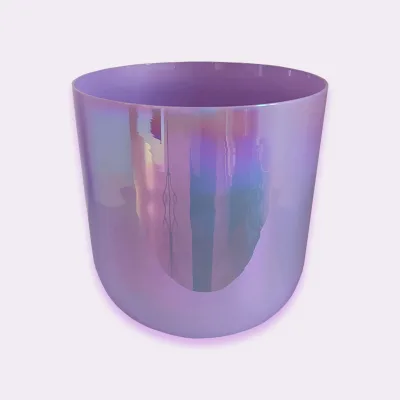
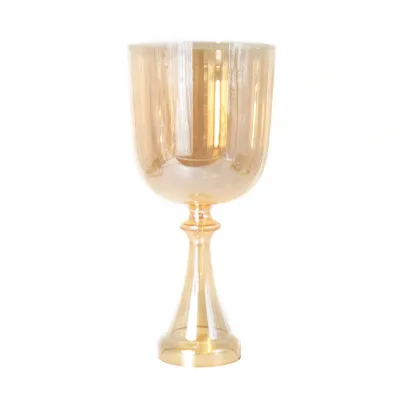
Purple Cosmic Light Quartz Crystal Singing Bowls for Healing Sound Bath
$68.00 - $440.00
MOQ: 1 Minimum
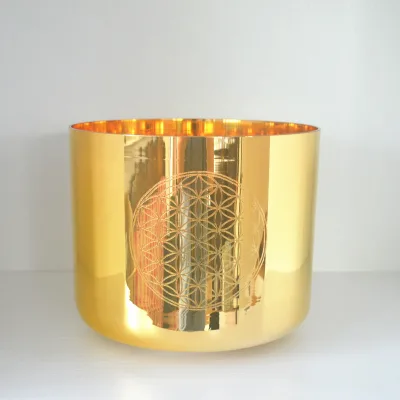
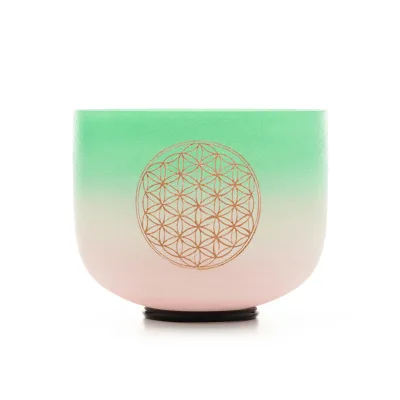
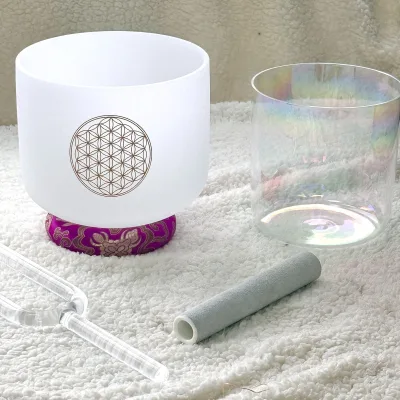
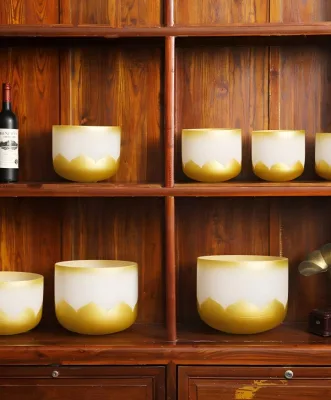
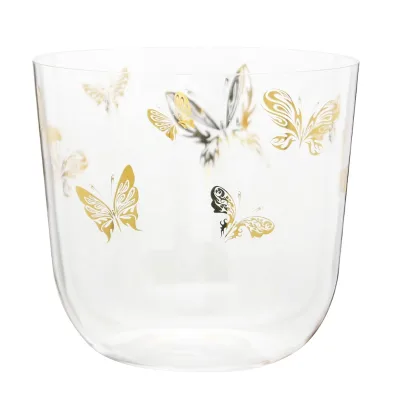
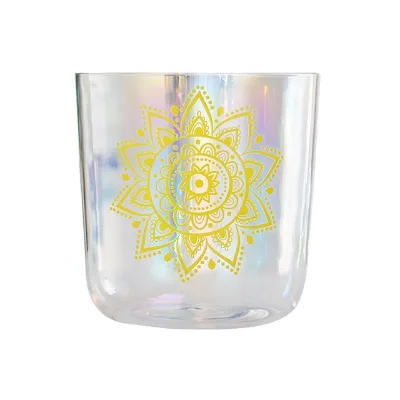
24K Gold Crystal Quartz Singing Bowls with Pattern of Flower Design
$210.854 - $1368.9713
MOQ: 1 Minimum

Canex Musical Instrument Co., Ltd.
- Combined
- China Tianjin
- Lead time30 days
- Avg. response≤ 11h
Main productsSaxophone, Electric Guitar, Clarinet, Violin, Brass Trumpet, Flute, Oboe, Trombone, Cajon, Drum Set
Main marketsSouth America,Europe,North America

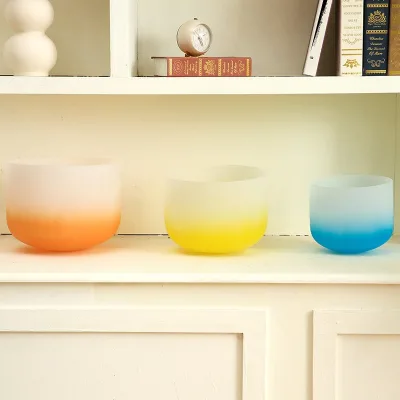
Quartz Clear Crystal Meditation Healing Singing Bowl Color Frosted Sound Bowls
$30.00 - $298.00
MOQ: 10 Pieces


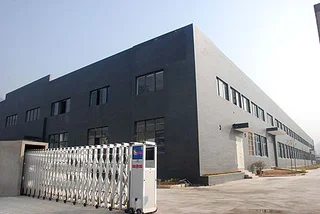
Jinzhou Meihua Quartz Glass Co., Ltd.
- Manufacturer, Trading Company
- Liaoning, China
- Lead time5 days
- Avg. response≤ 1h
Main productsQuartz Plate,Quartz Sheet,Quartz Tube,Quartz Pipe,Quartz Rods
Main marketsDomestic Market(30.00%), Southeast Asia(20.00%), Southern Europe(15.00%), Eastern Europe(15.00%), North America(15.00%), South America(5.00%)

Lianyungang Maigao Quartz Products Co., Ltd.
- Manufacturer, Trading Company
- Jiangsu, China
- Lead time7 days
- Avg. response≤ 2h
Main productsquartz tube,quartz plate,quartz rod,Quartz crucible,Quartz experimental vessel
Main marketsNorth America(15.00%), Africa(10.00%), Southeast Asia(10.00%), Eastern Asia(10.00%), Oceania(10.00%), Domestic Market(5.00%), South Asia(5.00%), Southern Europe(5.00%), Northern Europe(5.00%), Central America(5.00%), Western Europe(5.00%), Eastern Europe(5.00%), Mid East(5.00%), South America(5.00%)

LIANYUNGANG BAIBO NEW MATERIAL CO., LTD.
- Verified by TUVRHEINLAND
- Combined
- China Jiangsu
- Lead time15 days
- Avg. response≤ 5h
Main productsQuartz Glass, Alumina Ceramics, Zirconia Ceramics, Cordierite Ceramics, Porous Ceramics, Silicon Carbide Ceramics, Steatite Ceramics, Silicon Nitride Ceramics, Aluminium Nitride Ceramics, Ozone Generator
Main marketsSoutheast Asia/ Mideast,East Asia(Japan/ South Korea),Domestic,Europe,North America


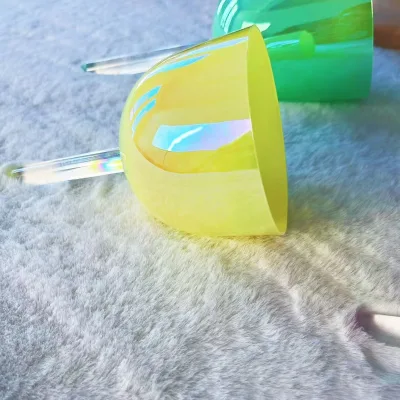
Green Color O Rings Quartz Crystal Bowl 6-12 "Handheld Quartz Singing Bowl
$100.00 - $300.00
MOQ: 2 Pieces

Colored Quartz Crystal Crucible Healing Meditation Singing Bowl Tibetan Music Bowl
$100.00 - $300.00
MOQ: 1 Pieces

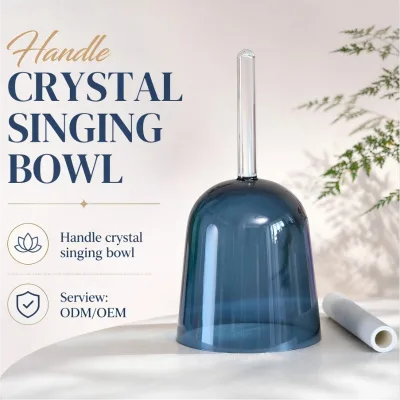
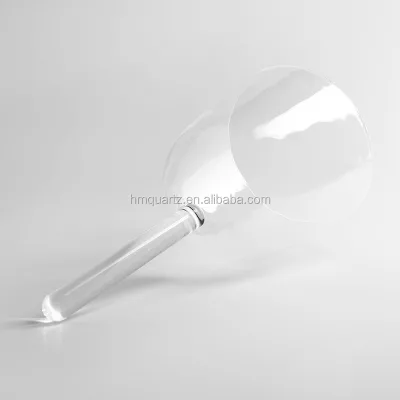
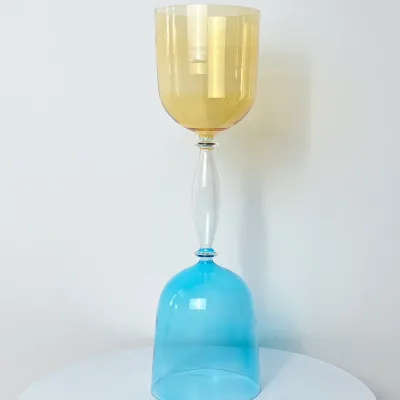
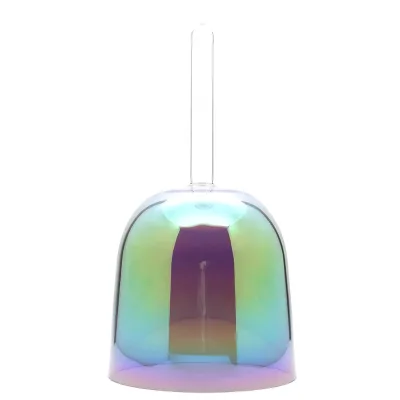
Chakra Quartz Transparent Handle Crucible Crystal Singing Bowl for Sound Healing
$80.00 - $200.00
MOQ: 1 Pieces

Decompression Meditation Holding Crystal 8-Inch Chakra C Defgab Note Quartz Meditation Bowl
$100.00 - $300.00
MOQ: 1 Pieces

Donghai Kaiwang Quartz Products Co., Ltd.
- Manufacturer, Trading Company
- Jiangsu, China
- Lead time20 days
- Avg. response≤ 1h
Main productsQuartz Tube; Quartz Plate; Quartz Crucible; Quartz Rod; Quartz Products,Quartz rod,Quartz crucible,Quartz plate,Quartz wool
Main marketsNorth America(30.00%), Eastern Asia(20.00%), Oceania(10.00%), South America(10.00%), Eastern Europe(10.00%), Southeast Asia(5.00%), Northern Europe(5.00%), Central America(5.00%), Western Europe(5.00%)
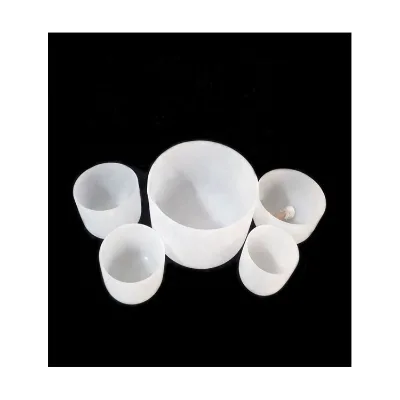
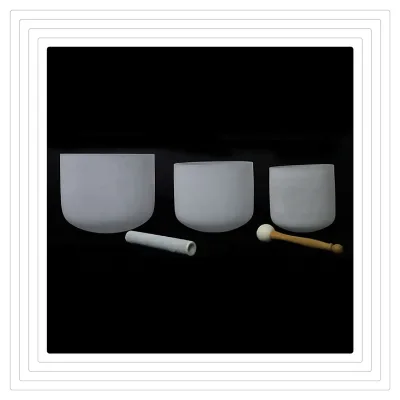
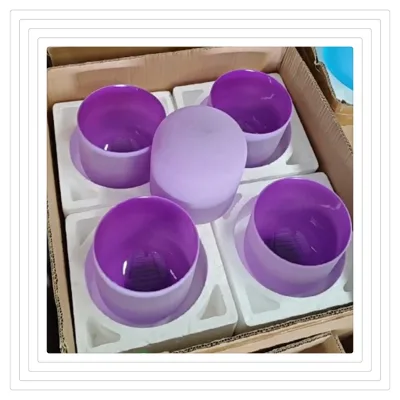
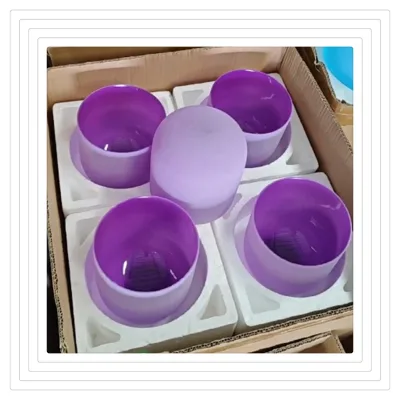
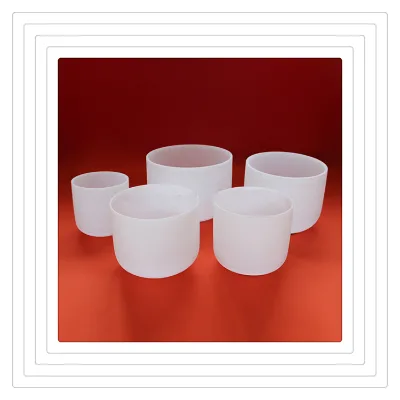
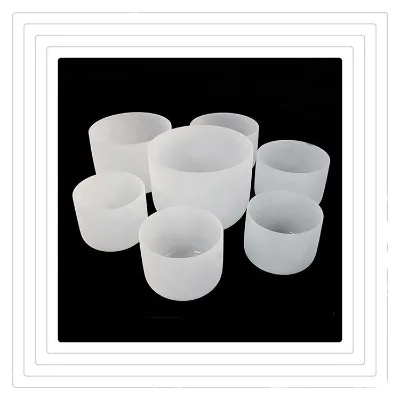
$40.9853 - $204.9234
MOQ: 1 Minimum
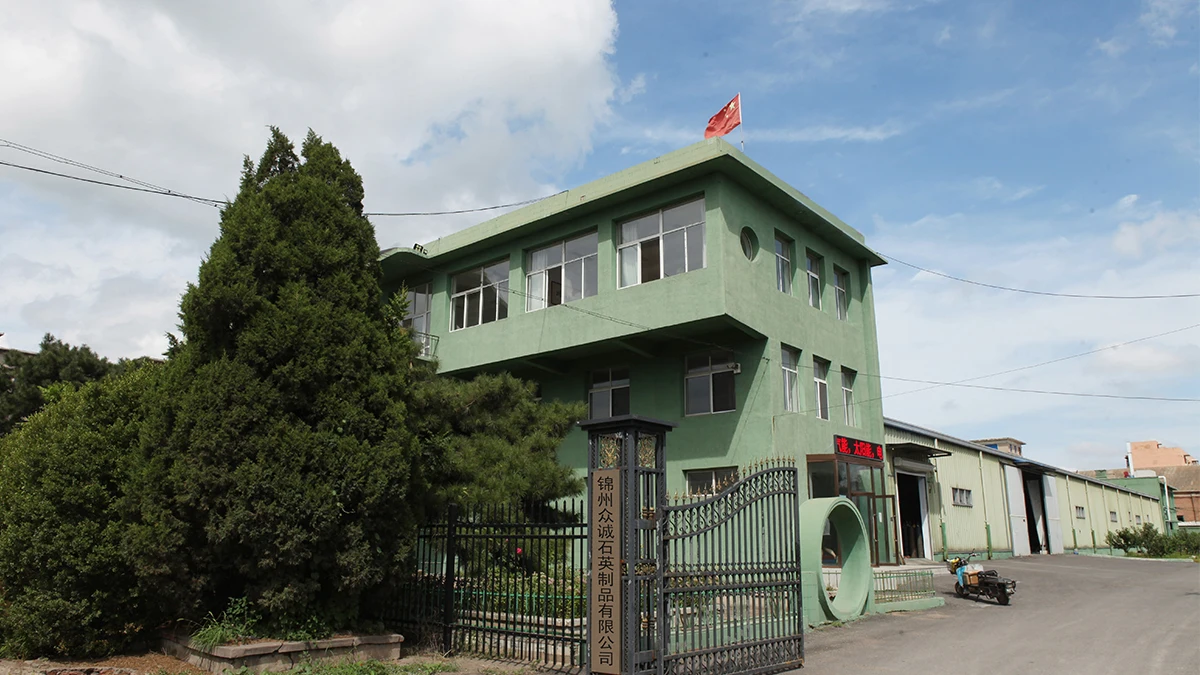
Jinzhou Zhongcheng Quartz Product Co., Ltd.
- Manufacturer, Trading Company
- Liaoning, China
- Lead time7 days
- Avg. response≤ 2h
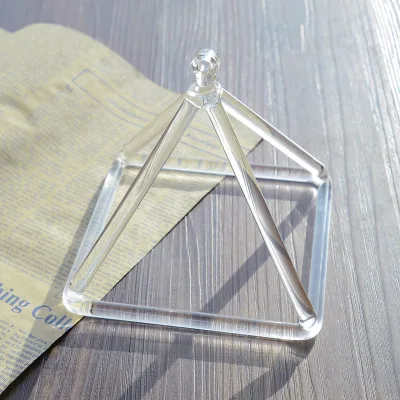
Main productsCrystal Singing Bowl,Crystal Singing Pyramids,Crystal Tuning Forks,Crystal Singing Bells,Crystal Singing Harps
Main marketsSoutheast Asia(15.00%), Eastern Asia(15.00%), Oceania(14.00%), Mid East(10.00%), North America(10.00%), Southern Europe(7.00%), Western Europe(6.00%), Northern Europe(5.00%), South America(5.00%), Eastern Europe(5.00%), Africa(3.00%), Central America(3.00%), Domestic Market(1.00%), South Asia(1.00%)
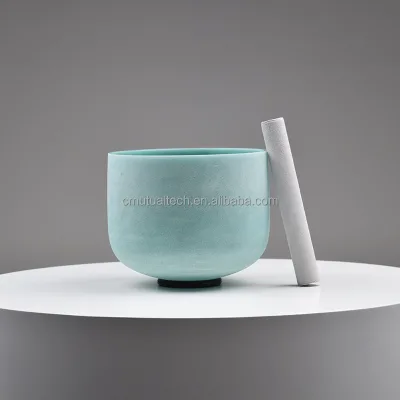
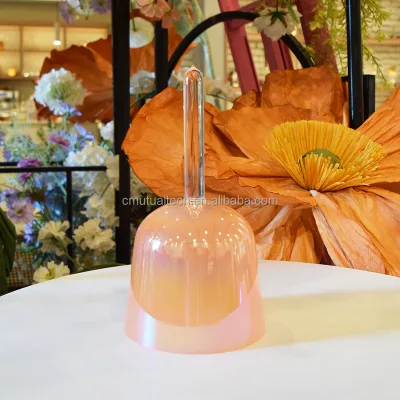
Liaoning Mutual Technology Co., Ltd.
- Verified by Intertek
- Manufacturer, Trading Company
- Lead time0 days
- Avg. response≤ 1h
Main productsCrystal Singing Bowl, Crystal Singing Harp , Crystal Grails, Chimes
Main marketsNorth America(40%), Western Europe(20%), South America(10%)
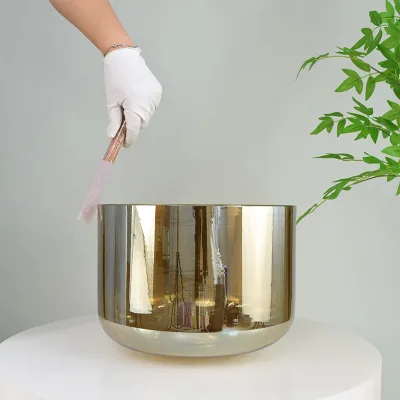
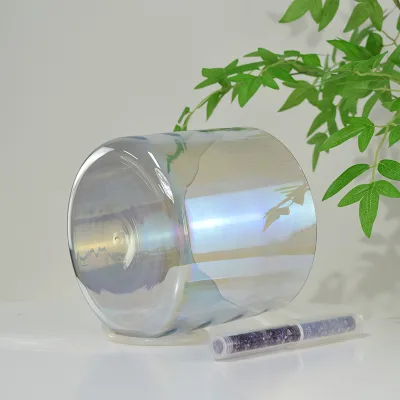
$102.5321 - $307.5963
MOQ: 1 pieces
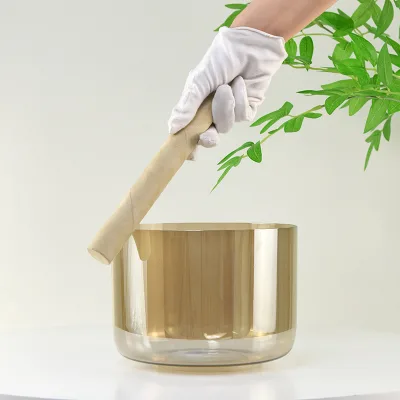
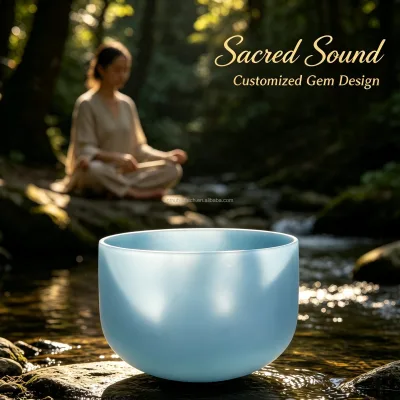
JINZHOU EAST QUARTZ MATERIAL SCIENCE AND TECHNOLOGY CO., LTD.
- Manufacturer, Trading Company
- Liaoning, China
- Lead time0 days
- Avg. response≤ 7h
Main productsQuartz crystal Chakra Singing Bowls,Quartz plate,Quartz tube,Quartz rod,Quartz instrument
Main marketsDomestic Market(30.00%), Western Europe(30.00%), North America(20.00%), Mid East(10.00%), Eastern Asia(10.00%)
Yiwu B&T Crafts & Arts Co., Ltd.
- Trading Company
- Zhejiang, China
- Lead time12 days
- Avg. response≤ 3h
Main productsChildren Toys, Stationery, Singing Bowl
Main marketsNorth America(40.00%), Western Europe(10.00%), South Asia(5.00%), South America(5.00%), Oceania(5.00%), Southern Europe(5.00%), Eastern Asia(5.00%), Central America(5.00%), Northern Europe(5.00%), Eastern Europe(5.00%), Mid East(5.00%), Southeast Asia(5.00%)
- Trading Company
- Hong Kong S.A.R.
- Lead time30 days
- Avg. response≤ 1h
Main productsMusical Instrument Production,Trade in musical instruments,import and export trade,Integrated services,Product Sales
Main marketsDomestic Market(30.00%), South America(20.00%), North America(15.00%), Eastern Europe(10.00%), Southeast Asia(10.00%), Oceania(3.00%)
Lianyungang Gls Quartz Co., Ltd.
- Verified by SGS Group
- Manufacturer, Trading Company
- Lead time15 days
- Avg. response≤ 3h
Main productsQuartz Glass Tube, Quartz Glass Plate, Semiconductor Quartz Glass, OEM Fused Quartz Fabrication, Quartz Glass Machining
Main marketsNorth America(35%), Western Europe(20%), Eastern Europe(10%)
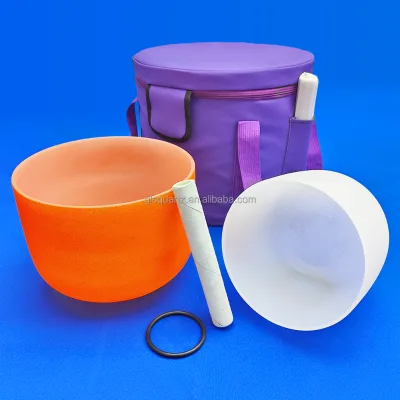
Wholesale Big Size Orange Quartz Sound Bowls Alchemy Tibetan Crystal Singing Meditation Singing Bowl
$20.7338 - $41.4676
MOQ: 10 pieces
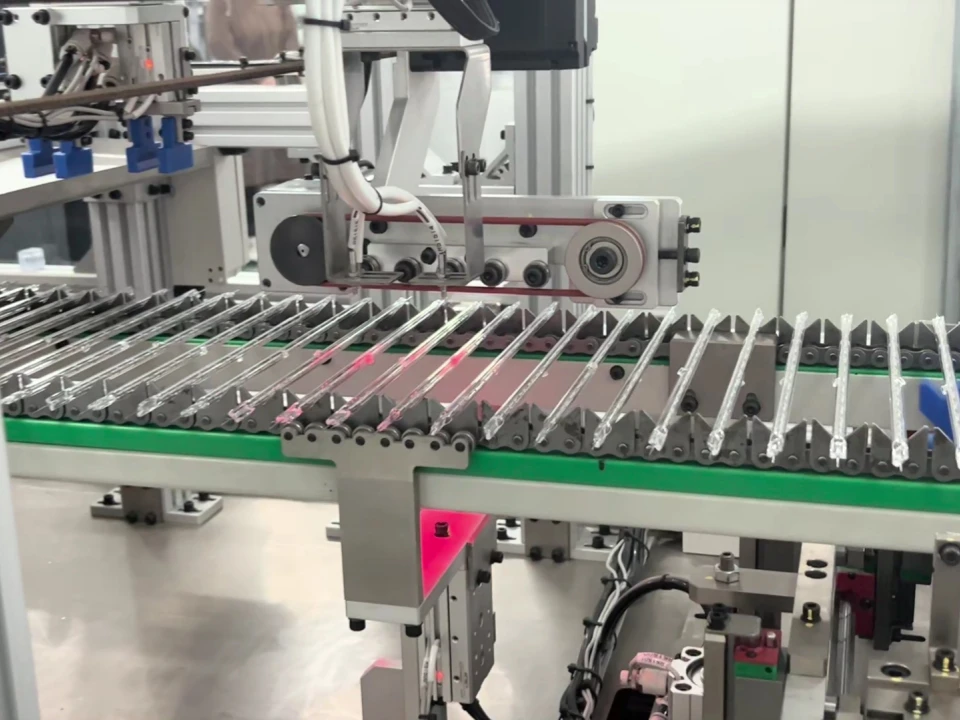
Liaoning Rema New Material Co., Ltd.
- Manufacturer, Trading Company
- Liaoning, China
- Lead time15 days
- Avg. response≤ 2h
Main productsInfrared lamp,Quartz instrument,Quartz tube,Quartz plate,Quartz rod
Main marketsSoutheast Asia(30.00%), North America(28.00%), South America(22.00%), Northern Europe(10.00%), Western Europe(10.00%)
Donghai Jinhong Semiconductor Technology Co., Ltd.
- Verified by SGS Group
- Trading Company
- Lead time10 days
- Avg. response≤ 1h
Main productsQuartz Glass Plate, Quartz Glass Tube, Quartz Glass Instrument, Semiconductor accessories, Processing Quartz Product
Main marketsDomestic Market(45%), Central America(15%), Southern Europe(15%)
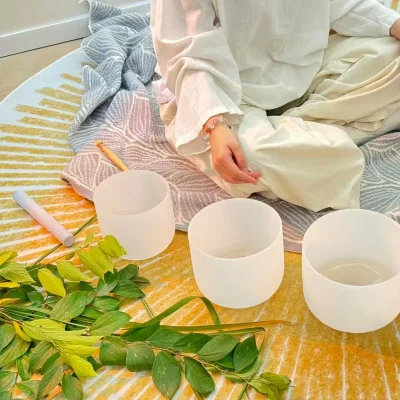
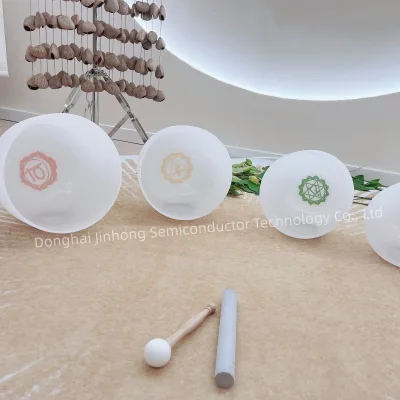
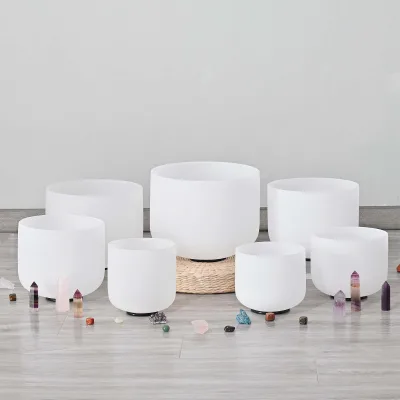
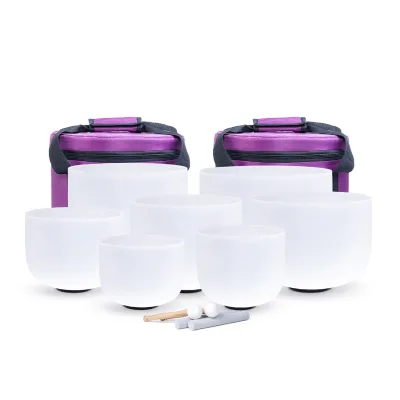
Manufacturer Quartz Sing Bowl Crystal Singing Bowl Set With Carrying Base
$10.2613 - $15.3905
MOQ: 1 units
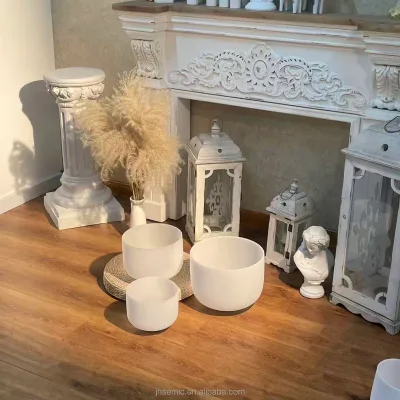
$41.0422 - $82.0829
MOQ: 1 Minimum
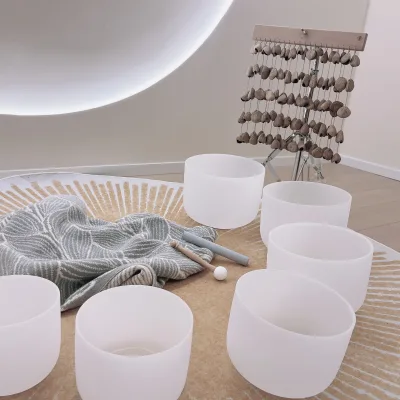
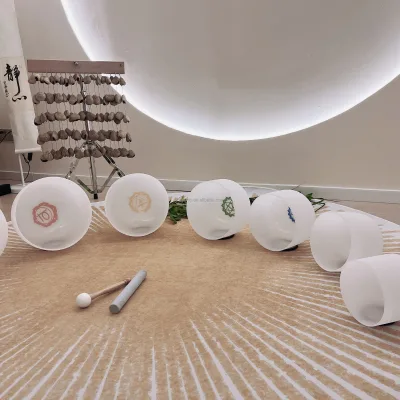
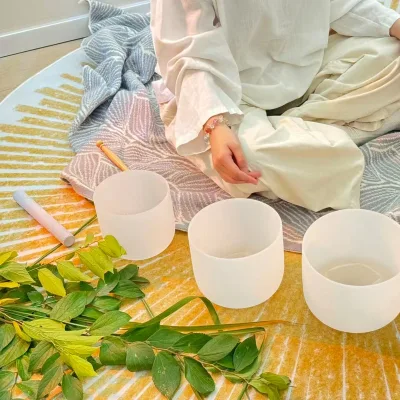
Factory Direct Supply Customized Size Single Piece Mini Crystal Singing Bowl for Meditation
$0.6157 - $0.719
MOQ: 1 pieces

Yiwu Hongzhuo Art&crafts Factory
- Manufacturer, Trading Company
- Zhejiang, China
- Lead time30 days
- Avg. response≤ 6h
Main productsCrystal Crafts,Beauty Tools,Massage Tools,Gemstone Carving,Jewelry & Accessories
Main marketsDomestic Market(100.00%)
- Trading Company
- Taiwan, China
- Lead time45 days
- Avg. response≤ 3h
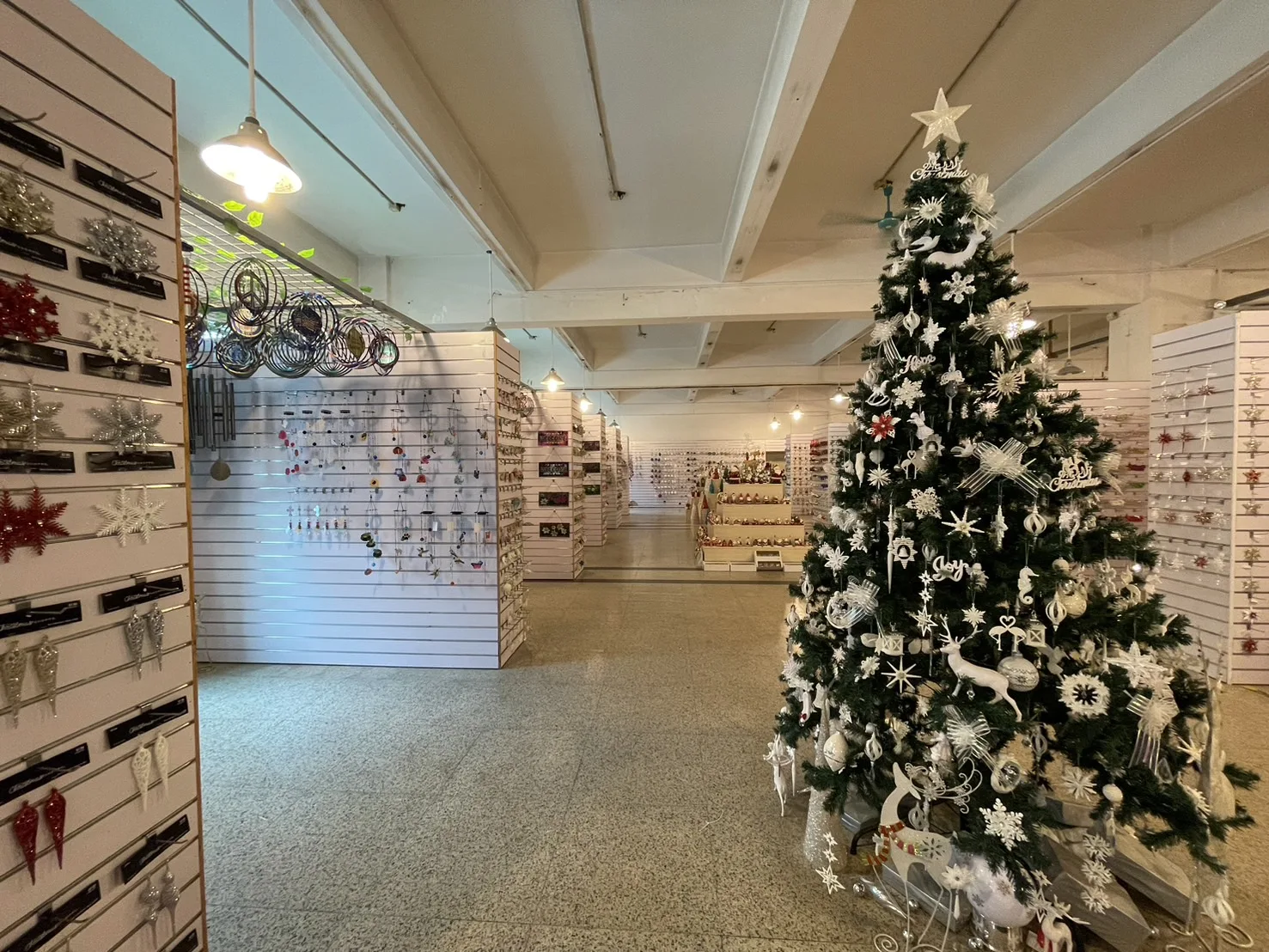
Main productsGARDEN DECORATION,WIND CHIMES,STAINED GLASS,CRYSTAL DECORATION,WIND SPINNERS
Main marketsNorth America(40.00%), Western Europe(20.00%), Northern Europe(10.00%), South Asia(5.00%), Southern Europe(5.00%), South America(5.00%), Central America(5.00%), Eastern Europe(5.00%), Mid East(5.00%)
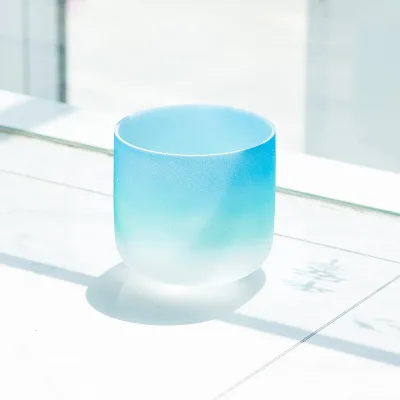
$77.78 - $115.88
MOQ: 1 Minimum
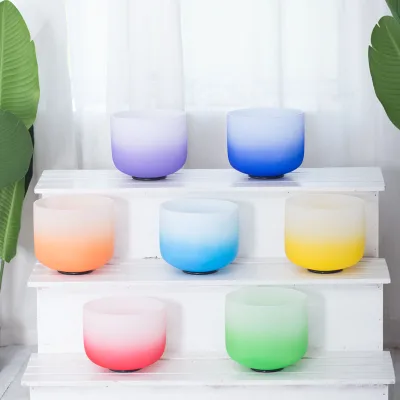
$80.95 - $106.35
MOQ: 1 Minimum
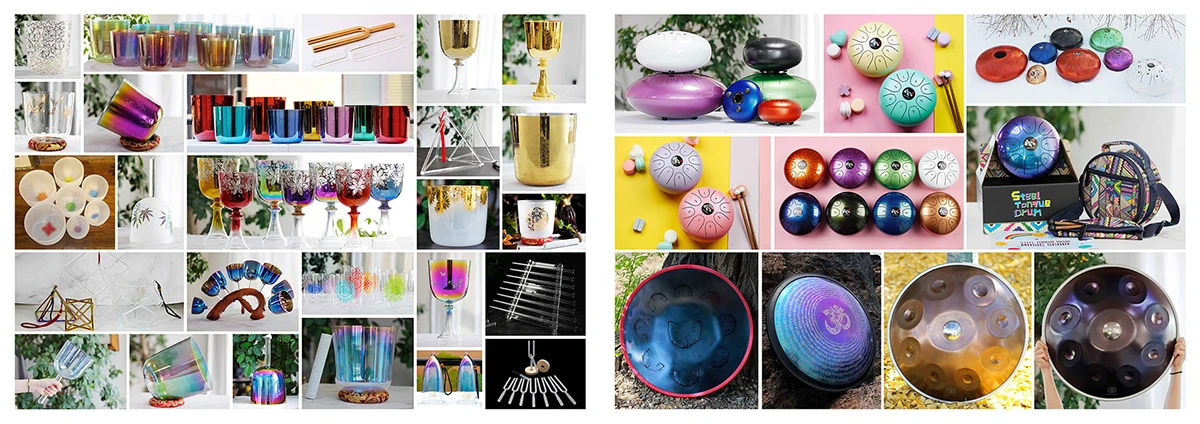
Jinzhou Best Quartz Glass Co., Ltd.
- Manufacturer, Trading Company
- Liaoning, China
- Lead time10 days
- Avg. response≤ 2h
Main productsquartz crystal singing bowl,quartz tube,quartz plate,quartz tube heater,lab quartzware
Main marketsNorth America(50.00%), Western Europe(20.00%), South Asia(10.00%), South America(10.00%), Oceania(10.00%)
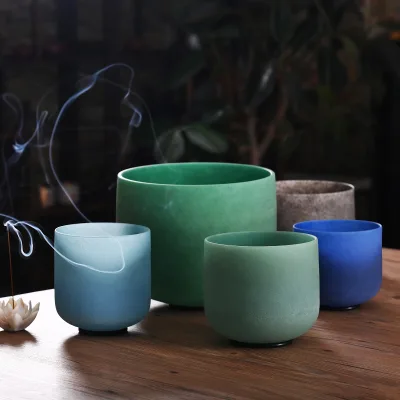
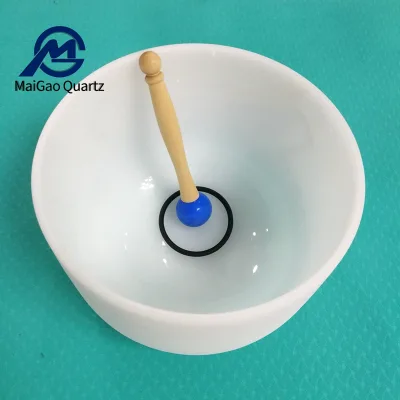
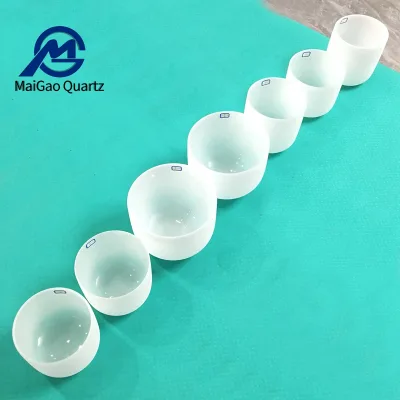
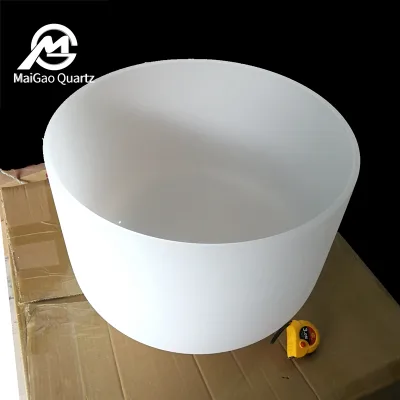
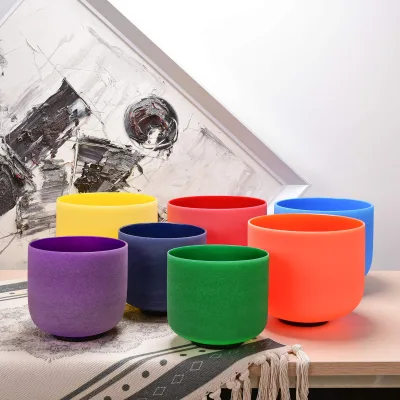
Comprehensive Sourcing Guide
432Hz Quartz Crystal Singing Bowl Supplier Concentration and Factory Types
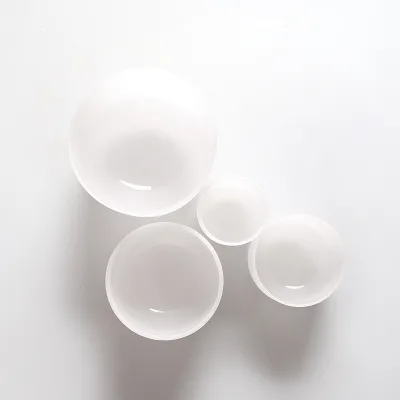
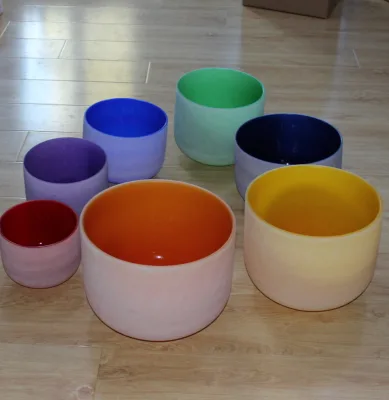
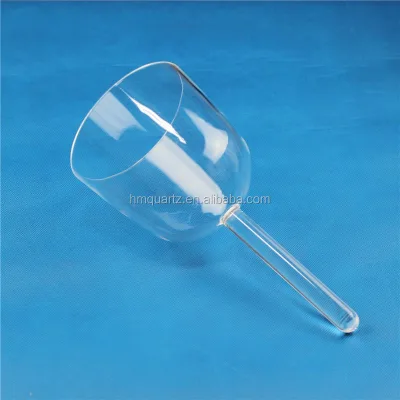
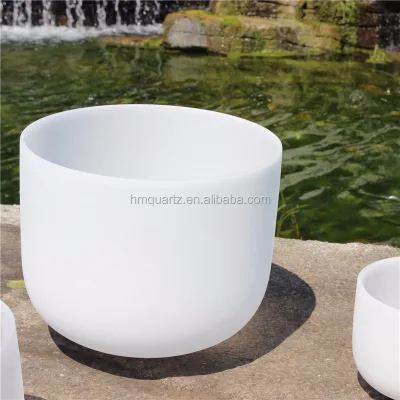
Current data indicates a concentration of suppliers in Hubei, Guizhou, and Liaoning provinces within China, where specific manufacturers and trading companies operate. In Hubei, some entities list diverse heavy machinery alongside quartz products, suggesting a mixed industrial base that may include specialized quartz processing. Guizhou appears to host suppliers focusing on musical instruments and sound therapy tools, with specific product listings for 432Hz bowls and related accessories. Liaoning is identified as a location for suppliers offering quartz crucibles and plates, indicating a potential cluster for raw material processing or specialized instrument manufacturing. These regional clusters suggest that buyers should prioritize inquiries to these specific provinces when seeking 432Hz quartz crystal singing bowls, as the local supply chain infrastructure may be more developed for these specific items.
The supplier landscape includes both manufacturers and trading companies, each offering distinct advantages for sourcing 432Hz quartz crystal singing bowls. Some entities in the results are explicitly classified as manufacturers, which often implies direct control over the production process, including the molding and tuning of the quartz material. Others operate as trading companies, potentially aggregating products from various factories to offer a wider range of sizes and frequencies. The presence of companies with both classifications suggests a flexible market where buyers can choose between direct factory engagement or the logistical support of a trading partner. Understanding this distinction is critical, as manufacturers may offer better customization for specific frequencies like 432Hz, while trading companies might provide faster response times and consolidated shipping options.
How to Verify 432Hz Quartz Crystal Singing Bowl Suppliers
Verification of supplier credibility for 432Hz quartz crystal singing bowls relies heavily on third-party audit reports and system certifications found in the data. Several suppliers in the results hold ISO9001:2015 certificates, which indicates a standardized approach to quality management systems, though this does not guarantee the acoustic precision of the bowls themselves. Additionally, specific verification badges such as BV and SGS Group are present, serving as external validations of the company's business legitimacy and operational stability. Buyers should prioritize suppliers displaying these specific verification marks, as they provide a higher degree of confidence regarding the supplier's existence and compliance with basic business standards. The presence of RoHS certification in some listings further suggests adherence to environmental standards, which is relevant for the materials used in the quartz production process.
Beyond certifications, buyers must scrutinize the specific product attributes and model numbers associated with the 432Hz frequency to ensure authenticity. The data shows specific model identifiers like WH-CSB-001 and TF-01, alongside detailed specifications such as clarity (VVS), transparency, and material purity (99.99% pure crystal). These granular details allow buyers to cross-reference the claimed frequency with the physical properties of the product. A supplier claiming to offer 432Hz bowls should be able to provide test results or detailed specifications matching these high-purity quartz standards. If a supplier cannot provide specific model numbers or fails to list clarity and transparency metrics, it may indicate a lack of specialized knowledge or a generic product offering that does not meet the strict requirements of sound therapy instruments.
What to Compare Across 432Hz Quartz Crystal Singing Bowl Suppliers
When evaluating suppliers for 432Hz quartz crystal singing bowls, lead time and minimum order quantity (MOQ) are critical differentiators that impact inventory planning and cash flow. The observed data reveals a wide variance in lead times, ranging from zero days to 23 days, which suggests significant differences in production capacity and stock availability. Similarly, MOQs fluctuate between 7 units and 100 units, requiring buyers to align their order volume with the supplier's production thresholds. A supplier with a zero-day lead time might offer ready-to-ship stock, whereas a 23-day lead time could indicate a made-to-order process. Buyers must calculate whether their required volume justifies the higher MOQs of specialized manufacturers or if they should opt for trading companies with lower entry barriers but potentially longer logistics chains.
Response time and main product focus are equally vital metrics for assessing supplier reliability and specialization. Response times in the data vary from 2 hours to nearly 14 hours, indicating how quickly a supplier can address inquiries regarding frequency tuning or customization. Suppliers with faster response times are likely better equipped to handle urgent orders or complex technical questions about the 432Hz tuning. Furthermore, the main product lists reveal whether a supplier is a dedicated quartz instrument maker or a generalist trading company. A supplier listing quartz crucibles and plates alongside singing bowls may have deeper technical expertise in the material, whereas a generalist might rely on third-party sourcing. Buyers should prioritize suppliers whose primary focus aligns with sound therapy instruments to ensure better product knowledge and support.
Common 432Hz Quartz Crystal Singing Bowl Sourcing Risks
One significant risk in sourcing 432Hz quartz crystal singing bowls is the potential mismatch between claimed acoustic properties and actual product performance. While suppliers list specific frequencies like 432Hz and 440Hz, the data also shows variations in product descriptions, such as "Frosted Crystal" versus "Clear Crystal," which can affect sound resonance. Without independent acoustic testing, buyers risk receiving bowls that do not produce the precise frequency required for their specific therapeutic or meditation applications. The reliance on supplier-provided specifications without third-party verification creates a gap where the actual pitch may deviate from the advertised 432Hz standard, leading to product rejection or customer dissatisfaction.
Another risk involves the inconsistency in packaging and shipping standards, which can lead to damage during transit. The data indicates various packing methods, from simple carton boxes to specific dimensions for 24-inch bowls, but there is no uniform standard for shock absorption or handling. Quartz crystal is fragile, and improper packaging can result in cracks or chips that render the instrument unusable. Additionally, the variation in single gross weights, ranging from 12 kg to 20 kg for different sizes, complicates logistics planning. Buyers must verify that the supplier uses robust packaging protocols to prevent damage, as the cost of replacing damaged goods can significantly erode profit margins. Failure to address these packaging risks can result in financial loss and delayed project timelines.
432Hz Quartz Crystal Singing Bowl Regional Sourcing and Logistics
Sourcing from the identified Chinese regions of Hubei, Guizhou, and Liaoning offers distinct logistical advantages and challenges for international buyers. Guizhou, in particular, appears to be a hub for musical instruments, potentially offering streamlined export processes for sound therapy products. Suppliers in this region may have established relationships with freight forwarders familiar with the specific handling requirements of fragile quartz items. However, the distance from these inland provinces to major coastal ports can add transit time and cost to the overall supply chain. Buyers should factor in these inland logistics when calculating total landed costs, as the initial transport from the factory to the port may be less efficient than sourcing directly from coastal manufacturing zones.
The regional concentration of suppliers also influences the availability of raw materials and specialized labor. Liaoning's focus on quartz crucibles suggests a local supply chain for high-purity quartz, which could translate to better quality control for the singing bowls produced there. Conversely, suppliers in Hubei with mixed product lines might rely on external quartz sources, introducing variability in material quality. Buyers should investigate the origin of the quartz material used by each supplier to ensure consistency. Additionally, the response times observed in the data suggest that communication efficiency may vary by region, with some suppliers offering near-instant responses while others take longer. This regional variation in communication and logistics must be weighed against the potential benefits of lower production costs in these specific provinces.
432Hz Quartz Crystal Singing Bowl Commercial Terms and Order Planning
Commercial terms for 432Hz quartz crystal singing bowls vary significantly based on the supplier's classification and product range. Price ranges observed in the data span from $22 to $800, reflecting differences in size, clarity, and customization options. Buyers must carefully analyze the price-to-MOQ ratio to determine the most cost-effective supplier for their specific needs. For instance, a supplier with a high MOQ of 100 units might offer a lower unit price, while a supplier with a low MOQ of 7 units may charge a premium. Understanding these pricing structures is essential for budgeting and ensuring that the total order value aligns with the buyer's financial constraints. Additionally, the presence of customization options, such as specific frequencies or branding, can further influence the final price and lead time.
Order planning must account for the diverse lead times and production capacities identified in the supplier data. With lead times ranging from zero to 23 days, buyers need to establish a buffer in their inventory planning to accommodate potential delays. Suppliers with longer lead times may require earlier order placement, especially for customized items like specific 432Hz tuning or unique packaging. The availability of sample processing and graphic customization in some suppliers' capabilities suggests that prototyping should be integrated into the order planning phase. Buyers should request samples to verify the 432Hz frequency and material quality before committing to large orders. This proactive approach helps mitigate the risk of receiving non-compliant products and ensures that the final order meets the required specifications for sound therapy applications.
FAQs
What is the price range for 432hz quartz crystal singing bowls?
Prices typically range from $22 to $800 depending on size and customization. Frosted crystal bowls start around $22, while specialized sound healing instruments can reach $800. Buyers should verify specific model pricing with suppliers to confirm exact costs for their required frequency and dimensions.
What is the minimum order quantity for these bowls?
MOQs vary by supplier and product type. Some suppliers require a minimum of 10 pieces for standard frosted bowls, while others may ask for 100 units for specialized tone fork instruments. Always check the specific listing details to confirm the exact MOQ before placing a bulk order.
How long does production take for custom orders?
Lead times generally range from 3 to 23 days depending on the supplier and order complexity. Some manufacturers offer rapid turnaround times, while others may require longer periods for customized quartz processing. Confirm the exact lead time with the supplier before finalizing your purchase agreement.
Are these bowls certified for quality assurance?
Many suppliers hold ISO9001:2015 or ISO certifications for their manufacturing processes. Some products also carry RoHS compliance. Buyers should request valid certification documents directly from the supplier to ensure the quartz crystal singing bowls meet international quality and safety standards for their specific market requirements.
Where are these quartz crystal bowls manufactured?
Manufacturing locations include Hubei, Guizhou, and Liaoning provinces in China. Suppliers in these regions specialize in quartz processing and crystal instrument production. Buyers can filter search results by these specific locations to find manufacturers with established supply chains and relevant industry experience for their sourcing needs.
What materials are used in these singing bowls?
Products are typically made from 99.99% pure quartz crystal. Some listings specify VVS clarity and transparent properties for optimal sound resonance. The material composition ensures high-quality acoustic performance for meditation and sound therapy applications. Verify material purity claims with the supplier to ensure product authenticity.