Source Four Wheel Shopping Basket for Mall, Retail, and Market
Find 30 Four Wheel Shopping Basket options from Jiangsu, China. Compare models like ZC-8 and YD-ZC9 with CE and ISO certifications. View prices from $0.12 to $50 and request quotes for portable, wheeled carts suitable for shopping malls; compare the available evidence and request quotations based on your requirements.
Updated
Key considerations
Products List





Comprehensive Sourcing Guide
Four Wheel Shopping Basket Sourcing Guide
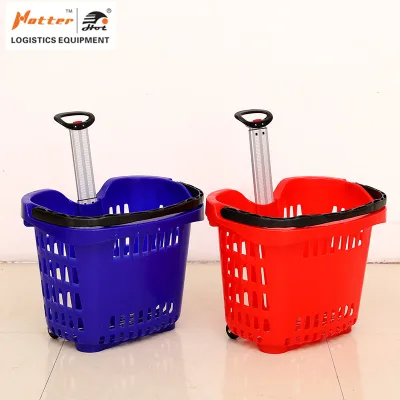
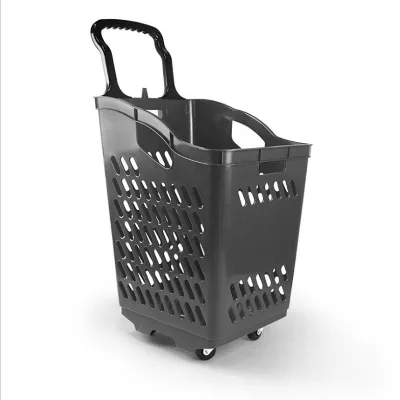
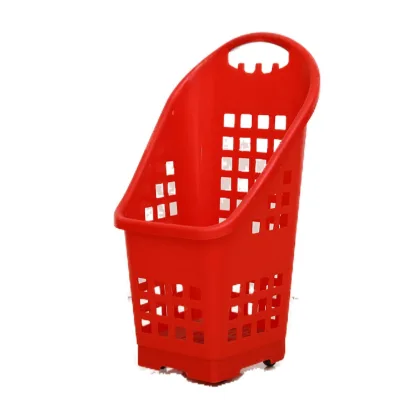
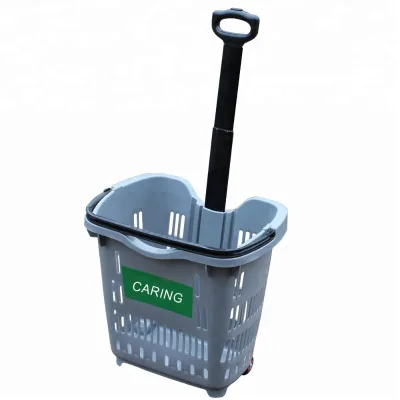
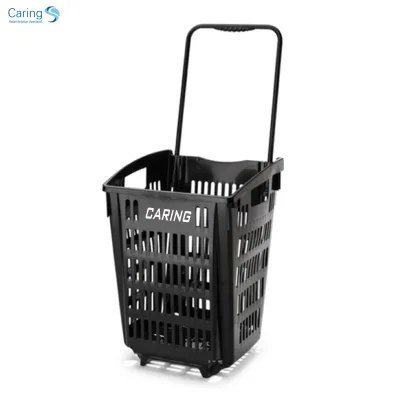
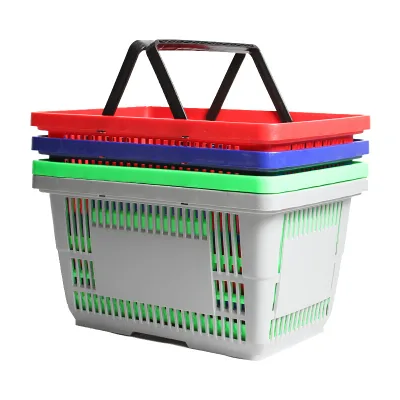
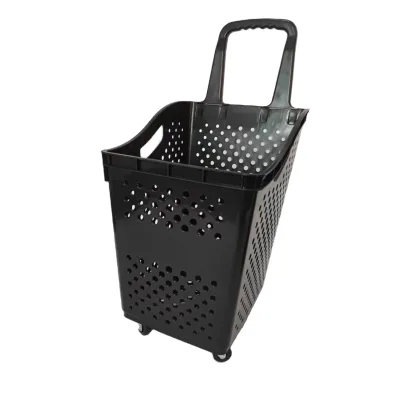
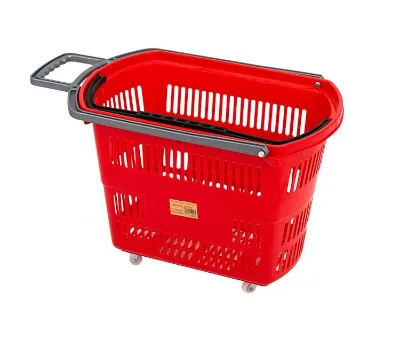
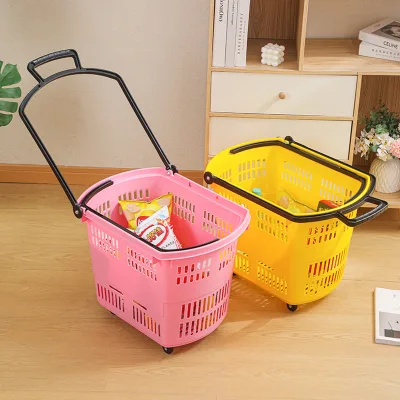
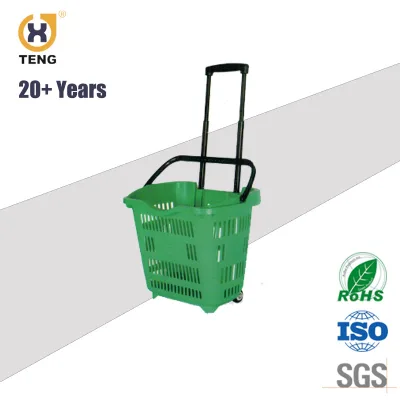
Sourcing four wheel shopping baskets requires a clear understanding of the specific design variations available in the current market. Buyers must distinguish between portable wheeled models and larger American-style carts, as these serve different retail environments. The observed product range includes both single-handle and double-handle configurations, which directly impacts user ergonomics and maneuverability in crowded aisles. Understanding these structural differences is the first step in defining accurate procurement specifications.
Procurement teams should also evaluate the customization options provided by manufacturers, as branding and color consistency are often critical for retail identity. Many suppliers offer custom logos and color options, allowing businesses to align the shopping aids with their corporate visual identity. However, buyers must verify whether the customization is available for standard models or requires minimum order quantities that exceed their initial procurement needs. This balance between standardization and customization affects both lead times and unit costs.
Product Scope and Observed Listing Signals
The current market listings indicate a diverse range of product attributes, with prices observed between 0.12 and 50 USD. This wide variance suggests that buyers will encounter everything from basic, lightweight plastic baskets to more robust, larger capacity carts. The minimum order quantities typically range from 1 to 1000 pieces, with many suppliers setting a baseline MOQ of 100 pieces. This structure allows small retailers to test the market while providing economies of scale for larger commercial orders.
Product volumes vary significantly, with observed capacities ranging from 20-68 liters up to 25-80 liters. Some specific models list smaller volumes of 42-48 liters with corresponding weights of 1.52kg to 1.93kg. These variations highlight the importance of matching the basket capacity to the expected shopping trip duration and customer demographics. Buyers should carefully review the volume and weight specifications to ensure the product meets the practical needs of their specific retail environment.
Technical Specifications to Verify
Technical verification must begin with the material composition, as most observed products are constructed from plastic. Buyers should confirm the specific type of plastic used, as this influences durability, weight, and resistance to cracking or fading over time. The presence of four wheels is a standard feature, but the wheel material and bearing quality are not always detailed in initial listings. Verifying the wheel construction is essential to ensure smooth rolling and long-term reliability in high-traffic areas.
Dimensional specifications also require close attention, with observed sizes including 580480860mm and 610400400mm. These dimensions affect storage efficiency in warehouses and the ease of maneuverability through store entrances and aisles. Buyers should request detailed dimensional drawings to confirm that the basket fits within their planned storage racks and aligns with their store layout. Additionally, the folded versus unfolded state of the product impacts shipping volume and storage requirements, so this physical characteristic must be clearly defined.
Compliance and Safety Documentation
Compliance documentation is a critical component of the procurement process, with several suppliers listing CE and ISO certifications. Specifically, ISO9001:2000 and ISO9001:2008 standards are mentioned, indicating a focus on quality management systems. Buyers must verify the current validity of these certifications, as standards evolve and older versions may not reflect the most recent regulatory requirements. Ensuring that the supplier holds up-to-date certification is vital for maintaining supply chain integrity and meeting local safety regulations.
In addition to quality management certifications, buyers should inquire about specific product safety tests, particularly regarding the structural integrity of the plastic and the stability of the wheel assembly. While specific test results are not provided in the general listings, requesting third-party test reports can provide assurance that the product meets relevant safety standards. This is especially important for products intended for use in public spaces where customer safety is paramount.
Cost Drivers and Commercial Terms
Cost drivers for four wheel shopping baskets include material costs, manufacturing complexity, and customization requirements. The observed price range of 0.12 to 50 USD reflects these variables, with higher prices likely associated with larger volumes, custom branding, or more durable materials. Buyers should analyze the total cost of ownership, including shipping and handling, as the product volume and weight can significantly impact logistics costs. Understanding these drivers helps in negotiating better terms and selecting the most cost-effective supplier.
Commercial terms such as lead times and payment conditions are also important considerations. Observed delivery times range from 7 to 15 days, which allows for relatively quick replenishment of inventory. However, buyers should confirm these lead times with the supplier, as they may vary based on order size and production schedule. Clear agreement on payment terms and delivery schedules helps in managing cash flow and ensuring timely receipt of goods.
Supplier Qualification and Quality Control
Supplier qualification involves verifying the manufacturer's location and production capabilities. Many observed products originate from Jiangsu, China, a region known for its manufacturing expertise. Buyers should conduct due diligence to confirm the supplier's reputation, production capacity, and ability to meet quality standards. Requesting samples before placing a large order is a prudent step to assess the product quality and the supplier's responsiveness.
Quality control measures should be established to ensure consistency across the order. Buyers should inquire about the supplier's internal quality control processes, including inspection protocols and defect rates. Establishing clear quality expectations and communication channels helps in maintaining product standards and addressing any issues that may arise during production or delivery. This proactive approach minimizes the risk of receiving substandard products.
Long-Term Procurement Checks
Long-term procurement success depends on establishing a reliable supply chain and maintaining strong supplier relationships. Buyers should regularly review supplier performance, including delivery accuracy, product quality, and customer service. Continuous monitoring helps in identifying potential issues early and making necessary adjustments to the procurement strategy. Building a partnership with a reliable supplier ensures consistent supply and potential for future collaboration on new product developments.
Additionally, buyers should stay informed about market trends and technological advancements in shopping basket design. This awareness allows for proactive updates to procurement specifications and the adoption of new features that may enhance customer experience. Regularly reassessing the product portfolio ensures that the shopping baskets remain relevant and effective in meeting the evolving needs of the retail business.
FAQs
What is the typical volume capacity for a Four Wheel Shopping Basket?
The typical volume capacity ranges from 20 to 80 liters depending on the specific model selected. Standard options include small variants at 42 liters and large variants at 48 liters. Some industrial models offer a broader range of 20 to 68 liters. Buyers should verify the exact internal dimensions to ensure the cart meets their specific storage requirements for retail or mall environments.
Can I customize the color and logo on these shopping carts?
Yes, customization is available for both color and branding elements. Manufacturers offer any color option to match your brand identity. You can also request a customized logo to be applied to the cart body. This service allows businesses to maintain consistent visual branding across their shopping facilities while utilizing durable plastic materials for long-term use.
What certifications do these wheeled shopping baskets typically hold?
These carts typically hold CE and ISO9001 certifications, ensuring compliance with international quality and safety standards. Some listings specify ISO9001:2000 or ISO9001:2008 standards. These certifications indicate that the manufacturing processes meet rigorous quality management requirements. Buyers can rely on these credentials when sourcing products for regulated markets or large-scale commercial deployments in shopping malls.
What is the minimum order quantity for these plastic shopping carts?
The minimum order quantity is generally set at 100 pieces per model. This standard MOQ applies to most customized and standard configurations. Buyers should confirm the exact MOQ with the supplier as it may vary slightly based on specific customization requests. Ordering in bulk helps optimize shipping costs and ensures consistent product availability for large retail operations.
How long is the delivery time for these shopping baskets?
The standard delivery time is within 7 to 15 days after order confirmation. This lead time applies to most standard and customized orders. Buyers should account for potential variations due to specific customization requirements or peak production seasons. Prompt delivery ensures that retail operations can quickly deploy new shopping carts without significant operational delays or inventory shortages.
Are these shopping carts foldable for easier storage and transport?
Some models are designed to be folded for compact storage and efficient transport. While many standard carts remain unfolded during use, specific variants offer a folded configuration. This feature is particularly useful for retailers who need to save space during off-peak hours or when shipping products internationally. Buyers should specify their preference for folded or unfolded designs when placing orders.
What is the weight capacity for these four wheel shopping baskets?
The product capacity is typically rated between 5 and 10 kilograms. This weight limit ensures safe handling and prevents damage to the plastic structure during use. The cart itself weighs approximately 1.52 to 1.93 kilograms depending on the size. Buyers should consider this capacity when planning for heavy grocery loads or bulk item transport in mall environments.