Tiger Balm Suppliers and Manufacturers in China
Explore 26 verified Tiger Balm suppliers and manufacturers located in Shandong and Zhejiang, China. Buyers can compare response times, lead times, certifications like ISO and GMPC, and safety standards such as GB15979-2002. Review product details and request samples to verify quality before placing orders.
Suppliers List
- Manufacturer, Trading Company
- Shandong, China
- Lead time30 days
- Avg. response≤ 1h
Main productsEssential Balm,Massage Lotion,Pain Relief,Vapor Chest Rub,Sport Aerosol
Main marketsSouth Asia(10.00%), Southern Europe(10.00%), Western Europe(10.00%), Mid East(10.00%), Oceania(10.00%), Africa(10.00%), Southeast Asia(10.00%), Eastern Europe(10.00%), South America(10.00%), North America(10.00%)
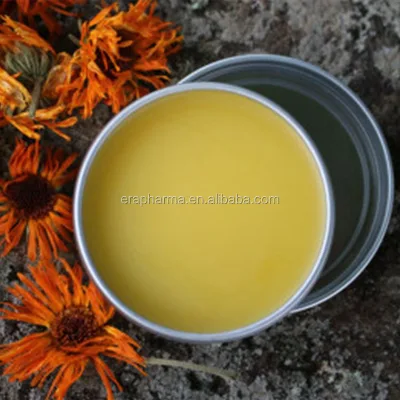
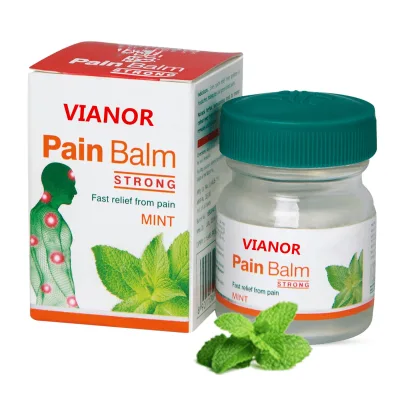
High Quality Herbal Natural White Tiger Balm for Soothing Pain and Discomfort
$0.10 - $1.02
MOQ: 50 Minimum
Natural Menthol Tiger Essential Tin Balm
Contact supplier
Hangzhou Aihao Technology Co., Ltd.
- Trading Company
- Zhejiang, China
- Lead time5 days
- Avg. response≤ 2h
Main productsCupping Cups,Cupping Set,Silicone Cupping,Massage Cushion,Foot Massager
Main marketsNorth America(40.00%), Western Europe(20.00%), Mid East(15.00%), Southeast Asia(10.00%), Oceania(10.00%), South America(5.00%)
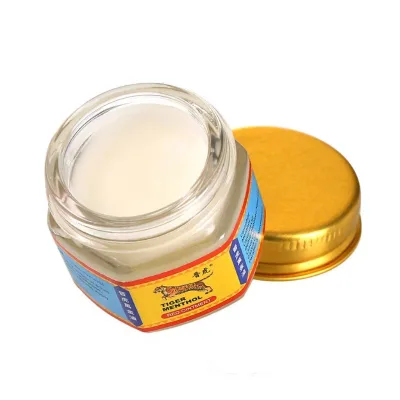
$0.46 - $0.60
MOQ: 48 pieces
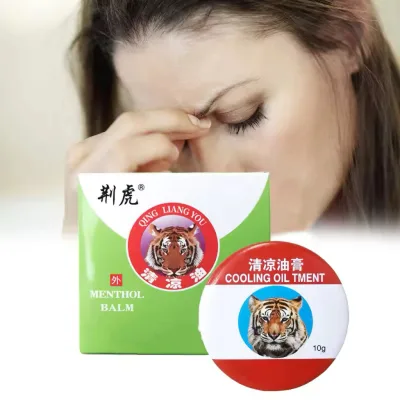
10g Chinese Natural Herbal Essential Balm Personal Care for Pain Relief Cooling Ointment Balm
Contact supplier
MOQ: 500

Henan Xinyongtai Medical Technology Co., Ltd.
- Manufacturer, Trading Company
- Henan, China
- Lead time20 days
- Avg. response≤ 4h
Main productsHealthcare Products,Beauty Care Products,Foot Patch,Functional Patch,Medical Gauze
Main marketsNorth America(20.00%), Southern Europe(10.00%), Eastern Europe(10.00%), Western Europe(10.00%), Domestic Market(5.00%), South Asia(5.00%), Southeast Asia(5.00%), Northern Europe(5.00%), Central America(5.00%), South America(5.00%), Eastern Asia(5.00%), Mid East(5.00%), Oceania(5.00%), Africa(5.00%)
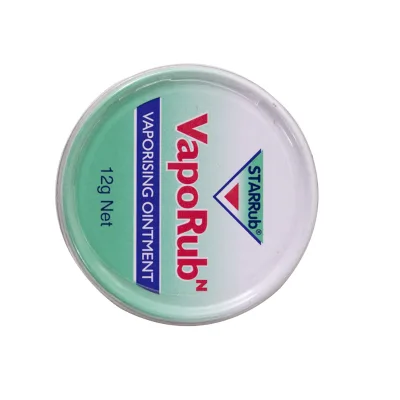
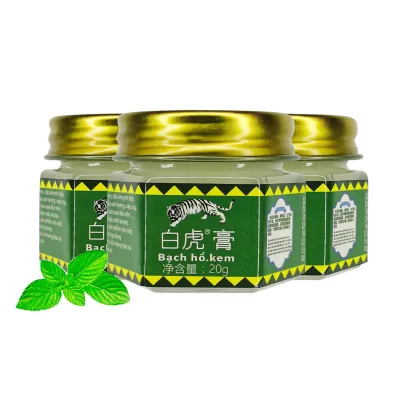
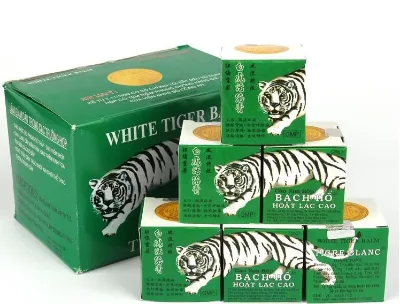
Tiger Balm Mentholated Ointment
$0.06 - $0.08

Shandong Vianor Pharma Co., Ltd.
- Verified by BV
- Combined
- China Shandong
- Lead time30 days
- Avg. response≤ 3h
Main productsNasal Inhaler Vaporub Stick Aromatherapy Refesh, Pet Care Shampoo Paw Balm Oral Care, Personal Care Household Toothpaste Mouth Wash, Cosmetic Factory Body Care Lotion Hair, Sport Care Pain Relief Muscle Care Spray, Healthy Care Natural Essential Oil Embrocation, Aromatic Stick Medicated Essential Oil Vapo Pad, Healthy Nutrition and Dietary Supplements, Daily Beauty Care Skin Care Body Oil Lube Oil, Patches Pain Relief Blister Plaster Bandage
Main marketsSoutheast Asia/ Mideast,North America

OEM Tiger Balm Massage Cream Refresh Oneself Influenza Cold Headache Herbal Balm
$0.20 - $1.28
MOQ: 10000 Pieces


Henan Lijitang Medical Technology Co., Ltd.
- Verified by SGS Group
- Manufacturer, Trading Company
- Lead time15 days
- Avg. response≤ 1h
Main productsPain relief patch, Cooling gel patch, Slimming patch, Pain relief cream, Nasal strips
Main marketsDomestic Market(58%), North America(20%), Western Europe(8%)
NANTONG TIANLAN COSMETICS CO., LTD.
- Combined
- China Jiangsu
- Lead time30 days
- Avg. response≤ 13h
Main productsSkin Whitening Cream, Toothpaste, Shampoo, Essential Balm, Balm, Cosmetics, Cream, Baby Powder, Inhaler, Hair Relaxer
Main marketsSouth America,Africa,Southeast Asia/ Mideast

Qingdao Hiseeking Enterprises Co., Ltd.
- Trading Company
- China Shandong
- Lead time30 days
- Avg. response≤ 25h
Main productsMedicine, Capsule, Western Medicine
Main marketsSouth America,Mid East,Eastern Asia,Africa
Henan Huanuo Pharmaceutical Co., Ltd.
- Trading Company
- Henan, China
- Lead time30 days
- Avg. response≤ 2h
Main productsPain Relief Cream Liquid,Pain Relief Patch,Slim Patch,Traditional Chinese Medicine Powder,Mouth nasal&Body patches
Main marketsDomestic Market(85.00%), Mid East(3.00%), North America(3.00%), Africa(3.00%), Eastern Europe(3.00%), South America(2.00%), Eastern Asia(1.00%)

Suzhou Darpool Import and Export Co., Ltd.
- Verified by BV
- Trading Company
- China Jiangsu
- Lead time15 days
- Avg. response≤ 2h
Main productsShampoo, Body Lotion
Main marketsSoutheast Asia/ Mideast
Jiangxi Global Natural Spice Co., Ltd.
- Verified by TüVRheinland
- Manufacturer, Trading Company
- Lead time15 days
- Avg. response≤ 9h
Main productsEssential Oil, Carrier Oil, Skin Toner, Shampoo
Main marketsWestern Europe(35%), North America(30%), Oceania(10%)
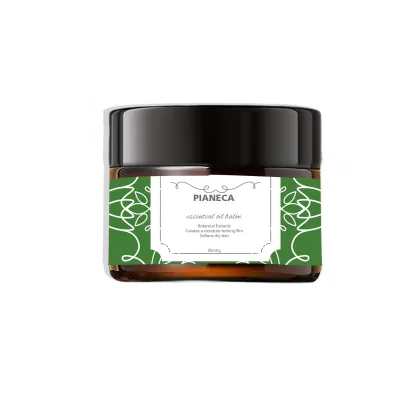
Essential Balm Oil Red White Balm Ointment Roll on Hot Selling Body Balm
$0.95 - $1.35
MOQ: 500 pieces
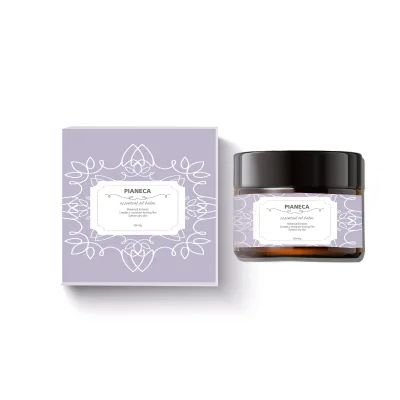
White Cooling Balm Ointment for Anti Essential Headache Essential Balm Oil Balm
$0.95 - $1.35
MOQ: 500 pieces
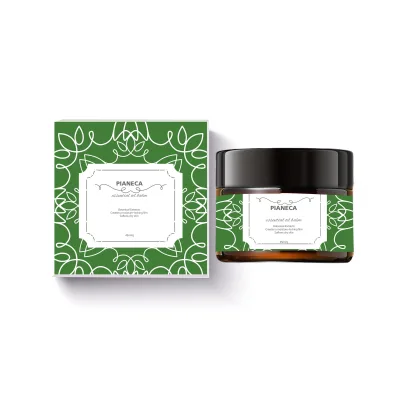
$0.95 - $1.35
MOQ: 500 pieces
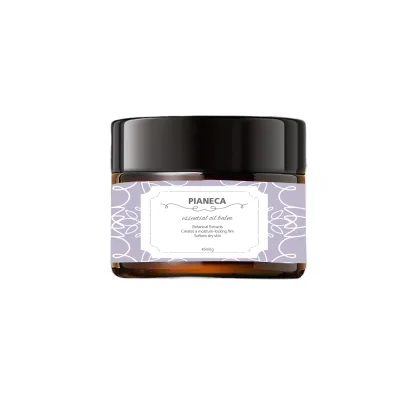
$0.95 - $1.35
MOQ: 500 pieces
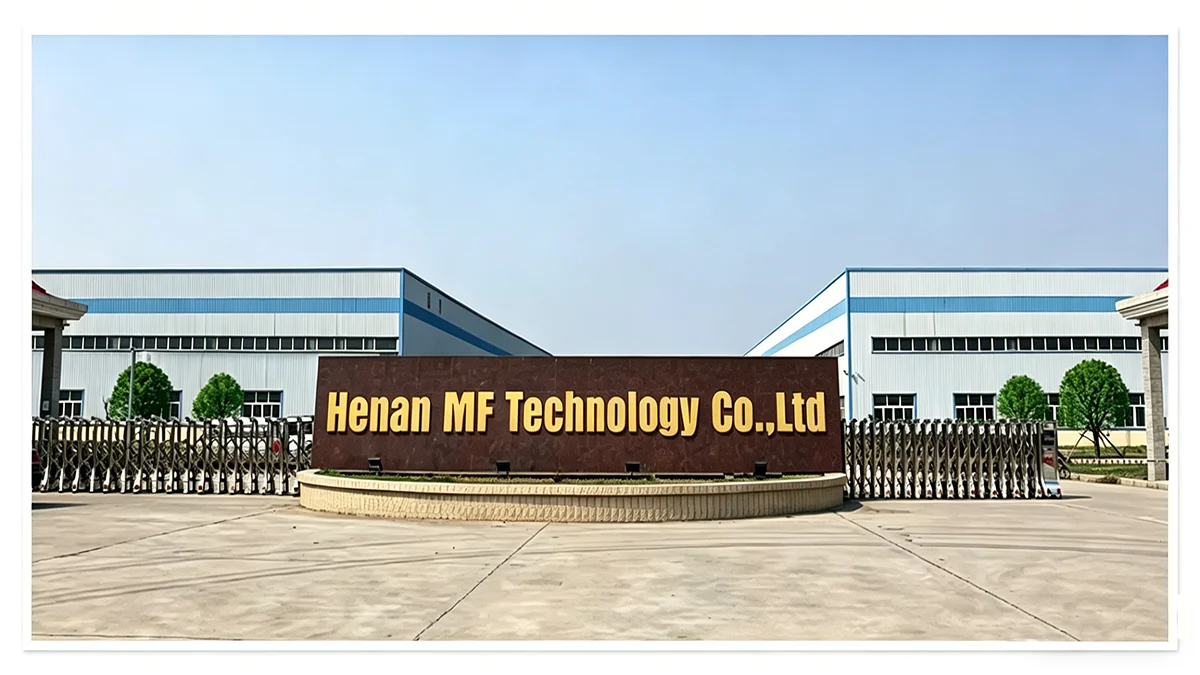
- Trading Company
- Henan, China
- Lead time15 days
- Avg. response≤ 3h
Main productsSlimming Patch,Pain Relief Patches,Detox Foot Patches,Smoke Patches,Ear Candles
Main marketsNorth America(30.00%), Domestic Market(10.00%), Africa(10.00%), Oceania(10.00%), Western Europe(6.00%), Southeast Asia(5.00%), South Asia(5.00%), Central America(5.00%), Eastern Europe(5.00%), Eastern Asia(5.00%), South America(5.00%), Southern Europe(2.00%), Northern Europe(2.00%)
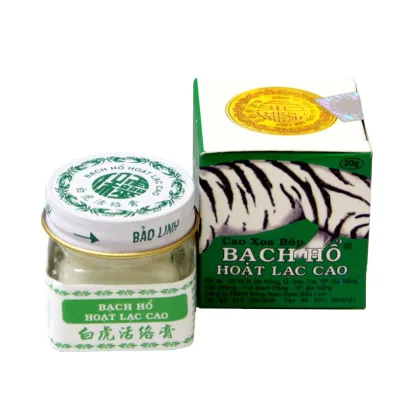
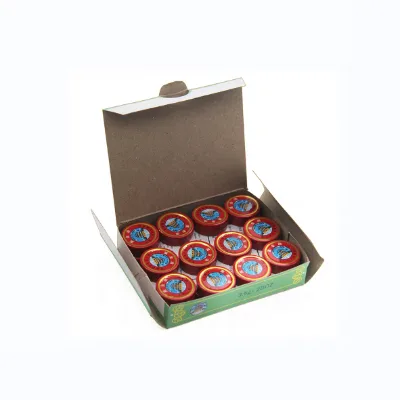
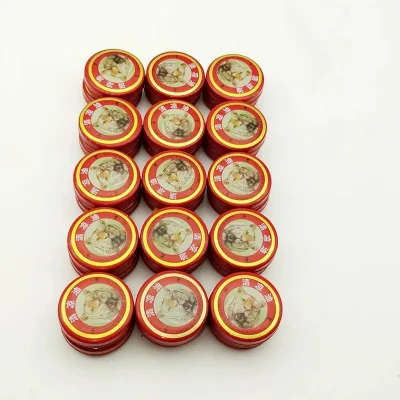
Essential Oil Balm with Eucalyptus for Chest Congestion and Cold Symptoms Aromatherapy Use
$0.05 - $0.07
MOQ: 500 boxes
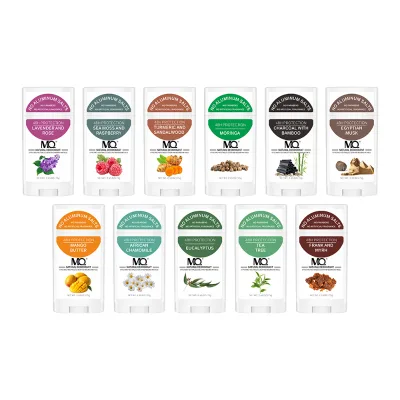
Ji'an Huaxin Natural Plant Co., Ltd.
- Manufacturer
- Jiangxi, China
- Lead time10 days
- Avg. response≤ 3h
Main productsEucalyptus Oil,Cinnamon Oil,essential oil set,Citronella Oil,Peppermint Oil
Main marketsNorth America(35.00%), Western Europe(20.00%), Domestic Market(20.00%), Eastern Asia(5.00%), Southeast Asia(4.00%), Africa(3.00%), South Asia(2.00%), Southern Europe(2.00%), Eastern Europe(2.00%), Northern Europe(2.00%), Mid East(2.00%), South America(2.00%), Central America(1.00%)

Rhine International Biotechnology (Guangdong) Co., Ltd.
- Verified by CTI
- Manufacturer/Factory
- China Guangdong
- Lead time23 days
- Avg. response≤ 5h
Main productsSkin Care, Face Serum, Face Cream, Eye Cream, Body Lotion, Cosmetics, Makeup, Lipstick, Lip Gloss, Lip Balm
Main marketsSouth America,Eastern Europe,Mid East,North America,Southeast Asia,Eastern Asia,Oceania,Western Europe,Africa

Wholesale Natural Coconut Oil Shea Butter Fruit Coconut Custom Lip Balm
$0.85 - $1.89
MOQ: 3000 Pieces

Custom Logo Vegan Sunflower Seed Oil Shea Butter Fruit Coconut Lip Balm
$0.85 - $1.89
MOQ: 3000 Pieces
Guangzhou Mzel Cosmetic Co., Ltd.
- Verified by TüVRheinland
- Trading Company
- Lead time15 days
- Avg. response≤ 5h
Main productsEssential Oil, Bath Bombs, Face Serum, Hair Care, Skin Care Product
Main marketsNorth America(65%), Eastern Europe(5%), Western Europe(5%)

Guangzhou Chingo Cosmetic Co., Ltd.
- Verified by TUVRHEINLAND
- Combined
- China Guangdong
- Lead time15 days
- Avg. response≤ 8h
Main productsHair Regrowth Oil, Hair Regrowth Shampoo, Hair Regrowth Spray, Hair Regrowth Powder, Face Mask, Face Cream, Face Serum, Hand Lotion, Body Lotion, Face Cleanser
Main marketsDomestic,North America
Guangzhou Haishi Biological Technology Co., Ltd.
- Manufacturer, Trading Company
- Lead time旺季: "1 - 1000":20,"1001 - 5000":25,"> 5000":"To be negotiated", 淡季: "1 - 1000":20,"1001 - 5000":25,"> 5000":"To be negotiated"
- Avg. response≤ 2h
Main productsFace Cream, Face Serum, Mouthwash, Hair Care Products, Deodorant
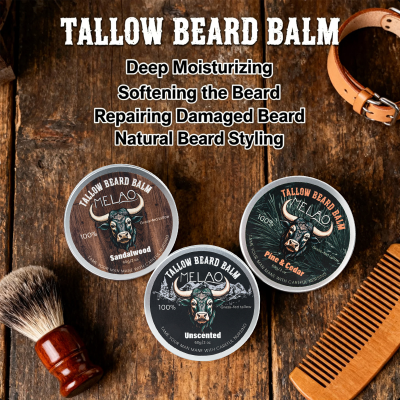
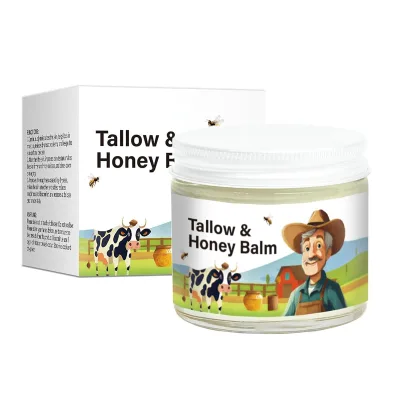
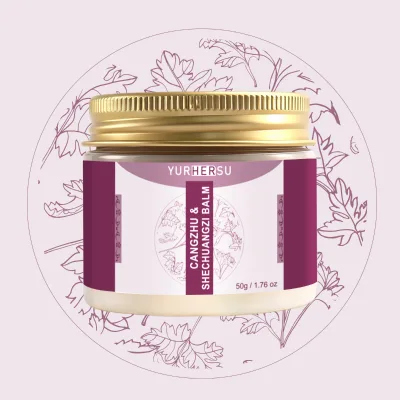
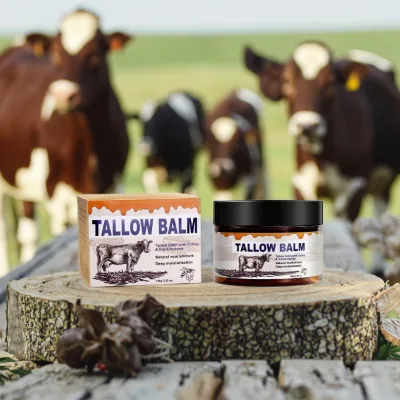
Beard Balm Manufacturer Wholesale Beard Growth Balm Sandalwood Tallow Beard Balm
$1.12 - $1.58
MOQ: 1 pieces
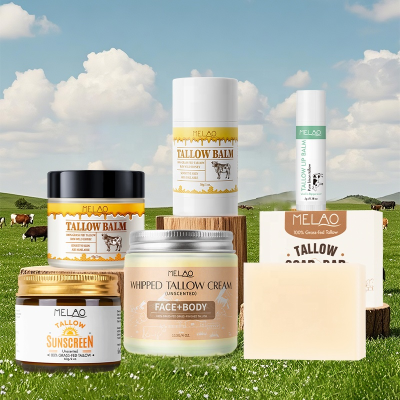
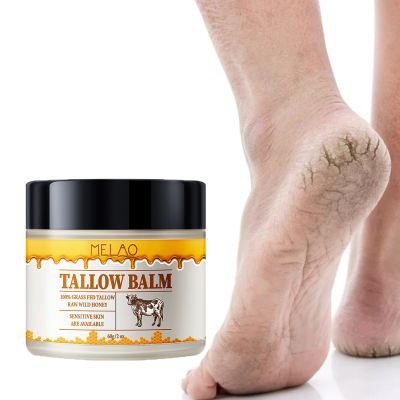
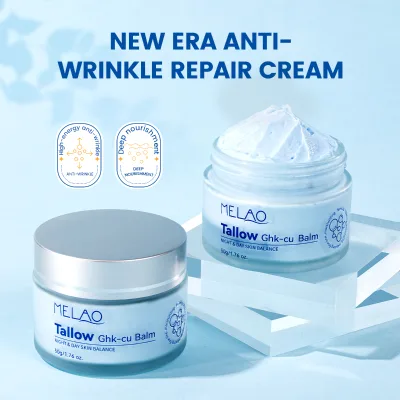
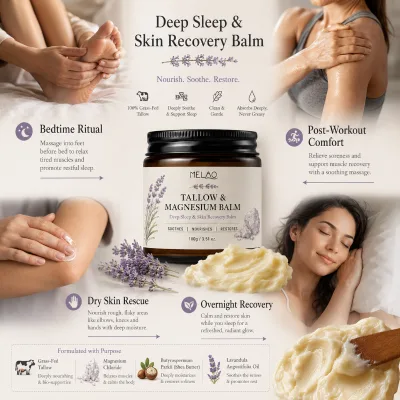
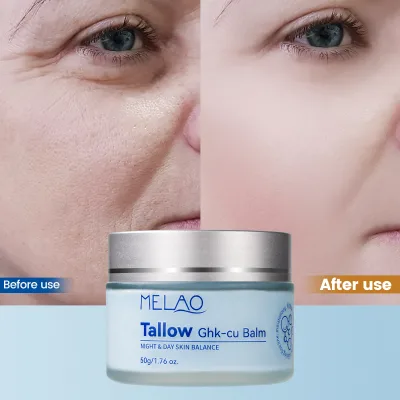
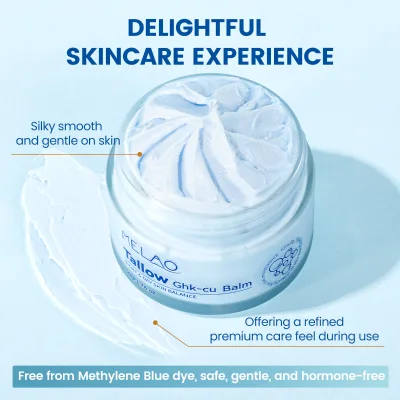
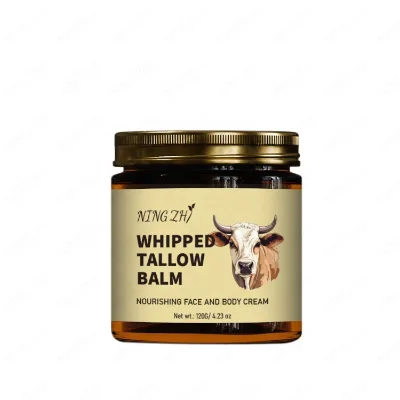
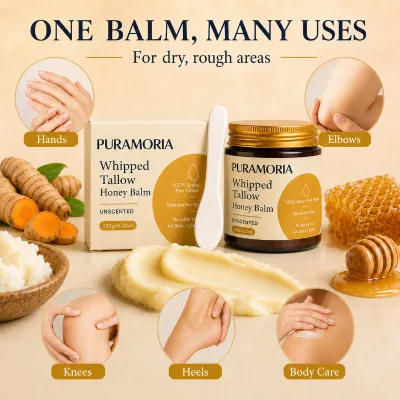
Private Label Organic Body Moisturizer Anti Aging Blue Whipped Grass Fed Beef Tallow Balm
$1.16 - $2.19
MOQ: 500 pieces

Hangzhou JUKO Beauty Cosmetics Co., Ltd
- Verified by SGS
- Trading Company
- China Zhejiang
- Lead time15 days
- Avg. response≤ 5h
Main productsLipgloss, Eyeshadow, Matte Lipstick, Hair Stick Gel, Hair Wax Stick, Foundation, Lip Plumper, Lip Balm, Mascara, Skin Care
Main marketsSouth America,Africa,Southeast Asia/ Mideast,Europe,Australia,North America

Smooth Application Soothing Hydrating Lip Treatment Fragrant Lip Butter Balm
$1.55 - $2.85
MOQ: 30 pieces

Fragrant Long Lasting Hydration Gentle Formula Plant-Based Formula Lip Butter Balm
$1.55 - $2.85
MOQ: 30 pieces

Plant-Based Formula Fragrant Rich Emollient Deep Nourishment Fragrant Lip Butter Balm
$1.55 - $2.85
MOQ: 30 pieces

Anti Chapping Effective Protection Fragrant Smooth Application Lip Butter Balm
$1.55 - $2.85
MOQ: 30 pieces

Plant-Based Formula Fragrant Soothing Relief for Dry Lips Nourishing Lip Butter Balm
$1.55 - $2.85
MOQ: 30 pieces

Fragrant Quick Absorbing Lightweight Feel Non - Sticky Plant-Based Formula Lip Butter Balm
$1.55 - $2.85
MOQ: 30 pieces

- Verified by CTI
- Trading Company
- China Anhui
- Lead time30 days
- Avg. response≤ 3h
Main productsMedicine, Veterinary Drug, Nutritional Supplements, Medical Disposable, Medical Dressing, Medical Devices, Apis, Food Additives, Feed Additives
Main marketsSouth America,Africa,Others(foreignTradeCapacity.exportBusinessCapacityMarketOther),Southeast Asia/ Mideast

Xi'an Chinaherbs Commerce Co., Ltd
- Verified by BV
- Combined
- China Shaanxi
- Lead time15 days
- Avg. response≤ 8h
Main productsSlimming Tea, Health Tea, Matcha, Yoni Pearls, Yoni Oil, Yoni Pops, Vaginal Tightening Gel, Yoni Wash, Herbal Supplements
Main marketsAfrica,Europe,North America
Shengnan (Guangzhou) Cosmetics Co., Ltd.
- Verified by Intertek
- Trading Company
- Lead time15 days
- Avg. response≤ 2h
Main productsFace Cream, Face Serum, Face Toner, Face Wash
Main marketsNorth America(25%), South America(25%), Eastern Europe(25%)

Guangzhou Beaver Cosmetic Co., Ltd.
- Verified by BV
- Combined
- China Guangdong
- Lead time30 days
- Avg. response≤ 4h
Main productsHair Care, Hair Styling, Hair Building Fiber, Hair Smoothing Treatment, Body Care, Hand Care, Pet Care
Main marketsAfrica,Others(foreignTradeCapacity.exportBusinessCapacityMarketOther),Southeast Asia/ Mideast,East Asia(Japan/ South Korea),Europe,Australia,North America


Wholesale Inner Thighs Underarms Shoulders Anti Friction Prevention Defense Rub Anti-Chafe Balm
$0.90 - $1.50
MOQ: 1000 Pieces

Guangzhou Guocui Biological Technology Co., Ltd.
- Verified by TUVRHEINLAND
- Combined
- China Guangdong
- Lead time15 days
- Avg. response≤ 5h
Main productsSkin Care, Face Care, Body Care, Hair Care, Makeup, Essential Oil, Beard Care, Lipstick, Neck Care, Facial Essence
Main marketsDomestic

Natural Soothing Movement Friction Gentle Non-Irritating Moisturizing Body Anti-Chafe Balm
$2.04 - $2.69
MOQ: 500 Pieces

Guangzhou Haishi Biological Technology Co., Ltd.
- Verified by TüVRheinland
- Manufacturer, Trading Company
- Lead time30 days
- Avg. response≤ 3h
Main productsFace Cream, Face Serum, Mouthwash, Tattoo Care, Deodorant
Main marketsNorth America(70%), Southeast Asia(6%), Oceania(4%)

Jiaozuo Daan Daily Chemical Co., Ltd.
- Verified by SGS
- Combined
- China Henan
- Lead time15 days
- Avg. response≤ 4h
Main productsShoe Cleaner, Shoe Polish Cream, White Shoes Cleaner
Main marketsSoutheast Asia/ Mideast,Europe,North America


Daan Premium Black Brown Natural Leather Conditioner Balm for Ultimate Care
$0.29 - $0.49
MOQ: 200 Pieces
Guangzhou Ningzhi Biotechnology Co., Ltd.
- Manufacturer, Trading Company
- Guangdong, China
- Lead time30 days
- Avg. response≤ 2h
Main productsBath Supplies,Hair Care,Feminine Hygiene,Body Care,Skin Care
Main marketsNorth America(25.00%), Eastern Europe(10.00%), Southern Europe(10.00%), Central America(9.00%), Western Europe(8.00%), Northern Europe(7.00%), Eastern Asia(6.00%), Mid East(6.00%), Southeast Asia(5.00%), South Asia(5.00%), Domestic Market(4.00%), South America(3.00%), Oceania(1.00%), Africa(1.00%)
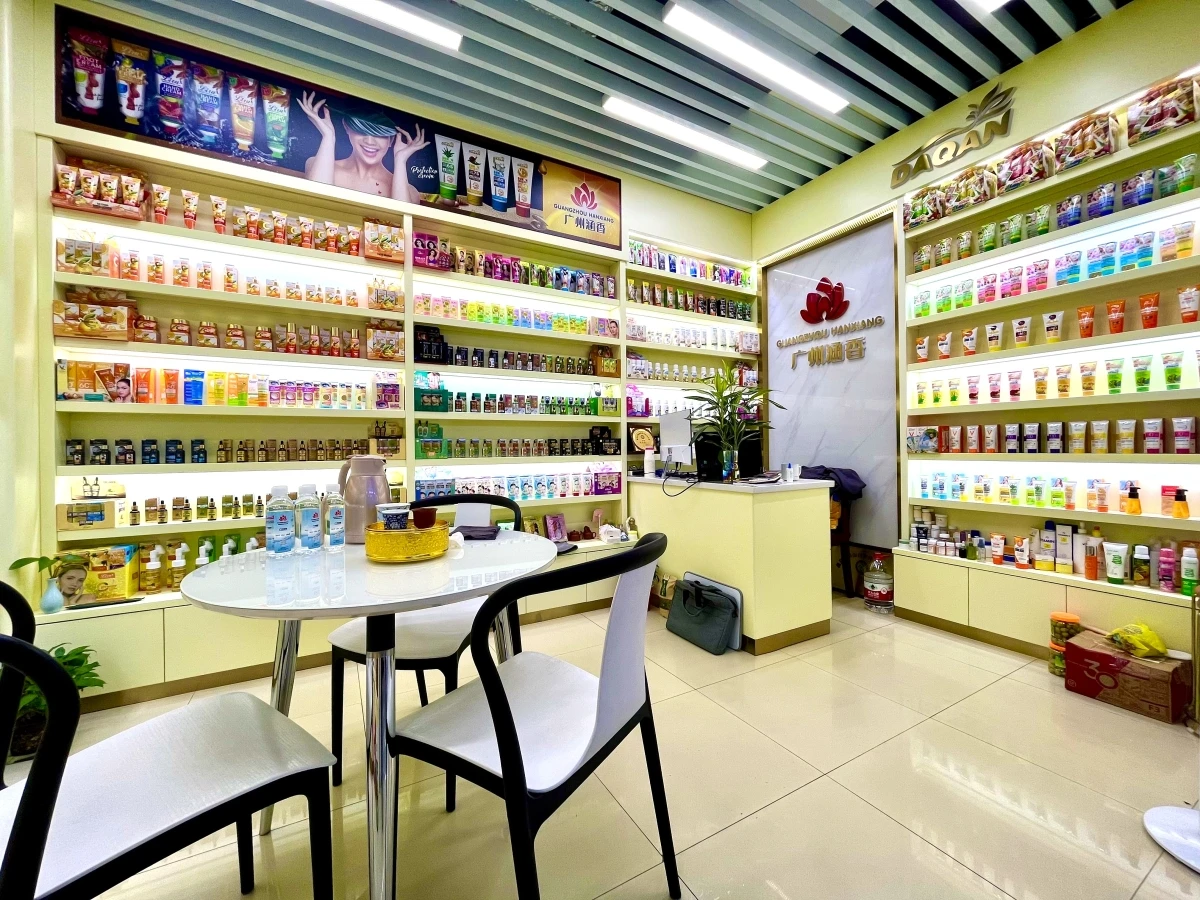
Guangzhou Hanxiang Cosmetics Co., Ltd.
- Trading Company
- Guangdong, China
- Lead time7 days
- Avg. response≤ 2h
Main productsFACIAL CLEANSER,SERUM,ESSENTIAL OILS,EXFOLIANT,SUNSCREEN
Main marketsNorth America(19.00%), Eastern Asia(15.00%), Southern Europe(14.00%), Western Europe(14.00%), Eastern Europe(14.00%), Africa(6.00%), Central America(5.00%), Southeast Asia(4.00%), Mid East(3.00%), South Asia(3.00%), Oceania(2.00%), South America(1.00%)






Comprehensive Sourcing Guide
Tiger Balm Supplier Concentration and Factory Types
Current data indicates a concentration of manufacturers and trading companies operating primarily within Shandong, China, alongside a distinct cluster of trading entities located in Zhejiang, China. These regions host suppliers offering diverse product lines ranging from essential balms and pain relief ointments to specialized medical devices and cupping sets. The presence of both manufacturer and trading company types suggests a supply chain where direct production capabilities coexist with distribution networks that may source from multiple factories. Buyers should note that while some listings explicitly state a manufacturer status, others identify as trading companies, which often implies a different operational model regarding inventory holding and direct factory access.
When evaluating the factory types, it is critical to distinguish between entities that produce the balm in-house versus those that aggregate products from various sources. The observed data shows suppliers in Shandong offering specific product attributes like Class III instrument classification and specific safety standards, which often correlates with manufacturing depth. Conversely, trading companies in Zhejiang may focus on broader categories including cupping sets and massage cushions alongside Tiger Balm variants. Buyers must verify the actual production capacity and facility ownership rather than relying solely on the company type label provided in search results, as this distinction directly impacts quality control, customization options, and the ability to scale production during peak demand periods.
How to Verify Tiger Balm Suppliers
Verification begins with scrutinizing the specific product attributes and certifications listed against the supplier's claimed capabilities. For instance, some listings detail compliance with safety standards such as GB15979-2002, GB/T18830-2009, and international certifications like ISO, GMPC, and MSDS. These documents are essential for confirming that the balm meets regulatory requirements for exterior use and specific instrument classifications, which vary between Class I and Class III depending on the product formulation. Buyers should request current copies of these certificates to ensure they are valid and not expired, as the shelf life of the product often correlates with the validity of the quality management systems in place.
Beyond documentation, buyers must validate the response time and lead time metrics provided in the supplier profiles to gauge operational reliability. Data shows response times ranging from one to two days, with lead times varying significantly from five to thirty days depending on the specific product and location. A supplier claiming a short lead time of five days may be a trading company with ready stock, whereas a thirty-day lead time might indicate a manufacturer requiring production scheduling. It is imperative to confirm these timelines through direct communication before placing an order, as discrepancies between stated metrics and actual performance can lead to significant delays in receiving goods, especially when dealing with custom formulations or large volume orders.
What to Compare Across Tiger Balm Suppliers
Comparing suppliers requires a detailed analysis of minimum order quantities, pricing structures, and product specifications to ensure alignment with business needs. The observed data reveals a wide range of MOQs, from as low as 48 pieces to 500 pieces, with unit prices fluctuating between approximately $0.10 and $1.01 depending on the weight and formulation. Buyers should calculate the total landed cost by factoring in these MOQs and price tiers, as a lower unit price might be offset by a higher minimum order requirement that ties up capital. Additionally, comparing the specific ingredients listed, such as menthol, clove oil, and eucalyptus oil, helps determine if the product matches the desired therapeutic effect, whether it is for pain relief, cooling, or soothing discomfort.
Another critical comparison point involves the shelf life and packaging options available across different suppliers. Listings indicate shelf lives ranging from two to five years, which impacts inventory management and product rotation strategies. Some suppliers offer flexible packaging sizes like 3.5g, 10g, or 20g, while others may have fixed weights or specific model numbers that limit customization. Buyers must also evaluate the payment terms, such as T/T or Trade Assurance, and the availability of samples, as these factors influence the risk profile of the transaction. By systematically comparing these dimensions, buyers can identify suppliers that offer the best balance of cost, flexibility, and product quality for their specific market requirements.
Common Tiger Balm Sourcing Risks
One significant risk involves the potential mismatch between the claimed instrument classification and the actual regulatory status of the product in the destination market. Some listings specify Class I classification while others indicate Class III, which dictates the level of regulatory scrutiny and approval required for importation. If a buyer sources a product classified as Class III without verifying local regulations, they may face customs delays or rejection. Furthermore, the variation in safety standards, such as GB2024-2016 versus GB15979-2002, suggests that different factories may adhere to different internal or regional protocols, creating inconsistency in product quality and safety across different batches or suppliers.
Another risk stems from the ambiguity surrounding the origin of the raw materials and the final manufacturing location. While some products list Shandong or Zhejiang as the place of origin, others mention ingredients or branding associated with Thailand or Vietnam, which can create confusion regarding the true source of the balm. This discrepancy can lead to issues with authenticity and compliance with labeling laws in the target market. Additionally, the reliance on trading companies for certain product lines may obscure the actual manufacturing process, making it difficult to trace quality issues back to the source. Buyers must conduct thorough due diligence to ensure that the product origin and manufacturing standards align with their brand reputation and legal obligations.
Tiger Balm Regional Sourcing and Logistics
Sourcing from Shandong, China, often involves navigating a supply chain dominated by manufacturers with established production lines for essential balms and pain relief products. The lead times observed in this region, such as thirty days, suggest a robust manufacturing infrastructure capable of handling complex formulations and large-scale production runs. However, buyers should be aware that shipping from this region may involve longer transit times compared to other locations, depending on the port of departure and the specific logistics provider selected. The concentration of manufacturers in this area allows for better control over the production process but may require more time for order fulfillment and quality assurance checks.
In contrast, sourcing from Zhejiang, China, typically involves trading companies that may offer faster lead times, such as five days, due to their focus on ready-to-ship inventory or streamlined distribution networks. This region is also known for a diverse range of health care products, including cupping sets and massage cushions, which may allow for consolidated shipping if a buyer is sourcing multiple product categories. However, the shorter lead times might come with higher minimum order quantities or less flexibility in customization compared to direct manufacturers. Buyers should evaluate the trade-off between speed and customization when choosing between these regional clusters, considering the impact on their overall supply chain efficiency and inventory turnover rates.
Tiger Balm Commercial Terms and Order Planning
Commercial terms for Tiger Balm suppliers vary significantly, with payment methods ranging from T/T to Trade Assurance and Western Union, each carrying different levels of protection for the buyer. The observed data indicates that some suppliers require payment terms that align with their production cycles, while others may offer more flexible options for smaller orders. Buyers must carefully review these terms to ensure they align with their cash flow management and risk tolerance, as unfavorable terms can lead to financial strain or loss of funds in case of disputes. Additionally, the availability of escrow services or trade assurance can provide a safety net, ensuring that payment is only released once the goods are verified to meet the agreed specifications.
Order planning must account for the variability in lead times and minimum order quantities to avoid stockouts or overstocking. With lead times ranging from five to thirty days and MOQs from 48 to 500 pieces, buyers need to forecast demand accurately to determine the optimal order size and timing. It is also essential to consider the shelf life of the product, which can range from two to five years, to ensure that the inventory remains viable throughout the sales cycle. By integrating these factors into a comprehensive order plan, buyers can optimize their procurement strategy, minimize costs, and maintain a steady supply of high-quality Tiger Balm products for their customers.
FAQs
Where are Tiger Balm manufacturers located?
Tiger Balm manufacturers are located in Shandong and Zhejiang, China. These regions host both manufacturers and trading companies offering various balm types. Buyers should verify specific factory addresses and production capabilities before placing orders to ensure supply chain reliability.
What is the minimum order quantity for Tiger Balm?
Minimum order quantities vary by supplier and product type. Some listings require 48 pieces, while others start at 50 units or 500 pieces. Buyers must check individual product pages for exact MOQs to align with their purchasing volume and budget constraints effectively.
How long does it take to receive Tiger Balm orders?
Lead times for Tiger Balm orders range from 5 to 30 days depending on the supplier. Some manufacturers in Zhejiang offer faster turnaround times, while others in Shandong may require up to a month. Confirm specific delivery schedules with the supplier before finalizing the purchase.
What certifications do Tiger Balm products hold?
Tiger Balm products often hold certifications such as ISO, GMPC, MSDS, and COA. Some listings also mention CE or specific safety standards like GB15979-2002. Buyers should request valid certificates to ensure the products meet international quality and safety requirements for their target markets.
What are the main ingredients in Tiger Balm?
Common ingredients include menthol, clove oil, cassia oil, and eucalyptus oil. These natural components provide pain relief and soothing effects. Buyers should review the full ingredient list to ensure compatibility with their customers and to avoid any potential allergens or restricted substances.
What is the price range for Tiger Balm products?
Prices for Tiger Balm products typically range from 0.10 to 1.02 USD per unit. The final cost depends on the quantity ordered, packaging size, and specific formulation. Buyers should compare multiple suppliers to find the best value while ensuring quality standards are met for their needs.
How quickly do suppliers respond to inquiries?
Suppliers generally respond within one to two days. Fast response times indicate active engagement and readiness to support buyers. Buyers should prioritize suppliers with quick reply rates to ensure smooth communication and timely resolution of any questions regarding product specifications or shipping details.