eco-friendly poplar plywood Suppliers and Manufacturers
Find 20 verified suppliers offering eco-friendly poplar plywood with varying formaldehyde standards, thickness options, and response times. Compare locations in Henan and Shandong, lead times, and certifications like FSC before requesting quotes; review the available evidence before requesting comparable quotations from suitable candidates.
Updated
Suppliers List
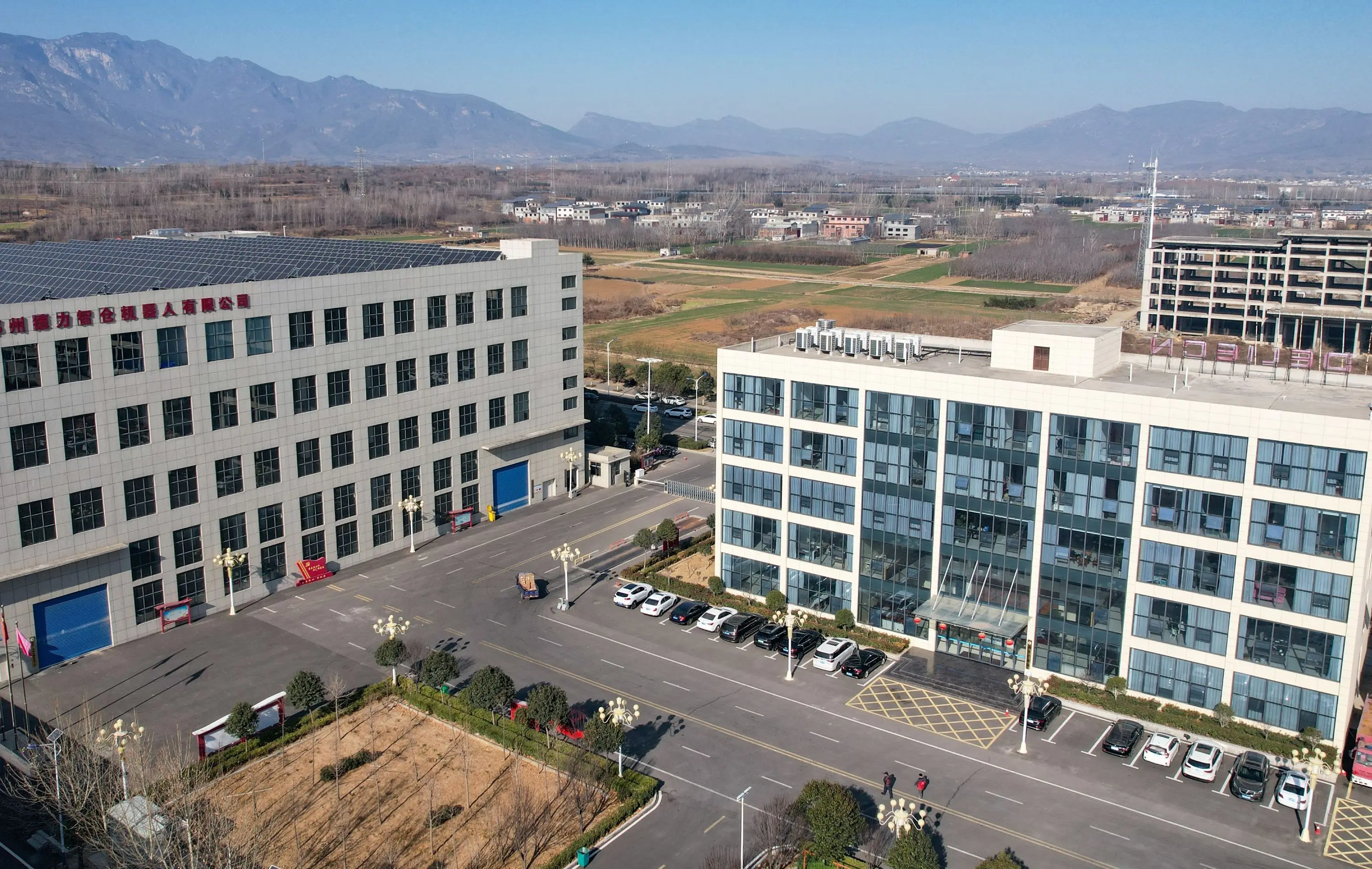
Henan Huayi Import And Export Trading Co., Ltd.
- Trading Company
- Henan, China
- Lead time0 days
- Avg. response≤ 1h
Main productsDoor Casings,Wall Panels,Boards,Skirting Boards,Other
Main marketsNorth America(30.00%), Domestic Market(25.00%), Mid East(10.00%), Northern Europe(10.00%), Southeast Asia(6.00%), Southern Europe(6.00%), Eastern Europe(6.00%), South America(1.00%), South Asia(1.00%), Oceania(1.00%), Africa(1.00%), Central America(1.00%), Western Europe(1.00%), Eastern Asia(1.00%)
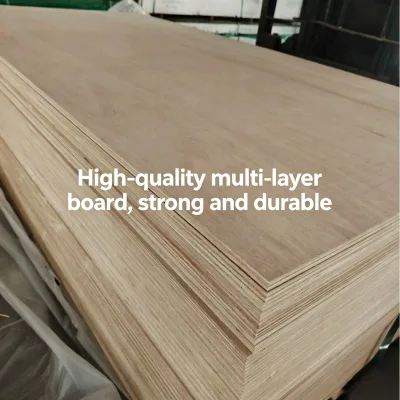
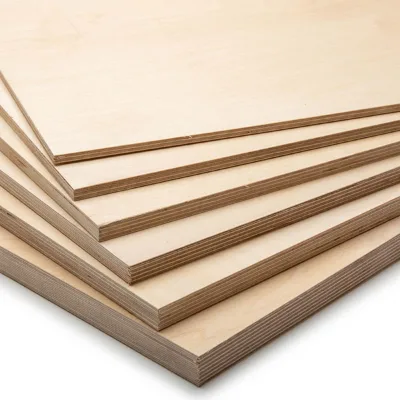
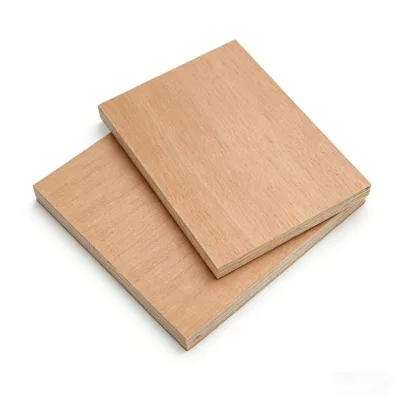
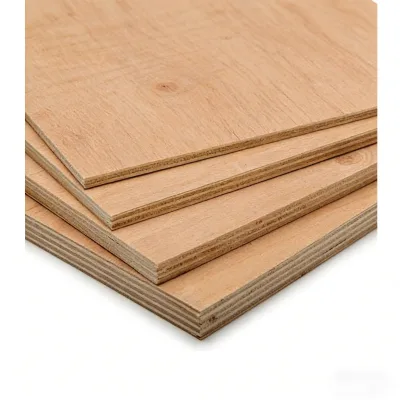
$5.411 - $5.432
MOQ: 50 pieces
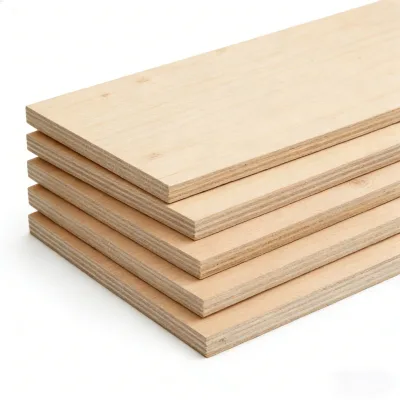
$5.4559 - $5.4769
MOQ: 50 pieces
- Verified by Intertek
- Manufacturer, Trading Company
- Lead time15 days
- Avg. response≤ 3h
Main productsLaminated Veneer Lumber, I Joist, H20 Beam, LVL Scaffold Board, Plywood
Main marketsOceania(58%), Southeast Asia(21%), Mid East(21%)
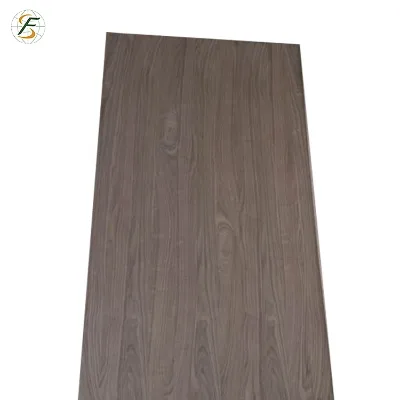
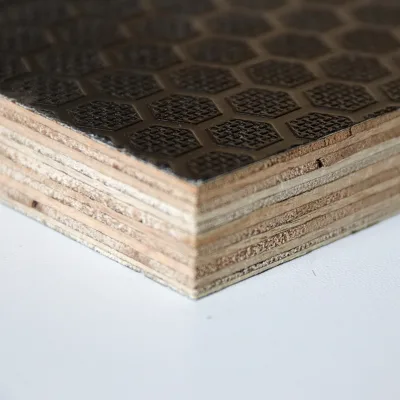
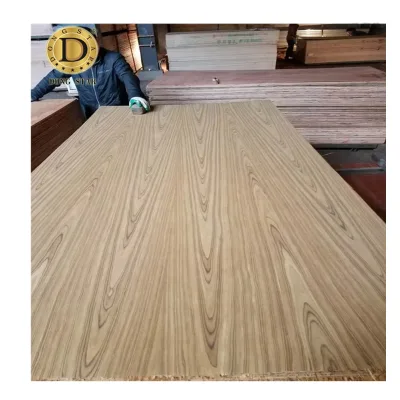
2.5mm Natural Walnut Veneer Plywood Poplar Core Plywood for Door Surface
$651.318 - $661.4953
MOQ: 50 cubic
Lisen Wood Industrial Shouguang Co., Ltd.
- Verified by TüVRheinland
- Trading Company
- Lead time15 days
- Avg. response≤ 2h
Main productsContainer Floor, Plywood, MDF, Particle Board, Door Skin
Main marketsSouth America(30%), Southeast Asia(20%), Mid East(20%)
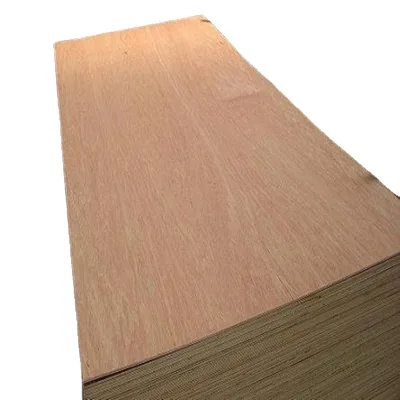
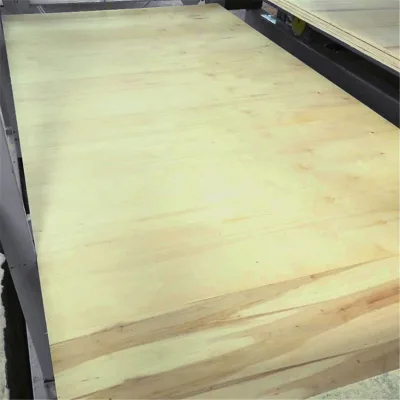
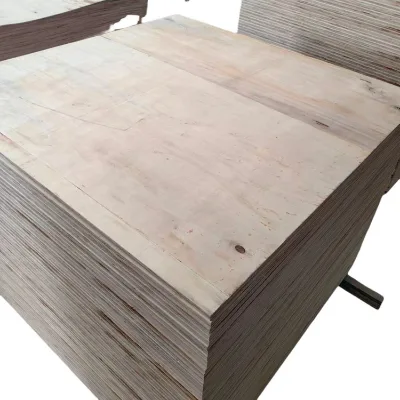
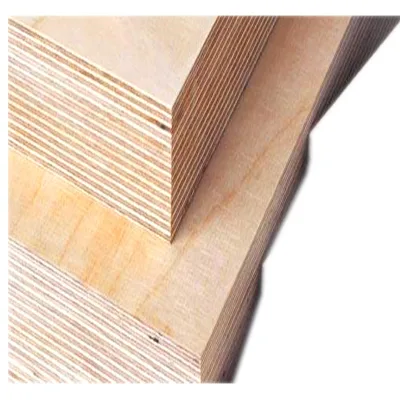
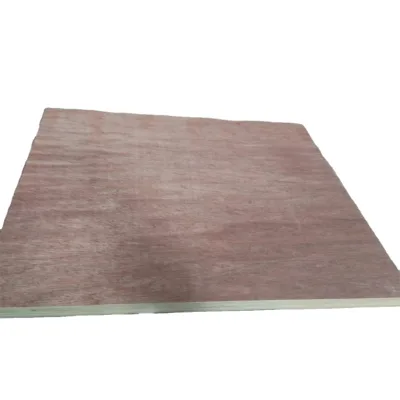
Precut Small Size 600mm*600mm Plywood 40mm Plywood for Flooring /Decoration
$207.202 - $518.005
MOQ: 20 Minimum
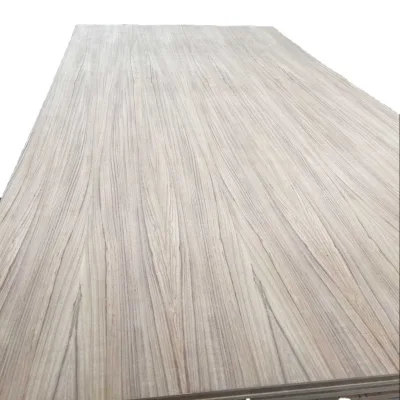

Shouguang Topbon Import & Export Co., Ltd.
- Verified by TUVRHEINLAND
- Manufacturer/Factory
- China Shandong
- Lead time23 days
- Avg. response≤ 3h
Main productsPlywood, MDF, Melamine Board, PVC Edge Banding, Film Faced Plywood, Door, Particle Board, Laminated Board, UV MDF
Main marketsSouth America,Eastern Europe,Mid East,North America,Southeast Asia,Eastern Asia,Oceania,Western Europe,Africa
Linyi Qichen Import And Export Co., Ltd.
- Verified by SGS Group
- Manufacturer, Trading Company
- Lead time10 days
- Avg. response≤ 2h
Main productsPlywood, MDF, Particalboard, Blockboard, Door Panel
Main marketsAfrica(50%), North America(25%), Western Europe(25%)

Honsoar New Building Material Co., Ltd.
- Verified by TUVRHEINLAND
- Combined
- China Shandong
- Lead time30 days
- Avg. response≤ 14h
Main productsParticle Board, Plywood, MDF, Kitchen Cabinet
Main marketsSouth America,Africa,Southeast Asia/ Mideast,Europe,Australia,North America
Cao County Hengyu Woods Co., Ltd.
- Verified by SGS Group
- Manufacturer, Trading Company
- Lead time15 days
- Avg. response≤ 2h
Main productsSolid Wood Boards, Plywoods, MDF, Block Board
Main marketsDomestic Market(30%), Southeast Asia(15%), North America(10%)
Linyi Yonghong International Trading Co., Ltd.
- Verified by SGS Group
- Manufacturer, Trading Company
- Lead time14 days
- Avg. response≤ 2h
Main productsWPC Wall Panel, UV Marble Sheet, Plywood, Acoustic Wall Panel, SPC Flooring
Main marketsSouth America(26%), Northern Europe(11%), North America(9%)
Linyi Qiute Import And Export Co., Ltd.
- Verified by Intertek
- Trading Company
- Lead time15 days
- Avg. response≤ 4h
Main productsHigh-Pressure Laminates, Fibreboards, Flakeboards, Plywoods, New Material Board
Main marketsDomestic Market(30%), North America(10%), Southeast Asia(10%)
Linyi Haishun Import And Export Co., Ltd.
- Trading Company
- Shandong, China
- Lead time15 days
- Avg. response≤ 10h
Main productsfilm faced plywood,veneer,furniture plywood,commercial plywood,packing plywood
Main marketsSoutheast Asia(20.00%), North America(20.00%), Mid East(15.00%), South America(15.00%), Africa(10.00%), Oceania(10.00%), Domestic Market(5.00%), Western Europe(5.00%)

Linyi Furuide Wood Industry Co., Ltd.
- Verified by TUVRHEINLAND
- Combined
- China Shandong
- Lead time15 days
- Avg. response≤ 2h
Main productsFilm Faced Plywood, Marine Plywood, Birch Plywood, HPL, Commercial Plywood, Furniture Plywood, Hmrmdf, Particle Board, OSB, Wood Veneer Plywood
Main marketsSouth America,Europe

Eco-Friendly Commercial Plywood with Thickness Tolerance of +/-0.2mm
$4.14 - $41.40
MOQ: 50 Single sheet

Eco-Friendly Commercial Plywood - Hardwood Plywood with Low Moisture Levels
$4.14 - $41.40
MOQ: 50 Single sheet

Eco-Friendly Commercial Plywood with Precision Thickness and Moisture Management
$4.14 - $41.40
MOQ: 50 Single sheet

Eco-Friendly Commercial Plywood with Moisture Control and Thickness Precision
$4.14 - $41.40
MOQ: 50 Single sheet

Eco-Friendly Commercial Plywood with Low Moisture Content and Thickness Precision
$4.14 - $41.40
MOQ: 50 Single sheet

Eco-Friendly Commercial Plywood with Low Moisture and Accurate Thickness Tolerance
$4.14 - $41.40
MOQ: 50 Single sheet
Shandong Fortuna International Trade Co., Ltd.
- Manufacturer, Trading Company
- Shandong, China
- Lead time15 days
- Avg. response≤ 2h
Main productsplywood, Film faced plywood, MDF, Melamine Board, Oriented Strand Board
Main marketsNorth America(20.00%), Mid East(15.00%), South America(10.00%), Africa(10.00%), South Asia(5.00%), Eastern Asia(5.00%), Oceania(5.00%), Western Europe(5.00%), Southern Europe(5.00%), Central America(5.00%), Northern Europe(5.00%), Eastern Europe(5.00%), Southeast Asia(5.00%)
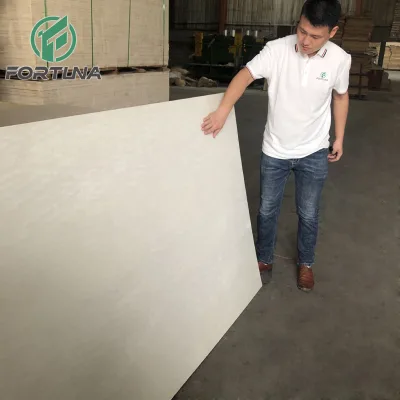
1220*2440mm Bleached Poplar Plywood for Furniture Manufacturer Plywood Sheet
$3.6787 - $11.8767
MOQ: 20 pieces
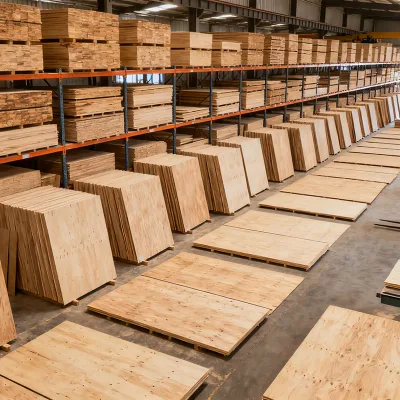
Lightweight Poplar Plywood Sheets | Structural Birch Laminated Board for Furniture
$565.8889 - $771.6667
MOQ: 50 grams
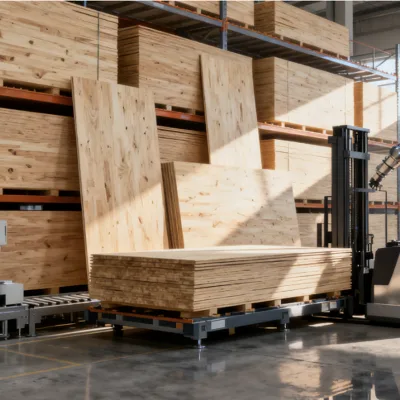
Eco-Friendly Marine Grade Pine Plywood with Anti-Slip Surface for Boat Decking
$102.4655 - $125.0088
MOQ: 50 grams
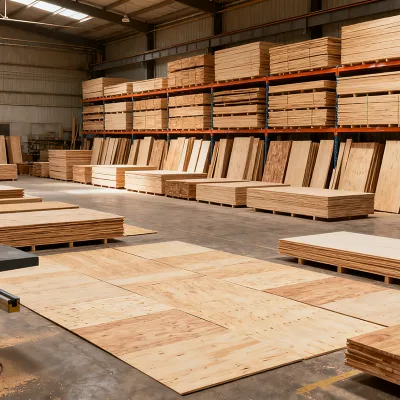
Poplar Board Plywood Laminated Board Environmentally Friendly All Birch Marine Board Wholesale
$257.2222 - $329.2457
MOQ: 50 grams
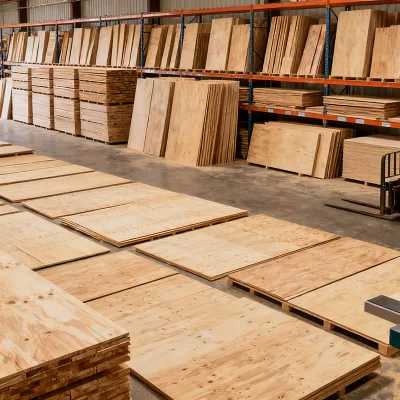
Poplar Birch Mixed Plywood | Industrial-Grade Laminated Board Bulk Purchase
$707.0126 - $911.9436
MOQ: 50 grams
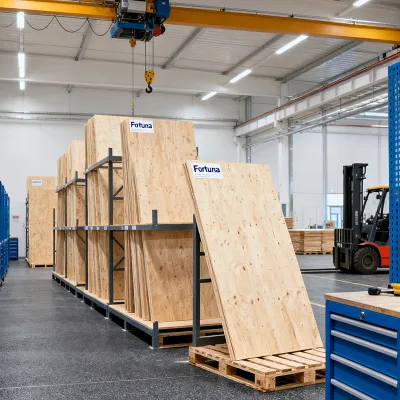
Anti Warping Double-Sided Plywood for Precision Woodworking Applications
$926.0001 - $1028.889
MOQ: 50 grams
Linyi Dongstar Import & Export Co., Ltd.
- Verified by SGS Group
- Manufacturer, Trading Company
- Lead time15 days
- Avg. response≤ 3h
Main productsPlywood, Film Faced Plywood, Oriented Strand Board, Melamine Board, Fibreboard
Main marketsSoutheast Asia(27%), South America(23%), Mid East(11%)

Shandong Haoxin Import And Export Co., Ltd.
- Manufacturer, Trading Company
- Shandong, China
- Lead time10 days
- Avg. response≤ 1h
Main productsfilm faced plywood,plywood,plywood sheet 18mm,concrete panels,melamine board
Main marketsSouth America(10.00%), North America(10.00%), Central America(8.00%), Western Europe(7.00%), Southern Europe(7.00%), Mid East(7.00%), Northern Europe(7.00%), Eastern Europe(7.00%), Southeast Asia(7.00%), Domestic Market(6.00%), South Asia(6.00%), Eastern Asia(6.00%), Oceania(6.00%), Africa(6.00%)
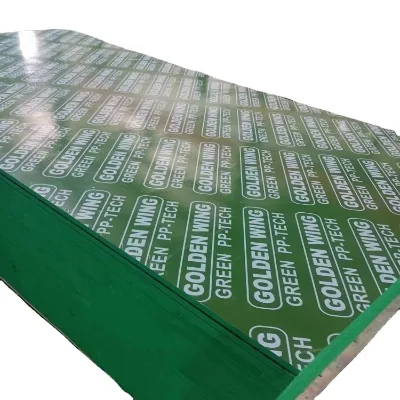
Hot Selling- Wholesale Poplar Plywood 18mm Plywood 3/4 Price China- Cheap Price Commercial Plywood
$13.3668 - $16.2466
MOQ: 200 pieces
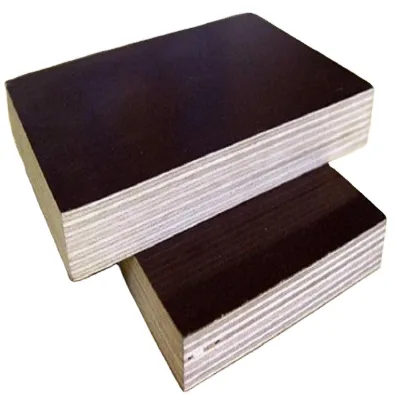
$9.20 - $10.00
MOQ: 200 pieces
Beijing Green Technology Co., Ltd.
- Trading Company
- Beijing, China
- Lead time15 days
- Avg. response≤ 8h
Main productsOSB Board, MDF Board, Plywood, Chipboard
Main marketsSouth Asia(30.00%), Southeast Asia(30.00%), Eastern Asia(10.00%), Mid East(10.00%), Eastern Europe(5.00%), North America(5.00%), Western Europe(5.00%), Africa(5.00%)
Linyi Consmos Wood Industry Co., Ltd.
- Verified by SGS Group
- Manufacturer, Trading Company
- Lead time15 days
- Avg. response≤ 5h
Main productsFull Birch Plywood, Commercial Plywood, OSB, Film Faced Plywood, Marine Plywood
Main marketsSouth America(20%), Domestic Market(20%), Southeast Asia(17%)
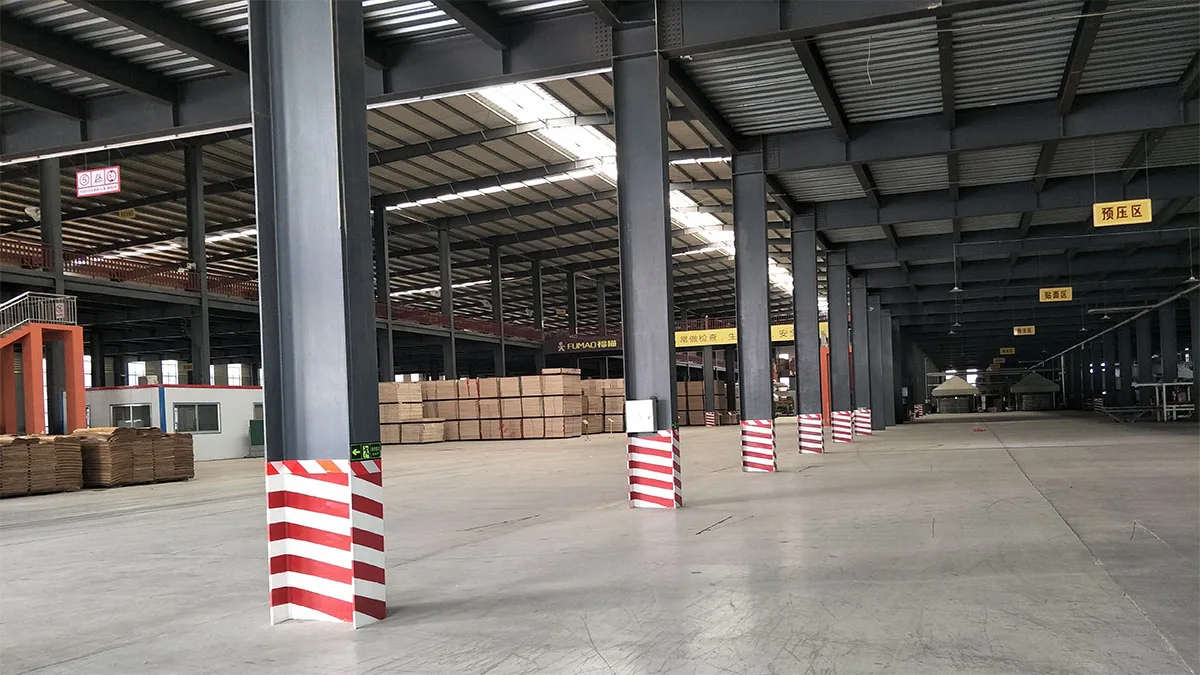
Linyi Longterm Wood Industry Co.,Ltd.
- Manufacturer, Trading Company
- Shangdong, China
- Lead time15 days
- Avg. response≤ 6h
Main productsMelamine Plywood,Melamine MDF,Melamine Particleboard,Commercial Plywood,PVC Board
Main marketsSoutheast Asia(74.00%), North America(10.00%), Mid East(8.00%), Africa(8.00%)
- Verified by Intertek
- Manufacturer, Trading Company
- Lead time30 days
- Avg. response≤ 2h
Main productsVeneer Panel, Melamine Board, Slotted MDF, Plain MDF, Commercial Plywood
Main marketsCentral America(20%), North America(10%), Southeast Asia(10%)
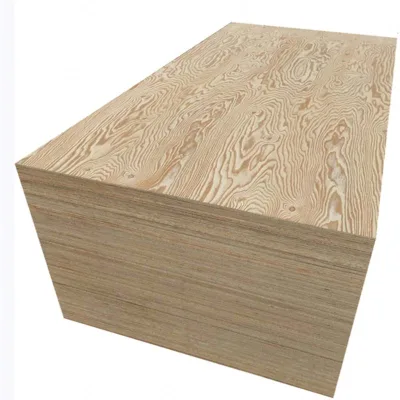
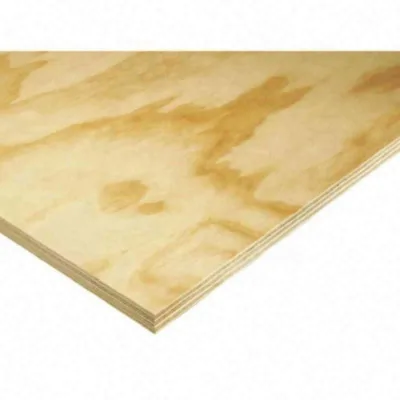
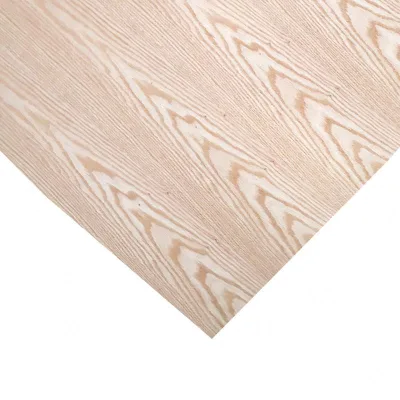
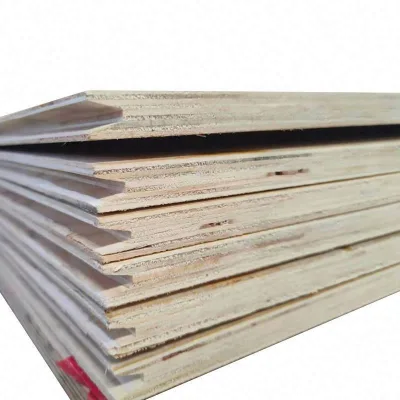
marine plywood for singapore price
$5.70 - $6.00
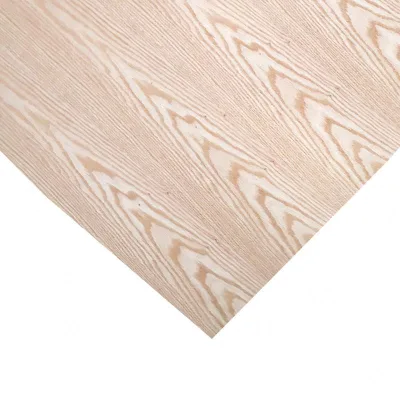
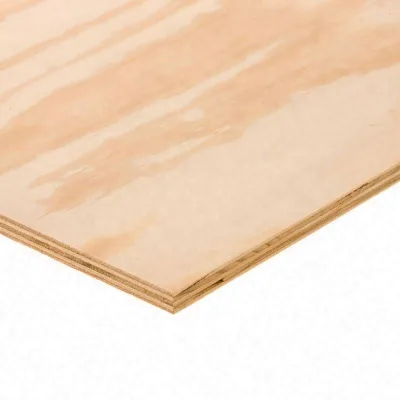

Shuyang Jinfeng Wooden Factory
- Combined
- China Jiangsu
- Lead time15 days
- Avg. response≤ 5h
Main productsMDF, Melamine MDF, Paricle Board, Plywood, Commercial Plywood, UV Board, Veneer Board, Blockboard, Falcata Core, HPL Board
Main marketsAfrica,Others(foreignTradeCapacity.exportBusinessCapacityMarketOther)
Linyi Longser Imp.& Exp. Co., Ltd.
- Trading Company
- Shandong, China
- Lead time20 days
- Avg. response≤ 21h
Main productsFurniture Plywood,Film Faced Plywood,Melamine Plywood,PP Hollow Formwork,PP Plastic Plywood
Main marketsSouth America(20.00%), Mid East(15.00%), Africa(15.00%), Central America(10.00%), Western Europe(10.00%), Southeast Asia(10.00%), North America(10.00%), Domestic Market(5.00%), South Asia(5.00%)


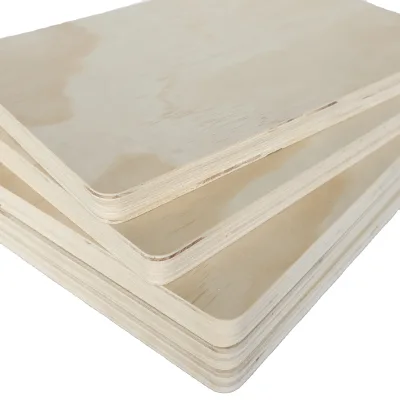



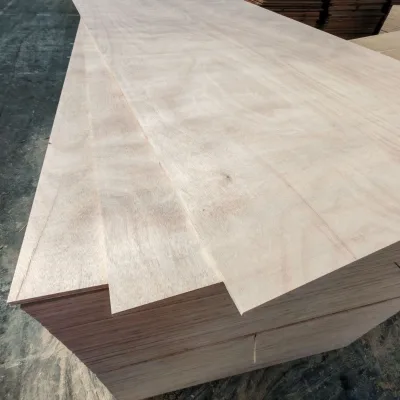
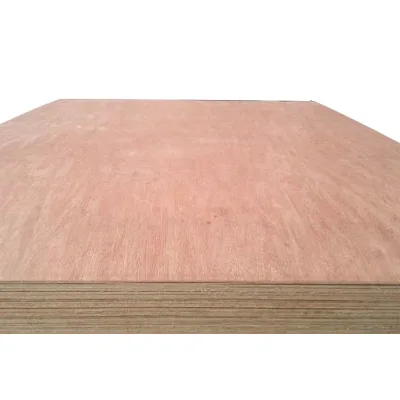
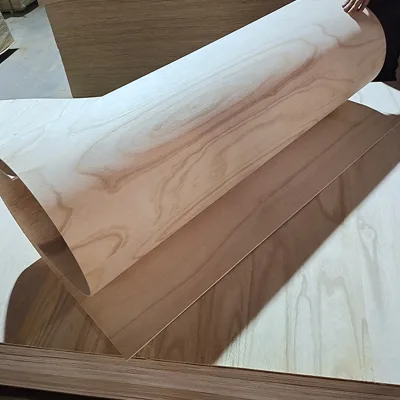
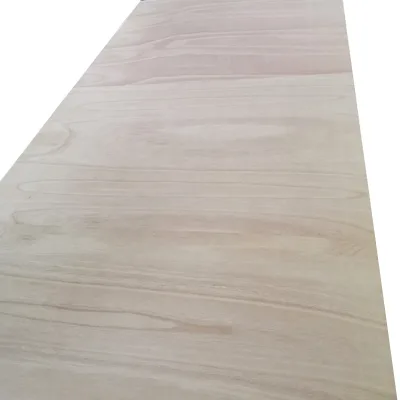


Comprehensive Sourcing Guide
Eco-Friendly Poplar Plywood Supplier Concentration and Factory Types
Current data indicates a concentration of suppliers in Henan, China, offering door casings, wall panels, and various board types alongside poplar plywood. Some entities in this region operate as trading companies, while others function as manufacturers capable of producing laminated veneer lumber, I-joists, and H20 beams. This mix suggests that buyers may encounter both direct factory sources and intermediaries within the same geographic cluster. When evaluating the supply base, it is essential to distinguish between these company types, as trading companies often aggregate products from multiple factories, whereas manufacturers control the production process directly. The presence of specific product lines like poplar core plywood and walnut veneer boards in these listings helps identify the primary focus of the facility.
Buyers should verify the actual factory location rather than relying solely on the listed trading company address, as the physical production site determines quality control capabilities. In regions where specific factory data is not explicitly confirmed, the buyer must request proof of the manufacturing site to ensure the supplier is not merely a reseller. The availability of customization capabilities, such as graphic design and 3D model design, often points to a more integrated manufacturing operation. If a supplier lists main products including scaffolding boards and LVL, they likely possess the heavy machinery required for structural plywood production. Confirming the physical location and the specific nature of the company type is the first step in narrowing down a reliable supply chain for eco-friendly poplar plywood.
How to Verify Eco-Friendly Poplar Plywood Suppliers
Verification of supplier credentials requires checking for specific certifications and third-party validations that confirm the eco-friendly claims of the product. Some listings explicitly mention FSC certification, which is a critical standard for sustainable forestry practices, alongside technical standards like EN 13377 and AS/NZS 4357. Buyers must look for these specific labels in the product attributes or company profile rather than accepting generic "eco-friendly" descriptions. Additionally, verification services such as Intertek provide an independent layer of trust, confirming that the supplier has undergone rigorous assessment. The presence of these certifications ensures that the formaldehyde emission standards, such as E0 or ENF grades, are met according to international benchmarks.
Beyond certifications, buyers should assess the supplier's response time and after-sales service capabilities as indicators of reliability. A response time of one day or three days suggests different levels of operational efficiency and customer support readiness. Suppliers offering online technical support and return and replacement services demonstrate a commitment to resolving issues post-delivery. It is also vital to check if the supplier provides onsite inspection services, which allows for direct quality verification before shipment. The ability to handle sample processing and customized orders further validates the supplier's operational maturity. Buyers should prioritize suppliers who can provide clear evidence of these verification steps rather than those who only list generic product features.
What to Compare Across Eco-Friendly Poplar Plywood Suppliers
When comparing suppliers, the primary focus should be on lead times, minimum order quantities, and pricing structures to ensure alignment with project requirements. Lead times can vary significantly, with some suppliers indicating a zero-day turnaround while others specify a fifteen-day production window. This variance directly impacts project scheduling and inventory management, making it a critical comparison point. Minimum order quantities also differ, with some suppliers requiring a minimum of fifty units, which may be prohibitive for smaller projects. Buyers must calculate the total cost of ownership, including the impact of these MOQs on storage and cash flow, before committing to an order.
Pricing is another essential dimension, with observed ranges varying from approximately five dollars to over six hundred dollars depending on the product specifications. These price differences often correlate with the thickness, veneer material, and specific grade of the plywood, such as A2 grade or ENF grade. Buyers should compare the price per unit against the stated features, such as water resistance or fire retardancy, to determine value. Additionally, the main products offered by each supplier can indicate their specialization; a supplier focusing on door casings may have different expertise than one specializing in structural beams. Evaluating these factors together allows for a comprehensive assessment of which supplier offers the best balance of cost, speed, and quality for the specific application.
Common Eco-Friendly Poplar Plywood Sourcing Risks
One significant risk involves the discrepancy between claimed material composition and actual product specifications. While some listings specify poplar as the main material, others may list birch or mixed wood types, which affects the structural integrity and aesthetic finish. Buyers must verify the "Main Material" attribute in the product details to ensure it matches the order requirements. Another risk is the variation in formaldehyde emission standards, where some products claim E0 compliance while others may only meet E2 standards. This inconsistency can lead to health hazards and non-compliance with building codes in the destination market.
Logistical risks also arise from the variability in lead times and the potential for delays in shipping from specific regions. A supplier with a zero-day lead time might be a trading company with limited stock, whereas a manufacturer with a fifteen-day lead time might offer better quality control. Buyers should also be wary of suppliers who do not clearly state their after-sales service terms, as this can complicate returns or replacements if defects are found. The lack of detailed product attributes, such as thickness tolerance or veneer surface finishing, can result in receiving goods that do not fit the intended design. Mitigating these risks requires thorough due diligence and clear communication regarding all product specifications before finalizing the purchase.
Eco-Friendly Poplar Plywood Regional Sourcing and Logistics
Sourcing from regions like Henan and Shandong in China offers access to a dense network of plywood manufacturers and trading companies. These areas are known for producing a wide range of timber products, including door casings, wall panels, and various board types. The proximity of these suppliers to major ports facilitates efficient logistics, though buyers must account for the specific shipping routes and transit times associated with each location. Understanding the regional strengths helps in selecting suppliers who can deliver the required volume and quality within the desired timeframe. Buyers should also consider the local infrastructure and its impact on the reliability of the supply chain.
Logistics planning must include the verification of shipping terms and the handling of customs documentation for international orders. Some suppliers offer specific size options, such as 12202440mm or 12502500mm, which can affect container loading efficiency and shipping costs. Buyers should confirm the single volume and gross weight of the products to accurately calculate freight charges. Additionally, the availability of customized cut sizes can reduce waste and improve on-site efficiency, but it may also extend the lead time. Coordinating with the supplier to optimize packaging and loading is essential to minimize damage during transit and ensure that the eco-friendly poplar plywood arrives in perfect condition.
Eco-Friendly Poplar Plywood Commercial Terms and Order Planning
Commercial terms for eco-friendly poplar plywood often include specific payment structures and warranty provisions that buyers must carefully review. Some suppliers offer a one-year warranty, which provides a safety net against manufacturing defects, while others may have different terms. It is crucial to clarify the warranty coverage and the process for claiming it before placing an order. Additionally, the selling units, whether single items or bulk packages, can influence the pricing and the overall cost structure. Buyers should ensure that the commercial terms align with their financial planning and risk management strategies.
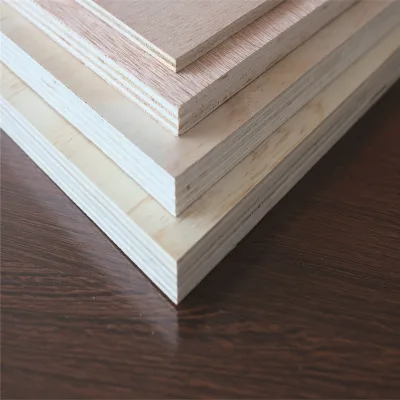
Order planning requires a detailed understanding of the product attributes, such as thickness, grade, and surface finishing, to avoid mismatches. The availability of different plywood types, including 3-ply and 13-ply boards, allows for customization based on the specific application, such as furniture, hotel interiors, or construction. Buyers should plan their orders well in advance to accommodate the lead times, especially if customization is required. The ability to request samples and conduct graphic design or 3D model design services can further refine the order specifications. By integrating these commercial and planning elements, buyers can secure a reliable supply of high-quality eco-friendly poplar plywood that meets their project needs.
FAQs
What formaldehyde emission standards are available for eco-friendly poplar plywood?
Suppliers offer E0 and ENF grade formaldehyde emission standards for eco-friendly poplar plywood. These grades ensure low emissions suitable for indoor applications like villas and hotels. Buyers should verify specific product attributes to confirm the exact emission level meets their safety requirements and local building codes.
What is the typical lead time for manufacturing eco-friendly poplar plywood?
Manufacturers typically require 15 days for lead time when producing eco-friendly poplar plywood. This duration allows for proper curing and quality control of the multi-layer boards. Trading companies may have different response times, so buyers should confirm production schedules directly with the supplier before placing orders.
What certifications ensure the sustainability of eco-friendly poplar plywood?
FSC certification is a key standard for ensuring the sustainability of eco-friendly poplar plywood. Additional system certifications like EN 13377 and AS/NZS 4357 may also be available. Buyers should verify these credentials to ensure the wood originates from responsibly managed forests and meets international environmental standards.
What is the minimum order quantity for eco-friendly poplar plywood?
The minimum order quantity for eco-friendly poplar plywood is typically 50 units. This threshold allows suppliers to process custom sizes and maintain efficient production lines. Buyers should check specific product listings to confirm if the MOQ applies to standard sheets or custom-cut dimensions for their projects.
What are the common applications for eco-friendly poplar plywood?
Eco-friendly poplar plywood is commonly used for furniture, hotel interiors, villas, and office buildings. Its water-resistant and fire-retardant properties make it suitable for modern design projects. Buyers can utilize the material for prefabricated building components and wall decorations due to its high-quality finish and durability.
What thickness options are available for eco-friendly poplar plywood?
Available thickness options for eco-friendly poplar plywood include 4mm, 12mm, and 18mm. These variations cater to different structural and decorative needs, from veneer cores to heavy-duty formwork. Buyers should select the appropriate thickness based on the specific application requirements and load-bearing capacity needed for their construction projects.