Transparent Portable Photo Album Suppliers and Manufacturers
Explore 26 verified suppliers offering Transparent Portable Photo Album options with varying lead times, MOQs, and certifications. Compare response times, customization capabilities, and pricing to select the right partner for your needs; review the available evidence before requesting comparable quotations from suitable candidates.
Suppliers List
Dongguan Guangrong Stationery Co., Ltd.
- Verified by Intertek
- Manufacturer, Trading Company
- Lead time30 days
- Avg. response≤ 8h
Main productsCD Storage, Card Album Binder, Folder, Storage Bag, Card Sleeves
Main marketsNorth America(40%), Southeast Asia(25%), Domestic Market(15%)
Jinan Cmall International Trading Co., Ltd.
- Verified by TüVRheinland
- Trading Company
- Lead time20 days
- Avg. response≤ 3h
Main productsUV Coating Machine, Album Production Machine, Album Inner Sheets, Album Cover, Hard Cover Machines
Main marketsSouth America(20%), Eastern Europe(15%), Southeast Asia(15%)
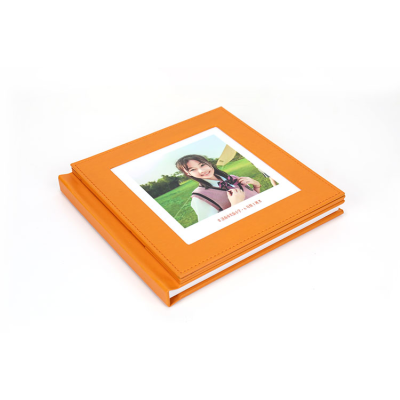
Elegant Felt Custom Printing Photo Album Cover Recordable Photo Album for Baby Leather Album
$1.50 - $3.50
MOQ: 100 square
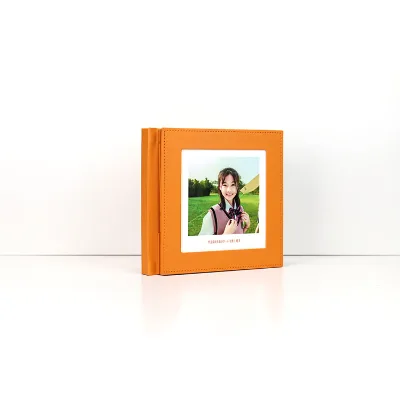
Blank Horizontal Photos Record Family Digital Album Photo Custom Baby Personalized Photo Album Book
$1.50 - $3.50
MOQ: 100 square
$1.50 - $3.50
MOQ: 100 square

DONGGUAN SENGTOR PLASTICS PRODUCTS CO., LTD
- Combined
- China Guangdong
- Lead time15 days
- Avg. response≤ 2h
Main productsCard Sleeves, Card Box, Card Binder, Inner Pages, Biodegradable Bag, Mask
Main marketsEast Asia(Japan/ South Korea),Europe,North America

Custom Color Collection Photo Leather Album Mini Photo Album Manufacturer
$2.20 - $2.60
MOQ: 1000 pieces

$2.49 - $3.10
MOQ: 500 pieces


Postcard Business Card Silk Screen Binder PP Hard Cover 20 Inner Pages Photo Album
$2.90 - $3.30
MOQ: 1000 pieces

Customized Storage A4 Size Paper Pocket Protector Photo Album with Button
$1.20 - $1.80
MOQ: 1000 pieces

Dark Blue Student Painting A4 Size Inner Leather Cover Wedding Photo Album Menu
$1.20 - $1.80
MOQ: 1000 pieces
Zhejiang Daijun Crafts Co., Ltd.
- Manufacturer, Trading Company
- Zhejiang, China
- Lead time20 days
- Avg. response≤ 9h
Main productsPassport Holder, Travel Bags, Luggage Tag, Cosmetic Bag
Main marketsDomestic Market(40.0%), North America(15.0%), Western Europe(15.0%), Eastern Asia(15.0%), Southeast Asia(15.0%)
Shenzhen Hongyunda Gift Packaging Co., Ltd.
- Verified by TüVRheinland
- Manufacturer, Trading Company
- Lead time2 days
- Avg. response≤ 3h
Main productsFile Folders, Photo Album, Hand Account, Book Covers, Card Book
Main marketsNorth America(27%), Southeast Asia(11%), South Asia(10%)

Guangzhou Phoebe Leather Co., Ltd.
- Manufacturer, Trading Company, Distributor/Wholesaler
- Guandong, China
- Lead time30 days
- Avg. response≤ 5h
Main productscamera case,photo album,photo frame,leather bag,laptop bag
Main marketsNorth America(48.0%), Southeast Asia(12.0%), South America(8.0%), Eastern Asia(7.000000000000001%), Mid East(7.000000000000001%), Western Europe(4.0%), Eastern Europe(4.0%), South Asia(3.0%), Northern Europe(2.0%), Southern Europe(2.0%), Domestic Market(1.0%), Africa(1.0%), Central America(1.0%)

Ningbo Hi-Tech Zone Yihai Int'l Trading Co., Ltd.
- Trading Company
- China Zhejiang
- Lead time30 days
- Avg. response≤ 23h
Main productsStorage Bag, Laundry Baskets, Laundry Bags, Storage Baskets, Pedal Bin, Ashtray, Household Items
Main marketsEast Asia(Japan/ South Korea),Europe,Australia
Wenzhou Art World Gift Co., Ltd.
- Verified by TüVRheinland
- Manufacturer, Trading Company
- Lead time10 days
- Avg. response≤ 2h
Main productsBinders, Clipboards, Folders, Notebooks, Photo Albums
Main marketsDomestic Market(70%), North America(10%), Southeast Asia(5%)
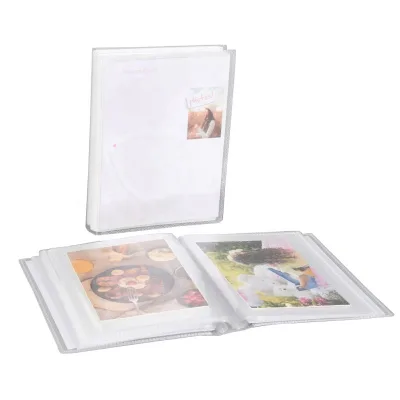
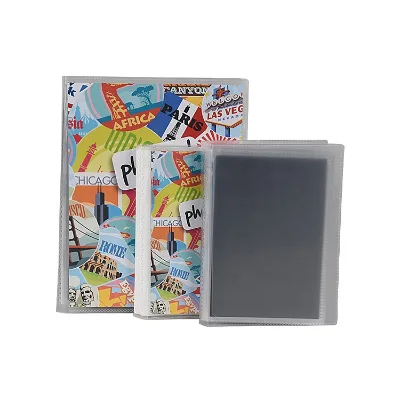
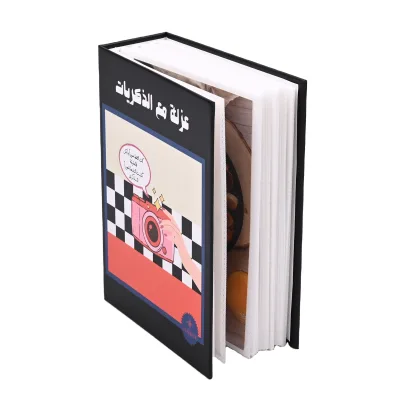
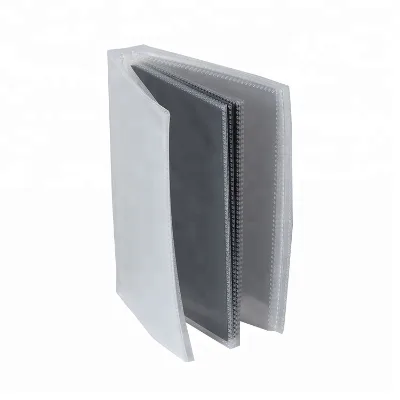
Factory Customizable Family Parent-Child Photo Album Made with Durable Paper Cover
$0.60 - $1.00
MOQ: 100
Dongguan Yapu Stationery Packaging Products Co., Ltd.
- Verified by TüVRheinland
- Manufacturer, Trading Company
- Guangdong, China
- Lead time15 days
- Avg. response≤ 5h
Main productsPP Page, Toploader Binder, Card Binder, PU Album, Page Protector
Main marketsSouth America(30%), North America(20%), Southern Europe(10%)

- Verified by BV
- Trading Company,Manufacturer/Factory
- China Shanghai
- Lead time23 days
- Avg. response≤ 1h
Main productsBook Printing, Book, Children's Book, Paper Bag, Gift Boxes, Puzzle, Board Game, Tabletop Game, Playing Card
Main marketsSouth America,Eastern Europe,Mid East,North America,Southeast Asia,Eastern Asia,Oceania,Western Europe,Africa
Guangzhou City Caiul Digital Products Co., Ltd.
- Verified by Intertek
- Trading Company
- Lead time15 days
Main productsCamera Bags, Photo Album, Photo Frame, Camera Photo & Accessories, Stickers
Main marketsNorth America(46%), Domestic Market(22%), Southeast Asia(15%)
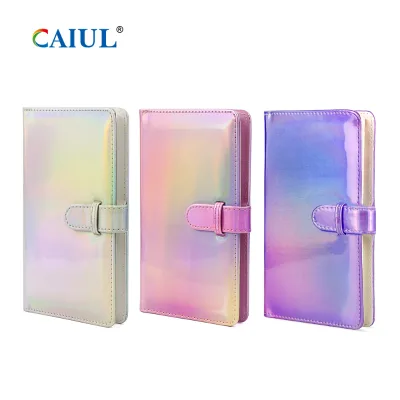
$1.50 - $1.60
MOQ: 100 pieces
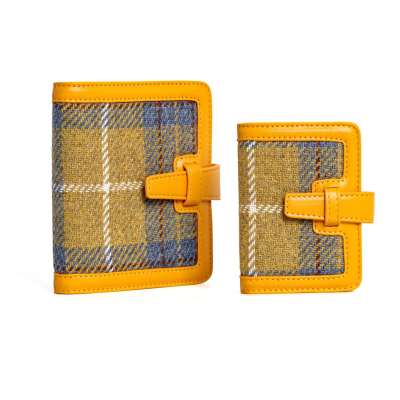
$1.81 - $2.42
MOQ: 2 Minimum

Zhaoqing Feixinda Metal Co., Ltd.
- Trading Company
- Guangdong, China
- Lead time7 days
- Avg. response≤ 11h
Main productsHandmade Product,Embroidery patch keychain,Custom product,PVC keychain patch,Metal product
Main marketsWestern Europe(30.0%), Eastern Europe(30.0%), South America(20.0%), North America(20.0%)
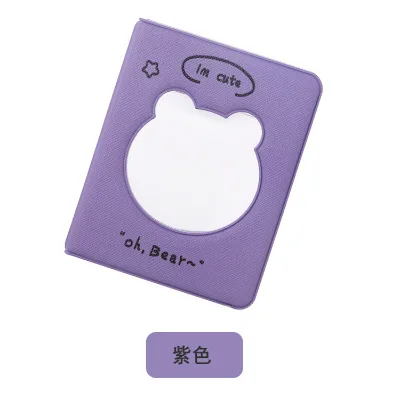
Cute Bear Mini Photo Album 3" Korea Recovery Photo Memory Card Holder Photo Album
$0.75 - $0.80
MOQ: 2 pieces

DG Continent Fame PKG Co., LTD
- Verified by TUVRHEINLAND
- Combined
- China Guangdong
- Lead time15 days
- Avg. response≤ 6h
Main productsCard Sleeves, Magnetic Card Holder, Toploaders, Trading Card Pages, Trading Card Albums, Grading Card Slab, Card Deck Boxes, Vinyl Record Sleeves, Comic Book Bags, Baseball Display Cases
Main marketsNorth America

Transparent 8X10 Photo Pages Replacement Inner Pages for 3 Ring Photo Binder Album
$0.07
MOQ: 20000 Pieces


Tianjin Caile Printing Co., Ltd
- Verified by TUVRHEINLAND
- Trading Company
- China Tianjin
- Lead time60 days
- Avg. response≤ 9h
Main productsPlanner, Journal, Notebook, Calendar, Box, Diary, PU Leather Binder, Pop up Book, First Aid Kit, Gift Set
Main marketsEurope,Australia,North America


Album Photo Multiple Pockets Photo Protector Binder Family Photo Collection
$1.99 - $7.00
MOQ: 100 Pieces

$1.99 - $4.40
MOQ: 100 Pieces

Custom 3.5inch 4-Pocket PP Disc Bound Album with Transparent 20 Pockets Collect Photos
$1.98 - $3.99
MOQ: 300 Pieces

Shenzhen Gymtion Industrial Co., Ltd
- Verified by SGS
- Trading Company,Manufacturer/Factory
- China Guangdong
- Lead time23 days
- Avg. response≤ 4h
Main productsTote Bag, Shopping Bag, Clear Bag
Main marketsEastern Europe,Mid East,North America,Oceania,Western Europe

Custom A4 Cartoon Binder Document File Photo Album with 12 Clear Sleeves
$0.49 - $0.79
MOQ: 1000 Pieces

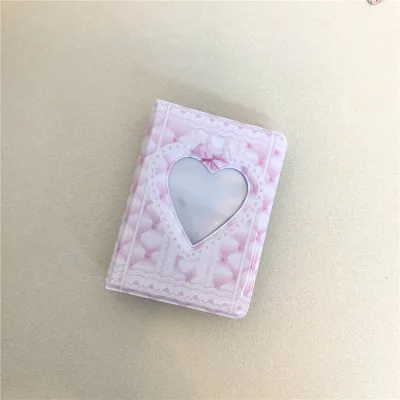
3 Inch Mini Photo Album, Heart Hollow Card Binder Mini Photo Card Book Holder
$2.00 - $2.40
MOQ: 1000 Pieces

Wholesale Custom Ins Style 3 Inch Kpop Photocard Binder, Compact PVC Photo Album with 36 Pockets
$2.45 - $2.99
MOQ: 1000 Pieces
Ningbo Instyle Import And Export Co., Ltd.
- Verified by SGS Group
- Trading Company
- Lead time30 days
- Avg. response≤ 1h
Main productsMetal Dies, Clear Stamps, Stencils, Embossing Folder/Box Kit, Sticker
Main marketsNorth America(40%), South America(20%), South Asia(15%)
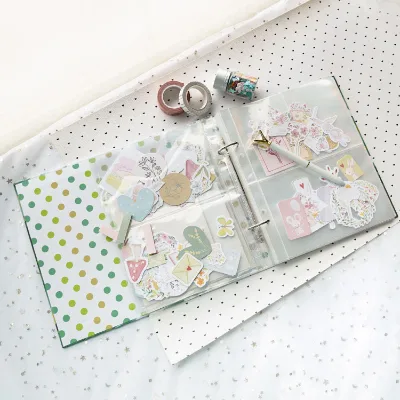
Hot Selling A5 Clear PVC Simple Sticker Album Waterproof DIY Photo Album for Scrapbooking
$1.04 - $2.06
MOQ: 100 pieces
Guangzhou Dezheng Printing Co., Ltd.
- Verified by TüVRheinland
- Manufacturer, Trading Company
- Lead time15 days
- Avg. response≤ 3h
Main productsCustom Journal Notebook, Wedding Album, Desk Notepad Wholesale, Eco Custom Paper Gift Bags, E-commerce Flat Pack Boxes
Main marketsNorth America(25%), Domestic Market(20%), Northern Europe(8%)
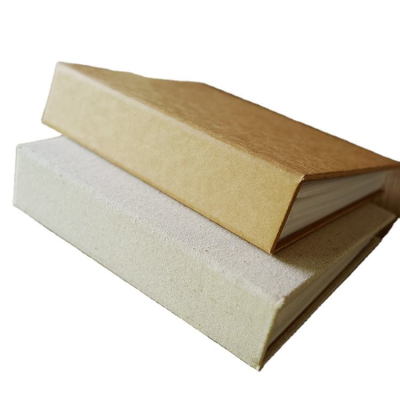
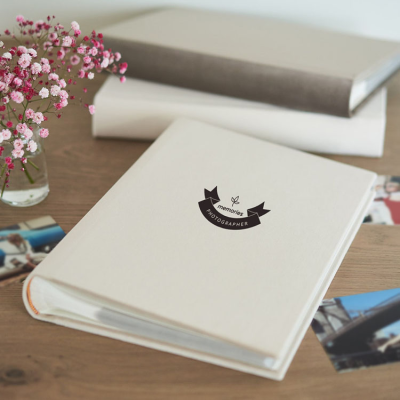
432 Pockets Photo Album for Fujifilm Instax Mini Camera 2x3 Photo Album Book Inset Photo Album
$2.99 - $3.99
MOQ: 500 pieces
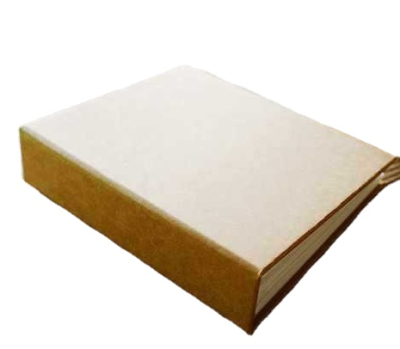
$5.99 - $6.99
MOQ: 100 pieces
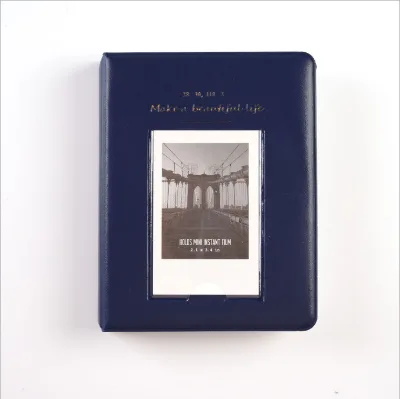
Customized 3-inch Mini Photo Album Pocket Card Storage Album PP Photo Album for Small Size Photos
$2.03 - $3.06
MOQ: 10 pieces


Xiamen Le Young Imp. & Exp. Co., Ltd
- Verified by BV
- Trading Company,Manufacturer/Factory
- China Fujian
- Lead time23 days
- Avg. response≤ 3h
Main productsLeather Folder, Trave Wallet, Leather Notebook, Leather Compendium, Leather Portfolio, Leather Diary, Leather Journal, Hotel Supply, Leather Card Holder, Leather Wallet
Main marketsSouth America,Eastern Europe,Mid East,North America,Southeast Asia,Eastern Asia,Oceania,Western Europe,Africa

Customized Photos Organizer Adhesive Pages Albums High-Capacity Photo Album Book
$6.69 - $6.99
MOQ: 300 Pieces

Wholesale 500 Photos Black Pages Large Capacity Leather Photo Album for Family
$5.68 - $8.55
MOQ: 100 Pieces

Leather Photo Album Compatible with Fujifilm Instax Mini Instant Camera Films Picture
$3.15 - $3.99
MOQ: 300 Pieces

Self Adhesive Photo Album Leather Cover Family Wedding Anniversary Baby Picture Albums
$3.72 - $4.45
MOQ: 300 Pieces

Yiwu Miaoyu Arts & Crafts Co., Ltd.
- Trading Company
- Zhejiang, China
- Lead time25 days
- Avg. response≤ 9h
Main productsPhoto Albums,Photo Frame,NoteBooks,Wall Clock,Home Decor
Main marketsEastern Europe(35.0%), North America(30.0%), Mid East(10.0%), Domestic Market(5.0%), Southern Europe(5.0%), Northern Europe(5.0%), Western Europe(5.0%), Africa(5.0%)
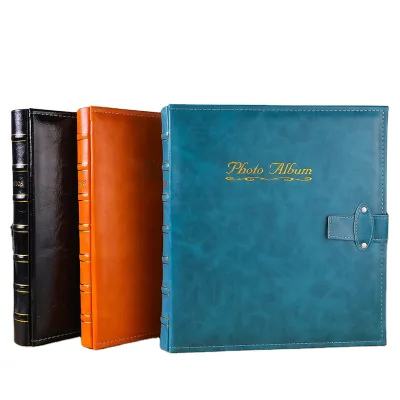
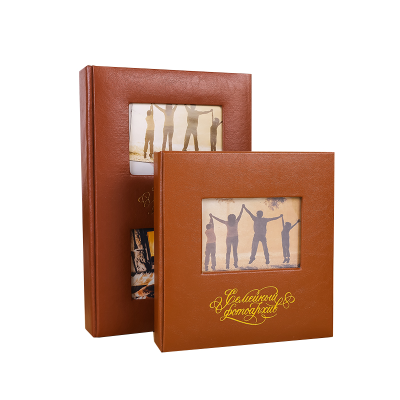
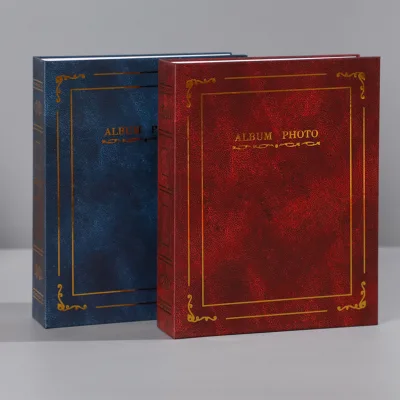
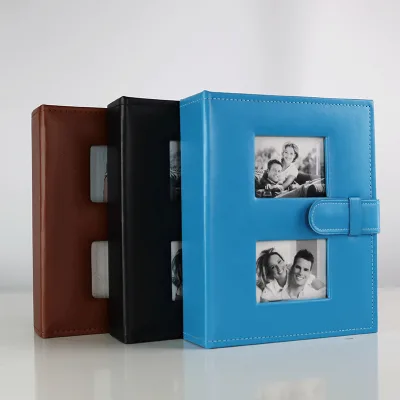
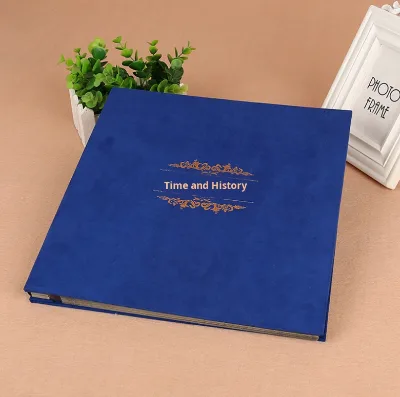
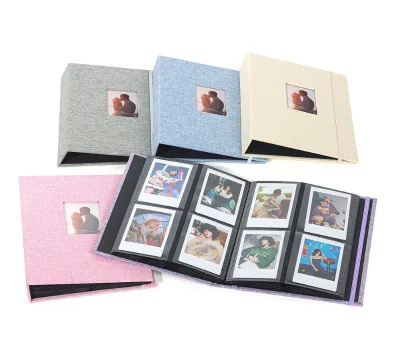
Good Quality Family Photo Album 200 Photos 4x6inch Pu Collectscrapbook Photo Album
$1.60 - $2.55
MOQ: 500

Wenzhou Gangtong Stationery & Crafts Co., Ltd.
- Manufacturer, Trading Company
- Zhejiang, China
- Lead time30 days
- Avg. response≤ 6h
Main productsStationery & Office Supplies,Ring Binder,Clipboard Folder,Portfolio,Card Holder
Main marketsSouth Asia(100.0%), Central America(100.0%), North America(52.0%), Western Europe(20.0%), Domestic Market(10.0%), South America(8.0%), Northern Europe(2.0%), Mid East(2.0%), Africa(1.0%), Oceania(1.0%), Eastern Asia(1.0%), Southern Europe(1.0%), Southeast Asia(1.0%), Eastern Europe(1.0%)
$7.75 - $7.86
MOQ: 10 pieces

Forever Standing Stationery Co., Ltd.
- Combined
- China Guangdong
- Lead time30 days
- Avg. response≤ 25h
Main productsCosmetic Box, Jewelry Box, Make up Box, Wine Box, Wine Bags, Wine Rack, Storage Box, Gift Packing Box, Photo Albums, Stationery and Office Supply
Main marketsSouth America,Africa,Southeast Asia/ Mideast,East Asia(Japan/ South Korea),Domestic,Europe,Australia,North America

Jinhua Glosense Household Products Co., Ltd.
- Trading Company
- Zhejiang, China
- Lead time15 days
- Avg. response≤ 2h
Main productsBudget Binder/Notebook/Binder Accessories,pen,notebook,PVC Envelopes,Tumbler and straws
Main marketsNorth America(50.0%), Northern Europe(10.0%), Eastern Asia(10.0%), South Asia(5.0%), Southern Europe(5.0%), Oceania(5.0%), Central America(5.0%), Southeast Asia(5.0%), Mid East(5.0%)

Hefei Jingyi Image Printing Co., Ltd.
- Verified by CTI
- Trading Company,Manufacturer/Factory
- China Anhui
- Lead time15 days
- Avg. response≤ 7h
Main productsTent, Inflatable Arch, Flag, Banner, Sticker, Photo Booth Props, Event Display Stands, Pop up Tent, Star Tent, Inflatable Advertising
Main marketsSouth America,Eastern Europe,Mid East,North America,Southeast Asia,Eastern Asia,Oceania,Western Europe,Africa


Premium Genuine Leather Photo Album - for Photography, Wedding Albums & Boudoir Photo Books
$35.00 - $150.00
MOQ: 1 Pieces


Customizable Suede & Velvet Cover Photo Albums | Pro Quality for Professional Shoots
$30.00 - $120.00
MOQ: 1 Pieces
Dongguan Leading Photo Album Co., Ltd.
- Manufacturer, Trading Company
- Guangdong Province, China
- Lead time0 days
- Avg. response≤ 2h
Main productsPhoto Album,Camera,Photographic Accessories
Main marketsNorth America(30.0%), Domestic Market(20.0%), Southern Europe(15.0%), Western Europe(15.0%), Eastern Europe(5.0%), Eastern Asia(5.0%), Northern Europe(5.0%), Mid East(5.0%)

$2.70 - $3.34
MOQ: 32 pieces
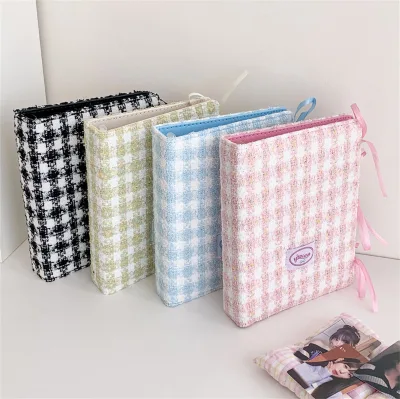
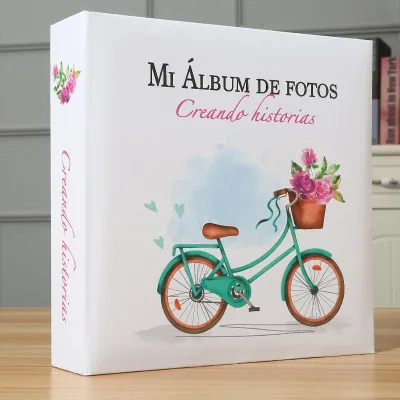
Zhaoqing Goss Trading Co., Ltd.
- Trading Company
- Guangdong, China
- Lead time7 days
- Avg. response≤ 3h
Main productskpop photocard holder,kpop photo album,kpop cup sleeve,kpop keychian,kpop hand fans
Main marketsNorth America(50.0%), South Asia(10.0%), Mid East(10.0%), South America(10.0%), Africa(5.0%), Eastern Asia(5.0%), Southeast Asia(5.0%), Northern Europe(3.0%), Western Europe(2.0%)
Shenzhen Baoan District Bsalona Clothing Firm
- Manufacturer, Trading Company, Distributor/Wholesaler
- Guangdong, China
- Lead time0 days
- Avg. response≤ 4h
Main productsKpop cardholder,kpop photo album,kpop cup sleeve,kpop keychian,kpop hand fans
Main marketsNorthern Europe(8.0%), Domestic Market(8.0%), Western Europe(8.0%), Eastern Asia(8.0%), Mid East(8.0%), Oceania(8.0%), Africa(8.0%), Southeast Asia(8.0%), Eastern Europe(8.0%), South America(8.0%), North America(8.0%), Central America(7.000000000000001%), South Asia(5.0%)
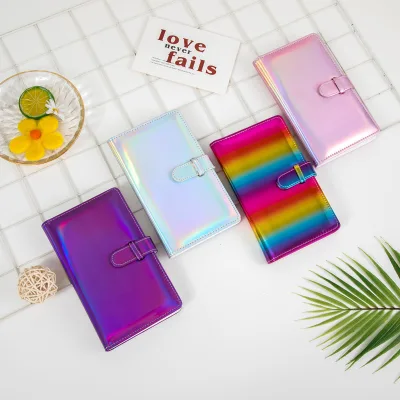





Comprehensive Sourcing Guide
Transparent Portable Photo Album Supplier Concentration and Factory Types
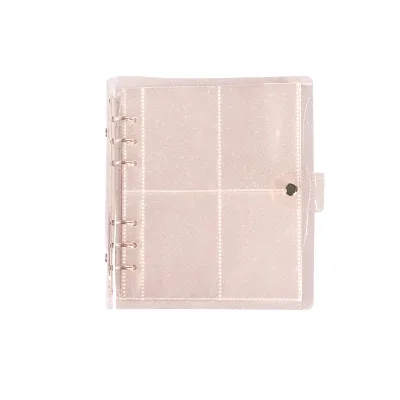
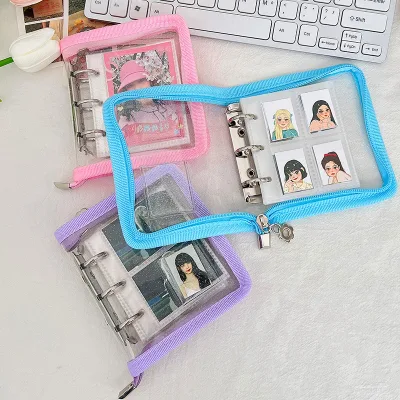
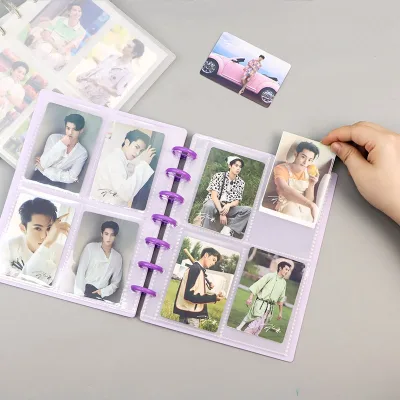
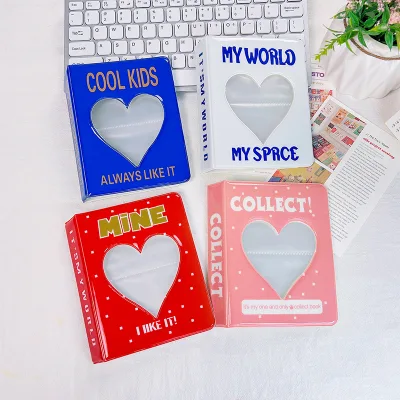
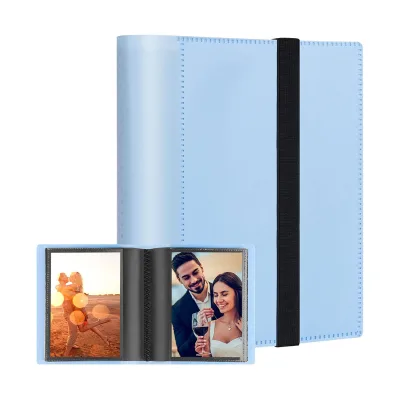
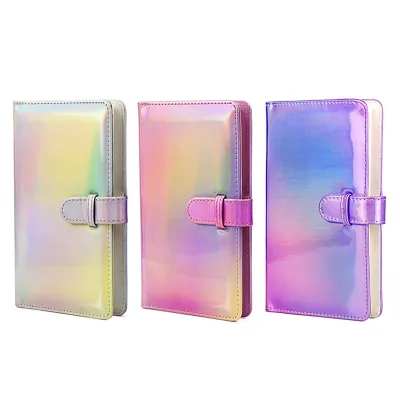
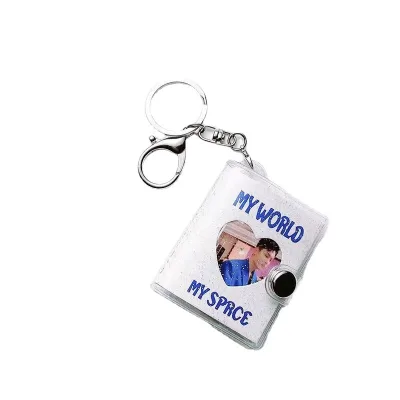
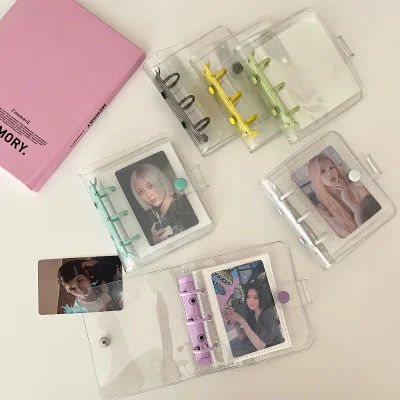
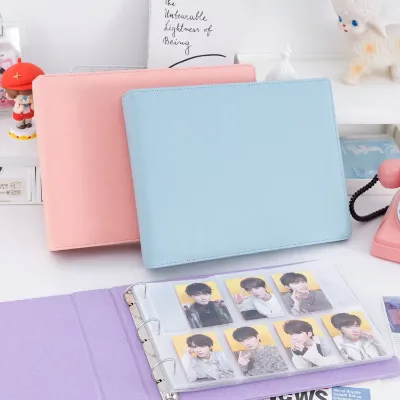
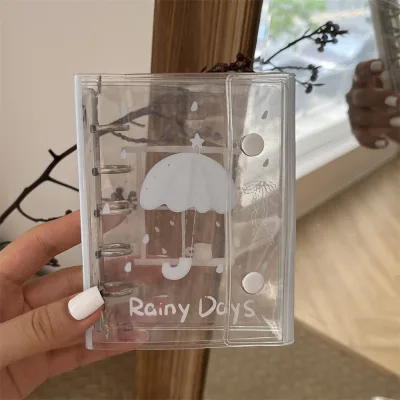
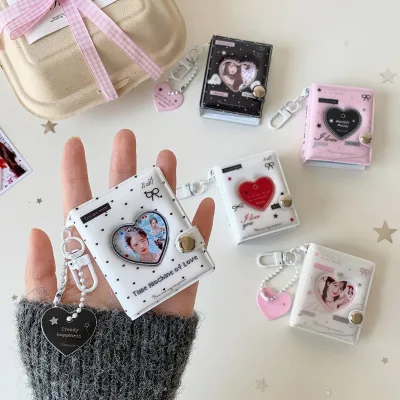
When you begin mapping the supply base for transparent portable photo albums, the first task is distinguishing between manufacturers that bind and assemble albums in-house and trading companies that consolidate output from several workshops. The supplier results for this category show both company types present, with some firms listing Manufacturer and Trading Company roles simultaneously, meaning they may produce certain product lines while sourcing others. Album-focused suppliers in the results list main products such as card storage, card sleeves, card binders, folders, storage bags and inner pages, which signals a product-adjacent supplier base: many of these companies treat photo albums as one segment of a broader card-and-collection accessories portfolio rather than as a standalone category.
Regional concentration is visible in the supplied facts only to a limited degree. One supplier is located in Guangdong, China, and one product listing states a place of origin of Guangdong, while another product cites Shandong as its origin. Beyond these data points, you should not assume a single dominant cluster from the page itself. Instead, ask each shortlisted supplier for its factory address and confirm whether the address matches a recognized album-producing area before committing. Verifying origin matters because production capability, tooling for plastic comb and ring binding, and printing options such as silk screen, digital, embossing and die cutting printing are usually tied to the actual producing site, not the trading office address.
How to Verify Transparent Portable Photo Album Suppliers
Verification starts with the credentials and identifiers displayed on each supplier profile, then moves to independent confirmation. In the current results, some suppliers carry system certifications such as CE and RoHS, and others show CE together with a machinery directive reference, so certification scope differs noticeably across this category. Because transparent photo albums are consumer contact items with plastic inner pages and PU or PP covers, ask each supplier to confirm which specific certification applies to the album materials you intend to buy, and request the certificate documents rather than accepting a badge alone. Verification status also varies: some profiles show third-party on-site verification by recognized inspection bodies such as Intertek or TüV Rheinland, which is a meaningful filter, but not every supplier on the page displays a verification mark, so treat its absence as a question to ask, not an automatic disqualification.
Beyond profile badges, request evidence tied to the product itself. The category facts show suppliers already publishing detailed product attributes—cover material, inner page material, binding type, model numbers and printing methods—so ask for the same level of documentation on your planned specification, including a sample before production. A practical check is to compare the sample against the stated attributes: confirm the PU cover weight, the PP inner page transparency, and the finishing such as matte varnishing, gloss varnishing or gold stamping. Finally, verify the factory address and business license through a third-party audit or an in-person visit, especially when a supplier's role combines manufacturing with trading, since the producing entity may differ from the contracting entity.
What to Compare Across Transparent Portable Photo Album Suppliers
Build a comparison table using the attributes suppliers actually display, and mark every missing field as unknown rather than assuming a default. The results expose several usable dimensions. Response time is one: figures such as 3 hours and 8 hours appear among the suppliers, a spread wide enough to affect how quickly you can iterate on artwork and packaging. Lead time is another, with displayed values of 20 days and 30 days, which directly shapes your reorder calendar for seasonal retail. Minimum order quantities matter just as much: one product listing shows an MOQ of 200 pieces at a unit price range of roughly 1.40 to 1.80, while another album product shows an MOQ of 100 with prices from 1.50 to 3.50, and a third listing does not display a price or MOQ at all—so quote requests must fill the gaps.
Compare customization and production capability next. Research and development capacity labels in the results include light customization, sample processing, graphic processing and customized on demand, and one supplier explicitly lists album production machines, album inner sheets, album covers and hard cover machines among its main products, which suggests upstream equipment relevant to custom cover production. Also compare product evidence quality: listings that state dimensions (for example 11.5 x 19 x 2 cm or 20 x 23.8 x 4.2 cm), inner page counts, pocket capacity, binding type and accepted logo customization give you a firmer basis for comparing offers than listings with only a title and image. Weight suppliers higher when their evidence is specific and verifiable.
Common Transparent Portable Photo Album Sourcing Risks
The most common risk in this category is specification drift between the quoted sample and mass production. Transparent inner pages depend on PP or PVC sheet clarity, and listings in the results show both materials in use—PP inner pages on one product and PVC inner pages on another—so confirm which polymer your supplier will actually use, and whether the sheet will remain clear after varnishing or lamination steps such as matte lamination or gloss lamination that appear in the product attributes. A second risk is over-reliance on displayed attributes. Product data such as waterproof and eco-friendly claims, model numbers, or "high quality" feature labels are supplier-authored, not independently tested, so any performance claim relevant to your market must be validated with your own testing before shipment.
Commercial risks cluster around inconsistent data and hidden middlemen. Price ranges shown on listings are usually indicative; the 1.40–1.80 and 2.00–2.20 ranges observed here will change with page count, cover material, printing colors and order quantity, so never budget from listing prices alone. When a supplier is a trading company—as some in this category openly are—clarify who owns the producing factory, who controls tooling for embossing or hot foil stamping, and who is responsible for reorders. Another frequent risk is MOQ mismatch: a supplier advertising 100-piece MOQs on one item may impose different minimums on fully customized versions with custom logos or custom inner page counts. Finally, small sample-time claims such as 1–3 days should be verified with an actual sample order, since turnaround often lengthens once custom artwork is involved.
Transparent Portable Photo Album Regional Sourcing and Logistics
Regional sourcing decisions should rest on the location facts actually supplied rather than on assumptions about where albums are made. In the current results, the concrete geographic data points are limited: one supplier is listed in Guangdong, China, one product states Guangdong as its place of origin, and another product cites Shandong, China. These two provinces host different supplier profiles in this dataset—a Guangdong supplier focused on card sleeves, card boxes, binders and inner pages, and a Shandong-linked supplier listing album production machinery alongside finished albums and covers. Where your priority is small customized runs of pocket albums, and where it is heavy album books or covers, should be tested with each supplier rather than assumed from province alone.
Logistically, plan around the lead times and packing details suppliers disclose. Displayed lead times of 20 and 30 days set the baseline for ocean freight planning; add sample transit time on top, since samples must be couriered, evaluated and approved before production starts. Check packing specifications: one listing specifies 1 piece per OPP bag, which protects transparent covers from scuffing in transit, and you should require equivalent protective packing for any album with a varnished or stamped cover. Confirm carton dimensions and gross weight for the specific album size you order—compact wallet-style albums and larger ring-bound binders cube out very differently in a container. Finally, ask each supplier which port it ships from and whether it can consolidate album orders with other product lines, since many suppliers here sell adjacent card accessories that can share container space.
Transparent Portable Photo Album Commercial Terms and Order Planning
Order planning for this category should be built around the commercial facts suppliers display, with every gap filled by written quotation. Use the observed benchmarks as anchors for negotiation: MOQs of 100 and 200 pieces, unit prices ranging from roughly 1.40 to 3.50 depending on construction, sample lead times quoted in days, and production lead times of 20 to 30 days. Convert these into a full timeline: artwork approval, sample production and shipping, sample approval, deposit, mass production, inspection and booking. Because customization is broadly offered—customized logos, custom colors, custom page counts and on-demand customization appear repeatedly—budget additional time for each custom element, since a custom cover with embossing or gold stamping will typically extend the simple quoted lead time.
Structure payment and order terms defensively. Use a deposit-plus-balance structure with the balance released after pre-shipment inspection confirms pocket counts, page counts, binding integrity and cover finishing against your approved sample. Insist that the contract specifies the exact model number, dimensions, materials (PU or PP, for example), printing method and surface finishing, because these are precisely the attributes suppliers list and can therefore commit to in writing. For repeat orders, negotiate a standing specification so the 20-to-30-day production window holds without renegotiation. When quantities are below typical MOQs, ask whether mixed-color or mixed-model orders within one MOQ are accepted, which is common with color options listed as 1, 2 and 3. Keep all quoted terms current, since displayed prices and lead times change between listing updates.
FAQs
What is the typical MOQ for a Transparent Portable Photo Album?
Listed Transparent Portable Photo Album products carry MOQs as low as 100 to 200 pieces, depending on the model. Smaller-bound albums with PU covers and 96 pockets start at 200 pieces, while some perfect-bound albums quote 100 pieces. Confirm the exact MOQ for your chosen pocket count, cover material and customization level before requesting a quotation.
How much does a Transparent Portable Photo Album cost per unit?
Quoted unit prices in current results range from about 1.40 to 1.80 USD for a 96-pocket PU-cover album and 2.00 to 2.20 USD for a 200-pocket ring-bound PP binder. Final pricing depends on order quantity, printing colors and surface finishing, so request an itemized quote based on your specification.
What materials are commonly used for these albums?
The common construction combines a PU leather or PP cover with clear PP or PVC inner pockets. PP inner pages are described as waterproof and eco-friendly, and covers can receive matte or gloss varnishing, lamination, or gold stamping. Ask suppliers to confirm material thickness and pocket clarity samples before mass production.
What customization options are available for portable photo albums?
Suppliers advertise OEM and ODM services including customized logos, patterns and colors, with printing methods such as silk screen, digital, UV, embossing and letterpress printing. Binding options include plastic comb and ring binding, and inner page counts can be customized. Request a pre-production sample to verify print quality and logo placement.
How long is the production lead time?
Current supplier results show lead times of 20 to 30 days after order confirmation. The shorter figure applies to one supplier and the longer to another, so lead time varies by factory workload and order complexity. Ask each supplier to confirm the lead time in writing for your specific quantity and customization requirements.
How quickly do suppliers typically respond to inquiries?
Recorded response times in the current results range from 3 to 8 hours. Faster responses help when comparing quotes or arranging samples, so send a detailed inquiry including pocket count, size, cover material and logo files. Suppliers listed include both manufacturers and trading companies, which can affect reply depth and speed.
How long does sampling take for a custom album?
One listed 200-pocket ring-bound album advertises a sample time of 1 to 3 days, which covers standard configuration sampling. Customized covers, special printing or non-standard sizes may extend this window. Budget for sample shipping time as well, and always approve a physical sample before confirming the mass production order.
Where are these photo album suppliers located?
The suppliers in the current results are based in China, with product origins listed in Guangdong and Shandong provinces. Guangdong is noted for card storage products including binders and sleeves, while Shandong appears for bound photo books. Confirm the exact factory address and shipping terms when you request quotations.