Unisex Lightweight Canvas Shoes Suppliers and Manufacturers
Compare 25 verified suppliers offering Unisex Lightweight Canvas Shoes with details on response times, lead times, and certifications like TüVRheinland and SGS. Review product specs including materials and sizes, then request samples to verify quality before placing orders; review the available evidence before requesting comparable quotations from suitable candidates.
Updated
Suppliers List
Fuzhou Gean Imp & Exp Trading Co., Ltd.
- Verified by TüVRheinland
- Trading Company
- Lead time30 days
- Avg. response≤ 2h
Main productsSlippers
Main marketsNorth America(45%), South America(25%), Eastern Asia(20%)

Quan Zhou Jin Jiang Cenki Imp&Exp Co., Ltd.
- Verified by SGS
- Trading Company
- China Fujian
- Lead time30 days
- Avg. response≤ 2h
Main productsSport Shoes, Casual Shoes, Slippers, Sandals, Boots, Flip Flops, Football Shoes, Clog Shoes, Safety Shoes, Children Shoes
Main marketsAfrica


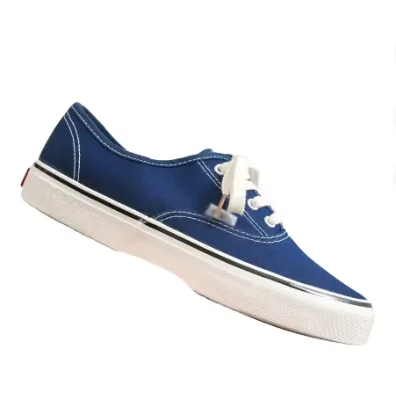
Custom Logo Unisex Classic Casual Lightweight Breathable Sneakers Fashion Canvas Shoes
$3.00 - $7.00
MOQ: 100 Pairs

Manufacturer Direct Lightweight Casual Lace-up for Everyday Use Canvas Shoes
$3.00 - $7.00
MOQ: 100 Pairs

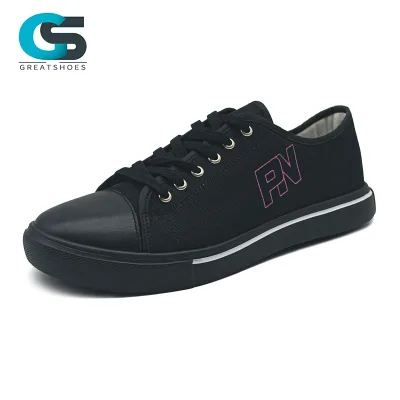
Lightweight Breathable Low-Cut Sneakers with Anti-Slip Grip for Men Comfort Canvas Shoes
$3.00 - $7.00
MOQ: 100 Pairs

Lightweight Breathable Casual Flats with Slip-Resistant Outsole for Men Women Use Canvas Shoes
$3.00 - $7.00
MOQ: 100 Pairs

Rui'an Hehang International Trade Co., Ltd.
- Verified by Intertek
- Trading Company
- Lead time20 days
- Avg. response≤ 5h
Main productsSports Shoes, Canvas Shoes, Soccer Shoes, Sandals Shoes, Boots
Main marketsSoutheast Asia(25%), Western Europe(15%), North America(12%)
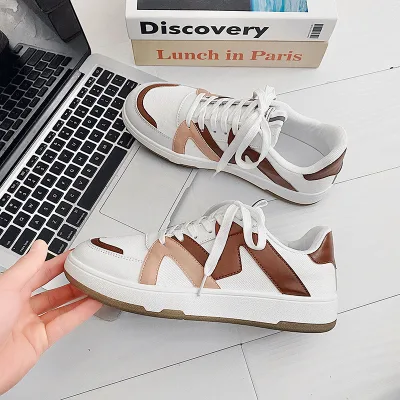
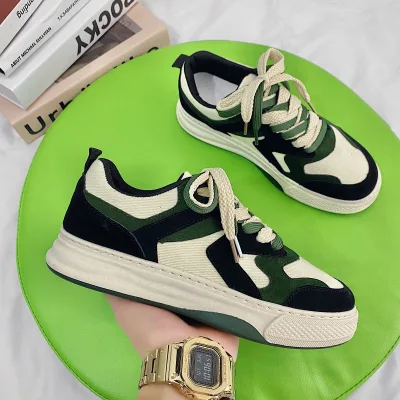
Wholesale Multi-color Lace-up Soft Bottom Increase Black and Green Canvas Shoes
$6.00 - $9.00
MOQ: 2 pairs
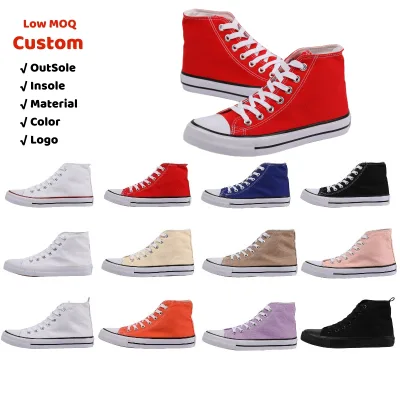
Wholesale Red Canvas Shoes Woman Comfortable Vulcanized Shoes Ladies Lace Up Casual Shoes
$2.259 - $3.80
MOQ: 300 pairs
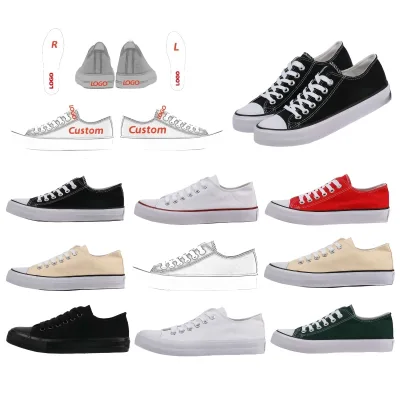
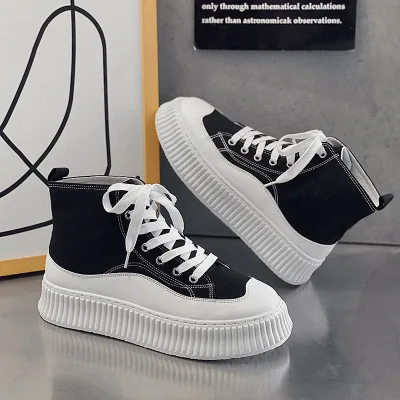
2023 Custom Casual Shoes Trendy Sneakers Men New Thick Bottom Fashion Classic Canvas Shoes
$7.58 - $9.28
MOQ: 2 pairs
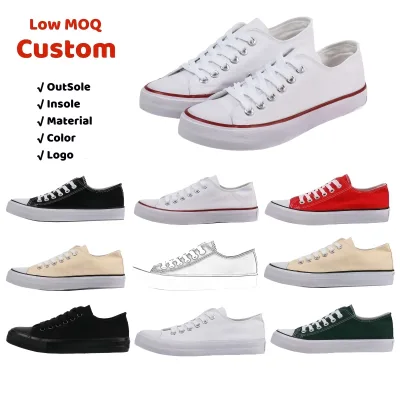
$2.00 - $3.20
MOQ: 300 pairs
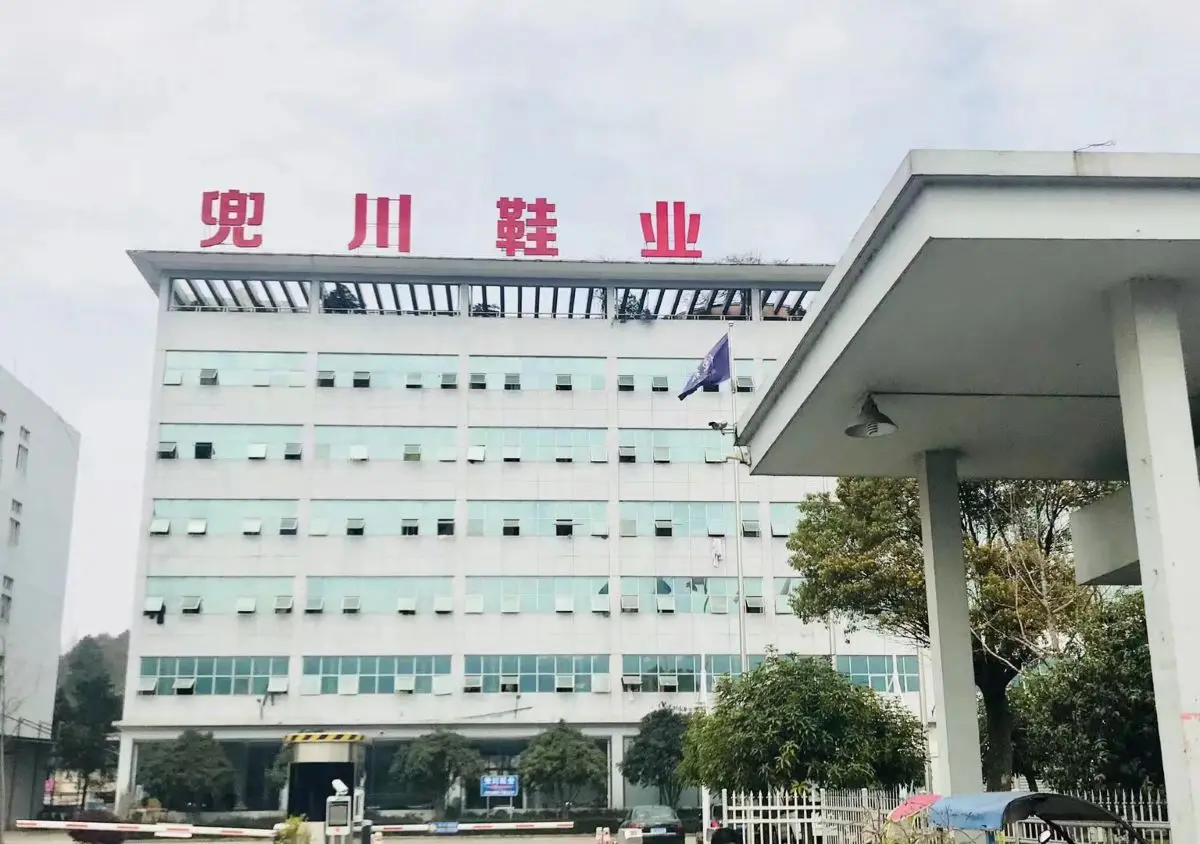
Ruian Douchuan Trading Co., Ltd.
- Manufacturer, Trading Company
- Zhejiang, China
- Lead time20 days
- Avg. response≤ 4h
Main productsCanvas Shoes; Sneakers; Casual Shoes; Hiking Shoes; Boots
Main marketsMid East(30.00%), Southeast Asia(30.00%), Domestic Market(10.00%), Africa(10.00%), South Asia(5.00%), Central America(5.00%), South America(5.00%), North America(5.00%)
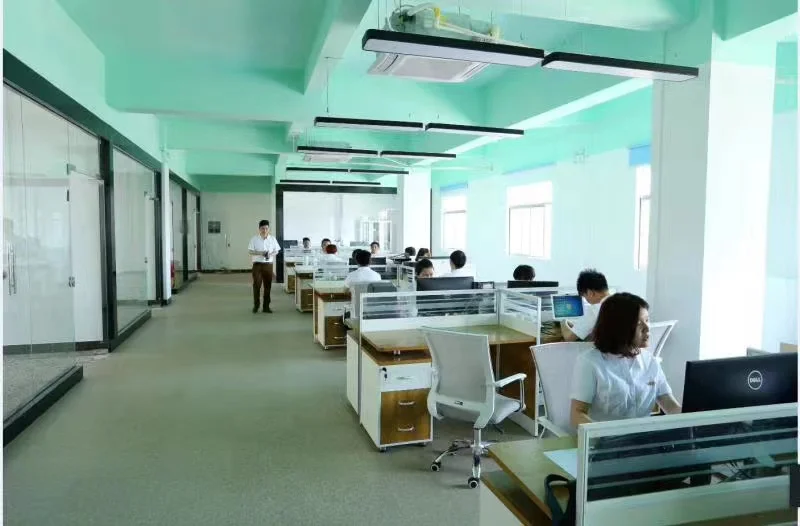
Quanzhou Beidelun International Trade Co., Ltd.
- Trading Company
- Fujian, China
- Lead time10 days
- Avg. response≤ 2h
Main productsmen shoes,casual shoes,sunglasses,perfumes,Luxury watches
Main marketsNorth America(30.00%), Western Europe(12.00%), South America(10.00%), Central America(10.00%), Southeast Asia(10.00%), Eastern Europe(10.00%), Mid East(8.00%), Northern Europe(5.00%), Africa(5.00%)
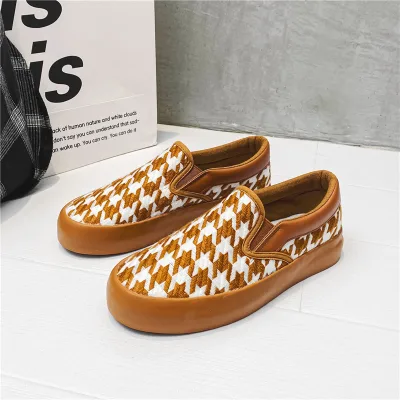
High Quality Wholesale Lightweight Comfortable Men and Women Flat Casual Shoes Canvas Fashion Shoes
$6.6646 - $8.4079
MOQ: 2 pairs
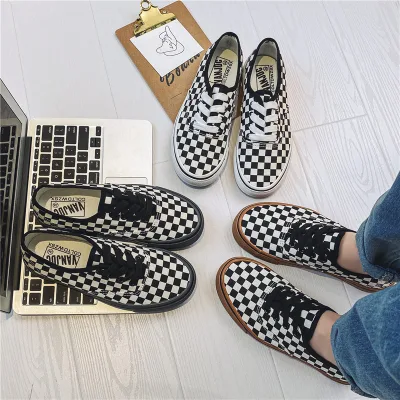
Men and Women Canvas Shoes Fashion Walking Casual Shoes Breathable Wear-resistant Sneakers
$6.0799 - $8.1396
MOQ: 2 pairs
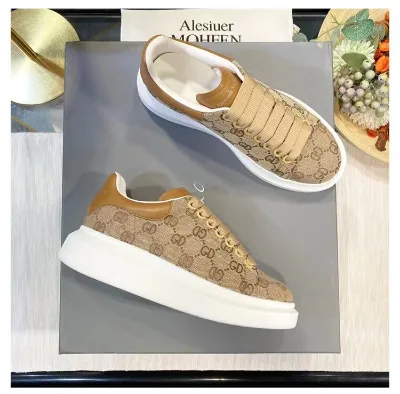
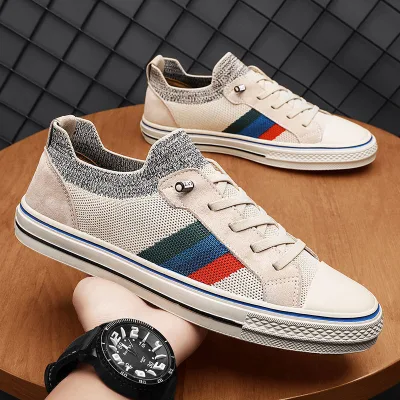
New Spring and Summer Retro Canvas Running Shoes Trendy Anti-Slippery Walking Shoes with Mesh Lining
$6.0799 - $7.3361
MOQ: 1 pairs

Fujian Jieying Import and Export Trade Co., Ltd.
- Verified by CTI
- Combined
- China Fujian
- Lead time45 days
- Avg. response≤ 9h
Main productsCasual Shoes, Men Shoes, Women Shoes, Skateboard Shoes, Kids Shoes, Walking Shoes
Main marketsSouth America,Africa,Southeast Asia/ Mideast,Europe,North America


Men Fashion Canvas Sneakers Shoes Light Breathable Casual Comfortabie Shoes
$10.00 - $11.00
MOQ: 300 Pairs

Guangzhou Starnest Import and Export Trading Co., Ltd.
- Verified by TUVRHEINLAND
- Trading Company
- China Fujian
- Lead time15 days
- Avg. response≤ 3h
Main productsShoes, Clothes, Watches, Bags, Jewelry, Toys
Main marketsEurope

Canvas Shoes Low Top Casual for Spring Summer Breathable Lightweight Outdoor Shoes
$10.00 - $35.00
MOQ: 500 Pairs


Casual Canvas Shoes Low Top Versatile for Unisex Spring Summer Breathable Shoes
$10.00 - $35.00
MOQ: 500 Pairs


Canvas Shoes Low Top Casual Versatile for Unisex Spring Summer Breathable Outdoor Shoes
$10.00 - $35.00
MOQ: 500 Pairs


Xiamen Newtop Footwear Co., Ltd.
- Verified by SGS
- Trading Company
- China Fujian
- Lead time60 days
- Avg. response≤ 3h
Main marketsSoutheast Asia/ Mideast,Europe,North America

Fashion Women Casual Canvas Sneakers Lightweight Walking Shoes Comfortable
$11.20 - $12.99
MOQ: 1 Pairs

Leather-Lined Canvas Footwear Men Casual Comfort Shoes Lightweight Daily Wear Sport-Inspired
$12.30 - $12.40
MOQ: 500 Pairs


Modern Aesthetic Colorful Laid-Back Canvas Shoes for Casual Look Footwear
$11.20 - $12.99
MOQ: 1 Pairs


- Manufacturer, Trading Company
- Zhejiang, China
- Lead time15 days
- Avg. response≤ 2h
Main productsshoes,Kids shoes,slippers
Main marketsEastern Europe(30.00%), Domestic Market(15.00%), North America(10.00%), Southeast Asia(5.00%), South Asia(5.00%), Southern Europe(5.00%), Northern Europe(5.00%), Western Europe(5.00%), Eastern Asia(5.00%), Mid East(5.00%)
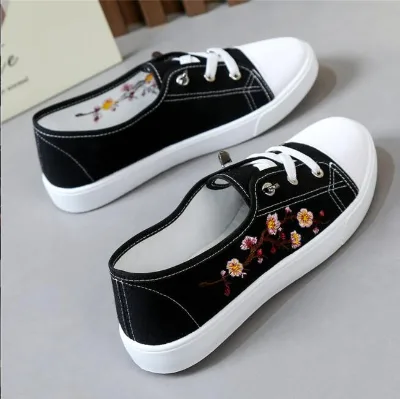
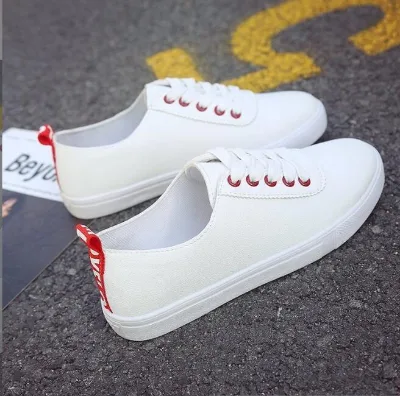
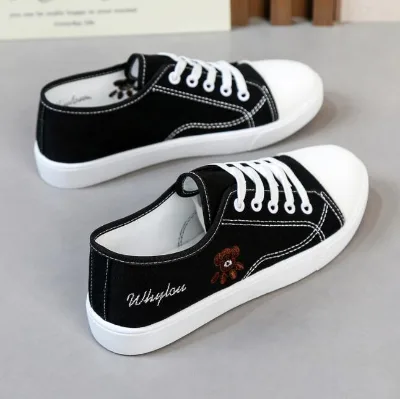
$0.784 - $3.1119
MOQ: 2 pieces
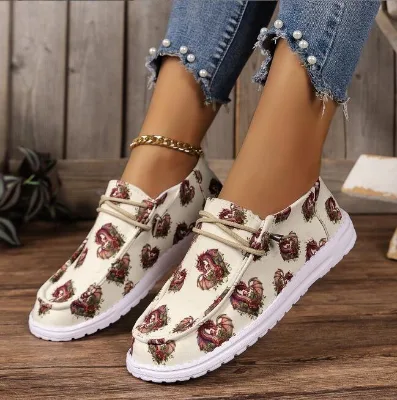
$1.4915 - $5.6557
MOQ: 2 pieces
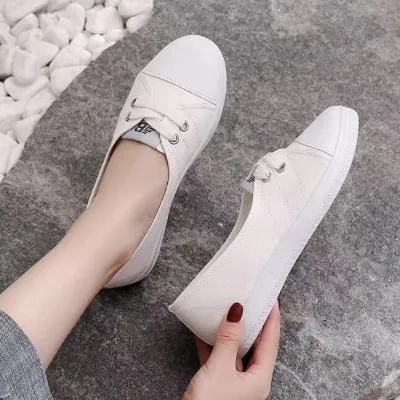
Spring Autumn New Fashion Canvas Shoes Leisure Comfortable Wholesale Canvas Shoes
$0.784 - $3.1119
MOQ: 2 pieces
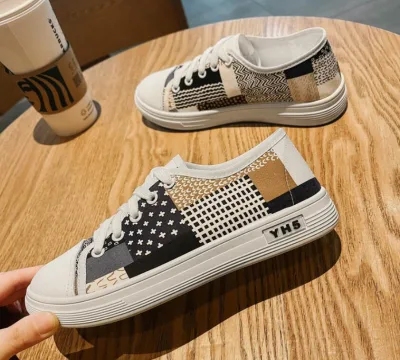
Casual Fashion Walking Style Canvas Shoes All-Match Slip Board Shoes Breathable Canvas Shoes
$0.784 - $3.6546
MOQ: 2 pieces

QUANZHOU JINJIANG NEW BLT SHOES CO.,LTD
- Verified by BV
- Trading Company,Manufacturer/Factory
- China Fujian
- Lead time0 days
- Avg. response≤ 22h
Main productsSport Shoes, Casual Shoes, Hiking Shoes, School Shoes, Canvas Shoes, Water Shoes, Outdoor Shoes, Skateboard Shoes, PVC Injection Shoes, Running Shoes
Wenzhou Nairui Shoes Company Limited
- Verified by Intertek
- Manufacturer, Trading Company
- Lead time40 days
- Avg. response≤ 2h
Main productsCasual Shoes, Flats Shoes, Hiking Boots, Snow Boots
Main marketsNorth America(25%), Eastern Europe(20%), Western Europe(20%)

Quanzhou Bestway Import and Export Co., Ltd.
- Verified by CTI
- Trading Company,Manufacturer/Factory
- China Fujian
- Lead time45 days
- Avg. response≤ 14h
Main productsSports Shoe, Shoe, Casual Shoes, Soccer Shoes, Hiking Shoes, Moulds, Machinery, Leisure Shoes, Children Shoes, Sneaker
Main marketsSouth America,Eastern Europe,Mid East,North America,Southeast Asia,Western Europe,Africa


Hot Sale Classical Shoes Canvas Vulcanized Shoe Fashion Comfortable Shoe
$4.20 - $5.00
MOQ: 3600 Pairs

Quanzhou Jiaxin Shoes Co., Ltd.
- Verified by Intertek
- Manufacturer, Trading Company
- Lead time0 days
- Avg. response≤ 2h
Main productsCasual Shoes, Safty Shoes, Sports Shoes, Training Shoes, WaterProof Hiking Shoes
Main marketsSouth Asia(33%), North America(30%), Western Europe(30%)
Jiangyin Qiwei International Trade Co., Ltd.
- Trading Company
- Jiangsu, China
- Lead time10 days
- Avg. response≤ 2h
Main productsPlastic storage,Cotton rope handicraft,Storage supplies
Main marketsNorth America(40.00%), Mid East(20.00%), Southeast Asia(20.00%), Eastern Europe(20.00%)

- Verified by CTI
- Trading Company
- China Jiangsu
- Lead time23 days
- Avg. response≤ 5h
Main productsDesert Boots, Hunting Boots, Safety Boots&Shoes, Hiking Shoes, Casual Shoes, Snow Boots, Slippers, Clothing
Main marketsSoutheast Asia/ Mideast,Europe
Hangzhou Huangxuan Trading Co., Ltd.
- Verified by Intertek
- Trading Company
- Lead time35 days
- Avg. response≤ 6h
Main productsVulcanized Shoes, Casual Sneakers, Sandals, Kids Shoes, Canvas Shoes
Main marketsWestern Europe(26%), North America(21%), Eastern Asia(19%)
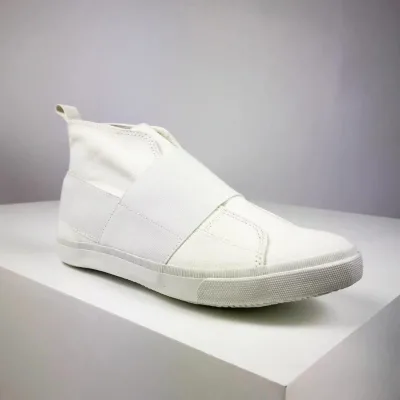
Low MOQ Unisex Style Fashion Men Vulcanized Shoes Blank White Canvas Shoes Custom Shoes
$13.86 - $18.10
MOQ: 200
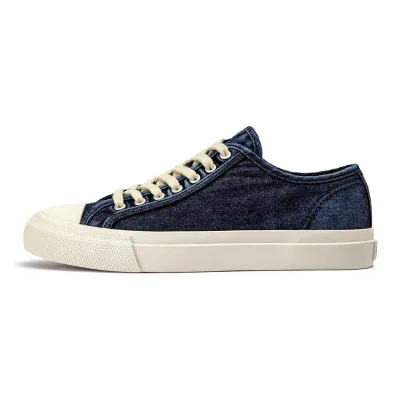
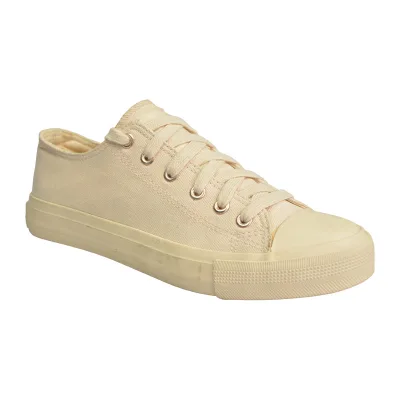
Simple Style Canvas Shoes Wholesale Shoes Customization of logo and Color Available Women
$11.90 - $13.50
MOQ: 300
- Verified by SGS Group
- Trading Company
- Lead time0 days
- Avg. response≤ 2h
Main productsFootwear, Sports Equipment, Compound Material
Main marketsEastern Asia(41%), North America(33%), Domestic Market(11%)

Jinjiang Maituo Import and Export Trading Co., Ltd.
- Verified by CTI
- Combined
- China Fujian
- Lead time60 days
- Avg. response≤ 7h
Main productsShoe, Shoe Accessories, Sporting Shoes, Shoe Machine, Shoe Sole, Microfiber PU, Space Leather, TPU, Basketball Cover, Textile Fabrics
Main marketsEurope
Henan Yongsheng Network Technology Co., Ltd.
- Trading Company
- Henan, China
- Lead time0 days
- Avg. response≤ 3h
Main productsSneakers,Casual Shoe,Business shoes,bag,Boots
Main marketsNorth America(70.00%), Domestic Market(5.00%), South Asia(5.00%), Southern Europe(5.00%), Central America(5.00%), Western Europe(5.00%), Mid East(5.00%), Southeast Asia(5.00%), Eastern Europe(5.00%), South America(5.00%)

Putian Xufa Import & Export Trade Co., Ltd.
- Verified by BV
- Trading Company,Manufacturer/Factory
- China Fujian
- Lead time23 days
- Avg. response≤ 3h
Main productsCasual Shoe, Running Shoe, Uniform, Blankets, Footwear, Sport Shoes, Athletic Shoes, Leather Shoes, Hats, Canvas Shoes
Main marketsSouth America,Eastern Europe,Mid East,North America,Southeast Asia,Eastern Asia,Oceania,Western Europe,Africa


Fashion Custom Sneakers High Top Lace-up Shoes Classic Casual Canvas Shoes
$12.00 - $13.50
MOQ: 1 Pairs


Casual Shoes Fashion Sneakers Breathable Comfort Walking Sneaker Shoes for All
$11.50 - $12.50
MOQ: 1 Pairs
Jinjiang Great Shoes Tech Co., Ltd.
- Verified by TüVRheinland
- Manufacturer, Trading Company
- Lead time60 days
- Avg. response≤ 2h
Main productsSlippers, Sandle, Sport Shoes
Main marketsNorth America(20%), Mid East(15%), Eastern Europe(10%)

Zhijiang Zhuozun Trading Co., Ltd.
- Trading Company
- China Hubei
- Lead time0 days
- Avg. response≤ 2h
Main productsShoes, Clothes, Bags, Sneakers, Casual Shoes, Basketball Shoes, Down Jacket, Wallet, Handbag, Perfume


Multi-Color Canvas Shoes for Men, Suitable for Autumn and Winter Casual and Sports Wear.
$38.00 - $45.00
MOQ: 1 Pieces

$38.00 - $45.00
MOQ: 1 Pieces


Suzhou Jiekon Puri-Tech Co., Ltd.
- Verified by TUVRHEINLAND
- Trading Company
- China Jiangsu
- Lead time15 days
- Avg. response≤ 25h
Main productsMicrofiber Cleanroom Wiper, Cleanroom Wiper, Sticky Mat, Finger Cot, Anti Static Clothes, Anti Static Fabric
Main marketsDomestic
Luoyang Lingbao Trading Co., Ltd.
- Trading Company
- Henan, China
- Lead time20 days
- Avg. response≤ 10h
Main productswalking shoes,casual shoes,running shoes,sneakers,canvas shoe
Main marketsDomestic Market(15.00%), North America(15.00%), Southeast Asia(10.00%), Mid East(10.00%), South America(5.00%), South Asia(5.00%), Southern Europe(5.00%), Northern Europe(5.00%), Central America(5.00%), Western Europe(5.00%), Eastern Asia(5.00%), Eastern Europe(5.00%), Oceania(5.00%), Africa(5.00%)
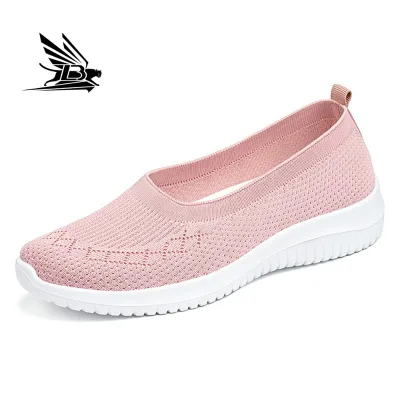
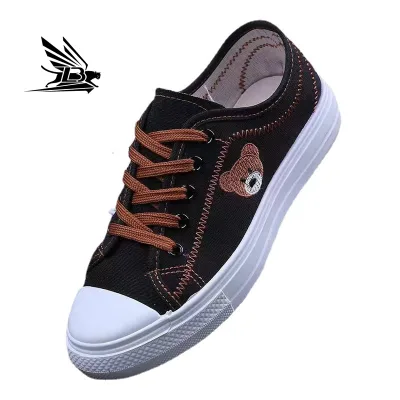
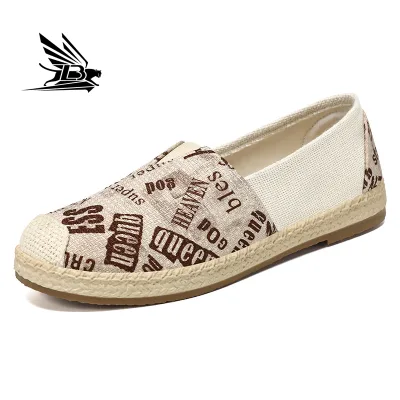
New Fashion Shoes Canvas Shoes Fashion Simple Non-slip Quick-drying Casual Shoes
$1.82 - $2.08
MOQ: 1000
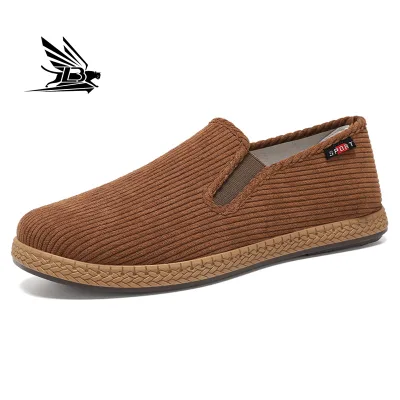
$2.7267 - $3.1389
MOQ: 1000 pairs
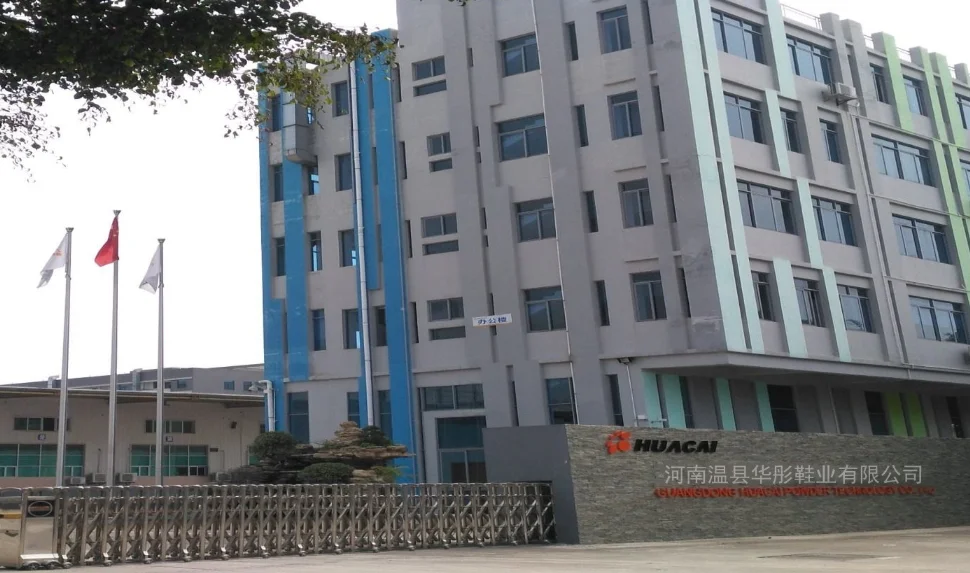
- Manufacturer, Trading Company
- Henan, China
- Lead time10 days
- Avg. response≤ 5h
Main productsSports Shoes,Casual Shoes,Cotton Shoes,caravan shoes,Sandals
Main marketsDomestic Market(30.00%), North America(30.00%), Western Europe(20.00%), Southeast Asia(10.00%), Africa(10.00%)
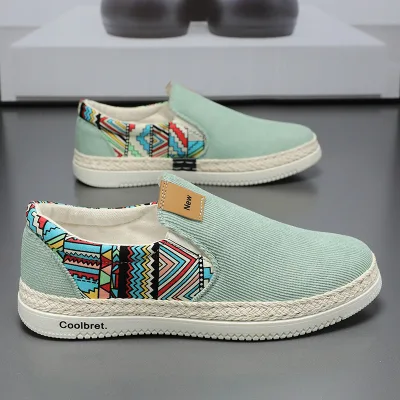
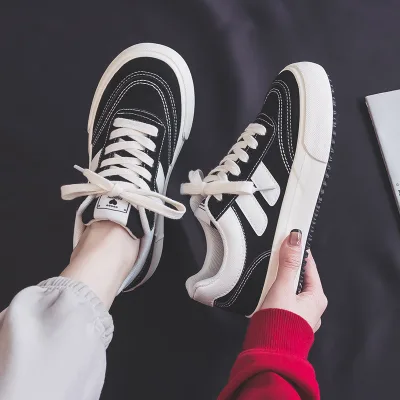
$7.0033 - $7.6194
MOQ: 2 pairs


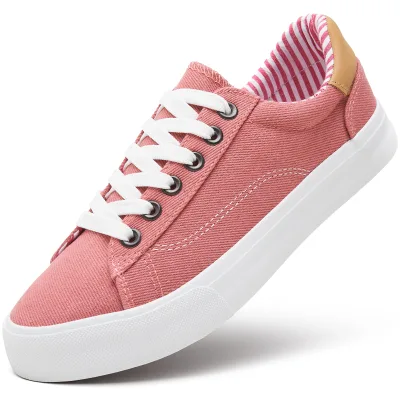
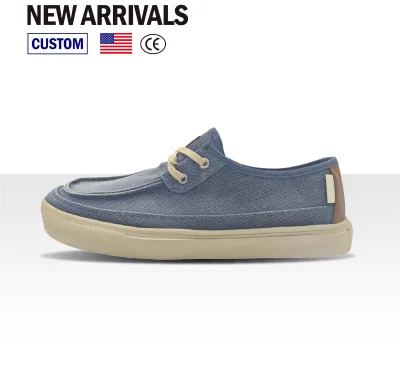
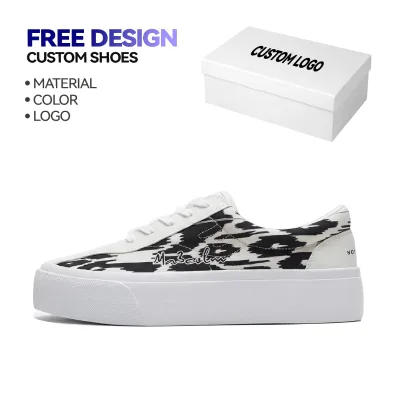
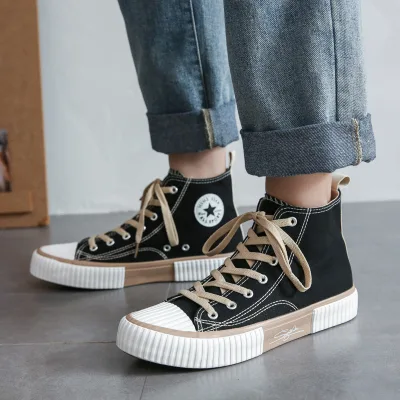
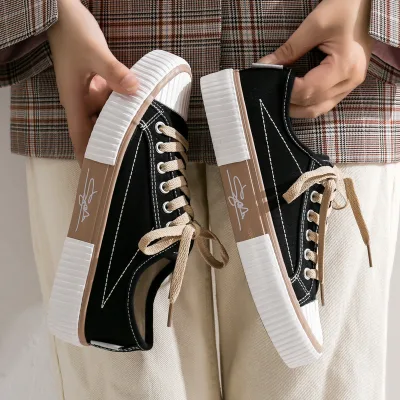


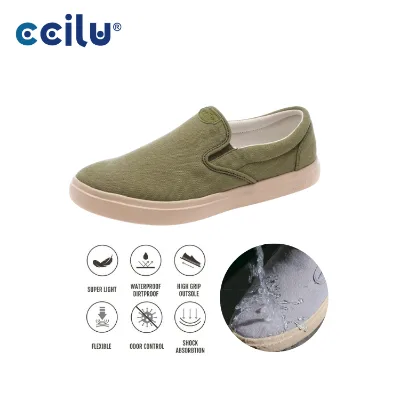
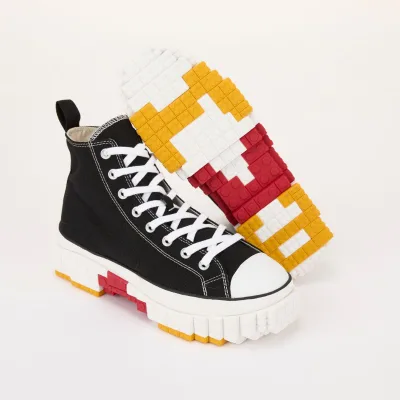


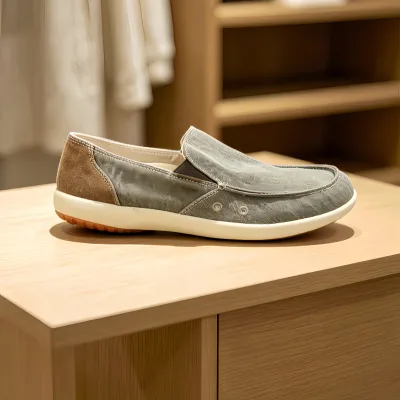


Comprehensive Sourcing Guide
Unisex Lightweight Canvas Shoes Supplier Concentration and Factory Types
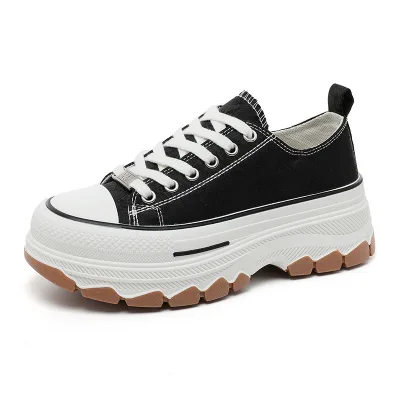
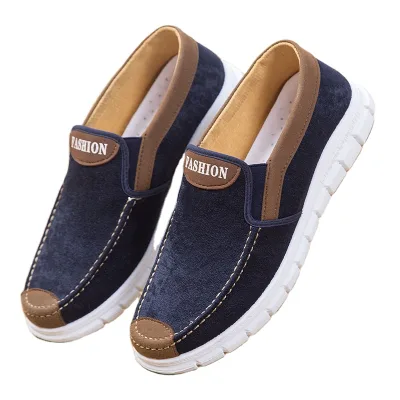
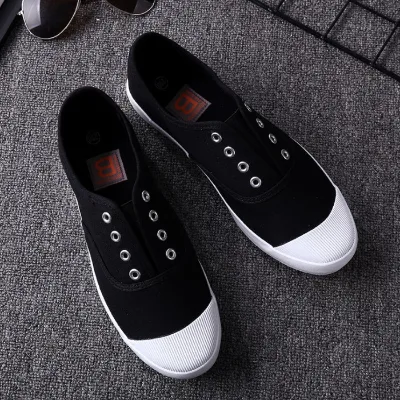
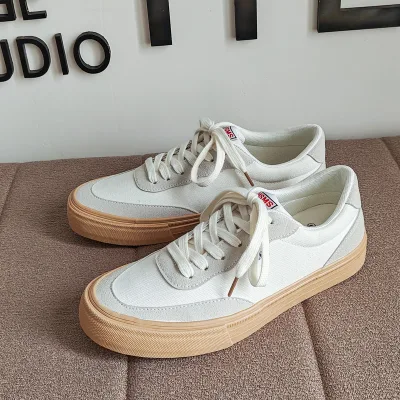
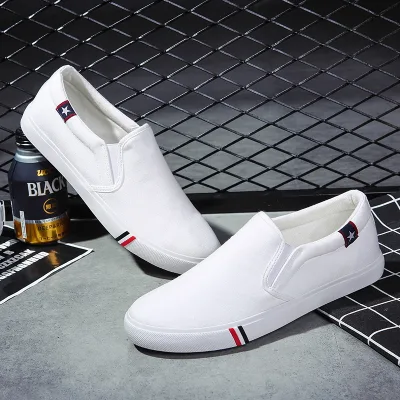
When evaluating the landscape for Unisex Lightweight Canvas Shoes, buyers must first distinguish between manufacturing capabilities and trading structures. The available data indicates a mix of company types, with trading companies prominently featured alongside direct manufacturers. This distinction is critical because trading companies often aggregate products from multiple factories, potentially offering a wider variety of styles such as vulcanized shoes, slip-ons, and lace-ups in a single catalog. However, direct factories may provide deeper control over the production process, particularly for customizations like logo placement or specific material blends. The presence of entities specializing in sample processing and light customization suggests that many suppliers are agile enough to handle small-batch orders, which is ideal for testing market response before committing to large-scale production runs. Buyers should scrutinize the supplier’s primary business model to understand who holds the actual production authority. If a supplier is a trading company, they act as an intermediary, which can simplify communication but may add layers to the supply chain. Conversely, if they are a manufacturer, they likely have direct oversight of the cutting, sewing, and vulcanization processes. Understanding this dynamic helps in negotiating better terms and ensuring that quality control measures are effectively implemented at the source. The diversity in main products, ranging from sports shoes to sandals, indicates that many suppliers are versatile footwear producers rather than niche canvas specialists. This versatility can be an advantage for buyers seeking a consolidated supplier for multiple footwear categories, but it may also mean that canvas shoes are just one part of a broader portfolio. Therefore, verifying the specific expertise and capacity dedicated to canvas footwear is essential to ensure that the supplier’s resources are adequately focused on your product requirements.
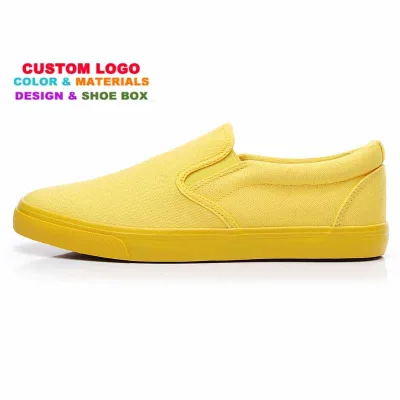
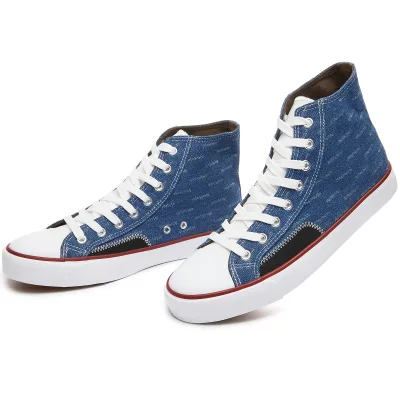
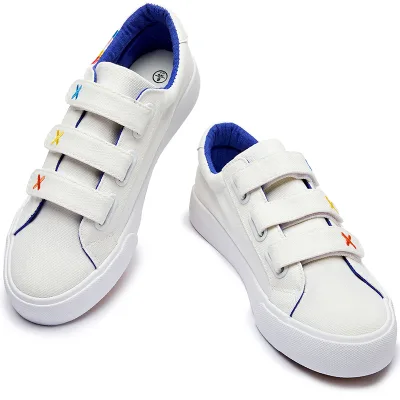
Furthermore, the types of customization available vary significantly across different supplier profiles. Some suppliers offer extensive OEM and ODM services, allowing for fully customized designs, while others may only provide limited modifications such as color changes or logo printing. The data shows that features like anti-slippery outsoles, breathable linings, and various toe styles are common, indicating a standardized approach to basic canvas shoe construction. However, the ability to customize insole materials, such as using EVA for shock absorption, or to adjust the upper material composition, suggests a higher level of technical capability. Buyers should assess whether the supplier’s customization options align with their brand’s unique selling propositions. For instance, if a brand emphasizes eco-friendly materials, the supplier must be able to source and process specific canvas types. Similarly, if the target market requires specific seasonal adaptations, the supplier must demonstrate the flexibility to adjust lining materials for autumn, spring, summer, or winter use. The presence of sample processing capabilities is a positive indicator, as it allows buyers to validate these customization options before mass production. It is also important to note that some suppliers may have restrictions on the extent of customization, particularly regarding complex structural changes to the shoe’s design. Therefore, early in the sourcing process, buyers should clearly communicate their customization needs and verify that the supplier has the technical infrastructure and material supply chain to meet those specific requirements without compromising on quality or lead times.
How to Verify Unisex Lightweight Canvas Shoes Suppliers
Verification is the cornerstone of mitigating risk in international sourcing, and for Unisex Lightweight Canvas Shoes, it involves checking multiple layers of credibility. The data reveals that suppliers may hold various third-party verifications, such as TüV Rheinland, SGS, or Intertek. These certifications are not merely badges but indicate that the supplier has undergone rigorous audits of their business operations, quality management systems, and sometimes product safety standards. Buyers should prioritize suppliers with active, recent verifications, as these provide a higher degree of confidence in the supplier’s legitimacy and operational stability. It is crucial to verify the scope of these certifications to ensure they cover the specific products being sourced. For example, a general business verification might not guarantee that the canvas materials meet specific durability or chemical safety standards. Additionally, some suppliers display system certifications like RoHS, which is particularly relevant if the shoes contain any electronic components or if the buyer is concerned about restricted substances in the manufacturing process. However, for traditional canvas shoes, the focus should be on quality management and product safety certifications. Buyers should request copies of these certificates and verify their authenticity through the issuing body’s website. This step is essential to avoid fraudulent claims and to ensure that the supplier adheres to internationally recognized standards. Furthermore, the response time of a supplier can be an indirect indicator of their operational efficiency. A quick response time, such as one or two days, suggests that the supplier has a dedicated team ready to handle inquiries and manage orders promptly. This responsiveness is crucial for maintaining smooth communication throughout the sourcing process, especially when addressing urgent issues or making last-minute changes to orders.
In addition to third-party verifications, buyers should assess the supplier’s internal quality control processes and production capacity. The data indicates that some suppliers have specific capacities for sample processing and light customization, which suggests a structured approach to product development. Buyers should inquire about the supplier’s quality control protocols, including how they inspect raw materials, monitor production stages, and conduct final inspections. Requesting detailed information about their quality assurance team and the frequency of internal audits can provide further insight into their commitment to quality. It is also advisable to check the supplier’s establishment year and track record, although this information may not always be explicitly displayed. A longer operational history can indicate stability and experience in the footwear industry. Buyers should also look for evidence of past successful collaborations, such as case studies or testimonials, although these may not always be available. Another critical aspect of verification is the supplier’s ability to provide product samples. The availability of samples allows buyers to physically inspect the quality of the canvas, the stitching, the outsole material, and the overall fit and comfort of the shoes. Buyers should request samples from multiple suppliers to compare quality and craftsmanship. It is important to note that sample quality may differ from mass production quality, so buyers should also inquire about the supplier’s process for maintaining consistency between samples and bulk orders. By combining third-party verifications with internal quality assessments and sample evaluations, buyers can build a comprehensive picture of the supplier’s reliability and capability. This multi-faceted approach to verification helps to minimize the risk of partnering with unreliable suppliers and ensures that the final products meet the buyer’s standards and expectations.
What to Compare Across Unisex Lightweight Canvas Shoes Suppliers
When comparing suppliers for Unisex Lightweight Canvas Shoes, buyers must evaluate a range of operational and commercial metrics to identify the best fit for their needs. One of the most critical factors is the minimum order quantity (MOQ), which can vary significantly across different suppliers. The data shows that some suppliers offer low MOQs, such as 100 pairs, which is ideal for startups or brands testing new markets. In contrast, other suppliers may have higher MOQs, requiring larger commitments that may not be suitable for all buyers. Buyers should align their MOQ requirements with their inventory management strategy and market demand forecasts. Another key metric is the lead time, which indicates how long it takes from order placement to shipment. The data reveals lead times ranging from 20 to 30 days, which can impact the buyer’s ability to meet seasonal demand or respond to market trends. Shorter lead times are advantageous for agile supply chains, allowing for quicker restocking and reduced inventory holding costs. Buyers should also compare the response time of suppliers, as this affects the efficiency of communication and problem-solving. A faster response time, such as one or two days, suggests a more responsive and customer-centric supplier. Additionally, buyers should evaluate the price range, which can vary based on factors such as material quality, customization options, and order volume. The data shows prices ranging from $3.00 to $15.83 per pair, depending on the specific product features and specifications. Buyers should request detailed quotations that break down the costs, including material, labor, and shipping, to ensure transparency and avoid hidden fees. It is also important to compare the main products offered by each supplier, as some may specialize in specific styles or features, such as vulcanized shoes or slip-ons. By systematically comparing these metrics, buyers can identify suppliers that offer the best balance of cost, quality, and service for their specific requirements.
Furthermore, buyers should assess the supplier’s customization capabilities and product specifications to ensure they align with their brand’s identity. The data indicates that suppliers offer various customization options, including logo printing, color variations, and material adjustments. Buyers should compare the extent of these customization options and the associated costs. Some suppliers may offer extensive OEM and ODM services, allowing for fully customized designs, while others may only provide limited modifications. It is also important to compare the product specifications, such as the upper material, lining material, outsole material, and toe style. The data shows that canvas is a common upper material, with options for rubber or EVA outsoles and various lining materials for different seasons. Buyers should ensure that the supplier’s product specifications meet their quality standards and target market requirements. Additionally, buyers should compare the packaging options, as some suppliers may offer custom packaging solutions that enhance brand visibility. The data shows that products are typically packed in boxes, but buyers should inquire about the possibility of custom packaging designs. It is also advisable to compare the supplier’s after-sales service and warranty policies, as these can impact the long-term relationship and customer satisfaction. By thoroughly comparing these operational and commercial aspects, buyers can make informed decisions and select suppliers that offer the best value and support for their unisex lightweight canvas shoe sourcing needs. This comprehensive comparison helps to minimize risks and maximize the potential for successful partnerships.
Common Unisex Lightweight Canvas Shoes Sourcing Risks
Sourcing Unisex Lightweight Canvas Shoes involves several inherent risks that buyers must proactively manage to ensure a smooth procurement process. One of the most significant risks is quality inconsistency, particularly when dealing with suppliers who have high production volumes or limited quality control resources. The data shows that canvas shoes can vary in terms of material quality, stitching durability, and outsole adhesion, which can lead to customer complaints and returns if not properly managed. Buyers should mitigate this risk by implementing strict quality control measures, including pre-production sample approvals and during-production inspections. It is also advisable to conduct final random inspections before shipment to ensure that the products meet the agreed-upon specifications. Another common risk is lead time delays, which can disrupt the buyer’s supply chain and result in missed market opportunities. The data indicates that lead times can range from 20 to 30 days, but external factors such as raw material shortages, labor issues, or logistical bottlenecks can cause further delays. Buyers should maintain open communication with their suppliers and request regular updates on production progress. It is also advisable to build buffer time into the supply chain to account for potential delays. Additionally, buyers should consider diversifying their supplier base to reduce dependency on a single source and mitigate the impact of supply chain disruptions.
Communication barriers and cultural differences can also pose significant risks, particularly when sourcing from international suppliers. The data shows that suppliers are located in various regions of China, such as Fujian and Zhejiang, which may have different business practices and communication styles. Buyers should ensure that they have clear and concise communication channels with their suppliers, using standardized terminology and documentation to avoid misunderstandings. It is also advisable to work with suppliers who have experienced English-speaking staff or to use professional translation services when necessary. Another risk is intellectual property infringement, particularly when dealing with custom designs or branded products. Buyers should ensure that they have proper legal protections in place, such as non-disclosure agreements and trademark registrations, to safeguard their intellectual property. It is also advisable to work with suppliers who have a strong reputation for respecting intellectual property rights. Finally, financial risks, such as payment fraud or currency fluctuations, can impact the buyer’s bottom line. Buyers
FAQs
What is the price range for Unisex Lightweight Canvas Shoes?
Prices for Unisex Lightweight Canvas Shoes typically range from $3.00 to $15.83 per pair. Specific models vary based on customization options and material quality. Buyers should verify exact pricing with suppliers, as costs depend on order volume and specific design requirements for the final product.
What is the minimum order quantity for these shoes?
The minimum order quantity is generally 100 pairs for standard unisex canvas shoes. Some suppliers may offer lower MOQs for sample processing or specific OEM requests. Buyers should confirm the exact MOQ with the supplier before placing an order to ensure it meets their inventory needs.
How long does production take for these shoes?
Production lead times for Unisex Lightweight Canvas Shoes typically range from 20 to 30 days. This duration depends on the order size and customization level. Buyers should confirm the exact lead time with the supplier to plan their inventory and shipping schedules effectively for timely delivery.
Are these shoes suitable for all seasons?
Yes, many Unisex Lightweight Canvas Shoes are designed for autumn, spring, summer, and winter. The breathable canvas upper and rubber outsole provide versatility across different weather conditions. Buyers should check specific product details to ensure the shoe meets their seasonal performance expectations for comfort and durability.
What materials are used in the construction of these shoes?
These shoes typically feature a canvas upper, rubber outsole, and EVA or canvas lining. Some models include anti-slippery features and shock absorption for added comfort. Buyers should verify the specific material composition with the supplier to ensure it aligns with their quality standards and product requirements.
Can I customize the logo and design of these shoes?
Yes, many suppliers offer OEM and ODM services for logo and design customization. Buyers can request custom logos, colors, and packaging options. It is important to confirm customization availability, minimum order quantities for custom orders, and any additional costs with the supplier before proceeding with the order.