non-slip platform indoor bathing slippers Suppliers and Manufacturers
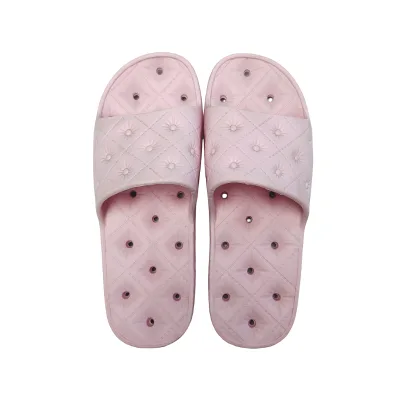
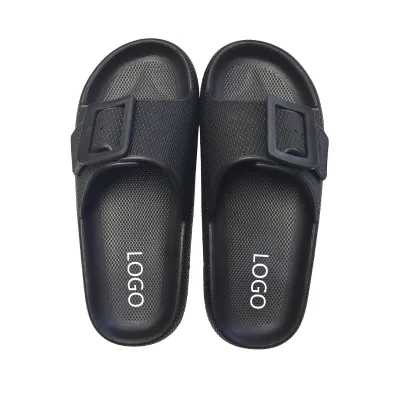
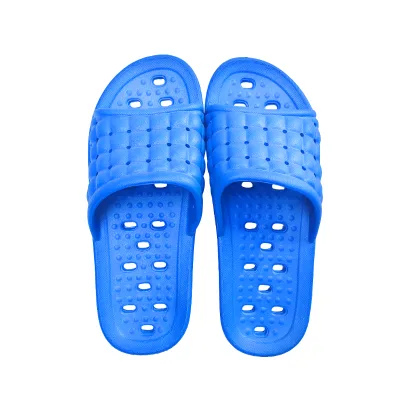
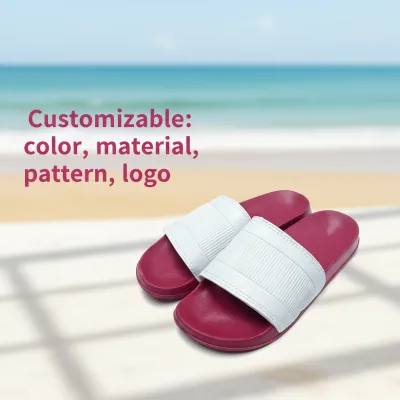
Explore 29 verified options for non-slip platform indoor bathing slippers from China. Compare response times, lead times, certifications, and pricing to find suitable partners. Request samples to verify product quality and customization capabilities; review the available evidence before requesting comparable quotations from suitable candidates.
Updated
Suppliers List

Quanzhou Yuchuang Shoes Co., Ltd.
- Verified by BV
- Combined
- China Fujian
- Lead time23 days
- Avg. response≤ 6h
Main productsSlippers, Flip Flops, Clogs
Main marketsSouth America,Southeast Asia/ Mideast,East Asia(Japan/ South Korea),Europe,Australia,North America

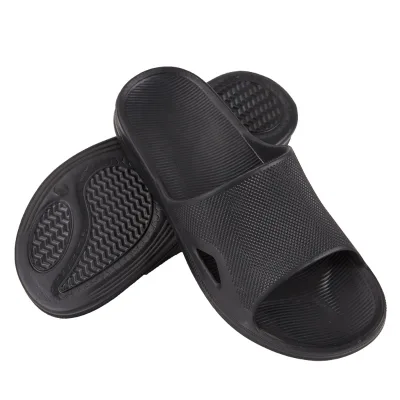
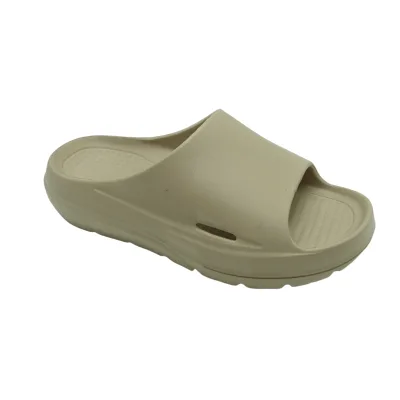
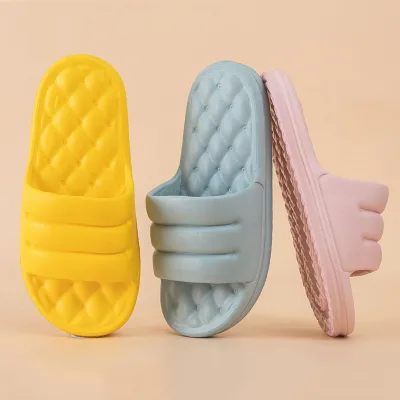
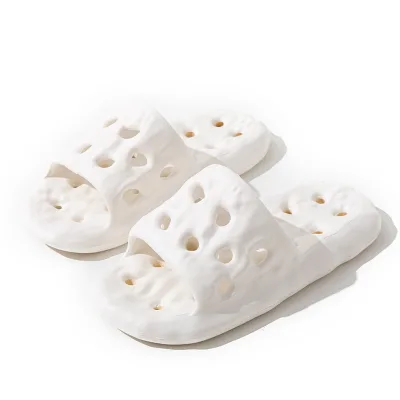
EVA Platform Sandals Men Soft Indoor Home Slides Summer Beach Non-Slip Slippers
$3.23 - $3.85
MOQ: 2 Pairs


Fashion Platform Slippers Female Summer Indoor Outdoor Bathroom Men Home Sandals
$5.98 - $6.75
MOQ: 2 Pairs

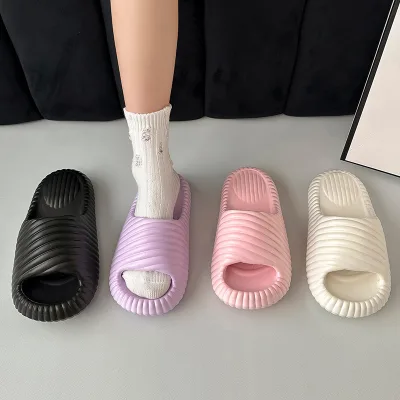
EVA Thick Bottom Breathable Non-Slip Slippers Custom Platform Slides Slippers
$3.98 - $4.50
MOQ: 2 Pairs


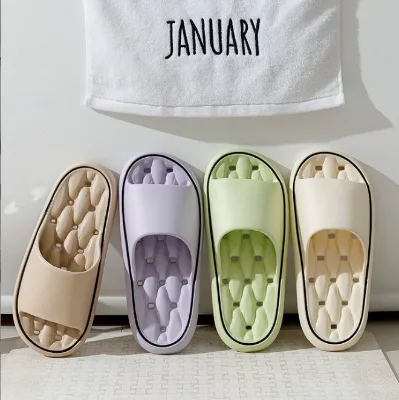
Bathroom EVA Couple Summer Indoor Bath Slippers Casual Breathable Slides Slippers
$2.98 - $3.50
MOQ: 2 Pairs
Jieyang City Rongcheng District Mudina Shoe Factory
- Verified by TüVRheinland
- Trading Company
- Lead time18 days
- Avg. response≤ 3h
Main productsSlippers
Main marketsDomestic Market(100%)
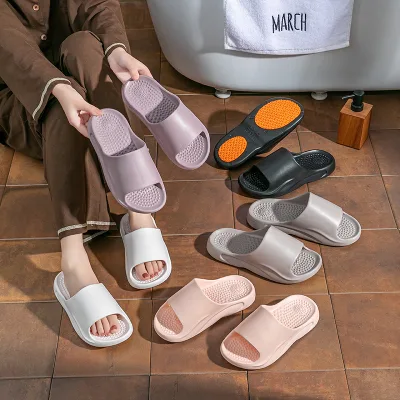
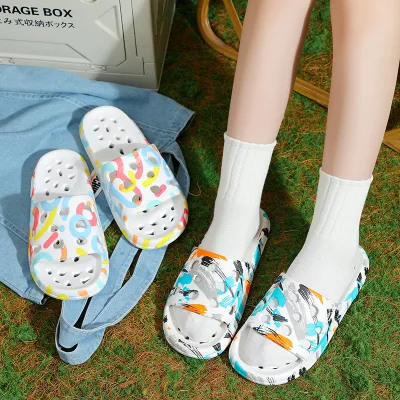
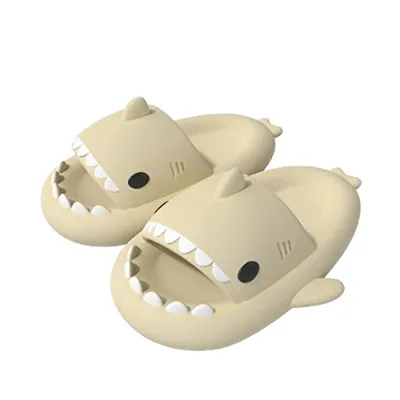
Summer slippers EVA Adult Kids Bathroom slippers Soft Mules Non-Slip Fashionable Home Slippers
$2.80 - $4.50
MOQ: 2 pairs
Quanzhou Anglong Technology Co., Ltd.
- Trading Company
- Fujian, China
- Lead time0 days
- Avg. response≤ 1h
Main productsshoes,soles,pants,yoga clothes,slippers
Main marketsNorth America(80.00%), Northern Europe(10.00%), Western Europe(10.00%)
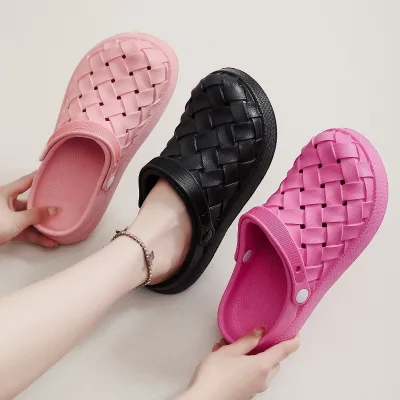
Wholesale Indoor Bathing Slippers for Women Breathable Non-Smelly Feet Non-Slip Household Shoes
$3.42 - $3.50
MOQ: 2 pairs
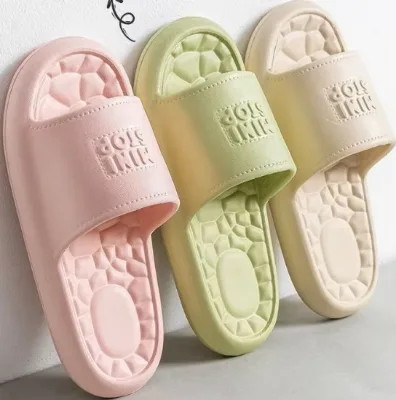
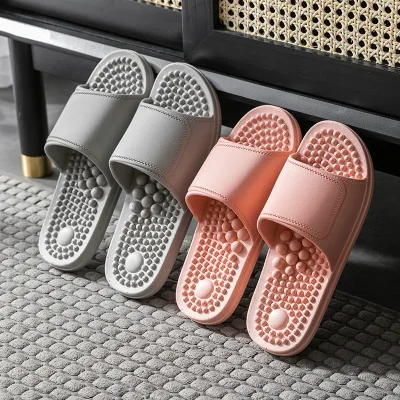
- Verified by SGS Group
- Trading Company
- Lead time30 days
- Avg. response≤ 2h
Main productsFlip Flops Slippers, Slides Slippers, Clogs & Mules, Women Sandals
Main marketsWestern Europe(40%), Eastern Asia(30%), North America(20%)

- Manufacturer, Trading Company
- Zhejiang, China
- Lead time15 days
- Avg. response≤ 2h
Main productsshoes,Kids shoes,slippers
Main marketsEastern Europe(30.00%), Domestic Market(15.00%), North America(10.00%), Southeast Asia(5.00%), South Asia(5.00%), Southern Europe(5.00%), Northern Europe(5.00%), Western Europe(5.00%), Eastern Asia(5.00%), Mid East(5.00%)

Ningbo Youkiunite Imp &Exp Co., Ltd
- Verified by CTI
- Trading Company
- China Zhejiang
- Lead time15 days
- Avg. response≤ 6h
Main productsSocks, Hat/Cap, Slippers, Shoelaces, Scarf, Gloves, Pet Products, Shoes Accessories, Garment Accessories, Shoes
Main marketsSouth America,Europe,North America
Fuzhou Botteli Trading Co., Ltd.
- Trading Company
- Fujian, China
- Lead time30 days
- Avg. response≤ 1h
Main productsflip flops,slipper,bags,clogs,shoes
Main marketsSoutheast Asia(20.00%), North America(15.00%), Northern Europe(10.00%), Eastern Europe(10.00%), Southern Europe(5.00%), South America(5.00%), Central America(5.00%), Western Europe(5.00%), Eastern Asia(5.00%), Mid East(5.00%), Oceania(5.00%), Domestic Market(5.00%), South Asia(3.00%), Africa(2.00%)
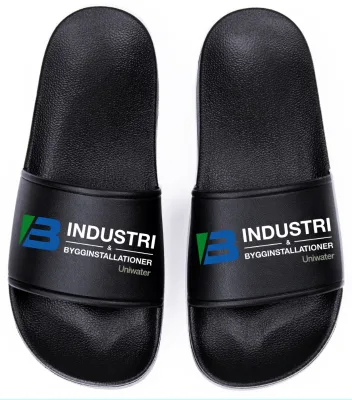
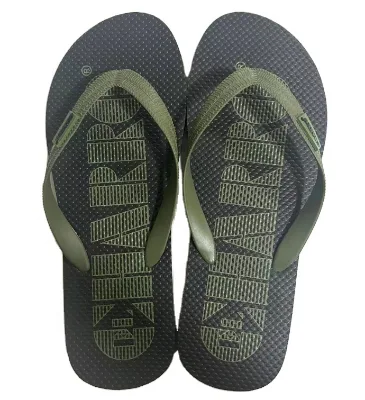
slippers Pe Flip Flops Couple Bathroom slippers
$0.80 - $1.30
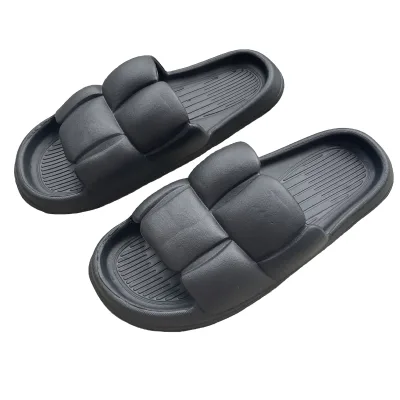
Anti slip Custom Designer Bath slippers
$0.80 - $1.20
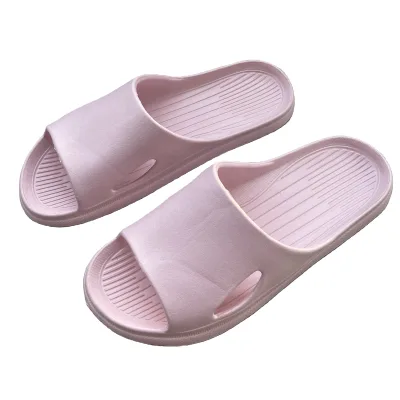
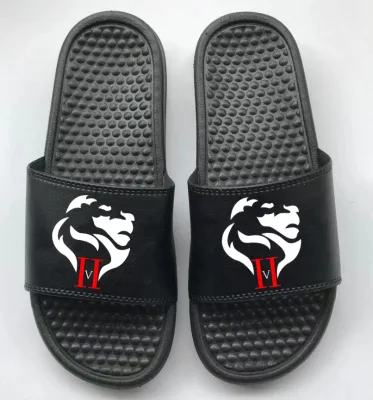
Indoor Custom Printing slippers for Adult
$4.00 - $20.00
Xiamen Everpal Trade Co., Ltd.
- Verified by SGS Group
- Manufacturer, Trading Company
- Lead time30 days
- Avg. response≤ 5h
Main productsFlip Flops, Slippers, Sandals, Clogs, Sports Shoes
Main marketsNorth America(35%), Central America(22%), Western Europe(14%)

Quanzhou Xinpu Trading Co., Ltd.
- Verified by SGS
- Trading Company
- China Fujian
- Lead time15 days
- Avg. response≤ 3h
Main marketsNorth America

- Verified by CTI
- Trading Company
- China Fujian
- Lead time45 days
- Avg. response≤ 2h
Main productsEVA Slippers, Slide Sandals, Beach Sandals, Canvas Shoes, PVC Slippers, PE Slippers, Garden Shoes, Clog, Boots, Flip-Flops
Main marketsEast Asia(Japan/ South Korea)

$1.10 - $1.20
MOQ: 1000 Pairs


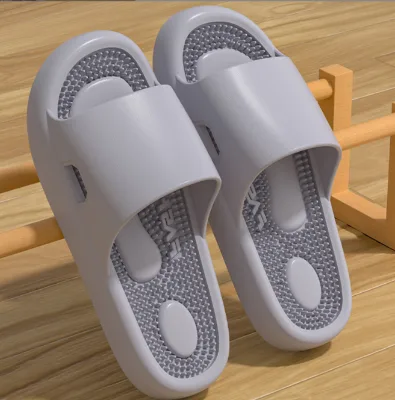
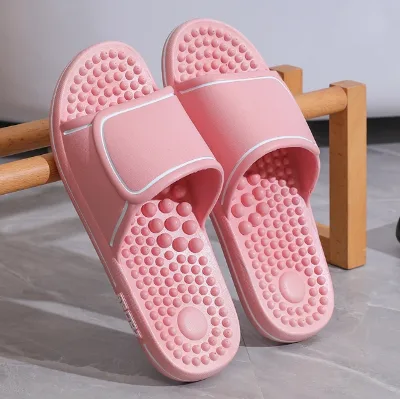
Two-Tone Acupressure Massage Indoor Slide Sandals Quick-Dry Bathroom Unisex Slippers
$3.04 - $3.20
MOQ: 1000 Pairs


- Verified by BV
- Trading Company
- China Fujian
- Lead time30 days
- Avg. response≤ 8h
Main productsSlippers, Flip Flops, Clogs, EVA Beach Slippers, Gift Slippers, Injection Slippers, Canvas Shoes, Sandals
Main marketsSouth America,Africa,Southeast Asia/ Mideast,Europe,North America

$1.50 - $3.50
MOQ: 3000 Pairs

$1.50 - $3.50
MOQ: 3000 Pairs

$1.50 - $3.50
MOQ: 3000 Pairs


Men's Summer EVA Home Slippers Indoor Bathroom Anti-Slip Shoes Lovers Indoor Cool Slippers
$1.50 - $3.50
MOQ: 3000 Pairs

OEM Logo Factory Price Unisex Home Bathroom Non-Slip Massage Slippers Indoor Sandals
$2.00 - $3.50
MOQ: 1000 Pairs

YANCHENG HAPPYNESS IMP. AND EXP. CO. LTD
- Verified by SGS
- Trading Company
- China Jiangsu
- Lead time15 days
- Avg. response≤ 4h
Main productsCustom Slides Slippers, Custom Indoor Slippers, Custom Socks, Custom Caps, Custom Clothing, Custom Rainboots, Custom Winter Boots, Custom Shoes, Custom Slippers, Custom Flipflops
Main marketsSouth America,Africa,Southeast Asia/ Mideast,East Asia(Japan/ South Korea),Domestic,Europe,Australia,North America


Wholesale Summer Custom Waterproof Bathroom Men Women Outdoor Soft EVA Slippers
$2.95 - $4.95
MOQ: 2 Pairs

Yangzhou Haisheng Slipper Co., Ltd.
- Combined
- China Jiangsu
- Lead time23 days
- Avg. response≤ 11h
Main productsHotel Slipper, Disposable Slipper, Hotel Amenities, Slipper, Hotel Supply
Main marketsSoutheast Asia/ Mideast,East Asia(Japan/ South Korea),Domestic,Europe,North America

- Trading Company
- Fujian, China
- Lead time45 days
- Avg. response≤ 3h
Main productsSandal,Slipper,Sneakers,Sports Shoes,Outdoor Shoes
Main marketsAfrica(40.00%), Western Europe(20.00%), Southeast Asia(20.00%), Eastern Asia(10.00%), South America(10.00%)
Xiamen Jerryfootprint Imp & Exp Co., Ltd.
- Verified by TüVRheinland
- Trading Company
- Lead time30 days
- Avg. response≤ 3h
Main productsEVA Recovery Slides, Cork Footbed Sandals, Semi-finished Cork Sandals (Components), Support & Orthotic Insoles, Ergonomic & Healthy Footwear
Main marketsEastern Asia(50%), North America(20%), Western Europe(15%)
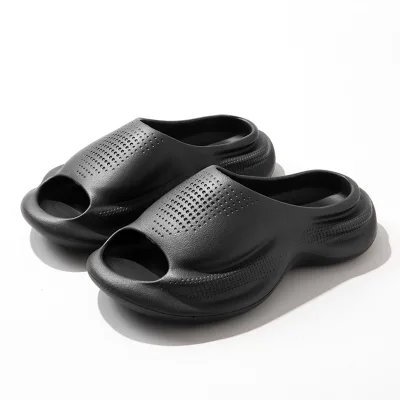
Men's Slide Sandals Non-Slip Shower Slipper Indoor Bathroom House Shoes Soft Foams Sole Pool Slides
$3.89 - $4.39
MOQ: 500 pairs
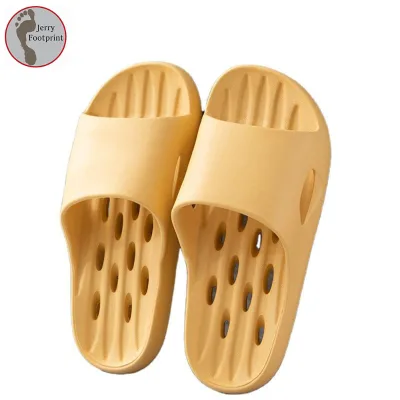
$2.0356 - $3.6785
MOQ: 100 pairs
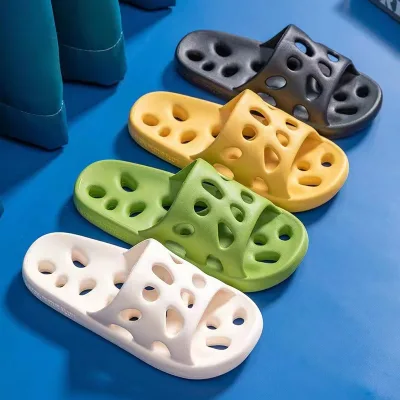
$1.0868 - $1.2007
MOQ: 1200 pairs
Ningbo Aggpo Import And Export Co., Ltd.
- Verified by SGS Group
- Trading Company
- Lead time5 days
- Avg. response≤ 5h
Main productsHousehold daily goods, Consumer goods, Pet goods, Sports goods, Hardware goods
Main marketsNorth America(30%), South America(30%), Western Europe(25%)
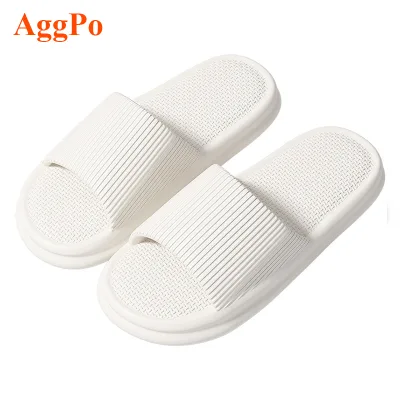
$0.787 - $0.8904
MOQ: 100 pairs
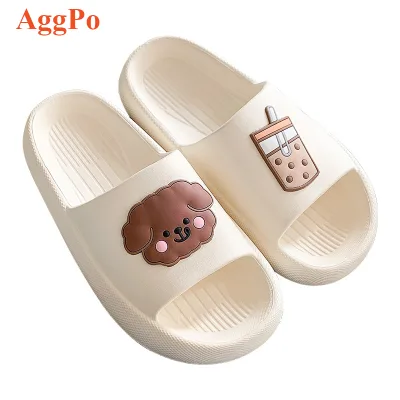
$1.43 - $2.8586
MOQ: 100 pieces
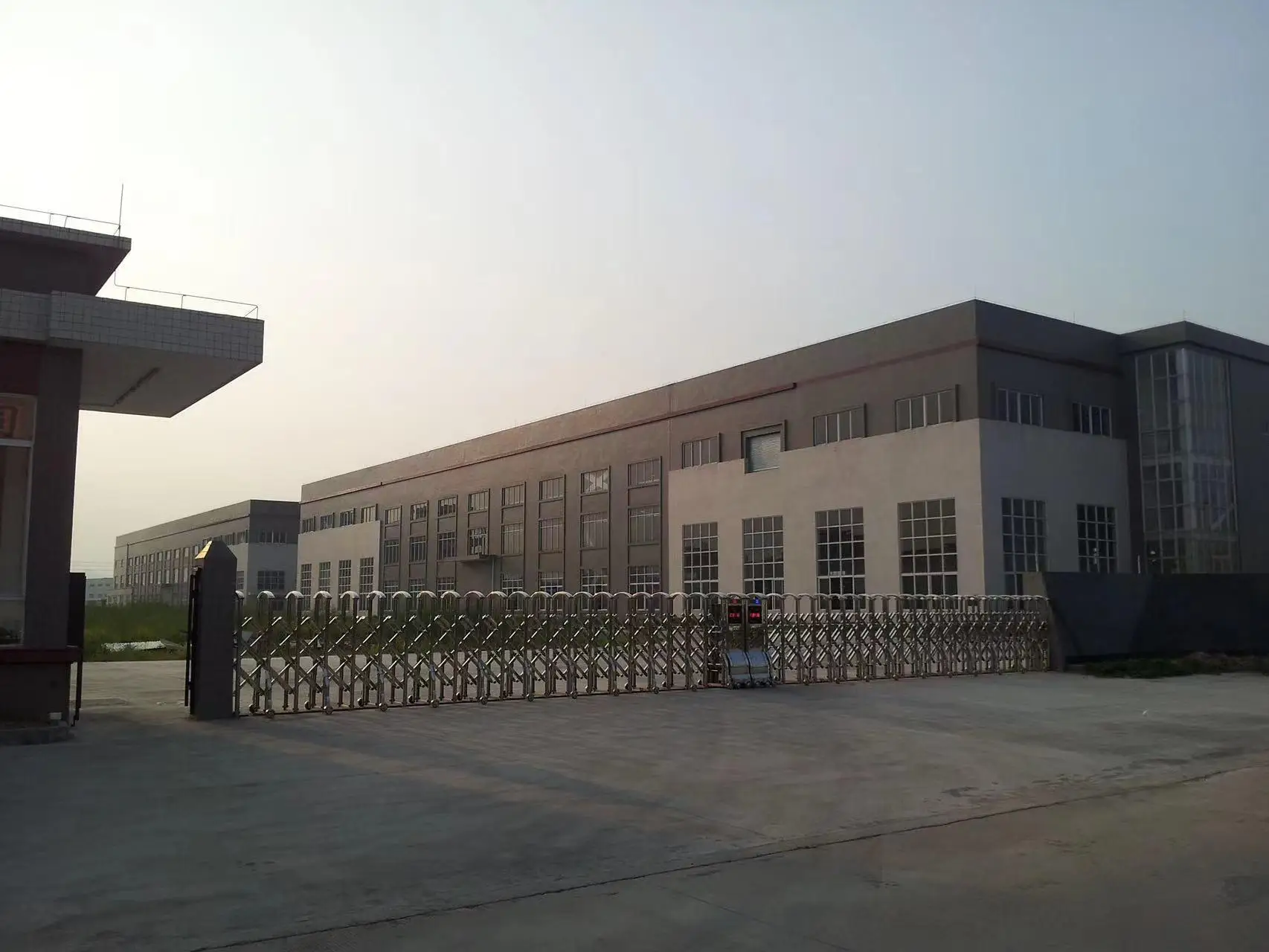
Suzhou Three Friends Home Technology Co., Ltd.
- Trading Company
- Jiangsu, China
- Lead time0 days
- Avg. response≤ 7h
Main productsshoes,customization Shoes and accessories,customization Tote bag,Suede / leather shoes,EVA slipper
Main marketsSouth America(20.00%), North America(20.00%), Southeast Asia(10.00%), South Asia(5.00%), Southern Europe(5.00%), Northern Europe(5.00%), Central America(5.00%), Western Europe(5.00%), Eastern Asia(5.00%), Mid East(5.00%), Oceania(5.00%), Africa(5.00%), Eastern Europe(5.00%)
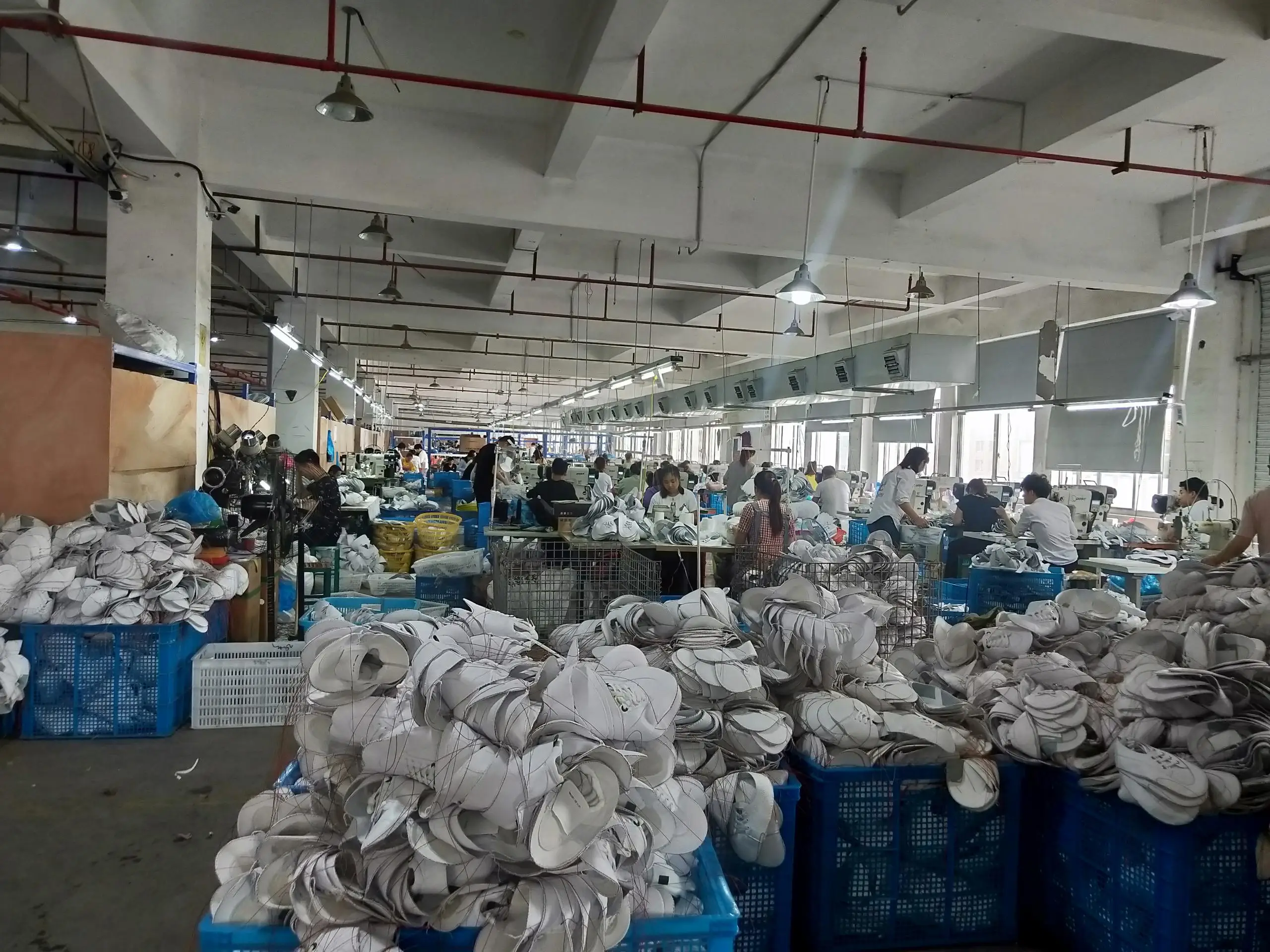
Xiamen Hwish Import& Export Co., Ltd.
- Trading Company
- Fujian, China
- Lead time0 days
- Avg. response≤ 2h
Main productsMen's Clothing,Women's Clothing
Main marketsNorth America(80.00%), Western Europe(15.00%), South America(5.00%)

Nanjing New Climate Sport Ware Co., Ltd.
- Verified by CTI
- Trading Company
- China Jiangsu
- Lead time15 days
- Avg. response≤ 23h
Main productsCap, Hat, Scarf, Glove, Sock, Bag, Blacket, T-Shirt, Bandana, Beanie
Main marketsSoutheast Asia/ Mideast,East Asia(Japan/ South Korea),Europe,Australia,North America

- Verified by TUVRHEINLAND
- Trading Company
- China Zhejiang
- Lead time15 days
- Avg. response≤ 9h
Main productsSport Wear, Yoga Pants, Sports Bra, Sports Cap, Waist Bag, Sports Sock, Sports Towel, Quick Dry Clothes, Yiwu Buying Agent, Sourcing Agent
Main marketsSouth America,Europe,North America

Xiamen Seatyle Import & Export Co., Ltd.
- Verified by TUVRHEINLAND
- Trading Company,Manufacturer/Factory
- China Fujian
- Lead time23 days
- Avg. response≤ 3h
Main productsHeadlamp, Flashlight, Camping Light, Solar Light, Outdoor Light, Bike Light, Water Shoes, Chef Shoes, Medical Shoes, Slippers
Main marketsSouth America,Eastern Europe,Mid East,North America,Southeast Asia,Eastern Asia,Oceania,Western Europe,Africa
Fuzhou Bofeng Shoe Industry Co., Ltd.
- Verified by SGS Group
- Trading Company
- Lead time15 days
- Avg. response≤ 1h
Main productsSlippers
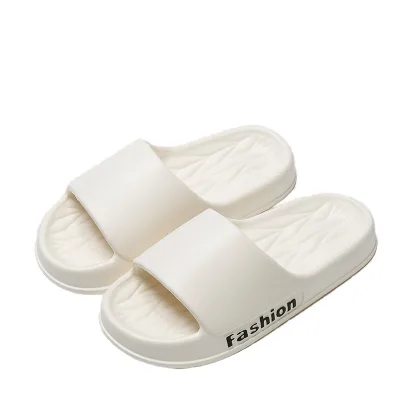
Women's Summer Indoor Anti-Slip Slides Slippers Four Seasons Bath Shoes with Comfortable Design
$2.0566 - $2.5708
MOQ: 2 pairs
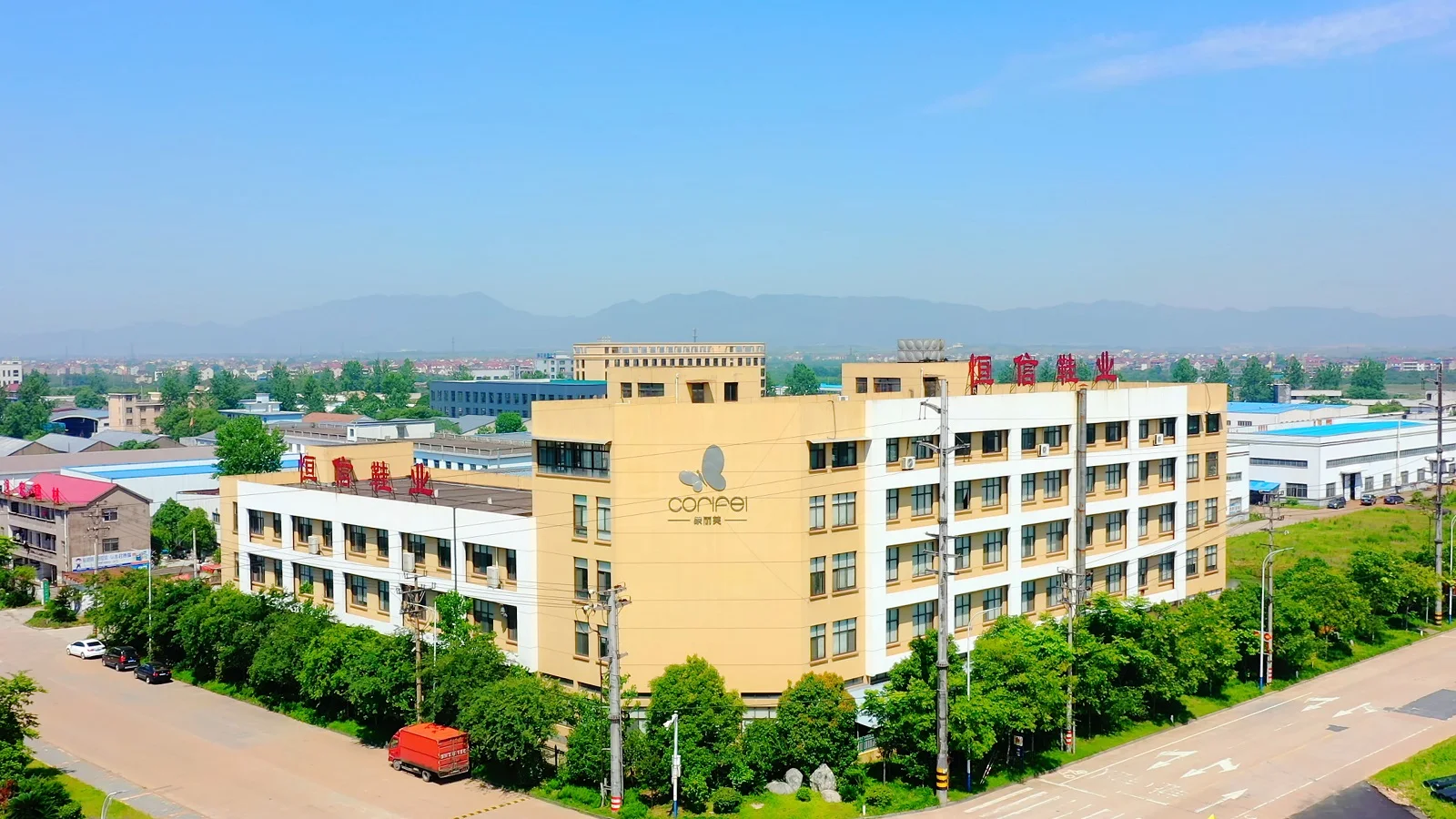
Hangzhou Hengxin Imp. & Exp. Co., Ltd.
- Trading Company
- Zhejiang, China
- Lead time0 days
- Avg. response≤ 1h
Main productsIndoor slippers,Straw Slippers,Cotton Slippers,Slippers,Spring slippers
Main marketsEastern Asia(25.00%), Eastern Europe(20.00%), Western Europe(20.00%), Domestic Market(15.00%), North America(10.00%), South America(10.00%)
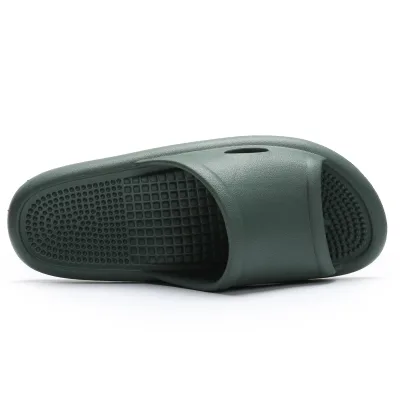
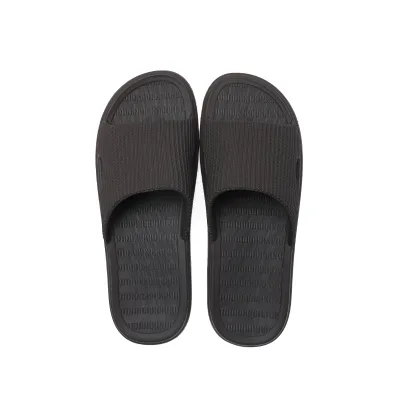
Summer Bathroom Soft Women Flat Eva slippers Non-slip Quick-Drying Anti-slip Unisex slippers
$1.62 - $2.50
MOQ: 5 pairs
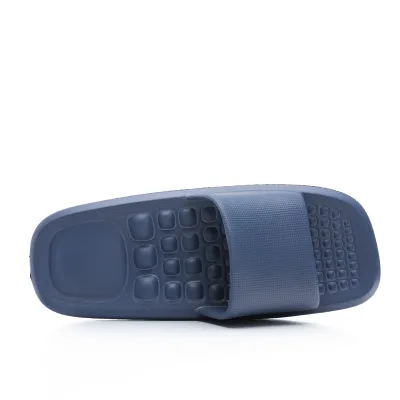
Guangdong Renrenhe Shoe Industry Co., Ltd.
- Verified by Intertek
- Trading Company
- Lead time15 days
- Avg. response≤ 2h
Main productsSlippers, Plastic Shoes, Flip Flops, Sandals, Clogs

Guangdong Guangfusan Footware Co., Ltd.
- Manufacturer, Trading Company
- Guangdong, China
- Lead time15 days
- Avg. response≤ 4h
Main productsslippers,Sandals,Flip Flops,Shoes,Plastic Shoes
Main marketsSoutheast Asia(60.00%), Africa(30.00%), Mid East(5.00%), South Asia(1.00%), Central America(1.00%), Eastern Asia(1.00%), North America(1.00%), South America(1.00%)
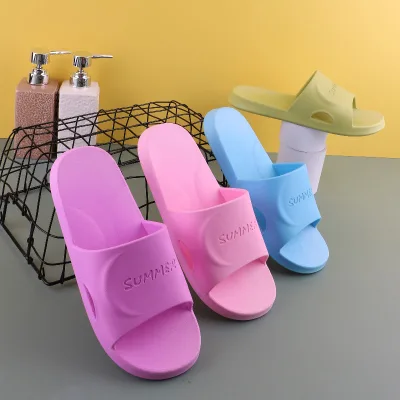
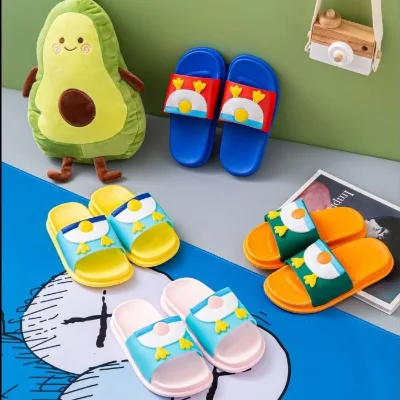
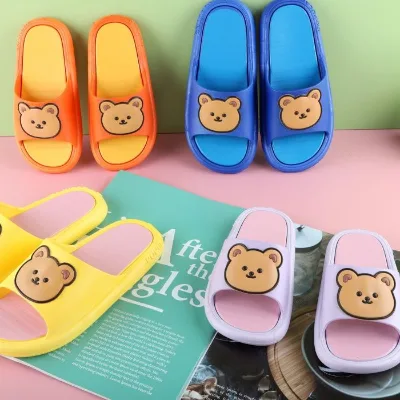
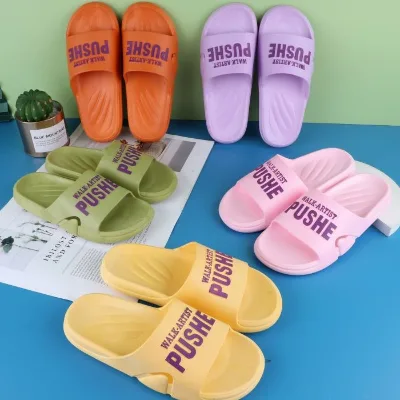
Hot Selling Custom logo Bathroom Anti slip Sleepers Comfortable slippers for Women
$1.04 - $1.08
MOQ: 2000
Huai'an Huizhong Textile Co., Ltd.
- Trading Company
- Jiangsu, China
- Lead time25 days
- Avg. response≤ 3h
Main productsTowel,Bathrobe,Beddings,blanket,SPA products
Main marketsDomestic Market(15.00%), South America(15.00%), North America(13.00%), Central America(9.00%), Southeast Asia(9.00%), Southern Europe(7.00%), Northern Europe(6.00%), Eastern Europe(5.00%), Mid East(5.00%), Oceania(5.00%), South Asia(4.00%), Western Europe(3.00%), Eastern Asia(3.00%), Africa(1.00%)
Ningbo Hooya Imp. & Exp. Group Co., Ltd.
- Trading Company
- Zhejiang, China
- Lead time30 days
- Avg. response≤ 6h
Main productsGeneral Merchandise (Including Household Items,Kitchen Supplies,Cleaning Stuff,Baby Supplies,Hardware Tools
Main marketsSouth America(25.00%), North America(20.00%), Mid East(10.00%), Northern Europe(7.00%), Eastern Asia(6.00%), Southern Europe(6.00%), Central America(5.00%), Southeast Asia(5.00%), Eastern Europe(5.00%), Africa(5.00%), Western Europe(4.00%), South Asia(1.00%), Oceania(1.00%)
Fuzhou Bosirui International Trading Co., Ltd.
- Verified by SGS Group
- Trading Company
- Lead time25 days
- Avg. response≤ 1h
Main productsFlip Flops, Sandals, Slides Slippers, Aqua Shoes, Fur Slides
Main marketsNorth America(30%), Africa(30%), Eastern Asia(20%)

Hangzhou Hengxin Imp. & Exp. Co., Ltd.
- Trading Company,Manufacturer/Factory
- China Zhejiang
- Lead time30 days
- Avg. response≤ 7h
Main productsSlippers, Women Slippers, Men Slippers, Kids Slippers, Indoor Slippers, Autumn Winter Slippers
Main marketsSouth America,Eastern Europe,Mid East,North America,Southeast Asia,Eastern Asia,Oceania,Western Europe,Africa






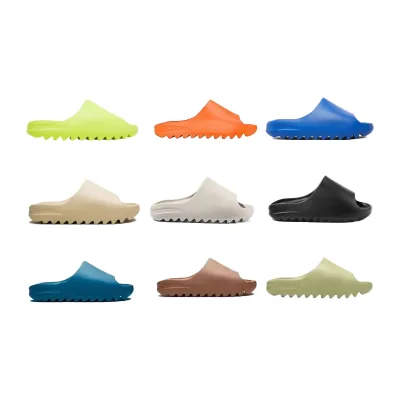


Comprehensive Sourcing Guide
Non-Slip Platform Indoor Bathing Slippers Supplier Concentration and Factory Types
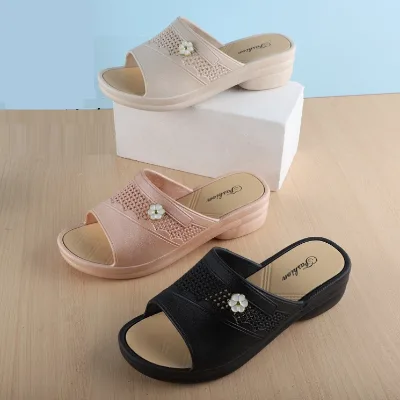
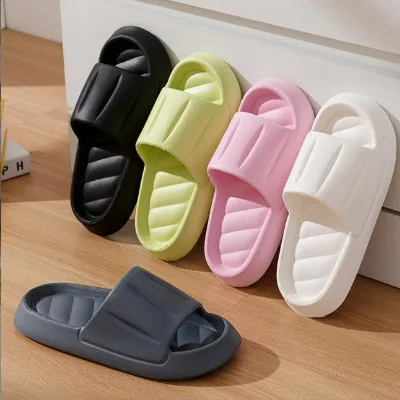
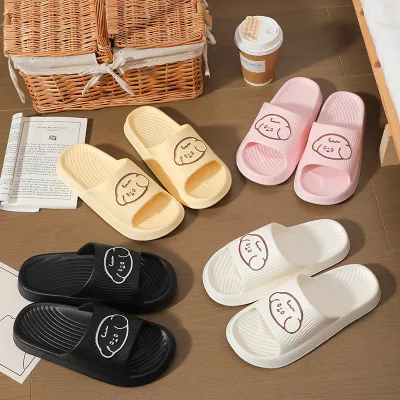
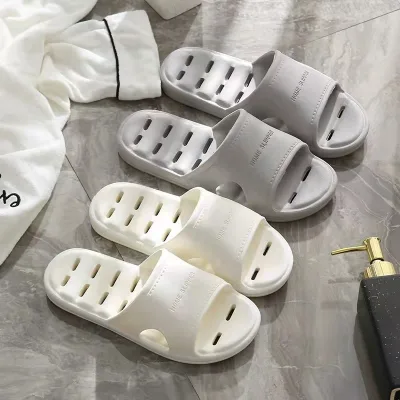
The sourcing landscape for non-slip platform indoor bathing slippers reveals a distinct concentration of manufacturing capabilities within specific geographic regions, with China Fujian emerging as a notable hub for this category. Suppliers located in this area often specialize in combined manufacturing models, allowing them to offer both Original Design Manufacturing (ODM) and Original Equipment Manufacturing (OEM) services alongside their own branded products. This structural flexibility is particularly valuable for buyers seeking custom logo slides or platform slippers that require specific branding integration. The presence of these combined entities suggests a mature supply chain where production lines are optimized for both private label and generic wholesale orders, providing buyers with a wider array of customization options compared to purely trading-focused entities.
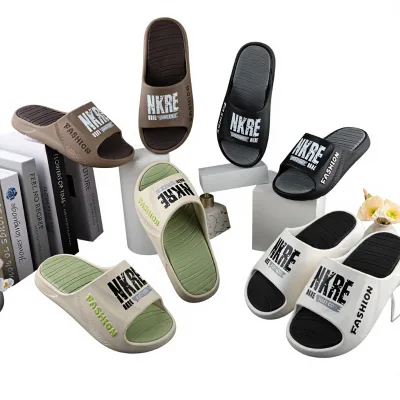
Beyond the specific regional concentration, the types of companies operating in this space vary significantly, ranging from combined manufacturers to dedicated trading companies. Trading companies often focus on sample processing, graphic processing, and customized on-demand services, which can be advantageous for buyers who need rapid prototyping or complex design adjustments without managing direct factory relationships. These entities may also handle the logistical complexities of sourcing multiple SKUs, such as mixing different heel heights or colorways like beige, black, and white, into a single consolidated shipment. Understanding whether a supplier is a direct manufacturer or a trading intermediary is crucial, as it impacts communication efficiency, cost structure, and the ability to scale production volumes while maintaining the quality standards required for EVA-based footwear products.
How to Verify Non-Slip Platform Indoor Bathing Slippers Suppliers
Verifying the legitimacy and operational capacity of suppliers requires a multi-layered approach that goes beyond simple profile reviews. Buyers should prioritize suppliers who hold recognized third-party verification badges, such as BV or TüVRheinland, as these indicate that an independent agency has audited the company’s business license and operational premises. Additionally, checking for system certifications like ISO9001:2015 provides assurance that the supplier adheres to standardized quality management processes, which is critical for maintaining consistency in product features such as anti-slip patterns and shock absorption properties. These credentials serve as a foundational layer of trust, reducing the risk of engaging with entities that may lack the necessary infrastructure to fulfill large-scale orders reliably.
Beyond certifications, buyers must assess the responsiveness and technical capability of the supplier through direct engagement. A key metric to monitor is the response time, with faster replies often indicating a more agile and customer-centric operation. For instance, some suppliers demonstrate response times around three hours, while others may take slightly longer, which can impact the speed of negotiation and sample approval. Furthermore, examining the supplier’s stated capabilities, such as their ability to handle laser, digital print, silk print, or hot transfer customization, helps determine if they can meet specific branding requirements. Buyers should also verify the sample time, which typically ranges from seven to fifteen days, to ensure it aligns with their product launch timelines and allows sufficient time for quality inspection before mass production begins.
What to Compare Across Non-Slip Platform Indoor Bathing Slippers Suppliers
When evaluating multiple suppliers, it is essential to compare key operational metrics such as lead time, minimum order quantity (MOQ), and pricing structures to identify the most suitable partner for your business needs. Lead times can vary significantly, with some suppliers offering production cycles of eighteen days, while others may require up to twenty-three days. This difference can be critical for buyers managing tight inventory schedules or seasonal launches, particularly for summer-focused items like EVA platform sandals. Additionally, the MOQ is a decisive factor; some suppliers may accept orders as low as two pairs, which is ideal for testing market response or fulfilling small boutique orders, whereas others might have higher thresholds that could strain cash flow for new entrants.
Pricing and product specifications also require careful comparison to ensure value alignment. Prices for non-slip platform indoor slippers can range from approximately $2.98 to $6.75 per pair, depending on features such as heel height, material thickness, and customization options. Buyers should analyze the cost-per-unit against the specific attributes offered, such as waterproof capabilities, anti-slip patterns, or unique colorways like beige or khaki. It is also important to compare the size ranges available, which typically span from EUR 35 to 46, to ensure the supplier can accommodate the demographic needs of your target market. By systematically comparing these variables, buyers can construct a balanced scorecard that weighs cost efficiency against operational flexibility and product quality.
Common Non-Slip Platform Indoor Bathing Slippers Sourcing Risks
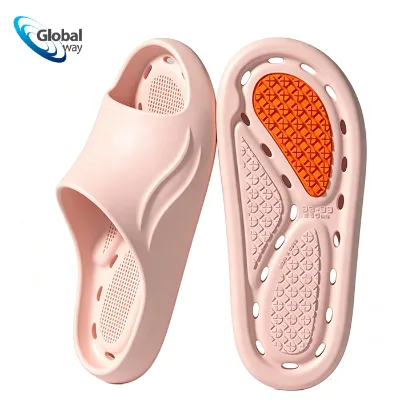
One of the primary risks in sourcing non-slip platform indoor bathing slippers is the potential inconsistency in product quality, particularly regarding the durability of the EVA material and the effectiveness of the anti-slip features. Since many products are not handmade and rely on automated molding processes, variations in mold wear or material composition can lead to inconsistencies in the outsole’s grip or the upper’s comfort. Buyers must be vigilant about verifying the actual product attributes, such as the insole material and shock absorption properties, to ensure they match the advertised specifications. Failure to do so can result in customer complaints regarding slippage or discomfort, which can damage brand reputation and lead to high return rates in the retail market.
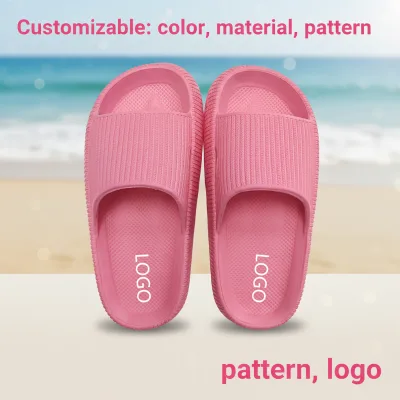
Another significant risk involves the reliability of customization and branding services. While suppliers may advertise options for custom logos using techniques like offset printing or laser engraving, the actual execution may vary in quality and placement accuracy. For instance, the logo position might be specified as "a pair," but the precision of the print or the durability of the decoration under repeated washing or wear needs to be confirmed. Additionally, there is a risk associated with communication gaps, especially when dealing with trading companies that may act as intermediaries. Misunderstandings regarding packaging requirements, such as the standard of one pair per OPP bag, or specific color codes can lead to fulfillment errors. Mitigating these risks requires rigorous sample approval processes and clear, documented specifications before committing to bulk production orders.
Non-Slip Platform Indoor Bathing Slippers Regional Sourcing and Logistics
Sourcing from regions like China Fujian or Guangdong offers logistical advantages due to the established infrastructure for footwear manufacturing and export. Suppliers in these areas are often well-versed in international shipping requirements and can provide accurate estimates for single package sizes and gross weights, which are essential for calculating freight costs. For example, knowing that a single package might measure 30x30x15 cm and weigh 0.55 kg allows buyers to optimize container loading and reduce per-unit shipping expenses. This regional concentration also facilitates faster access to raw materials, such as EVA foam, which can help stabilize production lead times and reduce the impact of supply chain disruptions on manufacturing schedules.
However, buyers must also consider the implications of regional sourcing on lead times and inventory management. While proximity to ports can expedite shipping, the actual production lead time remains a critical variable that affects overall delivery schedules. Buyers should plan for potential delays by aligning their order placement with the supplier’s stated lead times, which can range from eighteen to twenty-three days. Additionally, the seasonal nature of the product, with many slippers designed for summer use, means that timing is crucial. Delayed orders due to logistical bottlenecks or production backlogs can result in missed market windows. Therefore, establishing a clear communication channel for tracking production status and coordinating with freight forwarders early in the process is vital to ensuring timely delivery to the final destination.
Non-Slip Platform Indoor Bathing Slippers Commercial Terms and Order Planning
Effective order planning for non-slip platform indoor bathing slippers requires a strategic approach to commercial terms, including payment structures, sample costs, and production milestones. Buyers should negotiate clear terms regarding sample fees, which are often refundable upon placing a bulk order, and ensure that the sample time of seven to fifteen days is factored into the overall project timeline. It is also important to clarify the customization options available, such as the ability to apply custom logos via digital print or silk print, and to confirm any additional costs associated with these services. Understanding these commercial details upfront helps in budgeting accurately and avoiding unexpected expenses during the production phase.
Furthermore, buyers must plan for quality control and inspection protocols before final payment is released. Given the variability in product attributes like heel height and color, implementing a pre-shipment inspection is crucial to verify that the goods match the approved samples. This includes checking the anti-slip pattern, the waterproof integrity, and the overall finish of the EVA material. Buyers should also consider the scalability of the supplier’s capacity, ensuring they can handle the volume of the order without compromising quality. By establishing robust commercial terms and rigorous quality assurance steps, buyers can mitigate risks and ensure a smooth transaction process, leading to a successful partnership and consistent supply of high-quality non-slip platform indoor bathing slippers.
FAQs
What is the typical lead time for non-slip platform indoor bathing slippers?
Manufacturers typically require 18 to 23 days to produce and ship orders. This timeframe allows for quality control and logistics planning. Buyers should confirm exact dates with suppliers before finalizing contracts to ensure timely delivery for seasonal demands.
What is the minimum order quantity for these slippers?
Suppliers generally set a minimum order quantity of two pairs. This low threshold allows buyers to test product quality and market response before committing to larger volumes. It is ideal for small businesses or initial sampling phases.
Are these slippers suitable for both indoor and outdoor use?
Yes, many models are designed for both indoor and outdoor environments. They feature durable EVA materials and anti-slip patterns for safety. Buyers should verify specific style attributes to ensure the product meets their intended usage requirements.
What materials are used in the construction of these slippers?
Most slippers utilize EVA for both the upper and outsole materials. This foam provides shock absorption and waterproof properties. The material ensures comfort and durability, making them suitable for summer use in bathrooms or casual settings.
Can I customize the slippers with my own logo?
Customization is available for many suppliers offering these products. Options often include laser, digital print, or hot transfer methods. Buyers should discuss specific branding needs and sample times, which typically range from seven to fifteen days.
What is the price range for these slippers?
Prices generally range from approximately 2.98 to 6.75 USD per pair. The cost varies based on design complexity, customization options, and order volume. Buyers should request detailed quotes to understand the final pricing structure for their specific needs.
How quickly do suppliers respond to inquiries?
Response times vary, with some suppliers replying within three hours. Others may take up to five hours to provide initial feedback. Prompt communication is essential for efficient sourcing, so buyers should prioritize suppliers with faster response rates.