Breathable Height Increasing Insoles Suppliers and Manufacturers
Compare 27 verified suppliers of Breathable Height Increasing Insoles by location, lead time, and response time. Review product specifications like material, height options, and certifications before requesting quotes from multiple vendors; review the available evidence before requesting comparable quotations from suitable candidates.
Updated
Suppliers List

Dongguan Topinsole Commodity Limited
- Verified by BV
- Trading Company
- China Guangdong
- Lead time15 days
- Avg. response≤ 20h
Main productsInsoles, Footcare
Main marketsSouth America,Africa,Southeast Asia/ Mideast,East Asia(Japan/ South Korea),Europe,Australia,North America

Breathable Sports Leisure Soft Invisible EVA Inner Height Increasing Insoles
$1.00 - $1.20
MOQ: 100 pairs


Breathable EVA for Sports & Leisure Comfort Invisible Height Increasing Insoles
$1.00 - $1.20
MOQ: 100 pairs


Breathable EVA for Men & Women Sports & Casual Wear Invisible Height-Increasing Insoles
$1.00 - $1.20
MOQ: 100 pairs

Breathable EVA Sports Leisure Design Soft Comfort Invisible Height-Increasing Insoles
$1.00 - $1.20
MOQ: 100 pairs
- Trading Company
- Hebei, China
- Lead time10 days
- Avg. response≤ 3h
Main productsFoot Care Products,Orthopedic Supports Braces,Shoe Insoles Accessories,Sports Protective Gear,Yoga Fitness Products
Main marketsEastern Europe(25.00%), Western Europe(18.00%), Northern Europe(15.00%), North America(15.00%), Domestic Market(13.00%), Southern Europe(9.00%), Central America(5.00%)
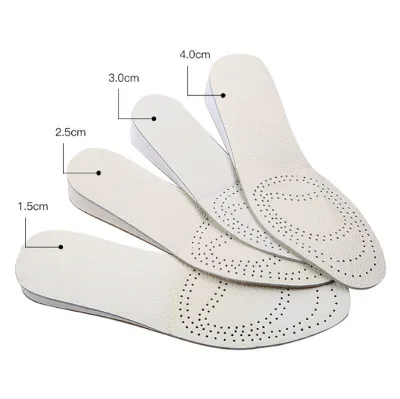
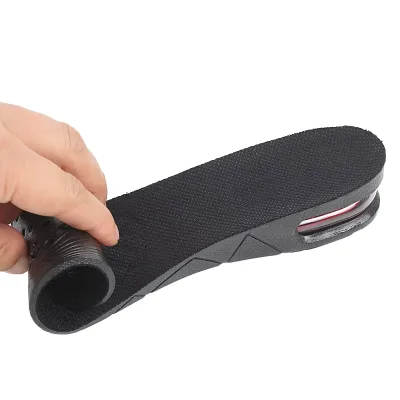
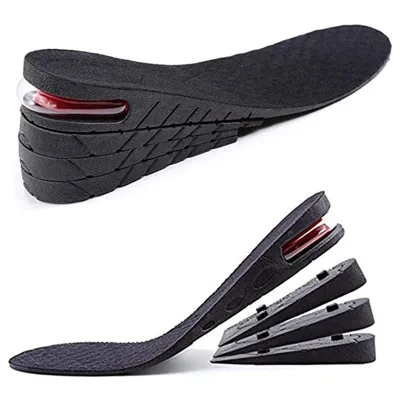
4 Layer Adjustable Height Increasing Insoles
$1.21 - $1.36
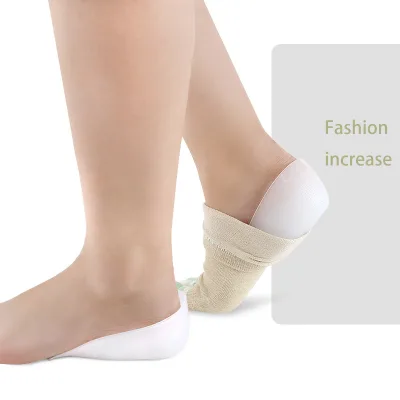
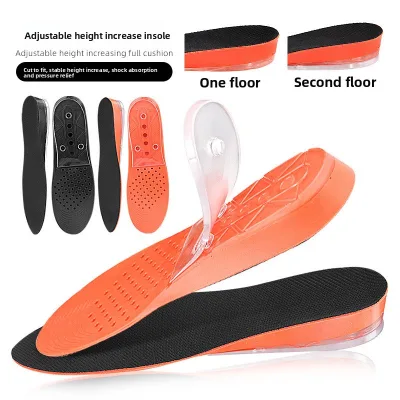
- Trading Company
- Beijing, China
- Lead time20 days
- Avg. response≤ 7h
Main productsInsoles,Slippers,Activewear,Shoes Boots and Accessories,Apparel and Accessories
Main marketsNorthern Europe(15.00%), North America(15.00%), Western Europe(10.00%), Oceania(10.00%), Southeast Asia(10.00%), Eastern Europe(10.00%), South Asia(5.00%), Southern Europe(5.00%), South America(5.00%), Central America(5.00%), Mid East(5.00%), Eastern Asia(5.00%)

Ningbo Kangbeien Health Tech. Co., Ltd.
- Verified by SGS
- Combined
- China Zhejiang
- Lead time30 days
- Avg. response≤ 12h
Main marketsDomestic

Memory Foam Height Increase Insole Breathable Invisible Increased Insole
$1.10 - $1.50
MOQ: 1000 Pairs

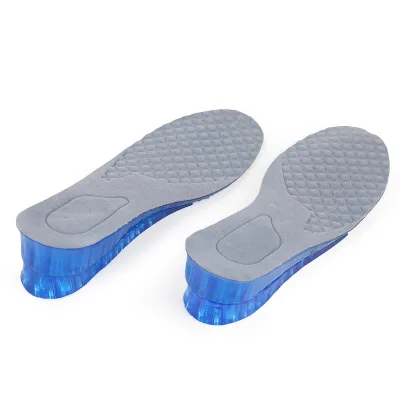
High Heels Height Increasing Gel Insoles Memory Foam Height Increasing Insole
$0.68 - $0.90
MOQ: 1000 Pairs


2-Layer Height Increasing Insoles Taller Insole Heel Lift Pad Air Cushion
$0.75 - $1.20
MOQ: 100 Pairs


Ningbo Beiduoen Health Tech. Co., Ltd.
- Verified by CTI
- Combined
- China Zhejiang
- Lead time23 days
- Avg. response≤ 6h
Main productsKnee Support, Ankle Brace, Compression Arthritis Glove, Wrist Support, Waist Belt, Foot Care, Insoles, Toe Separator, Compresson Sock Glove Knee Brace, Copper Supports
Main marketsSouth America,Southeast Asia/ Mideast,Europe,Australia,North America
Dongguan Baifangyi Technology Co., Ltd.
- Verified by TüVRheinland
- Manufacturer, Trading Company
- Lead time7 days
- Avg. response≤ 2h
Main productsBunion Corrector, Toe Separator, Insoles, Posture Corrector, Forefoot Pads
Main marketsNorth America(20%), Western Europe(15%), Southeast Asia(10%)
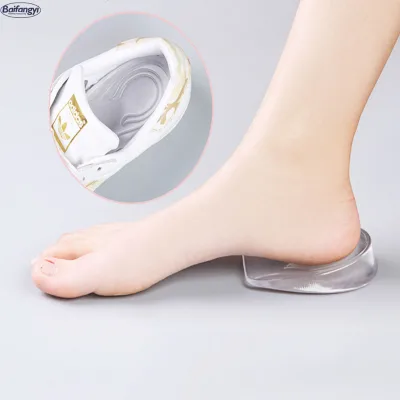
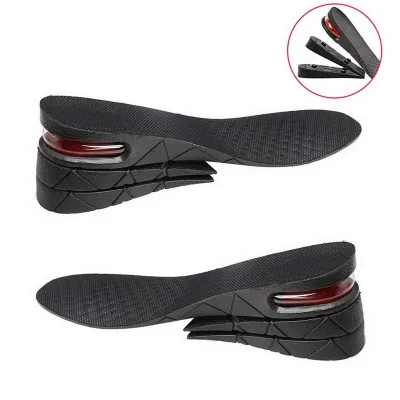
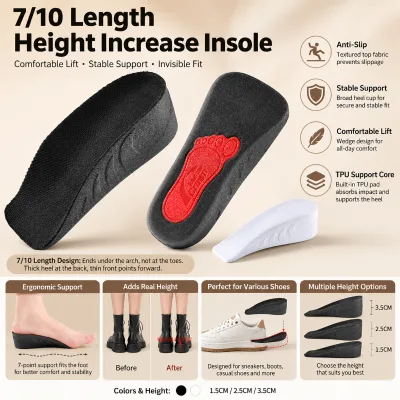
Factory Outlet 4-Layer Heel Insert 3-9cm Height Increase Shoe Insole Air Cushion Raised Insoles
$1.38 - $1.50
MOQ: 10 pairs
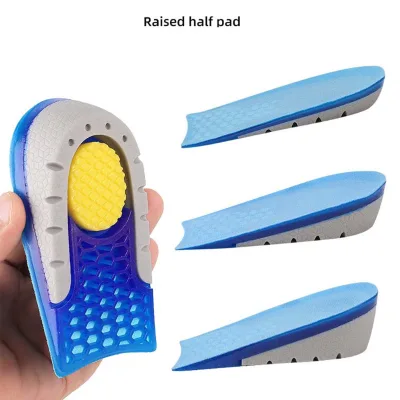
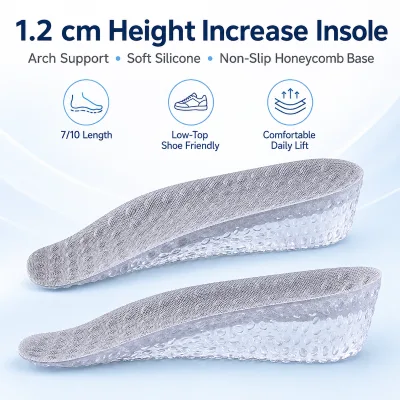
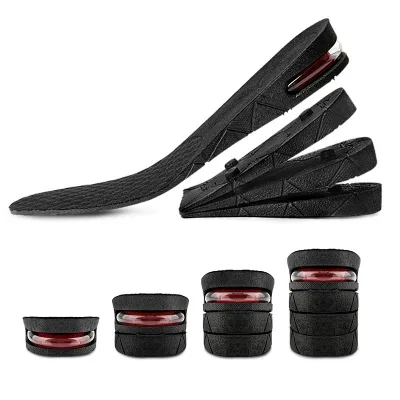
Dongguan Condar Commodity Corporation Ltd.
- Manufacturer
- Guangdong, China
- Lead time15 days
- Avg. response≤ 2h
Main productsBunion correctors,Shoes & Accessories,neck support,Toe separators,Knee pads
Main marketsNorth America(40.00%), South America(35.00%), Eastern Europe(10.00%), Southern Europe(5.00%), Western Europe(5.00%), Southeast Asia(5.00%)
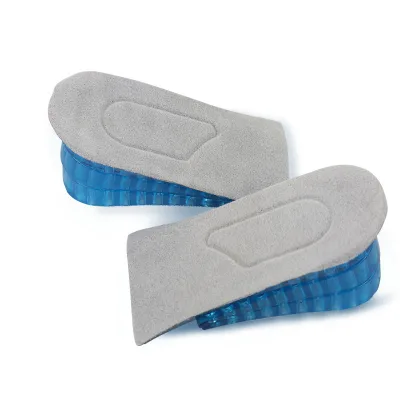
Pressure Relief OEM Customize Height Increase Insoles Heel Height Increasing Insole Silicon
$0.8784 - $1.0343
MOQ: 100 pairs
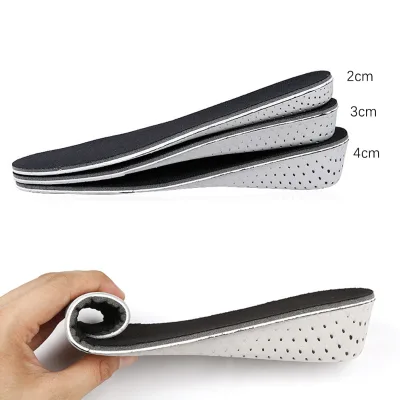
Honeycomb Unisex Sports Insoles Orthopedic Insoles height Increase Insole Invisible
$1.28 - $1.50
MOQ: 100
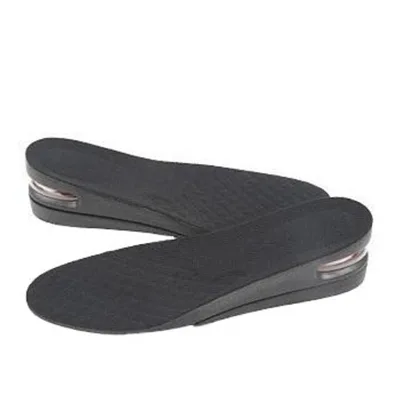
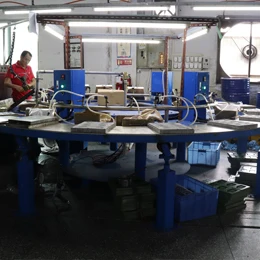
Dongguan City Everhealth Industrial Co., Ltd.
- Trading Company
- Guangdong, China
- Lead time20 days
- Avg. response≤ 8h
Main productsInsole,Foot Care,Arch Support Sandals,Walking Shoes
Main marketsWestern Europe(50.00%), North America(50.00%)
- Verified by Intertek
- Manufacturer, Trading Company
- Lead time30 days
- Avg. response≤ 4h
Main productsinsole, Shoe, shoe accessories, shoe material, shoe tree
Main marketsWestern Europe(34%), North America(33%), Eastern Europe(24%)
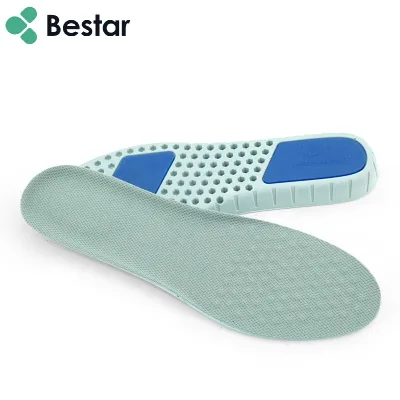
Popular Foot Insoles EVA Height Increasing Anti slip Height Insole Insole for Increase Height
$1.10 - $1.34
MOQ: 1 pairs
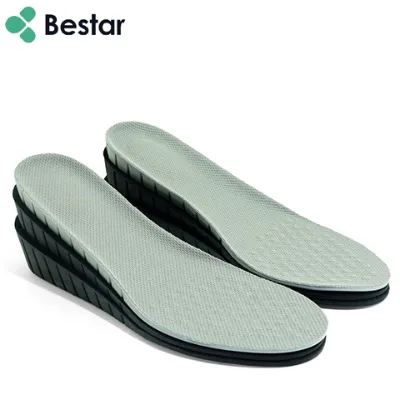
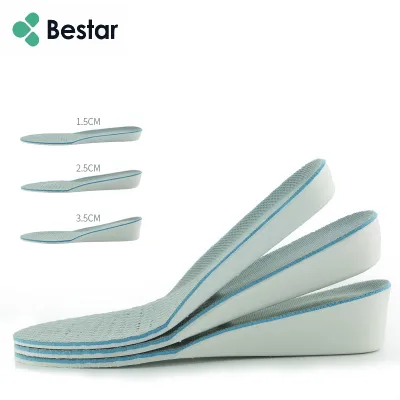
Love In Soul (Fujian) Technology Co., Ltd.
- Verified by Intertek
- Manufacturer, Trading Company
- Lead time40 days
- Avg. response≤ 4h
Main productsInsole
Main marketsNorth America(32%), Eastern Europe(26%), Domestic Market(20%)
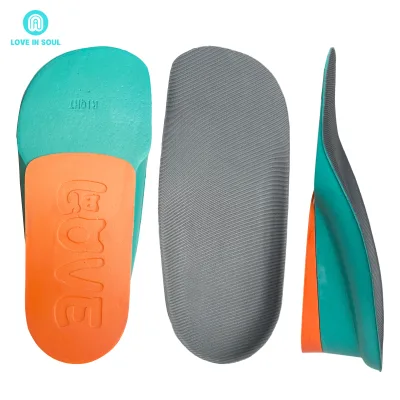
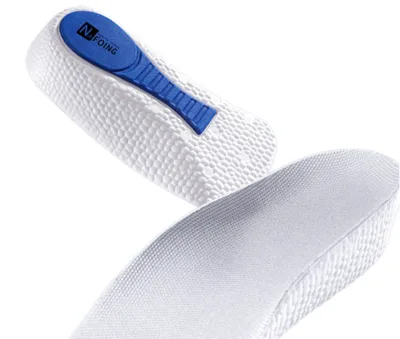
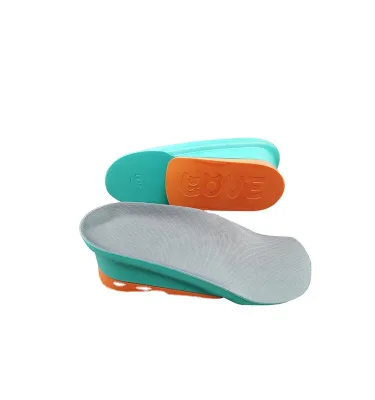
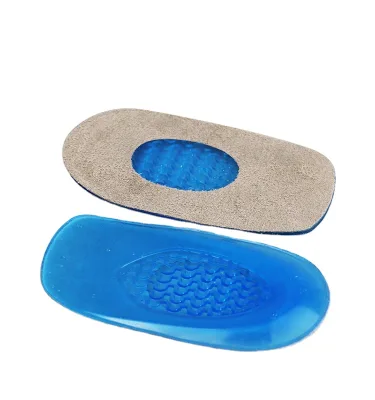
Breathable Height-Adjustable Insole PU Half Height Insole for Women and Men Shoes Heel Lifts Insoles
$1.3911 - $1.493
MOQ: 500 pairs
Dongguan Gaoyuan Shoes Materials Co., Ltd.
- Verified by TüVRheinland
- Manufacturer, Trading Company
- Lead time15 days
- Avg. response≤ 2h
Main productsPU Foam, Insole, Protective Gear
Main marketsSouth America(21%), Domestic Market(20%), Southeast Asia(18%)
Dongguan Lee-Mat Sport Technology Co., Ltd.
- Manufacturer, Trading Company
- Guangdong, China
- Lead time20 days
- Avg. response≤ 2h
Main productsOrthotic Insole,Oven Insole,Heated Gloves,Heated Socks,Orthotic Sandals
Main marketsDomestic Market(43.00%), North America(25.00%), Oceania(25.00%), Western Europe(7.00%)
Dongguan No. 8 Footwear Co., Ltd.
- Verified by Intertek
- Trading Company
- Lead time0 days
- Avg. response≤ 5h
Main productsShoelace, Insole, Shoe Buckle, Shoe Decorations, Shoe Tree
Main marketsWestern Europe(50%), North America(20%), Mid East(10%)
Wenzhou Bai Jiayuan Daily Necessities Co., Ltd.
- Manufacturer
- Zhejiang, China
- Lead time35 days
- Avg. response≤ 1h
Main productsTPE INSOLE,LATEX INSOLE,GEL INSOLE,SPORTS INSOLE,EVA INSOLE
Main marketsSoutheast Asia(20.00%), Domestic Market(10.00%), South Asia(10.00%), Southern Europe(10.00%), Northern Europe(10.00%), Central America(10.00%), Eastern Asia(10.00%), Mid East(10.00%), North America(10.00%), South America(10.00%)
Dongguan Danhua Technology Co., Ltd.
- Trading Company
- Guangdong, China
- Lead time15 days
- Avg. response≤ 8h
Main productsinsole,shoes,footcare products,heated socks,sandals
Main marketsNorth America(20.00%), Southeast Asia(10.00%), Eastern Europe(10.00%), Western Europe(10.00%), South Asia(5.00%), Southern Europe(5.00%), Northern Europe(5.00%), Central America(5.00%), South America(5.00%), Eastern Asia(5.00%), Mid East(5.00%), Africa(5.00%)
Dongguan Since Household Care Co., Ltd.
- Verified by TüVRheinland
- Manufacturer, Trading Company
- Lead time15 days
- Avg. response≤ 3h
Main productsPU Gel / Silicone Insoles, TPE Gel Insoles, SEBS Gel Footcare Products, PU Foam Insoles, EVA Insoles
Main marketsNorth America(32%), Eastern Asia(22%), Domestic Market(18%)
Dongguan Houjie Jinsheng Shoes Material Manufactory
- Manufacturer
- Guangdong, China
- Lead time20 days
- Avg. response≤ 3h
Main productsInsoles,Footcare Products
Main marketsWestern Europe(30.00%), North America(30.00%), Eastern Asia(20.00%), South Asia(5.00%), Oceania(5.00%), Domestic Market(3.00%), South America(3.00%), Southeast Asia(3.00%), Mid East(1.00%)
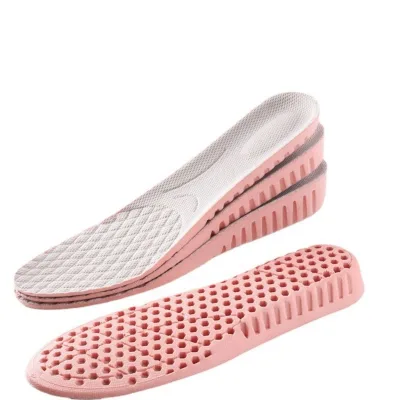
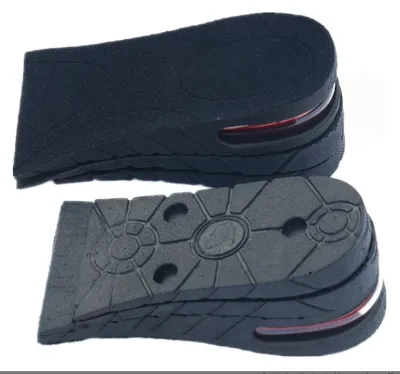
Shoe Lift 4.5CM to 6CM Height Increase Insoles Lifting Soles Wholesale Insole Height Insoles
$0.68 - $1.00
MOQ: 200 pairs
Hefei Yuexianglai Commodity Co., Ltd.
- Trading Company
- Anhui, China
- Lead time15 days
- Avg. response≤ 2h
Main productsraincoats,comfortable insoles,small appliances,roller skate shoes and accessories,PU wheels
Main marketsSouth Asia(10.00%), Central America(10.00%), Southeast Asia(10.00%), Mid East(10.00%), South America(10.00%), North America(10.00%), Domestic Market(5.00%), Oceania(5.00%), Southern Europe(5.00%), Northern Europe(5.00%), Africa(5.00%), Western Europe(5.00%), Eastern Asia(5.00%), Eastern Europe(5.00%)
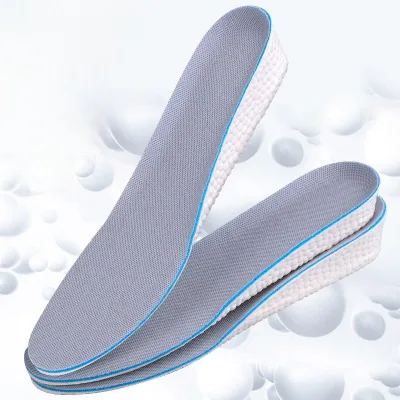
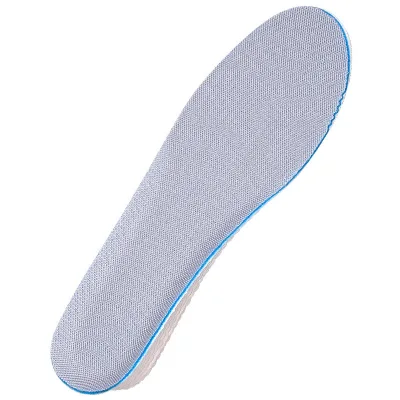
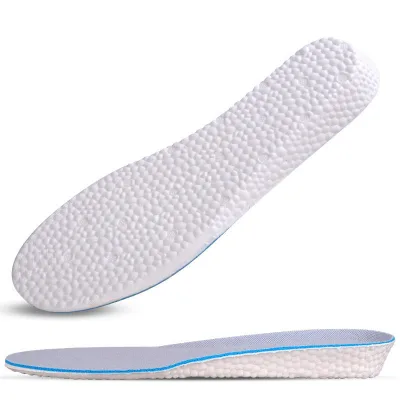
2.5cm Breathable Unisex Height Inhance Shoe Insoles Sports Cushioning & Wholesale
$0.49 - $0.51
MOQ: 200 pairs
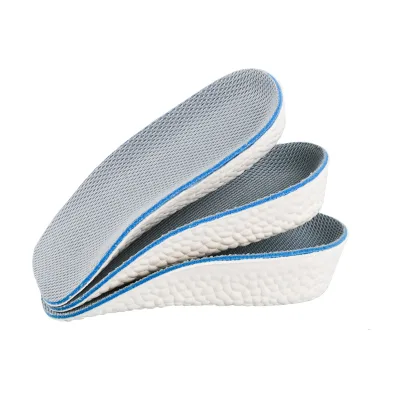
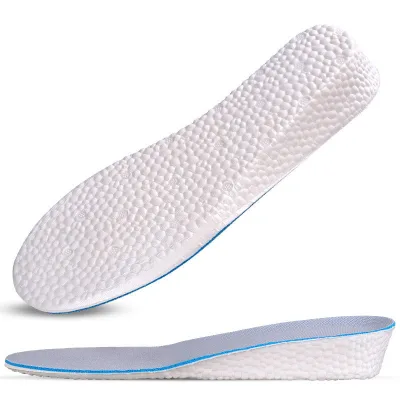
Unisex Height Increase Insoles Heel Lift Inserts That Make You Taller
$0.4107 - $0.4917
MOQ: 300 pairs

Huizhou City Longyixin Plastic& Rubber Products Ltd.
- Manufacturer, Trading Company
- Guangdong, China
- Lead time30 days
- Avg. response≤ 3h
Main productsinsole,pu insole,eva insole,heel insole,Toe Separators
Main marketsNorthern Europe(46.63%), Central America(15.71%), Domestic Market(15.64%), North America(12.53%), South Asia(7.78%), South America(0.79%), Eastern Asia(0.70%), Oceania(0.34%), Southeast Asia(0.17%), Eastern Europe(0.14%), Mid East(0.07%)

Yangzhou Maxlife Industry Co., Ltd.
- Trading Company
- Jiangsu, China
- Lead time30 days
- Avg. response≤ 9h
Main productsinsole,shoe horn,shoe polish,shoe tree,toe protector
Main marketsMid East(30.00%), Africa(25.00%), South America(15.00%), Southern Europe(10.00%), Western Europe(10.00%), North America(10.00%)
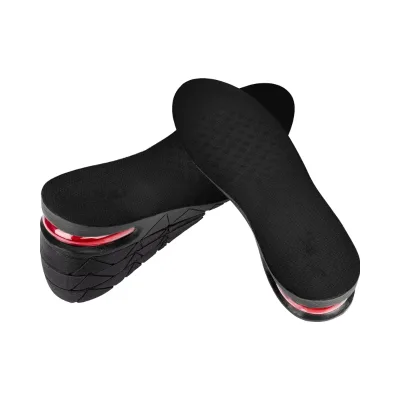
$13.458 - $15.5296
MOQ: 1000 Minimum
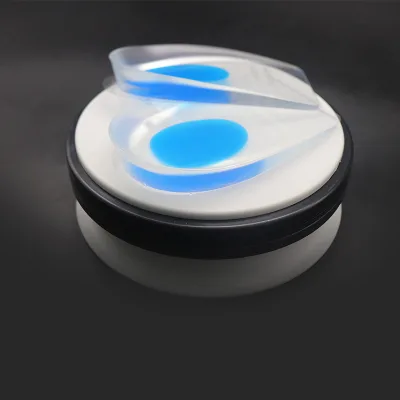
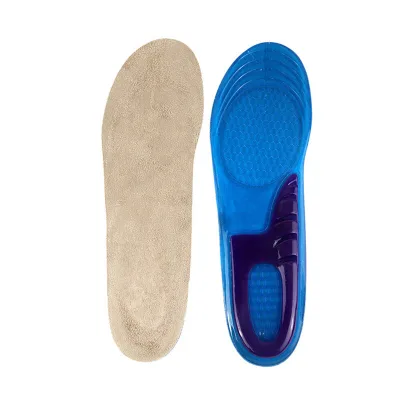
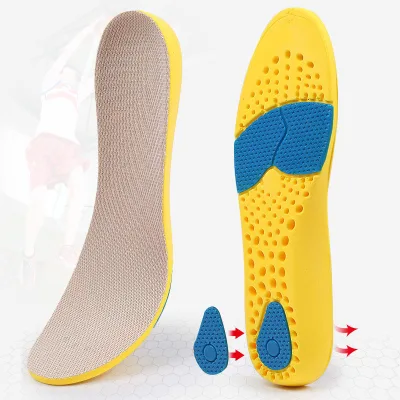

Shijiazhuang New Aosuo Medical Equipment Co., Ltd.
- Verified by TUVRHEINLAND
- Trading Company
- China Hebei
- Lead time15 days
- Avg. response≤ 5h
Main productsProsthetic Foot, Prosthetic Equipment, Orthopedic, Knee Joint, Leg Prosthesis, Sach Foot, Artificial Limbs Foot, Orthosis, Prosthetic Leg, Artificial Limbs Knee
Main marketsSouth America,Africa

Comfortable Silicone Shoes Pad Arch Support Half Insoles Lifts Hight Increase Insole
$0.70 - $1.10
MOQ: 100 Rolls

Dongguan Zhonghan Daily Necessities Co., Ltd.
- Verified by TüVRheinland
- Trading Company
- Lead time30 days
- Avg. response≤ 2h
Main productsFoot Care Products, Sports Protection Products
Main marketsDomestic Market(40%), North America(20%), Southeast Asia(10%)

Yangzhou Runtong International Trading Co., Ltd.
- Verified by TUVRHEINLAND
- Trading Company
- China Jiangsu
- Lead time30 days
- Avg. response≤ 2h
Main productsShoe Insole, Shoe Polish, Shoe Brush, Shoe Tree, Shoe Cleaner, Shoe Lace, Shoe Deodorizer, Shoe Freshener, Shoe Horn
Main marketsSouth America,Southeast Asia/ Mideast,Europe,Australia,North America

Black Suede Unisex Sports Comfort Insoles Breathable Shock Absorption Insoles
$1.60 - $3.00
MOQ: 500 Pairs


PLANET (ANHUI) INTERNATIONAL CO., LTD.
- Verified by BV
- Combined
- China Jiangsu
- Lead time60 days
- Avg. response≤ 3h
Main productsBandage, First Aid Kits, Band Aid, Wound Dressing, Foot Patch, Knee Brace, Knee Support, Knee Pad, Adhesive Tape, Compression Stocks
Main marketsNorth America

Fu Jian Yue Te Advanced Material Technology Co., Ltd.
- Verified by SGS
- Combined
- China Fujian
- Lead time15 days
- Avg. response≤ 1h
Main marketsDomestic

Soft Breathable High Rebound Insoles Memory Foam Insole for Shoe Inserts
$2.00 - $3.50
MOQ: 1000 Pieces


High Density Rebound Memory Foam Insoles Orthopedic Unisex Sports Arch Support
$2.00 - $3.50
MOQ: 1000 Pieces

Hangzhou Caiboqianjin Technology Co., Ltd.
- Trading Company
- Zhejiang, China
- Lead time15 days
- Avg. response≤ 5h
Main productsinsole,Silicone insoles,height increase insoles,forefoot pads,heel pads
Main marketsSoutheast Asia(30.00%), North America(20.00%), South Asia(20.00%), Central America(10.00%), Northern Europe(10.00%), Eastern Europe(5.00%), Africa(5.00%)

Chongqing Xiaoai Technology Co., Ltd.
- Verified by CTI
- Combined
- China Chongqing
- Lead time23 days
- Avg. response≤ 4h
Main productsFoot Scanner, Foot Pressure Detection and Insoles Customizatio, Gait Analysis Treadmill, Foot Pressure Plate, Spine Scanner, Orthopedic Insole, Heat Moldable Orthotic Insole
Main marketsDomestic
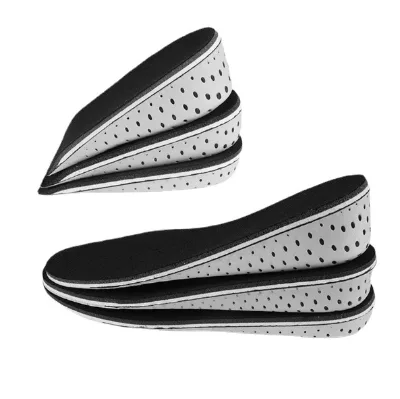
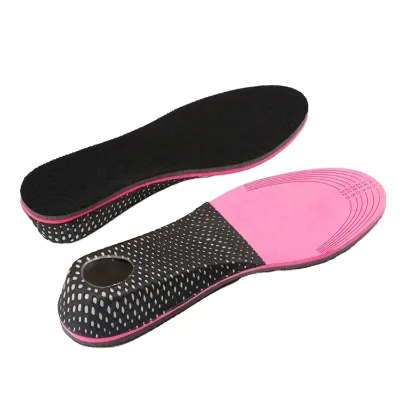
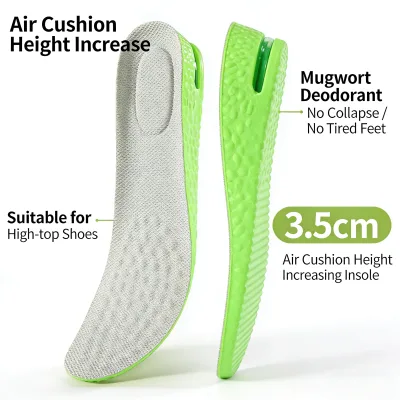
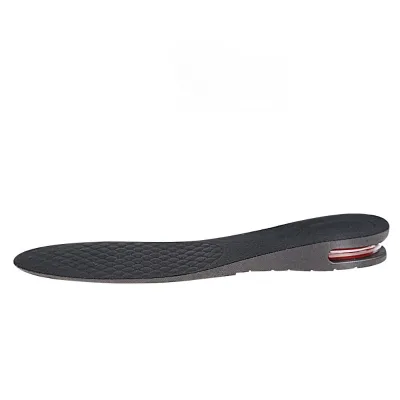


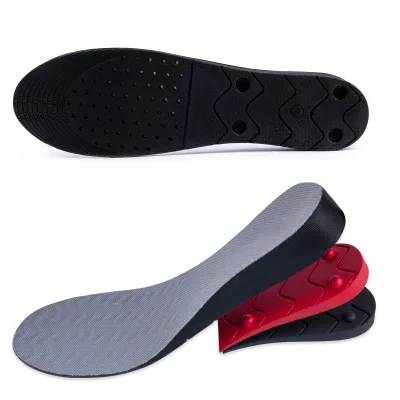
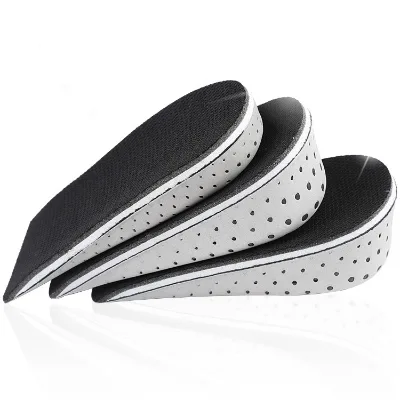
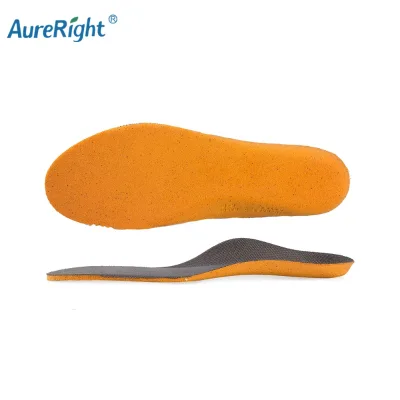
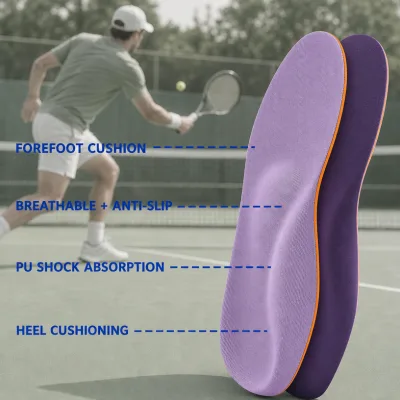
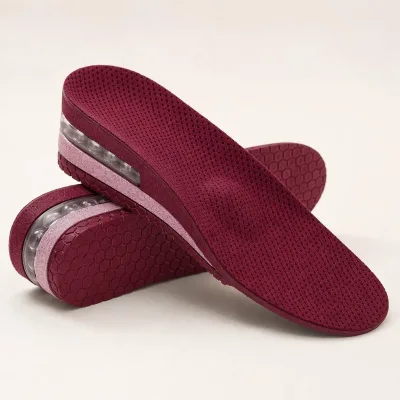
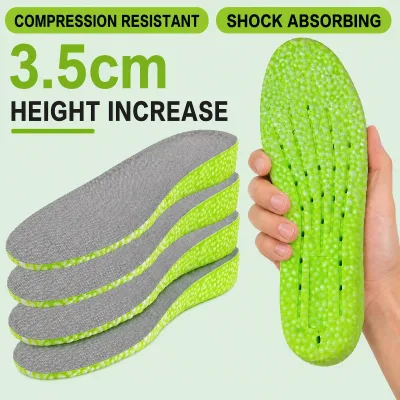
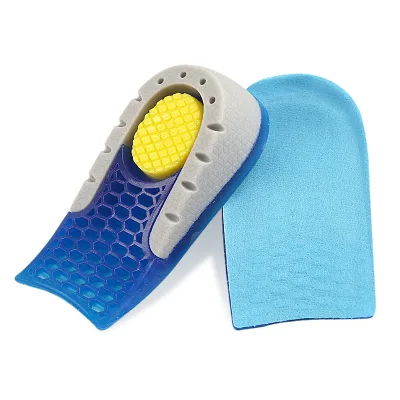
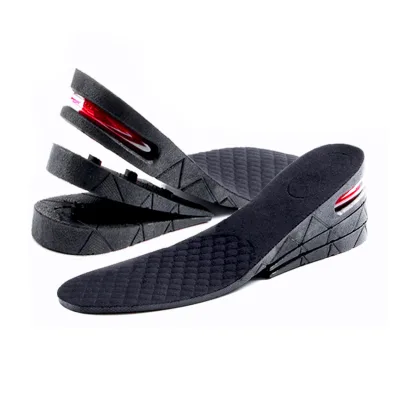
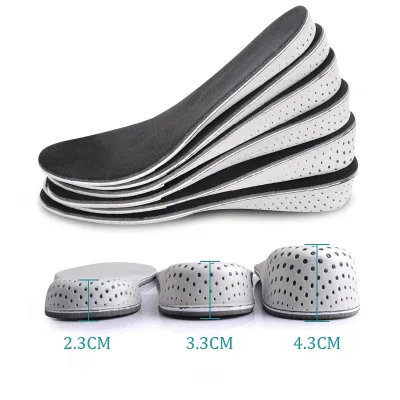
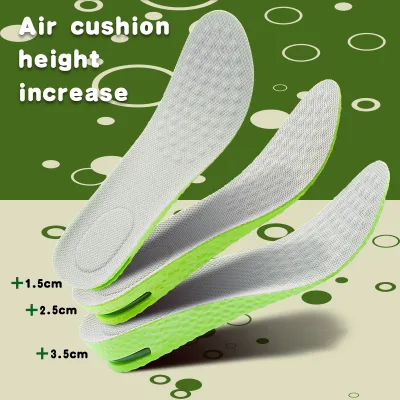
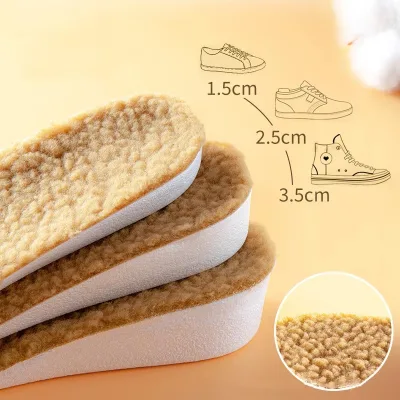
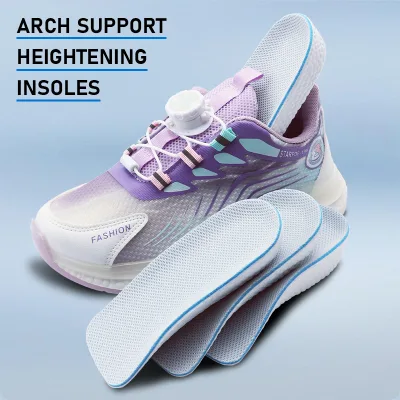
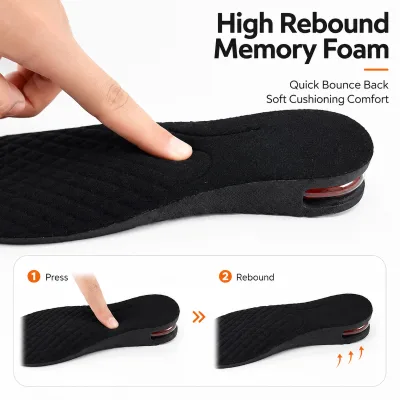
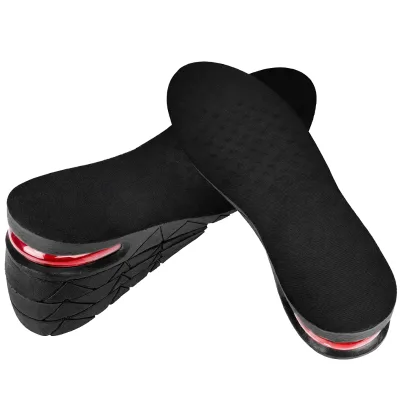
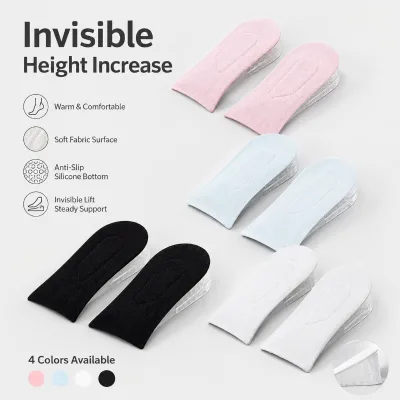
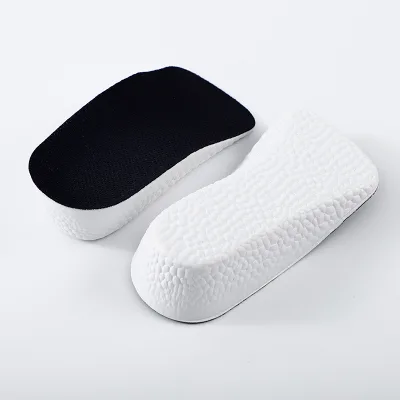
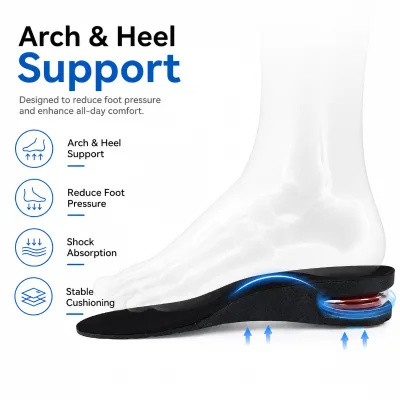
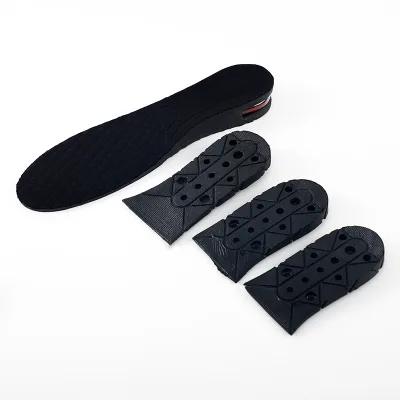
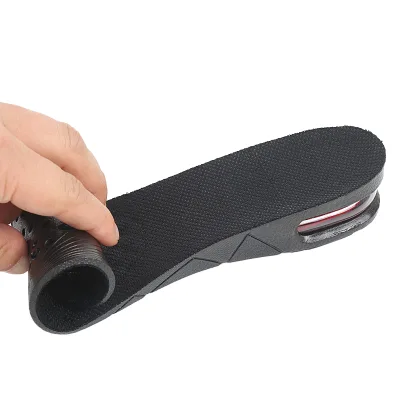
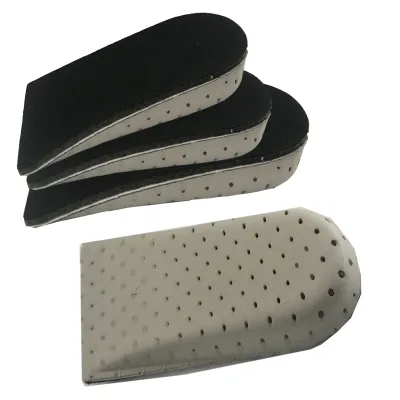
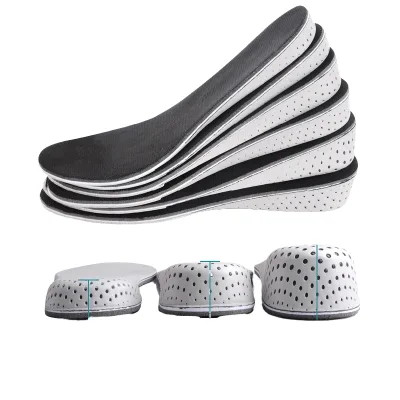
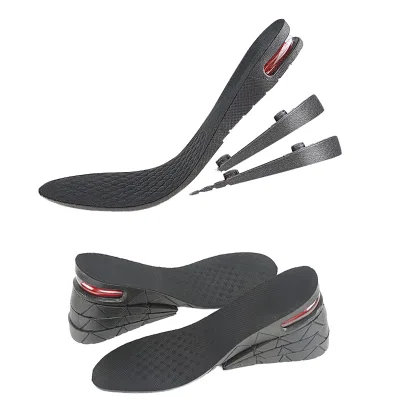
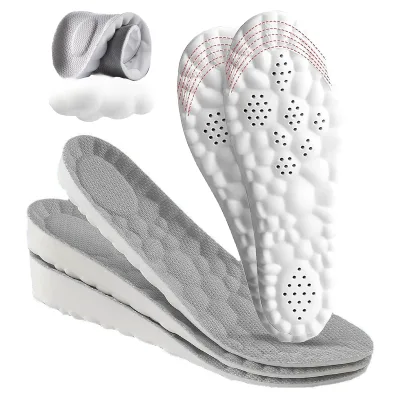
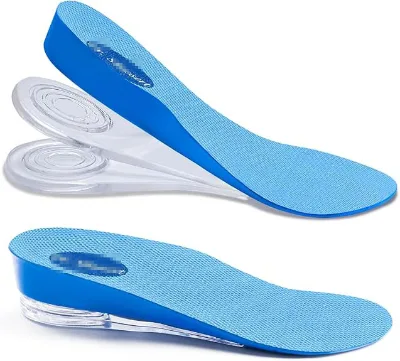


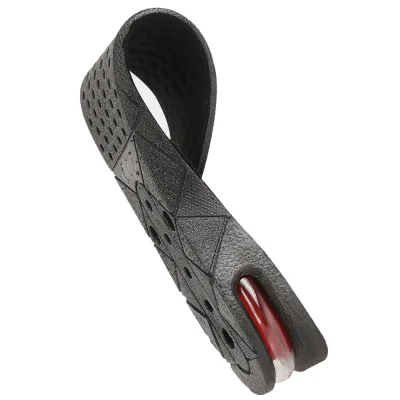
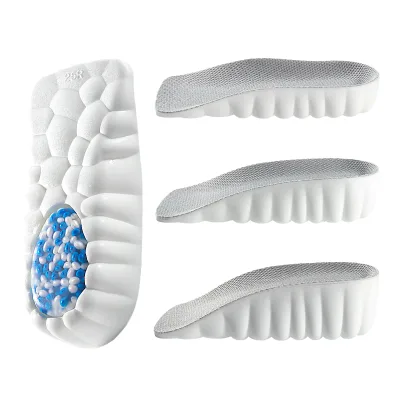
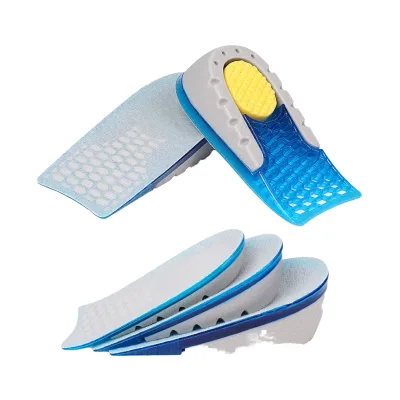


Comprehensive Sourcing Guide
Breathable Height Increasing Insoles Supplier Concentration and Factory Types
The current supplier landscape for Breathable Height Increasing Insoles reveals a distinct geographic concentration within China, specifically highlighting manufacturing hubs in Guangdong and Hebei provinces. Guangdong-based entities often operate as trading companies, leveraging established supply chains to offer diverse product lines that include footcare accessories and specialized shoe parts. These suppliers typically present a wide array of options, ranging from EVA-based inserts to PU air cushion designs, catering to both sports and leisure markets. The presence of verified business credentials, such as BV verification, indicates a baseline level of operational legitimacy, though buyers must distinguish between pure manufacturers and trading intermediaries. Trading companies may offer greater flexibility in customization and lower minimum order quantities, making them attractive for smaller buyers or those testing new market segments. Conversely, factories in regions like Hebei may focus more on volume production and specific material compositions, such as layered EVA or memory foam blends. Understanding this structural difference is crucial for aligning procurement strategies with business goals, whether prioritizing speed and variety or cost-efficiency and direct factory relationships.
Identifying the correct factory type requires careful examination of the supplier’s main product declarations and company type labels. Suppliers listing "Footcare" or "Shoe Parts & Accessories" as primary categories often signal a broader operational scope, which can be beneficial for bundling orders. However, buyers should verify if the supplier has dedicated production lines for height-increasing insoles or if these items are part of a larger, generic inventory. The distinction matters because specialized factories may offer superior quality control for specific functions like shock absorption or discreet height lifting, whereas general trading companies might rely on third-party production. Additionally, the availability of customization services, such as private labeling or specific packaging requirements, is often a key differentiator. Buyers should inquire directly about the manufacturing process to ensure that the supplier can meet specific technical requirements, such as precise height increments or material certifications. This due diligence helps in selecting partners who can consistently deliver products that meet the functional demands of the end-user market, ensuring long-term supply chain stability and product quality.
How to Verify Breathable Height Increasing Insoles Suppliers
Verification of Breathable Height Increasing Insoles suppliers begins with scrutinizing the displayed verification badges and system certifications. While some suppliers may hold BV verification, indicating a third-party assessment of business legitimacy, the absence of specific system certifications like ISO or BSCI requires further investigation. Buyers should actively request documentation for any claimed certifications, such as BSCI, Reach, or CE, which are critical for ensuring compliance with international safety and ethical standards. These documents are not merely formalities but essential proofs that the manufacturing processes adhere to recognized quality and labor practices. For suppliers listing multiple certifications, buyers should verify the validity and scope of each certificate to ensure they cover the specific products being sourced. This step is particularly important for products intended for markets with strict regulatory requirements, such as the European Union or North America, where non-compliance can lead to significant legal and financial repercussions.
Beyond certifications, assessing the supplier’s responsiveness and operational transparency is vital for establishing a reliable partnership. The response time metric provides an initial indicator of the supplier’s engagement level, with faster responses often correlating with better customer service and operational efficiency. Buyers should test this by sending detailed inquiries about product specifications, customization options, and shipping terms to gauge the quality and speed of the reply. Additionally, examining the supplier’s product attributes, such as detailed model numbers, material compositions, and packaging specifications, can reveal their level of professionalism and attention to detail. Suppliers who provide comprehensive and accurate product information are more likely to be reliable partners. Buyers should also look for evidence of drop-shipping support or Amazon service compatibility if they plan to sell through specific e-commerce channels, as this indicates the supplier’s familiarity with modern retail logistics and requirements.
What to Compare Across Breathable Height Increasing Insoles Suppliers
When evaluating multiple suppliers, comparing lead times and minimum order quantities (MOQs) is essential for aligning inventory management with sales forecasts. Suppliers may offer varying lead times, ranging from ten to fifteen days, which directly impacts the ability to respond to market demand fluctuations. Similarly, MOQs can differ significantly, with some suppliers requiring as few as one hundred pairs while others mandate five hundred or more. These differences influence cash flow and storage costs, making it crucial to select suppliers whose terms match the buyer’s operational capacity. Buyers should also compare the price ranges for similar product specifications, noting that prices can vary based on material quality, height increment options, and customization levels. A lower price may indicate reduced material quality or hidden costs, so buyers should request detailed quotes that include all fees to ensure accurate cost comparisons.
In addition to logistical and financial terms, comparing product features and customization capabilities is necessary to meet specific market needs. Suppliers may offer different height increments, such as 1.5 cm, 3 cm, or 4.5 cm, and various materials like EVA, PU, or memory foam blends. Buyers should assess which product attributes best suit their target audience, considering factors like breathability, comfort, and durability. Customization options, including private labeling, custom packaging, and specific color choices, can provide a competitive advantage in the market. Buyers should inquire about the feasibility and cost implications of these customizations to determine if they offer sufficient value. Furthermore, comparing the supplier’s product range, such as the availability of unisex designs or specific size ranges, can help identify partners who can offer a comprehensive solution for diverse customer needs. This holistic comparison ensures that the selected supplier can deliver products that align with both quality expectations and business objectives.
Common Breathable Height Increasing Insoles Sourcing Risks
One significant risk in sourcing Breathable Height Increasing Insoles is the potential discrepancy between advertised product specifications and actual delivered goods. Suppliers may claim certain material compositions, such as high-quality EVA or PU air cushions, but the actual products may use inferior materials to reduce costs. This risk is exacerbated when buyers rely solely on product images and descriptions without requesting physical samples or third-party testing results. Buyers should be cautious of suppliers who are unwilling to provide samples or who charge excessive fees for them, as this may indicate a lack of confidence in product quality. Additionally, the risk of inconsistent sizing and fit is prevalent, as height-increasing insoles often require precise dimensions to function correctly. Buyers should verify size charts and fit guidelines carefully, ensuring that the supplier provides accurate and consistent sizing information to minimize returns and customer dissatisfaction.
Another common risk is the lack of transparency in supply chain practices, which can lead to delays or quality issues. Suppliers may outsource production to third-party factories without proper quality control, resulting in inconsistent product quality and delivery times. Buyers should investigate the supplier’s manufacturing capabilities and supply chain management practices to ensure they have adequate oversight. The risk of intellectual property infringement is also present, particularly when dealing with customized designs or branded products. Buyers should ensure that their designs are protected and that the supplier agrees to confidentiality and non-disclosure agreements. Furthermore, the risk of currency fluctuations and shipping cost increases can impact the final landed cost of the products. Buyers should factor these variables into their pricing strategies and consider using fixed-price contracts or hedging strategies to mitigate financial risks. Proactive risk management is essential for maintaining a stable and profitable sourcing operation.
Breathable Height Increasing Insoles Regional Sourcing and Logistics
Sourcing Breathable Height Increasing Insoles from China offers logistical advantages due to the country’s well-developed manufacturing infrastructure and export capabilities. Suppliers in Guangdong and Hebei provinces benefit from proximity to major ports and logistics hubs, facilitating efficient shipping to global markets. Buyers should consider the impact of regional logistics on lead times and shipping costs, as suppliers closer to ports may offer faster dispatch times. Additionally, the availability of drop-shipping support from some suppliers can simplify logistics for buyers who do not wish to manage inventory. This service allows suppliers to ship products directly to end customers, reducing the buyer’s operational burden. However, buyers should verify the reliability of drop-shipping services, including packaging quality and tracking information, to ensure a positive customer experience. Understanding the logistical landscape helps buyers optimize their supply chain and reduce overall costs.
International shipping regulations and customs requirements also play a crucial role in the sourcing process. Buyers must ensure that the products comply with the import regulations of their target markets, including labeling, safety standards, and material restrictions. Suppliers should provide necessary documentation, such as certificates of origin and material safety data sheets, to facilitate smooth customs clearance. Buyers should also consider the environmental impact of shipping and explore options for more sustainable logistics practices, such as consolidated shipping or sea freight for larger orders. Additionally, the risk of shipping delays due to global events, such as pandemics or geopolitical tensions, should be factored into supply chain planning. Buyers should maintain open communication with suppliers to stay informed about potential disruptions and adjust their strategies accordingly. Effective logistics management is key to ensuring timely delivery and customer satisfaction.
Breathable Height Increasing Insoles Commercial Terms and Order Planning
Effective order planning for Breathable Height Increasing Insoles requires careful consideration of commercial terms, including payment methods, warranty policies, and after-sales support. Buyers should negotiate favorable payment terms, such as partial upfront payments or escrow services, to mitigate financial risks. Escrow services provide an additional layer of security by holding funds until the buyer confirms receipt and quality of the goods. Buyers should also clarify warranty policies and return procedures for defective products, ensuring that they have recourse in case of quality issues. After-sales support, including technical assistance and replacement parts, is essential for maintaining customer satisfaction and brand reputation. Buyers should assess the supplier’s commitment to after-sales service and their ability to resolve issues promptly. These commercial terms form the foundation of a sustainable business relationship and protect the buyer’s interests.
Strategic order planning involves forecasting demand and aligning production schedules with market trends. Buyers should analyze sales data and market insights to predict future demand for specific product variants, such as different height increments or materials. This information can be used to negotiate production schedules with suppliers, ensuring that inventory levels are optimized to meet demand without excessive stockpiling. Buyers should also consider the seasonality of the product, as demand for height-increasing insoles may fluctuate throughout the year. By planning orders strategically, buyers can reduce holding costs and improve cash flow. Additionally, buyers should maintain a diversified supplier base to mitigate the risk of supply chain disruptions. Regularly reviewing and updating supplier performance metrics can help identify underperforming partners and ensure continuous improvement. Strategic order planning is essential for maximizing profitability and maintaining a competitive edge in the market.
FAQs
What is the price range for Breathable Height Increasing Insoles?
Prices typically range from $0.68 to $1.36 per pair depending on material and height options. EVA and PU air cushion models offer competitive rates. Buyers should verify specific unit costs based on order volume and customization requirements before finalizing procurement decisions.
What is the minimum order quantity for these insoles?
Minimum order quantities vary by supplier, generally starting at 100 pairs for standard models. Some manufacturers require 500 pairs for specific materials like EVA with memory foam. Buyers must check individual product listings to confirm exact MOQs applicable to their desired specifications.
How long does production take for these insoles?
Lead times typically range from 10 to 15 days for manufacturing and preparation. Suppliers located in Guangdong and Hebei regions offer these timelines. Buyers should confirm exact delivery schedules with suppliers to ensure alignment with their inventory planning and shipping requirements.
Are these insoles suitable for both men and women?
Yes, most Breathable Height Increasing Insoles are designed as unisex products. They are available in various sizes to fit different shoe dimensions comfortably. Functions include height lifting and shock absorption, making them versatile for both male and female footwear applications.
What certifications are available for these insoles?
Some products hold BSCI, Reach, and CE certifications. Buyers should verify specific compliance documents with suppliers before ordering. These certifications indicate adherence to certain safety and quality standards. Always request valid certificates to ensure the products meet your market regulatory requirements.
Can I customize the packaging for these insoles?
Customization is available for packaging and product specifications. Suppliers offer options like PP bags, boxes, or bulk packing. Buyers can request tailored solutions to match their branding needs. Confirm customization details and any associated costs with the supplier prior to placing orders.