Taiwan Truck Boot Suppliers and Manufacturers in China
Explore 10 verified suppliers offering Taiwan Truck Boot options with varying lead times and response speeds. Compare locations in Jiangsu, Shandong, and Zhejiang alongside product specs like leather uppers and steel toes before requesting quotes; review the available evidence before requesting comparable quotations from suitable candidates.
Updated
Suppliers List
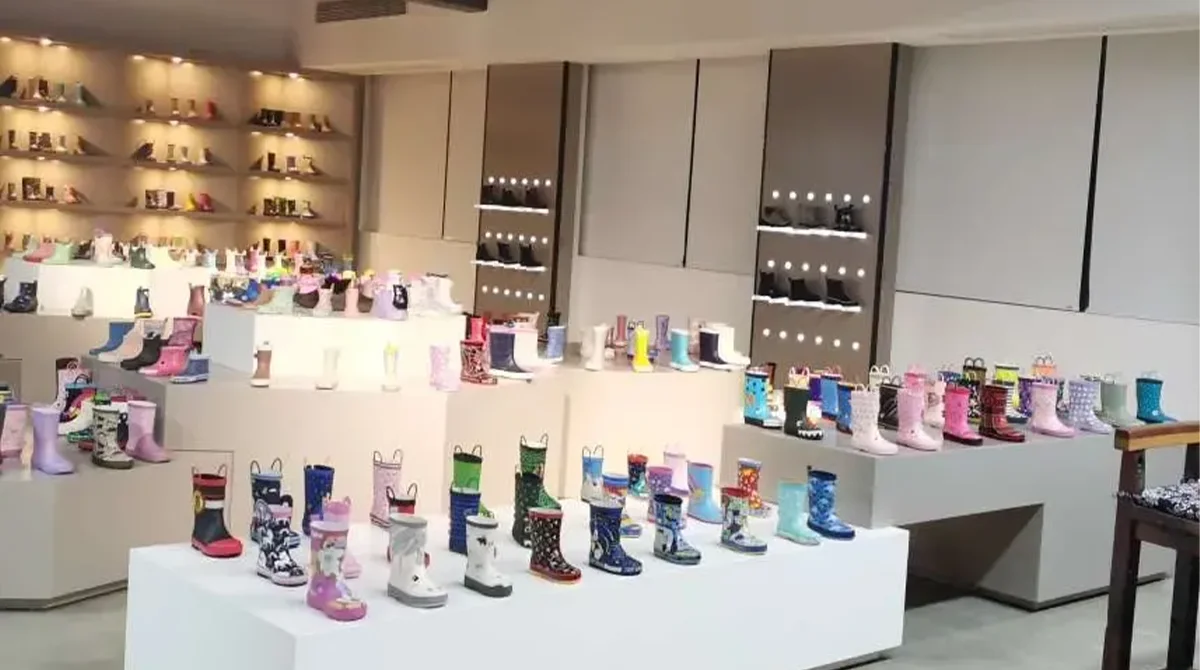
Nanjing Hengrun Shoes Co., Ltd.
- Trading Company
- Jiangsu, China
- Lead time60 days
- Avg. response≤ 4h
Main productsRain Boots,rubber Boots,Safety Boots,snow Boots,Military Boots
Main marketsNorth America(60.00%), Western Europe(20.00%), Southern Europe(10.00%), Eastern Europe(10.00%)
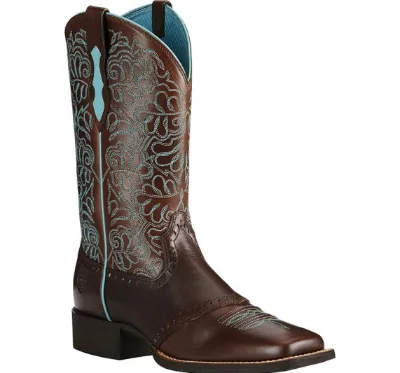
$16.00 - $18.00
MOQ: 100 pairs
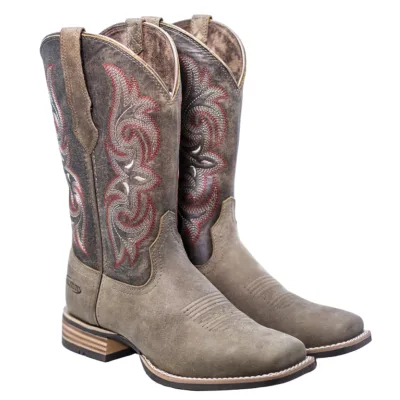
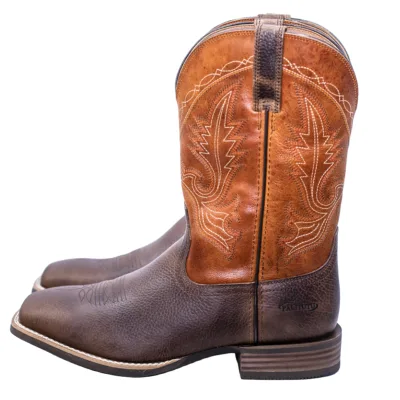
$61.495 - $78.8399
MOQ: 100 pairs
- Manufacturer, Trading Company
- Shandong, China
- Lead time15 days
- Avg. response≤ 3h
Main productsSafety shoes,Safety boot,Hiking shoes,Work shoes,Labor protection equipment
Main marketsOceania(40.00%), Africa(20.00%), South Asia(20.00%), South America(10.00%), Southeast Asia(10.00%)
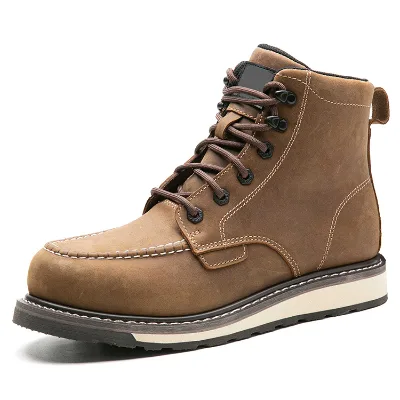
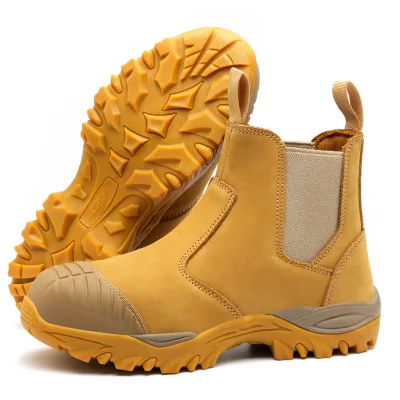
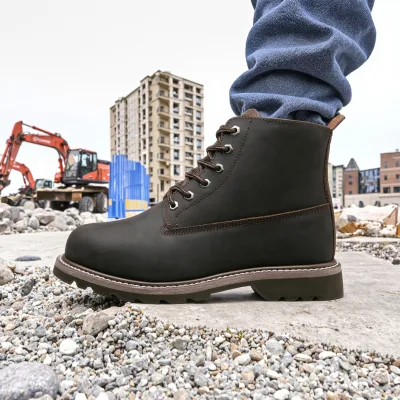
$27.1619 - $28.5994
MOQ: 500 pieces
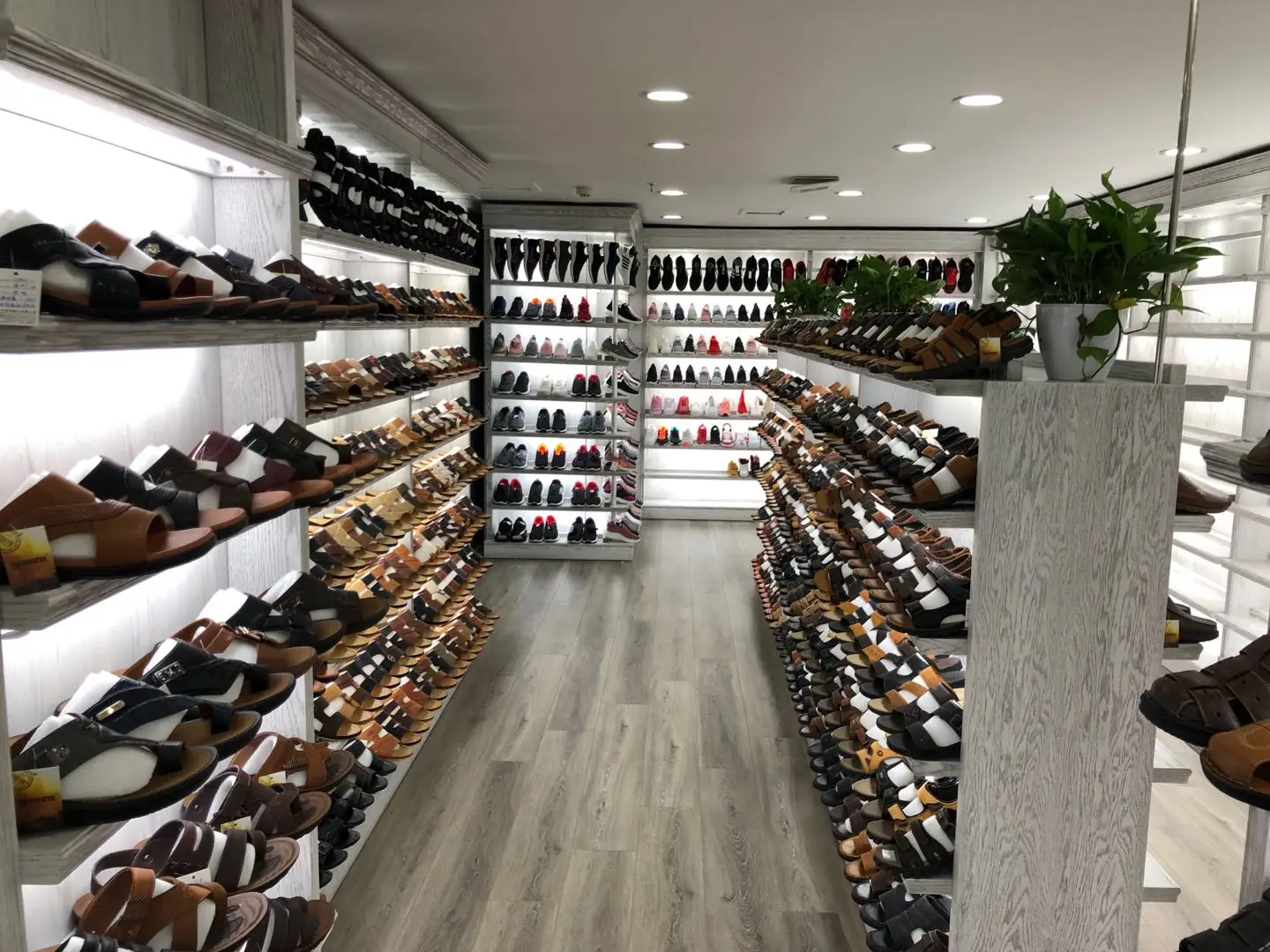
- Trading Company
- Zhejiang, China
- Lead time30 days
- Avg. response≤ 2h
Main productsShoes
Main marketsAfrica(60.00%), Mid East(40.00%)

HAWSON INTERNATIONAL INDUSTRIAL LIMITED
- Trading Company
- China Zhejiang
- Lead time45 days
- Avg. response≤ 25h
Main productsSaddlery, Equestrian Products, Grooming Kit, Whips, Harness, Brush Hoof Pick, Dog Apparel, Girth Halter Lead Rope Bandage, Bag, Horse Stable Rack
Main marketsSouth America,Southeast Asia/ Mideast,Europe
- Trading Company
- Hubei, China
- Lead time0 days
- Avg. response≤ 3h
Main productsLeather Shoes,Loafers,ballet flat,Casual Sneaker,Oxfords
Main marketsSouthern Europe(15.00%), Eastern Europe(15.00%), Northern Europe(15.00%), Western Europe(15.00%), Mid East(10.00%), South America(10.00%), North America(10.00%), Domestic Market(5.00%), South Asia(5.00%)

Jinan Xintaiyuan Import and Export Trading Co., Ltd.
- Verified by CTI
- Trading Company
- China Shandong
- Lead time15 days
- Avg. response≤ 7h
Main marketsDomestic

Hangzhou Huajida Auto Parts Co., Ltd.
- Trading Company
- China Zhejiang
- Lead time15 days
- Avg. response≤ 18h
Main productsJAC Truck Spare Part
Main marketsSouth America,Africa,Southeast Asia/ Mideast,Europe
Yuhuan Mingyan Technology Co., Ltd
- Verified by SGS Group
- Manufacturer, Trading Company
- Lead time25 days
- Avg. response≤ 7h
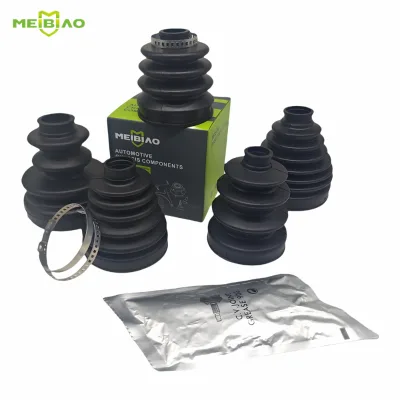
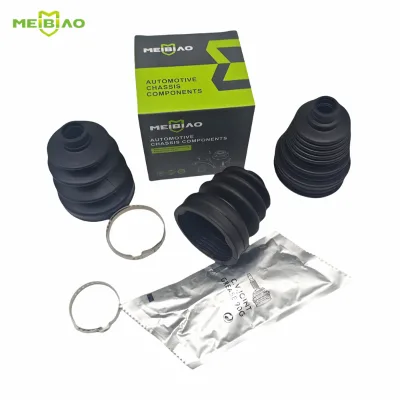
Main productsCV Joint Boot, Steering Boot, Drive Shaft, Control Arm, Auto Rubber Parts
Main marketsWestern Europe(50%), Mid East(30%), Southeast Asia(20%)
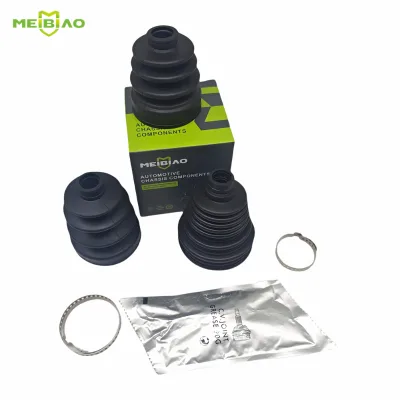
$0.5366 - $1.7733
MOQ: 100 Minimum

Xiamen Best Seal Imp. and Exp. Co., Ltd.
- Verified by SGS
- Manufacturer
- China Fujian
- Lead time30 days
- Avg. response≤ 6h
Main productsRubber O-Rings, X-Rings, Rubber Gaskets, Rubber Washers, Rubber Molded Parts, Metal/Plastic Bonded to Rubber Parts
Main marketsEurope,North America


$0.01 - $0.09
MOQ: 100 Pieces
Jinjiang Moroso E-commerce Co., Ltd.
- Verified by Intertek
- Trading Company
- Lead time0 days
- Avg. response≤ 1h
Main productsLeather Shoes, Leather Boots
Main marketsNorth America(55%), Western Europe(16%), Mid East(10%)
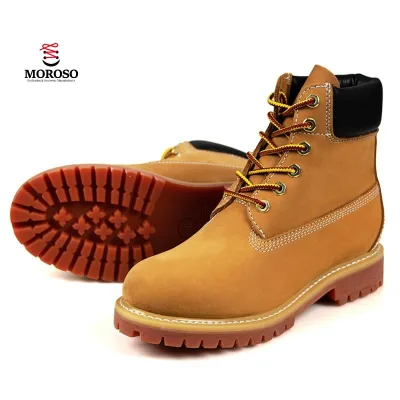
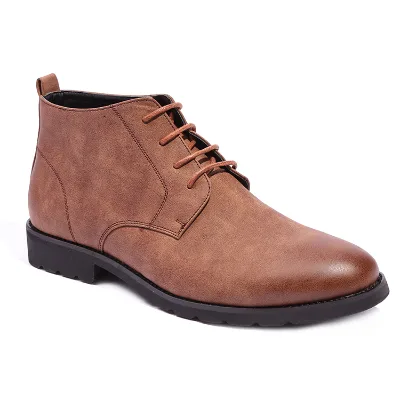
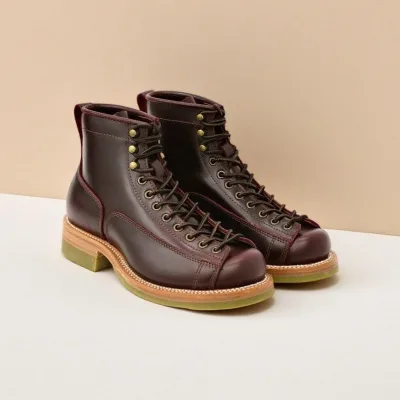
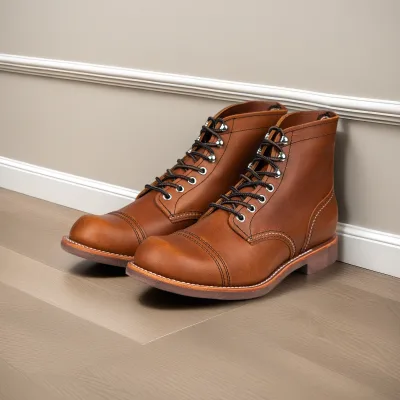
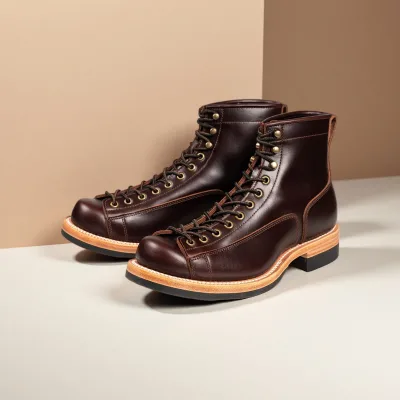
Goodyear Craft Boots Yellow Boots Men's High Help Work Boots
$74.50 - $97.40
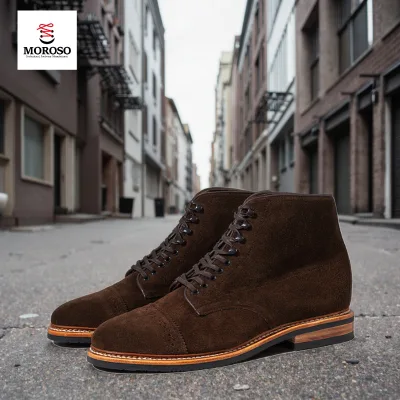
$186.60 - $244.00
MOQ: 10 pieces
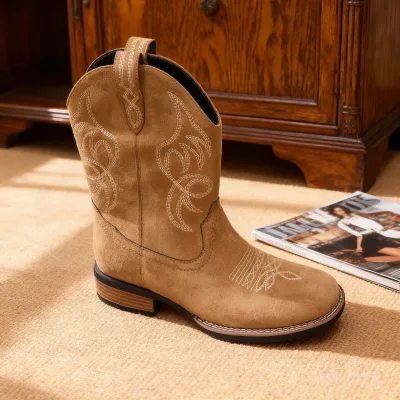




Comprehensive Sourcing Guide
Taiwan Truck Boot Supplier Concentration and Factory Types
The current supplier landscape for truck boots and related heavy-duty footwear reveals a distinct geographic concentration in mainland China, specifically within the Jiangsu, Shandong, and Zhejiang provinces. These regions serve as primary manufacturing hubs for industrial and safety footwear, offering a diverse range of production capabilities that cater to global demand. In Jiangsu, suppliers are predominantly identified as trading companies, which often act as intermediaries connecting buyers with local factories. This structure allows for a broader product catalog, including specialized items like rain boots, rubber boots, and military-style footwear, alongside traditional work boots. The presence of trading companies in this cluster suggests a market focused on flexibility and variety, where buyers can access multiple styles and specifications through a single point of contact. This setup is particularly useful for buyers seeking diverse inventory without managing relationships with numerous individual factories.
In contrast, suppliers located in Shandong exhibit a mixed operational model, functioning as both manufacturers and trading companies. This dual identity provides a significant advantage for buyers requiring direct factory access for customizations while still benefiting from the logistical support of trading operations. The main products in this region heavily emphasize safety shoes, safety boots, and hiking shoes, indicating a strong specialization in protective equipment for industrial applications. The presence of manufacturers in Shandong implies greater control over the production process, potentially leading to more consistent quality and faster turnaround times for standard orders. Meanwhile, suppliers in Zhejiang focus primarily on general shoes, suggesting a broader but less specialized approach to footwear manufacturing. Understanding these distinct factory types and their regional concentrations helps buyers align their sourcing strategies with their specific needs for customization, volume, and product specialization.
How to Verify Taiwan Truck Boot Suppliers
Verifying the legitimacy and capability of suppliers requires a systematic approach that goes beyond surface-level product listings. Buyers should prioritize suppliers with verified response times, as these metrics often correlate with operational efficiency and customer service quality. For instance, suppliers in Zhejiang demonstrate a rapid response time of two days, which is a strong indicator of an agile and responsive business structure. Similarly, Shandong-based suppliers show a three-day response time, while Jiangsu suppliers operate with a four-day response window. These differences can influence decision-making, especially for buyers who require quick communication for urgent orders or complex negotiations. Additionally, examining the company type is crucial; distinguishing between pure trading companies and those that are also manufacturers can reveal the depth of a supplier’s control over production. Buyers should request detailed information about the manufacturing process, including factory audits or video tours, to confirm that the supplier has direct oversight of quality control measures.
Another critical verification step involves assessing the supplier’s product evidence and attribute consistency. Buyers must ensure that the product specifications listed, such as upper material, lining, and sole composition, match the actual items received. For example, some suppliers offer boots with genuine leather uppers and cotton fabric linings, while others provide nubuck leather with breathable mesh linings for industrial use. Verifying these details through sample orders or third-party inspection services can prevent discrepancies between advertised and delivered goods. Furthermore, checking the supplier’s main products against the buyer’s specific requirements ensures that the supplier specializes in the relevant category. A supplier listing safety boots as a main product is more likely to have the expertise and equipment necessary for producing high-quality truck boots compared to a general shoe manufacturer. By combining response time analysis, company type verification, and product attribute validation, buyers can build a reliable supplier base that meets their operational standards.
What to Compare Across Taiwan Truck Boot Suppliers
When evaluating potential suppliers, buyers must compare key operational metrics such as lead times, minimum order quantities (MOQs), and pricing structures to determine the best fit for their business model. Lead times vary significantly across regions, with Shandong suppliers offering a rapid fifteen-day turnaround, Jiangsu suppliers requiring sixty days, and Zhejiang suppliers providing a thirty-day lead time. These differences are critical for inventory planning and supply chain management, especially for buyers with tight delivery schedules. MOQs also differ, with some suppliers requiring a minimum of one unit, which is ideal for sampling or small-batch orders, while others mandate a MOQ of 500 units, suitable for large-scale procurement. Understanding these thresholds helps buyers align their order volumes with supplier capabilities, avoiding unnecessary costs or delays. Additionally, comparing prices across different product types and materials allows buyers to identify cost-effective options without compromising on quality.
Beyond operational metrics, buyers should compare the specific features and materials of the boots offered by each supplier. For instance, some suppliers provide boots with steel toe caps and Kevlar midsoles for maximum protection in industrial settings, while others offer composite fiber toes and PU midsoles for lighter, more flexible options. The upper materials also vary, with choices ranging from nubuck leather to genuine leather and PU, each offering different levels of durability and comfort. Buyers should also consider the closure type, such as slip-on or lace-up, and the boot height, which can impact ease of use and protection. By systematically comparing these attributes, buyers can create a detailed matrix of supplier offerings, enabling them to make informed decisions based on their specific operational needs. This comparative approach ensures that buyers select suppliers who not only meet their price and volume requirements but also provide the right product specifications for their end-users.
Common Taiwan Truck Boot Sourcing Risks
One of the primary risks in sourcing truck boots is the potential mismatch between advertised product specifications and the actual items received. This discrepancy can arise from inaccurate product listings, where suppliers may exaggerate material quality or omit critical safety features. For example, a supplier might list a boot as having a steel toe cap, but the actual product may feature a composite fiber toe, which offers less protection. Buyers must be vigilant in verifying these details through sample orders or third-party inspections to ensure compliance with safety standards. Another significant risk is the variability in lead times, which can disrupt supply chain operations if not properly managed. Suppliers with longer lead times, such as those in Jiangsu requiring sixty days, may struggle to meet urgent demands, leading to stockouts or delayed deliveries. Buyers should establish clear communication channels and contingency plans to mitigate these risks, ensuring that they have alternative suppliers or buffer stock in place.
Additionally, buyers face the risk of inconsistent quality control, particularly when dealing with trading companies that may not have direct oversight of the manufacturing process. This lack of control can result in variations in stitching, material durability, and overall craftsmanship. To mitigate this risk, buyers should prioritize suppliers with established quality assurance processes and request detailed quality reports or certifications. Furthermore, the risk of hidden costs, such as shipping fees or customs duties, can impact the total cost of ownership. Buyers must carefully review the pricing structures and include all potential additional costs in their budgeting process. By identifying and addressing these common risks through thorough verification, clear communication, and comprehensive budgeting, buyers can protect their interests and ensure a successful sourcing experience. Proactive risk management is essential for maintaining supply chain stability and meeting customer expectations in the competitive truck boot market.
Taiwan Truck Boot Regional Sourcing and Logistics
Sourcing truck boots from different regions in China offers distinct logistical advantages and challenges that buyers must consider. Jiangsu, as a major manufacturing hub, provides access to a wide variety of products, including specialized footwear like rain boots and military boots. However, the longer lead times associated with suppliers in this region, often around sixty days, require careful inventory planning and advance ordering. Buyers sourcing from Jiangsu should factor in these extended timelines when scheduling production and delivery, ensuring that they have sufficient stock to meet demand. Additionally, the presence of trading companies in Jiangsu can simplify logistics by consolidating shipments from multiple factories, reducing the complexity of managing multiple suppliers. This consolidation can lead to cost savings and streamlined shipping processes, making it an attractive option for buyers seeking variety and convenience.
In contrast, suppliers in Shandong offer faster lead times, typically around fifteen days, which is beneficial for buyers requiring quick turnaround and flexible order sizes. The region’s focus on safety shoes and industrial boots aligns well with the needs of buyers in the construction and manufacturing sectors. Logistics from Shandong can be more efficient due to the proximity to major ports and transportation networks, reducing shipping times and costs. Buyers sourcing from this region should leverage the faster lead times to maintain lean inventory levels and respond quickly to market changes. Meanwhile, suppliers in Zhejiang provide a thirty-day lead time, offering a balanced approach between speed and variety. Buyers must evaluate the logistical implications of each region, considering factors such as shipping costs, transit times, and supplier reliability. By aligning their sourcing strategy with the logistical strengths of each region, buyers can optimize their supply chain and enhance operational efficiency.
Taiwan Truck Boot Commercial Terms and Order Planning
Effective order planning for truck boots requires a thorough understanding of commercial terms, including pricing, MOQs, and payment conditions. Buyers should compare the price ranges offered by different suppliers, noting that costs can vary significantly based on materials and features. For instance, boots with genuine leather uppers and steel toe caps may command higher prices compared to those with PU uppers and composite toes. Understanding these price variations helps buyers budget accurately and negotiate favorable terms. Additionally, buyers must consider the MOQs set by suppliers, which can range from one unit for sampling to 500 units for bulk orders. Aligning order volumes with supplier MOQs ensures that buyers can secure the best prices and avoid unnecessary costs associated with small-batch production. Buyers should also clarify payment terms, such as deposit requirements and balance payments, to manage cash flow effectively.
Furthermore, buyers should establish clear communication protocols with suppliers to ensure that all commercial terms are understood and agreed upon before placing orders. This includes confirming delivery schedules, packaging requirements, and after-sales support. Buyers must also consider the potential for price fluctuations due to raw material costs or currency exchange rates, and negotiate fixed-price contracts where possible to mitigate these risks. By carefully planning orders and negotiating favorable commercial terms, buyers can optimize their procurement process and enhance profitability. Additionally, buyers should maintain a diversified supplier base to reduce dependency on a single source and ensure continuity of supply. Regularly reviewing and updating supplier performance metrics helps buyers identify areas for improvement and strengthen their supply chain resilience. Through strategic order planning and proactive supplier management, buyers can achieve sustainable growth and competitive advantage in the truck boot market.
FAQs
Where are these boots manufactured?
The boots are manufactured in Jiangsu, Shandong, and Zhejiang, China. These regions specialize in footwear production, offering diverse options for buyers. Suppliers in these areas provide various styles, including safety and western boots, ensuring a wide selection for international procurement needs.
What is the typical lead time?
Lead times vary by supplier location and product type. Some manufacturers offer a 15-day lead time, while others may require up to 60 days. Buyers should confirm specific delivery schedules with their chosen supplier to ensure timely receipt of goods for their projects.
What is the minimum order quantity?
Minimum order quantities depend on the specific supplier and product. Some suppliers accept orders as low as one unit, while others require a minimum of 100 or 500 pairs. Buyers should check individual product listings to determine the exact MOQ for their desired items.
How quickly do suppliers respond?
Supplier response times range from 2 to 4 hours. Faster response times indicate active customer service teams ready to assist with inquiries. Buyers can expect prompt communication, which is crucial for resolving questions about product specifications, pricing, and shipping details efficiently.
What materials are used in the boots?
Boots are made from various materials, including PU, genuine leather, nubuck leather, and rubber. Linings may feature cotton fabric, breathable mesh, or genuine leather. These materials are selected for durability, comfort, and suitability for different environments, from industrial work to casual wear.
What is the price range?
Prices range from approximately $16 to $79 per pair, depending on materials and features. Basic PU boots start around $16, while leather options can exceed $60. Buyers should compare specific product listings to find the best value for their budget and quality requirements.