Universal Motorcycle Handlebar Switch Suppliers and Manufacturers
Compare 17 verified suppliers of universal motorcycle handlebar switches by location, response time, and lead time. Review certifications like ISO9001 and MOQs before requesting samples or quotes for your specific motorcycle model; review the available evidence before requesting comparable quotations from suitable candidates.
Suppliers List

Ningbo Tofull Motorcycle Parts Co., Ltd.
- Verified by TUVRHEINLAND
- Trading Company
- China Zhejiang
- Lead time30 days
- Avg. response≤ 2h
Main productsMotorcycle Parts, UTV/ATV Parts, Motorcycle Cylinder, Motorcycle Clutch System, Motorcycle Helmet, Motorcycle Carburetor, Motorcycle Shock Absorber, Motorcycle Sprocket & Chain, Motorcycle Speedometer, Motorcycle Electronic Systems
Main marketsDomestic

Xingtai Motoyield Import and Export Co. Ltd
- Verified by CTI
- Combined
- China Hebei
- Lead time45 days
- Avg. response≤ 12h
Main productsMotorcycle Gasket, Motorcycle Oil Seal, Motorcycle Engine Parts, Motorcycle Brake System, Motorcycle Drive System, Motorcycle Frame and Suspension System, Motorcycle Control System, Motorcycle Electrical System, Motorcycle Fuel System, Motorcycle Lighting System

Taizhou Spare Parts Expert Import & Export Co., Ltd.
- Trading Company
- China Zhejiang
- Lead time30 days
- Avg. response≤ 6h
Main productsMotorcycle Parts, Scooters Accessories, Motorcycle Accessories, Gy6 Engine Accessories, Italika Spare Parts, Bike Accessories, Cg125 Jog 50, Bajaj, Helmet, Remote Controller
Main marketsSouth America,Southeast Asia/ Mideast,Europe

XINGTAI WINWAY IMPORT & EXPORT TRADING CO., LTD.
- Trading Company
- China Hebei
- Lead time23 days
- Avg. response≤ 22h
Main productsMotorcycle Shock Absorber, Motorcycle Brake Shoe, Motorcycle Cable, Motorcycle Sprocket, Motorcycle Mirror, Motorcycle Speedometer, Motorcycle Headlight, Motorcycle Oil Seal, Motorcycle Spark Plug, Motorcycle Kick Staerter
Main marketsSouth America,Africa,Southeast Asia/ Mideast


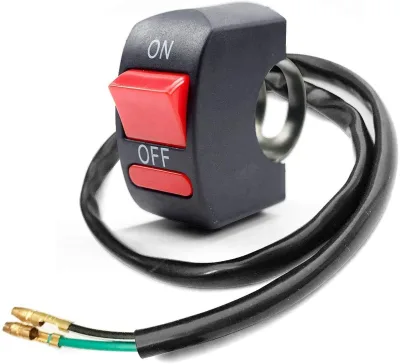
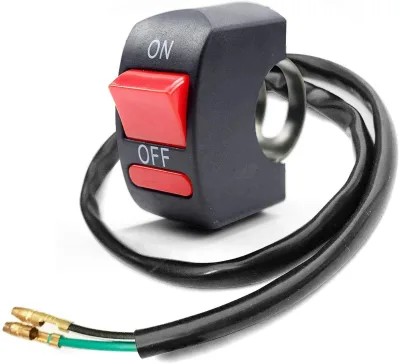
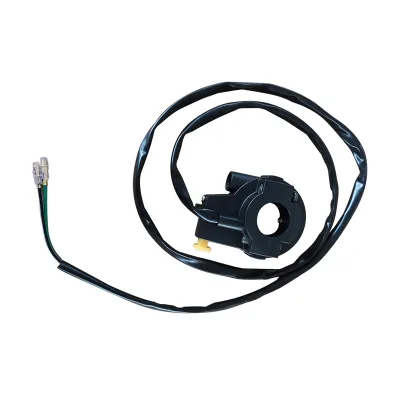
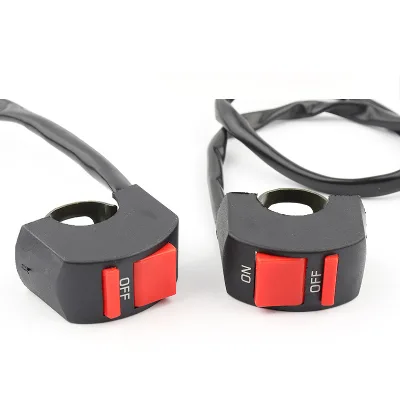
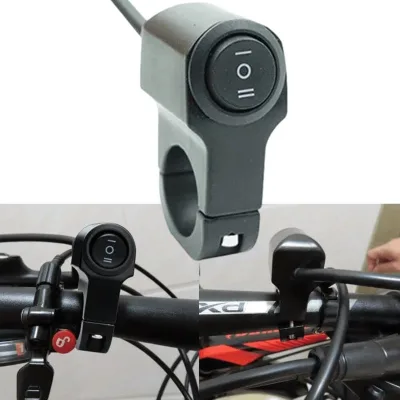
Universal 22mm Motorcycle Handlebar Switch Turn Signal Horn Switch Start Stop Switch
$1.85 - $1.86
Moq: 500

Changzhou Showhum Precision Technology Co., Ltd.
- Verified by SGS
- Manufacturer/Factory
- China Jiangsu
- Lead time45 days
- Avg. response≤ 5h
Main productsCNC Part, CNC Machine Part, Car Parts, CNC Milling Part, Plastic Products, Forged Part, Welding Part, Waterjet Cutting Parts, Motorcycle Parts, Bicycle Parts
Main marketsSouth America,Eastern Europe,Mid East,North America,Eastern Asia,Western Europe
- Verified by SGS Group
- Manufacturer, Trading Company
- Lead time60 days
- Avg. response≤ 12h
Main productsGasket Sets, Sprockets, Levers, Cables, Tools
Main marketsOceania(23%), Eastern Europe(22%), Western Europe(15%)

Langfang Zhouchi Import and Export Co., Ltd
- Trading Company
- China Guangdong
- Lead time0 days
- Avg. response≤ 1h
Main productsMotorcycle Parts, Motorcycle Accessories, Clutch Cable, Motorcycle Sprocket Kit, Motorcycle Crankshaft Assembly, Motorcycle Piston Assy, Motorcycle Clutch Center, Motorcycle Fender, Motorcycle Seat, Thermal Insulation Material

WUXI HENGZHIXING NEW ENERGY VEHICLE CO.LTD
- Trading Company,Manufacturer/Factory
- China Jiangsu
- Lead time45 days
- Avg. response≤ 6h
Main productsElectric Scooter, Solar Power System, Solar Street Light, Electric Tricycle, Electric Motorcycle, Electric Bike, Charger, Controller, Motor
Main marketsSouth America,Eastern Europe,Mid East,Southeast Asia,Eastern Asia,Oceania,Africa
Chongqing Lixuan Motorcycle Parts Co., Ltd.
- Trading Company
- Chongqing, China
- Lead time20 days
- Avg. response≤ 5h
Main productsbajaj TVS three wheeler parts,China three wheeler spare parts,motorcycle parts
Main marketsSouth America(20.0%), Southeast Asia(20.0%), Africa(15.0%), Mid East(15.0%), Eastern Asia(10.0%), South Asia(10.0%), North America(5.0%), Central America(3.0%), Domestic Market(2.0%)
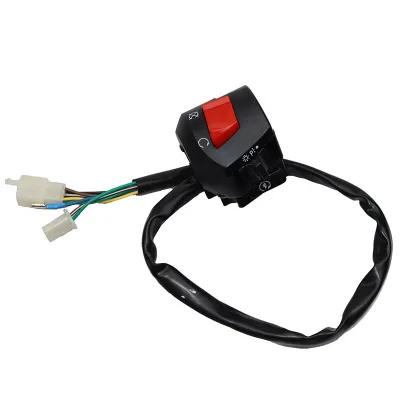
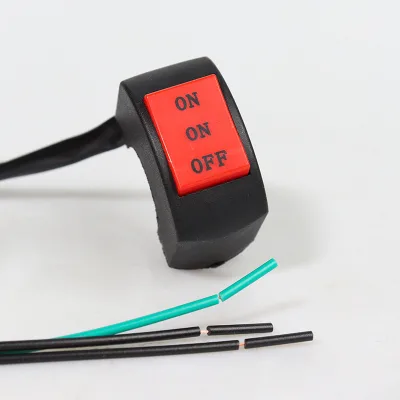
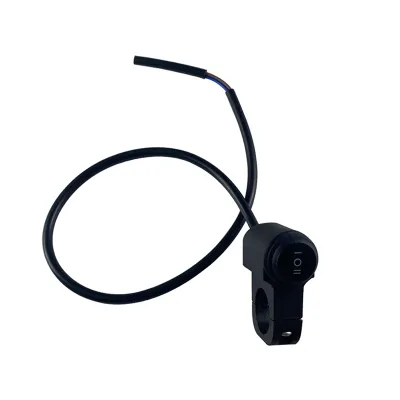
Factory Wholesale Universal Motorcycle Parts JL125 Hand Switch Handle bar Switch
$108.00 - $125.00
Moq: 500
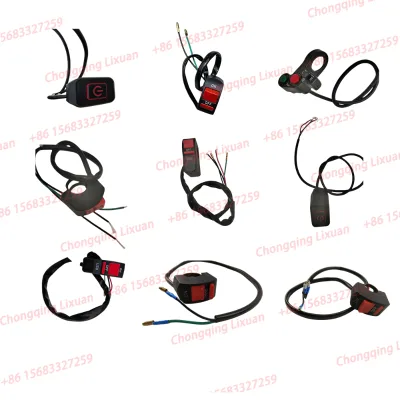
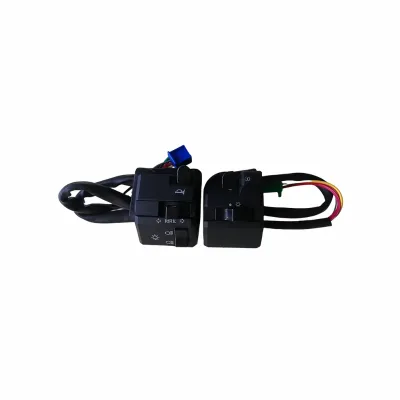
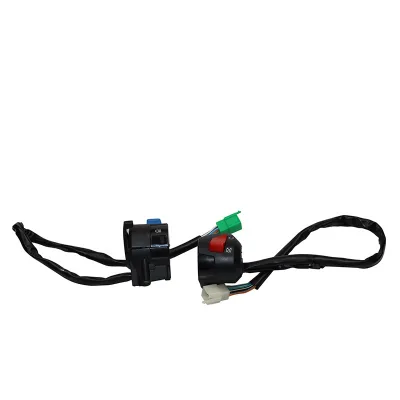
Dongguan Maiyu Electronics Co., Ltd.
- Verified by SGS Group
- Manufacturer, Trading Company
- Lead time7 days
Main productsRocker Switch, Fuse Box, 12V Car Meters, Car Charger Socket, Switch Panel
Main marketsDomestic Market(20%), Southeast Asia(13%), Oceania(13%)

Chongqing Proud Import & Export Trade Co., Ltd.
- Trading Company
- China Guangdong
- Lead time30 days
- Avg. response≤ 15h
Main productsCylinder Kit, Piston Kit, Magneto Coil, Rocker Arm, Camshaft, Clutch, Motorcycle Engine, Chain, Headlight, Wheel
Main marketsSouth America,Africa,Southeast Asia/ Mideast

Chongqing Kalida Industry Co., Ltd.
- Verified by TUVRHEINLAND
- Combined
- China Chongqing
- Lead time45 days
- Avg. response≤ 18h
Main productsMotorcycle Parts, Motorcycle Cylinder, Motorcycle Engine, Motorcycle Spare Parts, Motorcycle Accessories
Main marketsSouth America,Southeast Asia/ Mideast,North America

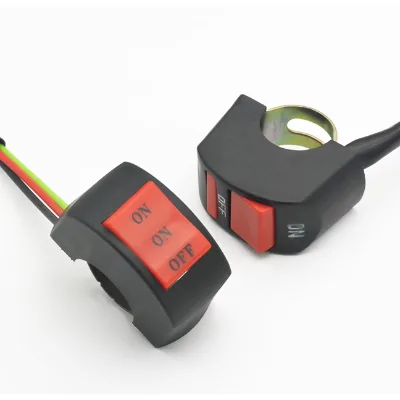
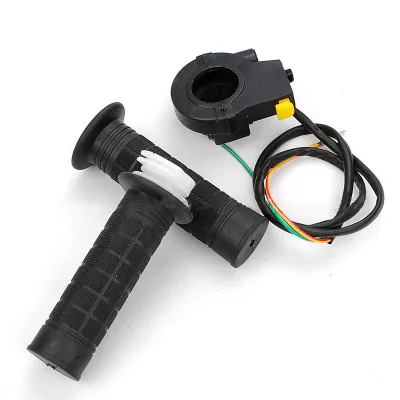
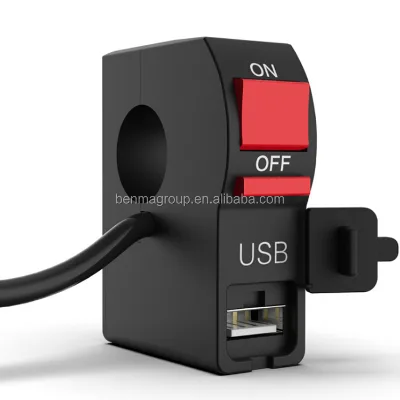
Motorcycle Universal Right Handle Switch Kigcol OEM High Quality Motorcycle Parts
$3.30 - $3.80
Moq: 500

Shangrao Goodman Trading Co., Ltd.
- Trading Company
- Jiangxi, China
- Lead time25 days
- Avg. response≤ 7h
Main productsTricycle parts,scooter parts,E-bike parts,wheel hub,tyre
Main marketsSoutheast Asia(30.0%), Mid East(15.0%), Eastern Asia(15.0%), Eastern Europe(10.0%), South America(10.0%), Western Europe(10.0%), Africa(5.0%), North America(5.0%)

Yueqing Ruida Electronic Co., Ltd.
- Manufacturer, Trading Company
- Zhejiang, China
- Lead time3 days
- Avg. response≤ 2h
Main productsSwitches,Sockets,Connectors,Wiring Harness,Indicator Lights
Main marketsDomestic Market(20.0%), Western Europe(20.0%), North America(20.0%), Southern Europe(10.0%), South America(10.0%), Eastern Europe(5.0%), Oceania(5.0%), Southeast Asia(5.0%)
Dongguan Yujie Electronic Technology Co., Ltd.
- Manufacturer, Trading Company
- Lead time旺季: "1 - 1000":15,"> 1000":"To be negotiated", 淡季: "1 - 1000":15,"> 1000":"To be negotiated"
- Avg. response≤ 2h
Main productsRocker Switch, Fuse Box, Rocker Switch Panel, Dual USB Car Charger, Battery Switch
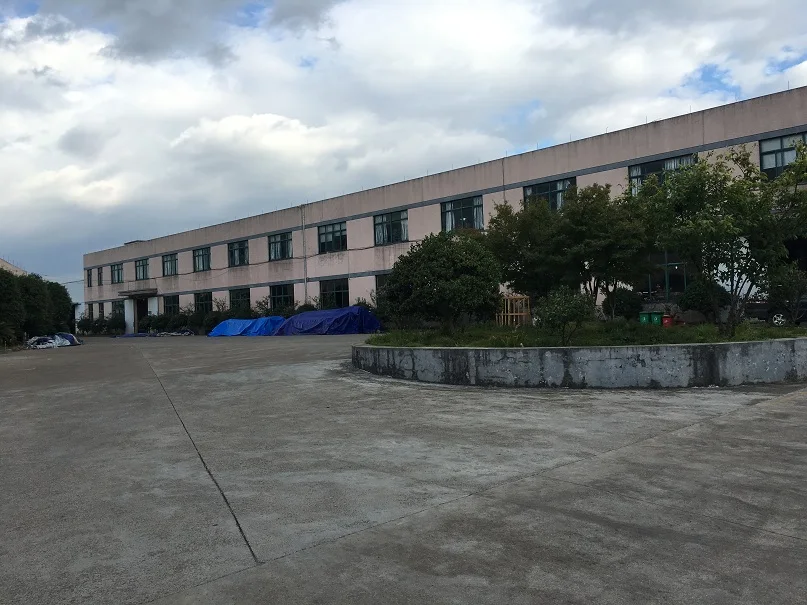
Yiwu Xueyan Outdoor Products Co., Ltd.
- Trading Company
- Zhejiang, China
- Lead time15 days
- Avg. response≤ 15h
Main productsBike light,Bike wheel light,Handlight,Pinch light,Lamps
Main marketsNorth America(50.0%), Eastern Europe(26.0%), Western Europe(10.0%), South America(10.0%), Southern Europe(3.0%)
Huangshan Benma Group Co., Ltd.
- Manufacturer, Trading Company
- Lead time旺季: "1 - 1000":30,"> 1000":"To be negotiated", 淡季: "1 - 1000":30,"> 1000":"To be negotiated"
- Avg. response≤ 7h
Main productsMotorcycle Brake Pad, Motorcycle Clutch Shoes, Motorcycle Clutch Assembly, Motorcycle Clutch Disc


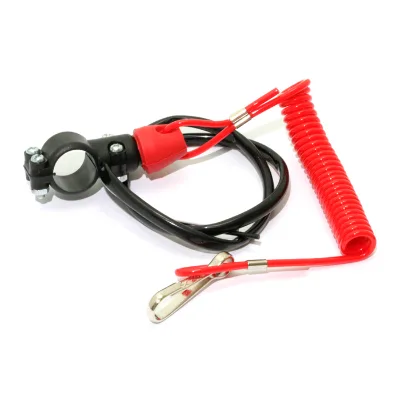


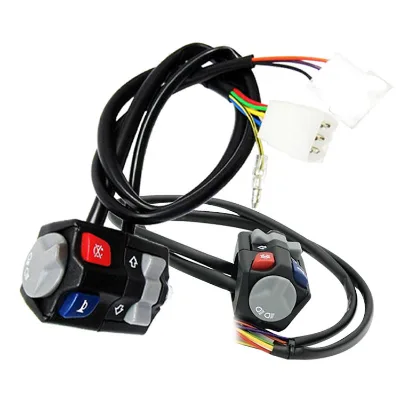
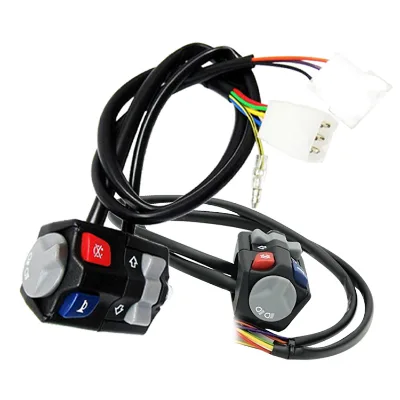
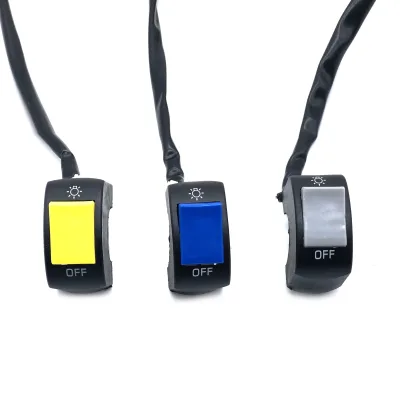


Comprehensive Sourcing Guide
Universal Motorcycle Handlebar Switch Supplier Concentration and Factory Types
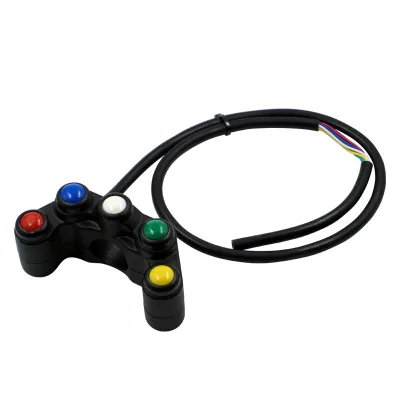
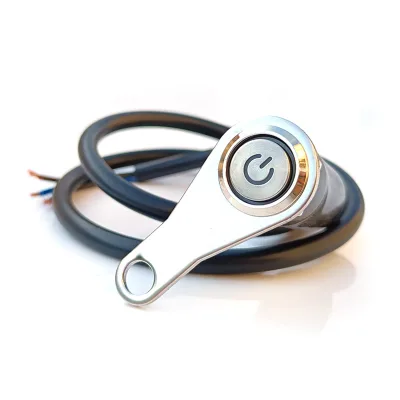
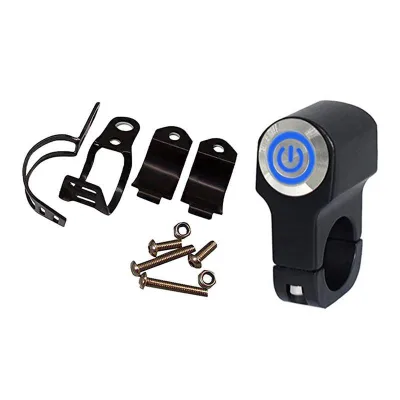
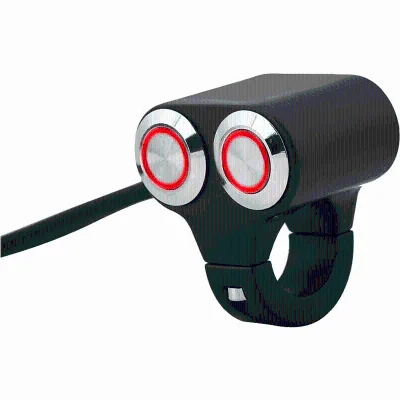
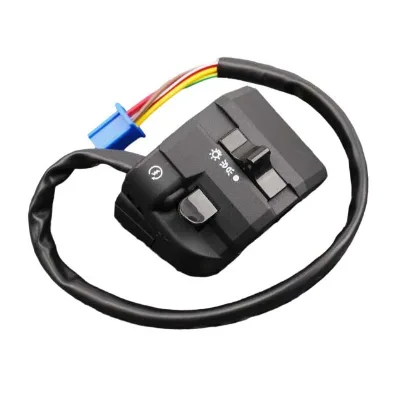
Current data indicates that suppliers for universal motorcycle handlebar switches are concentrated in specific Chinese provinces, with Zhejiang and Hebei emerging as primary manufacturing hubs. Factories in Zhejiang often operate as trading companies, aggregating products like motorcycle cylinders, clutch systems, and electrical components to offer a broad catalog. These entities typically focus on volume and variety, sourcing from various workshops to fulfill orders for parts such as handlebar switches, sprockets, and speedometers. In contrast, suppliers located in Hebei may present as combined entities, potentially integrating manufacturing capabilities with trading functions to provide specialized items like engine gaskets, oil seals, and brake systems alongside electrical switches.
Buyers should verify the specific company type listed for each potential partner, as this dictates the supply chain structure. A trading company might offer faster access to diverse SKUs but could have less direct control over the production floor compared to a factory or combined entity. When evaluating concentration, look for suppliers whose main product lists explicitly include motorcycle electrical systems or handlebar switches rather than just general vehicle accessories. If a supplier lists only helmets or remote controllers, they may be a generalist trader rather than a specialized source for critical electrical components. Always confirm the physical location to ensure the supplier operates within a known industrial cluster for motorcycle parts, which often correlates with established logistics networks and specialized labor pools.
How to Verify Universal Motorcycle Handlebar Switch Suppliers
Verification is critical when sourcing universal motorcycle handlebar switches, as the market contains both specialized manufacturers and general trading firms. Buyers should prioritize suppliers displaying third-party verification badges such as TÜV Rheinland or CTI, which indicate that an independent body has audited the company's business license and operational capabilities. For instance, some suppliers in the current results hold TÜV Rheinland verification, while others in different regions may carry CTI certification. These badges serve as a baseline for legitimacy, confirming that the entity exists and has passed specific compliance checks before being listed on the platform. Do not assume all suppliers have these credentials; if a badge is missing, request proof of business registration and factory audit reports directly.
Beyond verification badges, buyers must scrutinize the specific product attributes and certifications listed for the handlebar switches. Reliable suppliers often provide detailed specifications such as ISO9001 compliance, specific voltage ratings like 24V or 12V, and material compositions like plastic or alloy. Some product listings explicitly state certifications like CCC alongside ISO9001, which is essential for electrical components entering regulated markets. If a supplier claims to offer universal switches, verify that their product data includes the correct model numbers for various bike types, such as Yamaha Aerox155, Honda Cargo 150, or generic 22mm models. Absence of detailed technical data or vague certification claims should prompt a request for sample testing or a factory video tour to confirm the authenticity of their manufacturing claims.
What to Compare Across Universal Motorcycle Handlebar Switch Suppliers
When comparing suppliers, response time is a key metric for assessing operational efficiency and communication reliability. Data shows significant variance in response speeds, with some suppliers responding in approximately 1.32 hours while others may take over 11 hours. A faster response time often indicates a dedicated sales team or a more streamlined internal process, which is crucial when resolving technical queries about switch compatibility or voltage requirements. Buyers should prioritize suppliers with response times under two hours for urgent inquiries, as delays can stall the entire procurement cycle. However, a fast response does not guarantee product quality, so it must be weighed against other factors like lead time and certification status.
Lead time and Minimum Order Quantity (MOQ) are equally critical dimensions for comparison. Current records indicate lead times ranging from 30 days to 45 days, depending on the supplier's location and production capacity. Some suppliers offer a standard lead time of 30 days, while others in different regions may require up to 45 days for production and shipping. Regarding MOQ, while some listings suggest a minimum of 100 units, others may require 300 units for specific models. Buyers must align these constraints with their inventory needs; a supplier with a 30-day lead time and 100-unit MOQ might be ideal for small batches, whereas a 45-day lead time with higher MOQs suits large-scale distribution. Always verify if the quoted lead time includes shipping or is production-only, as this affects total delivery estimates.
Common Universal Motorcycle Handlebar Switch Sourcing Risks
One significant risk involves the discrepancy between product descriptions and actual manufacturing capabilities, particularly regarding customization and OEM services. While many suppliers list "Customization: Available" and "OEM: Accept" in their product attributes, the extent of this capability varies. Some listings specify a 22mm universal switch with plastic materials, while others offer alloy grips or specific model adaptations like the Akt-110 or ML-5. Buyers must confirm whether the supplier can produce the exact specifications required, such as a 24V rating or specific packing standards like carton boxes versus bag-and-box combinations. Relying solely on generic "universal" labels without verifying the specific model compatibility can lead to receiving parts that do not fit the intended motorcycle models.
Another risk lies in the variation of shipping methods and packaging standards, which can impact product safety and cost. Some suppliers specify shipping "by Sea" with a weight of 3kg per unit, while others list packing as "Bag+Box+Plywood Case" or "Standard Size." Inconsistent packaging can lead to damage during transit, especially for electrical components that are sensitive to moisture and impact. Additionally, the stated weight and dimensions, such as 29x23x23cm, must be accurate for freight calculations. If a supplier provides vague shipping details or does not specify the packing method, there is a risk of unexpected freight charges or damaged goods upon arrival. Buyers should explicitly request a packing list and shipping insurance terms before finalizing the order to mitigate these logistical risks.
Universal Motorcycle Handlebar Switch Regional Sourcing and Logistics
Regional sourcing strategies must account for the specific locations of suppliers, as logistics networks differ significantly between provinces. Suppliers in Zhejiang and Hebei, China, represent the primary hubs for motorcycle parts, but their proximity to major ports and rail networks affects shipping efficiency. Zhejiang-based trading companies often leverage established export channels for vehicle parts, while Hebei-based combined entities may have different logistical strengths depending on their specific factory locations. Buyers should verify the origin country listed for each product, ensuring it matches the supplier's stated location, as discrepancies can indicate drop-shipping or misrepresentation. Confirming the origin as "China" and the specific province helps in estimating transit times and customs clearance requirements.
Logistics planning should also consider the shipping method and delivery timeframes provided in the product attributes. Some suppliers explicitly state a delivery time of 15-30 days, while others list a standard lead time of 30 or 45 days. These figures often exclude international shipping time, so buyers must add the transit duration based on the chosen shipping method, such as sea freight. If a supplier offers "by Sea" shipping, the total time to destination could extend significantly beyond the production lead time. Buyers should request a detailed shipping schedule that breaks down production time, inland transport, and ocean freight to avoid delays. Understanding the regional logistics capabilities of the supplier ensures that the universal motorcycle handlebar switches arrive on schedule for assembly or retail distribution.
Universal Motorcycle Handlebar Switch Commercial Terms and Order Planning
Commercial terms regarding pricing and payment structures vary widely among suppliers, requiring careful analysis of the price ranges provided. Current data shows price points ranging from approximately $2.50 to $8.26 per unit, depending on the specific model and specifications. For example, a universal 22mm switch might be priced between $4.58 and $4.88, while a model-specific switch for a Yamaha Aerox155 could range from $7.96 to $8.26. Buyers must distinguish between these price tiers to ensure they are comparing like-for-like products. It is essential to verify whether the quoted price includes packaging, taxes, or shipping costs, as these factors can significantly alter the total landed cost. Always request a proforma invoice that details all cost components before committing to an order.
Order planning must also factor in sample availability and the ability to test product quality before bulk production. Many suppliers indicate "Sample: Yes" in their attributes, allowing buyers to verify the switch's voltage, material, and fitment before placing a large order. However, the cost and lead time for samples should be clarified, as some suppliers may charge for samples while others provide them for free. Additionally, buyers should confirm the return policy for defective samples and the timeline for receiving them. Planning for a sample phase helps mitigate the risk of mass-producing incompatible or substandard parts. By integrating sample testing into the order planning process, buyers can ensure that the universal motorcycle handlebar switches meet their specific quality and performance standards before scaling up production.
FAQs
What is the typical lead time for universal motorcycle handlebar switches?
Lead times vary by supplier, with some offering 30 days and others up to 45 days for production. Buyers should verify specific delivery windows before ordering to ensure timely arrival of parts for their motorcycle repair or assembly needs.
What is the minimum order quantity for these switches?
Minimum order quantities generally start at 100 units for most universal handlebar switches. Some listings indicate a minimum of 300 units, so buyers must check individual product pages to confirm the exact threshold required for their purchase.
Are these switches available with ISO9001 certification?
Yes, many universal motorcycle handlebar switches listed carry ISO9001 certification. Some suppliers also hold CCC or TÜV Rheinland verification, ensuring the products meet specific quality and safety standards required for international motorcycle parts distribution.
Where are the manufacturers of these switches located?
Manufacturers are primarily located in China, specifically in Zhejiang and Hebei provinces. These regions host trading companies and combined suppliers that specialize in producing motorcycle electrical systems and spare parts for global export markets.
Can I get samples before placing a large order?
Samples are available for most Universal Motorcycle Handlebar Switch listings. Buyers can request samples to verify quality and fit before committing to larger orders, though specific sample policies and costs should be confirmed directly with the supplier.
What is the price range for these switches?
Prices typically range from 2.50 to 8.26 per unit depending on the specific model and compatibility. Costs vary based on features like voltage, material, and whether the switch is designed for specific motorcycle brands or universal applications.
Do suppliers offer customization for these switches?
Customization is available for many universal motorcycle handlebar switches. Suppliers often accept OEM requests and can modify specifications to meet unique buyer requirements, provided the order meets the minimum quantity thresholds set by the manufacturer.