Universal Bluetooth OBD Scanner Suppliers and Manufacturers
Explore 23 verified suppliers offering Universal Bluetooth OBD Scanner solutions from China Guangdong, Hebei, and Shandong. Compare response times, lead times, certifications, and pricing to find the right partner. Contact suppliers directly to request quotes and verify product specifications; review the available evidence before requesting comparable quotations from suitable candidates.
Suppliers List

Topten Electronics Technology Limited
- Verified by TUVRHEINLAND
- Trading Company
- China Guangdong
- Lead time0 days
- Avg. response≤ 9h
Main productsMini GPS Tracker, GPS Tracker, GSM Car Alarm, Car Alarm System, Personal Tracker, Motorcycle Tracker, Car Security, Vehicle Tracker, GPS GPRS Tracker, Watch Tracker
Hebei Yifeng Automobile Industry Co., Ltd.
- Manufacturer
- Hebei, China
- Lead time30 days
- Avg. response≤ 5h
Main productsExcavator part,Excavator,Loaders
Main marketsSoutheast Asia(40.00%), Mid East(20.00%), South Asia(10.00%), Africa(10.00%), South America(10.00%), Eastern Europe(5.00%), Central America(5.00%)

Shenzhen Yilida Technology Co., Ltd.
- Verified by CTI
- Manufacturer/Factory
- China Shandong
- Lead time0 days
- Avg. response≤ 22h
Main productsAutomotive Maitenance Equipment, Car Repair Tool, Automobile Collision Repair Equipment, Car Workshop Equipment, Chassis Straigntener
Shenzhen Jiawei Hengxin Technology Co., Ltd.
- Manufacturer, Trading Company
- Guangdong, China
- Lead time3 days
- Avg. response≤ 3h
Main productsKW870 Car Diagnostic Scanner, KW720 Car Battery Tester, KDIAG Car Full System Diagnostic Tool, KW520 Smart Battery Charger, KW450 Car OBD2 Full System Diagnostic Scanner
Main marketsNorth America(15.00%), Western Europe(15.00%), South America(10.00%), Southern Europe(10.00%), Africa(10.00%), Eastern Europe(10.00%), Oceania(5.00%), Central America(5.00%), Mid East(5.00%), Southeast Asia(5.00%), Northern Europe(4.00%), South Asia(2.00%), Eastern Asia(2.00%), Domestic Market(2.00%)
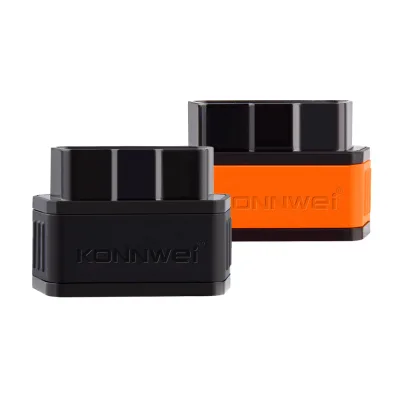
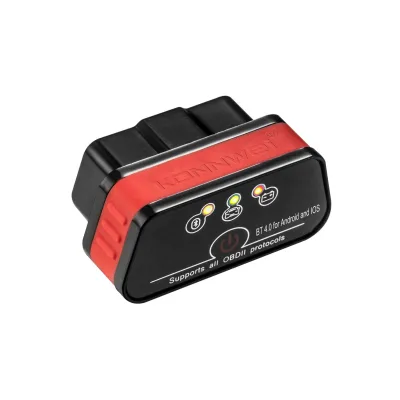
ELM327 OBD2 Scanner Auto Scanner ICar2 KW903 Bluetooth Car Obd2 Scanner bluetooth 4.0
$6.54 - $7.98
MOQ: 5 pieces

Sichuan CNGO New Energy Co.LTD.
- Verified by SGS
- Trading Company
- China Sichuan
- Lead time15 days
- Avg. response≤ 2h
Main productsGas Valve, Oxygen Valve, Cylinder Valve, Filling Valve, Ball Valve, Gas Cylinder Tank, Solenoid Valve, Tank Valve, Tank, Cylinder
Main marketsEurope
Shenzhen Cardiag Technology Co., Ltd.
- Verified by Intertek
- Trading Company
- Lead time3 days
- Avg. response≤ 2h
Main productsCar Diagnostic Tool, Car Code Reader, Auto Key Programmer, TPMS Tool, Car Battery Tester
Main marketsNorth America(37%), Eastern Europe(14%), Western Europe(14%)

Shenzhen Blovedream Technology Co., Ltd.
- Combined
- China Guangdong
- Lead time15 days
- Avg. response≤ 2h
Main productsPDA, Handheld Terminal, Industrial PDA, Handheld PDA, PDA Android, Android Mobile Computer, PDA Barcode Scanner Android, PDA Barcode Scanner, Android Barcode Scanner Terminal, Data Collector
Main marketsSouth America,Africa,Southeast Asia/ Mideast,East Asia(Japan/ South Korea),Europe,Australia,North America
Daonanhao (shenzhen) Technology Co., Ltd.
- Trading Company, Distributor/Wholesaler
- Guangdong, China
- Lead time0 days
- Avg. response≤ 7h
Main productsautomotive diagnostic equipment,motorcycle accessories
Main marketsNorth America(30.00%), Mid East(20.00%), Northern Europe(15.00%), Southeast Asia(15.00%), South America(10.00%), Eastern Asia(10.00%)

Shenzhen Dyscan Technology Co., Ltd
- Trading Company,Manufacturer/Factory
- China Guangdong
- Lead time0 days
- Avg. response≤ 5h
Main productsBarcode Scanner, 1d Barcode Scanner, 2D Barcode Scanner, Wireless Barcode Scanner, Portable Barcode Scanner, Barcode Scanner Engine, Barcode Scanner Module

Mini Wireless Bluetooth Barcode Scanner Portable Handheld 1d Cdd Barcode Scanner
$15.00 - $25.00
MOQ: 1 Pieces

1d Cdd Wireless 2.4G Bluetooth Barcode Scanner Mini Handheld Barcode Scanner
$15.00 - $25.00
MOQ: 1 Pieces

Factory Direct Handheld 1d Cdd Wireless Bluetooth Barcode Scanner Counting Barcode Scanner
$15.00 - $30.00
MOQ: 1 Pieces

Handheld 1d Bluetooth Wireless Bt 2.4G Barcode Scanner with Charging Dock
$20.00 - $30.00
MOQ: 1 Pieces

Small 1d Cdd Barcode Reader Portable Wireless 2.4G Bluetooth Scanner Large Storage
$15.00 - $25.00
MOQ: 1 Pieces


Jinjiang Jiayi Supply Chain Management Co., Ltd.
- Verified by BV
- Trading Company
- China Fujian
- Lead time30 days
- Avg. response≤ 1h
Main productsGift, Shoe, Garment, Machine
Main marketsDomestic
CHENGDU WECAN ELECTRONICS CO.,LTD
- Trading Company
- SICHUAN, China
- Lead time3 days
- Avg. response≤ 2h
Main productsOBD2 Scanner,clamp meter,digital multimeter,multimeter,diagnostic tools
Main marketsNorth America(30.00%), South Asia(20.00%), Eastern Europe(10.00%), South America(5.00%), Southern Europe(5.00%), Northern Europe(5.00%), Western Europe(5.00%), Eastern Asia(5.00%), Mid East(5.00%), Africa(5.00%), Southeast Asia(5.00%)
Chengdu Chexinwang Electronic Technology Co., Ltd.
- Trading Company
- Sichuan, China
- Lead time1 days
- Avg. response≤ 3h
Main productsX431 PRO5, X431 IMMO PLUS, MTOOL
Main marketsWestern Europe(30.00%), North America(25.00%), South America(20.00%), Southeast Asia(10.00%), Oceania(5.00%), Eastern Asia(5.00%), Africa(5.00%)
- Verified by TüVRheinland
- Manufacturer, Trading Company
- Guangdong, China
- Lead time15 days
- Avg. response≤ 2h
Main productsPCBA, Cable, Connector
Main marketsNorth America(25%), Domestic Market(23%), South America(15%)
Shenzhen Boyna Technology Co., Ltd.
- Verified by SGS Group
- Trading Company
- Lead time30 days
- Avg. response≤ 5h
Main productsCar Diagnostic Tool, Automotive Code Reader, OBD Cables and Connector, Battery Tester and Charger, Car ECU Programming Tool
Main marketsEastern Europe(30%), North America(15%), Southern Europe(15%)
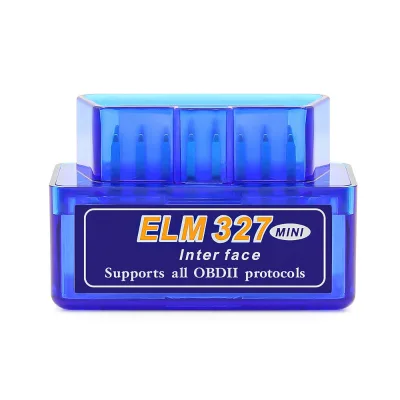
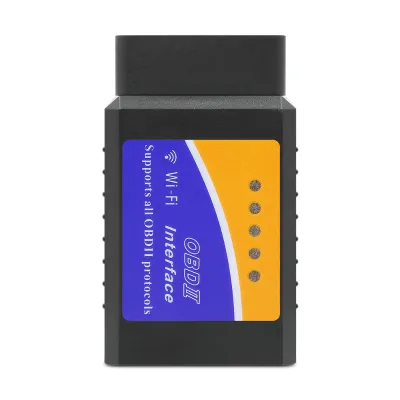
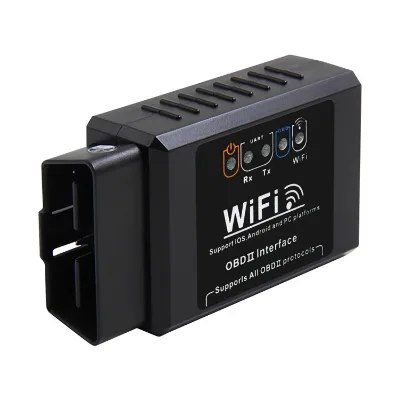
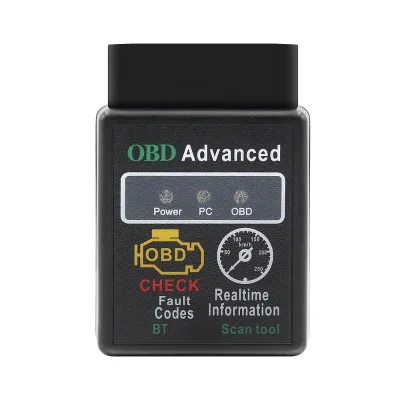
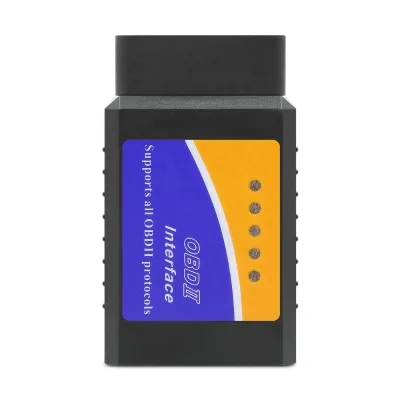
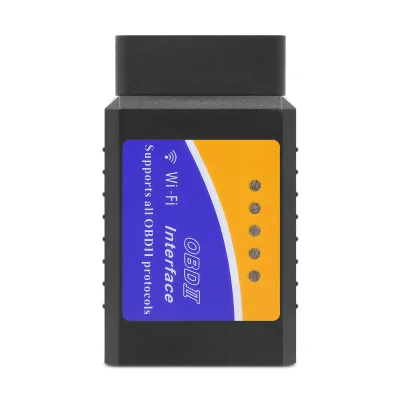
OBD2 Scanner ELM327 V1.5 Wireless 4.0 Scanner Automotriz for Universal Vehicles
$1.23 - $1.45
MOQ: 5 pieces

Yantai Lift Equipment Co., Ltd.
- Trading Company,Manufacturer/Factory
- China Shandong
- Lead time23 days
- Avg. response≤ 4h
Main productsCar Lift, Wheel Alignment, Tire Changer, Wheel Balancer, Auto Diagnostic Scanner, Auto Scanner, Car Jack, Garage Equipment, Auto Diagnostic Tool, Spray Booth
Main marketsSouth America,Eastern Europe,Mid East,North America,Southeast Asia,Eastern Asia,Oceania,Western Europe,Africa

New Design Auto Scanner/Auto Diagnostic Tool/Diagnostic Tool/Code Reader for Auto Workshop
$1380.00 - $1656.00
MOQ: 1 Pieces

Vehicle Diagnostic Device Full Set Car Diagnostic Machine Support Multi-Brand
$1380.00 - $1656.00
MOQ: 1 Pieces
Shenzhen Kingobd Electronic Tech Co., Ltd.
- Trading Company
- Guandong, China
- Lead time3 days
- Avg. response≤ 2h
Main productsAuto Code Scanner,Auto Diagnostic tool,Auto Key Programmer,Auto Odometer Correction,Auto Car Key and chip
Main marketsEastern Europe(30.00%), South America(25.00%), Northern Europe(10.00%), Western Europe(10.00%), Southern Europe(5.00%), Africa(5.00%), North America(5.00%), Eastern Asia(5.00%), Mid East(5.00%)
Guangzhou Xinyue Electronic Technology Co., Ltd.
- Trading Company
- Guangdong, China
- Lead time7 days
- Avg. response≤ 2h
Main productsCar Diagnostic Tool,Vehicle Key Shells,Smart Watch straps and chargers,Electronics,Adapter cables
Main marketsWestern Europe(60.00%), North America(20.00%), South America(10.00%), Eastern Europe(5.00%), Mid East(5.00%)
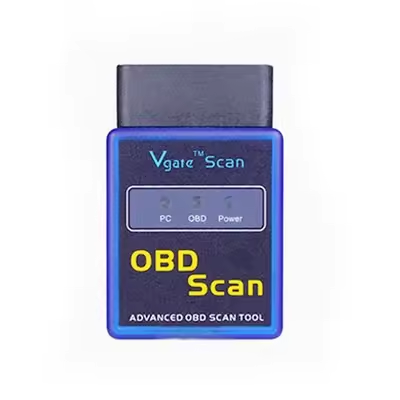
$1.27 - $1.32
MOQ: 50 pieces
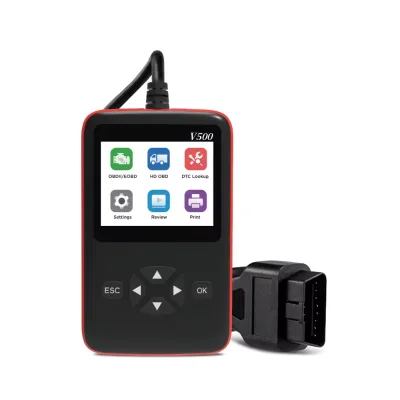
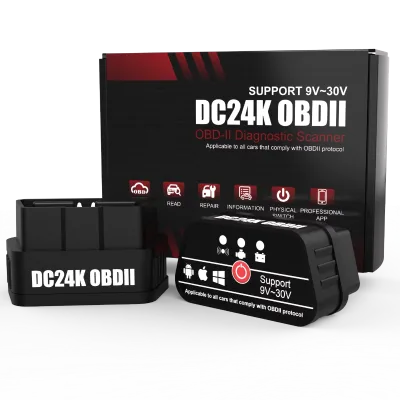

Guangzhou City GSAN Science & Technology Co., Ltd.
- Combined
- China Guangdong
- Lead time15 days
- Avg. response≤ 16h
Main productsPOS System, Thermal Printer, Barcode Scanner, Touch POS Terminal, Cash Drawer, Keyboard, POS Case, Monitor, Customer Display, Punto De Venta Integrado
Main marketsSoutheast Asia/ Mideast,Europe,North America

Shenzhen Tianrui Cloud Technology Co., Ltd.
- Verified by SGS
- Trading Company
- China Guangdong
- Lead time23 days
- Avg. response≤ 1h
Main productsTurnstile, Parking System(Lpr & Barrier Gate), Passport Reader, Industrial Motherboard, Qr Code Reader, Iris Recognition, RFID Device, ID Card Reader, PDA & Rugged Tablet
Main marketsDomestic

- Verified by SGS
- Trading Company
- China Zhejiang
- Lead time15 days
- Avg. response≤ 19h
Main productsCar Mat, Car Air Freshener, Car Seat Cover, Steering Wheel Cover, Car Phone Holder, Car Roof Tent, Car Sunshade, Jerry Can
Main marketsEurope,Australia

2024 High Quality Popular Code Reader Diagnostic Instrument Engine Scanner
$40.26 - $45.32
MOQ: 25 Pieces


Beijing Vacuum Electronic Technology Co., Ltd.
- Verified by BV
- Combined
- China Beijing
- Lead time30 days
- Avg. response≤ 6h
Main productsX-ray Baggage Scanner, Vehicle Inspection System, Container Scanner System, Walk-Through Metal Detector
Main marketsSoutheast Asia/ Mideast,East Asia(Japan/ South Korea),Domestic,North America

Jumicro Intelligent Equipment (Jiangsu) Co., Ltd
- Verified by CTI
- Combined
- China Jiangsu
- Lead time23 days
- Avg. response≤ 5h
Main productsSmart Sensing Rack, Smart Sensing Mobile Cart, Smart Stencil Storage Cabinet, Smart Solder Paste Storage Cabinet, First Article Inspection (Fai) Station, Stencil Inspection Machine, X-ray Inspection System, Smart X-ray Component Counter, Dry Storage Cabinet, SMT Auto Splice Machine
Main marketsSoutheast Asia/ Mideast,Domestic

Safeway Inspection System Limited
- Verified by SGS
- Trading Company
- China Guangdong
- Lead time15 days
- Avg. response≤ 17h
Main productsX-ray Baggage Scanner, X-ray Security Scanner, X-ray Airport Scanner, Explosive and Narcotics Trace Detector, Dangerous Liquid Detector, Passenger Car and Vehicle Scanner, Walk Through Metal Detector, Handheld Metal Detector, Security X-ray Inspection Machine
Main marketsAfrica,Others(foreignTradeCapacity.exportBusinessCapacityMarketOther),Southeast Asia/ Mideast


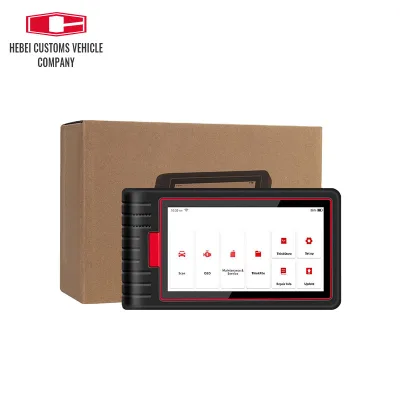
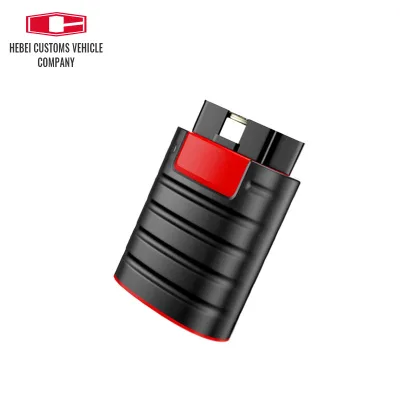


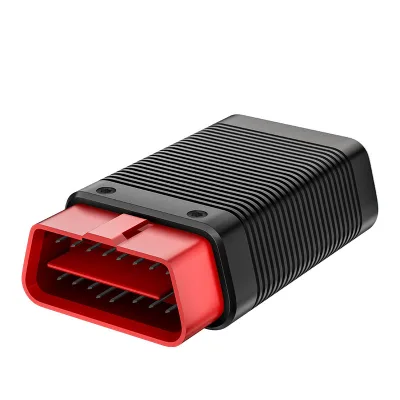
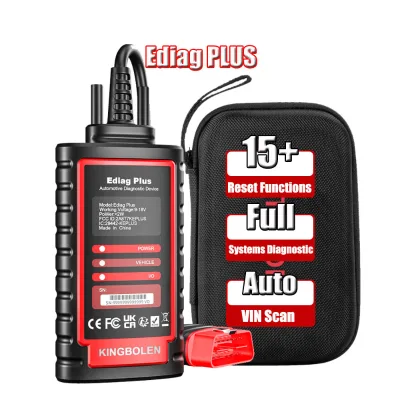


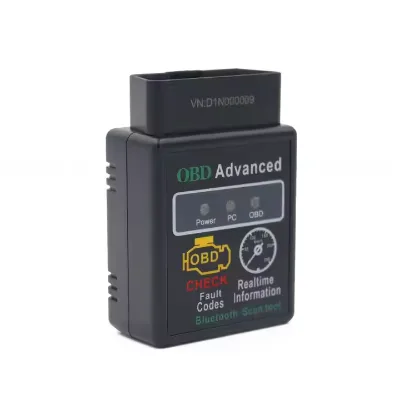
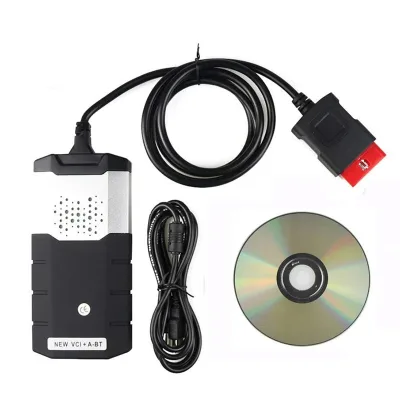


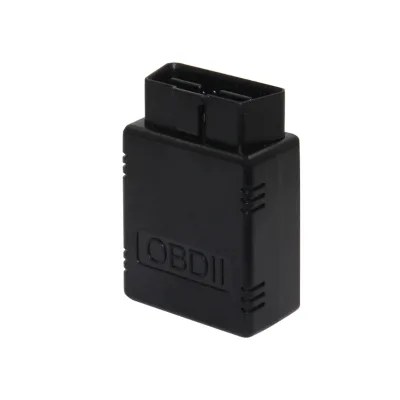
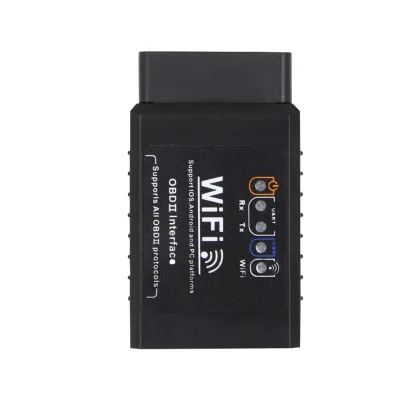
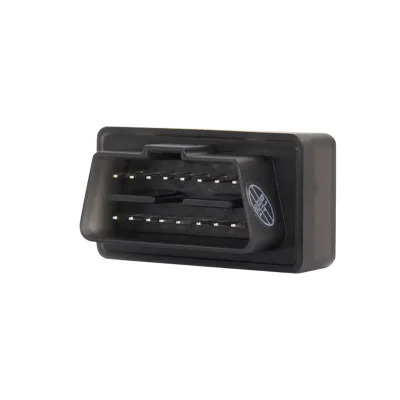
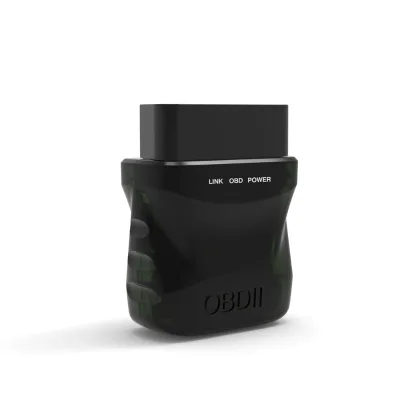


Comprehensive Sourcing Guide
Universal Bluetooth OBD Scanner Supplier Concentration and Factory Types
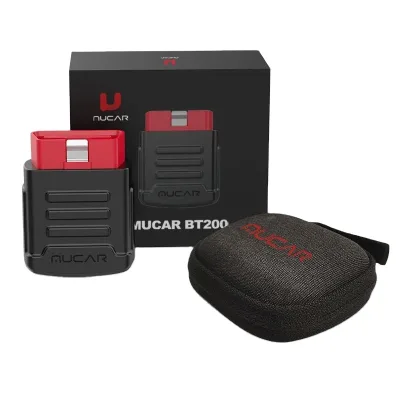
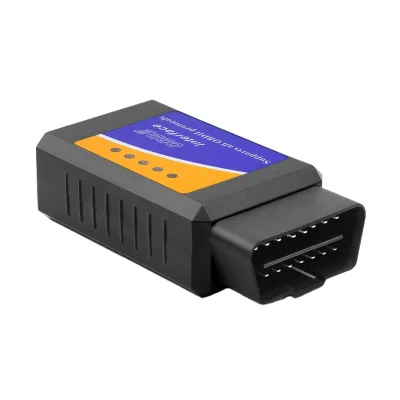
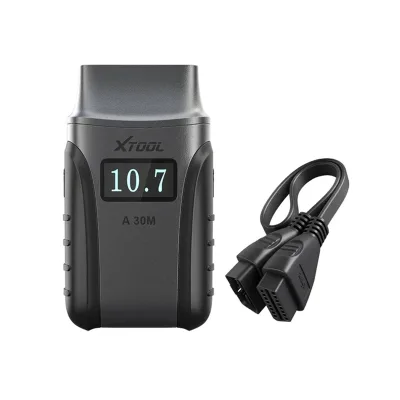
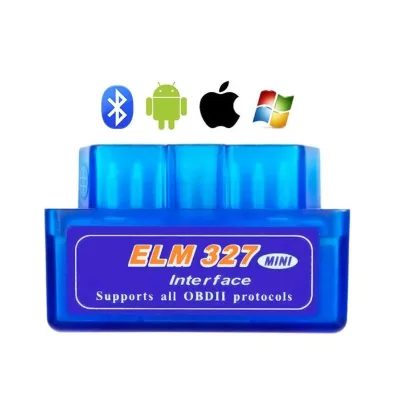
Current data indicates a concentration of suppliers in China, specifically within the Guangdong province, where trading companies and manufacturers operate. These entities often list main products including GPS trackers, car alarms, and various diagnostic tools like the OBD II scanner. Some suppliers in this region are verified by third-party agencies such as TUVRHEINLAND, suggesting a baseline of operational scrutiny. The presence of manufacturers in Hebei and Shandong provinces further diversifies the supply base, with some focusing on construction machinery parts while others specialize in automotive maintenance equipment. This geographic spread allows buyers to access different tiers of production capabilities, from specialized trading firms to direct factory sources.
When evaluating the factory type, it is crucial to distinguish between trading companies and manufacturers based on the specific product evidence provided. For instance, some listings explicitly state a company type of "Manufacturer" or "Manufacturer/Factory," while others identify as "Trading Company." This distinction impacts the supply chain structure and potential for customization. Buyers should verify if the supplier's main products align with the specific diagnostic tool requirements, such as the TK228-KW or Universa models. The location data confirms that production origins are primarily in Guangdong, Hebei, and Shandong, but buyers must confirm the exact factory location for each specific order to ensure accurate logistics planning and quality control measures are in place.
How to Verify Universal Bluetooth OBD Scanner Suppliers
Verification processes for Universal Bluetooth OBD Scanner suppliers often involve checking for specific third-party certifications and verification statuses. Available data shows that some suppliers hold TUVRHEINLAND verification, while others display certifications like CE, FCC, ISO/TS16949, ISO14001, and ISO2000. These credentials are critical for ensuring that the diagnostic tools meet international safety and quality standards. Buyers should look for these specific labels in the product attributes section, as they indicate that the supplier has undergone rigorous external audits. However, the absence of a specific certification in the provided data does not confirm a lack of quality; it simply means the buyer must request proof of these standards directly from the supplier before proceeding.
Response time and verification status are also key indicators of supplier reliability. The observed response times vary significantly, with some suppliers responding in under ten minutes while others take over twenty minutes. A faster response time, such as the 8.34 minutes noted for certain entities, often correlates with better communication channels and more active sales teams. Buyers should prioritize suppliers who demonstrate quick engagement, as this suggests a higher level of operational readiness. Additionally, the presence of a "Verified" status, such as CTI or TUVRHEINLAND, provides an additional layer of trust. It is essential to cross-reference these verification badges with the supplier's actual product listings to ensure consistency between their claims and their offerings.
What to Compare Across Universal Bluetooth OBD Scanner Suppliers
When comparing suppliers, buyers must analyze key dimensions such as lead time, minimum order quantity (MOQ), and pricing structures. The data reveals a wide range of MOQs, from as low as one piece to as high as 500 units, depending on the specific model and supplier type. Pricing also varies, with some products listed at $38.00 and others at $152.00, reflecting differences in features, brand, and customization options. Buyers should create a comparison matrix that includes these variables to identify the most cost-effective option that meets their volume requirements. It is important to note that a lower price does not always equate to better value, especially when considering the potential costs of shipping and customs duties.
Lead time and response speed are equally critical factors in the comparison process. While some suppliers indicate a lead time of zero days, others specify a thirty-day production window. This discrepancy can significantly impact project timelines and inventory planning. Buyers should also consider the supplier's main product focus; for example, a supplier specializing in excavator parts may have different capabilities compared to one focused on automotive diagnostic tools. The availability of customization, such as the "Available" status noted for certain models, is another vital comparison point. Suppliers offering flexible customization options can better adapt to specific buyer needs, whereas those with rigid standard products may limit the buyer's ability to tailor the solution.
Common Universal Bluetooth OBD Scanner Sourcing Risks
One significant risk in sourcing Universal Bluetooth OBD Scanner products is the potential mismatch between product specifications and actual capabilities. The data shows various attributes like "Operating Principle: Interferometric Type" and "Chip: U-Blox7 Chipset," but buyers must verify if these specifications apply to the exact unit they receive. There is a risk that the product description may not fully reflect the hardware's performance, especially if the supplier is a trading company rather than a manufacturer. Buyers should request detailed technical datasheets and sample units to confirm that the diagnostic tool functions as advertised, particularly regarding connectivity features like GSM, GPRS, and GPS tracking.
Another risk involves the reliability of after-sales support and warranty terms. While some listings mention a "1 Year" warranty and "Online" after-sales service, others do not provide clear information on support availability. This lack of clarity can lead to significant issues if the diagnostic tool malfunctions or requires firmware updates. Buyers should explicitly ask about the scope of the warranty, the process for claiming repairs, and the availability of replacement parts. Additionally, the "Video Outgoing Inspection" status being "Not Available" for some suppliers indicates a potential gap in quality assurance before shipment. Buyers must insist on pre-shipment inspections or third-party verification to mitigate the risk of receiving defective or non-compliant products.
Universal Bluetooth OBD Scanner Regional Sourcing and Logistics
Regional sourcing strategies for Universal Bluetooth OBD Scanner products are heavily influenced by the location of the manufacturing hubs. The primary production areas identified are Guangdong, Hebei, and Shandong in China. Each region offers distinct logistical advantages; Guangdong is known for its robust export infrastructure, while Hebei and Shandong provide access to different supply chains. Buyers should consider the proximity of the supplier to major ports to minimize shipping costs and transit times. The origin data confirms that products are shipped from these specific provinces, but buyers must verify the exact port of loading for each order to ensure accurate freight calculations.
Logistics planning also requires attention to packaging and shipping methods. The product attributes indicate "Neutral Packing" or "Neutral Packing with White Boxes," which can affect how the goods are handled during transit. Some suppliers offer shipping via DHL, UPS, or FedEx, which provides faster delivery but at a higher cost. Buyers should evaluate the trade-off between speed and expense based on their urgency and budget constraints. Furthermore, the "Standard Size" and "Portable Mini Size" of the products influence packaging efficiency and shipping volume. Understanding these logistical details helps buyers optimize their supply chain and avoid unexpected delays or additional costs associated with oversized or improperly packaged shipments.
Universal Bluetooth OBD Scanner Commercial Terms and Order Planning
Commercial terms for Universal Bluetooth OBD Scanner orders often include specific pricing structures and payment conditions. The data shows price ranges from $38.00 to $152.00, with some suppliers offering fixed prices while others may have variable pricing based on volume. Buyers should negotiate clear terms regarding price stability, especially for large orders where currency fluctuations or raw material costs could impact the final price. It is also essential to clarify whether the quoted price includes shipping, taxes, and duties, as these factors can significantly alter the total cost of ownership. Understanding the full financial commitment is crucial for accurate budgeting and financial planning.
Order planning must account for the minimum order quantity (MOQ) and lead time constraints. With MOQs ranging from one piece to 500 units, buyers need to align their order volume with their inventory needs and cash flow. Suppliers with a thirty-day lead time require earlier planning compared to those with zero-day lead times. Buyers should also consider the customization options available, as these may extend the production timeline. Establishing a clear timeline for order placement, production, and delivery is vital to ensure that the Universal Bluetooth OBD Scanner products arrive when needed. By carefully managing these commercial terms, buyers can mitigate risks and ensure a smooth procurement process.
FAQs
What is the price range for universal bluetooth OBD scanners?
Prices for universal bluetooth OBD scanners vary significantly based on features and supplier. Some models start at 38 dollars, while others reach 152 dollars. Specific pricing depends on the selected product model and order quantity requirements set by the manufacturer.
Where are these OBD scanners manufactured?
Manufacturing locations for these devices include Guangdong, Hebei, and Shandong in China. Suppliers in these regions offer various diagnostic tools ranging from portable mini sizes to standard size units. Origin details are typically listed in product specifications before purchase.
What certifications do these diagnostic scanners hold?
Many universal bluetooth OBD scanners carry certifications such as CE, FCC, RoHS, GS, ISO/TS16949, and ISO14001. Specific certifications depend on the manufacturer and product model. Buyers should verify the exact certification list provided in the product attributes section for compliance.
What is the minimum order quantity for these scanners?
Minimum order quantities vary by supplier and product type. Some listings require a minimum of 500 units, while others accept single piece orders. Buyers must check the specific MOQ listed for each product to ensure it matches their procurement needs.
How long does it take to receive these scanners?
Lead times for delivery depend on the supplier and location. Some manufacturers indicate a lead time of 30 days, while others may have different processing schedules. Response times for inquiries also vary, affecting the overall timeline from order to shipment.
Do these scanners support engine immobilization features?
Certain universal bluetooth OBD scanners include engine stop or immobilization capabilities. Features like auto arm/disarm and ignition alarms are available on specific models. Buyers should review product attributes to confirm if these security functions are included in the selected device.
What types of communication protocols do these scanners use?
These devices often support GSM, GPRS, and GPS tracking frequencies including 2G, 3G, and 4G bands. Some models utilize Quad Band frequencies for broader connectivity. Communication protocols ensure real-time tracking and data transmission for vehicle security and diagnostic purposes.