Universal Ku Band Unicable LNB Suppliers and Manufacturers
Explore 11 verified options for Universal Ku Band Unicable LNB from Anhui, China. Compare response times, lead times, prices, and technical specs like noise figure and conversion gain. Contact suppliers directly to request quotes and verify factory details; review the available evidence before requesting comparable quotations from suitable candidates.
Suppliers List

Anhui Bowei Electronics Technology Co., Ltd.
- Manufacturer, Trading Company
- Anhui, China
- Lead time10 days
- Avg. response≤ 3h
Main productsMMDS Downconverter,C Band LNBF,KU Band LNBF,S Band LNBF,Dish/Antenna
Main marketsSoutheast Asia(20.0%), Domestic Market(20.0%), Africa(10.0%), South America(10.0%), North America(10.0%), Mid East(5.0%), Eastern Europe(5.0%), Northern Europe(4.0%), Southern Europe(3.0%), Eastern Asia(3.0%), South Asia(3.0%), Western Europe(3.0%), Oceania(2.0%), Central America(2.0%)
Chengdu Weierpai Electronics Co., Ltd.
- Trading Company
- Sichuan, China
- Lead time0 days
- Avg. response≤ 2h
Main productsAmplifier module,MP3 Player,Led Mainboard,TV box,LNB
Main marketsSouth Asia(40.0%), North America(10.0%), Western Europe(10.0%), Africa(10.0%), Southeast Asia(10.0%), Eastern Europe(10.0%), South America(10.0%)
Guangzhou Tengo Electronic Technology Co., Ltd.
- Verified by SGS Group
- Trading Company
- Lead time3 days
Main productsDecoder, Speaker, Fan, TV, TV Bracket
Main marketsAfrica(72%), Domestic Market(10%), Southeast Asia(5%)
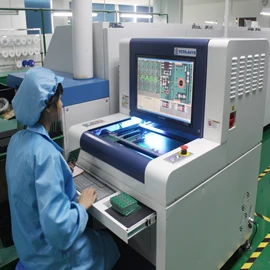
Zhuhai Gecen Technology Co., Ltd.
- Manufacturer
- Guangdong, China
- Lead time25 days
- Avg. response≤ 5h
Main productsLNB,Satellite Finder,Multiswitch,Fiber Opticals,splitter
Main marketsMid East(20.0%), Africa(17.0%), South Asia(17.0%), North America(12.0%), Eastern Europe(12.0%), Western Europe(4.0%), Eastern Asia(4.0%), Domestic Market(2.0%), Southern Europe(2.0%), South America(2.0%), Northern Europe(2.0%), Central America(2.0%), Southeast Asia(2.0%), Oceania(2.0%)
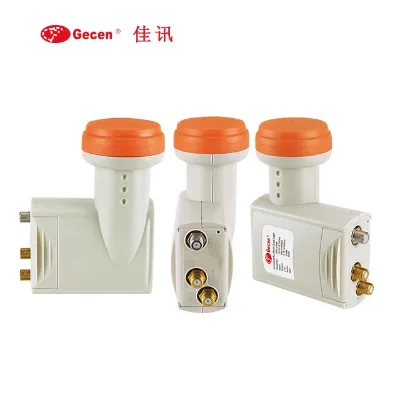
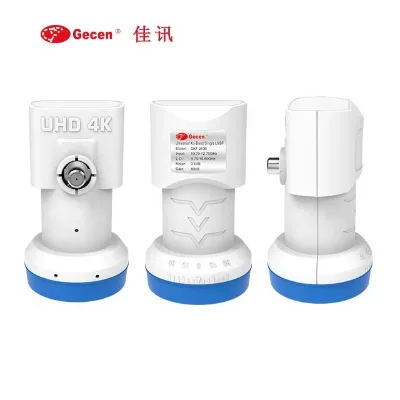
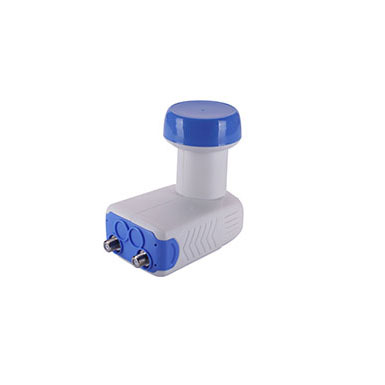
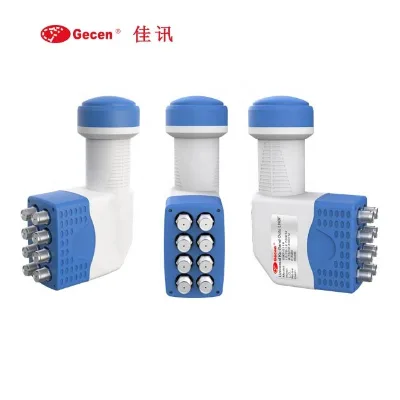
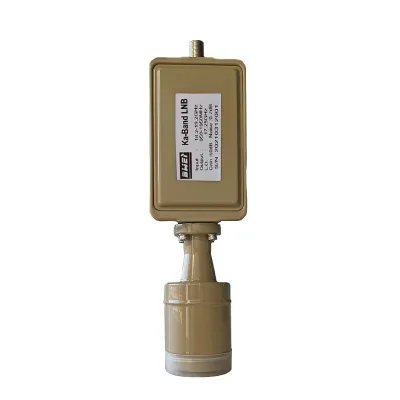
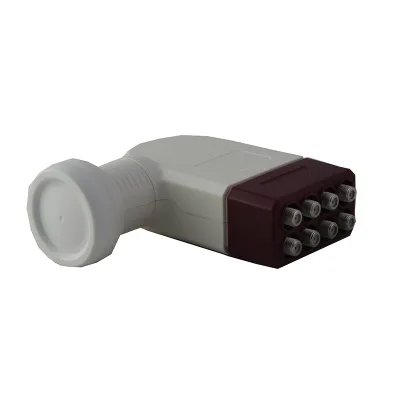
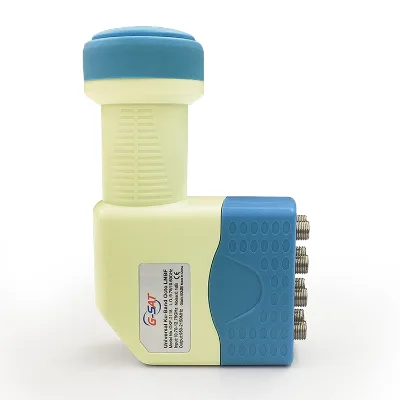
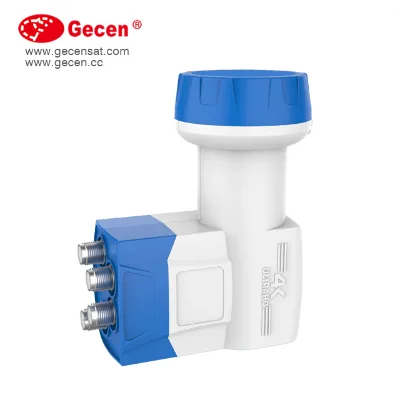
Ku Band Lnb Universal Octo 8 Way Lnbf GKF-2118
Contact supplier
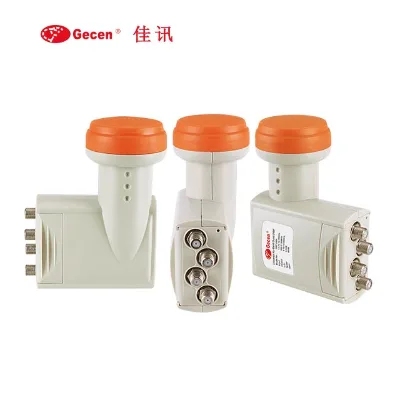
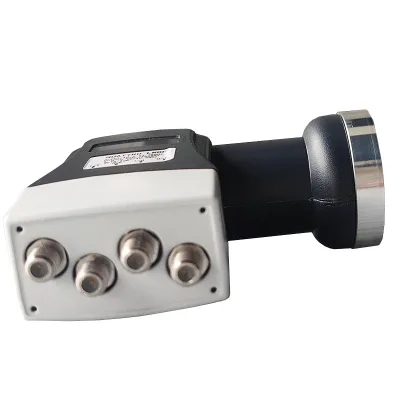
Universal Digital Ku Band LNBF 4-Way LNB with Low Noise
Contact supplier

Zhuhai Gecen Electronic Co., Ltd.
- Manufacturer, Trading Company
- Guangdong, China
- Lead time30 days
- Avg. response≤ 3h
Main productssodium ion battery,lithium battery,ESS,Energy storage system,all-in-one system
Main marketsSoutheast Asia(60.0%), Africa(15.0%), Mid East(10.0%), Domestic Market(5.0%), South America(5.0%), South Asia(5.0%), North America(2.0%), Eastern Europe(2.0%), Oceania(1.0%), Eastern Asia(1.0%), Southern Europe(1.0%), Northern Europe(1.0%), Central America(1.0%), Western Europe(1.0%)

Qingtian Yoohon Technology Co., Ltd.
- Verified by BV
- Combined
- China Zhejiang
- Lead time30 days
- Avg. response≤ 5h
Main productsSatellite Dish Antenna, Satellite Dish, Dish Antenna, Satellite Antenna, Antenna, Satellite, Face Mask, KN95, Offset Satellite Dish Antenna, Mask
Main marketsSouth America,Africa,Southeast Asia/ Mideast,Europe,Australia

Changzhou Eagle International Trade Corp.
- Trading Company
- China Jiangsu
- Lead time30 days
- Avg. response≤ 19h
Main productsRemote Control, Speaker, Multimeter, Connector, Megphone, Soldering Iron, CCAM Wire, LED Screen, LED TV Light Bar, TV Stand
Main marketsSouth America,Africa,Southeast Asia/ Mideast

Anhui Dream-China Technology Co., Ltd.
- Verified by SGS
- Combined
- China Anhui
- Lead time23 days
- Avg. response≤ 4h
Main productsUHF/VHF/Yagi/TV Antenna, LNB, MMDS Downconverter, Power Supply/Adapter, Cables, Diseqc Swithes/Spliter/Sat-Finder, Travel Mug, Fishing Net, Security Seal, SPD/Thermostat
Main marketsDomestic,Europe

Shaanxi Newstar Communications Equipment Co., Ltd.
- Combined
- China Shaanxi
- Lead time30 days
- Avg. response≤ 9h
Main productsSatellite Antenna, Earth Station Antenna, Vsat Antenna, Tvro Antenna, Flyaway Antenna, Sng Antenna, Satellite Communication Antenna, Satellite Vsat Antenna, Maritime Antenna, Antenna
Main marketsSouth America,Africa,Southeast Asia/ Mideast,East Asia(Japan/ South Korea),Domestic,Europe,Australia,North America

Hebei Uking Star Metal Products Co., Ltd.
- Verified by TUVRHEINLAND
- Manufacturer
- China Hebei
- Lead time15 days
- Avg. response≤ 6h
Shenzhen Greatway Technology Co., Ltd.
- Manufacturer
- Guangdong, China
- Lead time10 days
- Avg. response≤ 4h
Main productsSatellite RF over Fiber,CATV Optical Node,CATV Optical Transmitter,FTTH CATV Receiver,RFoG Micronode
Main marketsNorth America(70.0%), Eastern Europe(18.0%), South America(7.000000000000001%)
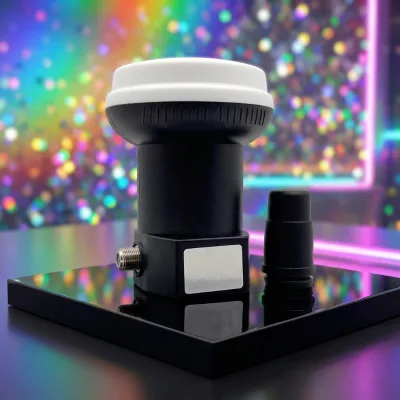
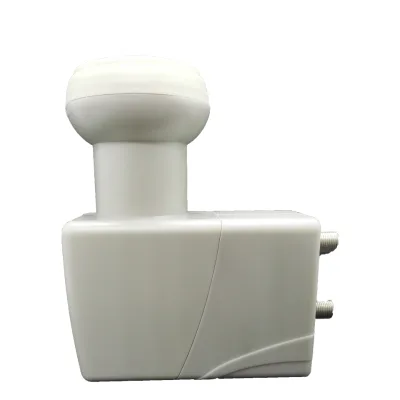
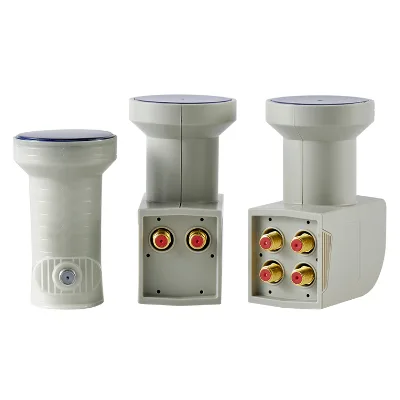
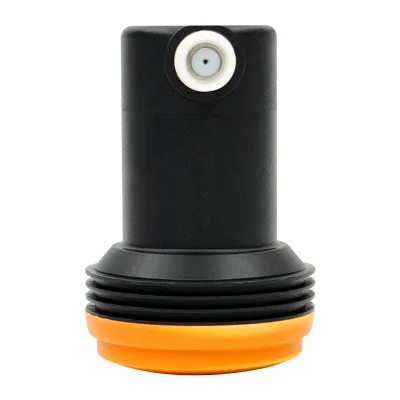
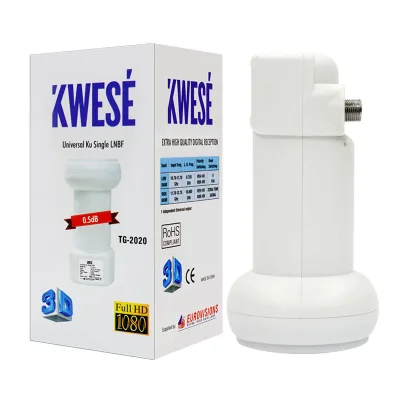
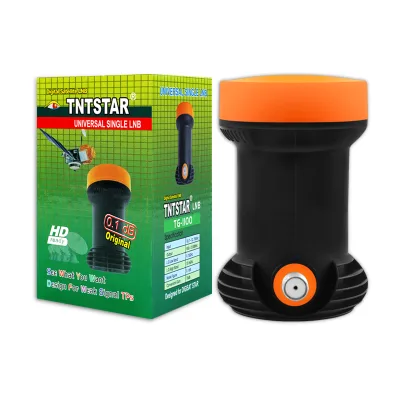
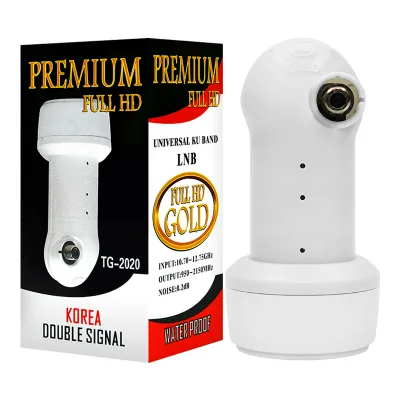
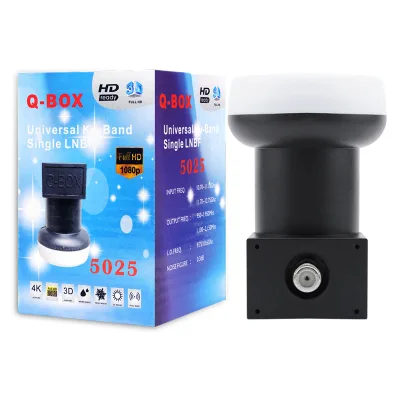


Comprehensive Sourcing Guide
Universal Ku Band Unicable LNB Supplier Concentration and Factory Types
The available data indicates a specific manufacturing cluster for Universal Ku Band Unicable LNB products located in Anhui, China. This region appears to host multiple entities offering these components, suggesting a localized supply chain for satellite reception hardware. Buyers should prioritize verifying this geographic concentration when evaluating potential partners, as proximity to the manufacturing hub often correlates with streamlined logistics and specialized technical support. The presence of Anhui as a documented origin point for various LNB models, including dual-band and high-gain variants, provides a concrete starting point for sourcing strategies.
Regarding company structures, the observed supplier pool includes both Manufacturers and Trading Companies. This distinction is critical for procurement planning, as manufacturers typically offer direct control over production schedules and customization capabilities, while trading companies may provide broader product ranges and consolidated shipping. The data confirms that some entities operate with private molds, indicating a capacity for proprietary design and branding. Buyers must distinguish between these two types during initial screening to align their specific needs for customization, volume, and direct factory communication with the appropriate supplier profile.
How to Verify Universal Ku Band Unicable LNB Suppliers
Verification begins with confirming the stated location of Anhui, China, as a primary operational base for the supplier. Buyers should request official business licenses and factory audit reports that explicitly link the entity to this specific region. Since the data lists Anhui as the place of origin for multiple product listings, cross-referencing the supplier's registered address with this location is a fundamental step. Additionally, buyers should verify the specific product attributes listed, such as the Noise Figure, Conversion Gain, and Output Frequency, against independent test reports to ensure the supplier's claims match the physical specifications of the hardware.
Response time and lead time are also key verification metrics available in the current data. A response time of 3 days and a lead time of 10 days serve as baseline expectations for communication and production scheduling. Buyers should test these metrics by initiating contact and measuring the actual turnaround time for inquiries and sample requests. Furthermore, verifying the "Factory" name listed in product attributes, such as Anhui Bowei Electronics Technology Co., Ltd., against official corporate registries ensures the entity is legitimate. Confirming these operational details prevents engagement with shell companies or intermediaries who cannot guarantee the stated production capabilities.
What to Compare Across Universal Ku Band Unicable LNB Suppliers
When comparing suppliers, the Minimum Order Quantity (MOQ) is a primary differentiator that significantly impacts procurement strategy. The observed data shows a wide range, with some suppliers requiring an MOQ of 99 units while others accept orders as low as 2 units. Buyers must align their order volume with these thresholds to avoid unnecessary capital expenditure or inventory risks. Additionally, the price range varies considerably, from approximately $9.97 to over $180 per unit depending on the specific model and output configuration. Comparing these price points against the stated specifications, such as the number of outputs or frequency bands, is essential for determining true value.
Technical specifications and material composition offer another layer for comparison. The data highlights variations in Noise Figure, ranging from 0.1dB to 0.2dB, and Conversion Gain, which can differ between 55dB and 75dB. Buyers should compare these technical metrics alongside the material used, such as Aluminum or a combination of Aluminum and Plastic, to assess durability and performance. The presence of features like waterproof ability and sun-proof ability also varies, requiring buyers to match these attributes to their specific environmental deployment conditions. Evaluating these technical parameters ensures the selected supplier meets the rigorous performance standards required for reliable satellite signal reception.
Common Universal Ku Band Unicable LNB Sourcing Risks
One significant risk involves the discrepancy between advertised specifications and actual product performance, particularly regarding frequency bands and signal stability. The data lists various frequency inputs and outputs, such as C Band and Ku Band ranges, but buyers must verify that the specific model matches their satellite system requirements. Inconsistent labeling or vague descriptions of frequency ranges can lead to incompatible hardware that fails to deliver the expected signal quality. Buyers should demand detailed datasheets and, if possible, sample testing to confirm that the Noise Figure and Conversion Gain meet the claimed standards before committing to a large order.
Another risk relates to the variability in lead times and response capabilities across different supplier types. While a standard lead time of 10 days is noted, actual delivery schedules may fluctuate based on order volume, production capacity, or supply chain disruptions. A response time of 3 days is a baseline, but delays in communication can stall the entire procurement process. Buyers should assess the supplier's ability to handle urgent requests and their track record for meeting deadlines. Additionally, the lack of standardized pricing for certain high-end models, indicated by "Negociate" in some listings, introduces financial uncertainty that must be managed through clear contractual agreements.
Universal Ku Band Unicable LNB Regional Sourcing and Logistics
Sourcing from the identified cluster in Anhui, China, offers logistical advantages due to the concentration of manufacturing facilities. However, buyers must account for the specific shipping requirements associated with electronic components, including packaging standards and protection against moisture. The data mentions standard export cartons and specific single package sizes, such as 5x5x8 cm, which influence freight costs and container utilization. Understanding these packaging dimensions is crucial for calculating accurate shipping expenses and optimizing storage space upon arrival at the destination.
Logistics planning should also consider the potential need for customized packaging or special handling for high-value items like Ka Band LNBs. The data indicates that some products have specific packing requirements, such as standard export cartons for C Band feeds, which may differ for other models. Buyers should verify if the supplier offers consolidated shipping options to reduce costs when ordering from multiple SKUs. Furthermore, understanding the lead time of 10 days in the context of international transit times is vital for inventory management. Buyers must ensure that the total time from order placement to delivery aligns with their project timelines to avoid stockouts or production delays.
Universal Ku Band Unicable LNB Commercial Terms and Order Planning
Commercial terms regarding pricing and payment structures vary significantly across the supplier pool. Some listings provide fixed price ranges, while others indicate that prices are negotiable, requiring direct discussion to finalize costs. Buyers should establish clear pricing agreements that account for volume discounts, especially given the varying MOQs observed. The price range for standard models is relatively low, but specialized units like Ka Band LNBs command higher prices. Understanding these cost structures helps in budgeting and ensures that the total landed cost, including duties and taxes, remains within financial constraints.
Order planning must also factor in the specific attributes of the products, such as the availability of private molds and brand customization options. The data confirms that some suppliers offer private mold services, allowing for branding and design customization. Buyers should plan their orders to leverage these capabilities if brand differentiation is a priority. Additionally, the selling units are listed as single items, which simplifies inventory tracking but requires careful calculation of total order quantities. Buyers should align their order planning with the supplier's response time and lead time to ensure timely delivery and maintain operational continuity in their satellite network deployments.
FAQs
What is the typical response time for suppliers in Anhui?
Suppliers located in Anhui, China typically respond within 3 hours. This rapid response helps buyers clarify technical details quickly. It ensures efficient communication during the sourcing process for satellite components.
What is the minimum order quantity for Ku Band LNBs?
Minimum order quantities vary by product, ranging from 2 to 99 units. Some specific models require 10 units, while others need 50 or 99 units. Buyers should check individual product listings for exact MOQ requirements.
What is the lead time for manufacturing these satellite receivers?
The standard lead time for these products is 10 days. This duration covers production and preparation for shipment. Buyers planning large orders should account for this timeline when scheduling their project delivery dates.
What are the noise figure specifications for C band and KU band?
Noise figures vary by band, with C band typically under 17°K and KU band around 0.1dB to 0.2dB. These low noise levels ensure high signal quality for digital reception. Specific values depend on the exact model selected.
What is the price range for Universal Ku Band LNBs?
Prices for these units range from approximately 9.97 to 180.64 USD depending on the model. Basic single outputs start lower, while specialized Ka band or octo outputs cost more. Buyers should verify current pricing for specific configurations.
Are these LNBs suitable for high definition television reception?
Yes, many listed models support high definition and digital signals. They are designed to handle Full HD 1080P inputs effectively. This makes them suitable for modern satellite TV setups requiring clear picture quality.
What material is used to construct these LNB units?
Most units are constructed using aluminum or a combination of aluminum and plastic. This material choice provides durability and effective heat dissipation. It also helps protect internal components from environmental factors during outdoor installation.