UV Money Detector for Car Suppliers and Manufacturers
Source UV Money Detector for Car from 20 verified suppliers in China Liaoning. Compare lead times, MOQs, and certifications like CE and RoHS. Contact suppliers directly to request quotes and verify production capabilities; review the available evidence before requesting comparable quotations from suitable candidates.
Updated
Suppliers List

Easy Banker International Co.,Ltd.
- Verified by SGS
- Trading Company,Manufacturer/Factory
- China Liaoning
- Lead time30 days
- Avg. response≤ 2h
Main productsBanknote Banding Machine, Currency Counter, Money Detector, Coin Counter, Paper Tape, Cash Counter, Counterfeit Detection, Coin Sorter, Counterfeit Detector, Money Counting Machine
Main marketsSouth America,Eastern Europe,Mid East,North America,Southeast Asia,Eastern Asia,Western Europe,Africa
Zhejiang Kaixun Mechanical And Electrical Co., Ltd.
- Verified by TüVRheinland
- Manufacturer, Trading Company
- Lead time15 days
- Avg. response≤ 5h
Main productsElectric Forklift, Electric Stacker, Electric Hoist
Main marketsSoutheast Asia(20%), Africa(13%), South Asia(12%)
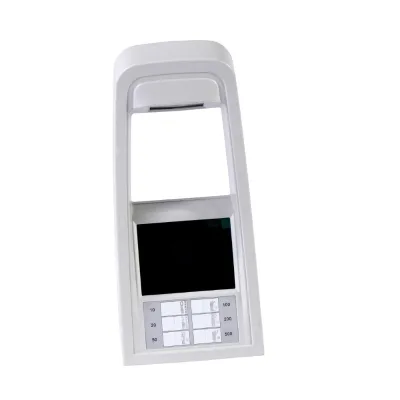
IR Money Detector for Any Currency
$36.80 - $48.50
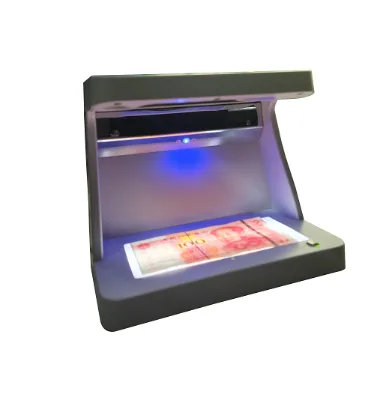
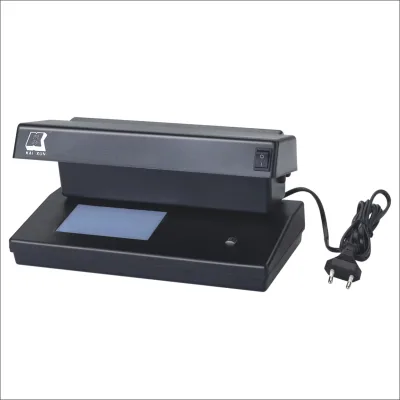
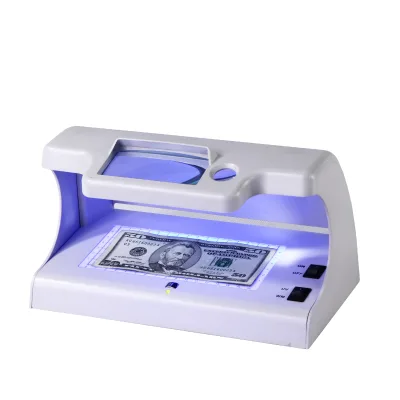

Zhejiang Fengin Technology Co., Ltd.
- Verified by CTI
- Combined
- China Zhejiang
- Lead time15 days
- Avg. response≤ 6h
Main productsBill Counter, Money Detector, Currency Counter, Money Counting Machine, Banknote Countiner Machine, Bill Counting Machine, Fake Note Detector, Bill Detecting Machine
Main marketsSouth America,Africa,Southeast Asia/ Mideast,East Asia(Japan/ South Korea),Domestic,Europe,Australia,North America


Bill Detector UV Counterfeit Money Checker Multi-Currency Money Detector 2138
$3.50 - $5.00
MOQ: 100 Pieces


Shenzhen Dowdon Technology Co., Ltd.
- Manufacturer, Trading Company, Distributor/Wholesaler
- Lead time旺季: "1 - 100":5,"101 - 500":7,"501 - 1000":10,"> 1000":"To be negotiated", 淡季: "1 - 100":5,"101 - 500":7,"501 - 1000":10,"> 1000":"To be negotiated"
- Avg. response≤ 13h
Main productsPhone & Computer Accessories,Consumer Electronic Products,Security & Protection,Electrical Supplies,Lights & Lighting
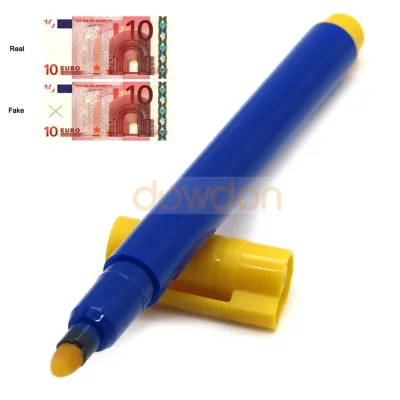
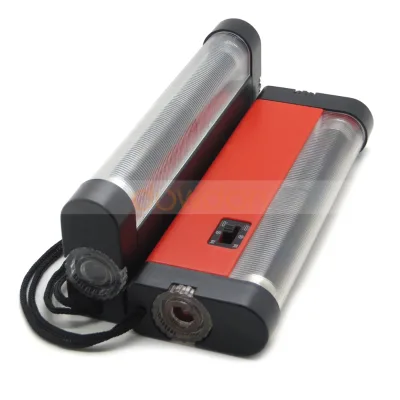
OEM 2 in 1 UV Light Torch Blacklight Money Bill Detection Currency Banknote Checker
$0.8853 - $1.8231
MOQ: 100 pieces
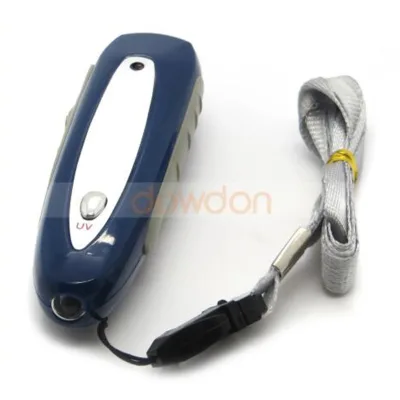
Factory Price 2 in 1 UV Light Magnetic Strip Checker for Pound Sterling US Dollars EUROS
$0.8853 - $2.0313
MOQ: 100 pieces

Zhejiang Chuanwei Electronic Technology Co., Ltd.
- Manufacturer
- China Zhejiang
- Lead time15 days
- Avg. response≤ 17h
Main productsMoney Counter, Bill Counter, Currency Detector, Value Counter, Combined Machine, UV Counterfeit Detector, Banknote Detector, Money Detector
Main marketsSoutheast Asia/ Mideast

UV Detection Global Currency Detect Money Detector Counterfeit Money Detector
$6.00 - $10.00
MOQ: 10 Pieces


Al-09 Global Currency Detect Money Detector Counterfeit Money Detector UV Detection
$6.50 - $9.00
MOQ: 20 Pieces


Bright Office Supplies (yiwu) Co., Ltd.
- Manufacturer, Trading Company
- Zhejiang, China
- Lead time15 days
- Avg. response≤ 6h
Main productsLaminator,Paper Cutter,Die Cutter,Binding Machine,Binding cover
Main marketsMid East(20.00%), Southeast Asia(15.00%), Eastern Asia(10.00%), Africa(10.00%), South Asia(5.00%), Southern Europe(5.00%), Northern Europe(5.00%), Central America(5.00%), Western Europe(5.00%), South America(5.00%), North America(5.00%), Oceania(5.00%), Eastern Europe(5.00%)

Zhejiang Kaixun Mechanical and Electrical Co., Ltd.
- Verified by BV
- Combined
- China Zhejiang
- Lead time30 days
- Avg. response≤ 17h
Main productsForklift, Pallet Truck, Electric Hoist, Electric Winch, Electric Windlass, Push Electric Hoist, Chain Electric Hoist, Building Electric Winch, Money Counter, Money Detector
Main marketsSouth America,Africa,Southeast Asia/ Mideast,East Asia(Japan/ South Korea),Europe,Australia,North America
Guangzhou Wenchuang Electronic Technology Co., Ltd.
- Manufacturer, Trading Company
- Guangdong, China
- Lead time0 days
- Avg. response≤ 2h
Main productspassbook printer,dot matrix printer,receipt printer,printer parts,printer ribbon
Main marketsDomestic Market(10.00%), Africa(10.00%), Southeast Asia(10.00%), Southern Europe(10.00%), South America(10.00%), Central America(10.00%), Oceania(5.00%), South Asia(5.00%), Eastern Europe(5.00%), Northern Europe(5.00%), North America(5.00%), Western Europe(5.00%), Eastern Asia(5.00%), Mid East(5.00%)
Wenzhou Hero International Trade Co., Ltd.
- Verified by Intertek
- Manufacturer, Trading Company
- Lead time10 days
Main productsFilm Blowing Machine, Plastic Bag Making Machine, Plastic Recycling Machine, Flexo Printing Machine
Main marketsSouth America(30%), Africa(30%), Southeast Asia(20%)
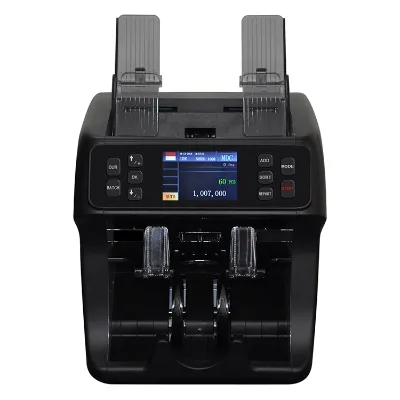
Currency Portable Uv Mini Counterfeit Paper Money Detector Machine
$520.00 - $550.00
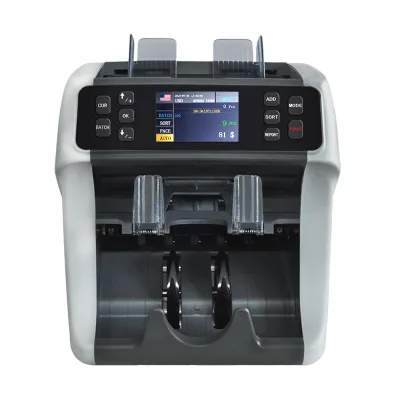
Banknote Counterfeit Money Detector Machine False Money Detector
$520.00 - $550.00

Ningbo Hongbo Optical Instrument Co., Ltd.
- Trading Company,Manufacturer/Factory
- China Zhejiang
- Lead time30 days
- Avg. response≤ 14h
Main productsMagnifier, Microscope, Magnifier Lamps, Binoculars, Reading Glass, Compass, Head Magnifier, Pocket Microscope, Jewellers Magnifier, Folding Magnifier
Main marketsSouth America,Eastern Europe,Mid East,North America,Southeast Asia,Eastern Asia,Oceania,Western Europe,Africa


Wholesale 2021 New Style Dl-01 High Quality UV Portable Money Detector with Flashlight
$1.20 - $2.00
MOQ: 100 Pieces
Pingyang Feelteck Electric Co., Ltd.
- Verified by TüVRheinland
- Manufacturer, Trading Company
- Lead time20 days
- Avg. response≤ 3h
Main productsMoney Counter, Bill Counter, Money Counting Machine, Banknote Sorter, Currency Sorter
Main marketsDomestic Market(20%), North America(10%), South America(10%)
Shenzhen Easycount Technology Co., Ltd.
- Manufacturer
- Guangdogn, China
- Lead time7 days
- Avg. response≤ 8h
Main productsmoney detector,Smart Financial Device,coin sorter,Smart heat press machine,Heat transfer machine
Main marketsWestern Europe(11.11%), Eastern Asia(11.11%), Mid East(11.11%), Oceania(11.11%), Africa(11.11%), Southeast Asia(11.11%), Eastern Europe(11.11%), South America(11.11%), North America(11.11%)
Shenzhen Slinya Electronics Co., Ltd.
- Manufacturer, Trading Company
- Guangdong, China
- Lead time3 days
- Avg. response≤ 17h
Main productsPhone & Computer Accessories,Consumer Electronic Products,Camera & Photos,Electrical Supplies,Light & Lighting
Main marketsNorth America(30.00%), Western Europe(20.00%), Oceania(10.00%), Northern Europe(5.00%), South America(5.00%), Southern Europe(5.00%), South Asia(5.00%), Eastern Europe(5.00%), Africa(5.00%), Southeast Asia(5.00%), Eastern Asia(3.00%), Mid East(2.00%)
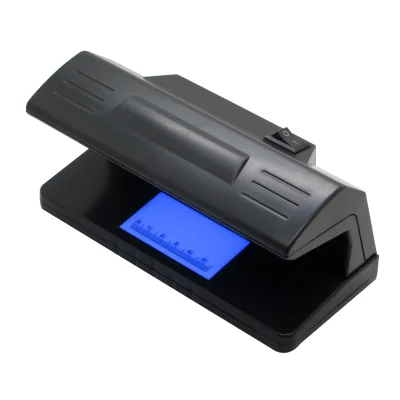
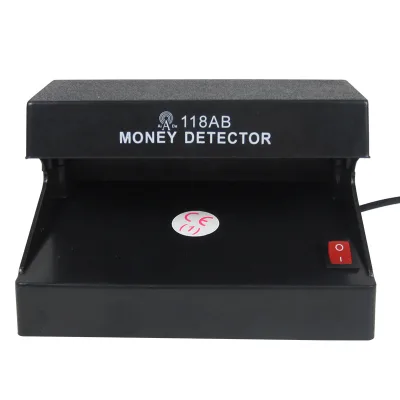
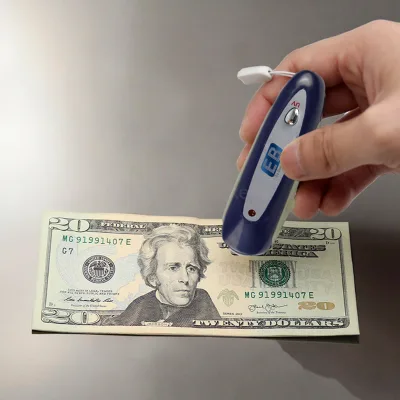
Mini UV LED Money Detector 220V Voltage
$2.45 - $2.96
Easy Banker International Co., Ltd.
- Verified by TüVRheinland
- Manufacturer, Trading Company
- Lead time30 days
- Avg. response≤ 2h
Main productsBanknote Detector, Banknote Counter, Banknote Banding Machine, POS System, Coin Sorters
Main marketsMid East(15%), North America(10%), Southeast Asia(10%)
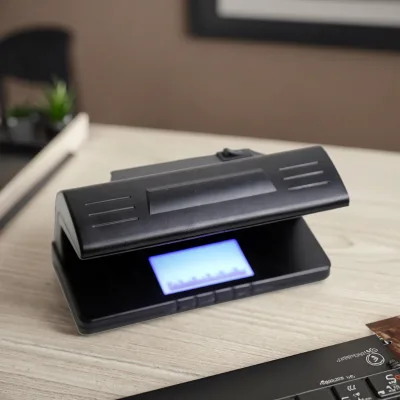
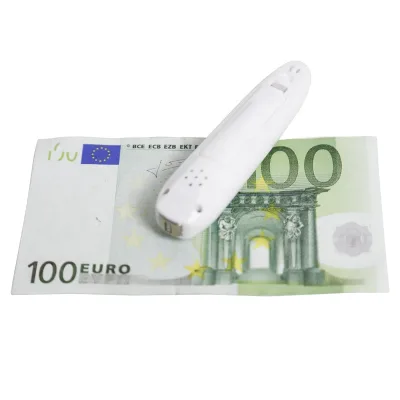
$3.2866 - $3.9682
MOQ: 10 pieces
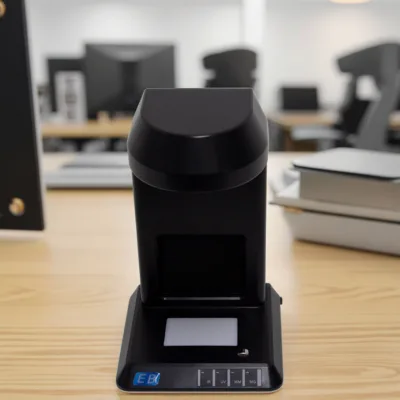
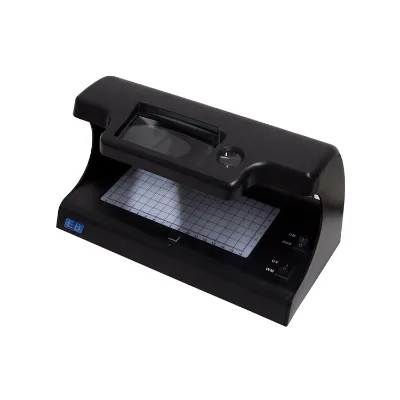
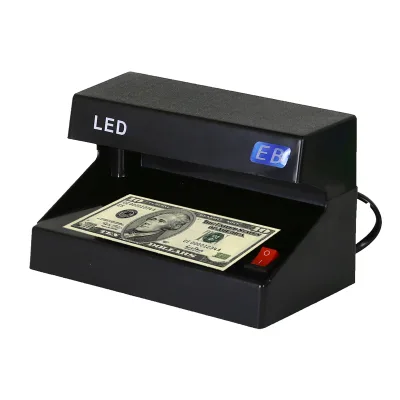
Longgang Ourong Electronics Co., Ltd.
- Manufacturer, Trading Company
- Zhejiang, China
- Lead time10 days
- Avg. response≤ 4h
Main productsBill counter,Money detector,Money counter,Money value mix sorter,Money binding machine
Main marketsAfrica(15.00%), Western Europe(13.00%), North America(10.00%), South America(10.00%), Southeast Asia(10.00%), Eastern Europe(10.00%), Mid East(8.00%), South Asia(5.00%), Eastern Asia(5.00%), Southern Europe(5.00%), Northern Europe(5.00%), Domestic Market(4.00%)

- Trading Company
- China Jiangsu
- Lead time0 days
- Avg. response≤ 16h
Main productsBinding Machine, Banding Machine, Shredder, Money Counter, Alumina Ceramics, Cleaning Tools, Daily Necessities, Isolation Clothes, Coin Sorting Machine, Money Detector

LED Type Multinational Banknote Detector Money Detector with UV/Mg/Wm Detector
$13.00 - $16.00
MOQ: 100 Pieces


- Verified by BV
- Trading Company,Manufacturer/Factory,Other
- China Guangdong
- Lead time15 days
- Avg. response≤ 4h
Main productsPOS System, POS Terminal, Thermal Printer, Label Printer, Barcode Scanner, Cash Drawer, PDA, Customer Display, Money Counter, Coin Sorter
Main marketsSouth America,Eastern Europe,Mid East,North America,Southeast Asia,Eastern Asia,Oceania,Western Europe,Africa
Beijing Royal Technologies Co., Ltd.
- Trading Company
- Beijing, China
- Lead time0 days
- Avg. response≤ 6h
Main productsBANKNOTE COUNTER,COIN COUNTER,MONEY DETECTOR,BILL BINDING MACHINE,PAPER TAPE
Main marketsSouth America(50.00%), Africa(30.00%), Western Europe(15.00%), Mid East(5.00%)

Zhongshan Dongbo Financial Devices Co., Ltd.
- Manufacturer
- Guangdong, China
- Lead time0 days
- Avg. response≤ 8h
Main productsMoney Counter,coin counter,money detector,check writer,banknote counter
Main marketsWestern Europe(45.50%), North America(14.90%), Eastern Europe(5.90%), Oceania(4.70%), Northern Europe(4.20%), Eastern Asia(3.90%), Mid East(3.80%), Southern Europe(3.40%), Africa(3.20%), Central America(3.10%), Southeast Asia(2.90%), South America(2.20%), Domestic Market(1.20%), South Asia(1.10%)
Pingyang Jienuo Elec-Tech Co., Ltd.
- Manufacturer, Trading Company
- Zhejiang, China
- Lead time15 days
- Avg. response≤ 8h
Main productsMoney Counter,bill counter,currency counter,bill detector,bill binder
Main marketsDomestic Market(40.00%), Southeast Asia(25.00%), South America(10.00%), Eastern Asia(5.00%), Mid East(5.00%), Africa(5.00%), South Asia(5.00%), Eastern Europe(3.00%), North America(2.00%)




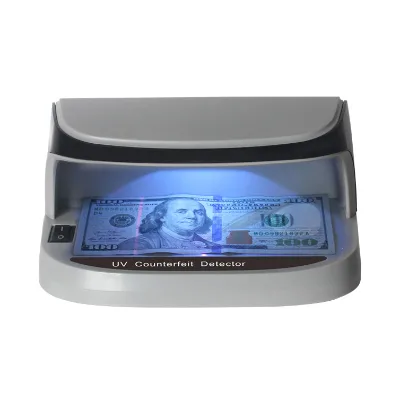
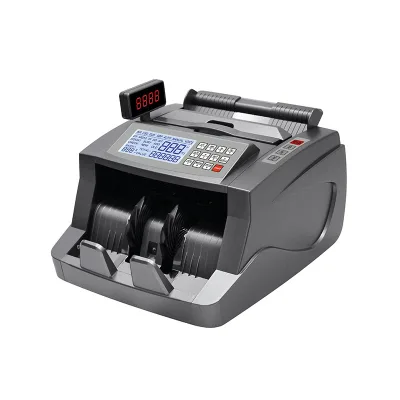
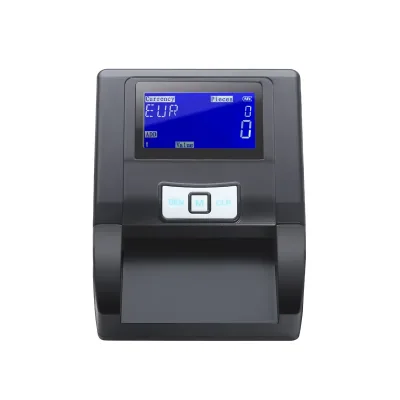
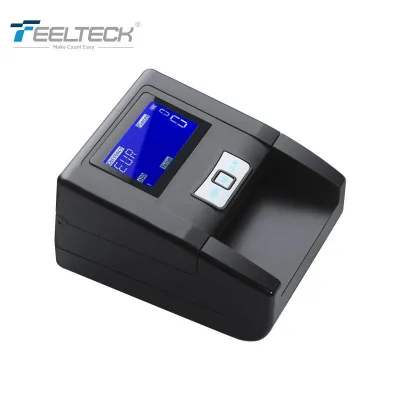
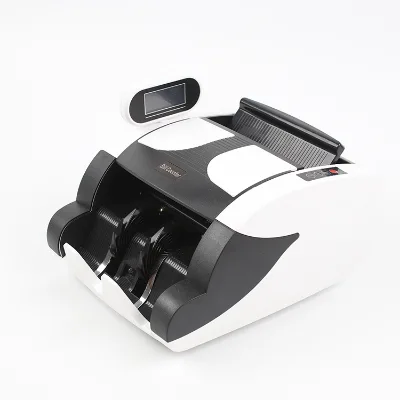
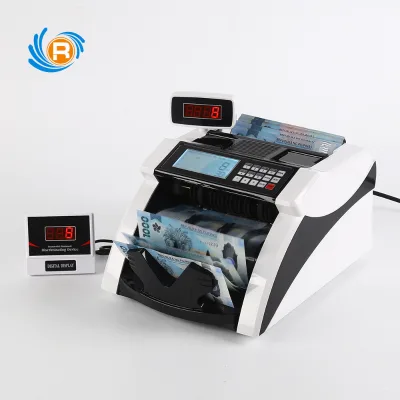


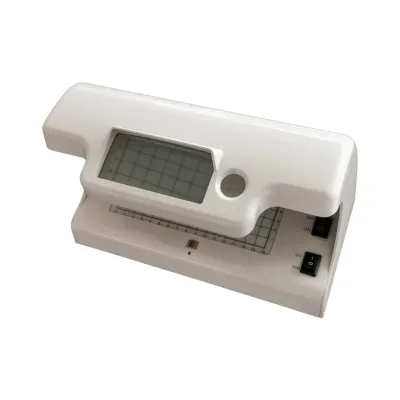
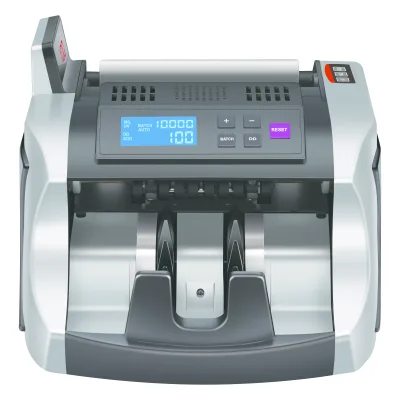
Comprehensive Sourcing Guide
UV Money Detector for Car Supplier Concentration and Factory Types
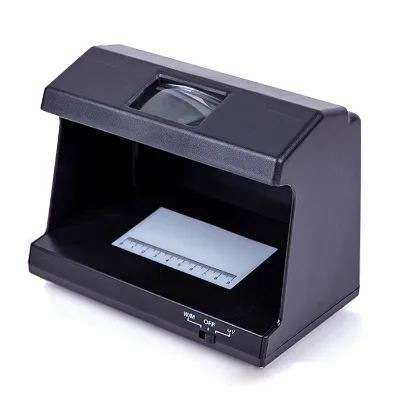
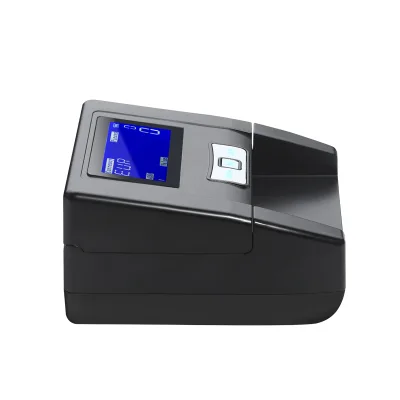
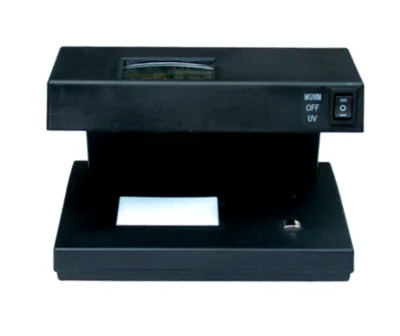
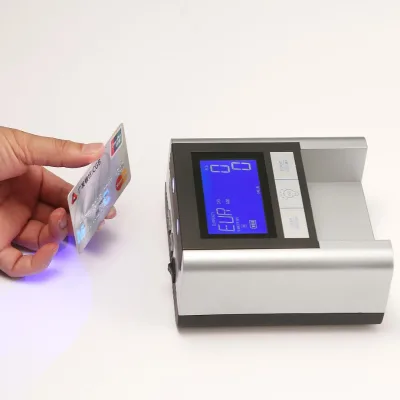
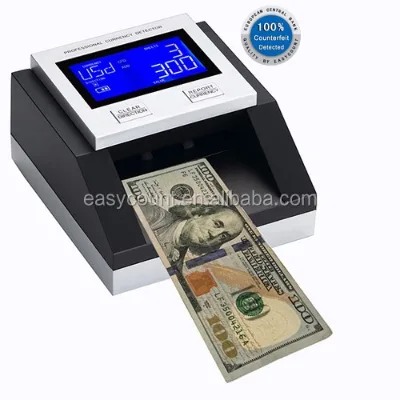
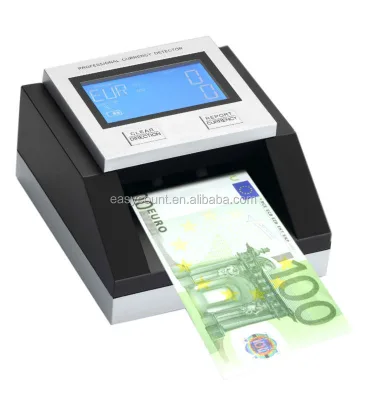
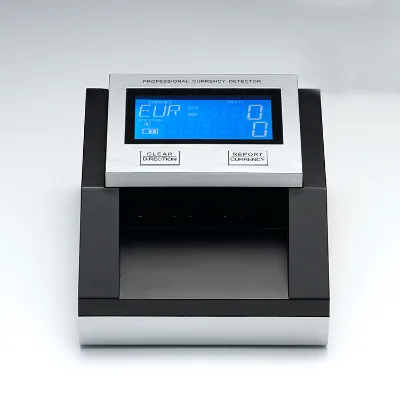
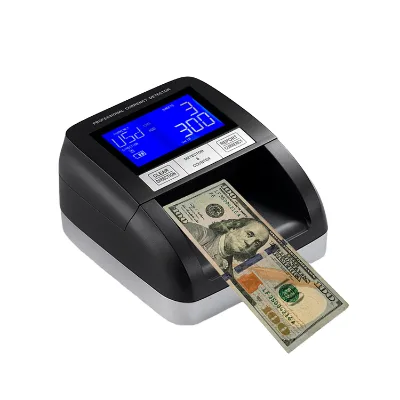
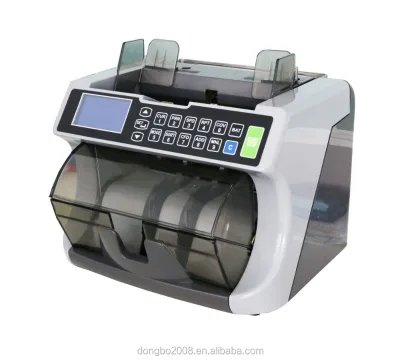
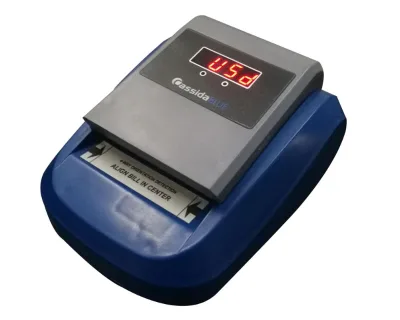
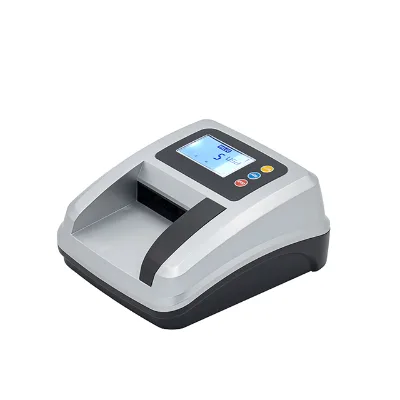
When you search for a UV Money Detector for Car use, the supplier results you see will typically come from a mix of manufacturers and trading companies. In the current results, company types are listed as both Trading Company and Manufacturer/Factory, and one listed location is Liaoning, China. That mix matters because a factory can usually support OEM or ODM work directly, while a trading company may consolidate multiple product lines—such as currency counters, coin sorters, money detectors, and counterfeit detection equipment—into one order. The category itself is broad: main products in these results include banknote banding machines, currency counters, money detectors, coin counters, paper tape, and cash counting machines, so a supplier list that looks focused may actually cover a wider financial-equipment range.
Because the visible results identify Liaoning, China as a supplier location, treat it as a starting reference point for cluster identification rather than the whole market. In practice, buyers should map where listed suppliers are registered, then ask each one whether production happens in-house or through partner workshops. One supplier in the results carries a "Own Brand: EB, OEM, ODM" capability label, which signals that customization beyond catalog models is available from at least part of the pool. Note whether a supplier describes itself as a factory or a trading intermediary, since that affects who controls tooling, quality checks, and repair of returned units.
How to Verify UV Money Detector for Car Suppliers
Verification starts with the attributes actually displayed in the supplier results, and you should not assume every listing carries the same data. In the current pool, one supplier is SGS-verified and holds system certifications including ISO 9000, ISO 9001, and IFS. Verification badges and management-system certificates tell you an audit body has reviewed the company, but they do not guarantee that every model shipped to you passes functional testing. Ask the supplier for a copy of the certificate with scope and expiry dates, and confirm that the certified legal entity name matches the one on your proforma invoice and contract.
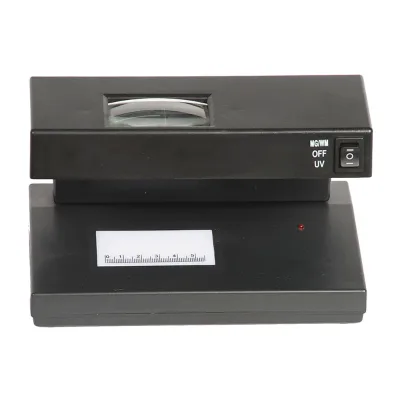
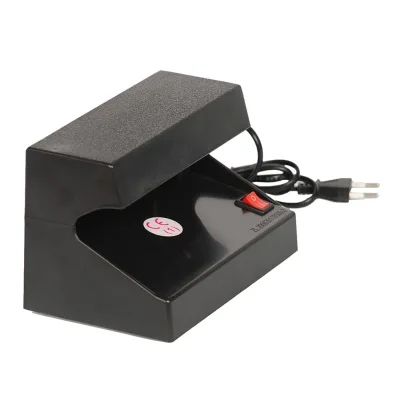
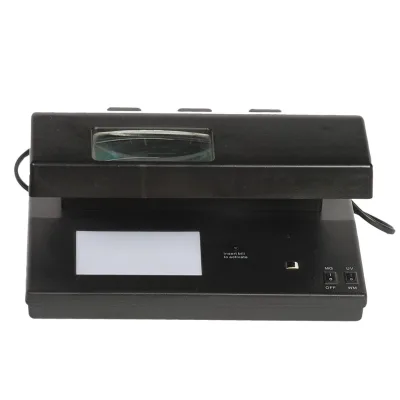
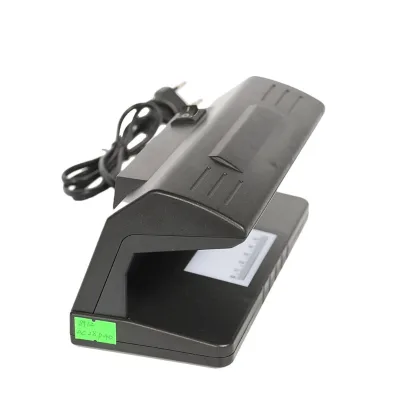
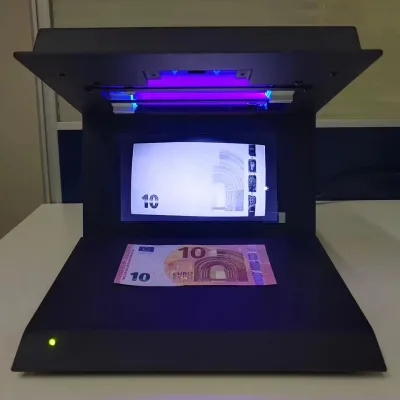
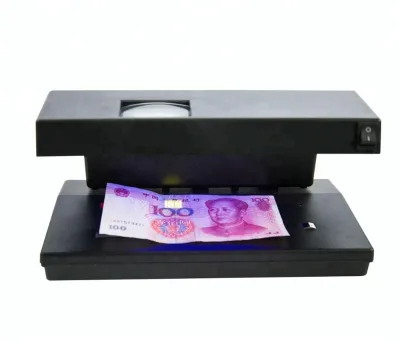
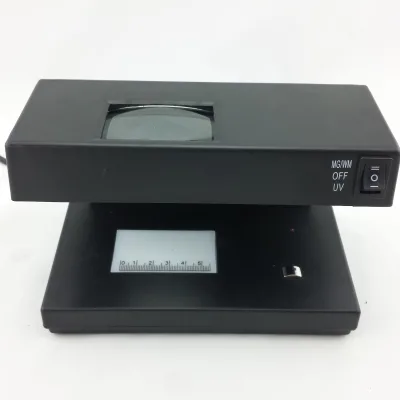
The second verification layer is product-level evidence. Several detector models in the results, such as the DC-105, DC-2138, DC-105 LED, DC-2028 LED, DC-118AB LED-3, and DC-2238A, are listed with CE and RoHS certifications, fluorescence-detection principles, and electronic-circuit structures. Request the actual test reports behind those declarations for the specific model number you intend to buy, because a family-level certificate does not always cover variants. You should also verify export experience for your destination market: confirm voltage and plug compatibility, since one listed model supports switchable 110V or 210, 220, 230V power. Finally, check whether a supplier will accept a pre-shipment inspection or third-party audit, and whether it offers trade assurance or escrow-style payment protection; absence of these options is a signal worth probing rather than an automatic disqualification.
What to Compare Across UV Money Detector for Car Suppliers
Build a comparison table using the dimensions visible in supplier profiles: lead time, MOQ, response speed, establishment year, escrow availability, location, and main products. In the current results, the listed average response time is about 1.44 hours and the stated lead time is 30 days, but do not assume these figures apply to every supplier on the page—each profile must be checked individually. Response speed is a practical proxy for how a supplier will handle a production problem later, so log how quickly each candidate answers a technical question, not just a price inquiry. Lead time should be confirmed for your specific order size, since a 30-day figure may refer to standard catalog quantities.
On the product side, compare concrete specifications from the listings. Price ranges in the results run from roughly $2.95–$3.60 for a compact LED-3 UV lamp model to $10.28–$12.40 for a DC-105 desktop unit and $4.20–$13.20 for others, with MOQs from 1 to 40 units depending on the model. Weigh those figures against attributes that matter for a car-mounted or mobile use case: power consumption (UV LED 4W to 2×6W in these listings), net weight (0.3 kg to 5.5 kg), dimensions, and detection principle. Also compare customization availability, which is marked as available on the listed models, and whether the supplier's main-product portfolio suggests depth in detection equipment versus a general cash-handling catalog.
Common UV Money Detector for Car Sourcing Risks
The most common risk in this category is certificate mismatch. Listings show CE and RoHS declarations at the product level, but buyers frequently receive documents issued to a different model number, an older revision, or a different legal entity. For a UV Money Detector for Car installation, also confirm that the fluorescence-detection principle and the stated sunlight strength range (one listed model specifies 200–800LX) are suitable for the ambient light conditions where the device will actually operate. A detector validated for a dim cash drawer may perform differently near a vehicle window.
A second cluster of risks involves order assumptions. MOQs in the current results range from 1 unit on a DC-105 model to 30, 40, and 20 units on other models, and price bands vary accordingly; a low advertised MOQ may carry a higher unit price and exclude customization. Packing is listed as cartons, so confirm inner-box specifications if you resell in retail packaging. Lead time quoted at 30 days can stretch if your order requires OEM branding, new tooling, or a non-standard power configuration such as the switchable 110V/220V variants. Finally, be careful with model-number confusion: the results include a DC-105 and a separate DC-105 LED with different UV sources (fluorescent lamp versus UV LED), different dimensions, and different prices. Specify the exact model, power consumption, and dimensions in your purchase contract so substitutions cannot be made silently.
UV Money Detector for Car Regional Sourcing and Logistics
The only location supplied as a high-confidence fact in the current results is Liaoning, China, so regional planning should begin there while acknowledging that the full supplier pool may extend beyond any single province. Liaoning sits in northeastern China, which affects shipping routes differently from the southern coastal clusters many buyers default to; confirm with each supplier which port or airport it normally exports through, and whether inland trucking to a port is included in quoted prices. Since the main products in these results—money detectors, currency counters, coin counters, and related financial equipment—are generally compact and durable, air freight is feasible for samples and small trial orders, while sea freight suits volume replenishment.
For logistics, work from the product data rather than assumptions. Listed models in this category weigh between 0.3 kg and 5.5 kg per unit, with carton packing and outer-carton dimensions such as 775×295×615 mm, 665×395×440 mm, and 570×300×520 mm given as prod_standard figures—clarify whether these describe carton or unit sizes before calculating freight volume. Units contain UV lamps or LED modules and electronic circuits, so ask about drop-test packaging and whether lithium or other restricted components affect air shipment. Confirm Incoterms, export documentation, and whether the supplier has shipped to your region before. If a candidate is a trading company, establish which party issues the bill of lading and handles claims for transit damage.
UV Money Detector for Car Commercial Terms and Order Planning
Structure your first order to de-risk the relationship before scaling. With MOQs in the results ranging from 1 unit (DC-105 at $10.28–$12.40) to 40 units (DC-118AB LED-3 at $2.95–$3.60), a staged plan is realistic: place a small validation order on the lowest-MOQ model, inspect build quality and detection performance, then commit to volume on the configuration that fits your market. Negotiate price against the displayed ranges as reference points, but request updated quotations since listed prices may not reflect current materials costs, and confirm what the price includes—customization, packaging, and marking are listed as available on these models but may carry separate charges.
On payment and protection terms, ask whether the supplier supports escrow or platform-based trade protection, and prefer staged payments tied to inspection milestones for larger orders. Use the displayed operational metrics as negotiation anchors: a stated lead time of 30 days and a fast average response time are baselines you can write into the contract with agreed remedies for delay. Define acceptance criteria covering model number, power configuration (110V or switchable 210/220/230V where offered), UV source type and wattage, net weight, and dimensions, all of which are specified in the listings and therefore testable at inspection. Finally, plan reorders: confirm how long the supplier will hold tooling or firmware for your customized version, and get the warranty and spare-parts policy—especially lamp replacement—in writing before the first deposit.
FAQs
Where are these UV money detectors manufactured?
The suppliers listed for these detectors are located in Liaoning, China. This region is a known hub for financial equipment manufacturing. Buyers should verify specific factory addresses during the inquiry process to ensure the location matches their logistics requirements.
What is the typical lead time for these detectors?
The observed lead time for these products is 30 days. This duration applies to standard orders from the listed manufacturers. Buyers must confirm if expedited shipping options are available, as this standard timeframe may vary based on order volume and customization needs.
Do these detectors hold international safety certifications?
Yes, the products carry CE and RoHS certifications. Additionally, the suppliers maintain ISO 9000 and ISO 9001 system certifications. These credentials indicate compliance with international safety and quality standards, though buyers should request specific test reports for their target markets.
What is the minimum order quantity for these units?
Minimum order quantities vary by model, ranging from 1 unit to 40 units. Some models allow single unit purchases, while others require bulk orders of 30 or more. Buyers should check the specific MOQ for the model they intend to source to avoid order rejection.
How quickly do suppliers typically respond to inquiries?
The average response time recorded for these suppliers is 1.44 hours. This indicates a high level of responsiveness for initial contact. Buyers can expect prompt communication, but response times may fluctuate depending on the time zone and current inquiry volume at the supplier.
Are these detectors suitable for use in cars?
The detectors are designed as desktop static units with dimensions suitable for counters or offices. While they can be used in vehicles, their size and power requirements may limit portability. Buyers should verify if specific portable models exist that better fit mobile or vehicle environments.
What is the price range for these UV detectors?
Prices range from approximately 2.95 to 13.20 per unit depending on the model. Lower prices apply to smaller units with fewer features, while larger models cost more. Buyers should note that prices are subject to change and may vary based on order quantity and customization.