WiFi Control Electric Towel Heater Suppliers and Manufacturers
Source 18 verified suppliers for WiFi Control Electric Towel Heater. Compare lead times, MOQs, certifications, and response rates to find the right partner. Contact suppliers directly to request quotes and samples; review the available evidence before requesting comparable quotations from suitable candidates.
Updated
Suppliers List

Ningbo Hope Electrical Appliance Co., Ltd
- Verified by SGS
- Combined
- China Zhejiang
- Lead time30 days
- Avg. response≤ 2h
Main productsTowel Heater, Electric Convector Heater, Heated Towel Rack
Main marketsEurope

Infrared Heater with Towel Rail Bathroom 600W WiFi Control Electric Heating
$69.90 - $71.90
MOQ: 500 Pieces

Intelligent WiFi-Controlled Towel Heater with Quick Heating Electric Towel Warmer
$58.30 - $58.80
MOQ: 500 Pieces

Infrared Electric Towel Radiator/Electric Convector Heater/ Smart WiFi Towel Warmer
$60.60 - $62.50
MOQ: 200 Pieces

Digital Control Electric Heated Towel Rack Bathroom Towel Warmer Heater
$68.90 - $69.90
MOQ: 300 Pieces

Low-Consumption Electric Towel Heater/Electric Convector Heater/ Smart WiFi Towel Warmer
$59.50 - $60.00
MOQ: 500 Pieces

Vertical Electric Towel Radiator/Electric Convector Heater/ Smart WiFi Towel Warmer
$65.60 - $67.50
MOQ: 200 Pieces
Hangzhou Doz Import & Export Co., Ltd.
- Manufacturer, Trading Company
- Lead time旺季: "1 - 50":40,"51 - 500":60,"> 500":"To be negotiated", 淡季: "1 - 50":40,"51 - 500":60,"> 500":"To be negotiated"
- Avg. response≤ 2h
Main productsTowel Warmer, Thermostatic Radiator Valve, Brass Fittings, Magnetic Filters
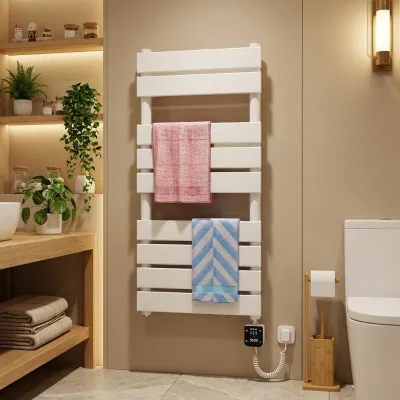
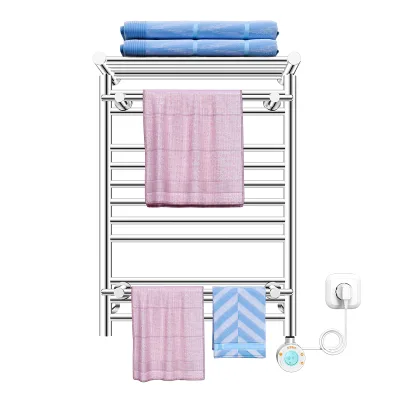
$14.99 - $74.99
MOQ: 1 pieces
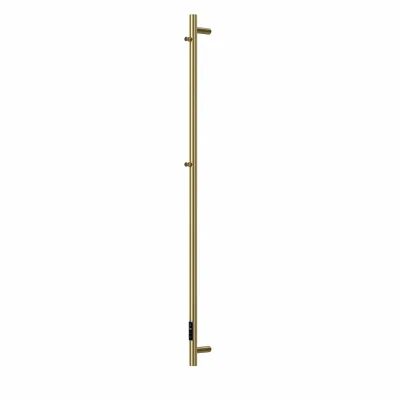
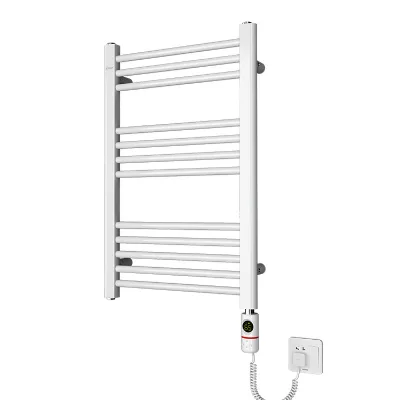
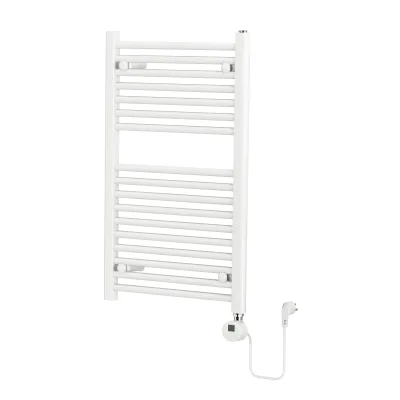
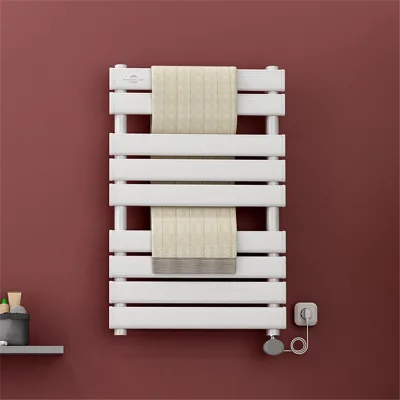
Bathroom Towel Radiators for Home Modern 400W Smart Thermostatic Electric Towel Warmer Heating
$43.7101 - $58.3141
MOQ: 50 pieces

Wenzhou Huami Sanitary Ware Co., Ltd.
- Verified by CTI
- Combined
- China Zhejiang
- Lead time30 days
- Avg. response≤ 4h
Main marketsSouth America,Southeast Asia/ Mideast,East Asia(Japan/ South Korea),Domestic,Europe,Australia,North America
Tianjin Taidu Technology Development Co., Ltd.
- Manufacturer, Trading Company
- Tianjin, China
- Lead time45 days
- Avg. response≤ 5h
Main productsHeating Towel Rail, Steel Radiator, Electric Radiator, Electric Towel Radiator, Aluminium Radiator
Main marketsWestern Europe(70.00%), Eastern Asia(10.00%), Northern Europe(10.00%), Domestic Market(10.00%)

Ningbo Brite Import and Export Co., Ltd.
- Verified by SGS
- Trading Company
- China Zhejiang
- Lead time23 days
- Avg. response≤ 1h
Main productsKettle, Safe Box, LED Lights, Hair Dryer, Weight Scale, Minibar Fridge, Coffee Maker, Garment Steamer, Cosmetic Mirror, Air Purifier
Main marketsAfrica

Electric Heating Towel Rack with Temperature Control Electric Heater and Hot Towel Warmer
$59.00 - $79.00
MOQ: 2 Pieces


$59.00 - $79.00
MOQ: 2 Pieces

Zhongshan Norye Hardware Co., Ltd.
- Verified by SGS
- Combined
- China Guangdong
- Lead time30 days
- Avg. response≤ 5h
Main productsGrab Bar, Shower Seat, Towel Warmer, Paper Towel Dispenser, Electric Towel Rack, Bathroom Accessories, Soap Dispenser, Towel Rack, Floor Drain, Shower Niche
Main marketsEurope,Australia,North America


Bathroom Heating Radiator Electric Heated Towel Rail Stainless Steel
$135.00 - $210.00
MOQ: 100 Pieces
Ningbo Aikehan Metal Product Co., Ltd.
- Trading Company
- Lead time旺季: "1 - 2":15,"> 2":"To be negotiated", 淡季: "1 - 2":15,"> 2":"To be negotiated"
- Avg. response≤ 2h
Main productsStainless Steel Grab Bar, Plastic Grab Bar, Heated Towel Rack, Shower Curtain Rod, Steel Grab Rail
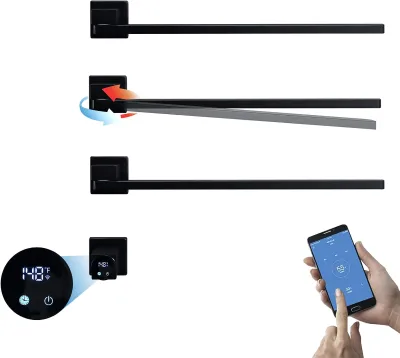
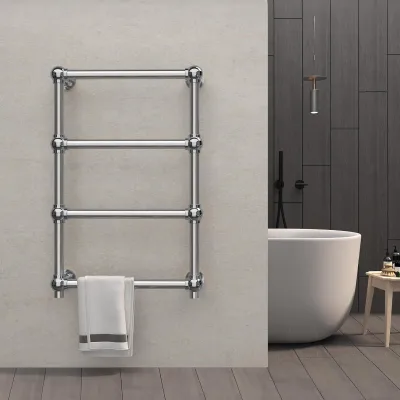
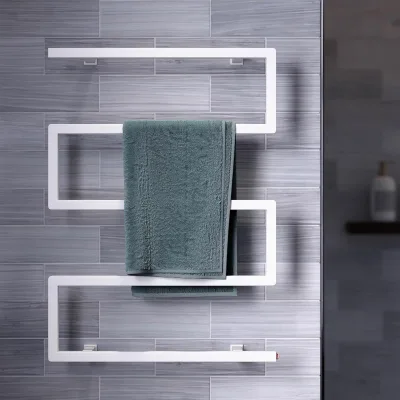
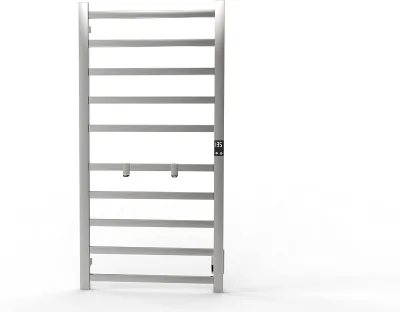
$53.1985 - $53.2704
MOQ: 50 pieces

$55.7436 - $55.817
MOQ: 50 pieces
Kaiping Aida Sanitary Ware Co., Ltd.
- Verified by SGS Group
- Manufacturer, Trading Company
- Lead time5 days
- Avg. response≤ 2h
Main productsBasin Faucet, Kitchen Faucet, Shower Faucet, Bathroom Faucet, Bathtub Faucet

Ningbo Hometech Technology Co., Ltd.
- Verified by TUVRHEINLAND
- Trading Company,Manufacturer/Factory
- China Zhejiang
- Lead time0 days
- Avg. response≤ 21h
Main productsPCBA, Electrical Home Appliance, Electronic Control Board, PCBA for Heaters, PCBA for Pellet Stoves, PCBA for Ice Makers, PCBA for Coffee Makers, PCBA for Industrial Equipmet, Electronic Print Circuit Board
Main marketsEastern Europe,Mid East,North America,Western Europe,Africa


Electric Heated Towel Bar with Timer for Bathroom Radiator Electric Towel Warmer
$16.00 - $20.00
MOQ: 100 Pieces

New Arrival Professional Smart Electric Towel Warmer Rack Towel Heater with Thermostat
$34.00 - $38.00
MOQ: 100 Pieces


Guangzhou Hansong Tuojiang Technology Co., Ltd.
- Manufacturer, Trading Company
- Guangzhou, China
- Lead time30 days
- Avg. response≤ 3h
Main productsTowel Warmer Bucket
Main marketsNorth America(90.00%), Domestic Market(8.00%), Northern Europe(2.00%)
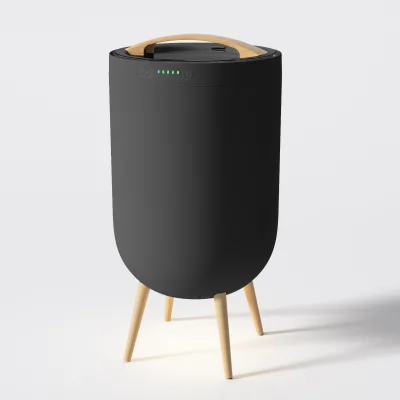
New Design Heated Towel Warmer | Smart Touch Panel | Adjusting Temperature| Electric Towel Warmer
$29.7038 - $36.346
MOQ: 200 pieces
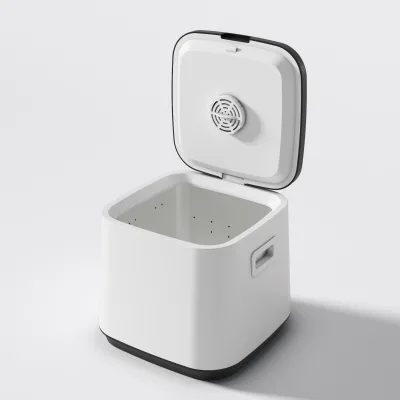
$29.1376 - $36.695
MOQ: 200 pieces
Tianjin Fengxu Kunyao International Trade Co., Ltd.
- Verified by Intertek
- Manufacturer, Trading Company
- Lead time0 days
- Avg. response≤ 3h
Main productsHeating Radiator, Towel Rack

Jiangmen City Jiangshuntong Hardware Manufacturing Co.,LTD.
- Combined
- China Guangdong
- Lead time30 days
- Avg. response≤ 4h
Main productsDoor Handle, Bathroom Accessories, Bar Furniture, Door Hinge, House Number, Mortise Lock, Furniture Handle
Main marketsSoutheast Asia/ Mideast,Europe,Australia


Intelligent and Automatic Electric Towel Heater with Wholesale High Quality
$10.00 - $46.80
MOQ: 1 Sets

Liantu (Tangshan) International Trade Co., Ltd.
- Verified by BV
- Trading Company
- China Hebei
- Lead time30 days
- Avg. response≤ 3h
Main productsHeating Radiator, Steel Radiator, Aluminum Radiator, Copper-Aluminum Composite Radiator, Designer Radiator, Steel Towel Rack, Copper-Aluminum Composite Towel Rack, Electric Towel Rack, Electric Radiator
Main marketsSoutheast Asia/ Mideast,North America


Luxurious Electric Heated Towel Warmer with Adjustable Temperature Control
$33.00 - $55.00
MOQ: 50 Pieces


Hangzhou Bode Trading Co., Ltd.
- Verified by SGS Group
- Trading Company
- Lead time60 days
- Avg. response≤ 2h
Main productsTRV, Column Radiators, Designer Radiators, Towel Warmer, Brass Valves
Main marketsWestern Europe(40%), North America(25%), Southern Europe(10%)
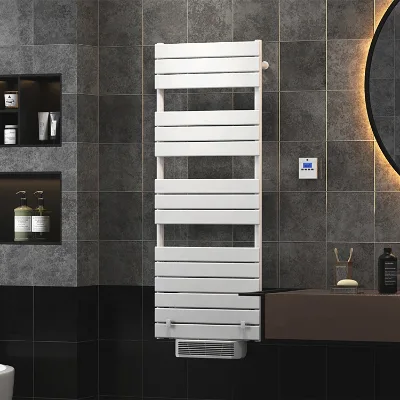
Remote Control Electric Towel Dryer Vertical Towel Rack Wall Mounted Towel Warmers with Blower
$119.90 - $139.90
MOQ: 50

Shanxi Dansheng Automation Equipment Co., Ltd.
- Verified by BV
- Combined
- China Shanxi
- Lead time15 days
- Avg. response≤ 1h
Main productsheating radiator
Main marketsSouth America,Africa,Southeast Asia/ Mideast,East Asia(Japan/ South Korea),Europe,Australia,North America
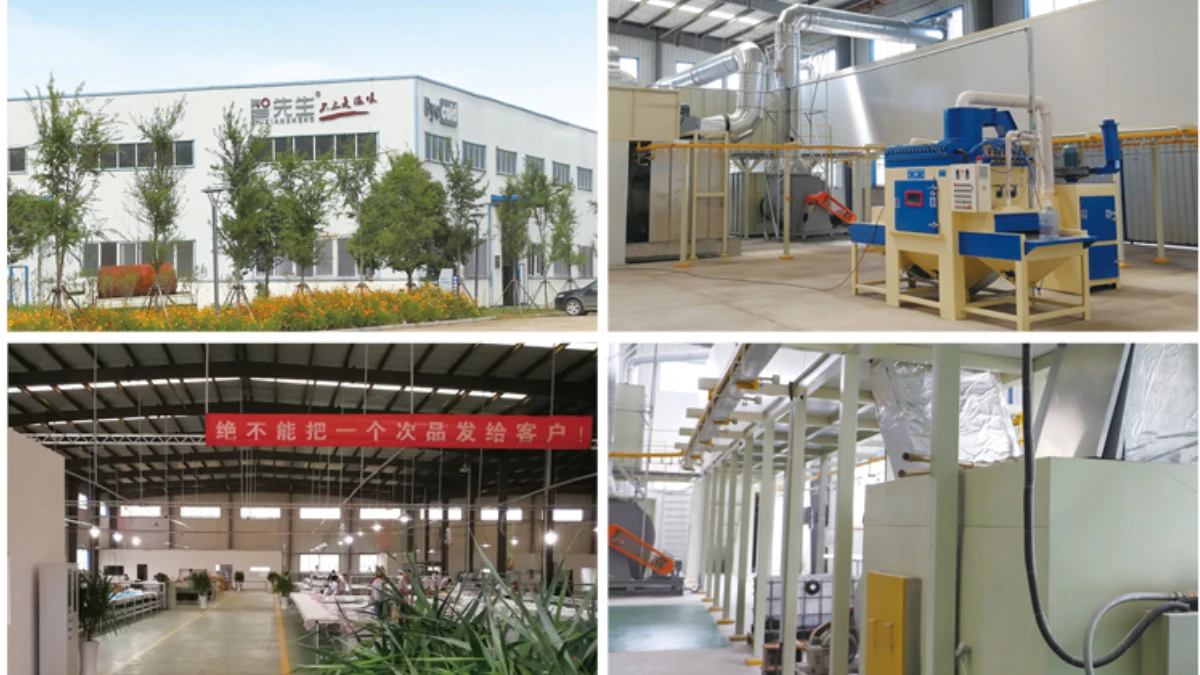
Jiangsu Byecold Technology Co., Ltd.
- Manufacturer, Trading Company
- Jiangsu, China
- Lead time15 days
- Avg. response≤ 4h
Main productsElectric Heated Towel Rail,Electric Towel Warmer,Smart Mirror,Infrared heating panel,Infrared panel heater
Main marketsWestern Europe(43.00%), Eastern Europe(18.00%), Southeast Asia(11.00%), Domestic Market(10.00%), North America(7.00%), Northern Europe(6.00%), Southern Europe(5.00%)

Qinhuangdao Yangguang Electric Co., Ltd
- Verified by TUVRHEINLAND
- Trading Company
- China Hebei
- Lead time23 days
- Avg. response≤ 1h
Main productsElectric Blanket, Infrared Heater, Electric Boiler, Heater Mural, Electric Heater, Electrically Heated Carpet
Main marketsDomestic

Jinjiang Jiaxing Import and Export Co., Ltd.
- Verified by CTI
- Manufacturer/Factory
- China Fujian
- Lead time120 days
- Avg. response≤ 2h
Main productsShoes, Slipper, Clothes, Promotion Gifts, Silicone Products, Outdoor Sports Products, Bags, Fashion Accessories, Consumer Electronics
Main marketsSouth America,Eastern Europe,Mid East,North America,Southeast Asia,Eastern Asia,Oceania,Western Europe,Africa






Comprehensive Sourcing Guide
WiFi Control Electric Towel Heater Supplier Concentration and Factory Types
The current supplier landscape for wifi control electric towel heaters reveals a distinct concentration of manufacturing and trading entities within specific industrial regions. Evidence indicates that a significant portion of these suppliers are located in China, with Zhejiang province emerging as a notable hub for production. This geographic clustering suggests a mature supply chain ecosystem where raw materials, component sourcing, and assembly capabilities are co-located, potentially reducing logistical friction for buyers. The presence of suppliers in this region implies access to established infrastructure for both domestic distribution and international export, particularly through nearby ports like Ningbo, which facilitates efficient shipping for heavy or bulky items like towel radiators. Buyers evaluating this market should recognize that location is not merely a logistical detail but a signal of supply chain maturity. Proximity to manufacturing clusters often correlates with faster response times and more flexible production scheduling, as suppliers in these areas are accustomed to high-volume orders and rapid turnaround requirements. Understanding this geographic concentration allows buyers to prioritize suppliers who can leverage local logistics networks for cost-effective delivery.
Supplier types in this category vary, ranging from pure manufacturers to combined entities that function as both factories and trading companies. The data shows that some suppliers identify as "Combined" or list both "Manufacturer" and "Trading Company" as their company types. This distinction is critical for buyers assessing their procurement strategy. Pure manufacturers typically offer greater control over production processes and potentially lower unit costs due to the elimination of intermediary margins. In contrast, trading companies may provide broader product assortments, including complementary items like thermostatic radiator valves or brass fittings, which can simplify sourcing for buyers looking for complete bathroom heating solutions. The presence of OEM and ODM capabilities among these suppliers indicates a high degree of customization flexibility. Buyers seeking branded products or specific design modifications should look for suppliers who explicitly advertise these services. This flexibility allows for tailored solutions that meet specific market demands, whether for residential use or commercial hospitality projects. The variety in supplier types ensures that buyers can find partners aligned with their specific operational needs, whether they prioritize direct factory engagement or comprehensive sourcing support.
How to Verify WiFi Control Electric Towel Heater Suppliers
Verifying the credibility of suppliers requires a multi-layered approach that goes beyond surface-level profile reviews. One of the primary indicators of supplier reliability is third-party verification status. In the current market, some suppliers display verification badges from recognized inspection agencies such as SGS. This verification serves as a tangible proof point that the supplier has undergone rigorous audits of their business operations, production facilities, and quality management systems. Buyers should prioritize suppliers who hold such verifications, as it reduces the risk of engaging with fraudulent or non-existent entities. Additionally, the presence of specific product certifications is a crucial verification step. Products in this category often require safety and compliance certifications to be sold in international markets. Evidence shows that many wifi control electric towel heaters carry CE and ROHS certifications. These marks indicate that the products meet European health, safety, and environmental protection standards. Buyers must request valid certification documents and verify their authenticity with the issuing bodies to ensure compliance with local regulations in their target markets.
Beyond certifications, buyers should assess the supplier's responsiveness and operational transparency. Response time is a key metric for evaluating supplier engagement. Data indicates that some suppliers have response times as low as 1.15 hours, which suggests a high level of operational efficiency and customer service dedication. Fast response times are particularly important for complex sourcing projects where technical specifications and customization details need to be clarified quickly. Buyers should also look for suppliers who provide detailed product attributes, such as power type, installation methods, and smart features like WiFi connectivity. The availability of comprehensive product information, including model numbers and technical specifications, indicates a professional approach to sales and support. Furthermore, buyers should verify the supplier's ability to provide after-sales support, such as online technical assistance. This capability is essential for resolving issues related to smart home integration or hardware malfunctions. By combining verification of credentials, assessment of response efficiency, and review of product documentation, buyers can build a robust profile of supplier reliability and mitigate sourcing risks effectively.
What to Compare Across WiFi Control Electric Towel Heater Suppliers
When evaluating multiple suppliers, buyers must compare key operational metrics to determine the best fit for their procurement needs. One of the most critical factors is the Minimum Order Quantity (MOQ). The data reveals a wide range of MOQs, from as low as 50 units for certain models to 500 units for others. This variation allows buyers to align orders with their inventory capacity and market demand. Smaller MOQs are advantageous for testing new markets or for buyers with limited storage space, while larger MOQs may offer better economies of scale for established distributors. Buyers should also compare lead times, which can vary significantly based on order volume and seasonality. Some suppliers indicate lead times of 30 days, while others provide tiered lead times based on quantity brackets, such as 40 days for smaller orders and 60 days for larger ones. Understanding these lead time structures helps buyers plan their supply chain more accurately and avoid stockouts or excess inventory.
Price and customization options are another vital area of comparison. Unit prices for wifi control electric towel heaters range from approximately $41 to $72, depending on features, size, and order volume. Buyers should analyze the price-to-feature ratio, considering factors like WiFi capability, power output, and design aesthetics. Additionally, the availability of customization services, such as OEM and ODM, should be evaluated. Suppliers offering customization allow buyers to differentiate their products in the market with unique branding or specific technical requirements. Buyers should also compare the range of main products offered by each supplier. Some suppliers focus exclusively on towel heaters, while others offer a broader portfolio including electric convectors and bathroom accessories. A diverse product range can simplify sourcing and reduce the number of vendors a buyer needs to manage. By systematically comparing MOQs, lead times, prices, and customization capabilities, buyers can make informed decisions that balance cost, speed, and product differentiation.
Common WiFi Control Electric Towel Heater Sourcing Risks
Sourcing wifi control electric towel heaters involves several inherent risks that buyers must proactively manage. One significant risk is the complexity of smart home integration. These heaters often feature WiFi connectivity and remote control capabilities, which require compatibility with various smart home ecosystems. If a supplier does not provide adequate technical documentation or software support, buyers may face challenges in integrating these devices into their customers' existing systems. This can lead to customer dissatisfaction and increased return rates. Buyers should verify the supplier's technical support capabilities and ensure that they provide clear instructions and compatible apps for their products. Another risk is the variability in product quality and safety standards. While many suppliers claim to have CE and ROHS certifications, the actual quality of components and manufacturing processes can vary. Buyers must conduct thorough due diligence to ensure that the products meet the required safety standards in their target markets. This includes verifying the authenticity of certifications and, if necessary, conducting third-party inspections.
Logistical risks are also prevalent in this category due to the size and weight of towel radiators. Shipping these items internationally can be costly and prone to damage if not packaged correctly. Buyers should assess the supplier's packaging standards and logistics experience. Some suppliers provide detailed packaging information, such as carton dimensions and gross weight, which helps in calculating shipping costs and planning warehouse storage. Additionally, buyers should be aware of potential delays in lead times, especially during peak seasons. Suppliers may indicate that lead times are "to be negotiated" for large orders, which can create uncertainty in supply chain planning. Buyers should establish clear communication channels and request regular updates on production status to mitigate these risks. Furthermore, the risk of intellectual property infringement exists if buyers work with suppliers who do not respect proprietary designs. Buyers should ensure that their contracts include strong IP protection clauses and work with suppliers who have a reputation for respecting intellectual property rights. By identifying and addressing these risks early in the sourcing process, buyers can protect their business interests and ensure a smooth procurement experience.
WiFi Control Electric Towel Heater Regional Sourcing and Logistics
Regional sourcing strategies play a crucial role in optimizing the procurement of wifi control electric towel heaters. The concentration of suppliers in China, particularly in Zhejiang province, offers significant advantages in terms of cost efficiency and production capacity. This region is known for its robust manufacturing infrastructure and access to raw materials, which contributes to competitive pricing. Buyers sourcing from this region can benefit from the economies of scale and specialized supply chains that have developed over time. However, buyers must also consider the logistical implications of sourcing from this region. The proximity to major ports like Ningbo facilitates efficient export operations, reducing transit times and shipping costs. Buyers should leverage this logistical advantage by working with suppliers who have experience in international shipping and can provide accurate freight quotes. Understanding the regional logistics landscape allows buyers to plan their supply chain more effectively and minimize delays.
In addition to cost and logistics, buyers should consider the regulatory environment of the sourcing region. China has established standards for electrical appliances, but buyers must ensure that the products they source comply with the regulations of their target markets. This may involve additional testing or certification requirements depending on the destination country. Buyers should work with suppliers who are familiar with international compliance standards and can assist in navigating these regulatory hurdles. Furthermore, buyers should evaluate the supplier's ability to handle customs clearance and documentation. Proper documentation is essential for smooth customs processing and avoiding delays at the destination port. Buyers should request all necessary documents, including commercial invoices, packing lists, and certificates of origin, from their suppliers. By understanding the regional sourcing dynamics and logistical requirements, buyers can optimize their procurement strategy and ensure that their products reach the market efficiently and compliantly.
WiFi Control Electric Towel Heater Commercial Terms and Order Planning
Effective order planning and clear commercial terms are essential for successful sourcing of wifi control electric towel heaters. Buyers should establish detailed agreements that cover pricing, payment terms, delivery schedules, and quality assurance. Pricing structures can vary based on order volume, so buyers should negotiate tiered pricing to maximize cost savings for larger orders. Payment terms should be structured to balance risk for both parties, with options such as letters of credit or escrow services providing security for large transactions. Buyers should also clarify the scope of customization services, including design approvals, sample production, and tooling costs. Clear communication regarding these terms helps prevent misunderstandings and ensures that both parties are aligned on project expectations. Additionally, buyers should define quality control standards and inspection procedures. This may include pre-shipment inspections or third-party quality audits to ensure that the products meet the agreed-upon specifications.
Lead time management is another critical aspect of order planning. Buyers should work with suppliers to establish realistic lead times based on order volume and production capacity. Some suppliers provide tiered lead times, which allows buyers to plan for different order sizes. Buyers should also account for potential delays due to holidays, raw material shortages, or logistical issues. Establishing a buffer in the supply chain can help mitigate these risks. Furthermore, buyers should define after-sales support responsibilities, including warranty periods and technical assistance. Clear terms regarding returns, replacements, and repairs protect the buyer from potential losses due to product defects. By establishing comprehensive commercial terms and robust order planning processes, buyers can build a resilient supply chain that supports their business growth. This proactive approach ensures that sourcing operations run smoothly and that buyers can meet their customers' demands reliably and efficiently.
FAQs
What is the typical MOQ for wifi control electric towel heaters?
Most listings on this page show a minimum order quantity between 200 and 500 units, with one Nordic-style model available from 50 units. Lower MOQs usually come with higher per-unit prices. Confirm the exact MOQ for your chosen model and finish before requesting a sample, since requirements vary by product configuration.
How much do wifi-controlled electric towel heaters cost per unit?
Published price ranges on this page span roughly 41 to 72 US dollars per unit depending on the model. Simpler flat radiators sit at the lower end, while higher-wattage combined units with timers cost more. Volume, wattage rating, and customization level all influence the final quoted price, so request quotes for your exact specification.
What lead times should I expect when ordering these towel heaters?
One listed supplier shows a 30-day lead time, while another quotes around 40 days for small orders and 60 days for 51 to 500 units, with larger volumes negotiated separately. Peak and off-season scheduling can affect these timelines. Confirm current production capacity and your target shipment date before placing a purchase order.
Which certifications do these electric towel heaters carry?
Product listings on this page show CE and RoHS certification for the featured heater models. Certification scope can differ between models, so verify which certificates apply to the exact variant you intend to order. Ask for certificate copies and confirm they cover your destination market's electrical and safety requirements before contracting.
Can suppliers provide OEM or ODM customization for towel heaters?
Yes, customization is listed as available on several products, and one supplier states ODM and OEM capability plus 3D model design support. Typical options include color, size, wattage, packaging, and branding. Expect customization to affect price, minimum order quantity, and lead time, so define your specification clearly in the initial inquiry.
What product options exist for wifi control electric towel heaters?
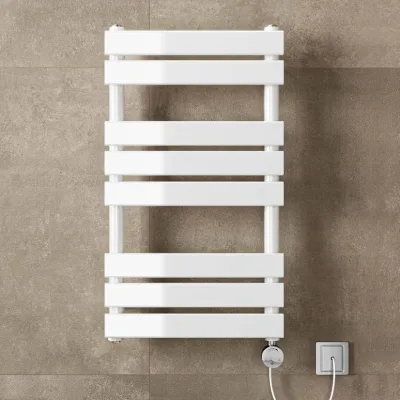
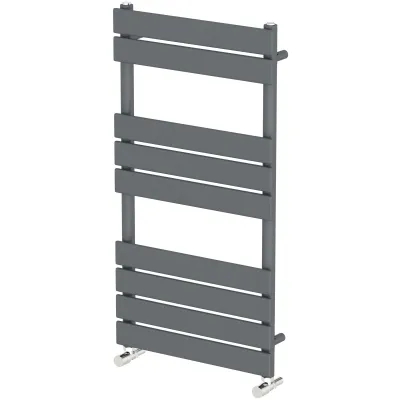
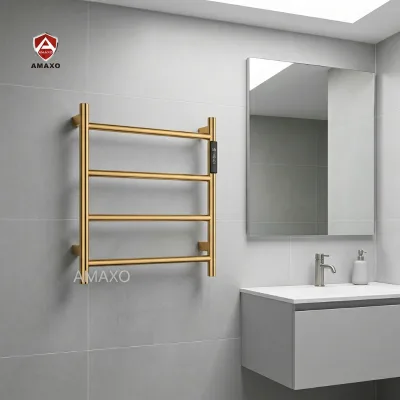
Listed options include wall-mounted glass infrared heaters around 600W, combined towel and convector units ranging from roughly 300W to 2100W, portable models with timers and child locks, and chrome tube designs with thermostatic control. Sizes, colors, and mounting styles vary by model. Review wattage, mounting type, and control features to match your market's needs.