CE Certified Electric Popcorn Maker Suppliers and Manufacturers
Source CE Certified Electric Popcorn Maker from 29 verified suppliers in China. Compare lead times, MOQs, and CE certifications to find the right partner. Contact suppliers directly to request quotes and verify production capabilities; review the available evidence before requesting comparable quotations from suitable candidates.
Updated
Suppliers List

Guangzhou Astar Kitchen Equipment Co., Ltd.
- Verified by BV
- Combined
- China Guangdong
- Lead time15 days
- Avg. response≤ 15h
Main productsBakery Equipment, Oven, Kitchen Equipment, Mixer, Baking Oven, Convection Oven, Rotary Oven, Pizza Oven, Refrigerator, Cake Showcase
Main marketsAfrica,Domestic,Europe

Guangzhou ETON Electromechanical Co., Ltd.
- Verified by BV
- Combined
- China Guangdong
- Lead time30 days
- Avg. response≤ 8h
Main productsPopcorn Machine, Candy Floss Machine, Fryer, Soymilk Machine, Sealing Machine, Sealer, Hot Dog Roller, Ice Crusher, Oven, Sugar Cane Presser
Main marketsSouth America,Africa,Southeast Asia/ Mideast,East Asia(Japan/ South Korea),Domestic,Europe,Australia,North America
Guangzhou Eton Electromechanical Co., Ltd.
- Verified by SGS Group
- Manufacturer, Trading Company
- Lead time15 days
- Avg. response≤ 5h
Main productsPopcorn Machine, Cotton Candy Machine, Cup Sealing Machine, Hot Dog Roller, BBQ Roaster
Main marketsNorth America(27%), Southeast Asia(18%), Western Europe(17%)

Hefei Gonidea International Trade Co., Ltd.
- Trading Company
- China Anhui
- Lead time30 days
- Avg. response≤ 6h
Main productsShowcase, Chest Freezer, Upright Freezer, Refrigerator, Frost Free Refrigerator, Ultra Low Temperature Freezer, Commercial Refrigeration, Island Freezer, Ice Cream Freezer, Washing Machine
Main marketsAfrica,Southeast Asia/ Mideast,Europe


Home Automatic Popcorn Machine Maker Mini Electric Popcorn Maker Machine Hpm-1848
$5.00 - $12.00
MOQ: 2000 Pieces


Kitchen Equipment Appliance Low Price Electric Machinery Popcorn Maker Machine
$48.00 - $55.00
MOQ: 200 Pieces


Mini Popcorn Machine Electric Portable Home Mini Popcorn Maker Hpm-3750A
$7.00 - $15.00
MOQ: 1320 Pieces

- Verified by BV
- Manufacturer/Factory
- China Zhejiang
- Lead time30 days
- Avg. response≤ 9h
Main productsLED Light, Tail Light, Work Light, Ceiling Light, Flash Light, Projector, Cabinet Light, Mirror Light, LED Strip, Festival Light
Main marketsSouth America,Eastern Europe,North America,Western Europe,Africa


Home Party Electric Automatic Popcorn Maker Mini Electric Hot Air Popcorn Machine
$5.80
MOQ: 1000 Pieces
Guangzhou Foodsense Catering Equipment Co., Ltd.
- Verified by SGS Group
- Trading Company
- Lead time20 days
- Avg. response≤ 2h
Main productsFood Processing Machine, Bakery Equipment, Western Kitchen Equipment, Refrigeration Equipment, Bar Beverage Equipment
Main marketsAfrica(15%), South America(10%), Southeast Asia(10%)
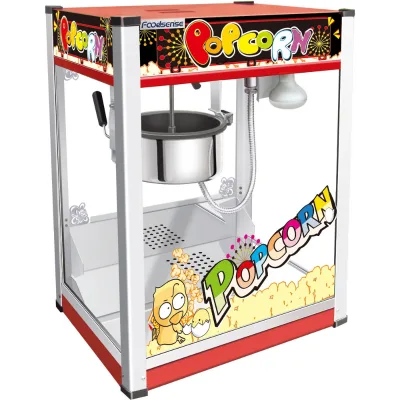
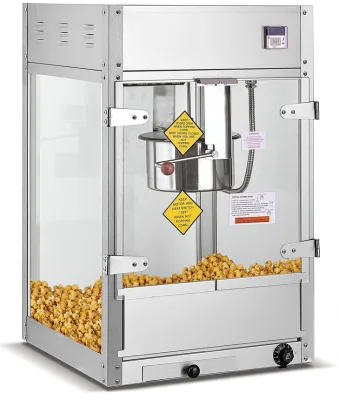
China Factory Professional Industrial Popcorn Machine Price Electric Popcorn Maker Machine
$349.00 - $419.00
MOQ: 1
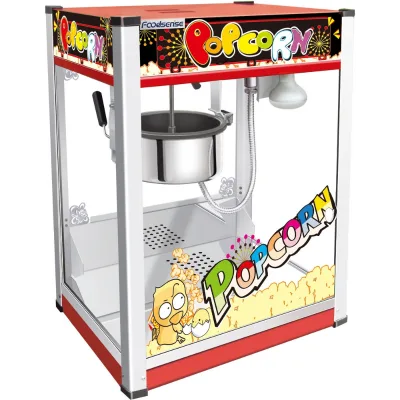
Large Capacity Red Commercial Popcorn Machine Price Popcorn Makers Electric Popcorn Machine
$134.8619 - $154.5726
MOQ: 10 pieces

GGMGASTRO (QINGDAO) INTERNATIONAL CO., LTD.
- Verified by BV
- Trading Company,Manufacturer/Factory
- China Shandong
- Lead time23 days
- Avg. response≤ 1h
Main productsCommercial Refrigerator, Kitchen Equipment, Catering Equipment, Bakery Eqipment, Ice Maker, Stainless Steel Sink, Meat Slicer, Fryer, Induction Cooker, Contact Grill
Main marketsSouth America,Eastern Europe,Mid East,Southeast Asia,Western Europe
Guangzhou Pullte Catering Equipment Co., Ltd.
- Verified by Intertek
- Manufacturer, Trading Company
- Lead time15 days
- Avg. response≤ 2h
Main productsDeep fryer, Oven, Griddle, Grill, Range
Main marketsSouth America(17%), Africa(17%), Mid East(17%)
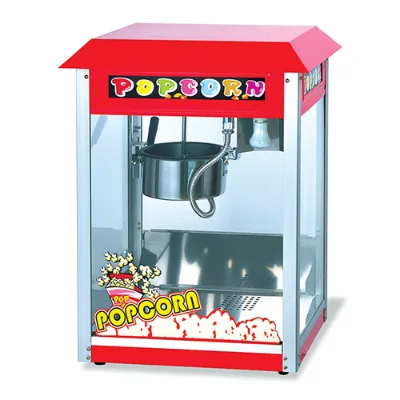
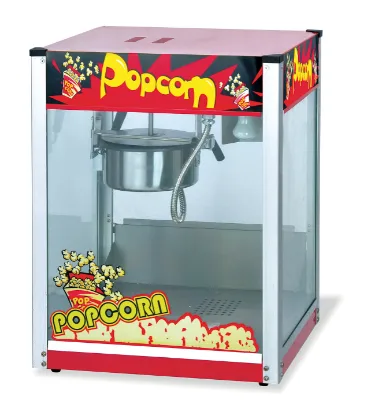
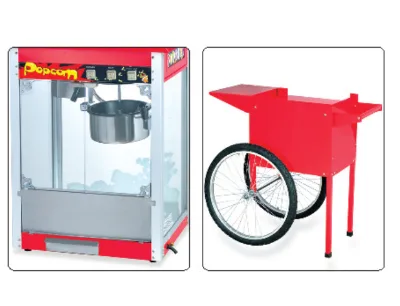
$72.8492 - $76.9523
MOQ: 20 pieces

Sunbird Technology Development Co., Limited
- Manufacturer/Factory
- China Guangdong
- Lead time45 days
- Avg. response≤ 11h
Main productsBBQ Grill, Free Standing Oven, Coffee Maker, Rice Cookers, Induction Cookers, Gas Cookers, Electric Oven, Pizza Oven, Deep Fryer, Bread Maker
Main marketsSouth America,Eastern Europe,Mid East,North America,Southeast Asia,Eastern Asia,Oceania,Western Europe,Africa

Foshan Nanhai Flamemax Catering Equipment Co., Ltd.
- Verified by SGS
- Combined
- China Guangdong
- Lead time30 days
- Avg. response≤ 1h
Main productsConvection Oven, Pizza Oven, Rotisserie, Gas Stove, Shawarma Machine, Fryer, Hot Air Oven, Bakery Oven, Bakery Equipment, Kitchen Equipment
Main marketsSouth America,Africa,Southeast Asia/ Mideast

Hangzhou Creato Machinery Co., Ltd.
- Verified by BV
- Trading Company
- China Zhejiang
- Lead time30 days
- Avg. response≤ 7h
Main productsFood Mixer, Vegetable Cutter, Drywall Sanders, Chocolate Fountain, Airless Paint Sprayer, Constructions Tool, Ice Cream Machine, Paint Remover, Meat Mincer, Bone Saw Machine
Main marketsSouth America,Africa,Southeast Asia/ Mideast,Europe,Australia,North America
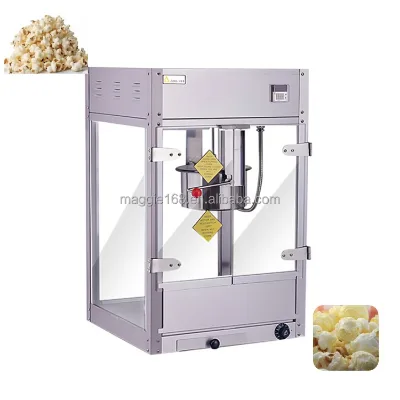
Henan Maggie Trading Co., Ltd.
- Trading Company
- Lead time旺季: "1 - 1":15,"2 - 5":20,"> 5":"To be negotiated", 淡季: "1 - 1":15,"2 - 5":20,"> 5":"To be negotiated"
- Avg. response≤ 1h
Main productsSnacks,meat,vegetables,and grain processing machinery,Vending machines and packaging machines
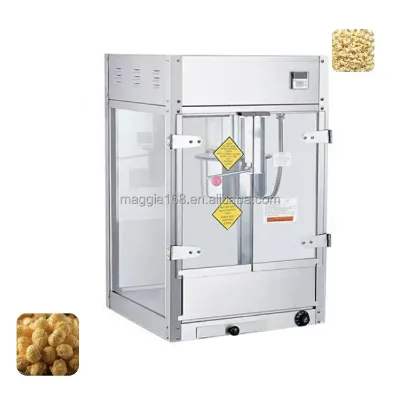
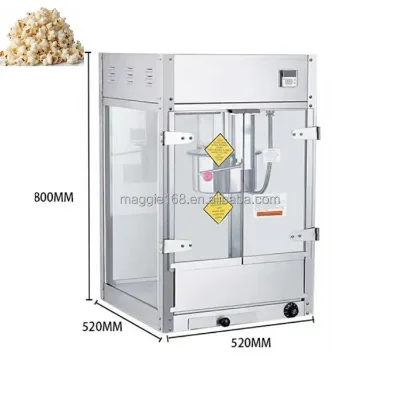
$461.7121 - $492.493
MOQ: 1 sets
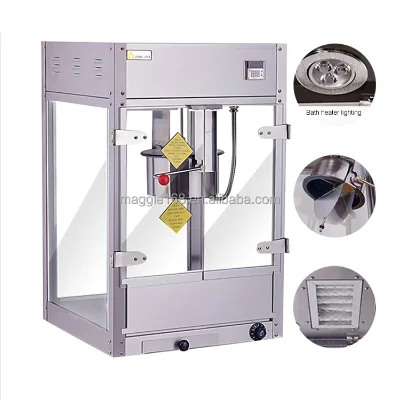
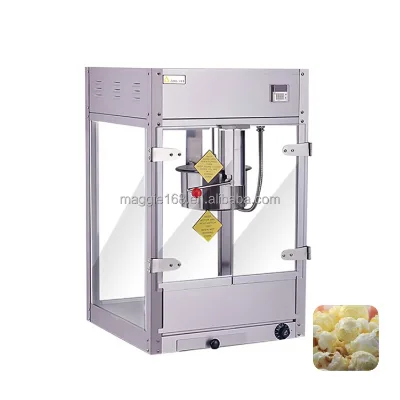
$461.7121 - $492.493
MOQ: 1 sets
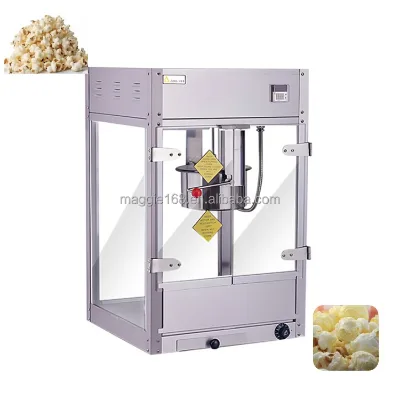
$462.0281 - $492.83
MOQ: 1 sets
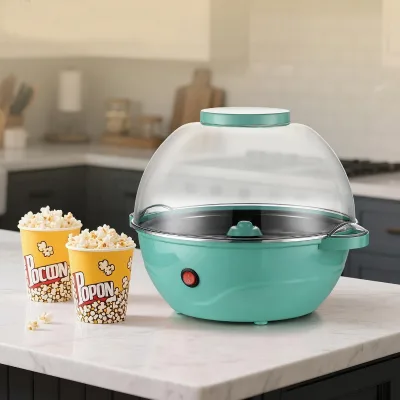
Cixi Xinpu Jianke Appliance Factory
- Verified by TüVRheinland
- Manufacturer, Trading Company
- Lead time25 days
- Avg. response≤ 1h
Main productsPopcorn Machine, Cotton Candy Machine, Chocolate Fountain, Ice Shaver, Pet Water Dispenser
Main marketsDomestic Market(20%), North America(15%), South America(14%)
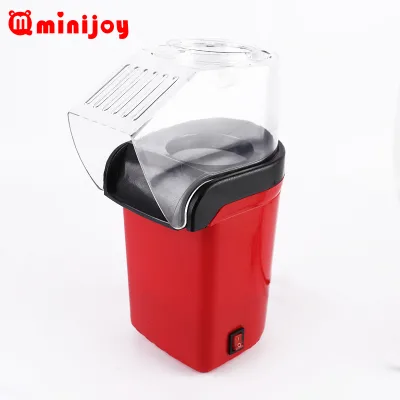
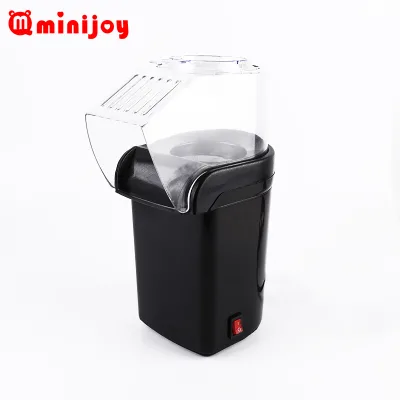
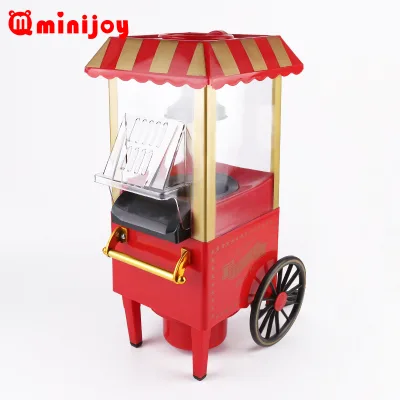
OEM Factory Black 800w Maker Pop Corn Commercial for Pakistan Popcorn Machine
$6.1703 - $7.1979
MOQ: 120 pieces

Shandong Longze Machinery Co., Ltd.
- Combined
- China Shandong
- Lead time30 days
- Avg. response≤ 6h
Main productsPopcorn Machine, Industrial Cooking Mixer, Industrial Cooking Jacketed Kettle, Chili Sauce Cooking and Mixing Machine, Popcorn Production Line, High Pressure Cooker, Horizontal Vacuum Cooking Mixer, Planetary Cooking Mixer Machine, Industrial Cooking Pot, Vacuum Kettle
Main marketsSouth America,Africa,Southeast Asia/ Mideast,East Asia(Japan/ South Korea),Domestic,Europe,Australia,North America

High Quality Popcorn Maker Popcorn Machine Automatic Electric Popcorn Making Machine
$6300.00 - $6500.00
MOQ: 1 Pieces

Industrial Gas/Electric Popcorn Machine Professional Commercial Electric Automatic Popcorn Maker
$1500.00 - $1600.00
MOQ: 7 Meters

Electric Professional Popcorn Machine Automatic Smart Temperature Control Popcorn Maker with Mixer
$6200.00 - $6800.00
MOQ: 1 Pieces

Guangzhou Umei Technology Co., Ltd
- Verified by SGS
- Manufacturer/Factory
- China Guangdong
- Lead time15 days
- Avg. response≤ 2h
Main productsHair Straightener, Hair Dryer, Hair Curler, Hair Clipper, Photo Booth Vending Machine, Cotton Candy Vending Machine, Popcorn Vending Machine, Vending Machine, Ice Cream Vending Machine, 360 Photo Booth
Main marketsSouth America,Eastern Europe,Mid East,North America,Southeast Asia,Eastern Asia,Western Europe

Shanghai Target Industry Co., Ltd.
- Verified by TUVRHEINLAND
- Combined
- China Shanghai
- Lead time30 days
- Avg. response≤ 6h
Main productsCake Production Machine, Biscuit Machine, Chocolate Machine, Candy Machine, Confectionery Machinery, Packing Machine, Marshmallow Machine, Candy&Biscuit&Chocolate Mould, Cookie Machine, Food Machine
Main marketsSoutheast Asia/ Mideast,North America

- Trading Company
- China Zhejiang
- Lead time30 days
- Avg. response≤ 13h
Main productsHome Appliance, Cookware Set, Thermos, Home Storage, Furniture, Pet Supplies, Garden Tools, Outdoor Supplies, Baby Supplies, Houesehold Items
Main marketsSouth America,Africa,Southeast Asia/ Mideast,East Asia(Japan/ South Korea),Domestic,Europe,Australia,North America

Home 850W Electric Popcorn Machine, Automatic Corn Machine, Electric Corn Machine, Popcorn Maker
$20.50 - $21.50
MOQ: 1000 Pieces

Ningbo Meiyu Electrical Appliance Co., Ltd.
- Verified by TüVRheinland
- Manufacturer, Trading Company
- Lead time35 days
Main productsBreakfast Maker, Air Fryers, Popcorn Maker, Grill, Cotton Candy Maker
Main marketsSouth America(23%), Western Europe(22%), North America(13%)
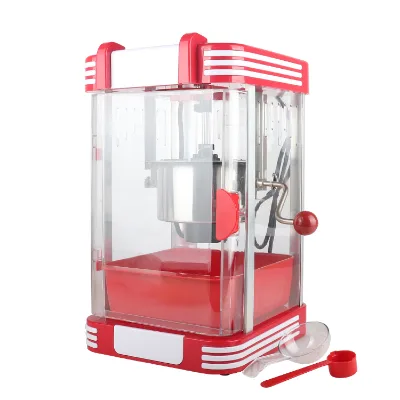
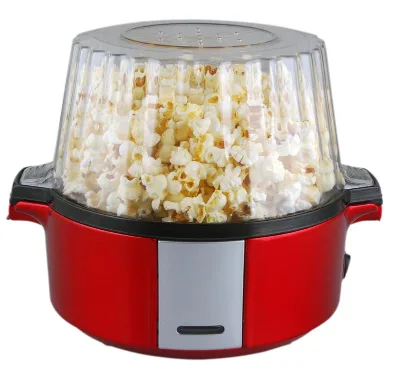
Professional Commercial Popcorn Machine Electric Automatic Hot Air Popcorn Maker Stainless Steel
$23.80 - $24.00
MOQ: 1000
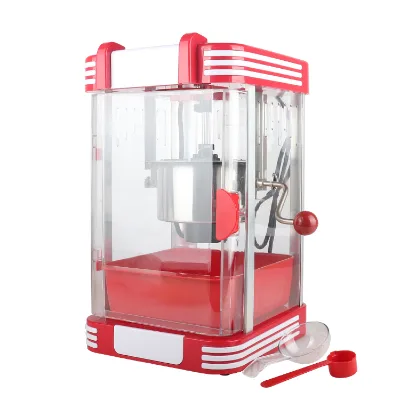
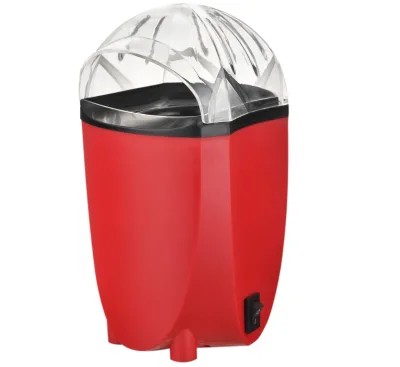
Hot Selling Portable Popcorn Makers Electric Hot Air Popcorn Maker Machine for Home
$23.80 - $24.00
MOQ: 1000
$9.9392 - $10.146
MOQ: 1000 pieces
- Verified by Intertek
- Trading Company
- Lead time7 days
- Avg. response≤ 1h
Main productsFruit Vegetable Machine, Meat Processing Machine, Pastry Bakery Machine, Snack Machine, Feed Processing Machine
Guangzhou Sunzee Intelligent Technology Co., Ltd.
- Manufacturer, Trading Company
- Guangdong, China
- Lead time0 days
- Avg. response≤ 5h
Main productsCotton Candy Machine,Popcorn Machine,Ice cream machine
Main marketsEastern Europe(25.00%), North America(25.00%), Domestic Market(15.00%), South America(15.00%), Southeast Asia(10.00%), Mid East(10.00%)
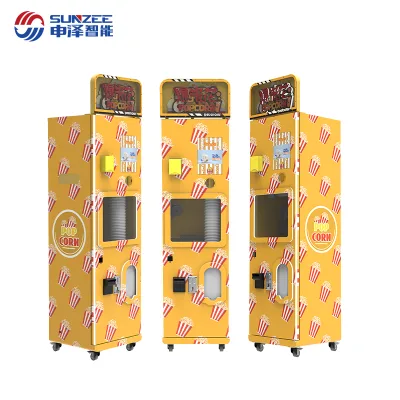
Automatic Popcorn Machine Commercial Small Electric Popcorn Maker for Snack Bar
$2000.00 - $2200.00
MOQ: 1
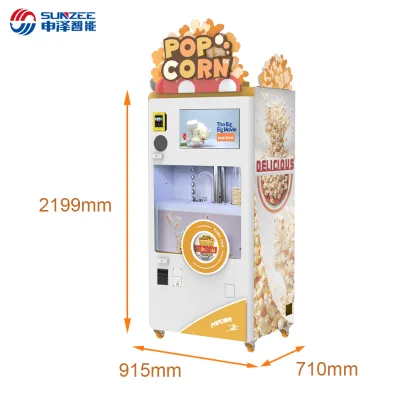
Multifunctional Automatic Popcorn Maker, Suitable for Home & Business, Quick - Popping Technology
$5789.0869 - $5942.7787
MOQ: 1 sets
Henan Zhuodong Supply Chain Management Co., Ltd.
- Trading Company
- Henan, China
- Lead time0 days
- Avg. response≤ 2h
Main productsProcessing machinery,Food machinery,Agricultural machinery,construction machinery,Commercial machinery
Main marketsSoutheast Asia(30.00%), South Asia(20.00%), North America(20.00%), Mid East(10.00%), Central America(10.00%), Eastern Asia(10.00%)
Guangzhou Prince Western Kitchen Equipment Manufacturing Co., Ltd.
- Manufacturer, Trading Company
- Guangdong, China
- Lead time20 days
- Avg. response≤ 2h
Main productsWestern Kitchen Equipment (Electric Fryer,Ice Cream Machine,Ice Machine,Electric Griddle,Popcorn Machine,Warming Showcase,Waffle Baker,Cotton Candy Machine,Bain Marie,Gas Fryer,Gas Griddle)
Main marketsDomestic Market(77.60%), Southeast Asia(7.73%), South America(4.97%), Western Europe(3.37%), Mid East(3.19%), Africa(1.66%), Southern Europe(0.64%), South Asia(0.46%), Central America(0.38%)
- Verified by Intertek
- Trading Company
- Lead time15 days
- Avg. response≤ 8h
Main productsKitchen Tools, Fruit Vegetable Tools, Utensils, Lunch Boxes, Colanders Strainers
Main marketsNorth America(50%), Eastern Europe(10%), Western Europe(10%)
Guangzhou Weige Machinery Equipment Co., Ltd.
- Manufacturer, Trading Company
- Lead time旺季: "1 - 1":10,"2 - 10":12,"> 10":"To be negotiated", 淡季: "1 - 1":10,"2 - 10":12,"> 10":"To be negotiated"
- Avg. response≤ 5h
Main productsDeck Oven, Convection Oven, Rotisserie Oven, Pizza Oven, Rotary Oven
Jiangmen Sinsion Technology Industrial Co., Ltd.
- Manufacturer
- Guangdong, China
- Lead time50 days
- Avg. response≤ 3h
Main productsRobot Vacuum Cleaner,Coffee Maker,Popcorn Maker,Meat Slicer
Main marketsNorth America(39.00%), South America(33.00%), Western Europe(16.00%), Eastern Asia(6.00%), Northern Europe(2.00%), Eastern Europe(2.00%), Southern Europe(1.00%), Mid East(1.00%)
Ningbo Hiking Electric Appliance Co., Ltd.
- Trading Company
- Lead time旺季: "1 - 5000":45,"> 5000":"To be negotiated", 淡季: "1 - 5000":45,"> 5000":"To be negotiated"
- Avg. response≤ 4h
Main productsAir Fryer, Press Grill, Popcorn Maker, Oven, Deep Fryer
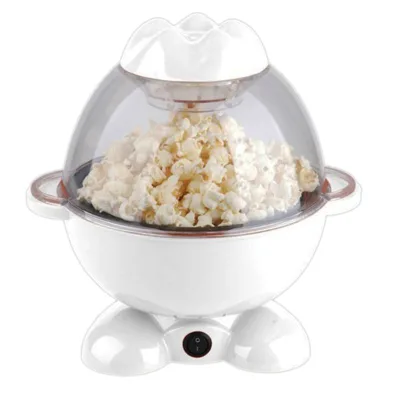
Cute Shape Popcorn Machine Popcorn Maker With Overheat Protection
$13.4685 - $13.6752
MOQ: 1000 pieces
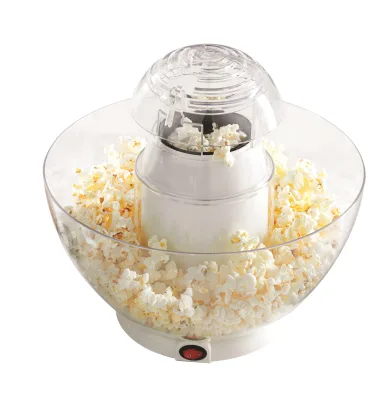
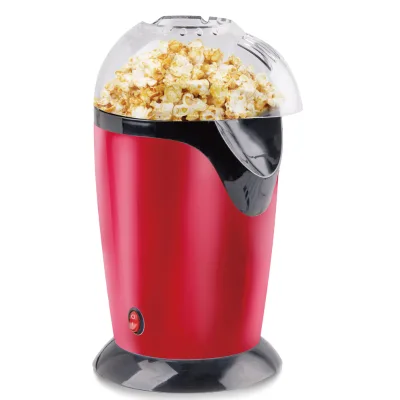
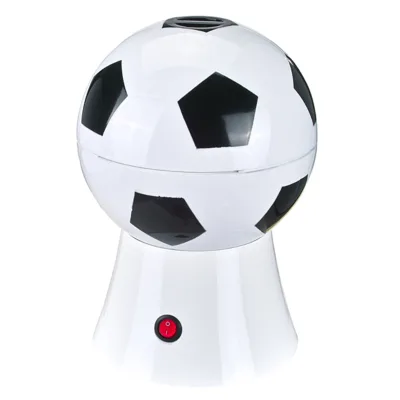
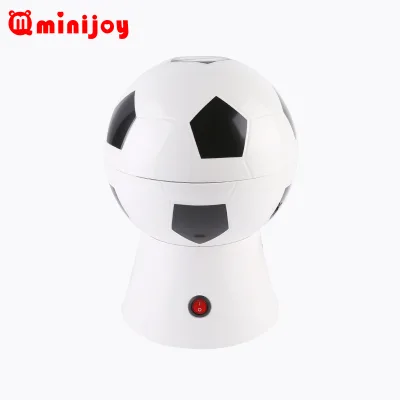
Hot Air Electric Football Shaped Popcorn Maker With Integrated Football Serving Bowl
$7.00 - $7.60
MOQ: 2000 pieces
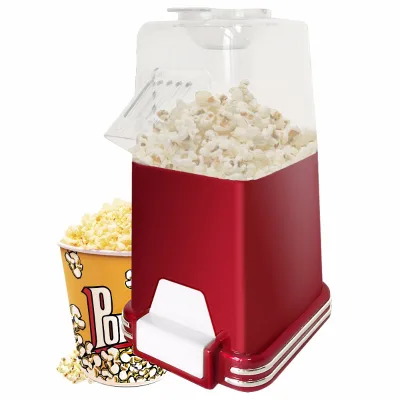
Custom Multifunction Mini Snack Machine Popcorn Maker for Home with Candy Delicious
$7.80 - $8.70
MOQ: 1000 pieces

Guangzhou Fuqi Food Machinery Co., Ltd.
- Verified by CTI
- Combined
- China Guangdong
- Lead time15 days
- Avg. response≤ 4h
Main productsFryer, Griddle, Shawarma Machine, Electric Bain Marie, Waffle Machine, Crepe Maker
Main marketsSoutheast Asia/ Mideast,Europe,Australia,North America

Luxury Electric Double Pot Popcorn Machine 220V Commercial Big Size Popcorn Maker
$104.62 - $142.77
MOQ: 10 Pieces


Li Feng Machinery Equipment Co., Limited
- Trading Company
- Hong Kong S.A.R.
- Lead time5 days
- Avg. response≤ 2h
Main productsAgricultural machinery,Commercial machinery,Construction machinery,Construction machinery,Food machinery
Main marketsSouthern Europe(10.00%), Central America(10.00%), Western Europe(10.00%), Eastern Asia(10.00%), Mid East(10.00%), Africa(10.00%), Southeast Asia(10.00%), Eastern Europe(10.00%), South America(10.00%), North America(10.00%)

Guangzhou ETON Import & Export Co., Ltd.
- Verified by SGS
- Combined
- China Guangdong
- Lead time30 days
- Avg. response≤ 14h
Main productsCandy Floss Machine, Popcorn Machine, Cup Sealing Machine, BBQ Roaster, Electric Fryer, Hot-Dog Roller, Ice Blender, Ice Crusher, Juice Extrctor, Slush Machine
Main marketsSouth America,Europe


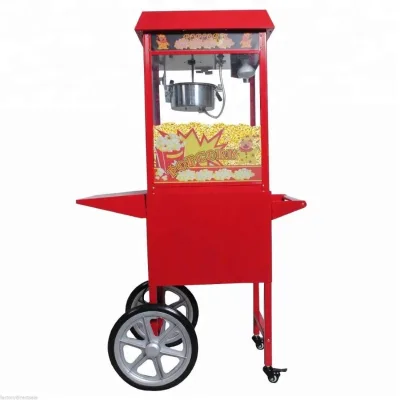
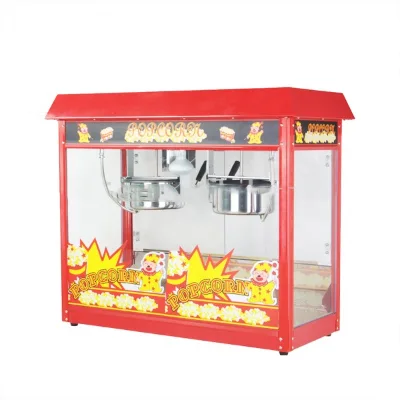
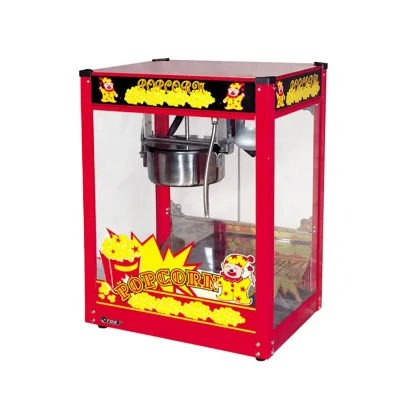


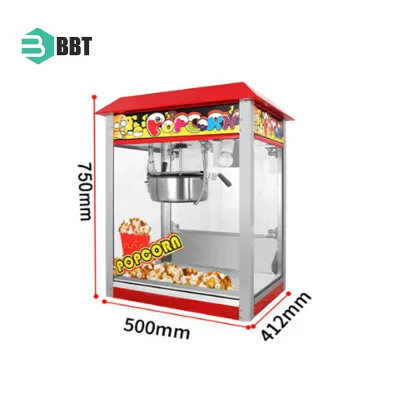
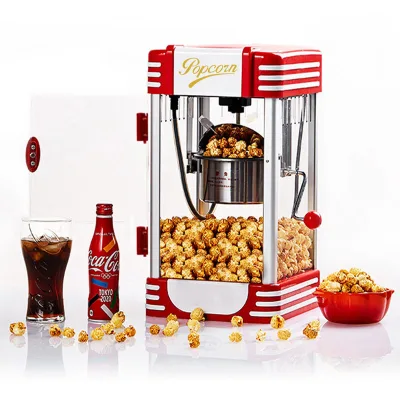
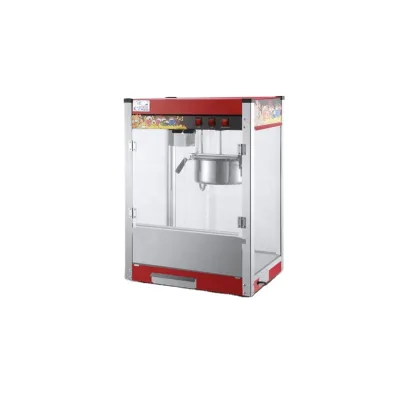
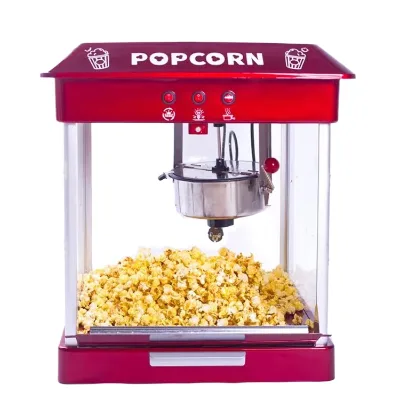
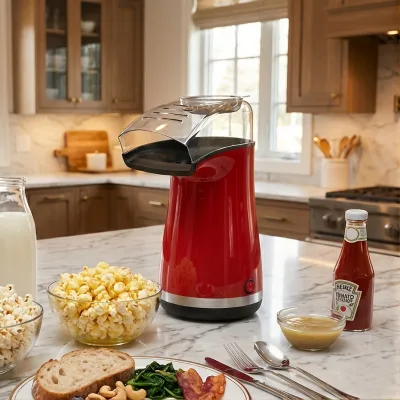



Comprehensive Sourcing Guide
CE Certified Electric Popcorn Maker Supplier Concentration and Factory Types
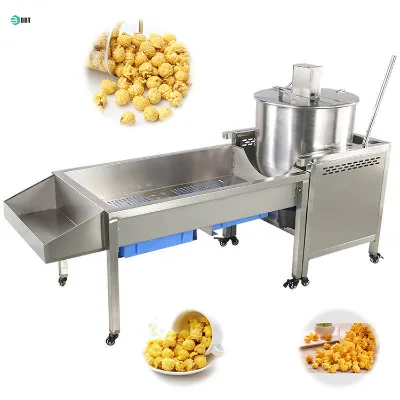
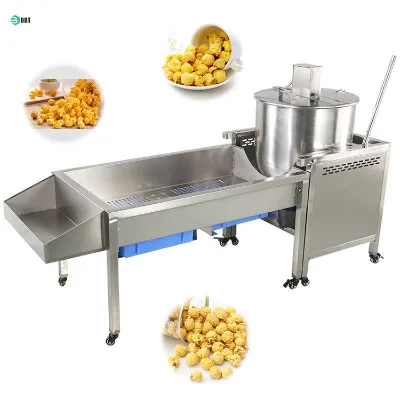
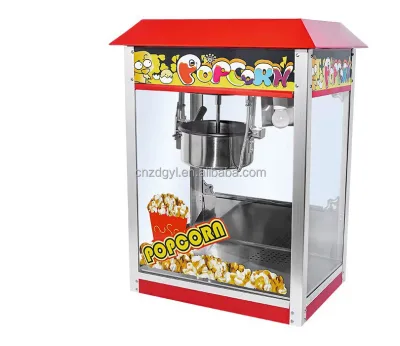
The current supplier landscape for CE Certified Electric Popcorn Maker products reveals a distinct concentration of manufacturing activity within China, specifically in the Guangdong region. This geographic clustering is significant for buyers because it indicates a mature industrial ecosystem where specialized components, such as heating elements and stainless steel fabrication, are readily available. The presence of suppliers in Guangzhou suggests that logistics infrastructure is optimized for exporting heavy machinery, which is crucial given the physical dimensions and weight of commercial popcorn units. When evaluating potential partners, buyers should recognize that this regional focus often correlates with competitive pricing and established supply chains for raw materials like stainless steel and electrical components. However, the concentration also means that competition is fierce, requiring buyers to look beyond location to assess the actual technical capabilities and quality control measures of each factory.
Supplier types in this category vary, with many entities operating as combined entities that handle both manufacturing and trading functions. This hybrid model can offer flexibility, allowing for a broader range of product selections, including bakery equipment and other kitchen machinery alongside popcorn makers. Some suppliers explicitly list capabilities for ODM, OEM, and own brand development, which is essential for buyers seeking custom branding or specific technical modifications. It is important to distinguish between pure trading companies and factories with their own production lines, as this distinction impacts lead times and customization limits. The verification status of suppliers, such as BV verification, provides an additional layer of confidence regarding the legitimacy of the business entity, though it does not guarantee product quality. Buyers must carefully review the main products listed to ensure the supplier specializes in food processing machinery rather than general appliances, as specialization often correlates with better engineering and after-sales support for complex thermal processing equipment.
How to Verify CE Certified Electric Popcorn Maker Suppliers
Verifying the authenticity of CE certification is a critical step when sourcing CE Certified Electric Popcorn Maker units, as the mark indicates compliance with European health, safety, and environmental protection standards. Buyers should request the actual certification documents and cross-reference them with the notified body that issued the certificate to ensure validity. The product evidence shows that many suppliers list CE as a standard attribute, but this claim must be substantiated with official paperwork. Additionally, buyers should verify if the supplier holds ISO9001:2015 certification, which demonstrates a commitment to quality management systems in their manufacturing processes. This systemic certification is often a stronger indicator of consistent product quality than individual product marks, as it covers the entire production workflow from raw material inspection to final assembly. Suppliers with both product-specific and system-wide certifications are generally more reliable for large-scale orders.
Beyond certifications, buyers should assess the supplier's response time and verification status to gauge their operational efficiency and trustworthiness. The data indicates varying response times, with some suppliers responding within hours, which is crucial for resolving technical queries or negotiating custom specifications. A fast response time often reflects a well-organized sales team that is familiar with the technical details of the equipment. Buyers should also look for suppliers who are verified by third-party inspection agencies, as this adds an objective layer of credibility to their business claims. It is advisable to ask for recent factory audit reports or video tours to visually confirm the production environment and quality control checkpoints. Furthermore, checking the warranty terms and after-sales service policies is essential, as these reflect the supplier's confidence in their product's durability. Suppliers offering a one-year warranty, as seen in some product listings, provide a baseline level of protection, but buyers should clarify the scope of coverage for parts and labor to avoid unexpected costs during the warranty period.
What to Compare Across CE Certified Electric Popcorn Maker Suppliers
When comparing suppliers, buyers must evaluate key operational metrics such as lead time, minimum order quantity, and response speed to determine the best fit for their business needs. The available data shows a range of lead times, with some suppliers offering as little as fifteen days while others require thirty days. This variation can significantly impact inventory planning and market launch schedules, making it a critical factor for time-sensitive projects. Similarly, MOQs vary widely, with some suppliers accepting orders as low as one piece, which is ideal for testing the market or small-scale operations, while others require minimums of fifty or one hundred units. Buyers should align their order volume with the supplier's MOQ to avoid tying up capital in excess inventory or facing high per-unit costs due to small batch production. Response times also differ, with averages ranging from seven to fourteen hours, indicating varying levels of customer service capacity.
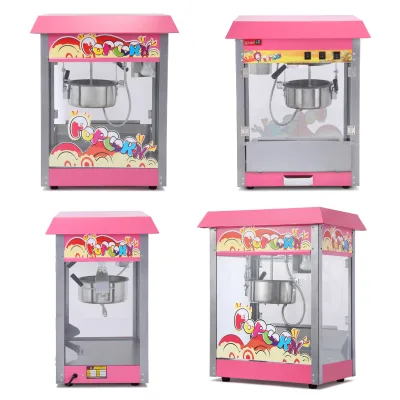
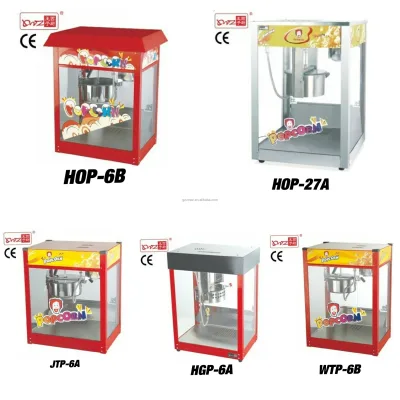
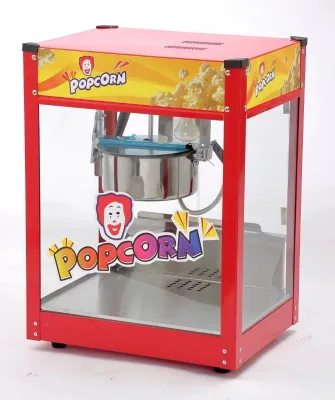
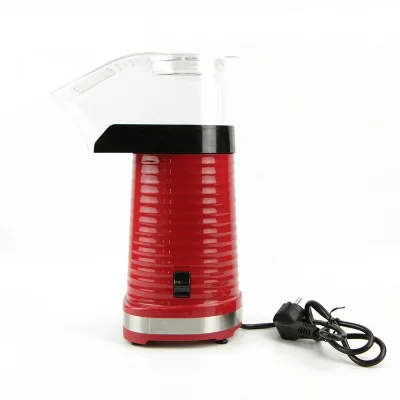
Technical specifications and customization options are equally important comparison points. Buyers should compare power consumption, output capacity, and physical dimensions to ensure the equipment meets their specific operational requirements. For instance, some models offer an output of one tray every two to three minutes, while others may have different capacities. The availability of customization, such as branded controls or specific voltage configurations, allows buyers to tailor the product to their brand identity. Suppliers that accept OEM orders provide greater flexibility for branding, which is valuable for businesses looking to establish a unique market presence. Additionally, comparing the materials used, such as stainless steel construction, and the included accessories, like paper cups, can help buyers assess the overall value proposition. It is also important to compare the warranty terms and the clarity of the packing specifications, as these factors influence the total cost of ownership and the ease of logistics management.
Common CE Certified Electric Popcorn Maker Sourcing Risks
One of the primary risks in sourcing CE Certified Electric Popcorn Maker equipment is the potential discrepancy between claimed certifications and actual compliance. While many suppliers list CE certification, the quality and rigor of the testing process can vary, leading to products that may not fully meet safety standards in the buyer's target market. Buyers must be vigilant in verifying these claims through independent testing or by requesting detailed test reports from accredited laboratories. Another significant risk is the variability in build quality, particularly regarding the heating elements and motor durability. Some product listings mention long-life motors, but without specific brand information or lifespan data, it is difficult to assess the true reliability of these components. Poor quality control can lead to frequent breakdowns, resulting in lost revenue and customer dissatisfaction for the end-user.
Logistical risks are also prevalent, especially when dealing with heavy machinery that requires careful handling and specialized shipping arrangements. The exterior dimensions and net weight of these units, which can exceed thirty kilograms, necessitate robust packaging to prevent damage during transit. Inadequate packing, such as using only cartons without wooden reinforcement, can lead to product damage upon arrival, causing delays and additional costs. Furthermore, the risk of miscommunication regarding technical specifications, such as voltage requirements, can result in equipment that is incompatible with the local power grid. Buyers must ensure that the supplier provides clear and accurate information regarding electrical standards, such as 220V/50Hz or 110V/60Hz, to avoid costly modifications or safety hazards. Finally, relying on suppliers with slow response times can hinder the resolution of issues, making it crucial to select partners who demonstrate prompt and professional communication throughout the procurement process.
CE Certified Electric Popcorn Maker Regional Sourcing and Logistics
Sourcing from the Guangdong region in China offers distinct logistical advantages due to its proximity to major ports and established shipping routes. This geographic location facilitates efficient export processes, reducing transit times and potentially lowering freight costs for international buyers. The concentration of suppliers in this area also means that buyers can often consolidate orders from multiple vendors, streamlining the procurement process and simplifying logistics management. However, buyers must be aware of the specific shipping requirements for heavy machinery, which often involves crating or palletizing to ensure safe transport. The standard export packing mentioned in some product listings provides a baseline, but buyers should confirm if additional protective measures, such as wooden crates, are necessary for long-distance sea freight. Understanding the Incoterms agreed upon with the supplier is crucial for determining who bears the risk and cost during transit.
The physical characteristics of the popcorn makers, including their dimensions and weight, play a significant role in determining shipping costs and storage requirements. Models with exterior sizes ranging from 500mm to 710mm in various dimensions require careful planning for warehouse space and handling equipment. Buyers should calculate the volumetric weight of the shipments to accurately estimate freight charges, as carriers often charge based on the greater of actual weight or volumetric weight. Additionally, the origin of the products, specifically Guangzhou, China, should be considered when evaluating potential tariffs and import duties in the destination country. Buyers must ensure that all necessary documentation, including commercial invoices, packing lists, and certificates of origin, are provided by the supplier to facilitate smooth customs clearance. Proactive communication with freight forwarders can help identify any potential logistical bottlenecks and ensure that the goods arrive in optimal condition.
CE Certified Electric Popcorn Maker Commercial Terms and Order Planning
Effective order planning requires a thorough understanding of the commercial terms offered by suppliers, including pricing structures, payment methods, and warranty policies. The price range for CE Certified Electric Popcorn Maker units varies, with some models priced around fifty-five dollars and others exceeding four hundred dollars, reflecting differences in capacity, features, and build quality. Buyers should request detailed quotations that break down the costs of the product, packaging, and shipping to avoid hidden fees. It is also important to clarify the payment terms, such as the percentage required for deposit and the balance due before shipment, to manage cash flow effectively. Suppliers who offer secure payment options, such as escrow services, provide an additional layer of protection for buyers, ensuring that funds are only released upon satisfactory delivery of the goods.
Warranty and after-sales support are critical components of the commercial agreement, as they impact the long-term viability of the investment. Most suppliers offer a one-year warranty, but buyers should verify what this coverage entails, including whether it covers parts, labor, or shipping costs for replacements. Clear communication regarding the process for claiming warranty service is essential to minimize downtime in case of equipment failure. Additionally, buyers should inquire about the availability of spare parts and technical support, as these factors influence the total cost of ownership. Planning for bulk orders requires careful consideration of lead times, which can range from fifteen to thirty days, to ensure that inventory levels are maintained without overstocking. By aligning order quantities with sales forecasts and supplier capabilities, buyers can optimize their procurement strategy and maximize profitability in the competitive popcorn machine market.
FAQs
What certifications do the electric popcorn makers have?
Many listed models carry CE certification for safety compliance. Some suppliers also hold ISO9001:2015 system certification. Always verify specific product certificates before purchase to ensure they meet your local regulatory standards.
What is the minimum order quantity for these machines?
Minimum order quantities vary significantly by supplier and model. Some sellers accept orders as low as one piece, while others require a minimum of fifty or one hundred units. Check the specific product listing for exact MOQ requirements.
How long does it take to receive the order?
Lead times for these machines typically range from fifteen to thirty days. Response times for supplier inquiries average around seven to fourteen hours. Confirm the exact delivery schedule with the seller before finalizing your purchase agreement.
Are these machines available for customization or OEM?
Customization options are available for many models, including OEM services. Some suppliers offer customized branding while others provide non-customized standard units. Verify if the specific model supports your required customization needs before placing an order.
Where are these popcorn makers manufactured?
The majority of these electric popcorn makers originate from Guangzhou, China. Some listings specify the broader Guangdong region as the manufacturing location. Confirm the specific factory origin to ensure quality and logistics planning.
What power specifications do these machines use?
Most units operate on 220V power sources with wattages ranging from 1200W to 3000W. Some models support dual voltage inputs like 220V/50Hz and 110V/60Hz. Check the voltage requirements to ensure compatibility with your local electrical supply.
What is the price range for these machines?
Prices for these electric popcorn makers range from fifty-five dollars to four hundred eighty dollars per unit. The cost depends on capacity, features, and order volume. Review the specific product details for the most accurate pricing information.