Home Free Standing Oven Suppliers and Manufacturers
Find 14 verified Home Free Standing Oven suppliers in China Guangdong offering OEM and ODM services. Compare certifications like ISO 9001 and BSCI, response times of 10.59 hours, and lead times of 45 days. Review product specs and prices to select a factory for your needs.
Updated
Suppliers List

Sunbird Technology Development Co., Limited
- Manufacturer/Factory
- China Guangdong
- Lead time45 days
- Avg. response≤ 11h
Main productsBBQ Grill, Free Standing Oven, Coffee Maker, Rice Cookers, Induction Cookers, Gas Cookers, Electric Oven, Pizza Oven, Deep Fryer, Bread Maker
Main marketsSouth America,Eastern Europe,Mid East,North America,Southeast Asia,Eastern Asia,Oceania,Western Europe,Africa

Guangdong Zhongxi Electric Co., Ltd.
- Verified by BV
- Manufacturer/Factory
- China Guangdong
- Lead time23 days
- Avg. response≤ 5h
Main productsRange Hood, Gas Stove, Gas Water Heater, Induction Cooker, Infrared Cooker, Gas Hobs, Freestanding Stove
Main marketsSouth America,Eastern Europe,Mid East,North America,Southeast Asia,Eastern Asia,Oceania,Western Europe,Africa

Qingdao Vestar International Industry Co., Ltd.
- Verified by BV
- Trading Company
- China Shandong
- Lead time30 days
- Avg. response≤ 2h
Main productsRefrigerator, Air Conditioner, Range Hood, Gas Hobs, Oven, Washing Machine, Microwave, Dishwasher, Showcase, Chest Freezer
Main marketsSouth America,Africa,Southeast Asia/ Mideast,Domestic,Europe,Australia,North America
Zhejiang Aotin Electric Appliances Stock Co., Ltd.
- Manufacturer, Trading Company
- Zhejiang, China
- Lead time35 days
- Avg. response≤ 1h
Main productsCooktop,Integrated Cooker,Freestanding Oven,Range Hood
Main marketsDomestic Market(89.00%), North America(4.00%), Oceania(3.00%), Southeast Asia(2.00%), South Asia(1.00%), Mid East(1.00%)
Foshan Fvgor Electric Industry Co., Ltd.
- Verified by TüVRheinland
- Manufacturer, Trading Company
- Lead time30 days
- Avg. response≤ 6h
Main productsGas Cooktops, Range Hoods, Built-in Ovens, Free Standing Oven, Gas Water Heater
Main marketsNorth America(20%), South America(18%), Mid East(15%)
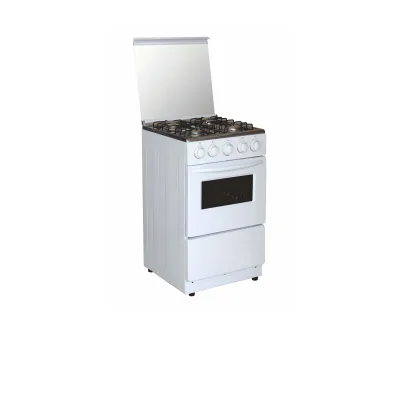
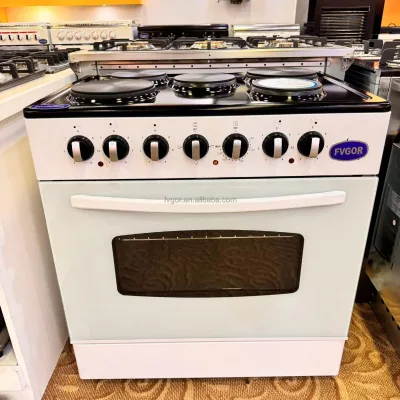
$149.9034 - $155.073
MOQ: 200 pieces

Xunda Science & Technology Group Co., Ltd.
- Verified by BV
- Combined
- China Hunan
- Lead time30 days
- Avg. response≤ 9h
Main productsGas Stove, Range Hood, Range Cooker, Gas Oven, Electric Oven, Water Heater, Biomass Clean Stove
Main marketsSoutheast Asia/ Mideast,Australia

Guangzhou Foodsense Catering Equipment Co., Ltd.
- Trading Company,Manufacturer/Factory
- China Guangdong
- Lead time23 days
- Avg. response≤ 6h
Main productsWestern Kitchen Equipment, Food Processing Machine, Bakery Equipment, Refrigeration Equipment, Bar Beverage Equipment, Stainless Steel Series
Main marketsSouth America,Eastern Europe,Mid East,North America,Southeast Asia,Eastern Asia,Oceania,Western Europe,Africa

Professional Baking Ovens Factory Price Free Standing Electric Baking Oven
$293.00 - $313.00
MOQ: 1 Pieces

Professional Free Standing Small Baking Oven 2-Deck 2-Tray Baking Oven
$198.00 - $199.00
MOQ: 1 Pieces


Zhongshan Boya Electric Appliance Co., Ltd.
- Verified by BV
- Trading Company
- China Guangdong
- Lead time30 days
- Avg. response≤ 1h
Main productsBlender Soy Milk Maker Portable Kettle Rice C
Main marketsSouth America,Africa,Southeast Asia/ Mideast,East Asia(Japan/ South Korea),Europe,Australia,North America

Free Standing Cooker with Gas Hob and Integrated 55L Oven for Family Meals
$52.00 - $55.00
MOQ: 276 Pieces

Freestanding Oven with Stove and 4 Gas Burners in One Freestanding Unit for Modern Kitchens
$52.00 - $55.00
MOQ: 276 Pieces

Freestanding Cooker with Gas Hob and Spacious Oven for Baking and Roasting
$52.00 - $55.00
MOQ: 276 Pieces

Freestanding Cooker with Gas Hob and Spacious Oven for Baking and Roasting
$52.00 - $55.00
MOQ: 276 Pieces
Guangdong Gonron Industrial Co., Ltd.
- Verified by TüVRheinland
- Manufacturer, Trading Company
- Lead time45 days
- Avg. response≤ 4h
Main productsToasters Oven, Air Fryer Oven, Buit-In Oven, Air Fryer
Main marketsNorth America(30%), Western Europe(30%), Southeast Asia(20%)
FOSHAN LIBOSA HOTEL SUPPLIES CO., LTD.
- Manufacturer, Trading Company
- Guangdong, China
- Lead time15 days
- Avg. response≤ 2h
Main productsoven,mixer,proffer,ice maker,cakeshowcase
Main marketsMid East(20.00%), Eastern Europe(10.00%), South America(10.00%), North America(10.00%), Southeast Asia(5.00%), Domestic Market(5.00%), South Asia(5.00%), Southern Europe(5.00%), Northern Europe(5.00%), Central America(5.00%), Western Europe(5.00%), Eastern Asia(5.00%), Oceania(5.00%), Africa(5.00%)
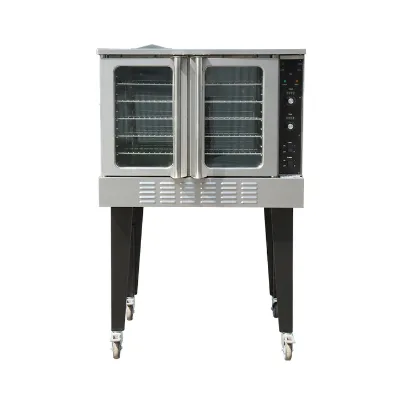
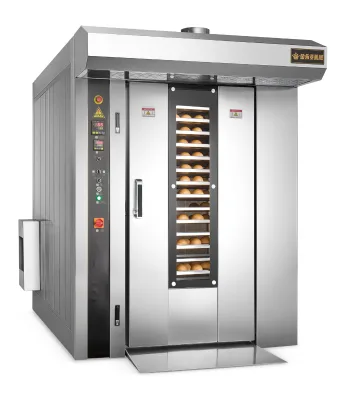
$5239.00 - $5676.00
Dongguan Maxky Tech Industry Co., Ltd.
- Verified by Intertek
- Trading Company
- Lead time15 days
- Avg. response≤ 1h
Main productsDishwashers, Cooker, Induction Cooker, Range Hoods, Oven
Main marketsMid East(30%), Southeast Asia(20%), Africa(20%)
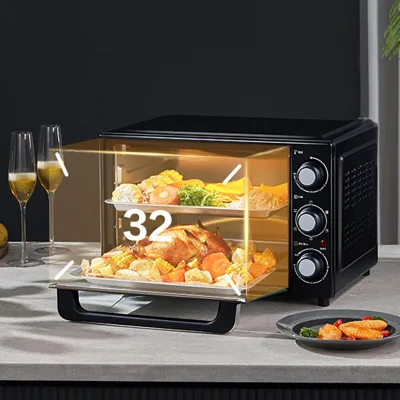
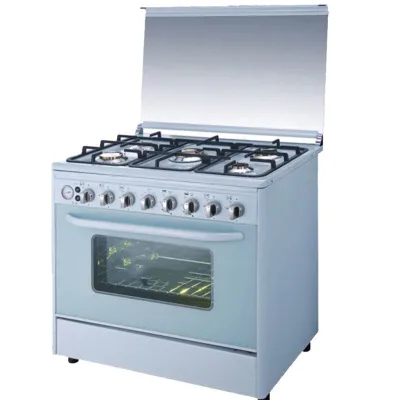
Stainless Steel Electric Steam Oven Freestanding Single for Hotel and Household Use
$920.00 - $1100.00
MOQ: 1

Kaesid Kitchen Equipment (Shenzhen) Co., Ltd.
- Verified by TUVRHEINLAND
- Manufacturer/Factory
- China Guangdong
- Lead time0 days
- Avg. response≤ 4h
Main productsKitchen Equipment, Catering Equipment, Kitchen Furniture, Ice Cream Maker, Refrigerator, Bakery Equipment, Ice Maker, Home Appliances, Electric Griddle, Electric Pressure Cooker


Gas Stove Freestanding Cooker with Oven Large Oven Capacity for Roasting Baking
$42.00 - $75.00
MOQ: 10 Pieces

Freestanding Cooker with Oven Energy Saving Low Gas Consumption Gas Stove
$42.00 - $75.00
MOQ: 10 Pieces

Freestanding Cooker with Oven Bottom Heating Stable Baking Function Gas Stove
$42.00 - $75.00
MOQ: 10 Pieces


Freestanding Cooker with Oven Multi Function Cook Bake Roast Grill Gas Stove
$42.00 - $75.00
MOQ: 10 Pieces
Guangdong Hyxion Smart Kitchen Co., Ltd.
- Manufacturer, Trading Company
- Lead time旺季: "1 - 2":16,"> 2":"To be negotiated", 淡季: "1 - 2":16,"> 2":"To be negotiated"
- Avg. response≤ 2h
Main productsOven, Range, Cooktop, Outdoor Kitchen, BBQ Grill
Foshan Kakoo Electrical Appliances Co., Ltd.
- Manufacturer
- Gaungdong, China
- Lead time45 days
- Avg. response≤ 11h
Main productsfood dehydrator,electric kettle,halogen convection oven,Electrc Samovars/Teamaker,electric appliance
Main marketsSoutheast Asia(30.00%), Western Europe(20.00%), South America(20.00%), Mid East(15.00%), Eastern Asia(15.00%)




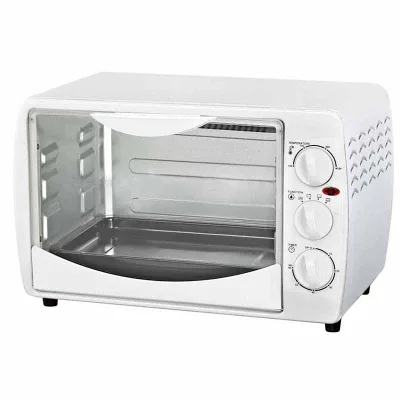

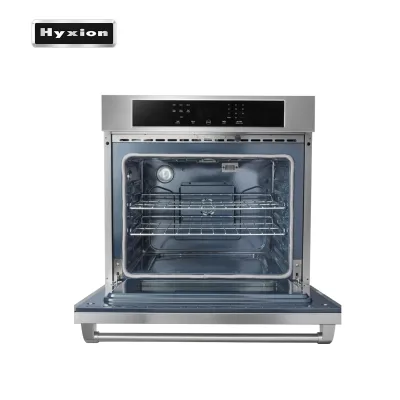
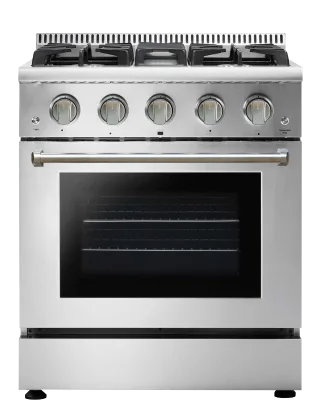
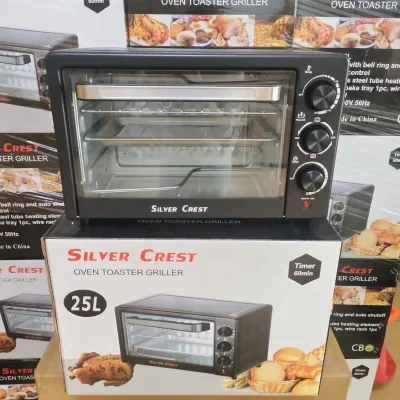
Comprehensive Sourcing Guide
Home Free Standing Oven Supplier Concentration and Factory Types
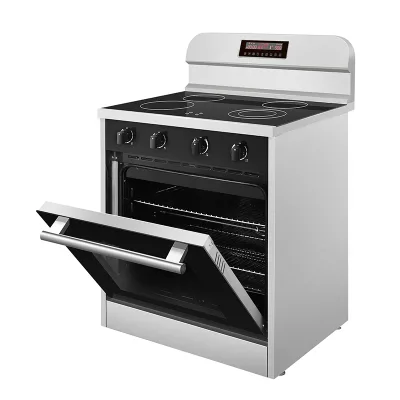
The available data indicates a specific manufacturing cluster located in China Guangdong, which serves as a primary hub for the production of home free standing ovens. This region hosts a concentration of manufacturers and factories that specialize in major kitchen appliances, including free standing gas cookers, electric ovens, and induction cookers. Buyers should prioritize verifying this geographic concentration when evaluating potential partners, as the density of specialized facilities in Guangdong often correlates with established supply chains for stainless steel components and gas ignition systems. The presence of these facilities suggests a mature ecosystem capable of supporting both standard and customized production runs for various oven types.
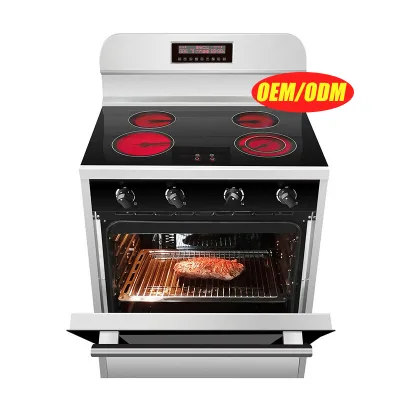
Most suppliers in this sector operate as manufacturers or factories rather than trading companies, offering direct control over the production process. These entities typically possess capabilities for Own Brand, OEM, and ODM services, allowing buyers to source products with specific branding or custom engineering features. The main product lines observed include free standing ovens with four gas burners, electric cookers with ceramic stoves, and hybrid models combining gas and electric burners. When assessing supplier types, buyers must confirm that the entity is indeed a factory with the requisite machinery for metal forming, assembly, and quality testing, rather than a middleman who might lack direct oversight of the manufacturing floor.
How to Verify Home Free Standing Oven Suppliers
Verification of supplier credentials requires a rigorous check of system certifications such as BSCI, ISO 9000, ISO 14001, and ISO 9001, which are explicitly listed in the current results. These standards indicate that the factory adheres to specific management and environmental protocols, which is critical for ensuring consistent quality in Home Free Standing Oven production. Buyers should request valid certificates and cross-reference them with the issuing bodies to confirm authenticity, as these documents are the primary evidence of a supplier's commitment to international quality and safety norms. The presence of these certifications suggests a structured approach to manufacturing that minimizes defects and ensures compliance with global market requirements.
Product-specific verification involves examining detailed attributes like material composition, ignition modes, and safety features found in the product evidence. For instance, some models feature stainless steel bodies with manual or piezoelectric ceramic ignition, while others utilize tempered glass double doors and specific burner configurations. Buyers must confirm that the physical samples match the listed specifications, such as the 554985 cm dimensions or the 51L oven capacity, to avoid discrepancies between the catalog and the delivered goods. Additionally, checking for market-specific certifications like CE and SAA is essential for suppliers targeting Australia or Europe, ensuring the appliances meet local electrical and safety regulations before shipment.
What to Compare Across Home Free Standing Oven Suppliers
Comparing suppliers requires a detailed analysis of lead times, minimum order quantities, and response speeds to determine operational efficiency. The observed data shows a lead time of 45 days and a response time of approximately 10.59 hours, which serves as a benchmark for evaluating other potential partners. Buyers should request specific timelines for their order volume, as these figures can vary based on customization requirements or raw material availability. A supplier with a shorter lead time may offer faster market entry, but this must be balanced against the reliability of their production schedule and their ability to meet quality standards without rushing the manufacturing process.
Minimum order quantities and pricing structures are equally critical factors in the comparison process, as they directly impact the financial viability of the sourcing strategy. Current results indicate a wide range of MOQs, from as low as 1 unit for certain models to 162 or 171 units for others, reflecting different production capabilities and business models. Price points also vary significantly, with some free standing ovens listed between $54 and $100, while others range from $185 to $250 or even $380 to $400 depending on features like induction technology or dual fuel systems. Buyers must align their budget and volume requirements with the supplier's specific MOQ and price tiers to ensure a cost-effective partnership that does not compromise on the necessary product specifications.
Common Home Free Standing Oven Sourcing Risks
One significant risk in sourcing home free standing ovens involves the discrepancy between advertised product attributes and actual manufacturing capabilities. While suppliers may claim features like "Customization: Available" or specific materials such as 304 stainless steel, buyers must verify these claims through physical inspection or third-party testing. The product evidence lists various ignition modes, including manual, electronic, and piezoelectric ceramic ignition, but inconsistencies in these components can lead to product failures or safety hazards in the end market. Relying solely on digital descriptions without validating the physical build quality can result in receiving units that do not meet the promised performance standards or safety certifications.
Another critical risk is the variability in packaging and shipping specifications, which can affect the condition of the appliances upon arrival. The data shows different packing standards, ranging from simple cartons to gift boxes and export normal packing, with dimensions varying from 57.554.594 cm to larger sizes for bulkier models. Inadequate packaging can lead to damage during transit, particularly for fragile components like glass doors or enamel pan supports. Buyers should explicitly confirm the packing method and ensure it aligns with the shipping route and handling conditions to prevent costly losses. Additionally, the lack of standardized warranty terms across different suppliers can complicate after-sales support, making it essential to clarify warranty periods, such as the 12-month coverage noted in some listings, before finalizing any agreement.
Home Free Standing Oven Regional Sourcing and Logistics
Sourcing from the identified cluster in China Guangdong offers logistical advantages due to the region's established infrastructure for exporting major kitchen appliances. The proximity of manufacturers to major ports facilitates efficient shipping, though buyers must account for the specific origin details listed, such as "Guangdong China" or "China," to accurately calculate freight costs and delivery timelines. The global market reach of these suppliers, including destinations like Australia and Europe, suggests experience with international logistics, but buyers should verify the specific Incoterms and shipping responsibilities to avoid unexpected delays or additional charges. Understanding the regional logistics network is crucial for planning inventory levels and ensuring timely delivery to end customers.
Logistical planning must also consider the specific dimensions and weight of the free standing ovens, which vary significantly across different models. For example, some units have a product size of 500500800mm, while others measure 900600800-90mm, impacting container loading efficiency and shipping costs. Buyers should request detailed packing lists and dimensional data to optimize container utilization and reduce per-unit shipping expenses. Furthermore, the market-specific requirements for different regions, such as the need for SAA certification in Australia or CE in Europe, may influence the choice of supplier and the logistics route. Ensuring that the supplier can handle the necessary documentation and compliance checks for the target market is essential for a smooth import process.
Home Free Standing Oven Commercial Terms and Order Planning
Commercial terms for Home Free Standing Oven orders must be clearly defined to manage expectations regarding payment, delivery, and quality assurance. The observed data includes price ranges from $54 to $400 and varying MOQs, which necessitates a tailored negotiation strategy based on the buyer's specific volume and budget. Buyers should establish clear payment terms that align with the supplier's requirements, potentially utilizing escrow services if available to mitigate financial risk. It is also vital to confirm the warranty period, such as the 12-month coverage mentioned in some product listings, and the process for handling defects or returns to ensure long-term operational stability.
Order planning requires a strategic approach to align production schedules with market demand, considering the 45-day lead time observed in the current results. Buyers should initiate orders well in advance to accommodate the manufacturing cycle and allow for any necessary customization or quality control checks. The availability of OEM and ODM services means that buyers can plan for unique product configurations, but this requires additional time for design approval and prototyping. By carefully mapping out the timeline from order placement to delivery, buyers can avoid stockouts and ensure a steady supply of home free standing ovens to meet customer needs. Regular communication with the supplier regarding production status is essential to maintain control over the order timeline and address any potential bottlenecks proactively.
FAQs
What is the price range for free standing ovens?
Prices for free standing ovens range from $54 to $400 depending on the model and features. Basic gas cookers start around $54, while electric models with ceramic stoves cost between $380 and $400. Mixed burner units are priced between $80 and $90. Higher-end gas ranges with five burners cost $200 to $250. Buyers should check specific product listings for exact pricing details.
What certifications do these ovens have?
Manufacturers hold BSCI, ISO 9000, ISO 14001, and ISO 9001 system certifications. Specific products may carry CE and SAA certificates for Australian and European markets. Some gas cookers are listed with ETL standards. Buyers should verify the exact certification required for their target market before placing orders to ensure compliance with local regulations.
What is the typical lead time for orders?
The standard lead time for manufacturing free standing ovens is 45 days. This duration applies to most bulk orders for gas and electric ranges. Buyers should confirm specific timelines with suppliers as production schedules may vary. Early communication helps ensure timely delivery for large procurement projects or seasonal inventory requirements.
What is the minimum order quantity?
Minimum order quantities vary significantly by product type. Some free standing ovens have an MOQ of just one unit, allowing for sample testing. Other models, such as specific gas cookers, require an MOQ of 162 or 171 units. Buyers should check the specific product page to determine the applicable MOQ for their desired model.
Where are these ovens manufactured?
These free standing ovens are manufactured in Guangdong, China. The production facilities are located in this region, which is a major hub for home appliance manufacturing. Buyers can verify the origin on product listings, which often specify Guangdong China as the place of origin for these kitchen appliances.
What materials are used in construction?
Common materials include stainless steel, cold rolled steel, and 304 stainless steel for cook tops. Panels are often stainless steel, while bodies may be painted white or black. Some models feature tempered glass double doors and enamel pan supports. Buyers should review product specifications to confirm material grades for durability and aesthetic preferences.