Dual Voltage Electric Lunch Box Suppliers and Manufacturers
Source Dual Voltage Electric Lunch Box options from 29 verified suppliers. Compare key dimensions including MOQ, lead times, certifications, and response rates. Review product specifications and contact manufacturers directly to streamline your procurement process; review the available evidence before requesting comparable quotations from suitable candidates.
Updated
Suppliers List
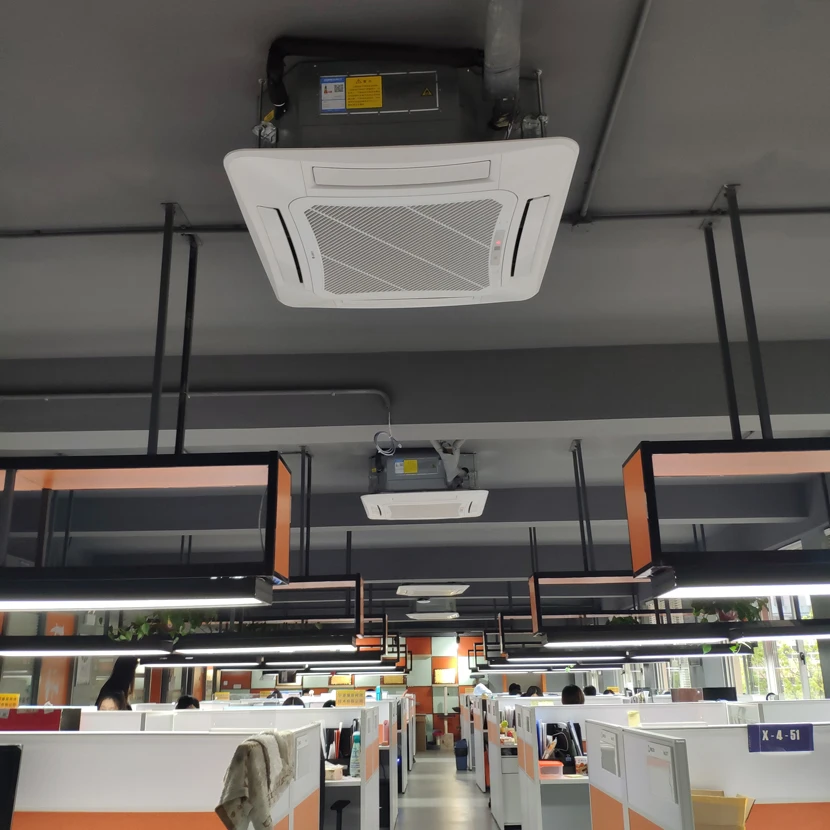
Ningbo Lixsun Imp. & Exp .co., Ltd.
- Trading Company
- Zhejiang, China
- Lead time10 days
- Avg. response≤ 4h
Main productsKitchenware,Houseware,Bakeware,Cleaning products,Promotional gifts
Main marketsWestern Europe(32.00%), North America(25.00%), South America(10.00%), Mid East(5.00%), Eastern Europe(4.00%), Domestic Market(3.00%), Northern Europe(3.00%), Central America(3.00%), South Asia(3.00%), Southern Europe(3.00%), Oceania(3.00%), Africa(2.00%), Eastern Asia(2.00%), Southeast Asia(2.00%)

Dongguan Oumeng Houseware Products Co., Ltd.
- Manufacturer/Factory
- China Guangdong
- Lead time23 days
- Avg. response≤ 2h
Main productsBento Lunch Box, Kids Tableware Set, Water Bottle, Lunch Bag, Storage Box, Malamin Product, Food Jar, Pick Spoon, Bento
Main marketsSouth America,Eastern Europe,Mid East,North America,Southeast Asia,Eastern Asia,Oceania,Western Europe,Africa

Jinjiang Jiaxing Supply Management Co., Ltd.
- Verified by TUVRHEINLAND
- Trading Company
- China Fujian
- Lead time30 days
- Avg. response≤ 2h
Main productsEVA Clogs, Flip Flop, Shoe Charms, Shopping Bags, Wristbands, Gifts, Promotional Gifts, Slipper, Sport Cap, Ball
Main marketsNorth America
Xuzhou Solam Electrical Appliances Co., Ltd.
- Trading Company
- Jiangsu, China
- Lead time20 days
- Avg. response≤ 2h
Main productsHome Appliances,washing machines,water dispenser,air fryer,rice cooker
Main marketsNorth America(30.00%), Southeast Asia(25.00%), Western Europe(15.00%), Domestic Market(10.00%), South Asia(5.00%), Eastern Europe(5.00%), Africa(4.00%), South America(3.00%), Mid East(3.00%)

GUANGZHOU UME TECHNOLOGY CO., LTD.
- Verified by TUVRHEINLAND
- Trading Company
- China Guangdong
- Lead time30 days
- Avg. response≤ 7h
Main productsRice Cooker, Electric Kettle, Kettle, Cooker, Electric Rice Cooker, Air Cooker, Mixer
Main marketsOthers(foreignTradeCapacity.exportBusinessCapacityMarketOther)

High Quality Double Single Layer PP Food Grade Stainless Steel Electric Lunchbox
$6.30 - $6.81
MOQ: 1000 Pieces


$5.73 - $5.90
MOQ: 1000 Pieces
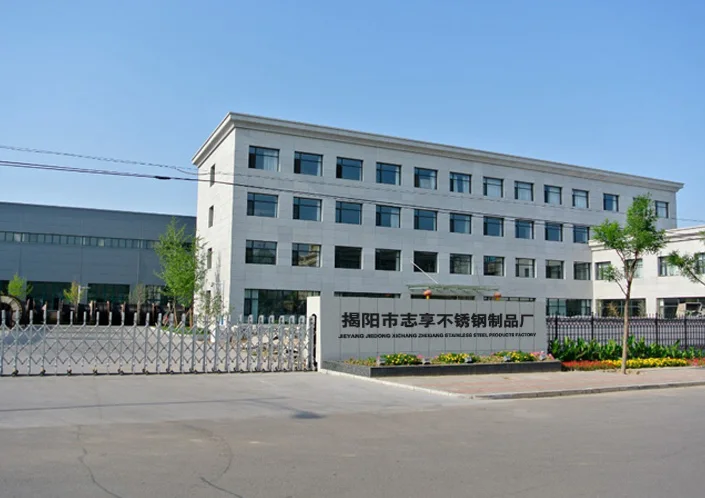
Jieyang Jiedong Xichang Zhixiang Stainless Steel Products Factory
- Manufacturer, Trading Company
- Guangdong, China
- Lead time15 days
- Avg. response≤ 6h
Main productsstainless steel cutlery,Stainless steel kitchenware,Gift tableware,Plastic tableware,wheat straw product
Main marketsSouth America(25.00%), North America(24.00%), Oceania(16.00%), Southeast Asia(15.00%), Eastern Europe(10.00%), Africa(10.00%)

- Trading Company
- China Zhejiang
- Lead time30 days
- Avg. response≤ 13h
Main productsHome Appliance, Cookware Set, Thermos, Home Storage, Furniture, Pet Supplies, Garden Tools, Outdoor Supplies, Baby Supplies, Houesehold Items
Main marketsSouth America,Africa,Southeast Asia/ Mideast,East Asia(Japan/ South Korea),Domestic,Europe,Australia,North America

$4.36 - $4.54
MOQ: 500 Pieces

$12.11 - $15.71
MOQ: 3000 Pieces
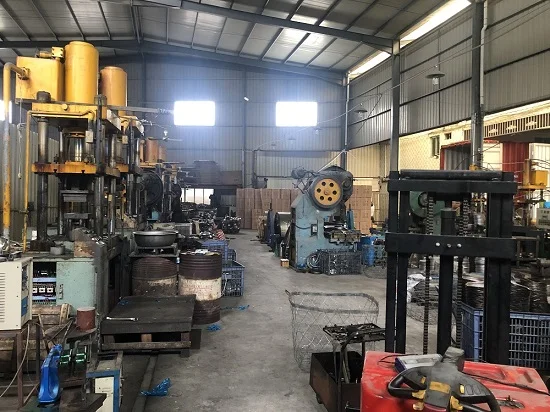
Chaozhou Chaoan Caitang Yican Hardware Products Factory
- Manufacturer, Trading Company
- Guangdong, China
- Lead time25 days
- Avg. response≤ 4h
Main productsElectric Lunch Box,Electric Hot Pot,Stainless Steel Lunch Box,Kettle,Cookware Pot
Main marketsDomestic Market(35.00%), Southeast Asia(30.00%), North America(10.00%), Western Europe(10.00%), South Asia(5.00%), Eastern Asia(5.00%), Mid East(5.00%)

Shenzhen Etop Electronic Business Co., Ltd.
- Trading Company
- Guangdong, China
- Lead time15 days
- Avg. response≤ 9h
Main productsHome Appliance, Air Fryer, Water Dispenser, Water Kettle, Air Purifier
Main marketsMid East(30.00%), North America(20.00%), Western Europe(10.00%), Southern Europe(10.00%), Eastern Asia(10.00%), Southeast Asia(10.00%), South Asia(5.00%), Eastern Europe(5.00%)

Dongguan Shengshi Penghao Home Furnishings Co., Ltd.
- Verified by SGS
- Combined
- China Guangdong
- Lead time30 days
- Avg. response≤ 1h
Main productsLunch Box, Stainless Steel Lunch Box, Silicone Lunch Box, Plastic Tritan Lunch Box, Bento Box, Kids Lunch Box, Plastic Lunch Box, Stainless Steel Bento Box, Food Box, Custom Bento Box
Main marketsEast Asia(Japan/ South Korea),Domestic,Europe,Australia

Guigang Weilin Import and Export Trading Co., Ltd.
- Verified by SGS
- Trading Company
- China Guangxi
- Lead time15 days
- Avg. response≤ 8h
Main productsElectric Lunch Box, Food Warmer, Lunch Box, Tiffin Box, Stainless Steel Lunch Box, Food Heater, Food Warming Matt, Bento Box
Main marketsEurope,North America

Ningbo Yicheng Technology Co., Ltd.
- Verified by TUVRHEINLAND
- Trading Company
- China Zhejiang
- Lead time30 days
- Avg. response≤ 5h
Main productsElectric Grill, Waffle Maker, Air Fryer, BBQ, Food Processor, Kitchenware, Pizza Maker, Multifunction Cooker, Thermomixer, Coffee Grinder
Main marketsEurope

Jinjiang Jiaxing Import and Export Co., Ltd.
- Verified by CTI
- Manufacturer/Factory
- China Fujian
- Lead time120 days
- Avg. response≤ 2h
Main productsShoes, Slipper, Clothes, Promotion Gifts, Silicone Products, Outdoor Sports Products, Bags, Fashion Accessories, Consumer Electronics
Main marketsSouth America,Eastern Europe,Mid East,North America,Southeast Asia,Eastern Asia,Oceania,Western Europe,Africa
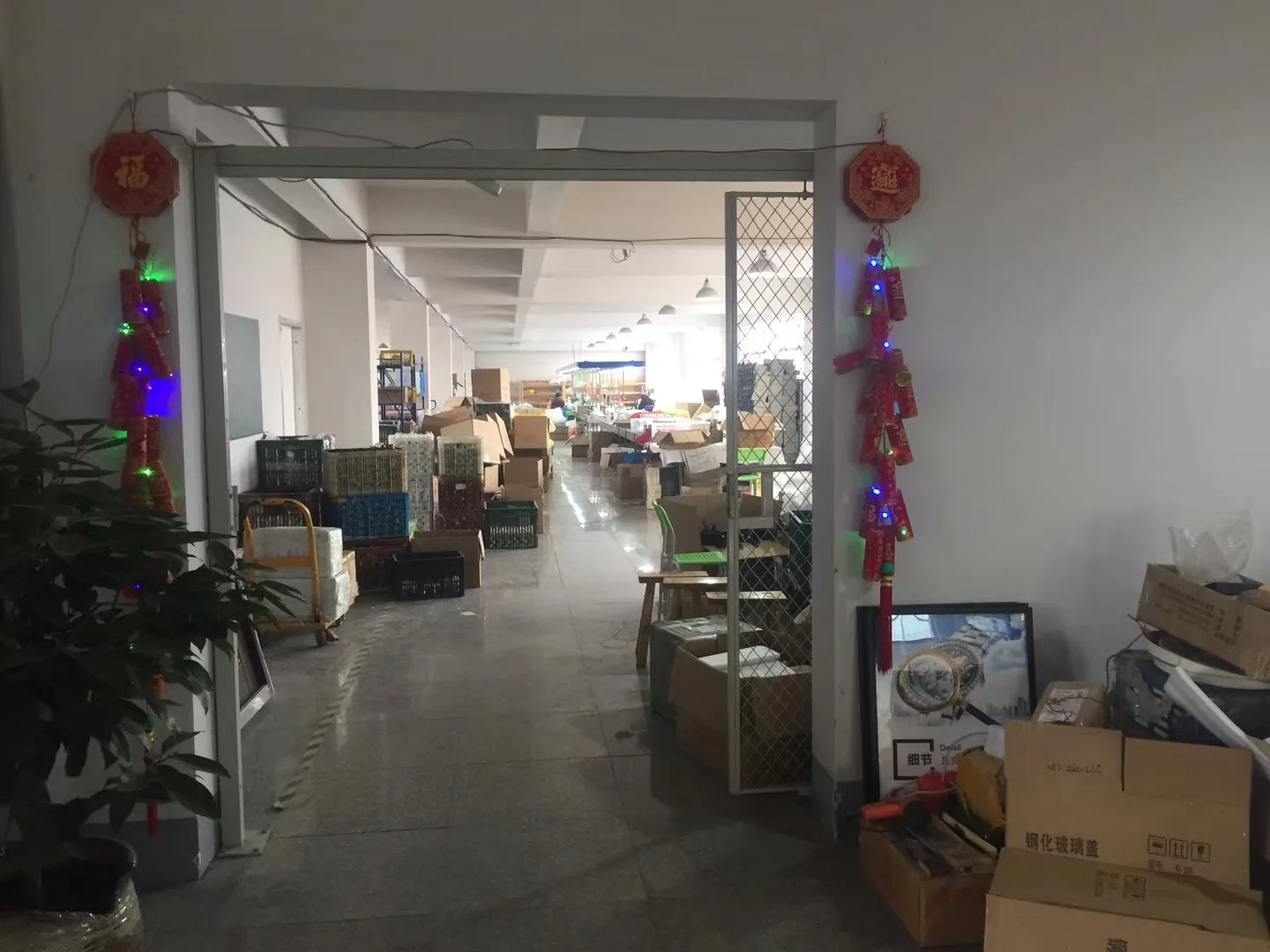
Guangzhou Lucky Electronic Trade Co., Ltd.
- Manufacturer, Trading Company, Distributor/Wholesaler
- Guangdong, China
- Lead time10 days
- Avg. response≤ 5h
Main productsHydrogen water generator,Heating kettle,small kitchen electrical appliances,household appliances,home and office tools
Main marketsNorth America(20.00%), South Asia(10.00%), Southern Europe(10.00%), Northern Europe(10.00%), Central America(10.00%), Western Europe(10.00%), Eastern Europe(10.00%), South America(10.00%), Eastern Asia(2.00%), Mid East(2.00%), Oceania(2.00%), Africa(2.00%), Southeast Asia(2.00%)

- Verified by SGS
- Trading Company
- China Zhejiang
- Lead time15 days
- Avg. response≤ 10h
Main productsFan, Heater Fan, Air Fryer, Toaster, Rice Cooker, Vacuum Cleaner, Coffee Machine, Hairdressing Appliance, Electric Toothbrush, Steam Iron
Main marketsEurope,Australia
Henan Dibangni Industrial Development Co., Ltd.
- Manufacturer, Trading Company
- Henan, China
- Lead time3 days
- Avg. response≤ 6h
Main productsHome Storage & Organization,Kitchen & Tabletop
Main marketsNorth America(30.00%), Southeast Asia(10.00%), Northern Europe(10.00%), Western Europe(10.00%), Eastern Europe(5.00%), Central America(5.00%), South America(5.00%), South Asia(5.00%), Southern Europe(5.00%), Oceania(5.00%), Domestic Market(5.00%), Eastern Asia(2.00%), Mid East(2.00%), Africa(1.00%)
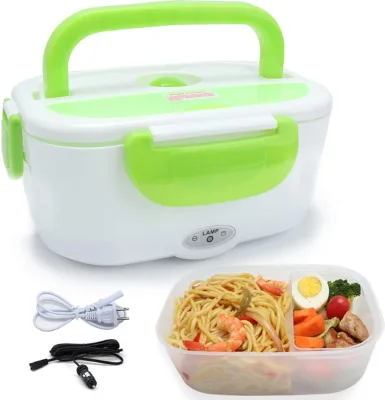
Low Price Portable Electric Lunch Box
$2.10 - $3.80
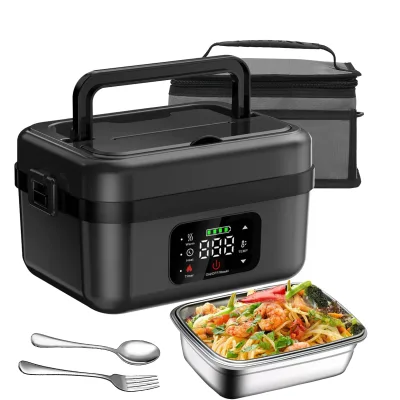
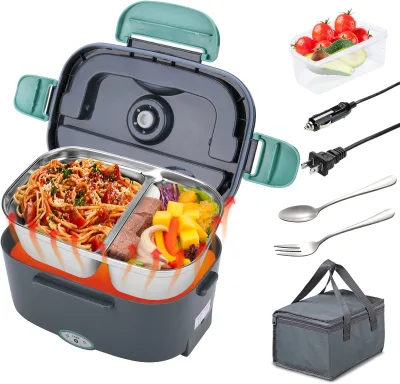
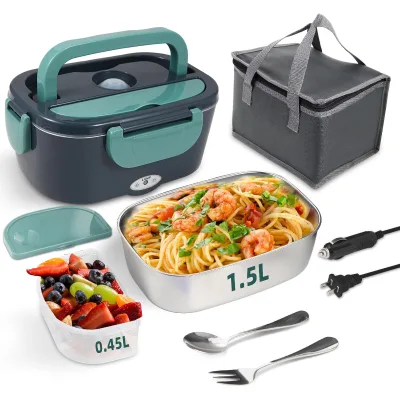
Shenzhen Miaomiao Household Products Co., Ltd.
- Manufacturer, Trading Company
- Guangdong, China
- Lead time15 days
- Avg. response≤ 3h
Main productsFood Spoon,Food Pick For Kids,Lunch Box,Food Picks,Water Bottles
Main marketsNorth America(20.00%), Eastern Europe(15.00%), South America(15.00%), South Asia(5.00%), Southern Europe(5.00%), Northern Europe(5.00%), Central America(5.00%), Western Europe(5.00%), Eastern Asia(5.00%), Mid East(5.00%), Oceania(5.00%), Africa(5.00%), Southeast Asia(5.00%)
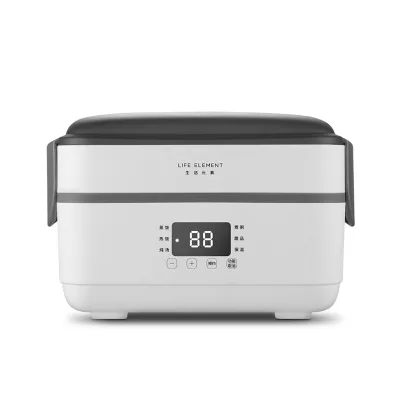
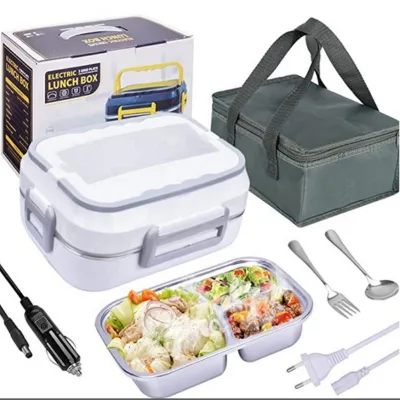
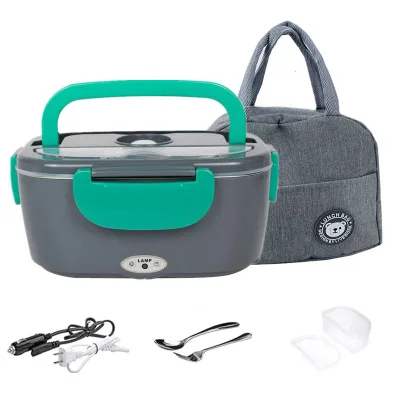
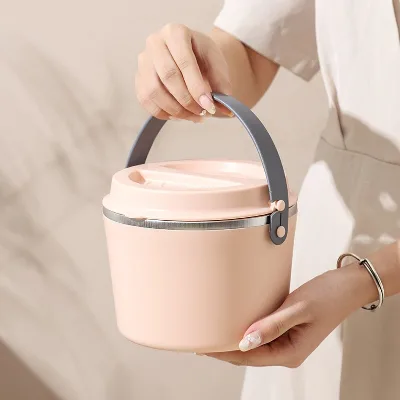
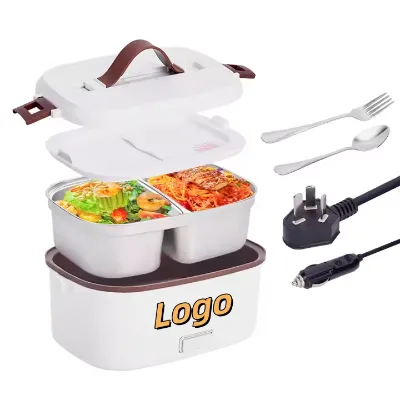
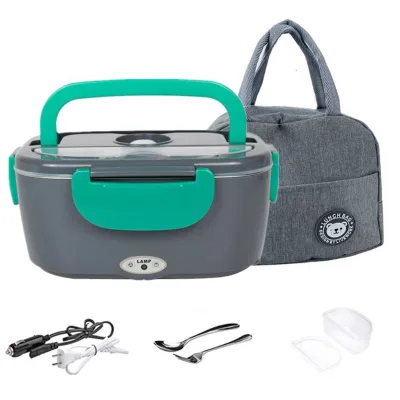
Bento Lunch Box Wholesale 12V Lunch Box Electric Lunch Box Electric Food Warmer
$6.00 - $11.00
MOQ: 2 pieces

Zhongshan Jingyi Trading Limited
- Trading Company,Manufacturer/Factory
- China Guangdong
- Lead time23 days
- Avg. response≤ 10h
Main productsAquarium Pump, Aquarium Heater, Aquarium Filter, Aquarium Lights, Aquarium Air Pump, Aquarium Fish Tank, Aquarium Accessories, AC/DC Pumps, Water Pump, Submersible Pump
Main marketsSouth America,Eastern Europe,Mid East,North America,Southeast Asia,Eastern Asia,Oceania,Western Europe,Africa
Shenzhen Aohua Packaging Products Co., Ltd.
- Trading Company
- Guangdong, China
- Lead time10 days
- Avg. response≤ 4h
Main productsMultifunctional Lunch Box, PET/PP Lunch Box, Plastic Food Container, Silicone Lunch Box, Stainless Steel Lunch Box/Electric Lunch Box
Main marketsNorth America(30.00%), Western Europe(20.00%), Northern Europe(10.00%), Southeast Asia(10.00%), South Asia(5.00%), Oceania(5.00%), Southern Europe(5.00%), Mid East(5.00%), Eastern Asia(2.00%), South America(2.00%), Central America(2.00%), Africa(2.00%), Eastern Europe(2.00%)

Shanghai Jingyao Industrial Co., Ltd.
- Verified by BV
- Manufacturer/Factory
- China Shanghai
- Lead time15 days
- Avg. response≤ 4h
Main productsFood Truck/Cart/Car/Trailer/Van/Caravan/Trolley, Bakery Equipment, Bakery Oven Machine, Rotary Oven, Ice Flake Machine, Ice Cube Machine, Ice Block Machine, Ice Tube Machine, Ice Evaporator, Ice Machine
Main marketsSouth America,Eastern Europe,Mid East,North America,Southeast Asia,Eastern Asia,Oceania,Western Europe,Africa
Xinxiang Hongqi District Huafeiwu Import And Export Trade Co., Ltd.
- Trading Company
- Henan, China
- Lead time0 days
- Avg. response≤ 4h
Main productsHome decor,Kitchenware,Garden Supplies
Main marketsSoutheast Asia(20.00%), Mid East(20.00%), South Asia(20.00%), Africa(10.00%), Eastern Asia(10.00%), Northern Europe(10.00%), Domestic Market(10.00%)
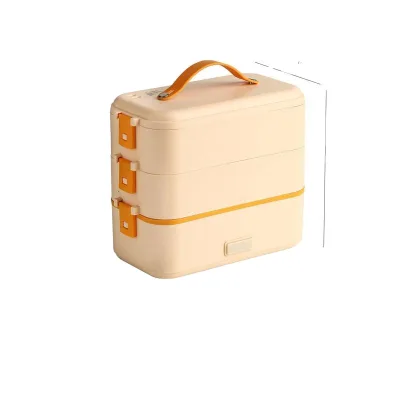
$10.54 - $14.19
MOQ: 10 Minimum
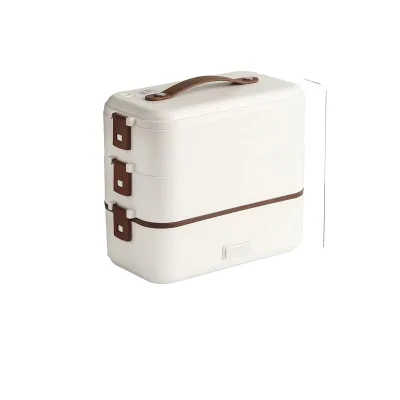
$10.54 - $14.19
MOQ: 2 Minimum
Zhongshan Huapo Electric Appliance Co., Ltd.
- Verified by TüVRheinland
- Manufacturer, Trading Company
- Lead time15 days
- Avg. response≤ 3h
Main productsElectric Lunch Box, Egg Cooker, Cooking Lunch Box, Frying Pan, Electric Stew Pot
Main marketsNorth America(60%), Southeast Asia(20%), Mid East(5%)
Foshan Wuke Smart Technology Co., Ltd.
- Verified by SGS Group
- Manufacturer, Trading Company
- Lead time30 days
- Avg. response≤ 2h
Main productsRechargeable Lunch Box, Rechargeable Fans, Rechargeable Baby Bottle Warmers, Rechargeable Hair Dryer, Rechargeable Kettle, Rechargeable Sealer
Main marketsNorth America(40%), Western Europe(40%), Mid East(10%)
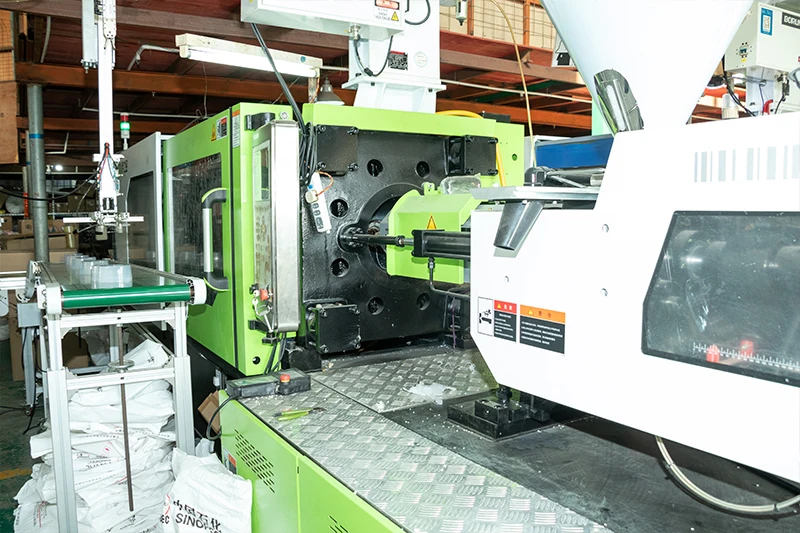
Zhongshan IPS Electric Factory
- Manufacturer, Trading Company
- Guangdong, China
- Lead time25 days
- Avg. response≤ 6h
Main productsElectric Lunch Box,Lunch Box,Electric heating bottle,Mini Rice Cookeer,Electric Cooking Pot
Main marketsNorth America(40.00%), Western Europe(31.00%), Southern Europe(20.00%), South Asia(2.00%), Southeast Asia(1.00%), South America(1.00%), Eastern Europe(1.00%), Northern Europe(1.00%), Mid East(1.00%), Oceania(1.00%), Africa(1.00%)
Zhongshan Askoy Electrical Appliance Co., Ltd.
- Manufacturer, Trading Company
- Guangdong, China
- Lead time0 days
- Avg. response≤ 3h
Main productsflave ware oven turbo,sour maker,electrical lunch box,halogen oven,convection oven
Main marketsSouth Asia(9.09%), Southern Europe(9.09%), Northern Europe(9.09%), Central America(9.09%), Western Europe(9.09%), Eastern Asia(9.09%), Mid East(9.09%), Africa(9.09%), Southeast Asia(9.09%), Eastern Europe(9.09%), South America(9.09%)
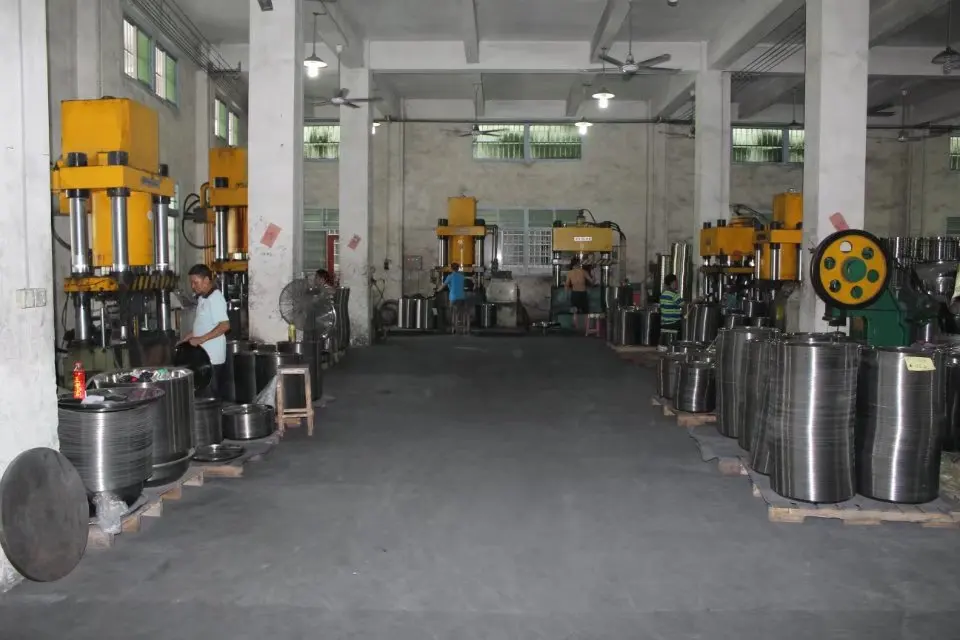
Shenzhen Kuini Stainless Steel Wares Co., Ltd.
- Manufacturer, Trading Company, Distributor/Wholesaler
- Guangdong, China
- Lead time30 days
- Avg. response≤ 6h
Main productsBento Lunch Box,Measuring Cups And Spoons Set,Cocktail Shaker Set,Kitchen Tools,Barware Tools
Main marketsNorthern Europe(15.00%), Western Europe(15.00%), North America(15.00%), Mid East(10.00%), Oceania(10.00%), Eastern Europe(5.00%), South Asia(5.00%), South America(5.00%), Southern Europe(5.00%), Africa(5.00%), Southeast Asia(5.00%), Central America(2.00%), Eastern Asia(2.00%), Domestic Market(1.00%)
Chaozhou Chaoan Caitang Xinhui Hardware Factory
- Verified by SGS Group
- Manufacturer, Trading Company
- Lead time7 days
- Avg. response≤ 3h
Main productsThermos Cup, Cooking Pot Set, Lunch Box, Stainless Steel GN Pan, Chafing Dish
Main marketsNorth America(30%), Southeast Asia(30%), Western Europe(15%)
Chaozhou Binjiang Industrial Investment Co., Ltd.
- Verified by Intertek
- Manufacturer, Trading Company
- Lead time0 days
- Avg. response≤ 3h
Main productsStainless Steel Water Bottle, Lunch Box, Stainless Steel Cup, Stainless Steel Pet Bowl, Chopping Blocks
Main marketsNorth America(40%), Western Europe(15%), Eastern Asia(15%)
Shenzhen Yipincheng Technology Co., Ltd.
- Verified by TüVRheinland
- Manufacturer, Trading Company
- Lead time5 days
- Avg. response≤ 2h
Main productsIndustrial Endoscope Camera, Digital Microscope Camera, Visual Electric Ear Cleaner, Children Educational Toys, Digital Night Vision Device
Main marketsNorth America(45%), Eastern Europe(15%), Mid East(15%)








Comprehensive Sourcing Guide
Dual Voltage Electric Lunch Box Supplier Concentration and Factory Types
The landscape for sourcing dual voltage electric lunch boxes reveals a distinct split between trading companies and direct manufacturers, each offering different advantages for bulk procurement. Evidence indicates that suppliers are primarily located in Zhejiang and Guangdong provinces in China, with specific manufacturing hubs noted in Dongguan, Huizhou, Yangjiang, and Shaoguan. This geographic concentration suggests that buyers can expect a robust supply chain infrastructure, particularly in Guangdong, which is known for its electronics and houseware manufacturing capabilities. When evaluating potential partners, it is crucial to distinguish between a trading company that aggregates products from various factories and a manufacturer with its own production lines. Some suppliers identify explicitly as manufacturers or factories, while others operate as trading entities. This distinction impacts not only the pricing structure but also the level of control a buyer has over the production process, quality assurance protocols, and the ability to customize designs. Understanding this dynamic helps in selecting a partner that aligns with your specific volume requirements and customization needs.
Factory types vary significantly in their operational focus and capabilities, influencing the type of product you receive. For instance, some manufacturers specialize in OEM and ODM services, supporting brands that require unique designs or specific branding elements. These suppliers often possess extensive patent portfolios and support various manufacturing models, including open mold and custom design services. In contrast, trading companies may offer a broader range of existing stock items, such as kitchenware, houseware, and promotional gifts, providing flexibility for buyers who need diverse product assortments rather than deep customization. The presence of certifications like BSCI, ISO 9001, and SEDEX among certain suppliers indicates a commitment to ethical and quality standards, which is vital for maintaining brand reputation. Buyers should assess whether the supplier’s primary business model supports their long-term goals, whether that involves high-volume standard production or specialized, branded manufacturing. This assessment ensures that the chosen partner can scale with your business and maintain consistent quality standards across all orders.
How to Verify Dual Voltage Electric Lunch Box Suppliers
Verifying the legitimacy and capability of a Dual Voltage Electric Lunch Box supplier requires a multi-layered approach that goes beyond surface-level profile reviews. One critical step is to examine the supplier’s response time and communication efficiency, as these metrics often reflect their operational maturity and customer service quality. Suppliers with faster response times, such as those under two hours, typically demonstrate a more agile and responsive organizational structure, which is beneficial for resolving issues quickly during the sourcing process. Additionally, checking for established certifications is essential to ensure that the supplier adheres to international quality and safety standards. Certifications like FDA, LFGB, ISO 9001, and BSCI provide tangible evidence of a supplier’s commitment to product safety and ethical manufacturing practices. Buyers should request copies of these certificates and verify their validity through the issuing bodies to avoid fraudulent claims. This verification process helps mitigate risks associated with non-compliant products, which could lead to costly recalls or legal issues in your target market.
Another vital aspect of verification is assessing the supplier’s production capacity and technological capabilities. Suppliers that highlight their own brand development, such as AOHEA, or offer extensive OEM and ODM support, often have stronger engineering and design teams. It is important to inquire about their factory locations and whether they have multiple production sites, as this can indicate scalability and redundancy in case of disruptions. Furthermore, examining the product attributes listed, such as material composition and feature sets, can provide insights into the supplier’s technical expertise. For example, suppliers offering stainless steel and plastic combinations with specific certifications like Bureau Veritas and SGS demonstrate a higher level of quality control. Buyers should also look for evidence of past performance, such as sample availability and detailed product specifications, to gauge the supplier’s attention to detail. By combining these verification steps, buyers can build a comprehensive profile of each potential supplier, ensuring that they select a partner who is not only reliable but also capable of meeting their specific quality and compliance requirements.
What to Compare Across Dual Voltage Electric Lunch Box Suppliers
When comparing suppliers for dual voltage electric lunch boxes, several key dimensions must be evaluated to determine the best fit for your business needs. One of the most critical factors is the Minimum Order Quantity (MOQ), which varies significantly across different suppliers. Some suppliers may offer low MOQs, such as 10 pieces, which are ideal for testing the market or small-scale orders, while others may require higher volumes, such as 200 pieces, to ensure production efficiency. Understanding these MOQ requirements helps in planning your inventory and cash flow effectively. Additionally, lead times are a crucial consideration, as they impact your ability to meet market demand. Suppliers with shorter lead times, such as 10 days, can provide faster turnaround, which is beneficial for urgent orders or seasonal products. In contrast, longer lead times, such as 23 days, may require more advanced planning and inventory management. Comparing these metrics across suppliers allows you to balance speed with cost, ensuring that you select a partner who can meet your delivery expectations.
Price and payment terms are also essential factors in supplier comparison, as they directly affect your profit margins and financial risk. Some suppliers offer flexible payment terms, such as a 30% deposit with the balance paid upon shipment, which can help manage cash flow. Others may have stricter payment policies, which could impact your working capital. It is important to compare the unit prices across different suppliers, keeping in mind that lower prices may sometimes correlate with lower quality or higher MOQs. Additionally, evaluating the product features and materials is crucial, as these factors influence the perceived value and durability of the lunch boxes. Suppliers offering eco-friendly materials, dual-layer designs, or specific certifications like FDA and LFGB may command higher prices but offer better market appeal. By systematically comparing these dimensions, buyers can make informed decisions that align with their strategic goals, ensuring that they select a supplier who offers the best combination of cost, quality, and service.
Common Dual Voltage Electric Lunch Box Sourcing Risks
Sourcing dual voltage electric lunch boxes from international suppliers involves several inherent risks that buyers must proactively manage to ensure a successful procurement process. One significant risk is the potential for quality inconsistencies, particularly when dealing with suppliers who have large and diverse product portfolios. For instance, some suppliers offer a wide range of items, from kitchenware to promotional gifts, which may indicate a lack of specialized focus on electric lunch boxes. This broad focus can sometimes lead to variations in product quality and attention to detail. Additionally, the complexity of dual voltage functionality introduces technical risks, as the electrical components must meet specific safety standards in different markets. Buyers must ensure that the suppliers have robust quality control processes in place to mitigate these risks. This includes verifying that the products undergo rigorous testing for electrical safety, durability, and material compliance. Without proper oversight, buyers may receive products that fail to meet regulatory requirements, leading to costly returns and damage to brand reputation.
Another common risk is the misalignment of expectations regarding customization and branding. Suppliers may offer OEM services, but the extent of customization can vary significantly. Some suppliers may have limitations on logo placement, packaging design, or material choices, which can restrict a buyer’s ability to create a unique product offering. Furthermore, communication barriers can lead to misunderstandings about product specifications, leading to discrepancies between the ordered and delivered items. Buyers must establish clear and detailed specifications before placing orders and maintain regular communication with the supplier to monitor progress. Additionally, there is a risk of supply chain disruptions, particularly if the supplier relies on a single factory or location. Buyers should assess the supplier’s contingency plans and backup capabilities to ensure continuity of supply. By identifying and addressing these risks early in the sourcing process, buyers can develop strategies to mitigate potential issues and ensure a smoother procurement experience.
Dual Voltage Electric Lunch Box Regional Sourcing and Logistics
The regional concentration of Dual Voltage Electric Lunch Box suppliers in China, particularly in Zhejiang and Guangdong provinces, offers distinct logistical advantages for international buyers. Guangdong, with its advanced manufacturing infrastructure in cities like Dongguan and Huizhou, is a hub for electronics and houseware production, providing access to a wide range of components and skilled labor. This concentration allows for efficient supply chain management, as suppliers can source materials locally and coordinate production more effectively. Buyers can benefit from this ecosystem by leveraging the region’s expertise in electronics manufacturing, which is crucial for producing reliable dual voltage lunch boxes. Additionally, the proximity to major ports in Guangdong facilitates faster and more cost-effective shipping options, including express, sea, and air freight. This logistical efficiency can reduce lead times and transportation costs, making it easier for buyers to manage their inventory and meet market demand. Understanding these regional dynamics helps buyers make informed decisions about where to source their products and how to optimize their supply chain.
Logistics planning must also consider the specific requirements of dual voltage electric lunch boxes, which may have additional packaging and handling needs due to their electrical components. Suppliers often provide detailed packaging specifications, such as poly bags and color boxes, to ensure product protection during transit. Buyers should work closely with their suppliers to determine the most suitable shipping method based on order volume and urgency. For smaller orders, express shipping may be the most cost-effective and timely option, while larger orders may benefit from sea freight to reduce costs. Additionally, buyers should be aware of any regulatory requirements for importing electrical appliances, such as voltage compatibility and safety certifications, which may vary by destination country. By understanding these logistical considerations, buyers can develop a comprehensive shipping strategy that minimizes risks and ensures that products arrive in optimal condition. This proactive approach to logistics planning enhances the overall sourcing experience and supports long-term business success.
Dual Voltage Electric Lunch Box Commercial Terms and Order Planning
Effective order planning for dual voltage electric lunch boxes requires a thorough understanding of commercial terms and supplier capabilities to ensure smooth transactions. Buyers should carefully review the payment terms offered by each supplier, as these can significantly impact cash flow and financial risk. Some suppliers may require a 30% deposit with the balance paid before shipment, while others may offer more flexible arrangements. It is crucial to negotiate terms that align with your company’s financial policies and risk tolerance. Additionally, understanding the lead times is essential for accurate inventory planning. Suppliers with shorter lead times, such as 10 days, allow for more responsive order fulfillment, while longer lead times, such as 23 days, require more advanced planning. Buyers should also consider the MOQ requirements when planning orders, as these can influence the frequency and size of purchases. By aligning commercial terms with operational needs, buyers can optimize their procurement strategy and maintain a steady supply of products.
Order planning also involves assessing the supplier’s ability to support your brand’s growth and customization needs. Suppliers that offer extensive OEM and ODM services, along with logo customization options, can help you create a unique product offering that stands out in the market. It is important to discuss these customization details early in the sourcing process to ensure that the supplier can meet your specific requirements. Additionally, buyers should evaluate the supplier’s after-sales support and warranty policies, as these factors can impact customer satisfaction and brand reputation. By establishing clear commercial terms and comprehensive order plans, buyers can build a strong partnership with their suppliers, ensuring that both parties are aligned on expectations and goals. This collaborative approach fosters trust and reliability, leading to more successful and sustainable business relationships in the long run.
FAQs
What is the typical MOQ for dual voltage electric lunch boxes?
Minimum order quantities vary widely by model and supplier. Some listings on this page offer an MOQ as low as 10 pieces, which suits market testing, while others require 200 pieces for models with certifications like FDA and LFGB. Always confirm the exact MOQ per model before requesting a quotation, since lower MOQs often carry higher unit prices.
Which regions of China produce electric lunch boxes?
Suppliers on this page are based in Zhejiang and Guangdong provinces. Guangdong hosts manufacturers focused on bento lunch boxes, kids tableware, and electric lunch boxes, while Zhejiang suppliers tend to operate as trading companies covering kitchenware and houseware. Both regions have mature supply chains, so compare location alongside factory type, certifications, and shipping options before shortlisting.
How fast do electric lunch box suppliers typically respond to inquiries?
Response times on this page range from under two hours to around four hours on average. Faster responders are often better partners during sampling and production, when quick feedback matters most. Treat response time as a screening signal, then verify it yourself by sending an inquiry and tracking how quickly and thoroughly the supplier replies.
What lead time should I expect for electric lunch box orders?
Listed lead times on this page range from about 10 days to 23 days, depending on the supplier and product. Trading companies listing stocked items can ship sooner, while factory orders with customization take longer. Confirm lead time in writing before ordering, and ask whether it applies to your quantity, voltage configuration, and any custom logo or packaging requirements.
Can electric lunch boxes be customized with my own brand?
Yes, customization is commonly available. Product listings on this page show OEM branding, logo customization for both item and packing, and one manufacturer offering OEM, ODM, and open mold services under its own brand. Ask for customization terms early, including logo setup fees, minimum quantities for branded packaging, and sample lead times before committing to bulk production.
What certifications should I verify for electric lunch boxes?
Look for food-contact certifications such as FDA and LFGB, which appear in product listings on this page. At the company level, one manufacturer lists BSCI, ISO 9001, and SEDEX system certifications, which indicate audited quality and social compliance. Request copies of current certificates directly, verify their validity with the issuing body, and confirm they cover your destination market.