Embroidered Plaid Woven Bathrobe Suppliers and Manufacturers
Compare 22 verified suppliers offering Embroidered Plaid Woven Bathrobe options with ODM and OEM capabilities. Review response times, lead times, and pricing to select a partner for custom designs; review the available evidence before requesting comparable quotations from suitable candidates.
Updated
Suppliers List

Shanghai Easun Group Imp & Exp Co., Ltd.
- Verified by BV
- Trading Company
- China Shanghai
- Lead time15 days
- Avg. response≤ 21h
Main productsHoodies, Pajamas, T-Shirt, Bath Robe, Sleepwear, Polo Shirts, Safety Shoes
Main marketsAfrica

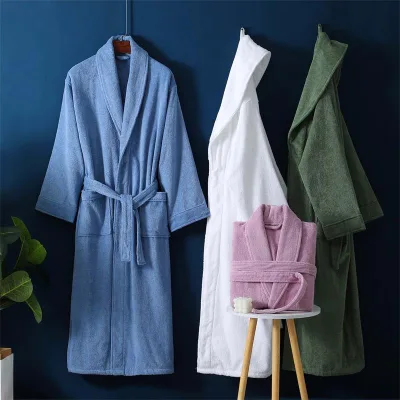
Towel Bathrobe Zipper Bathrobe Embroidered Bathrobe Bathrobe Set Flannel Bathrobe Bathrobe Robe
$5.00 - $10.00
MOQ: 1000 Sets

Warm Bathrobe Bathrobe White Striped Bathrobe Bath Robes Woman Knit Bathrobe
$5.15 - $8.63
MOQ: 1000 piece


Printed Bathrobe Flannel Bathrobe Long Bathrobe Hotel Bathrobe Towel Bathrobe Robe
$5.15 - $8.63
MOQ: 1000 piece


Huai'an Yunzhi Import And Export Co., Ltd.
- Manufacturer, Trading Company
- Jiangsu, China
- Lead time0 days
- Avg. response≤ 2h
Main productsTowel,Beach towel,Bath towel,Sport Towel,Bathrobe
Main marketsNorth America(30.00%), Oceania(20.00%), Southern Europe(10.00%), Mid East(10.00%), Eastern Europe(10.00%), Southeast Asia(4.00%), Northern Europe(3.00%), Domestic Market(3.00%), South Asia(3.00%), Western Europe(2.00%), Eastern Asia(2.00%), Central America(1.00%), Africa(1.00%), South America(1.00%)

Nantong Longdu Home Textile Co., Ltd.
- Verified by CTI
- Combined
- China Jiangsu
- Lead time15 days
- Avg. response≤ 2h
Main productsBeach Towel, Sports Towel, Kitchen Towel, Picnic Mat, Fleece Blanket, Pillow Blanket, Decorative Pillow, Poncho Towel, Blanket Hoodie, Bathrobe
Main marketsSouth America,Africa,Southeast Asia/ Mideast,East Asia(Japan/ South Korea),Domestic,Europe,Australia,North America


High Quality Custom Design Colorful Flannel Fleece Hoodie Women's Bathrobe
$4.50 - $7.80
MOQ: 100 Pieces

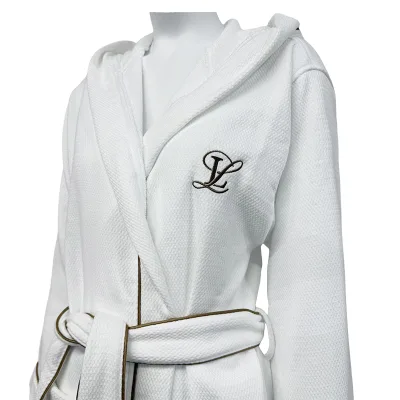
Quick Dry Skin-Friendly Embroidery Logo Solid Color Sleepwear Hotel Bathrobe
$3.67 - $6.91
MOQ: 100 Pieces

Custom Logo Comfortable Lightweight Fleece Bathrobe for Winter Resort Daily Relaxation
$9.49 - $13.89
MOQ: 100 Pieces
Suzhou Mingcheng Beauty Products Co., Ltd.
- Manufacturer, Trading Company
- Jiangsu, China
- Lead time15 days
- Avg. response≤ 2h
Main productsBeauty Salon bedspread,Massage Bedding Sheet,Bathrobe,Bath Dress,Bath Towel
Main marketsDomestic Market(90.00%), Western Europe(4.00%), North America(3.00%), Southeast Asia(3.00%)
Huaian Goodlife Textile Co., Ltd.
- Verified by Intertek
- Manufacturer, Trading Company
- Lead time15 days
- Avg. response≤ 4h
Main productsBeach Towel, Gym Towel, Changing Robe, Bathrobe, Blanket
Main marketsNorth America(35%), South America(15%), Eastern Europe(10%)

Hebei Aoruini Textile Trading Co., Ltd.
- Verified by TUVRHEINLAND
- Combined
- China Hebei
- Lead time15 days
- Avg. response≤ 3h
Main productsTowel, Beach Towel, Car Towel, Sport Towel, Kitchen Towel, Pet Towel
Main marketsSouth America,Southeast Asia/ Mideast,East Asia(Japan/ South Korea),Europe,Australia,North America

- Verified by CTI
- Trading Company
- China Anhui
- Lead time23 days
- Avg. response≤ 2h
Main productsFurniture, Home Furniture
Main marketsSoutheast Asia/ Mideast

Hebei Baibang Xinhui Knitting Textile Sales Co., Ltd.
- Verified by BV
- Combined
- China Hebei
- Lead time15 days
- Avg. response≤ 2h
Main productsTowel Beach Towel Bath Towel Gym Towel, Customized Towels Microfiber Towel Cotton Towel, Hotel Towels Bathrobe Fitness Towel, Kitchen Towel Car Towel
Main marketsSouth America,Southeast Asia/ Mideast,East Asia(Japan/ South Korea),Europe,North America


High Quality Flannel Long Bathrobe, Suitable for Home, Hotel, Custom Logo
$5.00 - $9.00
MOQ: 100 Piece


Ningbo V.k. Industry And Trading Co., Ltd.
- Verified by SGS
- Combined
- China Zhejiang
- Lead time60 days
- Avg. response≤ 4h
Main productsFlannel Fleece Blanket, Sherpa Throw Blanket, Dog Waterproof Blanket, Fleece Bathrobe, PVC Leather, TV Blanket, Down Coat, PV Fleece Blanket, Bazin Riche, Ice Bath Tub
Main marketsSouth America,Africa,Southeast Asia/ Mideast,East Asia(Japan/ South Korea),Domestic,Europe,Australia,North America
Suzhou Weilun Import And Export Co., Ltd.
- Trading Company
- Jiangsu, China
- Lead time30 days
- Avg. response≤ 5h
Main productsPajamas,Robe,Blanket,onesie,sleepwear
Main marketsSouth America(20.00%), North America(16.00%), Central America(13.00%), Eastern Europe(13.00%), Northern Europe(6.00%), Oceania(6.00%), Western Europe(6.00%), Domestic Market(3.00%), South Asia(3.00%), Southern Europe(3.00%), Eastern Asia(3.00%), Mid East(1.00%), Southeast Asia(1.00%), Africa(1.00%)

Huaian Goodlife Textile Co., Ltd.
- Verified by TUVRHEINLAND
- Combined
- China Jiangsu
- Lead time15 days
- Avg. response≤ 6h
Main productsTowel, Bathrobe, Bedding Set, Pajamas
Main marketsOthers(foreignTradeCapacity.exportBusinessCapacityMarketOther),Europe,North America


Cotton Bathrobes for Spring Morning Gowns for Long Styles Hotel Waffle Bathrobes
$8.50 - $9.80
MOQ: 50 Pieces


Easton Hotel Supplies Co., Ltd.
- Verified by TUVRHEINLAND
- Trading Company
- China Guangdong
- Lead time15 days
- Avg. response≤ 3h
Main productsHotel Accessories, Hotel Amenity, Hotel Supplies, Wall Mounted Hair Dryer, Magnifying Mirror, Ironing Board, Welcome Tray, Wooden Hanger, Digital Safe, Luggage Rack
Main marketsSoutheast Asia/ Mideast
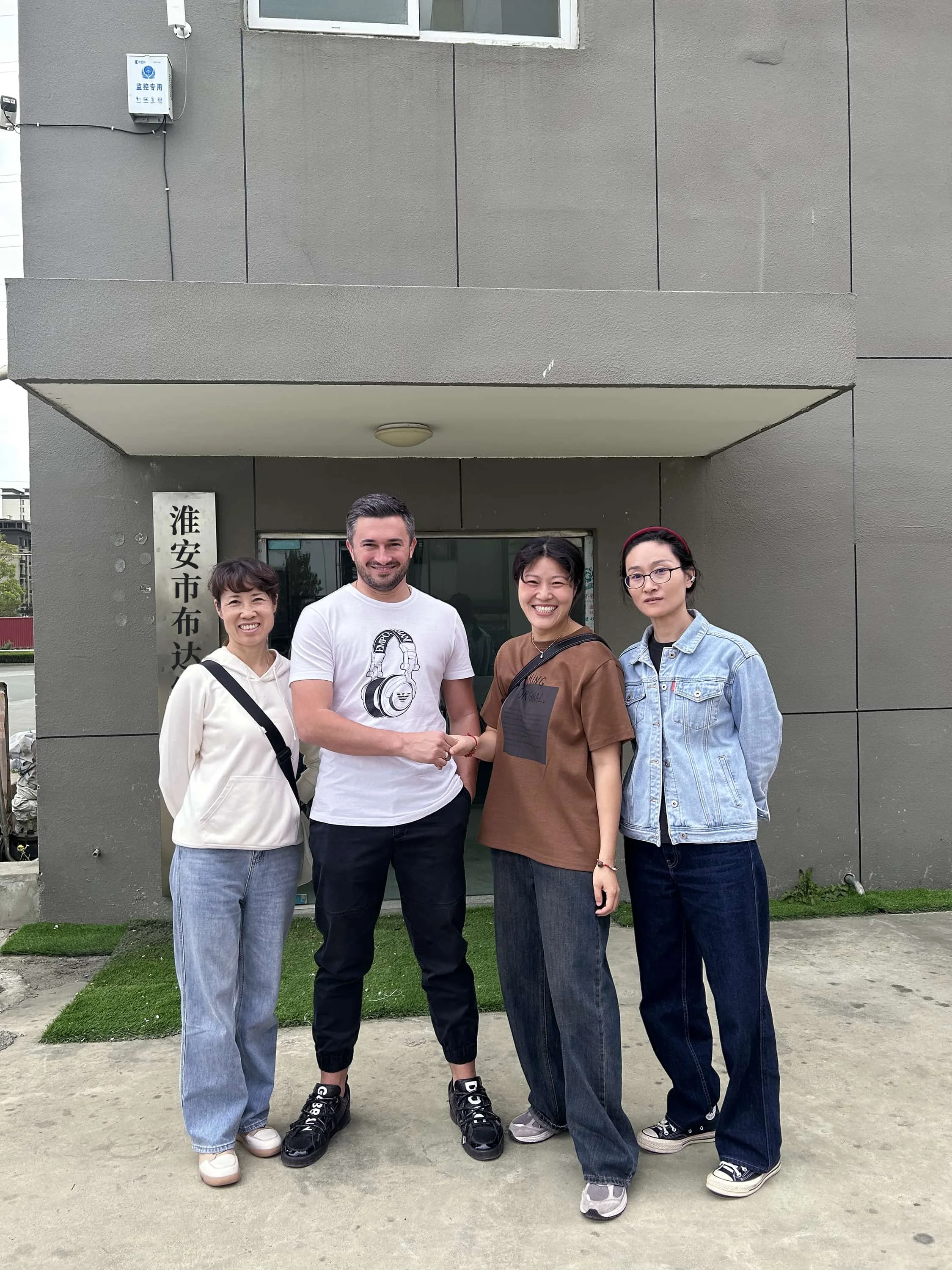
Huai An Bodhi Textile Co., Ltd.
- Manufacturer, Trading Company
- Jiangsu, China
- Lead time15 days
- Avg. response≤ 1h
Main productsbathrobe,bath robe,robe,poncho,peignoir de bain
Main marketsNorth America(40.00%), South America(30.00%), Eastern Europe(20.00%), Southeast Asia(10.00%)
Nantong Hongya Weaving Co., Ltd.
- Verified by TüVRheinland
- Manufacturer, Trading Company
- Lead time10 days
- Avg. response≤ 5h
Main productsHotel Bedding Set, Hotel Duvet, Pillow, Hotel Mattress Protector, Fabric
Main marketsWestern Europe(30%), Domestic Market(27%), South Asia(12%)

Jiangsu Pengyuan Textile Group Co., Ltd.
- Manufacturer
- China Jiangsu
- Lead time30 days
- Avg. response≤ 6h
Main productsHotel Pillow, Home Textile, Cushion, Hotel Bed Linen, Hotel Towel, Mattress Protector, Quilt, Bed Runner, Bathrobe, Laundry Bag
Main marketsSoutheast Asia/ Mideast,North America

$5.98 - $7.98
MOQ: 50 Pieces

$5.98 - $7.98
MOQ: 50 Pieces
Guangzhou Easton Hotel Supplies Co., Ltd.
- Manufacturer, Trading Company
- Lead time旺季: "1 - 100":90,"> 100":"To be negotiated", 淡季: "1 - 100":90,"> 100":"To be negotiated"
- Avg. response≤ 4h
Main productsHair Dryer, Kettle Tray, Steam Iron, Electric Kettle, Ironing Board
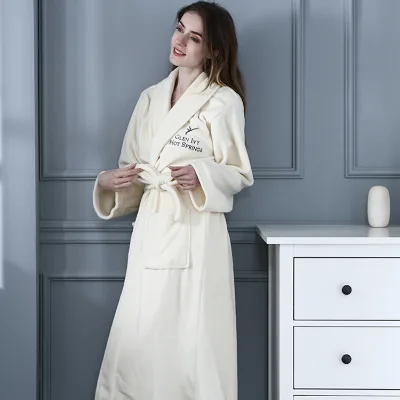
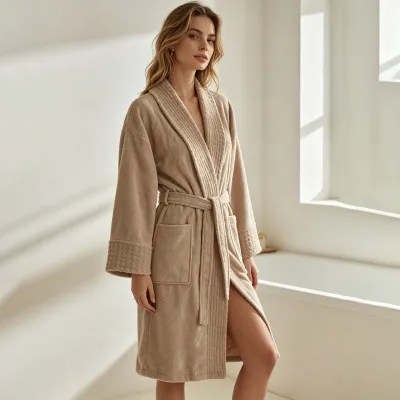
Hotel Custom Embroidered logo Bathrobe Beige Velvet Pure Cotton Bathrobe Wholesale
$15.00 - $20.00
MOQ: 100
Guangzhou Juntu Hotel Supplies Co., Ltd.
- Manufacturer, Trading Company, Buying Office
- Guangdong, China
- Lead time15 days
- Avg. response≤ 10h
Main productshotel linen,hotel cosmetics products,leatherware,lobby supplies,guestroom products
Main marketsDomestic Market(41.70%), Southeast Asia(18.70%), Mid East(12.30%), Africa(8.20%), Eastern Asia(6.20%), Western Europe(5.40%), South Asia(5.20%), Eastern Europe(2.30%)

Guangzhou Unique Hotel Supplies Co., Ltd.
- Verified by CTI
- Trading Company,Manufacturer/Factory
- China Guangdong
- Lead time15 days
- Avg. response≤ 5h
Main productsServing Tray, Ice Bucket, Gn Pan, Kitchenware, Water /Beer Cup, Plastic Products, Pitchers/Kettles, Food Plate Cover, Bowls, Organizer and Holder
Main marketsSouth America,Eastern Europe,Mid East,North America,Southeast Asia,Eastern Asia,Africa


Factory Price Wool Bathrobe Oversized Bathrobe Luxurious Hotel Quality Soft Bathrobe
$11.70 - $14.70
MOQ: 200 Pieces

Customized Design Warmth Sleepwear High Quality Bathrobes for Hotel Home
$11.70 - $14.70
MOQ: 30 Pieces


Qingdao Chifang Textile and Industry Co., Ltd.
- Verified by SGS
- Trading Company
- China Shandong
- Lead time30 days
- Avg. response≤ 6h
Main productsHotel Bed Linen/White Fabric, Cotton Fabric, Bathrobe, Quilt Cover, Bedding, Pillow, Bath Towel/Hand Towel, Bedspread, Slippers, Carpet Floor Mats
Main marketsOthers(foreignTradeCapacity.exportBusinessCapacityMarketOther),Southeast Asia/ Mideast,East Asia(Japan/ South Korea)
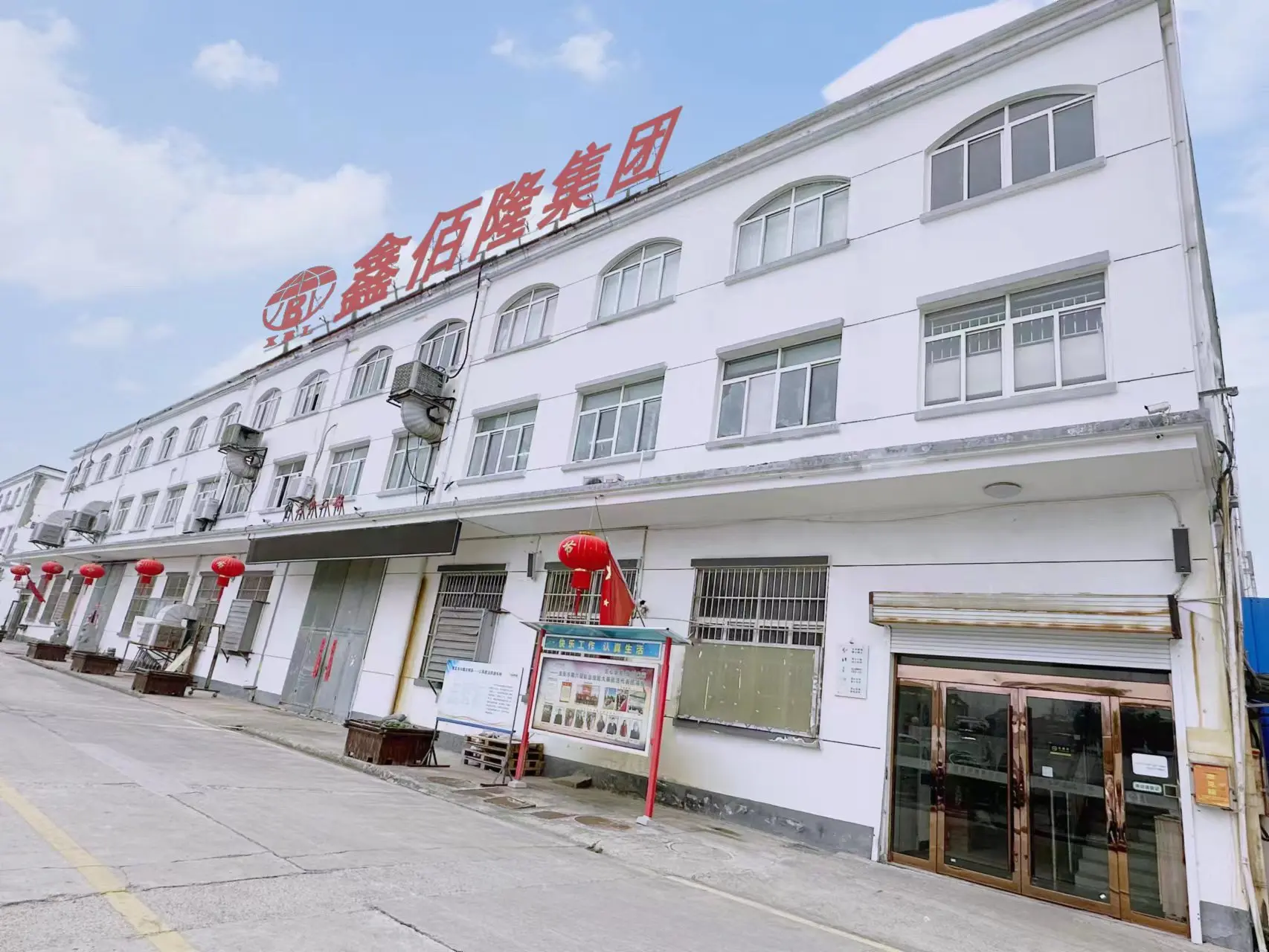
Guangxi Xinbailong Import And Export Trade Co., Ltd.
- Trading Company
- Guangxi, China
- Lead time0 days
- Avg. response≤ 5h
Main productsTowels,Bathrobes,salon towel,Bed sheet,sauna bathrobe
Main marketsNorth America(25.00%), Western Europe(16.00%), Southern Europe(10.00%), Mid East(8.00%), Southeast Asia(8.00%), South America(7.00%), Northern Europe(5.00%), South Asia(5.00%), Eastern Europe(5.00%), Africa(5.00%), Oceania(3.00%), Eastern Asia(3.00%)
Shanghai Fance International Trading Co., Ltd.
- Verified by Intertek
- Trading Company
- Lead time0 days
- Avg. response≤ 9h
Main productsTowel, Bathrobe, Bedding set, Disposable toothpaste and toothbrush, Hotel Slippers
Main marketsNorth America(30%), Eastern Europe(30%), Africa(13%)

Yangzhou Mingchi Hotel Products Co., Ltd
- Verified by SGS
- Combined
- China Jiangsu
- Lead time30 days
- Avg. response≤ 1h
Main productsHotel Slipper, Hotel Laundry Bag, Hotel Amenities
Main marketsSoutheast Asia/ Mideast,Europe,North America
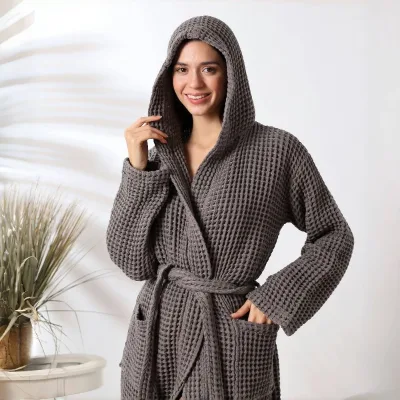
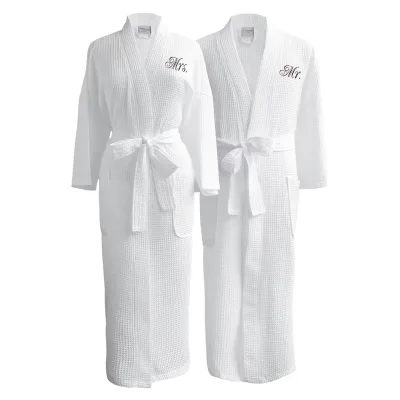
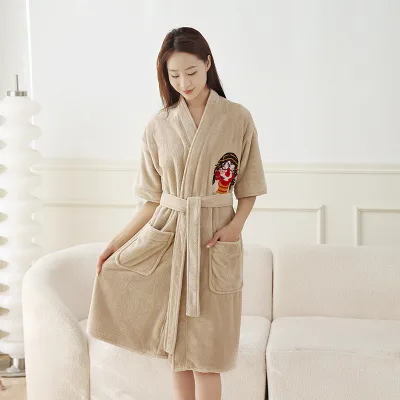
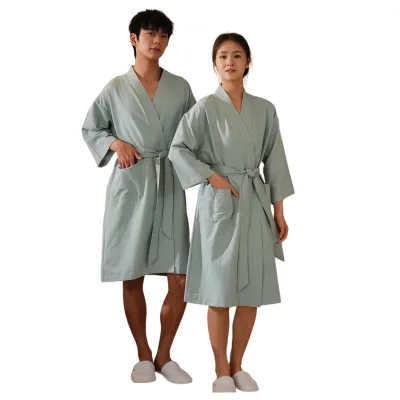
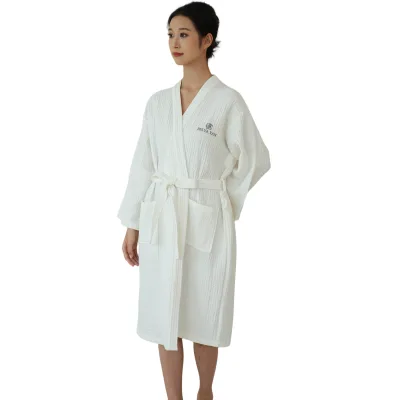
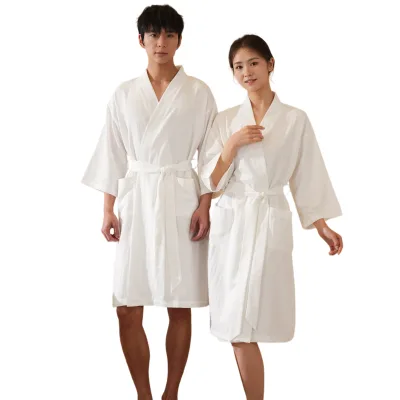
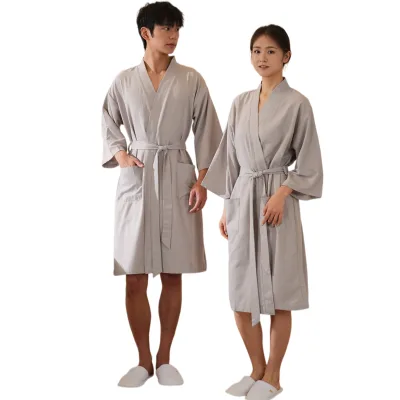
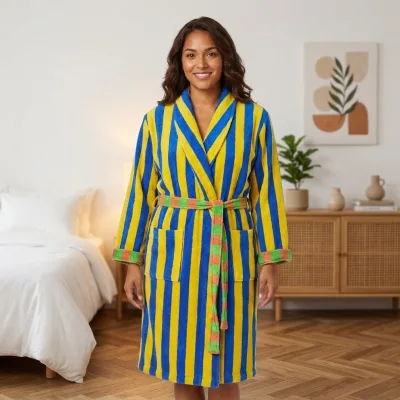
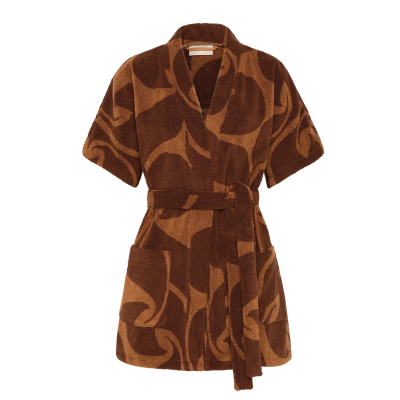
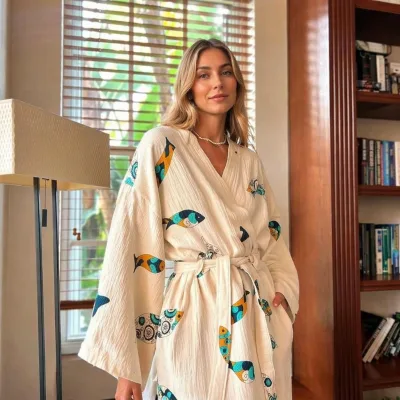
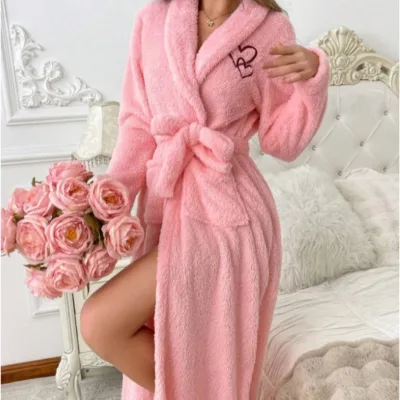
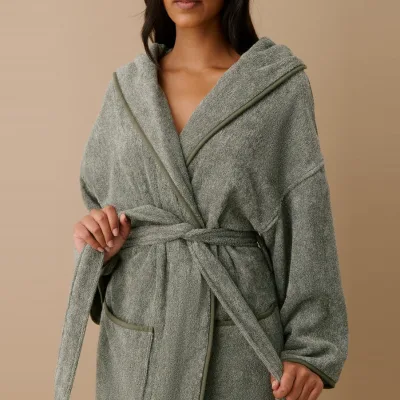




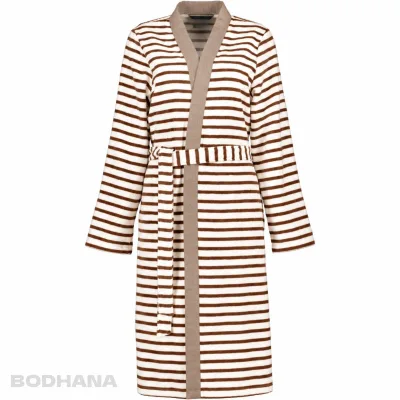
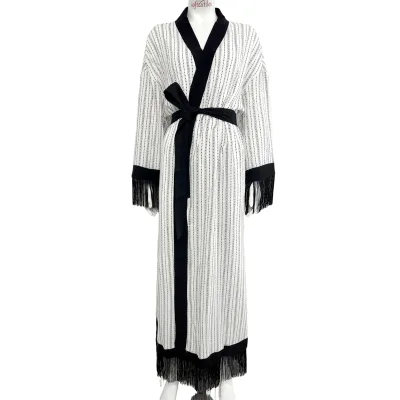
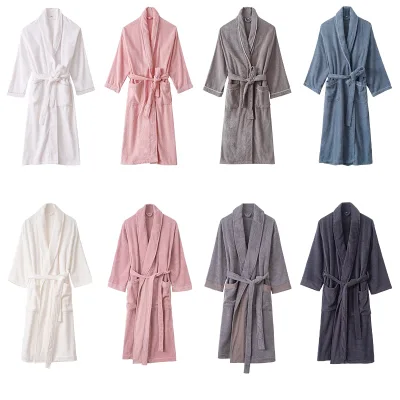
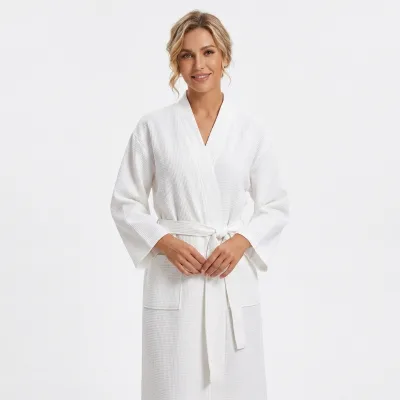
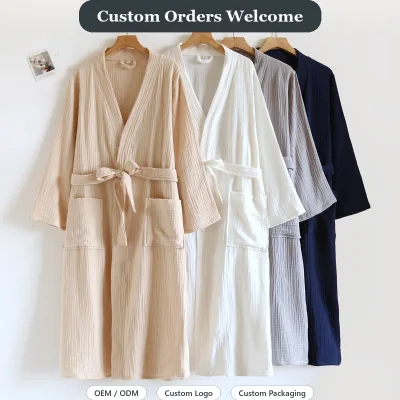
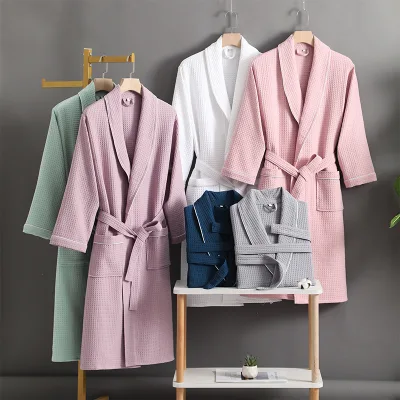
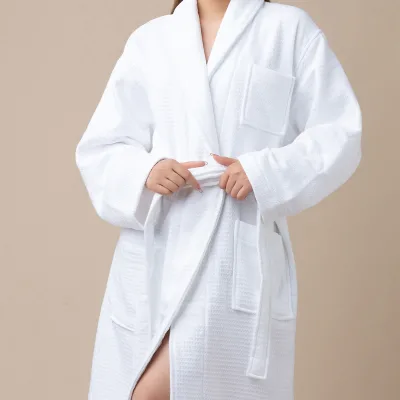


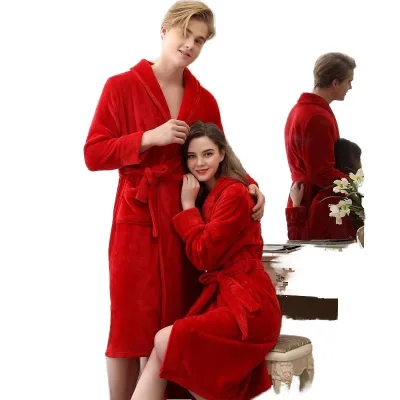
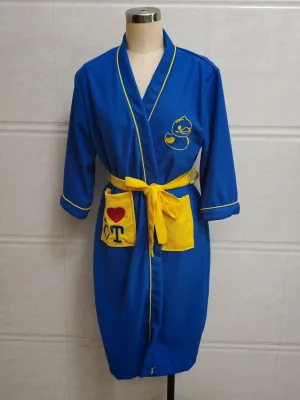
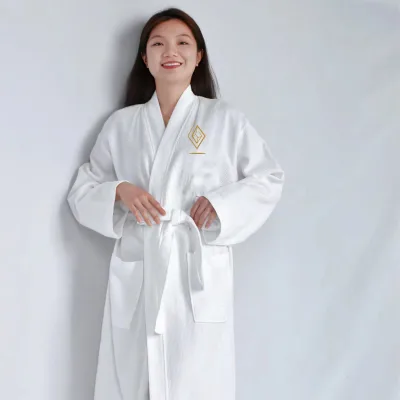
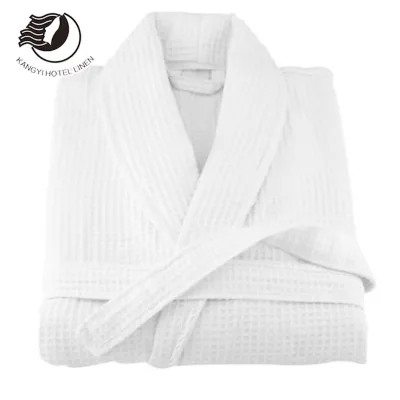


Comprehensive Sourcing Guide
Embroidered Plaid Woven Bathrobe Supplier Concentration and Factory Types
The current supplier landscape for embroidered plaid woven bathrobes reveals a distinct concentration of manufacturing and trading entities within specific Chinese industrial hubs. Evidence indicates that suppliers are located in regions such as Shanghai and Jiangsu, which are well-established textile centers known for their robust supply chains and specialized weaving capabilities. These locations are not arbitrary; they represent clusters where raw material availability, skilled labor, and logistical infrastructure converge to support the production of complex textile goods like woven bathrobes. For buyers seeking embroidered plaid designs, identifying suppliers in these regions can significantly reduce communication barriers and logistical friction, as these areas have a historical precedent for exporting high-quality apparel and home textiles. The presence of both manufacturers and trading companies in these hubs offers buyers a spectrum of engagement models, from direct factory sourcing to managed procurement services.
Company types among the observed suppliers vary, with some operating strictly as trading companies while others function as manufacturers or hybrid entities that combine both roles. This distinction is critical for buyers evaluating their sourcing strategy, as it directly impacts pricing structures, communication efficiency, and quality control protocols. Trading companies often provide a broader range of product options and handle export logistics, making them suitable for buyers who need flexibility and consolidated shipping. In contrast, manufacturers may offer more competitive pricing on large orders and greater control over the production process, including the specific weaving and embroidery techniques required for plaid patterns. Buyers should carefully review the company type listed for each supplier to align their choice with their operational needs, whether that involves high-volume production runs or smaller, customized orders with specific design requirements.
How to Verify Embroidered Plaid Woven Bathrobe Suppliers
Verification is a non-negotiable step in the sourcing process, particularly when dealing with specialized products like embroidered plaid woven bathrobes where quality consistency is paramount. Buyers should prioritize suppliers who have undergone third-party verification processes, such as BV (Bureau Veritas) certification, which provides an independent assessment of the supplier’s business legitimacy and operational capabilities. This verification status serves as a foundational trust signal, indicating that the supplier has met certain standards for business registration and operational transparency. However, verification alone is not sufficient; buyers must also assess the supplier’s responsiveness and communication efficiency. A quick response time, such as the observed average of around two hours for some suppliers, indicates a professional and attentive sales team that is likely to provide timely support throughout the order fulfillment process.
Beyond basic verification and response times, buyers should scrutinize the supplier’s product evidence and attribute details to ensure alignment with their specific requirements. For instance, checking if the supplier offers ODM (Original Design Manufacturing) and OEM (Original Equipment Manufacturing) services is crucial for buyers who need custom embroidered plaid designs. The presence of detailed product attributes, such as specific weave types, sleeve lengths, and customization options, provides insight into the supplier’s technical capabilities. Buyers should also look for evidence of sample acceptance policies, as this allows for physical quality assessment before committing to large orders. Additionally, verifying the supplier’s main products and catalog breadth can help determine if they have specialized expertise in bathrobes or if they are generalists, which may affect the depth of their knowledge regarding plaid weaving and embroidery techniques.
What to Compare Across Embroidered Plaid Woven Bathrobe Suppliers
When evaluating multiple suppliers, buyers must systematically compare key operational metrics to identify the most suitable partner for their needs. Lead time is a critical factor, as it directly impacts inventory management and market launch schedules. Some suppliers may offer lead times as short as zero days for ready-made items, while others might require fifteen days or more for custom production. Buyers should align their order timing with these lead times to avoid stockouts or delays. Similarly, the Minimum Order Quantity (MOQ) is a significant consideration, with some suppliers requiring orders of 1000 pieces or more. For buyers with smaller budgets or testing phases, finding suppliers with lower MOQs or flexible order terms is essential to mitigate risk and preserve cash flow.
Price and customization capabilities are also central to the comparison process. The price range for bathrobes can vary significantly, from as low as $2.50 to over $21.00 per unit, depending on material quality, embroidery complexity, and order volume. Buyers should request detailed quotations that break down costs for materials, labor, and customization fees to ensure transparency. Additionally, comparing the customization options available, such as the ability to provide customer designs, specific printing methods, and logo placement, is vital for maintaining brand consistency. Suppliers that offer flexible packing options, such as export cartons or individual OPP bags, can also impact the buyer’s logistics and retail presentation. By systematically comparing these dimensions, buyers can make informed decisions that balance cost, quality, and operational efficiency.
Common Embroidered Plaid Woven Bathrobe Sourcing Risks
One of the primary risks in sourcing embroidered plaid woven bathrobes is the potential discrepancy between sample quality and bulk production. Buyers must be vigilant about ensuring that the supplier can consistently replicate the intricate details of plaid patterns and embroidery across large volumes. Variations in weave density, color fastness, or stitch quality can lead to customer dissatisfaction and returns. To mitigate this risk, buyers should insist on pre-production samples and conduct thorough quality checks before authorizing mass production. Additionally, the risk of delayed shipments is significant, especially if the supplier faces raw material shortages or production bottlenecks. Buyers should establish clear communication channels and request regular production updates to monitor progress and address any potential delays proactively.
Another risk is the lack of transparency in pricing and hidden costs. While some suppliers may offer attractive initial quotes, additional charges for customization, packaging, or shipping can inflate the final cost. Buyers should ensure that all costs are clearly outlined in the quotation and contract to avoid unexpected expenses. Furthermore, the risk of intellectual property infringement is a concern when working with suppliers who offer custom design services. Buyers must ensure that their designs are protected and that the supplier does not share or replicate them for other clients. Establishing clear confidentiality agreements and working with verified suppliers can help mitigate these risks. By anticipating these challenges and implementing robust quality control and communication strategies, buyers can navigate the sourcing process more effectively and secure reliable supply chains for their embroidered plaid woven bathrobes.
Embroidered Plaid Woven Bathrobe Regional Sourcing and Logistics
Sourcing from specific regions in China, such as Shanghai and Jiangsu, offers distinct logistical advantages for buyers of embroidered plaid woven bathrobes. These regions are well-connected to major ports and international shipping routes, facilitating efficient export processes. Buyers should consider the proximity of the supplier to these logistics hubs when evaluating shipping costs and transit times. Suppliers located in Shanghai, for instance, may benefit from direct access to the Port of Shanghai, one of the busiest container ports in the world, which can streamline the export process and reduce handling times. Similarly, suppliers in Jiangsu are situated in a region with a dense network of manufacturing facilities and transportation infrastructure, which can support rapid production and distribution.
Logistics planning should also account for the packaging requirements of the bathrobes, as improper packaging can lead to damage during transit. Buyers should verify that the supplier uses appropriate packaging materials, such as export cartons or individual OPP bags, to protect the products. Additionally, buyers should consider the impact of seasonal demand on logistics, as peak seasons can lead to capacity constraints and higher shipping rates. Working with suppliers who have experience in international shipping and can provide accurate shipping estimates can help buyers plan their inventory and cash flow more effectively. By leveraging the logistical advantages of these regions and implementing robust shipping strategies, buyers can ensure the timely and safe delivery of their embroidered plaid woven bathrobes to global markets.
Embroidered Plaid Woven Bathrobe Commercial Terms and Order Planning
Commercial terms and order planning are critical components of a successful sourcing strategy for embroidered plaid woven bathrobes. Buyers should negotiate clear payment terms, such as escrow services or letter of credit, to protect their financial interests and ensure that payments are released only upon satisfactory delivery of goods. Understanding the supplier’s return and refund policies is also essential, as it provides a safety net in case of quality issues or non-conformance. Buyers should also consider the supplier’s capacity to handle large orders, as this impacts their ability to meet market demand during peak seasons. Suppliers with established ODM and OEM capabilities are often better equipped to handle complex orders with specific customization requirements.
Order planning should involve a detailed timeline that accounts for sample approval, production, quality control, and shipping. Buyers should work closely with their suppliers to establish realistic milestones and maintain open communication throughout the process. Additionally, buyers should consider the impact of currency fluctuations and trade regulations on their costs, as these factors can affect the final price of the bathrobes. By developing a comprehensive order plan and negotiating favorable commercial terms, buyers can minimize risks and maximize the value of their sourcing investments. This proactive approach ensures that the supply chain operates smoothly and that the buyer can meet their customers’ expectations for quality and delivery.
FAQs
What is the price range for embroidered woven bathrobes?
Prices for embroidered woven bathrobes typically range from $2.50 to $21.30 per unit. The cost varies based on material composition, such as polyester-cotton blends or 100% cotton, and specific customization requirements. Buyers should expect minimum order quantities around 1000 pieces for standard pricing tiers.
What are the lead times for manufacturing these bathrobes?
Manufacturing lead times generally average around 15 days for standard orders. Some suppliers offer faster sample processing within 7 days. Production schedules may vary based on order volume and specific customization needs, so confirming exact timelines with the supplier before placing bulk orders is recommended.
Do suppliers offer OEM and ODM services for bathrobes?
Yes, many suppliers provide both OEM and ODM services for bathrobe manufacturing. Buyers can request custom designs, logos, and specific fabric patterns. Customization options include embroidery, printing, and tailored sizing to meet specific brand requirements or market demands effectively.
What materials are commonly used for these bathrobes?
Common materials include polyester-cotton blends, 100% cotton, and microfiber. These fabrics offer varying levels of softness, absorbency, and durability. Buyers can choose materials based on desired comfort, seasonal suitability, and specific functional requirements like thermal retention or quick-drying capabilities for different market segments.
Where are these bathrobe suppliers located?
Suppliers are primarily located in China, specifically in Shanghai and Jiangsu provinces. These regions are known for their textile manufacturing capabilities and supply chain efficiency. Buyers can source directly from these locations to benefit from established manufacturing infrastructure and logistics networks.
What is the minimum order quantity for bathrobes?
The minimum order quantity is typically 1000 pieces for standard bathrobe orders. This threshold ensures cost-effective production runs for manufacturers. Buyers seeking smaller quantities may need to inquire about sample orders or higher per-unit pricing, as bulk discounts usually apply to larger volumes.