Vietnam Carpet Suppliers and Manufacturers in China
Explore 27 verified suppliers offering Vietnam Carpet options with customizable designs and materials. Compare response times, lead times, and certifications like BV or TüVRheinland to find the right partner. Contact suppliers directly to request samples; review the available evidence before requesting comparable quotations from suitable candidates.
Updated
Suppliers List

Foshan Shengyibo Carpet Co.,Ltd.
- Verified by BV
- Combined
- China Guangdong
- Lead time15 days
- Avg. response≤ 4h
Main productsCarpet, Rug, Wool Carpet, Wool Rug, Carpet Tile, Wall to Wall Carpet, Commercial Carpet, Residential Carpet, Hotel Carpet, Floor Carpet
Main marketsAfrica,Southeast Asia/ Mideast,Domestic,Europe,North America


Hotel Carpet Popular Design in Australia Floor Rugs, Area Carpet, Wall to Wall Carpet
$20.00 - $25.00
MOQ: 100 Square Meters

Tianjin Chenxing Carpets Co., Ltd.
- Verified by TüVRheinland
- Manufacturer, Trading Company
- Lead time50 days
- Avg. response≤ 3h
Main productsTufted Carpets, Woven Carpets, Printed Carpets, Faux Fur Rugs, Bath Rugs
Main marketsNorth America(25%), Western Europe(20%), South Asia(15%)
- Verified by TüVRheinland
- Manufacturer, Trading Company
- Lead time15 days
- Avg. response≤ 2h
Main productsFaux Fur Rug, Color Felt Products, Cap, Polishing Pad, Pet Bed
Main marketsDomestic Market(50%), North America(10%), Mid East(10%)
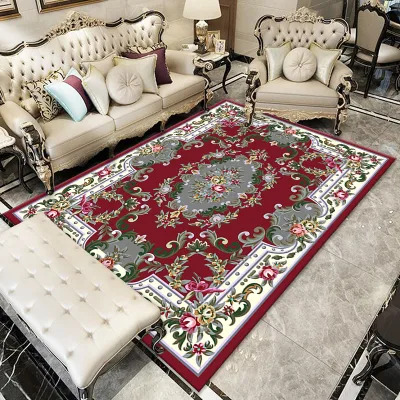
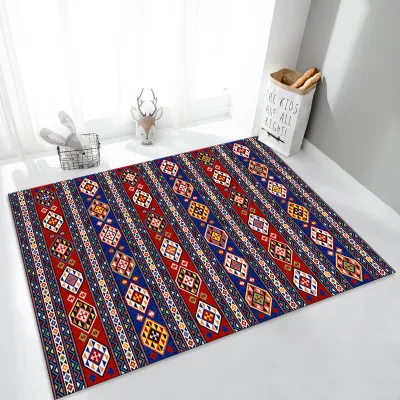
$3.00 - $15.00
MOQ: 100 Minimum
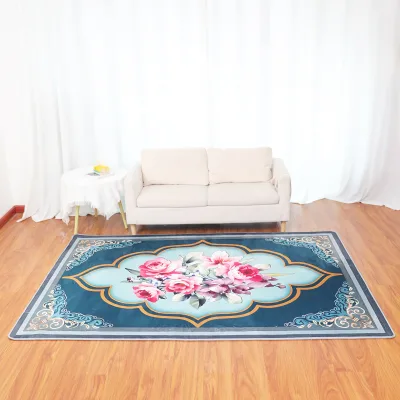
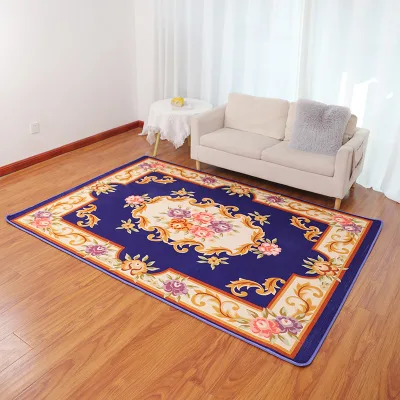
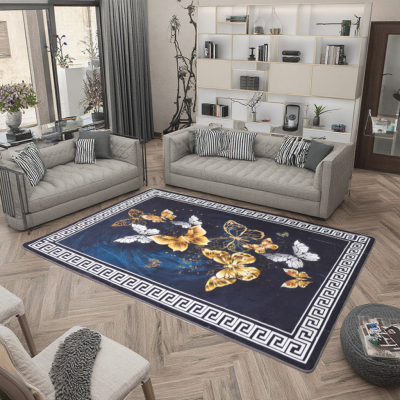
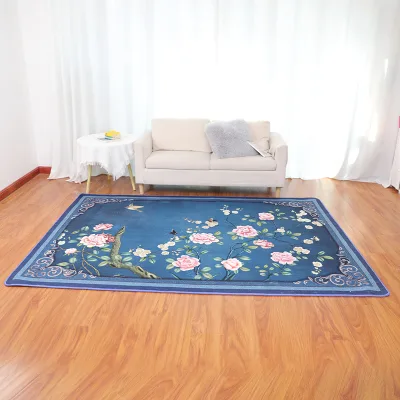

DEZHOU ANKANG IMPORT AND EXPORT CO., LTD.
- Manufacturer/Factory
- China Shandong
- Lead time15 days
- Avg. response≤ 2h
Main productsExhibition Carpet, Carpet, PVC Mat, Geomembrane, Geotextile, PP Woven Fabric, Weed Control Fabric, Rib Carpet, Red Carpet, Velour Carpet
Main marketsSouth America,Eastern Europe,Mid East,North America,Southeast Asia,Eastern Asia,Oceania,Western Europe,Africa

Various Patterns Printed Carpet for Decorating Corrider, Meeting Room Export to Myanmar
$1.49 - $1.53
MOQ: 1000 Square Meters


Ningbo Yinzhou Xindew Textile Co., Ltd.
- Trading Company
- China Zhejiang
- Lead time15 days
- Avg. response≤ 10h
Main productsKnitting Needles, Knitting Looms, Knitting Crochet Hook Set, Acrylic Yarn, Elastic Tape, Zipper, Thread, Hook and Loop, Baby Blankets, Baby Bibs
Main marketsSouth America,Africa,Southeast Asia/ Mideast,East Asia(Japan/ South Korea),Domestic,Europe,Australia,North America

QINGYUAN HUAMAO CARPET WEAVING CO.,LTD
- Verified by TUVRHEINLAND
- Combined
- China Guangdong
- Lead time30 days
- Avg. response≤ 18h
Main productsHand Tufted Carpet, Area Carpet, Hotel Carpet, Handmade Carpet, New Zealand Carpet, Acrylic Carpet, Nylon Carpet, Table Light, Floor Light, Pendant Light
Main marketsDomestic

Broadloom Carpet Rug New Zealand Carpet Restaurant Carpet Factory
$80.00 - $110.00
MOQ: 1 Square Meters

Magnificent Carpet Wall to Wall Carpet Rug New Zealand Carpet Lobby Flooring Carpet
$80.00 - $110.00
MOQ: 1 Square Meters


Broadloom Carpet Wall to Wall Carpet Rug New Zealand Carpet Restaurant Carpet Factory
$80.00 - $110.00
MOQ: 1 Square Meters

Durable New Design Handtufted Home KTV Hotel Project New Zealand Wool Carpet
$60.00 - $125.00
MOQ: 1 Square Meters

$60.00 - $80.00
MOQ: 1 Square Meters

- Manufacturer, Trading Company
- Guangdong, China
- Lead time20 days
- Avg. response≤ 21h
Main productscarpet,rugs,curtains,Office carpet,hotel carpet
Main marketsMid East(20.00%), North America(10.00%), South America(10.00%), Africa(10.00%), Central America(10.00%), Northern Europe(10.00%), South Asia(10.00%), Southeast Asia(5.00%), Eastern Asia(5.00%), Western Europe(5.00%), Domestic Market(5.00%)


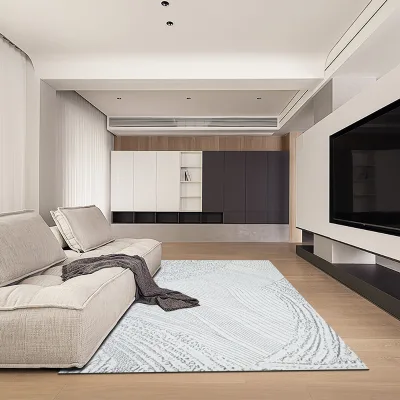
house decoration meeting room gray floor carpet bedroom carpet soft fluffy carpets
$10.0314 - $12.1197
MOQ: 1 square
$10.1212 - $12.2275
MOQ: 1 square
Hengxuan E-Commerce (tianjin) Co., Ltd.
- Verified by TüVRheinland
- Trading Company
- Lead time0 days
- Avg. response≤ 10h
Main productsTufted Carpets, Woven Carpets, Printed Carpets, Faux Fur Rugs, Bath Rugs
Main marketsDomestic Market(38%), North America(20%), Africa(10%)

Suzhou Joyshine New Material Co., Ltd.
- Trading Company,Manufacturer/Factory
- China Jiangsu
- Lead time15 days
- Avg. response≤ 4h
Main productsSpc Floor, PVC Floor, Acoustic Panel, Square Carpet, Plastic Pellets
Main marketsSouth America,Eastern Europe,Mid East,North America,Southeast Asia,Eastern Asia,Oceania,Western Europe,Africa
TIANJIN ELEGANT CARPET CO., LTD
- Manufacturer, Trading Company
- Tianjin, China
- Lead time30 days
- Avg. response≤ 7h
Main productsCarpet,rug,mat,prayer mat,baby play mat
Main marketsMid East(40.00%), Southeast Asia(30.00%), South America(8.00%), South Asia(5.00%), Oceania(5.00%), North America(3.00%), Eastern Europe(3.00%), Africa(2.00%), Northern Europe(2.00%), Western Europe(2.00%)
Guangdong Jiuding Decoration Material Co., Ltd.
- Verified by SGS Group
- Manufacturer, Trading Company
- Lead time20 days
- Avg. response≤ 1h
Main productsCarpet Tiles, Wall To Wall Carpet, Area Rugs, Hand-Tufted Carpet, Axminster Carpet
Main marketsNorth America(20%), Africa(20%), Northern Europe(10%)
Gaoyang County Rongyi Blanket Industry Co., Ltd.
- Verified by Intertek
- Manufacturer, Trading Company
- Lead time0 days
Main productsBlanket
Main marketsMid East(23%), Domestic Market(22%), Africa(13%)
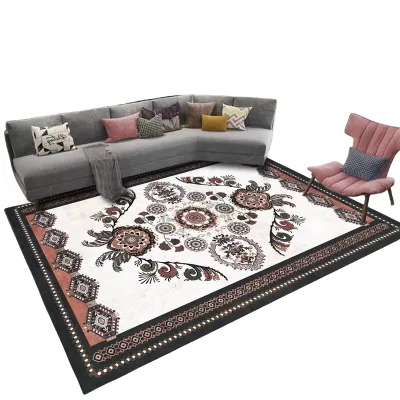
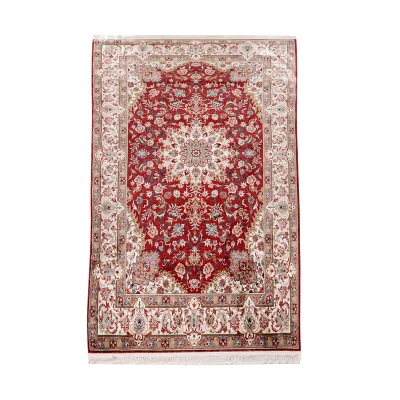
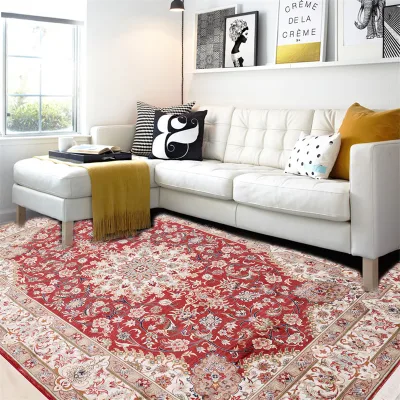
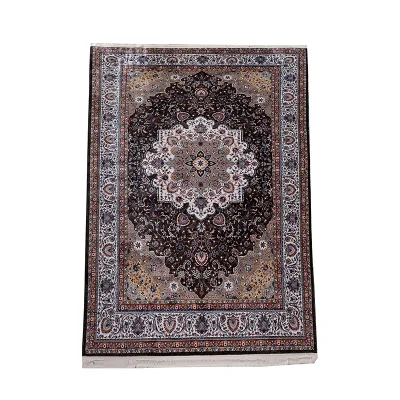
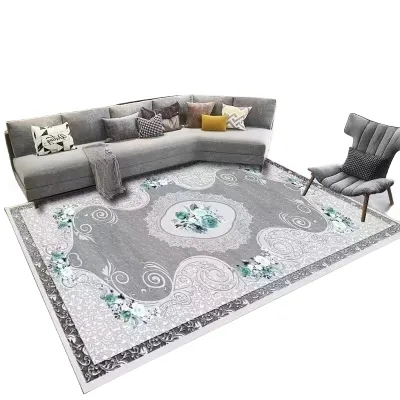
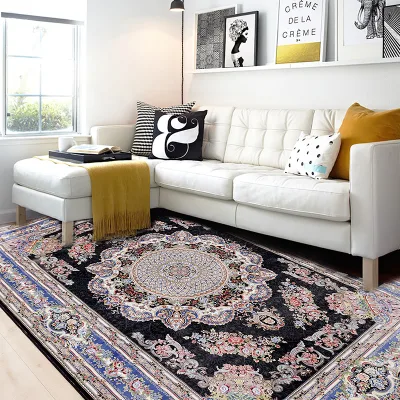
Printed Carpet Different Size Cheap Price Good Quality
$18.00 - $25.00

Tianjin Changshengda Carpet Co., Ltd.
- Manufacturer, Trading Company
- Tianjin, China
- Lead time0 days
- Avg. response≤ 3h
Main productsCarpet, Mat
Main marketsDomestic Market(60.00%), Western Europe(10.00%), Eastern Europe(10.00%), Southeast Asia(10.00%), North America(5.00%), Northern Europe(5.00%)
Hebei Pinuo Import and Export Trade Co.,LTD.
- Verified by TüVRheinland
- Manufacturer, Trading Company
- Lead time0 days
- Avg. response≤ 2h
Main productsPrint Carpet, Faux Fur Carpet, Felt Pet Bed, Felt Storage Organisers, Bath Mat
Main marketsSouth America(30%), North America(10%), Eastern Europe(10%)
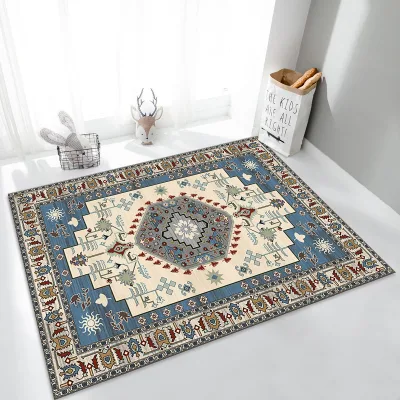
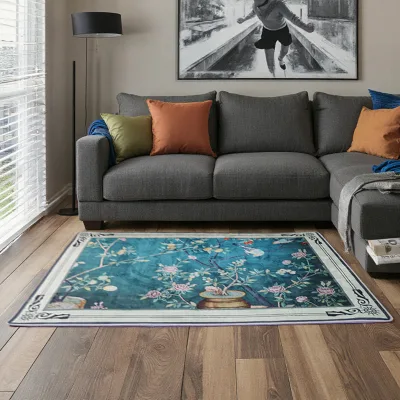
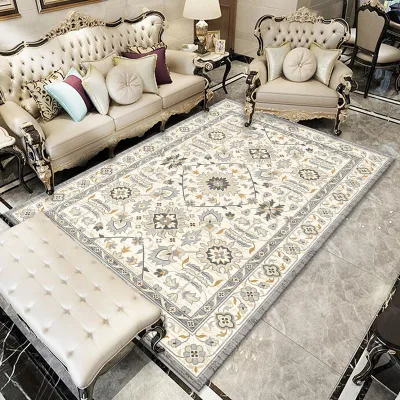
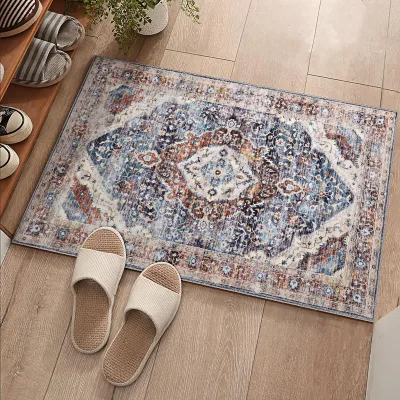
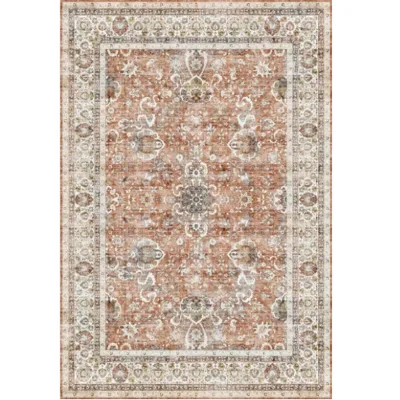
Wholesale Customized Persian Vintage Design Carpets Tufted Soft Large Washable Bohemia Fur Carpet
$9.50 - $14.50
MOQ: 100 pieces
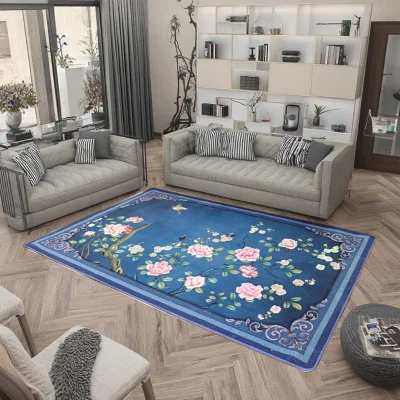
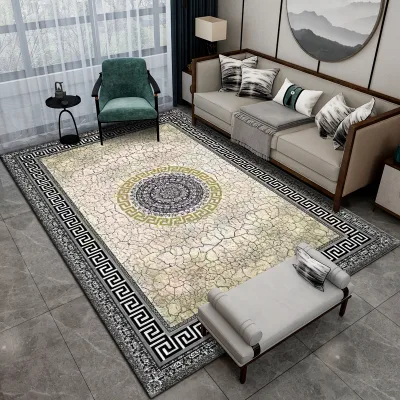
Hot Exotic Chinese Style Carpet for Decoration 3D Printed High Quality Soft Rug for Indoor Decor
$16.00 - $19.00
MOQ: 1 pieces
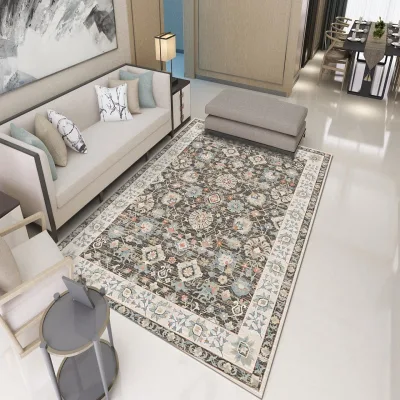
$0.9626 - $1.4326
MOQ: 10 square
Home Innovation (hangzhou) International Trade Co., Ltd.
- Trading Company
- Zhejiang, China
- Lead time20 days
- Avg. response≤ 3h
Main productsCarpet
Main marketsOceania(84.00%), North America(7.00%), Mid East(4.00%), Western Europe(3.00%), Southeast Asia(2.00%)
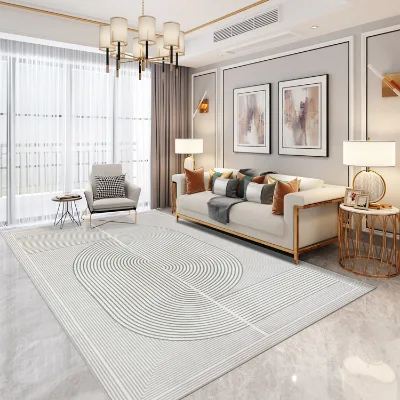
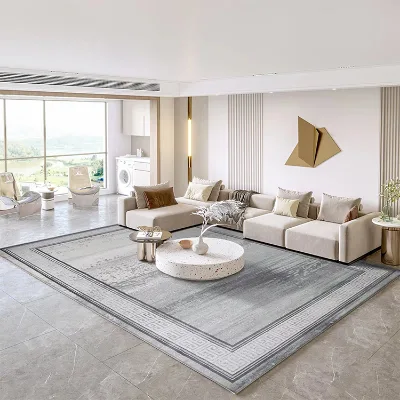
Wholesale Soft Living Room Area New Zealand Nordic Room House Flooring Weave Wilton Polyester Carpet
$17.6496 - $19.726
MOQ: 1 square
Tianjin Attraction Carpet Co., Ltd.
- Verified by TüVRheinland
- Manufacturer, Trading Company
- Lead time30 days
- Avg. response≤ 8h
Main productsCarpet
Main marketsNorth America(40%), Western Europe(20%), Mid East(10%)
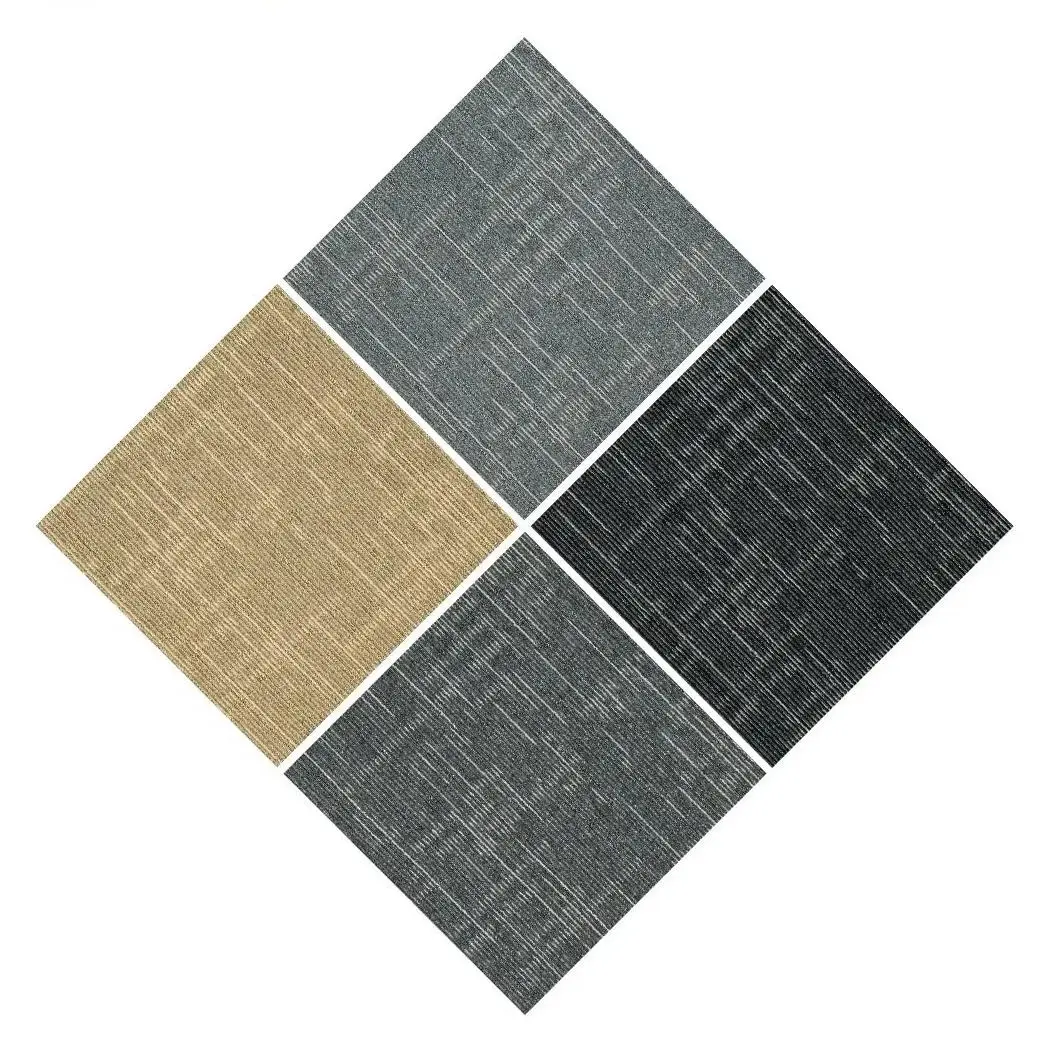
Jinan Yaotian New Materials Co., Ltd.
- Manufacturer, Trading Company
- Shandong, China
- Lead time30 days
- Avg. response≤ 2h
Main productsCommercial office carpet tiles,Hotel wall to wall carpet,Homogeneous pvc vinyl flooring,Spc flooring,Non-woven punched carpet
Main marketsNorth America(17.00%), Oceania(12.00%), Southeast Asia(11.00%), South America(10.00%), Eastern Asia(8.00%), Mid East(7.00%), South Asia(7.00%), Domestic Market(6.00%), Northern Europe(5.00%), Africa(5.00%), Eastern Europe(5.00%), Central America(3.00%), Southern Europe(2.00%), Western Europe(2.00%)

Guangzhou MyWow Decor Co., Ltd
- Combined
- China Guangdong
- Lead time15 days
- Avg. response≤ 16h
Main productsWallpaper, Wall Paper, 3D Wallpaper, 3D Wall Panel, Window Blinds, Artificial Grass, Wall Tiles, Center Rugs, Wall Mural, Natural Grasscloth
Main marketsSouth America,Europe,North America

Guangzhou MyWow Decor Co., Ltd
- Combined
- China Guangdong
- Lead time15 days
- Avg. response≤ 8h
Main productsWall Panel, Artificial Plant, Mat, Pegatina De Pared, Artificial Grass, Wall Sticker
Main marketsSouth America,Europe,North America

- Manufacturer/Factory
- China Jiangsu
- Lead time38 days
- Avg. response≤ 25h
Main productsCarpet, Carpet Tile, Artificial Grass, Artificial Turf, Sport Grass, Leisure Grass, PP Carpet Tiles, Nylon Carpet Tiles, Land-Scaping Grass, Carpet & Grass
Main marketsSouth America,Mid East,North America,Southeast Asia,Eastern Asia,Western Europe
Jiangsu Kaili Carpet Co., Ltd.
- Verified by SGS Group
- Manufacturer, Trading Company
- Lead time30 days
- Avg. response≤ 2h
Main productsCarpet Tiles, Tufted Carpet, Wilton Carpet, Axminster Carpet, Printed Carpet
Main marketsNorth America(40%), Southeast Asia(15%), Africa(15%)

Dezhou Hongli Geomaterial Engineering Co., Ltd
- Verified by SGS
- Combined
- China Shandong
- Lead time15 days
- Avg. response≤ 4h
Main productsGeotextile, Geomembrane, Geogrid, Grass-Planting Lattice, Geotextile Bag, Geomembrane Welder, Plastic Sheets, Polyethylene Sheet, PP Plastic Sheet
Main marketsDomestic,Australia

Suzhou Changyue Imp. & Exp. Co., Ltd.
- Trading Company
- China Jiangsu
- Lead time30 days
- Avg. response≤ 1h
Main productsCarpet, Rug, Handmade, Hand Tufted, Shaggy, Mats, PVC Rug Pad, Bath Mats, Anti-Slip Carpet Undelay, PVC Printed Mats
Main marketsAfrica,Southeast Asia/ Mideast,Europe,Australia,North America
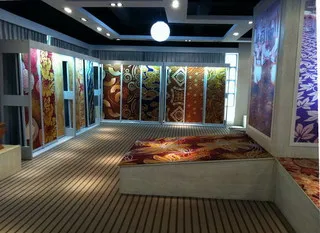
Shenzhen Better Carpet Manufacturing Factory
- Manufacturer
- Guangdong Province, China
- Lead time20 days
- Avg. response≤ 4h
Main productscarpet,axminster carpet,hotel carpet,woven axminster carpet,tufted carpet
Main marketsNorth America(25.00%), South Asia(15.00%), Oceania(15.00%), Western Europe(10.00%), Southeast Asia(10.00%), Africa(5.00%), Eastern Asia(5.00%), Eastern Europe(5.00%), South America(5.00%), Northern Europe(2.00%), Domestic Market(1.00%), Central America(1.00%), Mid East(1.00%)
Ningbo Latam International Trade Co., Ltd.
- Verified by Intertek
- Trading Company
- Lead time45 days
- Avg. response≤ 2h
Main productsCurtain, Shower Curtain, Cushion, Bed Sheet Set, Mat
Main marketsNorth America(35%), South America(35%), Central America(15%)

Jinan Laiwu Hengcheng Carpet Co., Ltd.
- Verified by SGS
- Combined
- China Shandong
- Lead time15 days
- Avg. response≤ 7h
Main marketsSouth America,Southeast Asia/ Mideast,East Asia(Japan/ South Korea)
Pujiang Chakme Commodity Co., Ltd.
- Verified by SGS Group
- Manufacturer, Trading Company
- Lead time15 days
- Avg. response≤ 4h
Main productsBath Mat, Area Rug, Kitchen Mat, Prayer Mat, Carpet
Main marketsDomestic Market(37%), Mid East(12%), North America(10%)





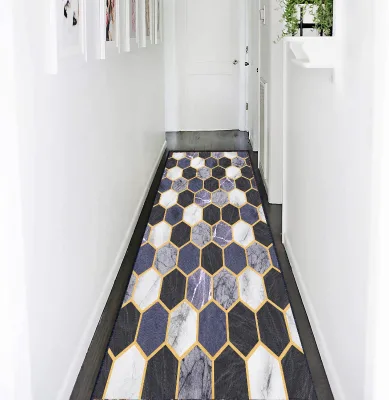
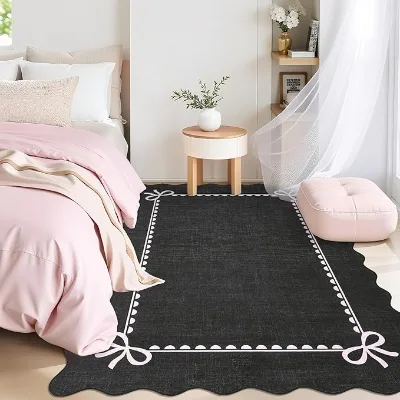
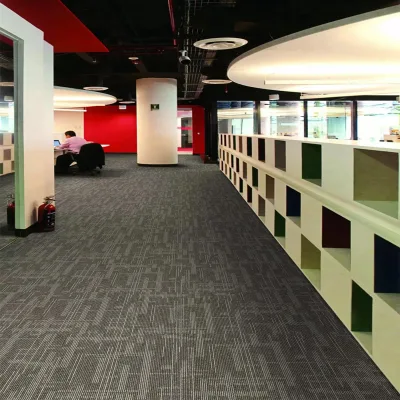
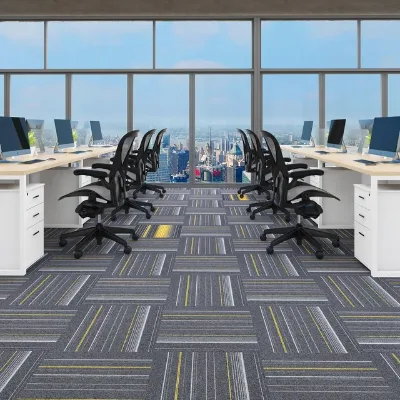


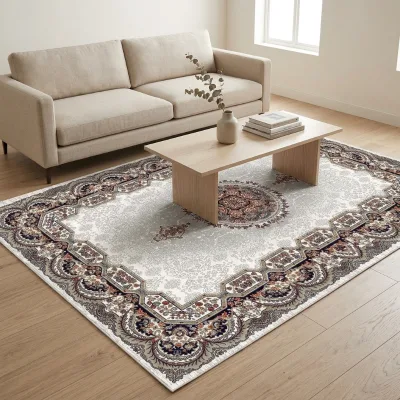
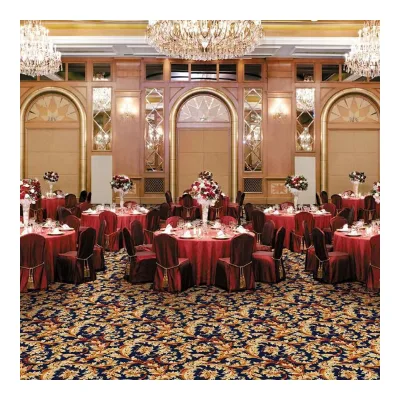


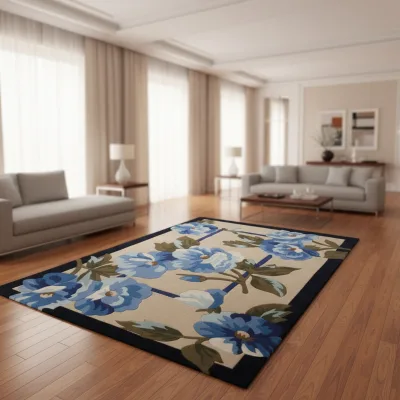
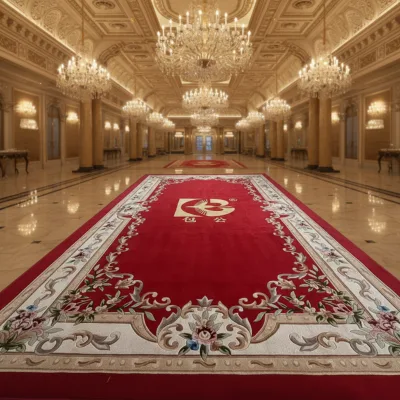


Comprehensive Sourcing Guide
Vietnam Carpet Supplier Concentration and Factory Types
Buyers searching for Vietnam Carpet suppliers will encounter a mixed marketplace: some results genuinely reflect Vietnamese manufacturing, while many listings are exporters based in China — for example, suppliers located in Guangdong and Tianjin — marketing carpets to Vietnamese buyers or under Vietnam-related keywords. Before shortlisting, check each company's stated location and origin attributes rather than assuming the keyword matches the factory address. Product pages often display a "place of origin" field alongside the model number and packing details, and this is the fastest way to see whether a "Vietnam Carpet" result is produced locally or shipped cross-border.
Factory types also vary widely. Common supplier labels include combined companies, and manufacturer-plus-trading-company structures, each with different implications for quality control and pricing. Main product lines in this category typically span carpets, rugs, wool carpets and rugs, carpet tiles, wall-to-wall carpet, commercial and hotel carpet, tufted and woven carpets, printed carpets, faux fur rugs and bath rugs. A supplier concentrating on hotel and commercial carpet will have different equipment and minimums than one focused on shaggy rugs or bath mats. When a location is not clearly stated, do not guess: ask the supplier directly for the factory address and registration documents, then cross-check the answer against the listing's origin field and business license before investing time in sampling.
How to Verify Vietnam Carpet Suppliers
Verification should begin with third-party inspection status. Some suppliers in this category display platform verification from bodies such as BV (Bureau Veritas) or TÜV Rheinland; these labels indicate that a company's legal existence and basic credentials were reviewed, but they are not quality certifications for the carpets themselves. Treat them as a screening layer, then verify deeper: request the business license, confirm the registered scope covers carpet or textile manufacturing, and compare the license address with the factory address given in quotations.
Next, validate capability claims against evidence on the listing. Several suppliers state ODM and OEM capacity, or list sample processing, graphic processing and customized-on-demand services; ask which of these applies to your project and request proof, such as previous custom tooling, jacquard or hand-tufted samples, or a sample run. Where a supplier displays a measurable service metric — such as an average response time around three to four hours — note it, but test it yourself with a technical question and see whether the answer quality matches the speed. Finally, verify production claims on-site or through an inspection agent: confirm the looms, tufting lines or printing equipment exist, watch a production run of your specification, and confirm packing methods (plastic or pp bag packing is common in this category) match what was quoted. Never accept a factory tour video as a substitute for an independent check, because trading companies frequently present partner factories as their own production lines.
What to Compare Across Vietnam Carpet Suppliers
Build a comparison table from the attributes suppliers actually display, without assuming every company publishes all of them. Useful dimensions include lead time — listings in this category range from around 15 days to about 50 days, a difference large enough to reshape your inventory planning — minimum order quantity, where one listing shows an MOQ of 100 pieces and another as low as 6 pieces, average response time, company type, verification status and stated main products. Price ranges also matter: quoted product prices on current listings span roughly the 20–80 dollar band depending on material, technics and size, so normalize quotes to the same size and construction before comparing.
Beyond the labels, compare the product attributes themselves. Listings reveal thickness values such as 10mm, 13mm, or 0.8–8mm, pile heights, material composition (chemical fiber, polyester, wool), technics (jacquard, hand-made, knitting, machine-made thermal transfer print), anti-slip or washable features, and available standard sizes such as 160×230cm and 200×300cm. Customization availability, packing format and origin are equally comparable. Weight the comparison by your use case: hotel carpet buyers should prioritize durability specifications and commercial references, while residential rug buyers may care more about design libraries and smaller MOQs. Score each supplier on the same criteria and keep the table updated, because response times and lead times change with seasonal capacity.
Common Vietnam Carpet Sourcing Risks
The first risk is keyword-versus-origin mismatch: a "Vietnam Carpet" search can surface suppliers whose product origin is Guangdong or Tianjin in China. If domestic Vietnamese content matters for your tariff position or brand story, confirm origin documentation, because the listing keyword alone proves nothing about where goods are woven. Related to this is the trading-company risk — companies combining manufacturing with trading, or acting purely as intermediaries, may quote lead times they do not control, so pin down who owns the production line.
The second cluster of risks sits in specification drift. Listings advertise customization, but "colour: customized" and "any size" promises need written confirmation of dye lots, size tolerances, and pile-height tolerances before the deposit. Hand-made and hand-tufted carpets carry natural variation between pieces; agree on an acceptable variation band and reference samples signed by both parties. Packing is another quiet failure point: plastic or pp-bag packing with sewn-in labels is standard, but compressed bales, moisture exposure in sea freight, and label errors can trigger claims at destination. Finally, beware of unverifiable claims — if a listing shows no verification badge, no origin field, or refuses to provide a license, treat the supplier as unproven. Escrow-style payment protection, where displayed on the platform, reduces payment risk but does not replace inspection, so budget for a pre-shipment check on the first order.
Vietnam Carpet Regional Sourcing and Logistics
Regional mapping should be evidence-led. In current results, Guangdong in China appears as a supplier location, with one product origin stated as Foshan City, Guangdong Province — a detail worth noting because it confirms a documented carpet-producing area within the listings. Tianjin also appears as a stated place of origin for printed polyester carpets. Where a supplier does not disclose a region, buyers should identify clusters independently: ask for the factory address, check which province the business license is registered in, and look at whether the supplier's machine list matches a weaving, tufting or printing cluster. Do not assume a Vietnamese-facing keyword implies Vietnamese production.
Logistics planning follows from the confirmed origin. Suppliers quoting lead times of roughly 15 days versus 50 days are effectively offering different logistics realities: the shorter lead time may suit air-freighted sample or small repeat orders, while the longer window reflects machine-made or made-to-order production that must be planned against sea freight schedules. Confirm Incoterms early, because a cross-border shipment from a Chinese cluster to Vietnam, or onward to your market, changes cost structure significantly versus direct factory loading. Ask about single-package dimensions and gross weight — one listing shows a 110×15×15cm package at 2.0kg gross — so you can calculate container fill and freight per square meter before committing. Always verify export experience to your specific destination market.
Vietnam Carpet Commercial Terms and Order Planning
Order planning starts with matching MOQ to your sell-through. Displayed MOQs in this category range from 6 pieces on a wool-blend listing to 100 pieces on a jacquard rug listing, and customized colours or sizes may carry different minimums than the published stock designs. Confirm whether the MOQ applies per design, per colour, or per order, because this single question often separates a viable supplier from an impossible one. Pair the MOQ discussion with the price band: listings show ranges such as 20–25 dollars, 35–40 dollars, and 30–80 dollars, so request quotations at your exact size, thickness and material before comparing suppliers on cost.
Payment and milestone structure should reflect supplier risk. Use platform escrow where available for early orders, split payments against inspection milestones, and avoid full prepayment with unverified trading companies. Lead-time commitments of 15 to 50 days should be written into the proforma invoice with a defined start point — deposit receipt, sample approval, or material readiness — because suppliers count days differently. Plan reorders around stated capacity: if a supplier lists ODM/OEM capability, reserve production slots for peak season in advance. Finally, align trial orders with your verification plan: a first order small enough to limit exposure but large enough to justify pre-shipment inspection gives you the cleanest read on whether the supplier can repeat the quality shown in samples.
FAQs
What is the typical lead time for carpet orders?
The typical lead time for carpet orders is 15 days for some suppliers, while others may require up to 50 days. Buyers should confirm the specific timeline with the supplier before placing an order to ensure it aligns with their project schedule and delivery requirements.
What is the minimum order quantity for rugs?
The minimum order quantity varies by supplier, with some requiring as few as 100 units and others accepting orders as low as 6 pieces. Buyers should check the specific MOQ listed for each product to determine the best fit for their purchasing volume and budget constraints.
Are these carpets suitable for hotel use?
Yes, many listed carpets are explicitly designed for hotel use, alongside home and commercial applications. Features like anti-slip properties and durable materials make them ideal for high-traffic areas. Buyers can find options tailored for prayer rooms, lobbies, and guest rooms with various design styles.
What materials are commonly used in these rugs?
Common materials include chemical fiber, polyester, acrylic, and wool. Some rugs are made from 100% polyester with low pile heights, while others feature wool or blended fibers. Buyers can choose based on desired texture, durability, and specific application needs for residential or commercial spaces.
What is the price range for area rugs?
The price range for area rugs typically starts from $20.00 up to $80.00 per unit, depending on size, material, and customization. Buyers can find budget-friendly options as well as premium designs. Prices are subject to change based on order quantity and specific product specifications.
Can I customize the design of the carpets?
Yes, customization is available for many carpet products, including custom colors, sizes, and designs. Suppliers offer OEM and ODM services to meet specific requirements. Buyers can request tailored patterns or branding to align with their interior design themes or corporate identity needs.